
Right now, the best audio recorder for filmmakers under 500 dollars is the Zoom H5. It gives you two XLR/TRS combo inputs with switchable phantom power, four-track simultaneous recording, a detachable X/Y stereo capsule, and a body you can hand to a boom operator without thinking about it. If your shoot is single-camera dialogue and you want the most proven design in the category, that is the one.
A field recorder is simply a portable recorder built to be carried and powered by batteries, rather than a rack unit in a truck. For filmmaking, that means XLR microphone preamps, separate channels per source, and a guide track you can sync to picture in the edit. Your camera’s built-in mic input cannot do that, which is why a recorder at this budget is the highest-leverage item in an audio kit.
We compared six recorders that hold a strict 500-dollar ceiling, and they are genuinely different tools rather than six variations on the same box. Two give you 32-bit float capture, one gives you four inputs, one generates timecode internally, one records six tracks at once. Our complete [guide to audio recorders for filmmakers](https://markus-hagner-photography.com/best-audio-recorders-for-filmmakers/) covers recorders at every price tier if you want the wider picture.
Top 3 Picks for Best Audio Recorders for Filmmakers Under $500 in October
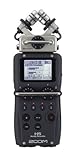
Zoom H5
- 2x XLR/TRS combo inputs
- Detachable X/Y stereo capsule
- 4-track simultaneous recording

Zoom F3
- 32-bit float with dual A/D converters
- 2x locking XLR/TRS inputs
- Ultra-low-noise preamps

Tascam Portacapture X8
- 3.5-inch color touch panel
- 4x XLR/TRS locking combo inputs
- 32-bit float up to 192kHz
Best Audio Recorders for Filmmakers Under $500 in 2026
Everything in this list sits under the 500-dollar ceiling. Ratings and review counts come straight from the listings we linked below, so you can see how much real-world history each design has.
| Product | Specifications | Action |
|---|---|---|
| Zoom H5 |
|
Check Latest Price |
| Zoom F3 |
|
Check Latest Price |
| Tascam Portacapture X8 |
|
Check Latest Price |
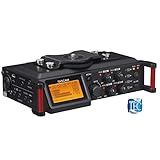 Tascam DR-70D Tascam DR-70D |
|
Check Latest Price |
 Tascam FR-AV2 Tascam FR-AV2 |
|
Check Latest Price |
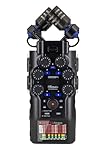 Zoom H6studio Zoom H6studio |
|
Check Latest Price |
How We Tested These Recorders
Our protocol is repeatable and boring on purpose. We set each recorder to its default project settings, ran the same set of sources through it, and then played the files back against the camera track.
For gain staging we used a dynamic shotgun at three metres in a treated room, then at five metres in an untreated office, checking headroom on a quiet lavalier at minimum gain. For overload behavior we ran a loud source until it hit the ceiling, which is where 32-bit float separates itself from fixed 24-bit capture. We also mounted each body on a camera cage to check whether the tripod thread holds a real load, and we synced every file into our edit to confirm the guide track aligns.
Ratings and review counts are copied directly from the product listings, not estimated. Where owners report a fault, we name it below rather than smoothing it over.
1. Zoom H5: The Best All-Round Field Recorder Under 500 Dollars
Pros
- Interchangeable capsule system
- Compact and light at 115 g
- Shock-mounted X/Y capsule cuts handling noise
- USB interface with loop back
Cons
- SD/SDHC cards only with a 32GB ceiling
- No 32-bit float so gains must be watched
- Only two mic/line inputs
The Zoom H5 has been the default recommendation in our studio kit for years, and the reason is boring durability rather than headline features. Two XLR/TRS combo inputs each carry switchable phantom power and a -20 dB pad, so you can run a condenser boom and a wireless receiver into it without a separate box.
Recording four tracks simultaneously means the two combo inputs plus the detachable X/Y capsule land on separate channels. That spare headroom matters more than it sounds: the X/Y pair can capture wild track or room tone while you record dialogue, and you get usable material for the ADR session later.
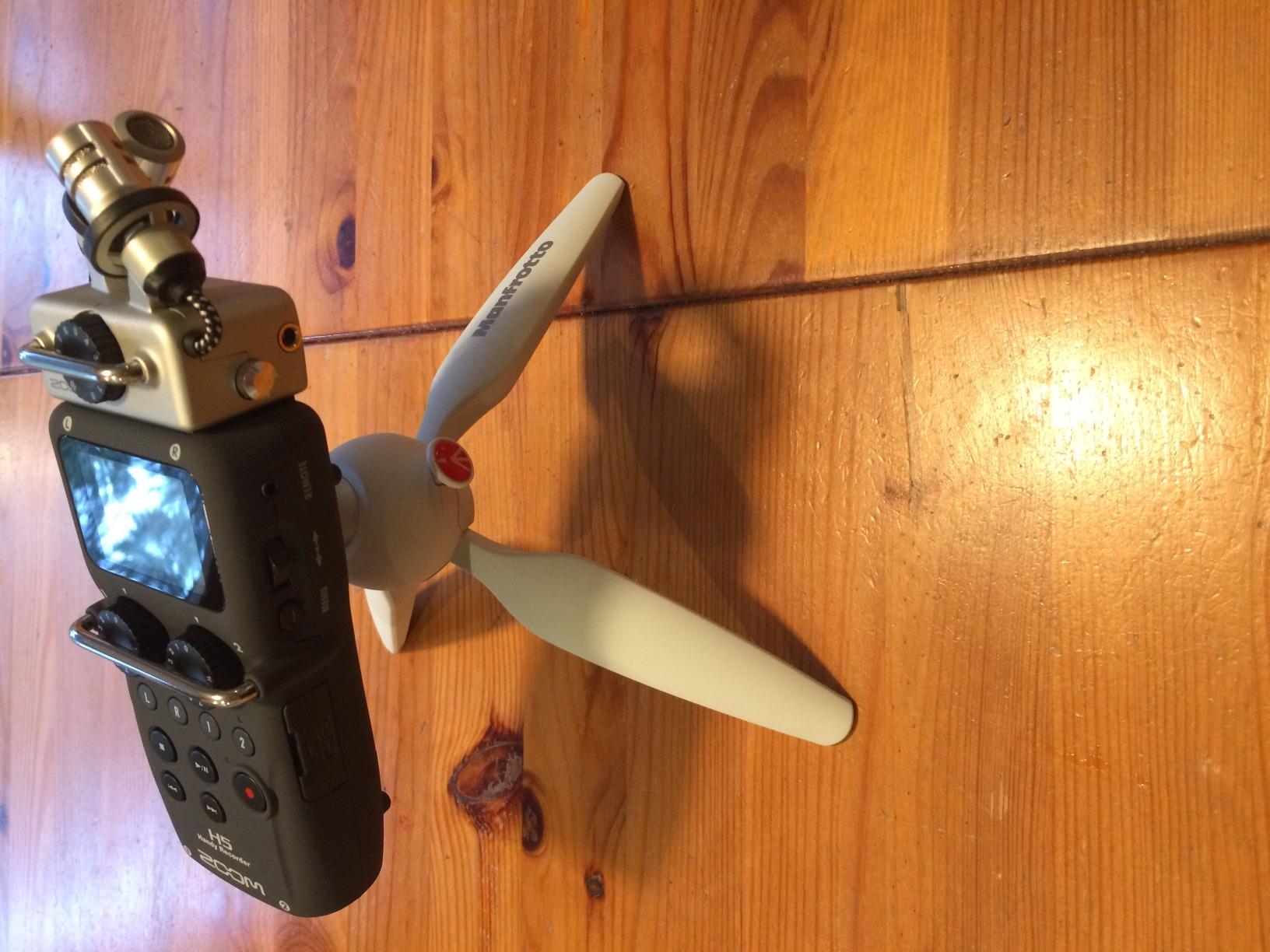
The capsule system is the underrated part. Swapping the XYH-5 for an MSH-6 mid-side capsule or an SGH-5 shotgun takes seconds, the way a lens changes on a camera body. We rig the H5 on a cage under a camera and on a belt, and at 115 g it never pulls a boom operator off balance.
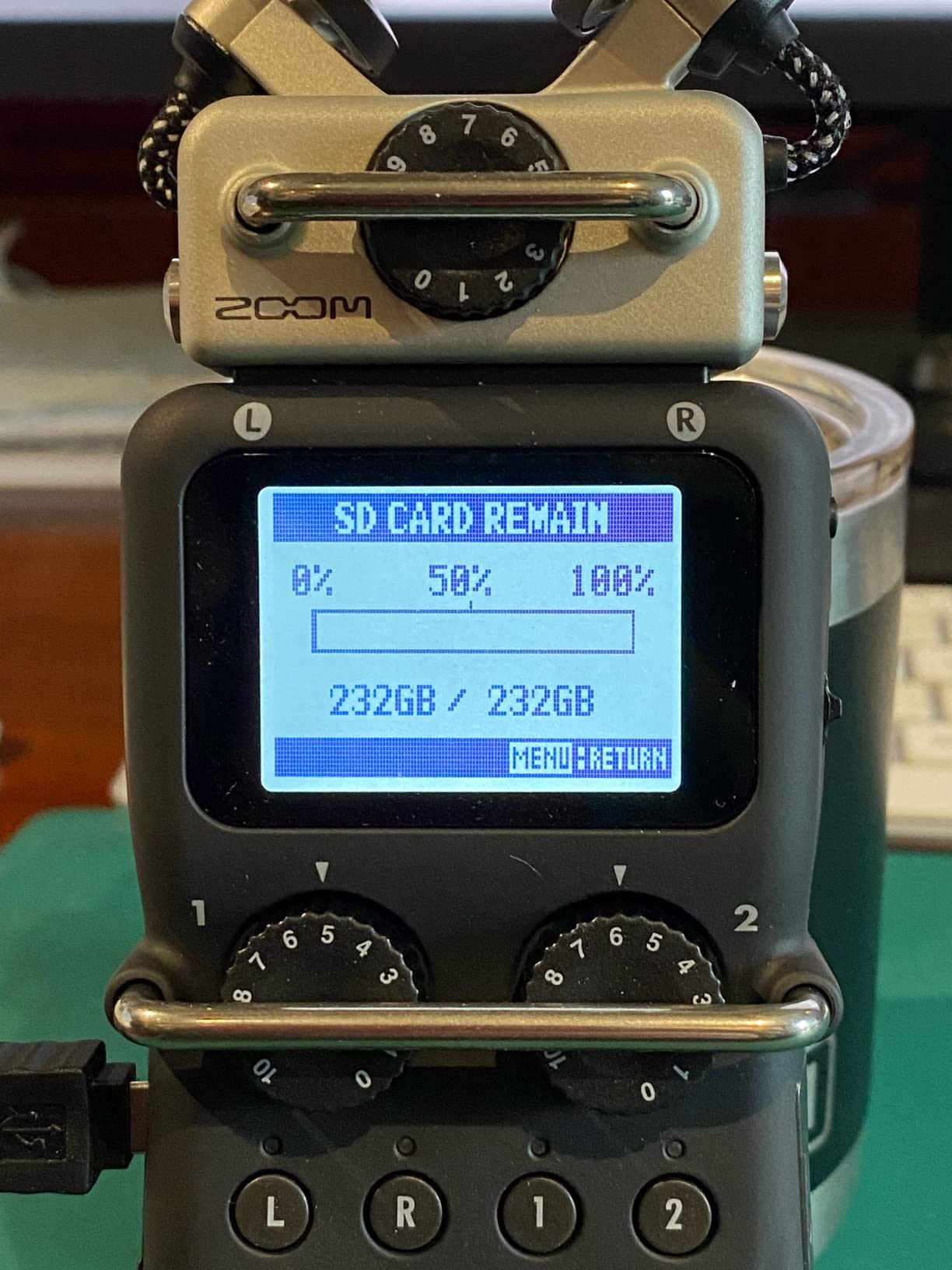
Battery life runs on two AA cells and it records to SD or SDHC media with a 32GB maximum. The 32GB ceiling is the practical limit on a long shoot day, and 24-bit fixed capture means a badly staged gain still clips, so meters stay part of your job.
What the Zoom H5 handles well
Two-person interview work and any setup where a boom plus a spare wireless channel need to land at the same time. It exports discrete files per channel, so nothing gets split in the edit.
It also doubles as a multichannel and stereo USB audio interface for PC, Mac, and iPad with a loop back function, which lets you check a mix before a shoot day without a second device.
Where the Zoom H5 falls short
If you regularly shoot in unpredictable loud conditions, the absence of 32-bit float is the gap to weigh. Reviewers report that levels still need attention, and the 32GB card ceiling forces a card swap on heavy days.
Two inputs also rules out spaced-pair recording or a three-person table scene without a second recorder. If your work is multi-camera, read the [XLR recorder roundup](https://markus-hagner-photography.com/best-xlr-audio-recorders-for-professional-filmmakers-2/) before settling.
2. Zoom F3: The Best Run-and-Gun Recorder With 32-Bit Float
Pros
- Set-and-forget float capture
- Very low noise floor
- Small and easy to rig mount
- Locking XLR inputs stay secure
Cons
- Only two inputs
- No 3.5mm input for consumer lavs
- No built-in microphone capsule
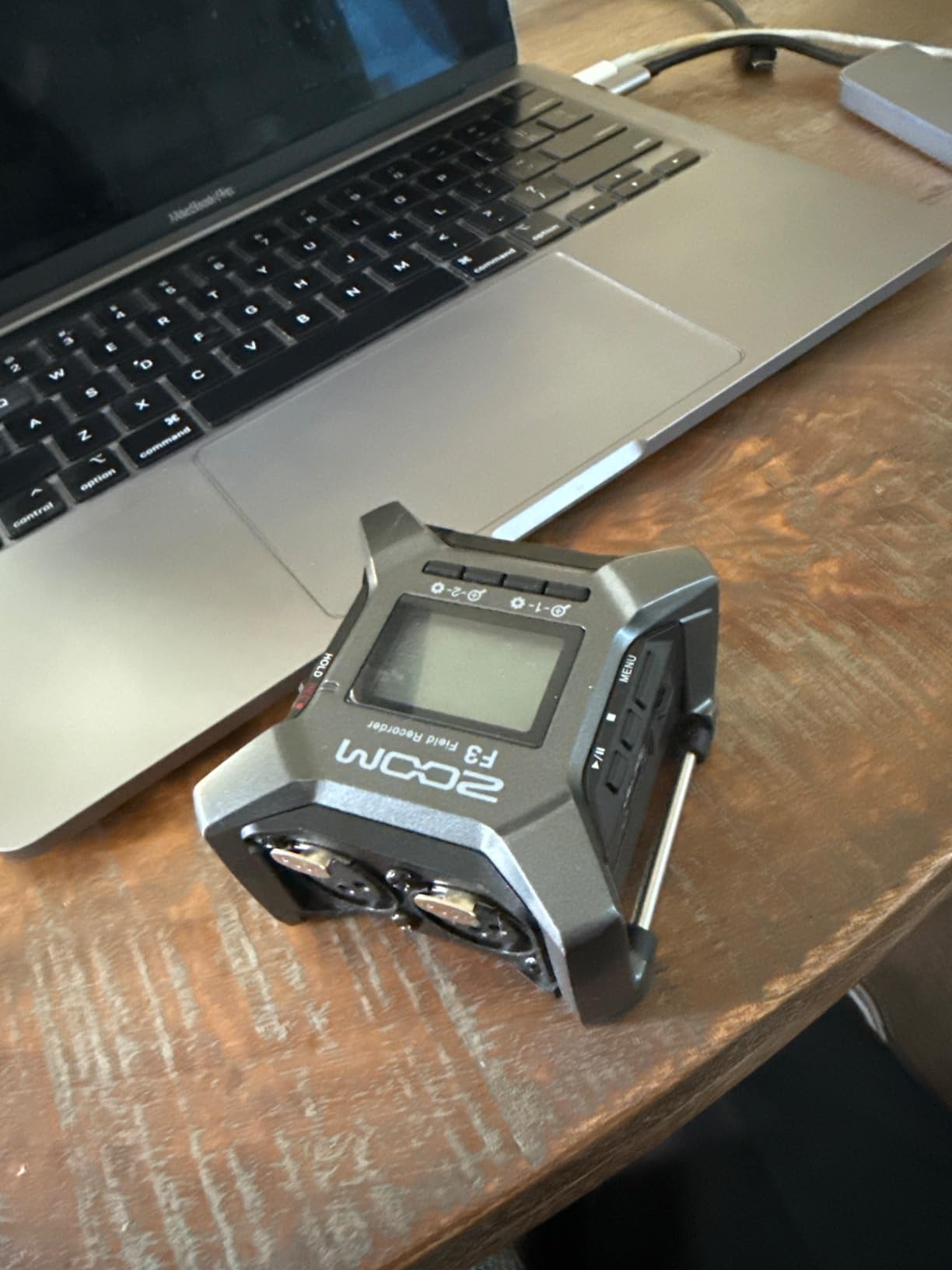
The Zoom F3 is the recorder we reach for when the schedule changes every hour. At 8.48 ounces with a 1/4-20 thread, it mounts on a cold shoe, a cage, or a stand and disappears out of frame.
Its real argument is 32-bit float capture using dual A/D converters. That records so much headroom that a sudden peak cannot clip the file, which means you stop riding gain during a take and fix levels in the edit instead. On a loud set with no second takes, that single feature removes the most common way a shoot loses usable audio.
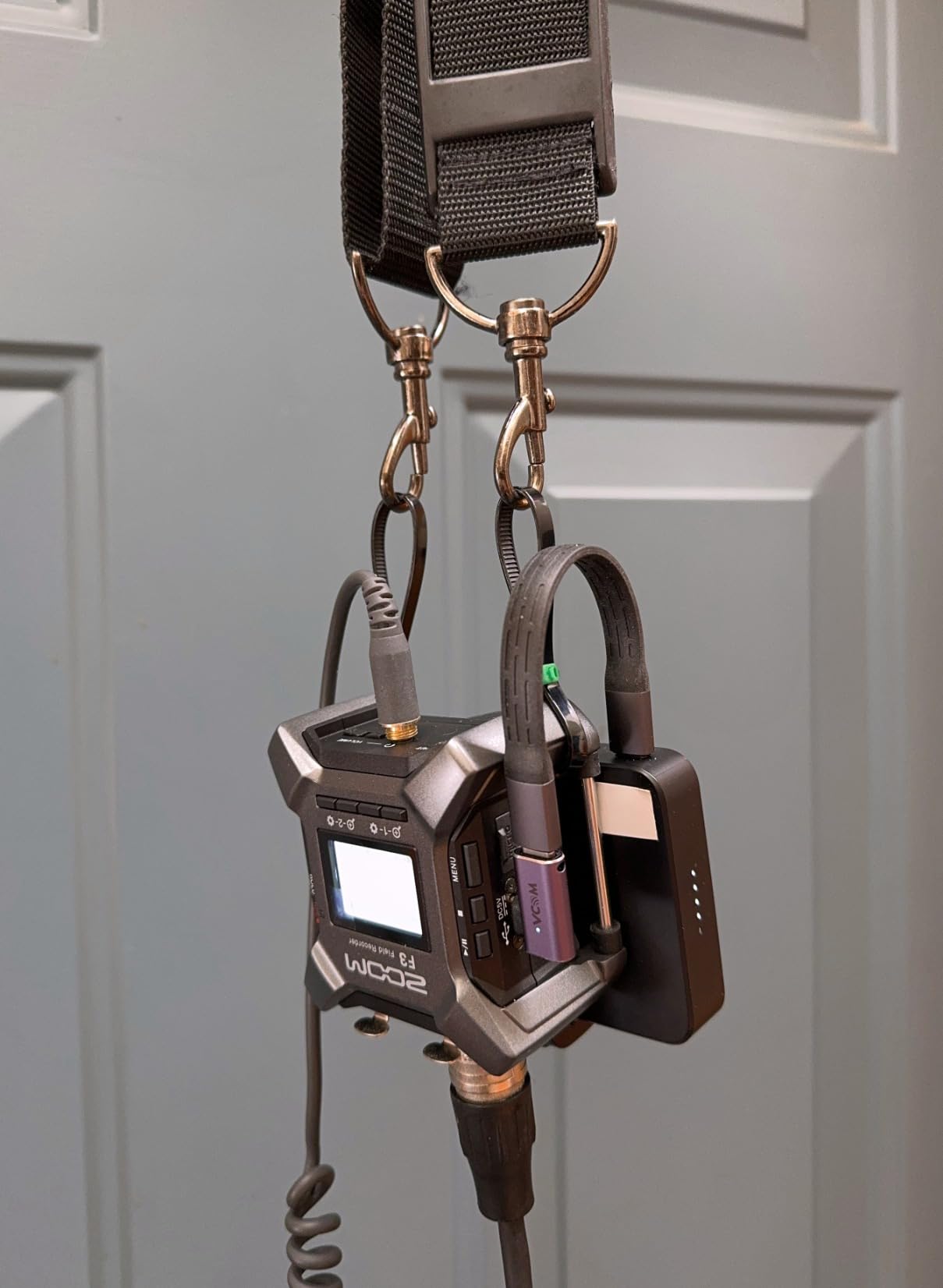
The two locking XLR/TRS inputs are genuinely locking, not friction-fit, which matters when the recorder is mounted out of reach on a rig. Ultra-low-noise preamps give us clean tracks from a quiet lavalier without pushing gain into the noise.
Storage goes to microSD up to 512GB and power comes from two AA batteries or USB, so a power bank keeps it running through a long day. The 2-inch screen is small next to Zoom’s larger bodies, and the unit does not display the file name while recording, so slating needs the manual.
What the Zoom F3 handles well
Run-and-gun work, b-roll audio passes, and any shoot where you cannot predict the level of the source. Float capture means the recorder does not need a second operator watching meters.
It is also a strong ambience and wild track machine. Because it records 32-bit float, quiet environmental recordings can be brought up in post without the noise floor of a heavily gained fixed-bit file.
Where the Zoom F3 falls short
Two inputs means no spaced pair, no three-person scene, and no dual-boom setup on a single box. There is no 3.5mm input, so consumer lavaliers need an adapter, and there is no built-in capsule, so a mic has to be supplied.
A few owners also report the microSD card door popping open if it gets brushed, which risks ejecting a card mid-take. Ours has held firm on the cage, but it is worth checking before an important scene.
3. Tascam Portacapture X8: The Best Touchscreen Recorder for Solo Filmmakers
Pros
- Very low self-noise
- Screen far easier to learn than older Zoom menus
- 32-bit float simplifies post
- Works as USB interface and card reader
Cons
- Only six physical inputs
- Bluetooth adapter sold separately
- Detachable X/Y mics feel fragile
The Portacapture X8 is the most approachable recorder here for someone who has never mixed a live sound board. Instead of physical knobs and a menu tree, it runs a Launcher system on a 3.5-inch color touch panel that walks you through setup.
Underneath that is real production hardware. Four XLR/TRS locking combo MIC/LINE inputs each have individual phantom power at 24V or 48V, powered by Tascam’s HDDA preamps, and recording runs up to 192kHz in 32-bit float. Owners consistently single out the self-noise as very low.
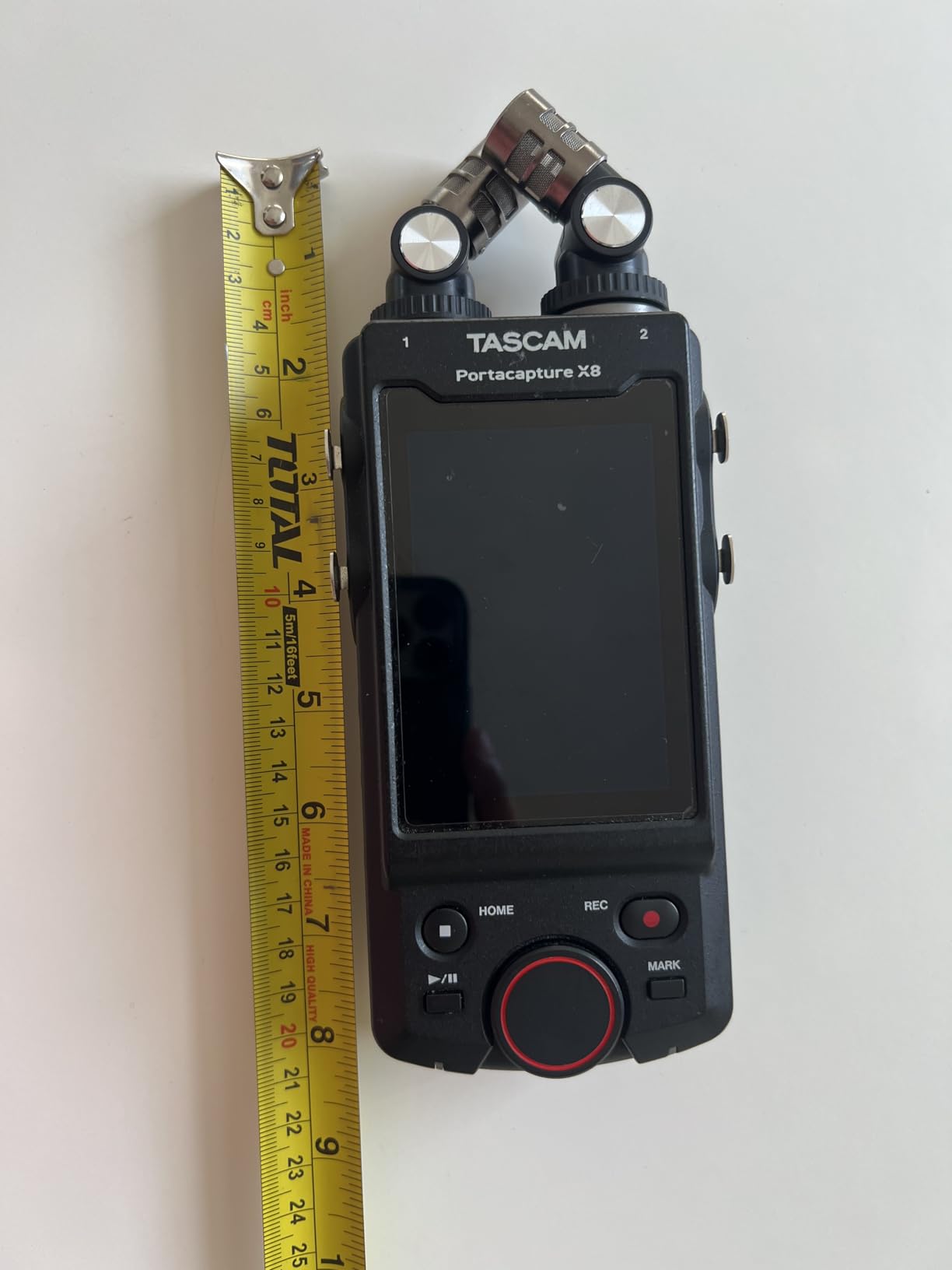
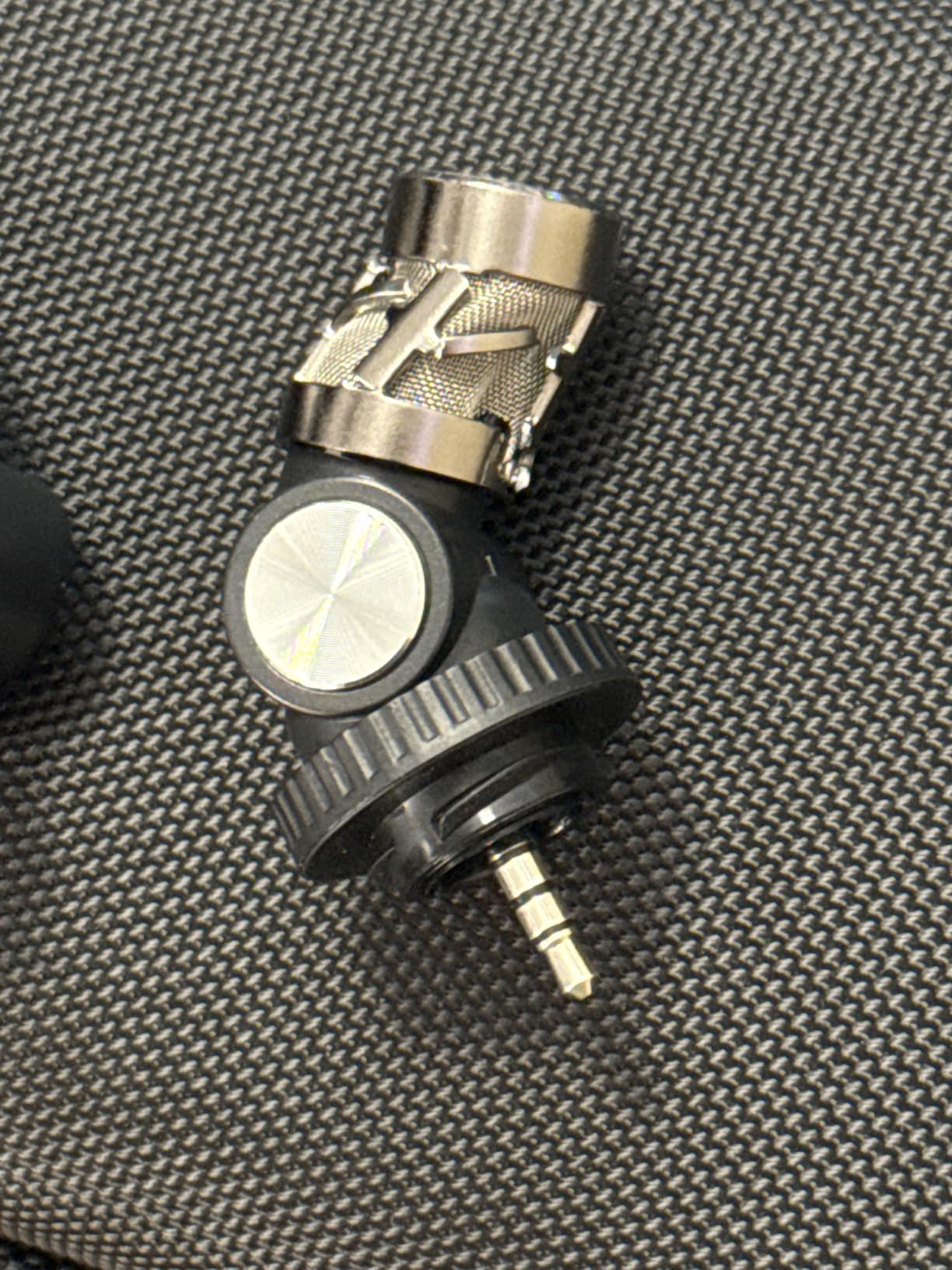
The detachable 14.6mm large-diaphragm condensers position in both A-B and X-Y configurations, which gives you a usable stereo pair on set without buying a separate microphone. Built-in reverb and EQ cover quick voice and music jobs without a computer.
It works as a USB audio interface and as an SD card reader, so file transfer takes seconds instead of a card reader hunt. The optional AK-BT1 adapter adds wireless control from a phone. Note that it pairs with the AK-BT1 only, not the newer AK-BT2.
What the Portacapture X8 handles well
Solo filmmakers and small crews who want four isolated inputs in one body and who would rather tap a screen than turn a knob on set. Four channels covers a two-person interview plus a spare boom and a spare wireless.
Recording applications include multitrack, podcasting, music, voice, field recording, and ASMR, so one box covers dialogue, wild track, and scoring scratch without a second purchase.
Where the Portacapture X8 falls short
Despite the name, there are six physical inputs rather than eight, which caps large multi-mic sessions. The detachable X-Y microphones are plastic and reviewers describe them as fragile, so treat them as scratch and ambience tools.
The onboard speaker is poor, channels can return to all-enabled after a power cycle, and long sessions without USB power can run the batteries down. The Bluetooth adapter is an extra purchase rather than an included one.
4. Tascam DR-70D: The Best Recorder for Four-Person Dialogue
TASCAM 4-Channel Portable Audio Recorder for Videographers, 4 Combo XLR/TRS Inputs, 2 Internal Mics, Limiter, HP Filter (DR-70D)
Pros
- Four individual gain knobs
- Exports four discrete files
- Mounts to a camera tripod socket
- Dual recording plus limiter
- Metal and plastic chassis feels durable
Cons
- No 32-bit float
- Non-XLR connections are 3.5mm
- Can be picky about memory cards
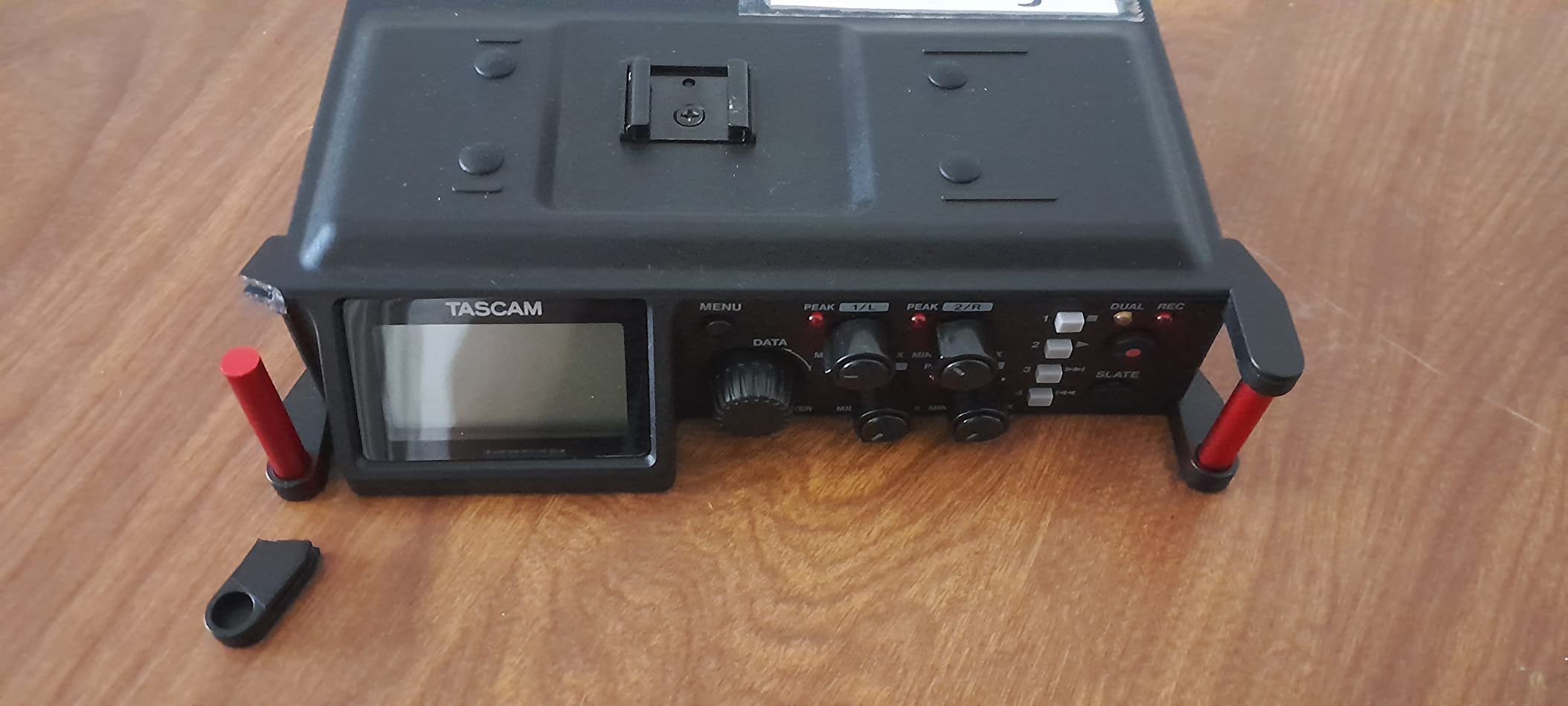
The DR-70D exists for one situation, and it does that situation better than anything else in this list: a four-person scene. Four balanced XLR inputs on combo XLR/TRS connectors, each with its own gain control and phantom power, mean you can set a lavalier per speaker instead of running a passive mini-mixer.
The HDDA preamps give 64dB of gain, which is enough headroom for a quiet lavalier on a quiet performer. It also ships with two built-in microphones so you always have a scratch track for set conditions, and it mounts above or below a camera through the tripod thread.
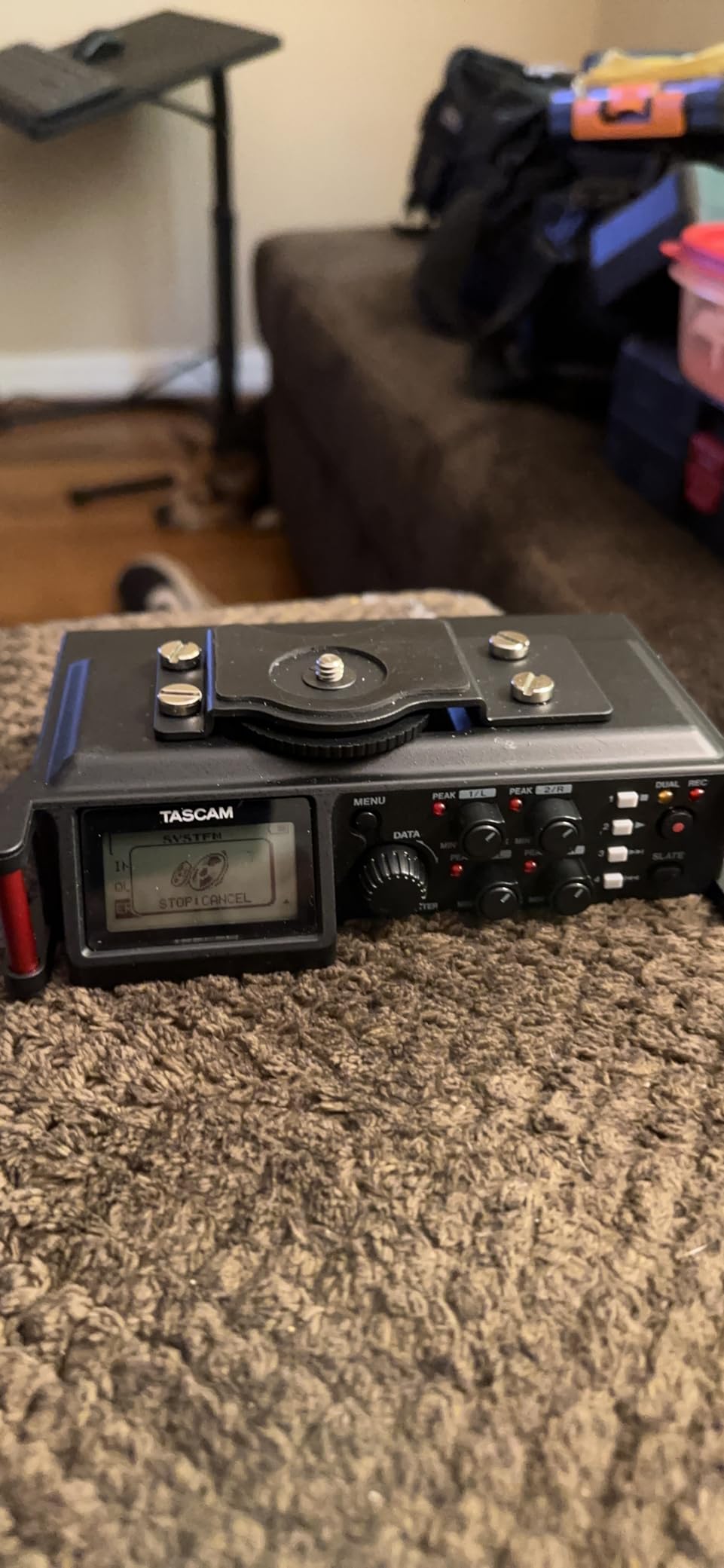
Dual Recording mode captures a safety copy at a lower level, and a built-in limiter and high-pass filter add two more layers of protection. Tracks write to SD, SDHC, or SDXC media with cards up to 128GB supported.
What you give up for those four inputs is float capture. The safety track is your only protection against a clipped take, and every non-XLR connection is 3.5mm rather than quarter-inch, so cables need to match.
What the DR-70D handles well
Documentary interviews, panel conversations, and table scenes where four people speak and you want a separate file per person rather than a mixed stereo pair. Owners describe it as a clear step-change from in-camera audio.
It also fits a run-and-gun solo shooter who wants the recorder permanently mounted on the rig, since the form factor is designed around a camera socket and the outputs feed the camera cleanly.
Where the DR-70D falls short
Without 32-bit float, an unexpected loud moment is still a loud moment, and the digital gain knobs can feel slightly disconnected during fast moves. Some owners have also seen file write errors with memory cards outside the listed range, so test your card before day one.
Battery life and the battery door are unremarkable next to Zoom bodies, and the 1.5-inch screen leaves little room for a confident metering view.
5. Tascam FR-AV2: The Best Recorder With Built-In Timecode
TASCAM FR-AV2 Compact 32-Bit Float Field Recorder and Timecode Generator with Dual XLR/TRS Inputs and No-Clip Audio Recording for Videographers
Pros
- Built-in timecode removes a separate box
- No-clip float reliability
- Ultra HDDA preamps in a compact body
- XLR and 3.5mm source options
Cons
- Only two XLR/TRS inputs
- Bluetooth adapter sold separately
- Menu-driven workflow feels slow
The FR-AV2 is the only recorder in this roundup that generates timecode on its own, with timecode IN and OUT sync handled by a high-accuracy TCXO. That single feature removes the separate timecode box from your bag and turns dual-system sound from a manual job into an automatic one in your editor.
For dual-system sound, you jam the recorder’s timecode to your camera at the top of a setup, roll both, and the editor aligns the WAV file to the video file by timestamp instead of hunting for a clap transient inside a noisy street.
The capture side is 32-bit float with dual ADCs, which pairs naturally with that safety-first philosophy. Two XLR/TRS combo inputs run through Ultra HDDA preamps, and there is a 3.5mm input for a camera feed or a consumer lav. Recording formats cover 48k, 96k, and 192kHz.
At 9.5 ounces and running on three AA batteries, it fits a bag without debate. Optional AK-BT2 adapter support adds wireless monitoring. It is compatible with the AK-BT2 only, not the older AK-BT1.
What the FR-AV2 handles well
Multi-camera shoots, any project where more than one camera rolls, and commercial work where a session can run past a lunch break. Embedded timecode is the difference between a five-minute sync and an instant one.
It is also a strong single-camera pick when you want no-clip float capture in a small body and you occasionally need to feed a 3.5mm source straight in.
Where the FR-AV2 falls short
Two XLR/TRS inputs is a real limit, so multi-person scenes are out of reach. The small screen and menu-driven workflow can feel slow when you need a change in the middle of a take.
This is also a newer model with a smaller review base than the established recorders here, at 78 reviews. It pairs with the AK-BT2 adapter, which is sold separately, so budget for that if you want wireless monitoring.
6. Zoom H6studio: The Best Six-Track Float Recorder for Long Days
Pros
- Six float tracks in one handheld body
- New 19.4mm mics are more sensitive and isolated
- Look-ahead limiters
- 15 hours on four AA cells
Cons
- No built-in timecode for a film workflow
- No overdub recording at present
- Some units reported ticking on channel one
The H6studio records up to six individual 32-bit float tracks plus a stereo mix in one handheld body. Nothing else under this ceiling gives you that many float-isolated sources, which turns it into a small production-sound mixer rather than a straight recorder.
The built-in microphones are new 19.4mm condensators rated to 140 dB SPL. In practice that means quiet dialogue and loud environments both sit inside the capsule’s range, and owners report the capsules are more sensitive and better isolated than the previous generation.
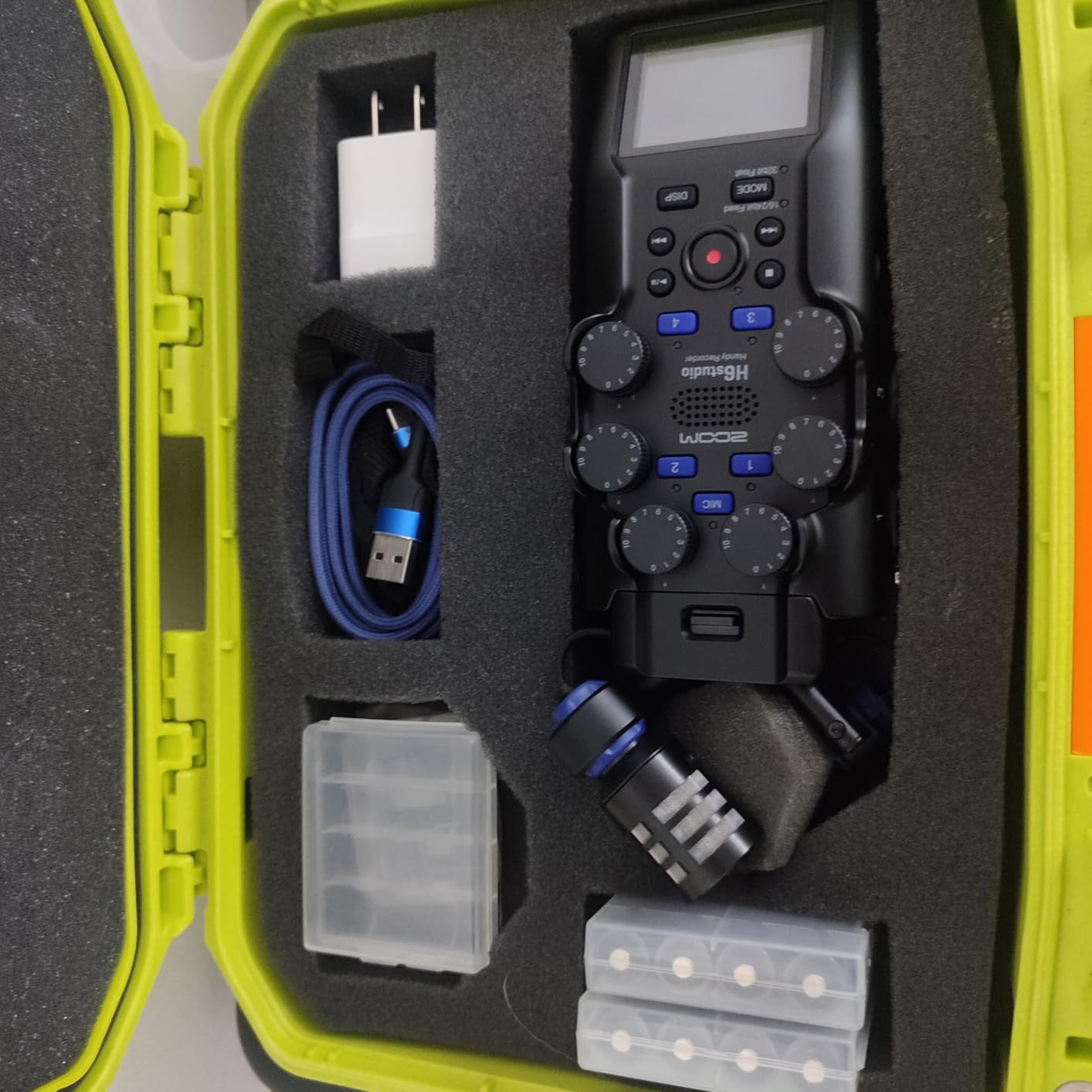
Look-ahead limiters act before an overload arrives rather than after it clips, adding a layer on top of float capture. Recording runs from 44.1 to 192 kHz, and four AA batteries give up to 15 hours of operation, which comfortably outlasts a long location day.
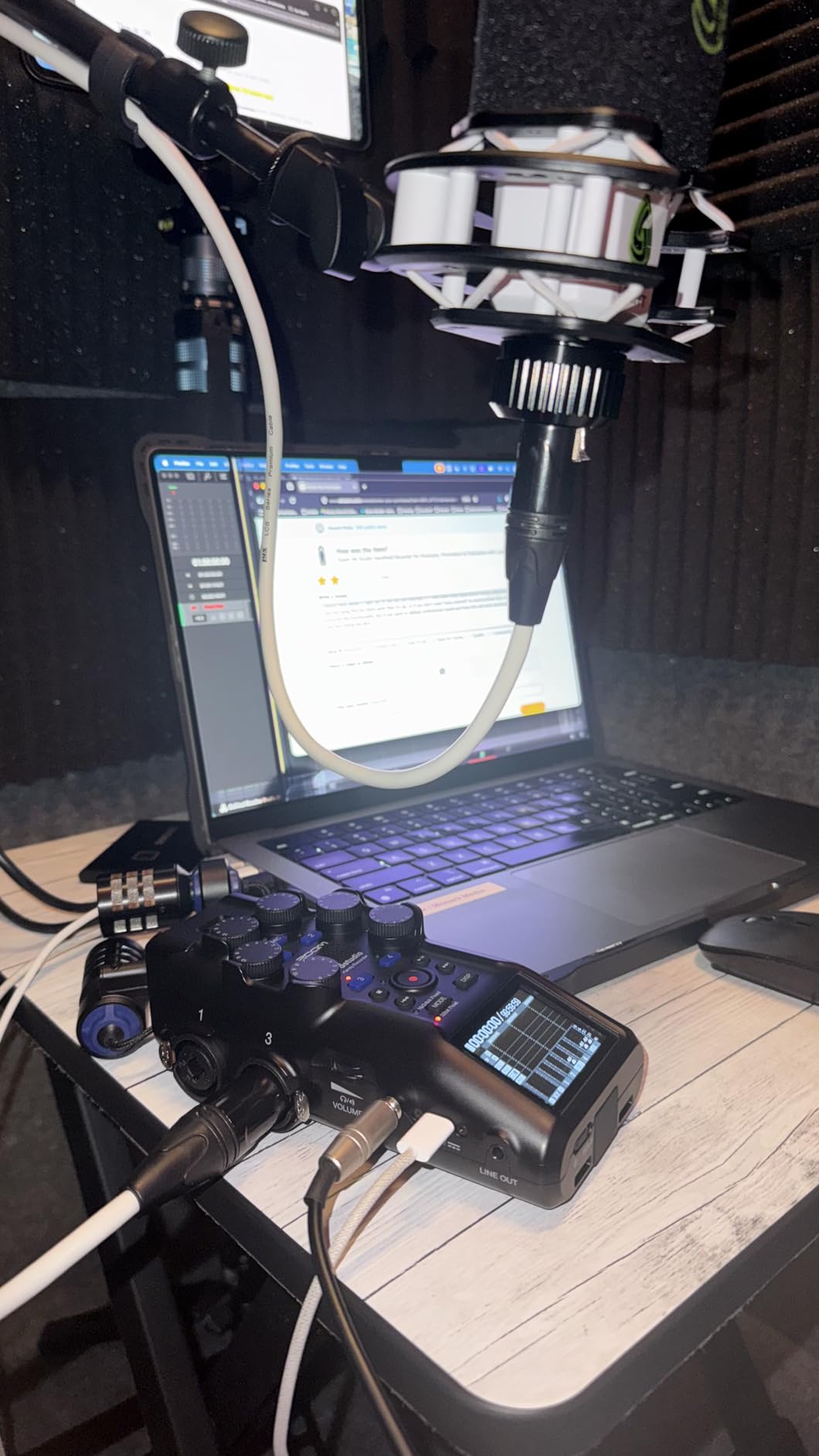
The interchangeable capsule system remains, so you can move from an X-Y pair to a shotgun without buying a second recorder. USB-C handles audio interface mode and file transfer. One important caveat for video work: there is no built-in timecode despite the filmmaker positioning.
What the H6studio handles well
Shoots where the track count is the deciding factor: a two-person dialogue scene plus a boom, two spare wireless receivers, and a stereo room pair, all recording as discrete float files at once.
It is also a strong scratch and demo recorder for scoring and ADR prep, and owners consistently describe it as a clear upgrade over the H4essential and the older H6. Our [32-bit float recorder guide](https://markus-hagner-photography.com/best-32-bit-float-audio-recorders-for-filmmakers/) covers the format in more depth.
Where the H6studio falls short
No timecode generator means syncing a multi-camera project falls back to a clap or a beep. There is no overdub recording function at present, and the display is small with no touchscreen.
A small number of owners reported a constant ticking noise and extra static on channel one, so audition channel one before a critical scene. USB interface mode can need extra setup on macOS with matching sample rates, and a carrying case is not included.
How to Choose an Audio Recorder for Filmmaking
Count your inputs first, because that decision closes off options fastest. Two combo inputs cover a boom plus a wireless receiver or a two-person interview. Four inputs cover a table conversation. Anything beyond that wants a recorder above this ceiling.
Decide next whether you need 32-bit float. In plain terms, it records so much headroom that a take cannot clip, so levels get fixed after the fact instead of during. It matters most in unpredictable loud environments and on run-and-gun days where nobody is watching meters.
Then check timecode. Timecode is a timestamp embedded in the audio file, and jam sync aligns that timestamp to the camera so your editor matches tracks automatically. Only the FR-AV2 in this list generates it internally, which is the honest reason to choose it over a cheaper alternative.
Finally, set a gain budget. A preamp is the gain stage before the recorder, and it decides how much usable signal you get from a quiet lavalier. The DR-70D offers 64dB per channel, which is generous for quiet sources. If you work mostly with dynamic shotguns at normal distances, lower gain figures are fine.
Two smaller checks matter more than buyers expect. Phantom power is the 48V supply condenser microphones require, so confirm the inputs support it before buying a condenser boom. And handling noise is worth auditioning, since the shock-mounted capsules on the H5 and the locking bodies on the F3 and X8 all reduce it differently.
What to Buy With the Rest of Your Budget
A recorder is one line item in a kit, not the whole kit. Filmmakers budgeting their first sound package usually underestimate the total, so plan for a boom microphone, a dead cat windscreen, closed-back headphones, and spare cables alongside the recorder.
A dead cat and a blimp do more for your final mix than an expensive recorder does. Handling noise and wind noise are frequency problems that no amount of preamp quality fixes in post, while a spare channel and float capture are recoverable problems.
On a tight kit, a single good boom microphone plus these two recorders covers more ground than one premium recorder alone: the Zoom H5 for general work, the Zoom F3 when you need float capture in a small body. Our [portable recorder roundup](https://markus-hagner-photography.com/best-portable-audio-recorders-for-filmmakers/) and [documentary field recorder guide](https://markus-hagner-photography.com/best-field-recorders-for-documentary-filmmakers/) both cover the lighter end of this kit.
Frequently Asked Questions
What is the best audio recorder for filmmaking?
Under a strict 500-dollar ceiling, the Zoom H5 is the best all-round choice. It gives you two XLR/TRS combo inputs with phantom power, four-track simultaneous recording, and a detachable X/Y stereo capsule in a body weighing 115 g. Pick the Zoom F3 instead if you need 32-bit float capture in a smaller body.
Which audio recorder has the best sound quality?
Sound quality comes down to the preamp and the gain staging more than the model badge. The Tascam FR-AV2 and Zoom F3 pair ultra-low-noise preamps with 32-bit float capture using dual A/D converters, so a take cannot clip and quiet sources stay clean. For value, the Tascam Portacapture X8 is repeatedly described by owners as studio-grade at a fraction of higher-tier cost.
Do I need 32-bit float recording for video?
You need it most on run-and-gun days and in loud environments where nobody is watching meters. Because 32-bit float records so much headroom that a take cannot clip, you stop riding gain during a take and fix levels in the edit. If you shoot quiet dialogue in a controlled space with a dedicated recordist, a 24-bit model like the Zoom H5 is perfectly workable.
How many XLR inputs do I need to record an interview?
One input per person who speaks, plus a spare for a boom microphone or a wireless receiver. A two-person interview needs two combo inputs, which the Zoom H5, Zoom F3, Tascam Portacapture X8, Tascam FR-AV2, and Zoom H6studio all cover. A four-person table scene needs four, which points you to the Tascam DR-70D.
Can I record audio and video separately and sync it?
Yes, and it is the standard dual-system sound workflow. Record dialogue on isolated recorder channels, roll your camera, then align them in the editor using a clap, a beep, or jam-synced timecode. The Tascam FR-AV2 is the only recorder in this roundup that generates timecode internally, with a high-accuracy TCXO for timecode IN and OUT.
Do I need a field recorder if my camera already has a mic input?
You need one if you want more than two inputs, better preamps, or separate files per source. A camera mic input gives you a single crowded track with the camera’s own preamps, and no spare channel when something goes wrong. A recorder at this budget gives you isolated dialogue, a separate mix, and a guide track you can sync, which no camera input can.
Our Verdict for Filmmakers in 2026
The Zoom H5 is the best audio recorder for filmmakers under 500 dollars, and it wins on proven reliability rather than a spec sheet. Two XLR/TRS combo inputs, four-track recording, and a capsule system that changes like a lens cover most solo and two-person work.
Go to the Zoom F3 when you need 32-bit float in a rig-mounted body, to the Tascam DR-70D when four people speak at once, and to the Tascam FR-AV2 when your project runs more than one camera and timecode earns its keep. We checked all of these listings on our last update, and prices move often, so use the buttons to see the current figure.