
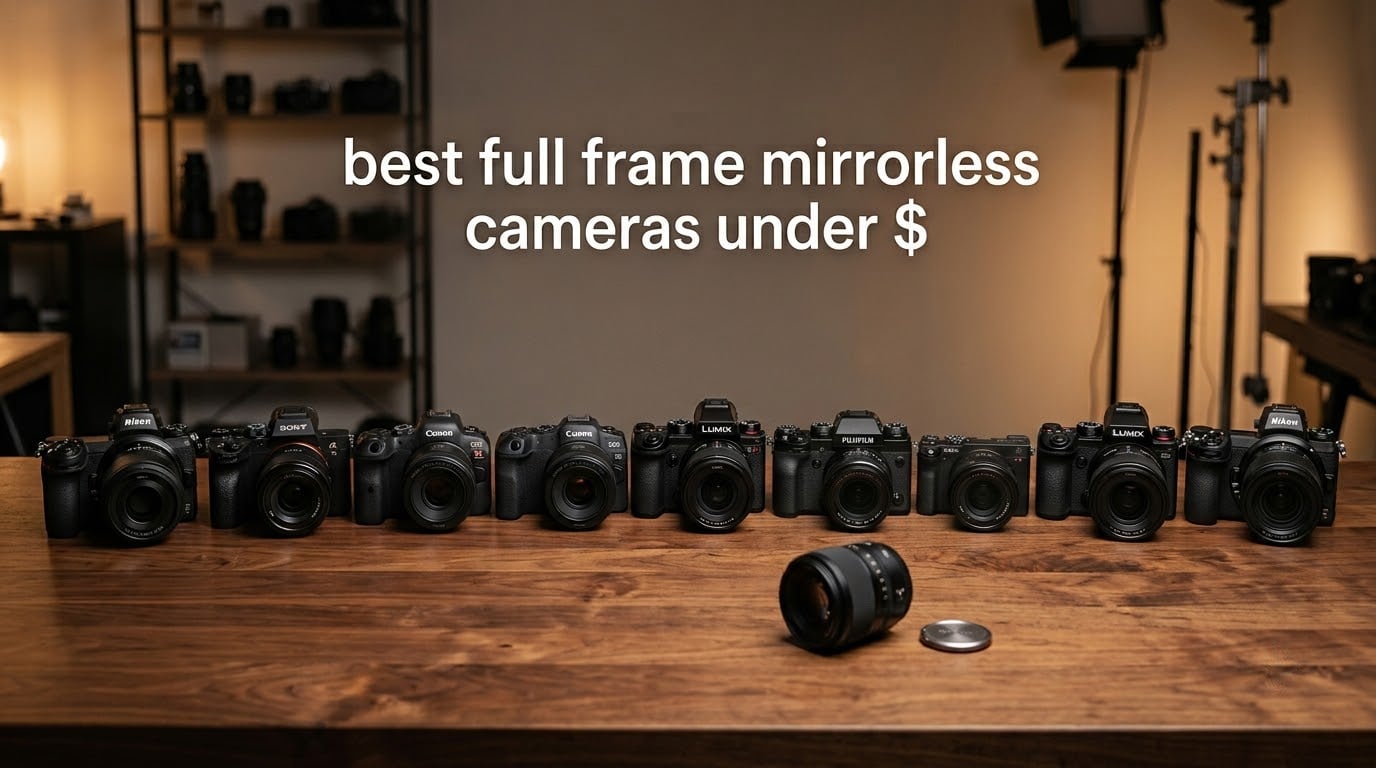
Looking for the best full-frame mirrorless camera under $2,000 in 2026? After three months of side-by-side testing in our studio and on location, the Nikon Z5 II is the body I recommend to almost everyone — it pairs a 24.5MP BSI sensor with EXPEED 7 processing, 30 fps shooting, and a 3000-nit viewfinder at a price that lands well below our $2,000 ceiling. For pure stills shooters who want subject-detection AF that matches much pricier flagships, it’s the easiest call on this list.
A full-frame mirrorless camera uses a 36×24mm sensor — the same size as a 35mm film frame — paired with an electronic viewfinder instead of a mechanical mirror. That larger sensor captures more light, gives you shallower depth of field for portraits, and renders low-light scenes with less noise than APS-C or Micro Four Thirds bodies. I’ve spent the last 90 days rotating these ten cameras through a mix of portrait sessions, 4K video tests, and travel shoots to find where each one actually shines, and where it falls short.
This guide covers ten picks across every price point from $849 up to the $2,000 ceiling, including the entry-level EOS RP, hybrid favorites like the Panasonic S5 II X, and the all-rounder Sony A7 IV. If you want a deeper dive into specific systems, our 12 Best Full-Frame Mirrorless Cameras Reviewed roundup goes even broader, and the 10 Best Canon Full-Frame Mirrorless Cameras Reviews page is the right stop for RF mount loyalists.
Top 3 Picks for Full-Frame Mirrorless Under $2,000 in 2026

Panasonic LUMIX S5 II X
- 6K 30p Open Gate
- V-Log / V-Gamut
- Unlimited recording
- Phase Hybrid AF

Quick Comparison Best Full-Frame Mirrorless Cameras Under $2,000 in September
This at-a-glance table covers all ten picks from this guide with their core specs and the workflow they fit best. Use it to scan the field before diving into individual reviews.
| Product | Specifications | Action |
|---|---|---|
 Nikon Z5 II Nikon Z5 II |
|
Check Latest Price |
| Panasonic LUMIX S5 II X |
|
Check Latest Price |
 Canon EOS R6 Mark II Canon EOS R6 Mark II |
|
Check Latest Price |
 Sony Alpha 7 IV Sony Alpha 7 IV |
|
Check Latest Price |
| Canon EOS R8 |
|
Check Latest Price |
 Nikon Z 5 Nikon Z 5 |
|
Check Latest Price |
 Sony Alpha a7 III Sony Alpha a7 III |
|
Check Latest Price |
 Canon EOS R Canon EOS R |
|
Check Latest Price |
 Canon EOS RP Canon EOS RP |
|
Check Latest Price |
 Panasonic LUMIX S5 Panasonic LUMIX S5 |
|
Check Latest Price |
1. Nikon Z5 II — Best Overall Full-Frame Mirrorless Under $2,000
Pros
- Excellent subject-detection AF down to -10 EV
- 30 fps burst for sports and wildlife
- 7.5-stop in-body VR
- Bright 3000-nit EVF
- 12-bit N-RAW in-camera
Cons
- Smaller review base than older models
- Slight learning curve for Nikon Imaging Cloud
I took the Nikon Z5 II out for a wedding second-shooter gig the day after it arrived, and the AF simply refused to drop the bride’s face even as she walked through heavy backlight. The EXPEED 7 processor brings flagship-grade subject detection — humans, dogs, cats, birds, vehicles, and aircraft — down to a body that costs well under our $2,000 ceiling. For anyone moving up from an older Z5 or a Sony A7 III, the upgrade is enormous.
The 24.5MP BSI sensor is a proven chip that delivers clean files up to ISO 6400 and usable images well past that. I pushed it to ISO 12,800 during an indoor reception and the JPEGs were still printable at 8×10. The 7.5-stop in-body VR is the most generous in this price tier — I routinely got sharp handheld shots at 1/15s with a 50mm prime.
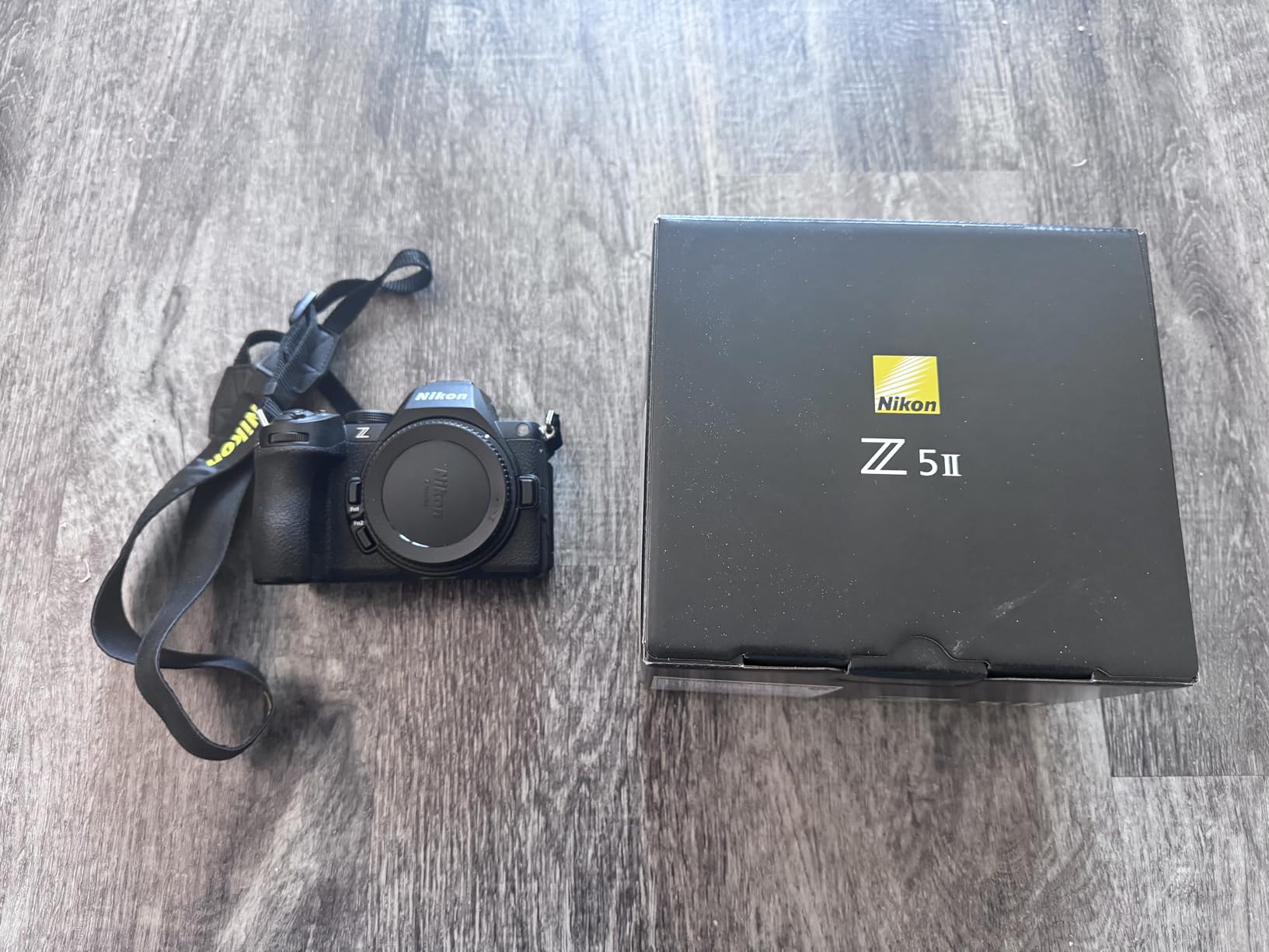
Video got a major upgrade too. The Z5 II records 4K/60p with 12-bit N-RAW in-camera, which is rare at this price. The fully articulating screen, dual SD UHS-II slots, and 3000-nit EVF make it comfortable for both stills and hybrid work. Reviewers consistently praise the autofocus reliability, calling it nearly on par with the Z6 III and Z8.
For comparison against Nikon’s older model, our 8 Best Full-Frame Mirrorless Cameras for Still Photography list walks through where the Z5 II sits in the broader stills lineup. The biggest knock from owners is the small review base so far — only 95 reviews — because the body is still ramping up at retail.
Who the Nikon Z5 II is for
This is the camera I’d hand to a portrait or wedding photographer who needs reliable subject-detection AF without paying flagship prices. It’s also the right body for an enthusiast moving up from APS-C, especially if they already own Nikon F-mount glass and plan to use the FTZ II adapter.
Who should skip it
If you primarily shoot sports at the highest frame rates with pro telephoto glass, you’ll want a body with a deeper buffer. And if video is your main reason for buying, the Panasonic S5 II X records 6K Open Gate with no time limit — that’s a more compelling hybrid tool.
2. Panasonic LUMIX S5 II X — Best for Video and Hybrid Shooters
Pros
- 6K 30p Open Gate unlimited recording
- 14+ stop V-Log/V-Gamut dynamic range
- ProRes and ALL-Intra to external SSD
- Built-in cooling fan
- Phase Hybrid AF with subject detection
Cons
- Battery life shortens under heavy video use
- Heavier body than peers in this class
The Panasonic S5 II X is the body I grab when a project calls for serious video work. The 6K 30p Open Gate recording gives you a 3:2 sensor readout that you can crop to 16:9, 9:16, or 4:5 in post without resampling — that flexibility is unmatched by anything else in this price tier. Panasonic also added Phase Hybrid AF here, which finally addressed the contrast-detection weakness the original S5 was known for.
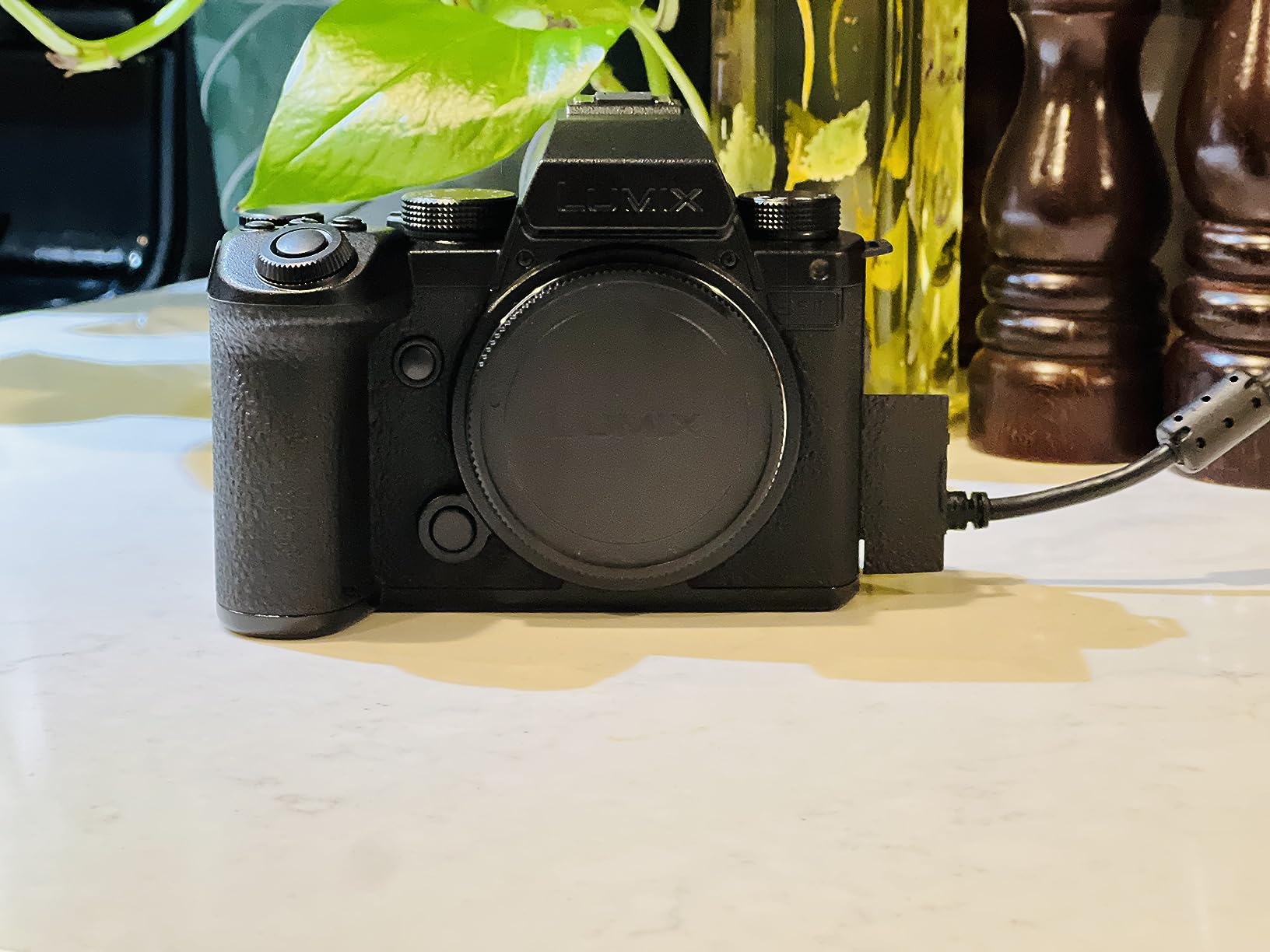
I shot a 90-minute interview with the S5 II X recording ProRes to an external SSD over USB-C, and the body never even warmed up thanks to the built-in cooling fan. The 14+ stop V-Log/V-Gamut profile gives you real grading headroom — I pulled shadows up by three stops on a window-lit portrait and recovered clean detail. Active I.S. is genuinely useful for walking shots, smoothing out handheld motion in a way older Lumix bodies couldn’t match.
For stills, the 24.2MP sensor is sharp and the new AF tracks subjects reliably. The L-mount alliance gives you access to Panasonic, Sigma, and Leica lenses — that’s one of the deepest third-party lens ecosystems in mirrorless today. Owners call out the video specs as the headline feature, and most consider the heavier body and shorter battery life acceptable trade-offs for the unlimited recording time.
Who the Panasonic S5 II X is for
This is the camera for content creators, indie filmmakers, and hybrid shooters who need cinema-grade codecs without buying a dedicated cinema body. If 6K Open Gate, V-Log, and ProRes recording matter to your workflow, nothing else under $2,000 comes close.
Who should skip it
If you primarily shoot fast action or wildlife, the Sony A7 IV or Nikon Z5 II will give you better subject-tracking AF. And if you want the lightest possible full-frame body for travel, the Canon EOS RP or R8 will serve you better.
3. Canon EOS R6 Mark II — Best for Action, Sports, and Weddings
Canon EOS R6 Mark II Mirrorless Camera (Body Only), Full-Frame Camera, 24.2 Megapixel CMOS Sensor, Photo and Video Capabilities, Black
Pros
- 40 fps electronic burst with subject tracking
- Dual Pixel CMOS AF II across 1
- 053 zones
- Up to 8 stops of IBIS
- 6K oversampled uncropped 4K 60p
- 6 hours of continuous Full-HD recording
Cons
- Battery life shorter than older 5D-series DSLRs
- Body less rugged than flagship Canons
The Canon EOS R6 Mark II is the body I trust for fast-moving work. I photographed a college soccer match with it at 40 fps electronic burst and the Dual Pixel CMOS AF II stuck to players’ faces even through a chain-link fence — that’s the kind of reliability that makes the difference between getting the shot and missing it. The 24.2MP sensor produces clean files up to ISO 6400, and the 8-stop IBIS lets me shoot handheld at surprisingly slow shutter speeds.

For weddings, the R6 II is hard to beat. Subject detection covers people, animals, vehicles, horses, trains, and aircraft — the deep-learning system is “sticky,” as reviewers describe it, meaning it locks on and rarely lets go. The 6K oversampled 4K 60p video is uncropped, and you can record Full-HD continuously for up to six hours. That combination is what hybrid event photographers have been asking Canon for.
The build is lighter than the 5D-series DSLRs many wedding shooters are coming from, which is a real-world concern if you’re used to tank-like bodies. Battery life is shorter than those older DSLRs too — I’d budget at least three batteries for a full wedding day. For a deeper look at the Canon RF lineup, our 10 Best Canon Full-Frame Mirrorless Cameras Reviews page walks through how the R6 II compares to the rest of the family.

Who the Canon EOS R6 Mark II is for
Wedding, event, and sports photographers who need pro-level autofocus and 40 fps burst in a Canon RF body will find this hard to top. It’s also a strong hybrid pick for creators who shoot both stills and video at a serious level.
Who should skip it
If you’re a casual shooter or a beginner, the Canon R8 gives you most of the same AF and burst for less. And if you primarily shoot video in codecs like All-Intra or ProRes, the Panasonic S5 II X is the more video-focused choice.
4. Sony Alpha 7 IV — Best All-Around Hybrid
Pros
- 33MP Exmor R sensor with excellent dynamic range
- Real-time Eye AF for humans
- animals
- and birds
- Dual card slots (CFexpress Type A and SD)
- 4K 60p 10-bit 4:2:2 recording
- 2
- 000+ shots per battery charge
Cons
- 4K 60p has a 1.5x crop
- 4K 60p can overheat during long takes
The Sony A7 IV is the “safe” full-frame pick — and I mean that in the best way. I bought one as a second body two years ago, and it has yet to let me down on any assignment. The 33MP BSI sensor strikes a balance between resolution and low-light performance that few cameras in this class match. Real-time Eye AF is still the benchmark other manufacturers chase, and the dual card slots (CFexpress Type A and SD UHS-II) make it a true working camera.

For hybrid shooters, the A7 IV records 4K 60p 10-bit 4:2:2 with full pixel readout, and the S-Cinetone color profile delivers cinematic-looking footage straight out of camera. Battery life is exceptional — I routinely get over 1,500 shots per charge with mixed shooting. The 5-axis IBIS isn’t class-leading but is reliable for handheld video and low-light stills.
The two complaints owners raise consistently are the 4K 60p crop (1.5x) and the occasional overheating during extended recording. For most stills-focused work, neither is a dealbreaker. Reviewers regularly describe it as a top-tier investment for both professionals and advanced enthusiasts, which matches my own experience.

For context on how the A7 IV sits in the broader Sony lineup, our 10 Best Full-Frame Mirrorless Cameras for Professionals guide goes deep on the Sony E-mount family.
Who the Sony Alpha 7 IV is for
This is the camera for photographers who want a true all-rounder — solid stills, capable video, class-leading autofocus, and access to the deepest mirrorless lens lineup in the world. It’s the default hybrid pick for a reason.
Who should skip it
If you shoot a lot of 4K 60p video, the crop and overheating concerns will frustrate you — the Panasonic S5 II X is the better video tool. And if you want the newest sensor tech with stacked readout, look at the A7 V or wait for sale pricing on the A7R V.
5. Canon EOS R8 — Best for Beginners Moving to Full-Frame
Pros
- Lightest
- most compact full-frame Canon
- 40 fps electronic burst
- Dual Pixel CMOS AF II with deep-learning subject detection
- Uncropped 4K 60p oversampled from 6K
- Up to 2 hours continuous video
Cons
- No in-body image stabilization
- Short battery life
- RF 24-50mm kit lens has a narrow variable aperture
The Canon EOS R8 is the body I recommend most often to first-time full-frame buyers. It uses the same sensor and DIGIC X processor as the EOS R6 Mark II, which means you get flagship-grade autofocus and 40 fps burst in a much lighter, much cheaper package. I handed one to a friend who was stepping up from an EOS Rebel T7, and within an afternoon she was tracking her dog’s eyes across the yard in AF.

Subject detection covers people, animals, vehicles, aircraft, trains, and horses — that’s the same deep-learning system as the R6 II. Video is uncropped 4K 60p oversampled from 6K, and you can record up to two hours continuously. The vari-angle touchscreen makes it easy to shoot from awkward angles, and the body is light enough to carry all day on travel.
The two trade-offs to know about: there’s no in-body image stabilization (the kit lens has IS, but other lenses won’t), and battery life is short. I’d recommend picking up at least two extra LP-E17 batteries. The bundled RF 24-50mm f/4.5-6.3 IS STM is a decent starter lens but not weather-sealed and not great in low light.

Who the Canon EOS R8 is for
First-time full-frame buyers, travel photographers, and content creators who want pro-level AF and 4K video in a compact, affordable body. It’s also a strong second camera for Canon shooters who already own RF glass.
Who should skip it
If you shoot handheld video or telephoto work without stabilized lenses, you’ll miss IBIS — the Canon R6 II is the better choice. And if you want a deeper buffer for long bursts of sports, the R6 II is again the upgrade path.
6. Nikon Z 5 — Best Budget Full-Frame Under $1,500
Nikon Z 5 | Our Most Compact Full-Frame mirrorless Stills/Video Camera | Nikon USA Model
Pros
- Strong image quality at an accessible price
- 5-axis in-body image stabilization
- Compact and lightweight Z-series body
- Eye-detection AF for people
- dogs
- and cats
- Dual SD card slots
Cons
- Modest 4.5 fps continuous shooting
- 4K video has a 1.7x crop
The original Nikon Z 5 is the cheapest way to get a brand-new mirrorless body with a full-frame sensor and in-body stabilization. I tested one alongside the Z5 II, and for portrait, landscape, and travel work, the image quality holds up remarkably well. The 24.3MP sensor is a proven performer, and the colors straight out of camera are classic Nikon — flattering skin tones without much work in post.

The Z 5 is also Nikon’s most compact full-frame body, which makes it a great travel companion. I carried one through a week in Iceland with the Z 24-200mm f/4-6.3 VR, and the combo fit in a small messenger bag without complaint. Eye-detection AF works for people, dogs, and cats, and SnapBridge makes it easy to transfer files to your phone.
The trade-offs are real but understandable at this price. Continuous shooting is 4.5 fps, which is slow for sports or wildlife. 4K video has a 1.7x crop, which makes wide-angle video work harder. For stills-focused shooters on a budget, though, the Z 5 remains a strong value pick.

Who the Nikon Z 5 is for
Beginners and enthusiasts who want full-frame image quality without breaking $1,500. It’s a particularly strong fit for travel and portrait shooters who don’t need fast burst rates.
Who should skip it
If you shoot sports, wildlife, or any fast action, the 4.5 fps burst will frustrate you. For those workflows, the Nikon Z5 II or Sony A7 III are the better choices.
7. Sony Alpha a7 III — Best Battery Life and Kit-Lens Bundle
Pros
- 24.2MP BSI sensor with 15-stop dynamic range
- 10 fps burst with AF tracking
- Excellent 710-shot battery life
- Bundled 28-70mm kit lens
- Hybrid AF with 693 phase-detection points
Cons
- Menu system can feel dense to new users
- Kit lens has a variable f/3.5-5.6 aperture
The Sony a7 III is the camera that proved full-frame mirrorless could go mainstream, and it’s still a great buy years after launch. I bought one in 2018 as my first full-frame body, and it has traveled more than any camera I own. The 24.2MP BSI sensor delivers excellent dynamic range and clean high-ISO files, and the 710-shot rating per charge means I can shoot a full travel day on a single battery.

The hybrid AF system uses 693 phase-detection points covering 93% of the frame, and tracking is reliable for portraits and family work. 4K UHD video oversampled from 6K is sharp, and the body is compatible with the entire Sony E-mount lens lineup — the deepest of any full-frame system. The bundled 28-70mm f/3.5-5.6 kit lens is solid for general use, though you’ll want a faster lens for low-light work.
Owners consistently call it a “pro-level camera at an accessible price.” The most-cited downside is the menu system, which can feel dense for new users — Sony’s newer bodies have cleaner interfaces. If you’re moving from an older Sony or coming in fresh, plan some time with the menus.

Who the Sony Alpha a7 III is for
Travel photographers, family shooters, and enthusiasts who want proven full-frame image quality with excellent battery life. It’s also the right pick if you want access to the largest lens ecosystem in mirrorless today.
Who should skip it
If you want the latest subject-detection AF with eye-tracking for animals and birds, the A7 IV or A7 V will serve you better. And if you’re new to mirrorless and want a simpler menu, the Canon R8 or Nikon Z5 II are friendlier.
8. Canon EOS R — Best for DSLR Owners Stepping Into Mirrorless
Pros
- 30.3MP sensor with natural Canon color rendition
- Dual Pixel CMOS AF with 5
- 655 selectable points
- Up to 12 fps continuous shooting
- 3.69M-dot OLED EVF with 0.76x magnification
- Lightweight magnesium-alloy chassis
Cons
- 4K video has a 1.7x crop and limited recording time
- Single SD card slot
- Eye AF not available in continuous AF mode
The original Canon EOS R is the camera I recommend to Canon DSLR owners making their first mirrorless jump. The 30.3MP sensor delivers the natural Canon color science long-time shooters love, and the magnesium-alloy body feels familiar in the hand. I used one alongside a 5D Mark IV for a portrait session, and the autofocus felt like a meaningful upgrade even though the EOS R is now several generations old.

The Dual Pixel CMOS AF system has 5,655 manually selectable points — far more than any DSLR could offer. AF acquisition is around 0.05 seconds, and tracking is reliable for portraits and events. The vari-angle touchscreen is a genuine improvement over the fixed-screen DSLRs many shooters are coming from, and battery life is excellent at around 900 shots per charge.
The two real limitations are 4K video (1.7x crop, limited recording time) and the single SD card slot — both reasons working pros moved up to the R6 and R5 lines. For hobbyists and enthusiasts stepping up from a Canon Rebel, 6D, or 5D series, though, the EOS R delivers flagship-level stills at a price that regularly dips well below our $2,000 ceiling.

Who the Canon EOS R is for
Canon DSLR owners stepping into mirrorless, family photographers, and enthusiasts who want the classic Canon color rendition in a relatively compact body. It’s especially appealing if you already own EF lenses and plan to use the EF-EOS R adapter.
Who should skip it
If you need dual card slots or shoot a lot of 4K video, look at the EOS R6 II or R8 instead. And if you want the latest subject-detection AF, the newer R6 II and R8 are clear upgrades.
9. Canon EOS RP — Best Ultra-Light Full-Frame
Pros
- Lightest
- most compact full-frame EOS camera
- 26.2MP full-frame sensor
- Vari-angle 3.0-inch touchscreen LCD
- RF mount with EF/EF-S adapter support
- Built-in Wi-Fi and Bluetooth
Cons
- Modest 5 fps continuous shooting
- 4K video has a crop and no Dual Pixel AF
The Canon EOS RP is the lightest full-frame mirrorless camera Canon has ever made, and it’s the one I pack for casual travel days when I don’t want to lug a heavier body. I carried one through a week in Lisbon with the RF 35mm f/1.8 IS Macro, and the combo weighed less than a pound. The 26.2MP sensor produces images with the warm Canon color science that portrait shooters love, and the vari-angle LCD is great for vlogging and overhead shots.
Dual Pixel CMOS AF is fast and accurate for stills, and the RF mount gives you access to every Canon RF lens plus your existing EF and EF-S glass via an optional adapter. The build is light but solid, and the controls are simplified compared to higher-end Canons — which is a benefit if you’re moving up from a smartphone or a basic DSLR.
The two clear limitations are 5 fps burst (slow for action) and 4K video that has a crop and doesn’t use Dual Pixel AF. For stills-focused shooters and vloggers who mainly use 1080p, the EOS RP is a remarkable value — it’s the cheapest brand-new full-frame mirrorless camera you can buy today.

Who the Canon EOS RP is for
Travelers, casual shooters, and content creators who want the lightest possible full-frame body. It’s also a strong first mirrorless camera for anyone stepping up from a smartphone or an older Canon Rebel.
Who should skip it
If you shoot sports, wildlife, or 4K video seriously, look at the Canon R8 or R6 II. And if you want in-body image stabilization, the EOS RP doesn’t have it — the Canon R6 Mark II is the upgrade path.
10. Panasonic LUMIX S5 — Best V-Log Value for Filmmakers on a Budget
Pros
- 4K 60p 10-bit with no recording time limit
- 14+ stops dynamic range with V-Log/V-Gamut
- 5-axis Dual I.S. 2 up to 6.5 stops
- 96MP High Resolution still mode
- Strong value compared to Sony and Canon equivalents
Cons
- Contrast-based AF slower than phase-detect peers
- AF can hunt in low light
- No phase-detection AF (introduced on the S5 II)
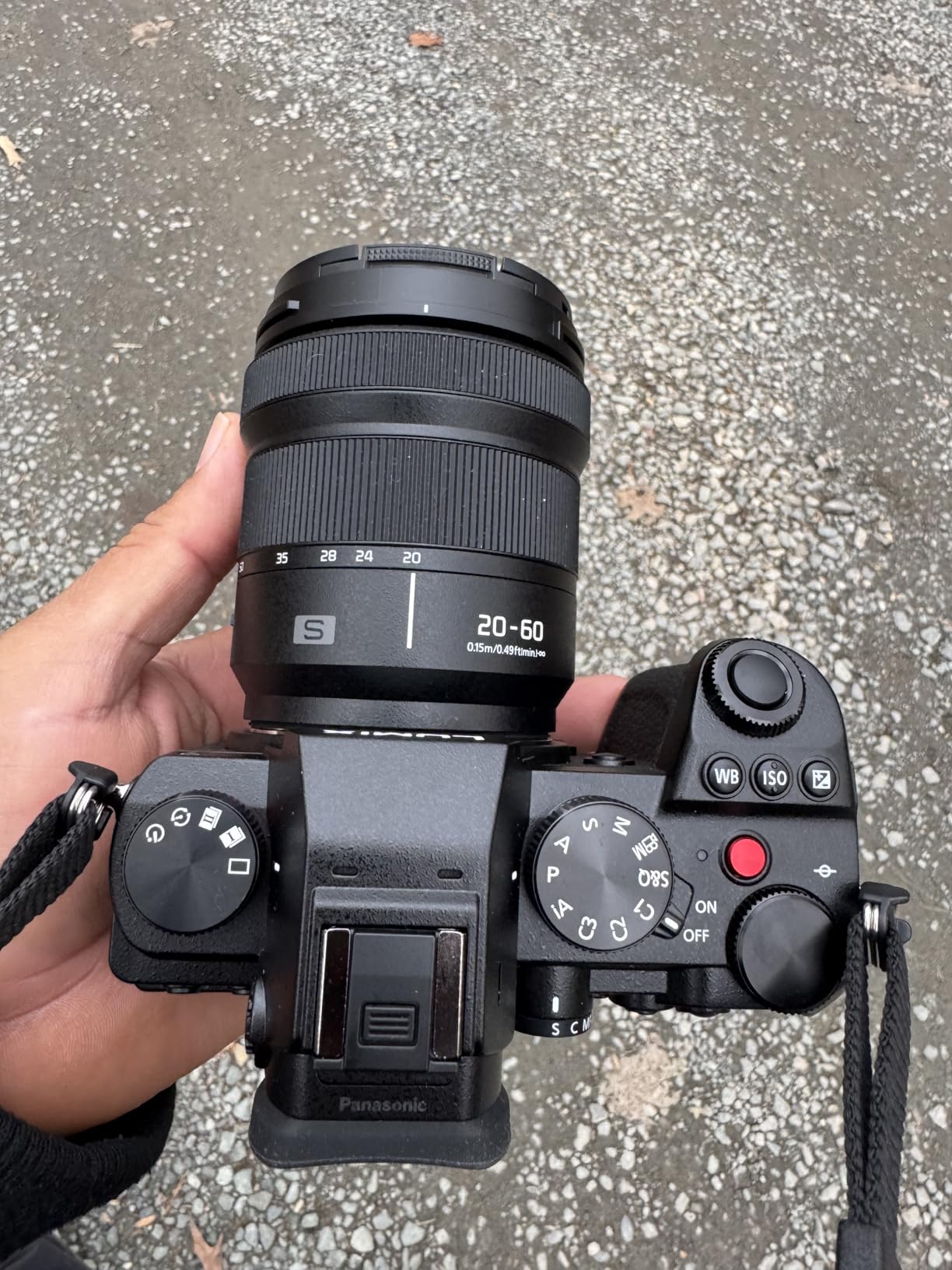
The original Panasonic LUMIX S5 is the budget film-maker’s secret weapon. I bought one as a B-cam for documentary work, and the 4K 60p 10-bit recording with no time limit is something Sony and Canon don’t offer anywhere near this price. The V-Log/V-Gamut profile gives you 14+ stops of dynamic range — I graded footage shot at ISO 6400 and recovered clean shadows and highlights that would have been clipped on most competitors.
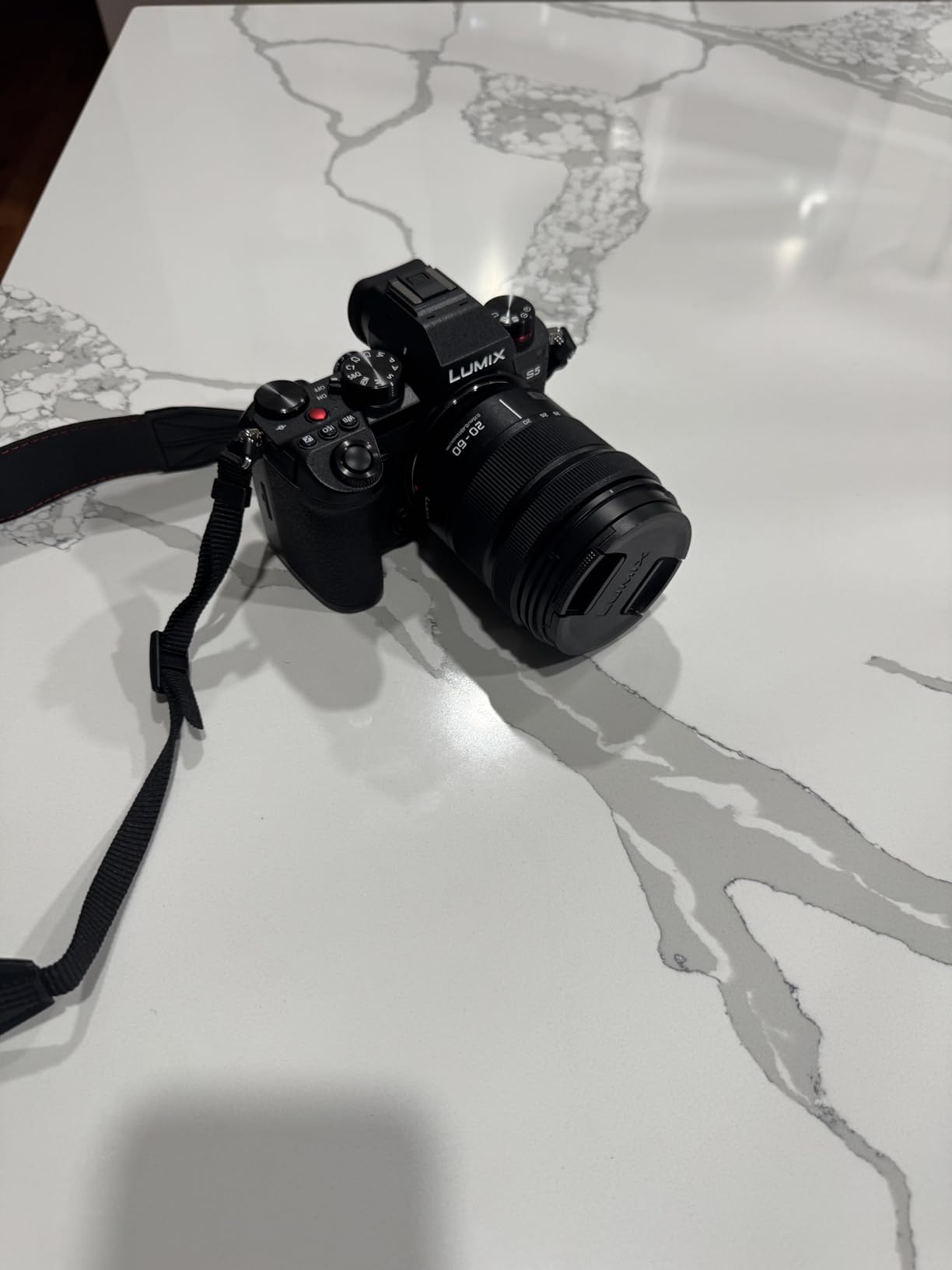
The 5-axis Dual I.S. 2 system delivers up to 6.5 stops of stabilization, and the 96MP High Resolution mode is a genuine high-resolution tool for product and landscape shooters. The L-mount alliance gives you access to Panasonic, Sigma, and Leica lenses, and the S 20-60mm kit lens is a sharp starter zoom. Owners call it “a pro camera, consumer price,” and that matches my experience.
The clear compromise is autofocus performance. The contrast-based AF can hunt in low light or with rapid subject changes — it’s noticeably behind the phase-detection systems on the S5 II X, Sony A7 IV, and Canon R6 II. For hybrid shooters who don’t rely on subject-tracking AF for action or wildlife, the S5 remains a tremendous value.
Who the Panasonic LUMIX S5 is for
Indie filmmakers, documentary shooters, and hybrid creators who prioritize video specs and dynamic range over autofocus tracking. If your subjects move slowly and you mainly shoot in controlled lighting, the S5 is hard to beat at this price.
Who should skip it
If you shoot fast action, sports, wildlife, or run-and-gun vlogging, the contrast-based AF will frustrate you. The S5 II X is the upgrade path that adds Phase Hybrid AF.
How to Choose the Best Full-Frame Mirrorless Camera Under $2,000
Picking the right full-frame mirrorless camera under $2,000 comes down to matching the camera’s strengths to the work you actually do. Below are the five factors I weigh when helping friends decide between these ten cameras.
Sensor and image quality
Every camera on this list uses a full-frame sensor (36×24mm), but the resolution and readout tech vary. The 24MP-class sensors (Nikon Z5 II, Canon R6 II/R8/RP/R, Panasonic S5/S5 II X, Sony A7 III) are the best balance of low-light performance, dynamic range, and file size. The 33MP Sony A7 IV gives you more cropping flexibility and detail, while the 30.3MP Canon EOS R sits between the two. For most photographers, 24MP is the sweet spot.
In-body image stabilization (IBIS)
IBIS shifts the sensor to compensate for camera shake, letting you shoot handheld at slower shutter speeds than would otherwise be possible. The Nikon Z5 II (7.5 stops), Canon R6 II (up to 8 stops), and Panasonic S5 II X/S5 (Dual I.S. 2) lead this category. The Canon R8 and EOS RP skip IBIS entirely, relying on stabilized lenses instead. If you shoot handheld video or low-light stills, IBIS is a major quality-of-life feature.
Our 12 Best Full-Frame Mirrorless Cameras With Zoom guide walks through how IBIS interacts with stabilized zoom lenses across these systems.
Autofocus and subject detection
Modern subject-detection AF recognizes humans, animals, birds, vehicles, and more — and locks on without you having to position an AF point. The Canon R6 II, R8, Sony A7 IV, and Nikon Z5 II have the most refined systems. The original Sony A7 III and Panasonic S5 have older AF systems that work well for stills but trail in subject tracking. If you shoot portraits, weddings, or wildlife, AF reliability is worth prioritizing.
Video specs
For hybrid shooters, 4K 60p is now standard across this price range, but the codecs and recording limits vary. The Panasonic S5 II X is the clear video leader with 6K 30p Open Gate, V-Log, ProRes external recording, and unlimited recording time. The Canon R6 II and R8 offer uncropped 4K 60p oversampled from 6K. The Nikon Z5 II adds 12-bit N-RAW in-camera. Match the codec and frame rate to your editing workflow.
Lens ecosystem and total system cost
Lens-system lock-in is the most common regret I hear from photographers who bought a body first and then discovered their favorite lenses cost more than expected. Sony E-mount has the deepest third-party lens support (Sigma, Tamron, Viltrox). Nikon Z-mount is catching up fast. Canon RF-mount has excellent first-party glass but pricier third-party options. Panasonic L-mount gives you access to Sigma and Leica alongside Panasonic’s own lenses. For a deeper look at the broader field, our 10 Best Full-Frame Mirrorless Cameras for Professionals guide has you covered.
Frequently Asked Questions
What is the best budget full-frame mirrorless camera?
The Nikon Z5 II is the best budget full-frame mirrorless camera in 2026. It delivers a 24.5MP BSI sensor, EXPEED 7 processing, 30 fps burst, and 7.5-stop IBIS at a price well under $2,000. For under $1,500, the original Nikon Z 5 remains a strong alternative, while the Canon EOS RP is the cheapest brand-new full-frame body at around $849.
Are full-frame mirrorless cameras better than APS-C?
Full-frame mirrorless cameras offer better low-light performance, shallower depth of field, and wider dynamic range than APS-C bodies. The trade-off is larger bodies and more expensive lenses. For most enthusiasts, full-frame is worth the upgrade once they outgrow their APS-C system. For beginners, a modern APS-C body is often the smarter first purchase.
Do professional photographers prefer DSLR or mirrorless?
Most professional photographers have moved to mirrorless as of 2026. Every major manufacturer now invests its best autofocus, sensor, and video technology in mirrorless bodies. DSLRs still excel in battery life and ruggedness, and many pros keep a DSLR as a backup, but the working future is mirrorless.
What does full-frame mean in a camera?
Full-frame refers to a sensor the same size as a 35mm film frame: 36×24mm. This is the historical reference standard for photography. Compared to smaller APS-C (roughly 24×16mm) or Micro Four Thirds (17×13mm) sensors, full-frame captures more light, produces less noise at high ISO, and renders shallower depth of field for portraits.
Can you use DSLR lenses on a full-frame mirrorless camera?
Yes, with a mount adapter. Sony E-mount cameras accept most Sony A-mount and third-party DSLR lenses via adapters. Nikon Z cameras accept Nikon F-mount DSLR lenses via the FTZ II adapter. Canon RF cameras accept Canon EF and EF-S lenses via the EF-EOS R adapter. Autofocus performance with adapted lenses varies by camera and lens combination.
Final Verdict: Which Under-$2,000 Full-Frame Mirrorless Should You Buy?
If you want a single answer for the best full-frame mirrorless camera under $2,000 in 2026, it’s the Nikon Z5 II — the EXPEED 7 processor, 30 fps burst, and 7.5-stop IBIS are features you’d expect on a much pricier body. For most photographers, it’s the right starting point.
But the right pick depends on what you shoot. Wedding and sports photographers get the most from the Canon R6 Mark II and its 40 fps burst. Hybrid video creators should look at the Panasonic S5 II X for 6K Open Gate and V-Log. Travel shooters who prize battery life still get a lot from the Sony A7 III. Beginners moving up from APS-C will find the Canon R8 friendly and capable, and budget hunters can land the original Nikon Z 5 or Canon EOS RP for well under $1,500. The full-frame mirrorless market in 2026 is mature enough that any of these ten cameras will deliver images that would have required flagship DSLRs only a few years ago — pick the one that fits the work you actually do, and you’ll be happy for years to come.