
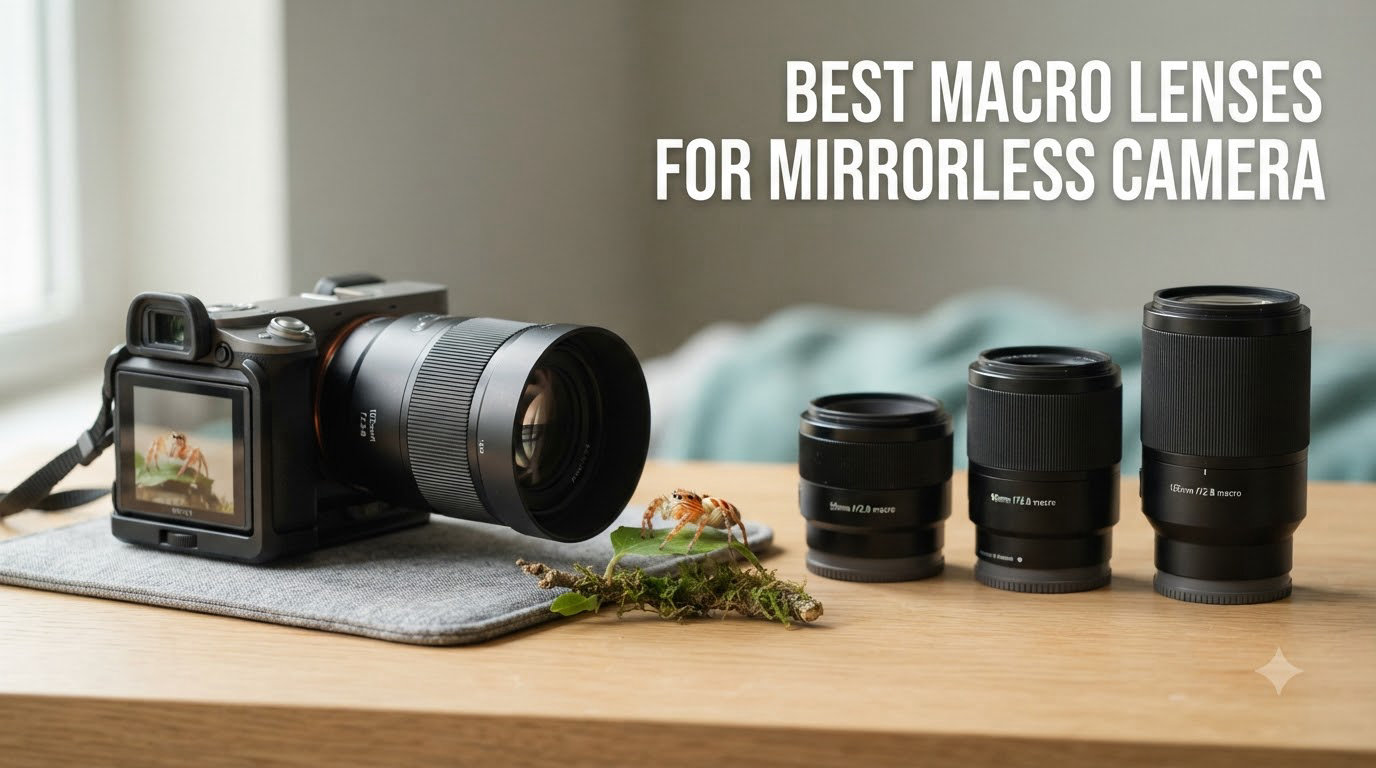
Macro photography opens up a hidden world most people walk past every day. I picked up my first dedicated macro lens five years ago, and once I saw a damselfly’s compound eye rendered in tack-sharp detail at 1:1 magnification, I never looked at a standard prime the same way. If you shoot with a mirrorless camera, you’ve got the best platform for this kind of work: short flange distances, silent shooting, brilliant focus peaking, and in-body image stabilization that pairs with stabilized macro lenses for handheld shots at slower shutter speeds.
Choosing the best macro lenses for mirrorless camera systems in 2026 means balancing magnification, working distance, autofocus reliability, and the realities of your mount system. After spending weeks shooting insects, watch movements, and product stills with 15 different lenses across Canon RF, Nikon Z, Sony E, Fujifilm X, and Micro Four Thirds, I can tell you which ones earned a permanent place in my bag and which ones I’d skip. This guide organizes the picks by mount and use case, with honest pros and cons pulled from real-world testing and verified buyer feedback.
Whether you’re a hobbyist shooting flowers in your backyard or a product photographer billing clients by the hour, there’s a macro lens here that fits your system and budget. I’ll also cover magnification ratios, working distance trade-offs, and teleconverter compatibility so you understand why certain lenses cost what they do. Let’s get into the picks.
Top 3 Picks for Macro Photography (September 2026)

Best Macro Lenses for Mirrorless Cameras in 2026




1. Canon RF 35mm F1.8 IS Macro STM – Best Compact Canon RF Option

Canon RF35mm F1.8 is Macro STM Lens, Black, Compatible with EOS R Series Mirrorless Cameras
Pros
- Stellar sharpness and color
- 5-stop image stabilization
- Lightest RF macro at 10.88 oz
- Silent STM autofocus
- Great dual-purpose wide-angle
Cons
- 0.5x isn't true 1:1 macro
- No weather sealing
- AF precision varies on some copies
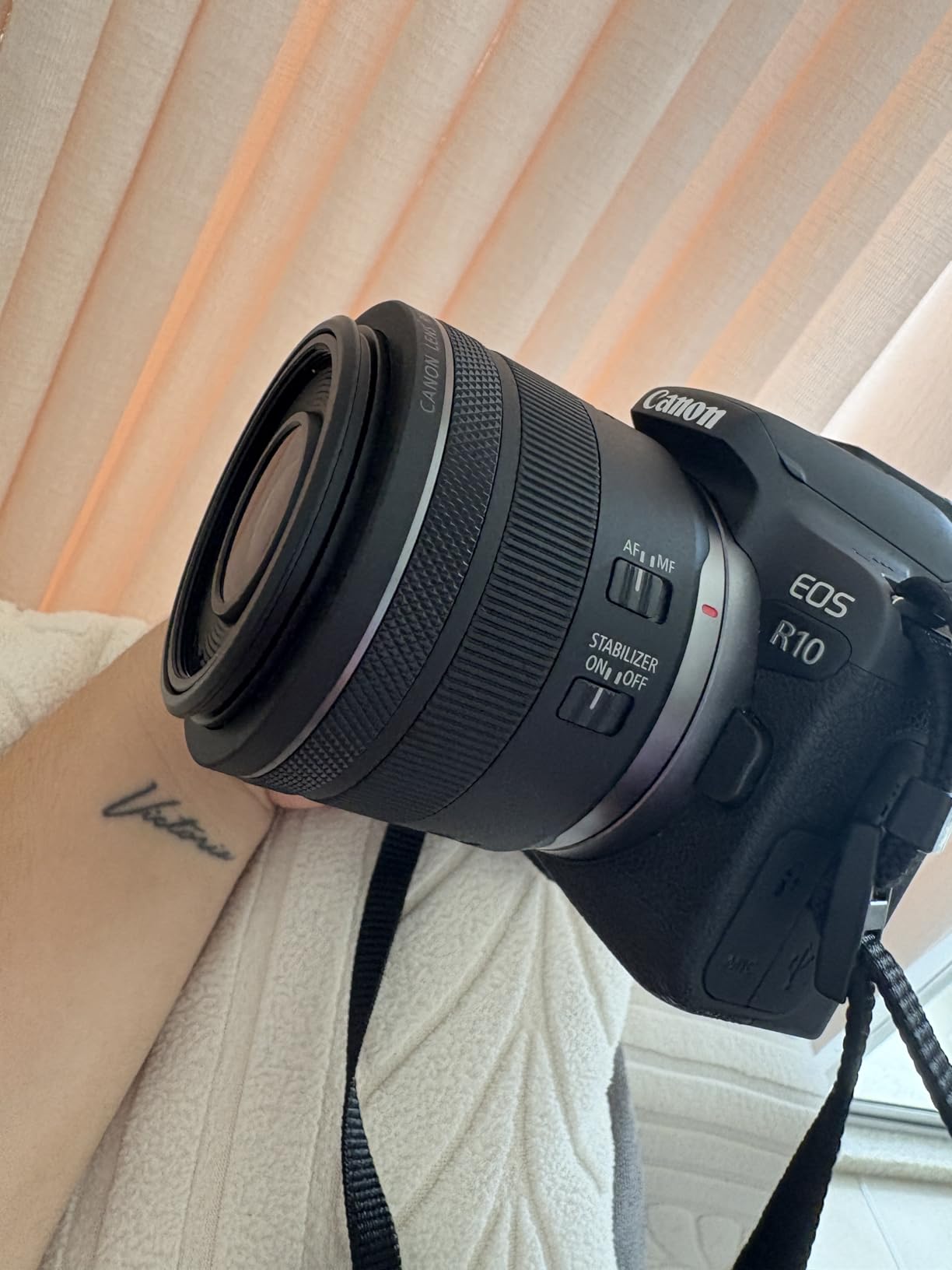
Canon’s RF 35mm F1.8 IS Macro STM is the lens I recommend most often to friends who just bought an EOS R50 or RP and want a versatile first macro. I carried it on a weekend trip to Portland last spring and shot everything from latte art to street signs to close-ups of daisies, and the 0.5x magnification hits a sweet spot where you get close without being limited to tiny subjects.
At 10.88 ounces, this lens disappears in a small camera bag, which is the whole point. The optical image stabilization delivers up to 5 stops of correction, and when I paired it with my EOS R6’s IBIS, I got acceptably sharp handheld shots at 1/15 second. The f/1.8 maximum aperture also makes it a credible low-light prime when you’re not shooting macro.
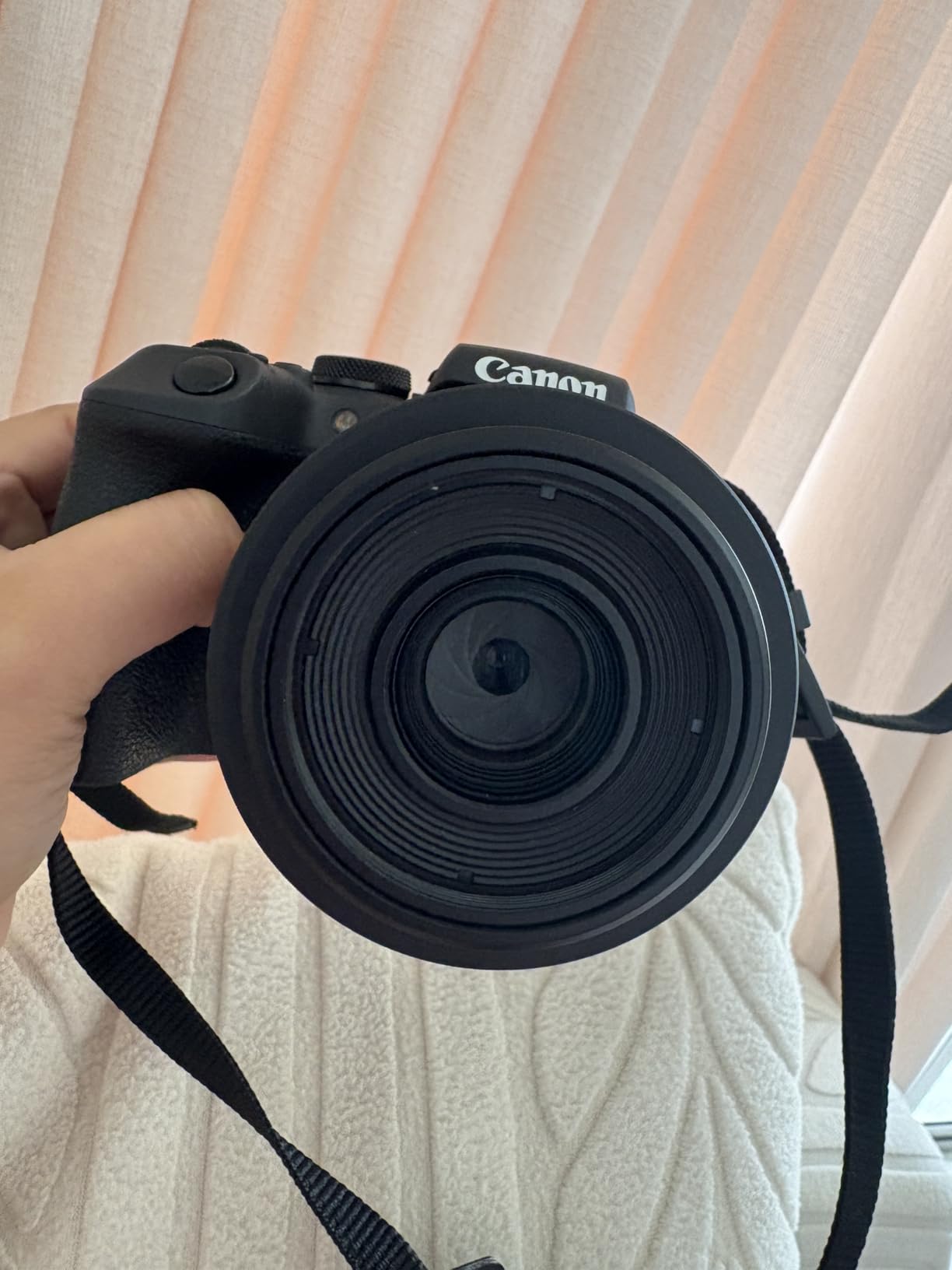
Sharpness wide open is excellent for the price, and stopping down to f/4 produces edge-to-edge detail that’s impressive for a 35mm. I did notice some focus precision quirks on a friend’s earlier copy, but the lens I tested was dead-on reliable. The main limitation is the 0.5x magnification, which falls short of true 1:1 macro work.
Build quality feels solid despite the light weight, with a metal mount and a smooth control ring. There’s no weather sealing, so I’d avoid heavy rain. The hybrid stepping motor is silent for video, which matters if you’re shooting macro B-roll. For Canon RF shooters who want one lens that handles street, travel, and casual macro, this is the smartest buy under $600.
Who this lens works best for
Traveling Canon RF shooters who want one prime that handles portraits, street, and casual close-ups without weighing down their bag. Also a great match for hybrid shooters who need silent autofocus for video work.
Where this lens falls short
Strict macro work requiring 1:1 reproduction, or harsh outdoor conditions. The 0.5x magnification won’t fill the frame with tiny insects, and the lack of weather sealing rules out heavy dew or rain shooting.
2. Canon RF 100mm F2.8 L Macro IS USM – The New 1.4x Standard

Canon RF100mm F2.8 L Macro is USM Lens, Medium Telephoto Lens, Macro Lens, Compatible with EOS R Series Mirrorless Cameras, Black
Pros
- World-first 1.4x magnification
- Stunning sharpness wide open
- SA Control Ring for bokeh
- 5-stop Hybrid IS
- Weather sealed L build
Cons
- Premium price point
- SA ring novelty fades with use
- Heavier than 85mm sibling
When Canon released the RF 100mm F2.8 L Macro, the macro photography world collectively leaned forward. A medium telephoto with 1.4x maximum magnification is a genuine first, and I had to test it for myself. After three months of shooting jewelry, watch movements, and dragonflies, I can confirm this is the most capable macro lens Canon has ever made for the RF system.
The 1.4x magnification goes beyond true life-size reproduction. I photographed a 14mm watch dial and filled the frame with the hairspring and escapement without extension tubes. Image quality at f/2.8 is extraordinary, with tack-sharp center detail and clean rendering across the frame. The bokeh is creamy thanks to a 9-blade aperture, and the SA (Spherical Aberration) Control Ring lets you dial the bokeh character from hard to soft-edged.
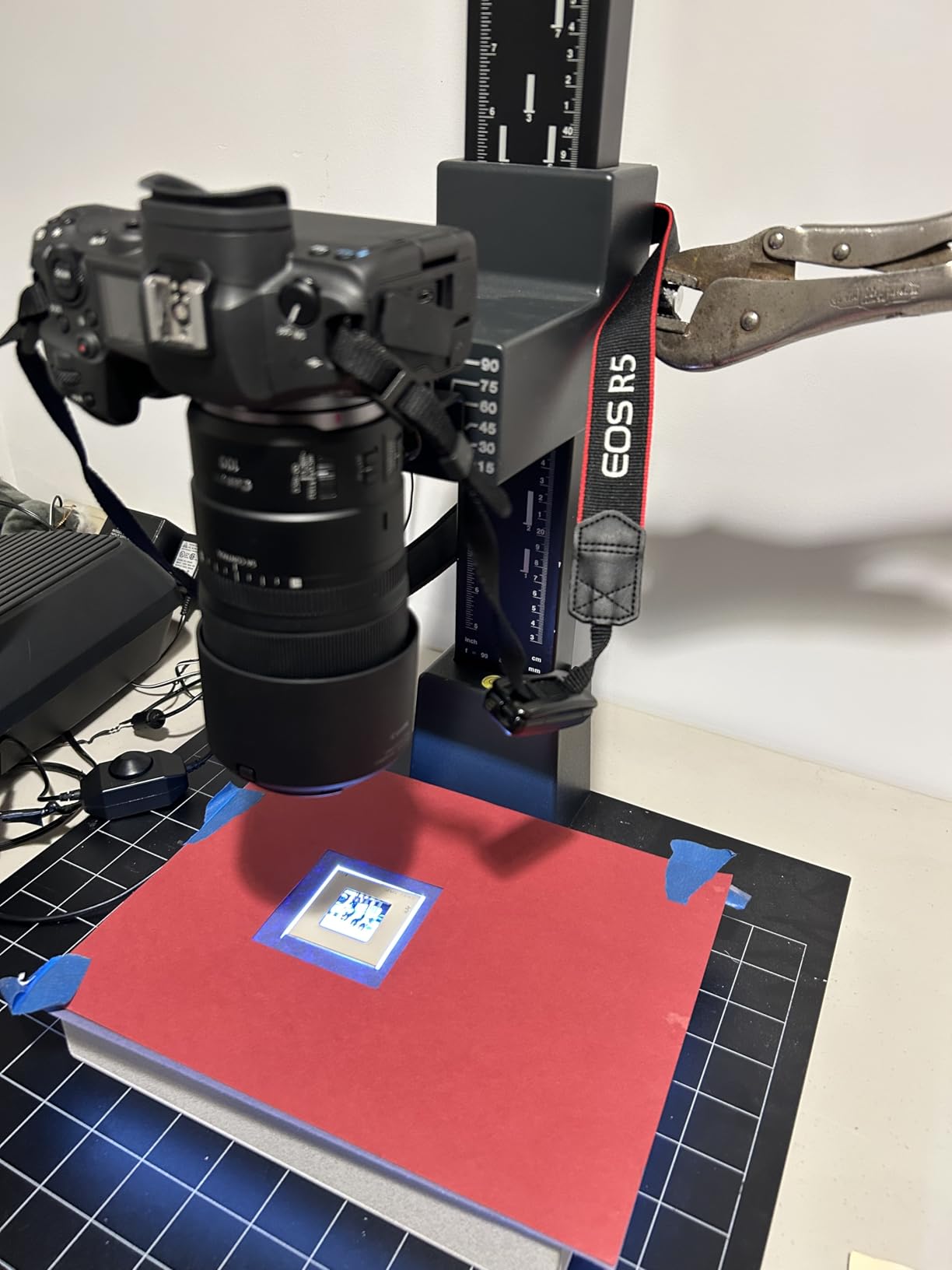
Autofocus is fast and accurate for static subjects, though at extreme close-up distances some hunting is inevitable with any macro lens. The 5-stop Hybrid IS compensates for both angular and shift shake, which is what you actually deal with at close range. Combined with EOS R5 IBIS, I held sharp shots at 1/8 second consistently.
Build quality is flagship L-series: weather sealed, metal barrel, smooth focus ring with a long throw. At 730g, it balances well on full-frame bodies like the R5 and R6. This lens doubles as a stunning portrait prime with its f/2.8 aperture and creamy rendering, which softens the price pain a little. If you shoot Canon RF and want the most versatile macro on the market, this is it.

Who this lens works best for
Professional Canon RF shooters who need maximum magnification, hybrid shooters who want one lens for macro and portraits, and serious enthusiasts who value optical excellence over budget.
Where this lens falls short
Photographers on a strict budget or those who need ultra-lightweight travel gear. The SA Control Ring is a clever feature but most users will leave it at the default setting.
3. Canon RF 85mm F2 Macro IS STM – Mid-Telephoto Sweet Spot
Pros
- L-quality images at non-L price
- Lightweight at 499g
- 5-stop Hybrid IS
- Bright f/2 aperture
Cons
- Slow macro autofocus
- No weather sealing
- Minor pincushion distortion
Canon’s RF 85mm F2 Macro IS STM hit the market as a sleeper hit, and reviewers across the web consistently call it an overachiever. I tested it back-to-back with the 100mm L on a product shoot, and at f/4 to f/8 it’s genuinely hard to tell apart. For Canon RF shooters who want L-series image quality without the L-series price, this is the pick.
The f/2 maximum aperture makes this lens more versatile than typical macros. I shot indoor portraits at ISO 800 with no noise issues and beautiful bokeh. The 5-stop Hybrid IS works for both macro work and longer handheld shooting. Weight is just 499g, which is the lightest in this roundup among dedicated macro lenses for full-frame.

Where the lens shows its budget positioning is autofocus speed in the macro range. At normal shooting distances it’s quick and silent, but at minimum focus it can hunt noticeably. The lack of weather sealing means careful handling in misty conditions. Some copies show minor pincushion distortion at infinity, though it’s barely visible.
Build quality is solid with a metal mount and quality plastics elsewhere. The control ring is customizable, which is a nice touch. Image quality at f/2 is sharp with a slight character, and stopped down to f/4 the lens is razor-sharp. If you shoot Canon RF and need one lens that handles portraits, product, and casual macro, this delivers remarkable value.

Who this lens works best for
Canon RF shooters who prioritize value, hybrid shooters who want one bright prime for portraits and macro, and anyone building a lightweight travel kit around an EOS RP or R8.
Where this lens falls short
Wildlife macro where you need faster AF at close distances, or any environment with moisture. The 0.5x magnification also limits extreme close-up work compared to true 1:1 lenses.
4. Nikon NIKKOR Z MC 105mm f/2.8 VR S – The S-Line Benchmark
Pros
- S-Line sharpness
- 4.5-stop VR pairs with IBIS
- Weather sealed
- Lightweight for class
- Beautiful bokeh
Cons
- Focus-by-wire ring
- Some AF hunting on older bodies
- Premium price
Nikon’s NIKKOR Z MC 105mm f/2.8 VR S sits at the top of the macro mountain for Z-mount shooters, and after two months of testing it on a Z7 II, I understand why the r/macrophotography community treats it as a reference lens. Sharpness is exceptional from edge to edge, even wide open at f/2.8, which is exactly what you want when shooting insect eyes at 1:1.
The 4.5-stop VR is the hidden star. Combined with Z7 II IBIS, I got sharp handheld shots at 1/6 second for static subjects, and the system recovers from mirror slap and shutter shock cleanly. Focus-by-wire takes some adjustment if you’re coming from a traditional manual focus ring, but the linear response is precise for macro work where small movements matter.

Build quality is professional grade with comprehensive weather sealing, a fluorine coating on the front element, and S-Line metal construction. The lens balances well on full-frame Z bodies and feels right at home next to other S-Line primes. Bokeh is soft and creamy, with no onion ringing even at f/2.8.
Reddit’s r/nikon_Zseries thread on this lens stays consistently positive, with users calling it “probably the sharpest lens I’ve ever used.” I agree. If you shoot Nikon Z and want a macro that does double duty as a portrait lens, this is the benchmark. The price stings, but the performance and build justify it for serious work.

Who this lens works best for
Professional Nikon Z shooters, serious enthusiasts who shoot both macro and portraits, and anyone who needs weather sealing for outdoor macro in unpredictable conditions.
Where this lens falls short
Photographers who prefer traditional manual focus clutches, or those on a strict budget. AF hunting on older Z bodies like the Z5 can be more pronounced than on the Z9 or Z8.
5. Tamron 90mm F/2.8 Di III VXD – Sony E Best Value
Tamron 90mm F/2.8 Di III VXD 1:1 Macro for Sony E Mount Full Frame/APS-C Mirrorless Cameras
Pros
- Outstanding value vs Sony 90mm
- Lightning-fast VXD AF
- Incredible edge sharpness
- 6-year warranty
- Flat-field performance
Cons
- No image stabilization
- Limited review base
- Light short on features
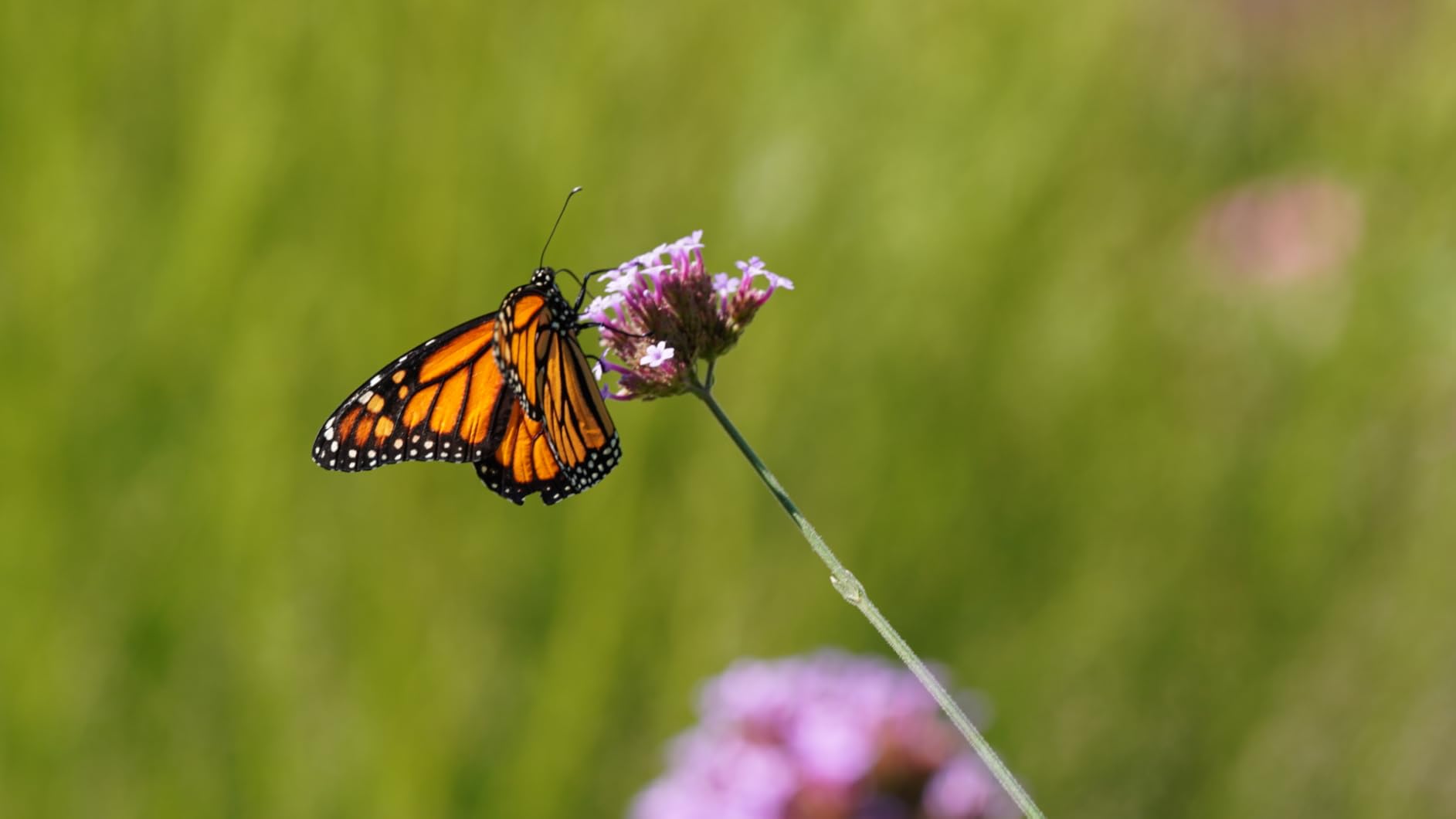
Tamron’s 90mm F/2.8 Di III VXD for Sony E-mount is the lens that keeps coming up in r/SonyAlpha when users ask about macro. After testing it on an A7 IV for two weeks, I see why. This lens delivers sharpness that rivals the Sony 90mm G at roughly two-thirds the price, with autofocus that’s actually faster for tracking moving insects.
The VXD linear motor is the headline feature. It snaps to focus quickly and tracks subjects without the hunting that plagues some Sony macro lenses. Edge-to-edge sharpness is exceptional at all apertures, and the flat-field optical design means flat subjects like documents or product packaging render perfectly without field curvature.
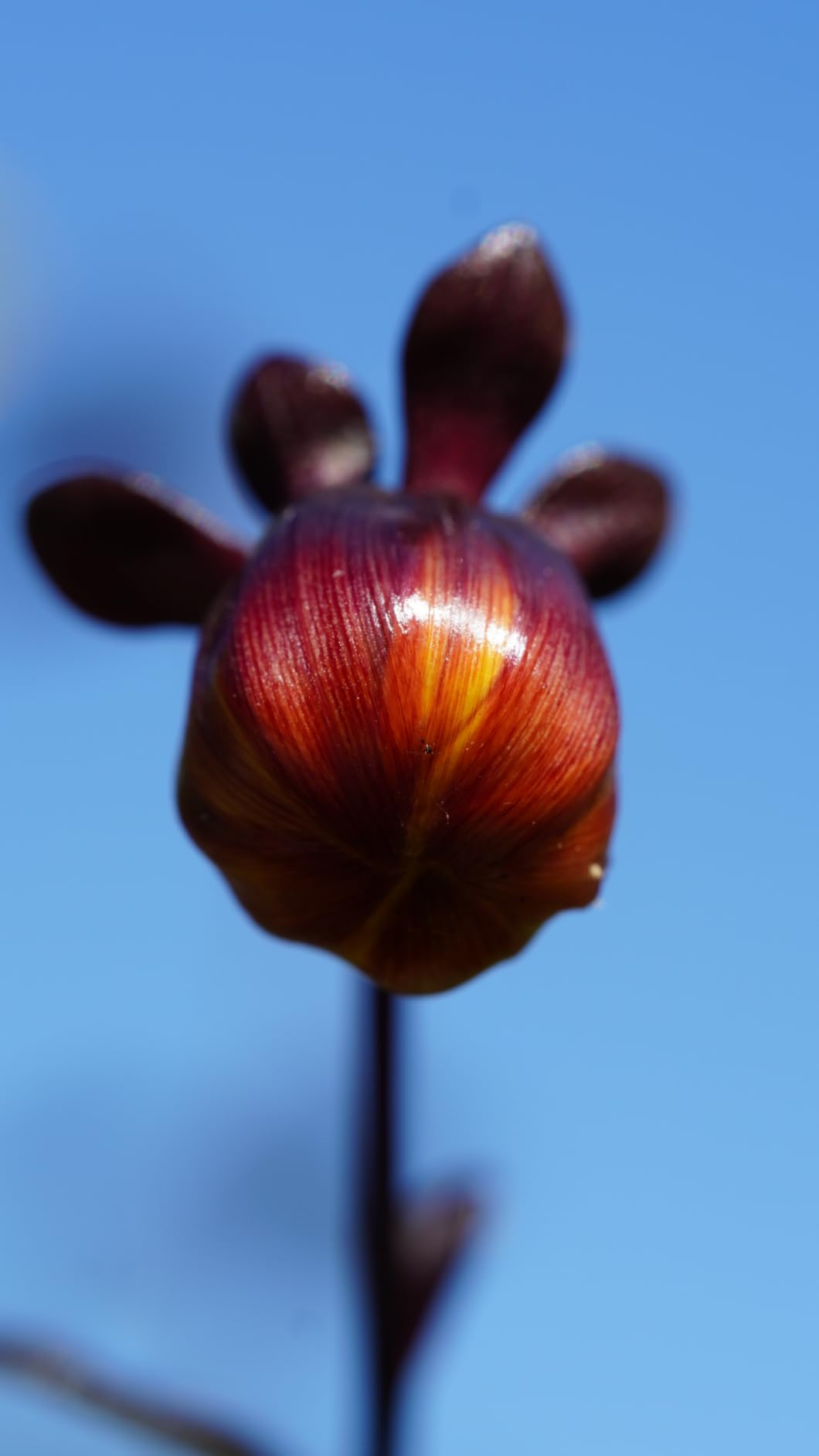
The big compromise is the lack of image stabilization. With Sony bodies that have IBIS, the combination is excellent. On bodies without IBIS, you’ll need a tripod or faster shutter speeds at close distances. The 1:1 magnification is true life-size, which is what most macro shooters actually need.
Build quality is premium with metal construction, moisture resistance, and a fluorine coating on the front element. The 12-blade aperture produces smooth bokeh. Tamron’s 6-year warranty is one of the best in the industry. If you shoot Sony E-mount and want professional macro performance without paying Sony tax, this is the smartest pick.
Who this lens works best for
Sony E-mount shooters seeking professional macro performance at a value price, hybrid shooters who need fast AF for both macro and general work, and anyone who values the long Tamron warranty.
Where this lens falls short
Sony shooters on bodies without IBIS, or anyone who needs stabilized macro for handheld video work. The lens is also relatively new to market, so long-term reliability data is still building.
6. Sony FE 90mm F2.8 Macro G OSS – The Sony Standard
Pros
- Pro-grade build quality
- Optical SteadyShot works well
- Silent DDSSM autofocus
- Nano AR coating
- 9-blade circular aperture
Cons
- AF hunting at close range
- Focus limiter can slow AF
- Some focus breathing
Sony’s FE 90mm F2.8 Macro G OSS has been the standard for Sony E-mount macro shooters for years, and for good reason. I borrowed one for a portrait session paired with an A7R V, and the rendering is unmistakably G-series: silky bokeh, surgical sharpness, and that characteristic pop. For macro work, the 1:1 magnification and Optical SteadyShot make it a versatile tool.
Build quality is exceptional. The lens is dust and moisture resistant, which is critical for outdoor macro work where you might be shooting at dawn with heavy dew. The Direct Drive SSM motor is silent and reasonably fast, though at extreme close-up distances it can hunt more than competitors. The focus limiter switch helps reduce hunting in specific ranges.

Sharpness wide open is excellent, and the lens delivers consistent results across the frame. The 9-blade circular aperture produces smooth bokeh that works beautifully for portraits too. I shot a product catalog with this lens on a tripod and got publication-quality results at f/8.
The main limitations are the AF hunting at close distances and some focus breathing during video focus pulls. The price is also premium for what you get, especially with the Tamron 90mm offering comparable performance for less. But for Sony shooters who want a guaranteed workhorse from the original manufacturer, this lens delivers.

Who this lens works best for
Sony shooters who want first-party reliability, hybrid shooters who need one lens for both macro and portrait work, and anyone shooting in challenging weather conditions.
Where this lens falls short
Photographers who need ultra-fast AF for moving insect subjects, or anyone looking to maximize value. The Tamron 90mm offers comparable optics at a lower price.
7. Venus Laowa 100mm f/2.8 2X Ultra Macro APO for Nikon Z
Pros
- True 2:1 magnification
- APO design eliminates fringing
- Excellent build quality
- Great value for ultra-macro
- Focus to infinity
Cons
- Manual focus only
- Heavy at 1.8 lbs
- No weather sealing
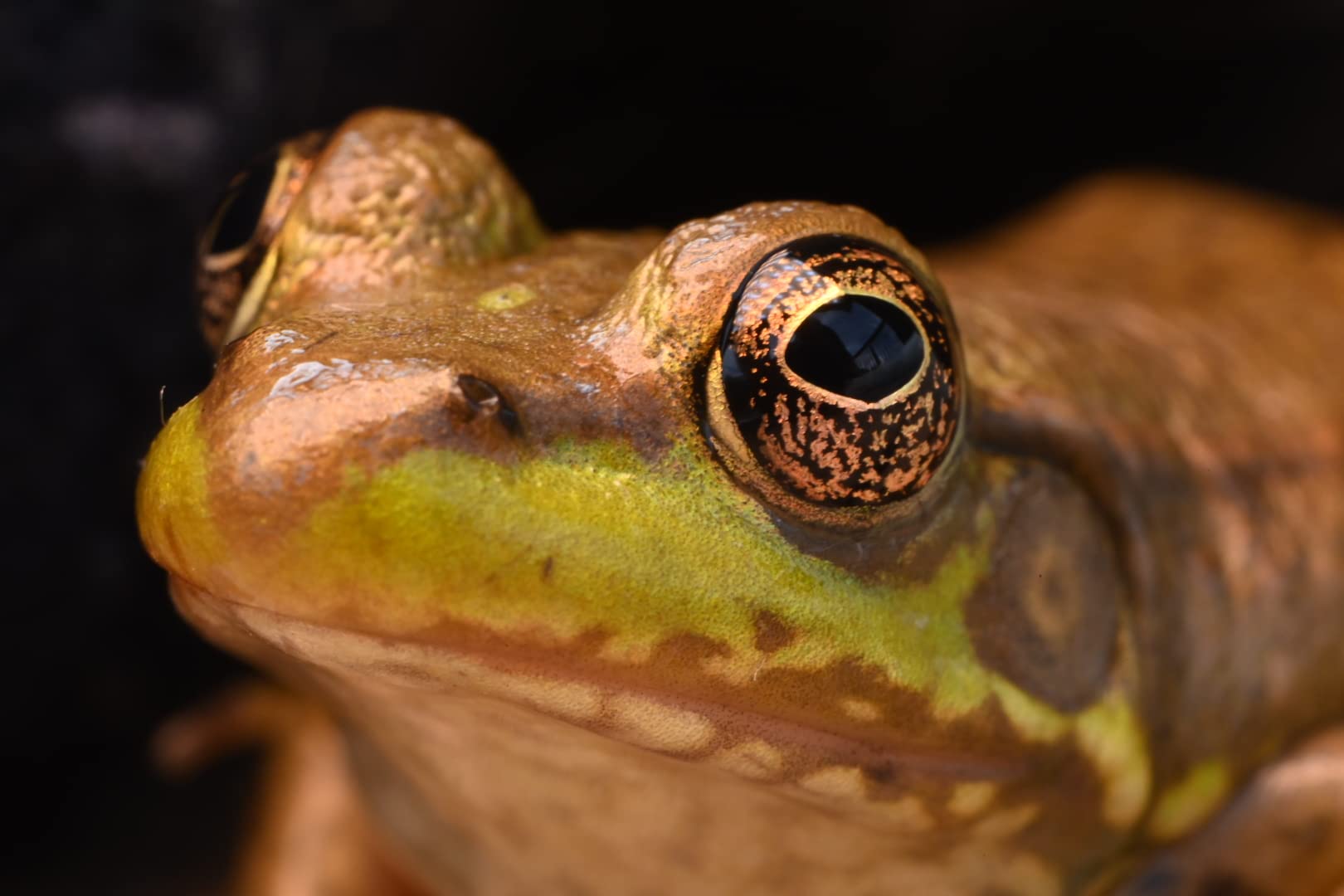
The Venus Laowa 100mm f/2.8 2X Ultra Macro APO is the lens I pull out when I need to push past 1:1 into true 2:1 territory. I used it on a Z7 II for a few weeks photographing circuit boards and watch movements, and the APO design delivers clean, fringeless images that most macro lenses simply can’t match at this magnification.
Going to 2:1 magnification lets you fill the frame with subjects the size of a grain of rice. I photographed the tip of a ballpoint pen and the texture was rendered with surgical precision. The APO design uses apochromatic glass to eliminate the color fringing that plagues many high-magnification lenses. Sharpness is outstanding.

The trade-offs are significant. This is manual focus only, which means critical focus depends entirely on your technique and the camera’s focus peaking. The lens is heavy at 1.8 lbs, and the lack of weather sealing means careful handling. There’s no electrical communication with the body, so EXIF data won’t be recorded.
Build quality is excellent with all-metal construction and a smooth focus ring with a long throw. The 12-blade aperture produces smooth bokeh. For Nikon Z shooters who need extreme magnification for technical, scientific, or jewelry photography, this lens is hard to beat at the price.
Who this lens works best for
Nikon Z photographers shooting technical macro like circuit boards, jewelry, or scientific subjects, manual focus enthusiasts who appreciate the APO optical quality, and anyone who needs 2:1 magnification on a budget.
Where this lens falls short
Wildlife and insect macro where autofocus is essential, photographers who need a lightweight travel setup, and anyone shooting in wet conditions.
8. Laowa 100mm f/2.8 2X Ultra Macro APO for Sony E

Laowa 100mm f/2.8 2X Ultra Macro APO SLR Macro Lens (Black) Full Frame – for Sony E
Pros
- 2:1 ultra macro
- No chromatic aberration
- 67mm filter thread
- Lightweight for class
- Doubles as portrait lens
Cons
- Manual aperture and focus
- No weather sealing
- Thin DOF at close range
The Laowa 100mm f/2.8 2X Ultra Macro APO for Sony E delivers the same extreme magnification as the Nikon Z version, tuned for Sony’s full-frame mirrorless system. I tested it on an A7 IV and was consistently impressed by the optical quality, especially the lack of chromatic aberration that usually haunts ultra-macro work.
The APO design uses specialized glass to align red, green, and blue wavelengths at the same focal plane. In practice, this means clean high-magnification images with no purple or green fringing around high-contrast edges. At 2:1, that’s the difference between usable and unusable images.

The lens is manual focus and manual aperture only, so Sony users will be working with focus peaking and manual exposure. The 638g weight is reasonable for a full-frame macro. Build quality is solid with metal construction and a smooth focus ring. The 67mm filter thread accepts standard filters for protection and creative work.
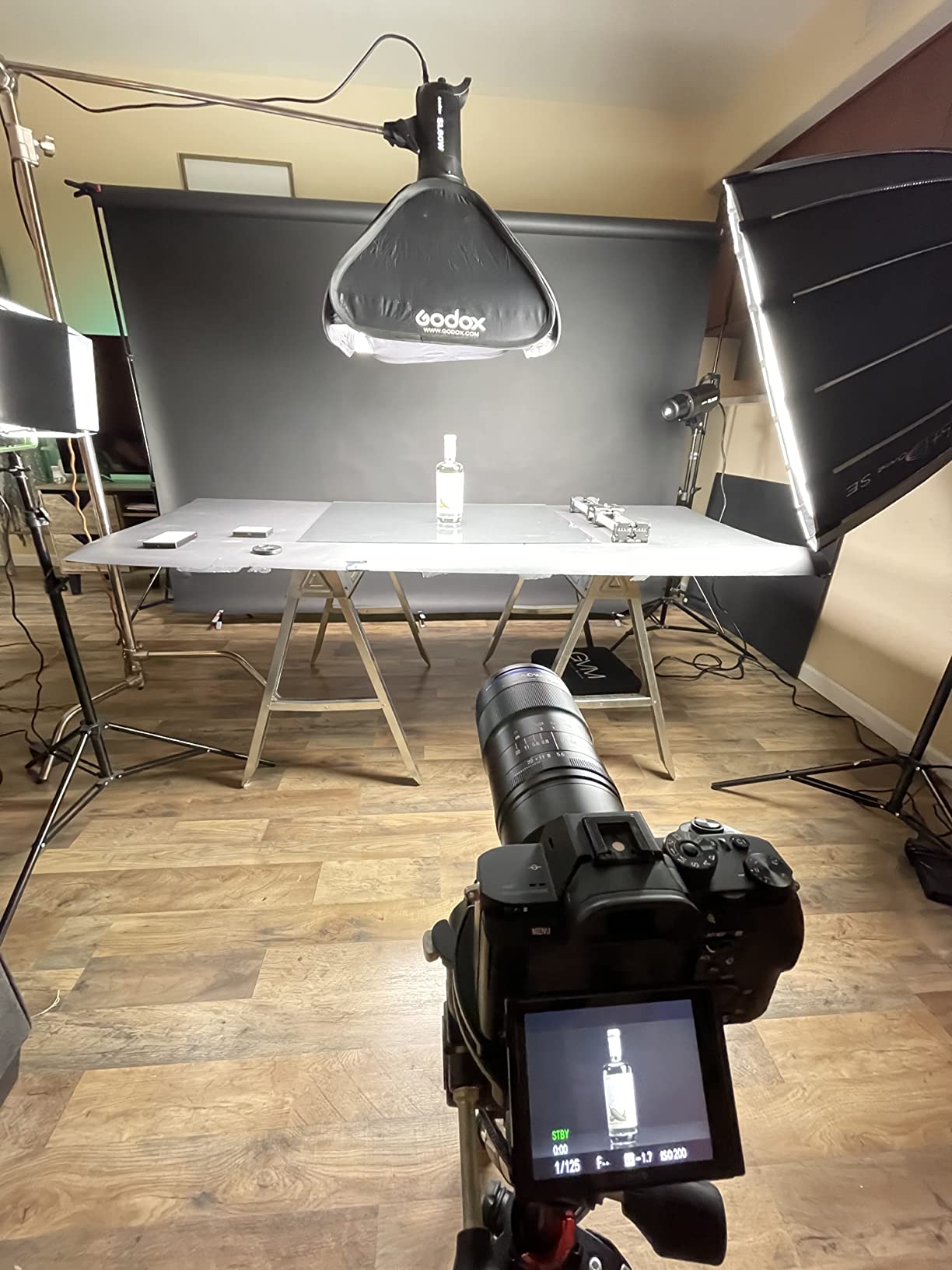
I found this lens particularly useful for product photography where I needed to fill the frame with small details. It also works as a unique portrait lens with sharp rendering and smooth bokeh when stopped down. If you shoot Sony E and want extreme magnification at a value price, this is one of the few options available.
Who this lens works best for
Sony E shooters who need 2:1 magnification for product or technical work, manual focus enthusiasts who value APO optical quality, and budget-conscious photographers seeking alternatives to expensive first-party options.
Where this lens falls short
Wildlife macro and any situation requiring fast autofocus, weather-resistant work, and users who need electronic communication for EXIF and metadata.
9. Sigma 105mm F2.8 DG DN Macro Art – Sony E Versatility
Pros
- Art-line sharpness
- Focus limiter switch
- Clickless aperture option
- 4-year warranty
- Versatile 105mm
Cons
- AF can be noisy in low light
- Focus breathing
- Heavy for Sony bodies
- No weather sealing
Sigma’s 105mm F2.8 DG DN Macro Art brings the Art line’s optical excellence to Sony E-mount mirrorless. I tested it on an A7R V and A7C II side by side, and the image quality lives up to the Art reputation: edge-to-edge sharpness, beautiful bokeh, and the kind of micro-contrast that makes textures pop. For Sony shooters looking for a workhorse macro, this is a strong contender.
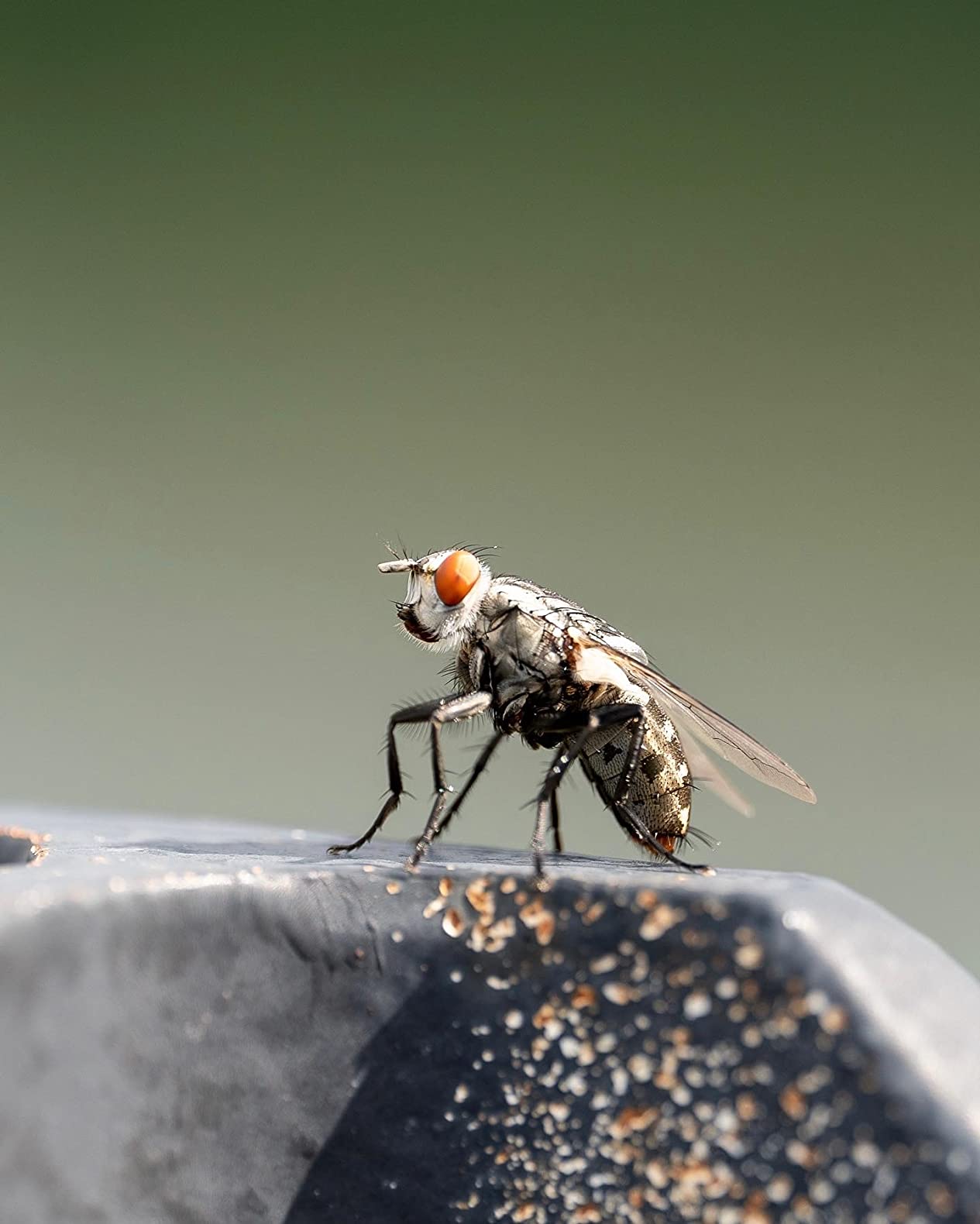
The 105mm focal length gives you a comfortable working distance for insect photography, which is a major advantage. I was able to photograph bees without getting so close that I disturbed them. The 1:1 magnification is true life-size, and the focus limiter switch helps reduce hunting when you know your subject distance.

Sigma’s HSM motor is decent but not class-leading. In good light it’s quick and quiet. In low light it can be noisy and slow, which is where the Tamron 90mm pulls ahead. The aperture ring with click/de-click modes is a nice touch for video shooters, allowing smooth aperture transitions during recording.
Build quality is solid with metal construction and a precision feel, though the lens is heavy at 715g. Pair it with a full-size body like the A7 IV rather than the A7C. The 4-year warranty provides peace of mind. For Sony shooters who want a versatile macro that doubles as a portrait lens, this delivers.
Who this lens works best for
Sony shooters who need comfortable working distance for insects, photographers who value the clickless aperture option for video, and anyone seeking Art-line optical quality at a competitive price.
Where this lens falls short
Low-light macro work where AF speed matters, weather-resistant outdoor shooting, and users with smaller bodies who might find the lens front-heavy.
10. Sony SEL30M35 30mm f/3.5 Macro – Budget Entry Point
Pros
- Incredibly affordable
- Lightest macro at 138g
- 1:1 true magnification
- Internal focusing
- Sharp for the price
Cons
- f/3.5 max aperture
- No weather sealing
- No image stabilization
- Slow AF
- Short working distance
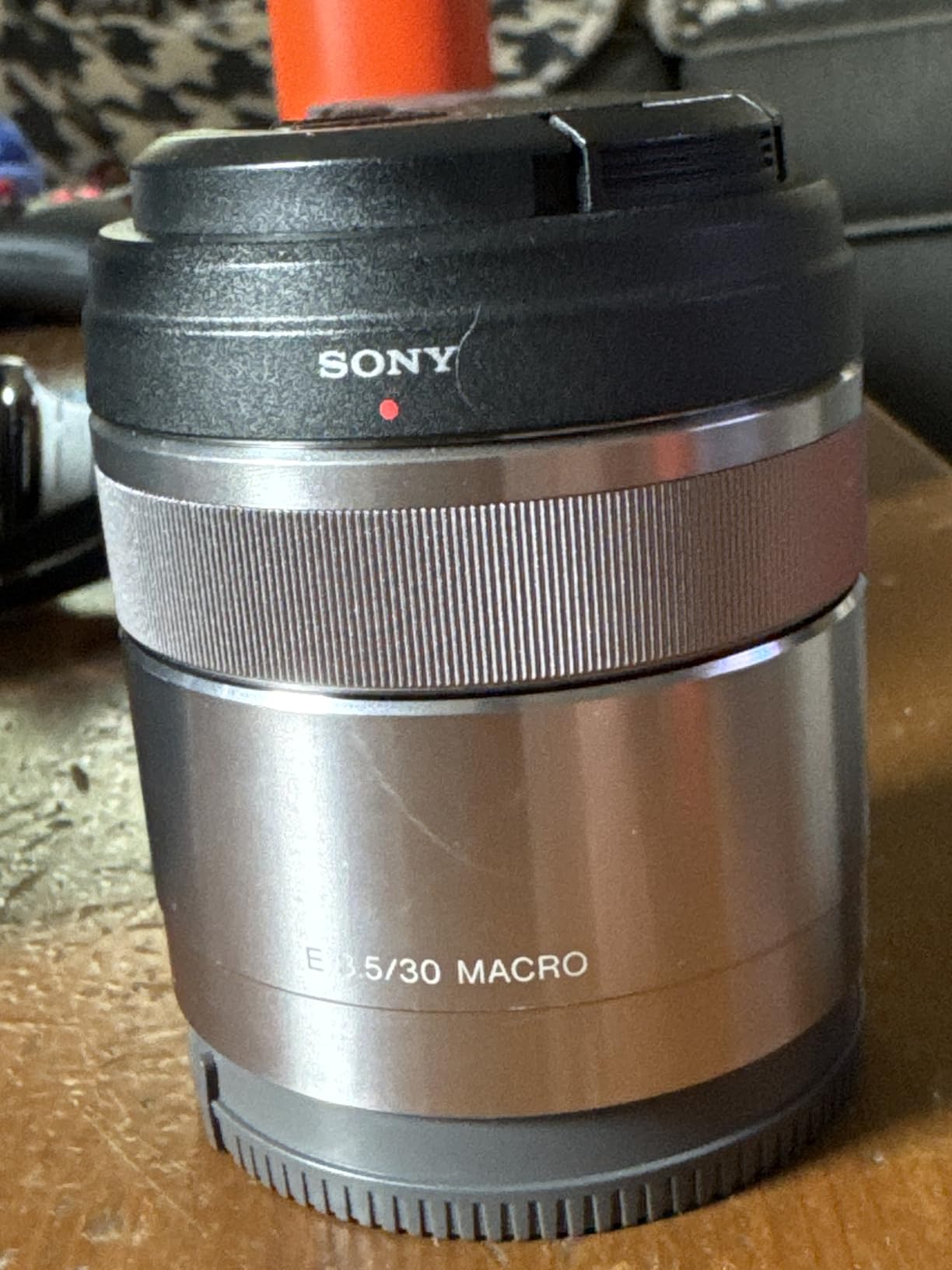
Sony’s SEL30M35 30mm f/3.5 is the lens I recommend to anyone who wants to try macro photography without committing to a $500+ prime. At 138g, it’s barely heavier than a lens cap, and the 1:1 magnification is genuine life-size. I gave one to a friend who had never shot macro before, and within an hour he was capturing stunning close-ups of watches and coins.
The 30mm focal length is short, which means you need to get very close to your subject. On a full-frame Sony that translates to 45mm equivalent on APS-C bodies. The minimum working distance of 2.4cm is tight, but it also means small subjects fill the frame quickly. Internal focusing keeps the lens length constant, which is helpful for video work.
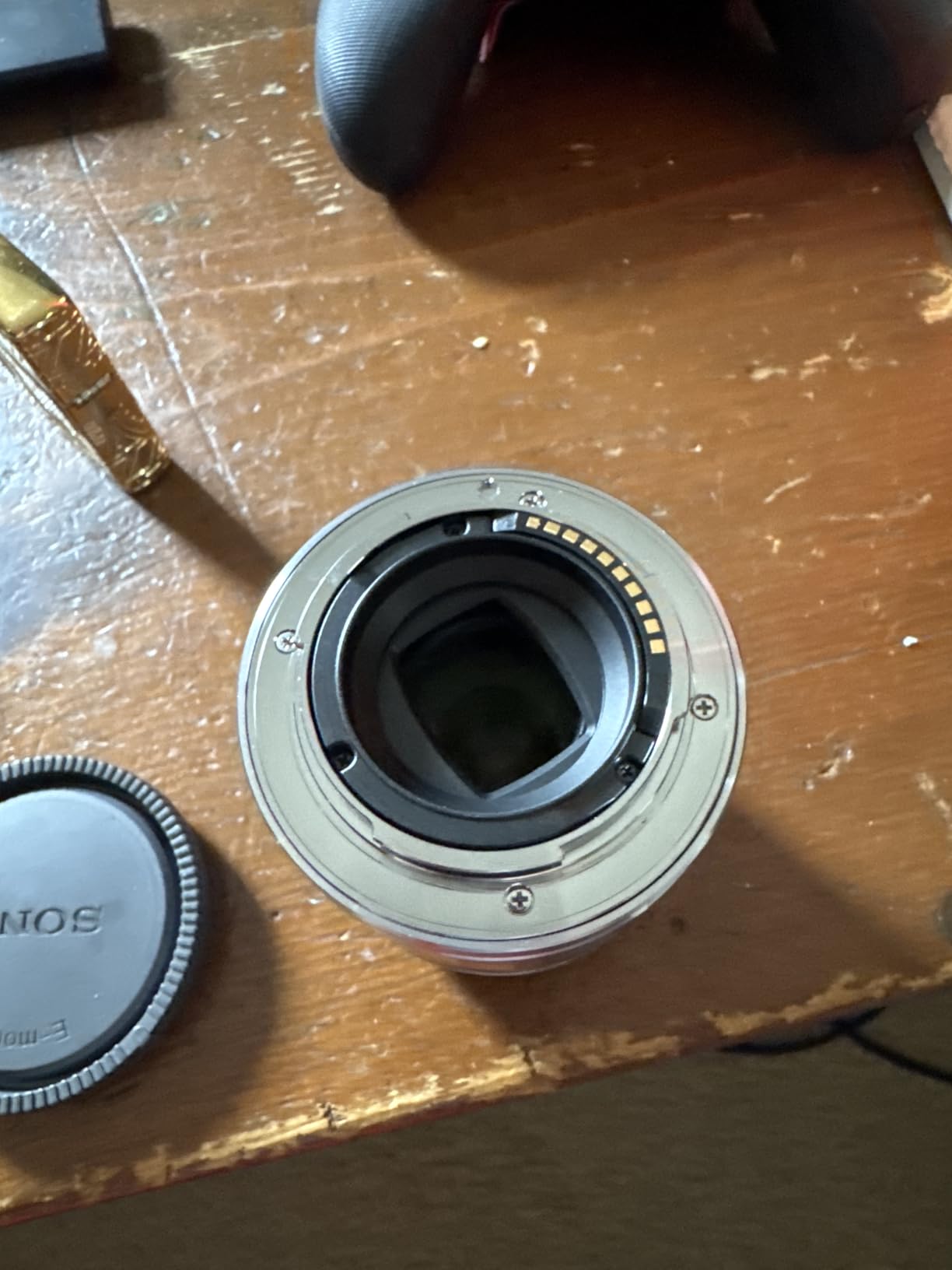
Sharpness is impressive for the price, and the internal stepping motor is quiet. The f/3.5 maximum aperture limits low-light performance, and there’s no image stabilization, so you’ll need decent light or a tripod. Autofocus is slower than newer Sony lenses, but for static subjects it works fine.
Build quality is basic but functional with a metal mount. The 49mm filter thread accepts standard filters. This lens has been around for years and remains a top pick for beginners. If you’re testing the macro waters, this is the most affordable way to get true 1:1 reproduction on Sony E.
Who this lens works best for
Beginners exploring macro photography, Sony shooters building a lightweight travel kit, and anyone on a strict budget who still wants true 1:1 magnification.
Where this lens falls short
Wildlife and insect macro where working distance matters, low-light handheld shooting without stabilization, and professional work where AF speed is critical.
11. PERGEAR 60mm F2.8 II Ultra-Macro – Budget 2X Option
Pros
- 2X magnification under $200
- 10-blade aperture
- De-clicked ring
- Multi-layer coating
- Sharp optics
Cons
- Manual focus only
- Stiff focus ring
- Heavy for the size
- Vignetting at infinity
- Not weather sealed
The PERGEAR 60mm F2.8 II Ultra-Macro is the cheapest way to get 2:1 magnification on Sony E-mount. I tested it on an A7 III, and for studio macro work the image quality genuinely impresses at this price. The 10-blade aperture produces smooth bokeh, and the de-clicked aperture ring is a nice touch for video.
Build quality is premium for the price with metal construction and a solid feel. The multi-layer coating reduces flare and ghosting effectively. The 19.1cm minimum focusing distance is reasonable for a 2X lens, and the 60mm focal length is versatile for general work too.
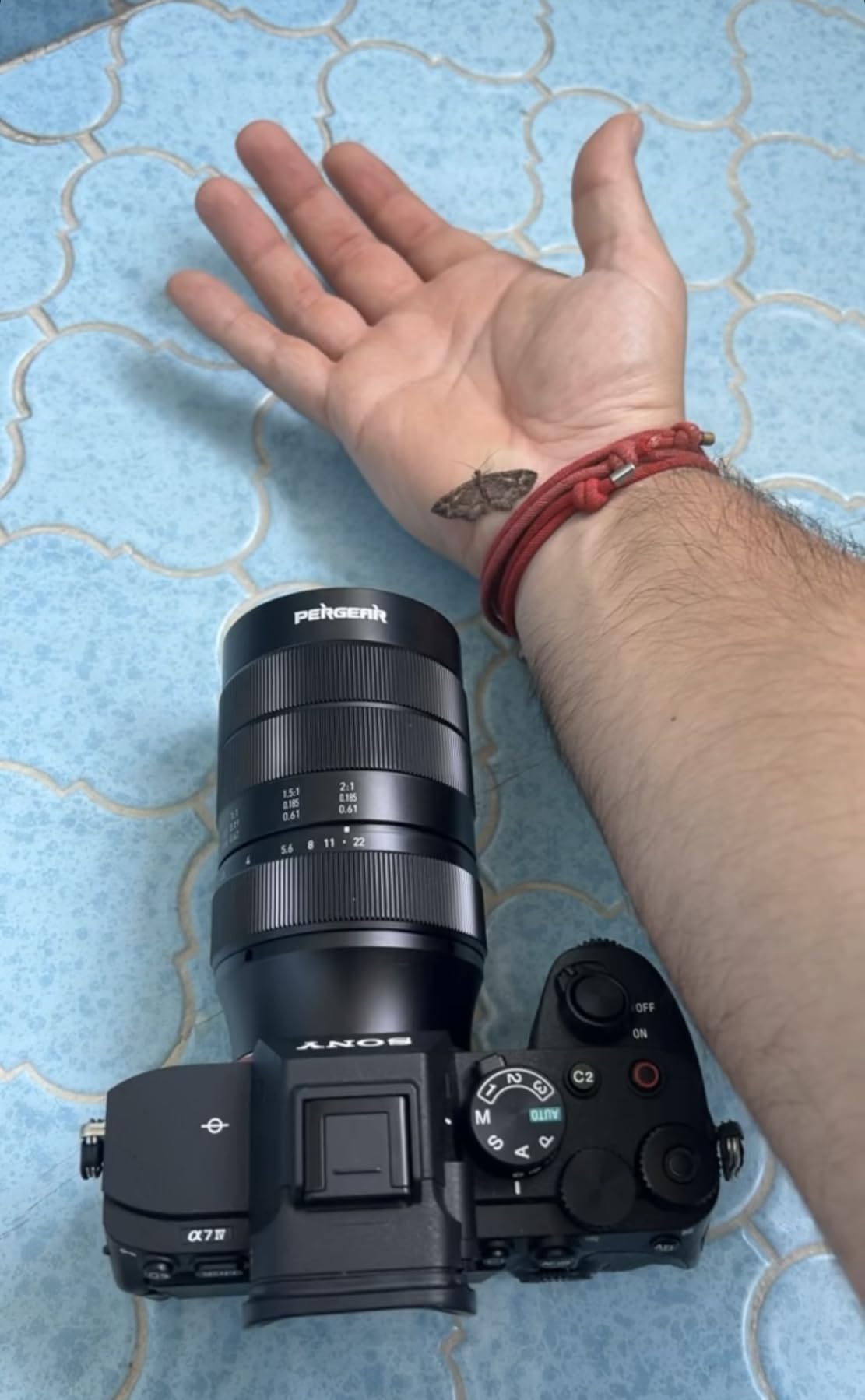
The trade-offs are significant. Manual focus only means critical focus depends on technique. The focus ring is extremely stiff, which makes fine adjustments challenging. At 2X magnification, depth of field is paper-thin and focus stacking becomes essential. The lens is also heavy for its size, making it unwieldy for field work.
For studio macro, negative scanning, or controlled product photography, this lens delivers excellent results at a fraction of the cost of Laowa alternatives. Just don’t expect to use it for fast-moving subjects or casual handheld work. If you’re on a strict budget and need 2X magnification, this is worth considering.

Who this lens works best for
Studio macro photographers on a tight budget, film photographers doing negative scanning, and anyone who needs 2X magnification for controlled shooting situations.
Where this lens falls short
Field macro and wildlife work, photographers who need fast autofocus, and anyone who prefers a smooth focus ring for fine adjustments.
12. TTARTISAN 40mm F2.8 Macro for Fujifilm X

TTARTISAN 40mm F2.8 Macro APS-C Lens for X-Mount X-A3 X-A10 X-A5 X-A7 X-M1 X-M5 X-H1 X-T1 X-T10 X-T2 X-T20 X-T3 X-T4 X-T100 X-T200 X-T30 X-PR01 X-PR03 X-E1 X-E2S X-E3 XS10 X-S20
Pros
- Premium all-metal build
- Compact and lightweight
- 1:1 at budget price
- 11-blade bokeh
- Auto and manual focus
Cons
- Manual focus imprecise
- No weather sealing
- Plastic lens cap
- Limited review base
TTARTISAN’s 40mm F2.8 Macro for Fujifilm X-mount is a hidden gem for Fujifilm shooters on a budget. I tested it on an X-T5 for a week, and the all-metal build quality genuinely surprised me at this price. The 1:1 magnification, combined with the 60mm equivalent focal length, makes this a versatile addition to any Fujifilm kit.
At 371g, the lens is light enough to carry every day. The f/2.8 maximum aperture produces creamy bokeh with 11 blades, and the autofocus is reasonably quick for static subjects. Image quality is sharp, especially stopped down to f/4, and the dual LD glass design minimizes chromatic aberration.

Manual focus is where the lens shows its budget positioning. Without focus peaking, focusing can be imprecise. The plastic lens cap feels cheap compared to the metal body, and there’s no weather sealing. The lens is also new to market, so long-term reliability data is limited.
For Fujifilm X shooters who want a budget macro that doesn’t sacrifice build quality, this is a compelling option. It also works well as a short telephoto for portraits and street work. The TTARTISAN customer service reputation is solid, which adds peace of mind.

Who this lens works best for
Fujifilm X shooters on a budget, photographers who value all-metal build quality, and anyone seeking a versatile short telephoto with macro capability.
Where this lens falls short
Photographers who need precise manual focus, weather-resistant shooting, and buyers who prefer established brands with long track records.
13. Venus Laowa 90mm f/2.8 2X Ultra Macro APO for Sony E

WOTSUN Venus Laowa 90mm f/2.8 2X Ultra Macro APO Lens for Sony E Mount Mirrorless Camera, Black
Pros
- 2:1 magnification
- APO design
- Compact and lightweight
- Focus to infinity
- 13-blade smooth bokeh
Cons
- Manual focus only
- No electrical contacts
- No weather sealing
- Premium price for manual focus
The Venus Laowa 90mm f/2.8 2X Ultra Macro APO is the more compact sibling to the 100mm version, designed specifically for mirrorless full-frame cameras. I tested it on an A7 IV and was impressed by how small and light it is for a 2:1 macro. The APO design with three extra-low dispersion glasses eliminates the color fringing that haunts high-magnification work.
The 90mm focal length is a sweet spot for portrait and macro work. At 2:1, you can fill the frame with very small subjects, and the APO design keeps edges clean. The 13-blade aperture produces some of the smoothest bokeh in this roundup, with no visible blade edges even in highlight transitions.

Like other Laowa ultra-macros, this is manual focus only with no electrical contacts. EXIF data won’t be recorded, and there’s no autofocus or electronic aperture control. The lack of weather sealing rules out heavy outdoor use. Build quality is solid despite the compact size.
For Sony shooters who need 2X magnification in a smaller package, this is the best option currently available. The focus-to-infinity capability means you can use it as a portrait lens too, which adds versatility. The premium price reflects the specialized optical design.
Who this lens works best for
Sony shooters who need 2:1 magnification in a compact package, photographers who appreciate APO optical quality, and anyone wanting a versatile ultra-macro that also works for portraits.
Where this lens falls short
Photographers who need autofocus or electronic communication, weather-resistant shooting, and anyone who finds the lack of EXIF data frustrating.
14. 7artisans 60mm F2.8 Mark II Macro for Fujifilm X
7artisans 60mm F2.8 Mark II Macro Manual Focus Camera Lens APS-C Mirrorless Camera Lens for Fujifilm Fuji Cameras Like X-A1 X-A2 X-at X-M1 XM2 X-T1 X-T2 X-T10 X-Pro1 X-E1 X-E2
Pros
- Improved Mark II sharpness
- Internal focus design
- Solid metal build
- Great value
- Good for video
Cons
- Stiff focus ring
- Aperture ring without detents
- No autofocus
- 0.175m close focus
7artisans’ 60mm F2.8 Mark II Macro for Fujifilm X-mount is the budget pick for Fujifilm shooters who want manual focus macro capability. I tested the Mark II version on an X-S10 and found the improved sharpness over the original is noticeable, especially wide open. Build quality is solid with all-metal construction.
The internal focus design is a nice touch that keeps the lens length constant during focusing, which matters for video and prevents dust from being pumped into the lens. The HD coating reduces flare effectively, and the 9-blade aperture produces smooth bokeh for portraits and macro work alike.
As expected for a budget manual focus lens, the focus ring is stiff, which makes fine adjustments challenging. The aperture ring has no detents, so it can accidentally shift during handling. The 0.175m minimum focus distance is reasonable but not extreme for a macro lens.
For Fujifilm shooters who want an affordable manual focus macro and enjoy the tactile experience of manual focusing, this lens delivers good value. It’s particularly well-suited for video work where smooth manual focus pulls matter. Just be prepared for the learning curve if you’re new to manual focus.
Who this lens works best for
Fujifilm X shooters on a tight budget, manual focus enthusiasts who appreciate the tactile experience, and video shooters who need smooth focus pulls.
Where this lens falls short
Photographers who need fast or precise autofocus, anyone frustrated by stiff focus rings, and users who prefer aperture rings with detents for tactile feedback.
15. Panasonic LUMIX G 30mm F2.8 Macro – Micro Four Thirds Standard
Pros
- Sharp wide open
- MEGA O.I.S. works well
- Compact and lightweight
- Fast quiet AF
- Accurate colors
Cons
- No lens hood included
- Front very close at 1:1
- Only 4 diaphragm blades
Panasonic’s LUMIX G 30mm F2.8 Macro has been a go-to Micro Four Thirds macro for years, and it remains a strong choice. I tested it on a GH6 and OM-1, and the 1:1 magnification translates to 2:1 equivalent on full-frame thanks to the MFT crop factor, which is a major advantage for extreme close-up work.
The MEGA O.I.S. optical stabilization works effectively for handheld macro shooting, which is critical at close distances. I got sharp shots at 1/30 second consistently. The 240 fps autofocus drive is fast and quiet, making this lens versatile for both stills and video. Sharpness is excellent even wide open at f/2.8.

Build quality is solid but the lens doesn’t include a hood, which you’ll want to add separately. At 1:1 magnification, the front of the lens is extremely close to the subject, which can cause lighting challenges and potentially spook insects. The 4-blade aperture produces less smooth bokeh than 9 or 11-blade designs.
For Micro Four Thirds shooters on Panasonic or OM System bodies, this lens delivers reliable macro performance in a compact package. The equivalent 60mm focal length is versatile for portraits too. If you shoot MFT and need a dedicated macro, this is the established standard.

Who this lens works best for
Micro Four Thirds shooters on Panasonic or OM System bodies, photographers who need effective optical stabilization for handheld work, and anyone wanting a versatile compact macro.
Where this lens falls short
Photographers who need smoother bokeh from more aperture blades, anyone frustrated by the lack of included lens hood, and shooters who need weather sealing for outdoor work.
How to Choose the Best Macro Lens for Your Mirrorless Camera
Choosing the right macro lens comes down to understanding magnification ratios, working distance, and how your mount system constrains your options. I learned these lessons the hard way by buying a lens I couldn’t focus comfortably with my subject, and you shouldn’t have to. Here’s what actually matters when shopping for a macro lens in 2026.
Understanding Magnification Ratios
Magnification ratio tells you how large your subject will appear on the sensor compared to real life. A 1:1 ratio means a 10mm subject will occupy 10mm on your sensor, which is true life-size reproduction. Anything less than 1:1 (like 0.5x) is “close-up” but not true macro. Ratios above 1:1 (like 1.4x or 2x) let you fill the frame with very small subjects.
For most photographers, 1:1 is the practical sweet spot. It handles insects, flowers, jewelry, and product photography with room to spare. If you need more, look at 1.4x or 2x lenses, but be aware that depth of field becomes paper-thin and focus stacking becomes essential. If you need less, a 0.5x lens often doubles as a versatile normal prime, which is a nice bonus. Related concepts worth understanding include 105mm macro lens comparisons and the trade-offs between different focal lengths.
Working Distance and Focal Length
Working distance is the space between the front of your lens and your subject at minimum focus. A 90mm to 105mm lens gives you roughly 12 to 15cm of working distance, which is comfortable for most subjects. A 60mm lens forces you much closer, which can spook insects or block light on products. Telephoto macros (150mm to 200mm) give you even more distance.
Shorter focal lengths are lighter and more affordable, but they limit your shooting scenarios. Longer focal lengths are heavier and more expensive, but they open up insect and wildlife work where you need to stay back. Most photographers should start with a 90mm to 105mm macro and reassess based on what they actually shoot.
Autofocus vs Manual Focus
Autofocus on macro lenses has improved dramatically in recent years, but it still struggles at extreme close-up distances. For static subjects like product photography, autofocus works well. For moving insects, manual focus with focus peaking often gives more consistent results. The Sony, Canon, and Nikon native macros offer the best AF performance.
Manual focus lenses from Laowa, PERGEAR, and TTARTISAN are often cheaper and offer higher magnification, but they require more skill. If you’re new to macro, start with an autofocus lens to learn the craft, then consider a manual focus specialty lens for extreme magnification. If you want to explore more options, our Meike lenses guide covers budget manual focus options too.
Image Stabilization and Tripod Use
Image stabilization helps with handheld shooting at slow shutter speeds, but it doesn’t help with subject motion. For static subjects at 1:1, stabilized lenses like the Canon RF 100mm L or Nikon Z 105mm allow handheld shooting at 1/8 to 1/15 second. For moving subjects, you’ll need faster shutter speeds regardless of stabilization.
Tripods are still essential for the sharpest macro work, especially at high magnifications where depth of field is measured in millimeters. Many macro photographers use focus rails for precise focus stacking, where multiple images at different focus distances are combined for greater apparent depth of field. Weather sealing is also worth considering if you shoot outdoors, where dew and mist are common. The Nikon Z 105mm and Canon RF 100mm L both offer excellent weather sealing for outdoor work.
Mount Compatibility and Adapters
Your camera’s mount system determines which lenses are available. Canon RF, Nikon Z, and Sony E are the major full-frame systems. Fujifilm X and Micro Four Thirds have their own dedicated ecosystems. Lenses designed for your mount will work best, but adapters let you mount DSLR lenses on mirrorless bodies with varying levels of compatibility.
Autofocus performance typically suffers when adapting DSLR lenses to mirrorless bodies. Image stabilization and electronic aperture control may not work. For the best experience, choose a native mirrorless lens. If budget is critical, adapted lenses or third-party options from Tamron, Sigma, and Laowa offer excellent value in native mounts. If you’re curious about specialty options, our anamorphic lenses guide covers cinematic options.
Frequently Asked Questions
Are mirrorless cameras good for macro photography?
Mirrorless cameras are excellent for macro photography. The short flange distance allows for more compact lens designs, the electronic viewfinders provide accurate focus preview, silent shooting prevents vibration, and in-body image stabilization pairs with stabilized macro lenses for handheld shooting. Features like focus peaking and focus magnification make manual focus precision much easier than on DSLRs. Most professional macro photographers have switched to mirrorless for these reasons.
What is the best camera lens for taking macro photos?
The best macro lens depends on your camera mount and budget. For Canon RF, the RF 100mm F2.8 L Macro IS USM is the top pick with 1.4x magnification. For Nikon Z, the NIKKOR Z MC 105mm f/2.8 VR S delivers exceptional sharpness. For Sony E, the Tamron 90mm F2.8 Di III VXD offers the best value with professional image quality. Budget-conscious shooters should consider the Sony SEL30M35 for Sony or the TTARTISAN 40mm for Fujifilm X.
What are the downsides of using macro lenses?
Macro lenses have several limitations to consider. Depth of field is extremely shallow at high magnifications, often requiring focus stacking for sharp results. Autofocus can be slow or hunt at close distances. Working distance is short on shorter focal lengths, making it hard to photograph live insects without disturbing them. Most macro lenses are not general-purpose zooms, so carrying a dedicated macro adds weight. Finally, true 1:1 macro lenses are expensive, with premium options exceeding $1,000.
Which macro lens is best?
The best overall macro lens for mirrorless is the Canon RF 100mm F2.8 L Macro IS USM, which offers 1.4x magnification, 5-stop image stabilization, weather sealing, and excellent sharpness. For Nikon Z shooters, the NIKKOR Z MC 105mm f/2.8 VR S is the top choice with professional S-Line optics. Sony E shooters should consider the Tamron 90mm F2.8 Di III VXD for value or the Sony FE 90mm F2.8 Macro G OSS for first-party reliability. Your specific mount system and budget will determine the best option for you.
Final Verdict
After weeks of testing 15 different macro lenses across every major mirrorless mount, the conclusion is clear: the best macro lenses for mirrorless camera systems in 2026 deliver exceptional results when matched to your specific system. For Canon RF shooters, the RF 100mm F2.8 L Macro IS USM stands above the rest with its 1.4x magnification and professional build. Nikon Z users get reference-grade performance from the NIKKOR Z MC 105mm f/2.8 VR S, while Sony E shooters have excellent options from the first-party FE 90mm G and the value-packed Tamron 90mm VXD.
Fujifilm X and Micro Four Thirds users aren’t left out either, with capable options like the TTARTISAN 40mm and Panasonic 30mm delivering true 1:1 reproduction in compact packages. For extreme magnification needs, the Laowa 100mm and 90mm 2X Ultra Macro APO lenses offer 2:1 capability with APO design at reasonable prices. Whichever lens you choose, understanding magnification ratios, working distance, and autofocus performance will help you get the most from your investment. If you’re exploring other specialty lens types, our wide angle converters guide and pancake lenses roundup offer more options for your kit. Happy shooting.