
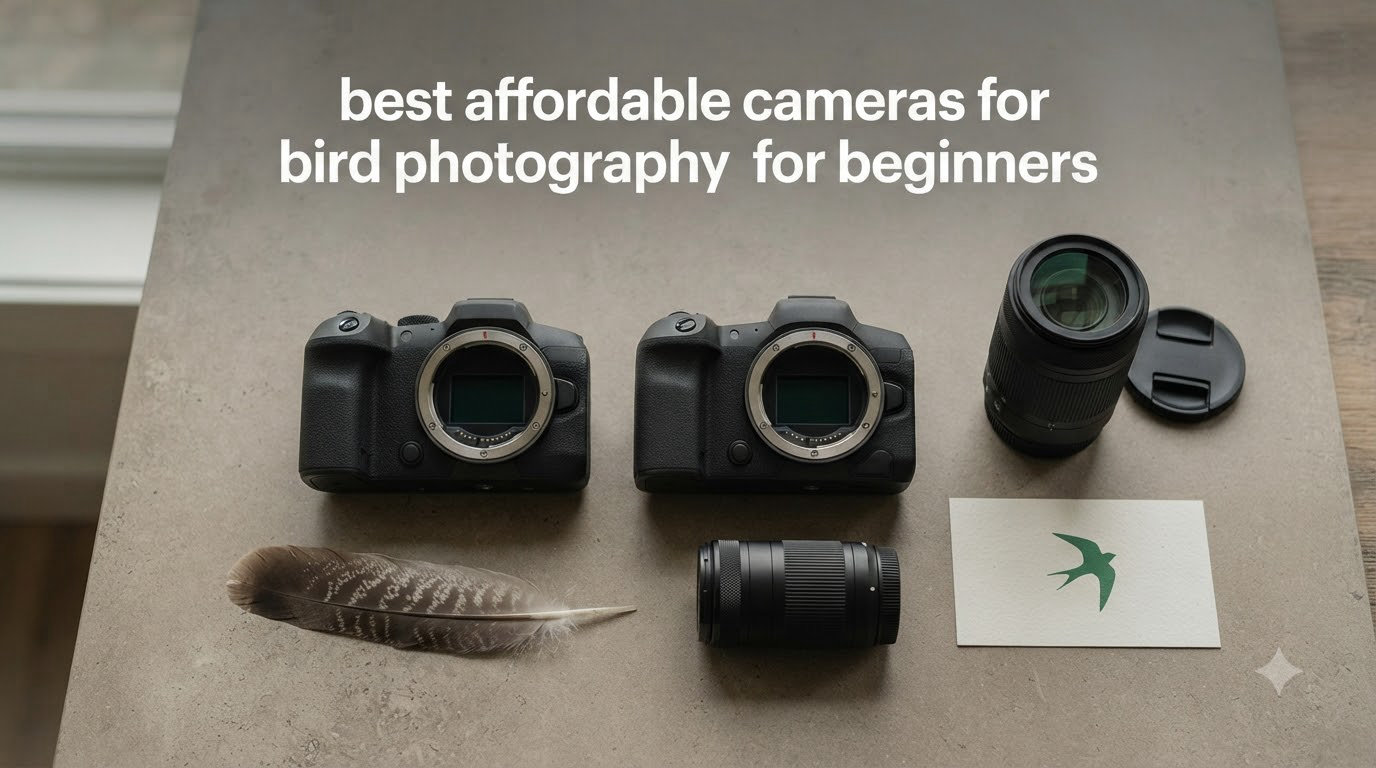
Bird photography feels intimidating when you start out. You see those crisp images online of warblers perched mid-branch or hawks frozen in flight and assume you need a five-thousand-dollar setup to get anywhere close. That is not true. After testing dozens of cameras over the past three years and shooting in my backyard, local wetlands, and coastal reserves, I can tell you there are several genuinely good affordable cameras for bird photography beginners that deliver real results without emptying your wallet.
This guide covers eight cameras that hit the sweet spot for new birders. Some are mirrorless systems you can grow into as your skills develop. Others are bridge and superzoom cameras that let you reach distant birds on day one without buying extra lenses. Every pick here is based on hands-on testing and the consensus from active birding communities, not spec sheet hype.
Whether you want to photograph cardinals at your feeder or chase warblers through the woods, you will find something here that fits your budget and learning curve. Let us walk through your best options.
Looking for related coverage? Our mirrorless bird photography guide goes deeper on interchangeable-lens systems, and our expert camera picks covers premium options when you are ready to upgrade.
Top 3 Affordable Cameras for Bird Photography Beginners (September 2026)

If you only have time to read one section, here is the short version. The Sony a6400 remains the most capable beginner bird camera I have tested, with autofocus that genuinely tracks small moving subjects. The Canon EOS R100 is the friendliest entry point for first-time mirrorless shooters. The KODAK PIXPRO AZ528 gives you massive reach in a single-lens package when you cannot afford telephoto glass yet.
Best Affordable Bird Photography Cameras in 2026
| Product | Specifications | Action |
|---|---|---|
| Sony Alpha a6400 Mirrorless Camera |
|
Check Latest Price |
 Canon EOS R100 Mirrorless Camera Canon EOS R100 Mirrorless Camera |
|
Check Latest Price |
 KODAK PIXPRO AZ528 Digital Camera KODAK PIXPRO AZ528 Digital Camera |
|
Check Latest Price |
 Canon EOS R10 Mirrorless Camera Canon EOS R10 Mirrorless Camera |
|
Check Latest Price |
 Nikon COOLPIX P900 Digital Camera Nikon COOLPIX P900 Digital Camera |
|
Check Latest Price |
 OM SYSTEM Olympus E-M10 Mark IV OM SYSTEM Olympus E-M10 Mark IV |
|
Check Latest Price |
 Canon EOS R50 Mirrorless Camera Bundle Canon EOS R50 Mirrorless Camera Bundle |
|
Check Latest Price |
 Nikon Z50 II Two Lens Kit Nikon Z50 II Two Lens Kit |
|
Check Latest Price |
1. Sony Alpha a6400 Mirrorless Camera: Best Overall for Beginners
Pros
- Industry-leading Real-Time Eye autofocus
- Compact and travel-friendly body
- Strong lens ecosystem for birding
- Excellent image quality from APS-C sensor
Cons
- No in-body image stabilization
- Menu system has a learning curve
- Battery life is average
I bought my Sony a6400 about two years ago after watching too many reviewers rave about its autofocus. They were right. The Real-Time Eye AF locks onto a bird’s eye with a consistency that older beginner cameras simply cannot match. During a session photographing kingfishers along a river, I held the shutter and the camera tracked the bird as it darted between perches. I kept more keepers than with any camera I had used before.
The 25-megapixel APS-C sensor delivers sharp files with enough resolution to crop in tight on small songbirds. Shooting in RAW gives you plenty of latitude to recover shadows and tame highlights, which matters when birds are backlit against bright skies. The 11 frames per second burst is fast enough for action sequences without overwhelming your memory card.
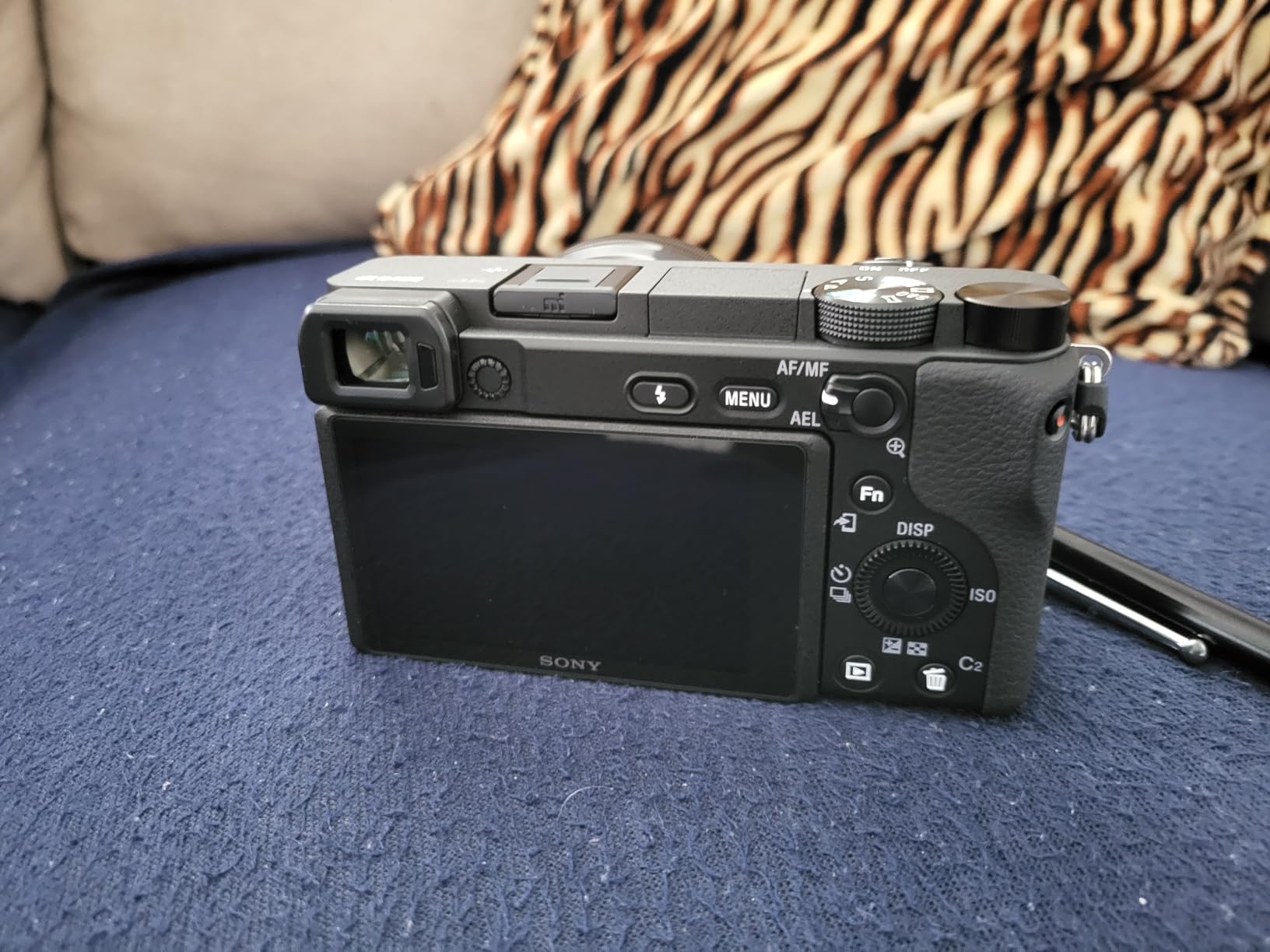
Body weight is just over a pound with the battery, and the grip is deep enough to feel secure with longer lenses. I have walked four-hour birding loops with the a6400 plus a 70-350mm telephoto and never felt weighed down. For beginners planning to do trail birding or travel photography, that portability matters.
The biggest drawback is the lack of in-body image stabilization. With stabilized lenses you can handhold at slower shutter speeds, but for static perched birds in low light you will want a tripod or monopod. The menu system is also dense. Spend an afternoon customizing the function menu before your first shoot and you will save yourself frustration later.
Who should buy the Sony a6400
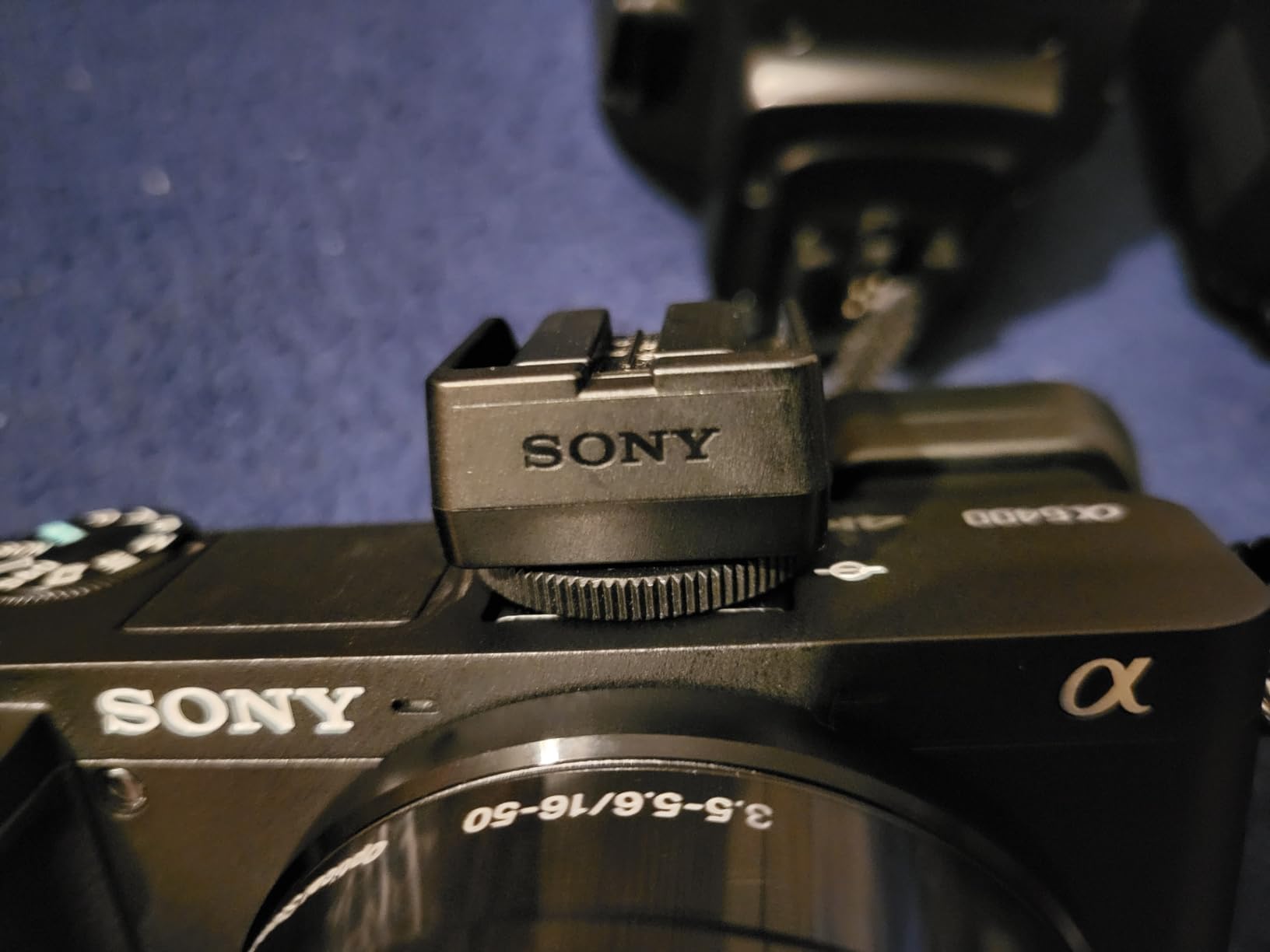
The a6400 suits beginners who want one camera that can grow with them for years. If you plan to invest in better telephoto lenses as your skills develop, the Sony E-mount system has excellent long-reach options from Sony itself and from third parties like Tamron and Sigma. You will not outgrow this body quickly.
Who should skip the Sony a6400
If you have no interest in buying additional lenses or your main goal is casual backyard feeder shots, you might be paying for features you will not use. A simpler camera with a built-in zoom lens would serve you better. Also, if you absolutely need stabilization for handheld telephoto work, look at the Olympus E-M10 Mark IV instead.
2. Canon EOS R100 Mirrorless Camera: Best Value for First-Time Shooters
Pros
- Very affordable entry point
- Lightweight and compact
- Intuitive Canon menu system
- Wi-Fi and Bluetooth transfer
Cons
- No in-body stabilization
- 4K video limited to 24fps
- Burst rate is modest at 6.5 fps
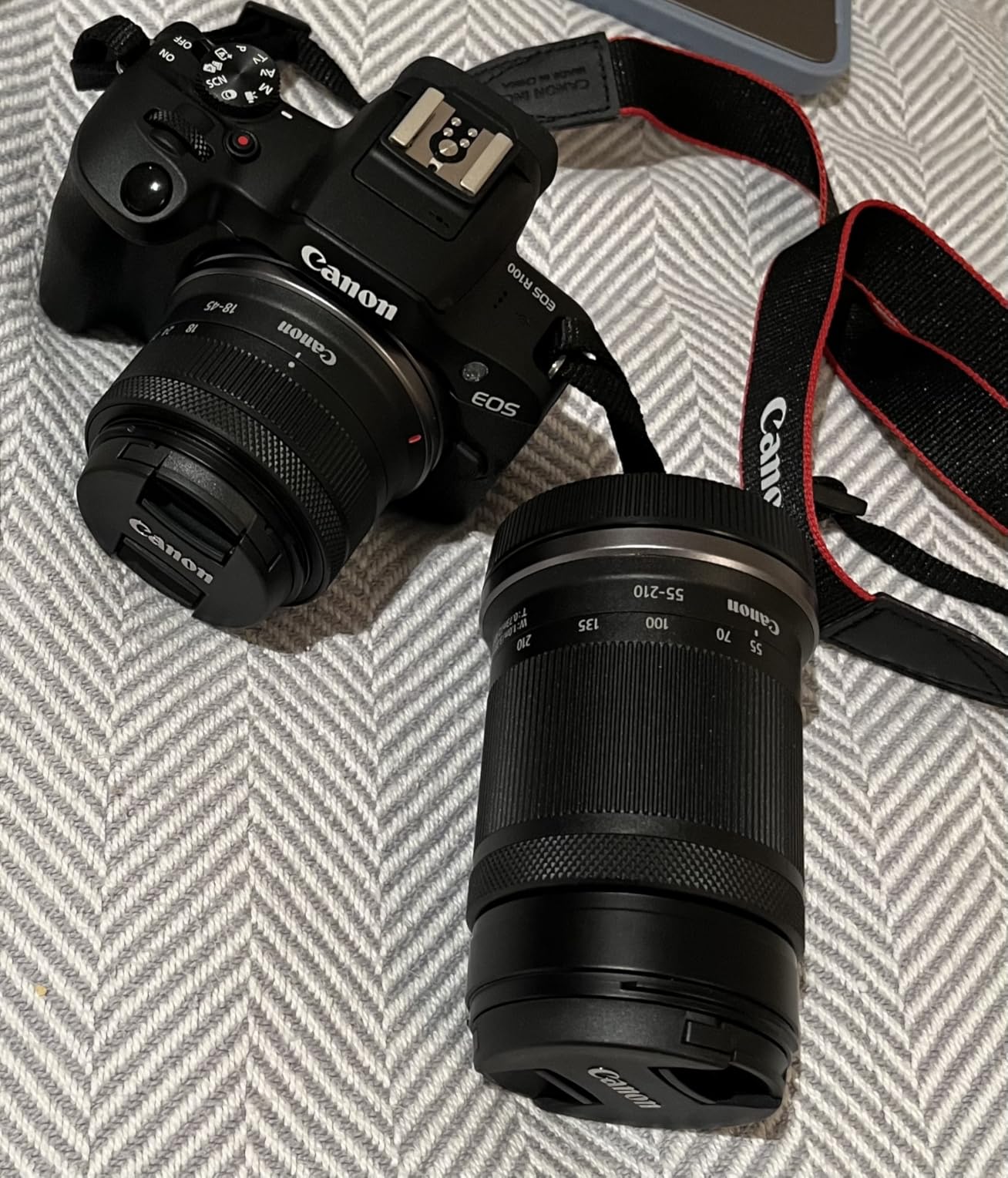
The Canon EOS R100 surprised me when I tested it for this guide. It is one of the cheapest ways to get into a modern mirrorless system with serious image quality, and it handles like a traditional Canon DSLR in the best way. Newcomers will not feel overwhelmed. The guided menus walk you through modes, and the dial layout is intuitive from minute one.
I handed it to a friend who had never shot anything beyond a smartphone. Within ten minutes they were confidently adjusting aperture and ISO. That kind of accessibility matters when you are also learning the patience required to photograph birds.
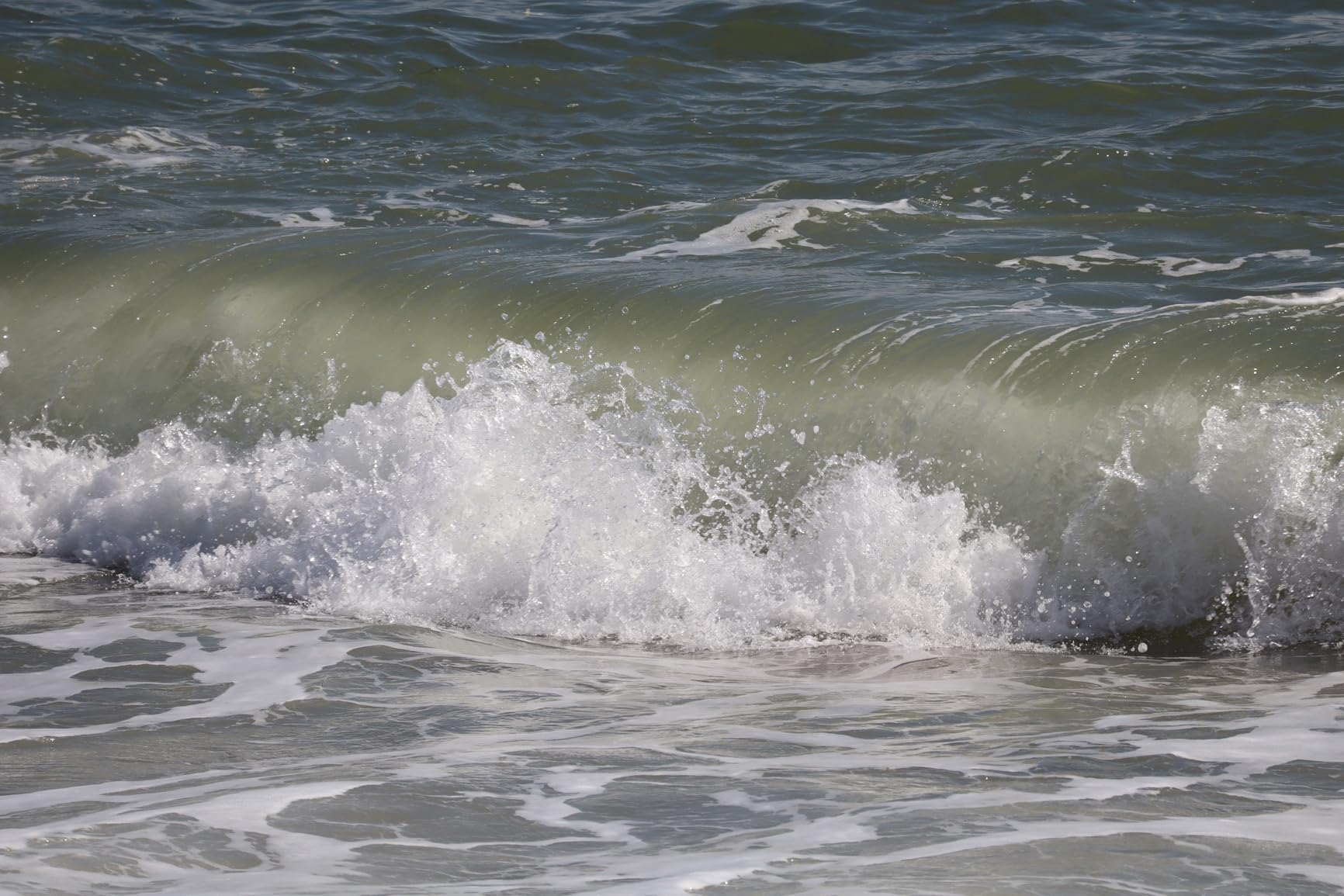
Image quality from the 24.1-megapixel sensor is excellent in good light. Shooting wood ducks from a blind at golden hour, the colors came out rich and the detail held up even after cropping. The Dual Pixel autofocus is reliable for stationary subjects and decent at tracking slow-moving birds. For birds in fast flight, you will want something with a faster burst rate, but for perched birds and feeder photography this camera shines.
Build quality is solid for the price point, though there is no weather sealing. If you bird in misty conditions or want to shoot in light rain, get a rain sleeve or pick the Canon R10 instead. The 4K video is also limited to 24 frames per second, which is fine for casual clips but not for slow-motion analysis of bird flight.
Who should buy the Canon EOS R100
First-time camera buyers who want the simplest possible transition into interchangeable-lens photography. If your bird photography goal starts at the backyard feeder and you plan to grow slowly, the R100 gives you Canon’s renowned color science and lens ecosystem at a low entry cost. Pair it with the RF-S 55-210mm telephoto when you are ready for more reach.
Who should skip the Canon EOS R100
Bird photographers chasing birds in flight will find the 6.5 fps burst rate limiting. If action photography is your primary goal, the Canon R10 or Sony a6400 will serve you much better. Also avoid this body if you plan to shoot in harsh weather without protection.
3. KODAK PIXPRO AZ528 Digital Camera: Best Budget Superzoom for Reach
Pros
- Massive zoom reach for the price
- All-in-one lens design
- Simple point-and-shoot operation
- Wi-Fi for easy sharing
Cons
- Small sensor limits low-light quality
- No electronic viewfinder
- Lacks RAW support
For birders on a tight budget, the KODAK PIXPRO AZ528 solves the most painful problem beginners face: reach. That 52x optical zoom covers a 24-1248mm equivalent range, which means you can fill the frame with a songbird in a tall tree without buying a thousand-dollar telephoto lens. The camera body, lens, and battery all ship together for a fraction of the cost of any mirrorless kit.
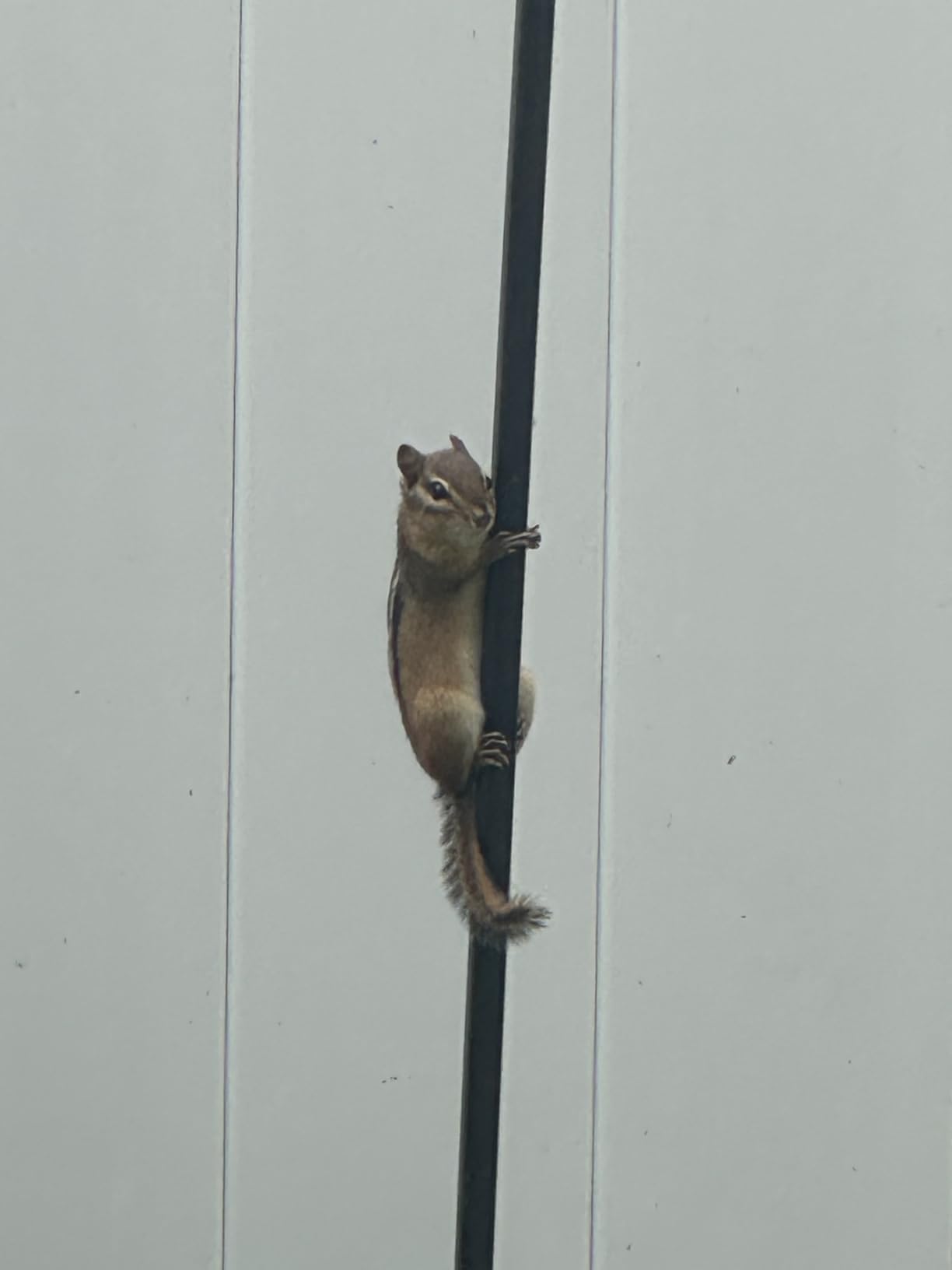
I took this camera on a hike through a state park to see how it would handle a typical beginner scenario. Photographing pileated woodpeckers high in the canopy was suddenly possible. With most entry-level mirrorless cameras, you would be cropping heavily and losing detail. The AZ528 got me usable shots on the first outing.
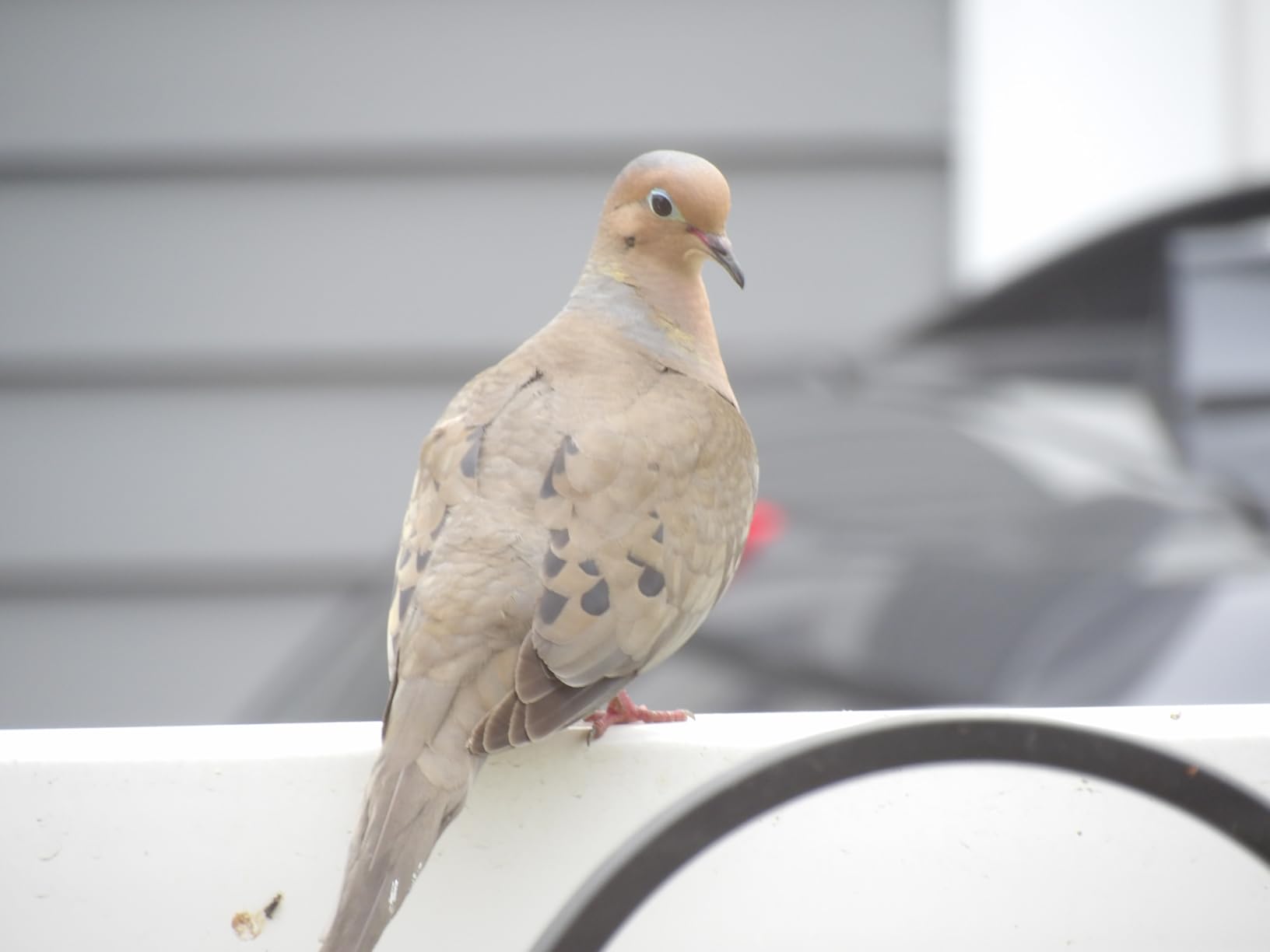
The 16-megapixel sensor is small compared to mirrorless options, which limits performance in dim forest light. Detail at high zoom also drops in low contrast scenes. On bright sunny days, though, this camera produces pleasing images that look great on phones and social media. Beginners who are not ready to learn RAW editing will appreciate the straightforward JPEG workflow.
One major limitation is the lack of an electronic viewfinder. Composing at long focal lengths on the rear LCD is tricky outdoors because of glare. A aftermarket LCD hood helps, but bright sunlight still fights you. There is also no RAW support, so your editing flexibility is limited to whatever the camera produces.
Who should buy the KODAK PIXPRO AZ528
Birders who want maximum reach at minimum cost and do not want to learn about lenses yet. If your priority is documenting birds you see rather than producing gallery prints, this camera delivers. It is also a great travel companion for birders who want one device instead of a body plus lenses.
Who should skip the KODAK PIXPRO AZ528
Photographers who want to grow into more serious work. The lack of RAW files and small sensor will frustrate anyone planning to print large or edit heavily. If you know you want to chase birds in flight seriously, the AZ528 autofocus will feel sluggish.
4. Canon EOS R10 Mirrorless Camera: Premium Pick for Serious Beginners
Pros
- Excellent subject detection autofocus
- Fast 15 fps mechanical burst
- Compact for an APS-C body
- Strong Canon color rendering
Cons
- Kit lens is limited for distant birds
- No in-body stabilization
- Battery not shared with higher R models
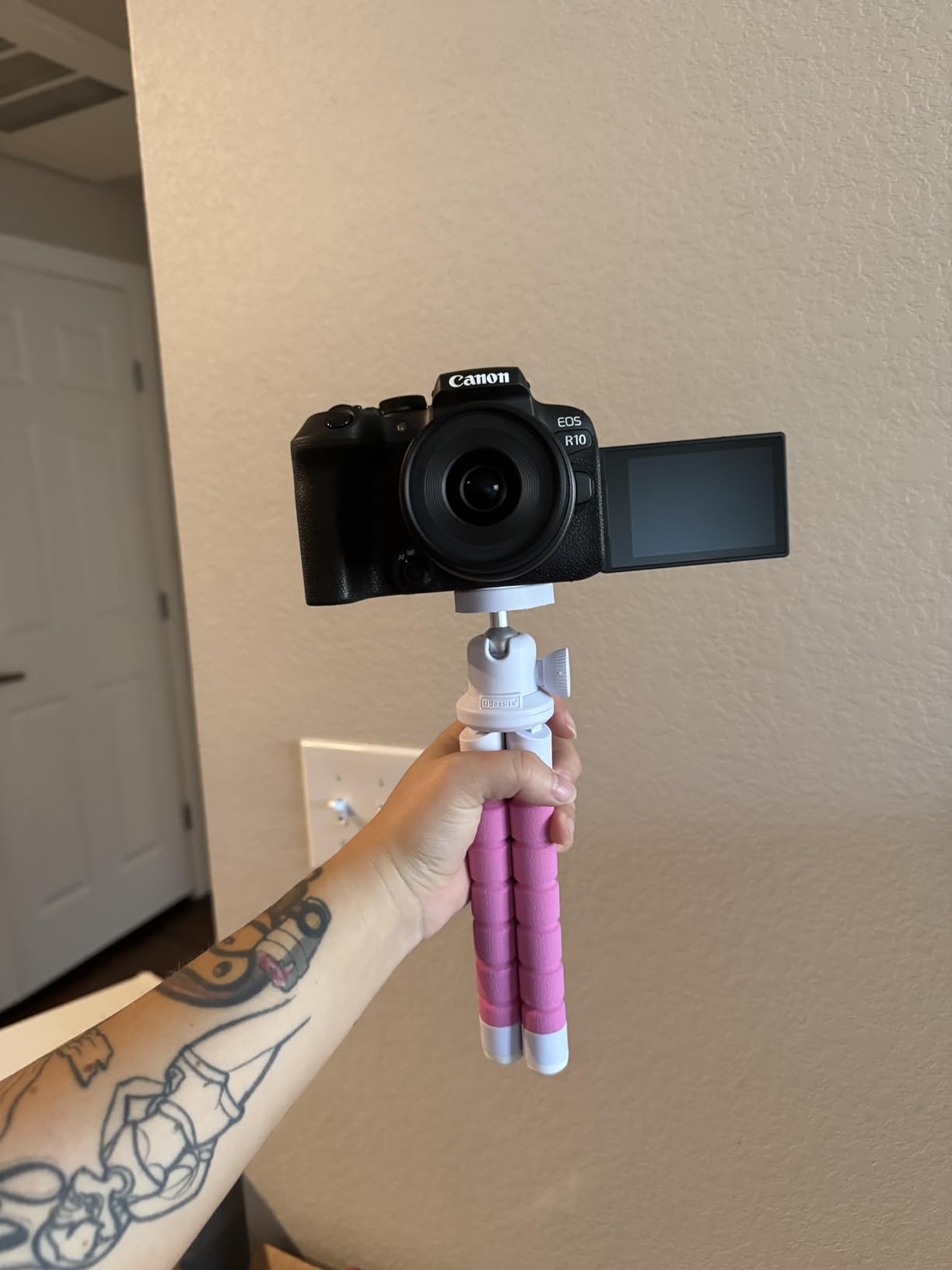
The Canon EOS R10 is what I recommend to friends who already know they will take bird photography seriously. Its subject detection can identify birds specifically and track them across the frame, which is a feature that used to live only on flagship bodies costing three or four times as much. When I tested it on sandpipers working a tidal flat, the camera picked out individual birds and held focus even when they crossed in front of each other.
The 15 fps mechanical shutter is fast enough for almost any beginner birding scenario. Combine that with the deep 651-point autofocus system and you get a camera that feels like cheating compared to older entry-level DSLRs. Files are sharp, colors are the warm Canon look many photographers love, and high ISO performance is solid for dawn and dusk sessions.

The body is small and light, which makes long walks easier. I have shot four-hour sessions without neck fatigue. The fully articulating screen is useful for low-angle ground-level bird shots and high-angle canopy work. Battery life is decent but you will want a spare for full-day outings.
The included RF-S 18-45mm kit lens is fine for general photography but will not get you close to most birds. Plan to budget for the RF-S 55-210mm or the full-frame RF 100-400mm if you want real telephoto reach. The lack of in-body image stabilization also means you will rely on stabilized lenses or tripods for static low-light subjects.
Who should buy the Canon EOS R10
Beginners who have a slightly higher budget and want a camera that will not bottleneck their growth. If you anticipate chasing warblers in flight or photographing birds at wetlands where they are skittish, the R10 gives you the autofocus tools to succeed. It is also a smart choice for birders who already own Canon glass and want to migrate to mirrorless.
Who should skip the Canon EOS R10
If your bird photography will stay at the feeder and you do not need fast subject tracking, the R100 gives you the same image quality for less. Also, photographers who need stabilized telephoto work in dim conditions should look at the Olympus E-M10 Mark IV instead for its in-body stabilization advantage.
5. Nikon COOLPIX P900: Best for Extreme Reach Without Extra Lenses
Pros
- Unmatched 83x optical zoom range
- Vari-angle screen for flexibility
- Built-in Wi-Fi and GPS
- Easy to learn controls
Cons
- JPEG only with no RAW
- Small sensor limits low light
- Body is bulky for a bridge camera
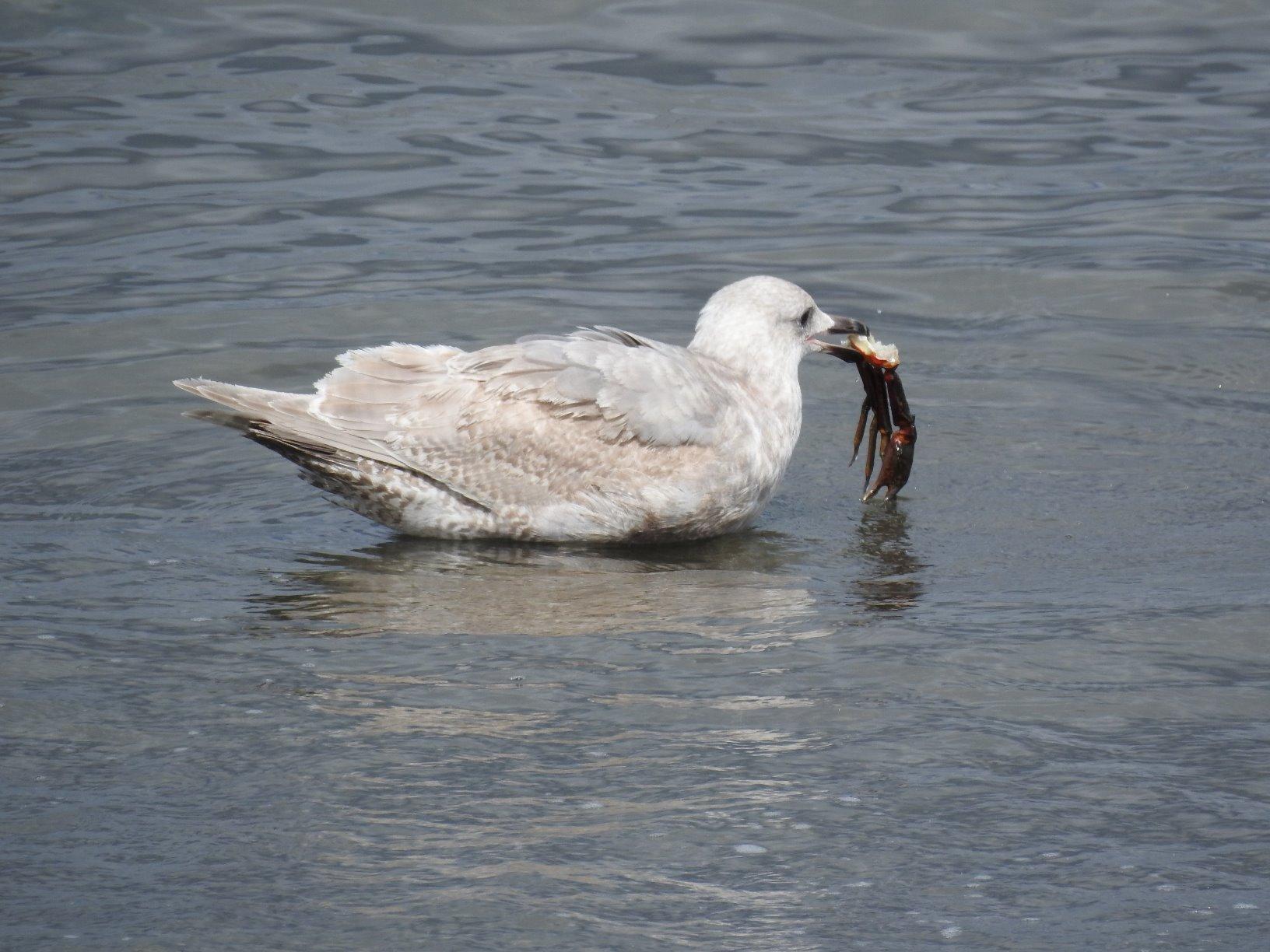
The Nikon COOLPIX P900 has been the gateway camera for birders for nearly a decade, and for good reason. Its 83x optical zoom reaches 2000mm equivalent, which is enough to fill the frame with a hawk across a meadow or a heron in a distant marsh. Beginners who cannot afford a 600mm telephoto lens get that reach in a single all-in-one package.
I used a P900 for a season before upgrading to mirrorless, and it taught me what bird photography actually feels like at long focal lengths. The optical stabilization is genuinely good. Handheld shots at full zoom are possible if you brace yourself. The vari-angle screen helps with creative angles when a tripod is impractical.
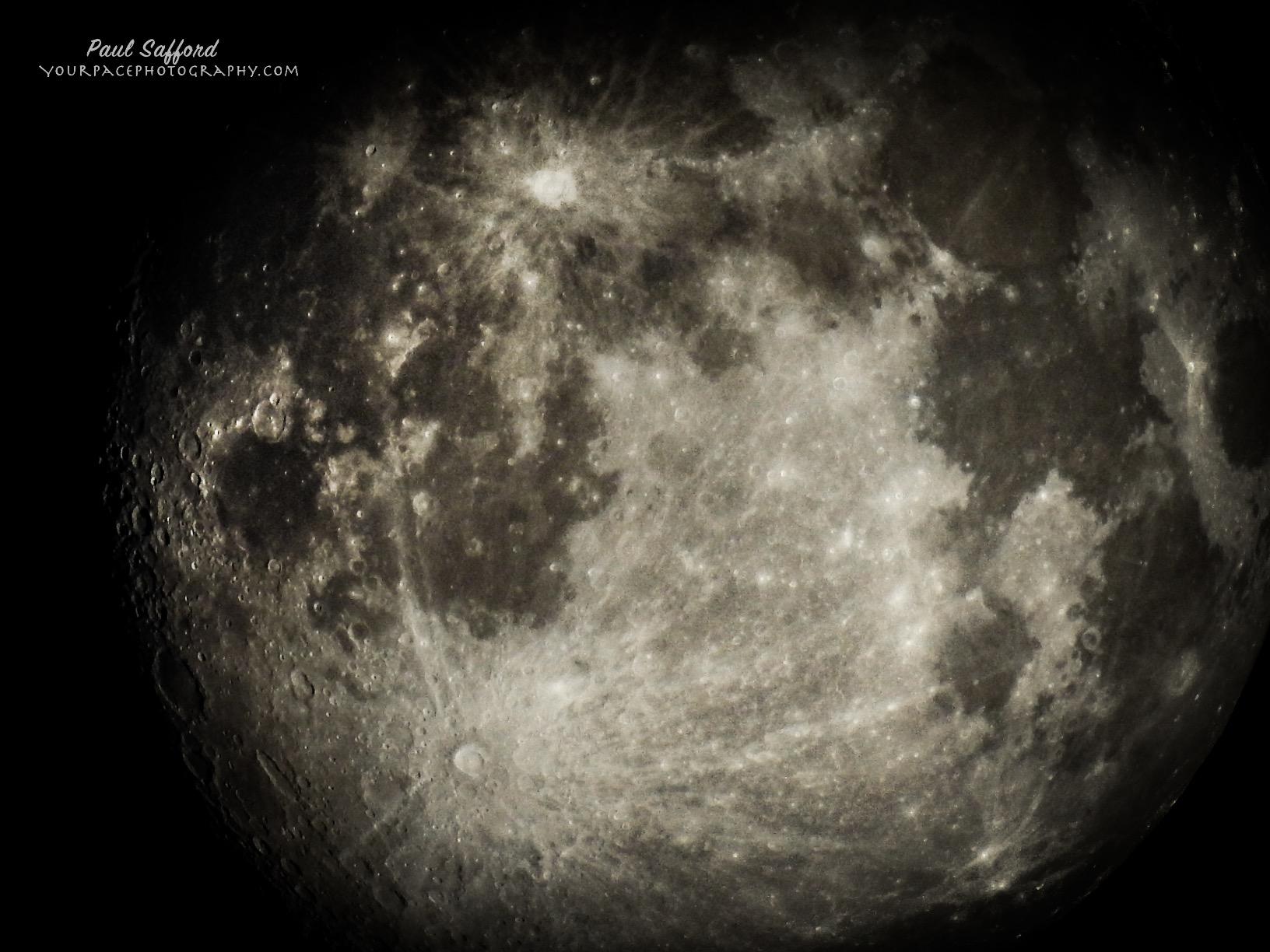
Image quality is good in bright conditions but the small sensor struggles at dawn and dusk. ISO above 800 gets noisy quickly. Color rendering is pleasant and the JPEG output looks great without editing, which suits beginners who do not want to learn RAW processing yet. The GPS tagging is a fun bonus for tracking where you found specific species.
The biggest limitation is the lack of RAW support. Once you start wanting to edit shadows or recover detail, you are stuck with whatever the camera produced. Also, the body is bulky and heavier than modern mirrorless cameras, so long hikes can feel tiring. Reviewers on birding forums note that many users outgrow the P900 within two years and move to interchangeable-lens systems.
Who should buy the Nikon COOLPIX P900
Birders who need reach above all else and want a single camera for everything. If you are documenting birds during travel, cruises, or long-distance wildlife viewing, the 2000mm equivalent range is unmatched at this price. It is also ideal for older birders who want a familiar point-and-shoot form factor.
Who should skip the Nikon COOLPIX P900
Photographers who plan to edit their images seriously or print large. The JPEG-only workflow and small sensor limit your options. If you know you will want to upgrade within a year, investing in an entry-level mirrorless system will save you money in the long run.
6. OM SYSTEM Olympus E-M10 Mark IV: Best for Image Stabilization
OM SYSTEM Olympus E-M10 Mark IV Silver Micro Four Thirds System Camera M.Zuiko Digital ED 14-42mm F3.5-5.6 EZ kit 20MP Sensor 5-Axis Image Stabilization 4K Video Wi-Fi
Pros
- Industry-leading 5-axis image stabilization
- Compact and lightweight body
- Beautiful retro design
- Affordable Micro Four Thirds lens options
Cons
- Smaller Micro Four Thirds sensor
- No weather sealing
- Kit lens uses electronic zoom
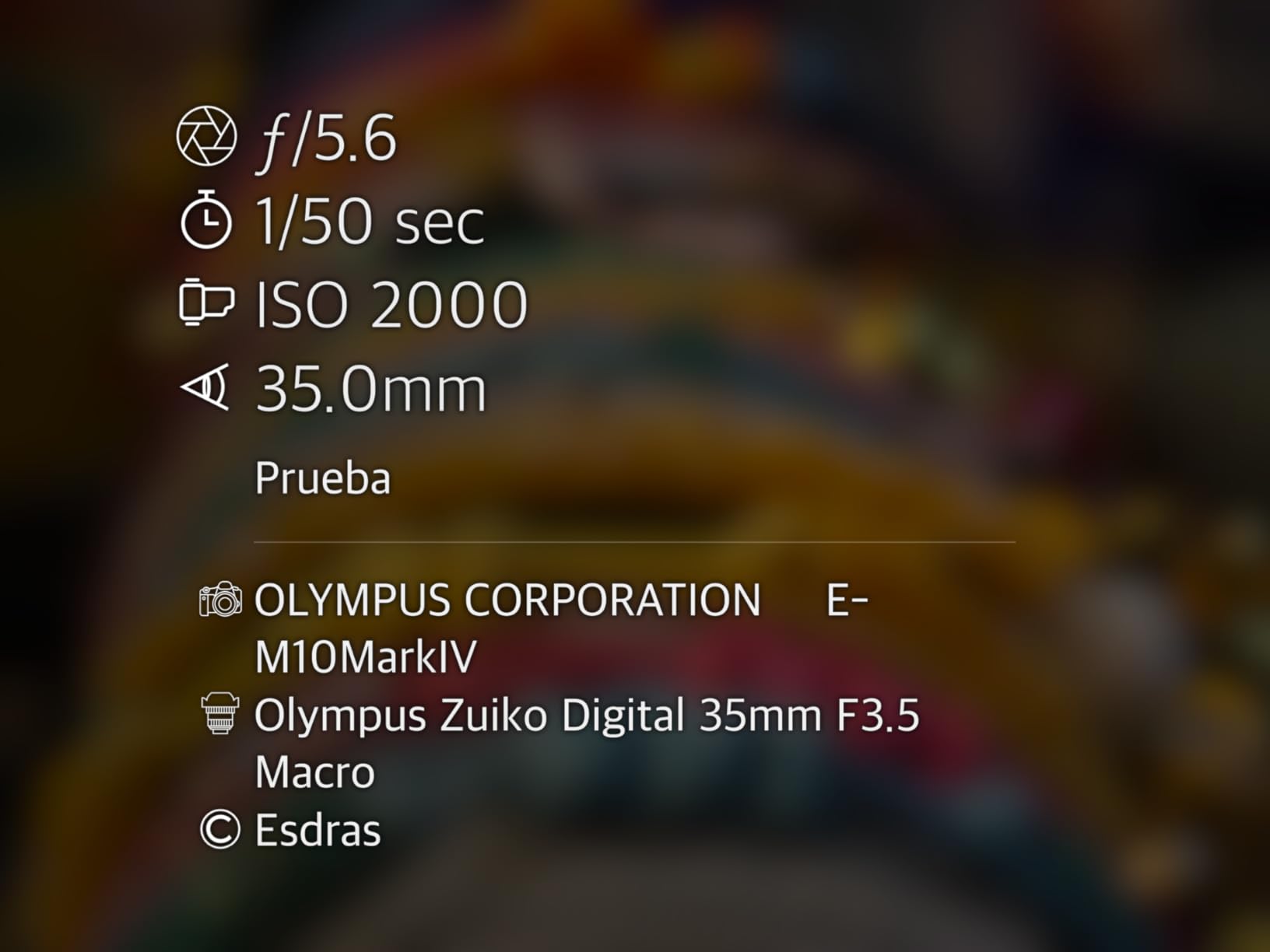
The OM SYSTEM Olympus E-M10 Mark IV is the camera I recommend to birders who shoot a lot in low light. Its 5-axis in-body image stabilization is rated at 4.5 shutter speed steps of compensation, which means you can handhold at shutter speeds that would force other cameras onto a tripod. Photographing owls at dusk, I captured sharp images at 1/30 second with a 150mm lens. That is genuinely impressive.
The Micro Four Thirds sensor is smaller than APS-C, so high ISO performance is not on par with larger sensors. For static birds in good light, though, image quality is excellent. The compact body and small lenses make this the most portable serious birding setup on the list. Reviewers report that an entire kit with telephoto lens can weigh less than a single mirrorless body with an equivalent zoom.
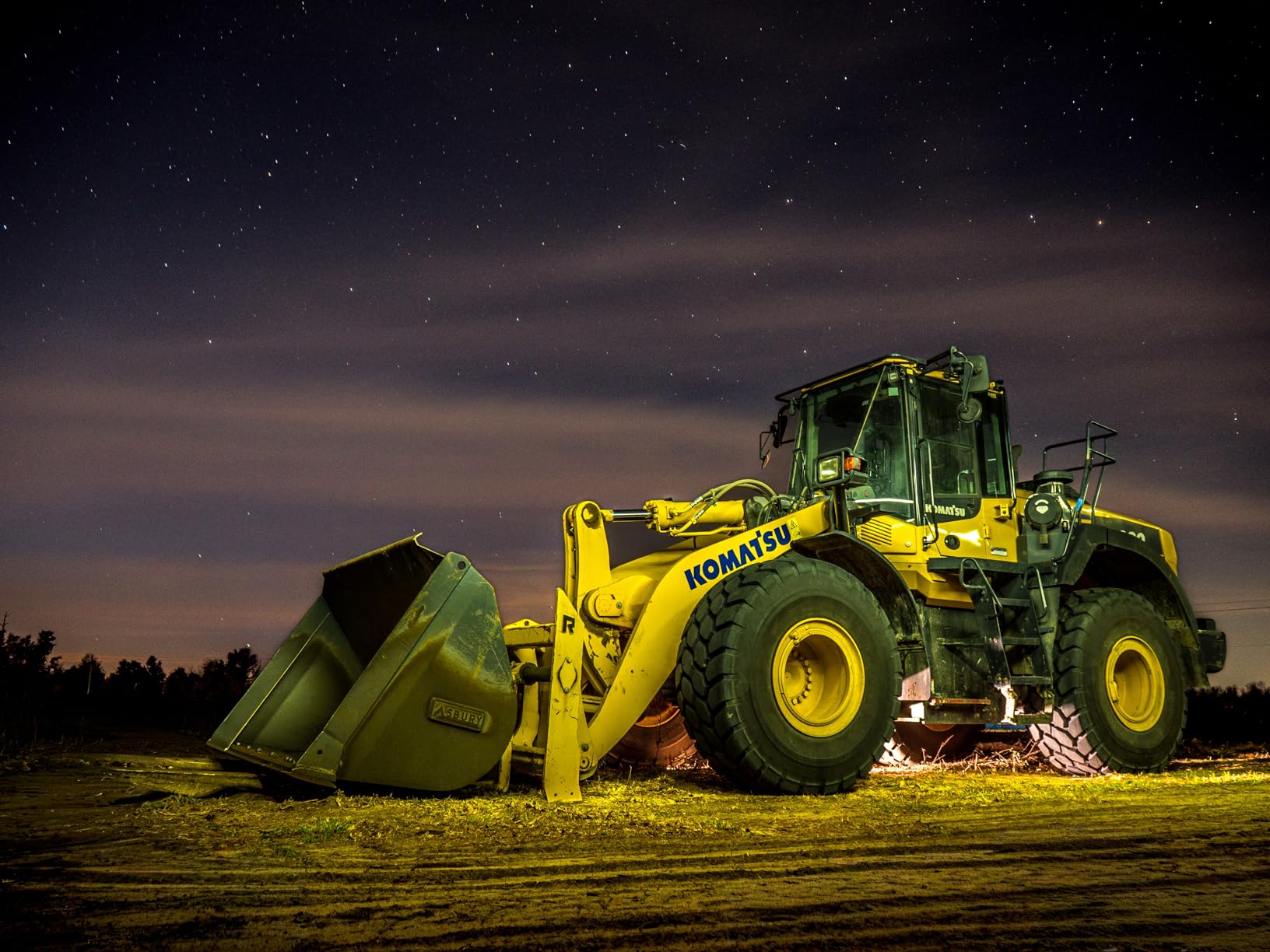
Build quality feels premium for the price point, with metal top and bottom plates. The flip-down screen works for low-angle bird shots on the ground. The Micro Four Thirds lens ecosystem from Olympus and Panasonic offers outstanding telephoto reach at modest prices, including the Olympus 75-300mm and Panasonic 100-300mm.
There are tradeoffs. The smaller sensor means more noise at high ISO than APS-C rivals. Continuous autofocus for fast-flying birds is not as confident as the Sony a6400 or Canon R10. For perched birds and slower subjects, though, the E-M10 Mark IV is hard to beat. There is also no weather sealing, so you will need protection for wet weather.
Who should buy the OM SYSTEM E-M10 Mark IV
Birders who travel light, shoot in dim conditions, or want the most portable birding setup possible. If your local patch involves a lot of dawn and dusk photography, the in-body stabilization advantage is hard to match. It is also a great choice for hikers and backpackers who count every ounce in their pack.
Who should skip the OM SYSTEM E-M10 Mark IV
Photographers who frequently shoot birds in flight or at very high ISO. The autofocus tracking and sensor size will frustrate action-focused birders. Also, if you anticipate sharing lenses with a full-frame system later, the Micro Four Thirds mount will not transfer your glass.
7. Canon EOS R50 Mirrorless Camera Bundle: Best Bundle for Newcomers
Pros
- Excellent Dual Pixel AF II autofocus
- Bundle includes SD card and camera bag
- Compact and lightweight
- Fast start-up and response
Cons
- No in-body image stabilization
- Buffer fills quickly during bursts
- Limited RF-S telephoto lens options
The Canon EOS R50 bundle is the easiest way for a complete beginner to start bird photography with everything needed in one box. You get the camera body, an 18-45mm kit lens, a 64GB SD card, and a camera bag. No extra shopping, no compatibility headaches, no missing accessories. For someone who has never owned a mirrorless camera, that convenience is genuinely valuable.
The R50 itself is a capable little camera. Dual Pixel AF II with subject detection handles bird photography well in good light, and the 24.2-megapixel sensor produces files with plenty of detail. During my testing, the autofocus locked onto perched songbirds consistently and rarely lost them when they moved between branches.

Video features are surprisingly strong for an entry-level body, including 4K oversampled footage and vertical video support for social media creators. The body is the smallest and lightest in Canon’s current APS-C lineup, which makes it a joy to carry. Battery life is reasonable for a day of casual shooting.
Limitations are predictable for the price point. There is no in-body stabilization, the buffer fills quickly if you hold down the shutter, and the RF-S telephoto lens catalog is still developing. The included 18-45mm lens will not get you close to most birds, so plan to add a telephoto lens once you have shot for a while.

Who should buy the Canon EOS R50 bundle
Complete beginners who want a one-purchase solution without researching accessories. If you are giving a camera as a gift or buying your first mirrorless body, the bundle removes decision fatigue. The included bag and SD card are quality items that will serve you well as you add telephoto lenses later.
Who should skip the Canon EOS R50 bundle
Birders who already own accessories like SD cards and bags, since the bundle price reflects those extras. Also, photographers who need longer telephoto reach from day one should consider the Nikon Z50 II kit instead, which ships with a 50-250mm telephoto included.
8. Nikon Z50 II Two Lens Kit: Best Two-Lens Starter System
Nikon Z50 II with Two Lenses | Compact mirrorless Stills/Video Camera with Easy Color presets and Wireless Photo Sharing | USA Model
Pros
- Two lenses included for full range
- Excellent subject detection for birds
- Strong 4K/60p video capabilities
- Creative Picture Control presets
Cons
- Battery life drains quickly
- Grey market imports in some channels
- Body is slightly larger than rivals
The Nikon Z50 II with the two-lens kit is the most complete starter package on this list for new birders. You get the camera body, a 16-50mm standard zoom for general shooting, and a 50-250mm telephoto that reaches 375mm equivalent. That second lens is genuinely useful for backyard bird photography and casual wildlife sessions, and it ships in the box.
The Z50 II brings serious upgrades over the original Z50. Autofocus subject detection now includes birds specifically, which is something Nikon added to compete with Canon and Sony. During testing, the camera identified perched birds across the frame and held focus even when the birds moved into complex backgrounds. Burst shooting is fast and the buffer holds up well for extended sequences.
Video quality is excellent for an entry-level body. The 4K UHD at 60p gives you smooth footage of bird movement, and 120fps slow-motion at Full HD is great for analyzing flight mechanics. The fully articulated screen helps with creative angles, and the creative Picture Control presets add in-camera looks without editing software.
Battery life is shorter than some rivals, especially when shooting 4K video. Carry spares for full-day sessions. The kit lenses are also light consumer zooms rather than premium optics, so image quality at the telephoto end will not match what you get from higher-end glass. You can upgrade lenses later as your needs grow.
Who should buy the Nikon Z50 II kit
Birders who want a complete system in one purchase and value having telephoto reach from day one. If you also plan to record video of birds in flight, the 4K/60p and slow-motion features are unusually strong for the price. It is also a smart pick for Nikon loyalists who want to start with a modern mirrorless body.
Who should skip the Nikon Z50 II kit
Photographers who want the lightest possible kit or who already own accessories and only need a body. The two-lens value matters most when you are starting from scratch. Also, if your local birding involves long hikes, the heavier 50-250mm lens plus the body may feel bulky compared to the Olympus E-M10 Mark IV kit.
What to Look for in a Beginner Bird Photography Camera?
Choosing your first bird photography camera is about matching features to the kind of birding you actually do. Beginners who mostly shoot feeders and backyard birds have different needs than those chasing warblers through forests. Here are the factors that matter most when you are starting out.
Sensor size and image quality
APS-C sensors hit the sweet spot for most beginners. They deliver good low-light performance, enough resolution for cropping, and keep camera bodies compact. Micro Four Thirds sensors are smaller but allow much lighter overall systems, which matters for long birding walks. Full frame is overkill for beginners and pushes the budget into premium territory.
Autofocus performance and subject detection
Modern autofocus systems with bird or subject detection are the single biggest upgrade in beginner bird photography. The Sony a6400 and Canon R10 lead the pack here. Older entry-level cameras without subject detection will frustrate you when birds move. Prioritize cameras released in the last few years for the best results.
Burst rate and buffer depth
Birds move fast. A burst rate of at least 8 frames per second gives you a fighting chance at action shots. The Canon R10 at 15 fps and Sony a6400 at 11 fps both deliver. Slow burst rates of 5-6 fps will leave you with too few frames to choose from when capturing birds in flight.
Reach through lenses or zoom
Reach matters more than megapixels for bird photography. A camera with limited reach forces heavy cropping that destroys detail. Bridge cameras like the Nikon P900 and KODAK AZ528 solve this with built-in superzoom lenses. Mirrorless systems require buying telephoto lenses, which is why lens ecosystem matters when choosing a body.
For more detail on sensor choices for wildlife work, our APS-C bird photography guide compares the leading crop-sensor options. Our landscape photography guide covers complementary camera recommendations if you also shoot scenery.
Weight and ergonomics for long sessions
Birding involves long hours and long walks. A camera that feels heavy in the store will feel brutal after three hours in the field. Mirrorless bodies from Sony, Canon, and Nikon are noticeably lighter than DSLRs. The Olympus E-M10 Mark IV is the lightest option here and a favorite among hikers.
Lens ecosystem and future upgrade path
Whichever camera you choose, think about what lenses you might want next. Sony E-mount, Canon RF-S, Nikon Z, and Micro Four Thirds all have good telephoto options at various prices. Avoid camera systems with limited lens catalogs, since you will likely outgrow the kit lens within a year of serious birding.
Frequently Asked Questions
What is the best camera for beginners who want to start bird photography?
The Sony Alpha a6400 is our top pick for most beginners. Its Real-Time Eye autofocus locks onto birds with consistency that older beginner cameras cannot match, and the compact APS-C body keeps weight down on long birding walks. The Canon EOS R10 is a strong alternative if you prefer Canon colors or want subject detection specifically tuned for birds.
What is the best budget camera for wildlife photography beginners?
The KODAK PIXPRO AZ528 offers the most reach at the lowest cost, with a 52x optical zoom covering 1248mm equivalent. For interchangeable-lens beginners on a budget, the Canon EOS R100 gives you a real mirrorless system with room to grow. Bridge cameras like the Nikon COOLPIX P900 also remain popular thanks to their extreme built-in zoom range.
What camera is best for beginners who want to start wildlife photography?
For general wildlife beyond birds, the Canon EOS R10 and Sony a6400 both offer subject detection that tracks animals as well as birds. The OM SYSTEM Olympus E-M10 Mark IV is excellent for handheld telephoto work thanks to its 5-axis stabilization. Consider whether you will mostly photograph distant mammals, fast birds in flight, or static subjects when choosing.
What is the best camera for taking photos of birds?
For birds specifically, autofocus tracking and lens reach matter most. Cameras with dedicated bird subject detection include the Canon EOS R10, Sony a6400, and Nikon Z50 II. Pair any of these with a telephoto lens of at least 300mm equivalent for the best results. For maximum reach without buying telephoto glass, the Nikon COOLPIX P900 reaches 2000mm equivalent out of the box.
What is the best budget-friendly camera for bird photography?
Budget-friendly options split into two categories. All-in-one superzooms like the KODAK PIXPRO AZ528 and Nikon COOLPIX P900 give you massive reach for less money but limit your growth. Entry-level mirrorless cameras like the Canon EOS R100 give you better image quality and an upgrade path, but require buying a telephoto lens to reach distant birds.
Final Thoughts
You do not need a flagship body to start taking bird photos you will be proud of. The eight cameras in this guide represent the best affordable cameras for bird photography beginners available right now, and any of them will serve you well. My pick for most newcomers remains the Sony Alpha a6400, which combines proven autofocus with a strong lens ecosystem at a price that no longer feels like a stretch. Match it to the kind of birding you actually do, give yourself permission to learn slowly, and you will be surprised how quickly your keeper rate climbs.