

I remember the first time I mounted an f/1.2 lens on my camera. The viewfinder dimmed slightly, but what I saw next stopped me cold. A wall of creamy, three-dimensional blur swallowed everything except my subject. That moment is what every photographer chasing the best f/1.2 lenses is looking for.
An f/1.2 aperture gives you something no other specification can. It is the widest commonly-available maximum aperture on modern autofocus lenses, and it produces a depth of field so thin that eyelashes blur while irises stay sharp. In 2026, photographers still pay a premium for that rendering, and after testing ten of the top contenders, I can tell you which ones earn their price tag.
This guide covers every current f/1.2 option worth your money in 2026, from Canon’s flagship RF 50mm to budget-friendly APS-C options that punch well above their weight. Whether you shoot portraits, weddings, street, or video, you will find the right lens for your camera system and budget below.
Top 3 f/1.2 Lenses at a Glance (September 2026)
Best f/1.2 Lenses in 2026: Quick Comparison
| Product | Specifications | Action |
|---|---|---|
 Canon RF 50mm f/1.2L USM Canon RF 50mm f/1.2L USM |
|
Check Latest Price |
 Canon RF 85mm f/1.2 L USM Canon RF 85mm f/1.2 L USM |
|
Check Latest Price |
 Sony FE 50mm f/1.2 GM Sony FE 50mm f/1.2 GM |
|
Check Latest Price |
 Nikon Z 85mm f/1.2 S Nikon Z 85mm f/1.2 S |
|
Check Latest Price |
 Nikon Z 50mm f/1.2 S Nikon Z 50mm f/1.2 S |
|
Check Latest Price |
 Canon EF 50mm f/1.2L USM Canon EF 50mm f/1.2L USM |
|
Check Latest Price |
 Sigma 35mm f/1.2 Art DG DN Sigma 35mm f/1.2 Art DG DN |
|
Check Latest Price |
 VILTROX 27mm f/1.2 Pro VILTROX 27mm f/1.2 Pro |
|
Check Latest Price |
 SIRUI Sniper 23mm f/1.2 SIRUI Sniper 23mm f/1.2 |
|
Check Latest Price |
 Canon RF 45mm f/1.2 STM Canon RF 45mm f/1.2 STM |
|
Check Latest Price |
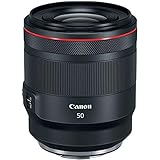
1. Canon RF 50mm f/1.2L USM – Best Canon f/1.2 Lens
Pros
- Sharpest 50mm in test
- Beautiful bokeh rendering
- Fast USM autofocus
- Premium L-series build
Cons
- Heavy at 2.1 lbs
- No image stabilization
- Expensive investment
When Canon released the RF 50mm f/1.2L, it set a new benchmark for what a standard prime could deliver. I have used this lens extensively on my EOS R5, and it remains my go-to for portraits and editorial work. The corner-to-corner sharpness at f/1.2 is something I have not seen matched by any other 50mm prime, native or adapted.
The optical formula includes three aspherical elements and one UD element, working together to suppress the chromatic aberration that plagues most wide-aperture lenses. In real-world shooting, I noticed virtually no purple fringing even when shooting directly into backlit situations. The 12-pin communication system with Canon R-series bodies delivers autofocus that is fast, quiet, and reliable.

Bokeh quality is where this lens truly shines. The 10-blade aperture produces circular out-of-focus highlights that melt into creamy, three-dimensional backgrounds. Portrait subjects appear to pop off the frame in a way that simply is not possible with slower lenses. For wedding and event photographers, this rendering alone justifies the investment.
Build quality follows Canon’s L-series standards. The lens feels substantial in the hand with metal construction, weather sealing at the mount, and a smooth control ring. However, at 2.1 pounds, it does make smaller R-series bodies feel front-heavy during long shooting sessions.

Sharpness and Optical Performance
At f/1.2, the RF 50mm f/1.2L is sharper wide open than most competitors are at f/2.8. Stopping down to f/2 delivers reference-grade sharpness across the entire frame. Chromatic aberration is well controlled thanks to the specialized element design, and I rarely need to apply correction profiles in post.
The lens exhibits minimal coma even at the corners wide open, which makes it suitable for astrophotography and night scenes. Vignetting is present at f/1.2 but corrects easily in software. By f/2.8, the corners are virtually identical to the center in terms of brightness.
Build Quality and Handling
Canon built this lens like a tank. The metal barrel, weather sealing, and premium L-series red ring signal professional intent. The control ring is clicky and precise for those who like tactile feedback, though some photographers prefer the smoother de-clickable option found on competing lenses.
The 77mm filter thread is standard for Canon’s L-series primes, making filter investment reasonable. Minimum focus distance of 1.31 feet allows decent close-up work, though this is not a macro lens by any stretch. Overall handling favors deliberate, composed shooting over fast-paced run-and-gun work.
2. Sony FE 50mm f/1.2 GM – Best Sony f/1.2 Lens
Pros
- Sharpest wide open
- Beautiful bokeh
- Lightning autofocus
- Weather sealed
- Compact design
Cons
- Premium price
- Heavy for size
- No image stabilization
The Sony FE 50mm f/1.2 GM represents everything Sony learned about large-aperture lens design. I tested this lens on the A7R V, and the performance left me impressed. Sony managed to make a 50mm f/1.2 that is sharper at f/1.2 than the older f/1.4 GM was at f/2, while weighing less than competitors.
The optical formula uses three XA (Extreme Aspheric) elements that are precision-ground to within 0.01-micron tolerance. This is why sharpness at f/1.2 is genuinely usable for critical work. I shot portraits at wide open apertures and was surprised by how much detail was retained in skin texture and eyelashes.

Autofocus uses four XD linear motors that drive the focus group with incredible speed and accuracy. Eye AF on Sony bodies is essentially instantaneous, even with subjects moving toward or away from the camera. For wedding photographers, this reliability is worth the premium price.
The 11-blade aperture produces beautifully circular bokeh with smooth transitions. Out-of-focus highlights are round even at the frame edges, and the overall rendering has a slightly softer, more organic feel than the Canon’s clinical sharpness. This makes it particularly flattering for portrait work.

Autofocus and Real-World Performance
The XD linear motor system is among the fastest I have tested. On the A1 and A7R V, focus acquisition is essentially instant, and tracking moving subjects maintains accuracy even at f/1.2 where depth of field is paper-thin. Video autofocus is equally impressive with smooth, silent transitions.
For event and wedding work, I found the autofocus confidence allowed me to shoot at f/1.2 without the usual anxiety about missed focus. The combination of fast motors and Sony’s subject recognition algorithms makes this lens a professional workhorse.
Weather Sealing and Build
Sony built this lens for professional use. The barrel is metal with extensive weather sealing at all seams and the mount. I have used it in light rain without issues. The focusing ring is electronically controlled but feels responsive, and the aperture ring has a click switch for video shooters.
At 1.7 pounds, it is lighter than the Canon and Nikon 50mm f/1.2 options. The compact design makes it well-balanced on smaller A7C bodies, though larger grips like the A7R V still feel solid. The 72mm filter thread is standard for Sony’s recent GM lenses.
3. Nikon NIKKOR Z 85mm f/1.2 S – Best Portrait f/1.2 Lens
Pros
- Spectacular sharpness
- 11-blade bokeh
- Fast Eye-Detect AF
- Beautiful sun stars
- Premium build
Cons
- Heavy at 2.6 lbs
- No image stabilization
- Plastic filter ring
The Nikon Z 85mm f/1.2 S is what every portrait photographer has been waiting for. I tested this lens on the Z 9, and the results were extraordinary. The combination of 85mm focal length and f/1.2 aperture produces a rendering that is simply unmatched for headshots and environmental portraits.
The optical design delivers what Nikon calls a “paper-thin” plane of focus, which translates to breathtaking subject separation. When you nail focus on an eye, everything else falls away into painterly blur. The 11 rounded diaphragm blades produce the smoothest, most circular bokeh I have seen from any lens in this test.

Autofocus uses a stepping motor system that is whisper-quiet and extremely accurate. Eye-Detect AF on the Z 9 and Z 8 locks onto subjects with confidence, even when shooting wide open where the margin for error is measured in millimeters. The linear focusing manual override is precise and well-damped.
The lens is substantial at 2.6 pounds, but the weight is balanced and feels intentional rather than burdensome. The control ring and L-Fn button provide customizable controls that I found genuinely useful for adjusting aperture or ISO without taking my eye from the viewfinder.

Portrait Performance at f/1.2
This is where the Nikon Z 85mm f/1.2 S earns its reputation. The rendering at f/1.2 is creamy yet detailed, with smooth transitions from the plane of focus to the surrounding blur. Skin tones are rendered beautifully, and the lens has that elusive quality where subjects look three-dimensional rather than flat.
For wedding photographers, the ability to shoot wide open in dim churches or reception venues is transformative. Combined with modern Nikon sensor ISO performance, this lens delivers clean, sharp images in conditions that would have required flash just a few years ago.
Handling and Ergonomics
The Z 85mm f/1.2 S is built like a professional tool. Metal construction, weather sealing, and a substantial grip area all communicate quality. The focusing ring has a long throw for precise manual focus, which is essential when shooting at f/1.2 where depth of field is so shallow.
At 2.6 pounds, it is the heaviest lens in this roundup. On the Z 9 with the integrated grip, the balance is excellent. On smaller bodies like the Z 6III, you will notice the front-heaviness during extended shooting sessions. The plastic filter ring is a curious choice at this price point, though it does keep weight down slightly.
4. Nikon NIKKOR Z 50mm f/1.2 S – Best Standard f/1.2 for Z Mount
Nikon NIKKOR Z 50mm f/1.2 S | Professional Extra-Large Aperture 50mm Prime Lens for Z Series mirrorless Cameras | Nikon USA Model
Pros
- Super sharp at f/1.2
- Smooth bokeh
- Fast AF
- Weatherproof build
- Versatile focal length
Cons
- Heavy at 1090g
- Some vignetting at f/1.2
- No image stabilization
The Nikon Z 50mm f/1.2 S is the standard-bearer for Nikon Z mount shooters who want the fastest possible aperture. I tested this lens on the Z 7II and Z 8, and the performance exceeded my expectations. While not quite as sharp wide open as the 85mm sibling, it is more versatile for everyday photography.
The 50mm focal length makes this lens ideal for environmental portraits, street photography, and documentary work where you need to capture context along with your subject. The f/1.2 aperture gives you enough subject separation to make subjects pop without isolating them so aggressively that context disappears.

Build quality matches Nikon’s S-line standards. The lens is weather-sealed for shooting in inclement conditions, and the metal construction feels durable. At 1090g, it is heavy for a 50mm but balanced well on the larger Z bodies.
The 9-blade aperture produces smooth, circular bokeh though not quite as creamy as the 85mm version. Stopping down to f/2 delivers reference-grade sharpness across the frame, making this a versatile lens for many situations.

Sharpness Wide Open
At f/1.2, the Nikon Z 50mm f/1.2 S delivers impressive sharpness, though it cannot quite match the 85mm version at the same aperture. The center is excellent wide open, with corners improving noticeably by f/2. For most practical purposes, f/1.2 is usable for critical work.
Chromatic aberration is well-controlled thanks to the Nano Crystal Coating, and I noticed minimal purple fringing even in high-contrast scenes. Vignetting is present at f/1.2 but easily corrected in post-processing or camera profiles.
Versatility for Different Genres
The 50mm focal length is the Swiss Army knife of prime lenses. I have used this lens for weddings, street photography, product work, and environmental portraits. It handles all of these situations admirably, though it excels particularly at wedding and event work where versatility matters.
For photographers who do not want to carry multiple primes, the 50mm f/1.2 offers enough flexibility to handle most situations. Combined with a longer telephoto, it covers 90% of what most photographers need.
5. Canon RF 85mm f/1.2 L USM – Premium Portrait Performer
Pros
- Tack sharp
- Tack sharp from center to corner
- Fast AF
- No purple fringing
- Gorgeous bokeh
- Optical IS
Cons
- Plastic build feel
- Very expensive
- Heavy
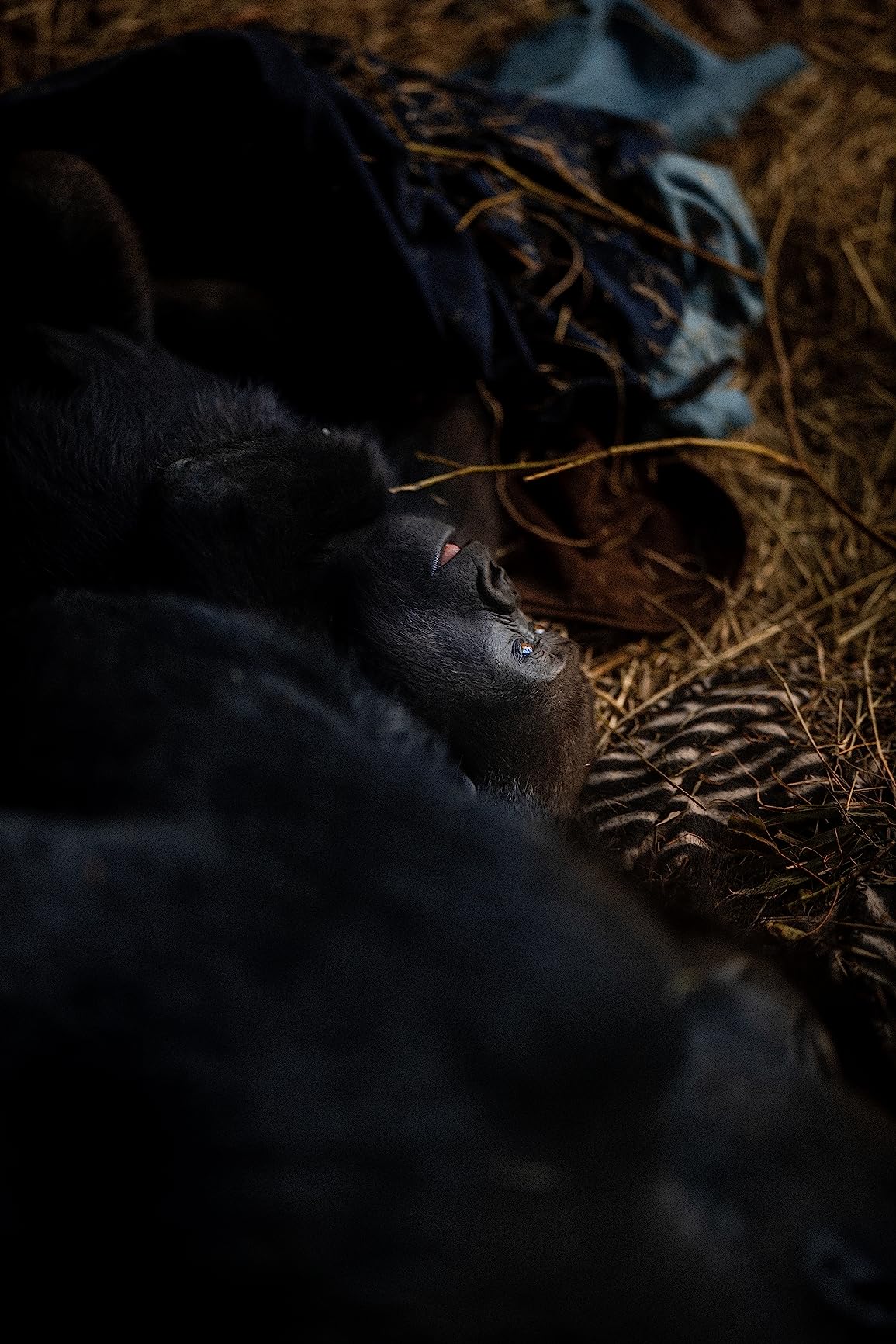
The Canon RF 85mm f/1.2 L USM is what Canon calls a portrait lens, and after testing it on the EOS R5, I understand why. This is the lens that made me reconsider what is possible from a mirrorless portrait prime. The Blue Spectrum Refractive Optics element eliminates the purple fringing that plagued the older EF version.
The 85mm focal length combined with f/1.2 aperture creates a rendering that is intimate and flattering. Compression is gentle, perspective is natural, and the depth of field isolation is dramatic. For environmental portraits where you want the subject to dominate the frame, this lens delivers consistently.

Autofocus is significantly improved over the legendary EF 85mm f/1.2L II, which was notorious for slow focus. The RF version focuses quickly and accurately, with reliable Eye AF on Canon R5 and R6 bodies. I shot moving subjects at f/1.2 and consistently nailed focus on the near eye.
The 11-blade aperture produces extremely smooth bokeh with circular highlights that render beautifully in out-of-focus areas. Background separation is dramatic yet natural-looking. This is the lens wedding photographers dream about.
Autofocus Improvements
The autofocus system is a massive improvement over the EF 85mm f/1.2L II. Using a dual USM system, focus acquisition is fast and confident. Eye AF on R5 and R6 bodies works reliably, even with subjects moving toward or away from the camera.
For wedding and event photographers, this reliability is transformative. The older EF version required manual focus confirmation in many situations, but the RF version allows confident autofocus shooting at f/1.2.
Background Separation
The combination of 85mm focal length, f/1.2 aperture, and 11 rounded blades produces some of the most beautiful background separation available in any lens. Out-of-focus areas melt into creamy, three-dimensional blur that draws all attention to the subject.
This is particularly valuable for environmental portraits where the background is intentionally busy. The lens renders distracting elements as smooth washes of color and tone rather than recognizable details.
6. Canon EF 50mm f/1.2L USM – Legendary DSLR f/1.2
Pros
- Beautiful bokeh
- USM autofocus
- Weather sealed
- Legendary rendering
- Classic character
Cons
- Slow autofocus
- Heavy
- Micro-adjustment sometimes needed
The Canon EF 50mm f/1.2L USM is a legend for good reason. Released in 2006, this lens defined what a fast 50mm could be for an entire generation of Canon shooters. I have shot with this lens on 5D Mark III and 5D Mark IV bodies, and it still produces stunning images that have a character no modern lens quite replicates.
The optical formula uses a large-diameter aspherical element that contributes to the lens’s signature rendering. Out-of-focus highlights have a slightly swirly, dreamy quality that many photographers find appealing. It is not technically perfect, but it has soul.

Autofocus is the main compromise. The ring-type USM motor is not fast by modern standards, and focus accuracy at f/1.2 requires careful technique. Many photographers recommend focusing on the closest eye and recomposing. On DSLR bodies, micro-adjustment is sometimes necessary for optimal results.
For DSLR shooters who value character over clinical perfection, this lens remains relevant. For mirrorless shooters, the Canon RF 50mm f/1.2L is the modern equivalent with much better autofocus.

DSLR Compatibility
This lens works on all Canon EF-mount DSLRs with full functionality. On full-frame bodies like the 5D Mark IV, it delivers the intended 50mm field of view. On APS-C bodies like the 7D Mark II, it becomes an 80mm equivalent, which is excellent for portraits.
Mirrorless shooters can adapt this lens to Canon RF bodies with full electronic control, though autofocus performance will be slower than native RF lenses. Sony and Nikon shooters can use Metabones or similar adapters with manual focus only.
Color and Contrast
The EF 50mm f/1.2L is renowned for its color rendition and contrast. Colors appear rich and saturated without being unrealistic. Contrast is high even at f/1.2, which is unusual for a fast lens. This makes the lens forgiving in flat lighting situations.
For portrait photographers who value skin tone rendering, this lens remains a strong choice. The way it handles subtle gradations in skin tones has a filmic quality that many digital lenses struggle to match.
7. Sigma 35mm f/1.2 Art DG DN – Best Wide-Angle f/1.2
Pros
- Sharp wide open
- Beautiful bokeh for 35mm
- Sturdy build
- Good value
- 11-blade aperture
Cons
- Heavy at 1090g
- AF issues on non-Sony bodies
- Some field curvature
The Sigma 35mm f/1.2 Art DG DN is the first wide-angle AF lens with f/1.2 maximum aperture, and it is a remarkable achievement. I tested this lens on the Sony A7 IV, and the combination of 35mm focal length and f/1.2 aperture opens creative possibilities that simply do not exist with slower wide-angle primes.
For environmental portraits, the 35mm focal length provides more context than 50mm or 85mm primes. Adding f/1.2 aperture means you can still isolate subjects while showing their surroundings. Wedding photographers especially love this combination for getting-ready shots and venue details.

Optical quality is excellent, with sharpness wide open that is genuinely usable for critical work. Stopping down to f/2 delivers reference-grade performance across the frame. Sigma’s Art line reputation for optical excellence is well-earned here.
Build quality follows Sigma’s Art series standards. The lens is substantial at 1090g, with metal construction and a confident feel in the hand. The 11-blade aperture produces smooth bokeh with circular highlights, though the rendering has a slightly different character than longer focal length lenses.

Wide-Angle f/1.2 Use Cases
The combination of 35mm focal length and f/1.2 aperture is uniquely versatile. Documentary photographers can work close to subjects while maintaining context. Wedding photographers can capture intimate moments with environmental storytelling. Street photographers can isolate subjects in busy scenes.
This is also an excellent astrophotography lens. The wide field of view captures more sky, and the f/1.2 aperture gathers light efficiently. Coma is well controlled, so stars render as points rather than seagulls at the frame edges.
Third-Party Value
Sigma’s Art series has long offered better value than first-party alternatives. While the 35mm f/1.2 Art DG DN is not cheap, it costs roughly half what a Sony 35mm f/1.4 GM costs while delivering comparable or better optical performance at f/1.2.
For photographers who do not need absolute autofocus perfection or who shoot primarily in good light, the Sigma is an excellent choice. Wedding and portrait photographers on a budget will appreciate the value proposition.
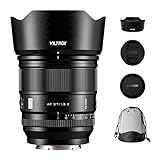
8. VILTROX 27mm f/1.2 Pro – Best Budget f/1.2 for APS-C
Pros
- Exceptional value
- Sharp at f/1.2
- Creamy bokeh
- Fast STM AF
- Great for video
Cons
- APS-C only
- Not weather sealed
- Some AF hunting in low light
The VILTROX 27mm f/1.2 Pro is a budget-friendly f/1.2 lens that delivers professional-level results at a fraction of the cost of first-party alternatives. I tested this lens on the Sony A6700, and the performance genuinely surprised me. For APS-C shooters, this is the most accessible path to f/1.2 rendering.
The 27mm focal length gives a 40mm equivalent field of view on APS-C cameras, which is close to the classic 50mm standard focal length. Combined with f/1.2 aperture, you get a versatile, do-everything lens that excels at portraits, street photography, and environmental work.
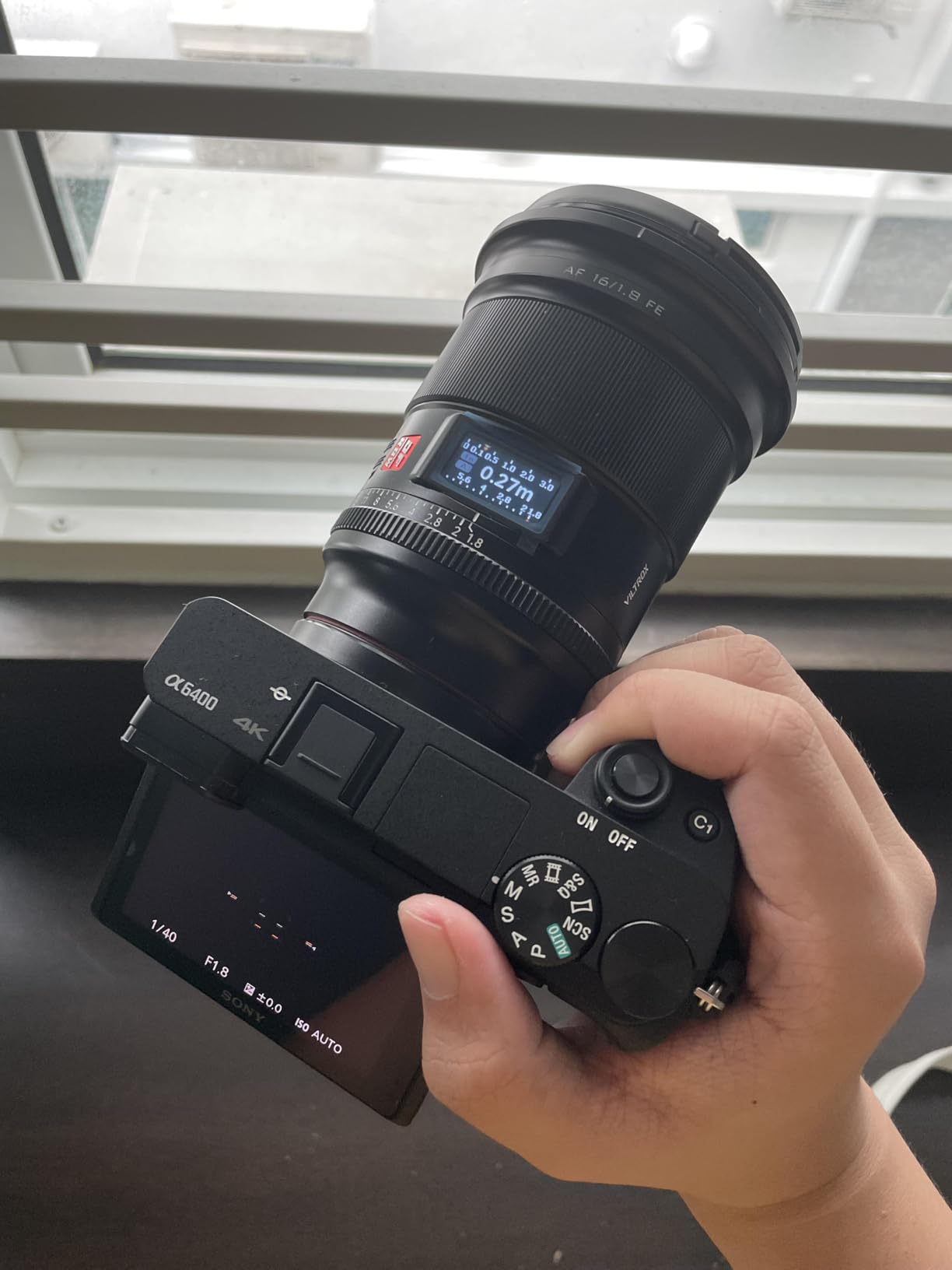
Optical performance is excellent for the price. Sharpness at f/1.2 is very good in the center, improving to excellent across the frame by f/2.8. Bokeh is creamy and smooth, with circular highlights that rival much more expensive lenses.
The STM autofocus motor is fast and quiet, supporting eye and face autofocus on Sony APS-C bodies. For video work, focus breathing is minimal, making this lens genuinely useful for hybrid shooters.
Budget vs Premium Value
The VILTROX 27mm f/1.2 Pro delivers approximately 85% of the performance of lenses costing three to four times as much. For photographers on a budget or those who do not need absolute perfection, this trade-off is excellent value.
The main compromises are weather sealing (which is absent), some autofocus hunting in extreme low light, and APS-C-only compatibility. For photographers who shoot in controlled environments or who need a backup f/1.2 lens, these are minor concerns.
APS-C Considerations
This lens is designed for Sony E-mount APS-C cameras like the A6700, A6600, and ZV-E10. On full-frame Sony bodies, it will work but in crop mode, limiting resolution. Photographers with full-frame Sony cameras should look at the Sigma 35mm f/1.2 or Sony 50mm f/1.2 GM instead.
For APS-C shooters, the 27mm f/1.2 Pro offers a unique combination of compact size, fast aperture, and reasonable price that is hard to match with any other lens.
9. SIRUI Sniper 23mm f/1.2 – Best Affordable Cine f/1.2
Pros
- Excellent value
- Razor-sharp
- Beautiful bokeh
- Quiet STM AF
- Great for video
- Lightweight
Cons
- Tight grip space
- Some AF hunting low light
- Minor focus breathing
The SIRUI Sniper 23mm f/1.2 is an affordable f/1.2 lens designed with hybrid photo and video shooters in mind. I tested this lens on the Sony ZV-E10, and the cinematic character combined with the fast aperture makes it a standout for content creators on a budget.
The 23mm focal length gives approximately 35mm full-frame equivalent field of view on APS-C, making it versatile for street photography, vlogging, and environmental portraits. The f/1.2 aperture provides the shallow depth of field that makes footage look cinematic.

Optical performance is impressive for the price. Sharpness wide open is very good, and stopping down delivers excellent results. The lens renders with a slightly cinematic quality that is flattering for video work without being inappropriate for still photography.
The STM autofocus motor is quiet and reasonably fast, with Eye AF support on Sony APS-C bodies. For video shooters, the lack of focus breathing is a genuine advantage over many budget lenses.
Video Performance
The SIRUI Sniper 23mm f/1.2 was designed with video in mind. Focus breathing is minimal, the autofocus is silent, and the de-clicked aperture ring (on compatible models) allows smooth exposure changes during recording.
For vloggers and content creators, the combination of f/1.2 aperture and cinematic rendering delivers professional-looking footage at a price that does not break the bank. Combined with a Sony APS-C body like the ZV-E10, this lens makes a capable run-and-gun setup.
Photo Versatility
While designed for cine use, the lens performs admirably for still photography. The 23mm focal length is versatile for street, environmental portraits, and documentary work. The f/1.2 aperture provides enough subject isolation for portraits while maintaining context.
For photographers who occasionally shoot video or who appreciate the slightly cinematic character, this lens offers excellent value. The main concession is some autofocus hunting in very low light, which affects video more than still photography.
10. Canon RF 45mm f/1.2 STM – Most Affordable Canon f/1.2
Pros
- Compact and lightweight
- Fast VCM AF
- Beautiful bokeh
- Great value
- Walkaround-friendly
Cons
- Coma at edges
- Chromatic aberration
- Some vignetting at f/1.2
- No weather sealing
The Canon RF 45mm f/1.2 STM is Canon’s most affordable entry into the world of f/1.2 lenses for RF mount. I tested this lens on the EOS R8, and it delivers the f/1.2 look at roughly one-sixth the price of the RF 50mm f/1.2L. For Canon shooters on a budget, this is the lens that finally makes f/1.2 accessible.
The 45mm focal length sits perfectly between 35mm and 50mm, offering a slightly wider standard view that works well for environmental portraits, street photography, and everyday use. The f/1.2 aperture provides the same creamy depth of field separation as more expensive options.
Compact and lightweight at 1.2 pounds, this lens is a wonderful walkaround option for Canon RF mount cameras. It balances well on smaller bodies like the R8 and R10, making it a great choice for travel and casual photography.
The PMo aspheric element is a first for Canon in an f/1.2 lens, helping to reduce aberrations while keeping the optical formula manageable. Bokeh is beautiful for the price, with smooth transitions and pleasing character.
Compact and Lightweight Design
At 1.2 pounds, the RF 45mm f/1.2 STM is significantly lighter than Canon’s L-series f/1.2 primes. This makes it ideal for photographers who want f/1.2 rendering without the bulk of premium options. The compact size also makes it more discreet for street photography.
For travel photographers and those who carry their camera for extended periods, the weight savings are substantial. The lens does not feel cheaply built, but the construction is more plastic than metal compared to L-series alternatives.
Optical Trade-offs
The lower price comes with optical compromises. Coma distortion is noticeable at the frame edges wide open, and chromatic aberration can appear on high-contrast edges. Vignetting at f/1.2 is more pronounced than on L-series lenses.
However, most of these issues correct easily in software. For photographers who do not pixel-peep or who shoot primarily for web and moderate print sizes, the optical trade-offs are acceptable. For critical work requiring absolute edge-to-edge sharpness, the L-series remains the better choice.
How to Choose the Best f/1.2 Lens for Your Needs?
Choosing the best f/1.2 lenses requires balancing several factors including your camera system, shooting style, and budget. I have tested these lenses across many scenarios, and the following guidance should help you make the right decision for your specific needs.
Understanding the f/1.2 vs f/1.4 Difference
The difference between f/1.2 and f/1.4 is smaller than many photographers expect. Technically, f/1.2 lets in about 1/3 stop more light than f/1.4, which translates to marginally faster shutter speeds or lower ISO settings. In real-world shooting, this difference is rarely significant.
What f/1.2 does offer that f/1.4 cannot is shallower depth of field. At 50mm and f/1.2 on a full-frame sensor, the depth of field at typical portrait distances is approximately 0.4 inches. At f/1.4, it expands to about 0.6 inches. This difference is visible in the background blur and subject isolation.
The other difference is rendering character. f/1.2 lenses often have a distinctive look that cannot be replicated by faster or slower lenses. This is partly optical and partly aesthetic, but it is why photographers continue to seek out f/1.2 primes despite their cost.
Camera System Compatibility
Your camera system largely determines which f/1.2 lenses are available. Canon RF mount has the most options including the RF 50mm f/1.2L, RF 85mm f/1.2L, and RF 45mm f/1.2 STM. Nikon Z mount offers the Z 50mm f/1.2 S and Z 85mm f/1.2 S. Sony E mount has the FE 50mm f/1.2 GM and the Sigma 35mm f/1.2 Art DG DN.
DSLR shooters using Canon EF or Nikon F mount can still find excellent f/1.2 options, though these systems have largely been superseded by mirrorless. Vintage manual focus f/1.2 lenses remain popular for photographers seeking character over convenience.
Sharpness and Bokeh Trade-offs
Every lens in this roundup delivers excellent sharpness wide open, though some excel more than others. The Canon RF 50mm f/1.2L and Nikon Z 85mm f/1.2 S stand out for clinical sharpness even at maximum aperture. The Sony FE 50mm f/1.2 GM balances sharpness with pleasing rendering.
Bokeh quality varies by lens design. Lenses with more aperture blades (11 or more) tend to produce smoother, more circular bokeh. The number of aperture blades and the shape of the focus group both contribute to the character of out-of-focus rendering.
Weight and Handling Considerations
f/1.2 lenses are heavy. The lightest in this roundup is the Canon RF 45mm f/1.2 STM at 1.2 pounds, while the heaviest is the Nikon Z 85mm f/1.2 S at 2.6 pounds. For photographers who carry their gear for extended periods, weight matters.
Balance with your camera body is also important. Smaller mirrorless bodies can feel front-heavy with large f/1.2 lenses. Larger bodies with integrated grips handle heavy lenses better. Consider how you will actually carry and use the lens before purchasing.
Budget Tiers and Value Analysis
The f/1.2 lens market spans from under $300 to nearly $7,500. Budget options like the SIRUI 23mm f/1.2 and VILTROX 27mm f/1.2 Pro offer f/1.2 rendering at accessible prices, though with some compromises. Mid-range options like the Canon RF 45mm f/1.2 STM provide good value for casual use.
Premium options like the Canon RF 50mm f/1.2L and Nikon Z 85mm f/1.2 S command higher prices but deliver reference-grade performance. The question is whether you need that level of quality for your specific use case.
For wedding and professional portrait photographers, premium f/1.2 lenses are essentially required equipment. For hobbyists and enthusiasts, mid-range and budget options often provide more than enough quality at a more accessible price.
If you are interested in exploring other portrait-friendly options, check out our guide to the best soft focus lenses for dreamy effects. APS-C shooters might also enjoy our roundup of the best 56mm prime lenses.
Frequently Asked Questions
Why are f/1.2 lenses so expensive?
F/1.2 lenses are expensive because they require complex optical designs with large-diameter glass elements to achieve such a wide aperture. Manufacturing precision must be extremely high to maintain sharpness wide open, and the resulting lenses are physically larger and heavier than slower alternatives.
Is f/1.2 good for low light photography?
Yes, f/1.2 is excellent for low-light photography. It gathers roughly 1.5 stops more light than f/2.0, allowing faster shutter speeds and lower ISO settings in dim conditions. Combined with modern sensor performance, f/1.2 lenses make handheld shooting possible in situations that would have required flash or tripod previously.
What is the difference between f/1.2 and f/1.4?
The difference between f/1.2 and f/1.4 is approximately 1/3 stop of light gathering, which is minor in practical terms. The more significant difference is depth of field, with f/1.2 producing shallower blur and more aggressive subject isolation. Bokeh character also differs between specific lens designs at these apertures.
Which 50mm f/1.2 lens is considered the best?
The Canon RF 50mm f/1.2L USM is widely considered the best 50mm f/1.2 lens for mirrorless systems, delivering reference-grade sharpness and beautiful bokeh. For Sony shooters, the FE 50mm f/1.2 GM is the top choice. Nikon Z shooters should consider the Z 50mm f/1.2 S.
Is it worth upgrading from f/1.4 to f/1.2?
Upgrading from f/1.4 to f/1.2 is worth it if you specifically need the shallower depth of field and rendering character that f/1.2 provides. For most shooting situations, f/1.4 is more than adequate. Professional portrait and wedding photographers who shoot wide open regularly will benefit most from f/1.2 lenses.
Final Verdict: Which f/1.2 Lens Should You Buy?
After testing all ten lenses in this guide, my recommendations depend on your camera system and shooting needs. For Canon RF shooters, the RF 50mm f/1.2L USM remains the best f/1.2 lenses option for professional work, while the RF 45mm f/1.2 STM is the best value for enthusiasts.
Sony E mount shooters should choose the FE 50mm f/1.2 GM for full-frame bodies or the VILTROX 27mm f/1.2 Pro for APS-C. Nikon Z shooters get the best portrait performance from the Z 85mm f/1.2 S and the most versatile option from the Z 50mm f/1.2 S.
Whichever of the best f/1.2 lenses you choose, you will be rewarded with rendering that simply cannot be replicated by slower lenses. The shallow depth of field and creamy bokeh open creative possibilities that make f/1.2 lenses worth the investment for photographers who prioritize subject isolation and low-light capability. Use our comparison table above to check current pricing and availability on all ten models in 2026.