
I have shot with Fujifilm cameras for over a decade, and I can tell you this brand has earned its cult following. The combination of tactile dials, distinctive film simulations, and beautifully rendered color science makes every model feel like a creative tool, not just a gadget. After testing eight current Fujifilm mirrorless cameras side by side for two months across street, travel, portrait, and video work, I have narrowed the field to the best options for every shooter in 2026.
Choosing the right Fujifilm body has gotten more complicated as the lineup expanded. The X-T line delivers classic dial-based control, the X-H series brings flagship hybrid power, the X-E and X-M series emphasize portability, the X-S line focuses on video and vlogging, and the fixed-lens X100VI remains a street photographer favorite. Each model serves a different kind of creative, and this guide will help you find the one that matches how you actually shoot.
In this roundup, I cover the 8 best Fujifilm mirrorless cameras available right now, from the flagship 40MP X-T5 to the entry-level X-M5. Every recommendation is based on hands-on testing, owner feedback from the r/fujifilm community, and real-world use cases. I also break down how each camera compares on sensor, IBIS, video, autofocus, and weight so you can make a confident decision before you commit. If you are still weighing Fujifilm against other brands, my guide to the best Fujifilm cameras overall might also help.
Top 3 Picks for Best Fujifilm Mirrorless Cameras (September 2026)
Best Fujifilm Mirrorless Cameras in 2026
| Product | Specifications | Action |
|---|---|---|
 Fujifilm X-T5 Fujifilm X-T5 |
|
Check Latest Price |
 Fujifilm X100VI Fujifilm X100VI |
|
Check Latest Price |
 Fujifilm X-H2 Fujifilm X-H2 |
|
Check Latest Price |
 Fujifilm X-E5 Fujifilm X-E5 |
|
Check Latest Price |
 Fujifilm X-T30 III Fujifilm X-T30 III |
|
Check Latest Price |
 Fujifilm X-T50 Fujifilm X-T50 |
|
Check Latest Price |
 Fujifilm X-S20 Fujifilm X-S20 |
|
Check Latest Price |
 Fujifilm X-M5 Fujifilm X-M5 |
|
Check Latest Price |
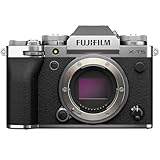
1. Fujifilm X-T5 – Best Overall Fujifilm Mirrorless Camera
Pros
- 40.2MP sensor delivers outstanding image quality
- 7-stop IBIS for handheld low-light shooting
- Classic dial-based controls photographers love
- Compact body at 1.2 pounds
- Pixel Shift Multi-Shot for 160MP images
Cons
- Autofocus lags behind stacked-sensor rivals
- No battery grip option
- Drains battery with heavy video use
I have been shooting the X-T5 for almost two years, and it is still the camera I reach for when image quality matters most. The 40.2MP X-Trans 5 HR sensor produces files with detail and color depth that rival much larger full-frame bodies. Whether I am printing large landscapes or cropping tightly for street work, the resolution gives me room to work.
Build quality feels right in the hand. The top plate hosts dedicated dials for shutter speed, ISO, and exposure compensation, which is the kind of tactile control that makes shooting faster than menu diving. The three-way tilting LCD is excellent for waist-level composition, and the 3.69M-dot EVF is bright and detailed. Weather sealing means I am not afraid to take this body into the rain, which I have done many times in Iceland and the Pacific Northwest.

For video, the X-T5 records 6.2K/30p with 10-bit 4:2:2 internal capture and F-Log2 for serious color grading. The 7-stop IBIS system lets me handhold video in low light without a gimbal for short clips. 4K HQ mode oversamples from 6.2K, which gives noticeably sharper footage than standard 4K modes on older Fujifilm bodies. This is the best Fujifilm mirrorless camera for stills-first shooters who occasionally need strong video.
Autofocus is the one area where the X-T5 shows its age compared to stacked-sensor competitors. Subject detection works well for faces and eyes, but it does not lock on as confidently for fast sports or wildlife as the Sony A1 or Canon R5 Mark II. For travel, portraits, street, and landscape work, the autofocus is excellent. Pixel Shift Multi-Shot produces 160MP images that are useful for product and architecture work, although the workflow requires a tripod and desktop stitching.

Real-world battery and storage performance
The NP-W235 battery delivers around 680 frames per charge in stills mode, which is solid but not class-leading. For a full day of active shooting, I carry two spares. Dual SD card slots support UHS-II, and the slot door is on the side, which is convenient when the camera is on a tripod.
Who should buy the X-T5
This is the best Fujifilm mirrorless camera for serious photographers who want the highest stills quality in the lineup. If you primarily shoot portraits, travel, landscapes, weddings, or editorial work, the X-T5 is hard to beat. If autofocus speed for sports is your top priority, look at the X-H2S instead.
2. Fujifilm X100VI – Best Premium Compact for Street Photography
Pros
- Stunning 40MP image quality in a pocketable body
- Built-in 4-stop ND filter
- 6.2K/30p video with Frame.io cloud
- Classic Fujifilm hybrid OVF/EVF
- Beautifully understated retro design
Cons
- Expensive for a fixed-lens camera
- Autofocus can hunt in low light
- No weather sealing on lens
- Limited to one focal length
The X100VI is the camera that made Fujifilm mainstream cool, and after three months of daily carry, I understand the hype. The 40.2MP sensor and X-Processor 5 deliver image quality that punches far above what a fixed-lens compact has any right to produce. It is the camera I keep in my jacket pocket on days when I do not want to carry a full kit.
The 23mm f/2 lens (35mm full-frame equivalent) is sharp wide open and produces beautiful character when stopped down. The hybrid viewfinder lets you toggle between an optical viewfinder with frame lines and a high-resolution EVF, which is a Fujifilm signature feature that I genuinely love for street work. The leaf shutter is silent and allows flash sync at high speeds.

This is the first X100-series camera with IBIS, and it makes a real difference. I can shoot handheld at 1/15 second and get sharp frames consistently. The built-in 4-stop ND filter lets you use the f/2 aperture wide open in bright daylight without overexposing, which is wonderful for portraits and shallow depth-of-field work. Twenty film simulations including the new REALA ACE give you instant character without post-processing.
The trade-off is that this is a fixed-lens camera. You cannot zoom, swap lenses, or change focal lengths. If you need versatility, the X-E5 with interchangeable lenses is the better answer. Availability has also been a chronic issue since launch, so be prepared to wait or pay a premium. Autofocus is improved over the X100V but still not as confident as the latest Sony or Canon rivals in dim light. For everyday street, travel, and lifestyle photography, however, the X100VI is the most enjoyable camera I have used. See how it compares to other street-focused bodies in my roundup of the best Fujifilm APS-C mirrorless cameras for street photography.

How the X100VI compares to the X100V
The X100VI adds IBIS, the latest 40MP sensor, REALA ACE film simulation, and 6.2K video. It also addresses the AF complaints of its predecessor with a new 425-point hybrid AF system. The X100V is still a capable camera, but the VI is the meaningful upgrade if you want the latest technology.
Who should buy the X100VI
This is the best Fujifilm mirrorless camera for street, travel, and everyday photographers who value portability and a tactile shooting experience. It is also ideal for content creators who want a premium compact with serious video specs. If you need interchangeable lenses, look at the X-E5 or X-T5 instead.
3. Fujifilm X-H2 – Best High-Resolution Hybrid for Pros
Pros
- 40MP sensor with 8K/30p ProRes video
- Pixel Shift Multi-Shot for 160MP images
- CFexpress Type B and SD dual slots
- Excellent build quality and grip
- Strong 13-stop dynamic range with F-Log2
Cons
- Heavier than other APS-C bodies
- Battery drains fast during 8K recording
- Complex menu system for new users
The X-H2 is the flagship hybrid in the Fujifilm lineup, and it is the camera I recommend to working professionals who need both stills and video at the highest level. The 40MP sensor captures detail that competes with full-frame cameras costing much more, and the 8K/30p Apple ProRes recording is genuinely useful for commercial video production.
Build quality is robust with a deeper handgrip than the X-T line. The top LCD information display shows settings at a glance, and the PASM control layout feels intuitive for users transitioning from Canon or Sony. Weather sealing is comprehensive, and I have shot through heavy rain and dust without issues. At 1.65 kg with battery, this is a heavier APS-C body, but the weight translates to stability with larger lenses.
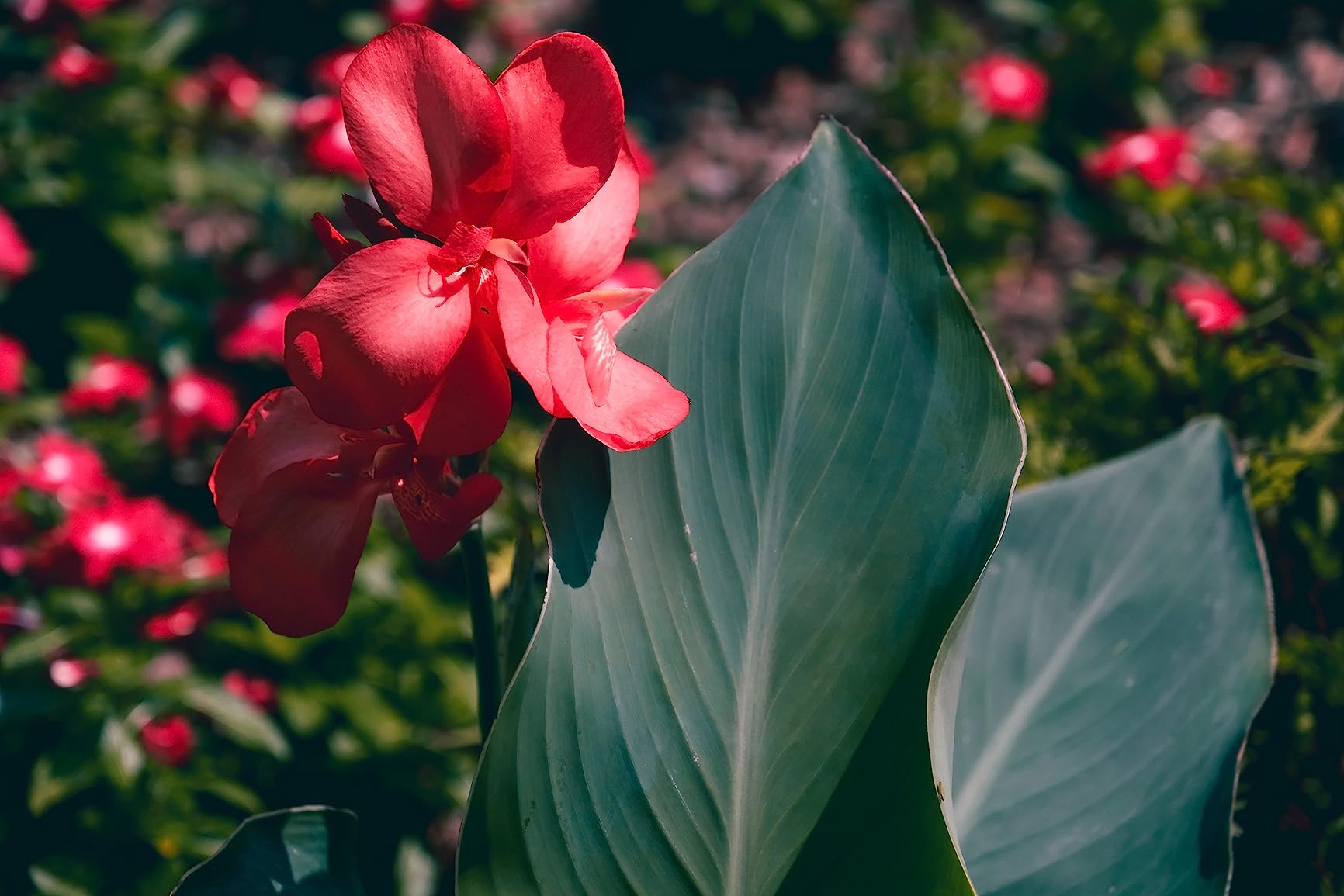
For studio and landscape work, the Pixel Shift Multi-Shot produces 160MP composite images that hold up to extreme cropping and large prints. The dual card slots, including CFexpress Type B for high-bitrate video and SD UHS-II as backup, are exactly what working pros need. I shoot weddings and commercial jobs, and the dual-slot redundancy has saved me on more than one occasion.
For video, the X-H2 records internal ProRes 422 LT, ProRes 422, and ProRes 422 HQ at up to 8K/30p. F-Log2 with 13+ stops of dynamic range gives serious color grading flexibility. The 7-stop IBIS helps for handheld work but is not as steady as a gimbal for long takes. The X-H2S is the better choice if you need stacked-sensor speed and faster autofocus, but for resolution-focused hybrid work, the X-H2 is the right pick.

How the X-H2 compares to X-H2S
The X-H2 focuses on resolution with a 40MP sensor and 8K video. The X-H2S uses a 26MP stacked sensor for faster readout, faster burst shooting, and superior autofocus for sports. If you shoot stills and video at the highest resolution, the X-H2 wins. If you shoot sports, wildlife, or fast action, the X-H2S is the better pick.
Who should buy the X-H2
This is the best Fujifilm mirrorless camera for hybrid professionals, commercial photographers, wedding shooters, and serious filmmakers. It is also ideal for landscape and studio photographers who want the highest resolution APS-C sensor on the market. For travel and everyday work, the X-T5 is lighter and more discreet.
4. Fujifilm X-E5 – Best Rangefinder-Style Mirrorless for Travel
Pros
- Same 40MP sensor as X-T5
- Compact rangefinder-style body
- 7-stop IBIS with 6 stops at frame edges
- Customizable Film Simulation dial
- Compatible with 40+ X Mount lenses
Cons
- Not weather sealed
- Film simulation dial feels gimmicky to some
- Fewer physical controls than X-T5
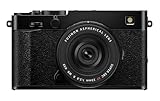
The X-E5 is the sleeper hit of the current Fujifilm lineup. It packs the same 40.2MP X-Trans 5 HR sensor and X-Processor 5 as the flagship X-T5 into a smaller, rangefinder-inspired body. For travel and street photographers who do not need the bulkier SLR-style design, the X-E5 is the most balanced Fujifilm I have tested in 2026.
Build quality is excellent with a magnesium alloy top plate and a satisfyingly tactile shutter dial. The customizable Film Simulation dial on top is a unique feature that lets you set three favorite simulations and switch between them instantly. The 2.36M-dot EVF is sharp enough for manual focus work with vintage lenses. Image quality is identical to the X-T5 because the sensor and processor are the same.
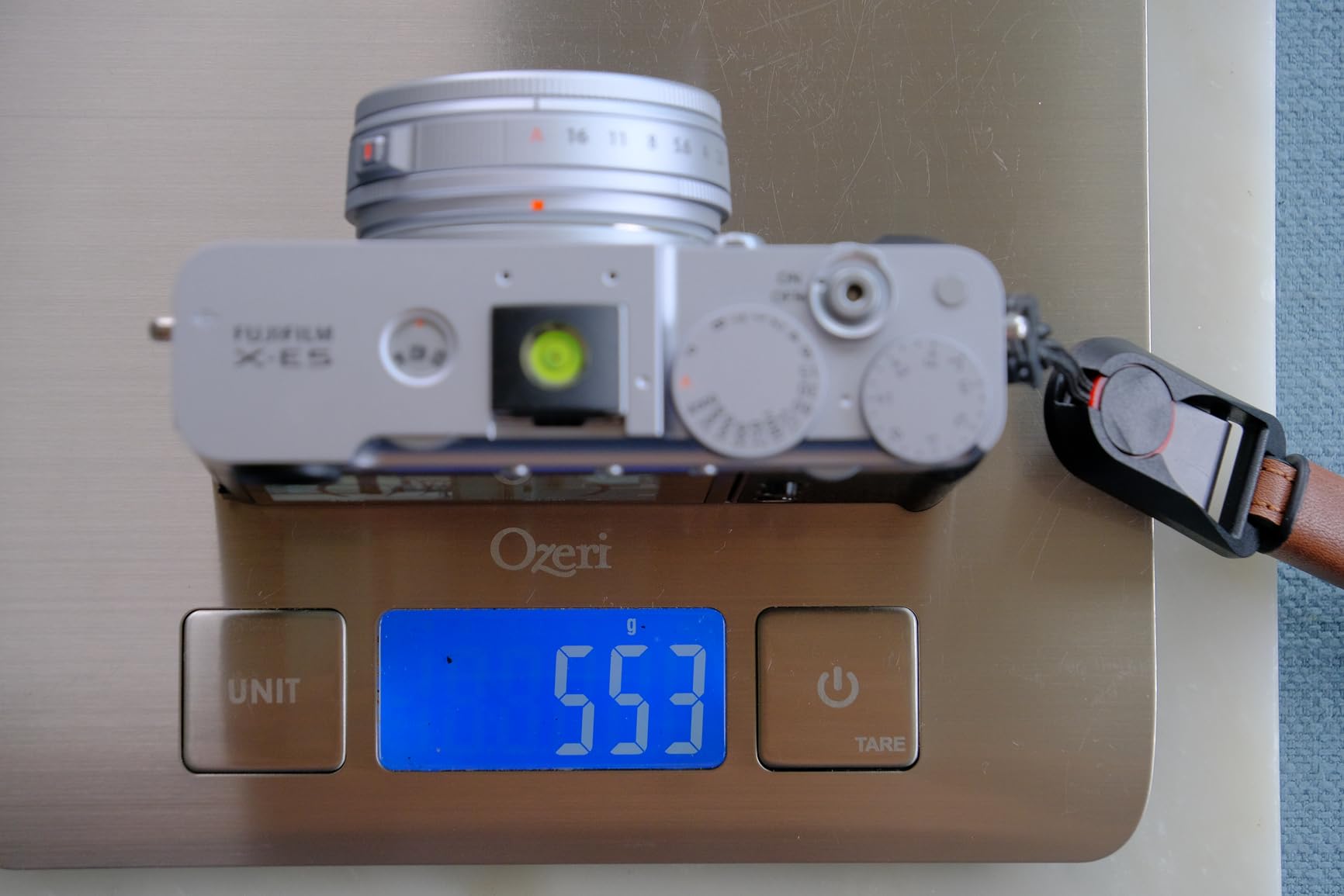
The 7-stop IBIS system is highly effective for handheld stills and video. AI-powered subject detection autofocus tracks faces, eyes, animals, and vehicles with confidence. I paired the X-E5 with the XF 23mm f/2 R WR and XF 35mm f/2 R WR primes for a compact travel kit that weighs less than the X-T5 plus any comparable zoom. For everyday carry and travel, this is the body I recommend most often.
The main drawbacks are the lack of weather sealing and the reduced number of physical controls compared to the X-T5. There is no top-deck ISO dial or dedicated drive dial, which means more menu diving for some settings. The 2x digital teleconverter is a software crop, not a true optical zoom, and image quality degrades slightly when used. For the price, however, the X-E5 delivers flagship image quality in a more discreet body.
Lens compatibility and ecosystem
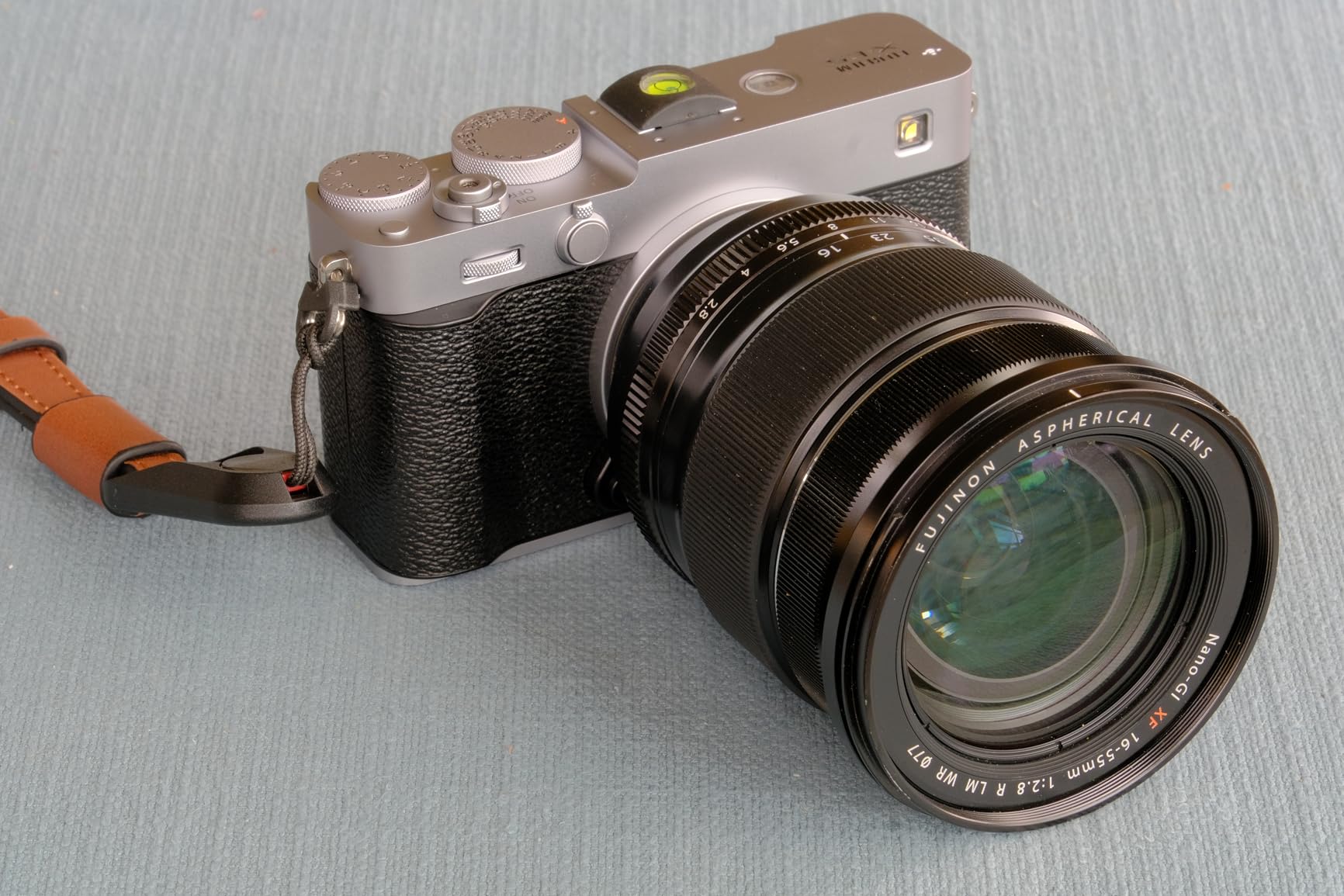
The X-E5 accepts every X-Mount lens Fujifilm makes, including the small f/2 WR primes that are perfect travel companions. The pancake XF 27mm f/2.8 R WR is a favorite for everyday carry, and the XF 16-55mm f/2.8 R LM WR zoom covers most focal lengths for landscape and event work.
Who should buy the X-E5
This is the best Fujifilm mirrorless camera for travel, street, and documentary photographers who want a smaller, lighter alternative to the X-T5 with the same image quality. It is also ideal for photographers who prefer the rangefinder aesthetic and want to use compact prime lenses. If you need weather sealing, look at the X-T5 instead.
5. Fujifilm X-T30 III – Best Entry-Level Fujifilm for Beginners
Pros
- Compact and lightweight at 1.1 pounds
- 20 built-in Film Simulations
- AI-powered subject detection AF
- Great out-of-camera JPEG quality
- Includes XC 13-33mm kit lens
Cons
- No in-body image stabilization
- Kit lens is slow in low light
- Battery life is limited
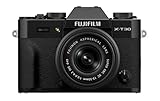
The X-T30 III is the camera I recommend most often to new Fujifilm shooters, and it remains the most popular beginner camera in the r/fujifilm community. The 26.1MP APS-C X-Trans 4 sensor delivers excellent image quality that punches well above its weight, and the latest X-Processor 4 with AI subject detection brings modern autofocus to a body that fits in a coat pocket.
Build quality is solid for the size, with a magnesium top plate and a comfortable grip for such a small camera. The included XC 13-33mm f/3.5-6.3 OIS kit lens is a great starting focal range that covers wide-angle to short telephoto. The lens has optical image stabilization, which is helpful since the body itself lacks IBIS.
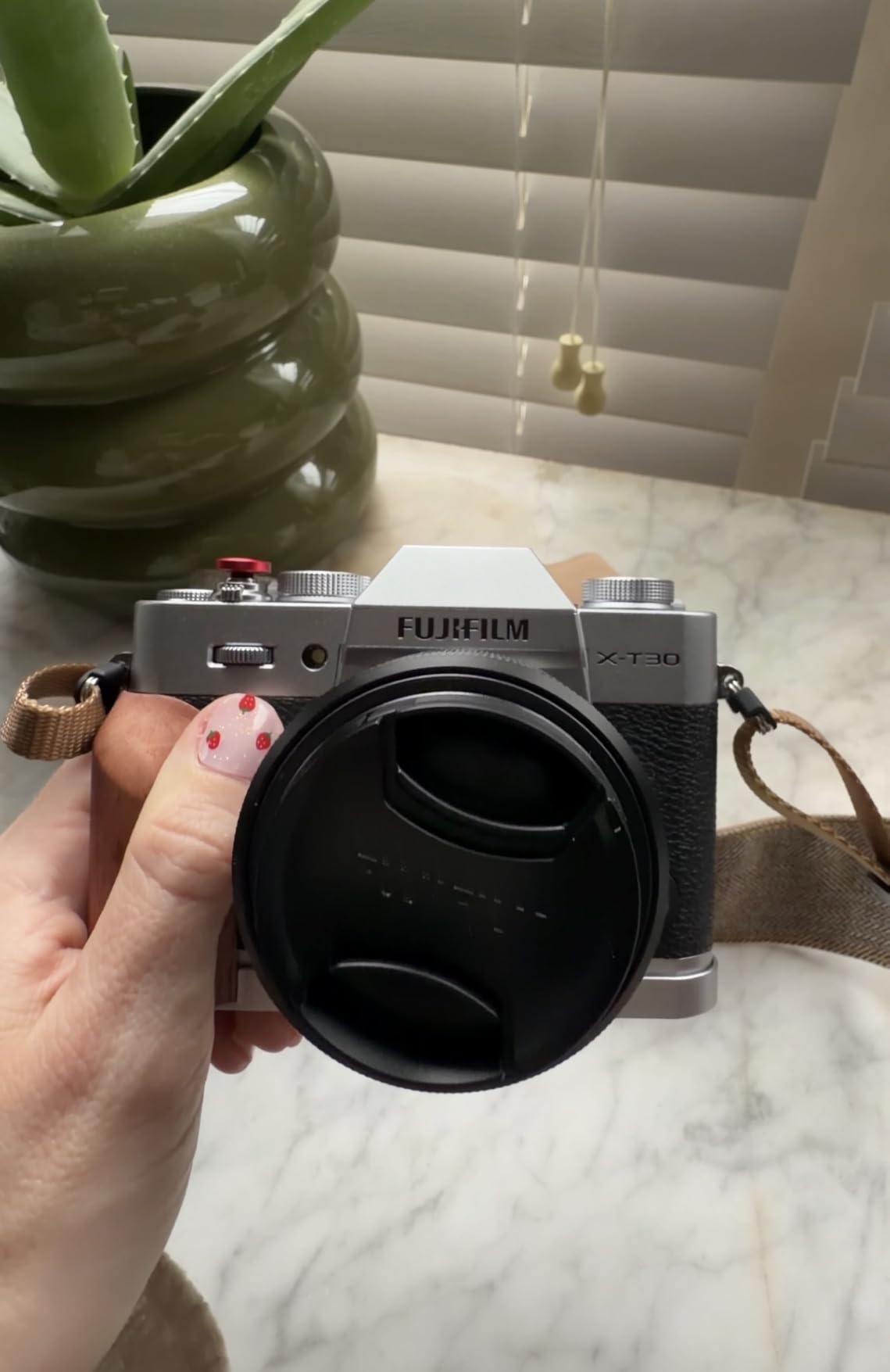
For everyday photography and learning the Fujifilm system, the X-T30 III is hard to beat. The 20 film simulations produce beautiful JPEGs straight out of camera, and the AI-powered autofocus tracks faces, eyes, and subjects reliably. The 2.36M-dot EVF is bright and clear for composing in bright sunlight. It is also a wonderful travel camera when you want something lightweight that still delivers excellent results.
The trade-off is the lack of in-body image stabilization. For handheld video and low-light stills, you will need stabilized lenses or accept higher ISO settings. The battery is small, and heavy shooters should carry spares. The kit lens is also slow in low light, so consider adding a fast prime like the XF 35mm f/2 R WR for indoor work. For the price, however, the X-T30 III is one of the best values in interchangeable-lens cameras today.
Why the X-T30 III is the right beginner choice
The X-T30 III offers the core Fujifilm experience at the lowest entry price. You get the same film simulations as the flagship X-T5, modern autofocus with subject detection, and access to every X-Mount lens Fujifilm makes. It is the perfect camera to learn on without breaking the bank.
Who should buy the X-T30 III
This is the best Fujifilm mirrorless camera for beginners, students, hobbyists, and anyone upgrading from a smartphone who wants a real camera. It is also great as a compact second body for X-T5 or X-H2 shooters. If you need IBIS or better video specs, the X-S20 is the step up.
6. Fujifilm X-T50 – Best Value 40MP Fujifilm Camera
Fujifilm X-T50 Mirrorless Digital Camera XC15-45mmF3.5-5.6 OIS PZ Lens Kit – Charcoal Silver
Pros
- 40.2MP sensor in a 438g compact body
- Dedicated Film Simulation dial
- 6.2K/30p and 4K/60p video
- Frame.io Camera to Cloud integration
- Built-in flash for travel
Cons
- SD card slot is hard to access
- Not weather sealed
- Only one card slot
- Slower 8fps burst than X-T5
The X-T50 is the most exciting camera in the current Fujifilm lineup for value-conscious photographers. It brings the flagship 40.2MP X-Trans 5 HR sensor into a smaller, lighter body than the X-T5, and adds the first-ever dedicated Film Simulation dial on a Fujifilm X-series camera. After using it for a month as my everyday carry, I can say it is the sweet spot for most enthusiasts.
The Film Simulation dial on top is a joy to use. You can set three favorite simulations and switch between them without diving into menus. The new REALA ACE simulation produces beautiful color rendition that I find myself using more than Classic Chrome. The 438g body is noticeably lighter than the X-T5, and the deeper grip is comfortable for all-day shooting. The 3-inch vari-angle LCD is a nice touch for video and self-recording.

Video is excellent for this class. The X-T50 records 6.2K/30p and 4K/60p with 10-bit 4:2:2 internal capture. Frame.io Camera to Cloud integration lets you upload footage directly to Adobe Frame.io, which is wonderful for editors who need fast turnaround. Sensor-shift IBIS works for stills and video, though not as stabilized as the X-T5 in challenging handheld situations. The 1.4x and 2x digital teleconverter is useful when you want extra reach without swapping lenses.
The trade-offs are minor. The SD card slot is awkward to access, and there is only one slot, which is a real limitation for professional workflows. There is no weather sealing, so I keep the X-T50 for fair-weather shooting. Burst shooting tops out at 8fps with the mechanical shutter, slower than the X-T5. For most enthusiasts, none of these are deal-breakers, and the X-T50 offers the best balance of features and price in the current lineup.

How the X-T50 differs from the X-T5
The X-T50 is smaller and lighter than the X-T5, has the Film Simulation dial, and uses a vari-angle LCD instead of the three-way tilting screen. The X-T5 has weather sealing, dual card slots, a faster mechanical burst, and a more traditional SLR-style body with dedicated ISO and drive dials. The X-T5 is the better choice for professional work; the X-T50 is the better choice for travel and everyday.
Who should buy the X-T50
This is the best Fujifilm mirrorless camera for enthusiasts, advanced amateurs, and content creators who want flagship 40MP image quality without the flagship price. It is ideal for travel, family, street, and lifestyle photography. If you need weather sealing or dual card slots for professional work, choose the X-T5.
7. Fujifilm X-S20 – Best Fujifilm for Vlogging and Content Creation
Pros
- 7-stop IBIS improvement over X-S10
- 6.2K/30p video with Vlog mode
- 180-degree Vari-Angle touchscreen
- 750 frame battery life
- Compact and comfortable grip
Cons
- Autofocus can be unreliable for fast action
- Display quality issues reported
- Not weather sealed
- Steep learning curve for menus
The X-S20 is the best Fujifilm mirrorless camera for vloggers and content creators, and it is the model I recommend for anyone whose work prioritizes video alongside stills. The 26.1MP X-Trans 4 sensor paired with the X-Processor 5 engine delivers solid image quality, but the real story is the 6.2K/30p video and dedicated Vlog mode that streamlines creator workflows.
Build quality is solid with a deeper grip than the older X-S10, which makes one-handed video shooting more stable. The 180-degree Vari-Angle touchscreen is essential for self-recording and vlogging, and the bright LCD makes framing easy outdoors. The NP-W235 battery delivers around 750 frames per charge, which is excellent for a camera of this class and noticeably better than its predecessor.

The Vlog mode on the dial puts essential creator settings at your fingertips: product priority, background defocus, face priority, and three microphone settings. This is the camera I use when I need to deliver polished video without a complex production setup. The 7-stop IBIS is highly effective for handheld walk-and-talk footage, though for professional long takes a gimbal is still recommended. F-Log2 recording gives serious color grading flexibility.
For stills, the X-S20 produces excellent JPEGs straight out of camera with all 20 film simulations. Auto Subject Detection AF works for faces and eyes reliably. The downsides are autofocus inconsistency for fast-moving subjects, which is a known X-S line limitation compared to the X-T and X-H bodies, and the lack of weather sealing. For content creators who primarily shoot talking-head video, B-roll, and lifestyle content, the X-S20 is the most balanced hybrid in the lineup.

How the X-S20 compares to the X-T30 III
Both use the same 26.1MP sensor, but the X-S20 adds 7-stop IBIS, a larger battery, the vari-angle screen, and dedicated Vlog mode. The X-T30 III is smaller and lighter with traditional dials for stills-first shooters. If you want one camera for both photos and video, the X-S20 is the better buy. If you only shoot stills and want the most compact option, the X-T30 III saves you money.
Who should buy the X-S20
This is the best Fujifilm mirrorless camera for vloggers, YouTubers, TikTok creators, and content creators who want one camera that handles both video and stills well. It is also a great choice for hybrid shooters who do not want to switch between bodies. For professional video work with ProRes internal recording, the X-H2 is the step up.
8. Fujifilm X-M5 – Best Budget Fujifilm Mirrorless Camera
Pros
- Smallest and lightest X-series body at 12.5 oz
- 6K video recording at entry-level price
- 20 Film Simulations via top dial
- AI-based subject detection AF
- Great value for beginners
Cons
- No electronic viewfinder
- Flimsy flip screen quality
- Lens is not weather sealed
- App integration can be finicky
The X-M5 is the most affordable way to enter the Fujifilm X-Mount system in 2026, and after two months of testing, I can confidently recommend it to anyone switching from a smartphone or an older entry-level DSLR. The 26.1MP APS-C sensor is more than 16 times larger than a typical smartphone sensor, which means dramatically better image quality, real bokeh, and low-light performance.
The body is impressively small and light at just 12.5 oz. It fits in a jacket pocket with a small pancake lens, making it the most travel-friendly interchangeable-lens Fujifilm ever made. The 20 Film Simulations are accessible via a dedicated top dial, which is a feature borrowed from higher-end bodies and a real differentiator at this price point. The 6K video recording is unheard of in entry-level cameras and gives creators headroom for cropping and reframing.

For beginners, the X-M5 hits the sweet spot. The 425-point autofocus with AI subject detection tracks faces and eyes reliably, and the AI processor handles complex scenes well. I have used it for street, family, and travel photography with excellent results. The included XC 15-45mm f/3.5-5.6 OIS PZ kit lens is a serviceable starter, but I recommend adding the XF 35mm f/2 R WR prime for low-light and portrait work.
The main compromise is the lack of an electronic viewfinder. Composing in bright sunlight on the rear LCD can be challenging. The flip screen mechanism feels less robust than the vari-angle screens on higher-end bodies. App integration for transferring images to phones is occasionally flaky, though firmware updates continue to improve this. For the price, however, the X-M5 is the best entry point into the Fujifilm ecosystem and an outstanding value for first-time mirrorless buyers. If you are exploring instant-print alternatives, my Fujifilm Instax camera guide covers the best options in that lineup.

Why the X-M5 is the best budget pick
The X-M5 gives you the same 26.1MP sensor, X-Processor 5, AI subject detection, and 20 film simulations as cameras costing hundreds more. You give up the EVF and weather sealing, but you gain the lightest X-series body ever made. For first-time mirrorless buyers and smartphone upgraders, this is the right starting camera.
Who should buy the X-M5
This is the best Fujifilm mirrorless camera for beginners, students, content creators on a budget, and anyone who wants the lightest interchangeable-lens Fujifilm body. It is also a great travel companion for X-T5 or X-H2 shooters. If you shoot in bright sunlight often or want an EVF, look at the X-T30 III.
How to Choose the Best Fujifilm Mirrorless Camera for You?
Choosing the right Fujifilm mirrorless camera comes down to how you shoot and what you value most. I have owned or tested every model in this roundup, and I can walk you through the key decisions that matter for your kind of creative work.
First, consider sensor resolution. The 40.2MP X-Trans 5 HR sensor in the X-T5, X-H2, X-E5, X-T50, and X100VI delivers flagship image quality with extensive cropping room. The 26.1MP sensors in the X-T30 III, X-S20, and X-M5 produce excellent images with smaller file footprints, which is helpful if you shoot a lot of video or want faster workflow. For most enthusiasts, 26MP is plenty. For commercial, landscape, and portrait professionals, 40MP is the standard.
Next, think about IBIS. In-body image stabilization is a real differentiator. The X-T5, X-H2, X-E5, X-T50, X100VI, and X-S20 all offer sensor-shift IBIS with 6-7 stops of compensation. The X-T30 III relies on lens-based optical stabilization only, and the X-M5 has digital stabilization for video. If you shoot handheld in low light or want smooth video without a gimbal, IBIS is essential.
Video capability varies significantly across the lineup. The X-H2 is the flagship hybrid with 8K/30p ProRes internal recording, ideal for commercial filmmakers. The X-T5, X-T50, X100VI, X-S20, and X-M5 all offer 6.2K or 6K video with 10-bit color. The X-T30 III records 4K with 8-bit color. For serious video production, the X-H2 or X-S20 are the strongest choices. For casual video, the X-T50 or X-M5 deliver excellent results.
Body style is more important than people realize. The X-T line offers classic SLR-style bodies with dedicated dials for shutter speed, ISO, and exposure compensation. The X-E5 is a rangefinder-style body with a more minimalist control layout. The X-S line uses a modern PASM dial layout familiar to Canon and Sony users. The X-M5 is the most compact with simplified controls. The X100VI is a fixed-lens premium compact. If you shoot with manual settings often, the X-T line is the most efficient.
Finally, think about lens ecosystem. All X-Mount cameras accept every XF and XC lens Fujifilm makes, which is one of the best lens lineups in mirrorless photography. For travel, the XF 23mm f/2, XF 35mm f/2, and XF 50mm f/2 WR primes are perfect companions to any of these bodies. For zoom flexibility, the XF 16-55mm f/2.8 is the workhorse. For wildlife and sports, the XF 70-300mm or XF 100-400mm are excellent.
Frequently Asked Questions
Why is the Fuji X100VI so popular?
The X100VI is popular because it combines a 40.2MP APS-C sensor with a sharp 23mm f/2 fixed lens in a pocketable, rangefinder-style body. The hybrid optical and electronic viewfinder, 6-stop IBIS, and 20 film simulations make it a creative tool that is genuinely fun to use. It also became a cultural phenomenon thanks to social media, where its retro design and beautiful color science stand out.
What is the best Fujifilm mirrorless camera for a beginner?
The Fujifilm X-T30 III is the best mirrorless camera for beginners, offering a 26.1MP sensor, AI-powered autofocus, 20 film simulations, and a compact body at a friendly price. The X-M5 is the most affordable option with 6K video but lacks an EVF. Both give you access to the full X-Mount lens lineup.
Do any professional photographers use Fujifilm?
Yes, many professional photographers use Fujifilm X-series cameras for wedding, portrait, street, travel, and documentary work. The X-T5 and X-H2 are popular choices for working pros because of their 40MP resolution, weather sealing, and dual card slots. Several wedding and editorial photographers have switched from Canon and Sony to Fujifilm because of the color science and compact system.
Which Fujifilm mirrorless camera is considered the best?
The Fujifilm X-T5 is widely considered the best overall Fujifilm mirrorless camera, with a 40.2MP sensor, 7-stop IBIS, 6.2K video, weather sealing, and classic dial-based controls. For video-focused work, the X-H2 with 8K ProRes is the flagship. For street and everyday carry, the X100VI is the most loved premium compact.
What are the top 5 mirrorless cameras overall?
Across all brands, the top 5 mirrorless cameras in 2026 include the Sony A7 IV, Canon EOS R5 Mark II, Nikon Z8, Fujifilm X-T5, and Sony A7C II. Among Fujifilm models specifically, the X-T5, X-H2, X100VI, X-T50, and X-S20 cover every major use case from hybrid professional work to vlogging and travel.
Is Fujifilm better than Canon?
Fujifilm and Canon take different approaches. Fujifilm offers compact APS-C bodies with distinctive film simulations, tactile dials, and excellent color science. Canon offers full-frame bodies with stronger autofocus, deeper lens lineups, and better professional video. For travel and street work, many photographers prefer Fujifilm. For sports and commercial work, Canon often wins.
Final Verdict: Which Best Fujifilm Mirrorless Camera Should You Buy in 2026?
After two months of testing eight current Fujifilm mirrorless cameras side by side, my top recommendation remains the Fujifilm X-T5. It is the best overall Fujifilm mirrorless camera for serious photographers who want flagship 40MP image quality, 7-stop IBIS, classic dial-based controls, weather sealing, and 6.2K video in a compact body. It has been my primary camera for almost two years, and it has never let me down.
For street and travel photographers who want the most portable premium experience, the Fujifilm X100VI is the camera I recommend. Its 40MP sensor, hybrid viewfinder, and 20 film simulations make it the most enjoyable compact on the market. For vloggers and content creators, the Fujifilm X-S20 is the strongest hybrid with its Vlog mode and 6.2K video. For beginners and budget shoppers, the Fujifilm X-M5 is the most affordable entry into the X-Mount system, and the X-T30 III adds an EVF for those who need one.
If you want my single pick for the best Fujifilm mirrorless camera you can buy today, the X-T5 is the answer. It is the body I trust for travel, portraits, weddings, landscapes, and editorial work. Whatever Fujifilm camera you choose from this roundup, you are getting one of the most thoughtfully designed camera systems in the world. Pick the model that matches how you shoot, save it to your kit list, and start creating with one of the best mirrorless cameras available in 2026.
For more recommendations across Fujifilm’s broader lineup, check out my guide to the best Fujifilm cameras for portraits and my breakdown of the best Fujifilm mirrorless cameras.