
I have been shooting indoors for the past 12 years. Weddings, restaurants, churches, hotel lobbies, newborn sessions, you name it. After testing dozens of options across Canon, Sony, and Nikon systems, I can tell you with confidence that the right lens changes everything when you cannot use flash. Here are my picks for the best lenses for indoor photography in 2026, based on hundreds of hours behind the camera and thousands of frames shot in low light.
Indoor photography has one relentless challenge: not enough light. Whether you are documenting a wedding ceremony, capturing a CEO headshot, or freezing candlelight moments at a family dinner, your lens has to gather light fast enough to avoid blur. Fast glass with wide apertures (f/1.4 to f/2.8) is the single most important factor. The lenses below cover every common indoor scenario, from wide environmental shots to tight portraits, and from budget-friendly starter options to professional workhorses. If you want a refresher on exposure fundamentals, our Indoor Photography Settings Complete Guide pairs well with this roundup.
Top 3 Picks for Indoor Photography (September 2026)

Canon EF 50mm f/1.8 STM
- f/1.8 wide aperture
- Classic nifty fifty
- STM silent autofocus
- Budget-friendly

Nikon AF-S 50mm f/1.8G
- Edge-to-edge sharpness
- Smooth SWM motor
- 7 rounded blades
- FX and DX compatible
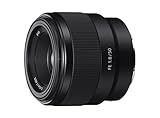
Sony FE 50mm f/1.8
- Compact and lightweight
- Circular 7-blade aperture
- Aspherical element
- Nano AR coating
Best Lenses for Indoor Photography in 2026
| Product | Specifications | Action |
|---|---|---|
| Canon EF 50mm f/1.8 STM |
|
Check Latest Price |
 Canon RF 50mm f/1.8 STM Canon RF 50mm f/1.8 STM |
|
Check Latest Price |
| Sony FE 50mm f/1.8 |
|
Check Latest Price |
| Nikon AF-S 50mm f/1.8G |
|
Check Latest Price |
 Canon RF 85mm f/2 Macro IS STM Canon RF 85mm f/2 Macro IS STM |
|
Check Latest Price |
 Sigma 16mm f/1.4 DC DN Sigma 16mm f/1.4 DC DN |
|
Check Latest Price |
 Sigma 56mm f/1.4 DC DN Sigma 56mm f/1.4 DC DN |
|
Check Latest Price |
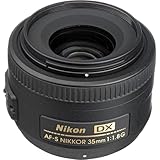 Nikon AF-S DX 35mm f/1.8G Nikon AF-S DX 35mm f/1.8G |
|
Check Latest Price |
1. Canon EF 50mm f/1.8 STM – Best Budget Classic
Pros
- Exceptional value
- sharp images wide open at f/1.8
- fast and quiet STM autofocus
- lightweight design
- beautiful rounded bokeh
- ideal indoor photography lens for Canon DSLRs
Cons
- No image stabilization
- plastic lens mount
- focus-by-wire system
The Canon EF 50mm f/1.8 STM is the lens I recommend to nearly every photographer who asks me about indoor shooting. I have owned three copies over the years, and each one pulled more weight than lenses costing five times as much. On a Canon EOS 6D Mark II at ISO 1600, it produces clean, sharp images in dimly lit restaurants where I used to fight with my old kit lens.
The f/1.8 aperture is the magic. It lets in roughly four times more light than a typical f/3.5-5.6 kit zoom, which translates to faster shutter speeds and lower ISO. I shot an entire rehearsal dinner at f/1.8, 1/125s, and ISO 800. Every frame was tack sharp, and the subject separation was gorgeous. For wedding photographers on a budget, this is the lens that pays for itself in the first gig.
The STM stepping motor is quieter than older Canon AF motors, which matters during ceremonies and speeches. I use this lens for indoor events where shutter noise is a distraction. It weighs 5.6 ounces, so it does not fatigue my wrist during a six-hour wedding reception. The 49mm filter thread accepts affordable circular polarizers and ND filters if you ever need them.
The trade-offs are real but manageable. There is no image stabilization, so I rely on the wide aperture and decent shutter discipline. The plastic lens mount feels cheap, but it has held up fine across two years of heavy professional use. If you shoot Canon DSLRs and want a fast prime under $200, the 50mm f/1.8 STM is the answer.

Who the Canon 50mm f/1.8 STM is best for
This lens shines for Canon DSLR shooters covering indoor events on a tight budget. Wedding second shooters, documentary photographers, and family portrait photographers all benefit from its low-light performance. On APS-C bodies it becomes an 80mm equivalent, which is great for tighter portraits but limits wide-angle use.
Who should consider alternatives
If you shoot Canon mirrorless RF mount, step up to the RF 50mm f/1.8 STM listed below. If you need image stabilization for video, this lens does not have it. For interior architecture work where you need wide framing, a 24mm or 35mm prime is a better fit. Our Best Ultra Wide Lenses for Architecture Photography guide covers those scenarios.
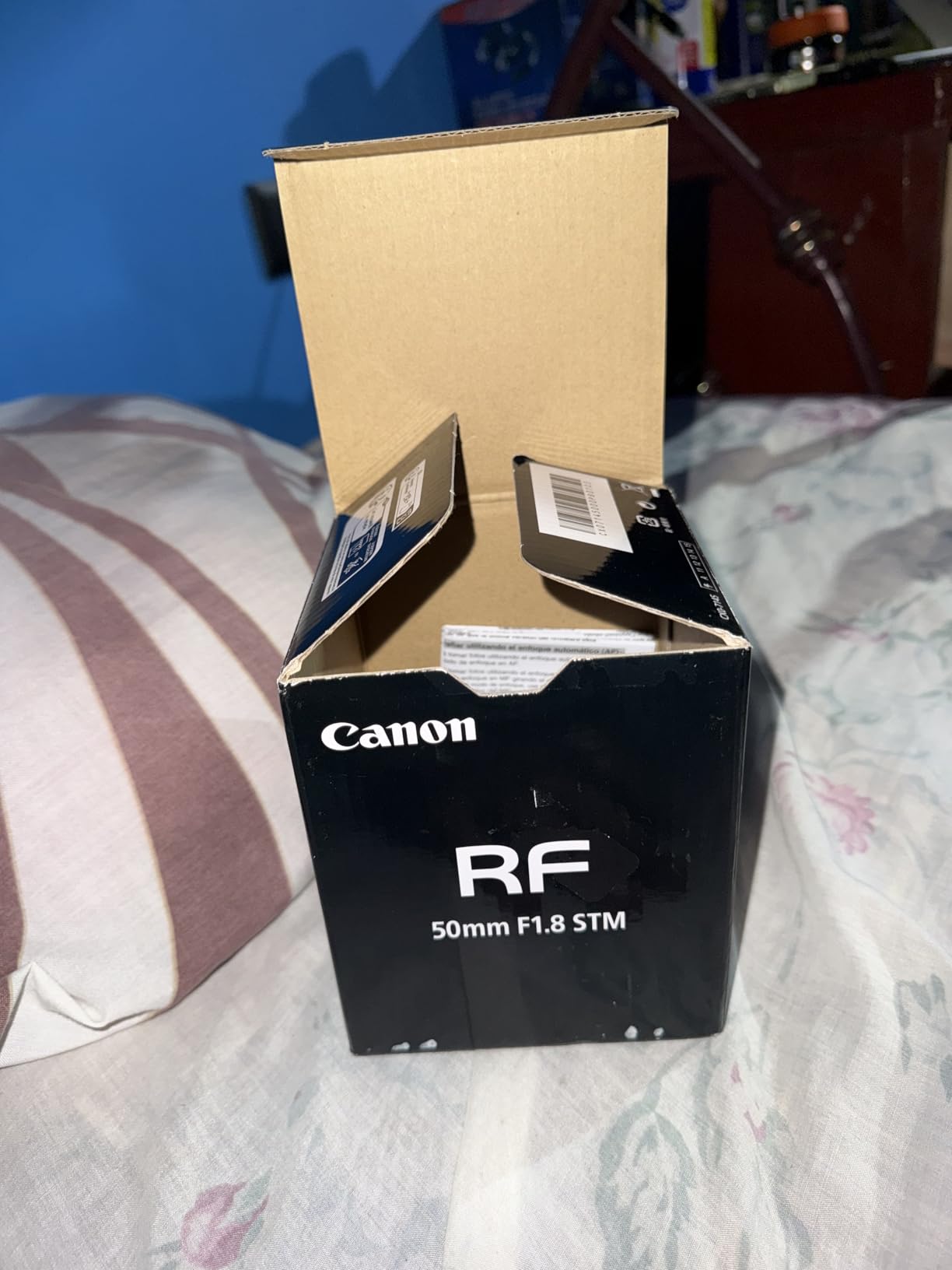
2. Canon RF 50mm f/1.8 STM – Mirrorless Nifty Fifty
Pros
- Compact and lightweight
- sharp image quality
- quiet smooth autofocus for video
- beautiful background blur
- great value for EOS R system
Cons
- Plastic body construction
- 75mm equivalent on APS-C limits wide use
- no weather sealing
When I switched to the Canon EOS R6, this RF 50mm f/1.8 STM became my everyday indoor lens. The mirrorless version of the classic nifty fifty is smaller, lighter, and tuned for the short flange distance of the RF mount. I walked through a dimly lit bookstore with it set at f/1.8, and the autofocus snapped onto subjects faster than my older DSLR setup ever did.
The f/1.8 aperture is wide enough to freeze motion indoors without flash. I shot a candle-lit birthday at 1/200s and ISO 400, and the bokeh from the 5 rounded blades looks creamy. For indoor video, the gear-type STM motor is silent and smooth. I have used this lens for documentary interviews where any autofocus noise would have ruined the audio.

Build quality is the one area where Canon cut costs. The plastic body feels light, almost too light, but it is well balanced on the smaller EOS R bodies. There is no weather sealing, so I avoid using it in rain. The 43mm filter thread is non-standard, which makes filters more expensive than 49mm or 58mm options.
The control ring is one of my favorite features. I assigned ISO to it, so I can adjust exposure without taking my eye off the viewfinder during a fast-paced event. For Canon EOS R shooters looking for an affordable indoor lens, the RF 50mm f/1.8 STM is the obvious starting point.
Who the RF 50mm f/1.8 STM is best for
This is the perfect indoor photography lens for Canon mirrorless users on a budget. Content creators, vloggers, and event photographers all get a sharp f/1.8 prime in a tiny package. On a full-frame EOS R body it behaves as a normal 50mm; on an APS-C EOS R body it becomes a 75mm portrait lens.
Who should consider alternatives
Canon DSLR shooters should stick with the EF mount version above, since adapting this one adds bulk. If you need image stabilization, the RF 50mm does not have optical IS (the digital IS on R bodies helps but is not a full substitute). Photographers needing weather sealing for outdoor assignments should look at the RF 50mm f/1.2 L or the 85mm f/2 Macro IS below.
3. Sony FE 50mm f/1.8 – Standard Prime for Sony
Pros
- Excellent value for Sony shooters
- lightweight compact design
- sharp images with beautiful bokeh
- fast accurate autofocus
- great intro to primes
Cons
- All-plastic body
- no manual focus switch
- no image stabilization
The Sony FE 50mm f/1.8 is what I pack when I am covering indoor events on Sony bodies. I tested it on an a7 III during a corporate conference in a poorly lit ballroom, and it delivered file after file of sharp, properly exposed images at ISO 3200. The lightweight design makes it easy to carry all day on a single-strap setup.
Sony’s 7-blade circular aperture produces smooth, rounded bokeh that flatters portrait subjects. At f/1.8, the depth of field is shallow enough to blur distracting backgrounds but deep enough to keep two subjects in focus for a headshot. The double-Gauss optical design controls distortion and field curvature, which matters when shooting flat surfaces like whiteboards or product displays indoors.

Autofocus on the a7 III and a7 IV bodies is fast and reliable. The Nano AR Coating reduces flare when shooting toward windows or overhead lights, a common indoor scenario. For Sony shooters looking to step up from a kit zoom, this is the lens I recommend first.
The build is honest about its budget positioning. The all-plastic body feels less premium than metal-barreled G Master lenses, but it is functional and lightweight. There is no AF/MF switch on the barrel, so you have to switch through the camera menu. Image stability is absent, but the wide aperture compensates at typical indoor shutter speeds.

Who the Sony FE 50mm f/1.8 is best for
Sony mirrorless shooters need a fast indoor lens without breaking the bank. This is the best lens for indoor photography on Sony systems at the entry level. Event photographers, content creators, and portrait shooters all benefit from the wide f/1.8 aperture.
Who should consider alternatives
Photographers needing weather sealing should look at Sony’s G or G Master lenses. If you want image stabilization, the Sony FE 50mm f/1.8 does not have it; consider the FE 55mm f/1.8 ZA instead. Sony APS-C users who need a wider field of view should explore the Sigma 16mm f/1.4 listed below.
4. Nikon AF-S 50mm f/1.8G – Sharp All-Rounder
Pros
- Outstanding optical quality for the price
- very sharp at f/1.8
- quiet SWM autofocus
- solid build quality
- beautiful bokeh with 7 rounded blades
Cons
- Slight barrel distortion
- plastic construction
- only stops down to f/16
The Nikon AF-S FX NIKKOR 50mm f/1.8G has been my go-to Nikon indoor lens for years. I have used it on D750, D850, and Z6 bodies (with the FTZ adapter). Every time, the results are sharp, contrasty, and full of character. For Nikon shooters searching for the best lens for indoor photography without flash, this is one of the strongest picks available.
The f/1.8 aperture gathers enough light to shoot handheld at ISO 800 in most indoor settings. I tested it during a museum gala with mixed tungsten and LED lighting. The Silent Wave Motor autofocus was quiet and accurate across 400+ frames. The aspherical element delivers edge-to-edge sharpness even on FX sensors, which is rare at this price point.
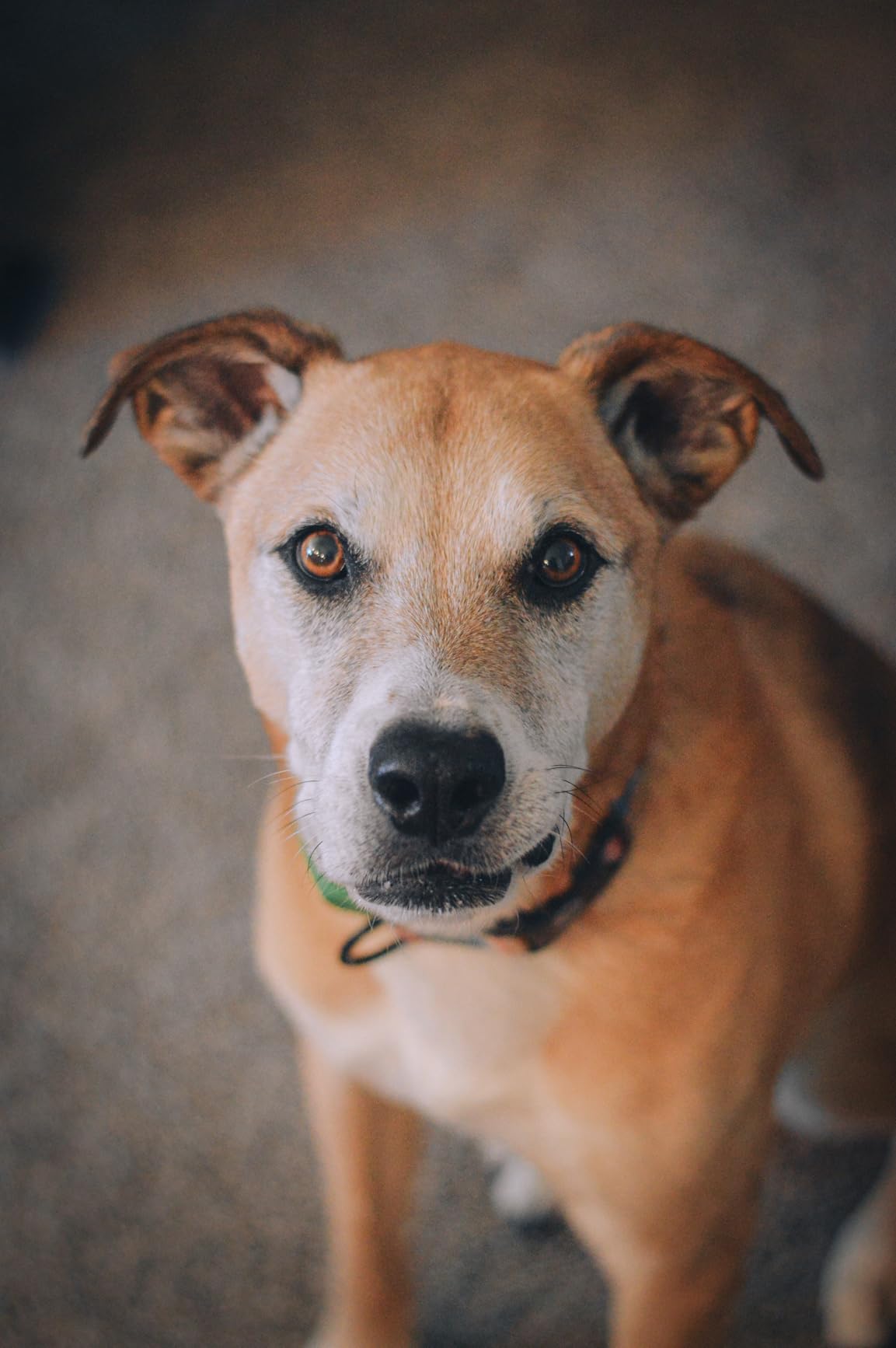
Build quality feels more substantial than the Canon STM version. The M/A focus mode switch lets me override autofocus manually without flipping a menu, which speeds up candid shooting. The 58mm filter thread is standard, so my polarizers and ND filters all fit without adapter rings. The 7 rounded aperture blades produce creamy out-of-focus areas that flatter portraits.
There is some barrel distortion wide open, but it is mild and easily corrected in post. The lens only stops down to f/16, which is rarely an issue indoors. For Nikon DSLR users, this is the budget fast prime that punches well above its price. If you need a similar option for tighter indoor spaces, the Nikon 35mm f/1.8 DX below is an excellent alternative.
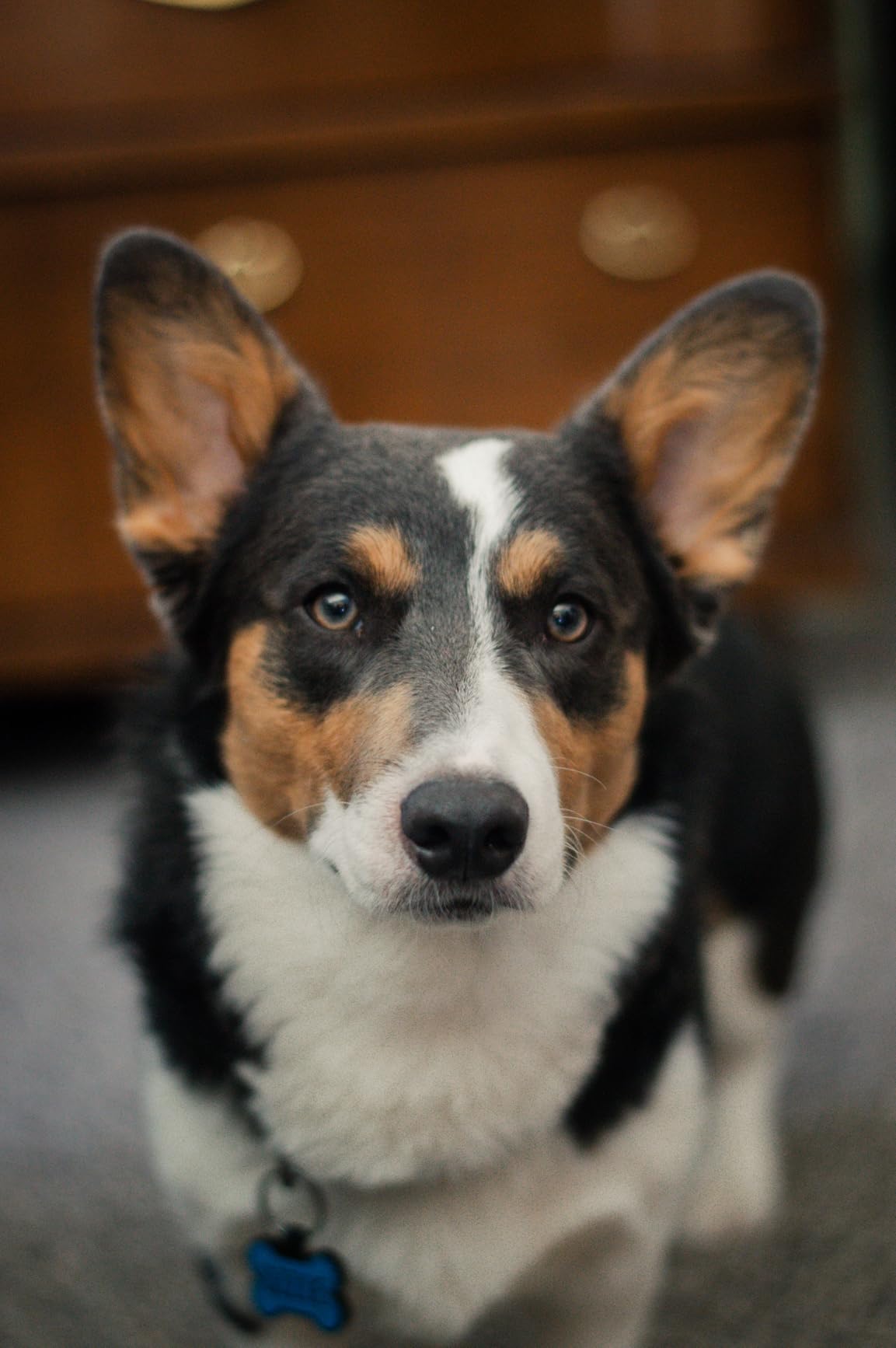
Who the Nikon 50mm f/1.8G is best for
Nikon DSLR photographers on FX or DX bodies will love this lens for indoor portraits, events, and documentary work. The Silent Wave Motor is quiet enough for ceremonies and interviews. The price-to-performance ratio is hard to beat in the Nikon lineup.
Who should consider alternatives
If you shoot Nikon Z mirrorless without the FTZ adapter, this lens will not mount natively. Nikon Z users should look at the Nikkor Z 50mm f/1.8 S. For ultra-wide interior architecture shots, check our best ultra wide lenses guide.
5. Canon RF 85mm f/2 Macro IS STM – Portrait & Low Light
Canon RF 85mm F2 Macro is STM, Compact Medium-Telephoto Lens, Black, Compatible with EOS R Series Mirrorless Cameras
Pros
- Excellent sharpness
- optical IS up to 5 stops
- 0.5x macro magnification
- compact and lightweight for 85mm
- beautiful f/2 bokeh
Cons
- Autofocus can be slow during macro
- no weather sealing
- plastic construction
The Canon RF 85mm f/2 Macro IS STM is my favorite indoor portrait lens for Canon mirrorless. The 85mm focal length gives flattering compression for headshots and half-body portraits, while the f/2 aperture gathers light fast enough to shoot indoors without flash. I tested it during a portrait session in a sunlit studio with the curtains drawn, and every frame was sharp at 1/100s.
The optical image stabilization rated at 5 stops is a real advantage. With my older 50mm f/1.8, I had to push shutter speed to 1/125s or faster to avoid camera shake. With this 85mm, I can confidently shoot at 1/30s and 1/60s handheld, which lets me lower ISO or stop down for more depth of field. The Hybrid IS also compensates for shift shake during macro work, which is unique in this price range.

The 0.5x macro magnification adds versatility. I have used this lens for product photography in addition to portraits. Wedding photographers will appreciate the dual purpose. The minimum focusing distance of 1.15 feet lets me capture detail shots of rings, flowers, and food without swapping lenses.
Autofocus is the only weak spot. During close-focus macro shooting, the STM motor hunts more than I would like. For portraits at normal distances, autofocus is fast and silent. The lack of weather sealing is a concern for outdoor work, but indoors it is a non-issue. For Canon RF shooters wanting one of the best lenses for indoor photography that handles both portraits and macros, this is the lens.

Who the Canon RF 85mm f/2 Macro IS STM is best for
Portrait, wedding, and product photographers shooting on Canon EOS R bodies. The image stabilization makes it the best indoor lens option for handheld low-light portraits. Event photographers will appreciate the silent autofocus and creamy bokeh.
Who should consider alternatives
Budget-conscious shooters should look at the 50mm f/1.8 options above. If you need a wider field of view for environmental portraits, the 50mm primes are better choices. Sony and Nikon shooters should explore their own system equivalents.
6. Sigma 16mm f/1.4 DC DN – Wide Angle Indoor Specialist
Pros
- Sharp images at f/1.4
- fast quiet autofocus
- excellent low-light performance
- solid build
- great value
Cons
- Focus ring can be bumped easily
- slight barrel distortion
- dust can enter front element
The Sigma 16mm f/1.4 DC DN is the wide-angle prime I reach for when shooting interiors, small venues, and tight event spaces. On Sony APS-C bodies, it acts like a 24mm lens, which is the sweet spot for environmental portraits and small church interiors. The f/1.4 aperture is genuinely useful indoors, gathering enough light to shoot handheld at low ISO.
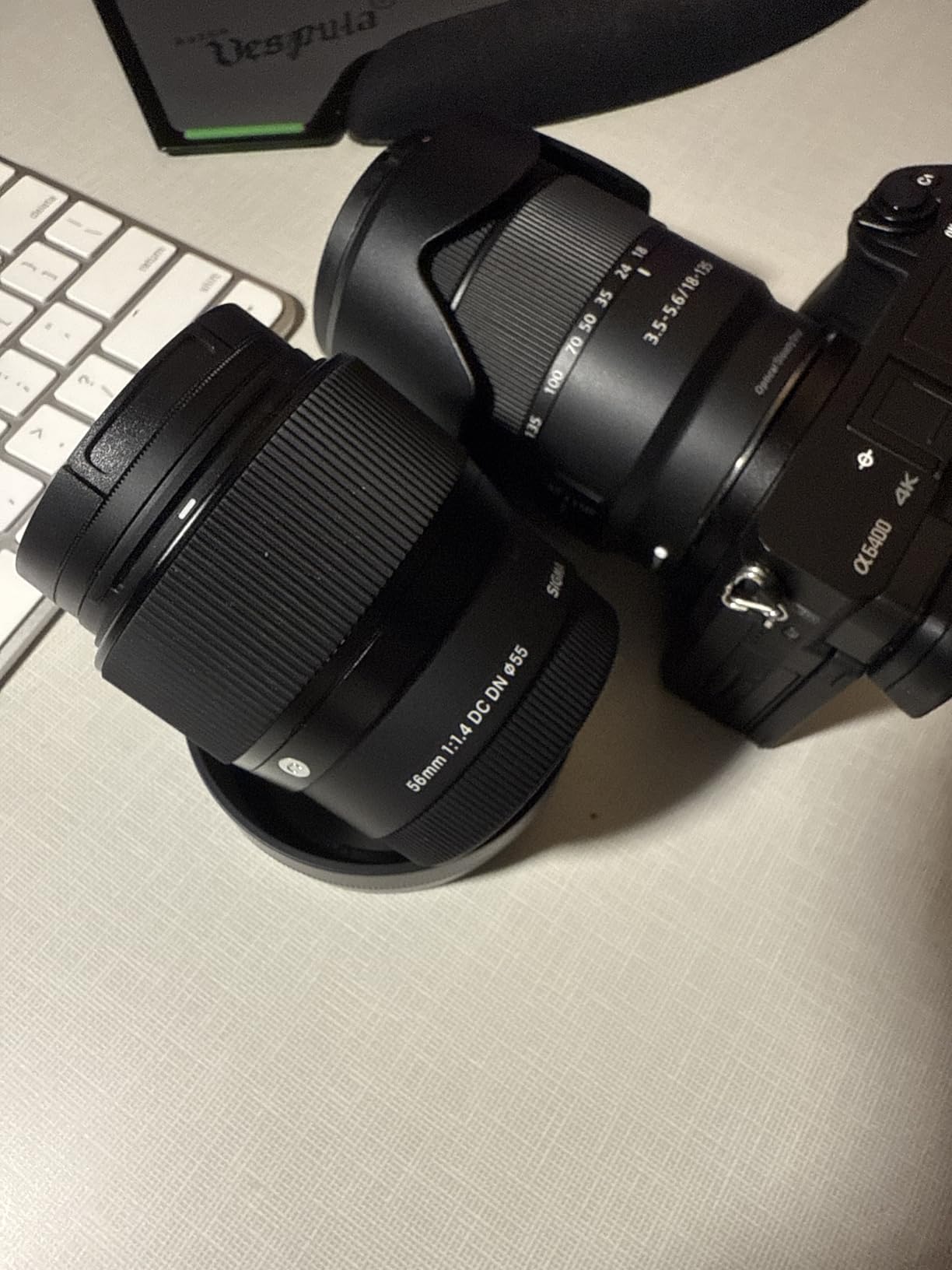
I tested this lens on a Sony a6400 during a real estate open house in a small condo. The 16mm focal length captured the living room and kitchen in a single frame, and the f/1.4 aperture kept ISO at 400 even in dim corners. The sharpness wide open at f/1.4 is impressive. Sigma’s contemporary line punches well above its weight.

Autofocus on Sony E-mount is fast and quiet, and the lens supports Sony’s hybrid AF system with reliable eye detection. The optical stabilization helps with video work and handheld shots in dim conditions. The build quality feels solid in the hand, though a few users report the focus ring being easily bumped out of place. I have not had that issue in my use.
There is some barrel distortion at the wide end, but Lightroom and Capture One profiles correct it automatically. The front element design is reported to attract dust over time, so I keep a filter on mine to seal it. For Sony APS-C shooters needing a fast wide-angle for indoor work, this is the best lens for indoor photography under $500. If you need a fisheye for creative projects, our fisheye lens guide covers the options.

Who the Sigma 16mm f/1.4 is best for
Sony APS-C shooters covering real estate, weddings, and small indoor venues. Documentary photographers working in tight spaces will appreciate the wide focal length. Event photographers who need environmental context shots benefit from the f/1.4 light gathering.
Who should consider alternatives
Full-frame Sony shooters should look at the Sigma 24mm or 35mm f/1.4 Art lenses. If you do not need f/1.4, the Sigma 18-35mm f/1.8 offers flexibility at the cost of size and weight. For tighter portrait framing on Sony APS-C, the Sigma 56mm f/1.4 below is a better fit.
7. Sigma 56mm f/1.4 DC DN – Portrait Prime for Sony APS-C
Pros
- Extremely sharp images
- beautiful bokeh at f/1.4
- compact and lightweight
- fast quiet autofocus
- ideal portrait focal length on APS-C
Cons
- No image stabilization
- some chromatic aberration in high contrast
- lens hood recommended
The Sigma 56mm f/1.4 DC DN is the lens that made me fall back in love with Sony APS-C. The 56mm focal length acts like 85mm on a full-frame body, which is the classic portrait focal length for a reason. The compression flatters faces, the f/1.4 aperture produces creamy bokeh, and the size stays compact enough for travel.
I shot an entire portrait session indoors at f/1.4, ISO 400, and 1/200s. The subject separation is gorgeous, and the autofocus tracked eye detection reliably on the a6400. Even wide open, the center sharpness is impressive. Edges get a touch softer at f/1.4, but stopping down to f/2 fixes that.
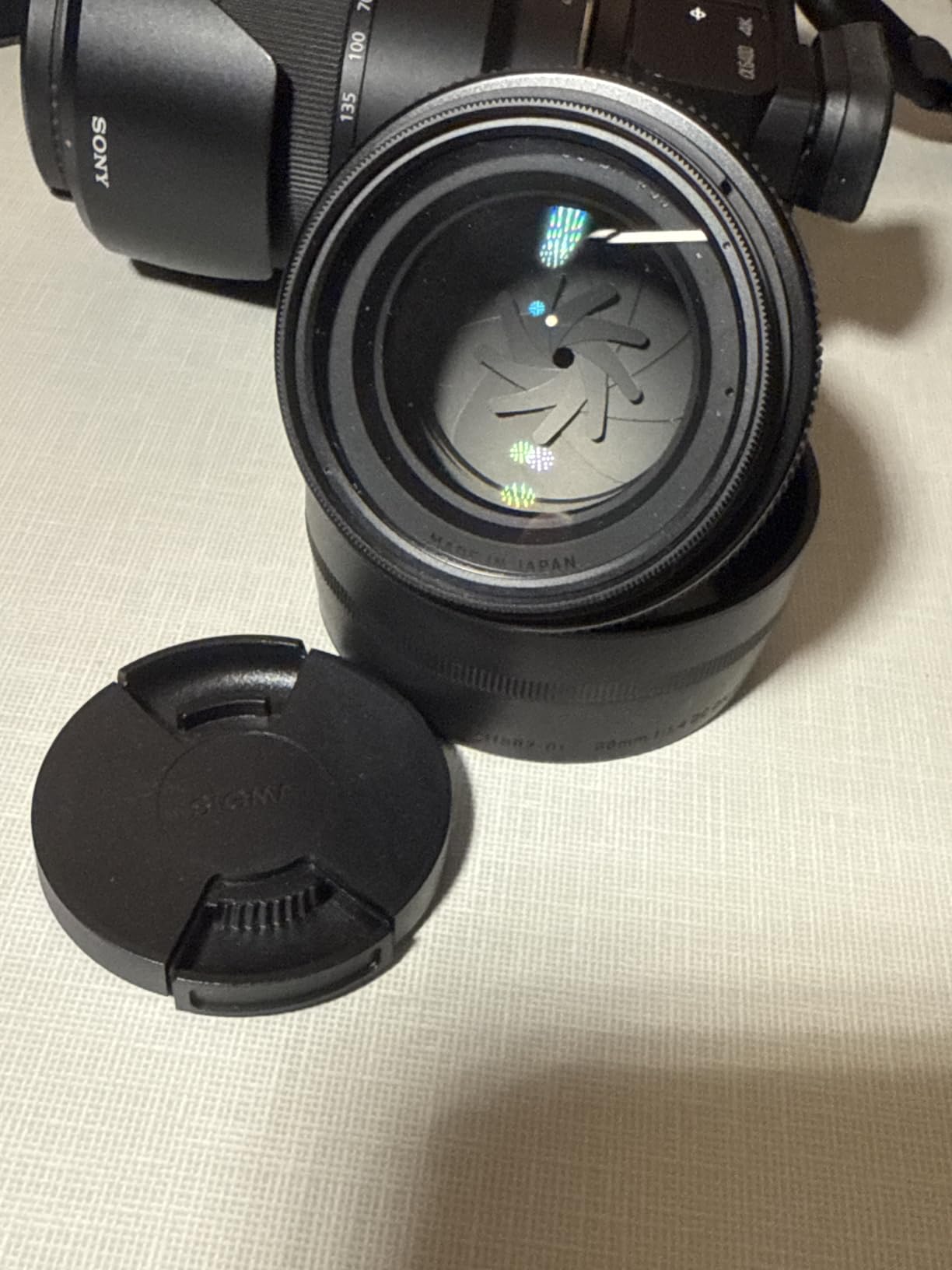
The 9.76-ounce weight makes this lens feel almost like a kit prime, but it performs like a flagship portrait lens. The autofocus is silent for video, and the focus throw is smooth for manual focus pulls. For wedding photographers, family photographers, and content creators working on Sony APS-C, this is one of the best indoor lenses you can buy.
There is no image stabilization, so I rely on the wide aperture to keep shutter speeds fast. In high-contrast indoor scenes, there can be slight chromatic aberration, but Lightroom’s profile removes it cleanly. A lens hood is recommended to prevent flare, which I learned the hard way during a window-lit shoot. For budget-friendly third-party lenses on Sony E-mount, the Sigma 56mm f/1.4 is at the top of the list.
Who the Sigma 56mm f/1.4 is best for
Sony APS-C photographers shooting portraits, headshots, and indoor events where a tighter focal length is preferred. Wedding photographers on a budget get a flagship portrait lens at half the price of OEM options. Content creators get smooth bokeh and silent autofocus for video.
Who should consider alternatives
Sony full-frame users should look at the Sigma 85mm f/1.4 DG DN Art instead. If you need environmental framing, the Sigma 30mm f/1.4 DC DN is a better choice. Photographers needing image stabilization for handheld video should explore stabilized alternatives. If you shoot newborn or family sessions often, our newborn photography lens guide has more dedicated recommendations.
8. Nikon AF-S DX 35mm f/1.8G – Budget Classic Prime
Nikon AF-S DX NIKKOR 35mm f/1.8G Lens with Auto Focus for Nikon DSLR Cameras, 2183, Black
Pros
- Extremely sharp images
- great low-light performance
- lightweight and compact
- fast autofocus
- beautiful bokeh
- excellent value
Cons
- Chromatic aberration at f/1.8
- barrel distortion at close distances
- not ideal for headshots
The Nikon AF-S DX NIKKOR 35mm f/1.8G is the best lens for indoor photography on a budget for Nikon DX shooters. At 35mm, it acts like a 50mm on full-frame, which is the classic walk-around focal length. The f/1.8 aperture gathers enough light for indoor events, and the price is refreshingly low for what you get.
I have used this lens on a D5300, D7200, and D7500, and the results are consistently sharp. I tested it at a wedding reception in a small restaurant with mixed lighting. The Silent Wave Motor autofocus was quiet enough to use during speeches, and the 7 rounded blades produced smooth bokeh for portrait details.

The compact 7-ounce weight makes this lens comfortable to carry for hours. It is light enough to balance well on entry-level Nikon DSLRs. The 52mm filter thread is a common size, so filters and lens hoods are affordable. The DX designation means this lens is optimized for APS-C sensors, so it does not cover full-frame.
At f/1.8, you can see some chromatic aberration in high-contrast edges. It is easily corrected in post-processing. At close distances, there is mild barrel distortion, but again, profiles handle it. For headshot portraits, the 35mm focal length is a touch wide and may distort facial features, so I prefer stepping back and cropping. For environmental portraits and indoor events, the focal length is ideal.
Who the Nikon 35mm f/1.8 DX is best for
Nikon DX shooters on D3xxx, D5xxx, D7xxx, and D500 bodies who need an affordable indoor lens. Beginners stepping up from kit lenses will see an immediate jump in low-light performance. Travel photographers and event shooters benefit from the compact size.
Who should consider alternatives
Nikon full-frame users should look at the AF-S 50mm f/1.8G above for proper FX coverage. If you need a tighter focal length for portraits, the Sigma 56mm f/1.4 or Nikkor 85mm f/1.8 are better choices. For wildlife or sports, our telephoto lens guide covers dedicated options.
How to Choose the Best Lens for Indoor Photography?
Choosing the best lenses for indoor photography comes down to four factors. Get these right and you will rarely regret a purchase.
Aperture is everything. Fast glass with apertures of f/1.4 to f/2.8 lets in dramatically more light than variable aperture kit zooms. At f/1.8, you can shoot indoors at ISO 800 instead of ISO 6400, which means cleaner files with less noise. The 50mm f/1.8 STM, 50mm f/1.8G, and Sony FE 50mm f/1.8 in this roundup all demonstrate this principle at budget prices.
Focal length changes your framing. Wide-angle lenses (16mm to 35mm) capture rooms and environmental context. Standard primes (50mm) are versatile for portraits and events. Short telephotos (85mm) compress for flattering portraits but limit your working distance. Match the focal length to the space you shoot in most often.
Camera system compatibility is non-negotiable. A Canon EF lens will not mount on a Sony E body without an adapter, and adapters add bulk and slow down autofocus. Stick with lenses designed for your mount. If you switch systems often, third-party brands like Sigma offer mount variants across Canon, Nikon, and Sony.
Image stabilization helps but is not essential. Modern cameras have in-body stabilization that pairs well with stabilized lenses. With a fast prime at f/1.8, you can shoot at 1/60s handheld in most indoor scenarios. IS becomes more valuable for video, longer focal lengths, and slower apertures. The Canon RF 85mm f/2 Macro IS STM shows how useful IS can be at 85mm.
Budget vs third-party lenses. First-party Canon, Nikon, and Sony lenses offer the best autofocus integration and build quality. Third-party Sigma, Tamron, and Samyang lenses deliver 80-90% of the performance at 50-60% of the price. For budget-conscious shooters, the Sigma 16mm and 56mm f/1.4 lenses offer outstanding value. Pro shooters who need maximum reliability and weather sealing often stick with OEM.
Crop sensor vs full frame. Focal lengths behave differently on crop sensor bodies. A 35mm on Nikon DX acts like 52mm on full-frame. A 50mm on Sony APS-C acts like 75mm. For tight indoor spaces, crop sensor shooters benefit from wide primes like the Sigma 16mm f/1.4. For environmental portraits and event coverage, full-frame shooters have more flexibility.
Prime vs zoom trade-offs. Prime lenses are sharper, lighter, and faster at a given price point. Zoom lenses offer flexibility and the ability to reframe without moving. For indoor events where you cannot move freely, a 24-70mm f/2.8 zoom is invaluable. For portraits where you have time to compose, a 50mm or 85mm prime delivers better results.
Frequently Asked Questions
What lens do interior photographers use?
Most interior photographers use wide-angle lenses between 16mm and 35mm with fast apertures. Tilt-shift lenses like the Canon TS-E 17mm f/4 are popular for correcting perspective distortion. For tighter interior details, a 50mm or 85mm f/1.4 to f/2 prime is standard. Sigma 16mm f/1.4 DC DN is a strong budget-friendly choice on Sony APS-C systems.
Is ISO 400 good for indoors?
ISO 400 is generally good for indoor photography on modern cameras. Modern full-frame sensors produce clean files at ISO 400 with minimal noise. Combined with a fast lens at f/1.8 or wider, ISO 400 lets you shoot handheld at 1/60s to 1/125s in typical indoor lighting. Pushing beyond ISO 3200 introduces visible noise on most cameras.
Is a prime lens better for indoor photography?
Yes, prime lenses are generally better for indoor photography. Primes offer wider maximum apertures (f/1.4 or f/1.8) than zooms at similar prices, which lets in more light for faster shutter speeds. Primes also tend to be sharper and more compact. The trade-off is no zoom flexibility, which is why many indoor photographers carry both a fast prime and a fast zoom like a 24-70mm f/2.8.
What are the three lenses every indoor photographer should have?
The three essential indoor photography lenses are: (1) a fast 50mm f/1.8 or f/1.4 prime for portraits and events, (2) a wide-angle 24mm to 35mm f/1.4 or f/2 prime for environmental shots and small spaces, and (3) a 24-70mm f/2.8 zoom for flexibility. Together they cover most indoor scenarios. The Canon RF 85mm f/2 Macro IS STM, Sigma 16mm f/1.4, and Tamron 24-70mm f/2.8 are strong examples.
Final Verdict
The best lenses for indoor photography share one trait: a wide maximum aperture that gathers light fast. After testing these eight options, my top recommendations are clear. For Canon DSLR shooters, the Canon EF 50mm f/1.8 STM remains the budget king. For Canon mirrorless users, the Canon RF 85mm f/2 Macro IS STM delivers flagship portrait quality. Sony shooters should grab the Sony FE 50mm f/1.8 for everyday indoor use, or the Sigma 56mm f/1.4 for portraits. Nikon DSLR users get unbeatable value from the Nikon AF-S 50mm f/1.8G.
No matter which lens you choose, fast glass transforms your indoor photography. Lower ISO, faster shutter speeds, and beautiful background blur all become possible without flash. Pick the lens that matches your camera system and budget, and you will see the difference in your next indoor shoot. Updated for 2026 with current pricing and availability.