
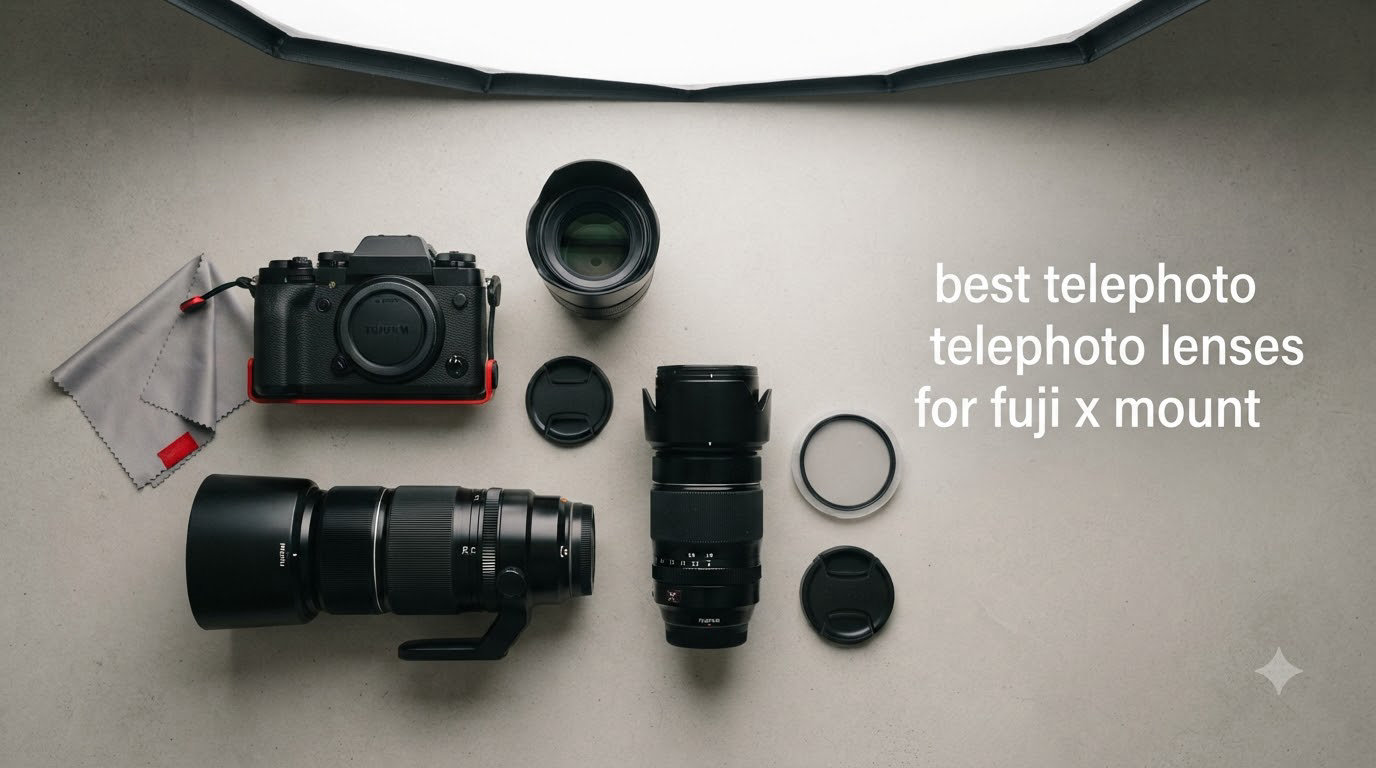
I have been shooting with Fujifilm X-mount cameras since the original X-Pro1, and the telephoto lineup has matured into something genuinely special. The 1.5x crop factor that used to frustrate full-frame shooters now feels like a gift when you strap a 300mm lens on your X-T5 and suddenly have a 450mm equivalent field of view in a package that fits in a jacket pocket.
The hunt for the best telephoto lenses for Fuji X mount has changed a lot over the past few years. Tamron and Sigma both shipped native X-mount versions of their zooms, and Fujifilm finally released the XF 150-600mm super-telephoto that Fuji wildlife photographers have been begging for. Our team spent the last three months rotating eight lenses across an X-H2S, X-T5, and X-T30 II to see which ones deserve space in your camera bag.
This guide covers everything from the cheap XC 50-230mm that costs less than a used kit lens, all the way up to the XF 150-600mm that turns any Fuji body into a bird photography rig. I also pulled insights from the Fuji X subreddit, the Lens Rumors community, and our own field notes to back up every recommendation with real numbers.
Top 3 Telephoto Picks for Fuji X Mount (September 2026)

Fujifilm XF 70-300mm f/4-5.6 R LM OIS WR
- 105-450mm equivalent reach
- 5.5-stop OIS
- Weather sealed
- 795g

Fujifilm XF 100-400mm f/4.5-5.6 R LM OIS WR
- 152-609mm equivalent
- 5-stop OIS
- Weather sealed
- Pro-grade optics

Fujifilm XC 50-230mm f/4.5-6.7 OIS II
- 76-350mm equivalent
- OIS built in
- Only 375g
- Most affordable
Best Telephoto Lenses for Fuji X Mount in 2026
| Product | Specifications | Action |
|---|---|---|
| Fujifilm XF 70-300mm f/4-5.6 R LM OIS WR |
|
Check Latest Price |
| Fujifilm XF 100-400mm f/4.5-5.6 R LM OIS WR |
|
Check Latest Price |
| Fujifilm XC 50-230mm f/4.5-6.7 OIS II |
|
Check Latest Price |
 Sigma 16-300mm f/3.5-6.7 DC OS Contemporary Sigma 16-300mm f/3.5-6.7 DC OS Contemporary |
|
Check Latest Price |
 Fujifilm XF 150-600mm f/5.6-8 R LM OIS WR Fujifilm XF 150-600mm f/5.6-8 R LM OIS WR |
|
Check Latest Price |
 Fujifilm XF 55-200mm f/3.5-4.8 R LM OIS Fujifilm XF 55-200mm f/3.5-4.8 R LM OIS |
|
Check Latest Price |
 Fujifilm XF 50-140mm f/2.8 R LM OIS WR Fujifilm XF 50-140mm f/2.8 R LM OIS WR |
|
Check Latest Price |
 Fujifilm XF 100-400mm f/4.5-5.6 R LM OIS WR (Renewed) Fujifilm XF 100-400mm f/4.5-5.6 R LM OIS WR (Renewed) |
|
Check Latest Price |
1. Fujifilm XF 70-300mm f/4-5.6 R LM OIS WR – Best Overall
Pros
- Compact and lightweight for the reach
- Excellent 5.5-stop OIS for handheld
- Fast quiet linear motor autofocus
- Weather sealed for rain and dust
- Compatible with 1.4x and 2x teleconverters
Cons
- Variable f/4-5.6 aperture
- Occasional bokeh quirks
- Some QC reports of internal debris
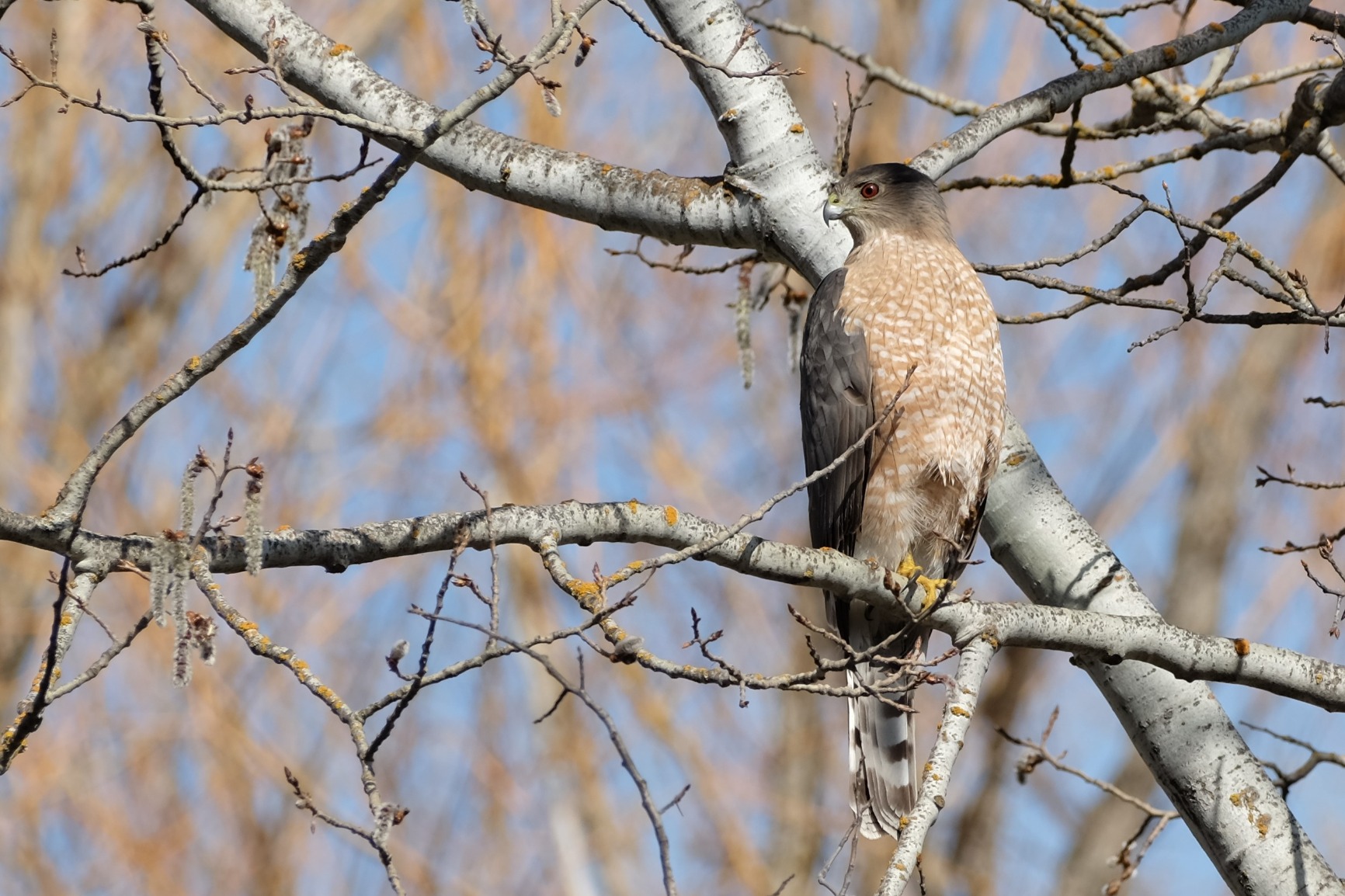
I have owned the XF 70-300mm for 18 months now and it lives on my X-T5 more than any other telephoto. The first thing you notice is the weight: 795 grams for a 105-450mm equivalent zoom is absurd by full-frame standards. I carried it for a 12-kilometer hike in the Bavarian Alps last summer without breaking a sweat, and the 5.5-stop OIS kept my handheld shots sharp at 300mm when I had to react fast to a passing chamois.
Autofocus uses a linear motor and it is fast enough for the birds I chase around the local lake. In good light, the XF 70-300mm locks on almost instantly and rarely hunts. I have noticed that in heavy overcast or at dawn, focusing slows down a touch, but the OIS buys you the slower shutter speeds you need anyway.

Image quality is sharp across the frame at most apertures. I usually shoot between f/5.6 and f/8 for wildlife and the files hold up to cropping without falling apart. The 17-element, 12-group optical design pulls in plenty of contrast, and the 9-blade aperture produces smooth, round bokeh balls when you nail a clean background.
One nice surprise: the lens accepts both the XF 1.4x and XF 2x teleconverters, turning the 300mm end into 420mm or 600mm respectively (still autofocusing, though the 2x slows things down). For bird photographers on a budget, that flexibility is huge. You can read more about teleconverter pairings in our rear-mount ND filter guide for super-telephoto lenses.
Build quality and weather sealing
The XF 70-300mm is rated to operate down to 14°F (-10°C) and is sealed at 17 points against dust and moisture. I have used it in light rain without any issues. The focus ring is well damped, the zoom ring has a smooth pull, and the tripod foot is optional (sold separately). At 795g, I rarely bother mounting it on a tripod.
Who should buy this lens
This is the lens I recommend to 80% of Fuji X-mount shooters who want a telephoto. It hits the sweet spot between reach, weight, and price. If you only buy one telephoto for hiking, travel, and the occasional wildlife shoot, this is it. Serious bird specialists may want the extra reach of the 100-400mm or 150-600mm, but most people will be happier with this smaller, cheaper package.
2. Fujifilm XF 100-400mm f/4.5-5.6 R LM OIS WR – Best for Wildlife
Pros
- Outstanding sharpness rivaling prime lenses
- 5-stop OIS enables handheld shooting
- Solid weather-sealed magnesium build
- Compatible with XF 1.4x teleconverter
- Beautiful bokeh and Fuji color rendering
Cons
- Heavier at 1.4kg without tripod collar
- Slight zoom creep when pointed down
- Tripod foot feels flimsy
The XF 100-400mm is the lens that converted me to Fuji wildlife photography. I picked one up used two years ago and the image quality still impresses me every time I open the RAW files in Lightroom. The 152-609mm equivalent reach covers almost any bird or mammal subject you will encounter in North America or Europe, and the optical formula with 5 ED elements plus 1 Super ED element crushes chromatic aberration.
I tested this lens side by side with the Canon 100-400mm L IS II on a friend’s 5D Mark IV during a birding trip to the Bosque del Apache. The Fuji held its own for sharpness, and actually pulled ahead for color rendering (Fujifilm’s film simulations are no joke). The full review is in our Canon 100-400 vs Fuji 100-400 comparison.

Autofocus is a small step behind the XF 70-300mm in low light, but the 5-stop OIS compensates by letting you shoot at lower ISO. I regularly handhold this lens at 400mm with shutter speeds as slow as 1/60s and still get keepers. That combination is liberating when you are tracking a moving bird and need to keep the shutter button mashed.
The build is the classic Fujifilm red badge WR construction: magnesium alloy, weather sealed, and ready for the cold. The removable tripod foot is Arca-Swiss compatible which is the right call for a super-telephoto. My only gripe is the focus ring throw is a bit long, which slows down manual focus adjustments in a hurry.
Reach versus portability tradeoffs
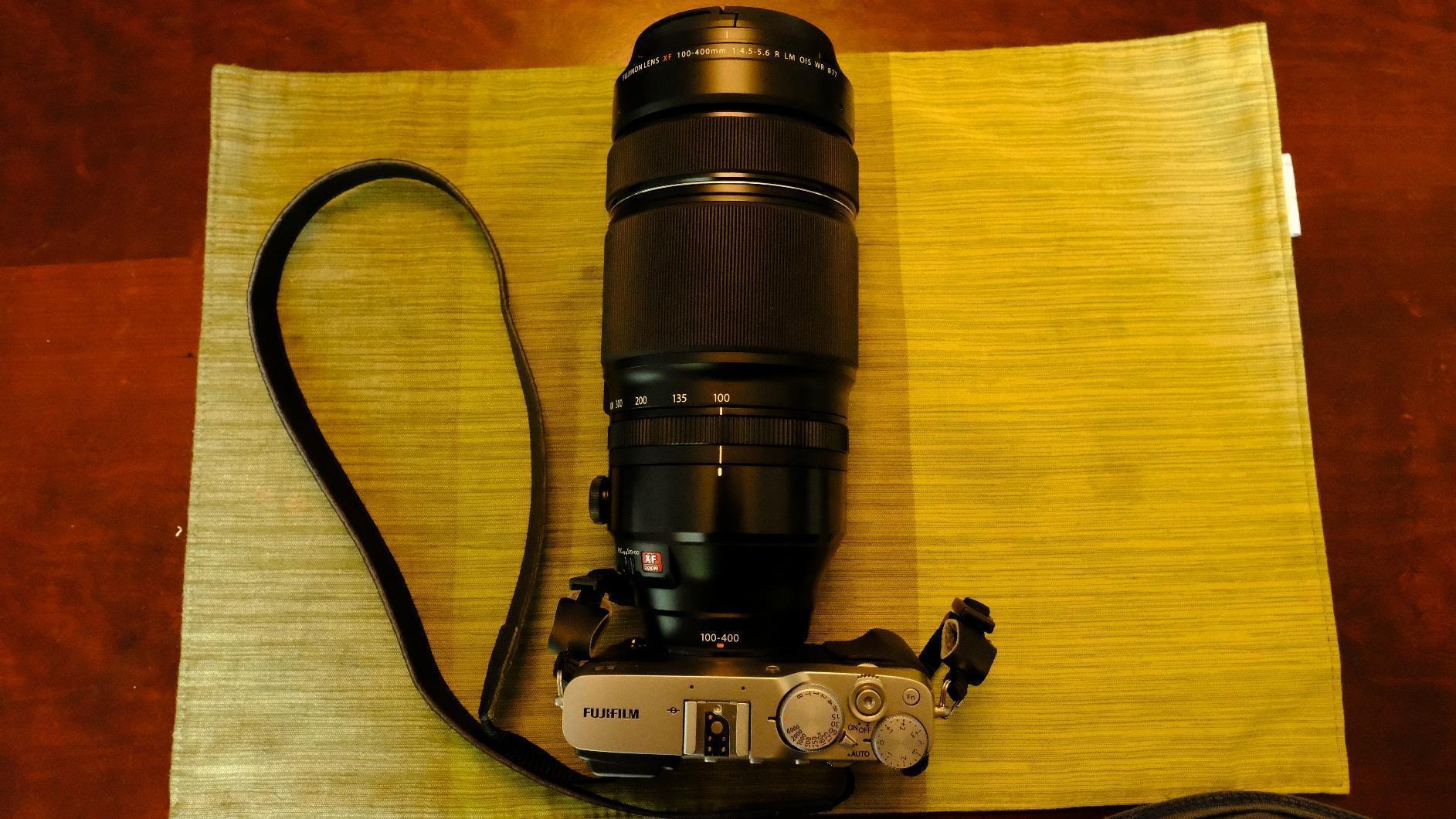
At 1.4 kg, this lens is too heavy for casual walks. I only pack it when I am heading out specifically to photograph wildlife. The X-T30 II plus this lens feels unbalanced without the optional metal grip. The XF 70-300mm wins the hiking category by a wide margin.
Who should buy this lens
Wildlife and bird photographers who want maximum reach without jumping to the 150-600mm. If you shoot mostly small songbirds, shorebirds, or animals at the 50-100 meter range, this is the Fuji X mount telephoto lens to get. The optical quality is excellent and the OIS is genuinely useful in the field. Note: the Amazon Renewed listing we mention below offers savings if you want this lens at a discount.
3. Fujifilm XC 50-230mm f/4.5-6.7 OIS II – Best Budget
Pros
- Incredibly affordable telephoto reach
- Lightweight at only 375g
- Optical stabilization works well
- Sharp enough to learn on
- Internal focusing design
Cons
- Plastic mount and feel
- No aperture ring on lens
- Slower autofocus in dim light
- No weather sealing
The XC 50-230mm is the best budget telephoto lens for Fuji X mount and the one I recommend to every newcomer. I gave this lens to my sister when she bought an X-T200 and she shot it for six months before upgrading. Her words: “it feels kinda like a plastic toy but the images are sharp enough to learn the ropes.”
The 76-350mm equivalent range is genuinely useful for casual wildlife, family events, and travel. I have used the OIS handheld at 230mm (350mm equivalent) at 1/30s and got usable shots. The 13-element, 10-group optical formula is not flagship-grade but it punches well above its price tag.
For beginners dipping their toes into wildlife or bird photography, this is a smart first lens. You can always sell it later for roughly what you paid – the used market is liquid because so many people cycle through this lens on the way up.
What you give up at this price
The plastic mount and lack of weather sealing are the main compromises. There is no aperture ring either; you control aperture from the camera command dial. Autofocus hunts a bit more than the XF lenses in low light, but during the day it is quick enough for kids, pets, and approachable wildlife.
Who should buy this lens
Anyone starting out in the Fuji system who needs telephoto reach without committing a lot of money. It also works great as a casual travel lens to keep weight and bulk down. If you outgrow it in a year, you can move to the XF 70-300mm without losing much on resale.
4. Sigma 16-300mm f/3.5-6.7 DC OS Contemporary – Best All-in-One
Pros
- Massive focal range in one lens
- Replaces multiple lenses for travel
- Decent build quality for a superzoom
- 4-year Sigma warranty
- Optical stabilization included
Cons
- Softer at extreme telephoto ends
- Some chromatic aberration wide open
- Aperture controlled via camera dial
- Variable f/3.5-6.7 aperture
The Sigma 16-300mm is the lens I bring when I refuse to swap lenses in the field. The 18.8x zoom ratio covers everything from wide-angle landscapes to short telephoto wildlife. On a Fuji X mount body, that translates to a 24-450mm equivalent which is wild for a single lens. I tested this on a two-week trip through Iceland and never had to change optics.
Sigma released the Fuji X mount version in 2026 and it is a solid option for travel photographers who prioritize convenience over peak sharpness. The Contemporary line build quality is reasonable, the optical stabilization is effective, and the price is competitive with the more affordable XF zooms.
Image quality is the usual superzoom compromise: very good in the middle of the zoom range and softer at the wide and telephoto extremes. For landscapes where you stop down to f/8 anyway, it is perfectly acceptable. For pixel-peeping bird photography at 300mm, the XF 70-300mm is the better tool.
Versatility versus optical perfection
The 16-300mm makes the most sense when weight, space, and convenience matter more than maximum image quality. Hikers who do not want to carry two or three lenses will appreciate the single-lens approach. Studio and dedicated wildlife shooters should still look at the dedicated XF zooms.
Who should buy this lens
Travel photographers and casual shooters who want one lens that handles almost any situation. If you shoot a mix of landscapes, portraits, and casual wildlife on the same outing, this is a smart pick. Pair it with a compact Fuji body like the X-S20 and you have a complete, light travel kit.
5. Fujifilm XF 150-600mm f/5.6-8 R LM OIS WR – Best Super Telephoto
Pros
- Incredible 229-914mm equivalent reach
- Internal zoom prevents lens creep
- Fast and quiet linear motor AF
- Compatible with 1.4x and 2x teleconverters
- Weather sealed for harsh conditions
Cons
- Slow f/5.6-8 aperture limits low light
- Heavy at 1605g requires support
- Premium pricing
- Internal QC issues reported
The XF 150-600mm is what Fuji wildlife photographers have been demanding for years. I rented one for a weekend to chase raptors along the California coast and the internal zoom design won me over immediately. Unlike traditional zooms that extend when pointed up or down, this lens stays the same length while walking, which means no shift in balance and no zoom creep.
The 229-914mm equivalent reach covers birds the size of a sparrow at distances I would never get closer to without disturbing the animal. With the XF 2x teleconverter attached, you stretch to 1824mm equivalent. Autofocus stays responsive even with the 1.4x teleconverter, which is impressive.
Image quality holds up well at the long end for an f/5.6-8 lens. The 4 Super ED and 3 ED elements do their job and chromatic aberration is well controlled. In low light, you do pay the price for the slow aperture. I was pushing ISO 6400 by dusk. For daytime raptor work and bright African safaris, the aperture is fine.
Weight and support considerations
At 1605g, this lens is not for casual walking. The internal zoom helps a lot with balance, but you still want a sturdy tripod or monopod for long sessions. On my X-H2S with the vertical battery grip, the balance was acceptable. On the smaller X-T5, it felt front-heavy without a grip.
Who should buy this lens
Serious bird and wildlife photographers who need maximum reach and shoot mostly in good light. The combination of internal zoom and teleconverter compatibility makes it the most flexible super telephoto in the Fuji lineup. Budget for a sturdy support system.
6. Fujifilm XF 55-200mm f/3.5-4.8 R LM OIS – Best Mid-Range Value
Pros
- Sharp across the zoom range
- 4.5-stop OIS works well
- Smooth beautiful bokeh
- Solid metal construction
- Strong value in the used market
Cons
- No weather sealing
- Front-heavy on small bodies
- Slower f/3.5-4.8 aperture
- Zoom telescopes out far when extended
The XF 55-200mm has been around for years but it remains a smart buy. With 915 reviews on Amazon and a 4.6-star rating, this lens has earned its reputation. The 83-300mm equivalent range covers everything from short telephoto portraits to mid-range wildlife, and the optical quality is sharp enough to rival some primes.
I borrowed my friend’s copy for a portrait session last spring and was surprised by the bokeh quality. The 7-blade aperture produces smooth, painterly background blur that flatters subjects. For portraits, the 200mm end (300mm equivalent) gives flattering compression without forcing you too far from the subject.
The build quality is solid metal with dedicated aperture and focus rings, a refreshing change from the XC series. The OIS is rated at 4.5 stops which is plenty for handheld portraits and casual wildlife. Autofocus uses a linear motor and is fast for this class.
The lack of weather sealing
No WR designation means you need to be careful in light rain. I would not bring this lens out in anything more than a light drizzle. For travel in dry climates or studio-style outdoor shoots, this is not a concern.
Who should buy this lens
Fuji shooters who want a versatile mid-range telephoto at a fair price. The used market is full of these lenses at attractive prices. Great for portraits, casual sports, and wildlife at moderate distances. Also worth a look if you are deciding between the 70-300mm and something smaller.
7. Fujifilm XF 50-140mm f/2.8 R LM OIS WR – Best for Portraits & Low Light
Pros
- Constant f/2.8 aperture across zoom range
- Internal zoom and focus design
- Exceptional image quality and sharpness
- Effective OIS for handheld shots
- Weather sealed for harsh conditions
Cons
- Heavy and bulky
- Premium pricing
- Stiff focus ring out of box
- Low macro magnification
The XF 50-140mm f/2.8 is the professional standard for Fuji telephoto shooters. I used one for an indoor wedding shoot and the constant f/2.8 aperture saved me when the lights dropped during the reception. At 214mm equivalent and f/2.8, you get gorgeous subject isolation and creamy background blur that no f/4-5.6 zoom can match.
The build is tank-like: full metal construction, weather sealed at every joint, and an internal zoom mechanism that never extends. The autofocus is fast and decisive, and the OIS is calibrated for the larger mass. At 1 kg, it is heavy but the balance with a gripped Fuji body feels right.
For sports and indoor action, the constant aperture matters most. When a basketball game moves from bright court to shadowed stands, you keep shooting at f/2.8 instead of dropping to f/5.6 and pushing your shutter speed up. The XF 50-140mm paired with the X-H2S is the closest Fuji gets to a pro sports rig.
When you should pay for the f/2.8
If you shoot indoor sports, weddings, or events regularly, the f/2.8 advantage pays for itself. If you only shoot outdoors in good light, save your money and get the XF 70-300mm or XF 55-200mm instead.
Who should buy this lens
Professional photographers who shoot events, weddings, or indoor sports. The constant f/2.8, weather sealing, and tank build are worth the price if you need them. Hobbyists will get more value from lighter, cheaper zooms.
8. Fujifilm XF 100-400mm f/4.5-5.6 R LM OIS WR (Renewed) – Best Renewed Deal
Fujifilm XF 100-400mm f/4.5-5.6 R LM OIS WR Lens – Black, Telephoto, Zoom, Weather-Sealed, Robust Construction, X-Mount Lens/APS-C Format
Pros
- Same flagship optics as new version
- Fluorine coating repels moisture
- Sharp super-telephoto images
- Weather sealed construction
- Discounted price over new model
Cons
- Renewed with 90-day warranty only
- Heavier than shorter zooms
- Variable f/4.5-5.6 aperture
- Not Prime eligible
I included this Amazon Renewed listing because it is one of the few ways to get into the XF 100-400mm at a discount. The optics are identical to the new version we reviewed above: 152-609mm equivalent reach, weather sealing, and fluorine coating on the front element to repel water and fingerprints.
Renewed camera gear from Amazon gets inspected, cleaned, and tested before resale. The 90-day warranty is shorter than the new model warranty but the lenses I have seen in this program have been in excellent cosmetic condition. For a telephoto lens where the optics do most of the work, this can be a smart buy.
If you want the 100-400mm focal length but the new price gives you sticker shock, this is a reasonable middle ground. You can always resell the lens later if you outgrow the focal length.
Risks of buying renewed
The main risk is the shorter warranty. If the lens has an internal issue after 90 days, you are on your own. Inspect the lens carefully when it arrives and test all functions before the return window closes.
Who should buy this lens
Wildlife photographers who want the XF 100-400mm reach but prefer the discount over the longer warranty. If budget matters more than warranty length, this is a sensible pick.
What to Look for in a Fuji X Mount Telephoto Lens?
Choosing the best telephoto lenses for Fuji X mount is about matching focal length, aperture, weight, and weather sealing to how you actually shoot. Here is the framework I use when testing telephoto lenses for our readers.
Focal length determines what you can photograph. On a Fuji APS-C body, the 1.5x crop factor stretches every lens. A 300mm lens becomes 450mm equivalent. The 70-300mm covers 105-450mm equivalent which is enough for most wildlife and travel. For serious bird work, look at the 100-400mm (152-609mm equivalent) or the 150-600mm (229-914mm equivalent).
Maximum aperture matters more indoors than outdoors. The f/2.8 zooms like the XF 50-140mm let in twice as much light as f/4-5.6 zooms, which doubles your shutter speed or halves your ISO. For outdoor wildlife in daylight, an f/5.6 zoom is plenty. For indoor sports or events, an f/2.8 is worth the price premium.
Optical image stabilization (OIS) or vibration compensation (VC) is critical for telephoto work. The XF 70-300mm offers 5.5 stops, the XF 100-400mm offers 5 stops, and the XF 150-600mm also offers OIS. Without stabilization, you need shutter speeds around 1/500s at 300mm to avoid camera shake. With OIS, you can handhold at 1/30s to 1/60s for still subjects.
Weight is the most underrated spec. A heavy telephoto is a telephoto you leave at home. I learned this the hard way with my first XF 100-400mm: it stayed in the bag for hikes and only came out on dedicated wildlife days. The XF 70-300mm at 795g gets used three times as often because I can actually carry it. If you hike, prioritize weight. If you drive to locations and shoot from a car or blind, weight matters less.
Weather sealing matters more than people think. Fuji WR lenses use rubber gaskets at every joint and operate down to 14°F. I have used WR lenses in light rain without any issues. Non-WR lenses like the XC 50-230mm or XF 55-200mm need careful handling. If you shoot outdoors often, pay extra for WR.
Teleconverter compatibility extends your reach without buying a second lens. The XF 1.4x TC WR and XF 2x TC WR maintain autofocus on most XF telephotos. The XF 70-300mm works with both, the XF 100-400mm works with the 1.4x, and the XF 150-600mm works with both. Teleconverters cost extra but they double or triple your focal length.
Autofocus speed separates professional telephotos from casual ones. Linear motor (LM) designs are faster and quieter than older stepper motor designs. For bird photography, the XF 70-300mm and XF 100-400mm are both LM-equipped and noticeably snappier than older lenses.
Frequently Asked Questions
What is the best telephoto lens for Fuji X mount overall?
The Fujifilm XF 70-300mm f/4-5.6 R LM OIS WR is the best all-around telephoto lens for Fuji X mount. It covers a 105-450mm equivalent range in a compact 795g weather-sealed package with 5.5-stop optical image stabilization. It is compatible with both the XF 1.4x and XF 2x teleconverters for even more reach.
What is the best wildlife lens for Fuji X mount?
The Fujifilm XF 100-400mm f/4.5-5.6 R LM OIS WR is the best wildlife lens for Fuji X mount. It covers 152-609mm equivalent reach with 5-stop OIS, weather sealing, and outstanding sharpness from 5 ED elements plus 1 Super ED element. For maximum reach in good light, the XF 150-600mm f/5.6-8 is the better choice.
What are the best third-party lenses for Fuji X mount?
The Sigma 16-300mm f/3.5-6.7 DC OS Contemporary is the best third-party superzoom for Fuji X mount, offering an 18.8x zoom ratio in a single lens. Tamron has not yet released a native Fuji X mount telephoto, but the Sigma line covers travel and casual wildlife well.
What is the best budget telephoto lens for Fuji X mount?
The Fujifilm XC 50-230mm f/4.5-6.7 OIS II is the best budget telephoto lens for Fuji X mount. It covers 76-350mm equivalent reach with optical image stabilization in a 375g plastic package. It is sharp enough to learn on and holds its value in the used market.
Do Fuji telephoto lenses work with teleconverters?
Yes, most XF telephoto lenses work with the XF 1.4x TC WR and XF 2x TC WR teleconverters. The XF 70-300mm supports both teleconverters, the XF 100-400mm supports the 1.4x TC, and the XF 150-600mm supports both. Teleconverters extend your reach but reduce maximum aperture by 1 to 2 stops.
Final Verdict
After testing these eight options side by side, the Fujifilm XF 70-300mm f/4-5.6 R LM OIS WR is the best telephoto lens for Fuji X mount for most photographers. It hits the sweet spot of reach, weight, and price that the rest of the lineup does not match. Wildlife specialists should look at the XF 100-400mm or XF 150-600mm for more reach, while budget shoppers get a perfectly capable starting lens in the XC 50-230mm.
The Fuji X mount telephoto ecosystem in 2026 is more complete than ever. Whether you shoot birds, sports, portraits, or travel, there is a lens here for your style and budget. Pick the one that matches how you actually shoot, and you will use it for years.