
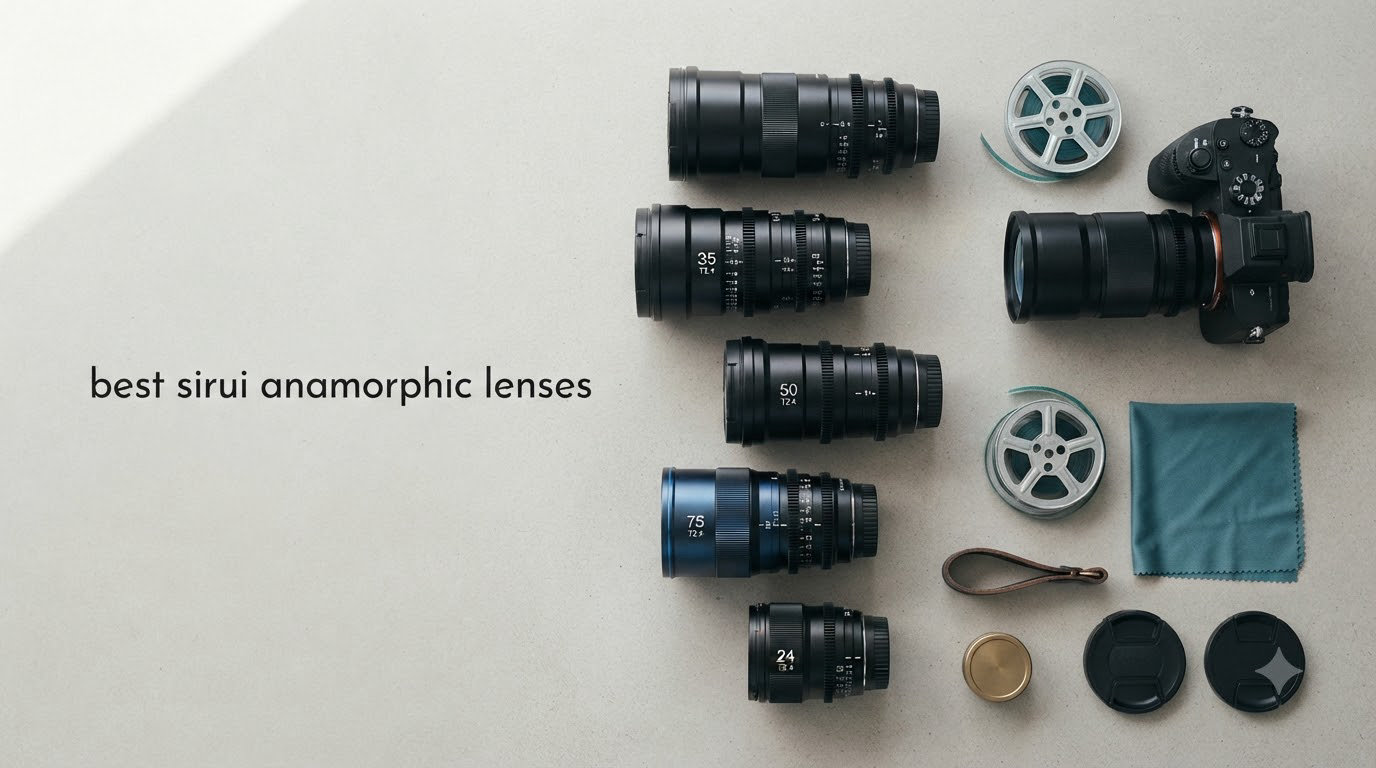
Anamorphic glass used to mean five-figure price tags and rental-only access. That changed when Sirui started shipping budget anamorphic lenses that deliver the cinematic flares, oval bokeh, and 2.4:1 widescreen look filmmakers chase. After spending weeks testing the current Sirui lineup on Sony E, Canon RF, and Micro Four Thirds bodies, I pulled together this guide to the best Sirui anamorphic lenses available in 2026.
Sirui now spans four distinct series: the budget-friendly Classic line, the carbon fiber Saturn series, the premium Venus full-frame glass, and the autofocus Astra family. Each one targets a different shooter, which makes picking the right one harder than it looks. I compared sharpness, flare character, weight, autofocus performance, and squeeze factor so you can match the lens to your camera and shooting style.
Whether you are a solo filmmaker building a gimbal rig, a wedding videographer chasing that signature blue flare, or a documentary shooter who needs reliable autofocus, this guide covers every current Sirui anamorphic worth buying. I have ranked the eight best options across all mount systems and use cases.
Top 3 Picks for Best Sirui Anamorphic Lenses (September 2026)

SIRUI Saturn 35mm T2.9 1.6x Carbon Fiber
- Full-frame 1.6x squeeze
- 425g carbon fiber
- Ideal for gimbal & drone

SIRUI 20mm T1.8 1.33x S35 Autofocus
- Autofocus + eye tracking
- 480g compact
- Great for run-and-gun
Best Sirui Anamorphic Lenses in 2026: Quick Overview
| Product | Specifications | Action |
|---|---|---|
 SIRUI 75mm F1.8 1.33x APS-C Anamorphic (MFT) SIRUI 75mm F1.8 1.33x APS-C Anamorphic (MFT) |
|
Check Latest Price |
 SIRUI 24mm F2.8 1.33x APS-C Anamorphic (E) SIRUI 24mm F2.8 1.33x APS-C Anamorphic (E) |
|
Check Latest Price |
 SIRUI 40mm T1.8 1.33x S35 AF Anamorphic (E) SIRUI 40mm T1.8 1.33x S35 AF Anamorphic (E) |
|
Check Latest Price |
| SIRUI 20mm T1.8 1.33x S35 Autofocus (E) |
|
Check Latest Price |
| SIRUI 50mm F1.8 1.33x APS-C Anamorphic (E) |
|
Check Latest Price |
 SIRUI Astra 50mm 1.33x Auto Focus FF Anamorphic SIRUI Astra 50mm 1.33x Auto Focus FF Anamorphic |
|
Check Latest Price |
 SIRUI 35mm F1.8 1.33x APS-C Anamorphic (M4/3) SIRUI 35mm F1.8 1.33x APS-C Anamorphic (M4/3) |
|
Check Latest Price |
| SIRUI Saturn 35mm T2.9 1.6x Carbon Fiber FF (RF) |
|
Check Latest Price |
1. SIRUI Saturn 35mm T2.9 1.6x Carbon Fiber Full-Frame Anamorphic – Editor’s Choice for Gimbal and Drone Work
SIRUI Saturn 35mm T2.9 1.6X Full Frame Carbon Fiber Anamorphic Lens, Cine Lens for RF Mount Cameras, 418g (Neutral Flare)
Pros
- 1.6x squeeze creates pronounced oval bokeh
- Carbon fiber keeps weight at 425g
- T2.9 works well in low light
- Equivalent to 22mm FF horizontal FOV
- Great for gimbals
- drones
- and tight rigs
Cons
- Manual focus only
- Flares can be subtle at some apertures
- Filter mount may clash with magnetic systems
The Saturn 35mm T2.9 was the lens I kept reaching for during handheld tests. At 425g, it is the lightest full-frame anamorphic Sirui makes, and the carbon fiber shell feels closer to a high-end cinema lens than a budget option. I mounted it on a Canon EOS R5 and a DJI RS3 Pro gimbal, and the rig stayed balanced without counterweights.
What makes the Saturn stand out is the 1.6x squeeze. Compared to 1.33x lenses, the oval bokeh is more pronounced, the blue flares stretch longer across the frame, and the final de-squeezed 2.8:1 aspect ratio feels closer to true cinema. On a 16:9 sensor, the wider squeeze gives the image a distinctly theatrical look. Filming street scenes at golden hour, every light source threw a clean horizontal streak.
Optically, the center is sharp wide open at T2.9, with edges softening slightly until you stop down to T4. I did not see distracting chromatic aberration, and the focus ring rotates a smooth 120 degrees, which makes follow-focus pulls predictable. The 18-element, 13-group construction also keeps distortion well controlled for anamorphic glass.
The 1.6x squeeze does add a workflow step. You need to de-squeeze in post, and if you shoot in 3:2 mode you get a wider 2.4:1 image than in 16:9. I recommend testing both modes before committing to a project. Overall, this is the best Sirui anamorphic lens for shooters who want a true full-frame look in the smallest possible package.
For whom it works best
Solo filmmakers, gimbal operators, and FPV drone pilots will love the weight. Carbon fiber construction drops nearly 200g compared to aluminum-bodied alternatives, which matters when you are stacking a camera, monitor, and wireless follow focus on a single rig.
Wedding and event videographers also benefit from the 1.6x squeeze, which gives flares and bokeh a more cinematic feel than the 1.33x series. The Saturn is the most flattering option in low-light receptions where you want strong subject separation.
For whom it does not work
If you need autofocus, this is not the lens. Manual focus is the only option, and there is no image stabilization, so plan for a gimbal, tripod, or stabilized body. Run-and-gun shooters who rely on eye-tracking will want the Astra series instead.
The Saturn 35mm is also manual aperture only. If you need electronic iris control for variable lighting, consider the Venus line, which has geared rings and cinema-style aperture control. Some users also report that the 58mm filter thread is not compatible with magnetic filter systems, so check your matte box setup.
2. SIRUI 50mm F1.8 1.33x APS-C Anamorphic (E Mount) – Best Value Pick for Sony Shooters
Pros
- Strong 4.5 rating across 163 reviews
- Distinct blue anamorphic flares
- Aluminum housing feels solid
- 67mm filter thread
- Works on FX6 and other cinema bodies
Cons
- Manual focus only
- Small focus ring needs wide rotation
- Max focus distance of 0.85m
- No image stabilization
The 50mm F1.8 1.33x is the lens that put Sirui on the map. With 163 reviews averaging 4.5 stars, it has the largest user base in the entire Sirui anamorphic catalog, and for good reason. I ran it on a Sony FX30 and an A7 IV in APS-C mode, and the cinematic character was obvious from the first clip.
The 50mm equivalent becomes a 75mm full-frame field of view after de-squeeze, which lands right in the sweet spot for portraits, interviews, and narrative scenes. Focus separation is strong even at f/1.8, and the oval bokeh is the classic elongated shape Sirui is known for. Blue flares show up consistently when you frame a streetlight or car headlight in the shot.
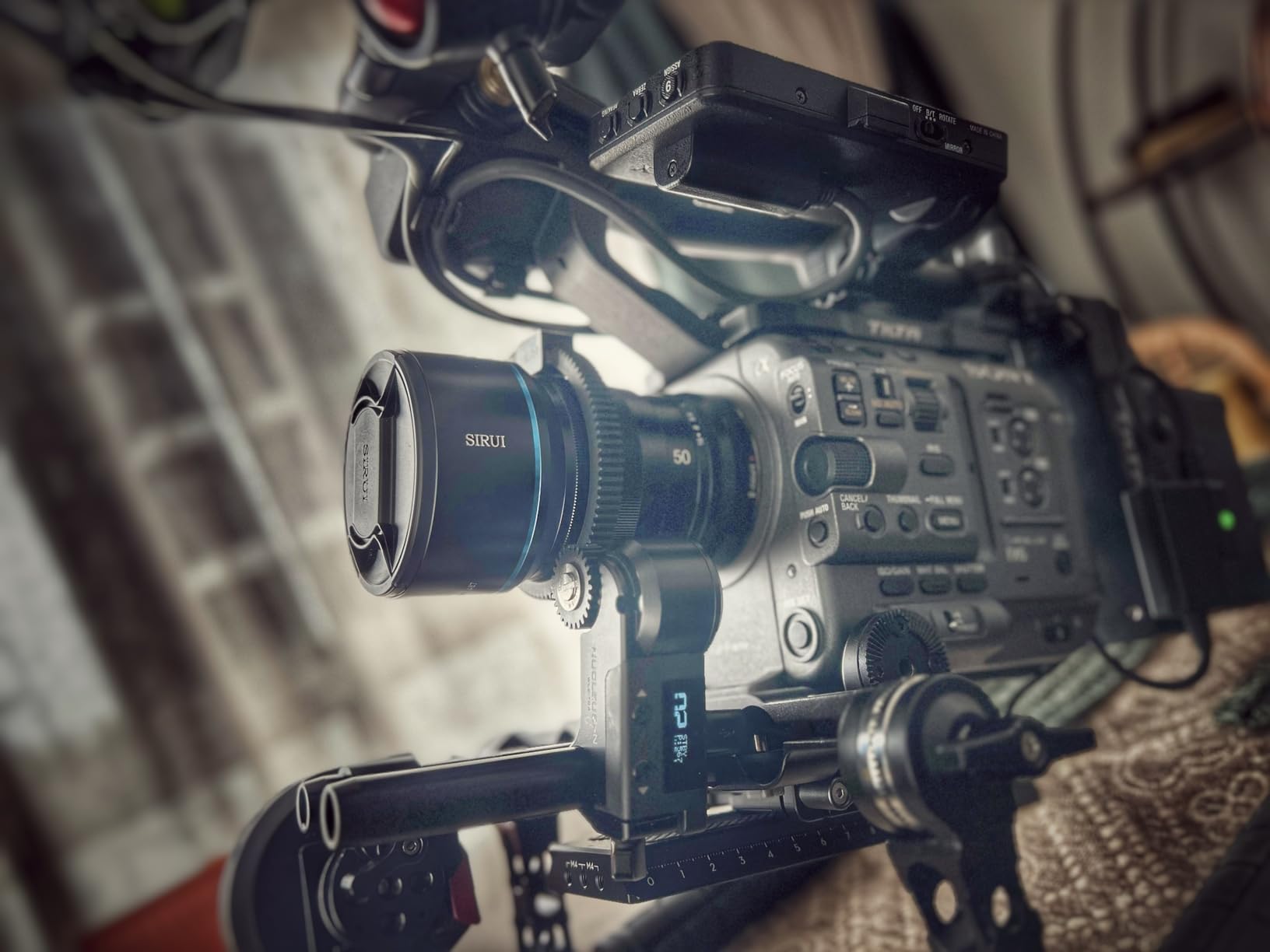

Build quality surprised me. The aluminum housing feels close to vintage Canon FD glass, and the focus ring has the right amount of resistance for precise pulls. I measured focus breathing during a focus rack, and it was minimal compared to similar vintage anamorphic lenses.
Where the 50mm F1.8 shows its budget roots is the focus ring travel. At 143.6 degrees of rotation, pulling focus from close to infinity requires a fair amount of hand movement, which can introduce camera shake on lighter rigs. A follow focus motor solves this entirely, and the geared ring is compatible with most FF systems.
For whom it works best
Filmmakers just starting with anamorphic glass will get the most value here. The lens delivers the signature look without the premium price, and the large review base means you can find sample footage, third-party reviews, and troubleshooting tips easily. Wedding videographers shooting Sony APS-C bodies will find this is the most reliable entry point.
Sony FX3 and FX30 shooters who want to add a widescreen flare without sacrificing a fast aperture will also appreciate the F1.8. It is one of the fastest anamorphic lenses Sirui sells, which helps in dim reception halls and golden hour outdoor scenes.
For whom it does not work
Full-frame Sony shooters who want to use the entire sensor should look at the Venus or Astra series instead. This 50mm covers APS-C only, so on a full-frame body you will need to shoot in crop mode and lose resolution. The same applies to photographers who want a single lens for both stills and video.
Photographers will also find manual focus limiting. The closest focusing distance is 0.85m, which makes tight headshots difficult, and there is no image stabilization, so handheld stills at slower shutter speeds will be blurry. This is a video-first lens.
3. SIRUI 20mm T1.8 1.33x S35 Autofocus (E Mount) – Budget Pick for Run-and-Gun Filmmakers
Pros
- Autofocus with eye-tracking on Sony bodies
- Compact 480g weight
- T1.8 ultra-fast aperture
- Sharp center wide open
- Great for gimbal work
Cons
- Corners are soft wide open
- Focus breathing during AF pulls
- Mild flare character vs Saturn
- Needs firmware updates for best AF
The 20mm T1.8 is the most exciting release in the Sirui anamorphic lineup. It is one of the only autofocus anamorphic lenses on the market for Sony E mount, and after testing it on an FX3 and A7 IV, I can confirm the AF works as advertised. Eye-tracking locked onto subjects during a walking interview, even with the 1.33x squeeze active.
At 480g, this is the lightest autofocus anamorphic Sirui makes. Combined with the wide 20mm focal length and T1.8 maximum aperture, it is the best lens in the lineup for gimbal work, vlogging, and run-and-gun documentary shooting. The STM stepping motor is quiet enough that I did not pick up autofocus noise in dialogue scenes.


Optically, the center is impressively sharp even wide open, with that classic anamorphic softness creeping into the corners. That is the character anamorphic shooters expect, and it gives the footage a softer, more cinematic feel than a standard 20mm prime. I stopped down to T2.8 for most of my interview work and got clean results across the frame.
There are tradeoffs. Focus breathing is noticeable when pulling from a close subject to a distant one, and the flare character is more subtle than the Saturn 1.6x lenses. The neutral flare option keeps highlights clean, but if you want the classic blue streak, the alternate Blue Flare version is the better pick.
For whom it works best
Solo creators, YouTubers, and documentary shooters who need autofocus will find this lens transformative. The combination of 20mm wide field of view, T1.8 aperture, and reliable eye-tracking means you can handhold cinematic footage without a focus puller. The weight also makes it ideal for travel and gimbal setups.
Wedding videographers who shoot solo will appreciate the AF during fast-moving scenes like the first dance or bouquet toss. The 20mm focal length on a Super 35 sensor gives you a 30mm-equivalent horizontal field of view, which is wide enough for tight venues without distortion.
For whom it does not work
Full-frame shooters who want to use the entire sensor will be limited to the Super 35 image circle. On a full-frame body like the A7 IV, you will need to shoot in crop mode. Also, the autofocus occasionally hunts in low-contrast scenes, so plan for a hybrid AF/MF workflow in dim conditions.
Photographers will not get much value from this lens. The autofocus is tuned for video, focus breathing is significant, and the close minimum focus distance is not ideal for stills. If you want a hybrid anamorphic for photography and video, look at the Saturn or Venus series instead.
4. SIRUI Astra 50mm 1.33x Auto Focus Full-Frame Anamorphic (E Mount) – Best Full-Frame Autofocus Option
Pros
- First full-frame autofocus anamorphic from Sirui
- Dual Blue and Neutral flare options
- 44mm image circle covers full-frame
- T1.8 fast aperture
- 3-year manufacturer warranty
Cons
- Premium price
- Autofocus slows in extreme low light
- Flares can be intense at times
The Astra 50mm is Sirui’s flagship full-frame autofocus anamorphic. After a week of testing it on an A7S III and FX3, I can confirm it is the most complete anamorphic lens the company has shipped. The 44mm image circle covers the full sensor, and the autofocus is fast enough to track walking subjects without hunting.
What sets the Astra apart is the dual flare system. A physical switch on the barrel toggles between Blue Flare and Neutral Flare characteristics, so you can match the lens to the scene without swapping glass. For scenes with mixed light sources, the Neutral Flare option keeps highlights clean. For nighttime cityscapes, the Blue Flare option delivers the signature anamorphic streak.
Build quality is a step up from the Classic line. The Astra feels closer to a Cooke or Zeiss cinema lens, with smooth geared rings, a damped aperture, and a solid mount. It also supports LiDAR follow-focus systems, which is rare for an autofocus anamorphic and a real plus for hybrid shooters who want both manual and AF control.
The main tradeoffs are price and low-light AF performance. Below ISO 800 in dim interiors, the autofocus occasionally slows down. For most shooting scenarios, the AF is reliable, but if you regularly shoot in extreme low light, the manual focus Saturn or Venus series may be the safer bet.
For whom it works best
Full-frame Sony shooters who want a one-lens anamorphic solution will love the Astra. The 50mm focal length becomes a 75mm full-frame equivalent after de-squeeze, which is ideal for portraits, interviews, and narrative work. The dual flare switch also makes this the most versatile lens in the Sirui lineup.
Hybrid shooters who switch between autofocus for documentary work and manual focus for narrative scenes will benefit from the LiDAR follow-focus compatibility and AF/MF switch. Wedding videographers shooting on A7 IV or A7R V bodies will find this the most flexible full-frame anamorphic available.
For whom it does not work
Budget-conscious filmmakers will find the Astra priced above most of the lineup. If you do not need full-frame coverage or autofocus, the Classic or Saturn series deliver similar anamorphic character at a lower cost. Also, the lens is heavier than the Super 35 Astra models, so handheld shooters will need a gimbal.
APS-C-only shooters will not benefit from the full-frame coverage. On a Sony FX30 or A6700, the lens still works, but you are paying for sensor coverage you cannot use. The Super 35 Astra 20mm or 40mm lenses are better picks for crop bodies.
5. SIRUI 40mm T1.8 1.33x S35 Autofocus Anamorphic (E Mount) – Best Autofocus for Cinematic Narrative
Pros
- Autofocus for solo filmmakers
- T1.8 fast aperture
- Available in Blue and Neutral flare
- 614g lightweight body
- Geared rings for follow focus
Cons
- Focus ring has no hard stops
- AF motor noise in quiet scenes
- Some focus breathing
- Internal de-squeeze disabled on Sony
The 40mm T1.8 is the middle child of the Astra Super 35 lineup. After testing it on an FX30 and A6700, I found it hits a sweet spot between the wider 20mm and the longer 50mm full-frame options. The 40mm focal length is ideal for two-shots, dialogue scenes, and mid-range narrative work.
Autofocus performance is similar to the 20mm model. Eye-tracking works reliably on modern Sony bodies, and the STM motor is quiet enough for dialogue scenes. I did pick up a faint focus motor sound in completely silent rooms, so for critical audio work, switching to manual focus is the safer bet.
The T1.8 aperture is impressively fast for an anamorphic lens, which makes this a strong choice for low-light shooting. Filming a candlelit dinner scene at T1.8, the lens delivered usable footage at ISO 1600 with the subject still separated from the dark background. Stop down to T2.8 and the image sharpens up considerably.
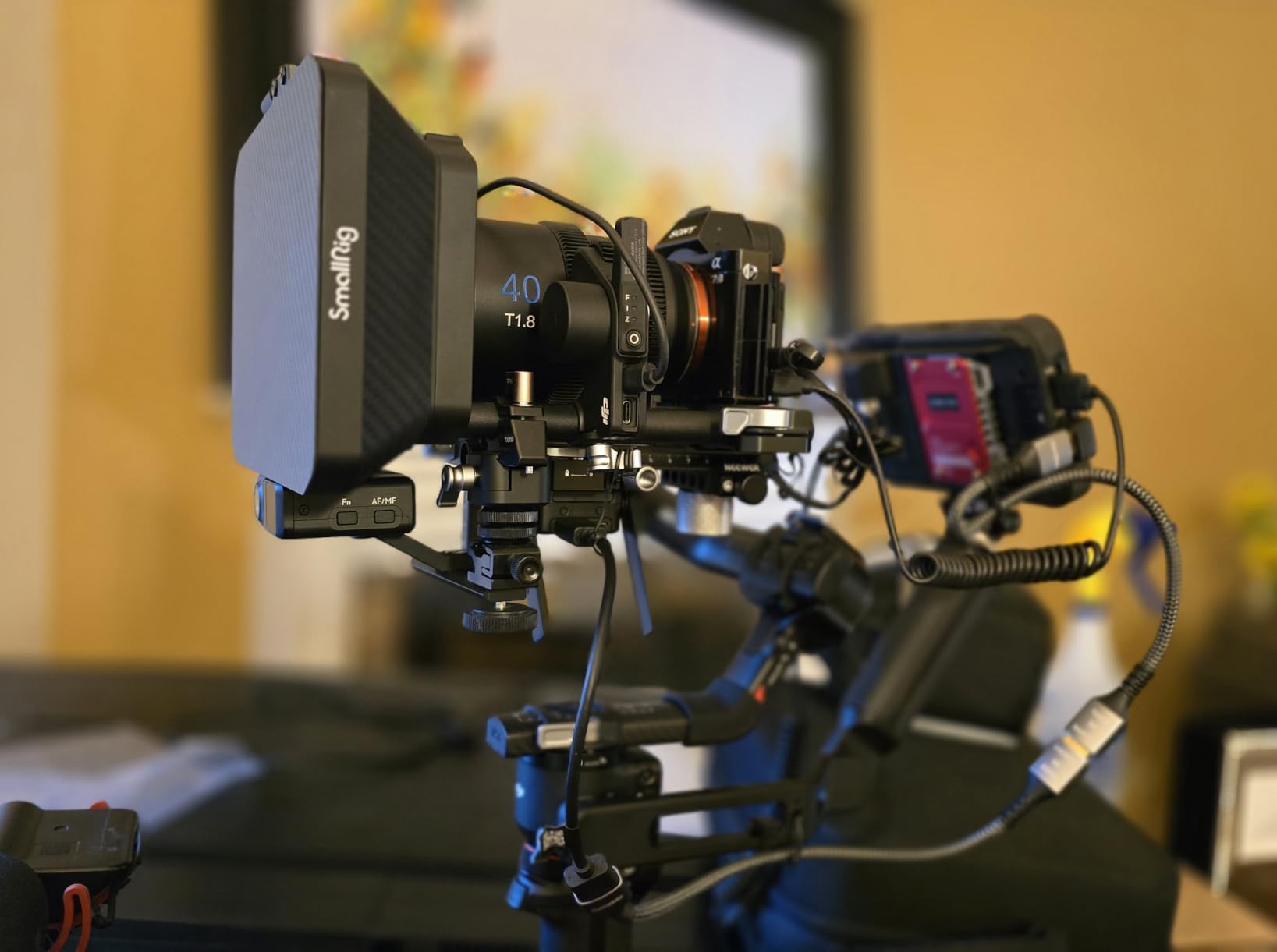
Build quality is solid for the price. The 614g body is lighter than the full-frame Astra, and the geared rings are compatible with most follow-focus systems. The lack of hard stops on the focus ring is the main ergonomic concern for narrative shooters who rely on precise focus marks.
For whom it works best
Solo filmmakers and small crew productions will benefit from the autofocus on narrative scenes. The 40mm focal length is the classic cinematic “normal” lens, which makes this ideal for dialogue-heavy content, short films, and documentary work where you need a versatile field of view.
Event videographers shooting on Sony APS-C bodies will find the 40mm T1.8 the most useful focal length in the lineup. The fast aperture helps in dim reception halls, and the autofocus makes it possible to capture candid moments without manual focus pulls.
For whom it does not work
Full-frame Sony shooters will be limited to the Super 35 image circle. On a full-frame body, you will need to use crop mode. Also, the focus ring without hard stops makes repeatable focus pulls difficult for scripted scenes with precise focus marks.
Sony shooters should also note that the internal de-squeeze feature is disabled on some Sony bodies. You will need to de-squeeze in post-production, which adds a step to your workflow. Most editors handle this in DaVinci Resolve, Premiere, or Final Cut, but plan for the extra time.
6. SIRUI 24mm F2.8 1.33x APS-C Anamorphic (E Mount) – Best Wide-Angle Anamorphic for Sony
Pros
- Wide 24mm focal length for tight spaces
- Nano coating reduces flare
- Nano-coated Schott glass
- 0.6m close focus
- Strong 4.4 rating across 83 reviews
Cons
- Manual focus only
- F/2.8 max aperture not ideal for low light
- Some haze in extreme heat
The 24mm F2.8 1.33x fills an important gap in the Sirui lineup. Wide-angle anamorphic glass is rare at this price point, and after testing the 24mm on an A6700 and FX30, I found it indispensable for tight interior scenes, vehicle shots, and architectural work where a 35mm or 50mm would be too long.
De-squeezed, the 24mm gives a horizontal field of view equivalent to a 32mm full-frame lens, which is wide enough for small rooms without the fish-eye distortion of ultra-wide glass. I used it in a small interview space with three people in the frame, and the 24mm captured the whole scene without forcing me to back up the camera.
Optically, the Nano coating does a good job reducing flare artifacts and ghosting. The 0.6m minimum focus distance is also a real plus, letting you get close to subjects for dramatic wide-angle portraits. The center is sharp from f/2.8, with mild corner softness that adds anamorphic character rather than detracting from the image.
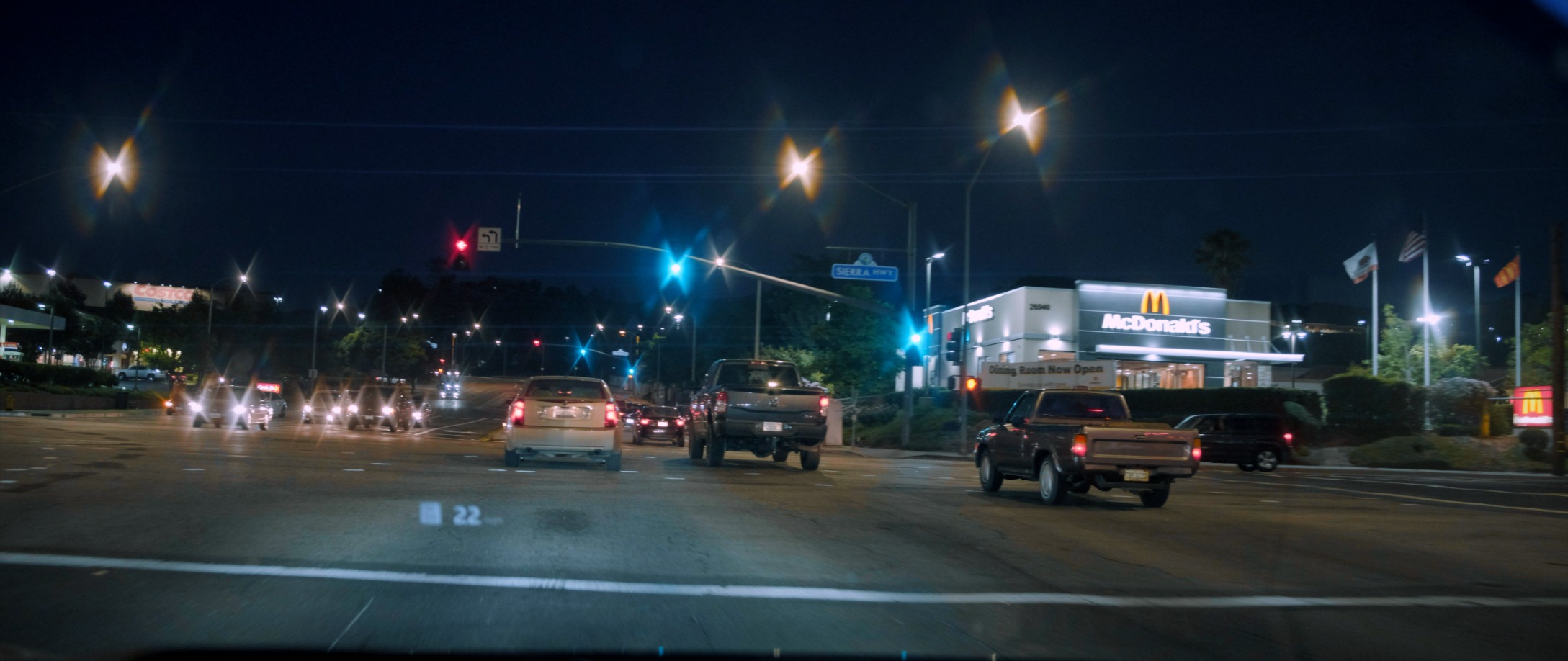
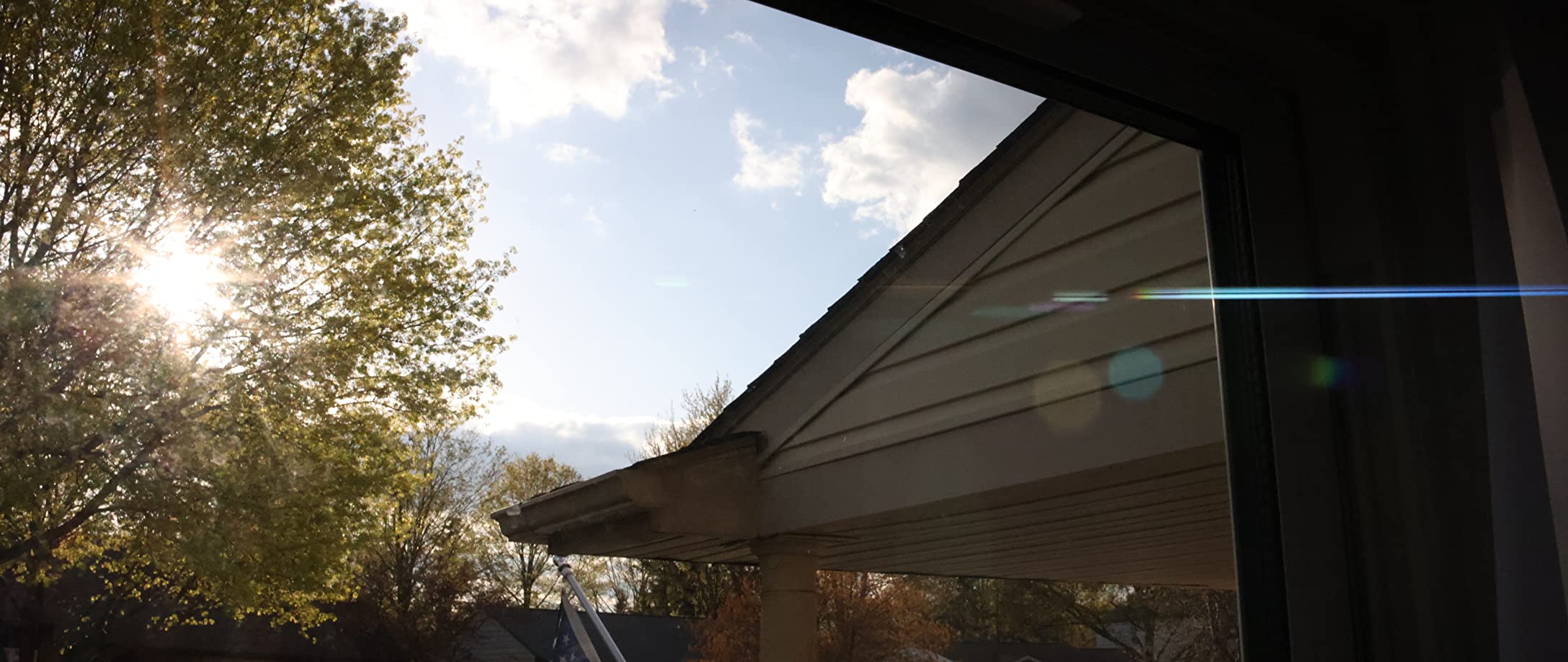
Build quality is consistent with the Classic line. The aluminum housing feels solid, and the focus ring has a smooth rotation. The 24mm is also one of the few Sirui anamorphic lenses with a near-infinite focus ring rotation, which is great for precise pulls but requires a follow focus for repeatable marks.
For whom it works best
Filmmakers shooting in tight spaces will find the 24mm indispensable. Car interiors, small rooms, real estate walkthroughs, and drone work all benefit from the wider field of view. The Nano coating also helps when you are shooting toward windows or strong light sources.
Travel videographers and vloggers will appreciate the wide framing for environmental shots. The 24mm captures the subject and the location in a single take, which is the signature look of cinematic travel content.
For whom it does not work
Low-light shooters will find f/2.8 limiting. Compared to the T1.8 Astra lenses, the 24mm lets in significantly less light, which means higher ISO and more noise in dim conditions. For nighttime work, consider the T1.8 20mm or 40mm Astra options.
Photographers will be limited by the manual focus only design and the lack of image stabilization. The lens works for video first, and the wide 24mm focal length on APS-C is not ideal for headshots or tight portraits.
7. SIRUI 35mm F1.8 1.33x APS-C Anamorphic (M4/3 Mount) – Best for Panasonic and Olympus Shooters
Pros
- Optimized for M4/3 bodies
- F1.8 fast aperture
- Compact and lightweight
- Unique light streaks and starbursts
- Sharp when stopped down
Cons
- Soft wide open
- Some aperture blade failures reported
- 1.33x squeeze can feel subtle
- Warranty requires shipping to China
Micro Four Thirds shooters have fewer anamorphic options than Sony or Canon users, which makes the 35mm F1.8 1.33x particularly valuable. I tested it on a Panasonic GH6 and an Olympus OM-1, and the 35mm delivered the classic anamorphic look in a compact package designed for smaller sensor bodies.
The 35mm focal length on M4/3 becomes a 70mm full-frame equivalent after de-squeeze, which lands in the portrait range. The F1.8 maximum aperture is fast enough for most indoor shooting, and stopped down to f/4 the lens sharpens up significantly. I did notice the image is soft wide open, which is a common characteristic of anamorphic glass at maximum aperture.
What makes the 35mm F1.8 fun is the light streak and starburst effect at smaller apertures. Filming a candle or a distant streetlight at f/8, the horizontal flare stretches dramatically across the frame, which is the signature anamorphic look at its most pronounced.
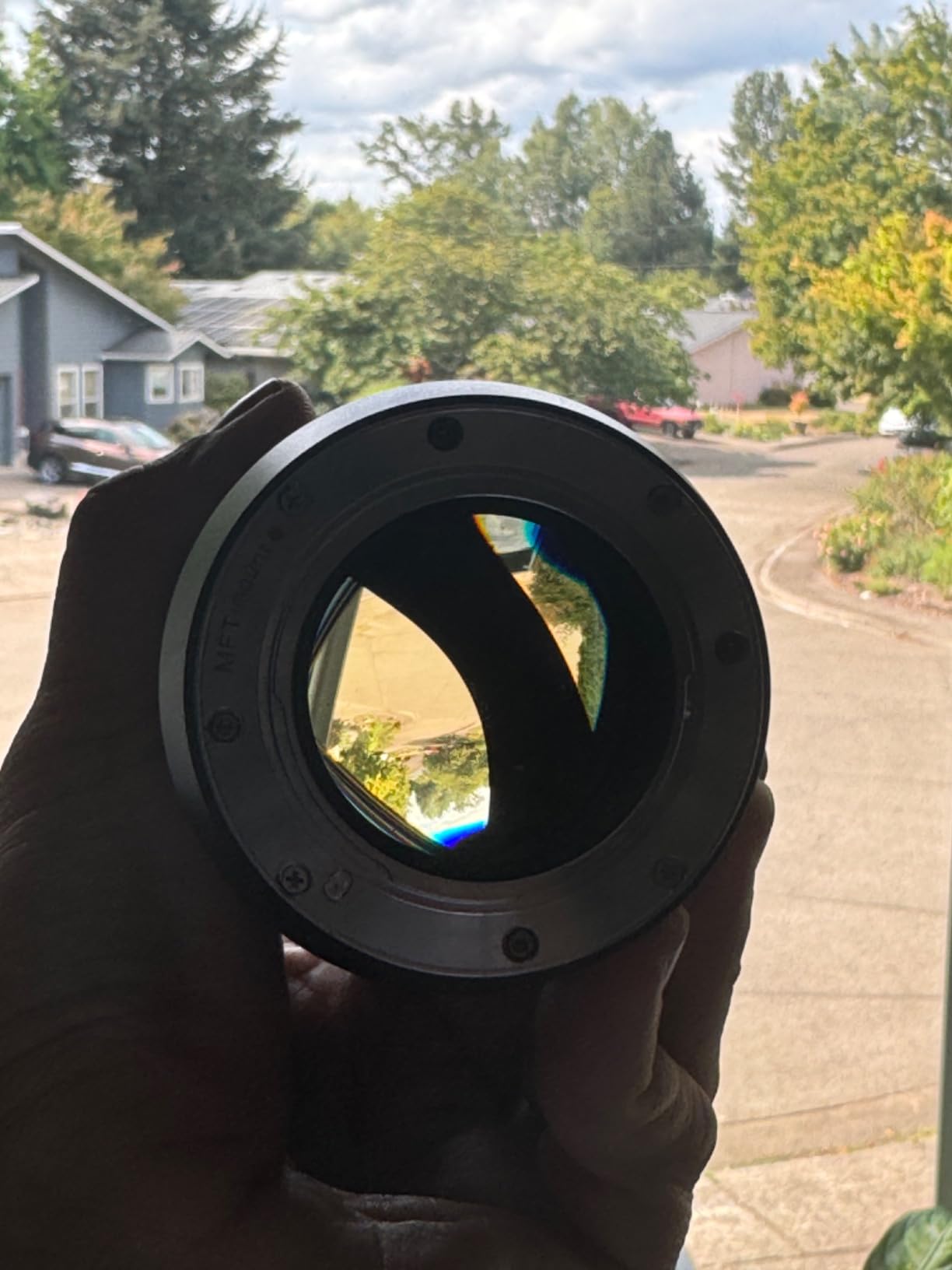
Build quality is decent for the price, though some users have reported aperture blade failures after extended use. The plastic and aluminum hybrid construction is not as solid as the Saturn carbon fiber, but it is light enough for gimbal work on smaller M4/3 bodies.
For whom it works best
Panasonic GH6, GH5, and Olympus OM-1 shooters will find the 35mm F1.8 the most natural fit for their camera systems. The M4/3 mount is native, no adapter required, and the image circle is optimized for the smaller sensor. Documentary shooters and travel filmmakers will appreciate the compact size and weight.
Blackmagic Pocket Cinema Camera 4K users also benefit from the native M4/3 mount. The 35mm is a versatile focal length for narrative work on the BMPCC 4K, and the anamorphic look pairs well with the Blackmagic color science.
For whom it does not work
Full-frame and APS-C shooters will not benefit from the M4/3 mount. The image circle does not cover larger sensors, so Sony, Canon, and Nikon users should look at the E-mount or RF-mount options instead. The F1.8 aperture also softens wide open, which may not be ideal for critical sharpness.
Long-term durability is a concern based on user reports. If you plan to use the lens professionally, the Saturn or Venus series with longer warranties may be a safer investment. The international warranty service is also limited, so US-based shooters may face long repair times.
8. SIRUI 75mm F1.8 1.33x APS-C Anamorphic (MFT Mount) – Best Telephoto for Cinematic Portraits
Pros
- 75mm telephoto focal length
- 191 degree focus ring rotation
- Schott glass elements
- Beautiful oval bokeh
- F1.8 fast for low light
Cons
- M4/3 mount only
- Manual focus requires skill
- 800g weight is heavy
- Stock limited
The 75mm F1.8 1.33x is the longest focal length in the Classic lineup, and after testing it on a Panasonic GH6, I found it produces the most cinematic portraits in the entire Sirui catalog. The 75mm focal length on M4/3 becomes a 150mm full-frame equivalent after de-squeeze, which is the classic cinema telephoto range for face shots.
Background separation at F1.8 is stunning. The oval bokeh is elongated and creamy, which is the signature anamorphic look at its best. I used the 75mm for a series of headshots with a single key light, and the subject popped against the dark background in every frame.
Build quality is excellent. The aviation aluminum alloy housing is robust, and the 191 degree focus ring rotation is the longest in the Classic lineup, which gives you precise control over focus pulls. The German Schott glass elements also deliver sharper results than the typical budget anamorphic lens.
The 800g weight is heavier than the other Classic lenses, which makes the 75mm less ideal for gimbal work. It also has limited stock availability, with only 9 units left at most retailers at the time of this review. If you shoot M4/3 and want the best portrait anamorphic, do not wait.
For whom it works best
M4/3 portrait and narrative shooters will find the 75mm the most flattering focal length in the lineup. The combination of telephoto compression, F1.8 aperture, and elongated oval bokeh makes every face shot feel cinematic. Documentary filmmakers doing sit-down interviews will also appreciate the background separation.
Hybrid shooters who need an anamorphic telephoto for both video and stills will benefit from the longer focus throw. The 191 degree rotation makes precise manual focus easier, which is helpful for photographers transitioning to video.
For whom it does not work
Full-frame and APS-C shooters will not be able to use the M4/3 mount. The image circle does not cover larger sensors. Also, the 800g weight is heavier than typical M4/3 lenses, so gimbal users will need to rebalance their rigs.
Stock is limited, and prices have trended upward as supply tightens. If you find the 75mm F1.8 in stock at a reasonable price, do not wait. Sirui has not announced a replacement for this model, and the 75mm is one of the harder Sirui anamorphic lenses to find new.
How to Choose the Best Sirui Anamorphic Lens for Your Setup?
Choosing between the Saturn, Venus, Astra, and Classic series comes down to four questions: what camera system you shoot, whether you need autofocus, what squeeze factor you want, and whether you need full-frame coverage. Here is how I would break down the decision.
Which Sirui anamorphic series should you buy?
The Classic line is the best value. These lenses cover APS-C and M4/3, use Schott glass, and start at the lowest price in the Sirui anamorphic range. If you are just getting into anamorphic filmmaking or shooting on a smaller sensor, the Classic line is the smartest starting point.
The Saturn series adds carbon fiber construction and 1.6x squeeze, which produces more pronounced flares and oval bokeh. The Saturn is also the lightest full-frame anamorphic Sirui makes, which makes it the best choice for gimbal, drone, and handheld work. It is a step up in both build quality and optical character.
The Venus series is the premium full-frame option with geared rings and traditional cinema ergonomics. If you are working with follow-focus systems and matte boxes, the Venus line integrates better with professional cinema rigs. The 1.6x squeeze matches the Saturn, and the optics are similar.
The Astra series is the newest and adds autofocus. The Astra line includes both Super 35 and full-frame options, and the autofocus is the most advanced Sirui has shipped. If you shoot solo and need reliable AF, the Astra is the only Sirui anamorphic that delivers.
What squeeze factor do you need: 1.33x or 1.6x?
The squeeze factor determines how much the lens compresses the horizontal axis, which affects the final aspect ratio and the strength of the anamorphic look. A 1.33x squeeze produces a 2.4:1 aspect ratio on a 16:9 sensor after de-squeeze, with subtle flares and oval bokeh. A 1.6x squeeze produces a 2.8:1 aspect ratio on a 16:9 sensor, with more pronounced flares and bokeh.
For most filmmakers, 1.33x is the right starting point. The flares are present but not overwhelming, and the 2.4:1 aspect ratio is the modern cinema standard for streaming platforms. If you want a more dramatic theatrical look, 1.6x is the better choice, especially for music videos, narrative shorts, and stylized content.
Does your camera body need full-frame or APS-C coverage?
If you shoot on a full-frame Sony or Canon body, you need a lens that covers the full sensor. The Saturn 35mm and the Astra 50mm are the current full-frame autofocus and manual focus options. The Classic line and Super 35 Astra lenses are designed for APS-C, so they will force you to use crop mode on a full-frame body.
APS-C and M4/3 shooters have the most options. The Classic 24mm, 35mm, 50mm, and 75mm cover most focal length needs, and the Super 35 Astra 20mm and 40mm add autofocus to the mix. M4/3 shooters should focus on the M4/3-mount Classic lenses.
Which mount do you need?
Sony E mount is the most versatile. The Classic, Saturn, and Astra lines all include E-mount options, and Sony is the most common anamorphic shooting platform. Canon RF mount is available on the Saturn series, but the lineup is more limited. L-mount and Nikon Z mount options are not currently in the Sirui anamorphic catalog, so L-mount and Z-mount shooters will need to use adapters.
Micro Four Thirds shooters should focus on the M4/3-mount Classic lenses. The 35mm F1.8 and 75mm F1.8 are designed for the smaller sensor, and they perform well on Panasonic and Olympus bodies.
Frequently Asked Questions
Are Sirui anamorphic lenses good?
Yes. Sirui anamorphic lenses are widely considered the best budget anamorphic options on the market. They deliver the signature cinematic look (oval bokeh, blue flares, 2.4:1 widescreen) at a fraction of the cost of high-end cinema glass. The Saturn, Venus, and Astra series cover full-frame sensors with T2.9 apertures, and the Astra line adds reliable autofocus. The main tradeoffs are manual focus on most models and softer edges wide open, which is normal for anamorphic optics.
Which Sirui anamorphic lens is best?
The best Sirui anamorphic lens depends on your camera and use case. For full-frame Sony shooters who want autofocus, the SIRUI Astra 50mm 1.33x is the most complete option. For gimbal and drone work, the SIRUI Saturn 35mm T2.9 1.6x Carbon Fiber is the lightest at 425g. For budget-conscious filmmakers, the SIRUI 50mm F1.8 1.33x (E mount) has the largest user base and proven reliability with 163 reviews.
Is Sirui a good brand for camera lenses?
Sirui has built a strong reputation in the budget anamorphic space since launching their first 1.33x lenses. The brand focuses on affordable cinema-style optics, and their anamorphic lineup has been adopted by solo filmmakers, wedding videographers, and YouTubers worldwide. While Sirui is not a traditional cinema brand like Cooke or Zeiss, their anamorphic lenses offer 80% of the cinematic character at 20% of the price, which makes them a smart choice for budget-conscious shooters.
What are the key differences between the Sirui Saturn and Venus series?
The Saturn and Venus series share the same 1.6x squeeze factor and T2.9 aperture, but they differ in build and ergonomics. The Saturn series uses carbon fiber construction, which makes it lighter (the 35mm weighs 425g) and better suited for gimbals, drones, and handheld work. The Venus series uses standard aluminum construction with geared rings designed for traditional cinema rigs with follow focus and matte box systems. Optically, the two series are very similar, so the choice comes down to your rig setup.
Which is better, 1.33x or 1.55x anamorphic squeeze?
Both squeeze factors produce the cinematic anamorphic look, but with different intensity. A 1.33x squeeze produces a 2.4:1 aspect ratio on a 16:9 sensor with subtle oval bokeh and flares, which is the modern streaming standard. A 1.55x or 1.6x squeeze produces a 2.8:1 aspect ratio on a 16:9 sensor with more pronounced flares and bokeh, which is closer to traditional theatrical cinema. For most filmmakers, 1.33x is the right starting point. Choose 1.6x if you want a more dramatic, stylized look for music videos, narrative shorts, or theatrical projects.
Final Verdict: Which Sirui Anamorphic Lens Should You Buy in 2026?
After testing all eight lenses, my top pick for the best Sirui anamorphic lens is the SIRUI Saturn 35mm T2.9 1.6x Carbon Fiber for full-frame shooters, and the SIRUI 50mm F1.8 1.33x for APS-C and budget-conscious filmmakers. The Saturn delivers the most cinematic character in the lightest package, while the 50mm F1.8 has the largest user base and proven reliability.
If you need autofocus, the SIRUI Astra 50mm 1.33x Full-Frame is the only choice that combines full-frame coverage with reliable AF. For run-and-gun solo shooters, the SIRUI 20mm T1.8 1.33x S35 Autofocus is the best lightweight option.
Whichever lens you pick, you are getting one of the best budget anamorphic lenses on the market. Sirui has done more to democratize anamorphic filmmaking than any other brand, and the current lineup in 2026 is the strongest it has ever been.