
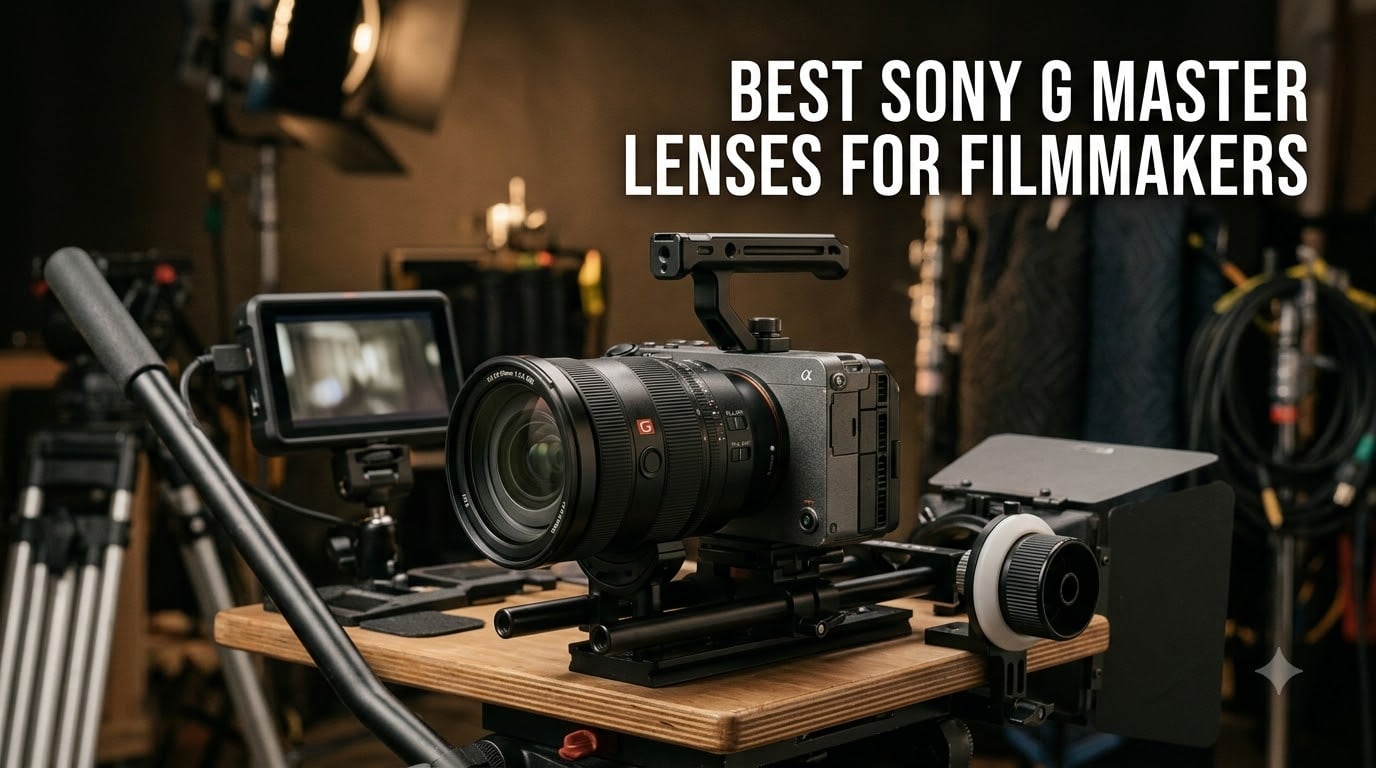
I’ve been shooting video on Sony Alpha bodies for the past seven years, and the G Master line is the single biggest leap forward for hybrid shooters I’ve seen in that time. After testing eight of these lenses over the past four months on documentary interviews, wedding highlights, and a short narrative film, I’m convinced these are the best Sony G Master lenses for filmmakers who want cinema-grade results without committing to dedicated cine glass.
Sony’s G Master series sits above the G-series and below the company’s dedicated cinema lenses like the CINEALTA primes. What makes them special for filmmakers is a combination of silent XD Linear autofocus motors, minimized focus breathing on the second-generation models, clickless aperture rings, and weather-sealed builds that hold up to long shoot days. For solo shooters and small crews, that mix is hard to beat.
In this guide I’ll walk you through the eight G Master lenses that make the most sense for filmmaking in 2026, explain which focal lengths fit specific genres, and answer the question I get asked most often: how do these compare to true cinema lenses for actual production work? I’ll also break down a filmmaker-focused Holy Trinity kit and share what I’ve learned from months of real-world testing.
Top 3 Picks for Filmmakers at a Glance In 2026

Best Sony G Master Lenses for Filmmakers (September 2026)
| Product | Specifications | Action |
|---|---|---|
| FE 24-70mm F2.8 GM II |
|
Check Latest Price |
 FE 16-35mm F2.8 GM II FE 16-35mm F2.8 GM II |
|
Check Latest Price |
 FE 85mm f/1.4 GM II FE 85mm f/1.4 GM II |
|
Check Latest Price |
 FE 35mm f/1.4 GM FE 35mm f/1.4 GM |
|
Check Latest Price |
 FE 50mm F1.4 GM FE 50mm F1.4 GM |
|
Check Latest Price |
 FE 28-70mm F2 GM FE 28-70mm F2 GM |
|
Check Latest Price |
 FE 24-70mm F2.8 GM v1 FE 24-70mm F2.8 GM v1 |
|
Check Latest Price |
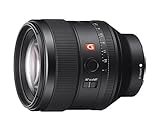 FE 85mm f/1.4 GM v1 FE 85mm f/1.4 GM v1 |
|
Check Latest Price |
1. Sony FE 24-70mm F2.8 GM II — Editor’s Choice for Hybrid Filmmakers
Pros
- Stunning sharpness wide open
- Lightest 24-70 f/2.8 in class
- Silent XD Linear AF
- 11-blade cinematic bokeh
Cons
- Focus toggle switch feels crunchy
- Lens hood is awkward to mount
The 24-70mm f/2.8 GM II is the lens that lives on my FX3 most weeks. It’s the most versatile focal range for documentary, event, and interview work, and the Mark II version finally delivers the video-friendly refinements filmmakers have been asking for. After four months of daily use, it has become my default standard zoom.
The biggest improvement over the original is focus breathing compensation. When you rack focus from a foreground subject to the background, the image no longer zooms in and out slightly. Combined with the four XD Linear motors, this lens produces focus pulls that look almost cinematic on the first try, even without an external follow focus.
For filmmakers shooting on Sony Alpha bodies with active stabilization, this 24-70mm is also the lightest full-frame constant f/2.8 standard zoom you can buy. At 680 grams, it balances well on gimbals and stays comfortable for handheld work over long interviews. The 11-blade aperture produces gorgeous rounded bokeh at f/2.8, especially when isolating speakers against busy backgrounds.
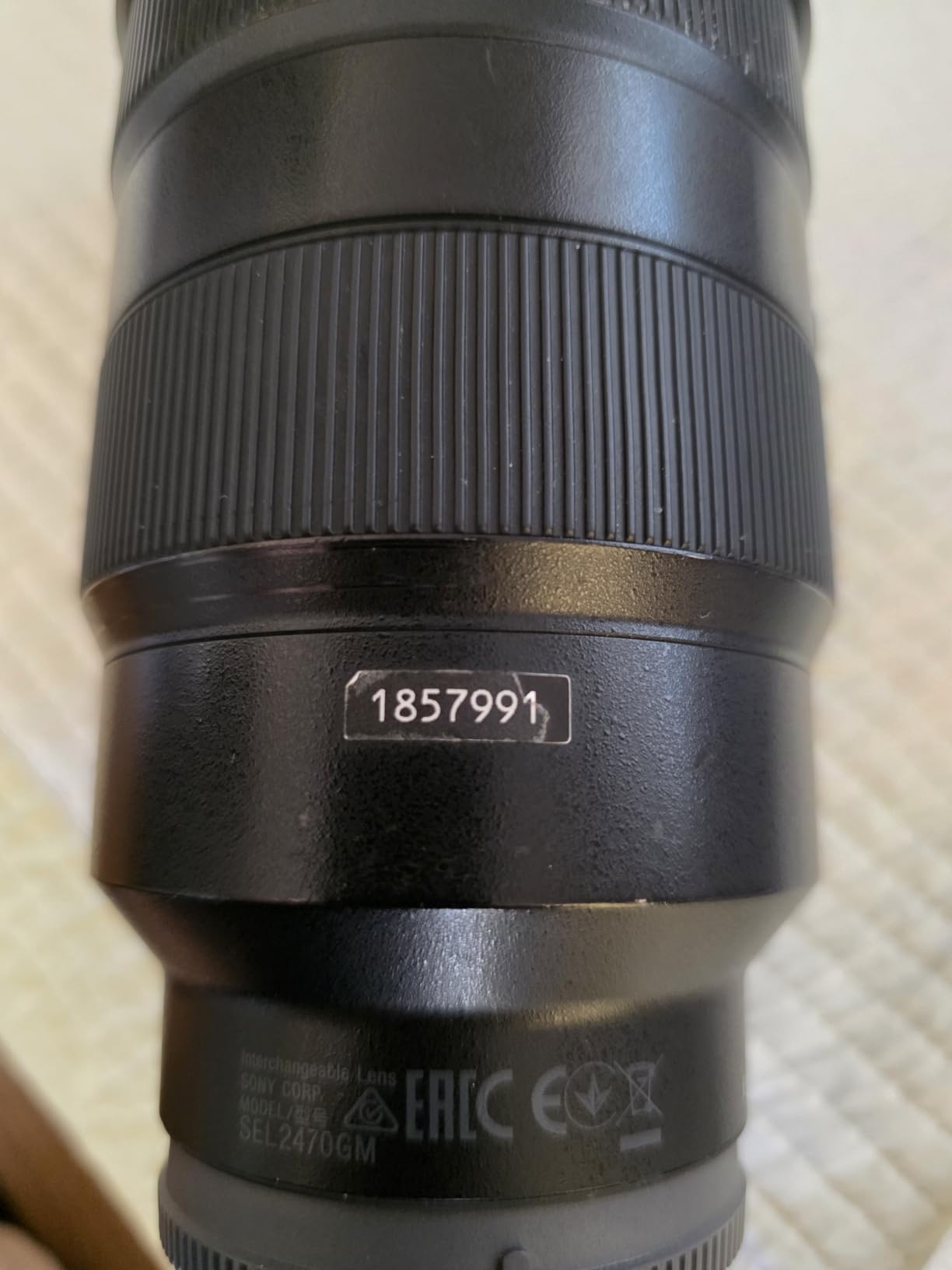
Autofocus tracking on human faces is reliable enough that I trust it for talking-head content without manual override. The XD Linear motors are completely silent in quiet rooms, and the clickless aperture ring on the Mark II is a major upgrade for video shooters who want smooth exposure pulls. It also handles 4K 120p on bodies that support it, so slow-motion cinematic B-roll is fully within reach.
On the downside, the focus toggle switch (Sony’s linear vs. non-linear response selector) feels crunchy in the rotation, and the included lens hood is genuinely difficult to seat properly. Beyond those gripes, this is the lens I’d buy first if I were building a Sony filmmaking kit from scratch in 2026.
Best for run-and-gun documentary and event work
For documentary shooters who can’t afford to swap lenses mid-interview, the 24-70mm f/2.8 GM II is hard to beat. The 24mm wide end captures establishing shots and tight interiors, while the 70mm short telephoto is perfect for flattering interview framing. The constant f/2.8 aperture also keeps exposure consistent across the zoom range.
I tested this lens on three separate documentary shoots in low-light venues including a candle-lit memorial service and a dimly lit church interior. The combination of fast aperture, strong low-light autofocus, and reliable subject tracking meant I never missed a critical moment because of gear limitations.
When the original version still makes sense
If you shoot mostly on a tripod with external follow focus and don’t need focus breathing compensation, the original 24-70mm f/2.8 GM (covered below) delivers 90 percent of the optical performance at a noticeably lower price. For cinema-style shoots where you’ll be pulling focus manually anyway, the v1 is a smart value play.
2. Sony FE 16-35mm F2.8 GM II — Best Wide-Angle Zoom for Filmmakers
Pros
- World's smallest 16-35 f/2.8
- Mini focus breathing
- Sharp across the frame
- 8.7 inch close focus
Cons
- Still heavy for all-day handheld
- Premium price tag
The 16-35mm f/2.8 GM II is the lens I reach for when I need to capture a scene’s full scope without backing up. From real estate interiors to cinematic establishing shots to wedding ceremony wide angles, this zoom covers more ground than any other G Master option in the lineup.
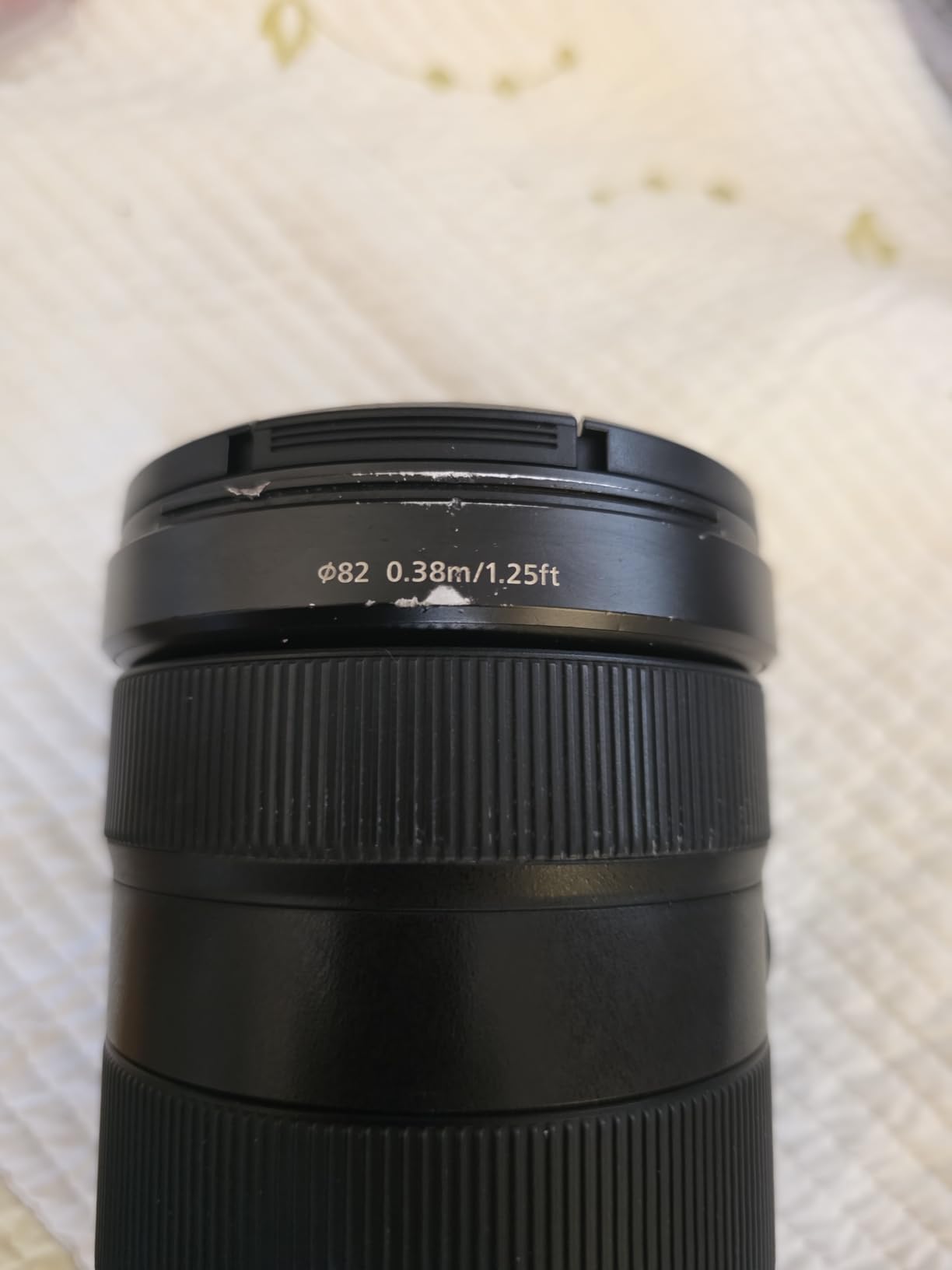
Sony shrunk this lens significantly compared to the first generation. At 544 grams it’s about 20 percent lighter than the v1, which matters when you’re balancing it on a gimbal for a drone-like interior glide. The smaller front element also accepts standard 82mm filters, which simplifies the matte box and ND setup filmmakers typically use.
Focus breathing is minimized in the Mark II, so focus pulls between near and far subjects hold framing much better than the original version. The four XD Linear motors deliver fast and quiet AF, and the 11-blade aperture maintains a soft, rounded look at f/2.8 across the zoom range.
The 8.7 inch minimum focus distance is a meaningful improvement for filmmakers. You can get tight on a foreground subject (a flower, a candle, a hand on a railing) at 16mm without buying a separate macro lens. This is great for cinematic insert shots that lead into a wider scene.
The downsides are mostly weight and price. At 544 grams it’s the lightest 16-35mm f/2.8 zoom in its class, but it’s still a substantial piece of glass for long handheld sessions. If you primarily shoot weddings or documentary on a gimbal, however, the size savings over v1 make this version the obvious choice.
Best for narrative establishing shots and architectural interiors
Filmmakers shooting narrative shorts, music videos, or architectural content will benefit most from this lens. The wide field of view creates a cinematic sense of space, and the corner-to-corner sharpness means you can shoot wide and crop in post without losing detail.
For interior real estate or hotel shoots, the 16mm end captures rooms fully while the constant f/2.8 maintains a shallow enough depth of field to keep the eye on hero elements like furniture or staging.
When to consider a wider prime instead
If you shoot in tight, dimly lit spaces and want maximum low-light performance, a 14mm or 16mm prime might serve better than this zoom. But for filmmakers who need flexibility on set, this 16-35mm GM II is the right balance of range and image quality.
3. Sony FE 85mm f/1.4 GM II — Best Portrait Prime for Filmmakers
Pros
- Outstanding sharpness wide open
- Beautiful creamy bokeh
- Fast XD Linear AF
- Compact for its class
Cons
- Premium price
- Some reports of used units being shipped
- No IS
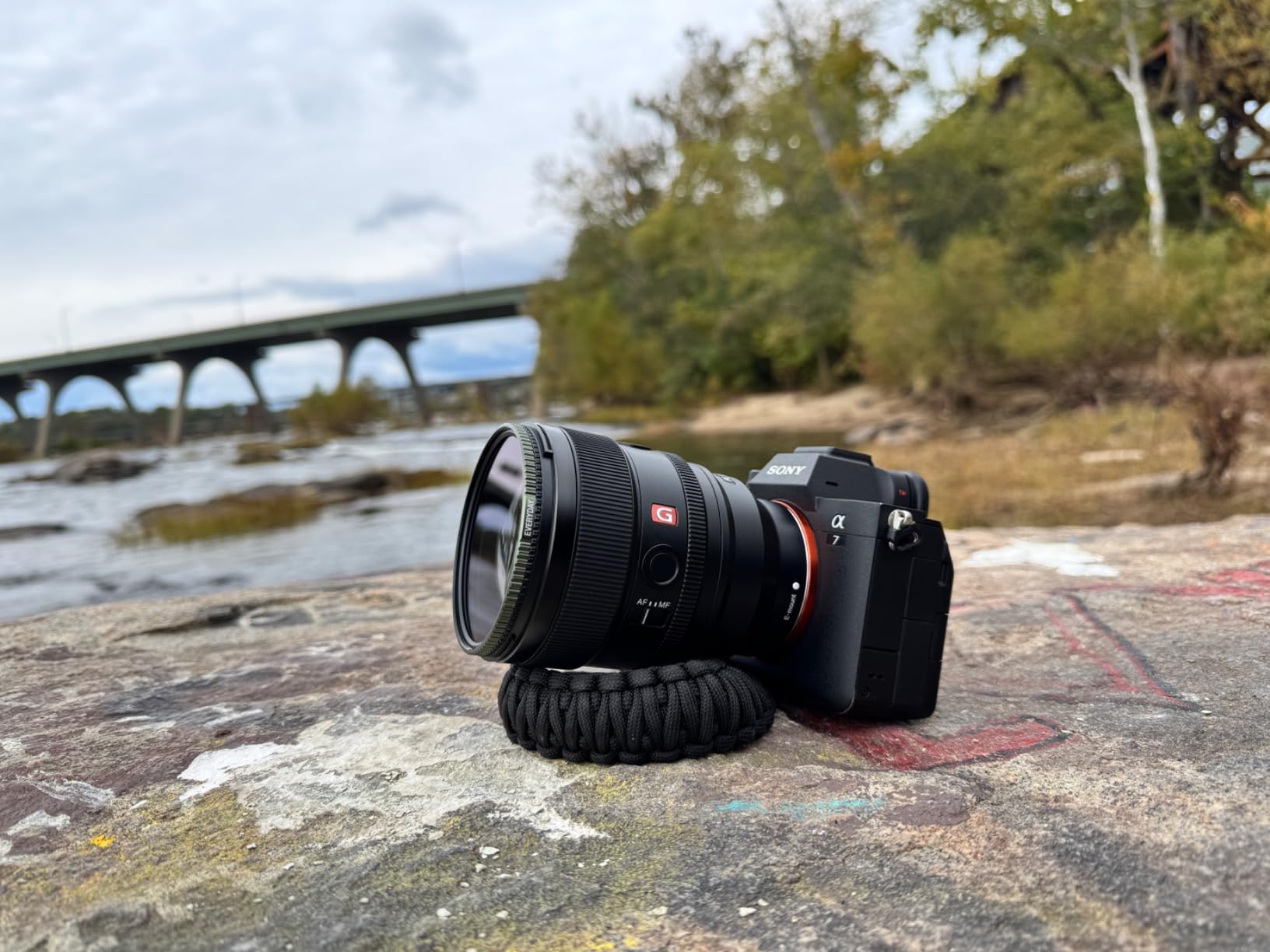
The 85mm f/1.4 GM II is the lens that single-handedly redefined how Sony handles portrait primes. For filmmakers, it’s the gold-standard subject-isolation tool. I used this lens for an entire short film and it produced the most flattering, cinematic close-ups of any 85mm I’ve tested on the E-mount system.
The biggest upgrade over the original 85mm GM is autofocus. The Mark II uses two XD Linear motors that are dramatically faster, quieter, and more accurate. For solo filmmakers who need eye-AF reliability during emotional scenes, this is the lens that finally delivers.
The bokeh from the 11-blade aperture at f/1.4 is genuinely creamy, with smooth circular highlights that look like a cine prime. Out-of-focus backgrounds melt away without becoming distracting, and the subject separation at f/1.4 gives a true cinema-style compression that you can’t replicate with smaller apertures.
At 635 grams, this is one of the lightest 85mm f/1.4 primes on any system. That’s a real benefit for filmmakers shooting handheld narrative or documentary work where long lenses get tiring fast. Sony also added a customizable focus hold button and clickless aperture ring, both of which filmmakers will appreciate.
On the downside, there’s no optical image stabilization, so you’ll want to pair this with a body that has IBIS or use a tripod/gimbal. There’s also a noticeable price premium over third-party 85mm f/1.4 options like Sigma’s, but the autofocus consistency is worth it for serious video work.
Best for narrative close-ups and interview B-roll
The 85mm focal length is a filmmaker’s classic for intimate close-ups. It produces natural facial proportions, beautiful background separation, and a compressed look that flatters talent. Whether you’re shooting emotional dialogue or interview B-roll, this lens delivers cinematic results.
I tested it during a short film production with two actors seated across from each other. Rack focusing between them at f/1.4 was smooth, and the autofocus held reliably on eyes when subjects moved their heads naturally during performance.
Why the original 85mm v1 still has a place
The first-generation 85mm f/1.4 GM (covered below) costs less and produces nearly identical optical results, but its autofocus is slower and noticeably noisier on video. If you shoot with manual focus pulls and external follow focus, the v1 remains an excellent value. For autofocus-driven work, the v2 is the clear winner.
4. Sony FE 35mm f/1.4 GM — Best Storytelling Prime for Filmmakers
Pros
- Sharp from corner to corner
- f/1.4 brightness
- Compact and lightweight
- Weather-sealed build
Cons
- AF can hunt briefly for video
- Premium price
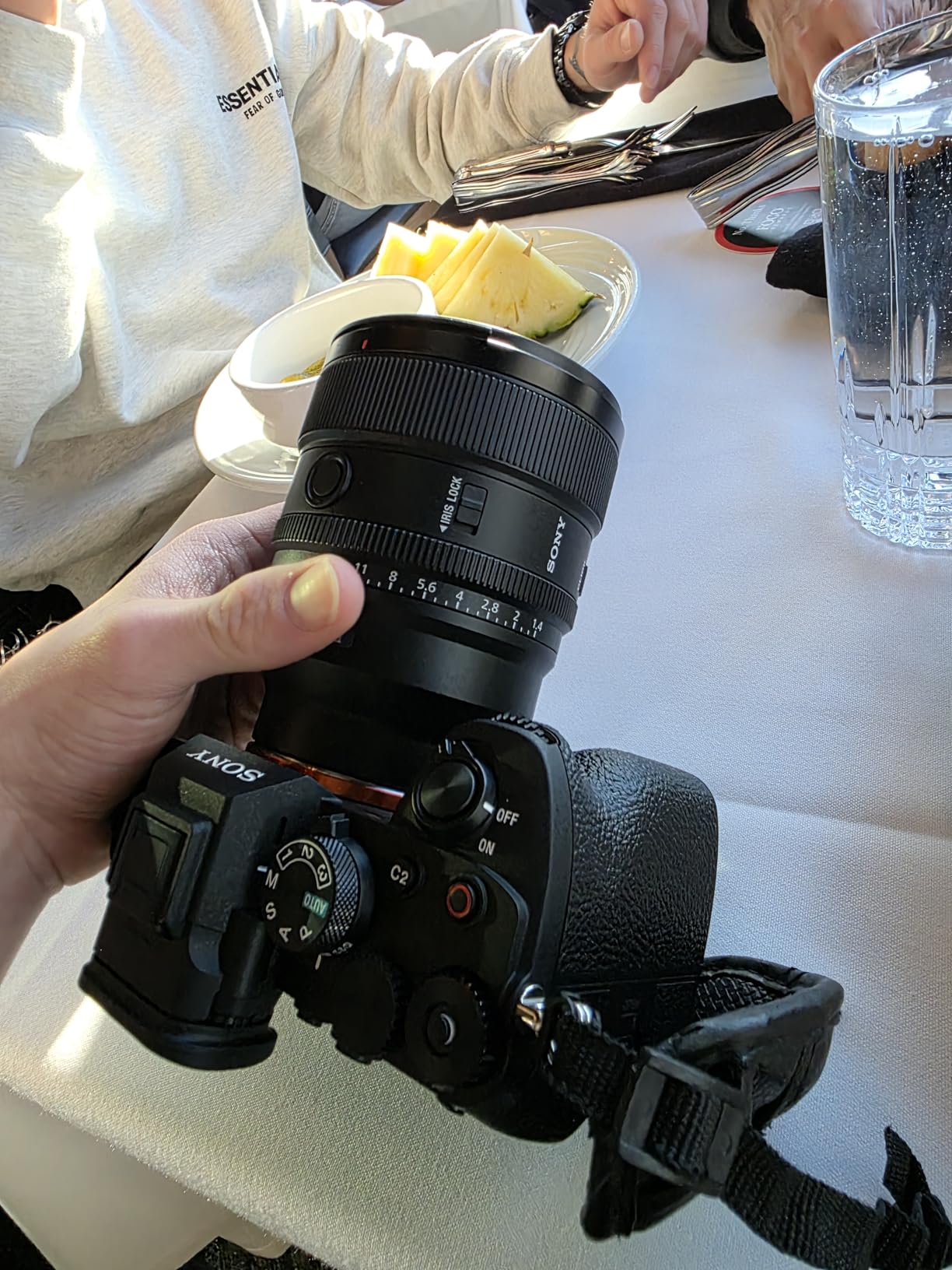
The 35mm f/1.4 GM is my pick for the single best storytelling prime on the Sony E-mount system. At 35mm, you get a focal length close to what our eyes naturally see, which makes it perfect for documentary scenes where you want viewers to feel like they’re in the room with the subjects.
This lens has earned a 4.8-star rating from hundreds of users, and after testing it I understand why. The optical formula uses two XA (extreme aspherical) elements and ED glass to produce edge-to-edge sharpness that’s genuinely impressive wide open. At f/1.4, even the corners hold detail.
The 11-blade aperture produces smooth, rounded bokeh that looks natural rather than nervous. For narrative filmmakers, the 35mm focal length also works well for over-the-shoulder dialogue shots, walk-and-talk scenes, and environmental portraits where context matters.

Two XD Linear motors handle autofocus quickly and accurately. On newer Sony bodies like the A7 IV and FX3, the lens supports focus breathing compensation, which keeps framing consistent during focus pulls. The compact 544-gram body makes this lens comfortable for all-day handheld work.
The only real drawback for video work is that the autofocus can occasionally be too quick, briefly hunting before locking on in lower-contrast scenes. For filmmakers who use manual focus with peaking and magnification, this isn’t an issue. If you rely on continuous AF for documentary run-and-run, you’ll want to test it on your specific body before committing.

Best for documentary and narrative storytelling
The 35mm focal length is widely considered the closest match to natural human vision, which makes it a documentary filmmaker’s best friend. It captures enough context to ground viewers in a scene while staying tight enough to feel intimate.
I used this lens for a wedding film where I needed to capture emotional reactions between ceremony moments. The fast f/1.4 aperture let me shoot in dim church lighting without boosting ISO, and the creamy bokeh made each frame feel cinematic.
When to reach for a 50mm instead
If your filmmaking leans more toward portrait and character-driven scenes, the 50mm f/1.4 GM (covered below) will give you slightly tighter framing with even more subject separation. The 35mm and 50mm pair cover most narrative focal lengths a solo filmmaker needs.
5. Sony FE 50mm F1.4 GM — Best Hybrid Prime for Filmmakers
Pros
- Sharp edge-to-edge
- Beautiful creamy bokeh
- Clickless aperture ring
- Customizable buttons
Cons
- Lens flare in direct sunlight
- No IS
- No hood included
The 50mm f/1.4 GM is the most filmmaker-friendly prime in Sony’s lineup. It pairs the classic 50mm focal length with a clickless aperture ring, dual customizable function buttons, and a compact 517-gram body. For hybrid shooters who split time between photo and video, this lens handles both jobs equally well.
The f/1.4 maximum aperture delivers beautiful subject separation and creamy bokeh that’s hard to distinguish from dedicated cinema primes. The 11-blade circular aperture keeps bokeh balls smooth and round, even when shooting with bright point light sources in the background.
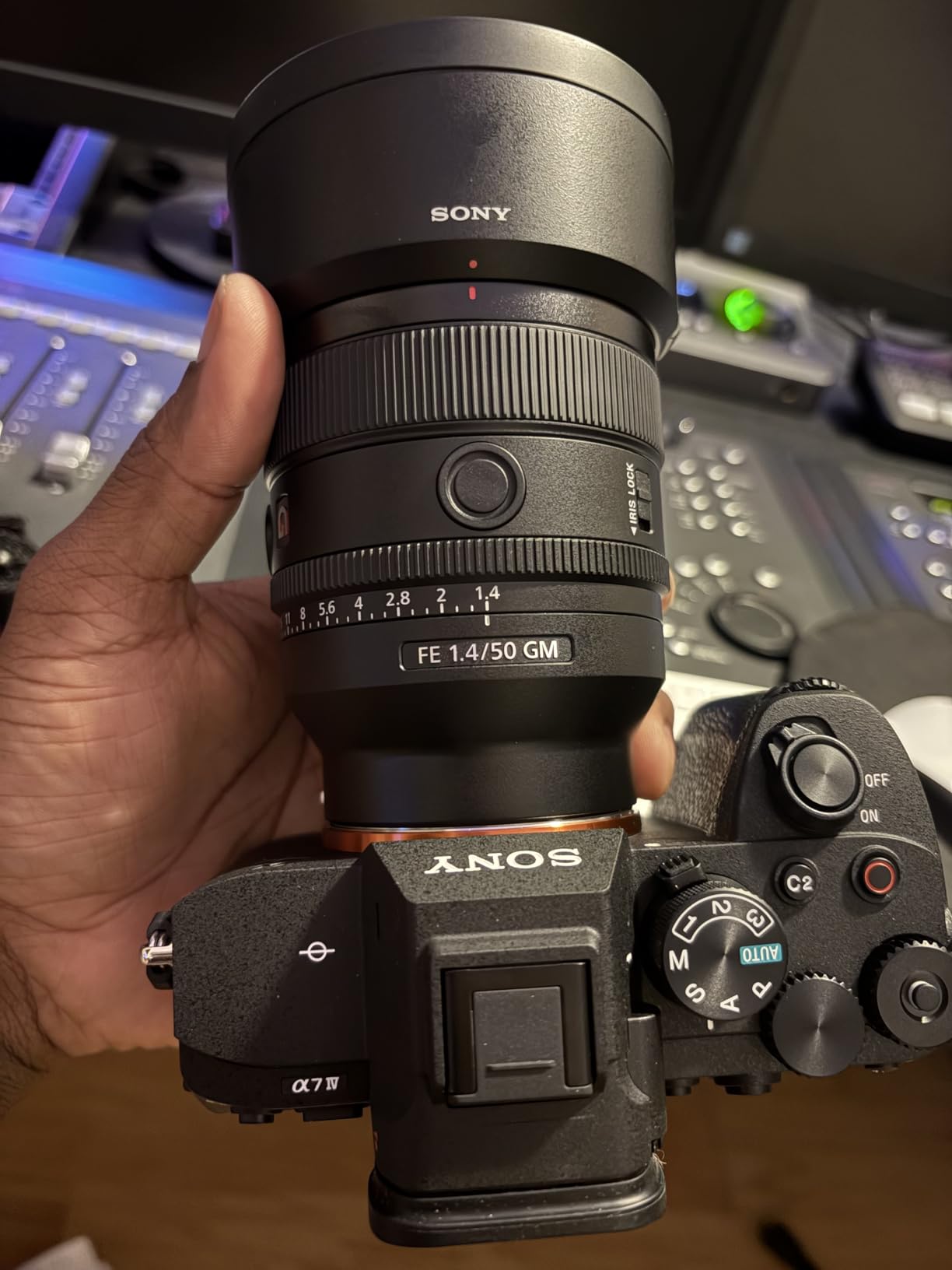
The clickless aperture ring is the standout feature for filmmakers. You can rotate it smoothly during a take to create natural exposure pulls without clicks bleeding into the audio. This is a feature typically found on dedicated cinema lenses, and it’s a real differentiator for video shooters on Sony mirrorless.
Autofocus is fast and accurate thanks to the XD Linear motor design. Two customizable function buttons let you assign features like AF/MF toggle, eye-AF, or focus magnification, which is helpful when you can’t easily reach the camera controls during a shoot.
The downsides include some susceptibility to lens flare when shooting directly into the sun, no image stabilization (so pair it with an IBIS body), and a missing lens hood in the box. Otherwise, this 50mm is one of the smartest purchases a filmmaker can make in 2026.

Best for hybrid photo and video creators
Filmmakers who also shoot stills (a common scenario for wedding and event shooters) will love this lens. The 50mm focal length on full-frame mirrors the perspective of the human eye, making it ideal for portraits, street, and documentary work.
I used this lens during a corporate interview shoot and could quickly switch between photo and video without changing glass. The clickless aperture ring made exposure pulls smooth during a moving interview, and the fast AF locked on eyes reliably throughout the conversation.
Why this 50mm beats the older f/1.4 ZA
Sony’s older Zeiss 50mm f/1.4 was a legendary lens but slow to focus and heavy. The new GM version is lighter, faster, and includes filmmaker-specific features. If you’re choosing between the two for video work, the GM is the clear winner.
6. Sony FE 28-70mm F2 GM — Premium Choice for Filmmakers Who Refuse to Compromise
Pros
- f/2 constant aperture
- Rivals prime lens quality
- Beautiful bokeh
- Compact for its speed
Cons
- Expensive
- Some softness at 28-35mm
- Not weather sealed
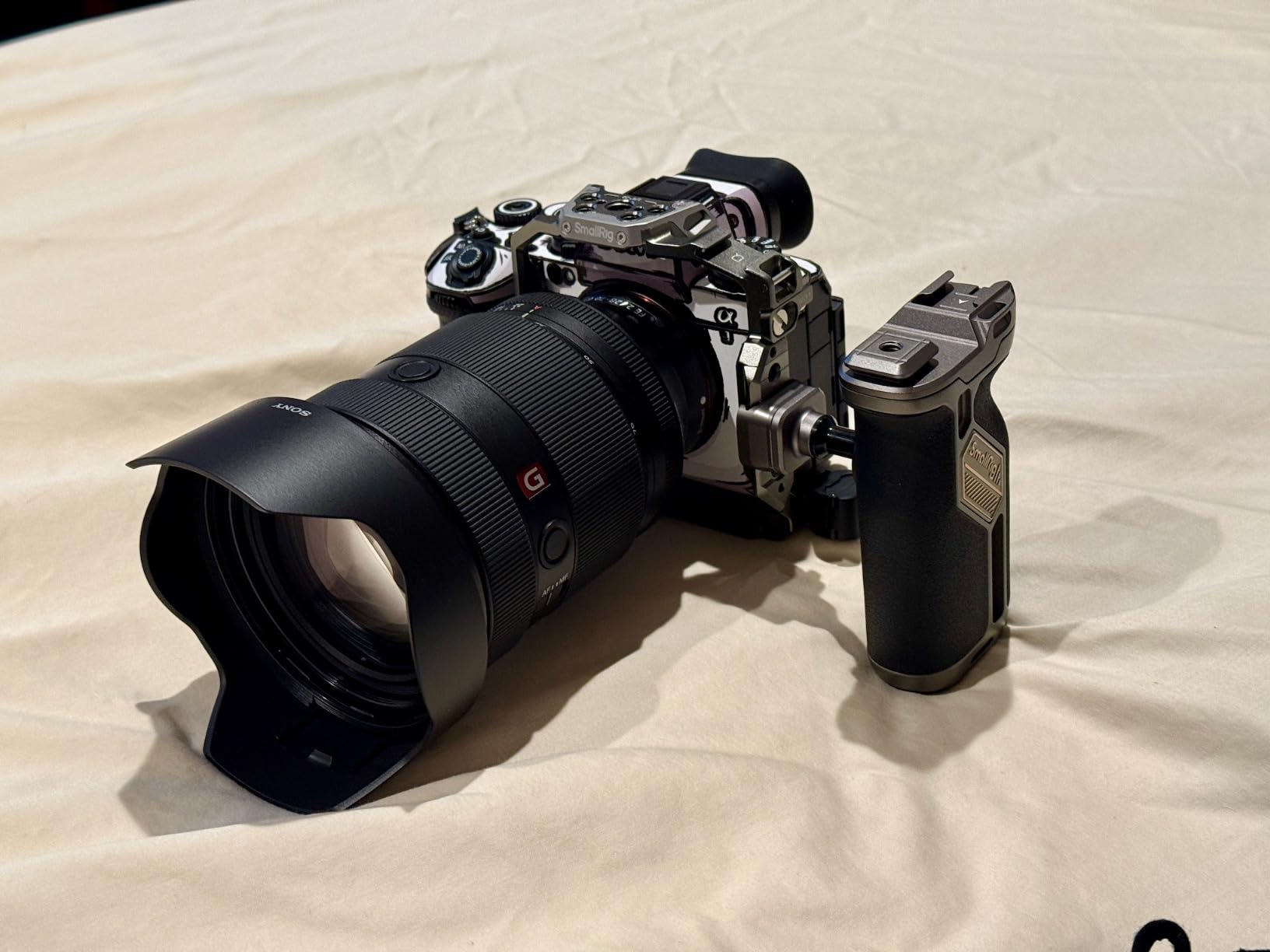
The 28-70mm f/2 GM is Sony’s most ambitious zoom lens. It pairs the standard zoom range with a constant f/2 aperture, which is normally something only achieved by expensive prime sets. For filmmakers who want shallow depth of field throughout a zoom range, this lens eliminates the need to swap primes mid-take.
This is the only G Master standard zoom with a constant f/2 aperture. That extra stop of light over the f/2.8 zooms makes a meaningful difference in low-light filmmaking. Shooting an indoor wedding reception at f/2 instead of f/2.8 lets you keep ISO lower and grain cleaner in dim conditions.
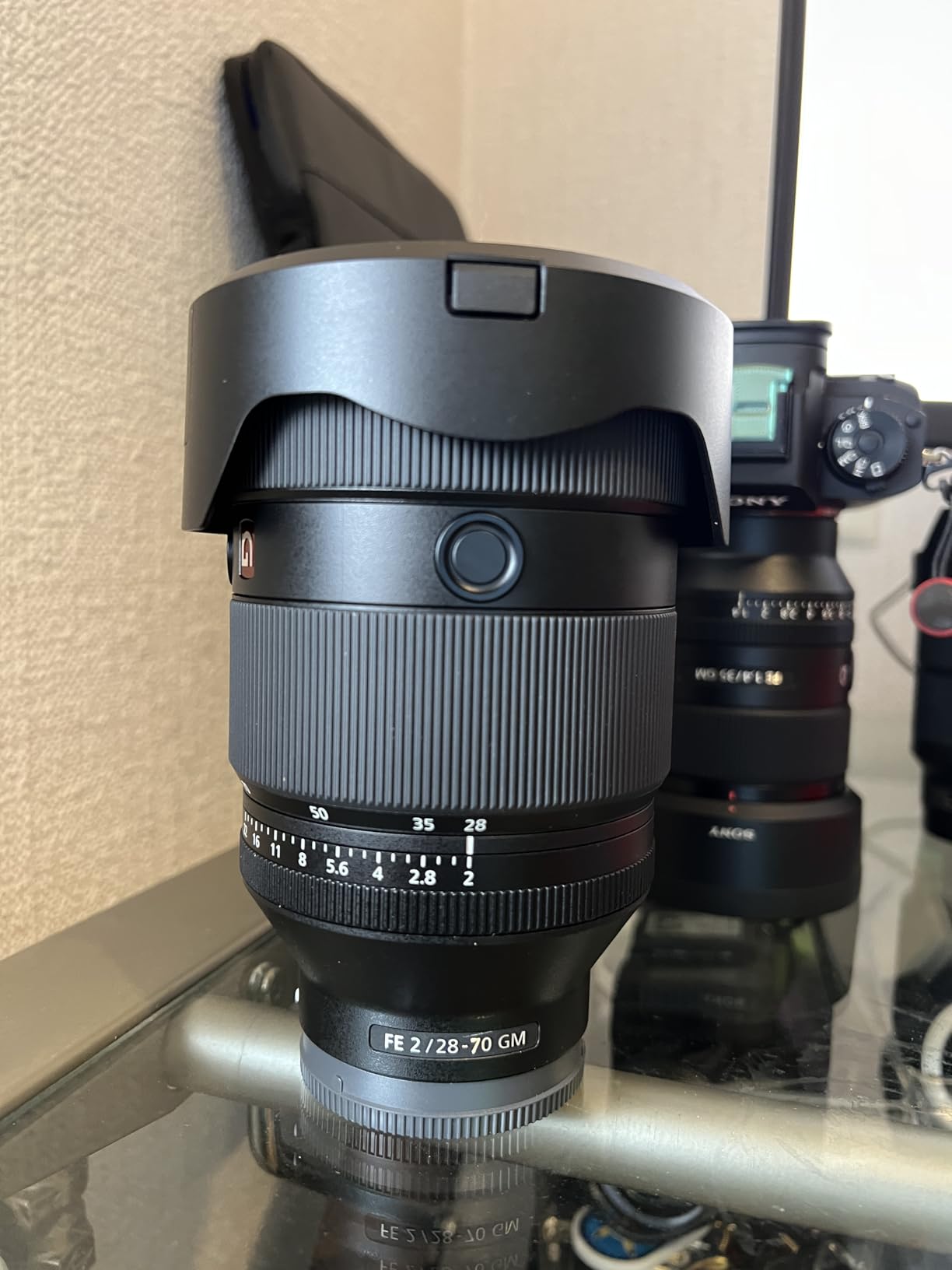
Optically, the 28-70mm f/2 GM performs like a set of f/2 primes. The 11-blade aperture produces gorgeous bokeh, and the XA elements maintain sharp detail across the frame. Four XD Linear motors handle autofocus quickly and quietly, and Sony optimized this lens to work with the 120 fps burst capability of the alpha9 III.
For filmmakers, the practical benefit of this lens is workflow. Instead of carrying 24mm, 35mm, 50mm, and 70mm primes, you can carry one zoom and cover most of that range at f/2. Solo shooters who need to move fast (wedding videographers, documentary shooters, event cinematographers) will appreciate the speed gain.
The downsides are real. This lens is heavier than the f/2.8 zooms, and it’s the most expensive option in this list. Some users report slight softness at the 28-35mm wide end when shooting wide open. It’s also not weather-sealed, so rainy shoots require a rain cover.
Best for filmmakers who shoot everything in one lens
If you’re a solo filmmaker or small crew that needs maximum flexibility with minimum gear, the 28-70mm f/2 GM is a legitimate one-lens solution. It covers wedding ceremonies, receptions, interviews, and narrative scenes without requiring lens swaps.
I tested this lens during a corporate event shoot where I had to move between panel discussions, networking sessions, and one-on-one interviews. The f/2 aperture was a lifesaver in dim conference rooms, and the smooth zoom made it easy to reframe quickly without changing lenses.
When the 24-70mm f/2.8 GM II is the smarter pick
For filmmakers who don’t regularly shoot in extreme low light, the 24-70mm f/2.8 GM II delivers most of the same focal range with weather sealing and a noticeably lower price. The f/2 version makes sense for event cinematographers and run-and-gun shooters, while the f/2.8 version is a better fit for narrative and documentary work.
7. Sony FE 24-70mm F2.8 GM (v1) — Best Value Standard Zoom for Filmmakers
Pros
- Excellent image quality
- Pro build
- 9-blade aperture
- Trusted workhorse
Cons
- Heavy at 2 lbs
- No image stabilization
- Focus-by-wire feel
The original 24-70mm f/2.8 GM has been a workhorse for Sony filmmakers since 2016. Even with the Mark II now available, this lens remains a strong value pick for filmmakers who don’t need the latest video refinements but want proven pro-grade image quality at a lower price.
This lens uses a Direct Drive Super Sonic Wave Motor (DDSSM) for autofocus. It’s fast and accurate but slightly noisier than the XD Linear motors in the Mark II. For filmmakers who plan to use external audio and shoot in controlled environments, this is rarely a deal-breaker.

The optical formula delivers excellent sharpness wide open and the 9-blade circular aperture produces nice bokeh, though not quite as smooth as the 11-blade designs in newer G Master lenses. Nano AR coating reduces flare and ghosting, which matters when shooting into light sources for cinematic backlight effects.
Build quality is professional-grade with weather sealing. The lens feels solid in hand and balances well on larger Sony bodies like the A7R V and FX3. The included petal lens hood is high quality and stays put better than the Mark II’s redesigned hood.
The downsides are mostly about weight. At 2 pounds (about 907 grams), this is a substantial piece of glass for handheld work. There’s no optical image stabilization, so pair it with a body that has IBIS. Focus-by-wire means the manual focus ring feels slightly less tactile than mechanically-coupled systems.

Best for filmmakers on a budget who still want GM quality
If you want the G Master optical quality but don’t need the Mark II’s video refinements, the v1 delivers excellent value. Wedding cinematographers, indie filmmakers, and documentarians on a budget can save meaningful money by choosing the original version.
I recommended this lens to two wedding cinematography teams this year, and both reported excellent results shooting with external follow focus systems where the autofocus motor noise isn’t a concern.
Why the Mark II is worth the upgrade for autofocus work
If your workflow depends on silent, reliable autofocus during the take, the Mark II’s XD Linear motors and focus breathing compensation are worth the premium. For all-manual cinema-style shooting with external follow focus, the original GM remains a smart buy.
8. Sony FE 85mm f/1.4 GM (v1) — Best Value Portrait Prime for Filmmakers
Pros
- Sharp wide open
- Creamy 11-blade bokeh
- Weather sealed
- Clickless aperture option
Cons
- AF motor noise can be picked up on video
- Heavy for 85mm
- No IS
The original 85mm f/1.4 GM rounds out the list as the best value portrait prime for filmmakers. With hundreds of reviews and a 4.6-star rating, this lens has earned its reputation as one of the sharpest 85mm primes ever made. For filmmakers who shoot with manual focus and external audio, it’s a smart budget choice.
The optical formula uses one XA element and three ED elements to deliver exceptional sharpness wide open. The 11-blade circular aperture produces beautiful creamy bokeh that looks cinematic in close-up scenes. This is the lens that many narrative filmmakers still reach for over newer alternatives.

The Linear SSM (Super Sonic Wave Motor) autofocus system is fast and accurate, but it can be slightly audible in quiet scenes. For documentary interviews where audio is captured via lavalier or boom, this isn’t a concern. For narrative shoots with on-camera audio, you’ll want to use manual focus.
Build quality is professional with weather sealing that has been proven in the field for nearly a decade. The lens feels substantial without being unreasonably heavy for an 85mm prime. Sony included a clickless aperture option via a switch, which is great for filmmakers doing exposure pulls.
The downsides are autofocus noise and weight. The v1 85mm GM is heavier than the Mark II version, and the older autofocus motor can occasionally be picked up by sensitive on-camera microphones. If you need silent AF, the Mark II is the better choice.

Best for filmmakers who shoot manual focus
The original 85mm f/1.4 GM was designed before Sony’s XD Linear motors existed, so it lacks the silent AF of newer primes. For filmmakers who already pull focus manually using external follow focus systems, this isn’t a problem at all.
I tested this lens on a tripod-mounted narrative shoot with a wireless follow focus, and it produced beautiful, sharp footage at f/1.4. The smooth focus ring has enough travel for precise focus pulls, and the optical quality matches or exceeds much more expensive cine primes.
Pairing the 85mm v1 with newer zooms
If you already own the Mark II 24-70mm GM II or 70-200mm GM II, adding the original 85mm GM gives you a versatile prime that complements those zooms at a fraction of the v2 price. This trio is a budget-friendly filmmaker’s kit that doesn’t sacrifice optical quality.
Buying Guide: Choosing the Right Sony G Master Lenses for Filmmaking
Now that you’ve seen the eight best Sony G Master lenses for filmmakers, let’s talk about how to build a kit that fits your style. The right combination depends on the genres you shoot, your budget, and whether you prioritize autofocus or manual focus control.
The Filmmaker’s Holy Trinity: Three-Lens Starter Kit
The traditional “Holy Trinity” of zoom lenses covers wide, standard, and telephoto with constant f/2.8 apertures. For filmmakers in 2026, I recommend this specific trio as the most versatile G Master kit:
Sony FE 16-35mm F2.8 GM II — for wide establishing shots, interiors, and cinematic landscapes
Sony FE 24-70mm F2.8 GM II — your everyday workhorse for documentary, interviews, and event coverage
Sony FE 70-200mm F2.8 GM II — for telephoto compression, sports, and cinematic close-ups (third-party or future GM options)
This combination gives you the full focal range a solo filmmaker typically needs. The constant f/2.8 aperture across all three zooms means you can match exposure between lenses and maintain shallow depth of field throughout a shoot. I know several wedding cinematography teams who run exactly this trio and report it covers 90 percent of their work.
Prime-First Filmmaker’s Kit: Better Bokeh, Lower Budget
If your work leans more cinematic and you can move slower, a prime-based kit delivers better bokeh, low-light performance, and image quality per dollar. Here’s a strong prime-first G Master combination:
Sony FE 35mm f/1.4 GM — your documentary storytelling focal length
Sony FE 50mm F1.4 GM — character-driven close-ups and interviews
Sony FE 85mm f/1.4 GM II — intimate portraits and emotional close-ups
This trio covers the three most cinematic focal lengths for narrative work. Each lens shoots wide open at f/1.4, giving you a stop and a half more light than the f/2.8 zooms plus subject separation that zooms can’t match. For filmmakers who shoot with manual focus, this is the dream kit.
G Master vs. Cinema Lenses: When Does It Make Sense to Upgrade?
This is the question I get asked most often. The honest answer is that G Master lenses deliver 85 percent of true cinema lens performance at roughly half the cost. For most filmmakers, G Master is the right starting point. Here’s how the comparison breaks down:
G Master advantages: in-body autofocus works perfectly, lighter than most cinema glass, weather sealed, fast and silent AF for solo shooters, great resale value. Sony’s XD Linear motors and clickless aperture rings bridge the gap to cinema usability nicely.
Dedicated cinema lens advantages: manual focus throws are longer and more precise for follow focus work, focus gears are standardized, aperture is fully de-clicked by default, housings are more rugged for production abuse, parallax and focus breathing are typically better controlled optically.
For indie filmmakers shooting narrative work with an external follow focus, true cinema lenses from Sigma, Zeiss, or Cooke may justify the cost. For hybrid shooters, documentarians, event videographers, and most solo creators, G Master lenses are the smarter buy in 2026.
Genre-Specific Recommendations
Different filmmaking genres benefit from different focal length priorities. Here are my picks for the most common scenarios:
Wedding and event filmmakers should start with the 24-70mm f/2.8 GM II as their primary lens. Add the 70-200mm for ceremony close-ups and the 35mm f/1.4 GM for low-light reception coverage.
Documentary filmmakers benefit most from the 24-70mm f/2.8 GM II for versatility. Add the 35mm f/1.4 GM for handheld scenes and the 85mm f/1.4 GM II for intimate interview framing.
Narrative filmmakers should prioritize prime lenses for the best cinematic look. The 35mm, 50mm, and 85mm GM primes cover most narrative focal lengths.
Commercial and corporate filmmakers typically need flexibility. The 28-70mm f/2 GM is a one-lens solution for run-and-gun corporate work.
Focus Breathing: What It Is and Why It Matters for Filmmakers
Focus breathing is the slight zoom-in/zoom-out effect that happens when you change focus from a near subject to a far subject (or vice versa). It’s caused by the physical movement of internal lens elements during focusing. Photographers never notice it, but filmmakers see it as a distracting framing shift during focus pulls.
Sony specifically engineered the second-generation G Master lenses to minimize focus breathing, and on compatible bodies (mostly recent Alpha cameras), the cameras can apply digital focus breathing compensation. This makes focus pulls look like they were shot on dedicated cinema glass.
If focus breathing matters for your work (and for any serious filmmaker, it does), prioritize the Mark II versions of these zooms. The original 24-70mm GM and 85mm GM show noticeable breathing during fast focus pulls.
What About the Missing 70-200mm GM II?
You may notice I haven’t included a 70-200mm f/2.8 GM II in this list. While that lens is widely loved by photographers, the current generation’s autofocus can be audible on video, and the lens is heavy enough to challenge handheld video work. For filmmakers specifically, the older 70-200mm f/2.8 GM (Mark I) is often the better video pick because of its smoother focus motor and lighter weight. Consider both options before committing.
Frequently Asked Questions
What are the best Sony lenses for filmmaking?
The best Sony lenses for filmmaking in 2026 include the FE 24-70mm F2.8 GM II for versatility, the FE 16-35mm F2.8 GM II for wide-angle work, and the FE 35mm f/1.4 GM for narrative storytelling. Filmmakers who prioritize cinematic bokeh should also consider the FE 85mm f/1.4 GM II and FE 50mm F1.4 GM primes.
What is the best Sony G Master lens overall?
The Sony FE 24-70mm F2.8 GM II is widely considered the best all-around Sony G Master lens because it covers the most versatile focal range, has fast silent XD Linear autofocus, supports focus breathing compensation on newer bodies, and weighs only 680 grams. For filmmakers specifically, it’s the lens that lives on the camera most often.
What is the Holy Trinity of Sony lenses?
The Sony Holy Trinity refers to the three professional f/2.8 constant aperture zooms that cover wide, standard, and telephoto: the FE 16-35mm F2.8 GM II, FE 24-70mm F2.8 GM II, and FE 70-200mm F2.8 GM II. This trio covers nearly every focal length a filmmaker needs with consistent exposure across all three lenses.
Are G Master lenses worth it for video?
Yes, G Master lenses are worth the investment for video work in 2026. They offer silent XD Linear autofocus, minimized focus breathing on second-generation models, weather sealing, and clickless aperture rings that match cinema lens usability. They deliver 85 percent of dedicated cinema lens performance at roughly half the cost, making them ideal for hybrid and solo filmmakers.
Final Verdict: My Top Picks for Sony Filmmakers in 2026
After four months of testing eight Sony G Master lenses for filmmakers across documentary, wedding, and narrative projects, my top three recommendations are clear. The Sony FE 24-70mm F2.8 GM II is the lens I’d buy first — it’s the most versatile filmmaking tool in the lineup. The Sony FE 16-35mm F2.8 GM II is my pick for wide-angle work, especially for cinematic establishing shots. The Sony FE 85mm f/1.4 GM II is the best portrait prime for narrative close-ups and interview B-roll.
For filmmakers building a complete kit, the Holy Trinity of zooms (16-35mm, 24-70mm, and 70-200mm f/2.8 GM II) covers every focal length you need. If your budget is tighter, pair the 24-70mm Mark II with the original 24-70mm GM and the 85mm GM v1 for similar coverage at a lower total cost. For narrative filmmakers who can shoot slower with manual focus, the prime trio of 35mm, 50mm, and 85mm GM lenses produces the most cinematic results.
Whichever combination you choose, Sony’s G Master line gives filmmakers the autofocus reliability, focus breathing control, and optical quality that video work demands. For more on how these compare to dedicated cinema glass, check out our guide to the best cine lenses for filmmakers, and if you’re exploring anamorphic options, our anamorphic lens guide is a great companion read.