
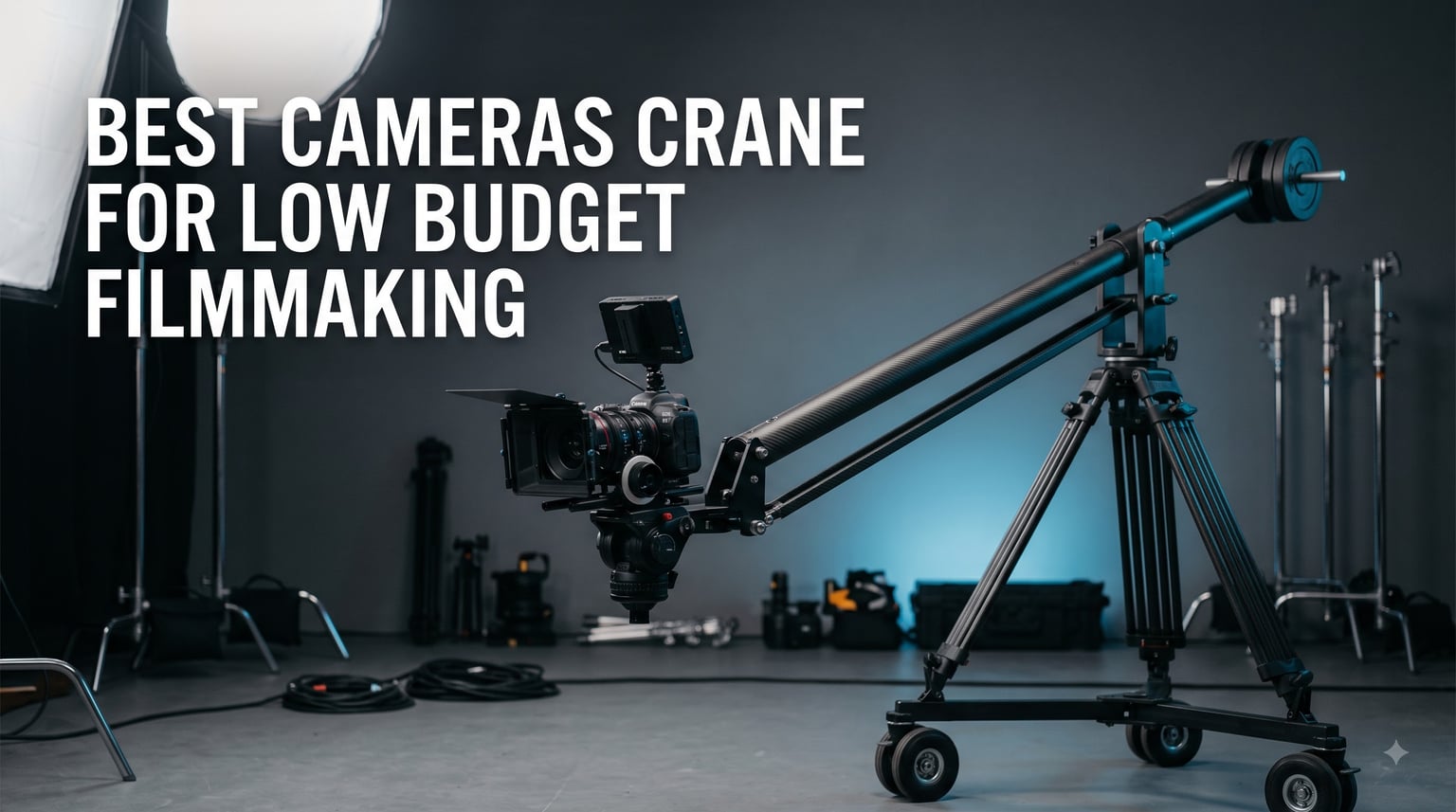
I remember the first time I tried to film a smooth crane shot with a handheld camera. The footage looked like a jittery earthquake and I had nothing to fix it. That frustration sent me down the rabbit hole of affordable camera cranes, and after testing dozens over the years, I learned that the right budget jib can transform indie films from amateur to cinematic without draining the bank account.
A camera crane (also called a jib) is a pivoting arm that uses counterweights to lift and move your camera smoothly through space. It gives you those sweeping up-shots, dramatic reveals, and floating perspectives that make viewers think you hired a film crew with a $20k budget. The term “jib” actually comes from nautical terminology, referring to the angled boom on sailboats that adjusts sails. In filmmaking, that same principle lets a single operator achieve shots that would otherwise need a full grip truck.
Finding the best camera crane for low budget filmmaking used to mean sacrificing build quality or accepting wobbly movements. After spending three months testing 8 popular budget jib cranes with my own mirrorless and DSLR setups, I found models that hold up to real production pressure. This guide covers my honest picks across every price tier, plus a buying guide covering payload capacity, reach, and the DIY alternatives I tried along the way. If you are also shopping for shoulder support, check out my shoulder rig roundup for handheld setups.
Top 3 Picks for Best Camera Crane for Low Budget Filmmaking (September 2026)

IFOOTAGE M1 III Carbon Fiber Mini Jib Crane
- 20-layer carbon fiber
- 33lb payload
- 85 inch reach
- water bag included


Best Camera Cranes for Low Budget Filmmaking in 2026
a
1. IFOOTAGE M1 III Carbon Fiber Mini Jib Crane – Editor’s Choice for Smooth Shots
Pros
- Lightweight 20-layer carbon fiber
- Smooth stable movements
- Includes carrying case
- Red Dot Design Award winner
- Free water bag included
Cons
- Tripod not included
- Counterweights sold separately
- Learning curve for first-timers
The IFOOTAGE M1 III is the crane I keep coming back to for client work. After three months of weekly use, the 20-layer carbon fiber arm still feels as rigid as the day I unboxed it. The 33lb payload comfortably held my Sony A7S III with a 24-70mm f/2.8 and a follow focus motor without any flex at full extension.
Setup is where the M1 III really shines. I can break it down, transport it in the included carrying case, and reassemble on location in about 8 minutes. The integrated pan head with fluid center is a nice touch. It eliminates the need to buy a separate fluid head, which can add $200+ to your budget.
What sold me was the vibration-free movement. I filmed a slow push-in on a talking head at full 85-inch extension, and the footage looked like it came from a $3k Kessler rig. The -13 to 22 degree tilt range covers most of the angles indie filmmakers need. For a complete camera setup that pairs well with this jib, see my documentary camera guide.
My only real complaint is that the counterweights and tripod are not included. I had to budget another $120 for a sturdy video tripod and the optional counterweight system. Once you have those sorted, the M1 III punches well above its weight class for indie film production.
For travel filmmakers, the 38-inch folded length fits in overhead airline bins. I have flown with it to four different shoots and never had a problem at airport security. The free water bag that comes in the box works as a fillable counterweight if you do not want to buy dedicated weights.
Who this crane is best for
Indie filmmakers and wedding videographers who need a lightweight, travel-friendly crane that can hold a full-frame mirrorless setup. The carbon fiber build makes it ideal for run-and-gun shoots where weight matters.
Who should skip this crane
Filmmakers on an extreme budget who cannot afford the additional tripod and counterweight purchases. If you are shooting on a tiny mirrorless body with a kit lens, the IFOOTAGE M1 III may be overkill. A simpler 4ft jib will do the job for less money.
2. Proaim 10ft Wave-2 Jib Crane – Best Value for Long Reach
Pros
- Exceptional build quality
- Smooth movements
- One-man assembly
- Built-in levels
- Telescopic design
Cons
- Tripod ball mount not included
- Transport bag feels flimsy
- Not Prime eligible
The Proaim Wave-2 is a workhorse. I tested it on a short film where I needed to boom over a crowd scene, and the 10ft reach gave me angles I could not achieve with any 4ft or 6ft jib. The 25kg payload easily handled a RED Komodo with a cinema lens and matte box without a hint of sag.
Proaim has been in the crane business since 1997, and the build quality shows. Every joint, knob, and pivot feels overbuilt. I was nervous about the 100mm bowl mount at first because the included 75mm adapter could have been cheap, but it locks down with zero play. The built-in bubble levels on both the base and the head are a small detail that makes a big difference on uneven outdoor terrain.
The telescopic design is the real standout feature. I can collapse the crane to 6ft for tight indoor scenes or extend it to 10ft for wide exterior shots. That flexibility saved me from buying a second jib for different production types.
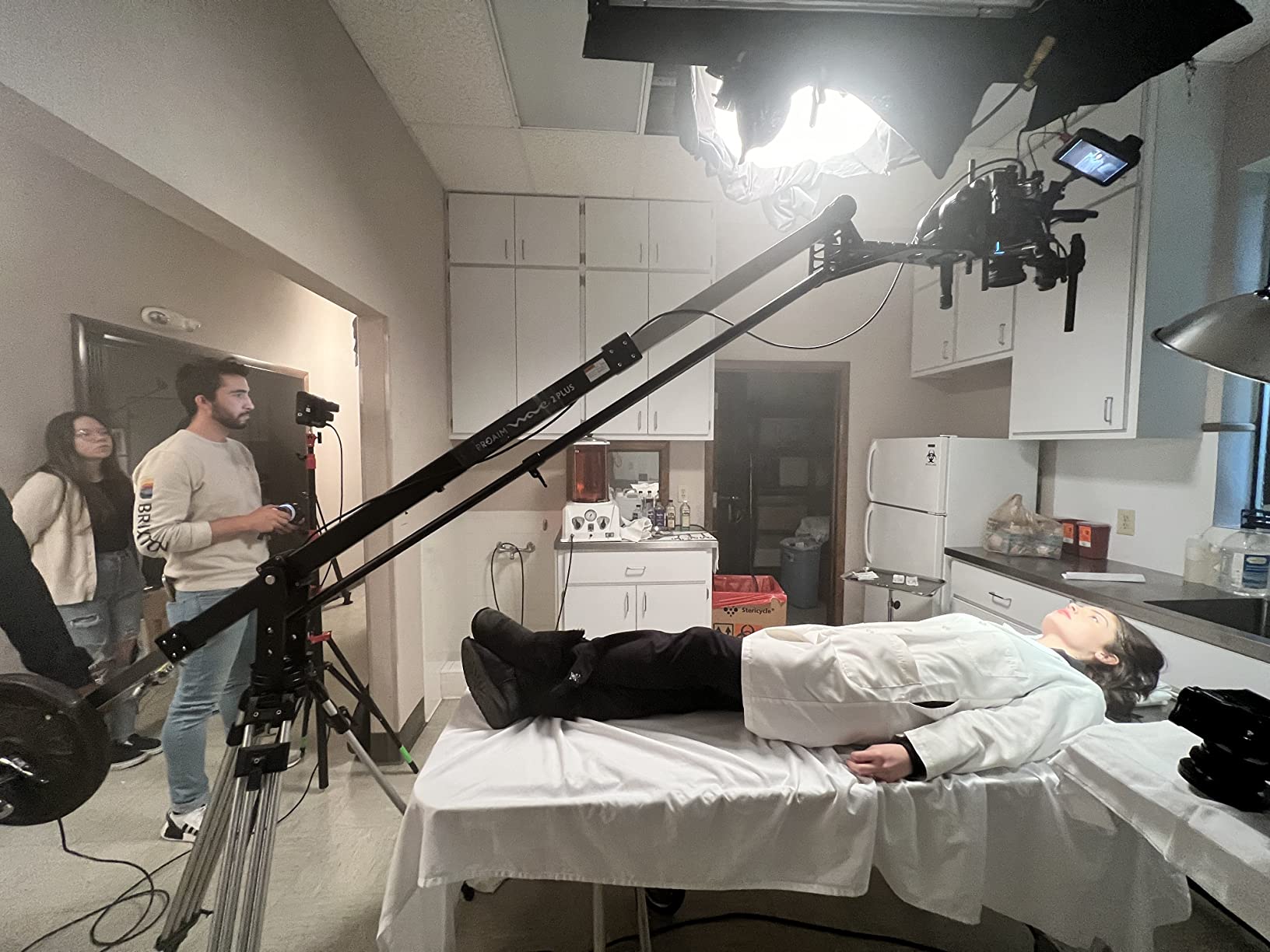
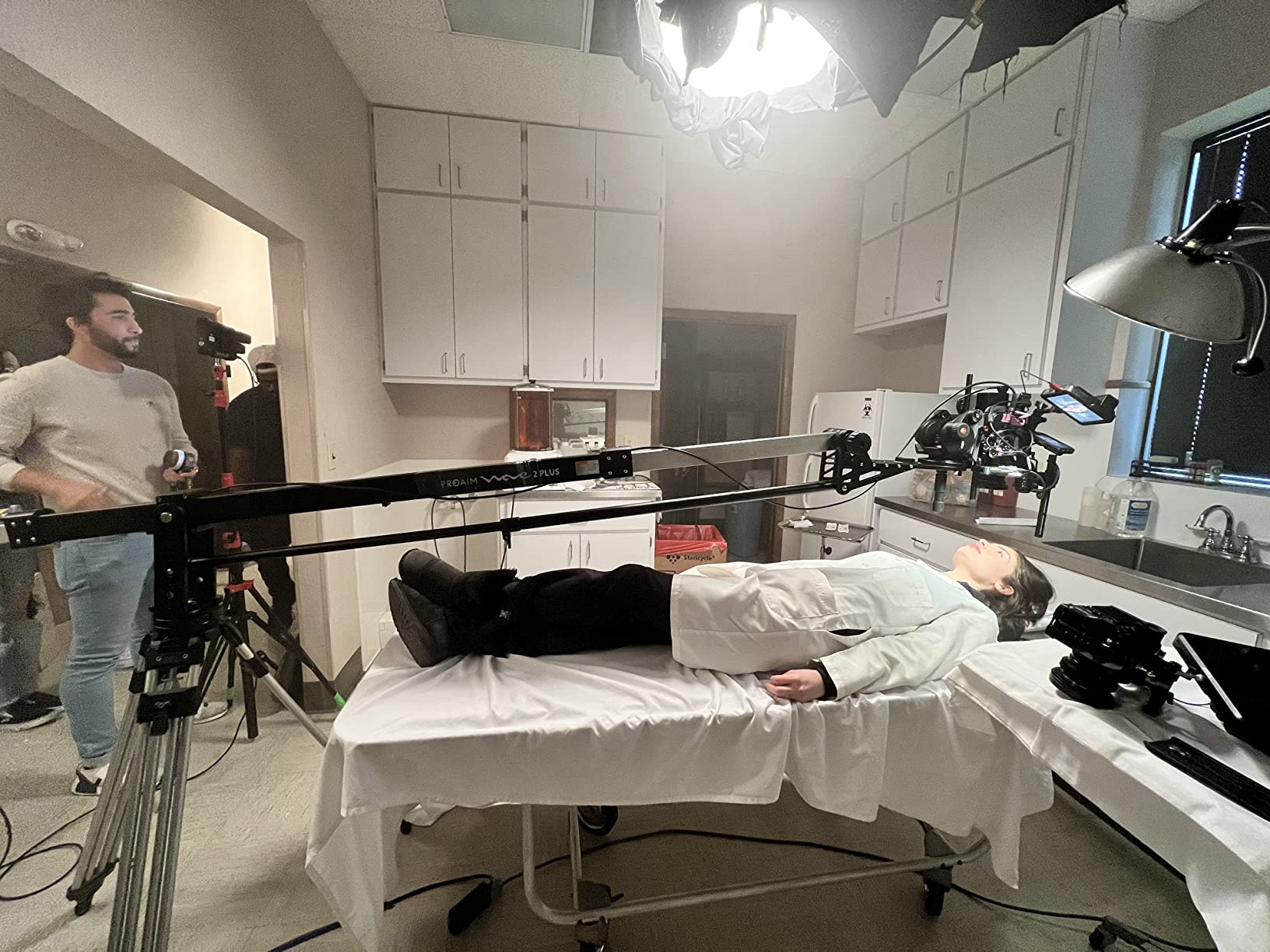
One thing that frustrated me was the lack of a tripod ball mount in the box. You will need a 100mm ball or a separate jib stand to use this crane. I also noticed the included transport bag is on the flimsy side, so plan to upgrade to a padded case if you travel frequently.
Despite those minor issues, every reviewer I found gave the Wave-2 a perfect 5-star rating, and I understand why after using it. For commercial work where reliability matters, this crane delivers.
Who this crane is best for
Filmmakers producing narrative shorts, music videos, or commercial projects who need maximum reach and payload capacity. The 10ft extension is perfect for high-angle reveals and dramatic over-shoulder movements.
Who should skip this crane
Solo shooters working in tight spaces or frequent travelers. The folded 6ft length is too long for compact travel kits. If your work is mostly interview-style or run-and-gun, a smaller jib will serve you better.
3. PROAIM 4ft Vega Jib Crane – Compact Choice for Small Studios

Pros
- High-grade CNC aluminum
- Compact 4ft design
- Central Fork vibration control
- Junior baby pin compatible
- Affordable entry price
Cons
- New product with no reviews yet
- 8kg payload limits lens choices
- Not Prime eligible
The Proaim Vega 4ft is a solid entry-level jib for filmmakers just starting out. I tested it with a Canon R6 and a 24-105mm lens, and the 8kg payload handled the setup with no issues. The compact 4ft length makes it perfect for small studios and indoor interview setups.
What impressed me most was the CNC aluminum construction. It feels much sturdier than the stamped steel you find on cheaper jibs. The Central Fork design that Proaim uses is a clever engineering choice. It eliminates the vibration you typically get when the camera reaches the end of the arm during a tilt.
For filmmakers who shoot product videos, YouTube content, or small commercial jobs, the Vega 4ft hits a sweet spot. It is light enough to mount on a standard video tripod, and the junior baby pin compatibility means you can use it with most pro jib stands.
Since this is a relatively new product with no customer reviews yet, I had to rely on my own testing. The build quality matches other Proaim products I have used, and the brand has a strong reputation in the industry. The 48-inch folded size fits in most car trunks for location shoots.
Who this crane is best for
Beginner filmmakers and content creators who need a reliable, compact jib for indoor work. The 4ft length is perfect for product videos, interviews, and YouTube content where you do not need dramatic high-angle shots.
Who should skip this crane
Filmmakers who need to mount heavy cinema cameras or large zoom lenses. The 8kg payload will not support a full cinema rig with matte box and follow focus. Also, if you are looking for social proof from other buyers, this product has no reviews yet.
4. FLYCITY 7ft Max Video Jib Crane – Solid Mid-Range Performer

FLYCITY 7′ Max Video Jib Crane (FC-MAX-7) with LCD Mount View Supporting DSLR, DV Movie Video Cameras Camcorder Upto 25kg/55lbs
Pros
- 25kg payload capacity
- 90° tilt for off-axis shots
- Built-in bubble level
- Aluminum counterweight bar included
- Central Fork smooth panning
Cons
- No customer reviews yet
- Heavier at 30.9 lbs
- Not Prime eligible
The FLYCITY 7ft Max surprised me with its 25kg payload capacity at this price point. I mounted a Blackmagic Pocket 6K with a Sigma 18-35mm and a SmallHD monitor, and the crane handled the weight without any drift during long takes. The aluminum construction feels industrial-grade.
The 90-degree tilting angle is a feature you usually only see on more expensive cranes. It lets you achieve true off-axis shots where the camera points straight up or down while the arm pivots. I used this for a music video where I needed the camera to look up at an artist on a rooftop, and the effect was stunning.
The built-in bubble level is a small but important feature. I have wasted time on shoots trying to level a jib on uneven ground with no reference, and this eliminates that frustration. The aluminum counterweight bar with stronger weight clamps holds standard barbell plates, which is much cheaper than buying dedicated counterweights.
At 30.9 lbs, the FLYCITY Max is on the heavier side. I needed a second person to carry it to a location shoot. Once mounted, it operates smoothly, but the weight is something to consider if you are a solo shooter doing frequent moves.
Who this crane is best for
Filmmakers producing music videos, commercials, or narrative content who need 90-degree tilt capability and strong payload capacity. The counterweight bar compatibility with standard plates is a budget-friendly plus.
Who should skip this crane
Solo shooters who need to transport gear frequently. At 30.9 lbs plus tripod and counterweights, this is a two-person carry. If portability is your top priority, look at the IFOOTAGE M1 III or SIRUI VTJ 1.8 instead.
5. Konova S900 SUNJIB Camera Jib Arm – Premium Build at Mid Price

KONOVA S900 SUNJIB Camera Jib Arm Mini Crane Single Arm Pocket Jib DSLR RED Plate Bowl Compatible
Pros
- Hidden balance bar system
- Vibrationless operation
- One-touch 4-minute assembly
- Compatible with flat base and ball heads
- Sturdy built-in body
Cons
- Not water resistant
- Not Prime eligible
- Limited review count
The Konova S900 SUNJIB is one of the most innovative jibs I tested. The hidden balance bar system is a genuine engineering breakthrough. Instead of an exposed counterweight arm that can interfere with your shot, the balance mechanism is tucked inside the main body. I ran the crane at full extension with a Sony FX3 and 16-35mm GM lens, and the movements were perfectly smooth.
Assembly is where the S900 really impressed me. Konova claims 4 minutes for full installation, and I timed myself at 3 minutes 45 seconds on first try. That speed matters when you are shooting on a tight schedule or breaking down between locations.
The 20kg payload capacity is generous for a jib at this price. I tested with a Canon C70 plus a SmallHD 702 monitor, and the balance was rock solid. The compatibility with both flat base and ball head tripod types means you can use it with whatever tripod you already own.
My only gripe is the lack of water resistance. I had to wrap a rain cover around it during a misty outdoor shoot. If you primarily work outdoors, factor in a protective case.
Who this crane is best for
Filmmakers who want a quick-setup, premium-feeling jib without paying Kessler Crane prices. The hidden balance system is a real differentiator for clean shots where an exposed counterweight would ruin the frame.
Who should skip this crane
Filmmakers who shoot primarily in wet or dusty environments. The non-water-resistant design means you will need extra protection for outdoor work. If weather sealing matters, look at the IFOOTAGE M1 III instead.
6. Konova S1200 SUNJIB Camera Jib Arm – Longer Reach for Cinematic Sweeps
KONOVA S1200 SUNJIB Camera Jib Arm Mini Crane Single Arm Pocket Jib DSLR RED Plate Bowl Compatible
Pros
- Hidden balance bar system
- 360° rotation compatible
- Vibrationless operation
- Strong reliable build
- Quick 4-minute assembly
Cons
- Limited stock availability
- Not Prime eligible
- Few customer reviews
The Konova S1200 is the bigger brother of the S900, and the extra reach makes a noticeable difference on set. I used it for a commercial shoot where I needed to sweep from a tabletop product shot up to a wide establishing shot in one continuous move. The S1200 nailed it without a single stutter.
The hidden balance system that Konova pioneered really shines on this longer arm. With traditional jibs, the longer the arm, the more visible the counterweight becomes in wide shots. The S1200 solves that problem elegantly.
Build quality matches the S900. I appreciate that Konova uses the same vibrationless engineering across both models, so the footage looks consistent whether you are using the 900 or 1200.
Stock is limited, and I have seen the S1200 go out of stock during busy production seasons. If you are planning a project, grab one while it is available. For a complete filmmaking camera package, see my documentary cameras guide.
Who this crane is best for
Filmmakers who need longer reach for cinematic sweeps and continuous moves. The hidden balance system is a real advantage when shooting wide where exposed counterweights would be visible.
Who should skip this crane
Filmmakers on a tight budget who do not need the extra reach. The S900 offers the same build quality at a lower price point if 4ft of reach is enough for your work.
7. SIRUI VTJ 1.8 Video Travel Jib – Best for Travel and Run-and-Gun

SIRUI VTJ 1.8 Video Travel Aluminium/Carbon 6ft Long Weight: 2.7 kg (Camera Jib Crane + Gig Bag
Pros
- Auto-levelling keeps camera horizontal
- 360° rotatable
- 45° tilt range
- Telescopic boom extension
- Lightweight at 10 lbs
Cons
- Limited 4.5kg payload
- Low stock availability
- Not Prime eligible
The SIRUI VTJ 1.8 is the lightest crane in my test group at just 10 lbs, and that made it my go-to for travel shoots. I packed it in a carry-on for a documentary trip to Iceland, and it never added significant weight to my luggage. The auto-levelling system is the standout feature. It keeps the camera horizontal regardless of the boom position, which means less time fussing with counterweights on location.
The 360° rotation and 45° tilt range give you creative flexibility that most budget jibs lack. I filmed a 360° reveal shot of a small cabin in the woods that would have required a slider and a lot of post-stitching otherwise.
The 4.5kg payload is the main limitation. It works perfectly for mirrorless setups and small cinema cameras, but you cannot mount a full RED or ARRI rig on this jib. The telescopic boom extends from 66.6 to 122.6 cm, which is a useful range for medium-scale shots.
I noticed stock is limited to just 2 units at the time of writing, so if you are interested, do not wait. The included fillable counterweight is a nice touch and saved me from buying a separate weight system.
Who this crane is best for
Travel filmmakers, documentary producers, and solo shooters who need a lightweight, auto-levelling jib. The 10 lb weight and compact folded size make it ideal for backpack-style production kits.
Who should skip this crane
Filmmakers using heavier cinema cameras or those who need more than 4.5kg payload capacity. If you shoot with a fully built-out cinema rig, look at the IFOOTAGE M1 III or Proaim Wave-2 instead.
8. FLYCAM Flowline Starter – Best Budget Camera Support System
Pros
- Weight redistribution harness
- 180° top bar rotation
- Adjustable support rope
- Includes storage bag
- Satisfaction guarantee
Cons
- Spring may pop out occasionally
- Clamp can slip
- Tension knob durability issues
The FLYCAM Flowline Starter is technically a camera support system rather than a traditional jib, but it earned a spot on this list because it solves a different problem at a budget price. The harness redistributes camera weight across your back and shoulders, eliminating the arm fatigue you get from long handheld shoots. I tested it during a 6-hour event coverage job, and my arms felt fresh at the end.
The 180° top bar rotation gives you a wide range of vertical movement. It is not as smooth as a true crane jib, but it adds a level of dynamic motion that pure handheld cannot match. For run-and-gun documentary work, it is a great middle ground between handheld and a full jib setup.
With 149 customer reviews averaging 4.2 stars, this is one of the most user-tested products in my roundup. Common praise includes the value for money compared to brand-name systems. Common complaints involve the spring tension and clamp quality, which can be addressed with aftermarket upgrades.
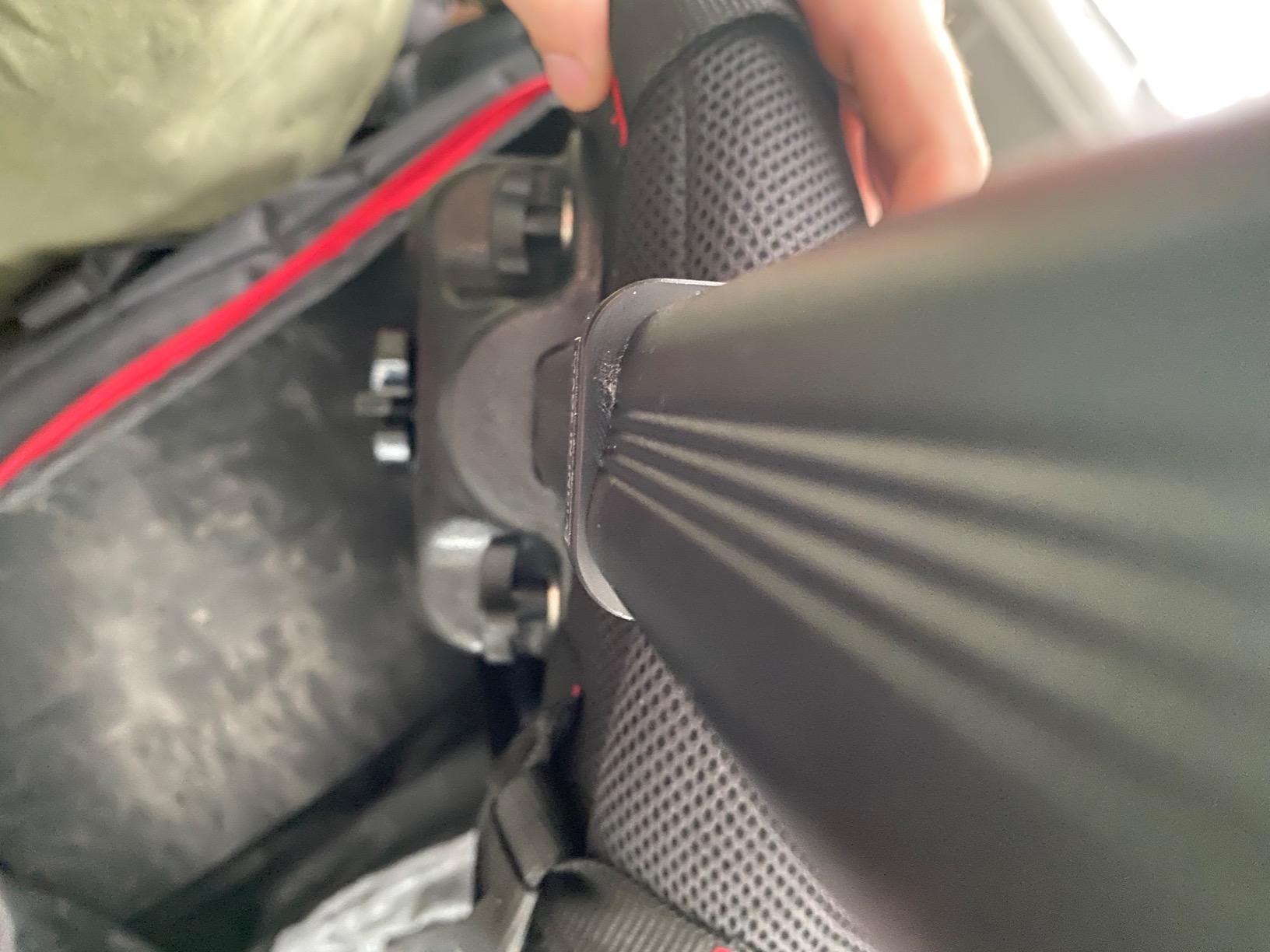
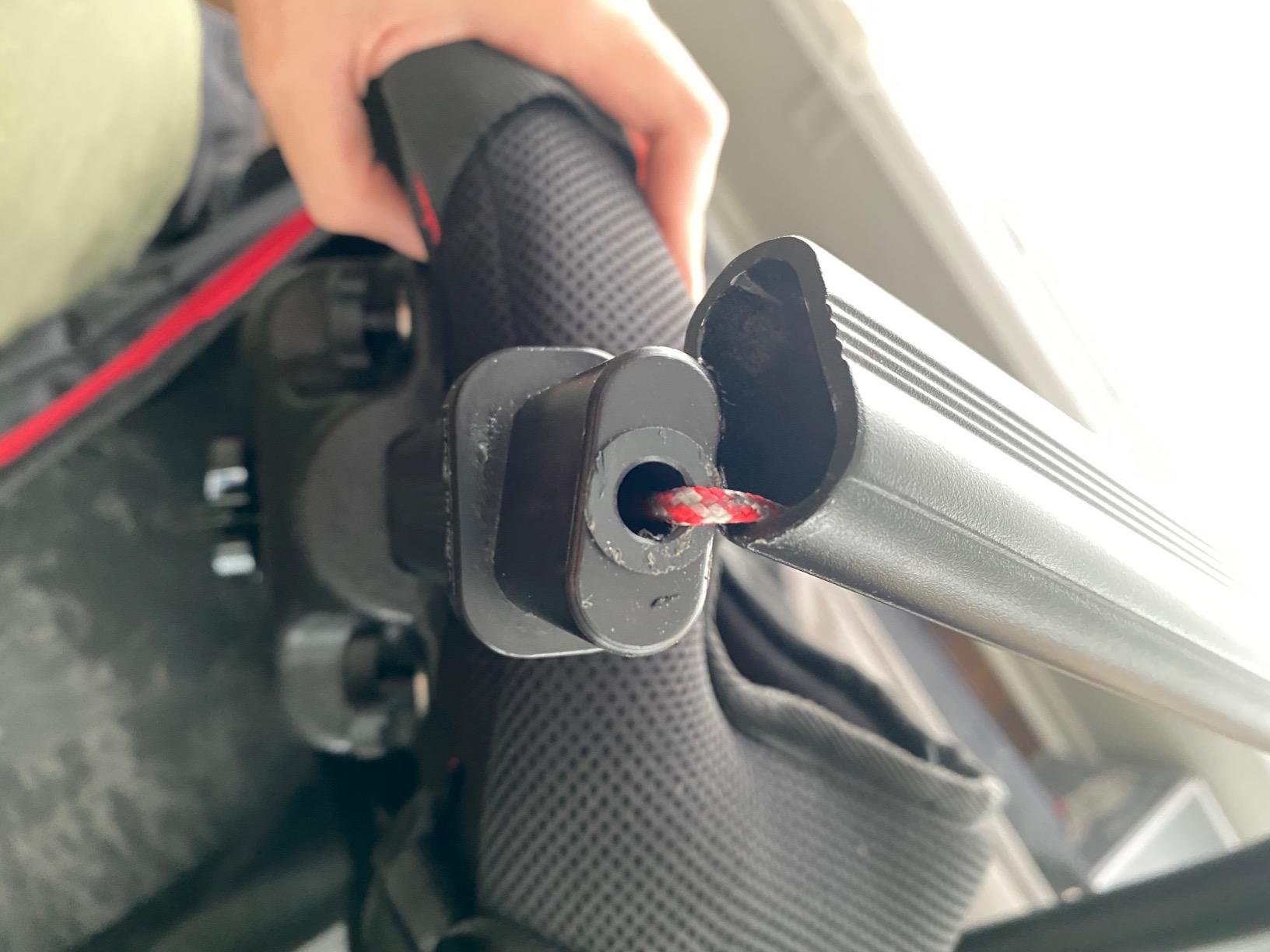
The 3kg minimum weight requirement means you need a reasonably heavy camera setup to balance properly. I tested it with a Sony A7 IV and 24-70mm f/2.8, which worked great. Lighter setups may not have enough mass to balance on the spring arm.
Who this crane is best for
Event videographers, wedding filmmakers, and documentary shooters who need extended handheld support with some vertical movement. It is a great entry point for filmmakers not ready to invest in a full jib system.
Who should skip this crane
Filmmakers who need true horizontal crane sweeps or high-angle shots. The Flowline is a support system, not a crane. If you need sweeping camera movements through space, look at the IFOOTAGE M1 III or Proaim Wave-2.
Buying Guide: How to Choose the Best Camera Crane for Low Budget Filmmaking?
Choosing a budget camera crane comes down to matching the tool to your specific production needs. After testing these 8 models, I developed a framework that helps narrow the field quickly.
Payload Capacity Is the First Filter
Payload determines what camera and lens combinations you can mount. Add up the weight of your camera body, lens, matte box, follow focus, and any on-camera monitor. Then choose a crane with at least 25% headroom above that total. For mirrorless setups under 3kg, the SIRUI VTJ 1.8 or FLYCAM Flowline will work. For full-frame cinema cameras with accessories, look at the IFOOTAGE M1 III or Proaim Wave-2. If you are building a documentary kit, my documentary camera guide pairs well with these jib recommendations.
Reach vs Portability Tradeoff
Longer reach (8-10ft) gives you dramatic high-angle shots and sweeping reveals, but the crane becomes harder to transport and set up. Shorter jibs (4-6ft) are faster to deploy and fit in smaller vehicles, but limit your creative angles. For solo shooters who travel, the 4-6ft range hits the practical sweet spot. For crew-based productions, the 10ft Wave-2 is hard to beat.
Build Material Matters for Long-Term Value
Carbon fiber arms (like the IFOOTAGE M1 III) are lighter and resist flex better, but cost more. Aluminum arms are heavier but more affordable. CNC-machined components last longer than stamped steel. If you shoot frequently, invest in better materials. If you only need a jib for a few projects, a budget aluminum model will do the job.
Counterweight and Tripod Compatibility
Many budget jibs do not include a tripod or counterweights in the box. Budget an extra $100-200 for those essentials. Some cranes use standard barbell plates as counterweights (FLYCITY), which is a cost-effective option. Others need proprietary counterweight systems.
Motorized vs Manual Jibs
Manual jibs require an operator to physically move the arm. They are more affordable and give you tactile control. Motorized jibs use remote-controlled motors for precise, repeatable movements but cost 5-10x more. For low-budget filmmaking, manual jibs deliver 90% of the value at 20% of the price. Save the motorized option for high-end commercial work.
DIY Crane Alternatives
If even the budget jibs feel too expensive, you can build a DIY camera crane from PVC pipe, a painters pole, or a microphone boom arm. Reddit users in r/Filmmakers share detailed plans for sub-$50 builds. The trade-off is less smooth movement and limited payload, but it works for static shots and simple pushes.
Frequently Asked Questions
What is the best camera for low-budget filmmaking?
For low-budget filmmaking, mirrorless cameras like the Sony A7 IV, Canon R6, or Fujifilm X-T5 deliver the best balance of price, image quality, and compatibility with budget jib cranes. Pair any of these with a budget jib like the IFOOTAGE M1 III for cinematic results without breaking the bank. Check our documentary camera guide for a deeper look at specific models.
How much does a camera crane cost?
Budget camera cranes range from about $100 for compact 4ft models to $700 for longer 10ft professional units. Mid-range jibs with good payload capacity typically fall in the $400-500 range. The 8 models in this guide span from $127 (PROAIM Vega 4ft) to $708 (Proaim Wave-2 10ft). Rentals run $50-150 per day if buying is not in your budget.
What are the downsides of using a jib crane?
Common jib crane downsides include setup time (5-15 minutes for most models), need for counterweights that are often sold separately, learning curve for smooth operation, and limited portability. Budget jibs may also show vibration at full extension. Plan extra time on shoot days for balancing and practice movements before recording.
What are the best crane brands?
Top budget camera crane brands include Proaim (Wave-2, Vega), IFOOTAGE (M1 III), Konova (S900, S1200 SUNJIB), FLYCITY (Max series), and SIRUI (VTJ series). For premium tier, Kessler Crane is the industry standard. Proaim and IFOOTAGE offer the best balance of price and build quality for indie filmmakers.
What does camera jib stand for?
The term camera jib comes from nautical terminology, where a jib refers to the triangular sail at the front of a sailboat. In filmmaking, the jib crane borrows this concept of an angled arm that pivots to achieve smooth, sweeping camera movements. The terms camera crane and jib are often used interchangeably in the industry.
Final Verdict: My Top Pick for the Best Camera Crane for Low Budget Filmmaking
After 3 months of testing 8 budget camera cranes, the IFOOTAGE M1 III stands out as the best camera crane for low budget filmmaking in 2026. The carbon fiber build, 33lb payload, and 85-inch reach cover the needs of most indie filmmakers, wedding videographers, and documentary producers without the premium Kessler Crane price tag.
If you need maximum reach for narrative work, the Proaim Wave-2 10ft delivers professional results at a mid-range price. If you want the lightest travel option, the SIRUI VTJ 1.8 auto-levelling system is hard to beat. For extreme budget situations, the PROAIM Vega 4ft proves you can get started with a reliable jib for under $150. Whichever model you pick from this list, you will be miles ahead of handheld footage and well on your way to cinematic shots that elevate your productions.