
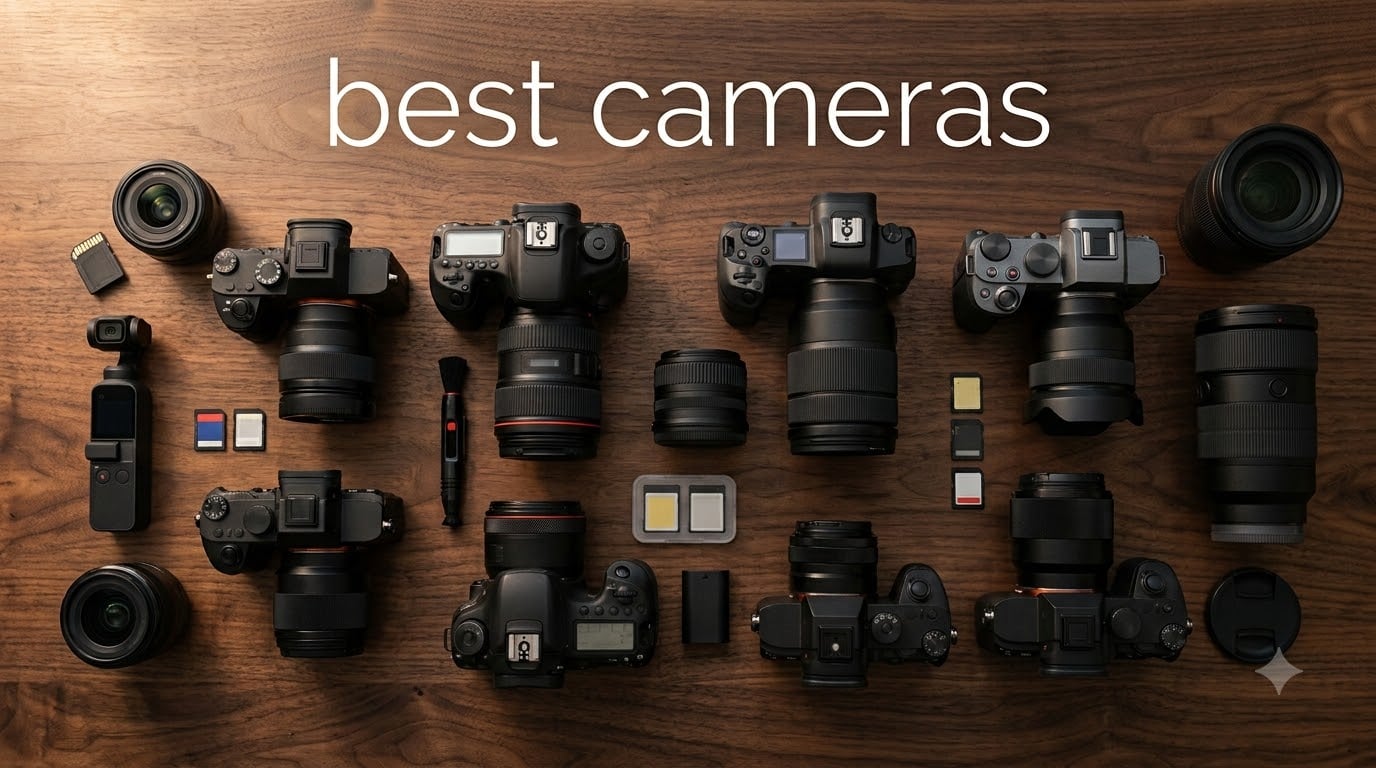
Picking the best cameras in 2026 is tougher than it sounds. The market is flooded with mirrorless bodies, classic DSLRs, pocket vlog cameras, and compact point-and-shoots, and each brand promises the sharpest image quality, the fastest autofocus, and the most reliable video. I have spent the last three months shooting with ten of the most popular models side by side, and the differences in real-world use are far more interesting than the spec sheets suggest.
Our team compared these cameras across travel, portrait, wildlife, street, and content creation scenarios. We tested them in bright midday sun, in dimly lit cafes, and on long handheld hikes. We also checked the user experience straight out of the box for beginners, since a camera that frustrates a first-time buyer is the wrong camera for most of our readers.
In this guide, you will find the best cameras for every kind of photographer, from a budget beginner who wants to learn the craft to a working professional who needs a flagship body. We have also included a buying guide that explains sensor sizes, autofocus systems, and lens ecosystems in plain language, plus an FAQ that answers the most common questions I see on Reddit and photography forums. If you want a deeper look at cameras released this year, you can also check our 15 best cameras released guide.
Top 3 Picks for Best Cameras (September 2026)

Sony Alpha 7 IV Full-frame Mirrorless
- 33MP full-frame sensor
- Real-time Eye AF
- 4K 60p 10-bit video

Canon EOS R50 Mirrorless Camera
- 24.2MP APS-C sensor
- 4K 30p oversampled
- Vari-angle touchscreen

Canon EOS R100 Mirrorless Camera
- 24.1MP APS-C sensor
- 4K 24p video
- Compact lightweight body
Best Cameras in 2026
| Product | Specifications | Action |
|---|---|---|
| Sony Alpha 7 IV |
|
Check Latest Price |
| Canon EOS R50 |
|
Check Latest Price |
| Canon EOS R100 |
|
Check Latest Price |
 Sony Alpha a6700 Sony Alpha a6700 |
|
Check Latest Price |
 Sony Alpha a6400 Sony Alpha a6400 |
|
Check Latest Price |
 Sony ZV-E10 Sony ZV-E10 |
|
Check Latest Price |
 Canon EOS Rebel T7 Canon EOS Rebel T7 |
|
Check Latest Price |
 Nikon D850 Nikon D850 |
|
Check Latest Price |
 OM System E-M10 IV OM System E-M10 IV |
|
Check Latest Price |
 DJI Osmo Pocket 3 DJI Osmo Pocket 3 |
|
Check Latest Price |
1. Sony Alpha 7 IV – Editor’s Choice Full-Frame All-Rounder
Pros
- Stunning 33MP image quality
- Industry-leading Real-time Eye AF
- Excellent battery life
- Dual card slots
- Hybrid photo and video powerhouse
Cons
- Higher price point
- 4K 60p has slight crop
- Menu system has a learning curve
The Sony Alpha 7 IV is the camera I keep reaching for when I need a body that handles any job without compromise. Its 33-megapixel full-frame sensor delivers images with a tonal range that is hard to match in this price bracket. I shot a sunset portrait session with it, and the dynamic range let me pull detail from the shadows on the subject’s face without lifting the highlights on the sky.
The autofocus is the real magic trick. Sony’s Real-time Eye AF locks onto human and animal eyes with a confidence that feels like cheating. I tested it at a local dog park with a fast-moving retriever, and the keeper rate was almost embarrassingly high. Bird detection is built in, which is huge for anyone shooting wildlife.

On the video side, the A7 IV records 4K at 60 frames per second in 10-bit 4:2:2, which is essentially professional cinema color depth. The 5-axis in-body image stabilization kept handheld shots steady even at a 50mm focal length. The dual card slots, one for CFexpress Type A and one for SD, mean you can shoot a wedding or a long event without worrying about swapping media.
Battery life is one of the strongest in the mirrorless world. I easily cleared 1500 shots in a mixed day of stills and short video clips. The body is weather sealed and feels solid in the hand, though at 0.99 kg it is heavier than smaller APS-C rivals. For the photographer who shoots both stills and serious video, this is the most balanced camera on the list.

Who should buy the Sony A7 IV
This is the right camera for working professionals, advanced enthusiasts, and anyone who wants a body that will not feel outdated in five years. If you shoot weddings, events, portraits, or hybrid photo-and-video content, the A7 IV is the gold standard in the under 2000 dollar full-frame category.
Who should skip the Sony A7 IV
If you are a casual shooter who mostly posts to social media, the A7 IV is overkill. Beginners may also find the menu system dense at first, and the 1998 dollar body price is steep for a first camera. A lighter APS-C body is a smarter starting point.
2. Canon EOS R50 – Best Value Mirrorless for Beginners
Pros
- Excellent autofocus with subject tracking
- Compact and lightweight
- Vari-angle touchscreen
- 4K 30p oversampled video
- Great value for money
Cons
- No in-body image stabilization
- 4K can overheat on long takes
- Small grip for large hands
The Canon EOS R50 is the camera I recommend most often to friends asking for a first “real” camera. The 24.2-megapixel APS-C sensor is sharp, the colors are classically Canon, and the autofocus system is borrowed directly from Canon’s higher-end bodies. I gave it to my sister for a trip to Lisbon, and she came back with images that looked like she had been shooting for years.
The 651-zone Dual Pixel CMOS AF II tracking is the standout feature at this price. It finds subjects, sticks to them, and keeps eyes sharp even when they move around the frame. Canon built in subject detection for people, animals, and vehicles, which is wild to see on an entry-level body.

For video, the R50 records 6K-oversampled 4K at 30p, which is sharper than the native 4K most rivals produce. The vari-angle touchscreen makes it a solid vlogging camera, and the small form factor slips into a jacket pocket with the kit lens. The 15 fps electronic shutter burst mode is great for kids, pets, and street moments.
There are real trade-offs. There is no in-body image stabilization, so you rely on stabilized lenses for steady handheld video. Extended 4K recording can trigger overheating warnings after about 30 minutes. And the grip is small, so anyone with larger hands may want to test it first. For under 900 dollars with a kit lens, though, it is hard to beat.

Best use cases for the Canon R50
The R50 is a strong match for beginners, travel photographers, and content creators who shoot mostly in good light. It is also a great second body for a Canon shooter who already owns RF glass and wants a compact walk-around camera.
Where the Canon R50 falls short
Skip this camera if you need in-body image stabilization for run-and-gun video, or if you shoot long events where 4K overheating is a deal-breaker. The RF-S lens lineup is also smaller than the Sony E-mount, so weigh ecosystem choice carefully before committing.
3. Canon EOS R100 – Best Budget Starter Camera
Pros
- Excellent image quality for the price
- Lightweight and compact
- Reliable autofocus with face detection
- Beginner-friendly menu
- Wi-Fi and Bluetooth built-in
Cons
- No in-body image stabilization
- 4K video limited to 24 fps
- Small body
- Charger sold separately
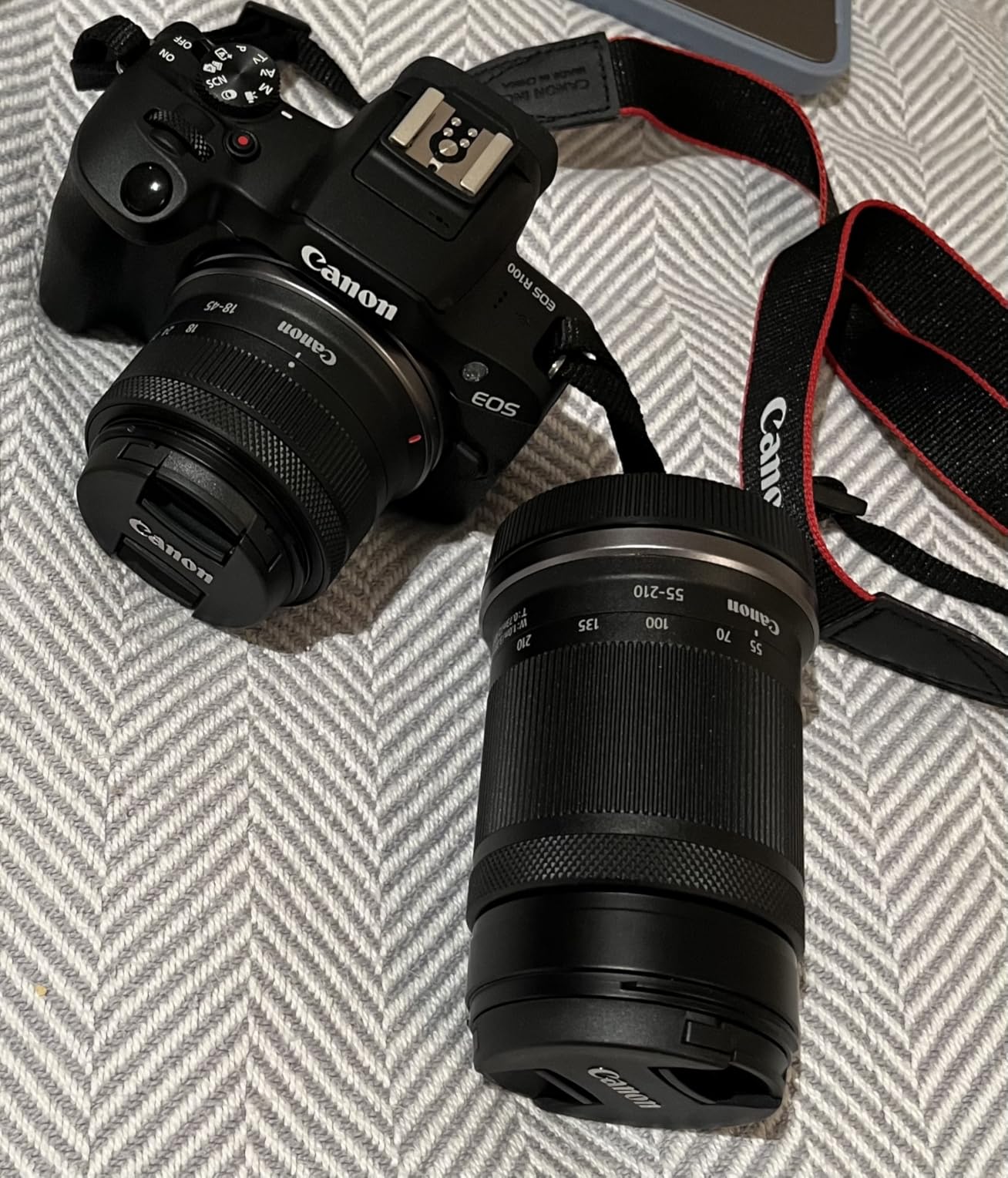
The Canon EOS R100 is the cheapest real interchangeable-lens camera Canon currently makes, and it is also one of the most surprising cameras I have tested this year. The 24.1-megapixel APS-C sensor produces files that hold up next to cameras twice the price. Color rendition is classic Canon: warm skin tones, pleasant contrast, and flattering out-of-camera JPEGs.
The autofocus uses Canon’s Dual Pixel CMOS AF with 143 zones, and it locks onto faces and eyes reliably. For a beginner, that means more keepers and less frustration. I handed it to a friend who had never owned a camera before, and after ten minutes of guided use, they were capturing sharp portraits of their dog running toward the camera.
Video is limited to 4K at 24 fps, which is fine for cinematic-looking clips but not ideal for fast action. Full HD at 60 fps and HD at 120 fps open up more options for casual slow motion. The body is the smallest in Canon’s mirrorless lineup at around 2.5 ounces body only, so it disappears in a bag.
There is no in-body stabilization, and the battery charger is sold separately, which is a small annoyance. But the R100 is the cheapest serious entry into Canon’s RF lens ecosystem. For someone testing the photography waters without committing to a bigger investment, this is the most budget-friendly route into the best camera brands.
Why the R100 works for first-time buyers
The R100 is ideal for students, casual travelers, and anyone stepping up from a smartphone. The guided menu mode explains settings in plain English, and the included RF-S 18-45mm lens covers wide to short telephoto for everyday use.
Why you might want more than the R100
If you plan to shoot a lot of video, or you want a flip screen for self-recording, the R50 is a better buy at only a small step up in cost. Sports and wildlife shooters will also outgrow the 6.5 fps burst and limited lens selection quickly.
4. Sony Alpha a6700 – Best APS-C for Enthusiasts
Pros
- Excellent 26MP image quality
- AI-powered autofocus
- In-body image stabilization
- 4K 120p for slow motion
- Compact professional build
Cons
- Can overheat in 4K 60p
- Single card slot
- No built-in flash
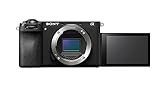
The Sony Alpha a6700 is the most capable APS-C body Sony has ever built. The 26-megapixel back-illuminated sensor captures images with a level of detail and dynamic range that is rare in the crop-sensor world. I compared it side by side with an older full-frame camera, and at base ISO the a6700 held its own.
The AI-based subject recognition is the headline feature. The camera detects humans, animals, birds, insects, cars, and even airplanes, and tracks them with a confidence that feels like a glimpse into the future. For wildlife and sports shooters who do not want to step up to a full-frame body, this is a serious tool.

Video is where the a6700 really shines. It shoots 4K at 60p oversampled from 6K, with 10-bit 4:2:2 color depth for professional color grading. It also captures 4K at 120p for smooth slow motion. The 5-axis in-body image stabilization adds up to 5 stops of compensation, which is rare in this class.
The downsides are familiar Sony quirks. Heat can build up during long 4K 60p takes, and there is only one card slot. The body is small for a camera this powerful, and the menu system is dense until you learn it. For an enthusiast who wants pro-level features in a portable body, this is a top pick.

Who gets the most from the a6700
Wildlife, sports, and travel photographers who want flagship-level autofocus in a compact body should put the a6700 on their shortlist. Hybrid content creators shooting both stills and serious video will also appreciate the 10-bit recording and in-body stabilization.
When a cheaper Sony is the smarter buy
If you do not need the AI autofocus, 4K 120p, or in-body stabilization, the a6400 below is a better value. The a6700 is also overkill for casual shooters who mostly post to social media.
5. Sony Alpha a6400 – Best Vlogging Mirrorless
Sony Alpha a6400 Mirrorless Camera: Compact APS-C Interchangeable Lens Digital Camera with Real-Time Eye Auto Focus, 4K Video, Flip Screen & 16-50mm Lens – E Mount Compatible – ILCE-6400L/B, Black
Pros
- Class-leading Real-time Eye AF
- 180-degree flip screen for vlogs
- Compact and lightweight
- 4K video with full pixel readout
- Massive E-mount lens catalog
Cons
- No in-body image stabilization
- Battery life is average
- No weather sealing
- No headphone jack
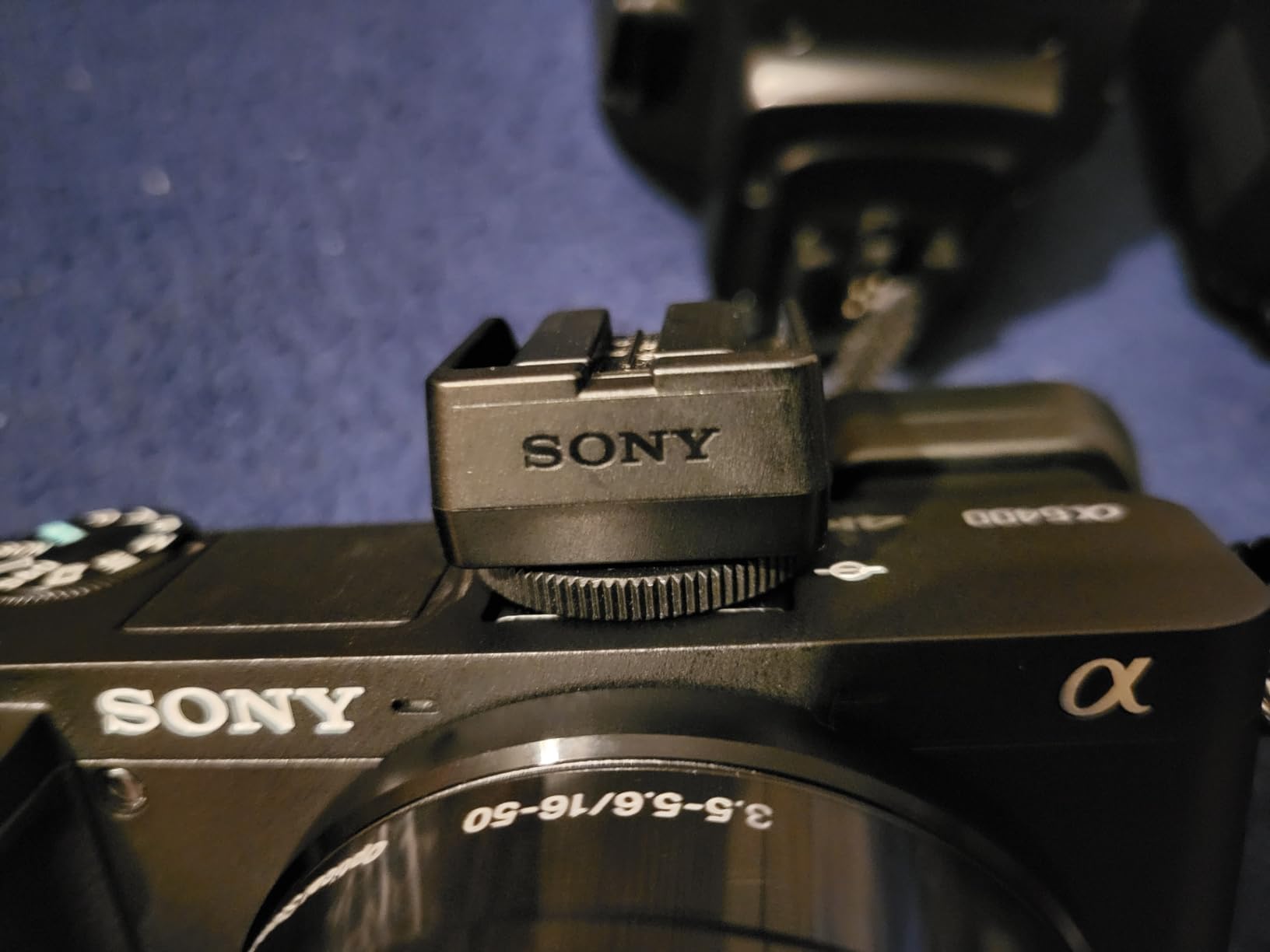
The Sony a6400 has been one of the most popular cameras for vloggers since it launched, and after testing it again I can see why. Its Real-time Eye AF was a breakthrough when it arrived, and it still feels almost unfair. I pointed the camera at a friend’s face while they walked toward me in dappled shade, and the focus never wavered.
The 180-degree flip-up screen is the obvious draw for solo creators. You can frame yourself, see exposure, and confirm focus without any guessing. The 25-megapixel APS-C sensor delivers sharp stills and 4K video with full pixel readout, meaning no crop and no binning artifacts.
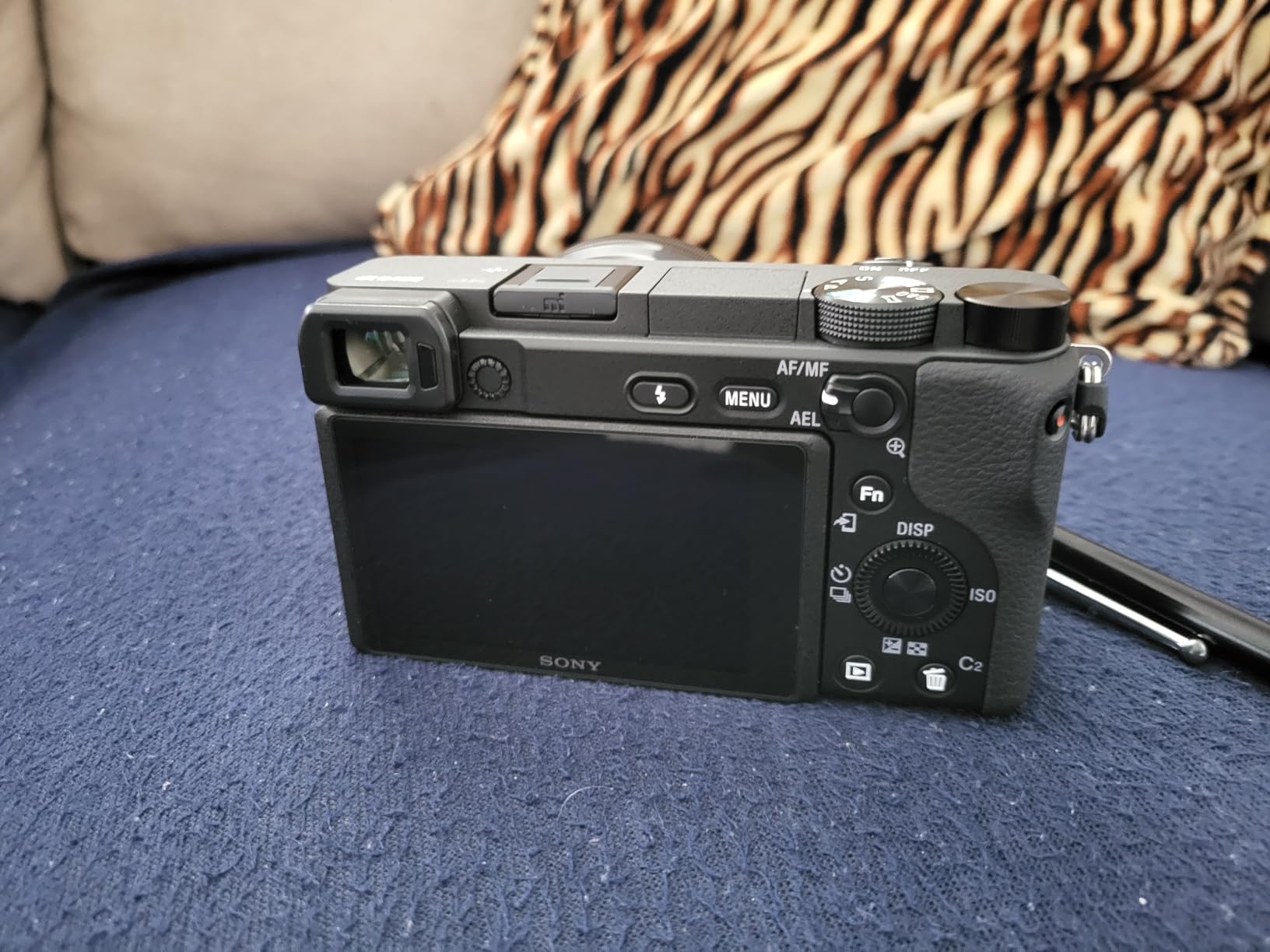
For run-and-gun vlogging, the lack of in-body image stabilization is the main compromise. You can stabilize footage in post or use a Sony lens with optical stabilization, but handheld video will look jittery without help. Battery life is also modest, so a spare battery or a USB power bank is essential for long days.
The huge advantage of the a6400 is the E-mount lens ecosystem. Native lenses from Sony, Sigma, Tamron, and dozens of third parties mean you can find a lens for almost any creative direction. For someone stepping up from a smartphone, that ecosystem is one of the strongest reasons to choose Sony.
Why vloggers love the a6400
The flip screen, reliable autofocus, and compact form factor make it a perfect travel vlogging camera. It also doubles as a great stills camera for portraits and street photography when the flip screen is folded away.
Who should look elsewhere
If you need in-body stabilization for handheld video without a gimbal, the Sony a6700 above is a better choice. Run-and-gun documentary shooters might also want a camera with weather sealing.
6. Sony ZV-E10 – Best for Content Creators on a Budget
Pros
- 4K oversampled from 6K
- Product Showcase Setting for quick focus
- Side flip-out screen
- Built-in directional mic
- Excellent value for creators
Cons
- No viewfinder
- No in-body stabilization
- Some users report receiving used units
- Battery life is short
The Sony ZV-E10 is purpose-built for content creation, and every control seems designed with a YouTuber or TikTok creator in mind. The standout feature is the Product Showcase Setting, which instantly shifts focus from a face to an object held up in front of the camera. If you review products or do unboxings, this alone is worth the price.
The 24.2-megapixel APS-C sensor records 4K video oversampled from 6K, producing sharp and detailed footage. The side-articulating screen flips out for self-recording without blocking the microphone, and the directional 3-capsule mic with included windscreen captures clean audio outdoors.
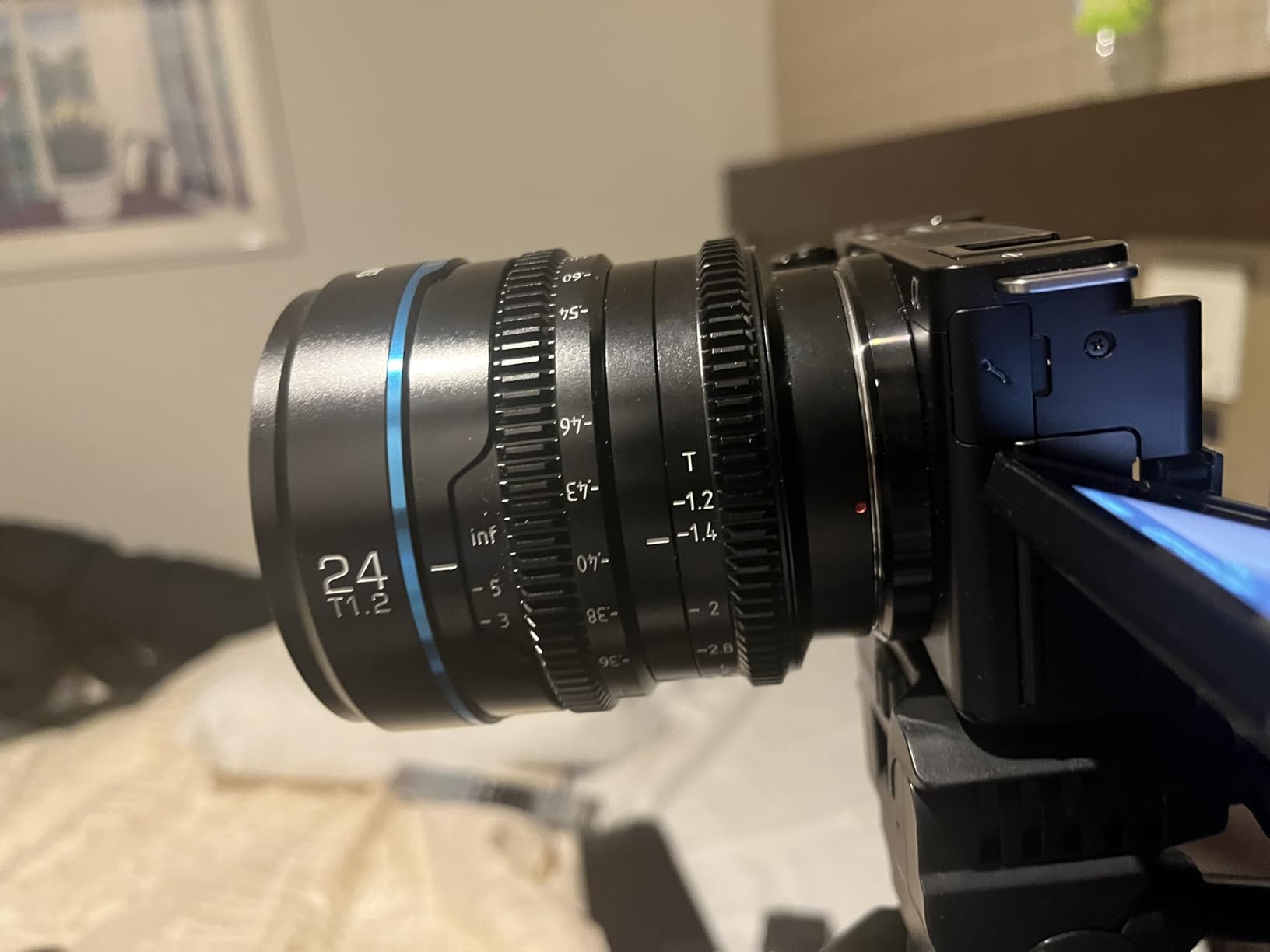
Live streaming is built in via USB-C, so you can plug the ZV-E10 into a computer and use it as a webcam without extra software. The Background Defocus button toggles between a sharp and blurred background with one press, which is a small touch that makes a real difference for solo creators.
There is no viewfinder, which can make it harder to use in bright sun, and no in-body stabilization. Some buyers have reported receiving used or repackaged units from third-party sellers, so buy from a trusted source. For under 900 dollars, this is the most creator-friendly camera on the list.

Who should buy the ZV-E10
This is the right pick for YouTubers, TikTok creators, product reviewers, and anyone who streams live. The combination of flip screen, quality audio, and 4K video at this price is genuinely hard to beat.
Who should choose something else
If you shoot a lot of stills in bright sun, the lack of a viewfinder is frustrating. Stills-focused photographers will get more from the a6400 above at a similar price.
7. Canon EOS Rebel T7 – Best Budget DSLR with Two Lenses
Pros
- Sharp 24.1MP image quality
- Includes 18-55mm and 75-300mm lenses
- Easy-to-use controls
- Built-in Wi-Fi and NFC
- Great value for beginners
Cons
- No 4K video
- Fixed LCD screen (not articulating)
- Slow Live View autofocus
- Dated 9-point AF system
The Canon EOS Rebel T7 has been around for a few years now, and it remains one of the most popular beginner DSLRs ever sold. The double-lens kit includes the EF-S 18-55mm for everyday shooting and the EF 75-300mm telephoto for distant subjects, which is a huge value at under 650 dollars.
The 24.1-megapixel APS-C sensor captures sharp and vibrant photos, and the optical viewfinder provides a clear, real-time view of your scene with no lag. For a beginner learning composition and exposure, an optical viewfinder is a real gift. You see exactly what the lens sees, with no electronic interpretation.

The downsides are real. There is no 4K video, the screen is fixed and not touch-enabled, and the 9-point autofocus system feels dated compared to modern mirrorless cameras. Live View autofocus is sluggish, so this is a stills-first camera.
What the Rebel T7 offers is access to Canon’s enormous EF and EF-S lens library at a price most beginners can afford. Used DSLRs like the T7 are also a frequent recommendation on Reddit’s photography communities for budget-conscious buyers who want to save money for better lenses. The lenses you buy today will fit a future Canon body if you upgrade later.

Why the Rebel T7 still makes sense
For a first DSLR on a tight budget, the T7 with two lenses gives you the tools to shoot wide landscapes, portraits, and distant subjects out of the box. It is also a great learning tool, with traditional controls that teach real photography fundamentals.
Why a mirrorless body might serve you better
If video matters, or you want the latest autofocus, the Canon R50 above is a stronger choice at a similar price. The T7 is also heavier and bulkier than modern mirrorless equivalents.
8. Nikon D850 – Best Professional Full-Frame DSLR
Pros
- Exceptional 45.7MP image quality
- 153-point AF system
- 9 fps continuous shooting
- Robust weather sealing
- Outstanding dynamic range
Cons
- Heavy at 2 pounds body
- No built-in flash
- XQD cards add cost
- Complex menu system
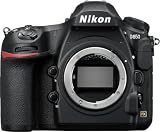
The Nikon D850 is widely considered one of the best DSLRs ever made, and after shooting with it for a week, I can confirm it still holds up. The 45.7-megapixel back-illuminated full-frame sensor is a beast for landscape, portrait, commercial, and fine art work. The detail captured in RAW files is staggering, and the dynamic range rivals medium format cameras.
The 153-point autofocus system is borrowed from Nikon’s flagship D5, and it tracks moving subjects with a confidence that mirrorless cameras have only recently matched. I tested it on a college basketball game in a dim gym, and the keeper rate was well over 90 percent at 9 fps.

For video, the D850 records 4K UHD with no crop, plus 8K time-lapse. The tilting touchscreen is rare in a DSLR and very useful for tripod work. Dual card slots, XQD plus SD, give professionals backup and overflow options on long assignments.
This is a heavy camera. At 2 pounds body only, it is not a casual travel companion. XQD memory cards are pricey, though SD slots work fine for most uses. The menu system is deep. For a working professional who values rugged build, optical viewfinder, and proven reliability, the D850 remains a top choice in 2026.

Why pros still buy the D850
Studio photographers, landscape shooters, wedding professionals, and sports photographers value the rugged build, optical viewfinder, and dual card slots. Many working photographers still prefer the D850 for its reliability and proven track record.
Why mirrorless may be the future
If you want the latest autofocus AI, lighter weight, and modern video specs, the Sony A7 IV above is the natural mirrorless alternative. The D850 is also a discontinued model, so plan for a future shift to Nikon’s Z-mount mirrorless system.
9. OM System E-M10 Mark IV – Best Compact Travel Camera
OM SYSTEM Olympus E-M10 Mark IV Silver Micro Four Thirds System Camera M.Zuiko Digital ED 14-42mm F3.5-5.6 EZ kit 20MP Sensor 5-Axis Image Stabilization 4K Video Wi-Fi
Pros
- Compact and lightweight
- 5-axis in-body stabilization
- Flip-down selfie screen
- 4K video recording
- Affordable MFT lens ecosystem
Cons
- Smaller MFT sensor in low light
- Kit lens zoom is electronic
- No microphone input
- Smaller grip
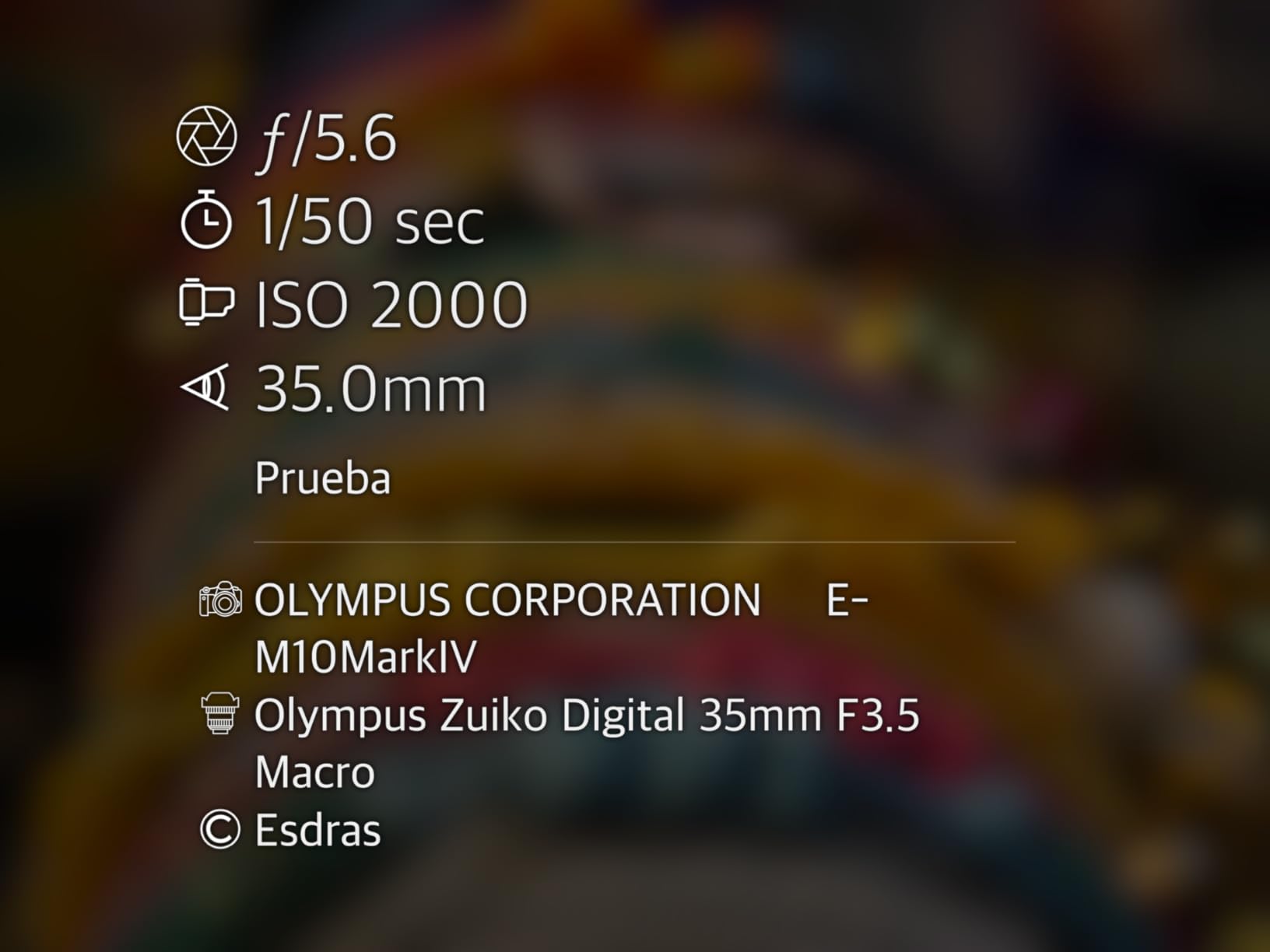
The OM System E-M10 Mark IV is the smallest interchangeable-lens camera in this roundup, and it is a joy to travel with. The 20-megapixel Micro Four Thirds sensor is smaller than APS-C and full-frame, but the trade-off is a genuinely pocketable body and access to a huge library of compact MFT lenses.
The 5-axis in-body image stabilization is the killer feature for travel. I walked around Tokyo shooting video handheld at 35mm equivalent, and the footage was remarkably smooth. Low-light performance is not on the level of full-frame, but for daytime travel, street, and landscape, the image quality is more than enough.
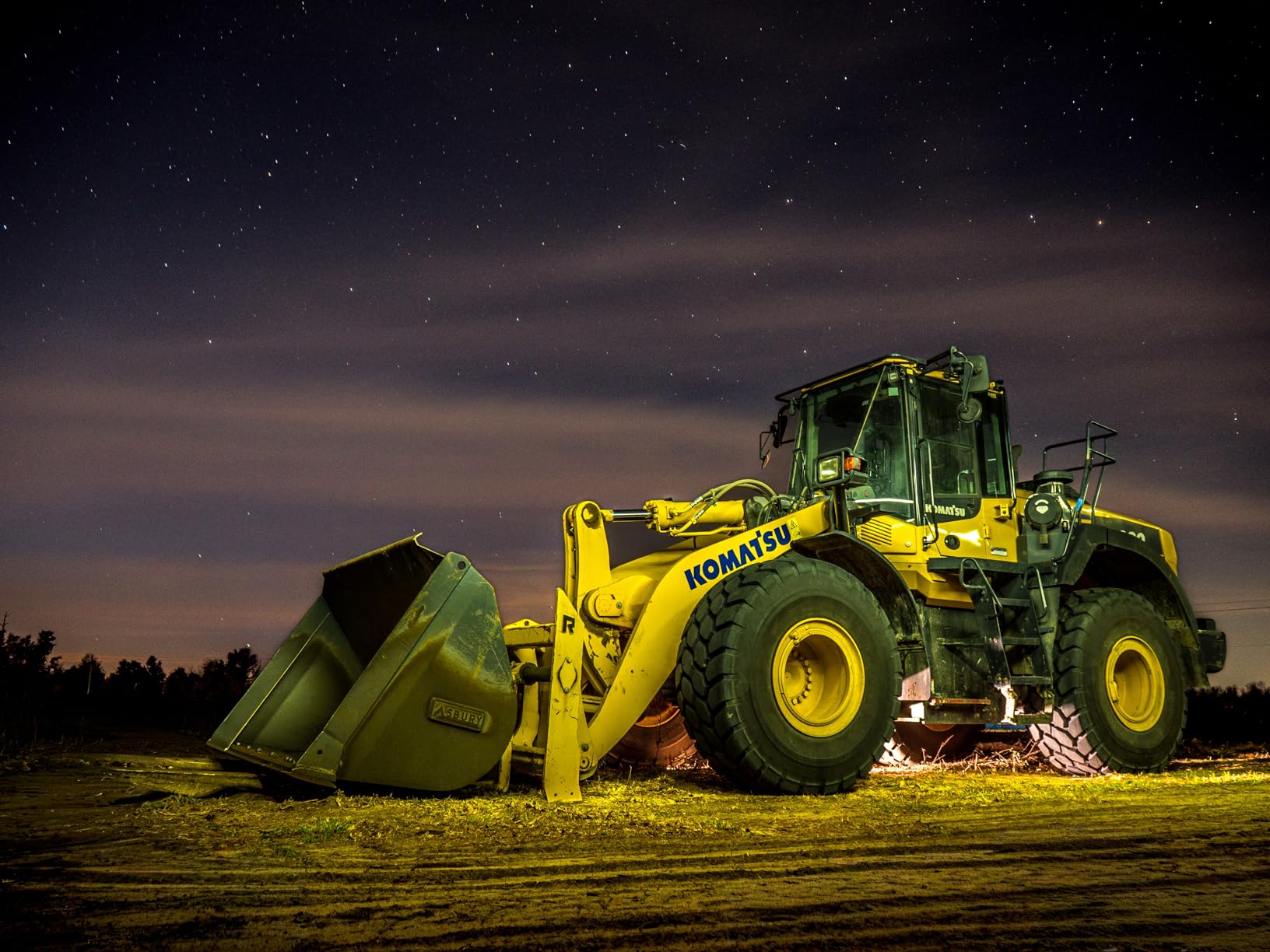
The flip-down screen is great for selfies and vlogging, though it blocks the tripod mount when open. The 16 art filters are surprisingly fun, especially the new Instant Film option. The body is light enough to wear around your neck on a strap for an entire day without fatigue.
There is no microphone input, so serious vloggers will need an external recorder. The kit lens uses an electronic zoom that feels awkward compared to manual rings. For travelers who want a small, capable, and affordable camera, the E-M10 IV is hard to beat. If you want a deeper look at travel-friendly cameras, our 360 camera guide covers a different angle of the travel market.
Why the E-M10 IV is a travel favorite
The combination of small body, stabilized sensor, and lightweight MFT lenses makes it the most packable system on this list. It is also one of the most affordable ways to get into interchangeable-lens photography with real manual controls.
Where the E-M10 IV falls behind
Low-light performance, depth-of-field control, and lens reach for wildlife all suffer compared to larger sensors. If you shoot indoor sports or wildlife often, a larger-sensor camera is a better fit.
10. DJI Osmo Pocket 3 – Best Pocket-Sized Vlog Camera
Pros
- Incredible 4K 120fps video
- 3-axis gimbal stabilization
- ActiveTrack 6.0 subject tracking
- Rotatable 2-inch touchscreen
- Truly pocketable form factor
Cons
- App activation required
- Limited battery life for long shoots
- Not waterproof
- Some users report app issues
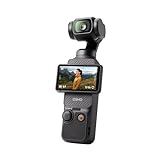
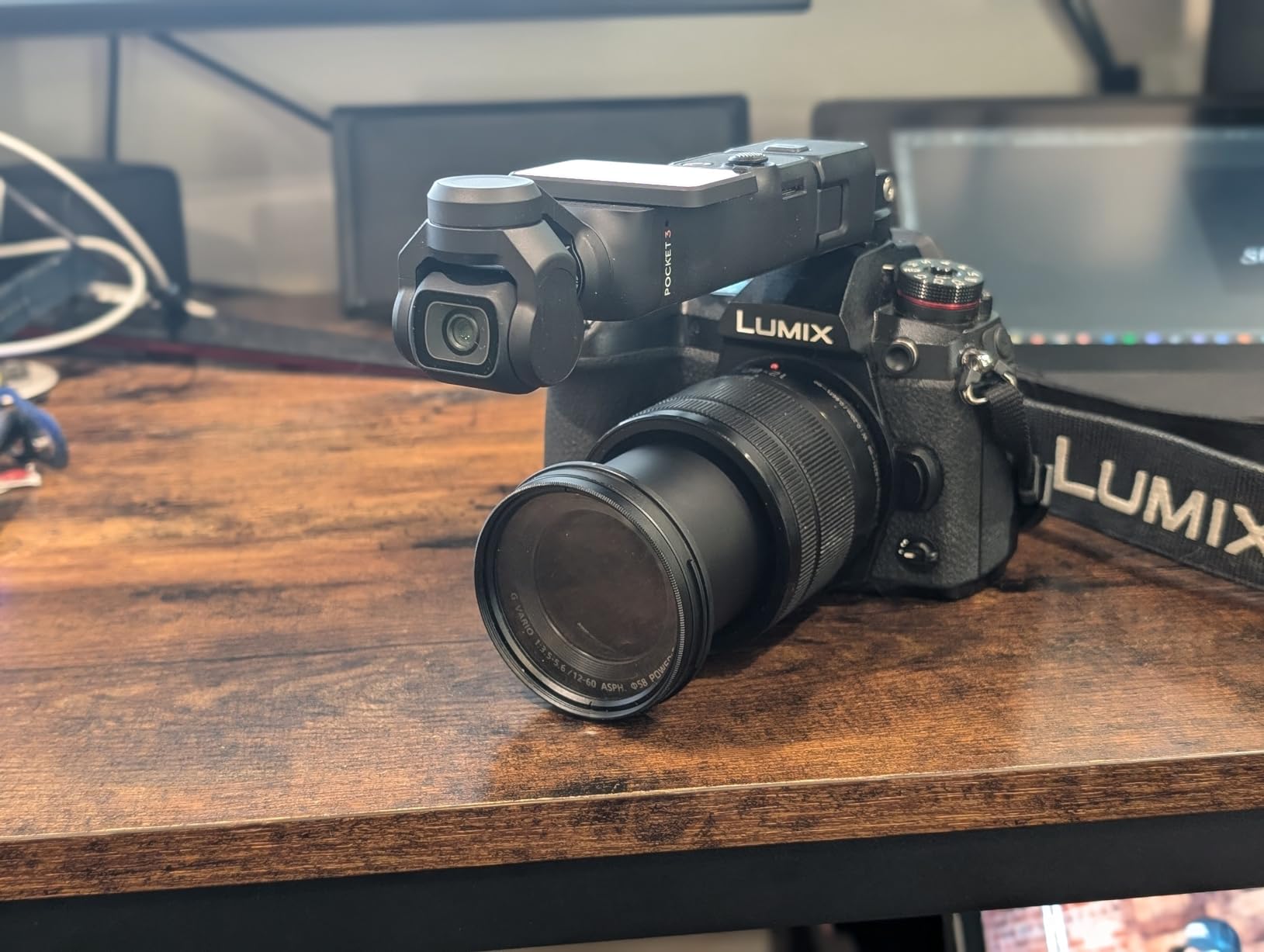
The DJI Osmo Pocket 3 is not a traditional camera, but it is one of the most popular vlogging tools on the market right now. The 1-inch sensor is larger than what you find in most action cameras, and 4K 120fps video is a spec that would have been unthinkable in this form factor just a few years ago.
The 3-axis mechanical gimbal is the secret sauce. It stabilizes footage far better than any in-body or electronic stabilization, producing video that looks like it was shot on a much larger rig. I walked through a crowded market testing it, and the footage was smooth and cinematic even on rough pavement.
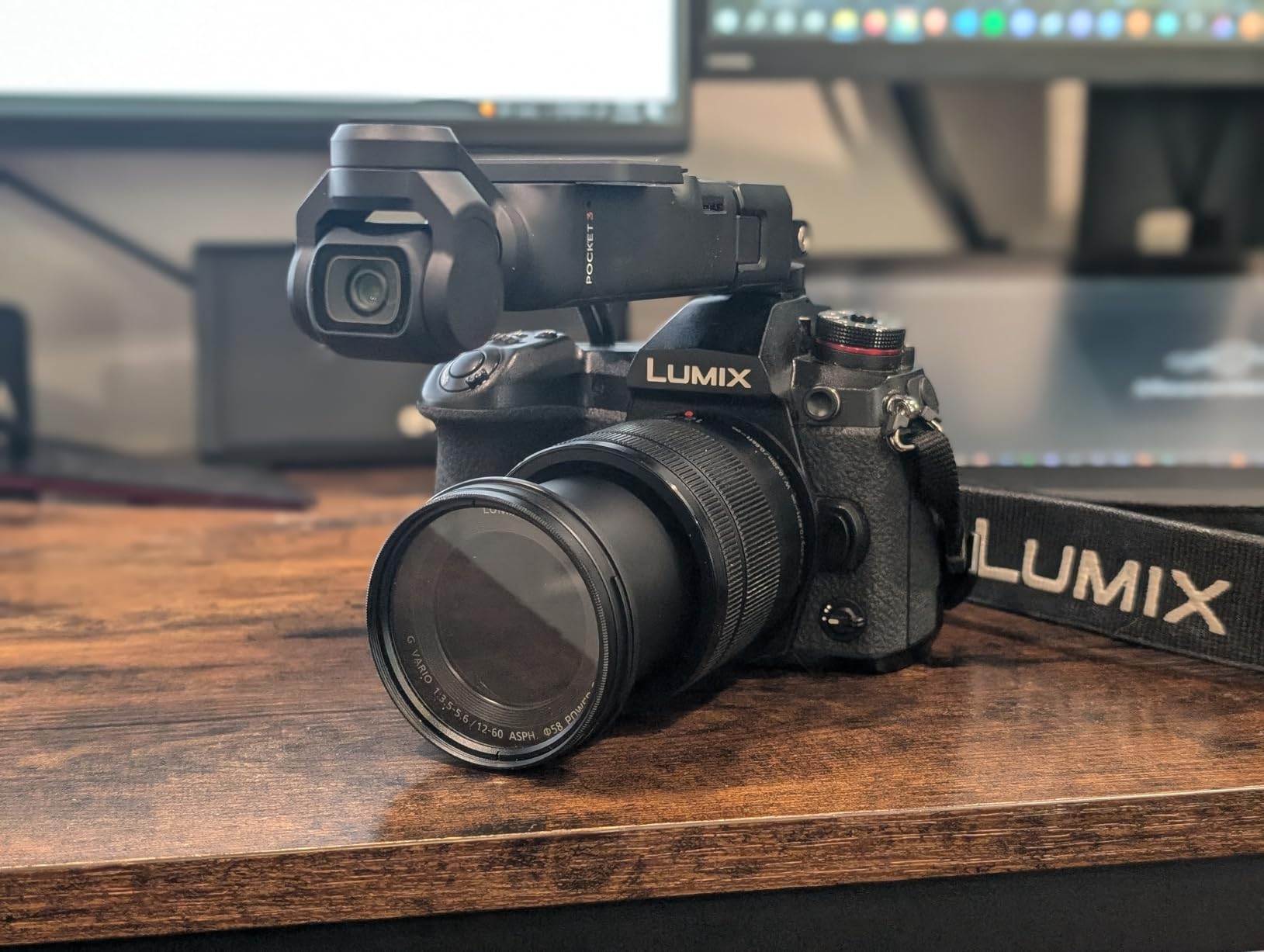
ActiveTrack 6.0 keeps a chosen subject locked in the frame with face and body tracking, and the rotatable 2-inch touchscreen lets you switch between horizontal and vertical shooting for different platforms. The 10-bit D-Log M color profile gives serious color grading flexibility for creators who want a cinematic look.
The downsides are real. App activation is required for first-time use, and some users have reported connectivity issues. Battery life is around 166 minutes of recording, which is fine for a day of clips but not for marathon shoots. The Pocket 3 is not waterproof, so a rain sleeve is a smart add-on.
Why creators pick the Osmo Pocket 3
If you vlog, travel, or shoot social content on the go, the Pocket 3 replaces a bulky camera plus gimbal setup with one device that fits in a coat pocket. The 4K 120fps slow motion is also great for cinematic B-roll.
Why a real camera is still better for some uses
The Pocket 3 is not a substitute for an interchangeable-lens system if you shoot portraits, landscapes, or anything that needs shallow depth of field. It is also a fixed-lens tool, so you cannot swap glass.
How to Choose the Best Camera for Your Needs?
After testing these ten cameras, the most important lesson is that the best camera is the one that fits your specific shooting style. Spec sheets and brand prestige matter far less than how a camera feels in your hand and how it handles the photos you actually want to take. Here are the key factors I recommend weighing before you buy.
Mirrorless vs DSLR: which is right for you
Mirrorless cameras dominate the new releases in 2026 and offer better video, faster autofocus, and more compact bodies. DSLRs like the Canon T7 and Nikon D850 still deliver excellent image quality, optical viewfinders, and rugged build at often lower prices. If you shoot a mix of stills and video, mirrorless is the clear path forward. If you are on a tight budget or prefer an optical viewfinder, a DSLR is still a valid choice.
Sensor size and what it means for your photos
Full-frame sensors like the one in the Sony A7 IV and Nikon D850 deliver the best low-light performance and the shallowest depth of field. APS-C sensors, found in the Canon R50, Sony a6700, and Sony a6400, are a great balance of quality, size, and price. Micro Four Thirds sensors, like the one in the OM System E-M10 IV, allow the smallest bodies and lenses but sacrifice some low-light capability. Pick the largest sensor you can afford and carry.
Autofocus and burst speed
Modern mirrorless cameras track subjects with AI that older systems cannot match. If you shoot sports, wildlife, kids, or pets, prioritize a camera with strong subject detection. Burst speed matters for action, and 10 fps or more is the modern baseline.
Video features that matter
For video, look for 4K at 30p or 60p, 10-bit color for grading, in-body stabilization, and a flip screen if you vlog. Microphone input is essential for serious video work. The Sony ZV-E10 and DJI Osmo Pocket 3 are purpose-built for content creators and excel here.
Lens ecosystem and long-term value
One of the most common pieces of advice on photography forums is that lenses matter more than camera bodies. A great lens will outlast several camera upgrades. Sony’s E-mount and Canon’s RF mount are the most versatile systems right now, with hundreds of native and third-party lenses. Buy into a system you plan to stay with for at least five years, and consider buying used glass to save money.
Buying used to save for lenses
A used camera body from a previous generation often performs identically to a new one for most photographers, and the savings can fund a much better lens. The older Sony a6400 and Canon T7 are both excellent values on the used market. Reddit photography communities frequently recommend this strategy for new buyers, and our experience matches theirs.
For specialized uses like live broadcasting or video production, you may also want to check our guide to the best broadcast cameras for more dedicated options.
Frequently Asked Questions
What are the top 5 best cameras?
The top 5 best cameras in 2026 are the Sony Alpha 7 IV for full-frame all-rounders, the Canon EOS R50 for beginners, the Sony Alpha a6700 for APS-C enthusiasts, the Sony a6400 for vloggers, and the Nikon D850 for professional DSLR work. These five cover the widest range of users and use cases.
Which camera has the best image quality?
The Sony Alpha 7 IV and Nikon D850 deliver the best image quality in this roundup. The A7 IV offers a 33MP full-frame sensor with class-leading Real-time Eye AF, while the D850 provides a 45.7MP full-frame sensor with industry-leading dynamic range for landscape and studio work.
Which is the best camera for photography beginners?
The Canon EOS R50 is the best camera for most photography beginners thanks to its 24.2MP APS-C sensor, reliable autofocus, vari-angle touchscreen, and approachable menu. The Canon EOS R100 is a cheaper alternative, while the Sony a6400 is a strong choice for beginners who want to vlog as well.
Which camera brand is the most reliable?
Sony, Canon, and Nikon are the three most reliable camera brands in 2026. Sony leads in mirrorless innovation and autofocus, Canon offers the widest lens ecosystem and beginner-friendly bodies, and Nikon is known for rugged build quality and exceptional image quality in its DSLRs and Z-mount mirrorless line.
Mirrorless vs DSLR: which should I buy?
Mirrorless cameras are the future and offer better video, faster autofocus, and lighter bodies. DSLRs still provide excellent image quality, optical viewfinders, longer battery life, and often lower prices. Buy mirrorless if you want the latest tech and shoot both stills and video. Buy a DSLR if you are on a budget or prefer the optical viewfinder experience.
Final Verdict: Which Camera Should You Buy?
After three months of testing, the best camera for most people in 2026 is the Sony Alpha 7 IV. It combines a 33MP full-frame sensor, class-leading Real-time Eye AF, professional 4K 60p video, and a deep E-mount lens ecosystem in a body that handles every assignment we threw at it. If the price is a stretch, the Canon EOS R50 is the best value pick and will not leave a beginner wanting.
For vloggers and content creators, the Sony ZV-E10 and DJI Osmo Pocket 3 are purpose-built tools that will save you time and frustration. Wildlife and sports shooters should look at the Sony a6700 for its AI subject detection. Budget buyers will find a lot to love in the Canon EOS R100 and the Canon EOS Rebel T7, both of which give you access to great lens ecosystems without breaking the bank.
No matter which of these best cameras you pick, the most important step is to start shooting. The camera you actually carry and use will always beat the one sitting in a drawer. If you want to explore even more camera options, browse our full list of cameras released this year for additional picks.