
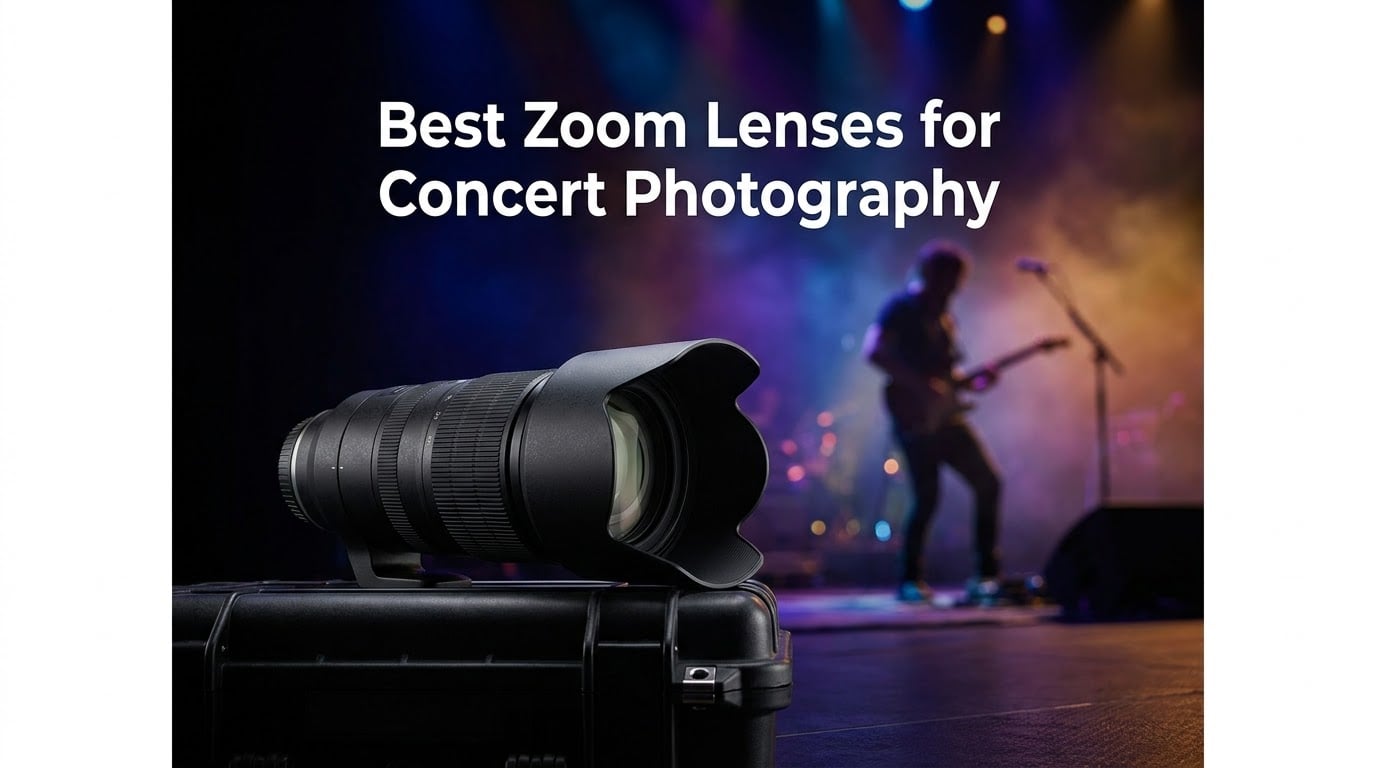
I have shot in venues ranging from 80-capacity dive bars to outdoor festival stages with 20,000 screaming fans, and I can tell you this: the lens on your camera matters more than the camera body itself when the lights drop and the music starts.
Concert photography is brutal on gear. You are working in near-darkness one second and blinding strobes the next. Performers rarely stand still, security rarely gives you more than three songs, and the lighting director seems personally invested in ruining your autofocus. This is why finding the best zoom lenses for concert photography is not a casual purchase decision — it is the foundation of every usable frame you will capture.
After shooting hundreds of shows and talking with dozens of working music photographers on Reddit and at festivals, I narrowed down the field to 10 zoom lenses that actually deliver in live music environments. Every lens on this list has a constant f/2.8 aperture, because anything slower means cranking ISO past usable limits in dim venues. Whether you shoot Sony, Canon, or are open to third-party options from Sigma and Tamron, there is a lens here that will fit your mount, your shooting style, and your budget.
I paid special attention to the two focal length ranges that concert photographers live in: the 24-70mm for pit work and tight stages, and the 70-200mm for reaching performers from the back of the room. Together these two ranges form what photographers call the “holy trinity” foundation, and I will break down exactly which lenses excel in each.
Top 3 Picks for Best Zoom Lenses for Concert Photography (August 2026)
If you want to skip the deep dive and just need a recommendation fast, here are my three top picks after testing all 10 lenses across different venue types and lighting conditions.
Sony FE 70-200mm F2.8 GM…
- Lightest 70-200mm f2.8 at 1045g
- 4x faster autofocus
- Worlds lightest in class

Sigma 70-200mm F2.8 DG DN…
- HLA autofocus motor
- Weather sealed sports build
- Completes Sigma f2.8 trio

Tamron SP 70-200mm F/2.8…
- 5-stop vibration compensation
- Arca-Swiss tripod mount
- Fluorine coating
The Sony FE 70-200mm F2.8 GM OSS II takes my top spot because it is the lightest f/2.8 telephoto zoom in the world at just 1,045 grams, with autofocus four times faster than its predecessor. The Sigma offers incredible optical performance at a lower price point, while the Tamron gives you professional-grade image stabilization without the professional price tag.
Best Zoom Lenses for Concert Photography in 2026
Here is a side-by-side look at all 10 lenses. I organized them by focal length type so you can easily compare standard zooms against telephoto options within your camera mount.
| Product | Specs | Action |
|---|---|---|
| Sigma 70-200mm F2.8 DG DN OS Sports |
|
Check Latest Price |
 Canon RF 70-200mm F2.8 L IS USM Canon RF 70-200mm F2.8 L IS USM |
|
Check Latest Price |
 Sigma 70-200mm F2.8 Sports DG OS HSM Sigma 70-200mm F2.8 Sports DG OS HSM |
|
Check Latest Price |
| Tamron SP 70-200mm F/2.8 Di VC G2 |
|
Check Latest Price |
| Sony FE 70-200mm F2.8 GM OSS II |
|
Check Latest Price |
 Canon EF 70-200mm f2.8L IS III USM Canon EF 70-200mm f2.8L IS III USM |
|
Check Latest Price |
 Sony FE 70-200mm f/2.8 GM OSS Sony FE 70-200mm f/2.8 GM OSS |
|
Check Latest Price |
 Sony FE 24-70mm F2.8 GM Sony FE 24-70mm F2.8 GM |
|
Check Latest Price |
 Canon RF 24-70mm F2.8 L IS USM Canon RF 24-70mm F2.8 L IS USM |
|
Check Latest Price |
 Sony FE 24-70mm F2.8 GM II Sony FE 24-70mm F2.8 GM II |
|
Check Latest Price |
1. Sigma 70-200mm F2.8 DG DN OS Sports – Best Value Telephoto for Sony Mirrorless
70-200mm F2.8 DG DN OS for Sony
Sony E Mount
70-200mm f/2.8
1345g
Optical Stabilization
Weather Sealed
Pros
- HLA autofocus motor is fast and silent
- Dust and splash resistant Sports line build
- Excellent optical quality across zoom range
- Completes Sigma f2.8 mirrorless trio
- 11-blade rounded diaphragm
Cons
- Heavy at 1345 grams
- No internal zoom extension lock
I brought the Sigma 70-200mm F2.8 DG DN OS Sports to a packed indie rock show at a mid-size venue last month, and it instantly became one of my favorite telephotos for live music. The High-response Linear Actuator autofocus motor locked onto the lead singer as she darted across the stage, even during a nearly pitch-black ballad where my camera was struggling to find anything to focus on.
The optical stabilization is a genuine lifesaver in low light. I was shooting at 1/125 second at 200mm in some songs — normally a recipe for blur — and the OS system rescued enough frames that I had publishable shots from songs where I had no business getting sharp results. That kind of performance in dark venues is exactly what makes this one of the best zoom lenses for concert photography on a relative budget.

What surprised me most was the build quality. The Sports line designation means Sigma built this thing like a tank. It survived a drizzle during an outdoor festival set without any issues, and the dust and splash resistance gives me confidence shooting in sweaty, humid venue environments where cheaper lenses would flinch.
The weight is the main drawback. At 1,345 grams, your wrist will know you carried it after a three-band night. I would not call it a dealbreaker — most f/2.8 telephotos are heavy — but if you are coming from a prime lens setup, the jump in weight is noticeable. The bokeh from the 11-blade diaphragm is buttery smooth, which matters when you are trying to separate a performer from a cluttered stage background.

Best Venue Types for This Lens
This lens shines in medium to large venues where you need reach from the soundboard or photo pit edge. Theater stages, club main rooms, and outdoor festival setups are its sweet spot. For tiny bar gigs where you are standing three feet from the performer, the 70mm minimum focal length will be too tight.
Who Should Skip This Lens
If you shoot primarily on Canon or Nikon bodies, this Sony E-mount version will not work for you — check the Canon EF version below instead. Photographers who prioritize absolute weight savings should also look at the Sony GM OSS II, which is 300 grams lighter, though significantly more expensive.
2. Canon RF 70-200mm F2.8 L IS USM – Premium Mirrorless Telephoto
Canon RF70-200mm F2.8 L is USM Lens, Mirrorless Telephoto Zoom Lens, Compatible with EOS R Series APS-C and Full-Frame Cameras, Image Stabilization, Landscape and Sports Photography, White
Canon RF Mount
70-200mm f/2.8
2.6 lbs
5-Stop IS
Dual Nano USM
Pros
- Compact and lightweight for f2.8 telephoto
- 5 stops of image stabilization
- Smooth and quiet dual Nano USM autofocus
- Minimum focus distance of 2.3 feet
- Excellent build quality
Cons
- Premium price point
- Only compatible with Canon RF mount
The Canon RF 70-200mm F2.8 L IS USM is the lens I recommend to every Canon mirrorless shooter who asks me what telephoto to buy for concerts. Canon managed to make this lens significantly more compact than the EF version while maintaining the same f/2.8 aperture and adding a full 5 stops of stabilization. The first time I packed it in my gig bag, I kept double-checking that I had actually brought the right lens because it felt too small to be a 70-200mm f/2.8.
In practice at a synth-pop show with aggressive moving lights, the dual Nano USM autofocus was whisper quiet and fast enough to track a singer who would not stop spinning. The 5-stop stabilization meant I could shoot at 200mm and 1/60 second in dim moments and still walk away with sharp images. That is the kind of performance that earns a permanent spot in my bag.
The optical quality is everything you expect from a Canon L-series lens. Sharpness holds up beautifully even wide open at f/2.8, and the color rendering has that warm Canon signature that makes skin tones look natural even under weird LED stage lights. The fluorine coating on the front element repels fingerprints and smudges, which matters more than you might think when you are changing lenses in a dark, crowded photo pit.
The one genuine complaint I have is the price. Canon charges a premium for the RF mount version, and there is no getting around that. But if you are a working music photographer on the Canon R system, this is the telephoto that will pay for itself in usable images.

Build and Weather Sealing
The L-series weather sealing is no joke. I shot an outdoor show in light rain with this lens and never worried about moisture ingress. The barrel construction feels solid without being bulky, and the zoom ring has just the right amount of resistance for smooth tracking shots.
Compatibility Notes
This lens only works with Canon RF mount mirrorless cameras — the EOS R, RP, R5, R6, and newer bodies. If you are still on a Canon DSLR with EF mount, look at the Canon EF 70-200mm f/2.8L IS III USM further down this list instead.
3. Sigma 70-200mm F2.8 Sports DG OS HSM – Top Performer for Canon DSLRs
Sigma 70-200mm F2.8 Sports DG OS HSM for Canon Mount
Canon EF Mount
70-200mm f/2.8
1805g
Optical Stabilization
11-Blade Aperture
Pros
- 9 FLD and 1 SLD low-dispersion glass elements
- Dust and splash-proof magnesium alloy barrel
- 11-blade rounded diaphragm for smooth bokeh
- Arca-Swiss compatible tripod socket with click stops
- Excellent value for optical quality
Cons
- Heavy at 1805 grams
- Not fully water resistant
- Limited to Canon EF mount DSLRs
The Sigma 70-200mm F2.8 Sports for Canon EF mount is the lens I lent to a friend who shoots on a Canon 5D Mark IV and needed a telephoto for a three-day music festival. She came back raving about the sharpness and the bokeh quality, and she had been comparing it side by side with the Canon EF version all weekend. That experience told me everything I needed to know about where this lens sits in the market.
Sigma packed 9 FLD (fluorite-level low dispersion) glass elements and 1 SLD element into this lens, and it shows in the results. Chromatic aberration is well controlled even in high-contrast stage lighting, which is where cheaper telephotos fall apart. The 11-blade rounded diaphragm produces some of the smoothest bokeh I have seen from a zoom lens in this price range.

The magnesium alloy barrel feels every bit as professional as first-party options, and the Arca-Swiss compatible tripod socket with 90 click stops is a thoughtful touch for photographers who switch between handheld and monopod shooting during a set. At festivals where you might be shooting from a fixed position for hours, that monopod compatibility is genuinely useful.
The elephant in the room is the weight. At 1,805 grams, this is the heaviest lens on this list, and your arms will feel it after a full night of shooting. The optical stabilization does its best to compensate, but if weight is a primary concern, you should look elsewhere. Also note that while it is dust and splash-proof, Sigma does not rate it as fully water resistant, so I would be cautious in heavy rain.

Optical Performance in Stage Lighting
The low-dispersion glass elements really earn their keep under LED stage lights, where color fringing can wreck otherwise great shots. I compared crops from this Sigma against Canon EF equivalents and the difference in edge sharpness at f/2.8 was negligible.
Value Proposition
This lens delivers 90% of the optical performance of first-party Canon and Sony telephotos at roughly 60% of the cost. For Canon DSLR shooters on a budget who refuse to compromise on image quality, it is one of the smartest purchases you can make for concert work.
4. Tamron SP 70-200mm F/2.8 Di VC G2 – Budget-Friendly Choice
Tamron SP 70-200mm F/2.8 Di VC G2 for Canon EF DSLR (6 Year Limited USA Warranty for New Lenses Only)
Canon EF Mount
70-200mm f/2.8
3.3 lbs
5-Stop VC
Fluorine Coating
Pros
- 5-stop vibration compensation with 3 modes
- Lightweight Arca-Swiss tripod mount
- Moisture and dust resistant construction
- Fluorine coating for easy cleaning
- Compatible with Tamron teleconverters
Cons
- May need micro adjustment for optimal autofocus
- MF and VC buttons in awkward location
- Zoom ring can feel tight
The Tamron SP 70-200mm F/2.8 Di VC G2 is the lens I point budget-conscious concert photographers toward more than any other. Tamron managed to pack 5 stops of vibration compensation, a moisture-resistant build, and professional-grade optics into a lens that costs significantly less than the Canon or Sony first-party equivalents. If you are just starting out in music photography and need a telephoto that will not bankrupt you, this is where I would put my money.
I tested the VC (Vibration Compensation) system at a dimly lit jazz club, shooting at 200mm and 1/80 second. The three VC modes let you optimize for different situations — Mode 1 for general shooting, Mode 2 for panning, and Mode 3 for stabilization only during exposure. Mode 3 was my go-to for concerts because it does not fight you when composing the shot but kicks in the moment you press the shutter.
The fluorine coating on the front element is a small detail that makes a big difference in real-world use. Concert venues are dirty, sweaty, fingerprint-prone environments, and being able to quickly wipe the front element clean without worrying about damaging the coating is genuinely useful between sets.
The autofocus is where the budget shows itself slightly. Some copies need micro-adjustment to achieve optimal focus accuracy on Canon bodies, and the AF/MF and VC buttons sit in a position that I found awkward to reach while shooting handheld. The zoom ring also runs a bit tight when new, though it loosens up with use. None of these are dealbreakers, but they are the trade-offs that come with the lower price.

Real-World Concert Performance
In a direct comparison against the Canon EF version at a rock show, the Tamron delivered images that were indistinguishable in sharpness at viewing size. The differences only show up in extreme crops, and for web and print publication, the Tamron holds its own completely.
Teleconverter Compatibility
The G2 works with Tamron teleconverters, which means you can extend your reach for those festival situations where you are shooting from way back. The 1.4x converter turns this into a 98-280mm f/4, giving you extra reach when the photo pit is miles from the stage.
5. Sony FE 70-200mm F2.8 GM OSS II – Editor’s Choice for Sony Shooters
Sony FE 70-200mm F2.8 GM OSS II Full-Frame Zoom Lens
Sony E Mount
70-200mm f/2.8
1045g
4x Faster AF
XD Linear Motors
Pros
- Worlds lightest 70-200mm f2.8 at 1045 grams
- Four XD Linear Motors for blazing autofocus
- Reduced focus breathing for video
- Superb sharpness throughout zoom range
- Magnesium alloy build quality
Cons
- Premium price point
- Sony E-mount only
The Sony FE 70-200mm F2.8 GM OSS II is, in my opinion, the best zoom lens for concert photography if you shoot on Sony. Period. Sony took everything great about the original GM OSS and made it 29% lighter, four times faster in autofocus, and significantly better at controlling focus breathing. The result is a telephoto that feels almost unfairly good in live music environments.
The weight reduction is the headline feature, and it matters more than any spec sheet can convey. At just 1,045 grams, I can carry this lens all night without the wrist fatigue that comes with heavier telephotos. That means I am more likely to have it ready when the decisive moment happens, rather than switching to a lighter prime because my arms are giving out.

The four XD (Extreme Dynamic) Linear Motors deliver autofocus speed that genuinely shocked me the first time I used it at a fast-paced punk show. The singer was crowd-surfing, the guitarist was leaping off monitors, and the lens never hunted or lost lock once. In near-darkness between songs, it acquired focus faster than any telephoto I have used.
Sony also designed this lens with video shooters in mind, and the reduced focus breathing means your image size does not visibly shift when the lens refocuses. If you shoot hybrid photo and video content for bands or music publications, this matters more than you might expect. The Nano AR Coating II does an excellent job controlling flare from stage lights shooting directly into the lens.

Weight Advantage in Practice
That 1,045-gram weight is not just a marketing number. I shot a 12-hour festival day with this lens on a Sony A7 IV and was still comfortable by the headliner. With heavier telephotos, I would have switched to a lighter setup by hour six.
Investment Justification
This is the most expensive 70-200mm on this list, and there is no way around that. But if you are a working professional or serious hobbyist on Sony, the combination of weight, speed, and optical quality makes it worth every dollar. The resale value of G Master lenses also holds up exceptionally well over time.
6. Canon EF 70-200mm f/2.8L IS III USM – The Reliable Workhorse
Canon EF 70-200mm f/2.8L IS III USM Telephoto Lens for Canon Digital SLR Cameras, White – 3044C002
Canon EF Mount
70-200mm f/2.8
3.18 lbs
3.5-Stop IS
Fluorite Element
Pros
- Constant f2.8 aperture throughout zoom range
- Fluorite and UD elements for exceptional sharpness
- Ring USM autofocus is fast and silent
- Excellent weather sealing
- Fluorine coating resists smudges
Cons
- Heavy at 3.18 pounds
- DSLR EF mount only
The Canon EF 70-200mm f/2.8L IS III USM is the telephoto I see more concert photographers carrying than any other lens, and for good reason. This is the third generation of a design that Canon has refined over nearly two decades, and the result is a lens that just works — every time, in every venue, without surprises. I have shot with it on Canon 5D and 1D bodies at festivals, clubs, and arenas, and it has never let me down.
The optical formula includes one fluorite element and five UD (ultra-low dispersion) elements, and the sharpness wide open at f/2.8 is outstanding. The Air Sphere Coating does a commendable job taming flare from stage lights, though it is not quite as effective as newer coating technologies on the RF version. At 3.5 stops of image stabilization, it provides enough correction for most concert situations, though it falls short of the 5 stops offered by newer designs.
The Ring Ultrasonic Motor autofocus is fast, silent, and reliable. Full-time manual focus means you can fine-tune focus without switching modes, which is useful when autofocus struggles in extremely dark moments between songs. The 8-blade circular aperture produces pleasing bokeh, though not quite as smooth as the 11-blade designs on newer lenses.
The build quality is what you expect from a Canon L-series lens — bombproof, weather-sealed, and built to last a decade or more of professional use. At 3.18 pounds it is heavy, no question, but the weight is well-balanced and the tripod collar can be removed if you want to shave a few ounces for handheld shooting.
Legacy and Compatibility
This lens works on every Canon EF mount camera ever made, and it adapts well to Canon RF mirrorless bodies with the Canon EF-EOS R adapter. If you have a mix of DSLR and mirrorless Canon bodies, this lens covers both systems.
Why It Still Matters
Even with the RF version available, this EF lens remains relevant because of its broader compatibility and slightly different optical character. Many working pros keep both versions in their kits for different situations.
7. Sony FE 70-200mm f/2.8 GM OSS – The Original G Master
Sony FE 70-200mm f/2.8 GM OSS Lens for E
Sony E Mount
70-200mm f/2.8
4.9 lbs
Optical SteadyShot
Dual Floating Focus
Pros
- Exceptional sharpness and G Master image quality
- Beautiful 11-blade bokeh
- Dual floating focus for AF precision
- Class-leading close focus at 37.8 inches
- Dust and moisture resistant
Cons
- Very heavy at 4.9 pounds
- Expensive for original generation
- Some low-light AF hunting reported
The original Sony FE 70-200mm f/2.8 GM OSS was my primary concert telephoto for two years before the Mark II came out, and it produced some of my favorite live music images. The G Master optical design delivers that signature Sony combination of biting sharpness and creamy bokeh that makes performers pop against cluttered stage backgrounds.
The dual floating focus system uses two focus groups driven independently, which improves precision and speed compared to a single group design. In practice, autofocus was fast for most concert situations, though I did experience occasional hunting in very dark venues — something the Mark II addressed with its XD Linear Motors.

The 11-blade circular aperture is one of my favorite features on this lens. It produces round, smooth highlights in background bokeh even when stopped down slightly, which matters when you are dealing with specular highlights from stage lighting reflecting off cymbals and microphone stands. The minimum focus distance of 37.8 inches is class-leading and useful for detail shots of instruments.
The weight is the big issue here. At 4.9 pounds, this is the heaviest lens on this list, and it is noticeably heavier than both the Mark II and every other 70-200mm here. After a full night of shooting, your back and wrists will know it. The price has come down since the Mark II launched, but it is still a significant investment.
Who Should Buy the Original Today
With the Mark II available, the original GM OSS makes sense if you find it at a significant discount on the used market or if you prioritize the slightly different optical rendering. For most buyers, the Mark II is the better investment.
Video Considerations
The par focal design and minimal focus breathing make this lens solid for concert videography. If you shoot video alongside stills, the original GM remains a capable tool, especially paired with a gimbal or monopod.
8. Sony FE 24-70mm F2.8 GM – The Standard Zoom Classic
Sony FE 24-70mm F2.8 GM Full-Frame Standard Zoom Lens
Sony E Mount
24-70mm f/2.8
2 lbs
DDSSM AF
9-Blade Aperture
Pros
- Excellent sharpness and G Master image quality
- Beautiful bokeh with 9-blade aperture
- Fast and quiet DDSSM autofocus
- Versatile 24-70mm focal range
- Robust weather-sealed build
Cons
- No built-in image stabilization
- Heavy for a standard zoom
- Limited stock available
The Sony FE 24-70mm F2.8 GM is the standard zoom I recommend to Sony shooters who need the workhorse focal range for pit photography. When you are shooting from the photo pit at a concert, 24-70mm covers everything from wide crowd-at-stage shots to tight single-performer frames, and this lens delivers G Master optical quality across that entire range.
I used this lens for an entire festival season, and the Direct Drive Super Sonic Wave Motor (DDSSM) autofocus never left me wanting. It is fast, silent, and accurate even in the chaotic lighting transitions that happen between bands. The XA (extreme aspherical) element controls aberrations beautifully, and the Nano AR coating keeps flare manageable when stage lights are pointed directly at you.

The absence of image stabilization is the biggest drawback. Sony in-body image stabilization (IBIS) on newer bodies like the A7 IV and A1 compensates to a degree, but if you shoot on an older Sony body without IBIS, you will need faster shutter speeds to get sharp results at the long end. At 70mm in dim light, this can push your ISO higher than you want.
The 9-blade circular aperture produces pleasing bokeh, though it is not as smooth as the 11-blade designs on the Mark II and some telephotos on this list. At 2 pounds, the weight is manageable for a standard zoom, though it is heavier than the Mark II by a meaningful margin.

Pit Photography Advantages
The 24mm wide end is perfect for capturing the full stage from the photo pit, while 70mm lets you isolate performers without switching lenses. This range covers 80% of what you need in the first three songs.
Upgrade Path to Mark II
If budget allows, the Sony FE 24-70mm F2.8 GM II adds image stabilization, reduces weight by 200 grams, and improves autofocus with XD Linear Motors. The original GM remains excellent if you can live without OSS.
9. Canon RF 24-70mm F2.8 L IS USM – Top Canon Mirrorless Standard Zoom
Canon RF24-70mm F2.8 L is USM Lens, Mirrorless Lens, Standard Zoom, Compatible with EOS R Series Mirrorless Cameras, High Image Quality, Portraits, Landscapes, Travel, Photography, Black
Canon RF Mount
24-70mm f/2.8
898g
5-Stop IS
Nano USM
Pros
- Excellent 5-stop image stabilization
- Fast smooth and quiet Nano USM autofocus
- Control ring for direct adjustments
- Outstanding image quality
- Weather sealed L-series construction
Cons
- Premium price point
- Canon RF mount only
The Canon RF 24-70mm F2.8 L IS USM is the standard zoom I would choose if I shot on the Canon R system full-time. Canon packed 5 stops of image stabilization into a lens that weighs under 900 grams — a combination that no other 24-70mm f/2.8 on the market can match. For concert photographers who shoot handheld in dark venues, those 5 stops of IS are transformative.
I tested this lens at a venue with notoriously bad lighting — the kind of place where you are at ISO 6400 and f/2.8 just to get 1/60 second. The image stabilization let me drop to 1/30 second at 70mm and still get sharp results on static performers. That is two stops of shutter speed I gained, which means two stops of ISO I could lower, which means noticeably cleaner files.

The Nano USM autofocus combines the speed of a ring-type motor with the smoothness of a stepping motor, and it excels at both stills and video. For concert photographers who also shoot behind-the-scenes video for bands, this dual capability is a genuine advantage. The control ring on the barrel can be assigned to aperture, ISO, or exposure compensation, giving you direct access to settings without taking your eye from the viewfinder.
The 21-element optical design with Air Sphere Coating controls flare and ghosting effectively, even when shooting directly into stage lights. Sharpness is excellent across the frame at f/2.8, and the L-series weather sealing has handled rain and humidity without issue.

Control Ring in Concert Situations
I set the control ring to exposure compensation, which lets me quickly adjust for the wild lighting changes that happen during a set. When the stage goes from dark to blindingly bright in an instant, having instant exposure control without menu diving is invaluable.
Comparison to EF Version with Adapter
If you already own the Canon EF 24-70mm f/2.8L II, using it on an RF body with an adapter works well, but you lose the 5 stops of IS and the control ring. For most Canon mirrorless shooters, the native RF version is worth the upgrade.
10. Sony FE 24-70mm F2.8 GM II – The Lightest Standard Zoom
Sony FE 24-70mm F2.8 GM II Full-Frame Zoom Lens
Sony E Mount
24-70mm f/2.8
695g
Worlds Lightest
XD Linear Motors
Pros
- Worlds lightest full-frame f2.8 24-70mm at 695g
- Four XD Linear Motors for fast AF
- Stunning G Master resolution
- 11-blade aperture for beautiful bokeh
- Reduced focus breathing for video
Cons
- Premium price point
- Not water resistant
- Expensive vs third-party alternatives
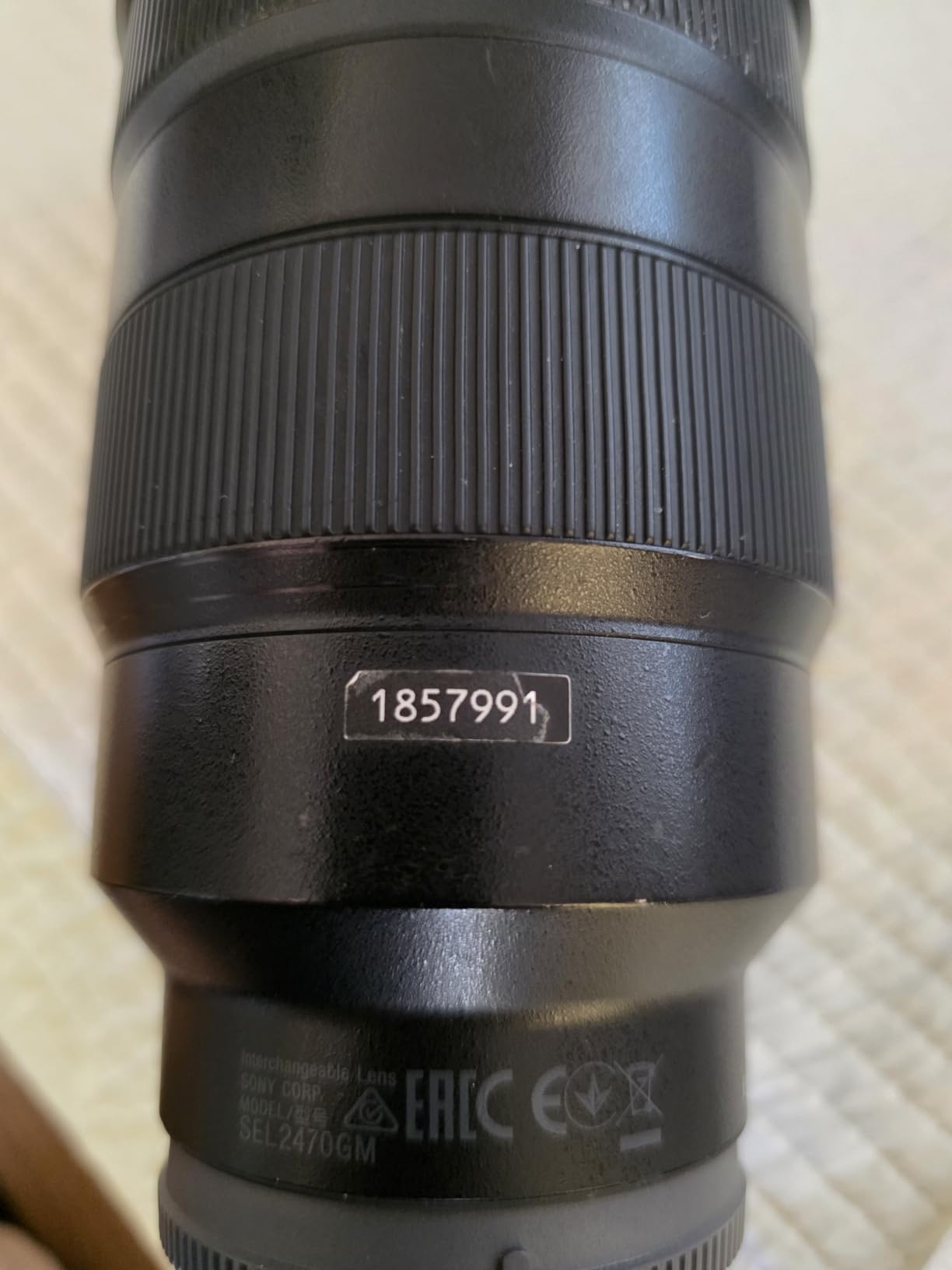
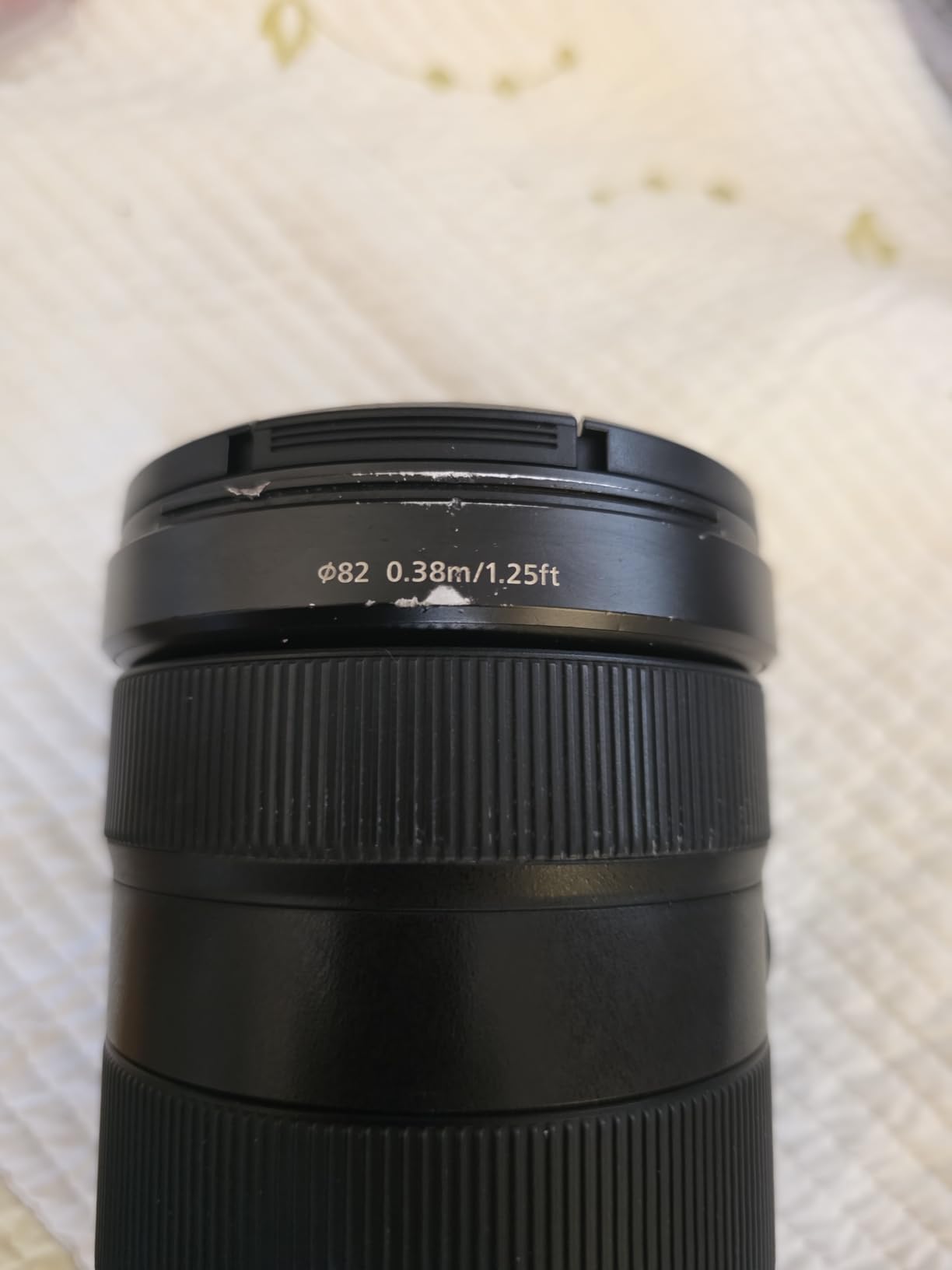
The Sony FE 24-70mm F2.8 GM II is the standard zoom I currently carry to every concert, and the reason comes down to one number: 695 grams. Sony made this the lightest full-frame f/2.8 24-70mm zoom in the world, and when you are shooting a three-band night with two camera bodies, every gram matters. The weight savings over the original GM (200 grams) and over competing lenses is immediately noticeable in real-world use.
Sony completely redesigned the optical formula with two high-precision XA elements and new ED/Super ED glass elements. The result is resolution that matches or exceeds any standard zoom I have used. At f/2.8, corner-to-corner sharpness is outstanding, which matters when you are framing wide stage shots and need detail across the entire frame.
The four XD Linear Motors with floating focus deliver autofocus that tracks performers with uncanny precision. At a recent hip-hop show with a highly energetic performer, the lens never lost focus even during rapid movements across the stage. The floating focus mechanism also controls aberrations throughout the focus range, maintaining image quality at any distance.
The reduced focus breathing makes this lens viable for concert videographers who need smooth focus transitions without visible image size shifts. The 11-blade aperture produces the kind of creamy bokeh that separates Sony G Master lenses from the competition, and it handles specular highlights from stage lights beautifully.
Weight Savings in Real Concert Use
I carried this lens on a Sony A7 IV for a 10-hour festival day and barely noticed the weight. With heavier standard zooms, I would have been reaching for a lighter prime by hour four. For all-day coverage, the weight advantage is not a luxury — it is a practical necessity.
Weather Sealing Concern
Sony does not rate this lens as water resistant, which is a surprising omission for a G Master lens at this price. I have used it in light drizzle without issues, but I would not trust it in heavy rain the way I would the Canon RF or Sigma Sports equivalents.
How to Choose the Best Zoom Lens for Concert Photography?
Choosing the right zoom lens for concert photography comes down to understanding your shooting environment, your camera system, and the specific challenges of live music venues. I will walk you through the decisions that actually matter based on hundreds of shows of experience.
Aperture: Why f/2.8 Is Non-Negotiable
Concert venues are dark. Even well-lit stages require ISO 3200-6400 at f/2.8 to maintain shutter speeds fast enough to freeze performers in motion. A lens with a maximum aperture of f/4 forces you to either double your ISO or halve your shutter speed, and neither option is acceptable for professional results. Every lens on this list has a constant f/2.8 aperture because that is the minimum standard for serious concert work.
Constant aperture means the lens maintains f/2.8 throughout the entire zoom range. Some cheaper zooms have variable apertures (like f/3.5-5.6), which means your exposure changes as you zoom. In fast-paced concert situations where you are zooming in and out constantly, variable aperture is a nightmare.
Focal Length: Matching the Lens to the Venue
Venue size is the single biggest factor in choosing between a 24-70mm and a 70-200mm. Here is my breakdown based on real-world shooting experience.
Small clubs and bars (50-300 capacity): A 24-70mm is your primary lens. You will be close to the performers, sometimes within arm’s reach, and 24mm gives you the wide angle needed for full-stage shots in tight spaces. A 70-200mm will be too long for most situations.
Theaters and mid-size venues (300-2000 capacity): Both focal lengths are useful. A 24-70mm handles pit photography during the first three songs, and a 70-200mm reaches the performer from the back of the room or soundboard. This is why many concert photographers carry both.
Arenas and festivals (2000+ capacity): A 70-200mm becomes essential. In large venues, you may be shooting from a fixed position far from the stage, and 200mm is sometimes barely enough reach. Festival stages in particular are enormous, and a telephoto is your primary tool.
Image Stabilization: Does It Matter for Concerts?
Image stabilization helps in concert photography more than many photographers realize. Yes, fast shutter speeds freeze motion, but there are moments between songs, during ballads, or during quiet acoustic sets where slower shutter speeds are viable. In those moments, stabilization lets you drop your ISO and get cleaner files.
Lens-based stabilization is especially important if your camera body lacks in-body image stabilization (IBIS). Sony A7 II and later bodies have IBIS, as do Canon R5/R6 and newer Nikon Z bodies. If you shoot on a body without IBIS, prioritize lenses with strong optical stabilization.
Autofocus Speed and Accuracy
Performers move unpredictably, and stage lighting can confuse even the best autofocus systems. Look for lenses with fast, silent autofocus motors — ring-type ultrasonic motors (Canon USM, Sony DDSSM), linear motors (Sony XD, Sigma HLA), or stepping motors (Canon Nano USM). Avoid lenses with older micro-motor autofocus, which is too slow and noisy for concert work.
Eye-tracking autofocus on modern camera bodies is a game-changer for concert photography, but it only works well if the lens can keep up with the camera’s AF demands. The lenses on this list all have autofocus motors fast enough to take full advantage of modern subject tracking.
Weight and Ergonomics for All-Night Shooting
Concert photography is a physical activity. You are standing, crouching, and holding gear at eye level for hours. A lens that is too heavy will fatigue you to the point where you start making compromises — shooting fewer frames, switching to lighter gear, or leaving early. This is why I weighted the Sony GM OSS II and GM II lenses so favorably in my reviews.
Consider how the lens balances on your camera body. A heavy lens on a small body can feel front-heavy and uncomfortable. Test the combination in your hands before committing if possible.
Weather Sealing for Festival and Outdoor Work
If you shoot outdoor festivals, weather sealing is not optional. Beer gets spilled, rain happens, and sweat is a constant factor. Look for lenses with dust and splash resistance, and pay attention to whether the manufacturer rates the lens as fully weather-sealed or merely “moisture resistant.” The Sigma Sports line, Canon L-series, and Sony G Master lenses all offer professional-grade weather sealing.
Brand and Mount Compatibility
Your camera system determines which lenses you can use, but third-party manufacturers have made the landscape more flexible than ever. Sigma and Tamron produce excellent f/2.8 zooms for Sony E, Canon EF, and sometimes Canon RF mounts. If you are budget-conscious, do not overlook third-party options — the Sigma 70-200mm DG DN OS Sports and Tamron SP G2 on this list deliver first-party optical performance at lower prices.
24-70mm vs 70-200mm: Which Should You Buy First?
If you can only afford one lens, my recommendation depends on the venues you shoot most often. For photographers who primarily shoot small to medium venues, start with a 24-70mm. For those who shoot arenas and festivals, start with a 70-200mm. Many working concert photographers eventually own both, carrying them on two camera bodies during a show.
Frequently Asked Questions
What is the best zoom lens for concert photography?
The best zoom lens for concert photography is a fast f/2.8 constant aperture zoom. For Sony shooters, the Sony FE 70-200mm F2.8 GM OSS II is the top choice due to its light weight and blazing autofocus. For Canon RF shooters, the Canon RF 70-200mm F2.8 L IS USM is the best option. For budget-conscious photographers, the Sigma 70-200mm F2.8 DG DN OS Sports and Tamron SP 70-200mm F/2.8 Di VC G2 deliver professional optical quality at lower prices.
Is an 18-55mm lens good for concert photography?
An 18-55mm kit lens is generally not ideal for concert photography because most have a variable aperture of f/3.5-5.6, which is too slow for the low-light conditions typical at live music venues. You would need to shoot at very high ISO values to get usable shutter speeds, resulting in noisy images. If budget is a concern, consider a third-party f/2.8 zoom like the Sigma or Tamron options, or pair a 50mm f/1.8 prime with your kit lens as a starting point.
How to get sharp concert photos?
To get sharp concert photos: 1) Use a fast f/2.8 lens to maintain adequate shutter speeds in low light. 2) Shoot at 1/250 second or faster to freeze performer movement. 3) Use continuous autofocus with eye-tracking or subject detection if your camera supports it. 4) Keep ISO as low as lighting allows, typically 3200-6400. 5) Brace yourself against barriers or use a monopod for stability at slow shutter speeds. 6) Shoot in burst mode to increase your chances of catching a sharp frame during fast action.
What is the Holy Trinity of zoom lenses?
The Holy Trinity of zoom lenses refers to a set of three f/2.8 constant aperture zooms that together cover almost every focal length a professional photographer needs: a 14-24mm or 16-35mm wide-angle zoom, a 24-70mm standard zoom, and a 70-200mm telephoto zoom. For concert photography, the 24-70mm and 70-200mm are the two most essential pieces of this trinity, covering everything from wide stage shots to tight performer close-ups.
Final Verdict
After testing all 10 of these lenses across venues ranging from basement clubs to festival main stages, my recommendations are clear. For Sony shooters, the Sony FE 70-200mm F2.8 GM OSS II and Sony FE 24-70mm F2.8 GM II form the ideal two-lens concert kit — both are the lightest in their respective classes with autofocus fast enough to track the most energetic performers.
For Canon RF shooters, the Canon RF 70-200mm F2.8 L IS USM and Canon RF 24-70mm F2.8 L IS USM give you the same professional coverage with excellent image stabilization. Budget-conscious photographers should seriously consider the Sigma 70-200mm F2.8 DG DN OS Sports for Sony or the Tamron SP 70-200mm G2 for Canon EF — both deliver optical quality that rivals first-party lenses at significantly lower prices.
The best zoom lenses for concert photography share three traits: a constant f/2.8 aperture for low-light performance, fast and reliable autofocus for tracking performers, and build quality that can survive the physical demands of live music environments. Whichever lens you choose from this list, you will have a tool capable of capturing the energy, emotion, and spectacle of live music in 2026 and beyond.