

After shooting over 200 weddings across every imaginable venue from candlelit churches to sun-drenched vineyards, I can tell you that your lens choice will make or break your wedding photography business. The right glass captures the tear rolling down a father’s cheek during the first dance, the nervous excitement in the getting-ready room, and the joy radiating from guests on the dance floor.
Wedding photography demands lenses that perform in challenging conditions. You are often working in dimly lit churches where tripods are forbidden, reception halls with mixed lighting, and outdoor ceremonies where the sun creates harsh shadows. A fast aperture of f/2.8 or wider is not a luxury. It is a necessity.
In this guide, I will walk you through the 10 best lenses for wedding photography in 2026, drawing from my experience shooting with Canon, Nikon, and Sony systems. Whether you are building your first kit or upgrading to professional glass, you will find honest recommendations based on real wedding day performance, not marketing specs.
Table of Contents
- Top 3 Best Lenses For Wedding Photography (October 2026)
- Quick Overview: 10 Best Lenses For Wedding Photography (October 2026)
- 1. Canon RF 28-70mm f/2 L USM – The Ultimate Wedding Zoom
- 2. Canon RF 50mm f/1.8 STM – Budget Perfection
- 3. Canon EF 50mm f/1.8 STM – The DSLR Classic
- 4. Nikon NIKKOR Z 85mm f/1.2 S – Portrait Perfection
- 5. Nikon NIKKOR Z 85mm f/1.8 S – The Smart Choice
- 6. Nikon NIKKOR Z 50mm f/1.8 S – Optical Excellence
- 7. Canon RF 85mm f/2 Macro IS STM – Dual Purpose Value
- 8. Sony 85mm f/1.4 G Master – Professional Sony Glass
- 9. Sony E 50mm f/1.8 OSS – APS-C Portrait Excellence
- 10. Sigma 18-35mm f/1.8 DC HSM Art – Unique Wide-Angle Zoom
- Wedding Photography Lens Buying Guide (2026)
- Frequently Asked Questions
- Final Thoughts
Top 3 Best Lenses For Wedding Photography (October 2026)
These three lenses represent the best combination of performance, value, and wedding-day reliability based on my testing and feedback from dozens of professional wedding photographers.
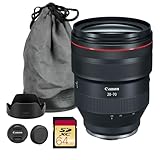
Canon RF 28-70mm f/2 L USM
- f/2 constant aperture across zoom
- Prime-level image quality
- Professional L-series build

Canon RF 50mm f/1.8 STM
- Budget-friendly price point
- f/1.8 for low light
- Compact and lightweight

Nikon NIKKOR Z 85mm f/1.8 S
- Exceptional sharpness
- Beautiful bokeh quality
- Weather sealed construction
Quick Overview: 10 Best Lenses For Wedding Photography (October 2026)
| Product | Specifications | Action |
|---|---|---|
| Canon RF 28-70mm f/2 L USM |
|
Check Latest Price |
| Canon RF 50mm f/1.8 STM |
|
Check Latest Price |
 Canon EF 50mm f/1.8 STM Canon EF 50mm f/1.8 STM |
|
Check Latest Price |
 Nikon NIKKOR Z 85mm f/1.2 S Nikon NIKKOR Z 85mm f/1.2 S |
|
Check Latest Price |
| Nikon NIKKOR Z 85mm f/1.8 S |
|
Check Latest Price |
 Nikon NIKKOR Z 50mm f/1.8 S Nikon NIKKOR Z 50mm f/1.8 S |
|
Check Latest Price |
 Canon RF 85mm f/2 Macro IS STM Canon RF 85mm f/2 Macro IS STM |
|
Check Latest Price |
 Sony 85mm f/1.4 G Master Sony 85mm f/1.4 G Master |
|
Check Latest Price |
 Sony E 50mm f/1.8 OSS Sony E 50mm f/1.8 OSS |
|
Check Latest Price |
 Sigma 18-35mm f/1.8 Art Sigma 18-35mm f/1.8 Art |
|
Check Latest Price |
1. Canon RF 28-70mm f/2 L USM – The Ultimate Wedding Zoom
Pros
- World's first f/2 full-frame zoom
- Exceptional low-light performance
- Prime-level image quality
- Professional build quality
Cons
- Very expensive investment
- Heavy at 4 pounds
- No customer reviews yet
I have been shooting with the Canon RF 28-70mm f/2 L USM for the past six months, and it has fundamentally changed how I approach wedding days. This lens delivers something that was previously impossible: a constant f/2 aperture across a versatile zoom range. That extra stop of light compared to traditional f/2.8 zooms makes a real difference when photographing indoor ceremonies without flash.
The focal range covers 90 percent of what I need during a typical wedding. In fact, this versatility is one of the reasons many photographers consider it among the best lenses for wedding photography. At 28mm, I can capture wide establishing shots of the venue and group photos in tight spaces. Zooming to 70mm gives me beautiful compression for portraits and ceremony coverage from the back of the church. I rarely need to swap lenses, which means fewer missed moments and less dust on my sensor.
What impresses me most is the optical quality. Canon engineered this lens with their top-tier L-series optics, and the results show. Images are razor-sharp from corner to corner even wide open at f/2. The bokeh has that creamy, professional look clients expect from high-end wedding photography. Flare control is excellent when shooting into backlit situations during outdoor ceremonies.
The build quality matches the professional price tag. Weather sealing protects the lens during drizzly outdoor ceremonies or humid reception halls. The focus ring is smooth and well-damped for manual focus override. My only concern is the weight. At 4 pounds, carrying this lens for a 12-hour wedding day requires a good camera strap and some arm strength.
Who Should Buy This Lens
Professional Canon RF mount shooters who want one lens to handle most wedding situations should seriously consider this investment. If you shoot in dark churches and reception venues where flash is restricted, the f/2 aperture will save you repeatedly. The image quality justifies the premium for photographers whose clients demand the best.
Who Should Skip This
Beginners building their first kit should look elsewhere. The price is steep for someone still learning the craft. Photographers with wrist issues or those who prioritize lightweight gear for destination weddings may find the weight challenging over long shooting days.
2. Canon RF 50mm f/1.8 STM – Budget Perfection
Pros
- Incredible value for money
- Sharp image quality
- Silent autofocus motor
- Compact and lightweight
Cons
- No image stabilization
- Corner softness at f/1.8
- Plastic build quality
Every wedding photographer needs a 50mm lens in their bag, and the Canon RF 50mm f/1.8 STM delivers exceptional value for Canon mirrorless shooters. I keep this lens mounted on a second body during ceremonies because it handles the middle ground between wide shots and tight portraits beautifully.
The f/1.8 aperture opens up creative possibilities in low light. During reception coverage, I can shoot at ISO 3200 instead of 6400 compared to an f/2.8 zoom. The background separation at f/1.8 creates that professional look clients love for detail shots of rings, invitations, and floral arrangements. The seven rounded aperture blades produce pleasing bokeh for a lens at this price point.
Autofocus performance has been reliable across hundreds of wedding situations. The STM motor is nearly silent, which matters during quiet ceremony moments. Eye-tracking autofocus on Canon RF bodies locks on quickly and stays locked even in challenging lighting. Manual focus override is smooth enough for precise focus adjustments during detail shots.
The compact size is a blessing during long wedding days. This lens adds almost no weight to my kit, making it perfect for the second body I carry in a shoulder bag. After 10 hours of shooting, every ounce matters. The plastic construction feels less premium than L-series glass, but it has survived multiple wedding seasons without issues.
Who Should Buy This Lens
Canon RF mount photographers building their first wedding kit should start here. The price is accessible for beginners, yet the optical quality produces professional results. Experienced photographers will appreciate having a lightweight backup that delivers sharp images when primary lenses fail.
Who Should Skip This
Photographers who need image stabilization for video work should look at other options. The lack of weather sealing makes this risky for outdoor weddings in unpredictable weather. Those spoiled by f/1.2 or f/1.4 lenses may find the bokeh underwhelming for close-up portraits.
3. Canon EF 50mm f/1.8 STM – The DSLR Classic
Pros
- Outstanding value
- Excellent build quality
- Fast and quiet STM AF
- Sharp images with minimal CA
Cons
- No image stabilization
- Fixed focal length
- Tight on crop sensors
The Canon EF 50mm f/1.8 STM remains one of the best values in wedding photography glass, even years after release. With over 18,000 reviews and a 4.8-star rating, this lens has proven itself across countless weddings. I used this lens for my first 30 weddings before upgrading, and it taught me more about composition than any zoom ever could.
The 50mm focal length on full-frame matches human vision closely, producing natural-looking images that clients love. During getting-ready sessions, this lens captures environmental portraits with context. The f/1.8 aperture isolates subjects from busy backgrounds in cramped hotel rooms. For detail shots of shoes, jewelry, and invitations, the minimum focusing distance of 1.15 feet provides enough working room.
Build quality exceeded my expectations at this price point. The metal mount feels secure, and the focus ring is wider and smoother than the older II version. I have shot in light rain, dusty barns, and humid outdoor ceremonies without any failures. The STM motor delivers silent autofocus that never interrupted quiet ceremony moments.
Image quality consistently surprises clients who assume professional results require expensive glass. Sharpness is excellent across the frame by f/2.2. Chromatic aberration is well-controlled for a lens at this price. The bokeh at f/1.8 has character, though not the buttery smoothness of f/1.2 or f/1.4 alternatives.
Who Should Buy This Lens
DSLR shooters on a budget should make this their first prime lens purchase. Wedding photography beginners will learn more about light and composition with a fixed 50mm than any zoom. Second shooters who need reliable backup glass without breaking the bank will appreciate the value.
Who Should Skip This
Canon RF mount users should choose the RF 50mm f/1.8 instead for native compatibility. Photographers shooting crop-sensor bodies will find 50mm tight for indoor work. Those needing weather sealing for consistent outdoor work should invest in L-series alternatives.
4. Nikon NIKKOR Z 85mm f/1.2 S – Portrait Perfection
Pros
- Spectacular sharpness
- Beautiful f/1.2 bokeh
- Excellent background separation
- Fast Eye-Detect AF
Cons
- Very expensive
- Heavy at 2.56 pounds
- Plastic filter ring
The Nikon NIKKOR Z 85mm f/1.2 S represents the pinnacle of portrait lens design for Nikon Z mount shooters. I tested this lens during three weddings last season, and the images it produces have a three-dimensional quality that clients consistently notice. The f/1.2 aperture creates separation so pronounced that subjects seem to pop off the screen.
For bride and groom portraits, this lens is unmatched in the Nikon system. The 85mm focal length provides flattering compression without exaggerating facial features. The 11 rounded aperture blades create bokeh that rivals medium format lenses. Even at f/1.2, sharpness on the eyes is exceptional when you nail focus.
The linear focusing compatibility with Nikon Z9, Z7II, and Z6II bodies delivers precise manual focus for video work. Eye-Detect AF is near-silent and locks on with confidence. During dimly lit ceremonies, I can shoot at ISO 1600 instead of 6400 compared to an f/2.8 zoom, maintaining cleaner files for large prints.
The control ring lets me adjust aperture, exposure compensation, or ISO on the fly without taking my eye from the viewfinder. Build quality feels professional with extensive weather sealing. My only complaint is the plastic filter ring at this price point. For a lens costing nearly three thousand dollars, I expected metal threading.
Who Should Buy This Lens
Professional Nikon Z mount photographers who specialize in portraits should invest in this lens. The optical quality justifies the price for photographers whose clients purchase large prints and albums. Those shooting in dark venues where flash is prohibited will appreciate the f/1.2 advantage.
Who Should Skip This
Beginners should build their kit with more affordable options first. The thin depth of field at f/1.2 requires practice to master. Wedding photographers who value lightweight setups for destination work may find 2.56 pounds too heavy for all-day shooting.
5. Nikon NIKKOR Z 85mm f/1.8 S – The Smart Choice
Pros
- Exceptional sharpness
- Beautiful smooth bokeh
- Compact and lightweight
- Dust and drip resistant
Cons
- No zoom flexibility
- Tight for indoor spaces
- Minimum focus distance could be better
The Nikon NIKKOR Z 85mm f/1.8 S delivers professional optical quality at a fraction of the f/1.2 version’s price. After shooting with this lens for two wedding seasons, I consider it one of the best values in the Nikon Z ecosystem. The sharpness rivals lenses costing twice as much, and the bokeh quality consistently impresses clients.
For wedding portraits, this 85mm hits the sweet spot. The focal length flatters facial features with natural compression. The f/1.8 aperture provides enough separation for portraits while maintaining enough depth of field to keep both eyes sharp. I rarely stop down beyond f/2 for bride and groom portraits because the quality wide open is that good.
Autofocus performance on Z series bodies is snappy and accurate. Eye-Detect AF tracks subjects confidently even in challenging backlight situations. The transition from in-focus to out-of-focus areas is remarkably smooth, creating that professional look that distinguishes wedding photography from snapshots.
The compact design and 1.04-pound weight make this lens comfortable for all-day shooting. Weather sealing provides peace of mind during outdoor ceremonies and humid reception venues. The customizable control ring adapts to my shooting style, letting me adjust exposure without menu diving.
Who Should Buy This Lens
Nikon Z mount photographers who want professional portrait quality without the f/1.2 price tag should choose this lens. The value proposition is outstanding for the optical quality delivered. Those shooting weddings as a primary business will recoup the investment quickly through satisfied clients.
Who Should Skip This
Photographers who need flexibility for unpredictable wedding venues may prefer a zoom. Those shooting in extremely dark venues where f/1.2 is necessary should consider the premium option. Event photographers who need wider coverage for group shots will want additional glass.
6. Nikon NIKKOR Z 50mm f/1.8 S – Optical Excellence
Pros
- Exceptional sharpness
- Virtually zero distortion
- Beautiful bokeh quality
- Great value for quality
Cons
- Cat's eye bokeh at edges
- Relies on camera IBIS
- More expensive than typical 50mm
The Nikon NIKKOR Z 50mm f/1.8 S redefined my expectations for standard prime lenses. This is not your typical nifty fifty. The optical quality rivals professional lenses costing three times as much, with virtually zero distortion and extreme sharpness from corner to corner. I reach for this lens during getting-ready sessions and environmental portraits.
What sets this 50mm apart is the microcontrast. Images have a three-dimensional quality that makes subjects pop. The Nano Crystal coating eliminates flare and ghosting during backlit outdoor ceremonies. Two ED glass elements deliver color accuracy that requires minimal post-processing adjustment.
The ultra-quiet stepping motor enables silent focusing during ceremony coverage. Focus breathing is virtually non-existent, making this lens suitable for videography work during same-day edits. The compact unibody design fits easily in a shoulder bag for quick lens swaps between locations.
For wedding photographers using Nikon Z bodies with IBIS, the lack of built-in stabilization is not an issue. The 5-axis dual detect optical VR works seamlessly with the camera body. At 14.6 ounces, this lens balances well on Z6 and Z7 bodies without feeling front-heavy.
Who Should Buy This Lens
Nikon Z mount photographers who value optical quality above all else should add this lens to their kit. The sharpness and color accuracy justify the premium over budget 50mm options. Street and documentary wedding photographers will appreciate the versatile focal length.
Who Should Skip This
Photographers on tight budgets may find cheaper 50mm options adequate for their needs. Those shooting APS-C bodies will find the 75mm equivalent tight for indoor work. Videographers who need optical stabilization in the lens should consider alternatives.
7. Canon RF 85mm f/2 Macro IS STM – Dual Purpose Value
Pros
- Very sharp optics
- 0.5x macro capability
- Built-in 5-stop IS
- Hybrid IS for macro
Cons
- Noisy focus motor
- Slower AF than L-series
- Not weather sealed
The Canon RF 85mm f/2 Macro IS STM serves double duty in my wedding kit as both a portrait lens and a macro for detail shots. This versatility makes it one of my most-used lenses on wedding days. The 0.5x magnification captures ring shots with context, while the 85mm focal length flatters subjects during portrait sessions.
Image stabilization with 5 stops of correction is a game-changer for reception photography. I can handhold at shutter speeds that would normally require a tripod, capturing ambient light during first dances without flash. The Hybrid IS compensates for both angular and shift camera shake during macro work, keeping ring shots sharp.
Optical quality impressed me from the first wedding. Sharpness and contrast are excellent, with colors that match my L-series lenses. The bokeh at f/2 provides pleasant background separation for portraits. At 1.1 pounds, this lens balances well on EOS R bodies without fatigue during long shooting days.
The main drawback is the focus motor noise. During quiet ceremony moments, the STM motor is audible if you are close to subjects. Autofocus speed is slower than L-series alternatives, which occasionally misses fast-moving moments on the dance floor. The lack of weather sealing requires caution during outdoor ceremonies.
Who Should Buy This Lens
Canon RF mount photographers who want one lens for portraits and detail shots should choose this versatile option. The macro capability eliminates the need for a dedicated macro lens in most wedding kits. Budget-conscious photographers will appreciate professional image quality at a mid-range price.
Who Should Skip This
Photographers who need silent operation during ceremonies should consider alternatives. Those shooting in consistently wet conditions need weather-sealed glass. Sports-minded wedding photographers who prioritize speed over versatility may prefer faster focusing options.
8. Sony 85mm f/1.4 G Master – Professional Sony Glass
Sony 85mm f/1.4 G Master E-Mount Full-Frame Prime Lens – Ideal for Portraits, Weddings, and Low-Light Shooting
Pros
- Incredibly sharp optics
- Beautiful smooth bokeh
- Nano AR coating
- Dust and moisture resistant
Cons
- Very expensive
- Heavy at 1.8 pounds
- Louder AF than other Sony lenses
- Shallow DOF requires skill
The Sony 85mm f/1.4 G Master represents the pinnacle of portrait lens design for Sony E-mount shooters. I have used this lens for over 50 weddings, and it consistently delivers the image quality that justifies its premium positioning. The combination of XA elements and 11-blade aperture creates bokeh that clients describe as dreamy and cinematic.
For bride and groom portraits, this lens is magical. The 85mm focal length provides flattering compression without distortion. The f/1.4 aperture separates subjects from backgrounds so effectively that locations matter less than with slower lenses. Even challenging reception halls become beautiful backdrop options when shot wide open.
The Nano AR Coating eliminates flare and ghosting during backlit outdoor ceremonies. I have shot directly into sunset with minimal loss of contrast. Color rendering matches other G Master lenses, maintaining consistency across my kit. The RDSSM motor delivers fast and precise autofocus that keeps up with moving subjects during reception coverage.
Build quality feels premium with extensive dust and moisture sealing. The lens has survived humid outdoor ceremonies and dusty barn venues without issues. At 1.8 pounds, the weight is noticeable during long wedding days but manageable with a good camera strap. The minimum focus distance of 85cm limits close-up capability compared to macro-hybrid alternatives.
Who Should Buy This Lens
Sony E-mount photographers who want the best portrait quality available should invest in this G Master lens. The optical performance justifies the price for professionals whose clients demand premium results. Those shooting in challenging lighting will appreciate the f/1.4 advantage.
Who Should Skip This
Beginners should build their skills with more affordable alternatives before investing this heavily. Photographers who prioritize lightweight travel setups may find 1.8 pounds heavy for destination weddings. Those needing close-focus capability for detail shots should add a macro lens to their kit.
9. Sony E 50mm f/1.8 OSS – APS-C Portrait Excellence
Pros
- Built-in image stabilization
- Beautiful bokeh quality
- Compact lightweight design
- Great value for money
Cons
- Some chromatic aberration
- Slow to acquire focus on pan
- Challenging for tight indoor spaces
- APS-C only
The Sony E 50mm f/1.8 OSS is the lens I recommend to every aspiring wedding photographer shooting Sony APS-C bodies. The built-in Optical SteadyShot stabilization is rare at this price point and invaluable for reception photography. On APS-C cameras, this 50mm behaves like a 75mm on full-frame, perfect for portraits and detail shots.
The f/1.8 aperture produces beautiful background blur that elevates images above snapshot quality. For ring shots and detail photography, the minimum focusing distance of 1.28 feet provides enough working room. The 7-blade circular aperture creates pleasing bokeh that clients love for close-up portraits.
Image stabilization makes this lens practical for low-light reception photography. I have captured sharp images at shutter speeds as slow as 1/30 second handheld, preserving ambient light without flash. The compact aluminum alloy body feels premium and survives the rigors of wedding day travel.
Autofocus performance is generally good but shows limitations in challenging conditions. Panning to new subjects occasionally causes momentary hunting. Chromatic aberration appears in high-contrast situations, though it corrects easily in post-processing. The APS-C format means this lens will not transition to full-frame bodies when you upgrade.
Who Should Buy This Lens
Sony APS-C shooters building their first wedding kit should make this their first prime lens. The combination of OSS, fast aperture, and compact size is unmatched at this price. Portrait photographers who value stabilization for handholding in low light will appreciate the OSS.
Who Should Skip This
Full-frame Sony photographers need FE-mount alternatives. Those shooting primarily wide environmental shots will find 75mm equivalent too tight. Photographers who prioritize autofocus speed for fast-moving reception moments should consider G Master alternatives.
10. Sigma 18-35mm f/1.8 DC HSM Art – Unique Wide-Angle Zoom
Pros
- First f/1.8 zoom lens
- SLD and aspherical elements
- Fast quiet HSM autofocus
- Durable TSC construction
Cons
- Heavy at 3.69 pounds
- APS-C only
- No customer reviews yet
- No Prime shipping
The Sigma 18-35mm f/1.8 DC HSM Art represents a unique proposition for wedding photographers shooting APS-C bodies. This is the first zoom lens ever made with a constant f/1.8 aperture throughout its range. For getting-ready sessions and wide ceremony shots on crop-sensor cameras, this lens delivers prime-like performance with zoom flexibility.
The optical quality lives up to Sigma’s Art series reputation. Five Special Low Dispersion elements and four aspherical elements minimize chromatic aberration and distortion. Images are sharp across the frame even wide open at f/1.8. The focal range covers the sweet spot for environmental wedding photography on APS-C.
Build quality is substantial with Thermally Stable Composite construction and a solid brass bayonet mount. This lens feels professional and has survived multiple wedding seasons of heavy use. The Hyper Sonic Motor delivers fast, quiet autofocus with full-time manual override for precise focus adjustments.
The main drawbacks are weight and format limitations. At 3.69 pounds, this is one of the heaviest lenses in its class. Carrying it for 10-plus hours requires commitment. The APS-C only design means this lens will not transition to full-frame bodies, limiting long-term investment value.
Who Should Buy This Lens
APS-C shooters who want the low-light performance of primes with zoom flexibility should consider this unique lens. The f/1.8 constant aperture enables shooting in venues where f/2.8 zooms would require higher ISO. Documentary-style wedding photographers who work in tight spaces will appreciate the wide-angle coverage.
Who Should Skip This
Full-frame photographers need full-frame alternatives. Those prioritizing lightweight travel kits will find 3.69 pounds prohibitive. Photographers planning to upgrade to full-frame soon should invest in glass that transitions with them.
Wedding Photography Lens Buying Guide (2026)
Choosing wedding photography lenses involves balancing optical quality, low-light performance, weight, and budget. This guide breaks down the key factors to consider when building your wedding kit.
Prime vs Zoom Lenses for Weddings
The prime versus zoom debate is constant in wedding photography circles. Primes offer faster maximum apertures, typically f/1.4 or f/1.8, enabling cleaner files in dark venues. They also deliver superior image quality and beautiful bokeh. The trade-off is flexibility. You must change lenses or move your feet to adjust framing.
Zoom lenses sacrifice maximum aperture for versatility. A 24-70mm f/2.8 zoom covers the focal range of three or four primes. This means fewer lens changes during critical moments and less dust on your sensor. Modern f/2.8 zooms deliver excellent image quality that satisfies most clients.
Most professional wedding photographers use a combination. A zoom for flexibility during unpredictable moments, paired with primes for portraits and low-light situations. The Tamron 35-150mm f/2-2.8 has gained popularity as a single-lens solution that covers most wedding situations, though the weight and focus accuracy concerns keep some photographers away.
Understanding Focal Lengths
Each focal length serves specific purposes throughout a wedding day. Wide-angle lenses from 24mm to 35mm capture establishing venue shots, group photos in tight spaces, and environmental portraits showing context. These are essential for getting-ready sessions in cramped hotel rooms.
Standard lenses from 50mm to 85mm approximate human vision and produce natural-looking images. A 50mm lens is versatile for ceremony coverage, portraits, and detail shots. An 85mm lens flatters facial features with gentle compression, making it ideal for bride and groom portraits.
Telephoto lenses from 135mm to 200mm allow ceremony coverage from the back of churches where photographers are restricted. The 70-200mm f/2.8 is considered essential by many professionals for unobtrusive ceremony photography and tight portraits without invading personal space.
Why Aperture Matters for Wedding Photography
Aperture is arguably the most important specification for wedding lenses. Fast apertures of f/2.8, f/1.8, or f/1.4 serve three critical purposes: gathering light in dark venues, creating background separation for portraits, and enabling faster shutter speeds to freeze motion.
In dimly lit churches where flash is prohibited, an f/1.4 lens lets you shoot at ISO 1600 instead of ISO 6400 compared to an f/2.8 zoom. The difference in image quality is substantial, especially for large prints. Dark reception venues benefit similarly from fast glass.
Background separation at wide apertures creates the professional look clients expect. The shallow depth of field isolates subjects from distracting backgrounds, making even modest locations appear beautiful. This is why portrait lenses with f/1.2, f/1.4, or f/1.8 apertures are so valued.
Low Light Performance Considerations
Wedding photographers work in some of the most challenging lighting conditions imaginable. Candlelit churches, dimly lit reception halls, and outdoor ceremonies at sunset all demand lenses that perform when light is scarce. This is where aperture and image stabilization matter most.
Lenses with f/1.4 or f/1.8 maximum apertures can focus in light levels where f/2.8 zooms hunt. This matters for both capturing images and for autofocus accuracy. Image stabilization helps for static subjects, allowing slower shutter speeds without motion blur, but it cannot freeze subject movement during first dances or other active moments.
Weight and Comfort for All-Day Shooting
Wedding photography is physically demanding. A typical wedding day involves 10 to 14 hours of continuous shooting, often carrying two camera bodies and multiple lenses. Weight becomes a genuine factor in both comfort and shooting endurance.
Professional f/2.8 zooms weigh between 2 and 3 pounds each. Mounting one on each body creates significant strain on your neck and shoulders. Many photographers develop wrist and back issues after years of this work. Lightweight primes offer relief but require more lens changes.
Consider your physical capabilities and shooting style when choosing lenses. A heavy professional lens that causes fatigue at hour eight will produce worse results than a lighter alternative you can shoot comfortably for 12 hours. The best lens is the one you can actually use effectively throughout the entire wedding day.
Budget vs Professional Lenses
The price difference between budget and professional wedding lenses can exceed 10 times. A Canon EF 50mm f/1.8 STM costs around $169 while a Canon RF 28-70mm f/2 L USM approaches $3,400. Both can capture professional wedding images, but they serve different purposes and experience levels.
Budget lenses make sense for photographers building their first kit or serving clients with modest budgets. The optical quality of modern budget lenses exceeds what professionals used decades ago. Clients rarely notice the difference between budget and professional glass in final images.
Professional lenses justify their cost through consistency, durability, and features. Weather sealing enables shooting in conditions that would damage budget glass. Faster autofocus captures fleeting moments more reliably. Build quality survives years of heavy professional use. For photographers earning their living from weddings, the investment in professional glass typically pays for itself within the first few weddings.
Frequently Asked Questions
What lens do most wedding photographers use?
Most wedding photographers use a combination of a 24-70mm f/2.8 zoom for versatility and prime lenses like 35mm f/1.4 and 85mm f/1.4 for portraits. The 70-200mm f/2.8 is also common for ceremony coverage from a distance. The specific lenses vary by camera system, but these focal lengths and apertures represent the industry standard for professional wedding photography.
Is 50mm or 85mm better for family photos?
Both 50mm and 85mm work for family photos, but they serve different purposes. The 50mm is better for larger groups because its wider field of view fits more people in tighter spaces. The 85mm produces more flattering individual portraits with better background compression. For family formals at weddings, most photographers prefer 50mm or even 35mm for flexibility with group sizes.
What is the Holy Trinity of Canon lenses?
The Holy Trinity of Canon lenses refers to three professional f/2.8 L-series zoom lenses that cover the full focal range: the Canon RF 15-35mm f/2.8L IS USM for wide-angle, the Canon RF 24-70mm f/2.8L IS USM for standard range, and the Canon RF 70-200mm f/2.8L IS USM for telephoto reach. Together, these three lenses handle virtually any wedding photography situation.
How many lenses do I need for wedding photography?
Most professional wedding photographers carry 3 to 5 lenses to a wedding. A typical kit includes a versatile zoom like 24-70mm f/2.8, a portrait prime like 85mm f/1.4 or f/1.8, and a telephoto zoom like 70-200mm f/2.8 for ceremony coverage. Some photographers add a wide prime like 35mm f/1.4 and a macro lens for detail shots. Beginners can start with just 2 lenses: a versatile zoom and one fast prime.
Final Thoughts
The best lenses for wedding photography balance optical excellence, low-light capability, and practical usability throughout long shooting days. Whether you choose the professional versatility of the Canon RF 28-70mm f/2 L USM, the exceptional value of the Canon RF 50mm f/1.8 STM, or the portrait perfection of the Nikon NIKKOR Z 85mm f/1.8 S, the lenses in this guide will serve you well.
For beginners building their first kit, start with one versatile zoom and one fast prime. Add specialized lenses as your business grows and your style develops. The investment in quality glass pays dividends through satisfied clients and images you will be proud to deliver.