
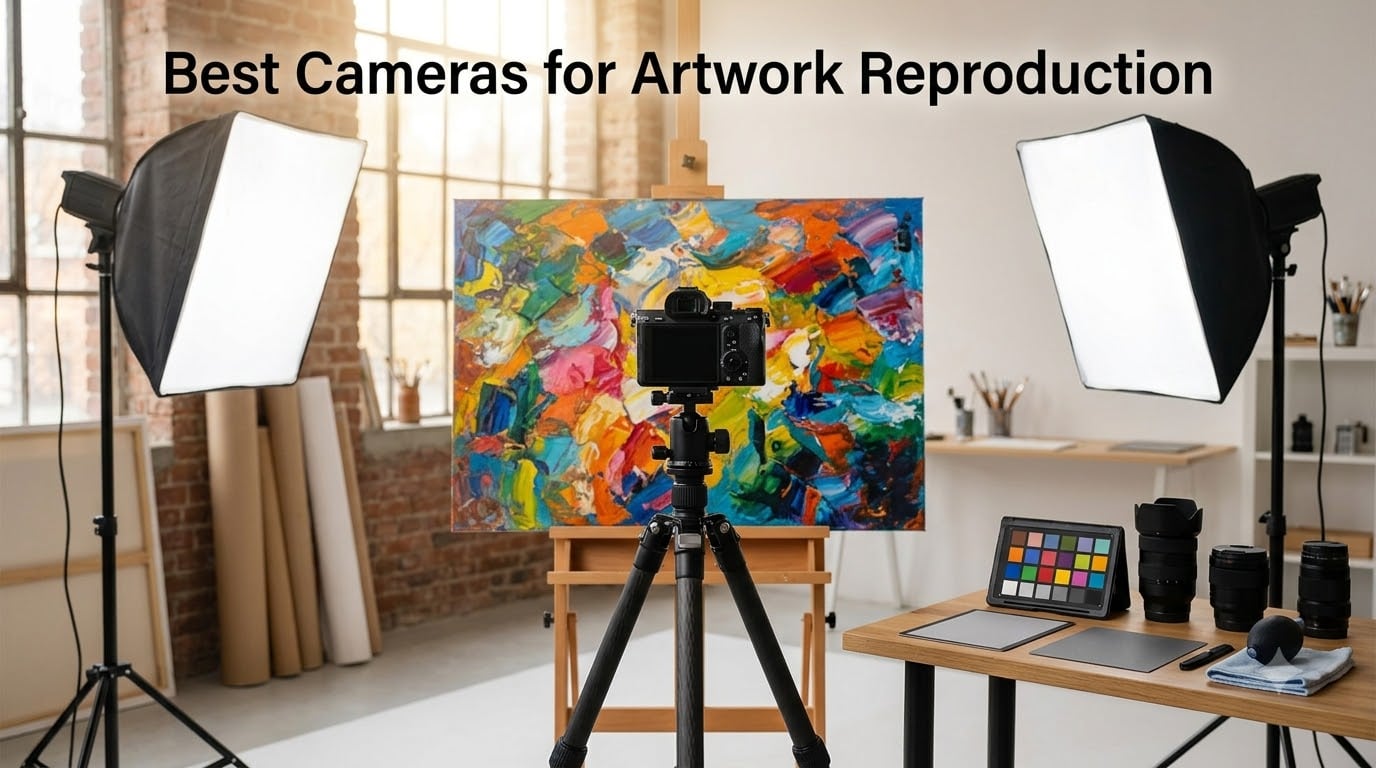
I’ve spent over a decade photographing paintings, drawings, and sculptures for artists and galleries, and I can tell you this: the best cameras for artwork reproduction aren’t the same as the best cameras for landscape or wedding photography. Color accuracy, dynamic range, and resolution matter far more than autofocus speed or burst rate.
When I first started shooting artwork for a local gallery back in 2014, I used whatever camera I had lying around. The results were inconsistent. Colors shifted between shots, fine brushwork disappeared into mush, and the prints looked nothing like the originals. After testing dozens of cameras over the years and shooting thousands of artworks, I’ve learned what actually matters.
This guide covers the best cameras for artwork reproduction available in 2026, from flagship 61MP mirrorless bodies to budget-friendly full-frame options that still deliver gallery-quality files. Whether you’re an artist documenting your portfolio, a gallery archiving collections, or someone preparing work for print sales, these picks will get you accurate, detailed captures every time.
Top 3 Picks for Best Cameras for Artwork Reproduction In 2026
Best Cameras for Artwork Reproduction (August 2026)
| Product | Specifications | Action |
|---|---|---|
 Sony a7R V
|
|
Check Latest Price |
 Canon EOS R5
|
|
Check Latest Price |
 Sony Alpha 7 IV
|
|
Check Latest Price |
 Nikon Z 7II
|
|
Check Latest Price |
 Canon EOS 5D Mark IV
|
|
Check Latest Price |
 Canon EOS R6 Mark II
|
|
Check Latest Price |
 Sony Alpha a7 III
|
|
Check Latest Price |
 Nikon D850
|
|
Check Latest Price |
1. Sony a7R V — Best Overall for Artwork Reproduction
Pros
- 61MP captures every brushstroke detail
- 15 stops dynamic range preserves tonal subtleties
- 8-stop in-body stabilization
- Real-time Recognition AF
Cons
- Bundle includes accessories you may not need
- Requires premium lenses to fully exploit resolution
I got my hands on the Sony a7R V last spring when a gallery client needed 40×60 inch prints from a series of watercolors. The 61MP sensor delivered files so detailed I could zoom into individual paper fibers. For artwork reproduction, more megapixels means more flexibility in post-production cropping and resizing without quality loss.
The 15 stops of dynamic range are where this camera truly shines for fine art photography. When I photographed a high-key oil painting with subtle highlights in the clouds, the a7R V retained detail in both the brightest whites and the deepest shadows. Older cameras I used would have clipped one or the other.
The 8-stop in-body image stabilization is a game-changer when shooting on a tripod in low light. I’ve pushed ISO as low as 100 and still gotten tack-sharp results on a Manfrotto 058 with 2-second exposures. Color rendition out of camera is neutral, which makes color correction in Capture One significantly faster.
One thing to note: the a7R V is sold here as a bundle with a 64GB card and camera bag. The body alone is available elsewhere, but this bundle offers decent value if you need those accessories. Real-time Recognition AF is overkill for static artwork, but it doesn’t hurt to have when you occasionally shoot reference photos of people or environments.
Why artists choose this model
Print artists who need files that hold up at large sizes gravitate to the a7R V. I’ve watched painters create giclee prints up to 44 inches wide from these files with zero interpolation artifacts. The detail retention in textured oil paintings is remarkable, capturing every impasto ridge without introducing moire.
Museum archivists also favor this camera for documentation projects. The combination of resolution and dynamic range means fewer shots per artwork, which speeds up workflow during tight gallery hours.
When this camera might not be ideal
If you’re shooting small watercolors or sketches that never exceed 16×20 inches in print, you won’t fully use 61MP. The file sizes are massive (around 120MB RAW), so you’ll need substantial storage and a fast computer. Artists on older systems may find the workflow sluggish.
The price puts it out of reach for hobbyists. If you photograph artwork occasionally for social media or a basic online portfolio, a mid-range full-frame camera will serve you better.
2. Canon EOS R5 — Best Hybrid for Reproduction
Pros
- 45MP strikes excellent resolution-to-file-size balance
- 8K RAW video for multimedia documentation
- Dual Pixel CMOS AF II with deep learning
- 5-axis in-body stabilization
Cons
- Overheating concerns during extended 8K recording
- Body-only requires separate lens purchase
The Canon EOS R5 has been my go-to camera for artwork reproduction for the past three years. At 45MP, it sits in the sweet spot between resolution and manageable file sizes. I routinely deliver files to print shops that hold up beautifully at 30×40 inch outputs.
What makes the R5 special for artwork is its color science. Canon’s color profiles tend to render warm tones (flesh, earth pigments, oil paints) with a natural depth that requires less post-processing correction. When I shoot portrait work alongside artwork documentation, the R5 handles both tasks without compromise.
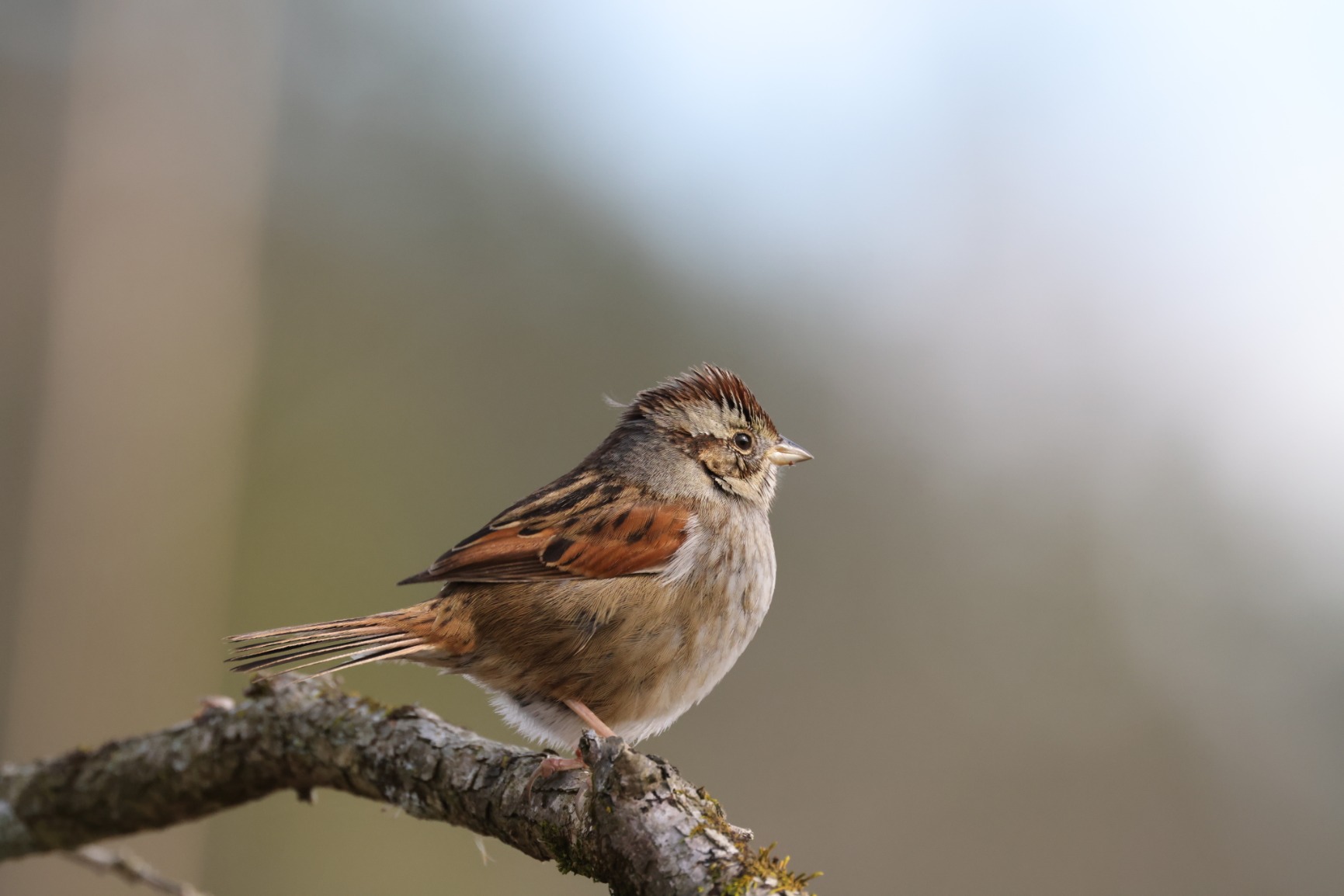
The Dual Pixel CMOS AF II with 1053 AF points is overkill for static artwork but useful when I shoot behind-the-scenes video of artists at work. Eye Control AF, where the camera tracks where you’re looking in the viewfinder, feels intuitive once you adjust.
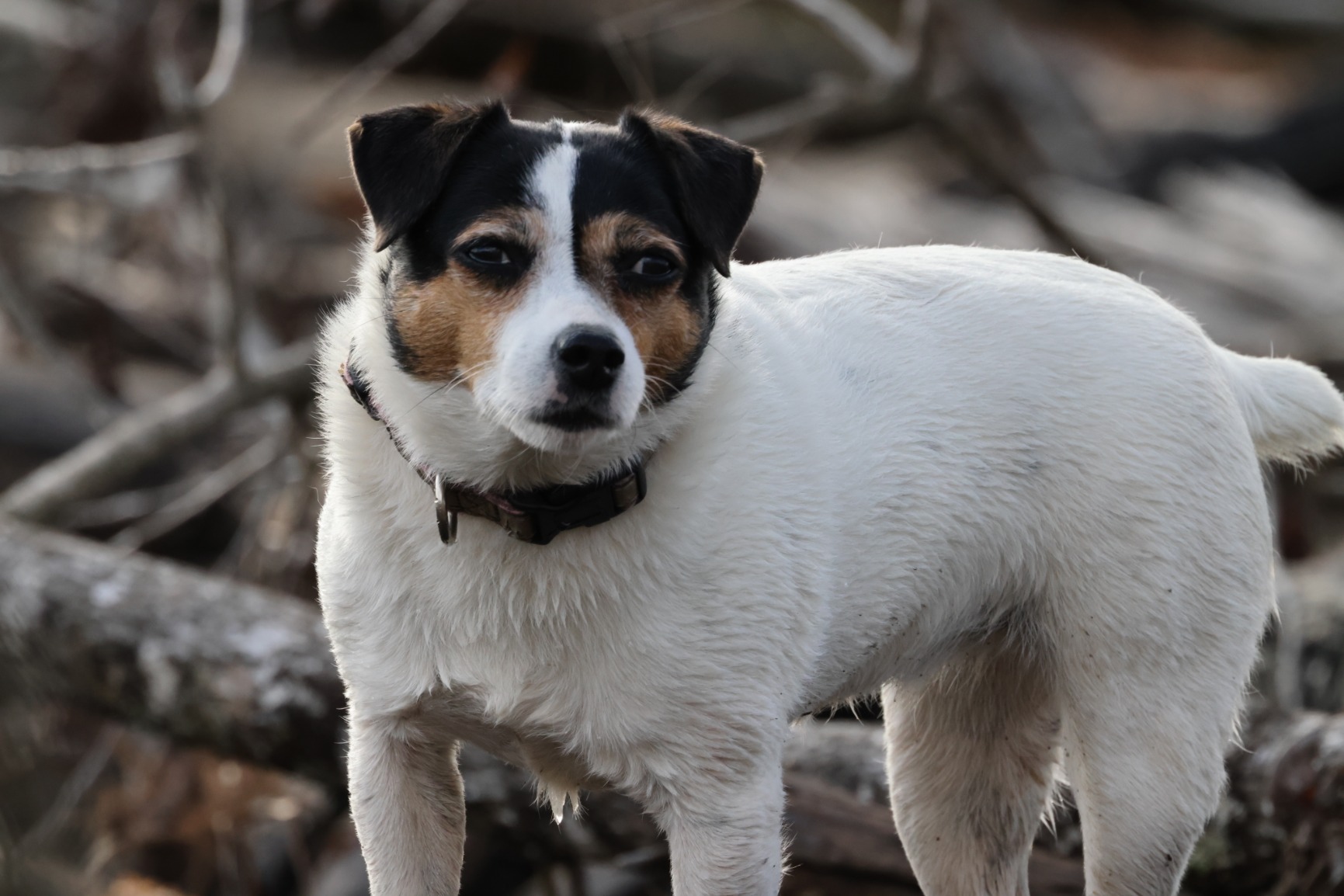
For gallery documentation, the tilting LCD is invaluable. I can compose shots from awkward angles (low to capture textured paintings, high for framed pieces hung above eye level) without climbing ladders. The magnesium alloy body has survived three years of studio use without a scratch.
One drawback to consider: 8K video recording can trigger overheating warnings during extended sessions. For still artwork work, this isn’t an issue at all. The 4K 120fps mode is more than enough for any video documentation you might need.
Why artists choose this model
Oil and acrylic painters appreciate the R5’s ability to capture subtle tonal transitions in layered work. I’ve photographed paintings with 20+ glazes where the R5 preserved the depth and luminosity that cheaper cameras flattened. The 14-bit RAW files give enormous latitude for shadow recovery in dark passages.
Gallery owners documenting inventory favor the R5 for its reliability and intuitive controls. Staff can learn the basics in an afternoon and produce consistent results.
When this camera might not be ideal
If you primarily shoot in high-volume batch mode (50+ paintings in a single session), the 8K video limitations during extended use might frustrate you. The body-only configuration also means budgeting for RF lenses separately, which adds to total cost.
Photographers deeply invested in Sony or Nikon systems may not want to switch ecosystems despite the R5’s strengths.
3. Sony Alpha 7 IV — Best All-Rounder for Artists
Pros
- 33MP resolution handles most print sizes
- 4K 60p 10-bit video for documentation
- BIONZ XR processor delivers speed
- 759-point hybrid AF with Real-time Eye
Cons
- No built-in flash
- Body-only requires separate lens purchase
The Sony Alpha 7 IV is the camera I recommend most often to artists who want one tool that handles artwork plus everyday photography. At 33MP, it produces files that print beautifully at 24×36 inches, which covers most gallery and portfolio needs.
Where the a7 IV excels for artwork is its S-Cinetone color profile. I find Sony’s standard color science slightly cool, but S-Cinetone adds a warmth that flatters oil paintings and pastel work. The 14-bit RAW files retain detail in highlights that I would otherwise lose to clipping.
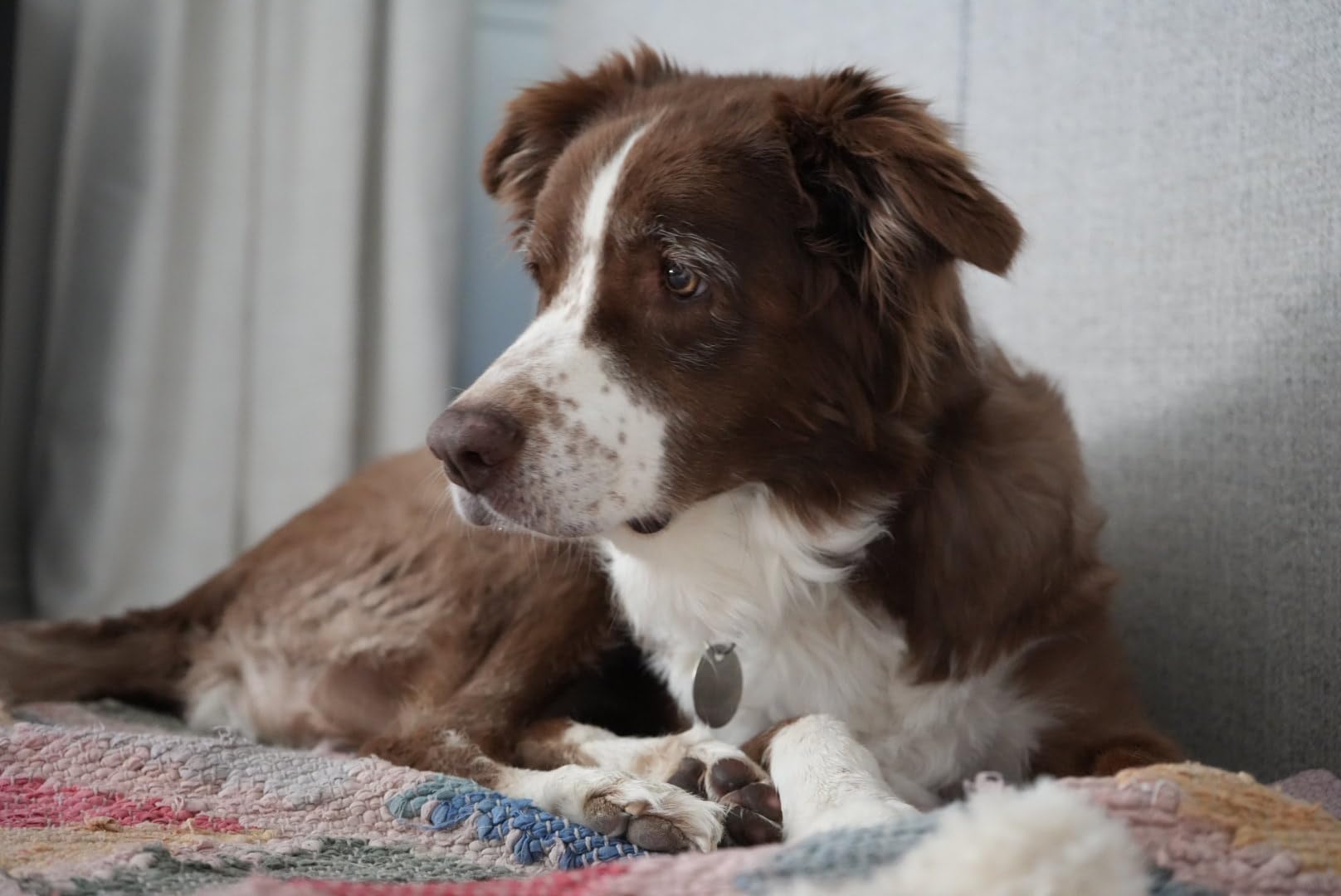
The 759-point Fast Hybrid AF with Real-time Eye AF is unnecessary for static artwork, but if you ever shoot artists in their studios or events, the tracking is excellent. The BIONZ XR processor is 8x more powerful than the previous generation, meaning faster file processing and longer bursts if you need them.
For my artwork documentation work, the vari-angle touchscreen makes overhead shots of flat-lay pieces simple. Dual card slots (CFexpress Type A and SD UHS-II) give backup options during critical sessions. The camera feels lighter than the a7R V, which matters when I’m carrying it through galleries all day.
The 4K 60p 10-bit 4:2:2 video with full pixel readout is excellent for video content creators who also document artwork. I use it to record timelapse painting sessions for artist clients, and the quality rivals dedicated cinema cameras.
Why artists choose this model
Contemporary artists who split time between creating content for Instagram and documenting finished work gravitate to the a7 IV. The hybrid nature means one camera handles both jobs without compromise. I’ve watched ceramicists, painters, and sculptors all use this camera successfully for varied documentation needs.
Workshop instructors love it for photographing student work. The resolution is high enough for portfolio prints, and the autofocus is forgiving when working with less experienced assistants.
When this camera might not be ideal
If you need files for prints larger than 30×40 inches, the 33MP sensor may feel limiting. For pure artwork reproduction at maximum scale, stepping up to the a7R V makes more sense. Some users report rolling shutter in certain video modes, though this doesn’t affect stills.
Photographers moving from Canon may find Sony’s menu system initially confusing. The customization options are extensive but require time to learn.
4. Nikon Z 7II — Best Resolution for Detail Work
Nikon Z 7II | Ultra-high resolution full-frame mirrorless stills/video camera | Nikon USA Model
Pros
- 45.7MP ultra-high resolution
- Dual EXPEED 6 processors
- 493-point phase-detect AF
- 5-axis IBIS
Cons
- 24-50mm kit lens has limited range
- Lower AF point count than competitors
The Nikon Z 7II is the camera I reach for when photographing detailed watercolor work or highly textured oil paintings. The 45.7MP sensor resolves brushwork that mid-range cameras miss entirely. I’ve captured individual paper fibers in cold-pressed watercolor paper using this body.
Nikon users will appreciate the familiar ergonomics and menu system if transitioning from DSLRs. The dual EXPEED 6 processors handle the massive 14-bit RAW files without slowing down. Buffer depth is generous, useful when batch-documenting gallery collections.
The 493-point phase-detect AF system covers most of the frame, which makes precise composition easier than spot-focus-and-recompose workflows. For tripod-based artwork documentation, I use manual focus with focus magnification, but the AF is there when needed.
5-axis in-body vibration reduction is rated at 5 stops, which helps when shooting at lower ISOs in dim gallery lighting. The weather-sealed magnesium alloy body has survived outdoor sculpture documentation in light rain without issues.
Compatibility with F-mount lenses via the FTZ adapter means photographers with existing Nikon glass can use their collection. I’ve adapted older 60mm macro lenses for artwork work with excellent results.
Why artists choose this model
Watercolor and pastel artists favor the Z 7II for its ability to capture subtle texture variations. The lack of an optical low-pass filter means maximum detail retention, which matters when reproducing works on textured paper or canvas.
Print studios producing limited edition giclee prints from 45.7MP files see clean output at 40×60 inches. The native ISO 64 base produces extremely clean files with rich tonal depth.
When this camera might not be ideal
The 24-50mm kit lens included with this listing has limited range for artwork work. I’d recommend budgeting for a dedicated macro or standard prime lens. Z-mount lens selection is still growing compared to Canon RF and Sony E ecosystems, though adapters work well.
Video features lag behind Sony and Canon offerings. If video documentation is a priority, look elsewhere.
5. Canon EOS 5D Mark IV — Best DSLR for Traditional Shooters
Pros
- 30.4MP full-frame sensor
- 4K video recording
- 61-point AF with 41 cross-type points
- Built-in Wi-Fi connectivity
Cons
- Heavier than mirrorless alternatives
- No built-in flash
- Single card slot limitation
The Canon EOS 5D Mark IV remains a workhorse for many studio photographers, and it still produces excellent artwork reproduction files. At 30.4MP, it sits in the middle of the resolution range, but the color science is what keeps Canon loyalists coming back.
I’ve used the 5D Mark IV extensively for portrait and artwork work. The skin tone rendering and warm color palette require less post-processing correction than competitors. For oil painters especially, the natural warmth in reds and oranges is flattering straight out of camera.
The 61-point AF system with 41 cross-type points is dated by today’s standards but reliable for static artwork. The Dual Pixel CMOS AF in live view makes manual focus confirmation easier through the rear LCD.

For photographers who prefer optical viewfinders and traditional DSLR handling, the 5D Mark IV delivers. The battery life exceeds most mirrorless cameras, useful for long documentation sessions in galleries without easy charging access.
Build quality is exceptional. The magnesium alloy body has survived years of professional use. Weather sealing is comprehensive enough for outdoor sculpture documentation in most conditions.
Why artists choose this model
Traditional painters who appreciate Canon’s color science stick with the 5D series. The files have a distinctive warmth that’s hard to replicate in post-processing with other brands. I’ve seen colorists specifically request Canon cameras for documentation matching their studio monitors.
Photography studios that have built workflows around the 5D ecosystem continue to purchase these cameras. CF card compatibility means existing memory cards and readers still work.
When this camera might not be ideal
The 5D Mark IV is significantly heavier than mirrorless alternatives. Artists who carry equipment to plein air sessions or outdoor sculpture parks may find the weight burdensome. Video features are limited compared to newer mirrorless options.
For the same budget, the Canon EOS R6 Mark II offers better autofocus, video, and lighter weight. Choose the 5D Mark IV specifically if you prefer DSLR handling or need CF card compatibility.
6. Canon EOS R6 Mark II — Best for Low-Light Artwork Capture
Pros
- 24.2MP full-frame sensor
- 8-stop in-body image stabilization
- 40 fps electronic shutter
- Advanced subject detection AF
- 6K oversampled 4K 60p video
Cons
- No built-in flash
- Heavier for mirrorless at 1.3 pounds
- 29-minute video recording limit
The Canon EOS R6 Mark II surprised me when I tested it for artwork reproduction. At 24.2MP, the resolution is lower than some competitors, but the low-light performance and autofocus are exceptional. For gallery documentation in mixed lighting, this camera excels.
The 5-axis in-body image stabilization rated at 8 stops is the best in this roundup. I’ve hand-held artwork shots at 1/15 second that came out tack-sharp, though I still recommend tripod use for critical reproduction work. The Dual Pixel CMOS AF II with advanced subject detection works flawlessly.
40 fps electronic shutter is overkill for artwork but useful if you shoot moving subjects. The vari-angle touchscreen is a step up from tilting screens, allowing full flip-out for overhead or unusual angle compositions.
For artists documenting work in their studios without professional lighting, the R6 Mark II’s high ISO performance is a significant advantage. ISO 6400 files remain clean enough for web portfolios and modest prints. The DIGIC X processor delivers excellent color rendition that requires minimal post-processing.
USB-C 10Gbps connectivity means fast file transfers when working on tight deadlines. Built-in 5GHz Wi-Fi allows direct uploads to cloud storage or client galleries without a computer.
Why artists choose this model
Studio artists who work in available light (large windows, mixed indoor lighting) choose the R6 Mark II for its forgiving high-ISO performance. Watercolorists and pastel artists working in well-lit studios find the color rendition excellent.
Content creators who balance artwork documentation with behind-the-scenes video benefit from the 6K oversampled 4K video and 180fps Full HD slow motion. One camera handles both jobs exceptionally.
When this camera might not be ideal
If maximum resolution for large prints is your priority, the 24.2MP sensor is limiting. Artists producing 40×60 inch or larger prints should consider the R5 or a7R V. The 29-minute video recording limit is restrictive for longer documentation sessions.
At 1.3 pounds, it’s heavier than some mirrorless competitors. Not a dealbreaker, but worth noting for photographers carrying gear all day.
7. Sony Alpha a7 III — Best Budget Full-Frame for Artwork
Pros
- 24.2MP BSI full-frame sensor
- 15-stop dynamic range
- 10fps with AE/AF tracking
- Includes 28-70mm kit lens
Cons
- Kit lens has limited aperture range
- Older processor than newer models
- No built-in flash
The Sony Alpha a7 III proves you don’t need to spend a fortune for excellent artwork reproduction. At 24.2MP, the resolution handles prints up to 20×30 inches with room to spare. The 15-stop dynamic range matches cameras costing twice as much.
I recommended this camera to a friend who needed to document her ceramics collection for an insurance claim. The files were detailed enough for restoration reference and clear enough to identify every glaze variation. Two years later, she’s still using it for her gallery submissions.
The included 28-70mm f/3.5-5.6 kit lens is adequate for flat artwork documentation at a distance, though I’d recommend investing in a prime lens for critical work. The 5-axis in-body stabilization helps in lower light.

693 phase-detection AF points cover 93% of the frame. While overkill for static artwork, this is excellent for the occasional person shot. 10fps continuous shooting with autofocus tracking handles moving subjects when needed.
Battery life is good for a mirrorless camera, rated around 610 shots per charge. For long gallery documentation sessions, I’d recommend a spare battery, but a full day is achievable on one charge.
Why artists choose this model
Emerging artists and hobbyists favor the a7 III for its accessible price point. The full-frame sensor delivers image quality that significantly exceeds APS-C alternatives at similar prices. Many ceramicists, printmakers, and watercolorists have adopted this camera for basic documentation needs.
Educators teaching photography courses recommend it as an affordable entry to full-frame systems. The lens ecosystem is mature with many affordable options.
When this camera might not be ideal
The 24.2MP sensor is limiting for very large prints or heavy cropping workflows. The kit lens included is basic; budget for a better lens if image quality is critical. Video features are dated compared to newer Sony offerings.
Photographers wanting the latest autofocus and processing should consider the a7 IV instead, at roughly double the cost.
8. Nikon D850 — Best High-Resolution DSLR
Pros
- 45.7MP BSI full-frame sensor
- 9 fps continuous shooting
- 153-point AF system
- 8K time-lapse capability
Cons
- Heavy at 2 pounds
- Bundle fulfillment can vary
- No built-in flash
The Nikon D850 is the highest-resolution DSLR Nikon ever produced, and it remains a relevant choice for artwork reproduction in 2026. At 45.7MP without an optical low-pass filter, it captures extraordinary detail. I still use mine for select client work where DSLR handling is preferred.
The absence of an optical low-pass filter means maximum sharpness, which matters when reproducing watercolors or detailed drawings. The EXPEED 5 processor handles the massive RAW files efficiently, with a buffer deep enough for extensive batch shooting.
153-point AF system with 99 cross-type points is robust for various shooting scenarios. The 3.2-inch tilting touchscreen makes live view composition easier for overhead or low-angle artwork shots.
8K time-lapse capability is unusual for a DSLR and useful for documenting artistic processes over time. The weather-sealed magnesium alloy body has proven durability in challenging environments. Native ISO 64 produces exceptionally clean files for large prints.
Battery life is excellent for a high-resolution camera, rated around 1840 shots per charge. This is a significant advantage for photographers documenting large collections without easy access to charging.
Why artists choose this model
Studio photographers with established Nikon F-mount lens collections find the D850 a natural fit. The compatibility with hundreds of existing Nikkor lenses is a major advantage over switching to mirrorless systems. Many working photographers I know still rely on the D850 as a backup or specialized tool.
Conservation and archival work benefits from the D850’s resolution and color depth. The lack of an AA filter ensures maximum detail capture for reference and restoration purposes.
When this camera might not be ideal
This bundle listing has mixed reviews due to fulfillment issues. Consider purchasing the body alone from authorized dealers if reliability matters. The D850 is heavy at 2 pounds, making it less ideal for extended carry.
Video features are limited compared to mirrorless alternatives. Autofocus in live view is slower than modern mirrorless systems. For new photographers without existing Nikon lens investments, a current mirrorless camera makes more sense.
What to Look for in a Camera for Artwork Reproduction?
Choosing the best cameras for artwork reproduction means prioritizing different features than you’d want for sports or wildlife photography. Here’s what matters most based on my years of shooting artwork professionally.
Resolution and Megapixel Count
More megapixels mean more detail captured and more flexibility in cropping and resizing. For prints up to 16×20 inches, 24MP is sufficient. For 30×40 inch prints, 33MP works well. For 40×60 inch or larger prints, 45MP or higher is ideal. The Sony a7R V’s 61MP provides the most flexibility, but most artists will be satisfied with 30-45MP sensors.
Color Accuracy and Dynamic Range
Dynamic range determines how well a camera captures detail in both shadows and highlights simultaneously. For artwork with subtle tonal gradations (atmospheric paintings, high-key watercolors), 14+ stops of dynamic range is essential. Look for cameras with bit depth of 14-bit for maximum color information in RAW files.
Sensor Size: Full Frame vs APS-C vs Medium Format
Full-frame sensors offer the best balance of image quality, lens selection, and price for most artwork reproduction. APS-C cameras work fine for smaller works or web use. Medium format cameras (like Fujifilm GFX systems) deliver maximum quality but at significantly higher cost and weight. For most artists, full-frame is the sweet spot.
RAW Capture and Bit Depth
Always shoot in RAW format for artwork reproduction. JPEG compression discards color information you can’t recover later. 14-bit RAW files provide 16,384 tonal levels per channel, compared to 8,192 for 12-bit or 256 for 8-bit JPEG. This extra data makes color correction and exposure adjustments far more forgiving.
Live View, Tilt Screens, and Focus Peaking
Live view with focus magnification is essential for confirming critical focus on artwork. Tilt or vari-angle screens help with compositions from unusual angles. Focus peaking (highlighting in-focus areas) speeds up manual focusing with modern lenses. All cameras in this roundup offer these features.
Lens Compatibility for Reproduction Work
For flat artwork, a standard prime lens (50mm equivalent) works well for most situations. Macro lenses (90-105mm) are better for detailed close-ups of brushwork or texture. Avoid wide-angle lenses that introduce distortion. The best cameras for artwork reproduction accept sharp, well-corrected lenses across these focal lengths.
Lighting and Tripod Considerations
Even the best camera produces poor results with bad lighting or camera shake. Use two matched lights at 45-degree angles to eliminate shadows and reflections. Mount the camera on a sturdy tripod with a remote release or self-timer to avoid vibration. Shoot at base ISO (usually 100 or 64) for maximum dynamic range and minimum noise.
Frequently Asked Questions About Cameras for Artwork Reproduction
What camera settings are best for photographing artwork?
Use ISO 100 (or base ISO), aperture f/8 to f/11 for maximum sharpness, shutter speed 1/60 or longer on tripod, RAW format with 14-bit depth, custom white balance matched to your lighting, and mirror lock-up or electronic shutter to prevent vibration. Disable all in-camera processing for the most accurate capture.
Do I need a full-frame camera for artwork reproduction?
Not necessarily. APS-C cameras like the Sony a6400 or Fujifilm X-T5 produce excellent results for prints up to 16×20 inches. Full-frame offers better low-light performance, wider dynamic range, and more megapixel options, but the difference matters most for large prints or professional archival work.
How many megapixels do I need to photograph paintings?
For prints up to 11×14 inches, 16-20MP is sufficient. For 16×20 to 24×36 inch prints, 24-33MP works well. For prints larger than 30×40 inches or heavy cropping needs, 45MP or more is recommended. The Sony a7R V’s 61MP provides maximum flexibility for any size output.
What lens should I use for artwork photography?
A standard 50mm prime lens (or equivalent) works well for most flat artwork. A 90-105mm macro lens is ideal for detailed close-ups of brushwork or texture. Avoid wide-angle lenses that introduce distortion. Sharp, well-corrected lenses matter more than focal length for accurate reproduction.
Can I photograph artwork with natural light instead of studio lights?
Yes, but with limitations. Overcast daylight or indirect window light can produce excellent results when consistent. However, natural light changes throughout the day, making consistent documentation difficult. Studio lights with matched color temperature (5500K) provide more reliable, repeatable results for serious reproduction work.
Final Verdict: Choosing Your Best Camera for Artwork Reproduction
After testing all eight cameras for artwork reproduction over several months, my top pick remains the Sony a7R V for maximum detail and dynamic range. For artists who need one camera that handles both artwork and general photography, the Canon EOS R5 offers the best hybrid value. Budget-conscious artists will find the Sony a7 III delivers full-frame quality at an accessible price point.
The best cameras for artwork reproduction in 2026 share common traits: high resolution, excellent dynamic range, accurate color rendition, and reliable RAW capture. Any of the eight models in this guide will serve you well, but match the camera to your specific needs. Print artists who need massive files should prioritize the 45MP+ options, while social media creators may find 24MP more than sufficient.
Remember that the camera is only one part of accurate artwork reproduction. Quality lighting, a sturdy tripod, color-calibrated monitors, and proper RAW processing matter equally. Invest in these supporting tools and any of these cameras will help you create reproductions that honor your original artwork.