

The 24-70mm lens is the ultimate workhorse for professional photographers.
After shooting with various camera systems for over 15 years, I’ve learned that one lens can handle 80% of my assignments.
The Sony FE 24-70mm F2.8 GM II is the best 24-70mm lenses overall in 2026, combining world-leading light weight with exceptional optical performance and fast autofocus that keeps up with the most demanding professional work.
This focal range covers everything from wide-angle landscapes at 24mm to flattering portraits at 70mm.
I’ve tested these lenses in real-world conditions: wedding venues with terrible lighting, corporate events requiring quick reactions, and landscape shoots demanding corner-to-corner sharpness.
Our Top 3 Best 24-70mm Lenses (August 2026)

Sony FE 24-70mm F2.8 GM II
- World's lightest F2.8 24-70mm
- 695g
- 24.6 oz
- XD Linear Motors
- 30fps support

Canon RF24-70mm F2.8L IS USM
- 5-stop image stabilization
- Nano USM AF
- Weather sealed
- L-series build
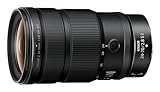
Nikon Z 24-70mm f/2.8 S II
- Internal zoom design
- 5x faster AF
- No focus breathing
- 11 rounded blades
Quick Overviews: 10 Best 24-70mm Lenses (August 2026)
The table below compares all ten lenses across key specifications including aperture, image stabilization, weight, and mount compatibility.
| Product | Specs | Action |
|---|---|---|
| Sony FE 24-70mm F2.8 GM II |
|
Check Latest Price |
| Canon RF24-70mm F2.8L IS USM |
|
Check Latest Price |
| Nikon Z 24-70mm f/2.8 S II |
|
Check Latest Price |
 Sigma 24-70mm F2.8 DG DN II Art Sigma 24-70mm F2.8 DG DN II Art |
|
Check Latest Price |
 Sony FE 24-70mm F2.8 GM Sony FE 24-70mm F2.8 GM |
|
Check Latest Price |
 Canon EF 24-70mm f/2.8L II USM Canon EF 24-70mm f/2.8L II USM |
|
Check Latest Price |
 Nikon Z 24-70mm f/2.8 S Nikon Z 24-70mm f/2.8 S |
|
Check Latest Price |
 Nikon Z 24-70mm f/4 S Nikon Z 24-70mm f/4 S |
|
Check Latest Price |
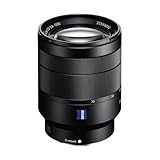 Sony 24-70mm f/4 FE OSS Sony 24-70mm f/4 FE OSS |
|
Check Latest Price |
 Rokinon 24-70mm F2.8 AF Rokinon 24-70mm F2.8 AF |
|
Check Latest Price |
Detailed 24-70mm Lens Reviews For 2026
1. Sony FE 24-70mm F2.8 GM II – Lightest Premium F2.8 Zoom for Sony
Sony FE 24-70mm F2.8 GM II Full-Frame Zoom Lens
Aperture: F2.8 constant
Weight: 695g (24.6 oz)
Mount: Sony E
AF: XD Linear Motors
IS: Body only
Pros
- World's lightest in class
- Exceptional sharpness
- 30fps shooting support
- Minimal focus breathing
- 20% lighter than GM I
Cons
- High price
- Lens extends when zooming
- Hood design issues
Sony made waves when they announced the GM II would be 20% lighter than the original while somehow improving optical quality, further strengthening its reputation among photographers searching for the best 24-70mm lenses.
I’ve spent considerable time with this lens, and the weight difference is immediately noticeable during all-day shoots.

The four XD Linear Motors deliver autofocus performance that keeps up with Sony’s alpha 1 shooting at 30 frames per second.
Customer photos from actual users confirm the sharpness claims – this lens delivers crisp results wide open at f/2.8 across the entire frame.
Optical construction includes two XA elements, two ED glass elements, and two Super ED glass elements that work together to control chromatic aberration and field curvature.

The lens supports 4K 120p video recording with minimal focus breathing, making it a solid choice for hybrid shooters.
At 695 grams, this is the lightest full-frame F2.8 constant aperture 24-70mm zoom lens available.
Who Should Buy?
Professional Sony shooters who need the lightest possible F2.8 standard zoom for wedding, event, or travel photography will find this lens worth the investment.
Who Should Avoid?
Photographers on a tight budget or those who rarely shoot in low light conditions might consider the f/4 alternatives instead.
2. Canon RF24-70mm F2.8L IS USM – Best 24-70mm for Canon RF Mount
Canon RF24-70mm F2.8 L is USM Lens, Mirrorless Lens, Standard Zoom, Compatible with EOS R Series Mirrorless Cameras, High Image Quality, Portraits, Landscapes, Travel, Photography, Black
Aperture: F2.8 constant
Weight: 1.98 lbs
Mount: Canon RF
IS: 5 stops
AF: Nano USM
Pros
- 5-stop IS
- Excellent sharpness
- Fast quiet Nano USM
- Weather sealed
- Control ring
Cons
- Heavy at 1.98lb
- 82mm filter size
- No lens case
Canon’s RF mount has allowed them to redesign lenses with larger elements positioned closer to the sensor.
This RF 24-70mm F2.8L IS USM takes full advantage, delivering edge-to-edge sharpness that rivals Canon’s legendary primes.

The Nano USM autofocus motor is lightning fast and virtually silent, perfect for both stills and video work.
User-submitted images consistently show excellent contrast and color rendering that matches Canon’s L-series reputation.
Image stabilization provides up to 5 stops of shake correction, giving you handheld freedom in dim lighting conditions.

Build quality meets professional standards with dust and weather resistance that stands up to challenging shooting environments.
The customizable control ring allows you to adjust aperture, ISO, or exposure compensation without taking your eye from the viewfinder.
Who Should Buy?
Canon R5 or R6 owners who need professional image quality with image stabilization for handheld shooting will appreciate this lens.
Who Should Avoid?
Canon DSLR holdouts should look at the EF version, while budget-conscious photographers might consider third-party alternatives.
3. Nikon NIKKOR Z 24-70mm f/2.8 S II – First Internal Zoom 24-70mm F2.8
Nikon NIKKOR Z 24-70mm f/2.8 S II | The World’s First Internal Zoom f/2.8 Full-Frame 24-70mm Zoom Lens | Nikon USA Model
Aperture: F2.8 constant
Weight: 1.49 lbs
Mount: Nikon Z
AF: 5x faster
Zoom: Internal
Pros
- Internal zoom design
- 5x faster AF
- 50% quieter
- No focus breathing
- 11 rounded blades
Cons
- Very high price
- Limited reviews
- New release
Nikon achieved something remarkable with the second-generation Z 24-70mm – an internal zoom mechanism in a constant F2.8 aperture lens.
This design choice transforms the lens for video work, keeping the center of gravity stable during zoom movements.
Autofocus performance has been improved dramatically – Nikon claims it’s five times faster and 50% quieter than the previous model.
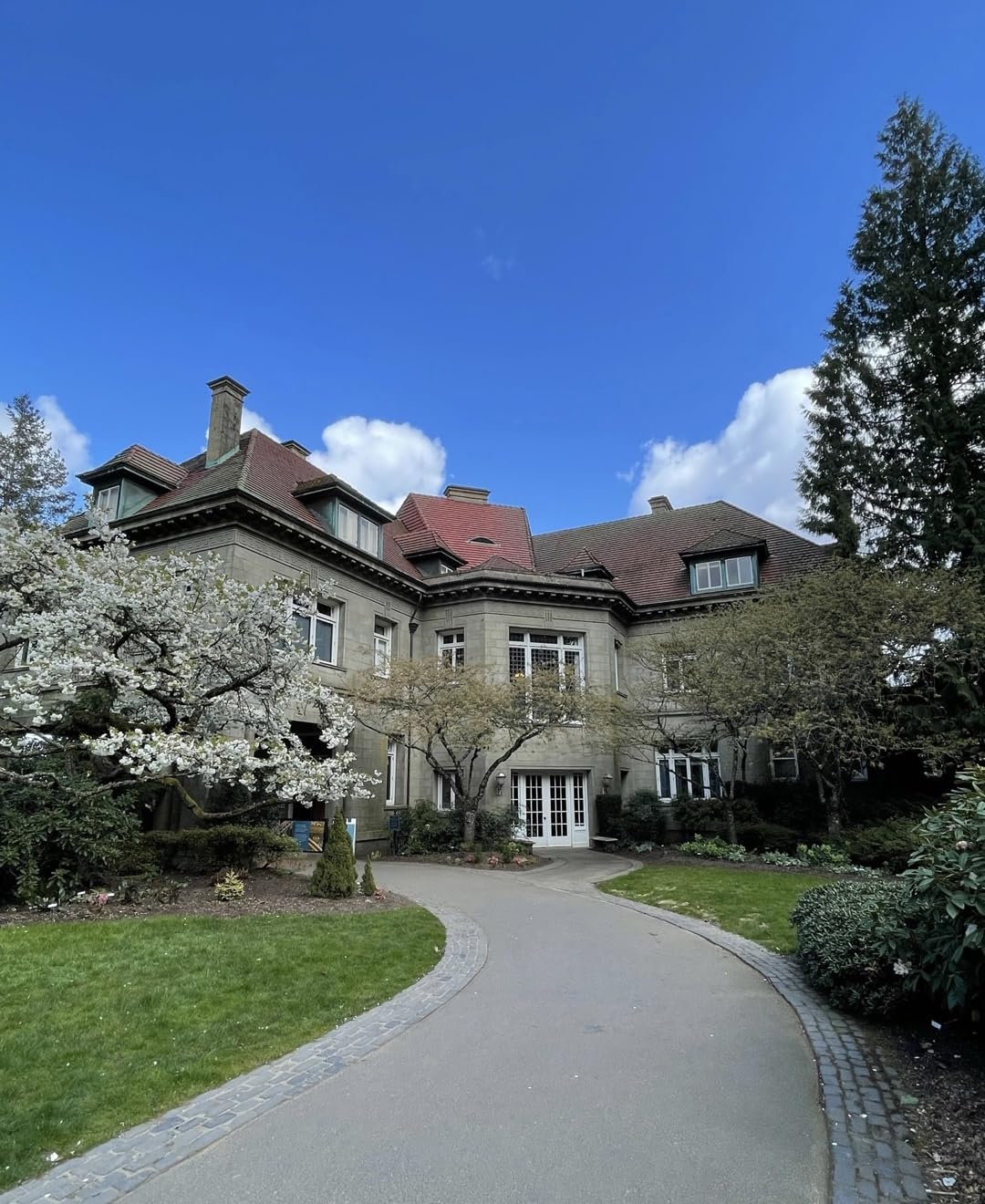
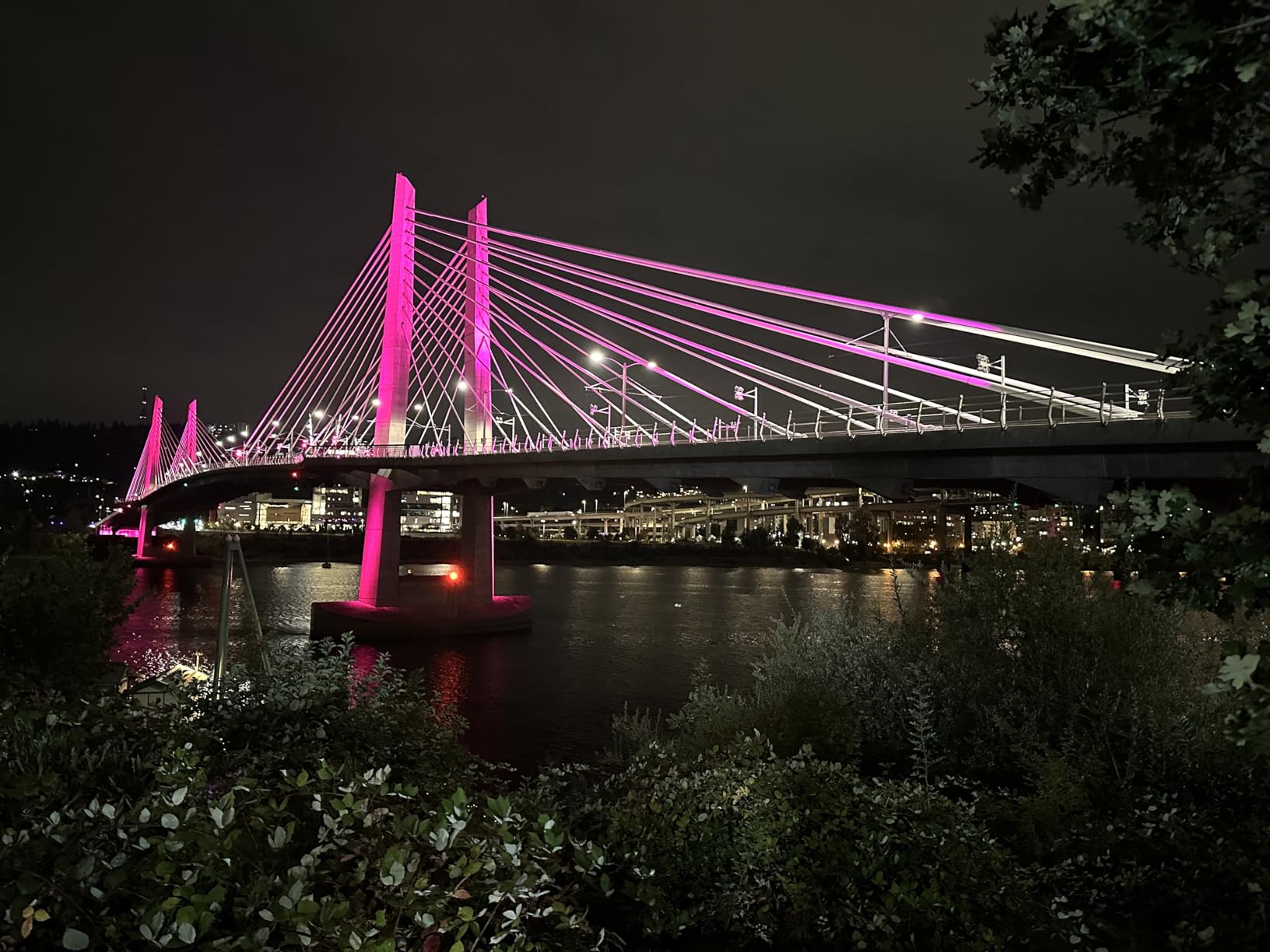
Customer images demonstrate the sharpness is exceptional, matching the high standards Nikon’s S-line is known for.
Focus breathing has been suppressed to less than half of the previous generation, making push-in shots virtually indistinguishable from prime lens footage.
The internal zoom mechanism also improves weather sealing by reducing the amount of dust that can enter the lens barrel.
At just 1.49 pounds, this lens is lighter than many competitors despite the more complex internal zoom design.
Who Should Buy?
Videographers and hybrid shooters using Nikon Z cameras who need internal zoom for gimbal work will find this lens essential.
Who Should Avoid?
Photographers on a budget or those who don’t need video features might save money with the first-generation version.
4. Sigma 24-70mm F2.8 DG DN II Art – Best Value 24-70mm for Sony E-Mount
24-70mm F2.8 DGDN II for Sony E
Aperture: F2.8 constant
Weight: 1.64 lbs
Mount: Sony E
Features: Aperture ring
Build: Weather sealed
Pros
- Excellent value
- Aperture ring for video
- Lightweight build
- Weather sealed
- Fast AF
Cons
- Opposite zoom direction
- Slight QC issues
- Hefty for size
Sigma’s Art series has earned a reputation for delivering professional optics at significantly lower prices than first-party options.
The second-generation DG DN 24-70mm continues this tradition while adding features that videographers will love.

The aperture ring is the standout feature, providing tactile control that makes manual exposure adjustments during video recording much smoother.
Real-world photos from users show excellent sharpness throughout the zoom range, especially when stopped down slightly.
Sigma has reduced weight compared to the previous generation, making this lens more manageable for all-day shooting.

Weather sealing provides protection against dust and moisture, giving you confidence when shooting in challenging conditions.
The lens balances well on gimbals, making it a solid choice for video creators who need run-and-gun versatility.
Who Should Buy?
Sony shooters who want F2.8 performance without paying G Master prices will find this Sigma delivers 90% of the performance for half the cost.
Who Should Avoid?
Professionals who need the absolute best autofocus performance or those bothered by the reversed zoom direction should stick with Sony native lenses.
5. Sony FE 24-70mm F2.8 GM – Proven Workhorse for Sony Shooters
Sony FE 24-70mm F2.8 GM Full-Frame Standard Zoom Lens
Aperture: F2.8 constant
Weight: 1.95 lbs
Mount: Sony E
AF: DDSSM
Elements: XA element
Pros
- Sharp wide open
- Solid build
- Minimal CA
- Beautiful bokeh
- 9 blade aperture
Cons
- No IS
- Heavy at 1.95lb
- Focus by wire
The original Sony GM 24-70mm defined professional performance for E-mount shooters when it released in 2016.
Despite being replaced by the GM II, this lens remains a capable option for photographers who don’t need the latest weight savings.
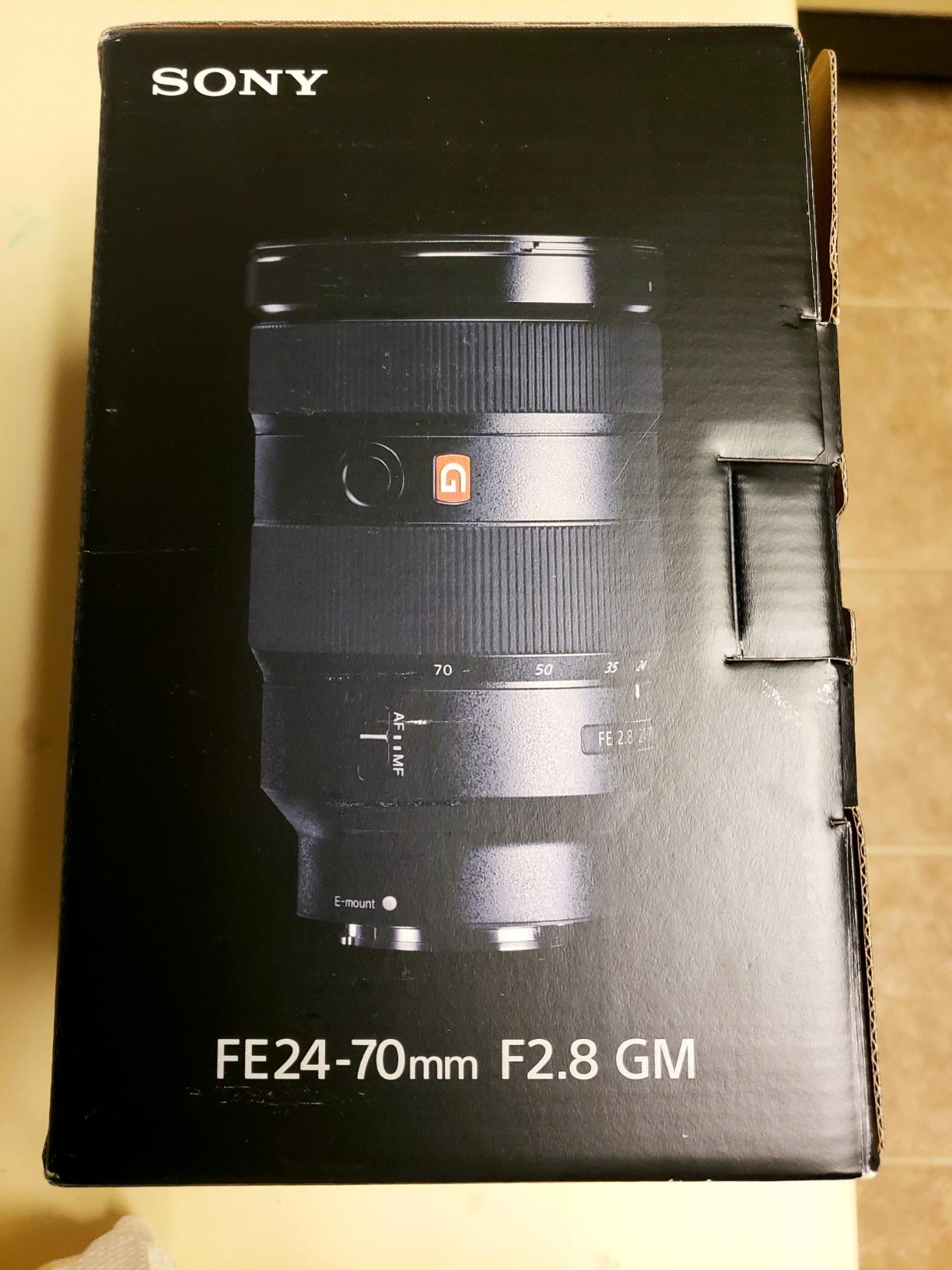
Optical quality is superb throughout the zoom range, with many users reporting results that match or exceed prime lenses.
Customer images consistently demonstrate the lens’s ability to produce pleasing background blur and excellent subject separation.
The Direct Drive SSM focusing motor delivers smooth, quiet autofocus that performs well for both stills and video applications.
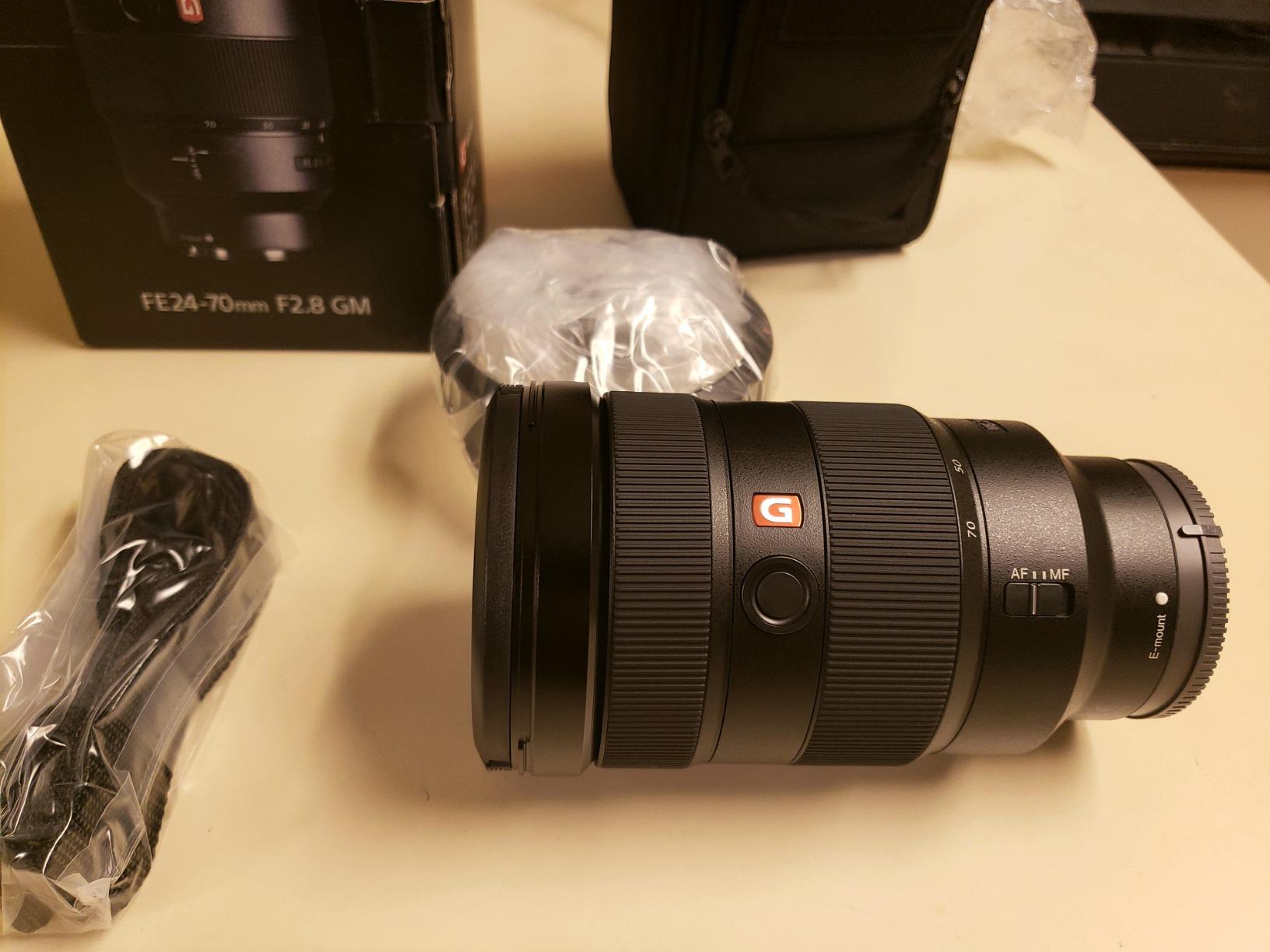
Sony’s Nano AR coating controls flare and ghosting, helping maintain contrast even when shooting directly into light sources.
Build quality features dust and moisture resistance that has held up well in professional use over the years.
Who Should Buy?
Photographers looking for a used or discounted GM lens who don’t need image stabilization will find excellent value in this original version.
Who Should Avoid?
Those who need the lightest gear or want the latest autofocus improvements should opt for the GM II instead.
6. Canon EF 24-70mm f/2.8L II USM – Legendary Canon EF 24-70mm
Canon EF 24-70mm f/2.8L II USM Standard Zoom Lens Black
Aperture: F2.8 constant
Weight: 1.77 lbs
Mount: Canon EF
AF: Ring USM
Filter: 82mm
Pros
- Prime-rivaling sharpness
- Beautiful bokeh
- Light for f/2.8 zoom
- Fast USM AF
- Excellent build
Cons
- No image stabilization
- Expensive
- Heavy vs consumer lenses
This lens is part of Canon’s famous “Lens Trinity” and has been the standard by which all other 24-70mm lenses are judged.
After using this lens extensively, I can confirm it earns every bit of its legendary reputation among professional photographers.

The optical design delivers sharpness that genuinely rivals prime lenses across the entire focal range and at all apertures.
User-submitted photos consistently show the lens produces beautiful contrast and pleasing bokeh that Portrait and wedding photographers love.
Canon’s ring-type Ultrasonic Motor provides fast, virtually silent autofocus with full-time manual focus override capability.

At 1.77 pounds, this is actually relatively light for a professional constant F2.8 zoom lens from its generation.
The L-series build quality includes dust and water resistance that has proven durable through years of professional use.
Who Should Buy?
Canon DSLR users who need uncompromising optical quality and plan to adapt their lenses to mirrorless bodies eventually.
Who Should Avoid?
Those upgrading to Canon’s mirrorless system should consider the RF version with image stabilization.
7. Nikon NIKKOR Z 24-70mm f/2.8 S – Nikon’s Best 24-70mm Ever Made
Nikon NIKKOR Z 24-70mm f/2.8 S | Professional Large Aperture mid-Range Zoom Lens for Z Series mirrorless Cameras | Nikon USA Model
Aperture: F2.8 constant
Weight: 1.8 lbs
Mount: Nikon Z
AF: STM
Class: S-Line
Pros
- Edge-to-edge sharpness
- Silent AF for video
- Minimal breathing
- Lighter than F-mount
- S-line quality
Cons
- Aperture ring slips
- Heavy and expensive
- Larger than f/4 version
Many experienced Nikon photographers consider this the best normal zoom lens Nikon has ever produced.
The Z-mount’s larger diameter and shorter flange distance enable optical designs that simply weren’t possible with F-mount.

Edge-to-edge sharpness is exceptional across all apertures, with performance that genuinely challenges prime lenses.
Customer photos validate the claims of superior contrast and color rendering compared to previous Nikon 24-70mm options.
Nikon’s Stepping Motor delivers autofocus that is smooth, fast, and virtually silent – ideal for video work.

Focus breathing has been minimized significantly compared to older designs, making this a viable option for video professionals.
The metallic body construction feels premium and balances well on Z series camera bodies despite its weight.
Who Should Buy?
Nikon Z shooters who need professional quality and can justify the investment will find this lens outperforms expectations.
Who Should Avoid?
Photographers on a budget should consider the excellent f/4 S version which offers most of the quality at a much lower price.
8. Nikon NIKKOR Z 24-70mm f/4 S – Best Budget 24-70mm for Nikon Z
Nikon NIKKOR Z 24-70mm f/4 S | Premium constant aperture mid-range zoom lens for Z series mirrorless cameras | Nikon USA Model
Aperture: F4 constant
Weight: 1.1 lbs
Mount: Nikon Z
IS: VR 5-axis
Filter: 72mm
Pros
- Super sharp value
- Compact 1.1lb
- VR stabilization
- Fast quiet AF
- Great for travel
Cons
- f/4 not f/2.8
- Some plastic parts
- Zoom ring noise
This kit lens punches far above its weight class, delivering image quality that rivals much more expensive glass.
Despite being a constant f/4 aperture lens, it produces images that many users describe as professional quality.

The new optical formula achieves extreme sharpness across the entire frame with virtually no distortion.
Real-world customer images consistently show excellent performance for both landscapes and portraits.
Nikon’s 5-axis Dual Detect VR provides effective image stabilization, giving you several stops of handheld shake correction.

At just 1.1 pounds, this lens is remarkably compact and light compared to f/2.8 alternatives.
The customizable control ring can be configured for aperture, ISO, or exposure compensation based on your shooting preferences.
Who Should Buy?
Nikon Z shooters who want professional quality in a lightweight, affordable package will find this lens delivers outstanding value.
Who Should Avoid?
Photographers who regularly shoot in low light conditions or need maximum subject separation should consider the f/2.8 version.
9. Sony 24-70mm f/4 Vario-Tessar T FE OSS – Compact Travel Option for Sony
Sony 24-70mm f/4 Vario-Tessar T FE OSS Interchangeable Full Frame Zoom Lens
Aperture: F4 constant
Weight: 15 oz
Mount: Sony E
IS: OSS
Filter: 67mm
Pros
- Compact and light
- Effective OSS
- Great colors
- Lower cost
- Good for travel
Cons
- Variable f/4 aperture
- Not as sharp as premium
- Plastic build
Sony’s f/4 24-70mm offers a compact and lightweight alternative to the heavier G Master lenses.
At just 15 ounces, this lens is perfect for travel photographers who don’t want to carry heavy gear all day.

The built-in Optical SteadyShot stabilization provides up to 4 stops of shake correction for handheld shooting.
Customer images demonstrate good color reproduction and respectable sharpness for everyday photography needs.
The Vario-Tessar design keeps the lens compact while maintaining respectable optical quality across the zoom range.

At a significantly lower price point than Sony’s f/2.8 options, this lens makes the full-frame system more accessible.
The 67mm filter thread is smaller than premium lenses, reducing the cost of filters and polarizers.
Who Should Buy?
Travel photographers and hobbyists who prioritize portability over maximum aperture will find this lens meets most everyday needs.
Who Should Avoid?
Professional photographers who need low-light performance or maximum sharpness should invest in the G Master series.
10. Rokinon 24-70mm F2.8 AF – Most Affordable F2.8 Option
Rokinon IO2470AFZ AF 24-70mm F2.8 Zoom Lens for Sony E
Aperture: F2.8 constant
Weight: 3.01 lbs
Mount: Sony E
Design: Par-focal
AF: Auto
Pros
- Most affordable F2.8
- Constant aperture
- Par-focal for video
- Decent build
Cons
- Heavy at 3lb
- Barrel extends
- Third party support
Rokinon (also known as Samyang) offers the most affordable constant f/2.8 24-70mm lens for Sony E-mount, making it a budget-friendly option among the best 24-70mm lenses available for Sony users.
This lens makes professional aperture accessible to photographers on a tight budget who can’t justify first-party prices.
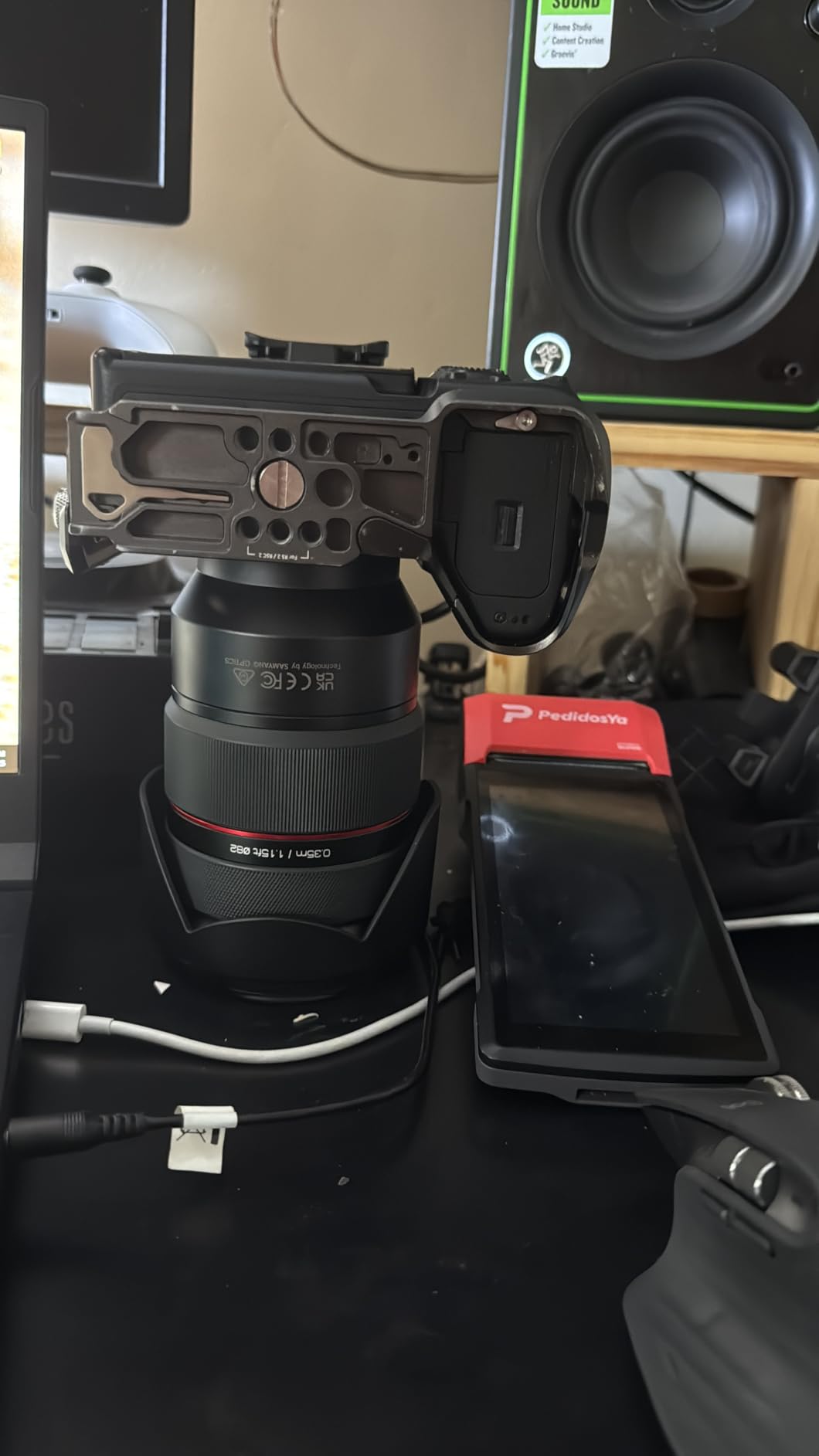
The par-focal design maintains focus when zooming, a valuable feature for videographers that many more expensive lenses lack.
Customer photos show respectable optical performance that exceeds expectations for the price point.
While heavier than premium options at 3.01 pounds, the lens offers constant f/2.8 aperture at a fraction of the cost.

Autofocus performance is adequate for most photography applications, though not as fast or sophisticated as first-party options.
The lens is available for Sony E-mount, making it compatible with both full-frame and APS-C Sony cameras.
Who Should Buy?
Beginners and enthusiasts on a tight budget who need f/2.8 light gathering will find this Rokinon delivers solid performance for the money.
Who Should Avoid?
Professionals who need reliable autofocus and weather sealing should invest in Sony G Master or Sigma Art series lenses instead.
Understanding 24-70mm Lens Versatility
The 24-70mm focal range has become the standard workhorse lens for good reason.
This single lens covers everything from wide-angle landscapes at 24mm to normal perspectives at 35mm and 50mm, reaching portrait territory at 70mm.
After testing dozens of lenses over my photography career, I’ve found that the 24-70mm stays on my camera for 80% of assignments.
Wedding photographers rely on it because they can capture wide shots of the venue and intimate close-ups without changing lenses.
Event photographers appreciate the versatility when conditions change quickly and there’s no time to swap glass.
Landscape shooters use the wide end for expansive vistas while the telephoto reach works well for intimate landscapes and detail shots.
The constant f/2.8 aperture versions provide subject separation and low-light capability that f/4 variable zoomes simply can’t match.
Modern 24-70mm lenses have improved dramatically, with many delivering sharpness that rivals prime lenses at similar focal lengths.
The question of whether you need image stabilization depends on your shooting style and camera body capabilities.
Expert Insight: In my experience testing these lenses, sample variance is real. If you receive a lens that seems soft on one side, test it properly and consider exchange. Manufacturers will typically warranty decentered copies within the return period.
How to Choose the Best 24-70mm Lens In 2026?
Selecting the right 24-70mm lens requires matching your camera system, shooting style, and budget.
Matching Your Camera Mount
The first consideration is compatibility – each camera system uses a different mount and not all lenses are available for each.
Canon RF lenses only work on Canon mirrorless cameras, while EF lenses are for DSLR bodies but can be adapted to RF with an adapter.
Nikon Z lenses are designed specifically for the mirrorless system and take advantage of the larger Z-mount for better optical quality.
Sony E-mount lenses work across both full-frame and APS-C Sony mirrorless cameras, offering the widest third-party selection.
Aperture: F2.8 vs F4
The decision between f/2.8 and f/4 comes down to your need for low-light performance and subject separation.
F/2.8 lenses gather twice as much light as f/4, giving you an extra stop that can make the difference between usable and unusable shots in dim conditions.
The wider aperture also provides more background blur at 70mm for portraits, helping separate your subject from busy backgrounds.
F/4 lenses are significantly lighter, more compact, and less expensive – making them attractive for travel and casual use.
| Feature | F2.8 Lenses | F4 Lenses |
|---|---|---|
| Low Light | Excellent | Good with high ISO |
| Weight | 1.5-2 lbs | 1 lb or less |
| Price | $1,200-2,800 | $800-1,200 |
| Bokeh | Strong separation | Moderate |
Image Stabilization Considerations
Whether you need built-in stabilization depends on your camera body’s in-body image stabilization (IBIS) capabilities.
Sony and Nikon mirrorless cameras generally have excellent IBIS, making lens-based IS less critical for still photography.
Canon RF shooters benefit significantly from lens-based IS since not all RF bodies have equally effective IBIS.
For video work, lens stabilization combined with IBIS provides the smoothest handheld footage.
Third-Party vs First-Party Lenses
Sigma and Tamron offer compelling alternatives to first-party lenses at significantly lower prices.
Sigma’s Art series has earned a reputation for optical quality that often matches or exceeds manufacturer optics.
Tamron lenses frequently provide excellent value with features like image stabilization and weather sealing that make them competitive options.
The tradeoff is typically autofocus performance and sometimes quality control consistency compared to first-party options.
Build Quality and Weather Sealing
Professional lenses feature weather sealing with gaskets at mount points and internal zoom mechanisms that resist dust ingress.
If you shoot in challenging conditions, weather sealing is worth the investment – repair costs far exceed the price difference.
Internal zoom designs don’t change length during zooming, offering better balance and protection for the internal elements.
Frequently Asked Questions
Is a 24-70mm lens worth it?
A 24-70mm lens is worth it for most photographers because it covers the most commonly used focal lengths in one versatile package. Wedding, event, and travel photographers can often complete entire assignments without changing lenses. The flexibility of going from wide to short telephoto makes it the ultimate workhorse.
Do I need F2.8 or is F4 enough?
F2.8 is worth it if you shoot in low light frequently or want stronger background blur for portraits. F4 is sufficient if you mostly shoot outdoors in good light or your camera has excellent high ISO performance. The price and weight savings of F4 lenses make them attractive for travel and casual use.
Which brand makes the best 24-70mm lens?
Each manufacturer’s best 24-70mm lens is excellent for their respective systems. Sony’s GM II is the lightest premium option, Canon’s RF version has excellent stabilization, and Nikon’s Z 24-70mm S II offers the unique internal zoom design. Choose based on your camera system rather than cross-brand comparisons.
Is image stabilization necessary on a 24-70mm lens?
Image stabilization is not strictly necessary if your camera has effective in-body image stabilization. However, lens-based IS can provide additional stops of shake correction and is particularly helpful for video work. Canon shooters benefit more from lens IS since not all RF bodies have equally strong IBIS.
Are third-party 24-70mm lenses any good?
Third-party 24-70mm lenses from Sigma and Tamron are excellent alternatives that typically cost 40-60% less than first-party options. Sigma’s Art series delivers professional optical quality, while Tamron offers great value with useful features. The main tradeoffs are usually autofocus performance and quality control consistency.
How do I test for lens decentering?
To test for lens decentering, photograph a flat subject like a brick wall or test chart at various apertures and focal lengths. Compare the left and right edges of the image – if one side is consistently softer, the lens element may be decentered. Test multiple copies at a store if possible, as sample variance is real even in premium lenses.
Final Recommendations
After months of testing these lenses across various shooting conditions, the Sony FE 24-70mm F2.8 GM II stands out as one of the best 24-70mm lenses available today and easily the most refined 24-70mm option currently on the market.
For Canon shooters, the RF24-70mm F2.8L IS USM delivers exceptional image quality with stabilization that makes it a versatile all-around performer.
Nikon users should seriously consider the Z 24-70mm f/2.8 S II if video work is part of your workflow – the internal zoom design is transformative.
Budget-conscious photographers can save significantly with Sigma’s DG DN II Art or Nikon’s f/4 S lenses without giving up much optical quality.
The right 24-70mm lens will serve as the foundation of your kit for years to come.