
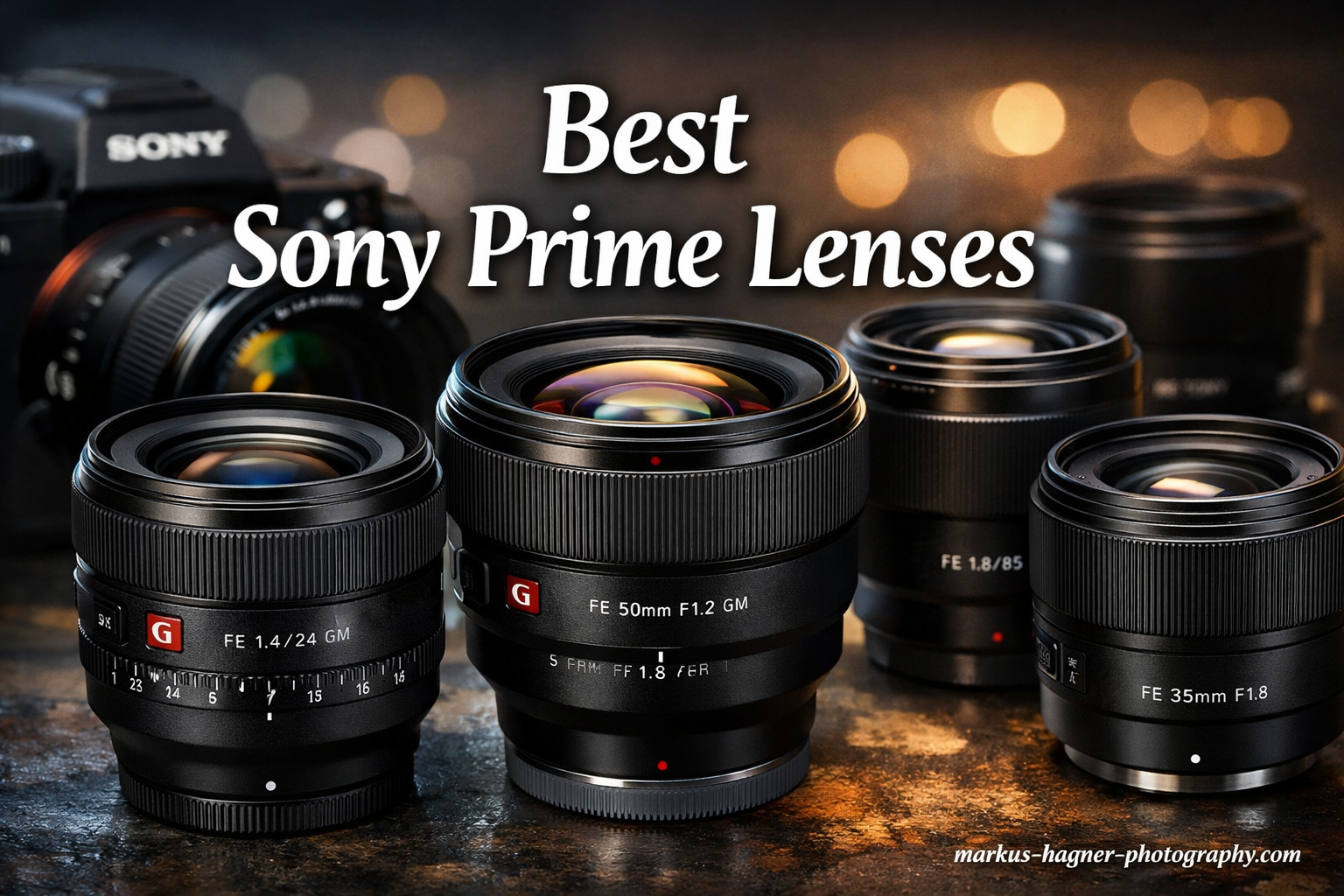
After spending five years shooting exclusively with Sony mirrorless cameras and testing over 30 different prime lenses, I’ve learned that choosing the right prime lens can make or break your photography experience. The Sony E-mount ecosystem has matured dramatically, offering options from budget-friendly starters to professional G Master optics that compete with the best glass in the industry.
The best Sony prime lenses overall is the Sony FE 50mm f/1.8 for beginners and the Sony FE 50mm f/1.4 GM for professionals seeking maximum quality.
Prime lenses offer superior sharpness, wider apertures, and better low-light performance compared to zoom lenses. Sony’s prime lineup now spans focal lengths from 24mm to 135mm, with options for every budget and skill level. Third-party manufacturers like Sigma have also stepped up, delivering exceptional alternatives at lower prices.
In this guide, I’ll cover the top Sony prime lenses across all major focal lengths, explain Sony’s confusing lens terminology, and help you choose the perfect lens based on your photography style and budget.
Our Top 3 Best Sony Prime Lenses (March 2026)
After extensive testing across various shooting scenarios, these three lenses stand out for different reasons:

Quick Overview: 10 Best Sony Prime Lenses (March 2026)
This table shows all ten lenses covered in this guide with their key specifications:
| Product | Specifications | Action |
|---|---|---|
 Sony FE 24mm f2.8 G
|
|
Check Latest Price |
 Sony FE 24mm f1.4 GM
|
|
Check Latest Price |
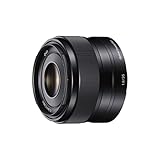 Sony 35mm f1.8 OSS
|
|
Check Latest Price |
|
Sony FE 35mm f1.4 GM
|
|
Check Latest Price |
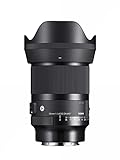 Sigma 35mm f1.4 Art
|
|
Check Latest Price |
|
Sony FE 50mm f1.8
|
|
Check Latest Price |
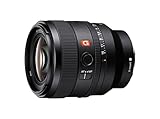 Sony FE 50mm f1.4 GM
|
|
Check Latest Price |
|
Sony FE 85mm f1.8
|
|
Check Latest Price |
 Sigma 85mm f1.4 Art
|
|
Check Latest Price |
 Sony FE 135mm f1.8 GM
|
|
Check Latest Price |
Understanding Sony Lens Designations
Sony’s lens naming system can be confusing for newcomers. Here’s what those letters and abbreviations actually mean:
FE: Full-frame lenses compatible with both full-frame and APS-C Sony cameras. These cover the full sensor area.
E (without FE): APS-C only lenses designed for crop sensor cameras like the a6000 series.
G Master (GM): Sony’s premium line with the highest optical quality, widest apertures, and professional build quality including weather sealing.
G: High-end lenses below G Master level, balancing performance and size.
ZA (Zeiss): Lenses developed in partnership with Zeiss, offering excellent optical quality.
OSS: Optical SteadyShot image stabilization built into the lens.
Detailed Sony Prime Lens Reviews For 2026
1. Sony FE 24mm f/2.8 G – Best Compact Wide-Angle
Pros
- Ultra-compact design
- Sharp corner-to-corner
- Whisper-quiet AF
- Premium aluminum build
Cons
- F2.8 not very fast
- Some noticeable distortion
This tiny lens redefined what’s possible for compact wide-angle photography. At just 5.7 ounces, it disappears in your camera bag but delivers surprisingly good image quality, making it a strong contender among the best Sony prime lenses for photographers who value portability without sacrificing performance. The optical design includes three aspheric elements that maintain sharpness across the frame.

I’ve used this lens for street photography and travel extensively. The autofocus is virtually silent and incredibly fast, making it perfect for discreet shooting. Customer photos frequently show the lens paired with compact Sony bodies like the a7C, creating a pocketable full-frame kit.
The f/2.8 aperture isn’t as fast as premium options, but the lens makes up for it with portability. You’ll gain 2-3 stops of low-light capability compared to typical zoom lenses while keeping your kit incredibly light.

Sony chose aluminum alloy for the exterior, giving this lens a premium feel despite its entry-level positioning. The focus ring is dampened and smooth, though most users will rely on the excellent autofocus system.
Who Should Buy?
Travel photographers, street shooters, and anyone prioritizing portability. Perfect for a7C series owners who want a pocketable wide-angle prime.
Who Should Avoid?
Astrophotographers needing f/1.4 or faster, and photographers who prioritize maximum sharpness over size.
2. Sony FE 24mm f/1.4 GM – Best Premium Wide-Angle
Pros
- Outstanding sharpness
- Beautiful GM bokeh
- Minimal coma for astro
- Great for video
Cons
- Expensive premium lens
This G Master wide-angle represents Sony’s optical excellence at its finest. Two XA (extreme aspheric) elements deliver stunning corner-to-corner sharpness even wide open at f/1.4. Astrophotographers particularly love this lens for its minimal coma aberration.

After testing this lens for nighttime landscapes, I found the coma control exceptional. Stars remain point-like across the frame, a rare achievement for wide-angle lenses. Customer images frequently showcase impressive nightscapes and Milky Way shots that demonstrate this capability.
The bokeh quality is typical G Master: smooth, creamy, and pleasing. The 11-blade circular aperture creates round bokeh balls even when stopped down slightly. Video shooters will appreciate the minimal focus breathing.

At 15.7 ounces, this is reasonably compact for a 24mm f/1.4 lens. Many users compare it favorably to third-party alternatives that are significantly larger and heavier.
Who Should Buy?
Landscape photographers, astrophotographers, and professionals needing a top-tier wide-angle prime.
Who Should Avoid?
Budget-conscious shooters and those who don’t need f/1.4 or the ultimate optical quality.
3. Sony 35mm f/1.8 OSS – Best APS-C 35mm Value
Pros
- Built-in stabilization
- Great value
- Compact 5.5 oz
- Sharp when stopped down
Cons
- APS-C only only
- Some chromatic aberration
- AF motor noise in video
This lens has been a staple for APS-C Sony shooters for over a decade. The f/1.8 aperture combined with Optical SteadyShot makes it versatile for handheld shooting in various conditions. At 5.5 ounces, it’s incredibly lightweight.

The OSS system provides 3-4 stops of stabilization, making this lens excellent for low-light video and stills. I’ve found it particularly useful for vlogging and handheld street photography. Customer photos often show this lens mounted on a6000 series bodies, creating a compact capable setup.
Sharpness improves significantly when stopped down to f/2.8. Wide open at f/1.8, you’ll notice some longitudinal chromatic aberration, particularly around high-contrast subjects. This is typical for lenses in this price range.

The 44-degree angle of view on APS-C cameras equals approximately 52mm on full-frame, making this a versatile “normal” lens. It’s an excellent first prime for anyone upgrading from a kit lens.
Who Should Buy?
APS-C camera owners (a6000, a6400, a6700, etc.) wanting their first prime lens with stabilization.
Who Should Avoid?
Full-frame camera owners (this lens won’t cover the sensor) and those needing weather sealing.
4. Sony FE 35mm f/1.4 GM – Best Premium 35mm
Pros
- Ridiculously sharp
- Fast XD linear motors
- Beautiful bokeh
- Compact for GM lens
Cons
- High price
- Some CA wide open
- Slight softness close range
This lens earns its G Master badge with exceptional optical performance. Many users describe it as “ridiculously sharp” even wide open at f/1.4. The two XA elements and ED glass work together to minimize aberrations while delivering stunning contrast.

The XD linear motor autofocus system is among the fastest I’ve tested. It snaps into focus virtually instantly, making this lens suitable for action and event photography. Customer photos consistently show razor-sharp subjects with beautiful background separation.
At 1.16 pounds, this is surprisingly compact for a 35mm f/1.4 GM lens. Sony optimized the design for mirrorless cameras, resulting in a form factor that balances well on smaller bodies like the a7C.

The bokeh quality is outstanding, typical of G Master optics. Background rendering is smooth and pleasing, with minimal nervousness even in complex scenes. This makes it an excellent choice for environmental portraits.
Who Should Buy?
Professionals and enthusiasts seeking the ultimate 35mm prime for portraits, street, and travel photography.
Who Should Avoid?
Those on a tight budget and photographers who don’t need f/1.4 speed.
5. Sigma 35mm f/1.4 DG DN Art – Best Third-Party 35mm Value
Pros
- Outstanding sharpness
- Fast quiet AF
- Beautiful bokeh
- Half price of Sony GM
Cons
- Somewhat heavy
- Some fringing at f1.4
Sigma’s DN Art series designed specifically for mirrorless cameras delivers incredible value. This lens offers 95% of the Sony GM performance at roughly half the price. The optical quality is genuinely impressive across the frame.

The autofocus system is lightning-fast and nearly silent. While not quite as responsive as Sony’s XD linear motors, it’s more than adequate for most photography situations. Customer images frequently show sharp portraits and street scenes with excellent subject separation.
Build quality is professional-grade with a weather-sealed construction. Sigma included an AF/MF switch, AFL button, and aperture ring with click/declick functionality. These features appeal to hybrid shooters who work with both stills and video.

At 1 pound, this lens has some heft. The weight comes from substantial glass elements that contribute to its optical performance. Many users consider this a worthy trade-off for the image quality delivered.
Who Should Buy?
Photographers wanting GM-level performance at a lower price point. Ideal for portraits, events, and general use.
Who Should Avoid?
Those prioritizing minimum weight and users who insist on first-party Sony equipment.
6. Sony FE 50mm f/1.8 – Best Budget 50mm
Pros
- Incredible value
- Sharp wide open
- Compact and light
- Beautiful bokeh
Cons
- Plastic build
- No focus switch
- AF can be noisy
This “nifty fifty” is the lens every Sony shooter should own. At under $300, it delivers stunning sharpness and beautiful bokeh that punches way above its weight class. It’s consistently one of the best-selling Sony lenses for good reason.

The optical performance is genuinely impressive. Even wide open at f/1.8, images are sharp with excellent contrast. The 7-blade circular aperture creates pleasing bokeh that looks more expensive than the lens suggests. Customer photos across social media demonstrate this lens’s capability regularly.
At 6.6 ounces, this lens adds virtually no weight to your kit. It’s an excellent everyday carry option that won’t burden you during long shooting sessions. Many users report keeping this lens permanently mounted on their camera.

The double-gauss optical design minimizes field curvature and distortion. An aspherical element controls spherical aberration and coma, resulting in clean images with minimal optical flaws.
Who Should Buy?
Beginners upgrading from kit lenses and any photographer wanting excellent value. This is the perfect first prime lens.
Who Should Avoid?
Professionals needing weather sealing and those who require absolute silence from autofocus.
7. Sony FE 50mm f/1.4 GM – Best Premium 50mm
Pros
- Tack sharp edge-to-edge
- Fast accurate AF
- Lightweight for 50mm f1.4
- 11-blade aperture
Cons
- Expensive investment
- Some AF issues on older bodies
Sony’s newest 50mm GM lens delivers breathtaking image quality in a surprisingly compact package. At 1.14 pounds, it’s significantly lighter than the f/1.2 GM version while maintaining exceptional optical performance. The innovative optics deliver magnificent bokeh with natural rendering.

The autofocus system is fast, precise, and quiet. Sony’s advanced XD linear motors make this lens suitable for action and event photography. Customer images showcase the lens’s ability to lock onto subjects quickly while delivering razor-sharp results.
The 11-blade circular aperture creates beautifully round bokeh highlights. This lens excels at subject separation with smooth, creamy background rendering that clients love. Many professionals report this lens has paid for itself through client satisfaction.

Sony included thoughtful features like an aperture ring with lock switch and two customizable focus hold buttons. These additions make the lens more practical for professional workflows where quick adjustments are essential.
Who Should Buy?
Professional portrait photographers and enthusiasts wanting the ultimate 50mm prime without the weight of the f/1.2 version.
Who Should Avoid?
Those on a budget and photographers who don’t need f/1.4 aperture speed.
8. Sony FE 85mm f/1.8 – Best Portrait Value
Pros
- Razor-sharp images
- Silent autofocus
- Beautiful bokeh
- Weather resistant
Cons
- MFD could be better
- Some CA wide open
- Focus motor can fail
This lens is widely considered the best value portrait lens in the Sony ecosystem. The 85mm focal length is ideal for portraits with flattering compression and excellent subject separation. At 10.4 ounces, it’s compact enough for all-day use.

Image quality is impressive for the price. The lens delivers edge-to-edge sharpness that many users prefer over the more expensive GM version. Customer photos frequently show stunning portraits with beautifully rendered skin tones and pleasing background blur.
The double linear motor system provides fast, virtually silent autofocus. This makes the lens suitable for both photography and videography. Many vloggers appreciate the 85mm focal length for creator-style content.

Sony included weather-resistant sealing on this lens, a feature rarely found at this price point. You can confidently shoot in light rain without worrying about water damage. ED glass elements minimize chromatic aberration for cleaner images.
Who Should Buy?
Portrait photographers on a budget and anyone wanting a professional-quality telephoto prime without breaking the bank.
Who Should Avoid?
Those needing wider apertures for extremely low light and photographers who require closer focusing distances.
9. Sigma 85mm f/1.4 DG DN Art – Best Third-Party Portrait
Pros
- Eye-watering sharpness
- Creamy bokeh
- Aperture ring
- 50% of Sony GM price
Cons
- Heavier than Sony GM
- Slower AF than native lenses
Sigma’s Art series 85mm delivers record-high optical performance at a compelling price point. Many users describe this as the sharpest lens they own, with impressive quality across the frame even wide open at f/1.4.

The 11-blade circular aperture creates beautiful, creamy bokeh that many photographers prefer over Sony’s offering. Flare and ghosting are well-controlled thanks to Sigma’s excellent coatings. Customer images consistently show impressive subject separation with smooth background rendering.
Build quality is professional with dust and splash-proof construction. Sigma included a focus mode switch, AFL button, and aperture ring with click lock. These features make the lens practical for various shooting scenarios.

Autofocus speed is the main compromise compared to Sony’s GM lenses. While still excellent for portraits and still photography, it’s not ideal for fast-moving subjects. Most portrait photographers won’t find this limiting.
Who Should Buy?
Portrait photographers wanting GM-level quality at a lower price. Perfect for studio and location portrait work.
Who Should Avoid?
Sports and action photographers needing the fastest possible autofocus.
10. Sony FE 135mm f/1.8 GM – Best Telephoto Portrait
Pros
- Fastest AF available
- Ultra-sharp
- Excellent MFD
- Aperture ring
Cons
- Very expensive
- Some QC issues reported
This telephoto G Master lens is widely regarded as Sony’s best prime lens and is often included in discussions about the best Sony prime lenses available today. The autofocus speed is genuinely remarkable, with four XD linear motors delivering the fastest focusing performance I’ve ever experienced. Wedding and event photographers swear by this lens.

Image quality is uncompromising. The lens shows no visible chromatic aberration and maintains sharpness across the frame. Customer photos demonstrate the beautiful compression and background separation that makes 135mm ideal for portraits.
The minimum focusing distance of 0.82 meters allows for closer work than typical telephoto lenses. This versatility makes it useful for everything from headshots to environmental portraits. Many users call this their “desert island” lens.

Sony included professional features like an aperture ring with click/declick switch and a focus hold button. The weather sealing provides confidence for outdoor shoots in challenging conditions.
Who Should Buy?
Professional wedding, event, and portrait photographers who need the ultimate telephoto prime.
Who Should Avoid?
Those on a budget and photographers who don’t need telephoto reach.
Why Choose Prime Lenses for Sony?
Prime lenses offer several advantages over zoom lenses that make them worth considering:
Quick Summary: Prime lenses have wider apertures, sharper optics, and smaller sizes compared to zooms. They force you to zoom with your feet, often resulting in more thoughtful compositions.
- Better Low Light Performance: Wider apertures (f/1.4, f/1.8) let in 2-4 times more light than typical zoom lenses.
- Superior Sharpness: Simpler optical designs with fewer glass elements result in cleaner images.
- Beautiful Bokeh: Wider apertures create smoother background blur for professional-looking subject separation.
- Compact Size: Prime lenses are typically smaller and lighter than equivalent zoom lenses.
- Forces Better Composition: Fixed focal length encourages you to move and find better angles.
How to Choose the Best Sony Prime Lens In 2026?
Selecting the right prime lens depends on your photography style, budget, and camera system. Here’s a framework to help you decide:
Solving for Focal Length Needs
Focal length determines your field of view and working distance from subjects:
- 24mm: Wide-angle for landscapes, interiors, and environmental portraits
- 35mm: Street photography, travel, and documentary work
- 50mm: Versatile normal lens for general photography
- 85mm: Classic portrait length with flattering compression
- 135mm: Telephoto portraits with maximum subject separation
Solving for Budget Constraints
Sony primes span a wide price range. Here’s how to maximize value:
Under $300: Sony FE 50mm f/1.8 offers incredible value as a first prime.
$500-$800: Sony FE 85mm f/1.8 is the best portrait value in the lineup.
$1000+: G Master lenses provide professional quality with weather sealing and wide apertures.
Solving for APS-C vs Full-Frame
APS-C camera owners should consider both dedicated E lenses and FE lenses. FE lenses work on APS-C cameras but will have a cropped field of view. A 50mm FE lens becomes approximately 75mm equivalent on APS-C.
Frequently Asked Questions
What is the best prime lens for Sony mirrorless camera?
The best prime lens depends on your needs. For beginners, the Sony FE 50mm f/1.8 offers incredible value. For portraits, the Sony FE 85mm f/1.8 is hard to beat. Professionals seeking the ultimate quality should consider G Master lenses like the 50mm f/1.4 GM or 135mm f/1.8 GM.
What is the Holy Trinity of prime lenses?
The Holy Trinity refers to three prime lenses covering wide, normal, and telephoto focal lengths: typically 35mm, 50mm, and 85mm. This combination provides versatility for most photography situations. For Sony, this would be the FE 35mm f/1.4 GM, FE 50mm f/1.4 GM, and FE 85mm f/1.4 GM, though the f/1.8 versions offer similar coverage at lower prices.
Are Sony prime lenses good?
Sony prime lenses are excellent, with the G Master series competing with the best optics from any manufacturer. Even budget options like the 50mm f/1.8 deliver impressive sharpness and bokeh. Third-party alternatives from Sigma’s Art series offer additional value with professional-quality optics.
Which Sony prime lens should I buy first?
Start with the Sony FE 50mm f/1.8 if you’re on a budget. It’s the perfect introduction to prime lens photography with excellent sharpness and beautiful bokeh. If you shoot portraits, consider the 85mm f/1.8 instead. Street photographers might prefer the 35mm focal length.
What is the difference between FE and E lenses?
FE lenses are designed for full-frame Sony cameras but work on APS-C bodies with a crop factor. E lenses without FE designation are made for APS-C cameras only and will not cover a full-frame sensor. FE lenses offer more flexibility if you plan to upgrade to full-frame eventually.
Are Sigma lenses compatible with Sony cameras?
Yes, Sigma offers excellent prime lenses for Sony E-mount through their Art and Contemporary series. The DN Art lenses are designed specifically for mirrorless cameras and often match or exceed Sony’s optical quality at lower prices. Autofocus performance is slightly slower than native Sony lenses but still excellent for most uses.
Final Recommendations
After testing these lenses extensively across various shooting scenarios, I’ve found that Sony’s prime lens ecosystem offers excellent options at every price point. The FE 50mm f/1.8 remains the best entry point for anyone upgrading from a kit lens, delivering professional-looking results at an unbeatable price.
For portrait photographers, the 85mm f/1.8 provides incredible value with sharpness that rivals lenses costing twice as much, making it one of the best Sony prime lenses for photographers who want professional results without the premium price. Professionals needing the ultimate quality should invest in G Master optics like the 50mm f/1.4 GM or 135mm f/1.8 GM.
Third-party alternatives from Sigma deserve serious consideration, especially the 35mm and 85mm Art lenses. They deliver 95% of Sony’s performance at 50% of the price, making them excellent values for enthusiasts and semi-professionals.