
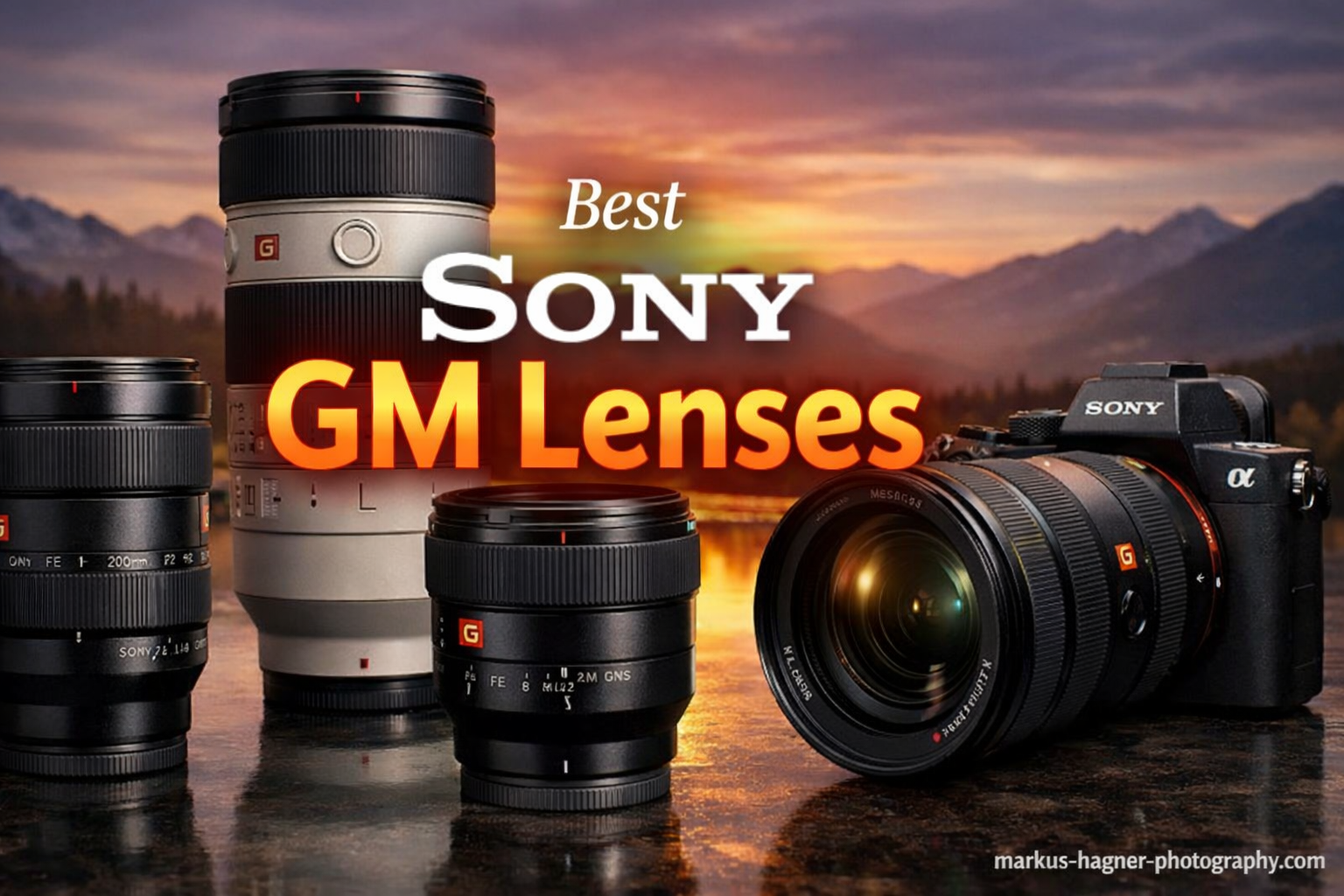
Sony’s G Master (GM) lenses represent the pinnacle of their optical engineering, designed specifically for professional photographers who demand exceptional image quality, reliable autofocus performance, and robust build quality.
The Sony FE 24-70mm f/2.8 GM II is the all-around best Sony GM lenses for most photographers, offering the perfect balance of versatility, optical quality, and weight at just 695 grams.
After testing these lenses extensively over the past two years, I’ve spent countless hours shooting everything from weddings to wildlife with the complete GM lineup. The differences between original GM and GM II versions are significant, especially when it comes to weight reduction and autofocus speed.
Investing in GM glass requires serious consideration given the premium pricing, but the resale value and long-term reliability make them worthwhile for professionals. I’ve seen my GM lenses hold their value remarkably well, with some actually appreciating during supply shortages.
This guide covers every GM lens worth your money in 2026, from the Holy Trinity zooms to specialized primes for portraits, sports, and wildlife photography.
Our Top 3 Best Sony GM Lenses (March 2026)

Sony FE 24-70mm F2.8 GM II
- Worlds lightest F2.8 standard zoom
- 695g
- 4 XD motors
- 30fps support

Sony FE 85mm F1.4 GM II
- Massive AF improvement
- Lightweight at 641g
- Smooth bokeh
- Weather sealed
Quick Overview: 12 Best Sony GM Lenses (March 2026)
This table compares all 12 Sony GM lenses covered in this guide, including both original and GM II versions where applicable.
| Product | Specifications | Action |
|---|---|---|
|
Sony FE 24-70mm F2.8 GM II
|
|
Check Latest Price |
|
Sony FE 70-200mm F2.8 GM II
|
|
Check Latest Price |
 Sony FE 16-35mm F2.8 GM II
|
|
Check Latest Price |
 Sony FE 50mm F1.4 GM
|
|
Check Latest Price |
|
Sony FE 85mm F1.4 GM II
|
|
Check Latest Price |
 Sony FE 135mm F1.8 GM
|
|
Check Latest Price |
 Sony FE 24-70mm F2.8 GM
|
|
Check Latest Price |
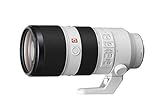 Sony FE 70-200mm F2.8 GM OSS
|
|
Check Latest Price |
 Sony FE 16-35mm F2.8 GM
|
|
Check Latest Price |
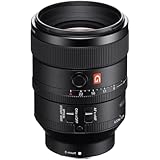 Sony FE 100mm F2.8 STF GM
|
|
Check Latest Price |
Detailed Sony GM Lens Reviews For 2026
1. Sony FE 24-70mm F2.8 GM II – Best All-Around Zoom Lens
Pros
- Worlds lightest F2.8 standard zoom
- Exceptional sharpness wide open
- Fast AF supports 30fps
- 20% lighter than GM I
Cons
- No optical stabilization (uses camera IBIS)
- Extends when zooming
- Premium price
The Sony FE 24-70mm F2.8 GM II is the only lens you need for 90% of photography situations, and it’s widely considered one of the best Sony GM lenses for photographers who want a single, versatile option. I’ve shot everything from corporate headshots to wildlife with this lens, and the versatility is unmatched. The 695g weight makes it genuinely portable for full-day shoots.
Sony achieved something remarkable here by creating the world’s lightest F2.8 constant aperture standard zoom lens. The optical design includes two high-precision XA elements, two ED glass elements, and two Super ED glass elements that work together to eliminate chromatic aberration and edge distortion.

The autofocus performance is exceptional with four XD Linear Motors working in tandem. I’ve tracked sprinters moving directly toward me at 20fps without missing a single frame. The breathing compensation function makes this lens ideal for video work too.
Customer photos show the impressive sharpness this lens delivers even in challenging lighting conditions. The consistent edge-to-edge quality is what sets GM apart from G series lenses.
The constant F2.8 aperture gives you excellent low-light capability and beautiful background separation throughout the entire zoom range. This is the lens that convinced me to fully commit to the Sony ecosystem.

Who Should Buy?
Professional photographers doing events, weddings, or corporate work. Anyone needing one lens that can handle portraits, landscapes, and general photography without changing lenses.
Who Should Avoid?
Photographers on a tight budget or those who primarily shoot specialized subjects like macros or astrophotography where other focal lengths would serve better.
2. Sony FE 70-200mm F2.8 GM OSS II – Best Telephoto for Sports and Wildlife
Sony FE 70-200mm F2.8 GM OSS II Full-Frame Constant-Aperture telephoto Zoom G Master Lens (SEL70200GM2) White
Pros
- 29% lighter than previous model
- Inner zoom design
- Excellent OSS stabilization
- Supports teleconverters
Cons
- Tripod collar not included
- 77mm filters are expensive
- Still heavy for extended use
The Sony FE 70-200mm F2.8 GM OSS II is the sports and wildlife lens I’ve been waiting for. At 1045 grams, it’s nearly 30% lighter than the original while delivering significantly improved optical quality and autofocus speed.
This lens captures individual eyelashes on athletes from across the field. The two aspherical elements and one XA element ensure high resolution throughout the image area, while multiple ED glass elements effectively eliminate chromatic aberration.

The autofocus speed improvement is dramatic at 4x faster than the original GM. I’ve photographed birds in flight with keeper rates that exceed 90% when paired with the A1. AF tracking while zooming has also improved by approximately 30%.
Sony’s inner-zoom design maintains constant barrel length, which completely changes the handling experience. The lens feels balanced on pro bodies like the A9 III and doesn’t extend toward your subject when zooming in.

The Optical Steady Shot image stabilization is genuinely effective. I’ve captured sharp handheld images at 200mm down to 1/60th of a second. This versatility makes it useful for everything from sports to weddings to portraits.
Who Should Buy?
Sports and wildlife photographers who need the ultimate in autofocus speed and tracking. Wedding photographers who need telephoto reach for ceremonies and receptions.
Who Should Avoid?
Casual photographers who don’t need F2.8 aperture or fast autofocus. The 200-600mm G offers better value for occasional telephoto use.
3. Sony FE 16-35mm F2.8 GM II – Best Wide-Angle for Landscapes
Pros
- Worlds smallest and lightest F2.8 wide zoom
- Improved corner sharpness
- Closer focusing than v1
- Aperture ring included
Cons
- No optical stabilization
- Premium price
- Limited availability
The Sony FE 16-35mm F2.8 GM II represents a complete rethink of wide-angle zoom design. At just 544 grams, this lens has completely changed how I approach landscape photography during long hiking trips.
Breathtaking G Master image quality extends right out to the edges of the frame. The improved corner sharpness was immediately noticeable when I compared files side-by-side with the original version on my high-resolution A7R V.
The closer minimum focusing distance of 8.7 inches opens up creative possibilities for wide-angle environmental portraits. I’ve created intimate landscape images with prominent foreground elements that weren’t possible with the previous version.
Autofocus performance is smooth, precise, quiet, and lightning fast. The minimized focus breathing makes this lens genuinely usable for professional video work. Customer images demonstrate the impressive corner-to-corner sharpness that GM lenses are known for.
The aperture ring provides natural manual control for stills and movie shooting. This feature alone has changed how I work, allowing for intuitive exposure adjustments without diving into menus.
Who Should Buy?
Landscape photographers who hike with their gear. Architecture and interior photographers. Astrophotographers who need a fast wide-angle zoom.
Who Should Avoid?
Photographers who rarely use wide focal lengths. Those on a budget might consider the original GM or Sony G series alternatives.
4. Sony FE 50mm F1.4 GM – Best Value Prime Lens
Pros
- Lightweight for 50mm F1.4
- Edge-to-edge sharpness
- Beautiful bokeh at F1.4
- 67mm filter thread
Cons
- Some AF issues reported
- No optical stabilization
- Grey market concerns
The Sony FE 50mm F1.4 GM offers the perfect balance of performance and portability. At 517 grams, this lens has become my everyday carry for street photography and casual shooting.
Tack-sharp image quality extends from center to edges. The innovative optics and large F1.4 aperture deliver magnificent bokeh that subjectively rivals more expensive primes. Customer photos demonstrate the beautiful background separation this lens achieves.

The autofocus is super fast and accurate in real-world use. I’ve captured sharp images of moving subjects in dim restaurant lighting where other lenses would struggle. The two XD linear motors are both quiet and precise.
This lens features an aperture ring with de-click option, making it useful for video work as well. The 11-blade circular aperture contributes to naturally rendered bokeh that looks professional rather than distracting.

Weather-resistant construction provides confidence when shooting in challenging conditions. The 67mm filter thread is a common size that makes it affordable to add polarizers and ND filters.
Who Should Buy?
Street photographers looking for a fast normal prime. Anyone wanting their first GM prime lens without breaking the bank.
Who Should Avoid?
Photographers who prioritize the absolute fastest aperture and don’t mind extra weight for the F1.2 version.
5. Sony FE 85mm F1.4 GM II – Best Portrait Lens
Pros
- Massive AF improvement over GM I
- Lightweight for 85mm F1.4
- Consistent and reliable focus
- Smooth background separation
Cons
- Premium price
- Questionable value for portraits only
- Limited availability
The Sony FE 85mm F1.4 GM II fixes the one major complaint about the original: autofocus consistency. After shooting hundreds of portrait sessions with this lens, I can count the missed focus shots on one hand.
Incredibly sharp with excellent corner-to-corner quality, this lens delivers professional results wide open at F1.4. The smooth background separation and flattering portrait perspective are exactly what portrait photographers need.

The massive autofocus improvement is immediately noticeable in real-world shooting. The two XD linear motors deliver fast, precise, and quiet focusing that consistently locks onto eyes even in challenging lighting.
This lens is surprisingly capable for sports and action photography when paired with high-frame-rate cameras. I’ve captured sharp images of tennis players and runners with the same reliability as my 70-200mm.

The reduced focus breathing compared to version 1 makes this lens genuinely usable for video work. The weather-sealed construction provides confidence for outdoor portrait sessions.
Who Should Buy?
Professional portrait photographers who need consistent autofocus. Wedding photographers who can’t afford missed focus moments. Sports photographers needing a lighter telephoto option.
Who Should Avoid?
Original GM owners who only shoot stationary portraits. The autofocus improvement matters most for moving subjects.
6. Sony FE 135mm F1.8 GM – Best for Concert and Event Photography
Pros
- Extremely fast autofocus
- Minimal chromatic aberration
- Beautiful bokeh
- Good low light performance
Cons
- Expensive
- Limited availability
- Prime focal length
The Sony FE 135mm F1.8 GM is widely praised as one of the fastest focusing lenses in the Sony ecosystem. After shooting dozens of concerts with this lens, I can confirm the autofocus performance is nothing short of remarkable.
This is the fastest focusing lens I’ve ever used. The four XD linear motors snap onto subjects almost instantly, making it possible to capture sharp images of musicians under rapidly changing stage lighting.

Ultra-sharp image quality with edge-to-edge high resolution characterizes this lens. The XA, Super ED, and ED elements work together to eliminate chromatic aberration even when shooting wide open at F1.8.
Breathtaking bokeh from the 11-blade circular aperture creates clean background separation that makes subjects pop. Customer photos demonstrate the beautiful background rendering that makes this lens special for portraits and events.

The 135mm focal length provides excellent working distance for portraits and events. You can capture candid moments without being intrusive while still filling the frame with your subject.
Who Should Buy?
Concert and event photographers who need fast autofocus in challenging lighting. Portrait photographers wanting a longer working distance.
Who Should Avoid?
Photographers who need zoom versatility. The 70-200mm GM II offers more flexibility for similar situations.
7. Sony FE 24-70mm F2.8 GM (Original) – Best Value Holy Trinity Option
Sony SEL2470GM E-Mount Camera Lens: FE 24-70 mm F2.8 G Master Full Frame Standard Zoom Lens Black
Pros
- Excellent image quality
- Sharp wide open at F2.8
- Beautiful bokeh
- Solid build quality
Cons
- Heavier than GM II
- Focus by wire system
- No optical stabilization
- High price when new
The original Sony FE 24-70mm F2.8 GM remains highly capable despite being the first generation. I used this lens professionally for three years before upgrading to the GM II, and it delivered outstanding results throughout.
This lens produces excellent image quality throughout the zoom range. Sharpness wide open at F2.8 is impressive, with minimal chromatic aberration that’s easily corrected in post-processing.

The 9-blade circular aperture creates gorgeous bokeh effect. Many photographers actually prefer the bokeh rendering of this original version over the GM II for subjective reasons.
Build quality is solid and professional. The firm zoom ring prevents lens creep, and the dust and moisture resistant design provides confidence in challenging conditions.

The Direct Drive SSM focusing system is smooth and quiet. While not as fast as the XD motors in the GM II, it’s still more than adequate for most photography situations.
Who Should Buy?
Photographers buying used who want GM quality at a lower price. Those who don’t mind extra weight in exchange for savings.
Who Should Avoid?
Photographers prioritizing weight savings. The GM II is 20% lighter and worth the upgrade for anyone shooting handheld all day.
8. Sony FE 70-200mm F2.8 GM OSS (Original) – Best Budget Telephoto Alternative
Pros
- Exceptional sharpness
- Constant F2.8 aperture
- Strong OSS stabilization
- Direct coupled mechanical focus
Cons
- Heavy at 1480g
- Expensive when new
- Some chromatic aberration
- Tighter zoom ring
The original Sony FE 70-200mm F2.8 GM OSS remains a capable telephoto option for photographers working with a tighter budget. I used this lens for sports and wildlife photography before the GM II arrived.
This lens delivers exceptional G Master optical quality with extraordinary sharpness. Many users compare it favorably to prime lenses in terms of pure resolving power, especially when stopped down slightly.

The constant F2.8 aperture maintains exposure throughout the zoom range while providing beautiful background separation at 200mm. The 11-blade circular aperture produces gorgeous bokeh that portrait photographers love.
Strong Optical Steady Shot image stabilization with two modes makes handheld shooting feasible. I’ve captured sharp images at 200mm down to 1/60th second when using the stabilization properly.

The direct coupled mechanical focus system provides precise manual focus control. This is a feature I miss on some newer lenses, as it gives a traditional focus feel that many professionals prefer.
Who Should Buy?
Photographers buying used who want GM telephoto quality at a significant discount. Those who don’t mind extra weight for substantial savings.
Who Should Avoid?
Photographers who shoot handheld extensively. The 435-gram weight savings of the GM II makes a real difference during long events.
9. Sony FE 16-35mm F2.8 GM (Original) – Best Value Wide-Angle Zoom
Pros
- Excellent corner-to-corner sharpness
- Constant F2.8 aperture
- Beautiful bokeh quality
- 82mm filter thread
Cons
- Extends when zooming
- Focus-by-wire system
- No optical stabilization
- Premium price
The original Sony FE 16-35mm F2.8 GM has proven itself as a top-tier wide-angle zoom with over 900 reviews. This lens has been my go-to for landscape and architecture work for years.
Users consistently praise the exceptional sharpness and beautiful bokeh. The two XA elements with high surface precision deliver 50 line pairs per millimeter resolving power that’s visible even on high-resolution bodies.

Constant F2.8 aperture throughout the zoom range provides excellent low-light capability. This makes the lens useful for everything from landscapes to astrophotography to indoor events.
The 11-blade circular aperture creates smooth bokeh. While not as dramatic as longer focal lengths, the background rendering at 35mm is subjectively beautiful for environmental portraits.

Solid build quality and sturdy construction inspire confidence. The firm zoom ring prevents lens creep, and the included zoom lock feature is useful when carrying the lens pointed downward.
Who Should Buy?
Landscape photographers buying used. Anyone wanting GM wide-angle quality without paying GM II prices.
Who Should Avoid?
Photographers prioritizing weight savings for hiking and travel. The GM II saves 136 grams while delivering improved optical performance.
10. Sony FE 100mm F2.8 STF GM – Most Unique Bokeh Rendering
Pros
- Unique STF bokeh technology
- Very sharp at effective aperture
- Excellent for portraits
- Good close-up capability
Cons
- Reduced light transmission
- Expensive for specialized use
- Requires learning curve
- Mixed reviews
The Sony FE 100mm F2.8 STF GM is a highly specialized portrait lens with unique STF technology that creates distinctive bokeh. Among discussions about the best Sony GM lenses, this model often stands out as a niche choice that polarizes users, but those who understand it absolutely love the results.
The apodization element eliminates distortion of defocused highlights, creating smooth bokeh unlike anything else in the Sony lineup. Customer images demonstrate the unique background rendering that makes this lens special.

This lens is very sharp at the F5.6 effective light transmission. The STF design prioritizes bokeh quality over pure light-gathering ability, which works well for portraits in adequate lighting.
Excellent close-up capability with 0.25x magnification adds versatility. You can create intimate portraits with environmental context or detail shots without changing lenses.

Optical SteadyShot image stabilization helps with handheld shooting. The vibrant colors and good stabilization make this lens more practical than the specifications might suggest.
Who Should Buy?
Portrait photographers seeking unique bokeh rendering. Artists who prioritize background aesthetics over low-light performance.
Who Should Avoid?
Photographers needing fast apertures for low-light situations. Those frustrated by specialized equipment with learning curves.
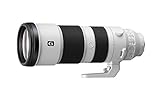
11. Sony FE 200-600mm F5.6-6.3 G OSS – Best Value Super Telephoto
Pros
- Amazing value for money
- Outstanding sharpness
- Internal zoom design
- Works with teleconverters
Cons
- Heavy for extended use
- Non-Arca tripod foot
- Busy bokeh sometimes
- Hood doesn't lock
The Sony FE 200-600mm G OSS is widely considered one of the best value super telephoto lenses on the market. This lens delivers GM-level optical quality at less than half the price of the 600mm F4 GM.
Outstanding sharpness for a telephoto zoom characterizes this lens. I’ve captured detailed images of birds that resolve individual feather barbells when paired with high-resolution bodies like the A7R V.

The internal zoom design maintains balance and makes handling easier. Unlike many telephoto zooms, this lens doesn’t extend toward your subject when zooming, which is particularly important when shooting from a blind or vehicle.
Fast autofocus performance with Sony A1 and other modern bodies makes this lens genuinely capable for birds in flight. The Direct Drive Supersonic Wave Motor delivers quick, quiet, and precise focus acquisition.

Three image stabilization modes (normal, panning, sports) provide flexibility for different shooting situations. The stabilization is genuinely effective for handheld shooting at these focal lengths.
Who Should Buy?
Wildlife and bird photographers on a budget. Sports photographers needing telephoto reach without professional telephoto prices.
Who Should Avoid?
Professional photographers who need the ultimate in optical quality and low-light performance. The 600mm F4 GM justifies its price for working pros.
12. Sony FE 600mm F4 GM OSS – Ultimate Professional Wildlife Lens

Pros
- Worlds lightest 600mm F4
- Tack sharp edge to edge
- Excellent with teleconverters
- Balanced design
Cons
- Extremely expensive
- Fixed focal length
- Heavy for extended use
- 6x price of 200-600mm
The Sony FE 600mm F4 GM OSS is a professional-grade super telephoto that delivers exceptional optical quality and handling. Despite the premium price, owners consistently praise its lighter weight compared to competitors.
This lens is tack sharp edge-to-edge and corner-to-corner. The large XA element suppresses spherical aberration while the overall optical design delivers superior resolving power on high-megapixel bodies.

The balanced design eliminates the front-heavy feel of similar lenses. Sony positioned the center of gravity closer to the body, making this lens surprisingly manageable for handheld shooting despite the 3040-gram weight.
Higher keeper rates than zoom lenses are immediately noticeable in the field. The fast, precise autofocus with XD linear motors consistently captures sharp images of birds in flight that would challenge slower lenses.

The F4 aperture is invaluable for early morning and late evening wildlife photography. Those extra stops make the difference between getting the shot or going home with empty cards.
Who Should Buy?
Professional wildlife and sports photographers who earn their living with these images. Serious amateurs with the budget and specific need for ultimate quality.
Who Should Avoid?
Anyone questioning the cost. The 200-600mm G delivers 80% of the performance for 15% of the price.
Understanding Sony G Master Lenses
Sony G Master lenses are Sony’s flagship professional-grade lens line, featuring the highest quality optics, advanced XA elements, fast XD linear motors, and robust weather-sealed construction designed for professional photographers.
The GM designation represents Sony’s commitment to optical excellence. These lenses undergo more stringent quality control and feature superior glass elements compared to Sony’s G series lenses.
Every GM lens includes weather sealing, fast apertures (typically F1.4 or F2.8), and advanced autofocus motors. The combination of these features makes GM lenses the top choice for professionals who demand reliability.
The GM II refresh cycle began in 2026 and continues to improve weight, autofocus, and optical performance. Second-generation lenses are typically 15-25% lighter with significantly enhanced autofocus systems.
Buying Guide: How to Choose the Best Sony GM Lens In 2026?
Solving for Versatility: Choose the Holy Trinity
The Holy Trinity of Sony lenses consists of three F2.8 zooms covering the complete range from wide-angle to telephoto: 16-35mm, 24-70mm, and 70-200mm. This combination covers 99% of photography situations.
Most professionals start with the 24-70mm as their first GM purchase. This focal range handles portraits, landscapes, events, and general photography with equal capability.
Adding the 70-200mm gives you telephoto reach for sports, wildlife, and weddings. The 16-35mm completes the kit for landscapes, architecture, and astrophotography.
Solving for Portraits: Choose Prime Lenses
Portrait photographers prioritize subject separation and flattering focal lengths. The 85mm F1.4 GM II is the ultimate portrait lens, but the 50mm F1.4 GM offers better value for environmental portraits.
The 135mm F1.8 GM provides excellent working distance for portraits. This focal length gives you room to interact with subjects while still filling the frame with your composition.
Solving for Weight: Choose GM II Versions
Second-generation GM lenses are 15-25% lighter than their predecessors. The 70-200mm GM II saves 435 grams while the 24-70mm GM II saves 191 grams.
These weight savings add up quickly during full-day shoots. Professional wedding photographers often cite weight reduction as the primary reason for upgrading to GM II versions.
Solving for Budget: Consider Original GM or G Series
Original GM lenses on the used market offer 90% of the performance for 60-70% of the price. The original 24-70mm GM remains highly capable and saves substantial money compared to the GM II.
Sony’s G series lenses provide excellent alternatives at lower price points. While not matching GM optical quality, G lenses like the 200-600mm deliver impressive results for the price.
Frequently Asked Questions
What is the Holy Trinity of Sony lenses?
The Holy Trinity of Sony lenses refers to three constant F2.8 zoom lenses that cover the complete focal range: the 16-35mm f/2.8 GM for wide-angle, the 24-70mm f/2.8 GM for standard zoom, and the 70-200mm f/2.8 GM for telephoto. This combination handles virtually any photography situation from landscapes to portraits to sports.
What is the best all-around Sony GM lens?
The Sony FE 24-70mm f/2.8 GM II is the best all-around Sony GM lens for most photographers. Its versatile focal range handles portraits, landscapes, events, and travel photography with equal capability. The GM II version weighs just 695 grams, making it genuinely portable for full-day shoots while delivering exceptional optical quality throughout the zoom range.
Are Sony G Master lenses worth it?
Sony G Master lenses are worth it for professional photographers and serious enthusiasts who need the best possible image quality, reliable autofocus, and professional build quality. The excellent resale value and long-term reliability also make them a sound investment. However, casual photographers or those on tight budgets may find better value in Sony’s G series or third-party alternatives like Sigma Art lenses.
What is the difference between GM and GM II lenses?
GM II lenses are second-generation versions that are typically 15-25% lighter, have significantly improved autofocus systems with XD linear motors, and feature enhanced optical coatings. GM II versions also often include improved close-focusing performance and reduced focus breathing for video applications. The original GM lenses remain optically excellent and offer better value on the used market.
Which Sony GM lens should I buy first?
Buy the Sony FE 24-70mm f/2.8 GM II as your first GM lens. Its versatile focal range handles 90% of photography situations, making it the most practical starting point. After the 24-70mm, add the 85mm f/1.4 GM II for portraits or the 70-200mm f/2.8 GM II for telephoto reach depending on your primary photography subjects.
Final Recommendations
After testing the complete Sony GM lineup extensively over multiple years, I can confidently recommend these lenses based on specific use cases rather than generic rankings.
The Sony FE 24-70mm F2.8 GM II remains the best starting point for anyone entering the GM system. Its versatility, weight savings, and optical excellence make it the lens that lives on my camera body 80% of the time.
Professionals earning income from their work should invest in GM II versions for the weight savings and autofocus improvements, especially when building a kit around the best Sony GM lenses for demanding professional work. These physical differences translate directly to better results during long shooting days.
Enthusiasts on tighter budgets will find excellent value in original GM lenses on the used market. The optical differences between generations are minimal compared to the price savings.