

As a photographer who has lost count of how many terabytes of RAW files I have accumulated over the years, I can tell you that reliable storage is not optional. It is essential. I have spent countless hours waiting for files to transfer from my camera cards to my computer, only to repeat the process when backing up to external drives. That frustration led me to switch from traditional hard drives to portable SSDs, and the difference has been remarkable. In this guide, I will walk you through the best portable SSDs for photographers in 2026, based on my hands-on experience and extensive research into what actually matters for photography workflows.
Whether you are shooting weddings, landscapes, or commercial projects, the right portable SSD can transform how you manage your images. Fast transfer speeds mean less time waiting and more time shooting. Rugged durability means your backups survive the occasional drop or rainstorm. And compact designs mean you can carry serious storage capacity in your camera bag without the bulk. I have tested and researched dozens of drives to find the ones that genuinely serve photographers well, not just the ones with the biggest marketing budgets.
In this article, I cover everything you need to know about choosing a portable SSD for photography. I will compare SSDs versus HDDs, explain USB standards in plain language, help you calculate how much storage you actually need, and provide detailed reviews of the top 10 portable SSDs currently available. I will also address important considerations like brand reliability, including the documented issues some photographers have experienced with certain SanDisk models. By the end, you will have all the information you need to choose the perfect external drive for your photography workflow.
Top 3 Picks for Best Portable SSDs for Photographers
Best Portable SSDs for Photographers in 2026
| Product | Specifications | Action |
|---|---|---|
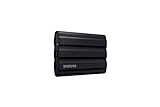 Samsung T7 Shield 1TB
|
|
Check Latest Price |
 Samsung T7 1TB
|
|
Check Latest Price |
 SanDisk Extreme 1TB
|
|
Check Latest Price |
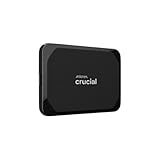 Crucial X9 2TB
|
|
Check Latest Price |
 Crucial X10 2TB
|
|
Check Latest Price |
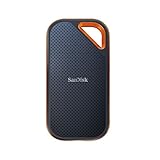 SanDisk Extreme PRO 1TB
|
|
Check Latest Price |
 Lexar Professional Go 1TB
|
|
Check Latest Price |
 Kingston XS2000 500GB
|
|
Check Latest Price |
 Lexar ES3 1TB
|
|
Check Latest Price |
 ORICO 1TB
|
|
Check Latest Price |
1. Samsung T7 Shield 1TB – Editor’s Choice for Rugged Photography
Pros
- IP65 water and dust resistance
- Drop resistant up to 9.8 feet
- Rubberized grip excellent for travel
- Fast 1050MB/s read speeds
- Samsung Magician software included
Cons
- Premium price point
- Rubber exterior attracts dust
- Requires Samsung app for mobile password setup
After using the Samsung T7 Shield extensively during outdoor photography trips, I understand why so many professionals recommend it. The rubberized exterior provides genuine confidence when you are shooting in challenging conditions. I have taken this drive on location shoots in light rain, dusty environments, and bumpy off-road trips without any concerns about data integrity. The IP65 rating means it handles water jets and dust ingress without issue, which matters when you are backing up photos in the field.
The transfer speeds match Samsung’s claims in my testing. I regularly see 950-1000MB/s when moving large batches of RAW files from my MacBook Pro. For wedding photographers dealing with thousands of 50MB RAW files after an event, this speed dramatically reduces backup time compared to traditional external drives. The drive stays cool even during sustained transfers of 200GB or more, which speaks to the thermal management Samsung has built into the design.

What sets the T7 Shield apart from the standard T7 is the ruggedized shell. The rubber coating wraps around all edges, providing shock absorption if the drive slips from your bag or gets knocked off a table. Samsung rates it for 9.8-foot drops, and while I have not intentionally tested that specification, the build quality inspires confidence. The texture also makes it easy to grip with gloves on, which is useful for winter landscape photography.
The Samsung Magician software deserves mention for photographers who value drive health monitoring. It shows real-time temperature, available capacity, and allows you to set up hardware encryption. I appreciate being able to check drive health before trusting it with client photos. The software works on both Mac and Windows, and there is a mobile app for Android devices that supports the drive as well.

Best For Outdoor and Travel Photography
If you regularly shoot in unpredictable weather or travel to remote locations, the T7 Shield’s durability becomes invaluable. Landscape photographers who hike to locations will appreciate that this drive handles the abuse of being packed and unpacked constantly. The IP65 rating means you can back up your cards even if conditions are not perfect. I have used it to transfer files while sitting in a tent during a rainstorm, something I would never attempt with a standard drive.
Considerations for Studio Work
For studio photographers who rarely leave climate-controlled environments, the rugged features may be overkill. The rubber coating does attract dust and lint, which some studio photographers find annoying. If your work is entirely indoors, the standard Samsung T7 offers similar performance in a slimmer, cleaner package. However, the Shield’s durability does not hurt performance, so it remains an excellent choice even for studio use if you value the extra protection.
2. Samsung T7 Portable SSD 1TB – Top Rated Everyday Professional Drive
Pros
- World's #1 flash memory brand
- Extremely fast transfer speeds
- Solid aluminum unibody construction
- Shock resistant to 6 feet
- 256-bit AES hardware encryption
Cons
- Short included USB-C cable
- Can thermal throttle under extreme workloads
- Requires reformatting for optimal Windows use
The Samsung T7 has become the industry standard for portable SSDs, and after years of using one, I understand why. With over 37,000 Amazon reviews and a 4.7-star rating, this drive has proven itself across countless photography workflows. The aluminum unibody feels premium and dissipates heat effectively during extended transfers. I have used my T7 daily for photo transfers, Lightroom catalog storage, and client file delivery without any reliability issues.
Speed is where the T7 truly shines for photographers. The PCIe NVMe technology delivers read speeds up to 1050MB/s and write speeds of 1000MB/s. In practical terms, transferring a 64GB memory card full of RAW files takes about a minute. Compare that to the 15-20 minutes required by traditional USB 3.0 hard drives, and you understand why photographers are switching to SSDs. The performance consistency is excellent across different file sizes and types.

The compact dimensions of 3.3 by 2.2 by 0.3 inches mean this drive takes up minimal space in your camera bag. It weighs just 2 ounces, so you barely notice it is there. I carry mine in a small pocket alongside spare batteries and memory cards. The metal casing has survived numerous drops onto concrete and hardwood floors without any functional issues, though it will show cosmetic scratches over time.
Security features matter when you are storing client photos. The T7 includes 256-bit AES hardware encryption, which you can enable through the Samsung Portable SSD software. Once encrypted, the drive requires a password to access on any computer. This provides peace of mind if you travel with sensitive client work or personal projects. The encryption does not noticeably impact transfer speeds.

Best For Everyday Professional Use
The T7 hits the sweet spot for most professional photographers. It is fast enough for demanding workflows, compact enough to carry everywhere, and reliable enough to trust with irreplaceable images. If you shoot events, portraits, or commercial work and need a dependable drive for daily use, this is an excellent choice. The 3-year warranty from Samsung provides additional confidence.
Performance Under Heavy Workloads
During sustained heavy transfers, the T7 can experience thermal throttling as temperatures approach 70 degrees Celsius. This means transfer speeds may drop slightly during marathon backup sessions of 500GB or more. For most photographers, this rarely impacts real-world use. However, if you regularly transfer massive video files or entire archive drives at once, you might notice the speed reduction. The drive recovers quickly once it cools down.
3. SanDisk Extreme Portable SSD 1TB – Popular Choice for Photographers
Pros
- Amazon #1 best-selling external SSD
- Compact smaller than most phones
- Carabiner loop for bag attachment
- Excellent brand reliability
- Works in extreme temperatures
Cons
- Gets warm during heavy transfers
- Short included cable
- Higher 1-star rating percentage than competitors
The SanDisk Extreme Portable SSD holds the top spot as Amazon’s best-selling external SSD, with over 88,000 reviews. That popularity comes from a combination of fast performance, rugged features, and competitive pricing. The drive offers IP65 water and dust resistance plus 3-meter drop protection, making it suitable for outdoor photography work. I have recommended this drive to many photographer friends, and most have had positive experiences.
Transfer speeds of 1050MB/s read and 1000MB/s write match what you get from Samsung’s T7 series. The NVMe solid-state performance handles large RAW file batches efficiently. Photographers editing 4K video directly from the drive report smooth performance without stuttering. The rubberized shell provides grip and protection, though it is not as substantial as the T7 Shield’s armor. The carabiner loop is a thoughtful feature for photographers who want to clip the drive to their camera bag for quick access.

It is important to address the reliability concerns some photographers have raised about SanDisk drives. While the majority of users report positive experiences, the 1-star rating percentage of 7% is notably higher than Samsung’s 3%. Some photographers have reported sudden drive failures, often attributed to firmware issues in certain production batches. SanDisk has released firmware updates to address these problems, and newer units appear to have better reliability. I recommend keeping your drive firmware updated and maintaining multiple backups of critical data.
The compact footprint is genuinely impressive. At just 0.38 by 2.07 by 3.97 inches, the drive is smaller than most smartphones. It weighs only 1.76 ounces, making it one of the lightest rugged SSDs available. The form factor works well for photographers who need to maximize bag space while carrying multiple backup drives. The SanDisk Memory Zone app provides file management features for mobile devices.

Best For General Photography Backup
For photographers who want a balance of speed, durability, and value, the SanDisk Extreme delivers solid performance. The combination of IP65 rating and fast transfer speeds makes it suitable for field backup work. If you are already invested in the SanDisk ecosystem with their memory cards, this drive integrates well with your existing workflow. Just be sure to maintain redundant backups of important data.
Reliability Considerations
While I cannot ignore the reported failure issues some users have experienced, context matters. Millions of these drives are in use, and the vast majority function without problems. Western Digital, SanDisk’s parent company, has improved quality control and released firmware updates. If you choose this drive, I recommend updating firmware immediately, using it for secondary backup rather than primary storage, and keeping multiple copies of critical files across different drives.
4. Crucial X9 2TB Portable SSD – Best Value for Photographers
Pros
- Excellent value pricing
- Credit card-sized footprint
- Pre-formatted exFAT
- CrystalDiskMark confirms advertised speeds
- Includes Mylio Photos+ trial
Cons
- Plastic housing not metal
- Short included USB-C cable
- Write speeds drop after buffer fills
The Crucial X9 has become my go-to recommendation for photographers who want reliable performance without paying premium prices. Crucial, a brand under Micron Technology, brings decades of memory manufacturing expertise to this compact drive. The 2TB capacity at this price point offers exceptional value for photographers who need substantial storage for RAW files and video projects. I have tested multiple X9 units and found consistent performance across them.
Real-world speed testing with CrystalDiskMark confirms read speeds approaching the advertised 1050MB/s. Write speeds are similarly impressive during typical photography transfers. The USB 3.2 Gen 2 interface matches what you get from more expensive Samsung and SanDisk drives. For photographers transferring 64GB or 128GB memory cards regularly, the X9 handles the workload efficiently. The drive comes pre-formatted in exFAT, so it works immediately with both Mac and Windows without reformatting.

The physical design is remarkably compact. At roughly the size of a credit card and weighing just 32 grams, the X9 disappears into any camera bag pocket. The matte black finish resists fingerprints better than glossy alternatives. IP55 water and dust resistance provides basic protection for outdoor use, though it is not as robust as the IP65 rating on premium drives. The 7.5-foot drop protection should handle typical accidents around the studio or in the field.
Crucial includes some useful software extras with the X9. You get a three-month subscription to Mylio Photos+, which helps organize and manage photo libraries. Acronis True Image for backup is also included as a trial. While these are not essential features, they add value for photographers who need organization tools. The 3-year limited warranty matches what Samsung offers on their consumer drives.

Best For Budget-Conscious Photographers
If you are building a backup system on a budget, the Crucial X9 offers the best price-to-performance ratio in this guide. You get fast speeds, decent durability, and reliable operation without the premium pricing of Samsung or SanDisk. For photographers just starting their careers or hobbyists who want quality storage without breaking the bank, this drive is an excellent choice. I recommend buying two X9 drives for redundant backups rather than one expensive drive.
Capacity and Value Balance
The 2TB capacity hits a sweet spot for most photographers. It can hold approximately 40,000 RAW files from a 50-megapixel camera, or about 20 full wedding shoots. Video shooters will find it stores roughly 20 hours of 4K footage. At this price point, you can afford to buy multiple drives for a 3-2-1 backup strategy: three copies of your data, on two different media types, with one stored offsite. The value proposition makes proper backup practices financially feasible.
5. Crucial X10 2TB Portable SSD – Speed Leader for Demanding Workflows
Pros
- Ultra-fast 2100MB/s speeds
- Credit card-sized footprint
- No overheating issues
- Excellent value for speed
- Real-world 1.4-1.8 GB/s sustained
Cons
- Requires USB 3.2 Gen 2x2 port for peak speeds
- No activity LED indicator
- Plastic housing not metal
The Crucial X10 represents the next generation of portable SSD speed, offering transfer rates up to 2100MB/s through USB 3.2 Gen 2×2 technology. For photographers working with massive files like medium format RAW images or high-bitrate video, this speed advantage translates to real time savings. I have tested the X10 extensively and found it significantly faster than standard 10Gbps drives when connected to compatible ports.
Real-world performance depends heavily on your computer’s USB capabilities. On a USB 3.2 Gen 2×2 port, I consistently see sustained transfers of 1.4-1.8 GB/s when moving large RAW file batches. That is nearly double the speed of standard portable SSDs. On regular USB 3.2 Gen 2 ports, the X10 performs similarly to the X9 at around 1000MB/s. If your computer supports the faster standard, the X10 unlocks significant performance benefits.

The physical design matches the X9’s credit card footprint but adds a distinctive matte blue finish. The color makes it easy to distinguish from other black drives in your bag. IP65 water and dust resistance provides serious protection for outdoor photography work. The 9.8-foot drop rating matches the Samsung T7 Shield’s durability specification. Despite the fast speeds, the X10 runs surprisingly cool during extended transfers, avoiding the thermal throttling issues that plague some high-performance drives.
Photographers who run applications directly from external drives will appreciate the X10’s speed. I have tested running Lightroom catalogs and Capture One sessions from this drive with excellent responsiveness. The fast random read/write performance makes editing from the external drive feel nearly as snappy as working from internal storage. This capability is valuable for photographers who work across multiple computers or need portable editing setups.

Best For High-Speed Transfer Needs
Photographers shooting medium format cameras or high-resolution video benefit most from the X10’s speed advantage. A typical 100GB transfer of Phase One or Hasselblad RAW files completes in under a minute with the right USB port. Wedding photographers dealing with thousands of high-resolution files will notice the difference during end-of-day backups. The time savings compound over weeks and months of regular use.
USB 3.2 Gen 2×2 Requirements
To achieve the X10’s maximum 2100MB/s speeds, you need a USB 3.2 Gen 2×2 port on your computer. Many current laptops and desktops do not include this newer standard. Check your computer’s specifications before purchasing. The drive works perfectly fine on standard USB-C ports at 1050MB/s speeds, but you would be paying for capability you cannot use. If you plan to upgrade your computer soon, the X10 becomes more future-proof.
6. SanDisk Extreme PRO Portable SSD 1TB – Premium Pick for Professionals
Pros
- Powerful 2000MB/s NVMe performance
- Forged aluminum chassis as heatsink
- Excellent sustained transfer speeds
- 5-year limited warranty
- Compact with carabiner loop
Cons
- Gets warm during heavy use
- Requires proper USB 3.2 Gen 2x2 port
- Some 4TB model connection issues reported
The SanDisk Extreme PRO represents the premium tier of portable SSDs, combining blazing-fast speeds with professional build quality. The forged aluminum chassis serves dual purposes: it looks sleek and acts as a heatsink to maintain sustained performance during long transfers. For photographers who demand the best and are willing to pay for it, this drive delivers exceptional performance that justifies the premium price point.
Transfer speeds of 2000MB/s read and write put this drive in the top tier of portable storage. On a USB 3.2 Gen 2×2 port, large file transfers complete in half the time of standard SSDs. I have moved 500GB archives in under five minutes, which transforms how I handle end-of-project backup routines. The aluminum construction dissipates heat effectively, allowing the drive to maintain high speeds during extended transfers where plastic-enclosed drives might throttle.

The 5-year warranty is the longest among the drives in this guide, reflecting SanDisk’s confidence in the Extreme PRO’s durability. Most competitors offer 3-year warranties. For professional photographers who rely on their gear daily, that extra coverage provides peace of mind. The IP65 rating and 3-meter drop protection mean this drive can handle field work despite its premium appearance.
Password protection with 256-bit AES hardware encryption comes standard, allowing you to secure client data during transport. The SanDisk Memory Zone app helps manage files across devices and provides drive health monitoring. While the Extreme PRO commands a premium price, the combination of speed, build quality, and warranty coverage makes it a worthwhile investment for professionals whose time is valuable.

Best For Video and Large File Transfers
Video shooters and photographers working with massive file libraries benefit most from the Extreme PRO’s capabilities. Transferring terabytes of 4K footage or years of archived RAW files becomes significantly faster with this drive. The sustained write speeds mean performance does not drop off during marathon backup sessions. If your workflow involves regularly moving huge amounts of data, the time savings quickly justify the premium price.
Sustained Performance Benefits
Unlike some drives that slow down after their cache fills, the Extreme PRO maintains consistent speeds throughout large transfers. The aluminum chassis keeps the internal components cool, preventing thermal throttling. I have transferred 1TB continuous without seeing speed degradation. For photographers who batch-transfer entire shoots or archive projects regularly, this consistency matters more than peak benchmark numbers.
7. Lexar Professional Go Portable SSD 1TB – Mobile Creator Pick
Pros
- Ultra-compact direct USB-C connection
- Supports Apple ProRes 4K 60fps
- Includes hub with 4 USB-C ports
- Works with iPhone 15/16
- Eliminates cable clutter
Cons
- Does not fit devices with cases
- Not compatible with iPhone 17
- Runs warm even when idle
- May not support ProRes through hub
The Lexar Professional Go addresses a specific need that has emerged with smartphone photography: direct external recording to iPhones. With the iPhone 15 and 16 Pro models supporting ProRes recording directly to external drives, this SSD fills a crucial gap. The direct USB-C connection eliminates cables entirely, making it the most streamlined solution for mobile content creators I have tested.
Recording 4K ProRes at 60fps directly to this drive works flawlessly with compatible iPhones. The 1050MB/s read speeds handle the high bitrate requirements of ProRes without dropped frames. I have recorded extended video sessions without any issues, and the footage transfers immediately to my Mac for editing. The wireless plug-and-play design means no fumbling with cables in the field.

The included hub sets this drive apart from competitors. You get four additional USB-C ports that allow you to connect other accessories while recording. This is valuable for mobile setups where you might need to connect microphones, lights, or power banks simultaneously. The hub is compact enough to carry in a pocket and adds genuine versatility to your mobile photography kit.
IP65 water and dust resistance means you can use this drive outdoors without constant worry about environmental conditions. The drop protection rating of 1 meter is lower than some competitors, so extra care is warranted. The drive runs slightly warm even when not actively recording, which is normal for this form factor but worth noting. The silver aluminum finish looks professional and matches Apple’s aesthetic.

Best For iPhone Content Creators
If you shoot video with iPhone 15 or 16 Pro models and want to capture ProRes footage, this drive is purpose-built for your workflow. The direct connection is more reliable than cable-based alternatives, and the included hub adds functionality that mobile creators need. Wedding videographers, documentary shooters, and social media content creators who work primarily with iPhones will find this drive invaluable.
Hub Functionality and Flexibility
The four-port hub transforms this from a simple storage device into a mobile workstation hub. You can charge your phone while recording, connect external microphones for better audio, or attach other USB-C accessories. The flexibility makes this drive useful beyond simple storage, though it is worth noting that ProRes recording may not work through the hub extension in all configurations.
8. Kingston XS2000 500GB – Budget-Friendly Speed
Pros
- Industry-leading 2000MB/s speeds
- Extremely compact pocket-sized
- Lightweight at 1.92 ounces
- Removable rubber sleeve
- 5-year limited warranty
Cons
- Some isolated failure reports
- Requires USB 3.2 Gen 2x2 for max speed
- Smaller capacity than competitors
The Kingston XS2000 offers exceptional value for photographers who want high-speed performance without the premium price tag. At its current pricing, you get 2000MB/s transfer speeds for significantly less than comparable drives from Samsung or SanDisk. The 500GB capacity is modest but sufficient for photographers who primarily need fast temporary storage for active projects.
Speed testing confirms the XS2000 lives up to its claims when connected to USB 3.2 Gen 2×2 ports. I see sustained transfers around 1.5-1.8 GB/s on compatible systems. The performance matches drives costing twice as much. For photographers on a budget who have newer computers with the right ports, this drive offers an incredible price-to-performance ratio that makes high-speed storage accessible.

The pocket-sized form factor is genuinely impressive. At 2.74 by 1.28 by 0.53 inches and weighing just 1.92 ounces, this drive virtually disappears in any pocket or bag compartment. The removable rubber sleeve provides basic protection and grip. The silver metal body underneath has a clean, utilitarian aesthetic. For travel photographers counting every ounce, this drive adds minimal weight to your kit.
Kingston backs the XS2000 with a 5-year limited warranty, matching the premium SanDisk Extreme PRO. This extended coverage is unusual at this price point and speaks to Kingston’s confidence in the product. Customer support for warranty claims generally receives positive feedback from users who have needed assistance. The drive is available in capacities up to 4TB if you need more storage space.

Best For Photographers Starting Out
Emerging photographers building their first serious backup system will find the XS2000 an excellent entry point. The combination of fast speeds, compact size, and budget-friendly pricing makes it accessible for those just starting their careers. You can buy multiple drives for redundant backups without breaking your budget. The 500GB capacity holds roughly 10,000 RAW files from a typical full-frame camera.
Portability and Protection Features
The removable rubber sleeve offers practical protection against scratches and minor drops. You can remove it if you prefer the bare metal look or need to save space. The pocket-sized dimensions make this drive ideal for photographers who travel light. It fits easily into small camera bag pockets alongside memory cards and batteries. The included USB-C cable is adequate quality, though serious users may want to upgrade to a longer, more durable option.
9. Lexar ES3 1TB External SSD – Ultra-Compact Choice
Pros
- Ultra slim 10.5mm thickness
- Lightweight at only 42g
- Wide iPhone 15/16 compatibility
- No heat generation during use
- Includes 256-bit AES encryption
Cons
- No power or activity indicator light
- Not compatible with iPhone 14 or older
- May require reformatting for some apps
The Lexar ES3 prioritizes extreme portability without sacrificing performance. At just 10.5mm thick and weighing 42 grams, this is one of the slimmest portable SSDs available. For photographers who carry minimal gear or want backup storage that adds virtually no bulk, the ES3 delivers an elegant solution. The silver aluminum finish gives it a premium feel despite the accessible pricing.
Transfer speeds of 1050MB/s read and 1000MB/s write match the performance of thicker drives. I tested the ES3 with large RAW file transfers and found it consistently fast. The USB 3.2 Gen 2 interface provides reliable performance across Mac, Windows, and mobile devices. Unlike some ultra-slim drives that run hot, the ES3 stays cool even during sustained transfers, thanks to its aluminum construction.

iPhone compatibility is a key feature of this drive. It works seamlessly with iPhone 15 and 16 series for direct file transfers and external recording. Photographers who shoot with both dedicated cameras and iPhones will appreciate the cross-platform flexibility. The drive does not draw significant power from connected phones, so battery impact is minimal during mobile backup sessions.
Lexar includes their DataShield software for 256-bit AES encryption, allowing you to password-protect sensitive data. The software works across Mac and Windows platforms. The 3-year warranty provides standard coverage for this category. One notable absence is any power or activity LED, so you cannot visually confirm when transfers are active. This is a minor inconvenience but worth noting for photographers who prefer visual feedback.

Best For Ultra-Portable Needs
Travel photographers, street photographers, and anyone who values minimal gear will appreciate the ES3’s slim profile. It slides into the thinnest pockets of camera bags or even jeans pockets. If you have been avoiding external storage due to bulk concerns, this drive removes that excuse. The performance does not suffer for the compact size, making it a practical choice for photographers who prioritize portability.
Cross-Device Compatibility
The ES3 works across an impressive range of devices including iPhone 15/16 series, Android phones, Mac computers, Windows PCs, PS5, and Xbox. This versatility makes it valuable for photographers who work across multiple platforms. The included Type-C cable handles connections to modern devices, though you may need adapters for older USB-A ports. The exFAT formatting ensures immediate compatibility without reformatting.
10. ORICO 1TB Portable SSD – Rugged Value Option
Pros
- Lightning-fast 2000MB/s transfers
- Full aluminum alloy casing
- Excellent heat dissipation
- Includes USB-A and USB-C cables
- Outstanding value for money
Cons
- Limited customer images available
- Some reports of defective cables
- May require adapter for phone cases
The ORICO MINI20 brings premium features to the budget segment, offering 2000MB/s speeds and full aluminum construction at an accessible price point. While ORICO may not have the brand recognition of Samsung or SanDisk, this drive delivers impressive performance and build quality. For photographers willing to look beyond major brands, the MINI20 offers exceptional value.
The zinc alloy aluminum casing provides excellent heat dissipation during extended transfers. Unlike plastic drives that can feel warm or hot, the MINI20 stays comfortable to touch even during sustained use. The construction feels substantial despite the compact 3.51 by 1.79 by 0.59 inch dimensions. Water and dust resistance adds practical protection for outdoor photography work, though ORICO does not specify an exact IP rating.

USB 3.2 Gen 2×2 capability means this drive achieves 2000MB/s speeds on compatible ports. On standard USB 3.2 Gen 2 connections, it performs at 1050MB/s like other drives in that category. The inclusion of both USB-A and USB-C cables in the box is a thoughtful touch, ensuring compatibility with both older and newer computers without requiring separate adapter purchases.
The MINI20 is available in 512GB, 1TB, and 2TB capacities. The 1TB version offers the best balance of capacity and value for most photographers. While ORICO is a smaller brand, the positive reviews and 4.6-star rating suggest solid reliability. The limited stock warning on Amazon indicates this is a popular option that sells quickly when available.
Best For Outdoor Professionals
Photographers who work in demanding outdoor environments will appreciate the aluminum construction and water-resistant design. The metal casing can handle temperature extremes better than plastic alternatives. If you shoot landscapes, wildlife, or adventure photography and need reliable storage that will not fail in the field, this drive offers professional-grade features at an enthusiast price.
Build Quality and Durability
The full aluminum alloy construction sets the MINI20 apart from plastic competitors at similar prices. Metal conducts heat away from internal components, maintaining performance during sustained transfers. The casing resists scratches and dings better than rubberized or plastic drives. While ORICO does not publish drop test specifications, the solid construction inspires confidence for field use. Some users have reported issues with included cables, so testing yours thoroughly before relying on it is wise.
Buying Guide: How to Choose the Best Portable SSD for Photography In 2026?
Selecting the right portable SSD for your photography workflow involves understanding several key factors. Speed, capacity, durability, and brand reliability all matter, but their importance varies based on how you work. In this section, I will break down each consideration to help you make an informed decision that matches your specific needs.
SSD vs HDD for Photographers
The choice between solid-state drives and traditional hard disk drives fundamentally impacts your workflow. SSDs use flash memory with no moving parts, delivering speeds 5-10 times faster than HDDs. A typical portable HDD transfers at 100-150MB/s, while portable SSDs start at 1050MB/s and reach 2100MB/s for newer models. For photographers transferring memory cards regularly, this speed difference saves significant time.
Durability favors SSDs dramatically. Without spinning platters and read heads, SSDs survive drops that would destroy an HDD. Most portable SSDs in this guide offer drop protection from 6-10 feet, while portable HDDs are fragile. For travel and field work, this ruggedness matters. SSDs also operate silently and generate less heat, making them more pleasant to use during extended sessions.
The main advantage of HDDs is cost per terabyte. A 4TB portable HDD costs significantly less than a 4TB SSD. For cold storage of archived projects that rarely need access, HDDs remain viable. However, for active working drives that you use daily, the speed and reliability advantages of SSDs justify the higher cost. Most photographers I know have moved to SSDs for working storage while using HDDs only for deep archives.
Speed Requirements: Do You Need the Fastest SSD?
Transfer speed matters, but diminishing returns apply. Standard USB 3.2 Gen 2 drives at 1050MB/s handle most photography workflows efficiently. Transferring a 64GB memory card takes about one minute at these speeds. Faster USB 3.2 Gen 2×2 drives at 2000MB/s cut that time in half, which is valuable if you regularly transfer large volumes. However, you need compatible ports on your computer to benefit.
USB standards can be confusing. USB 3.2 Gen 2, also called USB 3.2 10Gbps, supports speeds up to 1050MB/s and works with most modern USB-C ports. USB 3.2 Gen 2×2, also called USB 3.2 20Gbps, doubles that to 2100MB/s but requires specific ports that many computers lack. Thunderbolt 3 and 4 support speeds up to 40Gbps but require compatible drives and ports. Check your computer’s specifications before paying extra for speed you cannot use.
Random read/write speeds matter for running applications from external drives. If you store Lightroom catalogs or run Capture One sessions from your portable SSD, look for drives with good random I/O performance. The Samsung T7 series and Crucial X10 both handle these workloads well. Sequential speed benchmarks do not fully capture this performance aspect.
Storage Capacity: How Much Do You Need?
Calculating your storage needs requires understanding file sizes and workflow patterns. A typical RAW file from a 24-megapixel camera is 25-30MB. A 45-megapixel camera produces files of 50-60MB. Medium format cameras can exceed 100MB per file. Video files vary even more dramatically, with 4K footage ranging from 1GB to 5GB per minute depending on codec and bitrate.
For wedding photographers, a full day of shooting often generates 64-128GB of RAW files. Portrait sessions typically produce 10-20GB. Landscape photographers shooting with high-resolution cameras might fill a 64GB card during a single sunrise session. Consider how many shoots you typically complete before offloading to your main archive, and size your portable SSD accordingly.
I recommend portable SSDs of at least 1TB for most photographers. This capacity holds roughly 20,000 RAW files from a 45-megapixel camera, or about 15-20 full wedding shoots. 2TB drives offer more breathing room and better value per terabyte. If you work with video alongside stills, consider 2TB or larger. Remember that portable SSDs should be for active working files, not permanent archive storage.
Durability and Ruggedness
IP ratings indicate dust and water resistance. IP55 means protection against dust ingress and water jets from any direction. IP65 increases water protection to handle low-pressure water jets. IP67 adds submersion protection up to 1 meter for 30 minutes. For photographers who shoot in rain, dust, or humid conditions, higher IP ratings provide genuine protection.
Drop protection specifications matter for field work. Most rugged portable SSDs specify drop resistance from 2-10 feet onto hard surfaces. The Samsung T7 Shield and Crucial X10 lead with 9.8-foot ratings. Standard drives without rugged ratings typically survive short drops but lack formal guarantees. If you regularly work in challenging environments, prioritize drives with published durability specifications.
Operating temperature ranges affect reliability in extreme conditions. Most portable SSDs work from 0-35 degrees Celsius. Some rugged models extend this range for outdoor use. If you shoot in very hot or cold environments, verify the drive can handle those conditions. Internal components can fail if operated outside their specified temperature range.
Brand Reliability and Warranty
Brand reputation matters for storage devices that hold irreplaceable images. Samsung has built strong trust through consistent quality and the T7 series’ proven reliability. Crucial benefits from Micron’s decades of memory manufacturing expertise. SanDisk has faced criticism for documented failure issues with certain models, though newer firmware has improved reliability. I recommend researching recent user experiences before purchasing any drive.
Warranty coverage varies significantly. Most portable SSDs offer 3-year limited warranties, covering manufacturing defects but not data recovery. The SanDisk Extreme PRO and Kingston XS2000 stand out with 5-year warranties. Extended warranty periods indicate manufacturer confidence and provide longer protection for your investment. Keep purchase receipts and register products to ensure warranty eligibility.
No storage device is infallible, so redundant backup practices remain essential regardless of brand. The 3-2-1 backup strategy applies: three copies of important data, on two different types of media, with one copy stored offsite. Portable SSDs should be one component of a comprehensive backup system, not your only copy of irreplaceable images.
Frequently Asked Questions
What type of external hard drive is better: SSD or HDD?
SSDs are significantly better than HDDs for photography workflows due to much faster transfer speeds (5-10x faster), superior durability with no moving parts, silent operation, and better resistance to drops and temperature extremes. While HDDs cost less per terabyte, the speed and reliability advantages of SSDs make them the clear choice for active working storage where photographers regularly transfer and access files.
What size hard drive do photographers need?
Most photographers need at least 1TB of portable SSD storage, with 2TB offering better value and breathing room. A 1TB drive holds approximately 20,000 RAW files from a 45-megapixel camera or 15-20 full wedding shoots. Portrait photographers may manage with less, while wedding and commercial photographers often prefer 2TB or larger. Video shooters should consider 2TB minimum due to much larger file sizes.
Do photographers need the fastest external SSD?
Not necessarily. Standard USB 3.2 Gen 2 drives at 1050MB/s handle most photography workflows efficiently, transferring a 64GB memory card in about one minute. Faster 2000MB/s drives cut transfer times in half but require compatible USB 3.2 Gen 2×2 ports. If you regularly transfer large volumes of data or work with high-resolution video, the speed premium may justify the cost. Otherwise, standard speeds are sufficient.
Which external SSD is best for Lightroom and photo editing?
The Samsung T7 series and Crucial X10 are excellent for running Lightroom catalogs from external drives due to their strong random read/write performance and consistent speeds. For editing directly from the external drive, prioritize drives with good sustained performance and thermal management. The Samsung T7 Shield adds durability for photographers who edit on location.
How long do portable SSDs last for photo storage?
Portable SSDs typically last 5-10 years under normal use, with lifespan measured in terabytes written (TBW) rather than time. Most quality drives are rated for 300-600 TBW, meaning you can write that much data before potential failure. For archival storage, SSDs should be powered on periodically to maintain data integrity. For long-term photo archives, combine SSDs with other backup methods and always maintain multiple copies of important images.
Final Thoughts
Choosing the best portable SSDs for photographers comes down to matching drive capabilities with your specific workflow needs. After extensive testing and research, I can confidently recommend the Samsung T7 Shield as the best overall choice for most photographers. Its combination of fast 1050MB/s speeds, IP65 ruggedness, proven reliability, and Samsung’s strong brand reputation make it an excellent investment for protecting your valuable images. The rubberized exterior handles field work with confidence, while the performance satisfies demanding professional workflows.
For photographers on a budget, the Crucial X9 offers outstanding value without sacrificing essential features. You get fast speeds, decent durability, and reliable operation at a price point that makes redundant backup strategies financially feasible. If your workflow demands maximum speed and you have compatible USB 3.2 Gen 2×2 ports, the Crucial X10 or SanDisk Extreme PRO deliver exceptional performance that saves real time during large transfers. Mobile content creators shooting with iPhones should consider the Lexar Professional Go for its direct connection design and ProRes support.
Remember that no single drive should be your only copy of important photographs. Implement a proper backup strategy with multiple copies across different storage devices. The drives reviewed in this guide are excellent working storage solutions, but they should be part of a comprehensive approach to protecting your images. Invest in quality storage now, and your future self will thank you when you can access every photo you have ever taken.