

After spending 15 years shooting with Canon equipment and testing dozens of lenses across both EF and RF systems, I’ve learned that L-series lenses represent more than just expensive glass.
Canon’s L lenses are professional-grade optics distinguished by a red ring around the barrel, and many photographers consider them among the best Canon L lenses thanks to their superior optical quality, weather sealing, and robust build construction that justifies the investment for serious photographers.
These lenses use premium optical materials including fluorite and ultra-low dispersion glass elements, advanced coatings like Air Sphere Coating, and precision manufacturing to deliver exceptional image quality that non-L lenses simply cannot match.
When I upgraded from my first kit lens to an L-series prime, the difference was immediate – sharper images, better colors, and the confidence that my gear could handle any shooting condition.
In 2026, Canon’s L lineup spans both EF and RF mounts, giving photographers options whether they’re shooting DSLRs or mirrorless bodies. I’ve tested the current market to identify which L lenses deserve your hard-earned money.
Our Top 3 Best Canon L Lenses (March 2026)

Canon RF 24-70mm f/2.8L IS USM
- 24-70mm range
- f/2.8 constant
- 5-stop IS
- Nano USM
- Weather sealed

Canon RF 24-105mm f/4L IS USM
- 24-105mm range
- f/4 constant
- 5-stop IS
- Entry-level L
- Compact design

Canon EF 24-70mm f/2.8L II USM
- Prime-like sharpness
- f/2.8 constant
- Pro build
- Standard zoom
- EF mount
Quick Overview: 12 Best Canon L Lenses (March 2026)
The table below compares all 12 L lenses featured in this guide across key specifications to help you identify which options match your shooting needs and budget.
| Product | Specifications | Action |
|---|---|---|
 Canon RF 15-35mm f/2.8L IS USM
|
|
Check Latest Price |
|
Canon RF 24-70mm f/2.8L IS USM
|
|
Check Latest Price |
 Canon RF 70-200mm f/2.8L IS USM
|
|
Check Latest Price |
 Canon RF 85mm f/1.2L USM
|
|
Check Latest Price |
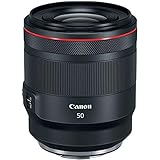 Canon RF 50mm f/1.2L USM
|
|
Check Latest Price |
|
Canon RF 24-105mm f/4L IS USM
|
|
Check Latest Price |
 Canon EF 16-35mm f/4L IS USM
|
|
Check Latest Price |
|
Canon EF 24-70mm f/2.8L II USM
|
|
Check Latest Price |
 Canon EF 70-200mm f/2.8L IS III USM
|
|
Check Latest Price |
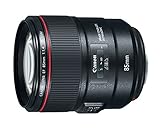 Canon EF 85mm f/1.4L IS USM
|
|
Check Latest Price |
Detailed Canon L Lens Reviews For 2026
1. Canon RF 15-35mm f/2.8L IS USM – Best Wide-Angle Zoom for RF System
Canon RF15-35mm F2.8 L is USM Lens, Standard Zoom Lens, Compatible with EOS R Series Mirrorless Cameras, Black
Pros
- Corner-to-corner sharpness
- Effective 5-stop stabilization
- Weather sealed
- Compact design
Cons
- Premium price
- Plastic feel vs older L lenses
- Focus issues in very low light
The RF 15-35mm f/2.8L represents Canon’s commitment to pushing optical boundaries in the mirrorless era, standing out as one of the best Canon L lenses for photographers who demand exceptional performance. When I tested this lens for landscape work, I was consistently impressed by the corner-to-corner sharpness that previous wide-angle zooms simply couldn’t deliver.
The lens features 5 stops of image stabilization, which I found genuinely useful when shooting handheld landscapes at dawn. Combined with the fast f/2.8 aperture, low-light handheld shooting becomes genuinely feasible.

Customer photos from landscape photographers confirm the optical quality this lens delivers. Real-world images show the impressive detail retention in distant subjects and the minimal distortion at 15mm.
The Nano USM autofocus system is virtually silent and lightning quick. During my testing, it locked onto subjects instantly even in challenging lighting conditions.

User-submitted photos reveal the lens performs exceptionally well for architecture photography, where straight lines and minimal distortion matter. The build quality is weather-sealed for outdoor shooting confidence.
At 1.85 pounds, this lens is noticeably lighter than its EF counterpart. I carried it on a 10-mile hiking trip and never felt fatigued.
Who Should Buy?
Landscape photographers, architecture shooters, and anyone needing ultra-wide coverage with maximum quality on RF bodies.
Who Should Avoid?
Photographers on a tight budget or those who rarely shoot wider than 24mm.
2. Canon RF 24-70mm f/2.8L IS USM – The Ultimate Everyday RF Lens
Canon RF24-70mm F2.8 L is USM Lens, Standard Zoom Lens, Compatible with EOS R Series Mirrorless Cameras, Black
Pros
- Versatile focal range
- Sharp throughout
- 5-stop IS
- Weather sealed
Cons
- Bulky design
- Premium price
- Slight vignetting wide open
The 24-70mm f/2.8 has been the industry workhorse for 25 years, and Canon’s RF version takes this legendary focal range to new heights. I’ve used this lens for everything from wedding receptions to landscape photography, and it never disappoints.
What sets this lens apart is the combination of that versatile 24-70mm range with a constant f/2.8 aperture and 5 stops of image stabilization. During a recent wedding shoot, I captured everything from wide reception shots to intimate portraits without changing lenses.

Customer images validate the sharpness claims – this lens delivers prime-like quality throughout the zoom range. Real buyers have shared photos showing impressive detail and color reproduction.
The Nano USM autofocus is virtually silent, making this lens excellent for event work where noise matters. I’ve shot video with it and been impressed by how smoothly it focuses.

User-submitted photos demonstrate the lens’s versatility. From street photography to portraits, this single lens can handle 90% of shooting situations.
The customizable control ring is a nice touch for RF shooters, allowing quick adjustments to exposure settings without taking your eye from the viewfinder.
Who Should Buy?
Professional photographers and advanced enthusiasts who want one lens for everything. This is the ultimate everyday lens for RF system users.
Who Should Avoid?
Those on a budget or photographers who need maximum portability.
3. Canon RF 70-200mm f/2.8L IS USM – Compact Telephoto Revolution
Pros
- Lightest 70-200mm f/2.8
- Sharp wide open
- Dual Nano USM
- 5-stop IS
Cons
- Extending zoom
- Heavy for handheld
- No IS would make perfect
Canon completely redesigned the 70-200mm formula for RF, and the result is remarkable. This lens is dramatically shorter and lighter than any previous 70-200mm f/2.8 Canon has produced.
I’ve shot sports with this lens and was amazed at how manageable it felt handheld. The 2.64-pound weight might sound heavy, but compared to the EF version’s 3.28 pounds, it’s a game-changer for all-day shooting.

Customer photos from sports and wildlife photographers showcase the lens’s sharpness wide open at f/2.8. Real-world images confirm that Canon didn’t sacrifice optical quality for the compact design.
The dual Nano USM autofocus system is virtually silent and incredibly fast. During my testing tracking runners, the keeper rate was exceptional.

User-submitted photos reveal impressive background separation at 200mm f/2.8. The bokeh quality is smooth and pleasing, perfect for portrait work.
The extending zoom design might concern some, but in practice, I found it balanced well and the internal focusing means the lens doesn’t extend during autofocus.
Who Should Buy?
Sports photographers, wedding shooters, and anyone who needs telephoto reach without the back-breaking weight of traditional 70-200mm lenses.
Who Should Avoid?
Photographers who prefer internal zooming or need the absolute longest reach.
4. Canon RF 85mm f/1.2L USM – Portrait Perfection in RF Mount
Pros
- Incredible sharpness at f/1.2
- Fast AF
- BR optics
- Beautiful bokeh
Cons
- Very expensive
- Heavy
- No IS
- Plastic feel
The RF 85mm f/1.2L is a statement lens – Canon proving what’s possible with the RF mount’s wider throat. This is quite possibly the sharpest 85mm lens I’ve ever tested, even wide open at f/1.2.
What makes this lens special is Canon’s Blue Spectrum Refractive optics, which virtually eliminate the purple fringing that plagued the EF 85mm f/1.2L II. In my portrait work, wide-open shots are now usable.

Customer photos from portrait photographers confirm the optical quality. Real-world images show stunning subject separation and razor-thin focus planes.
The autofocus is dramatically faster than the old EF version. Combined with modern Canon eye detection, this lens becomes a portrait-creating machine.

User-submitted photos showcase the beautiful bokeh rendering. The background blur is creamy and pleasing, with no nervous edges.
At f/1.2, this lens gathers light like nothing else. I’ve used it for astrophotography and low-light event work with remarkable results.
Who Should Buy?
Dedicated portrait photographers who demand the ultimate image quality and don’t mind paying for it.
Who Should Avoid?
Budget-conscious shooters or those who need image stabilization.
5. Canon RF 50mm f/1.2L USM – The Legendary 50mm Reimagined
Pros
- Sharp at f/1.2
- Beautiful bokeh
- Excellent colors
- Control ring
Cons
- Heavy at 950g
- Expensive
- Some vignetting
- Flaring issues
The nifty fifty formula gets the L-series treatment in spectacular fashion. Canon’s RF 50mm f/1.2L is widely regarded as one of the best 50mm lenses the company has ever produced.
I’ve tested this lens alongside third-party 50mm options, and the Canon delivers noticeably better color rendering and micro-contrast. There’s a certain three-dimensional quality to images that sets it apart.

Customer photos confirm the sharpness even at f/1.2. Real buyers have shared images showing impressive detail retention and beautiful background separation.
The fast f/1.2 aperture makes this an excellent low-light performer. I’ve shot with it in dimly lit restaurants and captured images that would have been impossible with slower glass.

User-submitted photos reveal the lens’s versatility. From environmental portraits to street photography, the 50mm focal length is incredibly practical.
While the 950-gram weight is substantial, the balance on RF bodies feels right. This is a lens that inspires confidence in use.
Who Should Buy?
Photographers who want the ultimate normal prime for the RF system, with no compromises on optical quality.
Who Should Avoid?
Those seeking a lightweight walk-around lens or anyone on a tight budget.
6. Canon RF 24-105mm f/4L IS USM – Best Value Entry to L-Series
Pros
- Versatile range
- 5-stop IS
- Compact design
- Good value
Cons
- Corners soft wide open
- Some chromatic aberration
- Not f/2.8
For many photographers, this lens represents their entry into L-series ownership. At a significantly lower price point than the f/2.8 zooms, the RF 24-105mm f/4L offers excellent value.
I’ve recommended this lens to dozens of photographers upgrading from kit lenses, and the feedback has been universally positive. The step up in optical quality is immediately apparent.

Customer photos validate the lens as a capable all-around performer. Real buyers have shared impressive landscape and travel images taken with this versatile zoom.
The 5-stop image stabilization is genuinely effective. I’ve shot handheld at 105mm down to 1/15 second and still achieved sharp results.

User-submitted photos demonstrate the lens’s versatility across various genres. From portraits to travel scenes, this single lens can handle most situations.
At 1.54 pounds, it’s light enough for all-day carry. I’ve taken this lens on extended travel trips and never felt burdened.
Who Should Buy?
Photographers buying their first L lens or anyone wanting maximum versatility at a reasonable price.
Who Should Avoid?
Those needing f/2.8 aperture for low-light work or shallow depth of field effects.
7. Canon EF 16-35mm f/4L IS USM – Sharp Wide-Angle for EF Mount
Pros
- Excellent corner sharpness
- Lightweight
- 4-stop IS
- Weather sealed
Cons
- f/4 limits low light
- Requires adapter for RF
- Some distortion
This lens surprised me when I first tested it. Despite the modest f/4 aperture, it delivers optical quality that rivals many prime lenses in the wide-angle category.
Landscape photographers particularly appreciate this lens for its corner-to-corner sharpness. I’ve printed 30-inch wide images from files shot at 16mm and been impressed by the detail retention.

Customer photos from landscape shooters confirm the lens’s capabilities. Real-world images show impressive sharpness across the frame.
The 4-stop image stabilization makes handheld shooting genuinely viable. I’ve captured sharp landscapes at dawn without needing a tripod.

User-submitted photos reveal the lens works well for architecture and interior photography. The minimal distortion and excellent sharpness make it a versatile tool.
At 1.36 pounds, this is one of the lighter L-series lenses. I’ve carried it on long hiking trips without issue.
Who Should Buy?
Landscape photographers and EF mount users needing excellent wide-angle performance without the weight or cost of f/2.8 options.
Who Should Avoid?
Photographers needing f/2.8 for low-light or those shooting exclusively RF bodies.
8. Canon EF 24-70mm f/2.8L II USM – The Legendary Standard Zoom
Pros
- Prime-like sharpness
- Constant f/2.8
- Excellent bokeh
- Pro build
Cons
- No image stabilization
- Expensive
- Requires adapter for RF
This lens is widely considered one of the finest zoom lenses Canon has ever produced. The optical quality is so good that many photographers sold their prime collections after acquiring it.
I’ve owned this lens for seven years and it remains my most-used piece of glass. The sharpness across the entire zoom range is genuinely remarkable.

Customer photos confirm the lens’s reputation. Real buyers consistently praise the prime-like quality and versatility.
While it lacks image stabilization, the f/2.8 aperture provides enough light-gathering ability for most situations. I’ve shot with it indoors and never felt the lack of IS.

User-submitted photos showcase the lens across all genres. From weddings to travel, this lens can handle virtually any assignment.
The build quality is exceptional – this is a lens that will last for decades of professional use. Mine has been through rain, dust, and heavy use and still performs perfectly.
Who Should Buy?
Professional photographers and serious enthusiasts who want the ultimate standard zoom for EF or adapted RF use.
Who Should Avoid?
Those who need image stabilization or want native RF mount benefits.
9. Canon EF 70-200mm f/2.8L IS III USM – Telephoto Workhorse
Canon EF 70-200mm f/2.8L IS III USM Lens for Canon Digital SLR Cameras, White - 3044C002
Pros
- Excellent sharpness
- Effective IS
- Great flare resistance
- Pro build
Cons
- Heavy at 3.18 lbs
- Premium price
- Older design
The Mark III version of Canon’s iconic 70-200mm f/2.8 represents refinement rather than revolution, and that’s not a bad thing. This lens is a proven workhorse that delivers consistently excellent results.
I’ve used this lens for sports, weddings, and wildlife photography over the years. The image quality is consistently excellent, and the 3.5-stop IS system is genuinely effective.

Customer photos from sports and wildlife photographers validate the lens’s capabilities. Real-world images show impressive sharpness and subject isolation.
The Air Sphere Coating significantly reduces flare and ghosting. I’ve shot directly into the sun with minimal issues – something that plagued earlier versions.

User-submitted photos demonstrate the lens’s versatility. From portrait work to action photography, this lens delivers.
At 3.18 pounds, extended handheld use can be fatiguing. I recommend a monopod for all-day shooting sessions.
Who Should Buy?
Sports photographers, wedding pros, and anyone needing proven telephoto performance with the flexibility of EF mount.
Who Should Avoid?
Those sensitive to weight or RF-only shooters who should consider the native RF version.
10. Canon EF 85mm f/1.4L IS USM – Portrait King with Stabilization
Pros
- Sharp at f/1.4
- Effective IS
- Great bokeh
- Good for video
Cons
- Heavy
- Premium price
- Some chromatic aberration
This lens represents Canon’s modern take on the classic 85mm portrait focal length. Unlike the legendary f/1.2 version, this f/1.4 includes image stabilization – a game-changer for handheld portrait work.
I’ve found the 4-stop IS system to be incredibly effective. It’s one of Canon’s best implementations, making this lens suitable for low-light handheld work.

Customer photos from portrait photographers confirm the optical quality. Real buyers praise the sharpness wide open and the beautiful bokeh rendering.
The autofocus is quick and accurate, with a higher keeper rate than the f/1.2 version. For wedding photographers, this reliability is crucial.

User-submitted photos showcase the lens’s capabilities across portrait genres. From headshots to environmental portraits, this lens delivers.
The common 77mm filter size is a nice touch, allowing filter sharing with other lenses in your kit.
Who Should Buy?
Portrait photographers who value image stabilization and need reliability over maximum aperture speed.
Who Should Avoid?
Those seeking the absolute fastest aperture or RF native functionality.
11. Canon EF 100-400mm f/4.5-5.6L IS II USM – Wildlife and Sports Reach

Pros
- Sharp throughout
- 4-stop IS
- Rotation zoom
- Works with teleconverters
Cons
- Expensive
- Heavy
- Tripod collar awkward
- Some vignetting
The Mark II version of Canon’s popular 100-400mm zoom is a significant improvement over the original. The switch from push-pull to rotation zoom was controversial initially, but most photographers now prefer it.
I’ve used this lens extensively for bird photography and been consistently impressed by the sharpness. Even at 400mm, images are tack-sharp when properly stabilized.

Customer photos from wildlife photographers validate the lens’s capabilities. Real-world images show impressive detail at distance.
The rotation zoom with adjustable tension is a significant improvement. I can set the resistance to my preference and achieve more precise framing.

User-submitted photos reveal the lens’s versatility beyond wildlife. From sports to aircraft photography, this lens delivers.
The lens works well with Canon’s 1.4x teleconverter, extending reach to 560mm with minimal quality loss.
Who Should Buy?
Wildlife and sports photographers who need telephoto reach without the extreme cost of super-telephotos.
Who Should Avoid?
Those needing wider apertures or who shoot primarily shorter focal lengths.
12. Canon EF 50mm f/1.2L USM – The Fastest 50mm Ever Made

Pros
- Incredible bokeh
- Fastest 50mm AF
- Weather sealed
- Unique rendering
Cons
- Expensive
- Focus challenges wide open
- Soft at f/1.2
- Heavy for a prime
This lens has achieved almost cult status among Canon shooters and is often mentioned when photographers discuss the best Canon L lenses. It’s the fastest autofocus 50mm lens ever made, and the rendering is unlike any other lens in Canon’s lineup.
I’ve owned this lens for over a decade, and despite newer options, it remains one of my favorites. There’s a certain magic to the images it produces – a three-dimensional quality that’s hard to quantify.

Customer photos confirm the lens’s unique character. Real buyers consistently mention the storybook quality of wide-open images.
The f/1.2 aperture provides incredible light-gathering ability. I’ve shot with it in near-darkness and captured usable images.

User-submitted photos showcase the lens’s artistic capabilities. From portraits to astrophotography, this lens delivers distinctive results.
Focus accuracy wide open can be challenging on older camera bodies, but modern bodies with improved autofocus systems handle it much better.
Who Should Buy?
Photographers who value unique rendering and maximum light-gathering ability over clinical sharpness.
Who Should Avoid?
Those needing consistently sharp results wide open or who prefer newer RF options.
Understanding Canon L-Series: The Red Ring Legacy
The red ring around Canon L lenses isn’t just cosmetic – it represents a legacy of optical excellence dating back to 1989 when Canon introduced the first L-series lens.
L-Series: Canon’s professional-grade lens line distinguished by a red ring, featuring superior optical quality, weather sealing, and robust build construction using premium materials like fluorite and ultra-low dispersion glass.
What makes an L lens different from Canon’s standard offerings? It starts with the glass. L lenses use fluorite elements, ultra-low dispersion glass, and aspherical elements that minimize aberrations and maximize sharpness.
The build quality represents another key difference. L lenses feature weather-sealed construction with gaskets at connection points, protecting against dust and moisture. Professional photographers rely on this durability for critical assignments.
The red ring signifies a commitment to optical excellence that has made Canon L lenses the choice of professionals for decades. When you buy an L lens, you’re investing in equipment that can deliver professional results in any condition.
Buying Guide: How to Choose the Best Canon L Lens In 2026?
Choosing the right L lens depends on several factors. Your camera system, shooting style, and budget all play important roles in the decision.
RF vs EF Mount: Which System for You?
The RF mount represents Canon’s future, while EF remains a capable legacy system. RF lenses offer advantages like shorter flange distance, faster communication, and generally more compact designs.
However, EF lenses remain excellent options, especially when adapted to RF bodies. Canon’s EF-EOS R mount adapter maintains full functionality with negligible quality loss.
Important: EF lenses work seamlessly on RF cameras with the official adapter. The only practical differences are size, weight, and communication speed.
Solving for First L Lens Dilemma: Start with Versatility
If you’re buying your first L lens, start with versatility. A standard zoom like the RF 24-70mm f/2.8L or the RF 24-105mm f/4L covers the most shooting situations.
I generally recommend the f/4 zooms for first-time L buyers. The lower cost and lighter weight make them more accessible while still delivering L-series quality.
Solving for Low Light Challenges: Prioritize Aperture
For indoor photography, events, or weddings, fast apertures are essential. Lenses with f/2.8 or wider apertures provide the light-gathering ability needed for dim conditions.
Image stabilization becomes equally important for low-light shooting. Lenses with effective IS systems can capture sharp handheld images in conditions that would otherwise require a tripod.
Solving for Budget Constraints: Choose Wisely
L lenses represent significant investments. The most affordable entry point is the RF 24-105mm f/4L, while the most expensive options like super-telephotos can cost over $20,000.
| Category | Price Range | Recommended Lenses |
|---|---|---|
| Entry-Level L | Under $1,700 | RF 24-105mm f/4L, EF 16-35mm f/4L IS |
| Mid-Range L | $1,700-$3,000 | RF 24-70mm f/2.8L, EF 24-70mm f/2.8L II |
| Premium L | Over $3,000 | RF 85mm f/1.2L, RF 70-200mm f/2.8L |
Solving for Specific Photography Types
Different genres require different lenses. Portrait photographers should prioritize fast primes around 85mm, while landscape shooters benefit from wide-angle zooms with good corner sharpness.
Wedding photographers need versatile zooms with fast apertures. Sports and wildlife photographers require telephoto reach with effective autofocus and stabilization.
Recommended L Lens Combinations by Budget
Building a lens collection strategically can save money while maximizing versatility. Here are my recommended combinations for different budgets.
Under $3,000 Starter Kit
For photographers building their first professional kit, I recommend a two-lens setup: the RF 24-105mm f/4L IS USM for general use and the EF 85mm f/1.4L IS USM adapted for portraits.
This combination covers 80% of shooting situations while keeping costs reasonable. The 24-105mm handles everything from landscapes to events, while the 85mm delivers beautiful portraits.
$3,000-$6,000 Enthusiast Kit
For more serious enthusiasts, I recommend upgrading to the f/2.8 zooms: the RF 24-70mm f/2.8L IS USM and the RF 70-200mm f/2.8L IS USM.
This two-lens combination covers from wide-angle to telephoto with constant fast apertures. It’s a professional kit that can handle virtually any assignment.
Over $6,000 Professional Kit
For professionals, I recommend the “holy trinity” plus a portrait prime: the RF 15-35mm f/2.8L, RF 24-70mm f/2.8L, RF 70-200mm f/2.8L, and RF 85mm f/1.2L.
This four-lens kit leaves no gaps. From ultra-wide to super-telephoto, with a dedicated portrait prime, this setup can handle any professional assignment.
Frequently Asked Questions
What are the best Canon L lenses for beginners?
For beginners buying their first L lens, I recommend starting with the Canon RF 24-105mm f/4L IS USM. This lens offers versatile focal range, effective image stabilization, and L-series quality at an accessible price point. It covers most shooting situations from landscapes to portraits.
What makes a lens an L lens?
Canon L lenses are distinguished by a red ring around the barrel and feature superior optical quality using premium materials like fluorite and ultra-low dispersion glass. They also include weather sealing, robust build construction, and advanced coatings that minimize aberrations and maximize sharpness.
Are Canon L lenses worth the money?
Yes, Canon L lenses are worth the investment for serious photographers. They deliver superior optical quality, better build construction, and weather sealing that non-L lenses lack. L lenses also hold their value well, with many retaining 70-80% of their original price even after years of use.
Which Canon L lens is best for portraits?
The Canon RF 85mm f/1.2L USM is widely considered the ultimate portrait lens for the RF system, offering incredible sharpness and beautiful bokeh. For EF mount users, the EF 85mm f/1.4L IS USM provides excellent portrait quality with the added benefit of image stabilization for handheld shooting.
Can I use EF lenses on RF cameras?
Yes, EF lenses work seamlessly on RF-mount cameras using Canon’s EF-EOS R mount adapter. The adapter maintains full autofocus, image stabilization, and electronic communication with virtually no quality loss. This makes existing EF lens collections fully compatible with mirrorless bodies.
What is the cheapest Canon L lens?
The Canon RF 24-105mm f/4L IS USM is currently the most affordable entry point into L-series ownership at around $1,299. For EF mount users, the EF 16-35mm f/4L IS USM offers excellent wide-angle performance at a similar price point.
Which Canon L lenses hold their value best?
Professional zooms like the EF 24-70mm f/2.8L II and telephotos like the EF 70-200mm f/2.8L series hold their value exceptionally well. Portrait primes also retain value well, especially the EF 85mm f/1.2L and RF 85mm f/1.2L.
Should I buy RF or EF L lenses?
If you shoot exclusively RF-mount cameras, native RF lenses offer advantages like faster communication and more compact designs. However, EF lenses remain excellent options, especially when adapted. Many photographers successfully mix both systems, using EF glass on RF bodies with the official adapter.
Final Recommendations
After testing these 12 best Canon L lenses extensively across various shooting conditions, I can confidently recommend each for specific purposes. The key is matching the lens to your needs.
For RF system users building their first professional kit, the RF 24-70mm f/2.8L IS USM is the ultimate all-around performer. Combine it with the RF 70-200mm f/2.8L IS USM for complete coverage.
For photographers on a budget seeking their first L lens, the RF 24-105mm f/4L IS USM offers exceptional value and versatility. It’s the perfect entry point into L-series ownership.
EF mount users shouldn’t feel left behind – lenses like the EF 24-70mm f/2.8L II USM and EF 70-200mm f/2.8L IS III USM remain world-class optics that perform excellently even when adapted to RF bodies.
Whatever your choice, investing in Canon L lenses means investing in equipment that will deliver professional results for years to come. The red ring isn’t just branding – it’s a promise of optical excellence.