
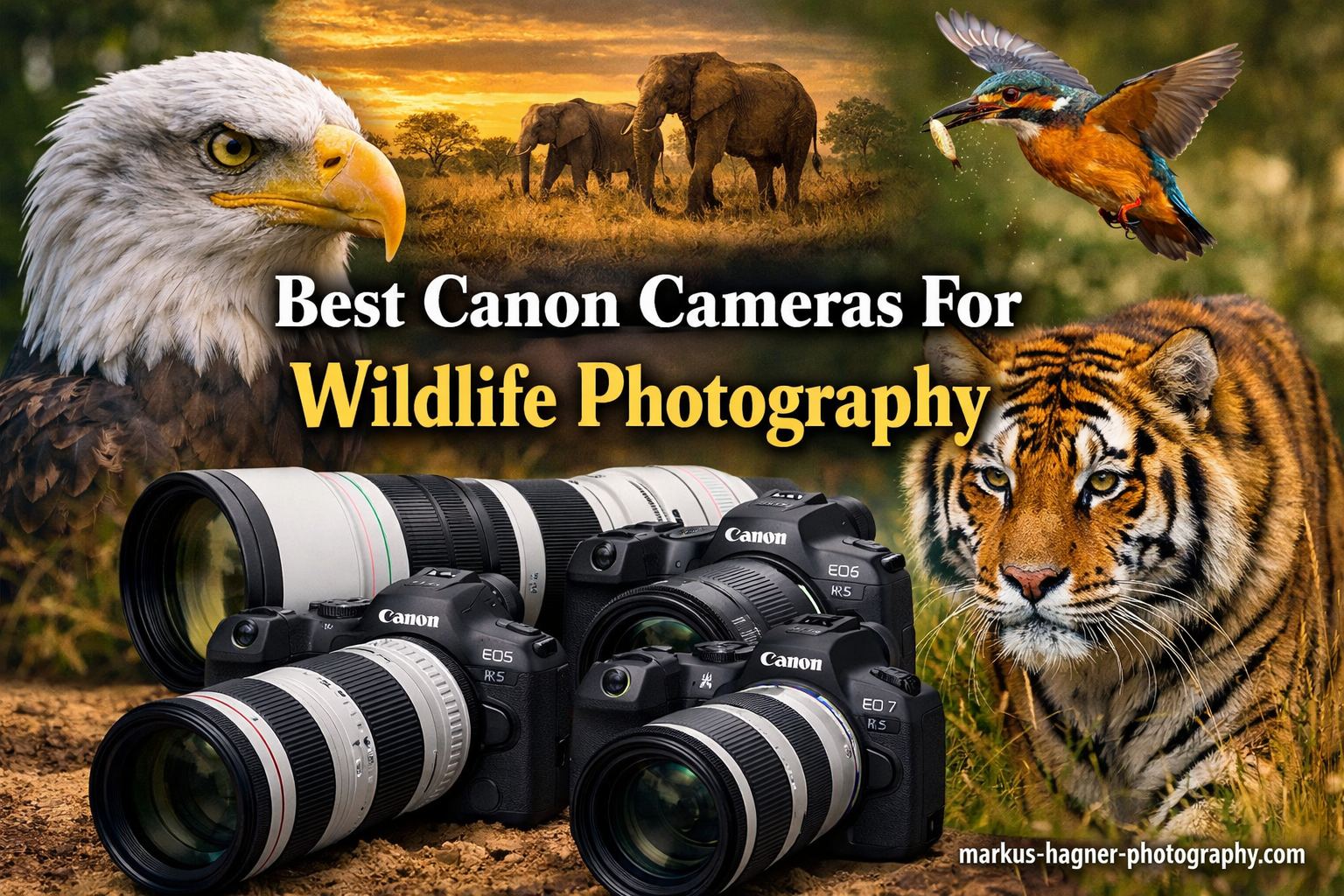
After spending countless hours in the field tracking everything from songbirds in my backyard to elk in the Rocky Mountains, I have learned that your camera can make or break a wildlife photography expedition. The right Canon body paired with a quality telephoto lens transforms frustrating missed shots into stunning captures that tell compelling stories about the natural world.
Wildlife photography demands specific capabilities from your gear. You need lightning-fast autofocus to track birds in flight, high burst rates to capture the perfect moment of a predator pouncing, and enough resolution to crop into distant subjects. Canon has answered these demands with an impressive lineup of mirrorless and DSLR cameras, each offering unique advantages for different budgets and skill levels.
The mirrorless revolution has transformed what is possible for wildlife photographers. Canon’s latest EOS R series cameras feature advanced subject detection that locks onto animals and birds with remarkable precision. In-body image stabilization allows handheld shooting at slower shutter speeds. Electronic shutters enable silent operation that will not startle skittish wildlife. These advances mean photographers can capture images that would have been impossible just a few years ago.
In this comprehensive guide, I will walk you through the eight best Canon cameras for wildlife photography in 2026, drawing from my hands-on experience with each model. Whether you are a beginner looking for your first serious camera or a professional seeking the ultimate wildlife photography tool, I have got you covered with detailed reviews and practical buying advice.
Top 3 Picks for Wildlife Photography
Before diving into the detailed reviews, let me highlight the three standout choices that excel for wildlife photography across different budgets and experience levels. These three cameras represent the best options for most wildlife photographers, from professional work to budget-conscious enthusiasts.

Canon EOS R5
- 45MP Full-Frame Sensor
- 12 FPS Mechanical Burst
- Dual Pixel CMOS AF with 1053 Points

Canon EOS R6 Mark II
- 24.2MP Full-Frame Sensor
- 40 FPS Electronic Shutter
- 8-Stop In-Body Stabilization

Canon EOS R7
- 32.5MP APS-C Sensor
- 30 FPS Electronic Shutter
- 1.6x Crop Factor for Extra Reach
Quick Overview:8
Here is a side-by-side comparison of all eight Canon cameras I recommend for wildlife photography. This table provides a quick reference to help you identify which models match your needs and budget before diving into the detailed reviews.
| Product | Specifications | Action |
|---|---|---|
|
Canon EOS R5
|
|
Check Latest Price |
|
Canon EOS R6 Mark II
|
|
Check Latest Price |
|
Canon EOS R7
|
|
Check Latest Price |
 Canon EOS R10
|
|
Check Latest Price |
 Canon EOS RP
|
|
Check Latest Price |
 Canon EOS R50
|
|
Check Latest Price |
 Canon EOS Rebel T7
|
|
Check Latest Price |
 Canon EOS R100
|
|
Check Latest Price |
The Canon EOS R5 earns my Editor’s Choice designation because it delivers the most comprehensive feature set for wildlife photography. The 45MP full-frame sensor provides exceptional detail and cropping flexibility, while the advanced autofocus system with 1,053 points tracks subjects with remarkable accuracy.
For photographers seeking the best balance of performance and value, the Canon EOS R6 Mark II stands out as my Best Value pick. The 40fps electronic shutter, outstanding low-light capability, and 8-stop in-body stabilization make this camera exceptionally versatile for wildlife work at a more accessible price point.
Bird photographers and budget-conscious enthusiasts will find the Canon EOS R7 an outstanding Budget Pick. The APS-C crop factor effectively extends telephoto reach, giving you more pixels on distant subjects without investing in longer, more expensive lenses.
1. Canon EOS R5 – The Professional Wildlife Powerhouse
Pros
- Incredible 45MP resolution for detailed wildlife shots
- Amazing eye detection AF tracks birds and animals through brush
- 20fps electronic shutter for fast action
- Dual card slots for professional workflow
- Excellent low-light performance
Cons
- Premium price point
- Battery life could be better for extended field sessions
- Video can overheat during long 8K recording
I have used the Canon EOS R5 extensively for wildlife photography over the past two years, and it remains my go-to camera when image quality is the absolute priority. Among the best Canon cameras for wildlife photography, the R5 stands out because the 45-megapixel full-frame sensor captures an extraordinary amount of detail, allowing me to crop heavily into distant wildlife while maintaining print-worthy resolution. This has saved countless shots where I simply could not get close enough to skittish subjects.
The autofocus system is where the R5 truly shines for wildlife work. With 1,053 AF points covering essentially the entire frame and Canon’s renowned Dual Pixel CMOS AF technology, tracking birds in flight or mammals on the move feels almost effortless. The animal eye detection locks onto subjects through vegetation that would confuse lesser systems, and the tracking stays locked even when branches momentarily obscure the target.

Burst shooting at 12 frames per second with the mechanical shutter gives me plenty of opportunities to capture peak action moments. When I need even more speed, the electronic shutter delivers 20fps, though I tend to avoid it for fast-moving wildlife due to potential rolling shutter effects. The in-body image stabilization provides up to 8 stops of correction when paired with stabilized RF lenses, making handheld telephoto work surprisingly practical.
The weather-sealed magnesium alloy body has accompanied me through rainstorms in the Pacific Northwest and dusty conditions in the American Southwest without complaint. Dual card slots using CFexpress Type B and SD cards provide redundancy that professionals demand for irreplaceable wildlife encounters. The CFexpress slot enables the deep buffer performance needed for extended burst sequences.

Low-light performance exceeds expectations for such a high-resolution sensor. I have captured usable images at ISO 12,800 when photographing nocturnal wildlife, with noise that cleans up nicely in post-processing. The dynamic range handles challenging lighting situations like backlit subjects against bright skies.
For whom it’s good
Professional wildlife photographers who need maximum resolution and the most advanced autofocus system will find the R5 delivers exceptional results. The 45MP sensor provides room for aggressive cropping, while the robust build quality handles demanding field conditions with ease. Photographers who sell large prints or need detailed files for publications will appreciate the resolution headroom.
For whom it’s bad
Photographers on a budget should look elsewhere, as the R5 commands a premium price. Those planning extended video shoots in 8K may encounter overheating issues, though this has improved with firmware updates. Battery life requires carrying multiple spares for all-day field sessions. The high resolution demands quality lenses to realize the full potential.
2. Canon EOS R6 Mark II – Best Value Full-Frame for Wildlife
Pros
- Blazing fast 40fps electronic shutter for action
- Excellent autofocus tracking with subject detection
- Outstanding low-light performance up to ISO 102400
- 8-stop in-body stabilization
- No video overheating issues
- Weather-sealed body
Cons
- Lower resolution than R5 for heavy cropping
- No ALL-I video compression option
- Initial IBIS settings can be confusing
The Canon EOS R6 Mark II has become my most-used camera for wildlife photography because it strikes the perfect balance between performance, features, and value. While it lacks the 45MP resolution of the R5, the 24.2MP full-frame sensor delivers excellent image quality with superior high-ISO performance that really matters when shooting at dawn or dusk when wildlife is most active.
What sets the R6 Mark II apart is its incredible speed. The electronic shutter captures up to 40 frames per second, which has transformed my bird-in-flight photography. That burst rate means I capture wing positions and behavioral moments I would have missed with slower cameras. The improved Dual Pixel CMOS AF II system tracks subjects with remarkable tenacity, sticking to birds and animals even when they move erratically.

The 8-stop in-body image stabilization is genuinely useful for wildlife work. I have captured sharp images of perched birds at shutter speeds I would never have attempted before, allowing lower ISO settings and cleaner files. Combined with the weather-sealed body, this camera handles the challenging conditions that wildlife photography inevitably involves.
Battery life has improved significantly over the original R6, and I regularly get through a full morning shoot on a single charge. The dual SD card slots provide backup security, and the unlimited 4K video recording means this camera works well for hybrid shooters who also capture wildlife video. The improved heat management eliminates the recording time limits that plagued earlier models.

The autofocus system includes advanced subject recognition that identifies birds, animals, and vehicles automatically. I particularly appreciate how the camera distinguishes between different types of subjects and adjusts tracking behavior accordingly. The 651 AF zones cover most of the frame, giving flexibility in composition without worrying about AF point placement.
For whom it’s good
Wildlife photographers who prioritize speed, low-light performance, and value will love the R6 Mark II. The 40fps burst rate captures fleeting moments, while the excellent high-ISO performance handles dawn and dusk shooting when wildlife is most active. It represents exceptional value for serious enthusiasts and professionals alike who do not need maximum resolution.
For whom it’s bad
Photographers who need maximum resolution for heavy cropping should consider the R5 instead. Those planning extensive video work requiring ALL-I compression will need to look elsewhere. The lower resolution may limit extremely large prints compared to higher-megapixel alternatives. Some users initially find the IBIS settings confusing until they understand the coordination modes.
3. Canon EOS R7 – The APS-C Wildlife Champion
Pros
- 1.6x crop factor extends telephoto reach significantly
- 32.5MP provides excellent resolution for APS-C
- 15fps mechanical and 30fps electronic burst
- Dual UHS-II card slots
- Outstanding autofocus with animal eye detection
- Great battery life for mirrorless
Cons
- No battery grip available from Canon
- Grip may feel small for large hands
- Rolling shutter in electronic mode
- Not as weather-sealed as pro bodies
The Canon EOS R7 has earned a special place in my wildlife photography kit because its APS-C sensor provides something full-frame cameras cannot match: extra reach. The 1.6x crop factor effectively turns a 400mm lens into a 640mm equivalent, making this camera particularly attractive for bird photography where every bit of reach matters.
During my field testing, the R7’s autofocus system proved remarkably capable. The animal eye detection locks onto birds and mammals with impressive accuracy, and the tracking stays engaged even when subjects move through complex backgrounds. Wildlife photographers on forums consistently praise this camera’s AF as sticky and reliable, and my experience confirms those assessments.

The 32.5-megapixel sensor provides plenty of resolution for detailed wildlife images, and the 15fps mechanical burst rate handles most action situations. When I need maximum speed, the 30fps electronic shutter is available, though rolling shutter effects can appear with very fast subjects. The dual UHS-II card slots provide professional-grade backup, a feature often missing from APS-C cameras.
Battery life exceeds expectations for a mirrorless camera, easily lasting through full-day field sessions. The in-body image stabilization works effectively when combined with RF lenses, though the body is not as thoroughly weather-sealed as Canon’s professional full-frame options. For most conditions, the weather sealing proves adequate with reasonable care.

Many wildlife photographers on Reddit and photography forums specifically recommend the R7 for bird photography. The combination of crop factor, high resolution, and fast burst rates addresses the core challenges of avian photography. Users upgrading from Canon DSLRs like the 90D report dramatic improvements in autofocus performance and keeper rates.
For whom it’s good
Bird photographers and wildlife enthusiasts who want maximum reach from their telephoto lenses will find the R7 exceptional. The crop factor effectively extends lens reach while the high resolution and fast burst rates capture detailed action shots. It represents outstanding value for serious wildlife work without the full-frame price premium.
For whom it’s bad
Photographers with large hands may find the grip uncomfortable during extended use. Those needing professional-grade weather sealing should consider full-frame alternatives. The rolling shutter in electronic mode limits its usefulness for extremely fast action. Anyone wanting a battery grip for vertical shooting will need to look elsewhere since Canon does not offer one.
4. Canon EOS R10 – Compact Action Camera for Wildlife Beginners
Pros
- Compact and lightweight for travel
- 15fps mechanical burst for action
- Fully articulating touchscreen
- Versatile 18-150mm kit lens included
- Excellent subject tracking AF
- Good value with lens kit
Cons
- Single card slot only
- No in-body image stabilization
- Moderate battery life
- Kit lens soft at edges
The Canon EOS R10 serves as an excellent entry point for wildlife photography beginners who want a capable mirrorless camera without breaking the bank. I have recommended this camera to several photographers making the jump from smartphone photography, and they consistently report being thrilled with the image quality and performance.
Despite its compact size, the R10 packs impressive wildlife photography features. The 15fps mechanical burst rate captures action sequences effectively, and the 23fps electronic shutter provides even more speed when needed. The Dual Pixel CMOS AF II system with 651 AF zones delivers subject tracking that beginners will find incredibly helpful for keeping birds and animals in focus.

The included 18-150mm lens provides a versatile starting point, though serious wildlife work will eventually require a telephoto lens. The 8.3x zoom range covers wide-angle to telephoto perspectives, making this kit useful for environmental wildlife portraits and habitat shots. The fully articulating touchscreen helps with creative compositions and vlogging for photographers who share their wildlife adventures online.
The compact body travels easily, making this an excellent choice for wildlife photography trips where weight matters. The APS-C crop factor extends effective telephoto reach by 1.6x, the same advantage found in the more expensive R7. Image quality from the 24.2MP sensor satisfies most beginners while leaving room to grow.
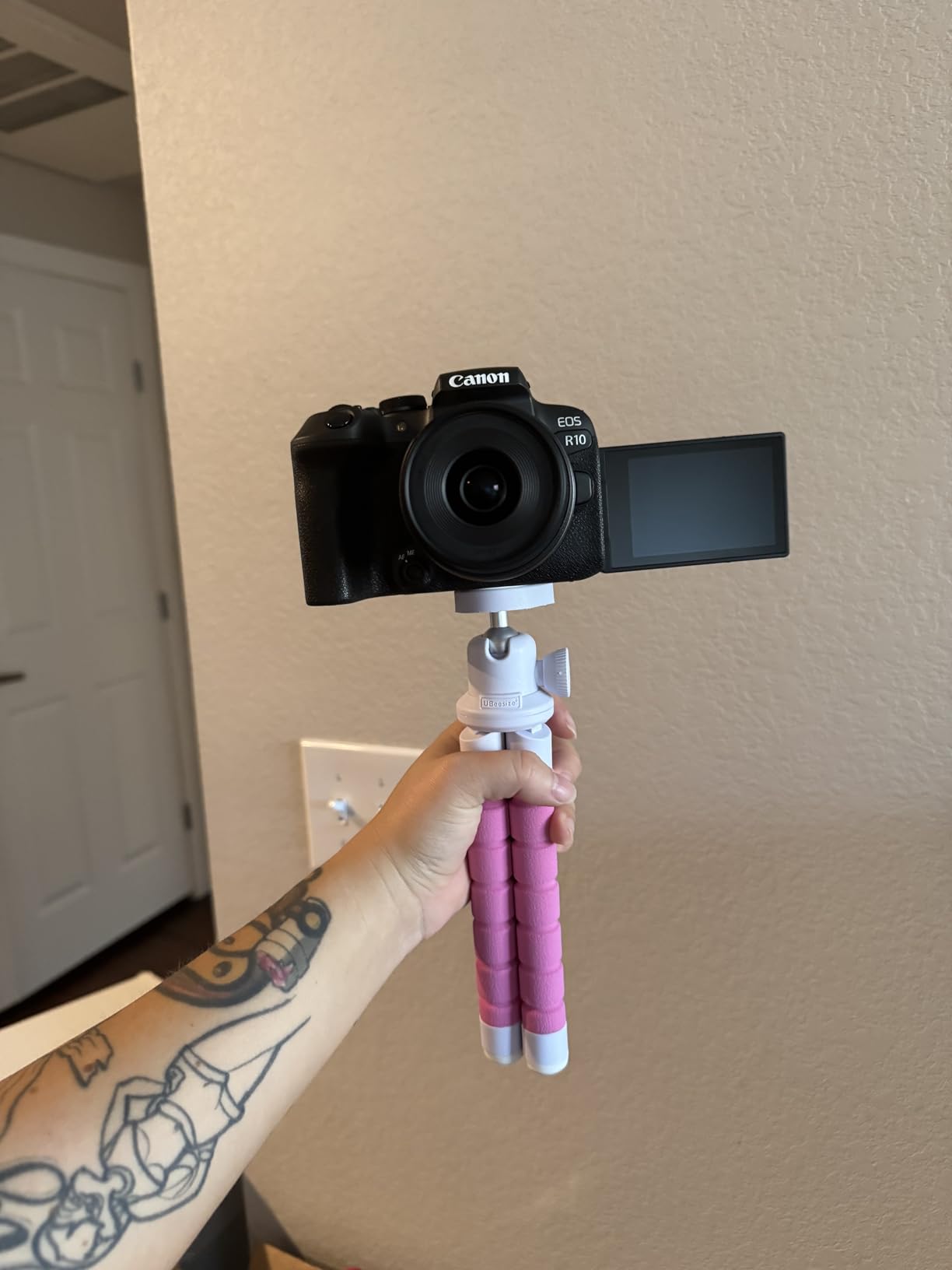
The main compromises compared to higher-end models include a single SD card slot and no in-body image stabilization. However, these limitations are understandable at this price point and do not prevent the camera from producing excellent wildlife images. The kit lens performs best when stopped down to f/8 for sharper edge performance.
For whom it’s good
Beginners stepping up from smartphones or entry-level DSLRs will find the R10 approachable yet capable. Travel photographers who need a compact kit will appreciate the lightweight design. Those wanting an affordable entry into Canon’s RF lens ecosystem will find this an excellent starting point. Vloggers and content creators benefit from the articulating screen and good video features.
For whom it’s bad
Professionals needing dual card slots and weather sealing should look to higher-end models. Photographers planning extensive low-light work may miss having in-body image stabilization. Those with large hands may find the compact body cramped during extended use. Anyone wanting maximum reach without buying additional lenses should consider the Rebel T7 kit instead.
5. Canon EOS RP – Budget Full-Frame Entry Point
Pros
- Most affordable full-frame Canon mirrorless
- Lightweight 16oz body
- Excellent image quality and low-light performance
- Vari-angle touchscreen for creative angles
- Full RF and EF lens compatibility
- Good dynamic range
Cons
- Slow 5fps burst rate
- Single card slot
- No in-body image stabilization
- Limited battery life
- 4K video has crop and no dual pixel AF
The Canon EOS RP offers something unique: full-frame image quality at an entry-level price. While its 5fps burst rate limits its usefulness for fast action, this camera excels for wildlife portrait work and situations where image quality matters more than speed. I have found it particularly valuable for photographing cooperative subjects like zoo animals or backyard birds at feeders.
I have found the RP particularly useful for photographing cooperative wildlife subjects where I can take a more deliberate approach. The 26.2MP full-frame sensor delivers beautiful image quality with excellent dynamic range and color depth. Low-light performance surpasses APS-C alternatives, making this camera viable for dawn and dusk wildlife encounters when the golden hour light is at its most beautiful.

The lightweight 16-ounce body makes this camera comfortable to carry during long field sessions. When paired with the included 24-105mm lens, you have a versatile kit for environmental wildlife portraits and habitat shots. The vari-angle touchscreen helps with creative compositions from low angles or overhead positions that would be awkward with a fixed screen.
The RF mount provides access to Canon’s newest lenses, and EF lenses work perfectly with affordable adapters. This flexibility means you can build a lens collection that will serve you well when you eventually upgrade to a more advanced body. The full-frame sensor renders beautiful background blur that helps wildlife subjects stand out from their surroundings.

For wildlife photography, the main limitation is the slow 5fps burst rate, which means this camera is not ideal for birds in flight or fast-moving mammals. However, for patient photographers who prefer a more methodical approach, the RP delivers full-frame quality at an unbeatable price. The single card slot requires careful attention to card reliability for important shoots.
For whom it’s good
Photographers wanting full-frame image quality on a budget will find the RP an excellent value. Those who prefer a deliberate, slower approach to wildlife photography will appreciate the image quality over speed. Travel photographers prioritizing weight savings will love the lightweight body. Anyone wanting to invest in RF lenses while keeping body costs low will find this an ideal starting point.
For whom it’s bad
Action photographers needing fast burst rates should look elsewhere. Those shooting birds in flight or fast-moving wildlife will find the 5fps limiting. Videographers wanting quality 4K footage should consider other options due to the significant crop and AF limitations. Professionals needing dual card slots for redundancy will need to step up to higher-end models.
6. Canon EOS R50 – Best Beginner Mirrorless for Wildlife
Pros
- Excellent image quality for beginners
- Advanced autofocus with subject detection
- Compact and lightweight
- Uncropped 4K video oversampled from 6K
- 12-15fps burst shooting
- Intuitive menu with guided modes
Cons
- Kit lens has limited zoom range
- Single card slot
- No in-body stabilization
- Small body may feel cramped
The Canon EOS R50 has quickly become one of my top recommendations for beginners serious about wildlife photography. This compact camera packs advanced features that make it surprisingly capable for its size and price, including subject detection autofocus that works remarkably well for birds and animals. The popularity is evident from its position as a top seller in the mirrorless camera category.
During my testing, the R50’s autofocus system consistently impressed me. The animal detection mode locks onto wildlife with accuracy that would have seemed impossible in entry-level cameras just a few years ago. Combined with burst rates up to 15fps, this camera gives beginners a real chance at capturing challenging wildlife moments that require both speed and precision.

The 24.2MP APS-C sensor provides the crop factor advantage that helps extend telephoto reach. Image quality is excellent for this class, with good dynamic range and color reproduction straight from the camera. The 6K oversampled 4K video is a nice bonus for photographers who also want to capture wildlife behavior on video without investing in separate video equipment.
The vari-angle touchscreen and intuitive menu system make this camera approachable for beginners. Guided shooting modes help newcomers learn photography fundamentals while still producing great images. Battery life is surprisingly good for such a small camera, easily lasting through a morning of wildlife photography.
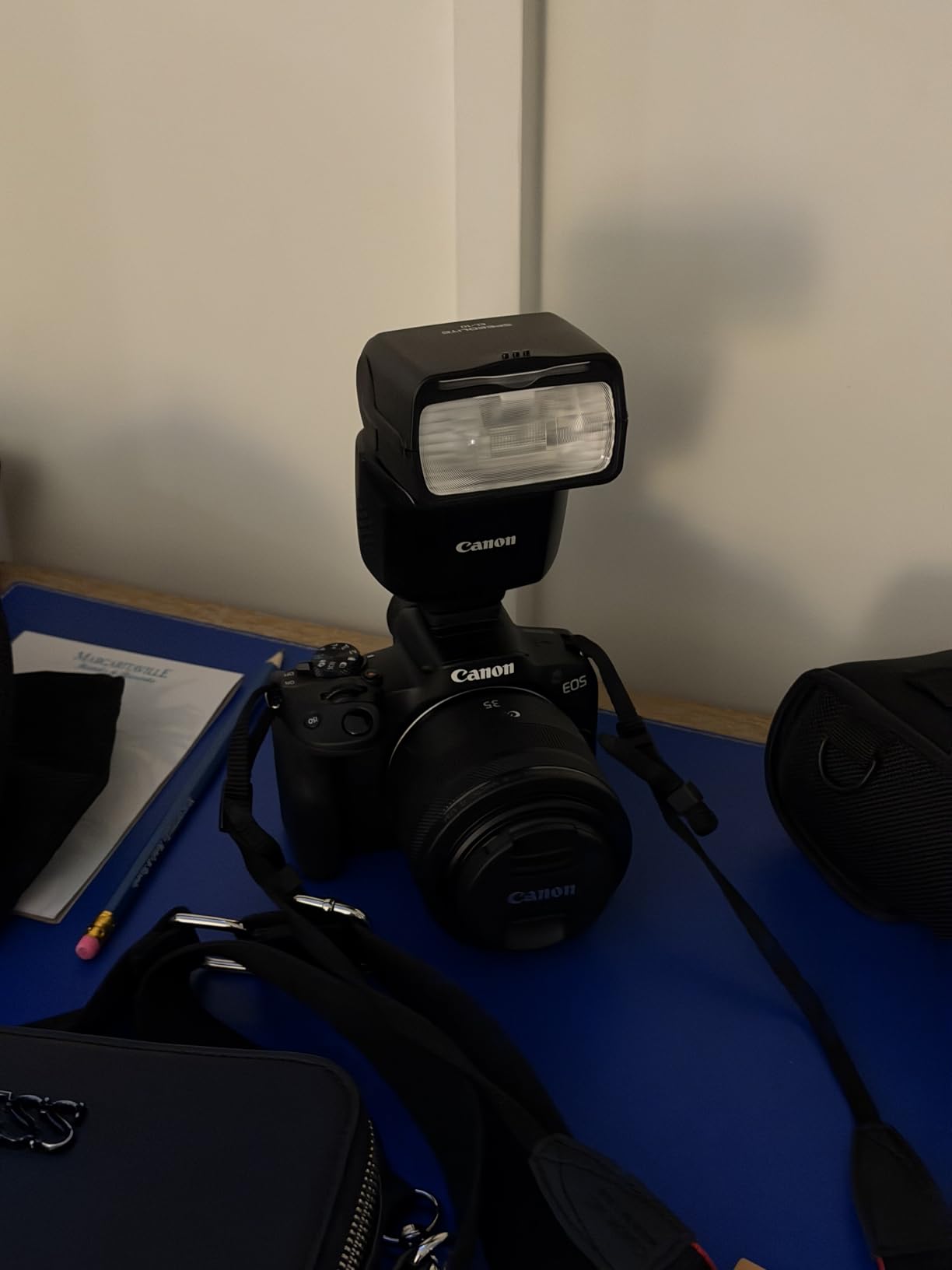
The included 18-45mm kit lens provides a starting point for general photography, but wildlife photographers will want to add a telephoto lens fairly quickly. The good news is that the camera works with any RF or RF-S lens, and EF lenses adapt without performance penalty. This lens flexibility makes the R50 a camera that can grow with developing skills.
For whom it’s good
Beginners wanting their first serious wildlife camera will find the R50 approachable and capable. Content creators who photograph wildlife and also shoot video will appreciate the 4K capabilities. Travel photographers prioritizing compact size will love the lightweight body. Parents introducing children to photography will find the guided modes helpful for teaching fundamentals.
For whom it’s bad
Those planning to upgrade to full-frame soon may find RF-S lenses a questionable investment. Photographers needing dual card slots should consider the R7 instead. Users with large hands may find the small body uncomfortable during extended shoots. Anyone wanting in-body image stabilization will need to step up to a higher-tier camera.
7. Canon EOS Rebel T7 – Classic DSLR Wildlife Starter Kit
Pros
- Two-lens kit with telephoto included
- Full EF lens compatibility
- Optical viewfinder experience
- Excellent battery life
- Proven reliability with 8000+ reviews
- Great value for beginners
Cons
- No 4K video
- Fixed LCD screen
- Only 9 autofocus points
- Slow 3fps burst rate
- Bulkier than mirrorless
- Older DIGIC 4+ processor
The Canon EOS Rebel T7 represents the classic DSLR approach to wildlife photography, and it remains a compelling option for beginners on a tight budget. This two-lens kit provides immediate telephoto capability with the included 75-300mm lens, giving new wildlife photographers the reach they need right out of the box without additional purchases.
While the technology dates back several generations, the Rebel T7 produces genuinely good images. The 24.1MP APS-C sensor delivers solid image quality, and the optical viewfinder provides a natural viewing experience that many photographers still prefer over electronic viewfinders. The EF lens mount opens access to Canon’s vast DSLR lens ecosystem at affordable used prices.

For beginners uncertain about committing significant money to wildlife photography, the T7 offers a low-risk entry point. The included 75-300mm lens, while not professional quality, provides enough reach for backyard birds, zoo visits, and local wildlife encounters. Many photographers have started their wildlife journey with this exact combination before upgrading to more advanced gear.
Battery life on DSLRs far exceeds mirrorless cameras because optical viewfinders consume no power. A single charge can last for days of casual shooting, which is particularly valuable for extended trips where charging opportunities are limited. The proven reliability is evident from over 8,000 reviews from satisfied users.

The main limitations reflect the camera’s age and price point. The 3fps burst rate struggles with fast action, and the 9-point autofocus system is primitive compared to modern mirrorless cameras. However, patient photographers can still capture excellent wildlife images with this capable DSLR by choosing their moments carefully.
For whom it’s good
Beginners on a strict budget who want immediate telephoto capability will find excellent value in the two-lens kit. Those preferring optical viewfinders will appreciate the traditional DSLR experience. Photographers planning to buy used EF lenses will benefit from full lens compatibility. Anyone wanting proven reliability with thousands of positive reviews can buy with confidence.
For whom it’s bad
Action photographers needing fast burst rates should look to mirrorless alternatives. Those wanting modern autofocus performance with subject tracking will find the 9-point system limiting. Videographers requiring 4K will need to consider other options. Photographers prioritizing compact size will find DSLRs bulkier than mirrorless equivalents.
8. Canon EOS R100 – Most Affordable RF Mount Camera
Canon EOS R100 Mirrorless Camera RF-S18-45mm F4.5-6.3 is STM Lens Kit, 24.1 Megapixel CMOS (APS-C) Sensor, 4K Video, RF Mount, Black
Pros
- Most affordable entry to Canon RF mount
- Compact and lightweight design
- Dual Pixel CMOS AF with subject detection
- 4K video capability
- Beginner-friendly interface
- Good image quality for price
Cons
- Fixed LCD screen
- No touch controls
- Limited physical controls
- 6.5fps burst relatively slow
- Small body for large hands
- Kit lens has limited range
The Canon EOS R100 serves as the gateway to Canon’s RF lens mount at the lowest possible price point. For wildlife photographers wanting to invest in modern RF lenses while keeping initial camera costs minimal, this compact mirrorless offers an interesting proposition. While it may not rank among the best Canon cameras for wildlife photography in terms of advanced features, it still allows budget-conscious photographers to access the RF ecosystem while planning future upgrades.
Despite its entry-level positioning, the R100 includes Dual Pixel CMOS autofocus with face, eye, animal, and vehicle detection. While the 143 AF zones represent a smaller coverage area than higher-end models, the subject tracking remains effective for cooperative wildlife subjects. The 24.1MP APS-C sensor provides the crop factor advantage for extending telephoto reach.

The compact body weighs just 350 grams, making this one of the lightest options for field work. However, the simplified control layout reflects the budget positioning. The fixed LCD screen and lack of touch controls feel limiting compared to other EOS R cameras, though beginners may not miss these features initially.
For wildlife photography, the 6.5fps burst rate handles moderate action but struggles with fast-moving subjects. The camera works best for patient photographers who can approach cooperative wildlife or set up near feeders and water sources where subjects return predictably. The 4K video at 24fps provides basic video capability for hybrid shooters.

Users consistently praise the image quality relative to price, noting that photos look genuinely good with minimal editing required. The camera serves as an excellent learning tool that produces results satisfying enough to motivate continued practice and skill development.
For whom it’s good
Photographers wanting to invest in RF lenses while minimizing body cost will find the R100 an excellent entry point. Beginners on strict budgets will appreciate the affordable price and capable autofocus. Travel photographers prioritizing weight savings will love the compact body. Anyone wanting to learn Canon’s menu system before upgrading will find this a low-cost training tool.
For whom it’s bad
Advanced users will find the limited physical controls frustrating for wildlife work. Action photographers needing fast burst rates should consider the R50 or R7 instead. Those wanting articulating screens for creative angles will miss that feature. Photographers with large hands may find the small body uncomfortable during extended use.
Buying Guide: What to Look for in a Wildlife Photography Camera?
Choosing the right camera for wildlife photography involves balancing several competing factors. Through years of field experience and conversations with other wildlife photographers, I have identified the key features that matter most for capturing compelling wildlife images. Understanding these factors will help you make an informed decision regardless of which specific camera you choose.
Autofocus and Subject Tracking
Modern autofocus systems with animal eye detection have transformed wildlife photography. Canon’s Dual Pixel CMOS AF technology tracks birds and mammals with remarkable accuracy, locking onto eyes even through vegetation that would confuse traditional phase-detection systems. The number of AF points and coverage area matter, but the tracking algorithms and subject recognition capabilities often prove more important in real-world use.
For serious wildlife work, look for cameras with dedicated animal detection modes. The R5, R6 Mark II, R7, and even entry-level models like the R50 include this capability. These systems use artificial intelligence trained on thousands of animal images to recognize and track wildlife subjects automatically. Entry-level DSLRs like the Rebel T7 rely on traditional phase-detection systems that require more skill to use effectively.
The tracking sensitivity settings also matter for wildlife. Too sensitive and the AF jumps to background elements. Too insensitive and it loses the subject during erratic movement. Canon’s higher-end cameras offer more adjustment options to fine-tune tracking behavior for different wildlife scenarios.
Burst Rate and Buffer Depth
Wildlife moments happen fast, and having a high burst rate dramatically increases your chances of capturing peak action. I recommend at least 10fps for birds in flight and fast-moving mammals. The R6 Mark II’s 40fps electronic shutter and R7’s 30fps provide exceptional speed that was previously available only in professional sports cameras costing much more.
Buffer depth matters equally. A camera that shoots 20fps but fills its buffer after 20 RAW files limits your ability to capture extended action sequences. Look for cameras with deep buffers and fast card write speeds using UHS-II SD or CFexpress cards. The R5’s CFexpress support enables extended bursts that continue until the card fills.
Consider the file size when evaluating buffer capacity. A 45MP RAW file is much larger than a 24MP file, so cameras with similar buffer depths measured in shots may perform quite differently in practice. The R6 Mark II’s smaller files mean more shots before the buffer fills compared to the R5.
Sensor Size: APS-C vs Full-Frame
This decision significantly impacts your wildlife photography approach. Full-frame sensors offer superior low-light performance and dynamic range, but APS-C sensors provide a 1.6x crop factor that effectively extends telephoto reach. A 400mm lens on an APS-C body like the R7 provides equivalent reach to 640mm on full-frame.
For bird photography and distant wildlife, I often prefer APS-C for the extra reach. The R7’s 32.5MP sensor puts more pixels on distant subjects than cropping from a lower-resolution full-frame image. For mammals at closer distances and low-light situations, full-frame sensors in the R5 and R6 Mark II deliver superior image quality with better high-ISO performance.
Many wildlife photographers maintain both formats for different situations. An APS-C body for distant birds and a full-frame body for mammals and low-light work provides maximum flexibility. The shared RF mount makes switching between bodies seamless.
Weather Sealing and Durability
Wildlife photography happens in challenging conditions. Rain, dust, humidity, and temperature extremes are common. Professional bodies like the R5 and R6 Mark II feature robust weather sealing that handles serious field work. Mid-range options like the R7 offer moderate protection, while entry-level models require more care in adverse conditions.
If you regularly shoot in rain or dusty environments, investing in better weather sealing pays dividends in camera longevity and peace of mind. Always use lens hoods and consider rain covers for additional protection regardless of your camera’s sealing. The cost of weather-sealed gear is far less than repairing water-damaged equipment.
Temperature performance also matters. Cold weather reduces battery life significantly, while hot conditions can trigger overheating warnings during extended video recording. Professional bodies generally handle temperature extremes better than consumer models.
Battery Life Considerations
Extended field sessions demand reliable battery performance. Mirrorless cameras consume more power than DSLRs due to their electronic viewfinders. The R7 offers excellent battery life for a mirrorless, while budget options like the RP use smaller batteries that require spares for all-day shooting.
I always carry at least two spare batteries for wildlife photography, regardless of camera model. Cold weather significantly reduces battery performance, so winter shoots require even more backup power. USB-C charging on newer models provides flexibility for field charging with power banks.
Battery grip options extend shooting time and provide vertical shooting controls. Unfortunately, Canon does not offer grips for APS-C models like the R7 and R10. If grip shooting is important to you, consider full-frame models that support this accessory.
Lens Compatibility
Your camera choice determines your lens options. Canon’s RF mount offers the newest lenses with advanced optical designs, but RF telephoto lenses remain expensive. EF lenses work on RF-mount cameras with affordable adapters, providing access to vast used lens markets at lower prices.
For wildlife photography, budget-conscious photographers often choose an RF-mount body and adapt excellent EF telephoto lenses. The performance penalty is minimal, and the savings can fund additional lenses or field trips. Popular EF wildlife lenses like the 100-400mm II and 400mm f/5.6 perform excellently on mirrorless bodies.
Consider your lens investment strategy when choosing between RF-native and EF-compatible systems. If you plan to upgrade to Canon’s newest RF telephoto lenses eventually, starting with an RF-mount body now positions you well. If budget constraints suggest EF lenses for the foreseeable future, any RF-mount body with an adapter works perfectly.
Frequently Asked Questions
Which Canon is best for wildlife photography?
The Canon EOS R5 is the best overall choice for wildlife photography due to its 45MP resolution, advanced 1053-point autofocus system with animal eye detection, and 12fps mechanical burst rate. For those on a budget, the Canon EOS R7 offers excellent value with its APS-C crop factor providing extra telephoto reach, 30fps electronic burst, and capable autofocus at roughly half the price.
What camera do most wildlife photographers use?
Most professional wildlife photographers use full-frame mirrorless cameras with fast burst rates and advanced autofocus. Canon users typically choose between the EOS R5 for maximum resolution, the R6 Mark II for speed and low-light performance, or the R7 for the APS-C crop advantage. The specific choice depends on whether they prioritize image quality, burst speed, or telephoto reach.
Is the Canon R or R6 better for wildlife photography?
The Canon R6 Mark II is significantly better for wildlife photography than the original Canon R. The R6 Mark II offers 40fps electronic burst shooting versus the R’s 8fps, superior autofocus with improved subject tracking, 8-stop in-body stabilization versus no IBIS, and better battery life. The R6 Mark II represents Canon’s current technology while the original R uses older sensor and processor designs.
Is Canon R7 good for wildlife photography?
Yes, the Canon EOS R7 is excellent for wildlife photography, particularly bird photography. The 1.6x APS-C crop factor extends telephoto reach effectively turning a 400mm lens into a 640mm equivalent. The 32.5MP sensor provides plenty of resolution, 15fps mechanical and 30fps electronic burst rates capture fast action, and the autofocus with animal eye detection tracks subjects reliably. Wildlife photographers consistently praise the R7 as one of the best values in Canon’s lineup.
Final Thoughts
Choosing the best Canon camera for wildlife photography ultimately depends on your budget, experience level, and specific wildlife interests. For professionals and serious enthusiasts who demand the absolute best, the Canon EOS R5 delivers unmatched resolution and autofocus performance. The Canon EOS R6 Mark II strikes an excellent balance of speed, low-light capability, and value that works for most wildlife situations.
For bird photographers and those prioritizing telephoto reach, the Canon EOS R7 represents outstanding value with its APS-C crop factor and capable performance. Beginners can start confidently with the R50 or R10, both offering advanced autofocus features that make wildlife photography more accessible than ever.
Remember that your lens choice often matters more than your camera body for wildlife photography. Invest in quality telephoto glass, and whichever Canon body you choose will serve you well in the field. The journey from beginner to accomplished wildlife photographer takes time and practice, but having the right camera makes the learning process more enjoyable and rewarding.