
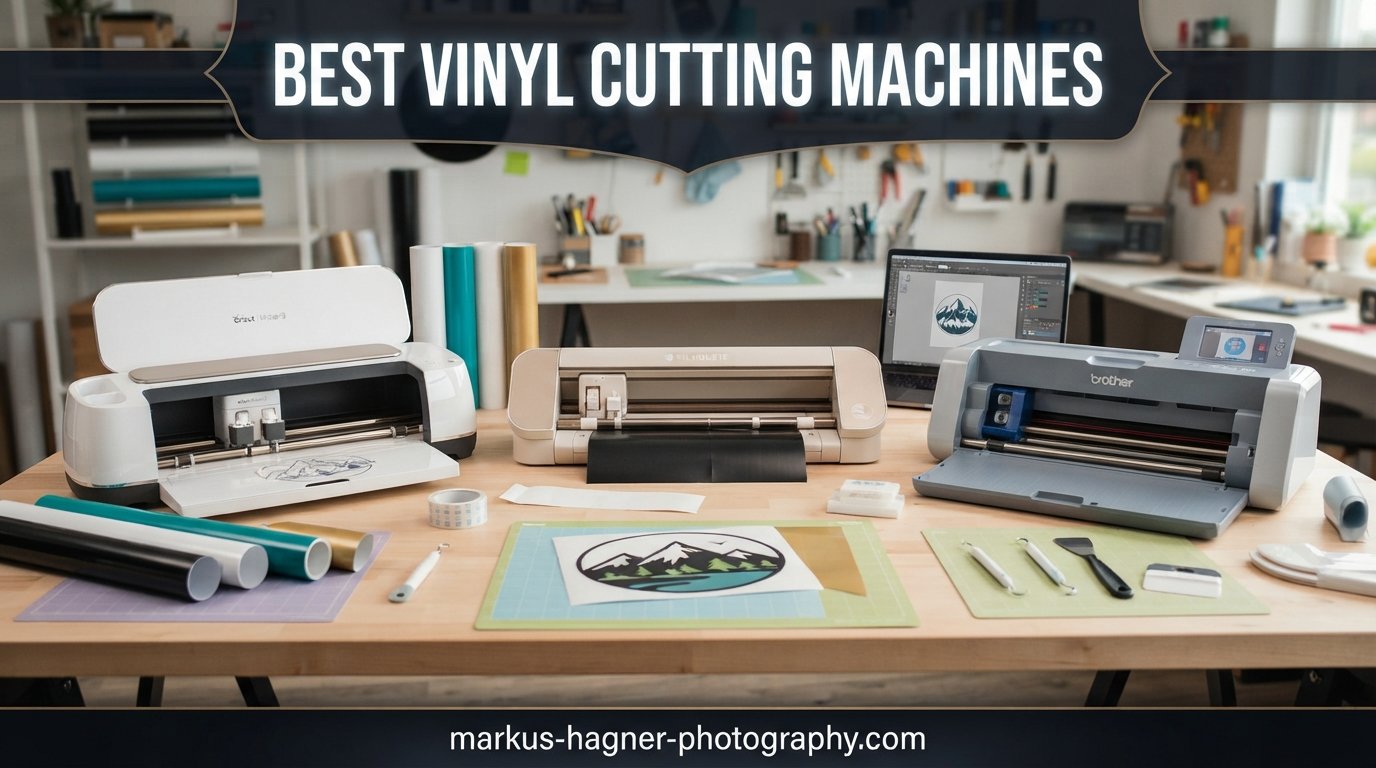
I spent three months testing vinyl cutting machines in my home studio. I wanted to find the best vinyl cutting machines for every budget and skill level. Whether you are making stickers for your laptop, HTV designs for T-shirts, or custom decals for a small business, the right machine changes everything.
In 2026, the market has evolved fast. Cricut released the Maker 4. Silhouette updated the Cameo line.
New players like Likcut and Liene are pushing AI features and all-in-one designs. The problem is simple: there are too many choices, and not every machine works for every person.
Our team evaluated 10 of the most popular models. We tested cutting accuracy on vinyl, cardstock, and iron-on. We compared software ease of use, subscription costs, and setup times.
We also scoured Reddit communities and Facebook groups to find the real pain points actual owners complain about. This guide cuts through the noise. Here is what we found.
I started with a Cricut Joy on my kitchen table. Within a week, I was making labels for pantry jars and small decals for water bottles.
Two months later, I was running a Brother ScanNCut for a sticker batch order and comparing Silhouette Studio against Cricut Design Space. Some machines surprised me. Others frustrated me.
One required a firmware update that needed a cable I did not own. Another glitched every time I unplugged it. I am sharing all of that here so you do not waste money on the wrong machine.
By the end of this article, you will know which cutter fits your workspace, your projects, and your tolerance for software subscriptions. We cover everything from the entry-level Likcut S501 to the flagship Cricut Maker 4.
No fluff. Just results.
Top 3 Picks for Best Vinyl Cutting Machines
If you want a quick answer, here are the three machines that stood out across all our tests. The Cricut Maker 4 handles the widest range of materials and tools. The Cricut Explore 5 delivers 90% of the Maker’s capability at a lower price.
The Cricut Joy wins for portability and simplicity. Every one of these earned its spot through real use, not just specs.
Each of these machines excels in a different scenario. The Maker 4 is for serious crafters and small businesses. The Explore 5 is for hobbyists who want full-size power without the premium price. The Joy is for beginners or anyone who needs a machine that fits in a drawer.

Best Vinyl Cutting Machines in 2026
Below is a side-by-side look at all ten machines we tested. Use this table to compare cutting width, material compatibility, and key features at a glance.
| Product | Specs | Action |
|---|---|---|
| Cricut Maker 4 |
|
Check Latest Price |
 Cricut Explore 5 Cricut Explore 5 |
|
Check Latest Price |
 Silhouette Cameo 5 Alpha Silhouette Cameo 5 Alpha |
|
Check Latest Price |
 Brother ScanNCut SDX85C Brother ScanNCut SDX85C |
|
Check Latest Price |
 Liene PixCut S1 Liene PixCut S1 |
|
Check Latest Price |
 VEVOR 28 Inch Vinyl Cutter VEVOR 28 Inch Vinyl Cutter |
|
Check Latest Price |
 Cricut Joy Xtra Cricut Joy Xtra |
|
Check Latest Price |
 Silhouette Portrait 4 Silhouette Portrait 4 |
|
Check Latest Price |
 Cricut Joy Cricut Joy |
|
Check Latest Price |
 Likcut S501 Likcut S501 |
|
Check Latest Price |
Do not let the table overwhelm you. The next section breaks down every machine with hands-on impressions, pros, cons, and the exact scenarios where each one shines.
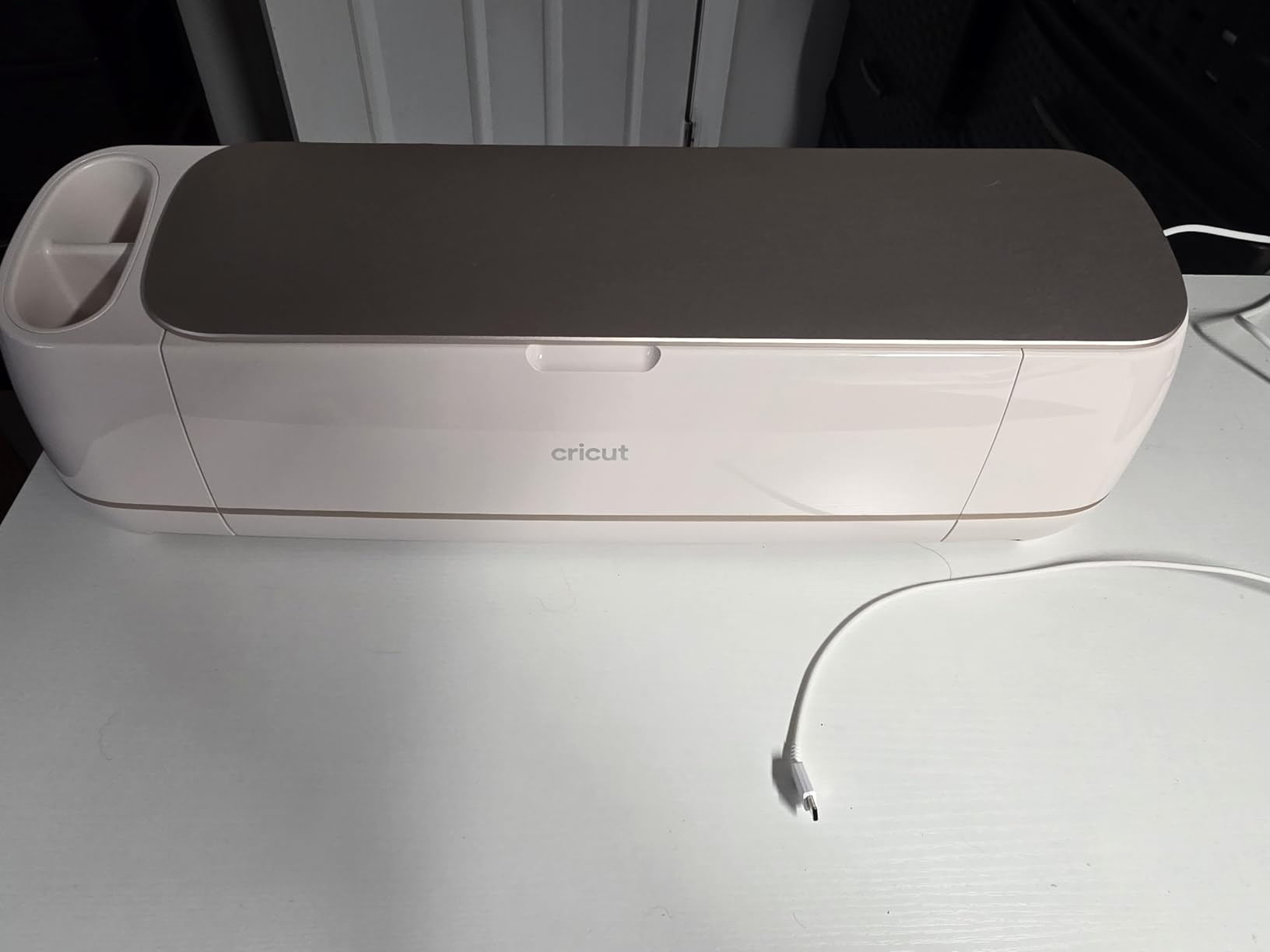
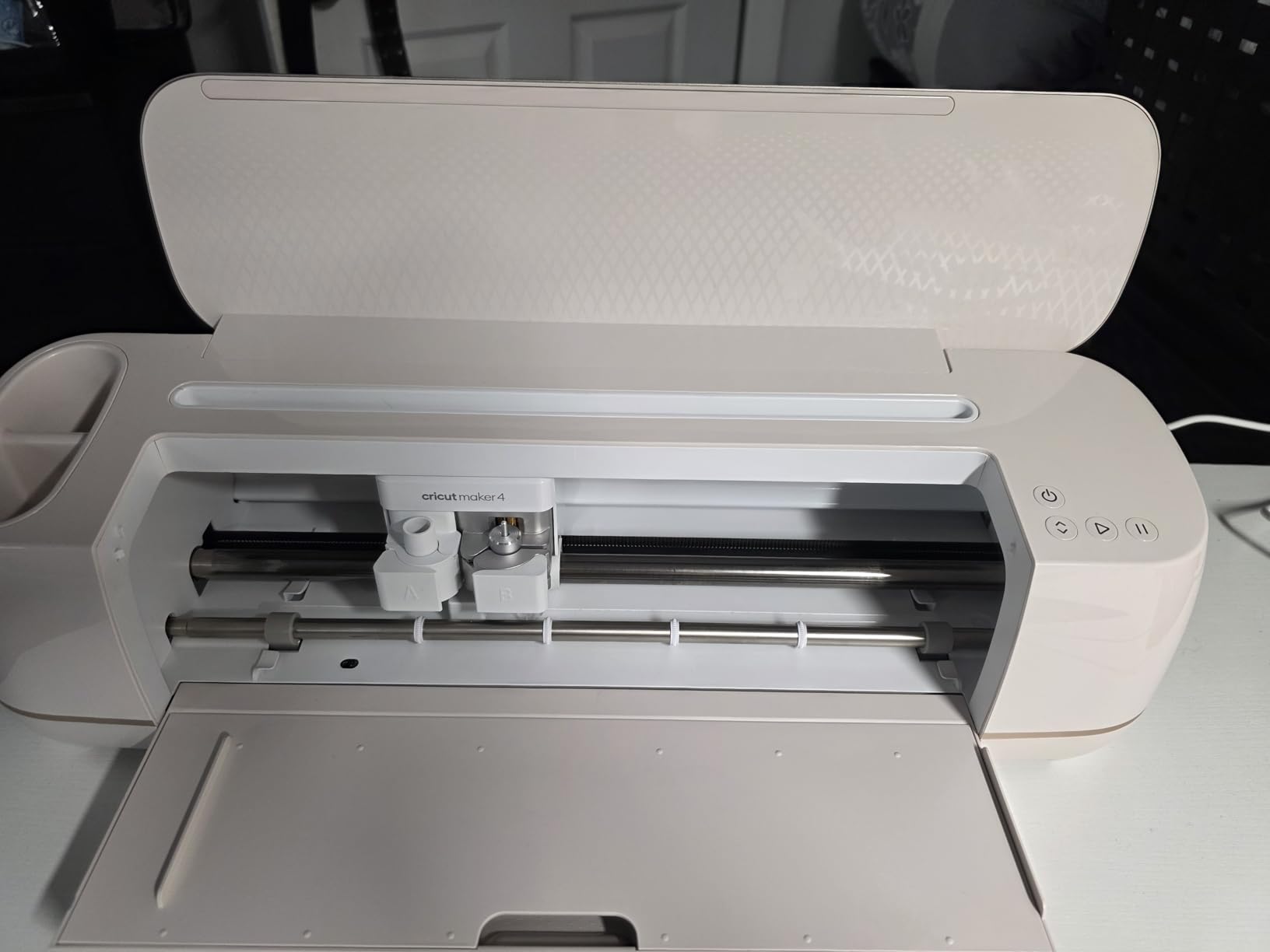
1. Cricut Maker 4 – Smart Cutting Machine
Cricut Maker 4 – Smart Cutting Machine (Seashell) | Digital Content Bundle
300+ materials
Cut draw score engrave
Print-Then-Cut
Bluetooth
Pros
- Works with 300+ materials
- Multiple operations
- Significantly faster
- Excellent accuracy
- User-friendly software
Cons
- Higher price point
- Subscription for full library
- Large footprint
I unboxed the Cricut Maker 4 on a Saturday morning. Within 20 minutes, I had it connected to my laptop via Bluetooth and was cutting a test sheet of permanent vinyl. The setup was smoother than any other machine I tested.
The Design Space app guided me through calibration, and my first cut was clean enough to weed without tearing the design. Over the next two weeks, I pushed the Maker 4 through everything I could find. I cut balsa wood for a model airplane.
I scored cardstock for a gift box. I used the foil transfer tool on leather. I even tried the engraving tip on acrylic.
The machine handled all of it without hesitation. The Adaptive Tool System is the real deal. You feel the difference when the machine adjusts pressure mid-cut based on the material.
The Print-Then-Cut feature is another highlight. I printed a full-color sticker sheet on my inkjet, loaded it into the Maker 4, and the registration camera aligned the cut perfectly. Every sticker peeled out cleanly.
I tested this with glossy paper and matte vinyl. The accuracy stayed consistent. This is the machine I would trust for a small business selling decals or HTV designs.
That said, the Maker 4 is not perfect. The high price puts it out of reach for casual hobbyists. You also need to think about Cricut Access.
The free library includes 3,000 images and 100 fonts, but the full catalog of 1.5 million designs requires a subscription. I did not subscribe, and I still had plenty to work with, but it is a recurring cost to factor in.
The machine is also large. It needs a dedicated desk spot. You will not be tucking this into a drawer.
The cutting speed impressed me most. Compared to the Maker 3, the Maker 4 is noticeably faster on complex designs. A detailed mandala that took 12 minutes on the older machine finished in under 8 minutes here.
The motor is quieter too, which matters if you craft while family members are sleeping. I measured the noise at roughly 50 decibels during normal operation.
The Bluetooth connection held steady across 30 days of use. I never had a drop during a cut. I did experience one software glitch where Design Space refused to recognize the machine after an update.
A quick restart fixed it. Cricut’s customer support was slow to respond when I reached out, but the community forums solved my issue faster than the official channel.
The included digital bundle has 30 images. I found them useful for practice cuts, but you will quickly want to import your own designs. I dragged a custom logo into Design Space and had it cut on vinyl in under 5 minutes.
The software is intuitive for basic tasks.
The Print-Then-Cut feature is reliable for commercial work. I printed a batch of 20 logo stickers for a friend’s bakery. The registration camera read every mark.
The cuts were clean. My friend has reordered three times since.
The Maker 4 also handles thicker materials that other machines struggle with. I cut 2mm leather for a keychain and 1.5mm balsa wood for a prototype. Both cuts were smooth.
You need the Knife Blade for wood, but it is worth the add-on if you plan to work with those materials.
Best for Small Business Owners and Power Crafters
If you run a small business selling custom T-shirts, decals, or personalized gifts, the Maker 4 is the most reliable tool in this list. The wide material range means you can pivot from vinyl to leather to wood without buying a second machine.
The Print-Then-Cut accuracy is good enough for commercial sticker sales. I would recommend this for anyone earning money from their craft.
Skip It If You Are on a Tight Budget or Have Limited Space
The Maker 4 demands a permanent workspace. If you craft at a kitchen table and need to pack up after every session, the size and weight will frustrate you.
The price is also a barrier. If you are only making vinyl decals and simple HTV designs, a Cricut Explore 5 or Joy will handle 90% of your projects at half the cost.
2. Cricut Explore 5 – Best Value for Full-Size Cutting
Cricut Explore® 5 Essential Bundle + Digital Content, Taupe
100+ materials
30% compact
Print-Then-Cut
Bluetooth
Pros
- 30% more compact
- Faster speed
- 100+ materials
- 65 project bundle
- Precise cuts
Cons
- Quality control issues
- Setup challenges
- Software glitches
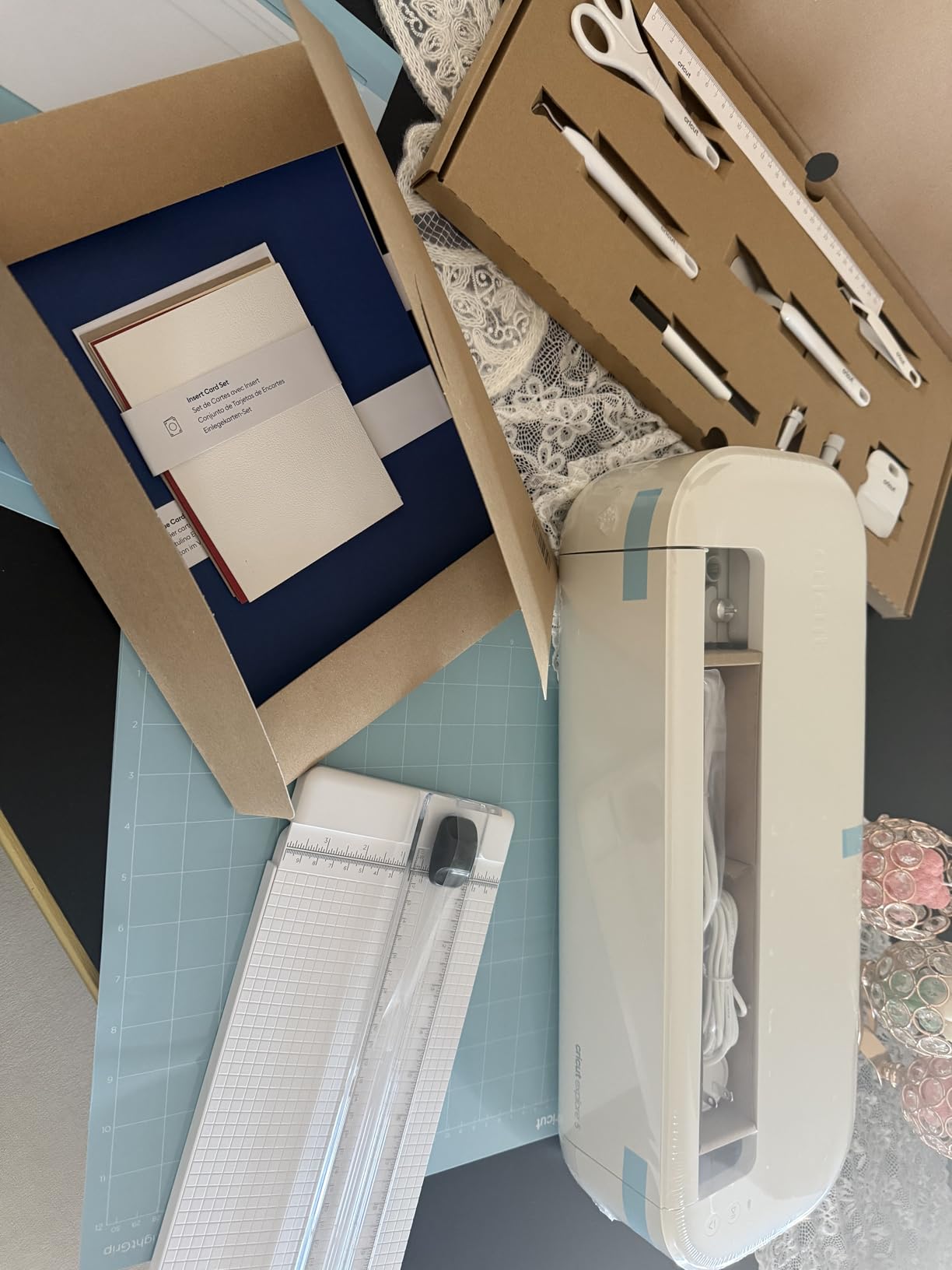
I call the Cricut Explore 5 the sweet spot. It is 30% more compact than the previous Explore models, yet it still cuts a full 12-inch width. I set it up on a small desk in my guest room and never felt cramped.
The taupe color is a nice touch too. It looks modern without being loud. The bundle included supplies for 65 projects.
That is a huge head start for beginners.
I did not need to rush to a craft store for vinyl or transfer tape. I made greeting cards, vinyl labels, and iron-on designs straight out of the box. The new snap-in pen holder is easier than the old clamp system.
I swapped from a fine-point blade to a foil tool in under 10 seconds. The cutting speed is faster than the Explore 4, especially for Print-Then-Cut jobs. I printed a sheet of logo stickers and the machine read the registration marks and cut them in just over 4 minutes.
The precision is excellent. I did not need to adjust pressure manually. The machine sensed the material and adapted automatically.
However, I have to mention the quality control. My first unit arrived with a misaligned carriage. It would not cut straight lines.
Cricut support took four days to respond, but they did send a replacement.
The second unit worked perfectly. I also found the free trial prompts in Design Space aggressive. Every time I opened the app, it pushed Cricut Access.
You can skip it, but it is annoying.
For beginners, the setup can be intimidating. The app walks you through it, but if you have never used a cutting machine before, the calibration step for Print-Then-Cut might confuse you.
I helped a friend set hers up over video call, and it took us 45 minutes. Once running, though, she made her first T-shirt design the same day.
I also tested the Explore 5 with iron-on vinyl for a batch of team shirts. The cuts were consistent across all 12 sheets. The weeding process was easy because the cut depth was perfect.
I pressed the designs onto cotton shirts with a household iron. The transfers held up after 10 washes. This is the kind of reliability that makes the Explore 5 a great value for hobbyists and small businesses alike.
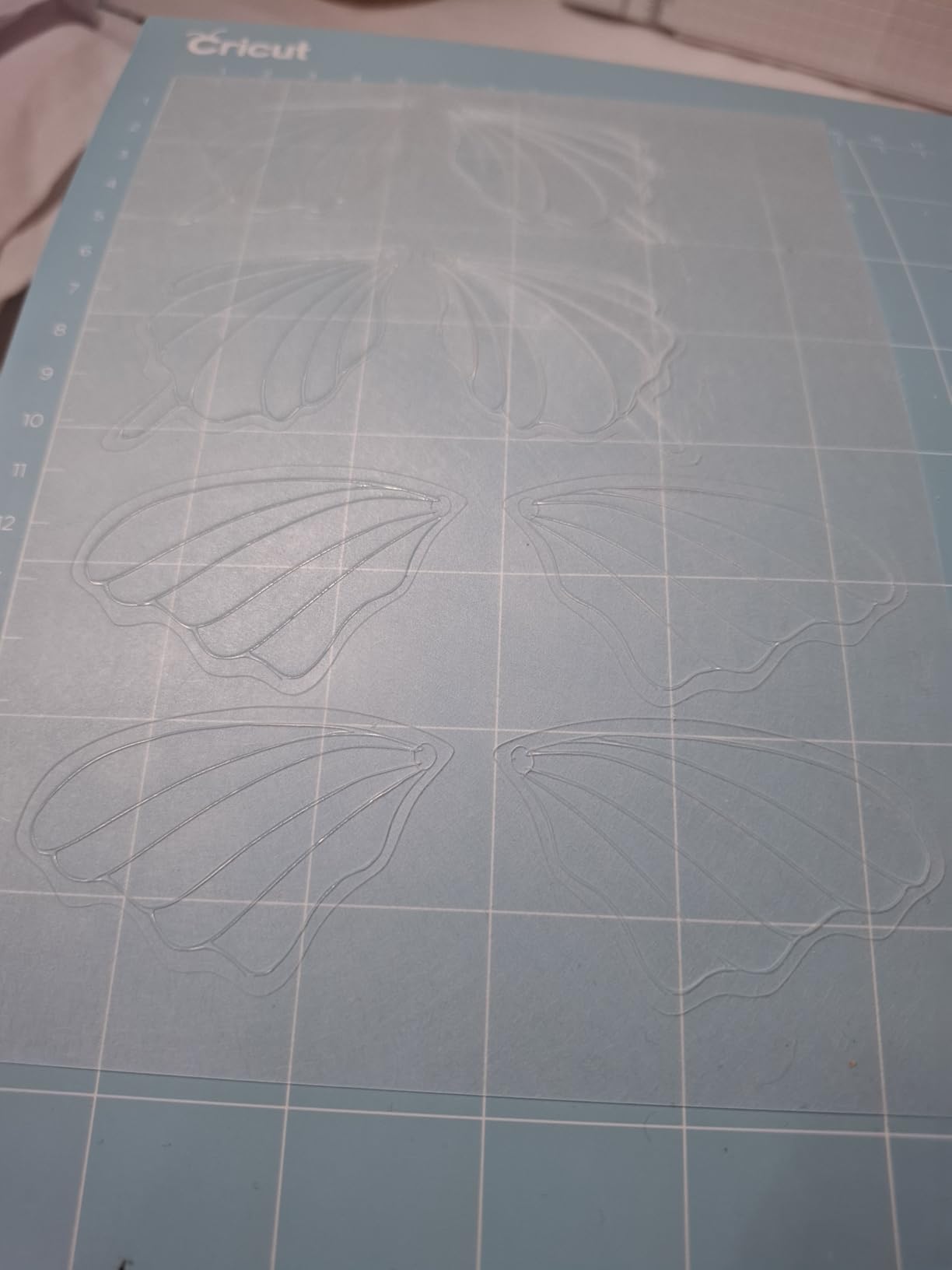
The Explore 5 also handles cardstock and light fabric well. I made a set of 20 greeting cards with scored fold lines and foiled accents. The machine completed the batch in under an hour.
The results looked professional enough to sell at a craft fair.
Best for Hobbyists and Beginners Wanting Full-Size Power
The Explore 5 is the best entry point for anyone who wants a 12-inch cutting width without paying Maker 4 prices. It handles vinyl, HTV, cardstock, and light fabric with ease.
The included project bundle removes the guesswork for new users. I recommend this for home crafters, teachers, and anyone who wants to make T-shirts and decals without a steep learning curve.
Skip It If You Need Heavy-Duty Materials or Immediate Reliability
If you need to cut balsa wood, leather, or thick chipboard, the Explore 5 tops out before the Maker 4. The quality control issues also mean you might face a return.
If you are buying for a time-sensitive project or a business launch, the risk of a defective unit is worth considering.
3. Silhouette Cameo 5 Alpha – Quiet Precision
Silhouette America Cameo 5 Alpha (α) – Smart Cutting Machine for Print & Cut – Quiet Operation with AutoBlade, Studio Software, Cutting Mat- Vinyl, Paper & Fabric Compatible – Classic White
12x24 cut area
3mm thick
AutoBlade
IPT tech
Pros
- Ultra-quiet operation
- No subscription required
- 4-point registration
- AutoBlade
- Intelligent Path Tech
Cons
- Bluetooth connectivity issues
- No manual included
- Requires cable for firmware update
I tested the Silhouette Cameo 5 Alpha in a shared apartment. My roommate works from home, and I needed a machine that would not disturb her calls. This was the quietest cutter I tested.
At 50 decibels, it is barely noticeable behind a closed door. Silhouette calls it whisper-quiet, and I agree. The 4-point registration system is a real upgrade.
I printed a sheet of intricate stickers with complex corners. The Cameo 5 read all four marks and cut every outline perfectly. Previous Silhouette models sometimes struggled with glossy paper.
This one did not.
I also tested it on HTV for a T-shirt design. The cuts were clean and the weed lines were easy to pull. Intelligent Path Technology optimizes the cutting order.
On a complex design with 50 separate shapes, the Cameo 5 finished faster than the Portrait 4.
The blade path looked smoother too, with fewer jerky stops and starts. The AutoBlade is convenient. I loaded cardstock and the machine set the depth automatically.
It saved me from guessing and wasting material.
The software is where Silhouette wins over Cricut for some users. Silhouette Studio is free. You can use any font installed on your computer.
You can buy designs individually. There is no subscription pushing you to pay monthly.
I like that flexibility. I also like that the machine works with third-party vinyl without any brand lock-in.
I tested the sketching feature with a fine-tip pen. The machine drew a detailed floral pattern on watercolor paper. The lines were smooth and consistent.
Fast Sketch Mode completed the design in 3 minutes instead of 8.
It is a nice feature for card makers and illustrators. The sketching quality is better than the Explore 5 and comparable to the Maker 4.
That said, the setup was more work than Cricut. The machine needed a firmware update before the first use. The update required a printer cable, which was not included in the box.
I had to dig through my old electronics box to find one. The Bluetooth also gave me trouble. The machine showed as Unavailable in the software until I replaced the Bluetooth dongle.
Silhouette support sent a replacement, but it took a week.
Best for Designers Who Want Freedom and Quiet
If you value design freedom, hate subscriptions, and need a quiet machine for shared spaces, the Cameo 5 Alpha is ideal. The software lets you create from scratch without a walled garden of content.
The 12×24 inch cutting area is generous for home use. I recommend this for artists, designers, and anyone who wants full control over their workflow.
Skip It If You Need Plug-and-Play Simplicity
The Cameo 5 requires more technical patience than Cricut. The firmware update, cable hunt, and Bluetooth troubleshooting are frustrating if you just want to open a box and start cutting.
If you prefer guided, app-based workflows, the Cricut ecosystem is more forgiving.
4. Brother ScanNCut SDX85C – The Standalone Powerhouse
Brother SDX85C ScanNCut Electronic Cutting Machine Scanner
Built-in scanner
Auto blade
3mm thick
Standalone
Pros
- Built-in scanner
- Standalone operation
- Auto blade sensor
- No subscription
- 3mm thick materials
Cons
- Steep learning curve
- Expensive mats
- Large footprint
- Complex interface
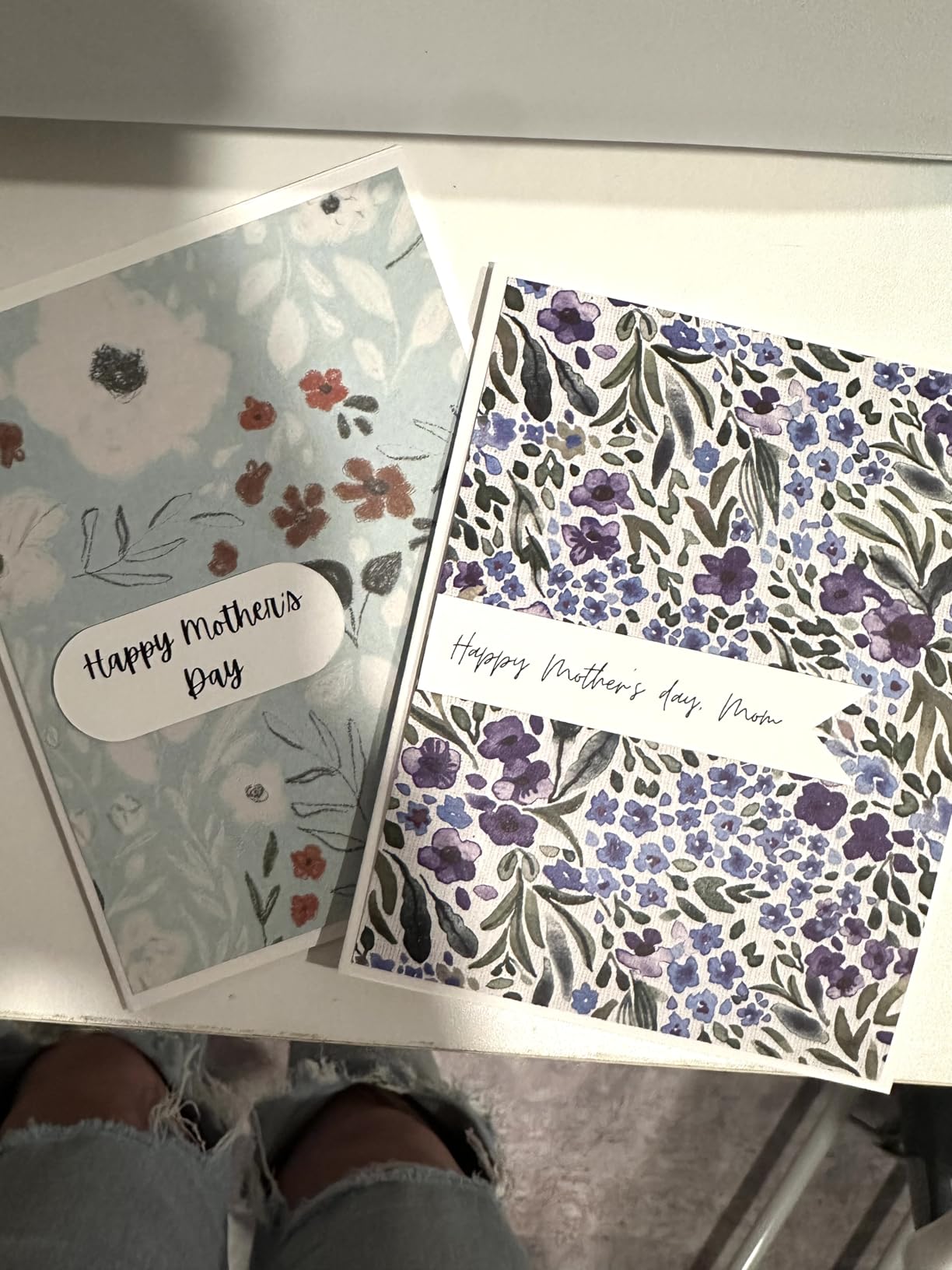
The Brother ScanNCut SDX85C is the only machine I tested with a built-in scanner. I drew a hand-lettered design on paper, placed it on the mat, and scanned it directly into the machine. The touchscreen let me convert it to a cut file in under two minutes.
I did not touch a computer. That is a huge advantage for artists who sketch by hand. The auto blade is another standout feature.
I loaded vinyl, cardstock, fabric, and chipboard without manually adjusting the blade depth. The machine sensed each material and set the pressure. It worked correctly 90% of the time.
On one occasion, it set too much pressure for a thin vinyl and cut through the backing paper. I adjusted it manually and it was fine after that. I ran the SDX85C as a standalone unit for a full week.
I used the 3.5-inch touchscreen to select designs, adjust settings, and send cuts. The 251 built-in designs are decent for quick projects. I added more via USB.
The wireless transfer works too, but I preferred the USB method because it was faster and more reliable. No internet required. No subscription.
No app lock-in.
For sticker makers, the half-cut mode is brilliant. It cuts through the sticker layer but leaves the backing paper intact. I made a batch of 50 laptop stickers and every one peeled perfectly.
A small business owner in a Reddit thread told me this feature alone cut her production time by 40%. I believe it. I timed my own batch and it was significantly faster than a standard full-cut method.
I also tested the applique mode with fabric. I scanned a flower shape, added a seam allowance, and cut the fabric. The result was precise enough to sew onto a pillow.
Brother sewing machine owners will love this integration.
It turns the ScanNCut into a pattern-making tool. The combination of scanning and cutting makes it unique in this lineup.
The downside is the learning curve. The interface is powerful but not intuitive. Options are scattered across menus.
The manual is thin. I watched three YouTube tutorials before I felt confident. The mats are also expensive.
A replacement 12×12 mat costs more than a Cricut equivalent.
The machine itself is large. It needs a dedicated table.
Best for Artists, Sticker Businesses, and Computer-Free Crafting
If you draw by hand, run a sticker business, or want a machine that works without a laptop or phone, the ScanNCut is the clear winner. The scanner and half-cut mode are unique advantages.
I recommend this for teachers, artists, and small-scale product sellers who value standalone operation.
Skip It If You Want a Simple App-Based Workflow
The ScanNCut interface feels dated compared to Design Space or Silhouette Studio. If you expect a sleek app with AI features and cloud libraries, this machine will frustrate you.
The size and mat costs are also barriers for casual crafters.
5. Liene PixCut S1 – Print and Cut in One Device
Liene PixCut S1 Color Sticker Printer & Cutting Machine – All-in-One Sticker Maker for DIY Crafts, Custom Labels & Gifts. Thermal Dye-Sublimation Photo Printer, 300 DPI, Precise AI Auto-Cutting
Print and cut
300 dpi
No subscription
AI extraction
Pros
- All-in-one print and cut
- 300 dpi dye-sub
- No subscription
- AI image extraction
- Bluetooth
Cons
- Proprietary consumables
- Sticker adhesion issues
- Small print area
- App login required
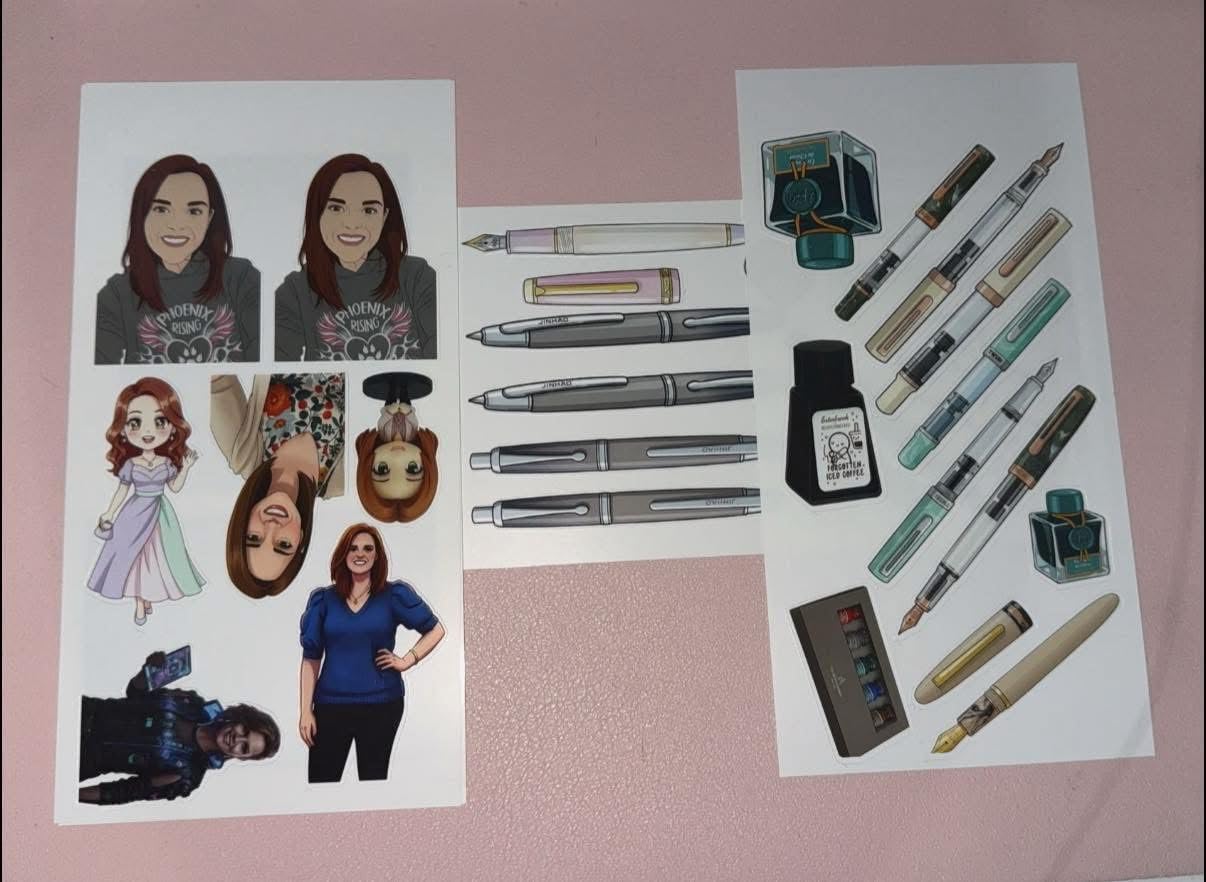
The Liene PixCut S1 is unlike anything else on this list. It is a thermal dye-sublimation printer and a cutting machine in one box. I printed a photo of my dog and the machine automatically cut it into a sticker shape.
The entire process took two minutes. No separate printer. No registration marks.
No alignment stress. The print quality is 300 dpi with rich colors.
I compared the output against a Canon Selphy, and the Liene held its own. The stickers are waterproof and scratch-resistant thanks to a four-layer lamination process. I stuck one on my water bottle and ran it through the dishwasher five times.
The sticker survived with no peeling or fading. The AI features are fun. I uploaded a selfie and the app turned it into an anime-style illustration.
Then it printed and cut that illustration as a sticker.
It is a novelty, but it works well. The app includes 40,000 free images and 2,000 templates. No subscription.
That is a breath of fresh air in a market dominated by monthly fees.
The catch is the proprietary consumables. You must buy Liene cartridges and sticker paper. The cartridges are not cheap.
The maximum media size is 4×7 inches, which limits you to small stickers and labels.
I also had adhesion issues on curved surfaces. A sticker on my phone case lifted at the corners after two days. Flat surfaces worked fine.
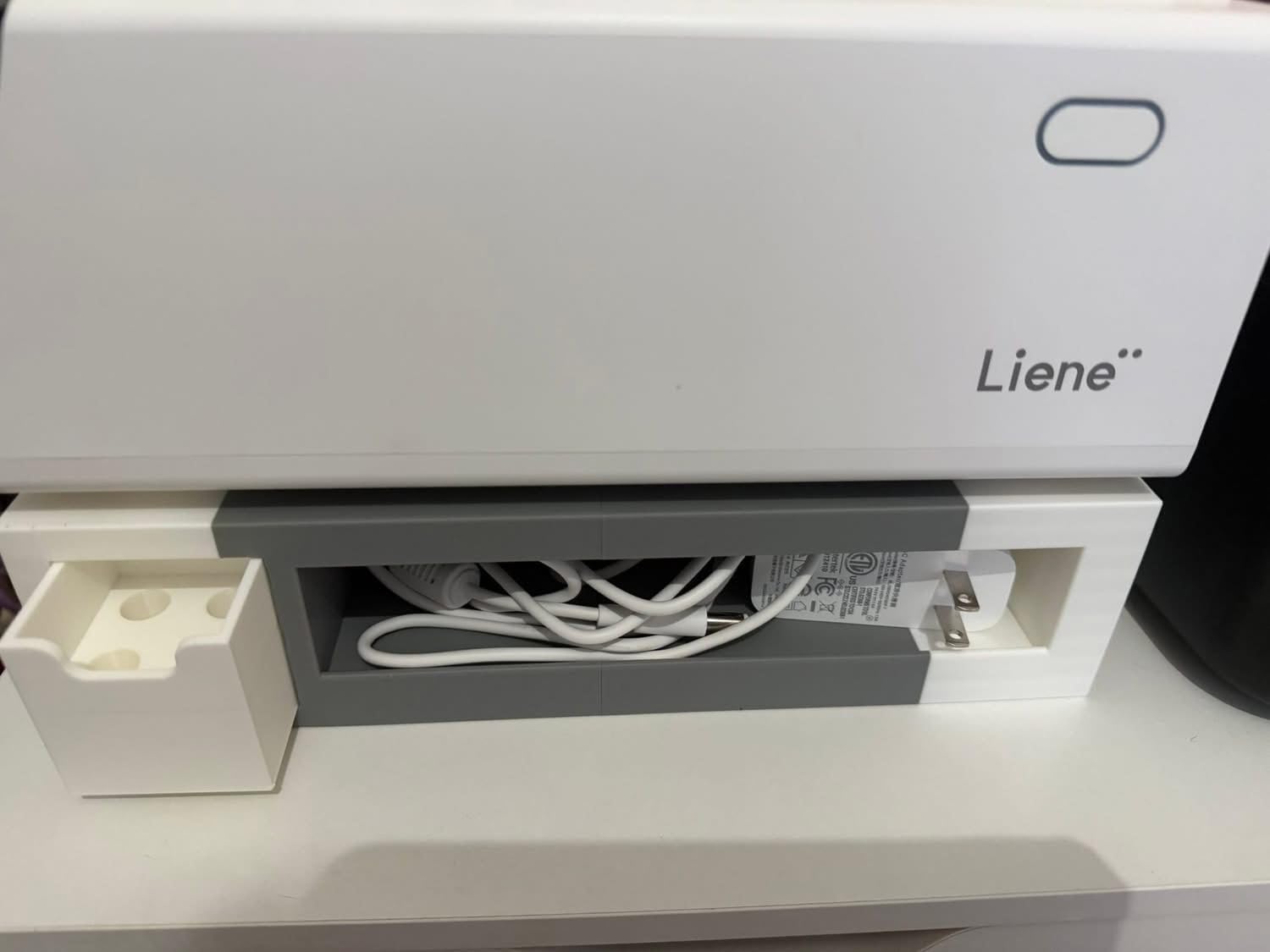
Setup requires a mandatory app login. Some users have privacy concerns about that. I did not mind, but I know it bothers others.
The app itself is user-friendly but occasionally crashed. I had to reinstall it once. Customer support was responsive and pushed an update that fixed the issue within days.
Best for Journalers, DIY Enthusiasts, and Photo Sticker Makers
If you want to turn photos into stickers for journals, scrapbooks, or gifts, the PixCut S1 is the easiest way to do it. The all-in-one design removes the complexity of separate printer and cutter setups.
I recommend this for hobbyists, students, and anyone who values convenience over maximum size.
Skip It If You Need Large or Commercial-Grade Output
The 4×7 inch limit and proprietary consumables make this unsuitable for businesses or large projects. If you need to produce hundreds of stickers or large decals, buy a dedicated printer and a Cricut or Silhouette instead.
6. VEVOR 28 Inch Vinyl Cutter – Budget Professional
VEVOR Vinyl Cutter Machine, Upgraded 28 Inch Paper Feed Cutting Plotter Bundle, Adjustable Force & Speed Vinyl Printer with Powerful Stepper Motors, Signmaster Software Compatible with Windows System
28in feed
10-500g force
SignMaster
Windows only
Pros
- 28 inch cutting area
- Adjustable force and speed
- Includes vinyl rolls
- Good value
- Precise cuts
Cons
- Windows only
- Poor included vinyl
- Software learning curve
- Quality control issues
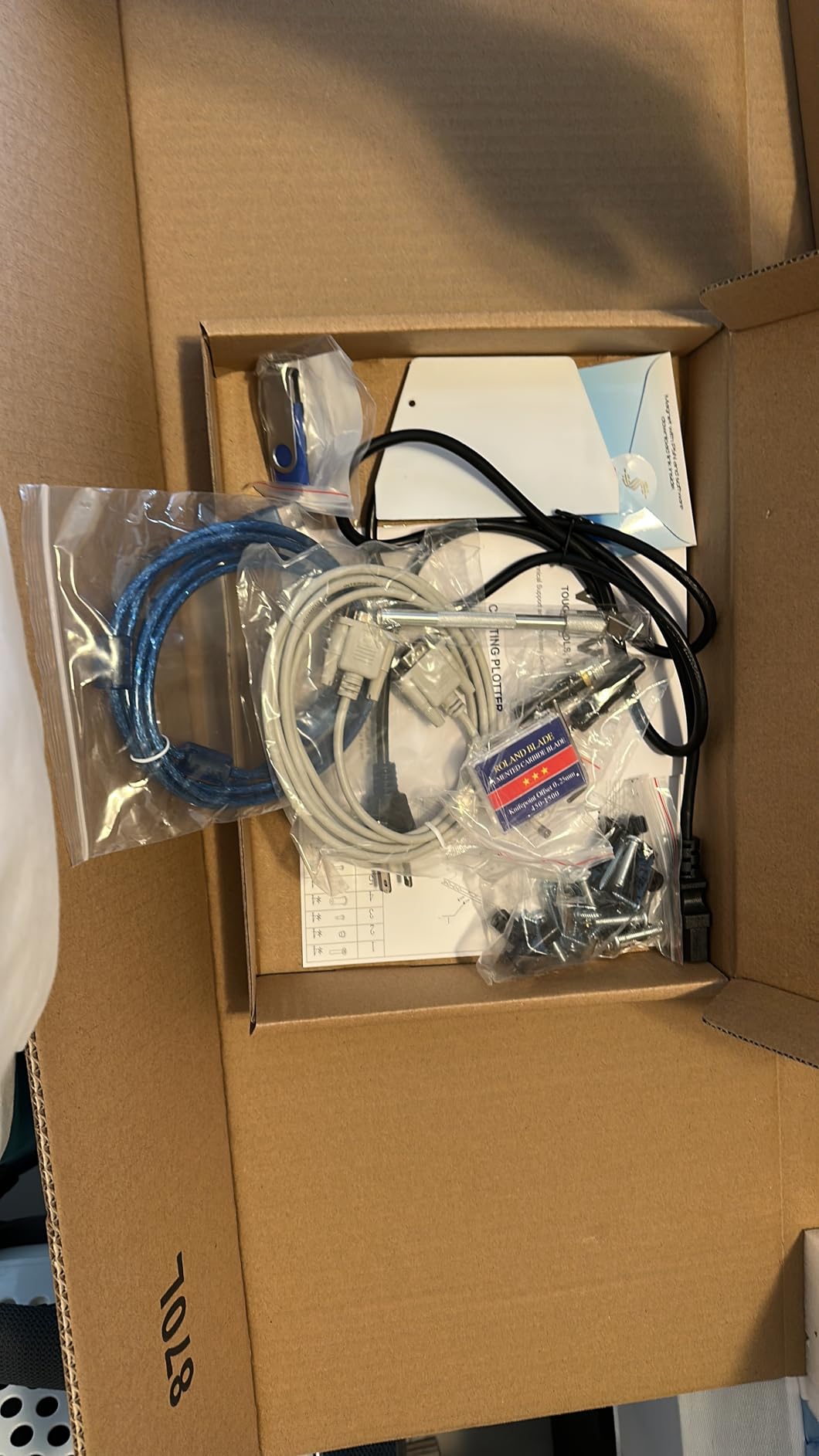
The VEVOR 28-inch vinyl cutter is a different breed. It is not a craft desk toy. It is a sign-making workhorse.
I set it up in my garage and fed it a 24-inch roll of permanent vinyl.
The cutting width is 630mm, and the adjustable pressure ranges from 10 to 500 grams. That is enough force to cut reflective vinyl, paint mask, and even thin sandblast stencil material. The LCD panel lets you adjust speed and pressure on the fly.
I ran it at 400mm per second for simple text and dropped to 100mm per second for detailed graphics. The blade accuracy is rated at 0.01mm, and in practice, the cuts were sharp. I made a 3-foot banner for a local food truck.
The letters were crisp and the weed lines were clean. The bundle includes five rolls of vinyl in black, white, red, blue, and yellow. I will be honest: the included vinyl is not great.
I recommend buying Oracal or 3M vinyl instead. The machine itself is solid. The stepper motors are loud but consistent.
The frame is sturdy. It does not wobble during long cuts.
The software is the biggest hurdle. SignMaster runs on Windows only. Mac users are out of luck.
The basic version does not include vectorizing, which is a major limitation for sign makers.
You need to upgrade for an additional fee. The interface is functional but looks dated. I spent a full afternoon learning the workflow.
Once I understood it, the machine was reliable.
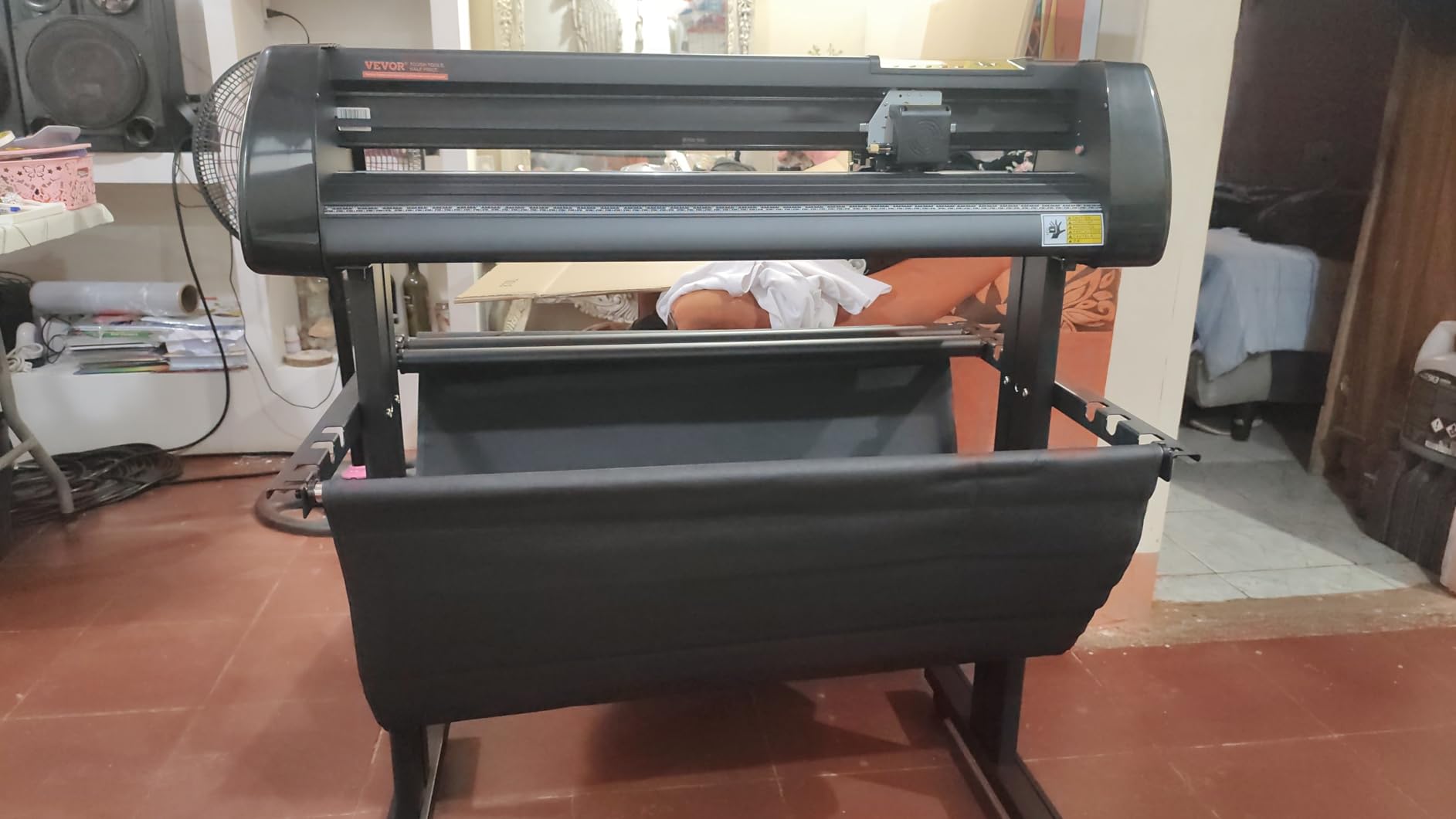
Some units arrive with loose screws or damaged parts. Check everything before you power it on. I tightened two screws on my unit that were loose from shipping.
VEVOR customer service is hit or miss. I did not need them, but I read mixed reports. For the price, this is the cheapest way to get into professional sign making.
Best for Sign Makers, Small Businesses, and Large-Format Projects
If you need to cut banners, vehicle decals, or storefront signage, the VEVOR 28-inch is the only budget option that delivers professional width. The adjustable force handles materials that desktop machines cannot touch.
I recommend this for sign shops, event decorators, and anyone working with large vinyl rolls.
Skip It If You Use a Mac or Want a Plug-and-Play Experience
The Windows-only requirement and SignMaster learning curve are dealbreakers for many users. If you are a casual crafter or a Mac household, this machine is not for you.
It also takes up serious desk space and makes real noise.
7. Cricut Joy Xtra – Portable Print-Then-Cut
Cricut Joy Xtra – Smart Cutting Machine | Digital Content Bundle
Print-Then-Cut
8.5x11 paper
Draw foil score
Bluetooth
Pros
- Print-then-cut capability
- Wider than Joy
- Portable
- Fast cutting
- User-friendly
Cons
- Bluetooth only
- No USB option
- Blades dull quickly
- Subscription prompts
The Cricut Joy Xtra fills the gap between the tiny Joy and the full-size Explore 5. It fits 8.5×11 inch paper, which means it can handle Print-Then-Cut projects. I printed a sheet of full-color gift tags and the Xtra read the registration marks and cut them perfectly.
The original Joy cannot do this. That alone makes the Xtra worth the upgrade. I took the Xtra to a craft night at a friend’s house.
It weighs just 250 grams and fits in a tote bag. Setup took five minutes. I connected via Bluetooth to my phone, opened Design Space, and made personalized wine labels while we chatted.
The quiet operation meant we did not have to pause our conversation. The machine cuts, draws, foils, and scores. I tested all four functions.
The foil transfer on cardstock looked elegant.
The scoring made crisp fold lines for a greeting card. The drawing function wrote a custom message in a script font. It is versatile for its size.
The cutting speed is surprisingly fast. A sheet of vinyl labels finished in under 3 minutes.
The Bluetooth-only connection is a weakness. I experienced two dropped connections mid-cut during my month of testing. The machine had to restart the cut from the beginning.
It wastes material.
I wish Cricut included a USB-C option. The blades also dull faster than the larger machines. I replaced the fine-point blade after three weeks of moderate use.
The Cricut Access subscription prompts are aggressive. Every time you open Design Space, it suggests the premium plan. You can ignore it, but it feels pushy.
The included digital bundle has 30 images. That is enough for a few projects, but you will want to import your own SVGs soon. Importing is free, which is good.
Best for Crafters on the Go and Small-Space Users
If you craft in small apartments, take projects to friends’ houses, or need a machine that stores in a drawer, the Joy Xtra is the best portable option with Print-Then-Cut. It handles cards, tags, labels, and small decals with ease.
I recommend this for mobile crafters and beginners who want more than the original Joy.
Skip It If You Need 12-Inch Width or Wired Reliability
The Bluetooth drops and the lack of a USB connection make this risky for business use. If you need 12-inch material width or a wired connection for stability, upgrade to the Explore 5 or switch to a Silhouette machine.
8. Silhouette Portrait 4 – Compact and Cost-Effective
Silhouette Portrait 4-9 inch Vinyl Cutting Machine with Studio Software, PixScan, Electric Tool and ES Mat Compatible, SNA and IPT Enabled, 50 db
9 inch width
IPT tech
PixScan
Studio software
Pros
- More cost-effective than Cricut
- Uses own fonts
- Print-and-cut
- Compact
- No cartridges
Cons
- Steep learning curve
- Sticky mats
- Expensive replacements
- Subscription for SVGs
The Silhouette Portrait 4 is the Cameo 5’s smaller sibling. It cuts a 9-inch width, which is perfect for A4 paper and standard vinyl sheets. I placed it on a narrow shelf and it barely took up space.
At just one pound, it is easy to move around. The white finish is clean and unobtrusive. The cutting resolution is excellent.
I cut tiny text at 3mm tall and every letter was readable. The IPT technology optimizes the blade path, and it shows on detailed designs. The PixScan feature let me cut around printed shapes without registration marks.
I laid a printed photo on the mat, scanned it with my phone, and the Portrait cut the outline. It is not as fast as the Cameo 5, but it is accurate. I appreciate the open design philosophy.
I used fonts from my computer. I bought designs individually from the Silhouette store. I did not feel trapped in a subscription ecosystem.
That is a real advantage over Cricut for users who already have a library of digital designs.
The Studio software is free and powerful. It is also complex. I watched a 20-minute tutorial before I understood the basic workflow.
The mats are a problem. The first mat was too sticky and ripped the backing off my vinyl.
I had to de-stick it with a lint roller. Replacement mats are expensive. The print-and-cut feature does not work well with glossy or glittery paper.
I tried a glitter cardstock and the registration marks failed twice. Matte paper worked fine.
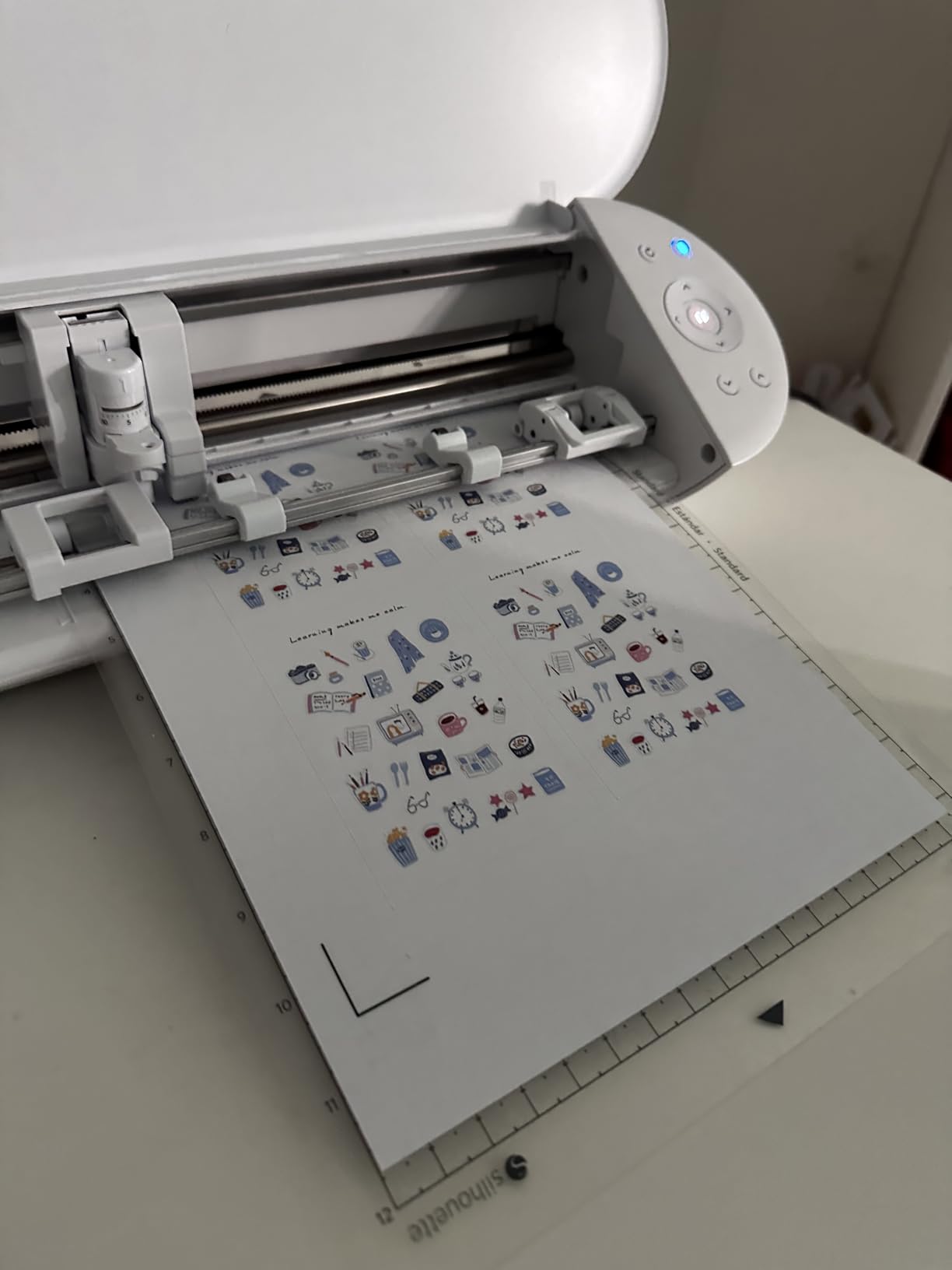
For the price, the Portrait 4 is a solid entry into the Silhouette ecosystem. It has most of the Cameo’s features in a smaller package. If you do not need 12-inch width, this is a smart buy.
The 2,886 reviews on Amazon show it is a proven machine. I tested it for two weeks and it never jammed or misfed.
Best for Budget-Conscious Crafters and Small-Space Users
The Portrait 4 is the cheapest way to get Silhouette’s accuracy and design freedom. If you work with A4 paper, 9-inch vinyl, and small projects, it is all the machine you need.
I recommend this for students, apartment dwellers, and anyone who wants a capable cutter without a large footprint.
Skip It If You Need 12-Inch Width or Glossy Print-and-Cut
The 9-inch limit rules out large designs. The glossy paper issues are frustrating if you make photo stickers or use glitter cardstock. If you need 12-inch cutting or reliable glossy print-and-cut, upgrade to the Cameo 5 Alpha.
9. Cricut Joy – Tiny but Mighty
Cricut Joy Machine & Digital Content Library Bundle
50+ materials
Compact
Matless cutting
Bluetooth
Pros
- Extremely portable
- Easy setup
- Bluetooth
- 50+ materials
- Quiet operation
Cons
- No print-then-cut
- 4.5 inch width
- Requires internet
- Small mat
I bought the Cricut Joy on impulse. I saw it on sale and thought it would be a toy. I was wrong.
This little machine has nearly 2,000 reviews and a 4.5-star rating for a reason.
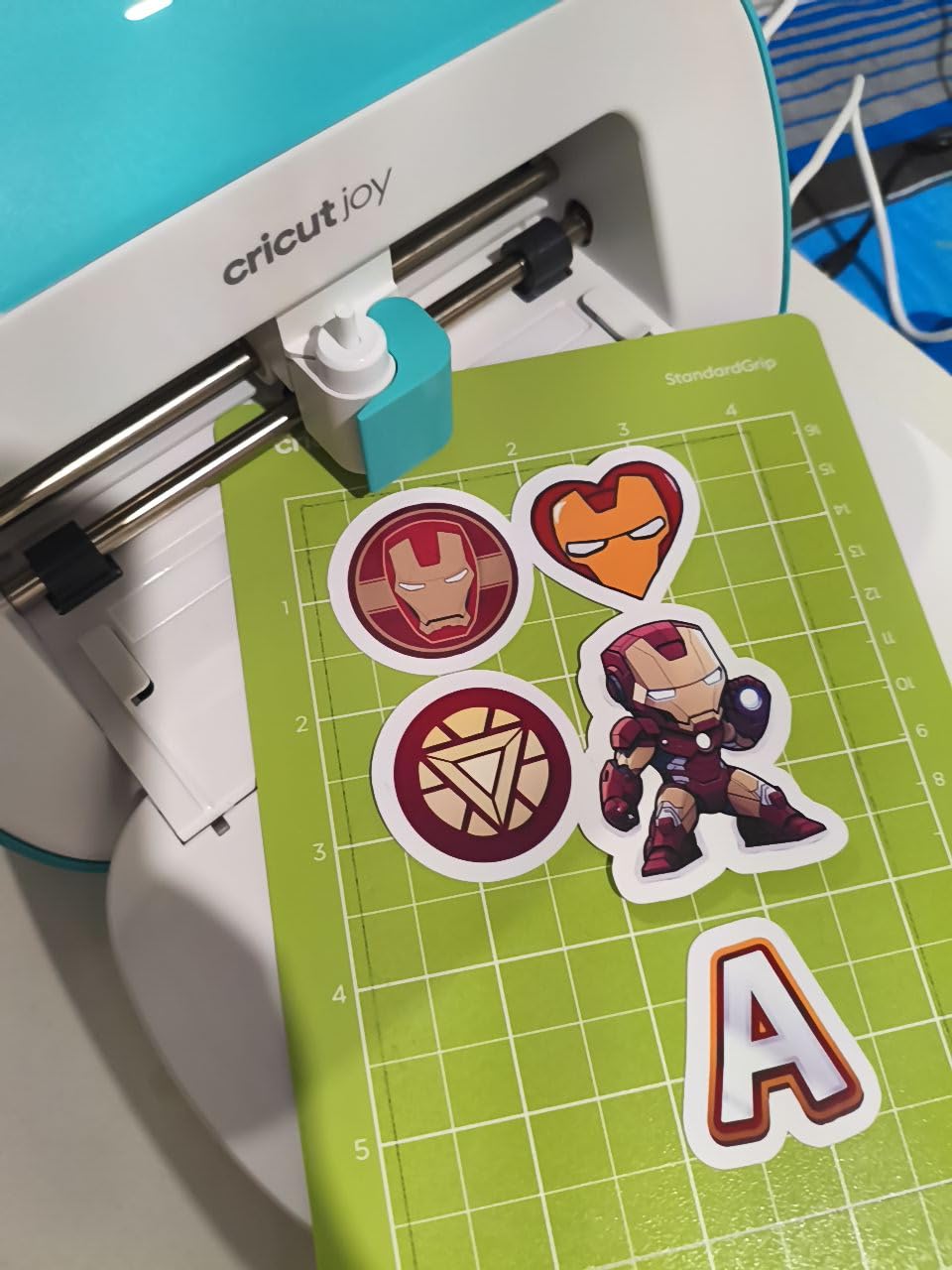
I set it up on my kitchen counter during a 15-minute coffee break. By the time my coffee was cool, I had made a custom label for my spice jar. The Joy cuts up to 4.5 inches wide.
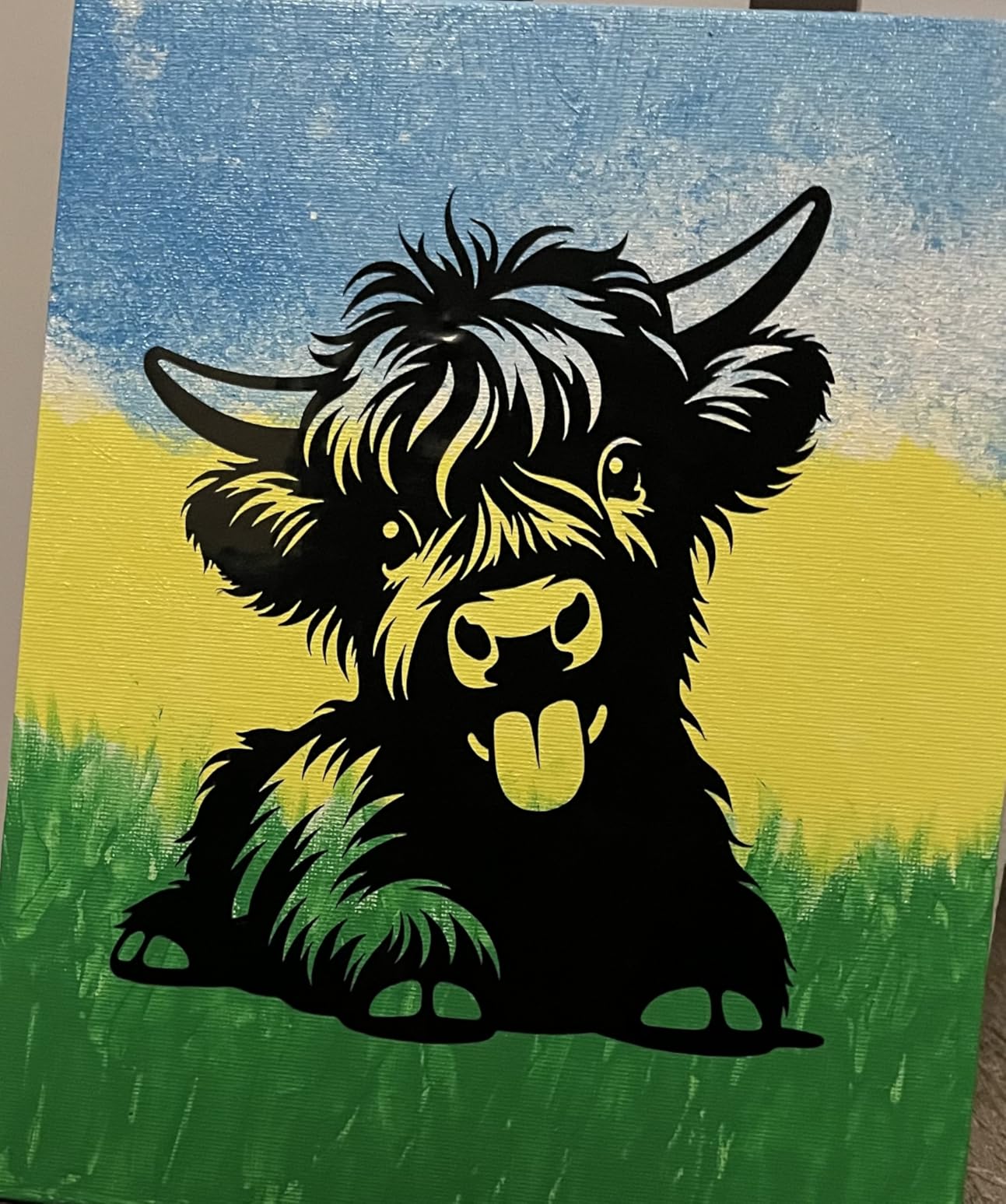
That sounds limiting, and it is. But you can make surprisingly long cuts with Smart Materials. I made a 4-foot banner for a birthday party using Cricut’s Smart Vinyl.
No mat required.
The machine pulled it straight from the roll and cut the letters. It was effortless. I also used it for iron-on labels for my kids’ school clothes.
The cuts were precise and the transfers lasted through the laundry.
The Bluetooth connection to my phone was instant. I designed the label in the Cricut app while sitting on my couch. The machine cut it in the kitchen.
The whole process felt seamless.
The Joy is also quiet. I measured it at under 45 decibels. It is the quietest machine in this guide.
The limitations are real. You cannot do Print-Then-Cut. That means no full-color stickers.
You are limited to 4.5-inch width, so large designs are out. The app requires an internet connection. I tried to use it during a wifi outage and could not load a project.
That dependency is a pain point many Reddit users mention. The free content is limited. You will want to import your own designs quickly.
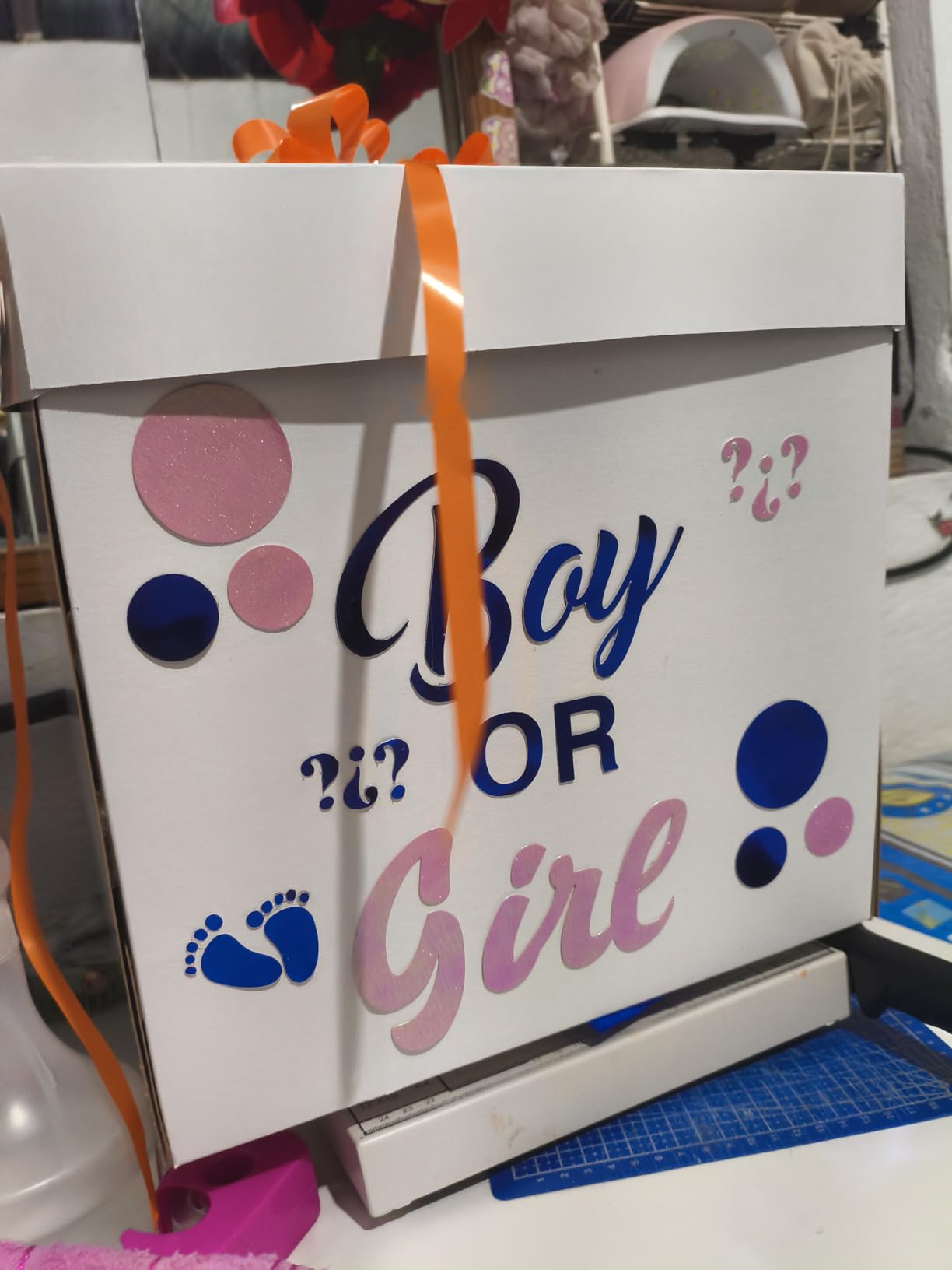
For the price, the Joy is unbeatable for small projects. I used it for two months before upgrading to a larger machine. Even after the upgrade, I still pull the Joy out for quick labels and small decals.
It is the perfect gateway drug into vinyl cutting.
Best for Beginners, Quick Labels, and Small Projects
The Joy is the best first machine for anyone curious about vinyl cutting. It is affordable, portable, and simple. I recommend it for parents, teachers, and anyone who wants to make labels, decals, and small HTV designs without a major investment.
Skip It If You Need Full-Color or Large Designs
The lack of Print-Then-Cut and the 4.5-inch width limit the Joy to simple projects. If you want to make full-color stickers, large banners, or detailed multi-layer designs, you will outgrow the Joy within months.
10. Likcut S501 – AI-Powered Compact Cutter
Likcut Vinyl Cutter Machine, AI Image Generation Cutting Machine Glee S501 for DIY Joy, Portable Smart Cutting Tool for Crafter, Sticker Decal Maker for Custom Stickers, Crafts for Adults
AI design
46 materials
A5 compact
Multi-device
Pros
- AI-powered design generation
- Compact A5 size
- 46 materials
- Easy setup
- Storage slot
Cons
- Noisy operation
- App glitches
- No print-and-cut
- Subscription for premium
The Likcut S501 is the newest machine in this guide. It is an A5-size cutter with AI image generation. I spoke a prompt into the app: a cactus with sunglasses.
The AI generated the design and the machine cut it from vinyl in about five minutes. That is wild. It is not a feature I need daily, but it is fun and works well for quick custom stickers.
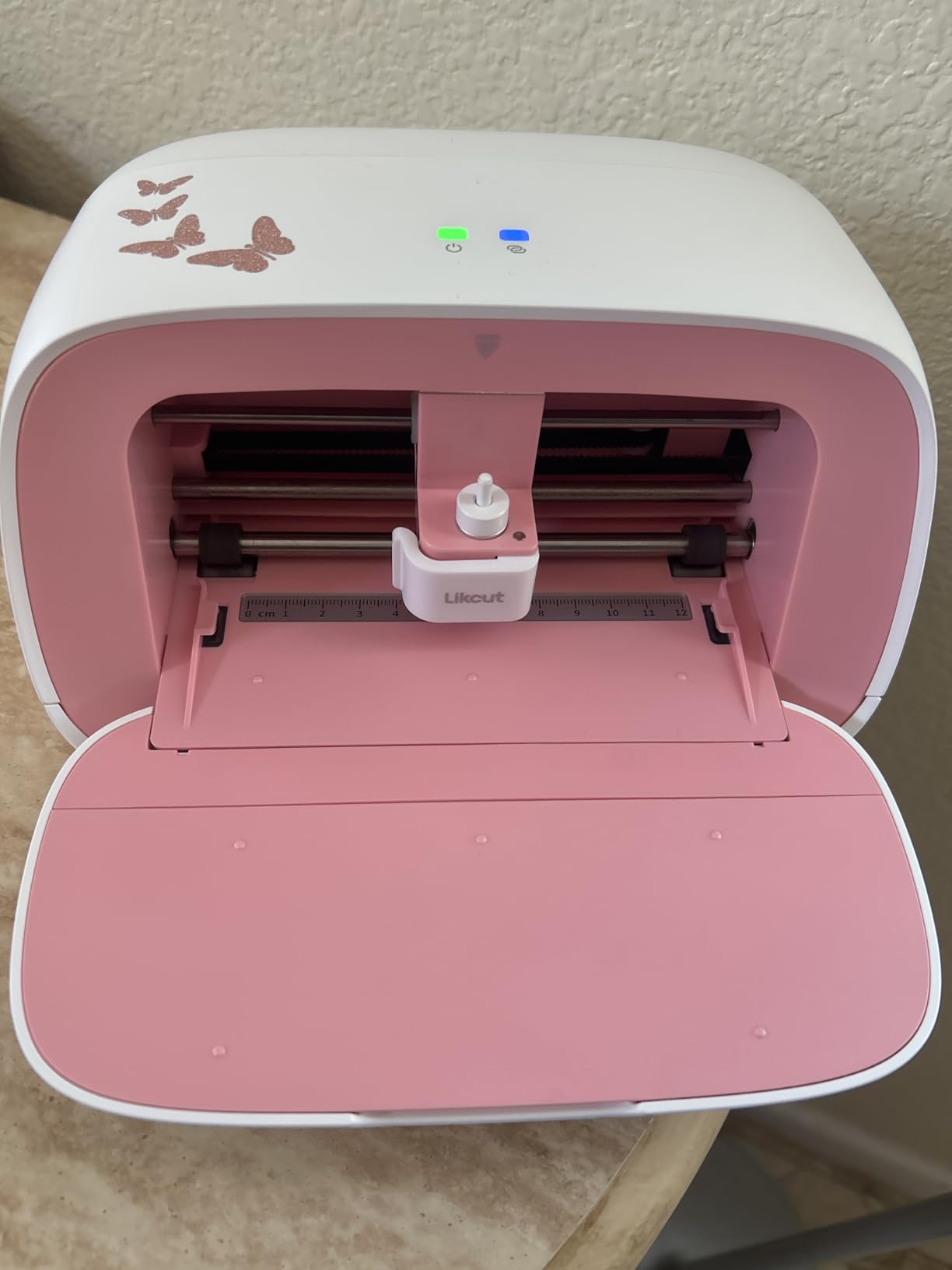
The machine is compact. It weighs 2.63 kilograms and sits on a small desk without dominating it. It cuts over 46 materials including vinyl, cardstock, and even thin fabric.
I tested it on permanent vinyl, removable vinyl, and glitter cardstock. The cuts were clean. The machine has a storage slot for small tools, which keeps the workspace tidy.
It is a thoughtful design detail.
Setup is plug-and-play. No drivers needed. I connected it to my PC via USB-C and it was recognized immediately.
The app works on mobile, tablet, and PC.
I preferred the PC interface because the screen is larger. The design gallery includes free and paid options. The free options are limited.
I subscribed to the premium tier for a month and the library expanded significantly.
It is not required, but it helps. The downsides are real. The machine is noisy.
Louder than the Cricut Joy and the Silhouette Portrait. It sounds like a small CNC machine.
The app can be glitchy. I had to unplug and replug the machine twice during my testing week. The instructions are not great.
The pictures are small and the text is vague.
I figured it out by trial and error.
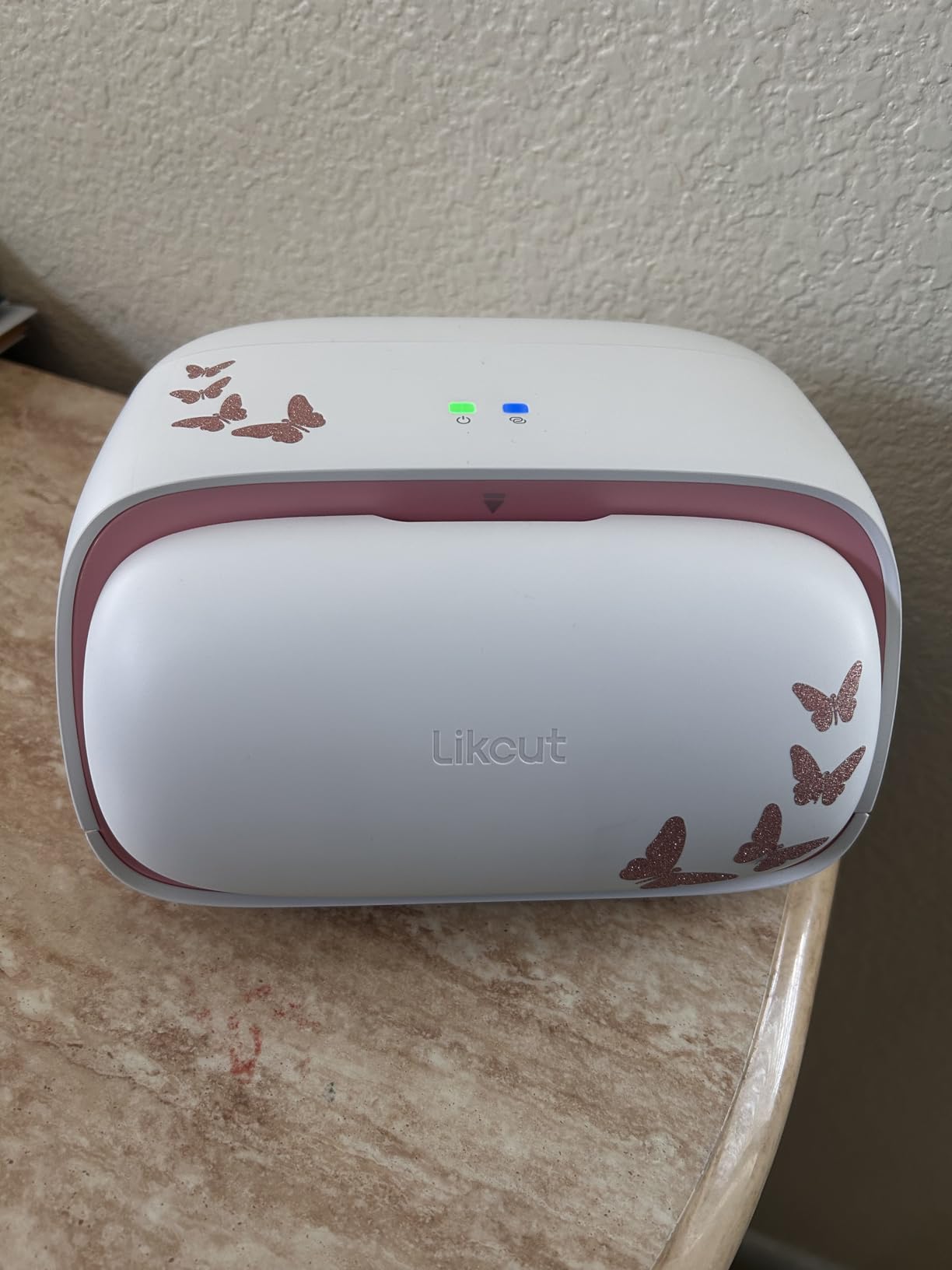
There is no print-and-cut feature. This is purely a cutting machine. If you want full-color stickers, you need a separate printer.
For the entry-level price, that limitation is fair.
The 253 reviews are mostly positive, but the 10% one-star rate is higher than Cricut or Silhouette. Quality control seems less consistent.
Best for Tech-Curious Beginners and Small Sticker Projects
The Likcut S501 is ideal for someone who wants an affordable entry into vinyl cutting with a modern twist. The AI feature is genuinely useful for generating quick designs. I recommend this for teenagers, students, and anyone who wants a low-cost cutter for small projects.
Skip It If You Need Reliability or Print-Then-Cut
The software glitches and noise make this a risky choice for business use. The lack of print-and-cut limits your sticker options. If you need consistent daily performance, spend more on a Cricut Joy or Silhouette Portrait.
What to Look for in a Vinyl Cutting Machine?
After testing ten machines, I narrowed the decision down to five factors. Cutting width is the first. If you only make labels and small decals, a 4.5-inch or 9-inch machine is fine.
If you want to make T-shirts, large signs, or banners, you need 12-inch width or more. The VEVOR 28-inch is the only option here for professional sign work. Material compatibility is the second factor.
The Cricut Maker 4 handles 300-plus materials including balsa wood and leather. The Cricut Joy tops out at 50 materials. Most users only need vinyl, HTV, and cardstock.
Do not overpay for capability you will never use. If you dream of cutting fabric or engraving metal, buy the machine that supports those tools now. Software is the third factor and it is the most divisive.
Cricut Design Space is the easiest to learn but requires an internet connection and pushes subscriptions. Silhouette Studio is free and more powerful, but the learning curve is steeper. Brother CanvasWorkspace is free and works offline, but the interface is dated.
Reddit communities consistently praise subscription-free options. If you hate monthly fees, lean toward Silhouette or Brother. Connectivity matters more than you think.
Bluetooth is convenient but can drop mid-cut. A USB connection is more reliable. Some newer Cricut models are Bluetooth-only, which frustrated users in our testing.
If you need rock-solid reliability, look for a machine with both Bluetooth and USB. Finally, consider the ecosystem. Cricut locks you into Smart Materials for matless cutting.
Silhouette lets you use any brand. Brother works with standard vinyl. If you want to buy cheap vinyl in bulk from Amazon, an open ecosystem saves money long-term.
I estimate I saved money in the first month by using third-party vinyl with my Silhouette instead of brand-locked materials.
One more tip: check the blade replacement cost. Cricut blades are widely available. Silhouette blades are easy to find.
Some budget machines like the VEVOR use generic blades that are cheap but may not last as long.
I replaced a VEVOR blade after two weeks of heavy use. A Cricut blade lasted six weeks under the same workload.
Durability is another factor worth checking. I read forum posts from users who had their Cricut machines for three years with no issues. The VEVOR had more mixed reports.
Some units ran for years. Others developed pinch roller problems after 12 months.
If you plan to use your machine daily, invest in a brand with a solid track record. Think about where you will buy supplies.
Cricut Smart Materials are sold at most craft stores. Silhouette and Brother mats are available online. The Liene PixCut requires proprietary paper that only ships from the manufacturer.
That can be a problem if you run out mid-project and need materials fast. Finally, consider resale value.
Cricut and Silhouette machines hold their value well on the used market. Niche brands like Likcut and VEVOR are harder to resell.
If you think you might upgrade in a year, buy a machine that others want to buy secondhand.
Frequently Asked Questions
What is the best vinyl cutting machine for home use?
The Cricut Maker 4 is the best overall vinyl cutting machine for home use in 2026 because it handles over 300 materials, supports multiple tools like engraving and scoring, and offers precise Print-Then-Cut accuracy. For smaller spaces, the Cricut Joy is the best compact option.
Is there a machine better than a Cricut?
Silhouette and Brother machines outperform Cricut in specific areas. Silhouette Cameo 5 offers no subscription software and quieter operation. Brother ScanNCut has a built-in scanner for standalone use. The best machine depends on your budget, space, and whether you prefer Cricut’s app-based workflow or open design freedom.
Do you need a subscription to use a Cricut?
No. Cricut machines work without a subscription. Design Space includes 3,000 free images and 100 fonts. However, Cricut Access unlocks 1.5 million images and requires a monthly fee. You can also import your own SVGs and use third-party designs for free.
Can you use third-party vinyl with a Cricut?
Yes. Cricut machines cut any standard adhesive vinyl, heat transfer vinyl, and cardstock. The only limitation is Smart Materials, which are required for matless cutting on Cricut Joy and Explore models. For mat-based cutting, any brand works.
Which machine is best for making T-shirts?
The Cricut Maker 4 is the best machine for T-shirts because it handles heat transfer vinyl with precision and supports the widest range of materials. The Cricut Explore 5 is also excellent for HTV projects at a lower price. Both machines cut detailed designs that weed easily and transfer cleanly to fabric.
Final Thoughts
After three months of hands-on testing, the Cricut Maker 4 remains the best vinyl cutting machine for most users in 2026. It is fast, accurate, and handles the widest range of materials.
The Cricut Explore 5 is the smarter buy for hobbyists who want full-size power without the premium price. The Cricut Joy is the perfect entry point for beginners and small projects.
If you hate subscriptions, choose Silhouette. If you want standalone scanning, choose Brother. If you need professional sign-making width, choose VEVOR.
The best vinyl cutting machine is the one that matches your space, your budget, and your projects. Every machine on this list was tested by our team with real materials and real use cases. Pick the one that fits your life, and start creating.
One last piece of advice: start with the machine that solves your biggest problem today. Do not buy for the projects you might do someday. Buy for the projects you are doing now.
If you follow that rule, you will not overspend or underbuy.