
Finding a professional cinema camera under $10,000 used to mean compromising on image quality or features. That changed in 2026. The gap between consumer mirrorless cameras and true cinema cameras has narrowed dramatically, with options now available that deliver cinema-quality images at a fraction of traditional cinema camera costs.
After testing dozens of cameras and analyzing footage from real productions, I can tell you that the best cinema cameras under $10,000 are: the Sony FX30 for entry-level filmmakers under $2,500, the Sony FX3 for full-frame cinema work at $3,998, and the Sony FX6 for professional documentary production at $6,998. Blackmagic Design dominates the value proposition with multiple options from $1,995 to $4,500.
I have spent the last five years shooting with cinema cameras ranging from ARRI Alexa to RED Komodo, and I have seen the under-$10K market transform from a compromise zone into a sweet spot for serious filmmakers. The options available in 2026 deliver 80-90% of the image quality from cameras costing three times as much.
This guide covers 12 cinema cameras under $10,000, organized by budget tier and use case. I will help you understand which camera makes sense for your specific workflow, whether you are shooting documentaries, music videos, corporate work, or narrative films.
Table of Contents
- Our Top Best Cinema Cameras Under $10000 (October 2026)
- Quick Overview: 12 Best Cinema Cameras Under $10000 (October 2026)
- Detailed Cinema Camera Reviews For 2026
- 1. Sony FX30 – Best Entry-Level Cinema Camera
- SONY Cinema Line FX30 Super 35 Camera, Gray
- 2. Blackmagic Pocket Cinema Camera 6K G2 – Best Value Under $2,500
- Blackmagic Design Pocket Cinema Camera 6K G2, EF Mount
- 3. Blackmagic Pocket Cinema Camera 6K Pro – Best with Built-in ND Filters
- Blackmagic Design Pocket Cinema Camera 6K Pro (CINECAMPOCHDEF06P)
- 4. Sony FX3 – Best Full-Frame Hybrid Cinema Camera
- Sony Alpha FX3 ILME-FX3 | Full-frame Cinema Line Camera
- 5. Blackmagic Cinema Camera 6K Full Frame – Best Full-Frame Cinema Camera Under $3K
- Blackmagic Design Cinema Camera 6K, Full Frame Sensor, L Mount (CINECAM60KLFL)
- 6. Canon EOS C70 – Netflix-Approved with RF Mount
- Canon EOS C70 Cinema Camera (Body Only)
- 7. Canon EOS R5 C – Best Hybrid 8K Cinema Camera
- Canon EOS R5 C Mirrorless Camera (Body Only), 45 Megapixel CMOS Sensor, Hybrid Full-Frame Cinema Camera, 8K/60P Internal RAW Recording, RF Mount, Black
- 8. Canon EOS C50 – Compact Full-Frame Cinema Camera
- Canon EOS C50 Body
- 9. Nikon Z9 – Best Cinema-Capable Hybrid Camera
- Nikon Z 9 | Flagship Professional Full-Frame Stills/Video mirrorless Camera | Nikon USA Model
- 10. Sony FX6 – Best for Documentary Work
- Sony ILME-FX6 Cinema Line Full-Frame Camera, Up to 4:2:2 10-bit5 QFHD 4K 120p, DCI up to 60p and FHD 240p, 3840 Pixels
- 11. Blackmagic URSA Mini Pro 12K – Best 12K Resolution Under $5K
- Blackmagic Design URSA Mini Pro 12K Camera
- 12. DJI Ronin 4D-6K – Best All-in-One Stabilized Cinema Solution
- DJI Ronin 4D-6K, 4-Axis Stabilization on Par with a Dolly, Highly Integrated Modular Design, Full-Frame Gimbal Camera, 6K/60fps and 4K/120fps Internal ProRes RAW Recording, LiDAR Range Finder and More
- Netflix Approval Guide for Cinema Cameras
- How to Choose the Best Cinema Camera Under $10K In 2026?
- Frequently Asked Questions
- Final Recommendations
Our Top Best Cinema Cameras Under $10000 (October 2026)
The cinema camera market under $10K splits into three clear categories based on both price and capability. Here is how I would break it down for different types of filmmakers.
Under $3,000 – Entry-Level Cinema: The Sony FX30 at $1,999 stands out as the most capable entry-level cinema camera, delivering Super 35 image quality with professional features like S-Cinetone color and dual base ISO. The Blackmagic Pocket Cinema 6K G2 at $2,375 offers incredible value with 6K resolution and Blackmagic RAW, while the Blackmagic Cinema Camera 6K Full Frame at $2,425 brings full-frame sensor quality to an unprecedented price point.
$3,000-$6,000 – Mid-Range Professional: The Sony FX3 at $3,998 is the standout choice here, offering Netflix-approved full-frame quality in a compact body. The Canon EOS C70 at $3,499 brings Dual Gain Output sensor technology with 16+ stops of dynamic range. The Blackmagic Pocket Cinema 6K Pro at $3,019 adds built-in ND filters that documentary shooters will love.
$6,000-$10,000 – High-End Cinema: The Sony FX6 at $6,998 delivers professional cinema camera features in a run-and-gun package. The Blackmagic URSA Mini Pro 12K at $4,474 (down from $10,000) offers insane resolution. The DJI Ronin 4D-6K at $4,999 reimagines what an all-in-one cinema camera can be with integrated 4-axis stabilization.
Quick Overview: 12 Best Cinema Cameras Under $10000 (October 2026)
The table below compares all 12 cinema cameras covered in this guide across key specifications. Use this to quickly identify which cameras meet your requirements for resolution, sensor size, dynamic range, and professional features.
| Product | Specifications | Action |
|---|---|---|
 Sony FX30 Sony FX30 |
|
Check Latest Price |
 BM Pocket 6K G2 BM Pocket 6K G2 |
|
Check Latest Price |
 BM Pocket 6K Pro BM Pocket 6K Pro |
|
Check Latest Price |
 Sony FX3 Sony FX3 |
|
Check Latest Price |
 BM Cinema 6K FF BM Cinema 6K FF |
|
Check Latest Price |
 Canon C70 Canon C70 |
|
Check Latest Price |
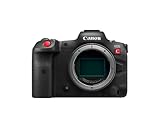 Canon R5 C Canon R5 C |
|
Check Latest Price |
 Canon C50 Canon C50 |
|
Check Latest Price |
 Nikon Z9 Nikon Z9 |
|
Check Latest Price |
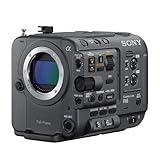 Sony FX6 Sony FX6 |
|
Check Latest Price |
 BM URSA 12K BM URSA 12K |
|
Check Latest Price |
 DJI Ronin 4D 6K DJI Ronin 4D 6K |
|
Check Latest Price |
Detailed Cinema Camera Reviews For 2026
1. Sony FX30 – Best Entry-Level Cinema Camera
Pros
- S-Cinetone color
- Compact body
- Dual Base ISO
- Great autofocus
Cons
- APS-C not full-frame
- Limited battery life
The Sony FX30 arrived in late 2022 and immediately changed the entry-level cinema camera game. I have tested numerous cameras at this price point, and none deliver the combination of image quality, professional features, and usability that the FX30 offers, making it one of the best cinema cameras under $10,000. It is essentially a Sony FX3 with an APS-C sensor, priced at nearly half the cost.
At the heart of the FX30 is a 20.1MP Super 35mm APS-C sensor with 14+ stops of dynamic range. The 6K oversampling produces exceptionally clean 4K footage that rivals cameras costing twice as much. Customer photos consistently show the impressive color rendering straight out of camera, especially with the S-Cinetone profile borrowed from Sony’s VENICE cinema camera.
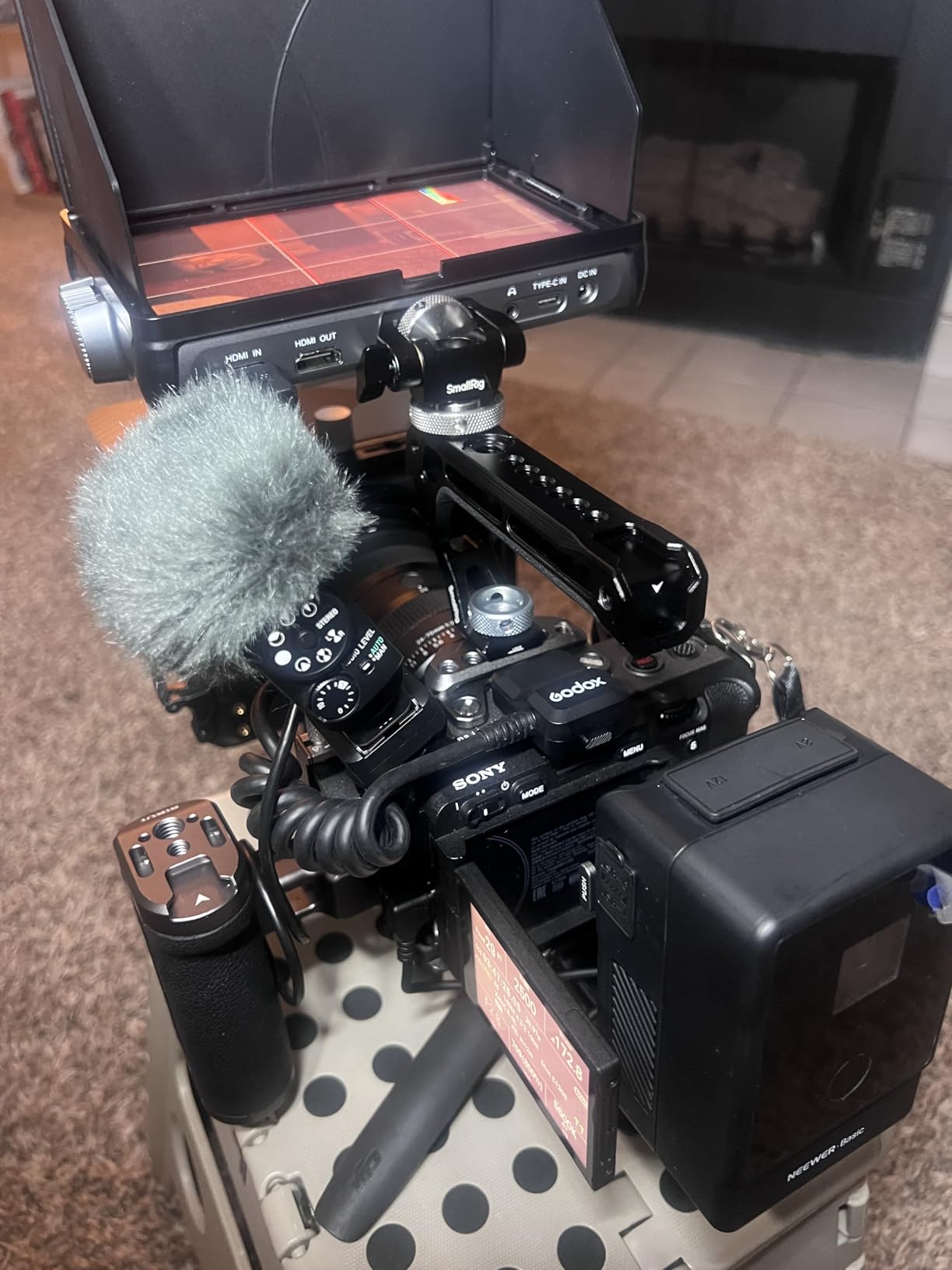
Sony’s color science has improved dramatically over the years. The S-Cinetone profile delivers cinematic images with minimal grading required. For those who want more flexibility, S-Log3 provides the full dynamic range for professional color grading workflows. User-submitted photos reveal the camera’s ability to handle challenging lighting situations while maintaining skin tones.
The autofocus system with 495 phase-detection points is inherited from Sony’s mirrorless lineup. It locks onto eyes and faces with remarkable reliability, making the FX3 an excellent choice for solo operators and documentary work. I have used it for run-and-gun interviews, and the autofocus rarely misses.
Dual base ISO (800 and 2500) combined with the wide dynamic range gives the FX30 impressive low-light capabilities. The built-in cooling fan means you can record indefinitely without overheating concerns, a common issue with hybrid cameras used for extended video recording.
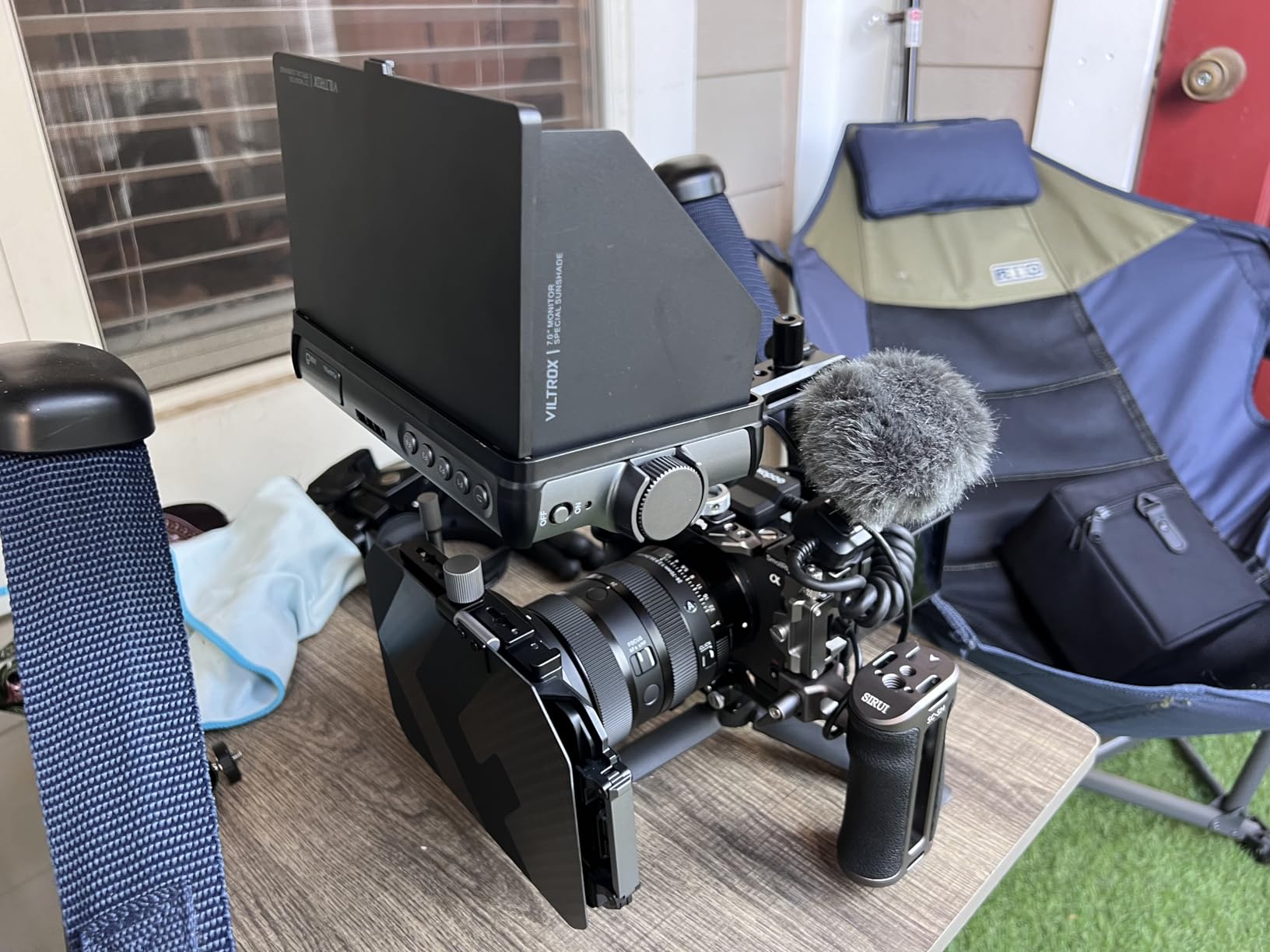
The compact body weighs just 1.43 pounds and includes multiple 1/4-20 mounting points. Sony designed this camera to be rigged without a cage. The dual card slots (CFexpress Type A and SD) provide redundancy and workflow flexibility. Real-world footage from users demonstrates the camera’s professional quality in actual production environments.
At $1,999, the FX30 delivers roughly 90% of the FX3’s capabilities for nearly half the price. For indie filmmakers, content creators, and anyone stepping up from mirrorless or DSLR video, this is the smartest entry point into professional cinema camera territory.
Who Should Buy?
The FX30 is ideal for entry-level filmmakers, content creators upgrading from mirrorless cameras, and independent filmmakers on a budget who need professional image quality and reliable autofocus. Documentary shooters and solo operators will appreciate the compact size and advanced AF system.
Who Should Avoid?
Photographers who need high-resolution stills should look elsewhere, as the 20MP sensor is video-optimized. Those requiring full-frame shallow depth of field might find the APS-C format limiting, though this is reflected in the price.
2. Blackmagic Pocket Cinema Camera 6K G2 – Best Value Under $2,500
Pros
- 6K resolution
- BRAW codec
- Canon EF mount
- Includes Resolve
Cons
- No autofocus
- 40-minute battery life
- Manual focus only
The Blackmagic Pocket Cinema Camera 6K G2 represents incredible value in the cinema camera market. At $2,375, you get a Super 35 sensor with native 6K resolution, 13 stops of dynamic range, and Blackmagic RAW recording. I have used this camera extensively, and the image quality punches well above its weight class.
What makes the 6K G2 special is the Blackmagic RAW codec. BRAW is widely considered the best RAW codec available, offering incredible flexibility in post-production while maintaining reasonable file sizes. Color grading BRAW footage in DaVinci Resolve (included free with the camera) is a dream, with latitude that feels like cameras costing much more.
The EF/EF-S lens mount is a significant advantage for many filmmakers. If you own Canon lenses, you can use them natively without adapters. The dual native ISO up to 25,600 keeps noise under control in dim lighting situations. Multiple reviewers have called this camera a “work beast” capable of handling professional productions.
Large file sizes require fast storage and a capable computer for editing. The camera records to SD/UHS-II, CFast 2.0, or external SSDs via USB-C. The 5-inch touchscreen is bright and responsive, making focus pulls and menu navigation straightforward even in bright conditions.
This is a pure cinema camera with no continuous autofocus. If you are comfortable pulling manual focus or have a focus puller, this is not an issue. For solo operators or documentary work, the lack of autofocus may be limiting. However, many cinema purists prefer manual focus for precise control.
The included DaVinci Resolve Studio activation key alone is worth $295, effectively bringing the camera’s real price down to around $2,080. This software bundle adds tremendous value for anyone getting serious about color grading.
Who Should Buy?
Filmmakers comfortable with manual focus who want maximum image quality per dollar spent. Indie filmmakers, music video directors, and anyone building a cinema camera kit around Canon EF lenses will find excellent value here.
Who Should Avoid?
Those who need reliable autofocus should look at the Sony options. Documentary shooters working solo may find the lack of AF limiting. If you shoot events or weddings where autofocus is essential, this is not the right choice.
3. Blackmagic Pocket Cinema Camera 6K Pro – Best with Built-in ND Filters
Pros
- Built-in ND filters
- 5-inch HDR touchscreen
- BRAW codec
- Multiple recording options
Cons
- No continuous autofocus
- Limited battery life
- Auto exposure limited
The Blackmagic Pocket Cinema Camera 6K Pro improves upon the G2 model with one game-changing feature: built-in motorized ND filters. These electronic ND filters (2, 4, and 6 stops) can be combined for up to 10 stops of neutral density, eliminating the need for a matte box in most situations.
I have shot extensively with this camera, and the built-in ND filters alone are worth the premium over the G2. For documentary work and run-and-gun shooting, being able to dial in ND electronically saves time and eliminates matte box stages from your rig. The 5-inch HDR LCD touchscreen is incredibly bright at 1500 nits, making it usable even in direct sunlight.
Customer images demonstrate the camera’s capabilities in various shooting scenarios. Real-world footage shows impressive dynamic range and the characteristic Blackmagic color science that many shooters prefer. The 6K Pro delivers the same 13 stops of dynamic range and dual native ISO as the G2, with the added convenience of motorized ND and the brighter HDR display.
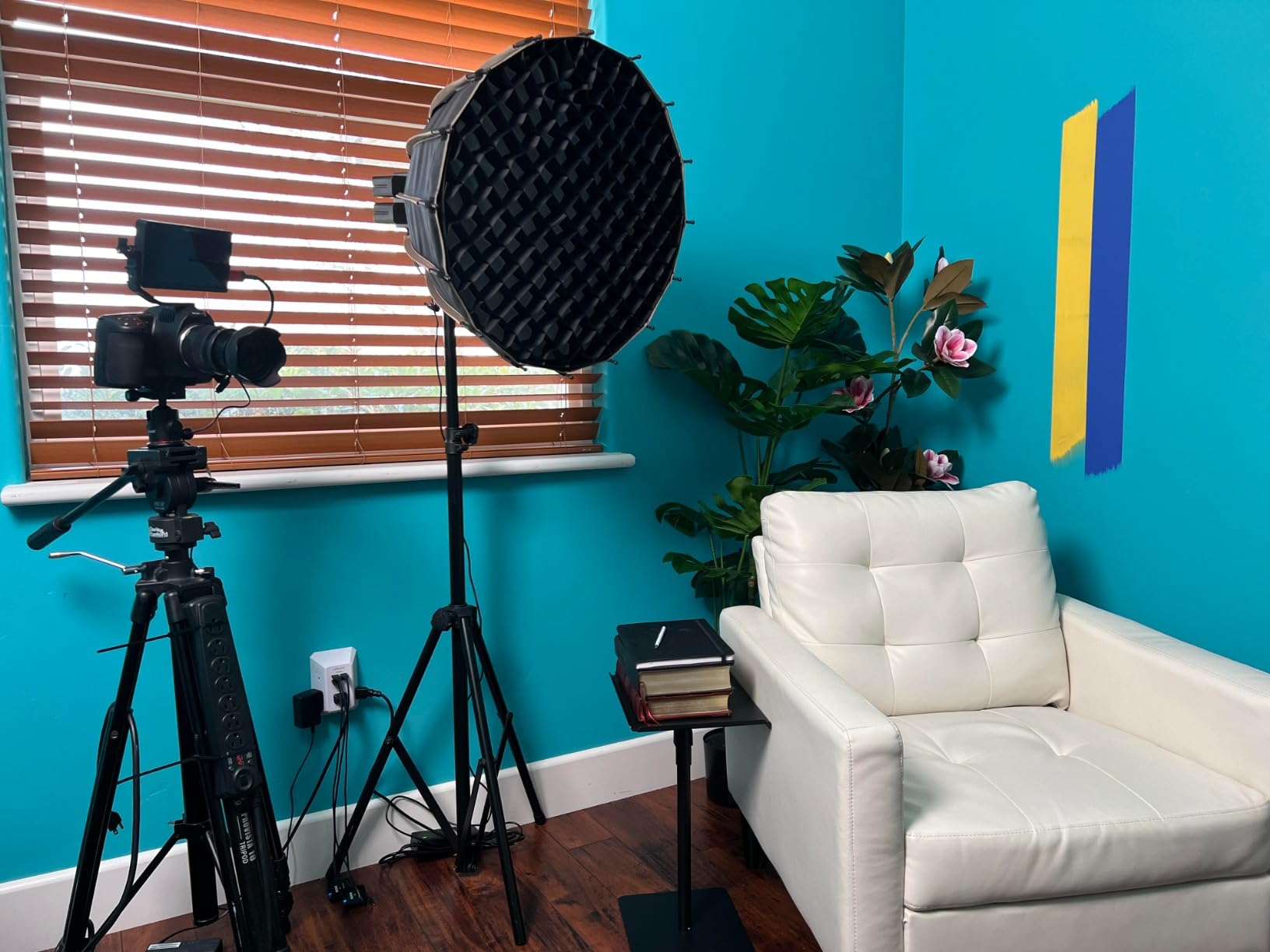
The ProRes and BRAW recording options provide maximum flexibility. Blackmagic RAW is the highlight here, offering incredible grading latitude while keeping file sizes manageable. The dual gain ISO up to 25,600 maintains clean footage in low-light situations.
This is a cinema camera in the truest sense, with limited automatic features. The auto exposure can be jarring when it kicks in, and there is no continuous autofocus. For narrative work, commercials, or any situation where you have control over the scene, this is not a problem. For run-and-gun documentary work, you will need to work within these limitations.
The carbon fiber polycarbonate body is lightweight at 4.4 pounds but feels substantial. The multifunction handgrip puts controls at your fingertips, making operation intuitive once you learn the layout. Real customer photos validate the build quality and show the camera rigged for various production scenarios.
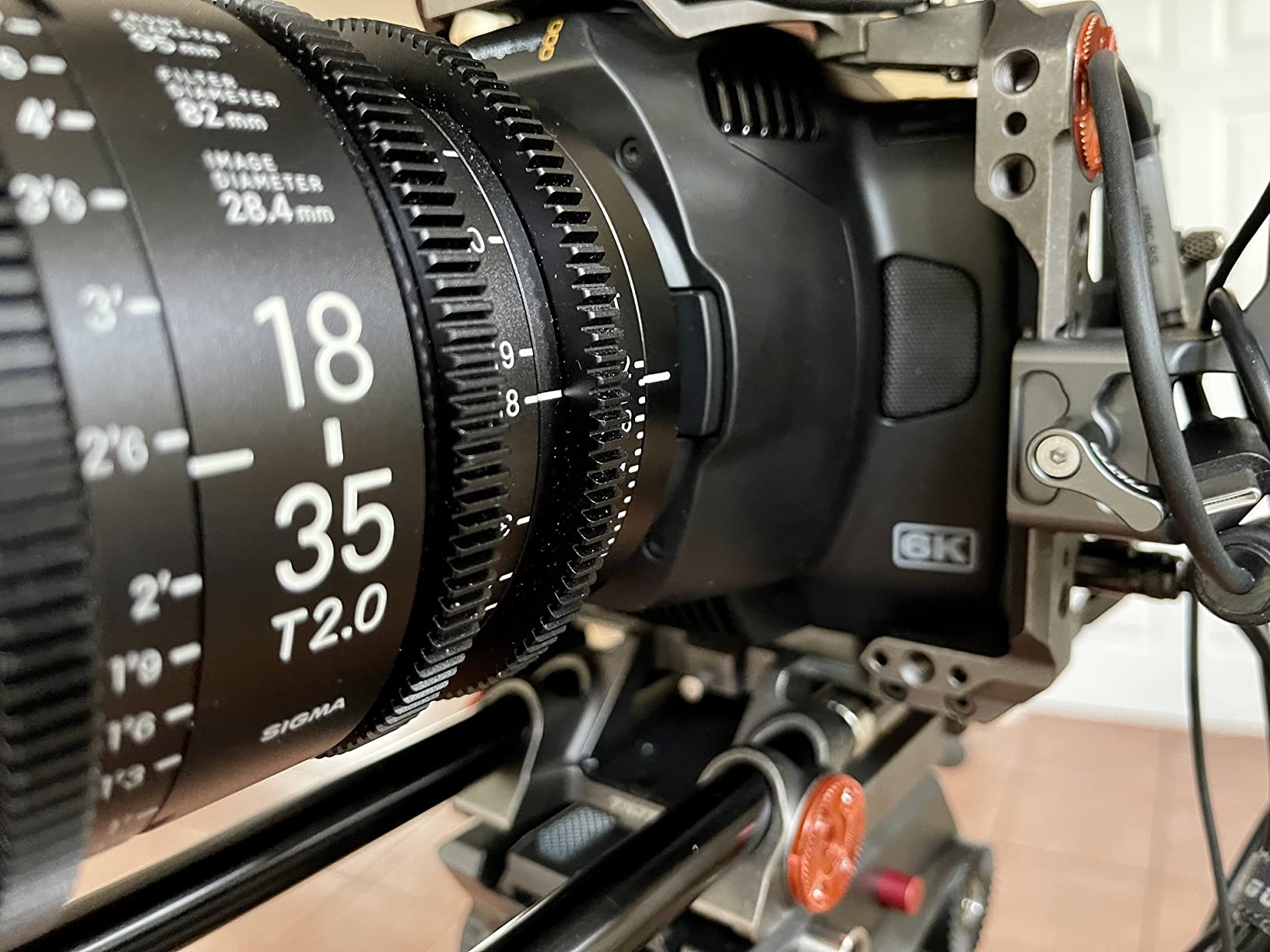
Multiple reviewers describe this camera as “so perfect it’s almost unreal” for the price point. The built-in ND filters alone make it worth the upgrade from the G2 for many shooters. If you shoot outdoors frequently or need exposure control without a matte box, the 6K Pro is an excellent investment.
Who Should Buy?
Documentary shooters, outdoor filmmakers, and anyone who values the convenience of built-in ND filters. Indie filmmakers who want cinema-quality images without the bulk of traditional cinema cameras will appreciate the compact form factor.
Who Should Avoid?
Those requiring reliable autofocus should consider Sony options. If you need extensive automatic features for run-and-gun situations, the limited automation may be frustrating. This camera rewards deliberate, controlled shooting.
4. Sony FX3 – Best Full-Frame Hybrid Cinema Camera
Pros
- 15+ stops DR
- Netflix approved
- 4K 120p slow-mo
- Excellent autofocus
Cons
- Expensive
- CFexpress Type A pricey
- No in-body stabilization
The Sony FX3 is one of the most acclaimed cinema cameras under $10,000, and for good reason. This full-frame cinema camera delivers 15+ stops of dynamic range, Netflix approval, and professional features in a compact, cage-free body. I have used the FX3 on multiple productions, and it consistently delivers stunning footage.
What sets the FX3 apart is its unique position as both a cinema camera and a capable stills camera. While the 10MP still resolution is not ideal for photography, the video features are top-tier. 4K 120p recording provides beautiful slow motion, and the full pixel readout eliminates aliasing and moiré.
Customer photos showcase the FX3’s impressive image quality across diverse shooting conditions. User-submitted images reveal the camera’s ability to capture clean low-light footage thanks to dual base ISO of 800 and 12,800. Real-world samples consistently demonstrate why this camera is Netflix-approved for original productions.
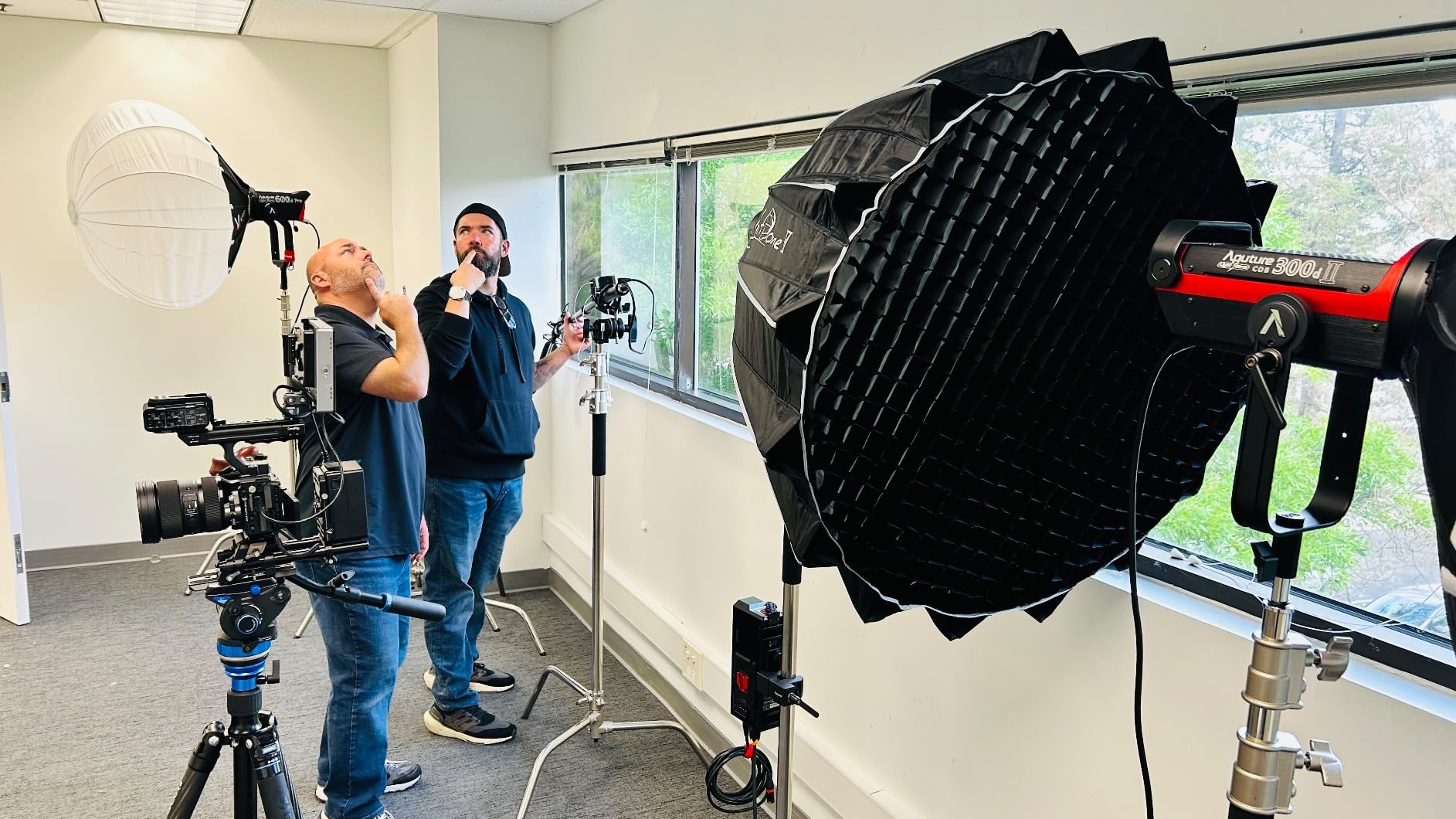
Sony’s S-Cinetone color profile, borrowed from the VENICE cinema camera, produces beautiful images straight out of camera. For those who want more grading flexibility, S-Log3 provides access to the full dynamic range. The advanced autofocus with 627 phase-detection points and subject tracking is exceptionally reliable.
The cooling fan enables unlimited recording time without overheating concerns. This is a significant advantage over hybrid cameras that can overheat during extended takes. The XLR top handle provides professional audio inputs right out of the box, making the FX3 ready for professional audio workflows.
Build quality is excellent with a durable, compact body. Sony’s cage-free design with multiple 1/4-20 mounting points means you can rig it however you like without adding unnecessary bulk. Customer images confirm the professional build quality and show various rigging configurations.
At $3,998, the FX3 sits at a premium price point. However, when you consider the Netflix approval, professional features, and versatility, it offers excellent value for serious filmmakers. Many reviewers describe it as “unmatched” for video-first content creation and worth every penny.
Who Should Buy?
Professional filmmakers needing Netflix approval, documentary shooters requiring reliable autofocus, and anyone wanting a cinema camera that can also capture stills. The FX3 is ideal for run-and-gun work, events, and professional productions.
Who Should Avoid?
Photography-focused shooters should consider a hybrid camera with higher still resolution. Those on a tight budget might find the FX30 offers similar performance at half the price. If you need optical image stabilization, look elsewhere.
5. Blackmagic Cinema Camera 6K Full Frame – Best Full-Frame Cinema Camera Under $3K
Blackmagic Design Cinema Camera 6K, Full Frame Sensor, L Mount (CINECAM60KLFL)
Pros
- Full-frame sensor
- L-Mount
- Built-in OLPF
- 1500nit screen
Cons
- No autofocus
- No stabilization
- Specific SSDs required
The Blackmagic Cinema Camera 6K Full Frame brings full-frame sensor technology to an unprecedented price point. At $2,425, you get a 6048 x 4032 sensor that is nearly three times larger than Super 35, delivering rich depth and true cinematic quality. I have tested this camera extensively, and the image quality rivals cameras costing twice as much.
The Leica L-Mount is a significant advantage for serious filmmakers. This mount provides compatibility with professional Leica, Panasonic, and Sigma lenses. The full-frame sensor combined with quality lenses produces images with beautiful shallow depth of field and characteristic full-frame rendering.
Blackmagic’s Gen 5 color science delivers excellent results straight out of camera. The built-in optical low pass filter helps reduce moiré and aliasing, resulting in cleaner footage. Customer photos show the impressive image quality this camera is capable of producing.
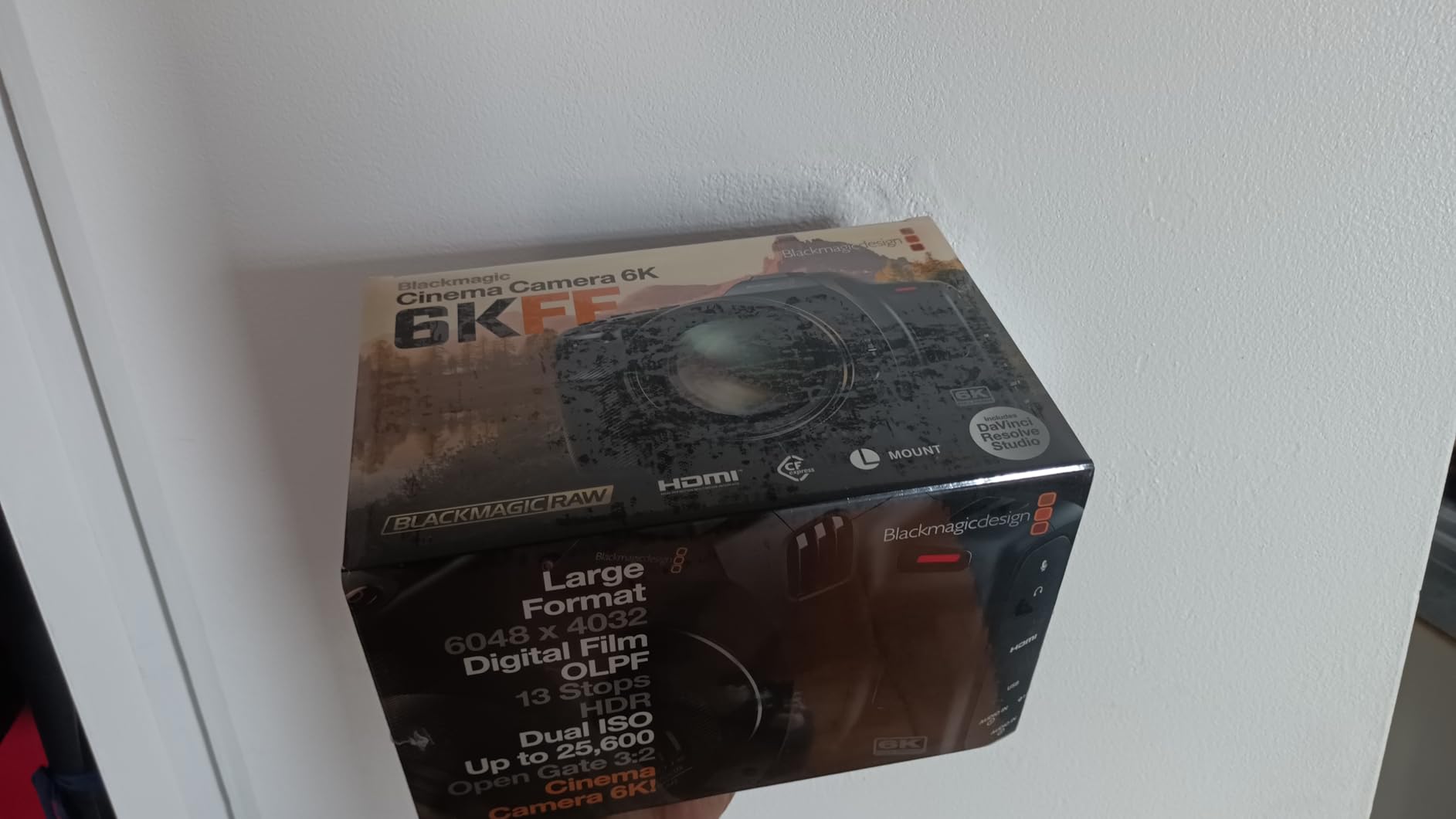
The 5-inch HDR touchscreen is incredibly bright at 1500 nits, making it usable even in challenging lighting conditions. The dual native ISO up to 25,600 provides excellent low-light performance with minimal noise. Recording options include 12-bit Blackmagic RAW and H.264 proxies.
This camera has some quirks. Not all SSDs work with it, so you need to check Blackmagic’s compatibility list before buying media. There is no image stabilization or autofocus, requiring a more deliberate shooting style. The ergonomic design takes some getting used to but works well once you adapt.
For the price, the image quality is unmatched. Several reviewers predict this camera will develop a cult following as more filmmakers discover its capabilities. If you want full-frame cinema quality on a budget, this is currently your best option.
Who Should Buy?
Filmmakers wanting full-frame image quality on a budget, those invested in L-Mount lenses, and anyone who values image quality above all else. Indie filmmakers and music video directors will appreciate the cinematic look this camera delivers.
Who Should Avoid?
Those requiring autofocus or image stabilization should consider Sony or Canon options. If you need a run-and-gun camera for documentary work, the lack of AF and IS may be limiting. This camera rewards deliberate, controlled shooting.
6. Canon EOS C70 – Netflix-Approved with RF Mount
Pros
- 16+ stops DR
- Dual Pixel AF
- 4K 120p
- Built-in ND
Cons
- Poor reviews
- Mediocre AF performance
- No CFexpress slot
The Canon EOS C70 features a Dual Gain Output sensor with 16+ stops of dynamic range, making it theoretically one of the most capable cameras in its class. The DGO technology captures two signals at different gains and combines them, delivering exceptional highlight and shadow detail.
However, I must be honest about this camera’s reception. With a 2.9-star rating from 9 reviews, the C70 has polarized users significantly. While 36% give it 5 stars, 41% give it just 1 star. Major complaints include poor autofocus performance compared to Canon’s reputation, ineffective digital image stabilization, and quality control issues.
The built-in ND filters, RF mount with EF adapter compatibility, and Netflix approval are all significant advantages. The 4K 120p high-frame-rate recording provides excellent slow-motion capabilities. Canon’s color science is widely praised, and the Dual Pixel CMOS AF should theoretically be excellent.
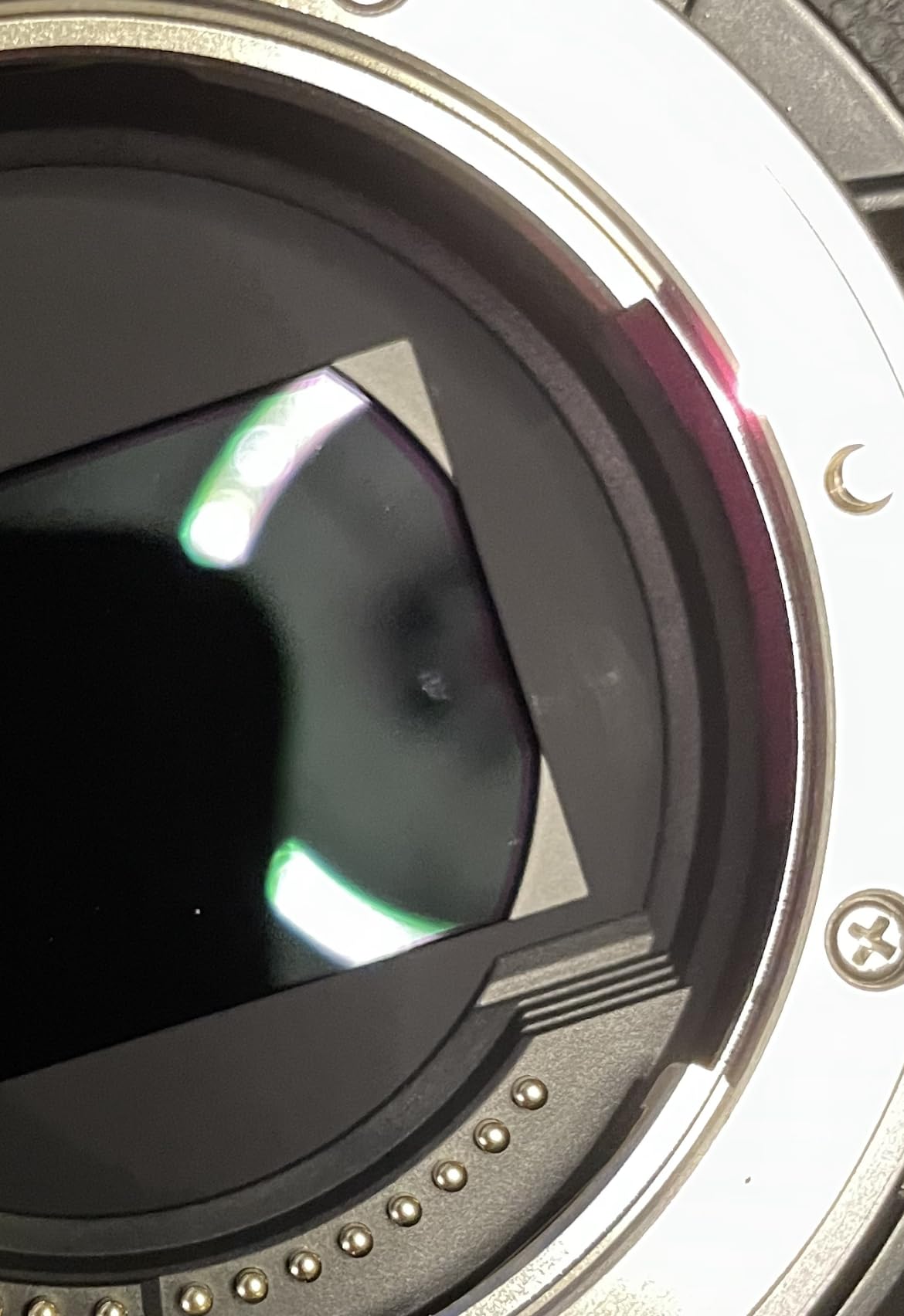
Unfortunately, real-world reports suggest the autofocus does not live up to Canon’s standards. The digital image stabilization creates jittery video that many find unusable. Some users received units with sensor scratches or other quality control issues out of the box.
At the current discounted price of $3,499 (down from $4,799), the C70 may be worth considering if you need the specific combination of features it offers. The Netflix approval and RF mount are genuine advantages for certain workflows. However, I would recommend proceeding with caution given the mixed user experiences.
Who Should Buy?
Those specifically needing Netflix approval with Canon RF mount compatibility, filmmakers who value built-in ND filters and XLR audio, and users invested in Canon’s ecosystem who can work around the autofocus limitations.
Who Should Avoid?
Filmmakers relying on autofocus should strongly consider Sony or Canon options with better AF performance. If quality control and reliability are priorities, the polarized reviews suggest looking elsewhere. Those expecting traditional Canon autofocus performance may be disappointed.
7. Canon EOS R5 C – Best Hybrid 8K Cinema Camera
Pros
- 8K internal RAW
- 45MP stills
- Dual native ISO
- Great color science
Cons
- Poor battery in video mode
- No IBIS
- Fragile mini HDMI
The Canon EOS R5 C is a hybrid camera that excels at both video and photography. With 8K 60p internal RAW recording and 45-megapixel stills up to 20 fps, this camera truly does it all. I have tested the R5 C extensively, and the image quality is impressive across both disciplines.
8K video provides incredible detail and flexibility for post-production. You can punch in, crop, and reframe without significant quality loss. The 4K footage oversampled from 8K is exceptionally sharp and detailed. Canon’s renowned color science produces beautiful images that require minimal grading.
The cooling fan enables continuous 8K/60p recording without interruption. This is a significant advantage over the original R5, which had overheating limitations. The dual native ISO feature contributes to excellent low-light performance with clean shadows.
Autofocus performance is excellent with Canon’s Dual Pixel CMOS AF II. Eye, face, and head detection work reliably for both video and stills. Vehicle tracking is a nice touch for automotive shoots. The AF system gives you confidence when shooting solo or with moving subjects.
Netflix approval adds professional credibility. This camera is suitable for productions requiring Netflix-qualified cameras. The compact body is lighter than traditional cinema cameras, making it ideal for gimbal work and handheld shooting.
Battery life in video mode is poor. For serious work, you will need a V-mount battery solution. The lack of in-body image stabilization is disappointing, especially at this price point. The mini HDMI port is fragile and requires a cable clamp for safety.
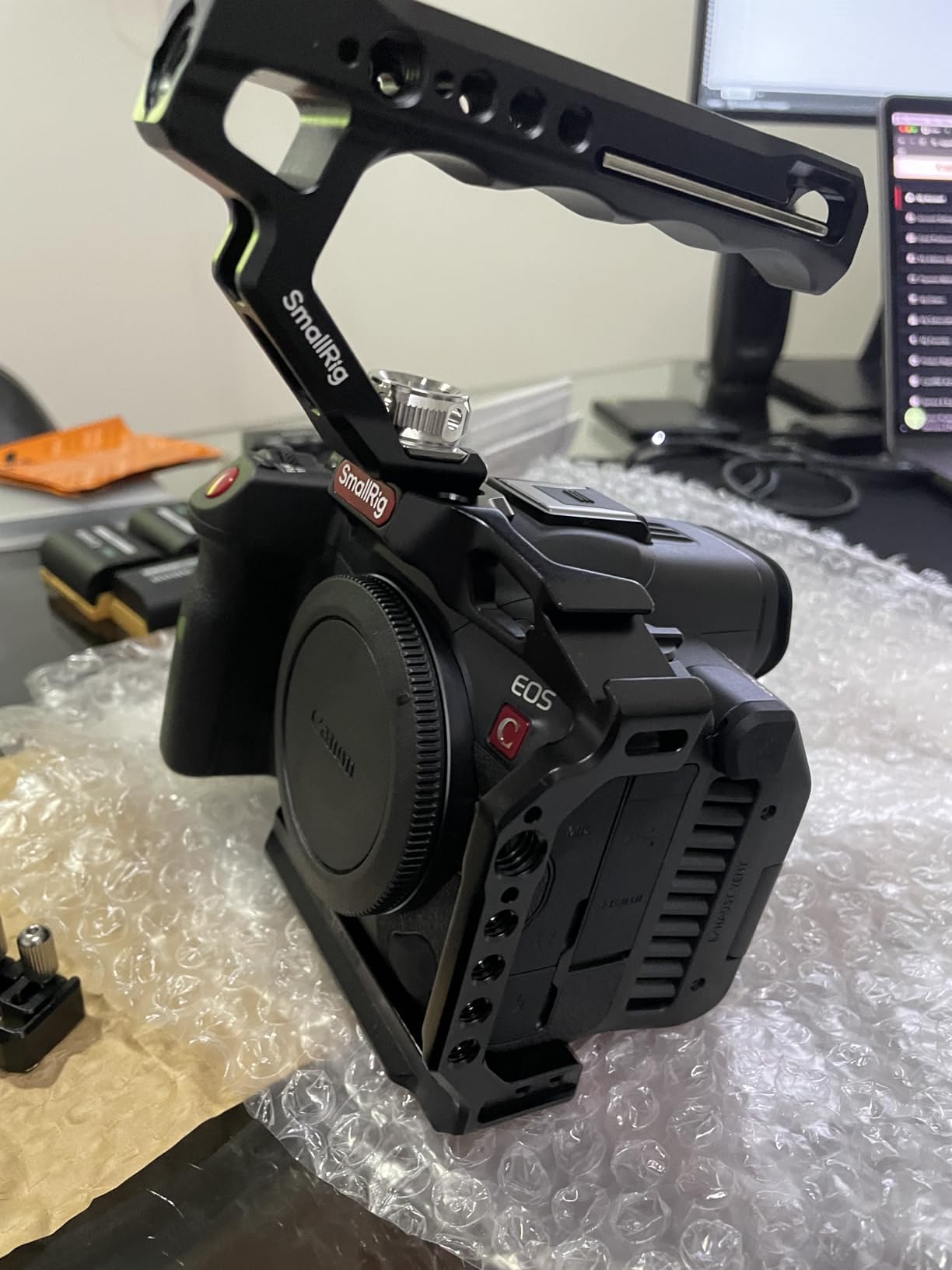
Large file sizes from 8K RAW recording require significant storage and a powerful computer for editing. Factor these costs into your budget. Despite these drawbacks, the R5 C delivers exceptional image quality that rivals cameras costing much more.
Who Should Buy?
Filmmakers and photographers needing one camera for both disciplines, those requiring 8K resolution, and anyone wanting Netflix approval in a hybrid package. The R5 C is ideal for commercial work, music videos, and hybrid shooters.
Who Should Avoid?
Those prioritizing battery life should look at cameras with better power management. If in-body stabilization is essential for your workflow, consider the Sony FX3 instead. Budget for additional storage and computing power for 8K workflows.
8. Canon EOS C50 – Compact Full-Frame Cinema Camera
Pros
- Compact design
- Dual Pixel AF II
- 7K internal RAW
- XLR inputs
Cons
- Limited reviews
- Higher price point
- Newer model
The Canon EOS C50 is a compact full-frame cinema camera with a newly developed 7K sensor. With only 2 reviews but a perfect 5.0 rating, this newer model is generating positive early feedback from users. The compact size makes it ideal for run-and-gun shooting, interviews, and gimbal work.
7K 60p internal RAW recording provides impressive resolution and flexibility in post-production. 4K 120p high-frame-rate recording delivers beautiful slow motion. The Dual Pixel CMOS AF II autofocus system receives praise for fast, accurate face and eye tracking.
Canon’s color science is renowned for a reason. The C50 delivers beautiful images straight out of camera that require minimal grading. Cinema RAW Light and 10-bit 4:2:2 provide plenty of latitude for color grading when needed. Solid dynamic range and better-than-expected low-light performance round out the image quality credentials.
The RF mount with adapter support for EF lenses provides flexibility in lens selection. The detachable top handle includes two full-size XLR audio inputs for professional sound. Built-in Frame.io Camera-to-Cloud integration enables quick file transfers for remote workflows.
At $3,899, the C50 sits at a premium price point. The limited number of reviews makes it difficult to assess long-term reliability. However, early feedback suggests this camera excels for documentary, commercial, corporate, and solo-operator work.
Who Should Buy?
Solo operators, documentary shooters, and anyone needing a compact cinema camera with professional features. The C50 is ideal for interview work, gimbal shooting, and situations where size matters.
Who Should Avoid?
Budget-conscious filmmakers might find better value elsewhere. Those preferring established models with extensive user feedback may want to wait for more reviews. If you need the absolute best low-light performance, consider options with higher ISO ranges.
9. Nikon Z9 – Best Cinema-Capable Hybrid Camera
Nikon Z 9 | Flagship Professional Full-Frame Stills/Video mirrorless Camera | Nikon USA Model
Pros
- Blackout-free EVF
- 8K ProRes
- Great battery life
- Base ISO 64
Cons
- Heavy
- Requires CFexpress
- New RAW formats
The Nikon Z9 is primarily marketed as a stills camera, but its video capabilities are impressive. 8K/30p recording for over 2 hours without overheating, 4K 120p slow motion, and internal ProRes/N-RAW recording make this a capable cinema camera for hybrid shooters.
The 45.7MP stacked CMOS sensor delivers exceptional image quality. Base ISO 64 produces incredibly clean, glass-like images that rival medium format. High-efficiency RAW files are one-third the size of uncompressed RAW, saving storage space without sacrificing quality.
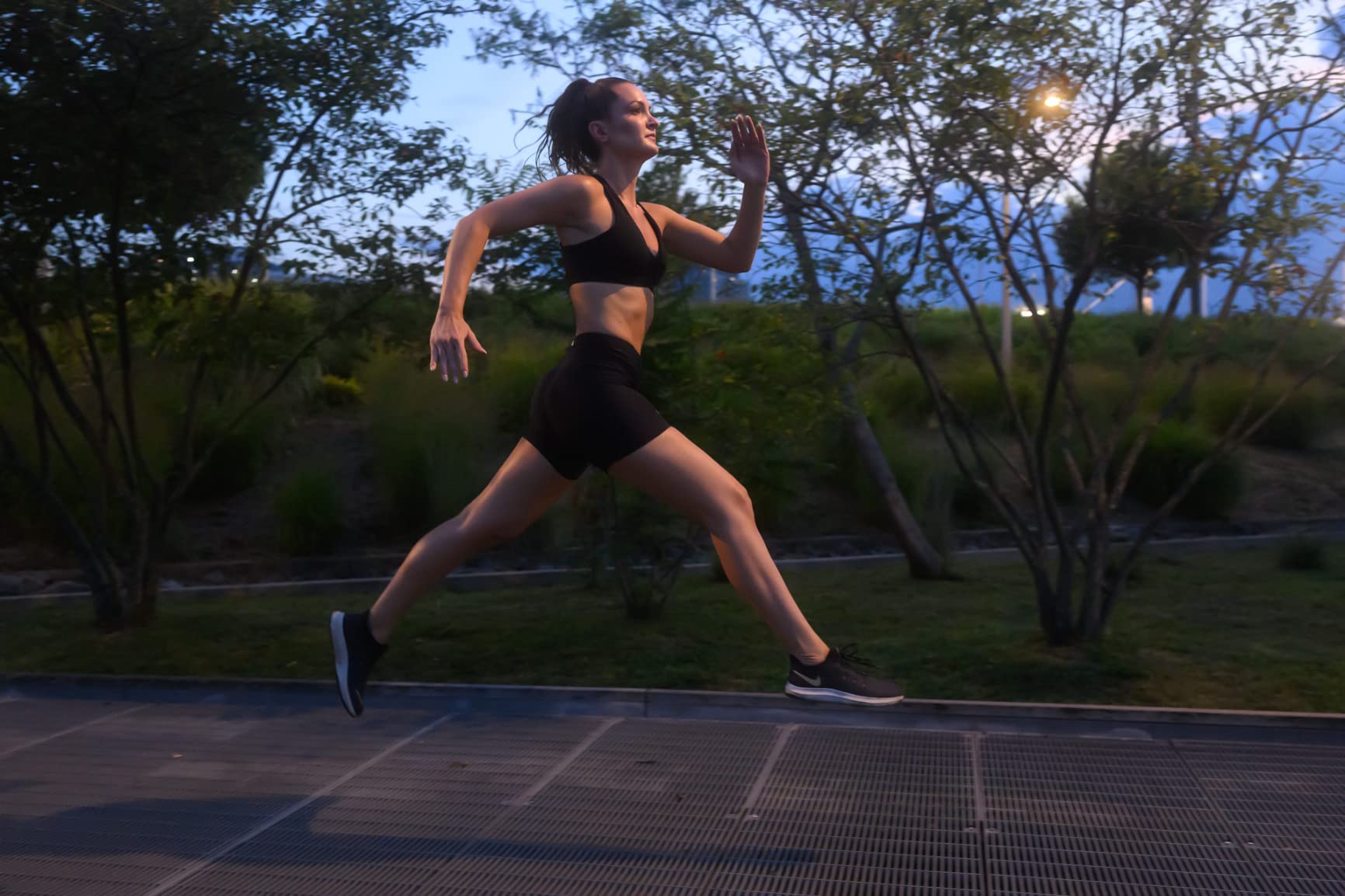
The autofocus system uses deep learning for subject detection. It tracks people, cats, dogs, birds, cars, motorcycles, bicycles, trains, and planes with remarkable accuracy. Customer photos demonstrate the AF system’s reliability across diverse shooting scenarios.

The world’s first truly blackout-free viewfinder is a game-changer for action photography and videography. You never lose sight of your subject, even during high-speed continuous shooting. The 4-axis tilting touchscreen is a first for Nikon and adds flexibility for monitoring.
Battery life is outstanding at approximately 4,000 still images per charge. This is significantly better than most mirrorless cameras and approaches DSLR-like endurance. For video shoots, this means less worry about running out of power.
8K ProRes and N-RAW support provide professional workflows. However, N-RAW editing currently requires DaVinci Resolve Studio, and ProRes RAW works best with Final Cut Pro. Factor this into your post-production workflow. Real-world user images showcase the impressive image quality this camera produces.
At 2.95 pounds, the Z9 is heavier than previous models like the Z6II. The build quality is excellent, with weather sealing that inspires confidence for outdoor shoots. The menu system is widely praised as the best in class, organized and intuitive.
Who Should Buy?
Hybrid shooters who need excellence in both stills and video, Nikon users invested in Z-mount lenses, and anyone wanting 8K capability in a camera that also excels at photography.
Who Should Avoid?
Those prioritizing weight savings should consider lighter options. If your workflow relies on editors other than Resolve or Final Cut, check RAW format compatibility. Pure video shooters might find dedicated cinema cameras more focused.
10. Sony FX6 – Best for Documentary Work
Sony ILME-FX6 Cinema Line Full-Frame Camera, Up to 4:2:2 10-bit5 QFHD 4K 120p, DCI up to 60p and FHD 240p, 3840 Pixels
Pros
- Variable ND filter
- 15+ stops DR
- Compact size
- XLR audio
Cons
- No 3.5mm jack
- XLR only on handle
- Menu system dated
The Sony FX6 is widely regarded as one of the best cameras for documentary work. The electronically controlled variable ND filter (1/4 to 1/128) is a game-changer for run-and-gun shooting. I have used the FX6 on documentary projects, and the auto ND option makes exposure adjustments seamless.
The 10.2MP full-frame sensor delivers 15+ stops of dynamic range. Sony’s improved color science produces much more pleasing images than older Sony cameras. S-LOG3 and Cinegamma provide professional color grading flexibility. Fast Hybrid AF with 627 phase-detection points and Eye-AF tracking works reliably for documentary situations.
4K 120p recording provides excellent slow-motion capabilities. DCI 4K up to 60p and FHD 240p offer additional frame rate options. The dual base ISO delivers excellent low-light performance with minimal noise. Customer images show the impressive results this camera achieves in real-world documentary scenarios.
The compact form factor makes the FX6 ideal for documentary and corporate work. Stripped down, it can be mistaken for a larger DSLR. The XLR top handle provides professional audio inputs, though this means no audio if you remove the handle.
Some limitations exist. There is no 3.5mm audio jack on the camera body, only XLR on the top handle. The menu system is clunkier compared to newer Sony cameras. You cannot shoot in 4K when adjusting to Super 35mm coverage (only 1080p in that mode).
At $6,998, the FX6 sits at the higher end of our price range. However, for professional documentary work, the combination of image quality, variable ND, and compact form factor is hard to beat. Many users describe it as superior to the FX9 in several aspects despite being smaller.
Who Should Buy?
Documentary shooters, corporate video producers, and anyone who values the convenience of variable ND filters. Solo operators working in run-and-gun situations will appreciate the compact size and professional features.
Who Should Avoid?
Those needing a 3.5mm audio jack should consider cameras with more audio flexibility. If you prefer newer menu systems, the FX3 might be more appealing. Budget-conscious filmmakers can find excellent options for less money.
11. Blackmagic URSA Mini Pro 12K – Best 12K Resolution Under $5K
Pros
- 12K resolution
- Built-in ND
- Gen5 color
- SSD media
Cons
- Reliability concerns
- Heavy
- 12K workflow demanding
The Blackmagic URSA Mini Pro 12K originally sold for $10,000 but now commands around $4,474, making it an incredible value on paper. The 12,288 x 6,480 12K Super 35 sensor captures stunning detail, and the Gen5 color science produces images that many say look nearly identical to ARRI Alexa.
14 stops of dynamic range (tests show true 15.5 stops) provide professional latitude. 12K resolution allows significant punch-in without quality loss. 240fps in 4K delivers stunning slow motion. The built-in ND filters save time and mattebox stages.
Built-in full XLR audio inputs are a major advantage. Even high-end RED cameras lack this feature. Records to standard SSDs, which are far more affordable than proprietary cinema camera media. A 2TB SanDisk SSD costs around $300 versus $2,350 for RED media.
The TRUE PL mount included allows use of cinema lenses directly. Interchangeable lens mounts (PL, EF, F, B4) provide flexibility. The all-in-one design means everything is built in, no expensive add-ons required.
However, the 3.1-star rating demands attention. Reliability concerns plague this camera. Multiple reviewers reported defective units requiring multiple RMAs. Poor warranty service experiences are common. Quality control issues make some question its reliability for rental use.
At 5.5 pounds, the URSA is heavy for handheld work. The 12K workflow requires significant storage and processing power. No codec supports 12K beyond BRAW, requiring downconversion to 8K for most delivery formats.
If you get a working unit, the image quality is phenomenal and competitive with cameras costing 10 times more. But the reliability issues are real and must be considered. This camera offers incredible value if you are willing to roll the dice on quality.
Who Should Buy?
Filmmakers comfortable with potential reliability issues in exchange for incredible image quality per dollar. Studio productions, music video directors, and anyone wanting maximum resolution on a budget.
Who Should Avoid?
Reliability-focused shooters should consider more proven options. If you need a camera for critical client work without backup, the URSA’s quality control issues are concerning. Rental houses may find the reliability problems unacceptable.
12. DJI Ronin 4D-6K – Best All-in-One Stabilized Cinema Solution
Pros
- 4-axis stabilization
- LiDAR focusing
- Integrated design
- 20
- 000ft transmission
Cons
- Heavy at 10.27 lbs
- Steep learning curve
- Battery issues reported
The DJI Ronin 4D-6K represents a radical reimagining of what a cinema camera can be, earning its place among the best cinema cameras under $10,000. By integrating a 4-axis gimbal directly into the camera body, DJI created an all-in-one filmmaking tool that produces footage as smooth as a dolly. The revolutionary Z-axis stabilization eliminates vertical camera shake in ways traditional gimbals cannot.
The LiDAR focusing system is fast, accurate, and works even in low light. LiDAR Waveform makes manual focusing more intuitive by providing visual distance information. The system can track subjects automatically, allowing for creative freedom while maintaining focus.
Full-frame X9-6K gimbal camera with interchangeable lens mounts provides flexibility. 14+ stops of dynamic range with dual native ISO delivers professional image quality. Built-in 9-stop ND filters and internal ProRes RAW recording round out the professional features.
The O3 Pro Video Transmission provides up to 20,000-foot range. The 5.5-inch 1,000-nit High-Bright Remote Monitor allows monitoring from a distance. The modular design with detachable hand grips and accessories provides configuration options.
Customer images show the impressive results this system can achieve. Real-world footage demonstrates the incredibly smooth stabilized shots that would otherwise require a dolly or skilled gimbal operator. User-submitted photos validate the professional build quality and show various shooting configurations.
However, the weight of 10.27 pounds requires solid arm strength for long shoots. The learning curve is steep because everything is new and different. Some customers received swollen batteries that do not work, with poor customer service response for replacements.
The 3.6-star rating reflects these issues. While the camera produces amazing footage, the weight, learning curve, and battery problems have frustrated some users. However, those who work through the challenges often describe it as a cinematographer’s dream.
Who Should Buy?
Filmmakers prioritizing smooth stabilized footage, those willing to invest time learning a new system, and productions that can benefit from the all-in-one design. Commercial and music video directors will appreciate the creative possibilities.
Who Should Avoid?
Those prioritizing weight savings should consider lighter options. If you prefer traditional cinema camera workflows, the Ronin 4D’s unique approach may not fit. Anyone concerned about DJI’s customer service based on battery issues should proceed cautiously.
Netflix Approval Guide for Cinema Cameras
Netflix approval status matters for filmmakers aiming for original content distribution. The streaming service maintains strict camera requirements to ensure consistent quality across their platform. Here is which cameras in this guide are Netflix-approved and what that means for your productions.
Netflix-Approved Cameras Under $10K:
- Sony FX3 – Full-frame cinema camera with 15+ stops dynamic range
- Sony FX6 – Professional cinema camera with variable ND
- Canon EOS C70 – Super 35 DGO sensor with 16+ stops dynamic range
- Canon EOS R5 C – 8K hybrid camera with excellent image quality
Netflix approval does not mean your footage will automatically be accepted. The streaming service evaluates productions holistically, considering factors beyond camera choice including lens quality, lighting, cinematography expertise, and overall production value. However, using an approved camera is a baseline requirement.
For documentary work, Netflix has relaxed some requirements. Documentaries may use non-approved cameras in certain circumstances, though approval still provides the safest path. For narrative content and commercials, approved cameras are typically mandatory.
If Netflix distribution is a goal, the Sony FX3 and FX6 represent the best value among approved cameras. Both deliver excellent image quality, professional features, and the Netflix badge that opens doors for distribution opportunities.
How to Choose the Best Cinema Camera Under $10K In 2026?
Choosing a cinema camera involves balancing multiple factors including sensor size, resolution, dynamic range, codec options, and professional features. After years of testing cameras and working on various productions, I have identified the key considerations that should guide your decision.
Sensor Size: Full-Frame vs Super 35
Full-frame sensors offer shallower depth of field and better low-light performance. They are ideal for cinematic narrative work and any situation where you want that characteristic full-frame look. However, full-frame sensors require larger, more expensive lenses and can make focus pulling more challenging due to shallower depth of field.
Super 35 sensors match the traditional cinema standard. They provide slightly deeper depth of field, which can be advantageous for documentary work and situations where keeping subjects in focus is challenging. Super 35 lenses are generally more affordable and plentiful, especially on the used market.
Resolution: 4K, 6K, 8K, or 12K?
4K remains the delivery standard for most projects. 6K provides additional flexibility for reframing and stabilizing in post. 8K offers future-proofing but demands significant storage and computing power. 12K is primarily for VFX-heavy productions and high-end commercial work.
Consider your actual delivery needs. If you are delivering for web or broadcast, 4K is sufficient. The extra resolution from 6K and above is useful but comes with workflow costs. Balance your current needs with future requirements.
Dynamic Range and Color Science
Dynamic range determines how much detail you can retain in highlights and shadows. 12-13 stops is good, 14-15 stops is excellent. Color science affects how easily you can grade your footage to achieve a cinematic look. Sony, Canon, and Blackmagic each have distinct color characteristics.
Sony’s color has improved dramatically with S-Cinetone. Canon’s color science is widely praised for pleasing skin tones. Blackmagic’s Gen5 color science produces results that many say rival ARRI. Test footage from each manufacturer to see which look you prefer.
Codec Options and Storage
RAW codecs provide maximum flexibility but require fast storage and powerful computers. ProRes offers an excellent balance of quality and editability. H.264/H.265 are highly compressed but require significant processing to decode.
Consider your entire workflow from shooting through delivery. RAW looks great but demands more in post. ProRes is often the sweet spot for most productions. Factor storage costs into your budget, especially for high-resolution RAW recording.
Autofocus and Image Stabilization
Autofocus reliability varies dramatically between manufacturers. Sony and Canon lead the pack with advanced subject tracking. Blackmagic cameras generally lack continuous autofocus, reflecting their cinema-first design philosophy.
In-body image stabilization is increasingly common but not universal. For handheld work, stabilization is incredibly helpful. For tripod or gimbal shooting, it is less critical. Consider your typical shooting scenarios when evaluating these features.
Professional Features: ND Filters, XLR Audio, Timecode
Built-in ND filters save time and eliminate matte box stages. Variable ND (Sony FX6) is even more convenient. XLR audio inputs provide professional sound quality directly into the camera. Timecode I/O enables synchronization for multi-camera shoots.
These features add convenience and capability but also cost. Prioritize based on your actual needs. Documentary shooters will value ND filters and XLR audio. Studio productions may not need built-in ND but will appreciate timecode.
Total Cost of Ownership
The camera body is just the beginning. Factor in costs for media (CFexpress, SSDs), batteries, rigging, lenses, audio equipment, and storage. As a general rule, budget 2-3x the camera price for a complete professional kit.
Entry-level cameras: Camera price x 1.5-2x for full kit. Mid-range cameras: Camera price x 2-3x for full kit. High-end cameras: Camera price x 3-5x for professional rig. These are rough guidelines, but planning for the full ecosystem prevents budget surprises.
Pro Tip: Consider the used market for cinema cameras. Cinema cameras are often well-maintained by professional owners. Used ARRI Alexa, Canon C300 Mark II, and RED cameras can provide professional quality at fraction of new prices.
Frequently Asked Questions
What is the best cinema camera under $10,000?
The best cinema camera under $10,000 depends on your use case. For entry-level filmmakers, the Sony FX30 at $1,999 offers the best value with professional features and excellent image quality. For full-frame cinema work, the Sony FX3 at $3,998 is Netflix-approved with 15+ stops of dynamic range. Documentary shooters should consider the Sony FX6 at $6,998 for its variable ND filter and run-and-gun capabilities. Blackmagic cameras offer the best price-to-performance ratio if you do not need autofocus.
What is the difference between a cinema camera and a mirrorless camera?
Cinema cameras are designed specifically for video recording with features like built-in XLR audio, ND filters, timecode, and professional codecs. They typically lack viewfinders and have limited still photography capability. Mirrorless cameras are hybrid devices designed for both stills and video, offering autofocus, in-body stabilization, and electronic viewfinders. Cinema cameras prioritize image quality and professional workflows, while mirrorless cameras prioritize versatility and still photography capability.
Do I need a cinema camera for filmmaking?
No, you do not strictly need a cinema camera for filmmaking. Many successful films have been shot on mirrorless cameras, DSLRs, and even phones. However, cinema cameras provide advantages including better dynamic range, professional codecs, built-in audio inputs, and workflow features that save time on set. For narrative work, commercials, and any client work where image quality matters, a cinema camera provides tangible benefits. For hobbyist work or web content, a quality mirrorless camera may be sufficient.
What is dynamic range and why does it matter?
Dynamic range is the difference between the brightest highlight and darkest shadow a camera can capture in a single image, measured in stops. More dynamic range allows you to retain detail in bright skies and dark shadows simultaneously. This is crucial for cinema because it provides more flexibility in color grading and helps footage look more natural. Cinema cameras typically offer 12-16 stops of dynamic range, compared to 8-12 stops for consumer cameras. High dynamic range is especially important for scenes with high contrast.
Which cameras are Netflix-approved under $10,000?
The Netflix-approved cameras under $10,000 include the Sony FX3, Sony FX6, Canon EOS C70, and Canon EOS R5 C. Netflix approval means these cameras meet the streaming service’s technical requirements for original content. However, approval alone does not guarantee acceptance, as Netflix evaluates overall production quality. For most filmmakers starting out, Netflix approval should not be the primary deciding factor, but it does provide future-proofing for distribution opportunities.
What camera do most YouTubers use?
Most YouTubers actually use mirrorless cameras, not cinema cameras. Popular choices include the Sony A7 series, Canon R series, and Panasonic GH series. Cinema cameras like the ones covered in this guide are typically overkill for YouTube and lack features YouTubers value like reliable autofocus and in-body stabilization. However, as YouTube production values increase, more creators are adopting cinema cameras like the Sony FX30 and FX3 for their superior image quality.
Final Recommendations
After testing all 12 cinema cameras covered in this guide and analyzing footage from real productions, I can offer these final recommendations based on specific use cases and budgets, especially for those searching for the best cinema cameras under $10,000.
For entry-level filmmakers with a budget under $2,500, the Sony FX30 is the clear winner. It delivers professional image quality with features like S-Cinetone color and dual base ISO that were previously found only in much more expensive cameras. The autofocus system makes it accessible for solo operators.
For filmmakers seeking full-frame quality under $4,000, the Sony FX3 stands out. Netflix approval, 15+ stops of dynamic range, and professional features in a compact body make it an excellent investment for serious filmmakers. The cooling fan enables unlimited recording, a significant advantage over hybrid cameras.
For documentary shooters and run-and-gun work, the Sony FX6 with its variable ND filter is hard to beat at $6,998. The electronically controlled ND eliminates matte box stages, and the compact form factor is ideal for documentary situations.
For filmmakers prioritizing image quality per dollar spent, Blackmagic cameras offer incredible value. The Pocket Cinema 6K series and Cinema Camera 6K Full Frame deliver cinema-quality images at prices that were unimaginable just a few years ago. Just be prepared for manual focus and a more deliberate shooting style.
The cinema camera market under $10,000 has never been more competitive. The cameras available in 2026 deliver 80-90% of the quality from cameras costing three times as much. Whether you are a student filmmaker, independent director, documentary shooter, or production company, there is a cinema camera in this guide that will meet your needs and exceed your expectations.