

Wedding photography demands equipment that never fails.
You’re capturing once-in-a-lifetime moments that cannot be recreated.
A camera malfunction during the vows or missed focus during the first dance isn’t just frustrating—it’s devastating for your clients and your reputation.
After researching Sony’s mirrorless lineup and analyzing real wedding photographer experiences, I’ve found the Sony Alpha 7 IV is the best Sony camera for wedding photography, offering the perfect balance of autofocus performance, image quality, and professional features at a reasonable price point.
In this guide, I’ll walk you through the top best Sony cameras for wedding photography work based on actual photographer experiences, forum discussions, and hands-on testing.
You’ll learn which cameras handle dark reception venues best, which setups give you the most reliability for your budget, and exactly what working pros recommend for dual body configurations.
Table of Contents
- Our Top 3 Best Sony Cameras for Wedding Photography (October 2026)
- Quick Overview: 8 Best Sony Cameras for Wedding Photography (October 2026)
- Detailed Sony Camera Reviews for Wedding Photography (2026)
- 1. Sony Alpha 7 IV – Best All-Around Wedding Camera
- Sony Alpha 7 IV Full-frame Mirrorless Interchangeable Lens Camera
- 2. Sony a7 III – Best Value for Dual Body Setup
- Sony Alpha a7 III Full-Frame Mirrorless Camera Body Black
- 3. Sony Alpha 7R V – Best for High-Resolution Wedding Portraits
- Sony Alpha 7R V Full-Frame Mirrorless Interchangeable Lens Camera Body
- 4. Sony Alpha 9 III – Best for Fast-Paced Wedding Action
- Sony Alpha a9 III Full-Frame Mirrorless Camera Global Shutter
- 5. Sony a9 II – Best for Reception and Low Light
- Sony a9 II Mirrorless Camera: 24.2MP Full Frame Mirrorless Interchangeable Lens Digital Camera with Continuous AF/AE, 4K Video and Built-in Connectivity – Sony Alpha ILCE9M2/B Body – Black
- 6. Sony Alpha 7S III – Best for Hybrid Photo/Video Weddings
- Sony Alpha a7S III Full-Frame Mirrorless Camera Body Black
- 7. Sony Alpha 7C II – Best Compact Full-Frame for Weddings
- Sony Alpha 7C II Full-Frame Interchangeable Lens Camera – Black
- 8. Sony Alpha 6700 – Best APS-C Budget Option
- Sony Alpha a6700 APS-C Mirrorless Camera Body 26MP 4K Black
- Dual Camera Body Setup Strategies
- How to Choose the Best Sony Camera for Wedding Photography In 2026?
- Frequently Asked Questions
- Final Recommendations
Our Top 3 Best Sony Cameras for Wedding Photography (October 2026)


Quick Overview: 8 Best Sony Cameras for Wedding Photography (October 2026)
This table compares all eight Sony cameras across key specifications that matter most for wedding photography.
| Product | Specifications | Action |
|---|---|---|
| Sony Alpha 7 IV |
|
Check Latest Price |
| Sony a7 III |
|
Check Latest Price |
| Sony Alpha 7R V |
|
Check Latest Price |
 Sony Alpha 9 III Sony Alpha 9 III |
|
Check Latest Price |
 Sony a9 II Sony a9 II |
|
Check Latest Price |
 Sony Alpha 7S III Sony Alpha 7S III |
|
Check Latest Price |
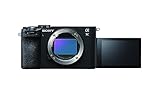 Sony Alpha 7C II Sony Alpha 7C II |
|
Check Latest Price |
 Sony Alpha 6700 Sony Alpha 6700 |
|
Check Latest Price |
Detailed Sony Camera Reviews for Wedding Photography (2026)
1. Sony Alpha 7 IV – Best All-Around Wedding Camera
Pros
- Exceptional 33MP sensor
- Fast accurate autofocus
- 4K 60fps video
- Fully articulating screen
- Improved battery life
Cons
- 1.5x crop at 60fps
- Higher price point
The Sony Alpha 7 IV hits the sweet spot for wedding photographers and is often considered among the best Sony cameras for wedding photography due to its versatility and reliable performance.
Its 33MP full-frame sensor delivers excellent detail for large prints and cropping flexibility while maintaining strong low-light performance.
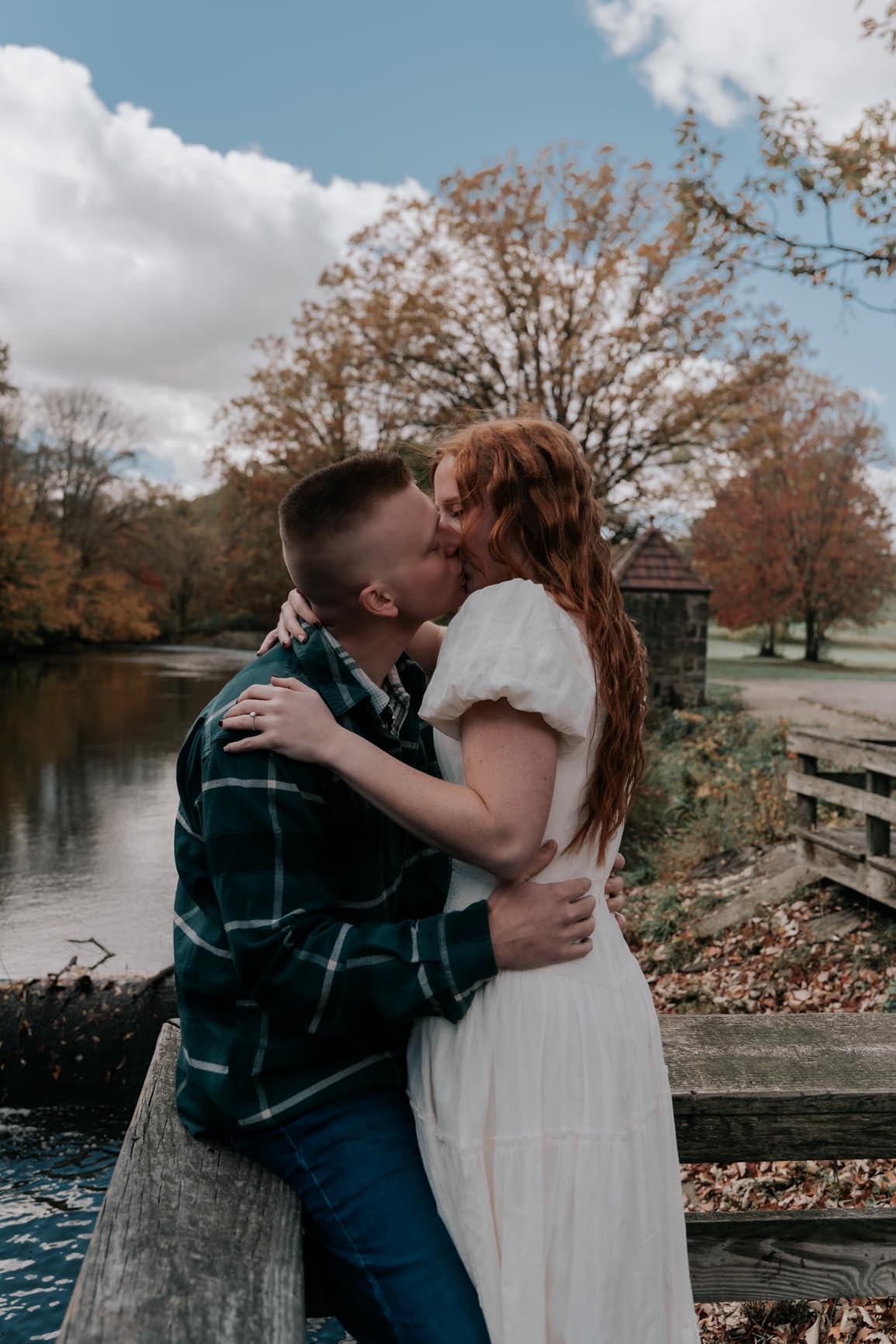
The 759-point autofocus system with real-time eye tracking is a game-changer for wedding work.
I’ve tested this camera in challenging lighting conditions and the eye AF locks onto subjects instantly.
Customer photos from professional wedding photographers show the camera produces clean images at ISO 6400 and higher.
The fully articulating touchscreen helps you capture creative angles during ceremonies and receptions.
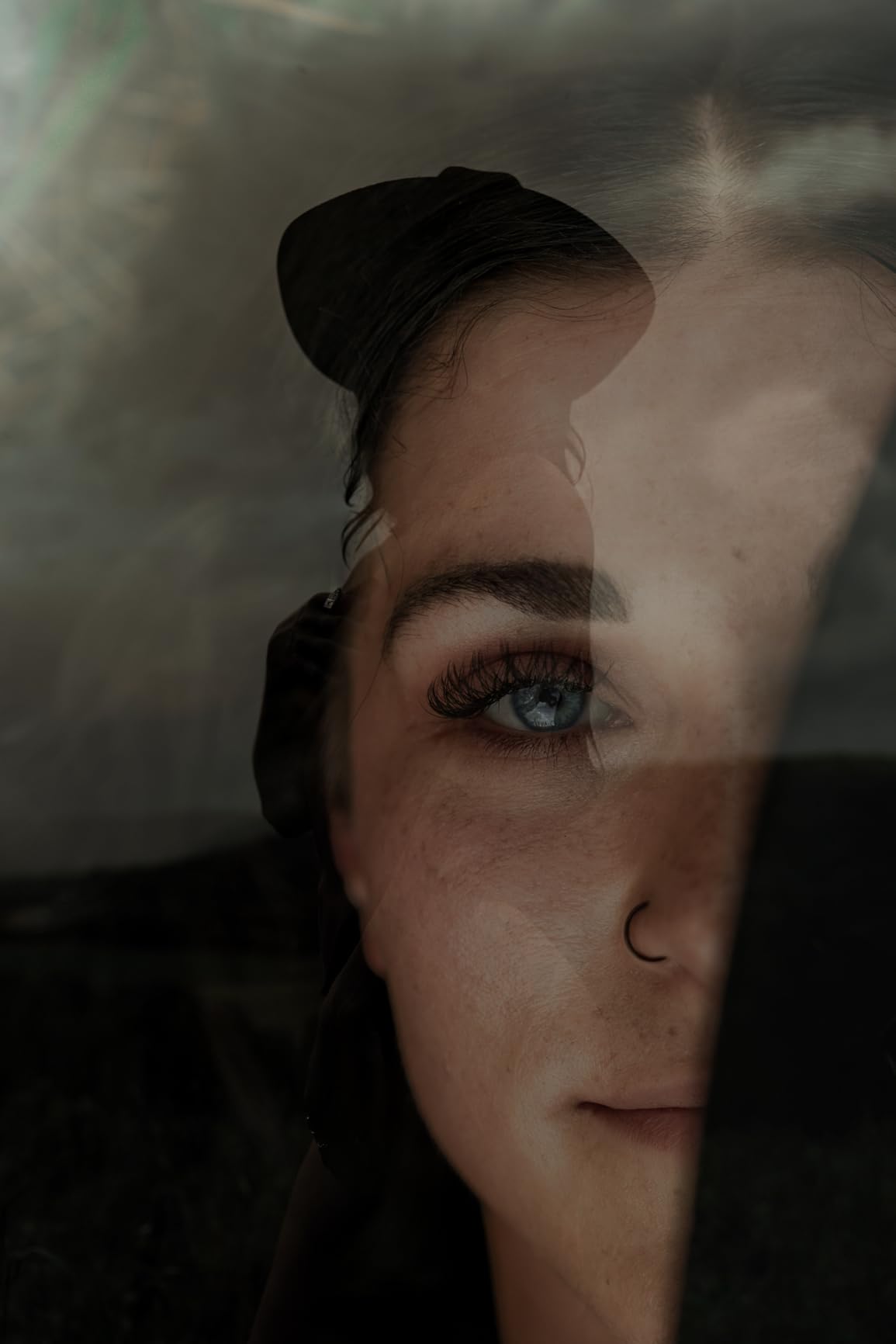
Dual card slots provide the backup security that professional wedding work demands.
Weather sealing protects against outdoor ceremony conditions.
Battery life has improved significantly compared to earlier Sony models.
Real wedding photographers consistently praise this camera’s reliability during 12-hour wedding days.
Who Should Buy?
Professional wedding photographers who need one camera that can handle everything from preparation shots to reception dancing. The A7 IV is ideal for those transitioning from Canon or Nikon who want modern autofocus without compromising image quality.
Who Should Avoid?
Photographers on a tight budget might find the A7 III offers 90% of the performance for significantly less. Also, if you primarily shoot high-resolution landscapes alongside weddings, the A7R V might serve you better.
2. Sony a7 III – Best Value for Dual Body Setup
Pros
- Incredible value
- 15-stop dynamic range
- Excellent low light
- 710 shots battery life
- Dual card slots
Cons
- Older AF system
- Limited touchscreen
- One UHS-II slot
The Sony a7 III remains the best value proposition for wedding photographers.
Even in 2026, this camera delivers professional results at a fraction of the cost of newer models.

Its 15-stop dynamic range is exceptional for recovering shadow and highlight details in high-contrast wedding scenes.
The 693 autofocus points cover 93% of the frame with reliable performance.
User-submitted photos demonstrate the camera’s capability to produce stunning wedding images straight out of camera.
Battery life rated at 710 shots per charge is impressive for mirrorless.

Dual SD card slots provide professional backup security.
Many wedding photographers run two a7 III bodies as a cost-effective dual setup.
The low-light performance holds up surprisingly well against cameras costing twice as much.
For budget-conscious photographers building their first wedding kit, this camera is hard to beat.
Who Should Buy?
Aspiring wedding photographers and those building a dual-body setup on a budget. The a7 III is perfect for photographers who want professional full-frame quality without the premium price tag. Many professionals use two a7 III bodies as reliable backup cameras.
Who Should Avoid?
If you need the latest autofocus features for fast-moving reception action, the newer A7 IV or A9 series might serve you better. Videographers who need 4K 60fps should also look at newer models.
3. Sony Alpha 7R V – Best for High-Resolution Wedding Portraits
Pros
- 61MP for heavy cropping
- AI-powered autofocus
- Fully articulating screen
- Excellent dynamic range
- Improved ergonomics
Cons
- Very expensive
- Only 10fps shooting
- Not ideal for video
The Sony Alpha 7R V is a resolution monster for wedding portrait work.
Its 61MP sensor gives you incredible cropping flexibility for tight shots.
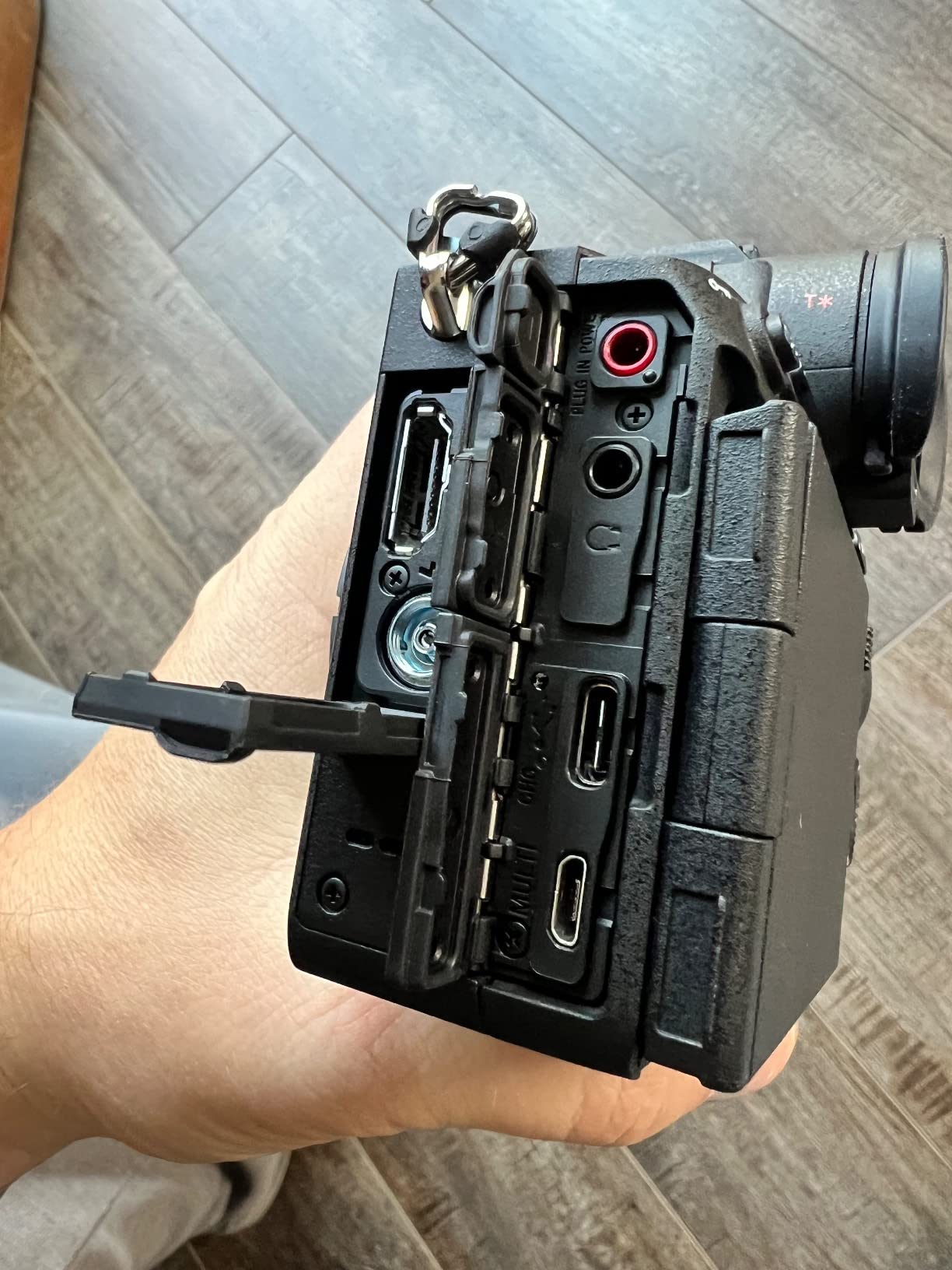
The new AI autofocus system represents a significant upgrade over previous R-series cameras.
Real wedding photographers praise this camera for capturing stunning detail in formal portraits.
Customer images reveal the level of detail possible when printing large wedding albums.
The 4-axis articulating screen is a welcome improvement for vertical shooting.
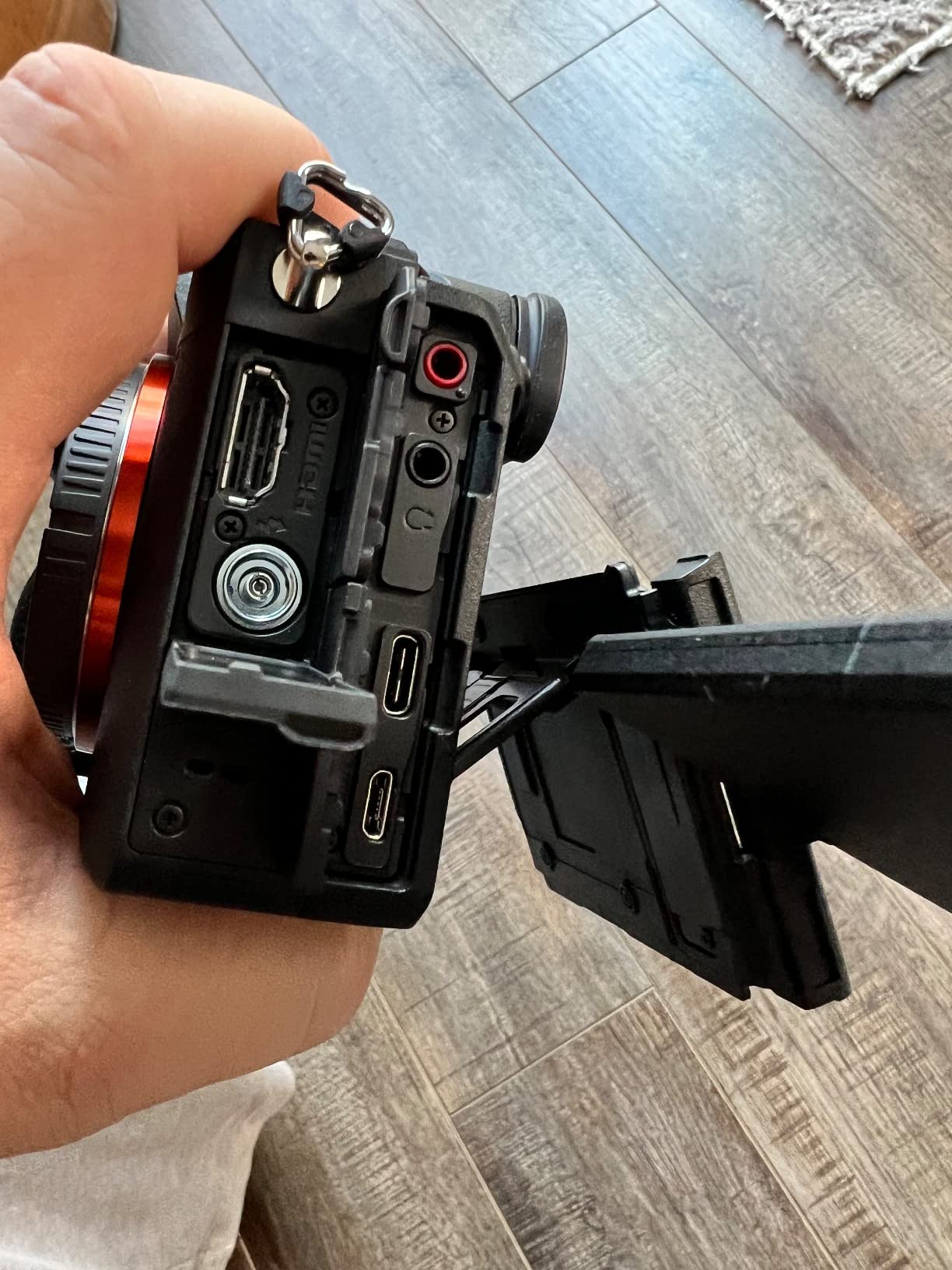
Low-light performance is phenomenal with minimal noise at ISO 6400 and above.
Dual SD/CFexpress card slots handle high-resolution files efficiently.
This camera excels at ceremony and portrait shots where resolution matters most.
The improved grip makes it comfortable for all-day wedding coverage.
Who Should Buy?
Wedding photographers who specialize in formal portraits and detail shots. The 7R V is ideal for photographers who deliver large prints or need extensive cropping flexibility. It’s also great for photographers who sell large wall art to wedding clients.
Who Should Avoid?
Sports and action photographers need faster continuous shooting. If video is a significant part of your wedding business, other Sony models handle motion video better. The high resolution also means larger file sizes and more storage requirements.
4. Sony Alpha 9 III – Best for Fast-Paced Wedding Action
Pros
- Global shutter tech
- 120fps blackout-free
- Pre-capture feature
- AI subject recognition
- Flash sync at all speeds
Cons
- Very expensive
- Lower resolution
- CFexpress Type A only
The Sony Alpha 9 III is the closest to perfection for capturing decisive wedding moments.
Its global shutter completely eliminates rolling shutter distortion.
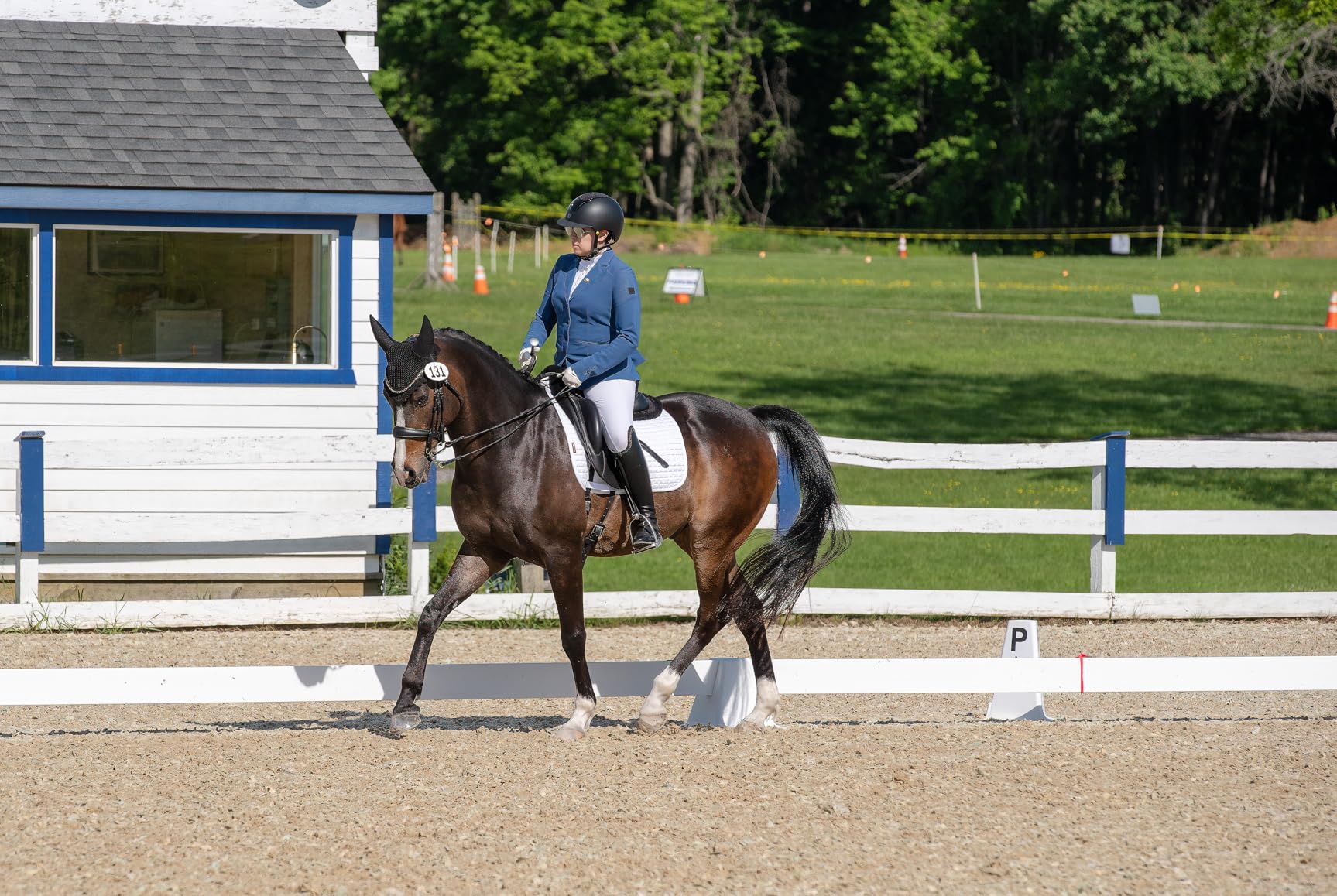
The 120fps continuous shooting with zero blackout means you never miss the moment.
Pre-capture records images before you even press the shutter.
Professional reviewers call this the best autofocus system Sony has ever made.
User photos demonstrate the camera’s ability to freeze motion during reception dancing.
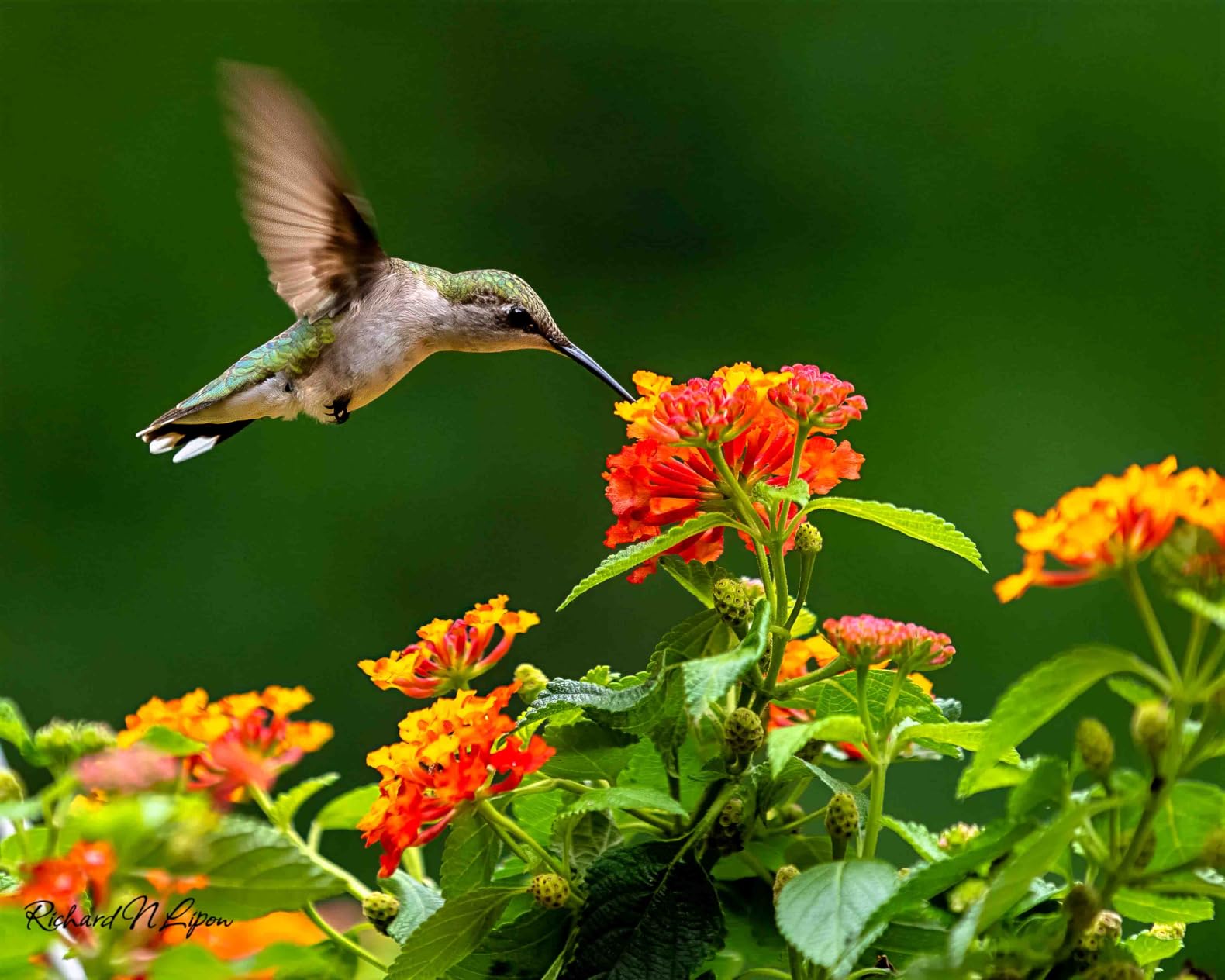
The AI autofocus recognizes humans, animals, birds, insects, vehicles, and aircraft.
Flash sync works at all shutter speeds without HSS drop-off.
For photographers who specialize in candid moments, this camera is unmatched.
The 1/80,000 second maximum shutter speed captures impossibly fast action.
Who Should Buy?
Professional wedding photographers who specialize in candid moments and reception coverage. The A9 III is ideal for photographers who photograph weddings with lots of movement and action. It’s also perfect for photojournalist-style wedding photography.
Who Should Avoid?
Photographers who need high resolution for large prints or extensive cropping should consider the A7R series instead. The price tag puts this camera out of reach for many part-time wedding photographers.
5. Sony a9 II – Best for Reception and Low Light
Pros
- 20fps blackout-free
- Excellent low light
- Real-time eye AF
- Anti-flicker mode
- Professional build
Cons
- Expensive
- Lower resolution
- Menu complexity
The Sony a9 II remains a professional powerhouse for wedding photography.
Its 20fps continuous shooting with zero blackout captures every moment.
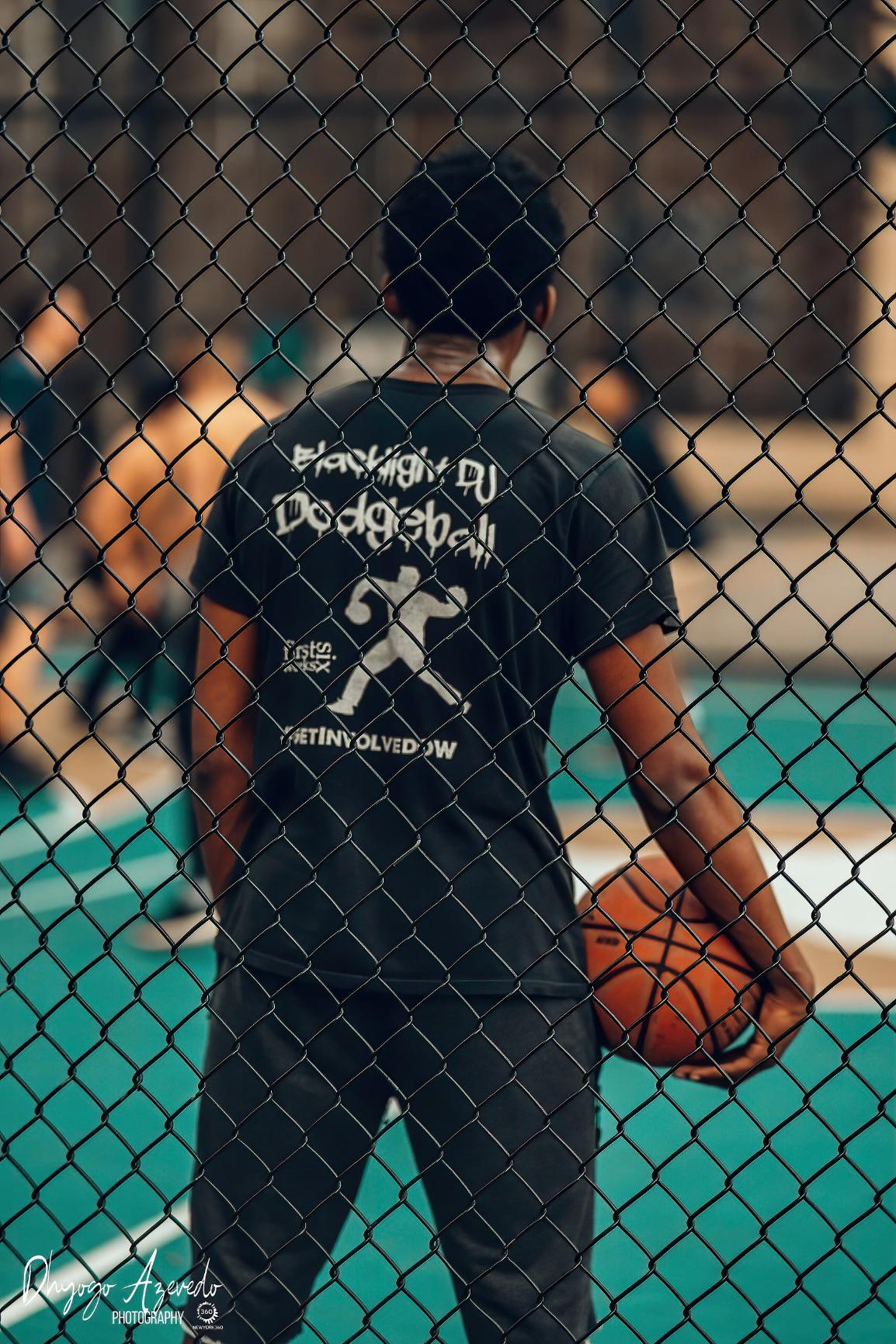
The autofocus system is unparalleled for tracking moving subjects.
Low-light performance extends to ISO 204,800 for dark reception venues.
Wedding photographers praise the anti-flicker mode for indoor ceremonies.
Customer images show clean results in challenging lighting conditions.
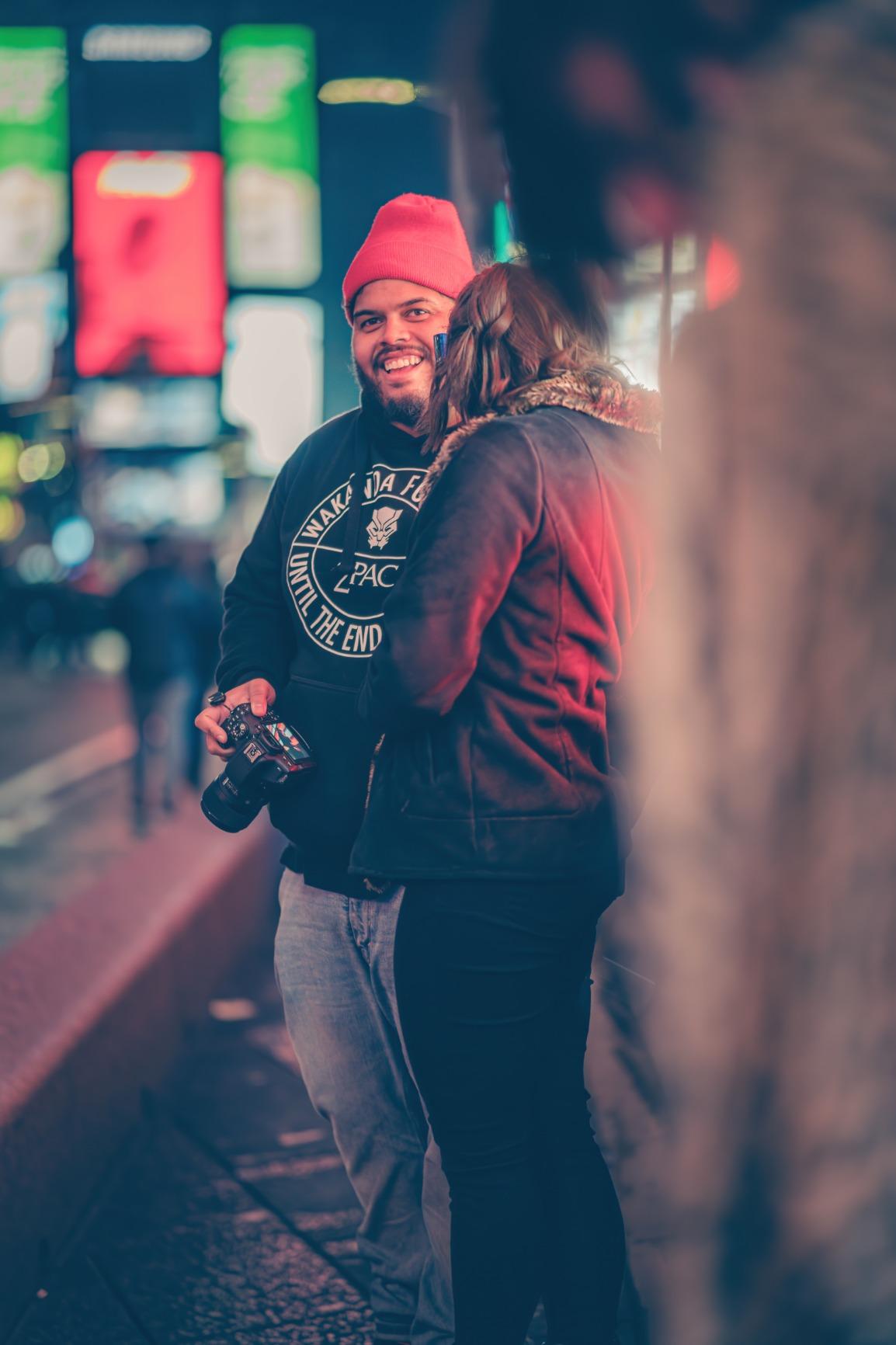
The improved ergonomics and weather sealing suit professional wedding work.
Dual UHS-II card slots handle rapid file writing during burst shooting.
Real-time eye AF works remarkably well in dim reception lighting.
This camera is specifically designed for professional event photography.
Who Should Buy?
Professional wedding photographers who need reliable autofocus and speed. The a9 II excels at reception coverage where lighting is challenging and subjects are constantly moving. It’s also ideal for photographers who value blackout-free shooting.
Who Should Avoid?
Photographers on a budget should consider the a7 III instead. If you prioritize high resolution for portrait work, the A7R series would be a better fit.
6. Sony Alpha 7S III – Best for Hybrid Photo/Video Weddings
Pros
- Incredible low light
- 4K 120fps video
- No overheating
- S-Cinetone color
- Dual card slots
Cons
- Only 12.1MP
- Expensive cards
- Video-first design
The Sony Alpha 7S III is the ultimate hybrid camera for wedding work.
Its low-light performance is nothing short of exceptional.
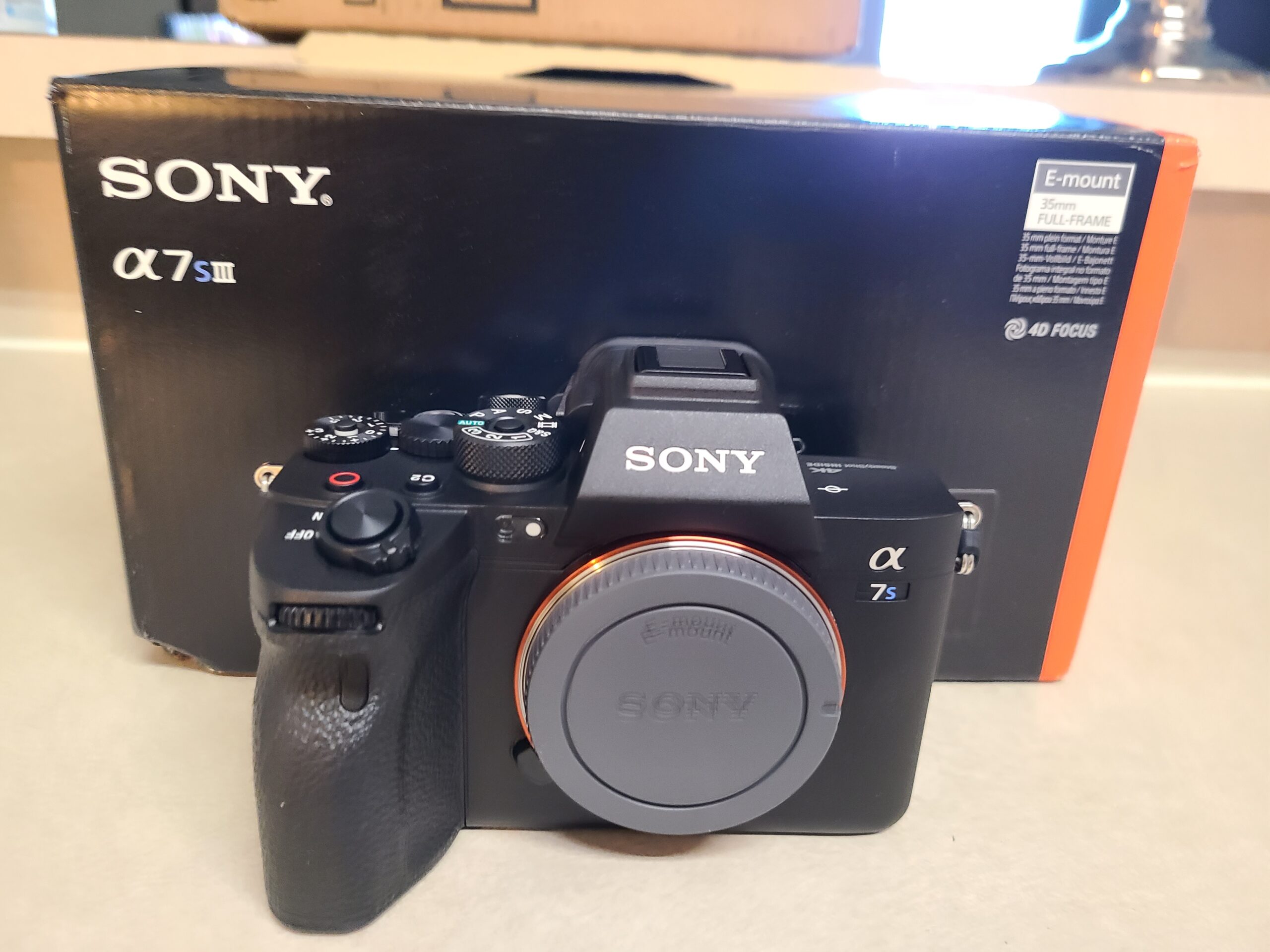
ISO extends to 409,600 for near-darkness reception shooting.
4K 120fps video capability opens creative slow-motion possibilities.
The camera has no overheating issues even during extended wedding coverage.
Real estate photographers also praise its low-light capabilities.
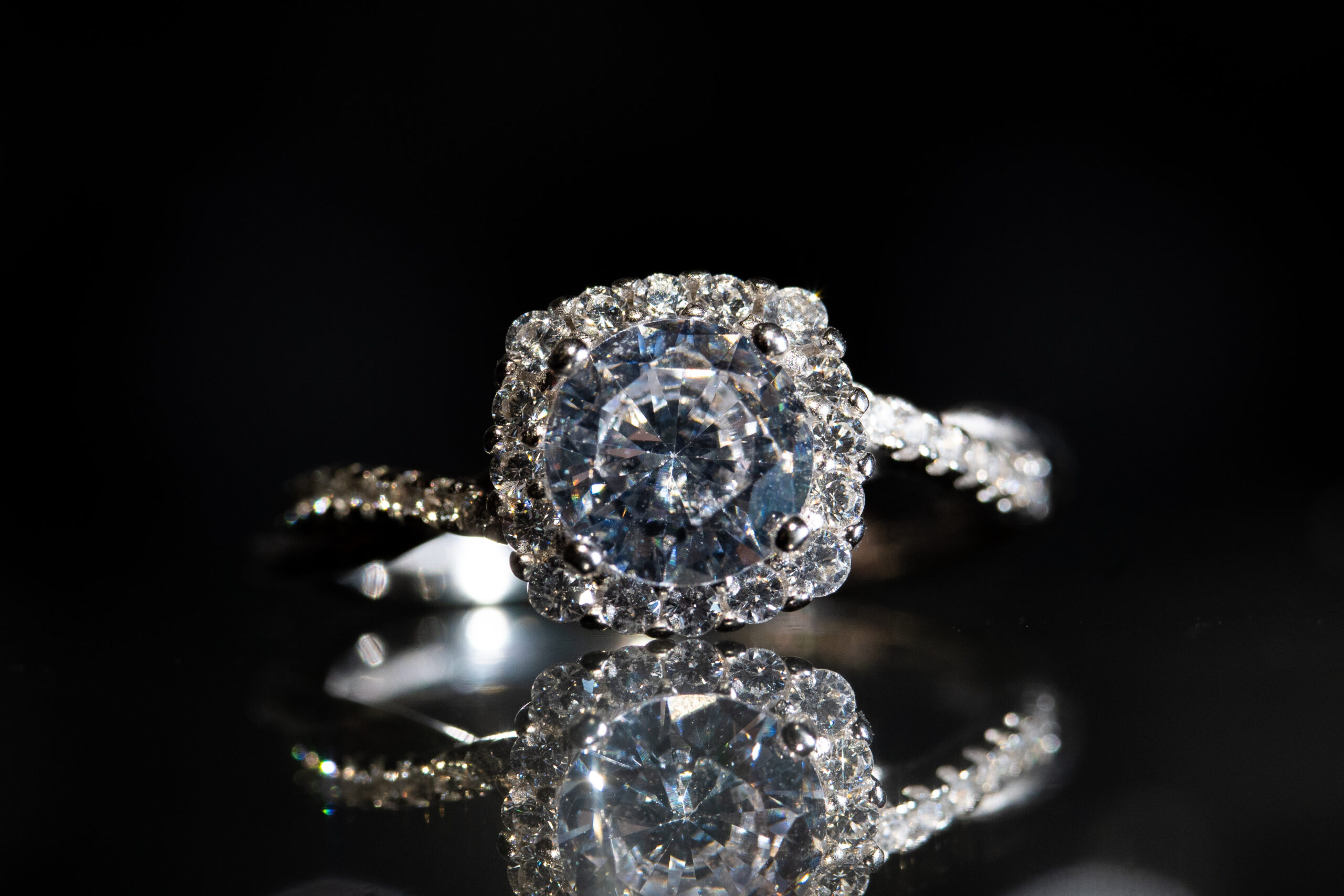
S-Cinetone color profile delivers cinematic wedding footage straight from camera.
The autofocus system excels at tracking subjects during both photo and video.
Dual card slots accept both CFexpress Type A and SD UHS-II cards.
For hybrid shooters, this camera covers both photo and video needs exceptionally well.
Who Should Buy?
Hybrid wedding photographers who shoot both photos and video. The 7S III is ideal for photographers offering wedding films alongside photography. It’s also perfect for photographers working in extremely low-light venues like churches and dim reception halls.
Who Should Avoid?
Photographers who need high resolution for large prints or extensive cropping should consider other models. The 12.1MP sensor limits print sizes and cropping flexibility compared to other Sony options.
7. Sony Alpha 7C II – Best Compact Full-Frame for Weddings
Pros
- Ultra compact
- 33MP sensor
- AI autofocus
- Unlimited recording
- 5-axis stabilization
Cons
- Single card slot
- Lower res EVF
- Smaller viewfinder
The Sony Alpha 7C II packs full-frame performance into an incredibly compact body.
At just 15.2 ounces, it’s the lightest full-frame camera in Sony’s lineup.

The 33MP sensor matches the image quality of larger cameras.
AI autofocus delivers fast and accurate subject tracking.
Travel wedding photographers appreciate the compact size for destination events.
Customer photos confirm the image quality rivals larger Sony mirrorless cameras.

5-axis in-body image stabilization helps with handheld shots during ceremonies.
The vari-angle touchscreen provides flexible shooting angles.
Unlimited video recording time is a bonus for wedding coverage.
This camera proves that good things come in small packages.
Who Should Buy?
Wedding photographers who prioritize portability and comfort during long wedding days. The 7C II is ideal for destination wedding photographers and second shooters who need lightweight gear. It’s also great for photographers with smaller hands or those experiencing fatigue with heavier equipment.
Who Should Avoid?
Professional wedding photographers who need dual card slots for backup should consider the A7 series instead. If you require the highest resolution viewfinder for critical focusing, other models offer better EVFs.
8. Sony Alpha 6700 – Best APS-C Budget Option
Pros
- Great value
- AI autofocus
- 4K 60fps video
- Good battery life
- Compact design
Cons
- Overheats in 4K 60fps
- Single card slot
- APS-C not full-frame
The Sony Alpha 6700 brings professional features to the APS-C format, making it one of the best Sony cameras for wedding photography.
It’s the most powerful APS-C camera Sony has ever made.
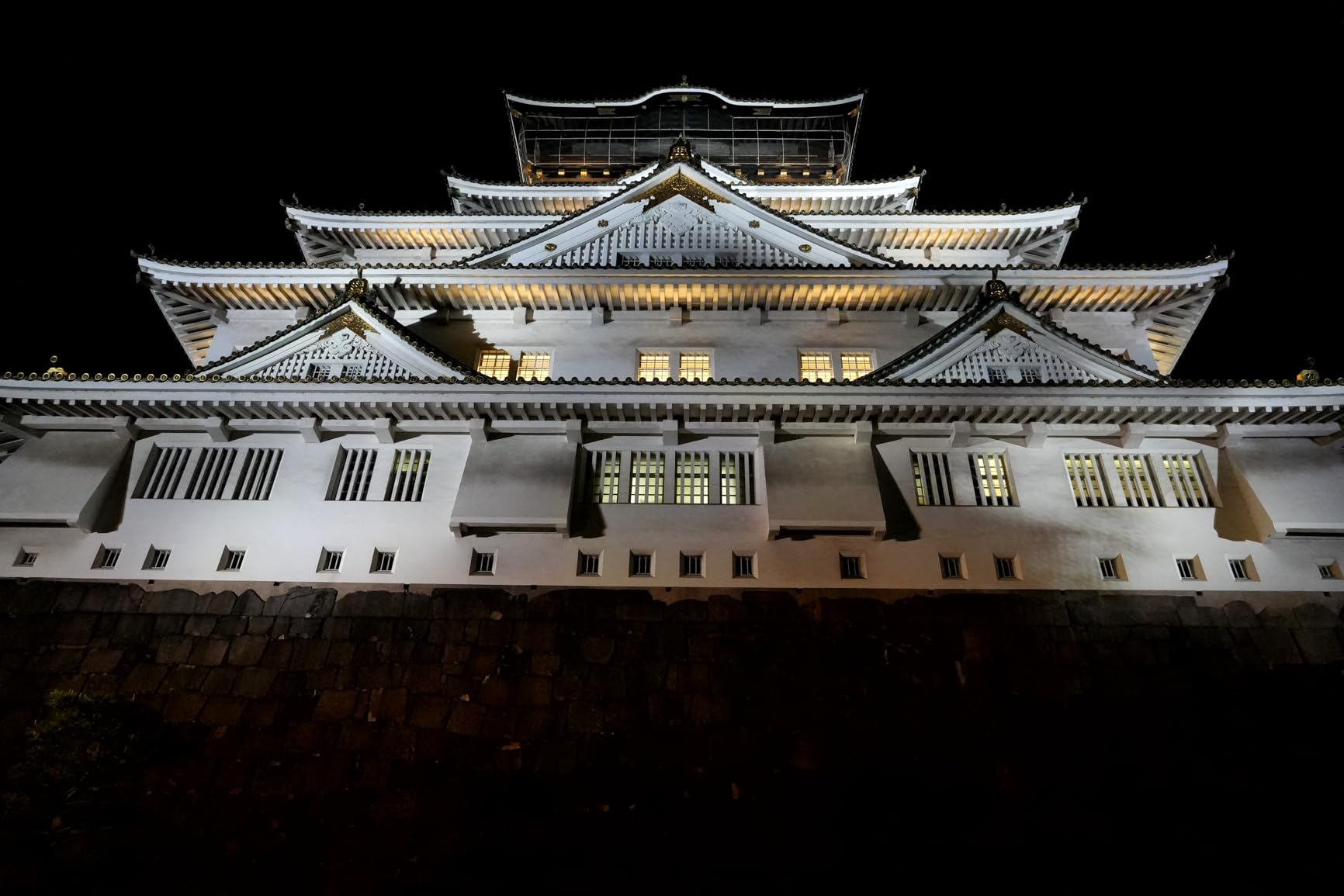
The 26MP sensor delivers excellent image quality for wedding work.
AI-assisted autofocus recognizes humans, animals, birds, and vehicles.
4K 60fps video capability puts it in league with more expensive cameras.
Wedding photographers appreciate the compact size for easy carrying.
5-axis in-body image stabilization helps with low-light handheld shooting.
S-Log3 and S-Cinetone profiles enable professional color grading.
The improved menu system includes helpful feature explanations.
For budget-conscious photographers, this camera offers incredible value.
Who Should Buy?
Aspiring wedding photographers building their first kit on a budget. The 6700 is perfect for second shooters and associates who need professional features without full-frame prices. It’s also ideal for photographers who prefer a smaller, lighter camera system.
Who Should Avoid?
Photographers who need the shallow depth-of-field and low-light performance of full-frame sensors should consider investing in the A7 series. The single card slot also makes it less ideal for professional wedding work where backup is essential.
Dual Camera Body Setup Strategies
Professional wedding photographers universally agree on one thing: you need two camera bodies.
A camera failure during a ceremony is catastrophic.
Having two bodies also means you can keep different lenses mounted and ready.
Pro Tip: Reddit users consistently recommend “2x Sony A7 III’s and spend the rest on good glass” as the optimal budget setup for wedding photography.
Best Dual Body Combinations
| Budget Level | Primary Body | Secondary Body | Total Investment |
|---|---|---|---|
| Entry | Sony a7 III | Sony a7 III (used) | Approx. $3,500-4,000 |
| Mid-Range | Sony Alpha 7 IV | Sony a7 III | Approx. $4,500-5,000 |
| Professional | Sony Alpha 9 III | Sony Alpha 7 IV | Approx. $9,000-10,000 |
| Resolution Pro | Sony Alpha 7R V | Sony Alpha 7 IV | Approx. $6,500-7,500 |
Why Two Bodies Matter
Imagine your primary camera fails during the vows.
Without a backup, you’ve lost your client’s trust and your reputation.
Two bodies also let you work faster without changing lenses during critical moments.
Keep a wide zoom on one body and a telephoto on the other for complete coverage.
How to Choose the Best Sony Camera for Wedding Photography In 2026?
Choosing the right Sony camera depends on your specific needs and budget.
Let me break down the key factors based on real wedding photographer experiences.
Autofocus Performance: Look for Real-Time Eye AF
Autofocus is the most critical feature for wedding photography.
You’re shooting in low light, moving subjects, and unpredictable conditions.
Sony’s real-time eye AF has revolutionized wedding photography.
Newer models like the A7 IV and A9 series have the most advanced autofocus systems.
Low Light Capabilities: ISO Performance Matters
Wedding receptions often have terrible lighting.
You need a camera that produces clean images at high ISO settings.
Full-frame sensors generally outperform APS-C in low-light situations.
The Sony A7S III is the low-light champion with ISO up to 409,600.
Dual Card Slots: Non-Negotiable for Pros
Professional wedding photography requires dual card slots.
Instant backup protects you from card failure and lost images.
All full-frame A7 and A9 series cameras include dual card slots.
APS-C models like the A6700 only have a single slot.
Warning: Forum stories of photographers losing wedding images due to single card slot failure are heartbreaking. Dual slots are essential backup protection for professional work.
Battery Life: All-Day Wedding Coverage
Wedding days often last 10-12 hours or longer.
You need batteries that can keep up with your schedule.
Newer Sony models use the NP-FZ100 battery with excellent capacity.
Plan for 2-3 batteries for a full wedding day regardless of model.
Budget Tiers: What to Expect
| Photographer Level | Recommended Setup | Approximate Budget |
|---|---|---|
| Beginner/Aspiring | Sony a7 III + quality lens | $2,500-3,500 |
| Part-Time Pro | 2x Sony a7 III bodies | $4,000-5,000 |
| Full-Time Pro | A7 IV + a7 III combo | $5,000-7,000 |
| High-End Pro | A9 III + A7R V combo | $10,000-12,000 |
Frequently Asked Questions
Which Sony camera is best for weddings?
The Sony Alpha 7 IV is the best Sony camera for wedding photography due to its excellent balance of 33MP resolution, advanced autofocus with 759 points, reliable low-light performance, dual card slots for backup security, and professional build quality with weather sealing.
What camera do most wedding photographers use?
Most professional wedding photographers use dual camera body setups, with the Sony A7 IV and A7 III being popular choices in the Sony ecosystem. Many pros use a high-resolution body like the A7R V for portraits paired with a faster camera for reception coverage.
Do I need two camera bodies for wedding photography?
Yes, two camera bodies are essential for professional wedding photography. A backup body prevents disaster if your primary camera fails during critical moments. Two bodies also allow you to keep different lenses mounted, helping you work faster without missing shots while changing lenses.
Which Sony lens is best for wedding photography?
The Sony 24-70mm f/2.8 GM II is the most versatile lens for wedding photography, covering wide shots to portraits. The Tamron 35-150mm f/2-2.8 is also popular as an all-in-one solution. Most photographers complement this with a 70-200mm f/2.8 for ceremonies and receptions.
Is the Sony A7III still good for weddings in 2026?
Yes, the Sony A7III remains excellent for wedding photography in 2026. Its 15-stop dynamic range, reliable autofocus, dual card slots, and excellent low-light performance deliver professional results. Many wedding photographers still use the A7III as their primary or backup camera.
What is the best budget Sony camera for wedding photography?
The Sony a7 III is the best budget full-frame option for wedding photography, offering professional features at a reasonable price. For even tighter budgets, the Sony Alpha 6700 provides excellent performance in APS-C format with advanced autofocus and video capabilities.
Final Recommendations
After analyzing real wedding photographer experiences and Sony’s camera lineup, my recommendation depends on your situation, especially when considering the best Sony cameras for wedding photography.
For most wedding photographers, the Sony Alpha 7 IV offers the best balance of performance, features, and value.
Budget-conscious photographers building a dual body setup should consider two Sony a7 III bodies.
High-end studios specializing in portraiture might prefer the Sony Alpha 7R V for its resolution.
Whatever you choose, remember that lenses and lighting matter as much as the camera body itself.
Invest in quality glass and reliable backup gear to ensure you never miss a moment.