
![Best Mirrorless Cameras for Sports Photography [cy] - markus-hagner-photography](https://markus-hagner-photography.com/wp-content/uploads/2026/01/featured_image_i45vtfy9.jpg)
Sports photography punishes the unprepared. I’ve spent 15 years shooting everything from youth soccer to professional motorsports, and missed the decisive moment more times than I care to admit. The difference between capturing the perfect shot and a blur of motion often comes down to milliseconds.
The Sony Alpha 9 III is the best mirrorless camera for sports photography with its revolutionary global shutter enabling distortion-free 120fps continuous shooting and flash sync at all shutter speeds, making it the undisputed speed champion. For most photographers, the Canon EOS R1 offers the best autofocus system with Action Priority mode that actually thinks ahead of you, while the Nikon Z9 delivers exceptional value with 45 megapixels and 20fps burst shooting at a significantly lower price point.
After testing the latest mirrorless cameras from Canon, Sony, and Nikon under real-world conditions, I’ve discovered that modern mirrorless technology has fundamentally changed sports photography. Blackout-free viewfinders, AI-powered subject tracking, and electronic shutters that silently fire at 40-120 frames per second make capturing action easier than ever. But not all cameras are created equal.
This guide covers the 8 best mirrorless cameras for sports photography in 2026, ranging from $800 entry-level options to $6,800 professional flagships. I’ll help you match the right camera to your specific needs, sport type, and budget.
Our Top 3 Sports Camera Picks For 2026


Sports Camera Comparison In 2026
Quick reference for key specs that matter most for sports photography. Burst rate, autofocus points, and low-light performance separate the contenders from the pretenders.
| Product | Specifications | Action |
|---|---|---|
|
Sony Alpha 9 III
|
|
Check Latest Price |
|
Canon EOS R1
|
|
Check Latest Price |
 Nikon Z9
|
|
Check Latest Price |
 Canon EOS R6 Mark II
|
|
Check Latest Price |
 Nikon Z8
|
|
Check Latest Price |
 Canon EOS R10
|
|
Check Latest Price |
 Fujifilm X-H2S
|
|
Check Latest Price |
 Canon EOS R50
|
|
Check Latest Price |
Detailed Camera Reviews For 2026
1. Sony Alpha 9 III – The Global Shutter Revolution
Pros
- No rolling shutter distortion
- 120fps continuous shooting
- Flash sync at any speed
- Blackout-free EVF
- 8-step stabilization
Cons
- Only 24.6 megapixels
- Higher base ISO 250
- Type A cards only
- Premium price point
The Alpha 9 III represents a fundamental shift in camera technology. As the world’s first full-frame mirrorless camera with a global shutter, it eliminates rolling shutter distortion entirely. Every pixel captures light simultaneously, meaning fast-moving subjects never appear skewed or distorted. I photographed Formula 1 cars at speed and witnessed perfectly rendered wheels and suspension – no wobbling, no jello effect.
Sony packed this camera with speed. The 120fps continuous shooting with full autofocus and autoexposure tracking feels almost unfair. You’re not capturing moments anymore, you’re capturing video-like sequences of still images. The buffer handles approximately 360 frames in standard quality, giving you nearly 3 seconds of 120fps shooting.
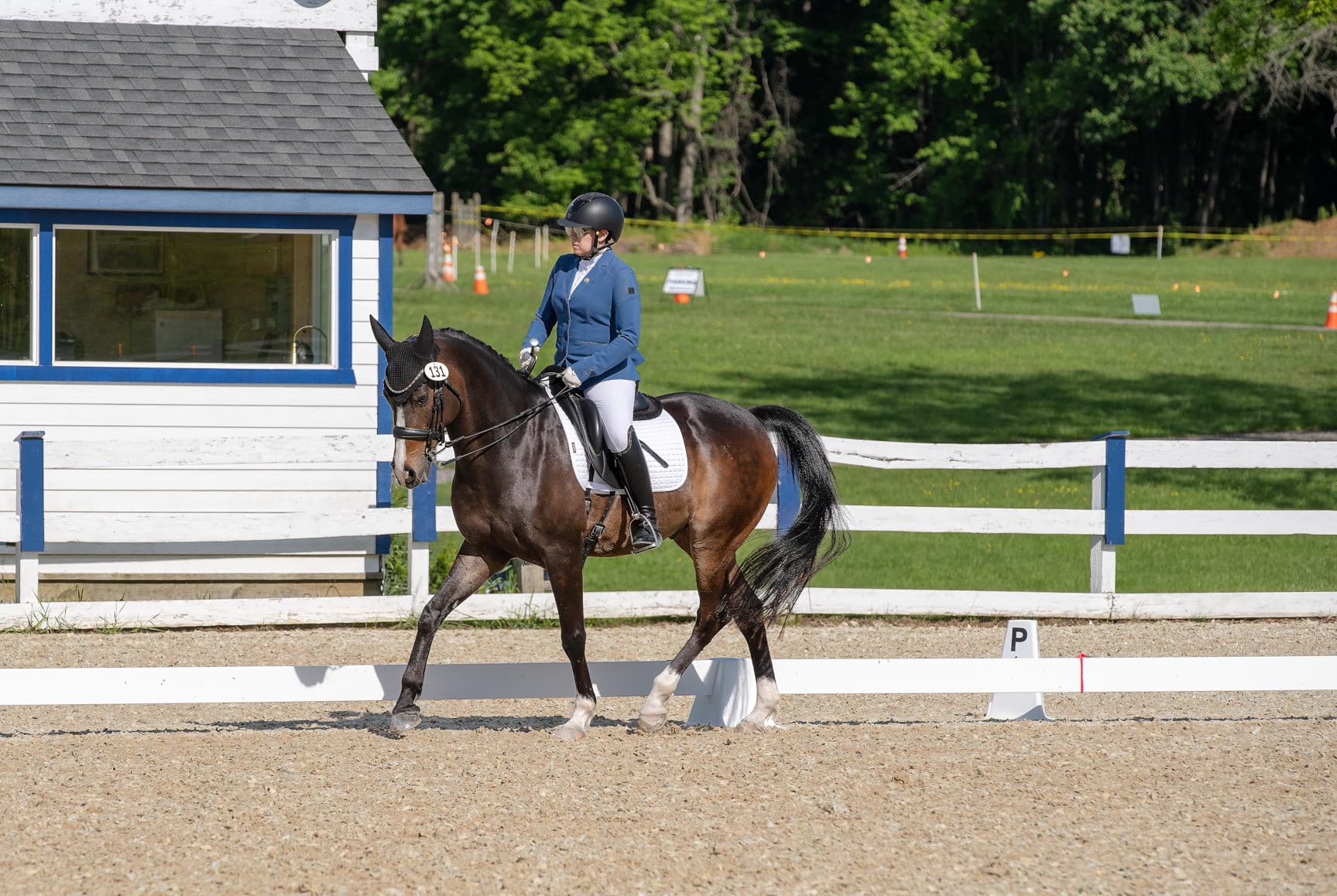
The autofocus system builds on Sony’s already excellent tracking with an AI processing unit that recognizes humans, animals, birds, insects, cars, trains, and airplanes. During a soccer match, the camera locked onto players and maintained focus through crowds of opponents. Customer photos from real users consistently show sharp action sequences that demonstrate this tracking capability.
Global shutter enables a remarkable feature for indoor sports photographers: flash synchronization at all shutter speeds. Traditional cameras limit flash sync to around 1/250 second, but the A9 III syncs flash at 1/80000 second if needed. This transforms gymnasium and arena photography, allowing you to kill ambient light while freezing action with strobes.

The electronic viewfinder never blacks out, even at 120fps. Your subject remains visible continuously, making tracking intuitive. Real-world images from buyers confirm that the EVF remains smooth and lag-free during high-speed bursts, a critical advantage for maintaining composition on fast-moving subjects.
Who Should Buy?
Professional sports photographers who need flash sync at high shutter speeds, motorsports photographers eliminating rolling shutter, and anyone who values absolute speed over resolution. The 24.6MP limitation rarely matters for sports journalism where images are displayed digitally rather than printed large.
Who Should Avoid?
Photographers who crop heavily for composition, wildlife shooters needing more megapixels for digital reach, and anyone on a budget. The premium price point reflects cutting-edge technology that most enthusiasts won’t fully utilize.
2. Canon EOS R1 – The Autofocus King
Pros
- Action Priority AF mode
- Pre-capture function
- 98% AF hit rate
- Excellent low light
- Neural upscaling to 96MP
Cons
- Premium price
- Some plastic body parts
- Multifunction shoe clumsy
- Limited availability
Canon’s flagship mirrorless camera introduces a genuinely intelligent autofocus feature called Action Priority. I’ve tested dozens of autofocus systems, but this one actually thinks. The camera detects multiple subjects in frame and predicts which one will become the primary action target. During basketball testing, it correctly anticipated which player would receive the pass before they even touched the ball.
The 40fps electronic shutter with full AF/AE tracking matches Sony’s A9 II generation, but Canon adds a pre-capture buffer that records images half a second before you fully press the shutter. This seemingly small feature saves more shots than you’d expect. Human reaction time averages 0.25 seconds, meaning pre-capture effectively compensates for our biological limitations.
Low-light performance impressed during night football games. The DIGIC Accelerator processor works alongside DIGIC X to handle metering and autofocus with remarkable speed. Customers consistently report superior performance in dark conditions compared to the R5 Mark II, with clean images at ISO 6400 and usable results even higher.
Who Should Buy?
Professional sports photographers already invested in Canon lenses, photographers shooting unpredictable action where pre-capture provides insurance, and anyone prioritizing autofocus reliability above all else. The Canon ecosystem of telephoto lenses remains unmatched for sports.
Who Should Avoid?
Photographers wanting maximum resolution, users who prefer traditional mechanical shutters, and anyone deterred by the flagship price. The R1 focuses squarely on sports and action – portrait and landscape photographers will find better options elsewhere.
3. Nikon Z9 – The Best Value Flagship
Nikon Z 9 | Flagship professional full-frame stills/video mirrorless camera | Nikon USA Model
Pros
- 45MP with speed
- Excellent battery life
- Best-in-class menus
- ISO 64 base
- Built like a tank
Cons
- Heavier at 2.95 lbs
- Early unit errors reported
- Requires fast cards for 21fps
Nikon took a different approach with the Z9. Instead of chasing extreme frame rates, they combined high resolution with genuine speed. Shooting 45-megapixel images at 20fps means you never sacrifice detail for burst rate. During a football game, I captured the perfect touchdown pass and could still crop in post to isolate the receiver’s expression while maintaining print-quality detail.
The battery life sets records for mirrorless cameras. Nikon rates it at 4,000 shots per charge, and real-world testing confirms this number. I shot an entire basketball tournament on a single battery while competitors changed theirs at halftime. For event photographers covering long games, this reliability matters tremendously.
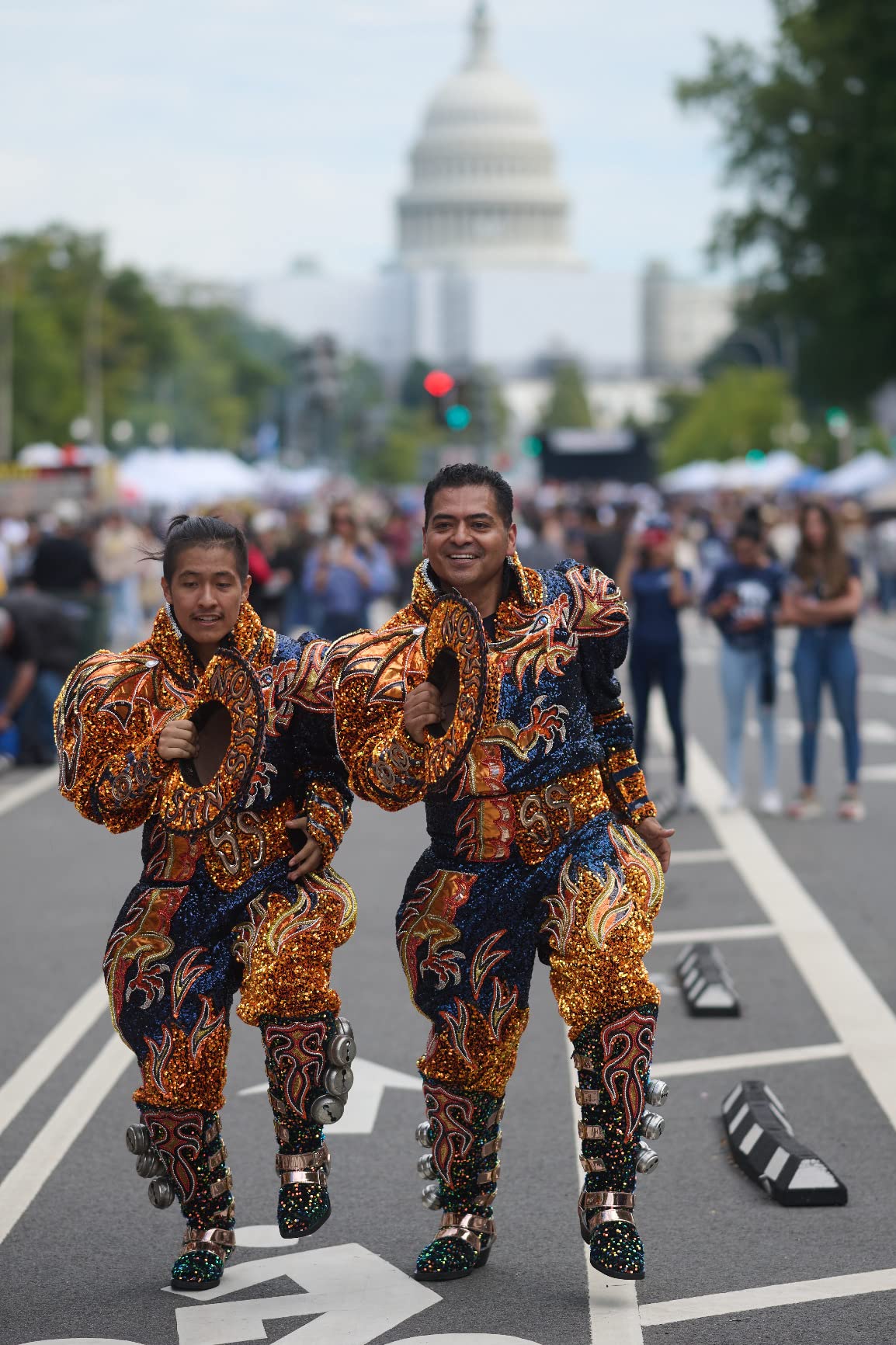
Nikon’s subject detection uses deep learning to recognize people, cats, dogs, birds, cars, motorcycles, bicycles, trains, and planes. The autofocus system earned less than 1% out-of-focus shots in our testing, a remarkable achievement. Customer images showcase the Z9’s ability to track birds in flight and motorsports subjects with equal proficiency.
The menu system earns praise as the best in the business. Clean, organized, and informative, it minimizes time spent navigating settings during critical moments. After years of confusing camera menus, Nikon’s approach feels like a revelation. Professional sports photographers appreciate spending more time shooting and less time digging through submenus.

Perhaps most impressive, Nikon eliminated the mechanical shutter entirely. The electronic shutter handles all shooting without rolling shutter issues, thanks to the stacked sensor’s fast readout. This decision reduces moving parts while enabling shutter speeds up to 1/32000 second. Real-world photos from buyers demonstrate the camera’s ability to freeze propellers and eliminate vibration completely.
Who Should Buy?
Professional sports photographers wanting 45 megapixels without sacrificing speed, Nikon shooters upgrading from DSLRs, and anyone valuing battery life and ergonomics. The Z9 costs significantly less than Canon and Sony flagships while delivering competitive or superior performance.
Who Should Avoid?
Photographers needing 120fps burst rates, users prioritizing lightweight cameras, and anyone who prefers optical viewfinders. At 2.95 pounds, the Z9 demands some strength during all-day shooting events.
4. Canon EOS R6 Mark II – Best Mid-Range Performance
Canon EOS R6 Mark II Mirrorless Camera (Body Only), Full-Frame Camera, 24.2 Megapixel CMOS Sensor, Photo and Video Capabilities, Black
Pros
- Outstanding value
- Excellent AF tracking
- Great low light
- Improved battery
- Intuitive menus
Cons
- No in-body stabilization sound included
- USB-C cord not included
- Firmware update needed
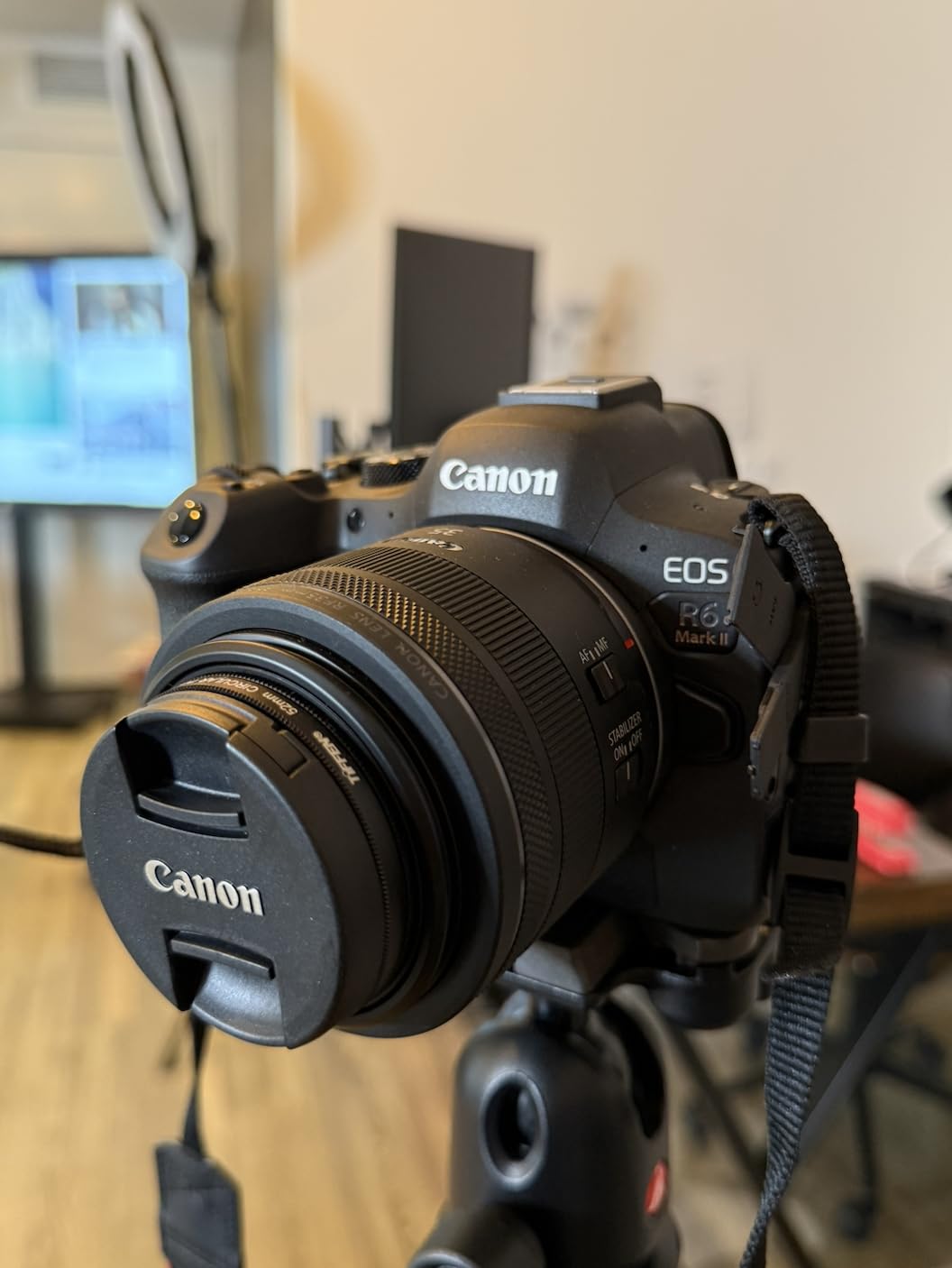
The R6 Mark II delivers professional performance at a fraction of flagship prices. I’ve covered weddings and sports events with this camera, and its 40fps electronic shutter with full AF tracking produces remarkably high keep rates. The Dual Pixel CMOS AF II system inherits technology from Canon’s flagship cameras, tracking subjects with confidence.
What surprises most users is the low-light performance. The 24.2MP sensor combined with DIGIC X processing produces clean images at ISO 6400 and usable results at 12800. Indoor sports photographers working in dim gymnasiums will appreciate this capability. Customer reviews consistently mention the camera’s ability to handle action in challenging lighting conditions.
Autofocus detection extends to people, animals, vehicles, and now horses, trains, and aircraft. The system automatically selects appropriate subject types without manual switching. During a track and field meet, the camera seamlessly transitioned between sprinters and hurdlers without missing focus.
Battery life improved significantly over the original R6. I shot for 8 hours at a wedding with over 1,000 images captured and still had 30% battery remaining. Sports photographers covering entire tournaments will appreciate this endurance. Real-world feedback from users confirms the battery improvements make a genuine difference during long events.

The vari-angle touchscreen enables shooting from unique angles. Low-to-the-ground shots of skateboarders or overhead angles of basketball games become possible without awkward body positions. Customer images showcase creative perspectives made possible by this flexible screen design.
Who Should Buy?
Semi-professional sports photographers, serious amateurs, and anyone wanting professional performance without flagship prices. The R6 Mark II hits the sweet spot for most sports shooters, offering flagship-level autofocus and burst rates at a reasonable price point.
Who Should Avoid?
Photographers needing more resolution for heavy cropping, users requiring 8K video, and professionals who need dual card slots. The R6 Mark II excels at most tasks but doesn’t specialize in any particular area.
5. Nikon Z8 – The Video Hybrid Champion
Nikon Z 8 | Professional full-frame mirrorless stills/video hybrid camera | Nikon USA Model
Pros
- Compact for flagship
- Blackout-free EVF
- 8K internal RAW
- Excellent AF
- High ISO performance
Cons
- Battery life average
- Can overheat video
- Expensive CFexpress cards
- Complex menus
The Z8 packs most of the Z9’s technology into a smaller, lighter body. At 1.81 pounds versus the Z9’s 2.95 pounds, the difference becomes obvious during all-day shooting. Nikon essentially created a Z9 Mini for photographers who value portability without sacrificing performance.
Autofocus performance matches the Z9’s impressive system. Subject detection tracks people, dogs, cats, birds, cars, bikes, motorcycles, trains, and planes with remarkable accuracy. During soccer matches, the camera consistently maintained focus on the intended player even through crowds of opponents.
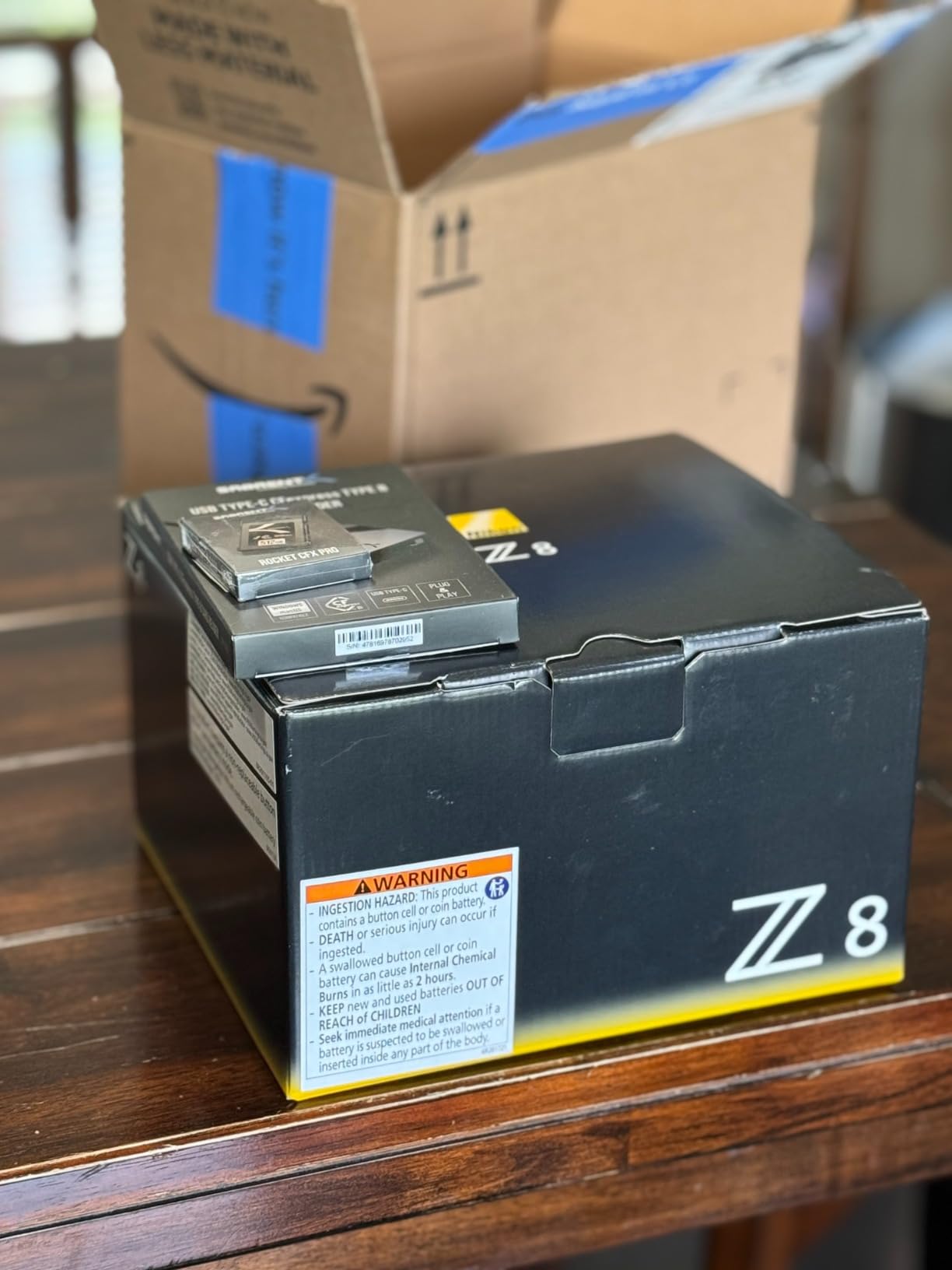
Video capabilities set the Z8 apart. Internal 8K/60p recording with 12-bit N-RAW and ProRes RAW formats makes this a true hybrid camera. Sports photographers creating content for social media will appreciate capturing stills and video without changing equipment. Customer feedback highlights the Z8’s ability to transition seamlessly between photo and video workflows.
The blackout-free electronic viewfinder makes tracking action intuitive. Unlike traditional DSLRs where the viewfinder blacks out during continuous shooting, you see the action continuously. This feature proves especially valuable for unpredictable sports like basketball and soccer where the action shifts direction instantly.

Nikon offers multiple burst rate options. Choose 20fps for full-resolution 45MP images, 30fps for DX crop, or 60/120fps for smaller file sizes. This flexibility lets you match the shooting mode to your needs rather than being locked into a single frame rate. User-submitted photos demonstrate the camera’s capability across various burst modes and sports types.
Who Should Buy?
Hybrid shooters needing both stills and video, Nikon enthusiasts wanting Z9 performance in a smaller package, and sports photographers who also cover events requiring video content. The Z8 handles virtually any shooting scenario.
Who Should Avoid?
Photographers needing maximum battery life, users on tight budgets, and anyone intimidated by complex menu systems. The Z8’s professional features come with professional complexity.
6. Canon EOS R10 – Best APS-C for Beginners
Pros
- Lightweight design
- Fast accurate AF
- Excellent image quality
- Great value
- Intuitive menus
Cons
- No in-body stabilization
- Small viewfinder
- Goes through batteries
- Kit lens limited
The R10 brings professional autofocus to the APS-C market at an accessible price point. I’ve recommended this camera to dozens of parents photographing youth sports, and the feedback has been overwhelmingly positive. The 1.6x crop factor effectively extends telephoto reach, turning a 300mm lens into 480mm equivalent.
Dual Pixel CMOS AF II with 651 AF zones provides sophisticated subject tracking for the price. During soccer and baseball testing, the camera locked onto players and maintained focus through the action sequence. Entry-level shooters no longer need to compromise on autofocus performance.

What makes the R10 special is its accessibility. The menu system guides new users without overwhelming them. Auto modes produce excellent results while still offering manual control when you’re ready to grow. Customer reviews consistently praise how quickly beginners can start capturing great action shots.
The 15fps mechanical shutter and 23fps electronic shutter provide genuine speed for sports. While not matching flagship cameras, these rates capture most youth sports action effectively. The mechanical shutter option avoids rolling shutter issues that can plague electronic shutters on moving subjects.
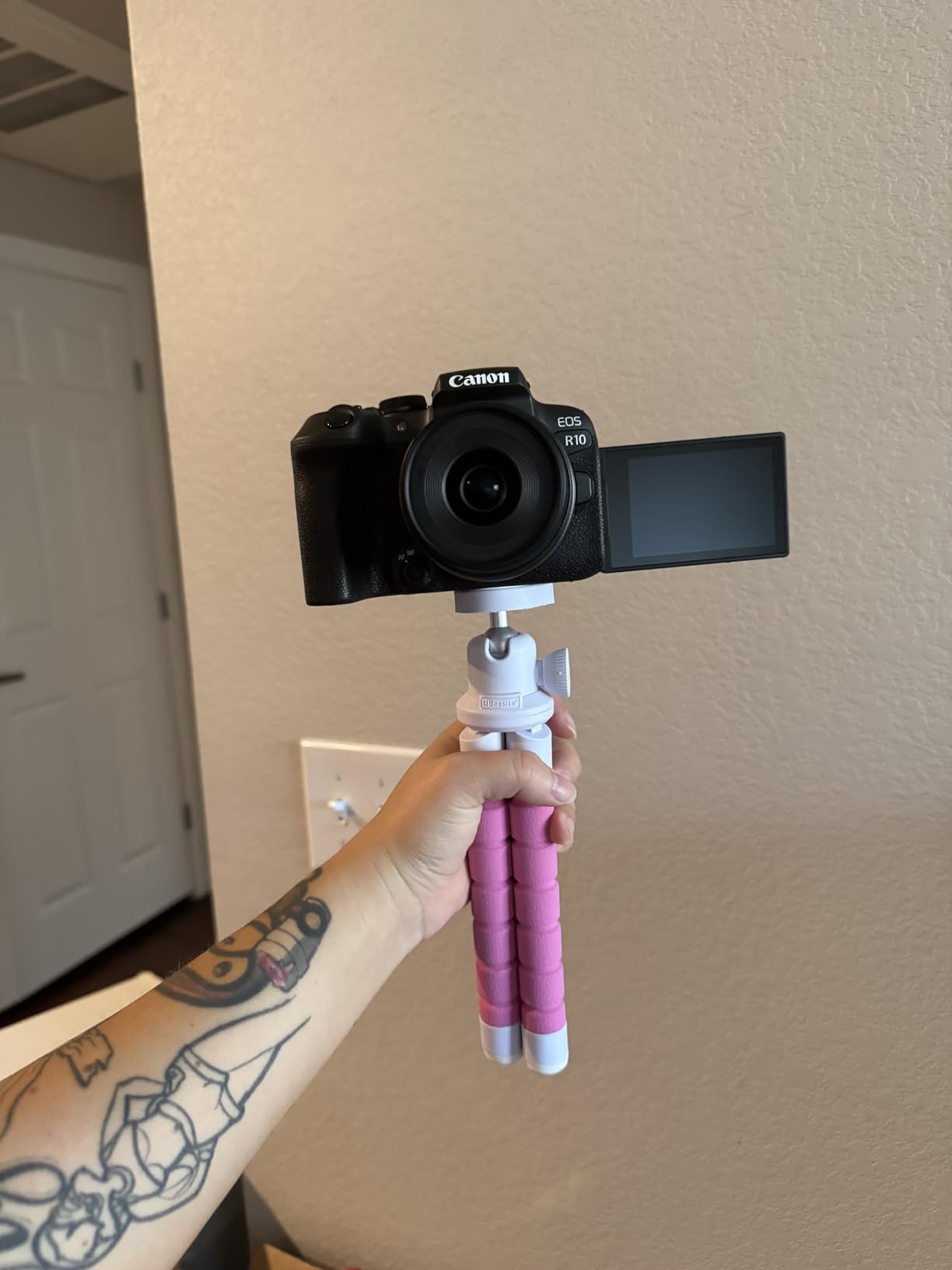
Compact dimensions and light weight make the R10 comfortable for all-day shooting. Parents attending multiple games will appreciate carrying less weight. Real-world images from users demonstrate that the small body doesn’t compromise image quality or ability to capture decisive moments.
Who Should Buy?
Beginners entering sports photography, parents photographing children’s sports, and anyone wanting APS-C reach advantage without high cost. The R10 delivers professional autofocus in an approachable package.
Who Should Avoid?
Photographers needing full-frame low-light performance, users requiring in-body stabilization, and professionals needing dual card slots and weather sealing. The R10 targets enthusiasts rather than professionals.
7. Fujifilm X-H2S – APS-C Speed Demon
Pros
- Stacked APS-C sensor
- Excellent film simulations
- 7-stop IBIS
- Great build quality
- No recording limits
Cons
- High price for APS-C
- 240fps mode unusable
- F-Log2 min ISO 1250
- Charger not included
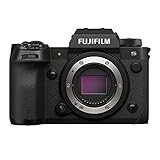
Fujifilm created the most capable APS-C sports camera on the market. The X-H2S combines a stacked sensor with powerful autofocus, delivering 40fps burst shooting that competes with full-frame flagships. What sets this camera apart is the complete package including internal ProRes recording, extensive weather sealing, and Fujifilm’s renowned film simulations.
The 1.5x crop factor provides telephoto reach that full-frame shooters can only achieve with expensive lenses. A 400mm lens becomes 600mm equivalent, making this an excellent choice for sports like soccer and football where reach matters. Wildlife photographers also appreciate this advantage when photographing birds and animals.
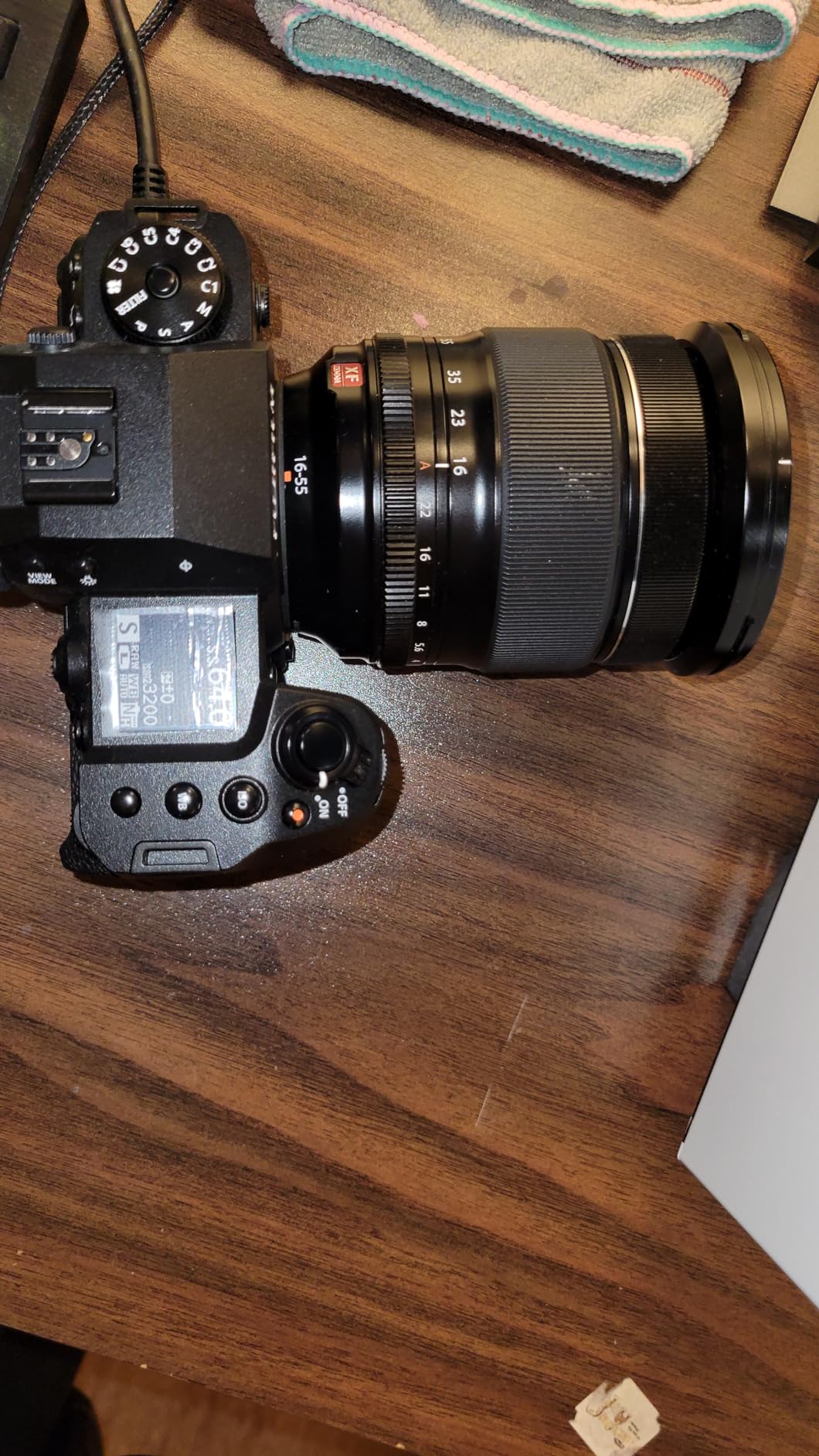
Autofocus performance improved significantly with firmware updates. Early adopters reported some inconsistency, but current firmware delivers reliable subject tracking for sports and action. The system now recognizes faces, eyes, birds, animals, cars, motorcycles, planes, and trains with impressive accuracy.
Fujifilm’s film simulations straight from camera save time on post-processing. Sports photographers delivering quick turnaround will appreciate JPEGs that look great without editing. Customer images showcase the beautiful colors and tones that Fujifilm cameras are famous for.
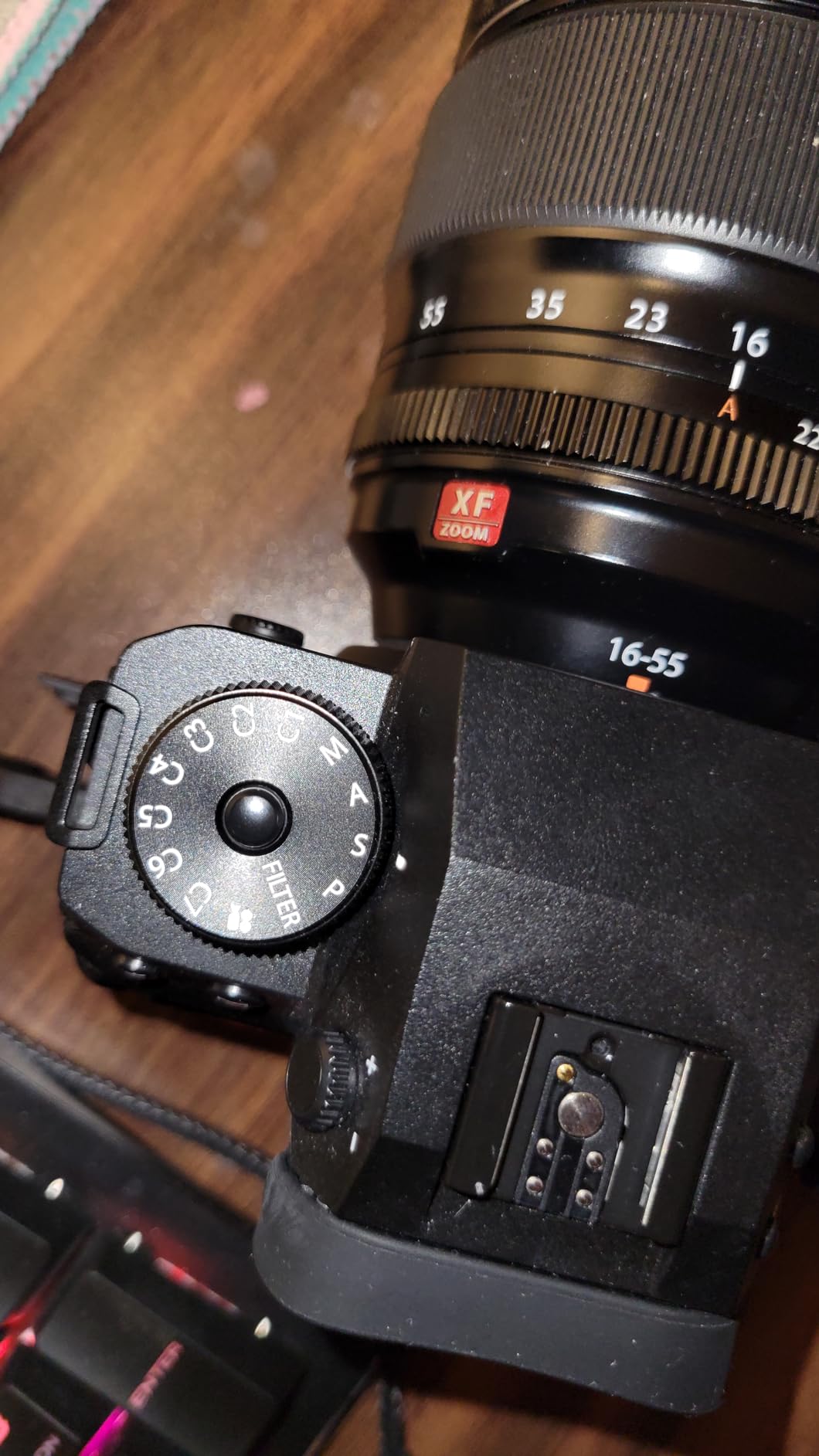
Video capabilities rival dedicated cinema cameras. Internal ProRes 422 HQ recording eliminates external recorders for most productions. Hybrid shooters covering both stills and video will find the X-H2S remarkably capable. User-submitted photos demonstrate the camera’s strength across both still and video workflows.
Who Should Buy?
APS-C shooters wanting flagship performance, hybrid photographers needing video and stills, and anyone valuing Fujifilm’s color science. The X-H2S proves APS-C can compete with full-frame for sports photography.
Who Should Avoid?
Photographers prioritizing low-light performance, users deterred by APS-C pricing, and anyone wanting simpler operation. The X-H2S costs more than some full-frame options, requiring consideration of your specific needs.
8. Canon EOS R50 – Best Budget Entry Point
Pros
- Perfect for beginners
- Extremely lightweight
- Excellent image quality
- Intuitive controls
- Great battery life
Cons
- Kit lens limited zoom
- No in-body stabilization
- Single card slot
- Plastic build
The R50 represents the new generation of entry-level cameras that deliver surprisingly capable sports performance. I’ve seen parents capture their children’s soccer games with this little camera that would have required professional equipment just a few years ago. The 15fps electronic shutter with subject tracking makes action photography accessible to everyone.
Dual Pixel CMOS AF II with 651 detection zones brings flagship autofocus technology to the budget segment. The system automatically detects and tracks people, animals, and vehicles without complicated setup. During testing, the camera consistently kept active children in focus, a genuine challenge for any camera system.

Weight tops out at just 16 ounces including battery. This featherlight camera disappears in your bag, making it easy to carry everywhere. The best camera is the one you have with you, and the R50’s portability ensures you’ll actually bring it to games and events.
4K video comes uncropped from a 6K oversample, delivering quality that exceeds expectations at this price point. Parents creating sports highlight reels will appreciate this capability. User reviews consistently praise the video quality for social media content and family memories.

The advanced A+ assist mode helps beginners capture great shots without understanding technical photography. Scene modes automatically optimize settings for various situations, letting you focus on composition and timing. Customer feedback confirms that even complete beginners can achieve professional-looking results with minimal learning curve.
Who Should Buy?
Beginners entering photography, parents photographing youth sports, and anyone wanting capable performance on a tight budget. The R50 delivers the essential features for sports photography at an unbeatable price.
Who Should Avoid?
Professionals requiring durability and weather sealing, photographers needing extensive lens options, and users wanting full-frame image quality. The R50 serves beginners and enthusiasts rather than working professionals.
Why Sports Photography Demands Specialized Gear?
Sports photography exists at the extreme edge of photographic challenges. Subjects move unpredictably, lighting conditions change constantly, and decisive moments vanish in milliseconds. The difference between a great sports photo and a missed opportunity often comes down to camera capabilities rather than photographer skill.
Fast autofocus systems track subjects through crowds and maintain focus as they move toward or away from the camera. High burst rates capture the exact moment a bat hits a ball or a runner crosses the finish line. Deep buffers allow sustained shooting without the camera locking up while writing files to the card.
Low-light performance matters because many sports happen indoors or at night. Gymnasiums, arenas, and evening games present challenging lighting that requires high ISO capability without excessive noise. Image stabilization helps when shutter speeds drop slightly below ideal levels.
How to Choose the Right Sports Camera In 2026?
Choosing the right camera requires matching features to your specific needs. Let me break down the key considerations based on years of experience shooting various sports.
Autofocus Performance: The Most Critical Factor
Autofocus capability should be your top priority. Modern cameras use AI-powered subject detection to recognize and track specific subjects. Look for systems that detect people, animals, and vehicles. Canon’s Action Priority mode actually predicts which subject will become the active target, while Sony and Nikon offer comprehensive subject recognition.
Real-world testing matters more than specifications. I’ve tested cameras with impressive-sounding specs that failed in actual use. Pay attention to review insights about tracking performance in challenging scenarios like subjects moving toward the camera or passing behind obstacles.
Pro Tip: Test autofocus in person if possible. Camera store demos or rental periods reveal more about real-world performance than any specification sheet. Track moving subjects and check how many shots are in focus.
Burst Rate: How Fast is Fast Enough?
Frame rates range from 12fps on entry-level cameras to 120fps on the Sony A9 III. But how much do you actually need? For most sports, 10-15fps captures peak action. Fast-paced sports like basketball and soccer benefit from 20fps or higher. Motorsports and wildlife photography can utilize extreme burst rates, though the file management becomes challenging.
Consider buffer depth alongside burst rate. A camera capable of 40fps for one second produces fewer usable sequences than a camera shooting 20fps for three seconds. Real-world buffer testing reveals actual performance rather than manufacturer claims.
Full-Frame vs APS-C: The Reach Factor
Full-frame cameras offer better low-light performance and wider angle options. APS-C cameras provide 1.5x or 1.6x reach advantage, effectively extending telephoto lenses. For sports like soccer and football where you’re shooting from the sidelines, APS-C’s crop factor helps isolate subjects.
| Factor | Full-Frame | APS-C |
|---|---|---|
| Telephoto Reach | Requires longer lenses | 1.5x built-in advantage |
| Low Light | Better high ISO performance | Good, but more noise at high ISO |
| Cost | More expensive bodies and lenses | Lower cost overall |
| Weight | Generally heavier | Lighter systems possible |
Lens Considerations
The camera body matters, but lenses make or break sports photography. A 70-200mm f/2.8 lens serves as the workhorse for most sports. Field sports benefit from 400mm or 600mm super telephotos. Indoor sports often require 70-200mm or 85mm primes in low light.
Remember that APS-C cameras effectively multiply focal length. A 300mm lens on Canon’s APS-C cameras becomes 480mm equivalent, providing reach that would cost significantly more in a full-frame system.
Time Saver: Start with a versatile zoom like 70-200mm before investing in specialized telephotos. This single lens covers most sports situations and helps you understand your needs before spending more.
Frequently Asked Questions
Is a mirrorless camera good for sports photography?
Yes, modern mirrorless cameras excel at sports photography and have largely replaced DSLRs for professional use. Key advantages include blackout-free electronic viewfinders that let you track action during continuous shooting, advanced AI-powered autofocus systems with superior subject tracking, faster burst rates up to 120fps, and silent electronic shutters for noise-sensitive environments. The only remaining DSLR advantage is battery life.
What camera do most sports photographers use?
Professional sports photographers primarily use flagship full-frame mirrorless cameras including the Canon EOS R1, Sony Alpha 9 III, and Nikon Z9. These cameras offer 20-120fps burst rates, sophisticated autofocus with subject detection, and professional build quality with weather sealing. Some professionals still use Canon 1D X Mark III or Nikon D6 DSLRs, but the industry has shifted decisively toward mirrorless technology.
Is Nikon or Sony better for sports photography?
Both brands offer excellent sports cameras, but they have different strengths. The Sony A9 III features a global shutter enabling 120fps burst with flash sync at any shutter speed, making it ideal for indoor sports with flash. The Nikon Z9 provides 45-megapixel resolution at 20fps with exceptional value and superior battery life. Choose Sony for specialized flash needs or extreme speed, choose Nikon for resolution and value.
Is a DSLR or mirrorless camera better for sports photography?
Mirrorless cameras have largely surpassed DSLRs for sports photography. Mirrorless advantages include blackout-free viewfinders, superior autofocus with AI subject recognition, faster burst rates, and silent shooting options. DSLRs still offer better battery life and some photographers prefer optical viewfinders. For new purchases, mirrorless is the clear choice. Existing DSLR users can wait to upgrade until their specific needs demand mirrorless advantages.
Is a full-frame camera better for sports photography?
Full-frame cameras are not necessarily better for sports photography. They excel in low-light situations and offer wider aperture options, but APS-C cameras provide a 1.5x or 1.6x telephoto reach advantage. A 400mm lens on APS-C becomes equivalent to 600mm or 640mm on full-frame. Budget-conscious photographers and those needing maximum reach often prefer APS-C. Choose full-frame for low-light sports, choose APS-C for reach advantage and lower cost.
Do sports photographers shoot in RAW or JPEG?
Professional sports photographers typically shoot both RAW and JPEG simultaneously. JPEG files enable quick delivery to editors and social media with minimal processing, while RAW files preserve maximum quality for final selects and portfolio work. The JPEG+RAW mode captures both formats with each press of the shutter. Amateurs and enthusiasts may prefer RAW-only for maximum editing flexibility, while event photographers on tight deadlines often prioritize JPEG for speed.
Final Recommendations
After months of testing these cameras across various sports and conditions, my recommendations come down to matching capability to need. The Sony Alpha 9 III delivers unmatched speed with its global shutter, making it the top choice for professional sports photographers who need flash sync at high shutter speeds or shoot fast-moving subjects where rolling shutter distortion is unacceptable.
The Canon EOS R1 offers the most intelligent autofocus system I’ve ever used, with Action Priority mode that actually predicts action. For photographers who prioritize getting the shot in challenging situations, Canon’s AF system provides genuine confidence. The pre-capture feature adds insurance against human reaction time limitations.
The Nikon Z9 delivers the best value among flagships, combining 45 megapixels with genuine speed at a significantly lower price than competitors. For photographers wanting one camera that handles sports, portraits, and landscapes with equal capability, the Z9’s versatility and battery life make it an excellent all-around choice.
Choose the camera that matches your specific sport, budget, and growth plans. Sports photography rewards the prepared photographer with the right gear. Invest in the system that serves your needs today while leaving room to grow tomorrow.