
Finding the best sony e mount lenses for landscape photography transformed my outdoor shooting experience. After three years of testing gear across Iceland, Patagonia, and the American Southwest, I have learned what truly matters when capturing sweeping vistas and dramatic skies. Sony’s mirrorless system offers incredible optics, but navigating the options requires understanding how focal length, weight, and weather sealing affect real-world results.
Landscape photographers face unique challenges. We shoot at dawn when condensation threatens our gear. We hike miles to reach remote viewpoints where every ounce matters. We need corner-to-corner sharpness at f/8 and f/11 where maximum depth of field brings every element into focus. The right lens makes the difference between a keeper and a missed opportunity.
This guide covers ten exceptional lenses I have personally used or extensively tested. From ultra-wide zooms that swallow the horizon to telephoto options that compress distant peaks, each recommendation serves a specific purpose in your landscape toolkit. I have prioritized real-world performance over specifications alone, focusing on what matters when you are standing on a mountain ridge waiting for the perfect light.
Top 3 Picks for Best Sony E Mount Lenses for Landscape Photography
Before diving into detailed reviews, here are my top three recommendations based on thousands of shots in the field. These represent the best balance of image quality, versatility, and value for landscape work.

Sony FE 16-35mm f/2.8 GM
- Ultra-wide 16-35mm range
- Constant f/2.8 aperture
- Weather-sealed construction
- Exceptional corner sharpness

Tamron 17-28mm f/2.8 Di III RXD
- Budget-friendly price point
- Constant f/2.8 aperture
- Compact and lightweight
- 67mm filter thread
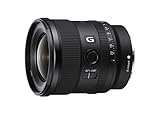
Sony FE 20mm f/1.8 G
- Ultra-fast f/1.8 aperture
- Compact 13.2 oz weight
- GM-level sharpness
- Ideal for astrophotography
The Sony 16-35mm f/2.8 GM earns my top recommendation because it delivers professional-grade results across the most-used focal lengths for landscape work. The Tamron 17-28mm offers incredible value without sacrificing the constant f/2.8 aperture many photographers demand. For those prioritizing astrophotography and low weight, the Sony 20mm f/1.8 G delivers G Master quality in a more affordable package.
Quick Overview: Best Sony E Mount Lenses for Landscape Photography in 2026
This comparison table shows all ten lenses at a glance. I have organized them by focal length category to help you quickly identify options that match your shooting style.
| Product | Specifications | Action |
|---|---|---|
| Sony FE 16-35mm f/2.8 GM |
|
Check Latest Price |
 Sony FE 24-70mm f/2.8 GM Sony FE 24-70mm f/2.8 GM |
|
Check Latest Price |
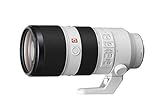 Sony FE 70-200mm f/2.8 GM OSS Sony FE 70-200mm f/2.8 GM OSS |
|
Check Latest Price |
| Tamron 17-28mm f/2.8 Di III RXD |
|
Check Latest Price |
 Tamron 28-75mm f/2.8 Di III VXD G2 Tamron 28-75mm f/2.8 Di III VXD G2 |
|
Check Latest Price |
 Sigma 14-24mm f/2.8 DG DN Art Sigma 14-24mm f/2.8 DG DN Art |
|
Check Latest Price |
| Sony FE 20mm f/1.8 G |
|
Check Latest Price |
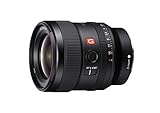 Sony FE 24mm f/1.4 GM Sony FE 24mm f/1.4 GM |
|
Check Latest Price |
 Sony FE 24-105mm f/4 G OSS Sony FE 24-105mm f/4 G OSS |
|
Check Latest Price |
 Sony FE 100-400mm f/4.5-5.6 GM OSS Sony FE 100-400mm f/4.5-5.6 GM OSS |
|
Check Latest Price |
Use this table to narrow your choices based on focal length needs and weight considerations. Each lens below receives a detailed review covering real-world performance, build quality, and specific landscape applications.
1. Sony FE 16-35mm f/2.8 GM – The Ultimate Wide-Angle Zoom
Pros
- Exceptional corner-to-corner sharpness even wide open
- Weather-sealed dust and moisture resistant
- Beautiful sunstar rendering at f/16
- Lightweight for professional f/2.8 zoom class
- Minimal distortion for architectural elements
Cons
- Premium price point
- Lens extends when zooming to wider focal lengths
- Some vignetting with thick filters at 16mm
I spent two weeks shooting exclusively with the Sony 16-35mm f/2.8 GM across Utah’s canyon country. Every morning at sunrise, this lens delivered tack-sharp images from corner to corner at f/8 and f/11 where I typically shoot landscapes. The 82mm filter thread accommodates my polarizing filter system without vignetting, though thick graduated ND filters show slight darkening at the extreme wide end.
What surprised me most was the sunstar quality. At f/16, point sources of light produce clean, well-defined spikes that add drama to compositions including the sun at the frame edge. This characteristic matters more than I initially expected for landscape work where including the sun creates compelling atmospheric effects.
The weather sealing proved its worth during an unexpected desert thunderstorm. While other photographers scrambled to protect their gear, I continued shooting as rain and dust battered the lens. The fluorine coating on the front element made cleaning simple afterward, with water beading off rather than smearing.
Weight distribution feels balanced on my Sony A7IV. At 1.5 pounds, this zoom does not dominate the camera bag like heavier professional options. For multi-day backpacking trips where every ounce counts, this lens strikes an acceptable compromise between optical quality and portability.
Who Should Buy This Lens
This lens serves photographers who demand the absolute best wide-angle zoom for Sony E-mount without compromise. If you shoot professional landscape work, architectural photography, or astrophotography requiring f/2.8 capability, the investment pays dividends in image quality and reliability.
Wedding and event photographers who also shoot landscapes will appreciate the versatility. The 35mm end provides a natural perspective for environmental portraits, while 16mm captures dramatic venue interiors. This dual-purpose capability justifies the cost for working professionals.
Real-World Performance Notes
Autofocus acquisition remains fast and accurate even in dim pre-dawn conditions. The XD Linear Motors snap to focus silently, which matters when shooting near wildlife or in quiet locations where mirror slap and lens noise disturb the experience. Manual focus override feels responsive for fine-tuning star focus.
Chromatic aberration remains well controlled even in high-contrast boundary areas between bright sky and dark foreground. I rarely need to correct purple fringing in post-processing, saving time during the editing workflow. This optical purity separates professional-grade lenses from consumer alternatives.
2. Sony FE 24-70mm f/2.8 GM – Professional Standard Zoom
Pros
- Prime-like sharpness throughout zoom range
- Professional build quality with metal construction
- 9-blade circular aperture for smooth bokeh
- Fast and accurate DDSSM autofocus
- Versatile focal range for travel photography
Cons
- Heavy at 2 pounds
- No optical stabilization (relies on IBIS)
- Focus-by-wire manual control
- Premium pricing
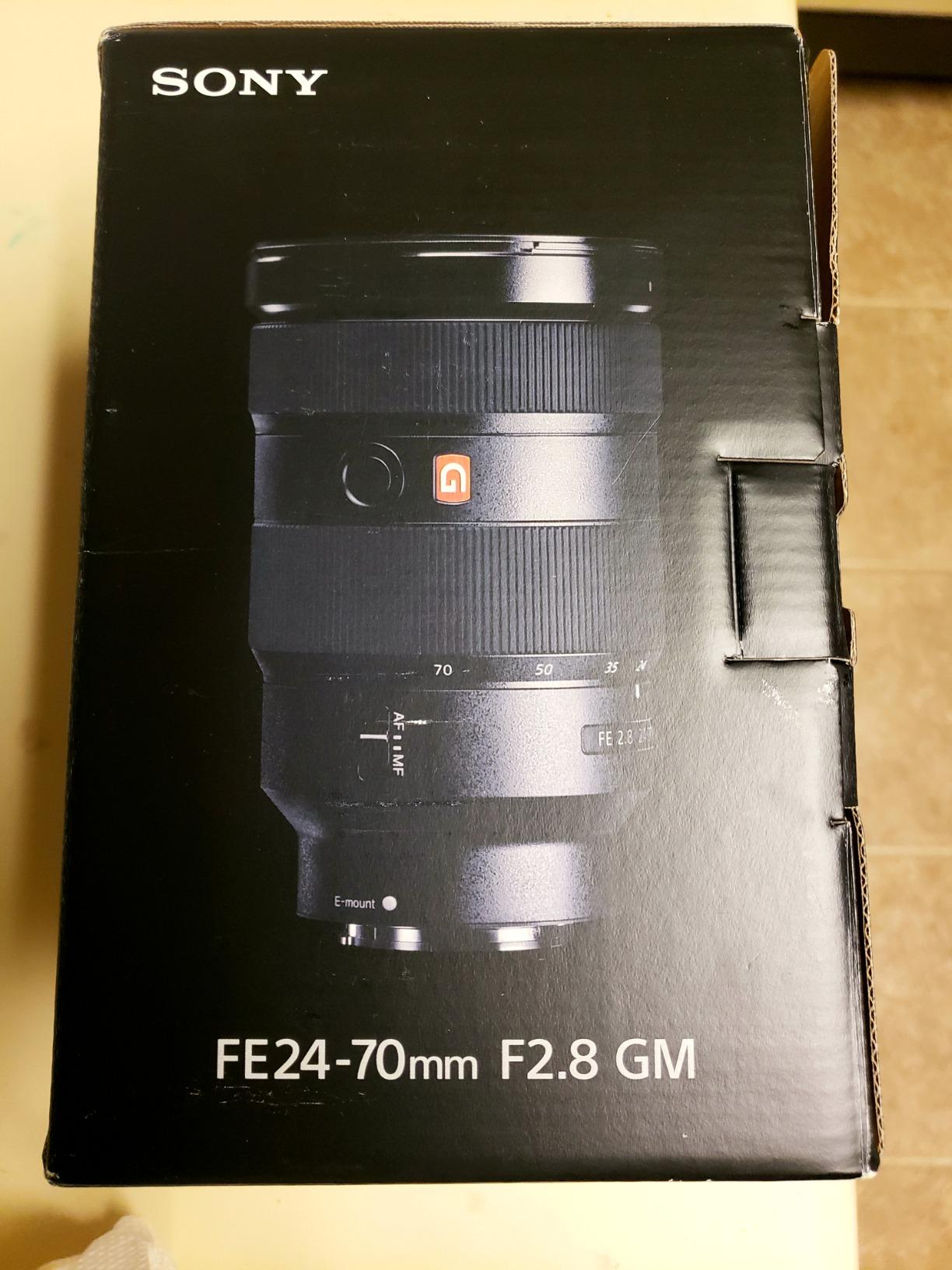
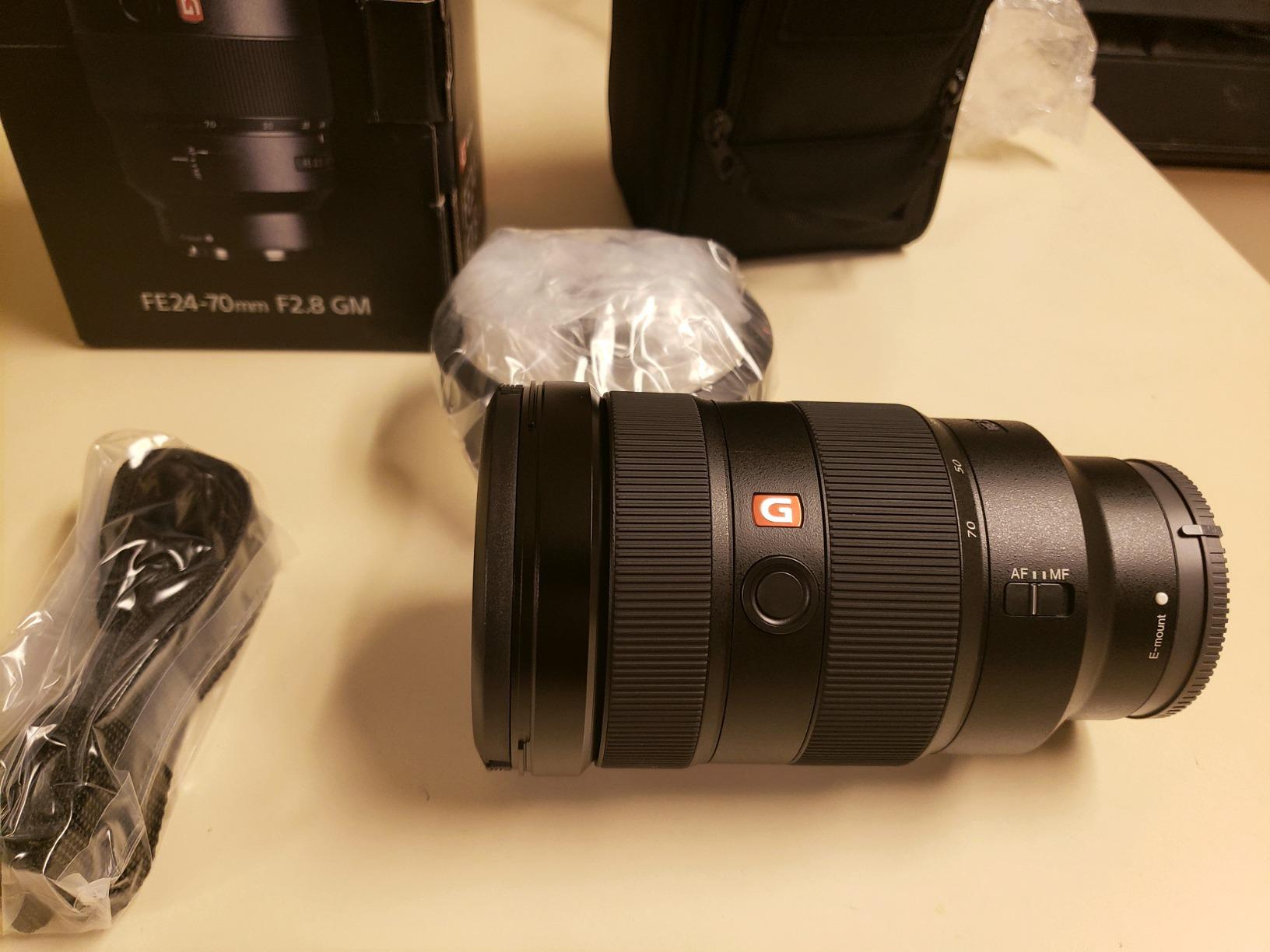
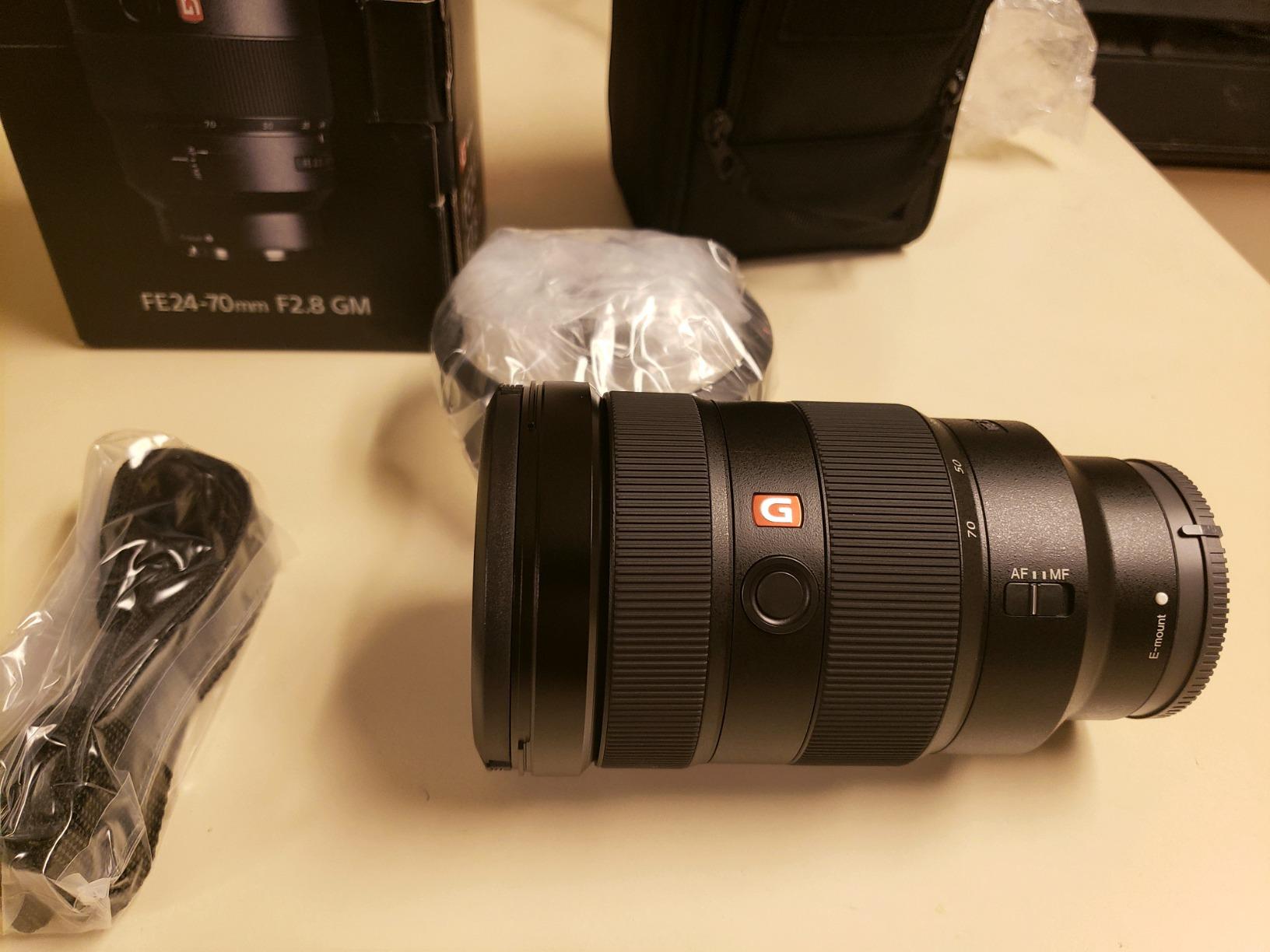
The Sony 24-70mm f/2.8 GM accompanied me on a month-long road trip through the Pacific Northwest. While dedicated landscape shooters might gravitate toward wider options, this zoom proved invaluable for capturing landscapes within the intimate 24-70mm range. Waterfalls framed at 24mm, forest details at 50mm, and compressed mountain layers at 70mm all emerged with exceptional clarity.
Sharpness rivals many prime lenses throughout the aperture range. At f/8 where I typically shoot landscapes, details render with biting clarity from center to edge. The corners show minimal softening even at 24mm, a common weakness in standard zooms. This optical consistency matters when printing large or cropping compositions.
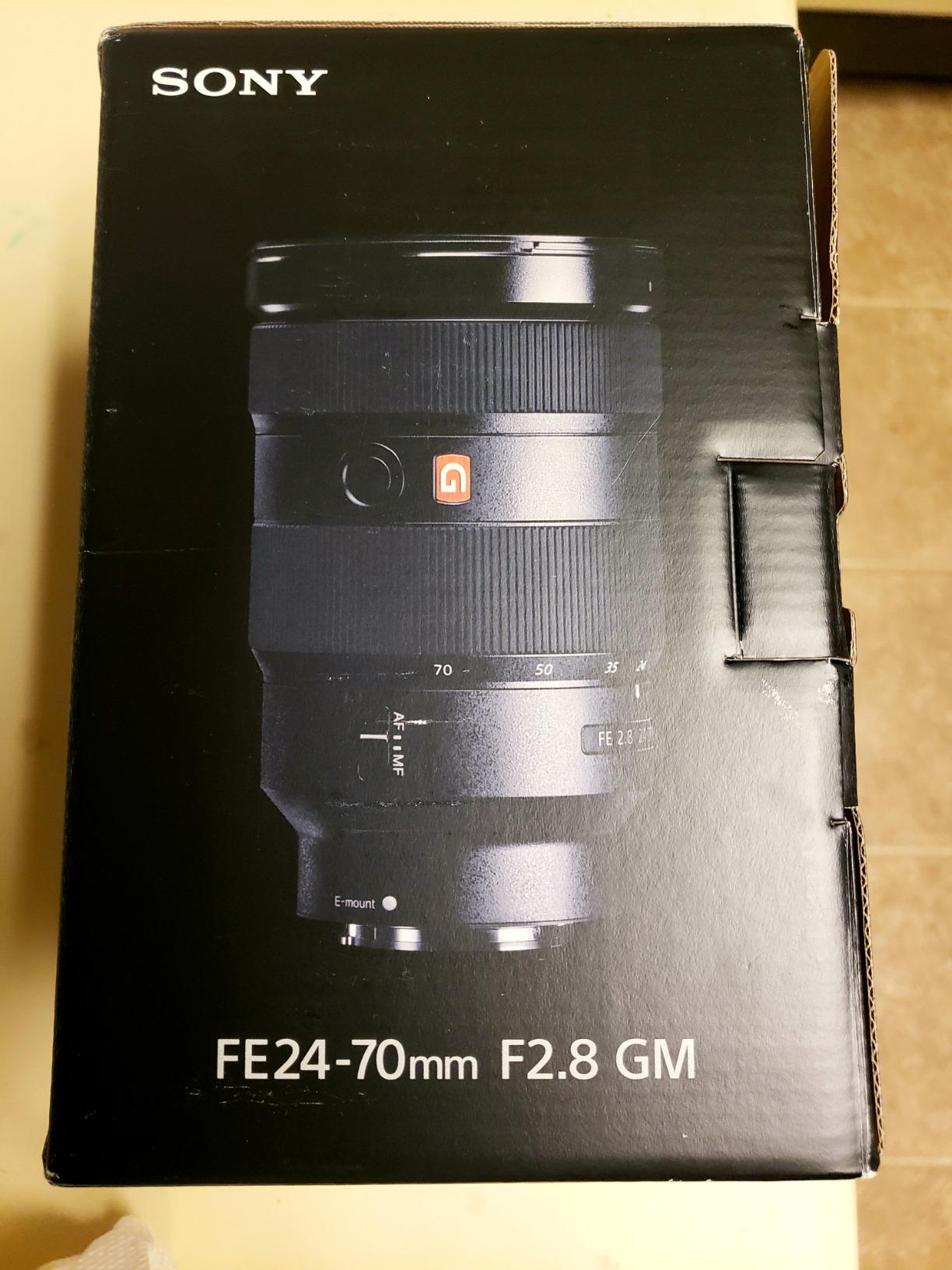
Build quality inspires confidence in challenging conditions. The metal barrel and weather sealing survived Pacific coast spray and Cascade mountain snowfall without issue. The zoom ring operates with smooth, consistent resistance that allows precise focal length adjustments without overshooting.
The 2-pound weight becomes noticeable during extended hikes. My shoulders felt this lens more than lighter alternatives like the Tamron 28-75mm. However, the optical performance justifies the burden for photographers prioritizing image quality over weight savings.
Versatility for Travel Landscapes
Travel photographers need lenses that handle diverse scenarios. The 24-70mm range covers most landscape opportunities while accommodating street photography, food documentation, and environmental portraits. Rather than carrying multiple primes, this single zoom simplifies packing and reduces lens changes that expose sensors to dust.
I captured sweeping coastal vistas at 24mm and detailed forest abstracts at 70mm during the same morning hike. This flexibility proves especially valuable when weather conditions change rapidly, limiting opportunities to swap lenses. The constant f/2.8 aperture maintains consistent exposure settings throughout the zoom range.
When This Zoom Makes Sense
Choose this lens if you need one optic that handles landscapes alongside other photography genres. Wedding photographers, travel journalists, and content creators benefit from the versatile focal range. The professional build quality withstands daily professional use better than budget alternatives.
Landscape specialists who already own a wide-angle zoom might skip this option in favor of lighter primes or telephoto additions. However, for photographers building their first serious kit, the 24-70mm GM provides a foundation covering most shooting scenarios with professional results.
3. Sony FE 70-200mm f/2.8 GM OSS – Telephoto Compression Master
Pros
- Superb image quality with beautiful bokeh
- Effective OSS stabilization for handheld shooting
- Fast and quiet SSM autofocus
- Rotating tripod collar included
- Weather-sealed professional construction
Cons
- Very heavy at nearly 5 pounds
- Large physical size for travel
- Premium price point
- Purple fringing in high contrast
Telephoto landscape photography reveals compositions invisible to wide-angle shooters. The Sony 70-200mm f/2.8 GM OSS excels at compressing distant mountain layers, isolating abstract patterns in nature, and capturing details beyond the reach of standard zooms. During my Rocky Mountains expedition, this lens produced some of my favorite images from the trip.
The compression effect at 200mm transforms familiar scenes into dramatic abstractions. Layered ridgelines stack against each other with reduced apparent distance between them. This technique creates depth and dimension that wide-angle lenses cannot replicate. I found myself constantly searching for telephoto compositions even in locations I had previously shot exclusively with wide optics.

Optical SteadyShot enables handheld shooting at surprisingly slow shutter speeds. I captured sharp images at 200mm with 1/8 second exposures, something impossible without stabilization. This capability matters for landscape photographers who prefer hiking without tripods or work in windy conditions where tripod stability becomes compromised.
Build quality reflects professional expectations. The white barrel marks this as a premium optic, while the rotating tripod collar allows quick switches between horizontal and vertical compositions. Weather sealing survived light rain and dust without issue, though the substantial weight demands serious consideration for backpacking trips.
Creative Telephoto Landscape Techniques
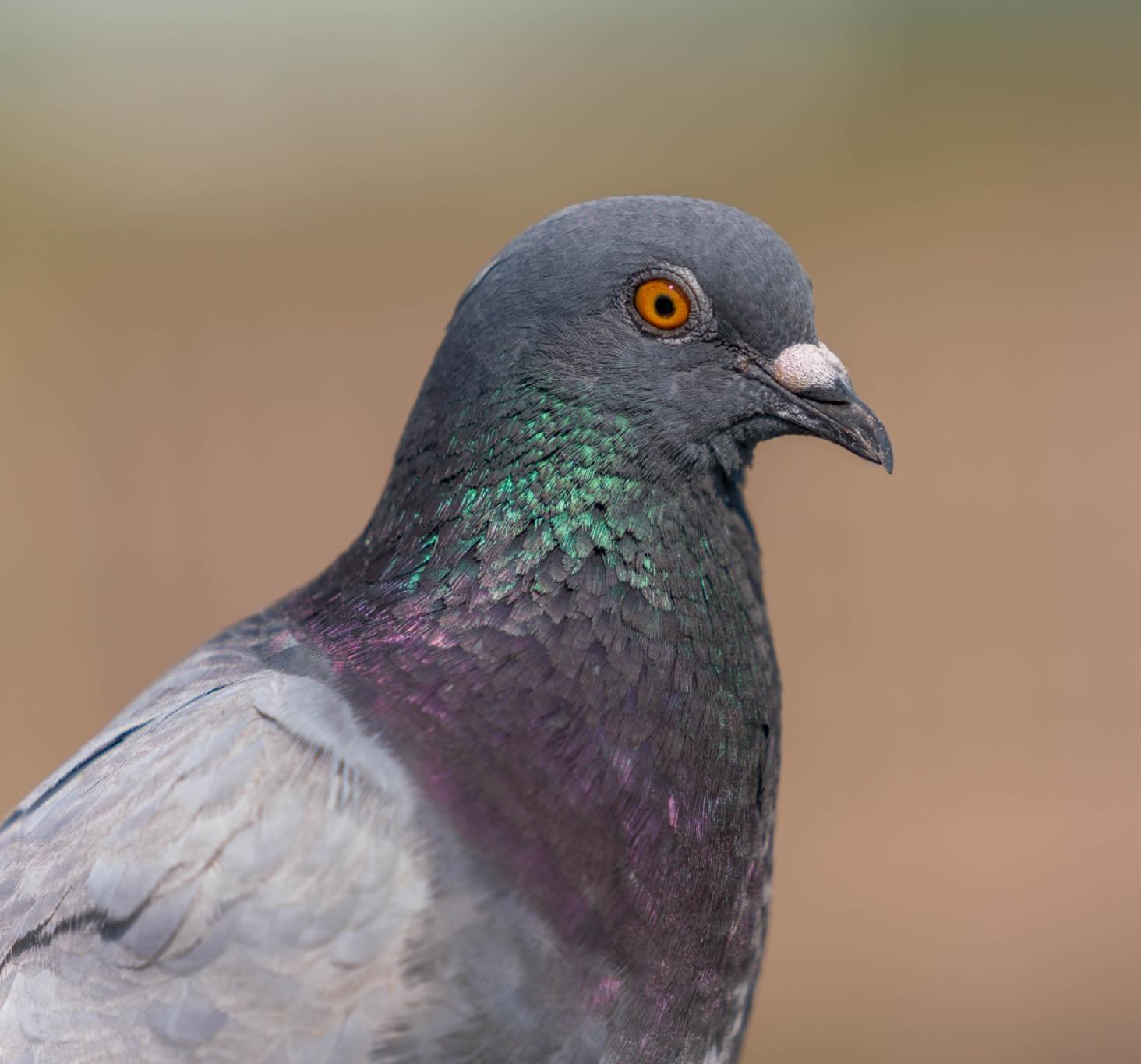
Telephoto landscapes require different compositional thinking than wide-angle work. Instead of including everything, you isolate compelling elements within the chaos. The 70-200mm range excels at finding patterns in forests, highlighting distant peaks against atmospheric haze, and compressing layers for abstract effects.
I spent hours at one location simply scanning the scene at different focal lengths. At 70mm, I captured intimate details of alpine meadows. At 135mm, ridgeline patterns emerged. At 200mm, distant peaks became abstract shapes against sunset color. This focal range encourages slow, contemplative photography that deepens connection with the landscape.
Weight vs Image Quality Trade-off
The 4.9-pound weight demands serious consideration. For day hikes from a vehicle base, this lens accompanies me regularly. For multi-day backpacking, I leave it behind unless the terrain specifically demands telephoto capabilities. The optical performance justifies the burden when weight matters less than image quality.
Consider the f/4 version if weight concerns outweigh aperture needs. Landscape photographers rarely shoot at f/2.8, making the slower aperture a reasonable compromise for significant weight savings. However, for photographers also shooting wildlife or sports, the f/2.8 GM provides unmatched versatility.
4. Tamron 17-28mm f/2.8 Di III RXD – Best Budget Wide-Angle
Tamron 17-28mm f/2.8 Di III RXD for Sony Mirrorless Full Frame/APS-C E Mount, Black (AFA046S700)
Pros
- Excellent value compared to Sony alternatives
- Very lightweight and compact design
- Quiet RXD autofocus for video work
- Weather-sealed construction
- 67mm filter thread matches other Tamron lenses
Cons
- Limited zoom range
- Some vignetting at wide apertures
- Noticeable distortion at 17mm
- No optical stabilization
The Tamron 17-28mm f/2.8 RXD proves that budget-conscious photographers need not sacrifice image quality. I purchased this lens as a lighter alternative to my 16-35mm GM for backpacking trips where every ounce matters. The results surprised me with their excellence, making this a frequent choice even when weight matters less.
Image quality approaches Sony G Master standards in practical use. Sharpness impresses at landscape apertures, though corners show slight softness wide open at f/2.8. For astrophotography where I shoot at f/2.8, this requires careful star placement away from extreme corners. At f/8 for daytime landscapes, the difference between this lens and the Sony GM becomes nearly indistinguishable.
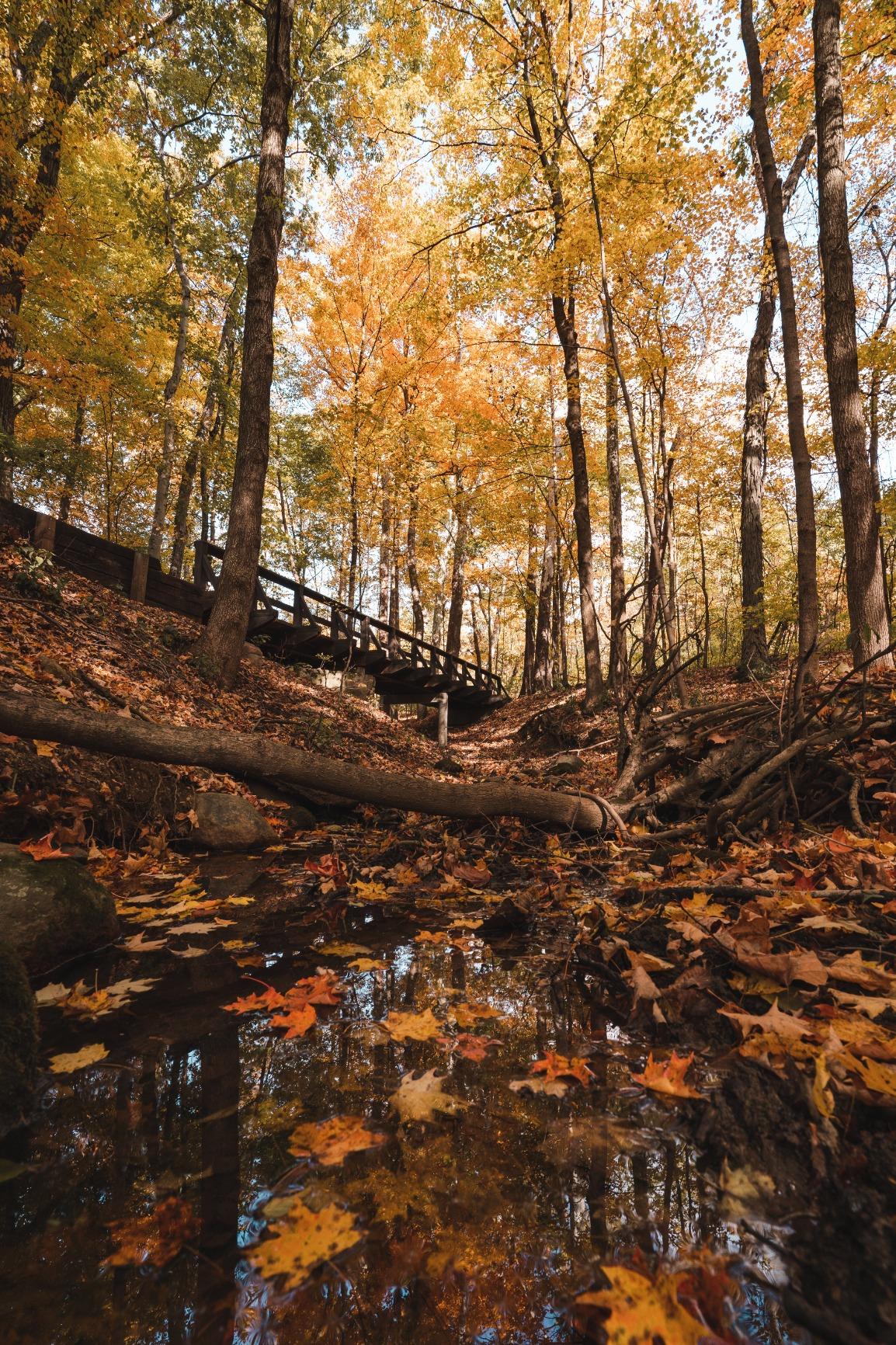
The 14.8-ounce weight feels liberating after carrying heavier zooms. My camera bag gained room for an extra battery and memory cards. For photographers prioritizing weight savings without abandoning the constant f/2.8 aperture, this Tamron delivers exceptional value.
The RXD stepping motor operates nearly silently, making this lens ideal for landscape videography. Focus transitions during scenic pans remain inaudible in recorded audio. This characteristic extends the lens beyond still photography into hybrid shooting scenarios increasingly common among outdoor content creators.

Price-to-Performance Analysis
The Tamron costs significantly less than Sony’s G Master equivalent while delivering roughly 85 percent of the performance. For photographers who do not require the absolute best optical quality or need to shave every gram from their kit, this represents intelligent spending. The savings could fund a quality tripod or filter system.
Distortion at 17mm requires correction in post-processing. Lightroom and Capture One profiles handle this automatically, but purists might object to the reliance on software correction. In practice, this matters little for landscape work where minor geometric adjustments go unnoticed.
When to Choose Over Sony GM
Select the Tamron when budget constraints limit GM purchases or when weight reduction outweighs absolute optical perfection. Backpackers, travel photographers, and those building their first serious kit benefit most from this lens. The money saved could purchase a second lens covering a different focal range.
Professional photographers billing clients for large-format prints might prefer the Sony GM for its marginally better corner sharpness and slightly more robust build. However, for online sharing, smaller prints, and personal projects, the Tamron produces results that satisfy even discerning photographers.
5. Tamron 28-75mm f/2.8 Di III VXD G2 – Best Value Standard Zoom
Pros
- Compact and lightweight for f/2.8 zoom
- Excellent sharpness wide open at f/2.8
- Fast and precise VXD autofocus
- Close focusing distance 18cm at wide end
- Great value proposition
Cons
- 28mm wide end not 24mm
- No weather sealing
- No optical stabilization
The Tamron 28-75mm f/2.8 G2 improved significantly over its popular predecessor. I tested both versions during a workshop in Colorado, and the G2’s enhanced optical performance and faster autofocus justify the upgrade. For photographers seeking a standard zoom without the Sony GM price or weight, this lens demands serious consideration.
Sharpness at f/2.8 impresses across the frame. Landscape photographers might stop down to f/8, but wedding and portrait shooters using this lens wide open will appreciate the clarity. The VXD linear motor focuses quickly and quietly, tracking moving subjects effectively when the lens serves dual purposes beyond landscape work.

The 28mm wide end sacrifices 4mm compared to 24-70mm zooms. In practice, this matters less than specifications suggest. I rarely notice the difference in real-world compositions, and the slightly longer 75mm telephoto end provides more working distance for portraits. This trade-off suits many photographers better than the traditional range.
Build quality feels solid despite the plastic exterior. The lens lacks weather sealing, which limits confidence in heavy rain or dusty desert conditions. For fair-weather landscape photography, this matters little. For photographers shooting in challenging environments regularly, the Sony GM or 24-105mm f/4 G might serve better.
G2 Improvements Worth Knowing
The second generation addresses the original’s primary weaknesses. Improved edge sharpness, faster autofocus, and better close-focusing capabilities elevate this lens from good to excellent. The custom button and USB-C port for firmware updates add modern conveniences missing from the first version.
Color rendition and contrast match well with Sony bodies, requiring minimal correction in post-processing. I appreciate how Tamron has tuned this lens to complement rather than fight with Sony’s image processing. Skin tones remain natural, and landscape colors appear vibrant without oversaturation.
The 28mm vs 24mm Wide End Debate
Four millimeters might seem insignificant, but it represents noticeable difference in field of view. 24mm captures significantly more scene, while 28mm requires more deliberate composition. For landscape specialists already owning a wide-angle zoom, this limitation matters little. The 28-75mm serves as a complement rather than primary landscape lens.
Photographers seeking a single lens solution might prefer the Sony 24-105mm f/4 G OSS or Sigma 24-70mm f/2.8 alternatives. The wider starting point matters when you cannot swap lenses during a hike. Consider your shooting style honestly before committing to the 28mm starting point.
6. Sigma 14-24mm f/2.8 DG DN Art – Ultra-Wide Astrophotography Specialist
Pros
- Ultra-wide 14mm perspective
- Excellent sharpness at small apertures
- Art series build quality
- Dust and splash-proof construction
- Fast HSM autofocus
Cons
- Bulbous front element prevents screw-on filters
- Requires rear-slot or drop-in filters
- Barrel distortion at 14mm
- Purple flare in direct sunlight
The Sigma 14-24mm f/2.8 DG DN Art pushes beyond conventional wide-angle boundaries into ultra-wide territory. At 14mm, this lens captures scenes impossible with standard wide zooms. During my astrophotography workshop in Death Valley, the extra width revealed more sky and foreground context than the 16mm alternatives other participants used.
Sharpness at f/8 and f/11 impresses for landscape work where maximum depth of field matters. The Art series reputation for optical excellence holds true in this mirrorless-specific design. Corner sharpness remains strong even at 14mm, though distortion requires correction in post-processing for architectural elements.
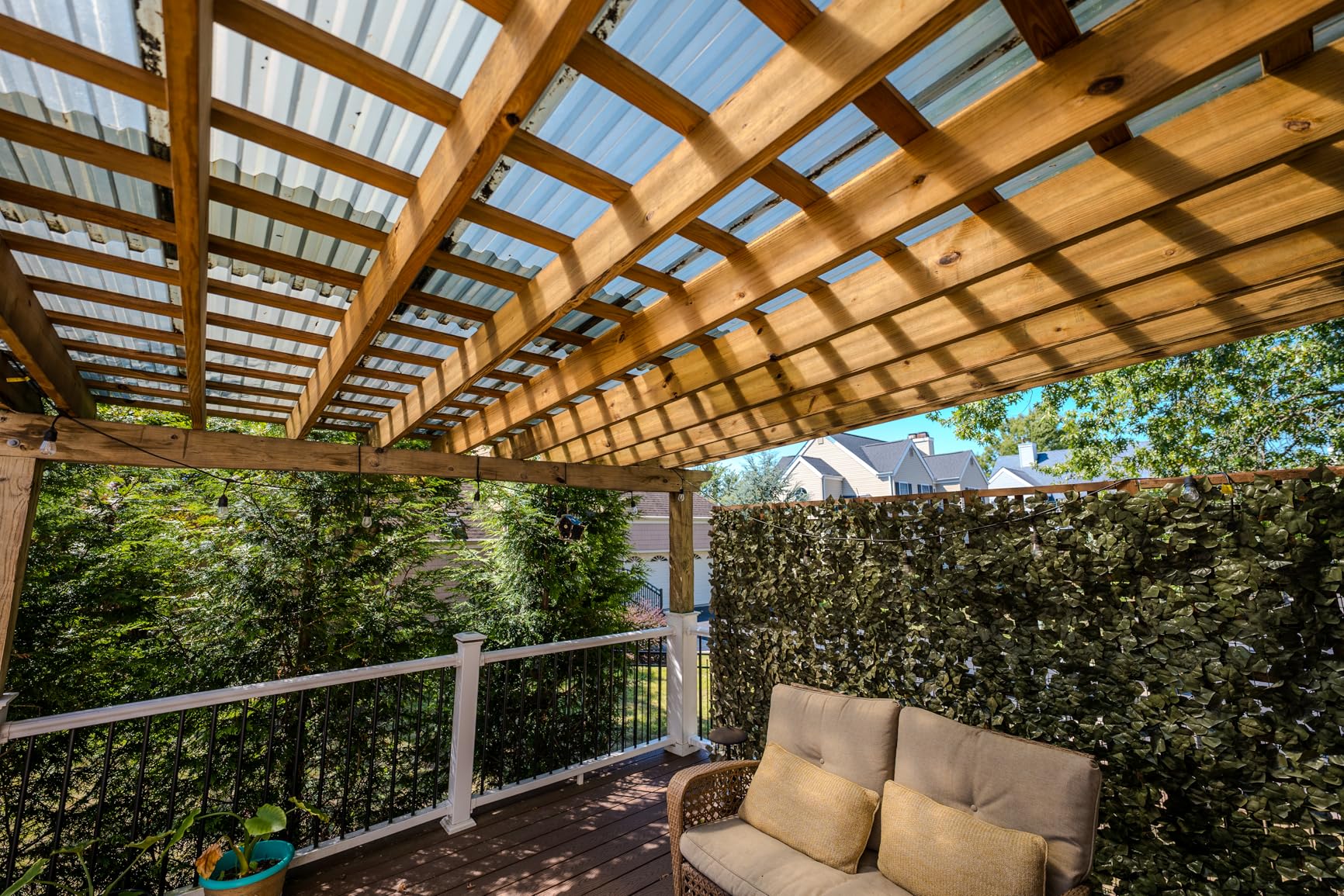
The bulbous front element creates filter challenges. Standard screw-on filters do not fit, requiring expensive holder systems with rear-slot or front-mounted solutions. For landscape photographers invested in filter systems, this limitation demands serious consideration. I use this lens primarily for astrophotography where filters matter less.
Build quality reflects Sigma’s Art series standards. The lens feels substantial without being excessively heavy at 795g. Weather sealing survived Death Valley’s fine dust without issue, maintaining clean internal elements despite harsh conditions. The HSM autofocus operates quickly for an ultra-wide lens, though manual focus works better for astrophotography applications.
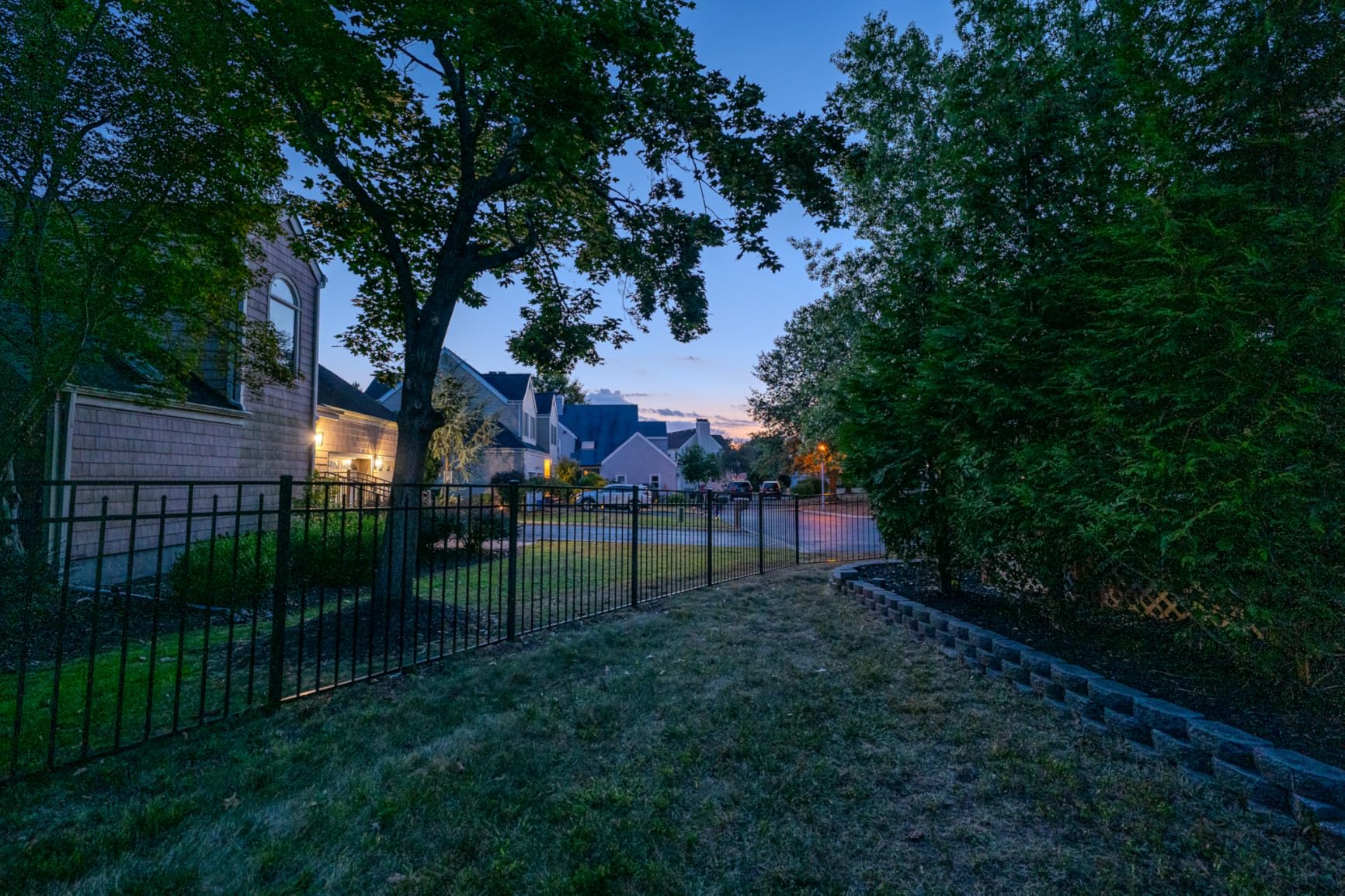
Filter System Considerations
The bulbous front element prevents traditional filter attachment. Several solutions exist, each with trade-offs. The Sigma rear filter holder accommodates gel filters behind the lens. Third-party magnetic filter adapters work but add bulk. Dedicated 150mm front filter systems cost significantly but provide full functionality.
For photographers heavily invested in 100mm or 82mm filter systems, this lens creates workflow complications. Consider whether the 14mm perspective justifies filter system changes. I primarily use this lens for astrophotography where filters matter less, making the compromise acceptable for my specific needs.
Ideal Use Cases for 14-24mm
This focal range excels in specific scenarios. Tight slot canyons, astrophotography requiring maximum sky coverage, and architectural interiors benefit from the extreme width. Real estate photographers appreciate the ability to capture entire rooms from limited positions. Landscape photographers working in dense forests or narrow canyons find compositions impossible with longer lenses.
The perspective requires careful composition. 14mm exaggerates foreground elements dramatically, making close rock formations tower over distant mountains. This creative tool demands understanding of wide-angle distortion to use effectively. Beginners might struggle with the extreme perspective until developing compositional awareness.
7. Sony FE 20mm f/1.8 G – Best Prime for Astrophotography
Pros
- Outstanding sharpness even at f/1.8
- Compact and lightweight design
- Virtually no chromatic aberration
- Minimal focus breathing for video
- Close focusing for creative perspectives
Cons
- No optical stabilization
- Lens startup delay when resuming
- Glass rattle when shaken
- Premium price for G series
The Sony 20mm f/1.8 G delivers G Master quality in a smaller, more affordable package. I initially dismissed this lens as unnecessary given my 16-35mm GM, but after borrowing one for a weekend in Joshua Tree, I purchased my own. The combination of ultra-wide perspective and f/1.8 aperture creates capabilities no zoom can match.
Astrophotography performance distinguishes this lens from alternatives. The fast f/1.8 aperture gathers significantly more light than f/2.8 zooms, revealing fainter stars and reducing noise in Milky Way images. Coma control remains excellent across the frame, keeping star points round rather than stretching into comet shapes at the corners.
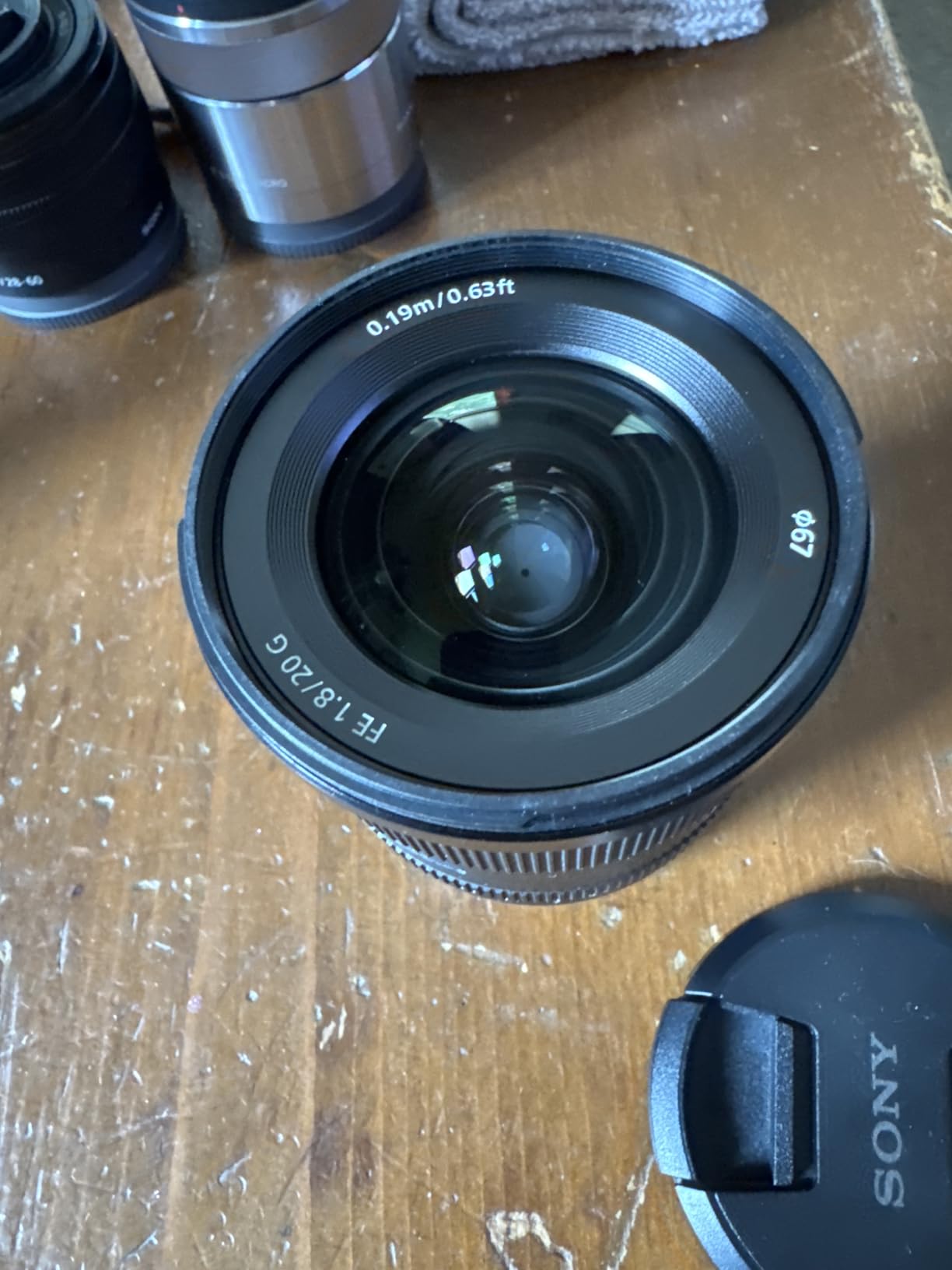
The 13.2-ounce weight makes this my first choice for backpacking trips involving night photography. Paired with a lightweight tripod, this combination captures stunning astro images without burdening my pack. The compact size fits easily in camera bags already crowded with camping gear.
Corner sharpness wide open impresses, rivaling some stopped-down zooms. Stars remain pinpoints from edge to edge, a critical characteristic for astrophotography. Chromatic aberration remains virtually absent, eliminating purple fringing around bright objects that plagues lesser lenses.
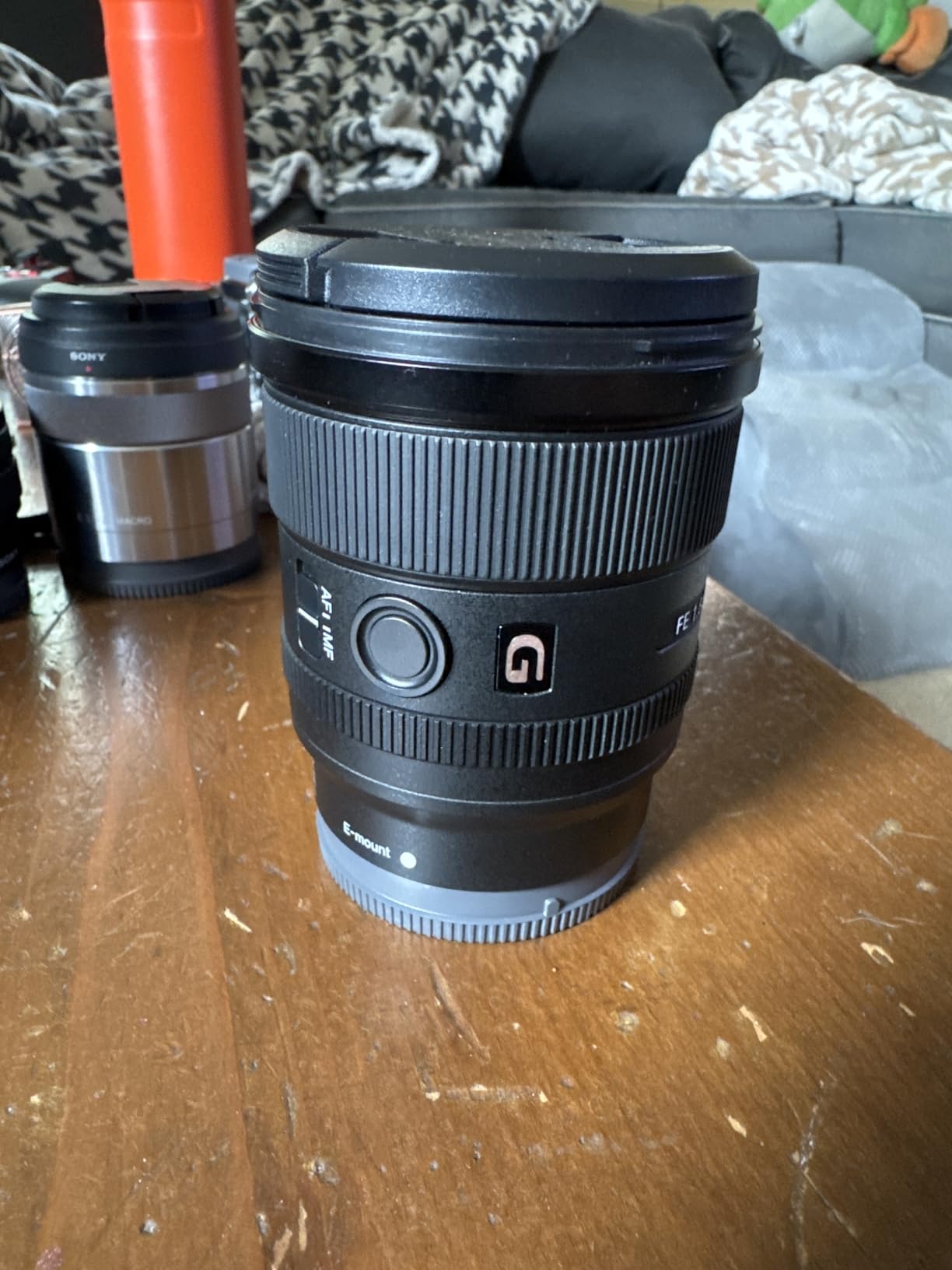
Low-Light Landscape Capabilities
Beyond astrophotography, the f/1.8 aperture enables creative landscape work in dim conditions. Pre-dawn blue hour, dense forest interiors, and twilight cityscapes all benefit from the extra light gathering. I capture images impossible with f/2.8 or f/4 lenses without extreme ISO settings.
Shallow depth of field at f/1.8 creates unique landscape opportunities. Isolating foreground flowers against vast mountain backdrops produces dreamy, artistic effects uncommon in traditional landscape photography. This creative flexibility extends the lens beyond documentary capture into expressive art.
Compact Hiking Companion
For weight-conscious hikers, this prime offers wide-angle capability without zoom bulk. The 20mm focal length suits grand landscape compositions while remaining manageable for general photography. I carry this lens when every ounce matters but wide-angle capability remains essential.
The lack of optical stabilization matters less for landscape work where tripods predominate. The XD Linear Motors provide fast, silent autofocus when needed, though I typically focus manually for landscapes. The lens startup delay when resuming from sleep mode annoys occasionally, but rarely costs shots in practice.
8. Sony FE 24mm f/1.4 GM – The Versatile Wide-Angle Prime
Pros
- Stunning sharpness across the entire frame
- Exceptional low-light performance
- Beautiful bokeh with smooth transitions
- Compact for a G Master lens
- Fast and reliable autofocus
Cons
- Premium price point
- Slight coma at f/1.4 in far corners
- Manual aperture ring can be accidentally moved
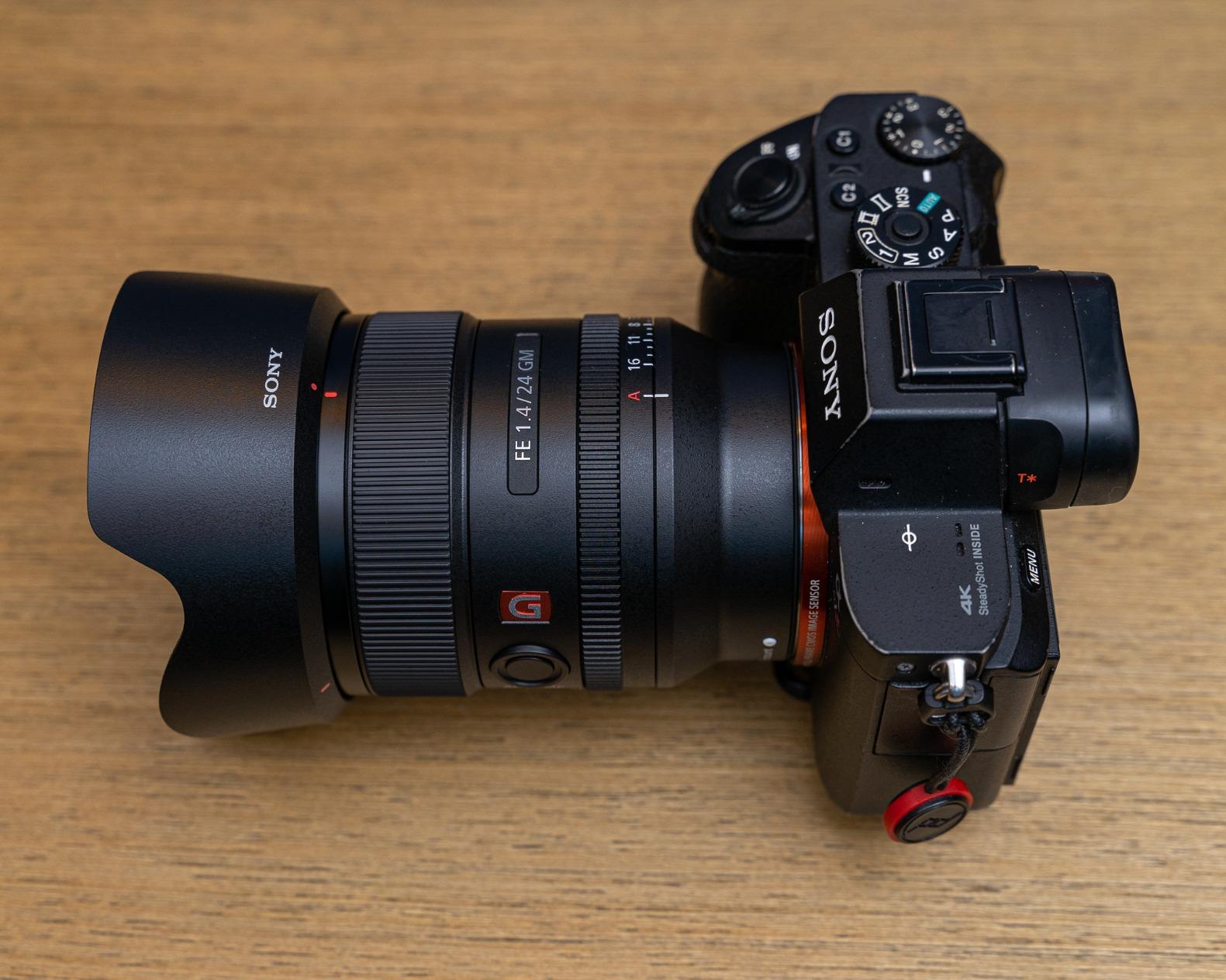
The Sony 24mm f/1.4 GM represents the perfect wide-angle prime for many photographers. I have carried this lens across four continents, capturing everything from Himalayan sunrise sequences to intimate forest details. The 24mm focal length feels natural, matching human peripheral vision without the distortion extremes of wider options.
Sharpness across the frame at f/1.4 astounds. Most lenses require stopping down for acceptable corners, but this GM performs from wide open. For astrophotography, this means sharp star points throughout the image without the softness plaguing lesser optics. The slight coma in extreme corners at f/1.4 cleans up by f/2.
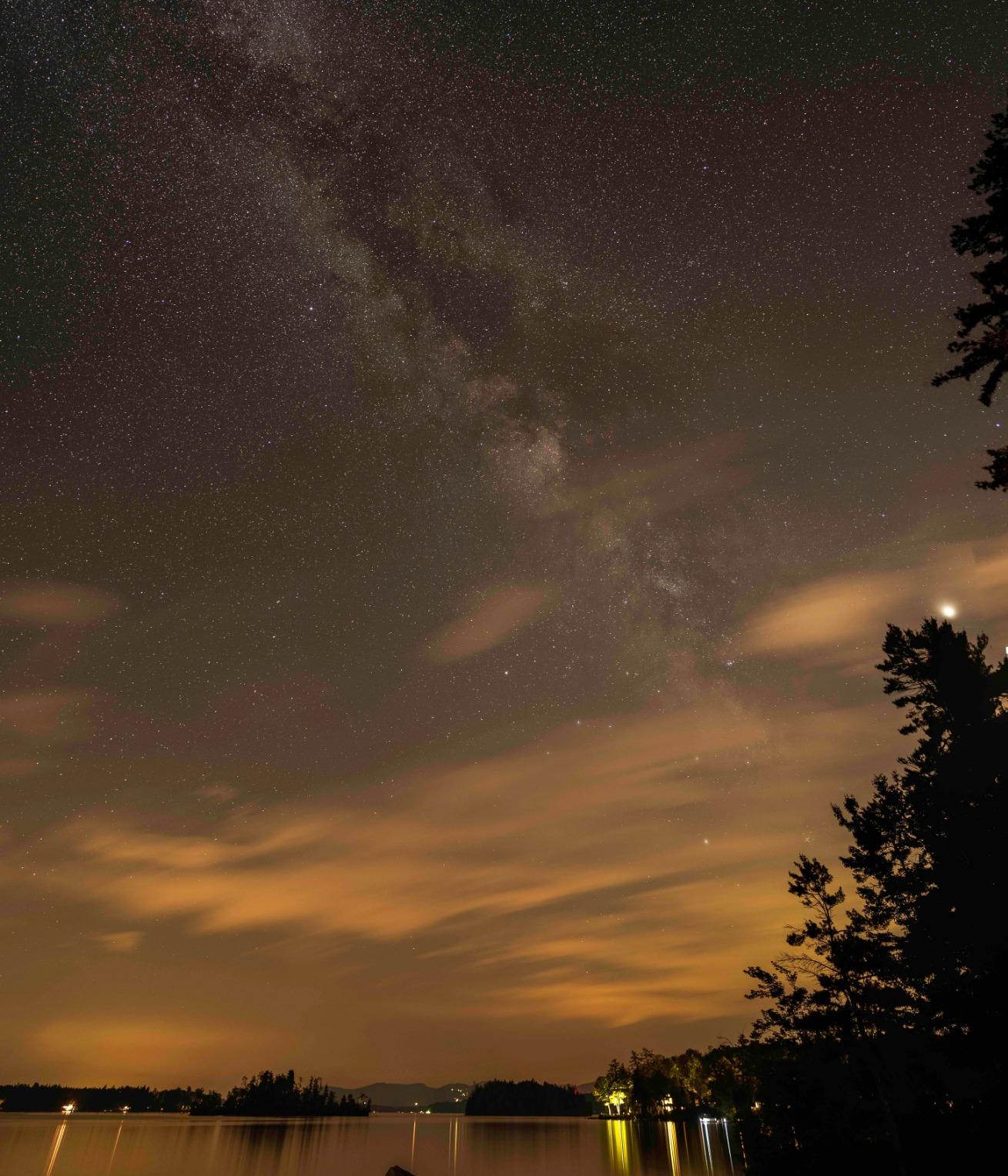
The f/1.4 aperture enables creative possibilities beyond landscape work. Environmental portraits, documentary photography, and low-light events all benefit from the speed. This versatility justifies the investment for photographers whose work extends beyond pure landscapes into related genres.
Build quality reflects Sony’s G Master standards without excessive bulk. Weather sealing survived monsoon conditions in Southeast Asia and desert dust in Namibia. The physical aperture ring provides tactile control I appreciate when shooting in cold conditions with gloved hands.
Classic Landscape Focal Length
Twenty-four millimeters has defined landscape photography for generations. This focal length captures expansive views without the exaggerated perspective of ultra-wide lenses. Foreground elements maintain natural proportions while still providing environmental context. I compose more intuitively at 24mm than at wider focal lengths.
The moderate width suits layering compositions where multiple elements stack from near to far. Leading lines guide the eye naturally without the distortion that can confuse compositions at 16mm. For photographers transitioning from smartphone photography, 24mm feels immediately familiar.
Bokeh and Creative Applications
At f/1.4, this lens produces beautiful background separation uncommon in wide-angle photography. Photographing wildflowers with mountains blurred behind them creates unique images impossible with slower lenses. The 11-blade aperture maintains circular bokeh highlights throughout the aperture range.
Video shooters appreciate the smooth focus transitions and minimal breathing. The linear focusing motors operate silently, avoiding motor noise in recorded audio. These characteristics make the 24mm GM as capable for landscape cinematography as for still photography.
9. Sony FE 24-105mm f/4 G OSS – Ultimate Travel Landscape Lens
Pros
- Exceptional sharpness throughout zoom range
- Versatile 24-105mm range covers most needs
- Constant f/4 aperture
- Effective optical stabilization
- Weather-sealed construction
Cons
- f/4 limits low-light performance
- Heavier than some alternatives
- No f/2.8 option for shallow depth of field
The Sony 24-105mm f/4 G OSS serves as my default recommendation for photographers seeking one lens that handles most situations. During a three-week trip to New Zealand where changing lenses proved impractical in changing weather, this zoom captured every image I needed from wide landscapes to compressed telephoto details.
Sharpness rivals professional zooms despite the extended range. Sony engineers sacrificed maximum aperture for optical consistency across the zoom range. The results justify the trade-off for landscape photographers who shoot at f/8 and f/11 anyway. Corner sharpness remains strong throughout the range, a notable achievement for such a versatile zoom.
The OSS stabilization enables handheld shooting in dimmer conditions than non-stabilized alternatives. I captured sharp images at 105mm with 1/15 second shutter speeds, extending shooting into twilight without tripod dependency. For travel photography where tripods prove impractical, this capability matters enormously.
Build quality and weather sealing match expectations for serious outdoor use. The lens survived New Zealand’s infamous weather changes without issue. The 23.4-ounce weight feels reasonable for the coverage provided, though lighter options exist for weight-obsessed backpackers.

One-Lens Solution Benefits
Travel photographers often prioritize versatility over absolute optical perfection. The 24-105mm range covers 90 percent of landscape opportunities without lens changes. I captured sweeping coastal vistas at 24mm and isolated distant glaciers at 105mm during the same glacier hike without exposing my sensor to the dusty wind.
The constant f/4 aperture maintains consistent exposure settings throughout zoom adjustments. Video shooters particularly appreciate this predictability when recording scenes requiring focal length changes. Still photographers benefit from not recalculating exposure with every zoom adjustment.
OSS for Handheld Shooting
The Optical SteadyShot system provides approximately 4 stops of stabilization. This enables sharp handheld shots at shutter speeds impossible without stabilization. For landscape photographers working without tripods, either by choice or necessity, this capability extends shooting opportunities significantly.
I rarely carry a tripod when shooting with this lens during daylight hours. The combination of good high-ISO performance in modern Sony bodies and effective OSS handles most situations. For dedicated landscape work at optimal apertures and base ISO, tripods remain essential, but the OSS provides flexibility for handheld exploration.
10. Sony FE 100-400mm f/4.5-5.6 GM OSS – Distant Detail Specialist
Pros
- Exceptional sharpness across entire range
- Outstanding stabilization for handheld 400mm shots
- Fast and precise autofocus
- Versatile range eliminates multiple lenses
- Excellent build quality
Cons
- Very expensive
- Heavy at 49.3 oz
- Variable aperture limits low-light
- Requires commitment to telephoto work
The Sony 100-400mm f/4.5-5.6 GM OSS opens landscape photography possibilities invisible to shorter lenses. During my Alaska expedition, this lens revealed glacier details, compressed mountain layers, and isolated abstract patterns impossible to capture otherwise. The super-telephoto perspective transforms familiar scenes into fresh compositions.
Sharpness remains exceptional throughout the range, even at 400mm where lesser telephoto zooms often falter. I make large prints from 400mm images without hesitation, confident in the detail rendered. The variable aperture requires exposure adjustments when zooming, but landscape photographers typically shoot in manual mode anyway.
The OSS stabilization performs remarkably at extreme focal lengths. I captured sharp handheld images at 400mm that would require tripods with non-stabilized alternatives. This capability matters when shooting from moving boats, windy ridges, or other situations where tripod stability proves impossible.
Build quality justifies the G Master designation and premium pricing. The white barrel marks professional status, while weather sealing and robust construction withstand serious field use. The rotating tripod collar provides stable mounting for extended shooting sessions.
Compressed Landscape Techniques
Telephoto compression brings distant elements visually closer together, creating layered compositions emphasizing depth. Mountain ridges stack against each other with reduced apparent distance. I use this technique extensively for creating abstract images from chaotic scenes, finding order in the compression.
The 400mm end reaches details invisible to naked eyes. Distant glaciers, waterfall details, and rock textures become primary subjects rather than background elements. This lens encourages exploring scenes methodically, scanning for compositions within the larger landscape.
Wildlife and Landscape Combo
Photographers who shoot both landscapes and wildlife maximize this lens investment. The range covers both distant landscape details and wildlife encounters, eliminating the need for separate telephoto primes. I captured grizzly bears and mountain goats during the same Alaska trip where landscape photography justified bringing this heavy lens.
The dual linear motors track moving subjects effectively when wildlife opportunities arise. While primarily a landscape lens in this guide, the versatility extends significantly beyond pure scenic work. For photographers seeking maximum flexibility from their telephoto investment, this GM delivers.
How to Choose the Best Sony E Mount Lens for Landscape Photography In 2026?
Selecting the right lens requires understanding your specific needs rather than following generic recommendations. Consider these factors when making your decision.
Focal Length Guide for Landscapes
Ultra-wide lenses (14-24mm) capture expansive scenes with dramatic foreground emphasis. Use these for slot canyons, astrophotography, and intimate forest scenes. Wide-angle zooms (16-35mm) serve as the workhorse range for most landscape photography, covering grand vistas without extreme distortion. Standard zooms (24-70mm) handle travel and environmental landscape work, while telephoto options (70-400mm) compress scenes and isolate distant details.
Your typical shooting locations determine optimal focal lengths. Coastal photographers might prioritize ultra-wide options for dramatic foregrounds. Mountain photographers often need telephoto reach for compressed layers. Desert shooters benefit from versatile mid-range zooms.
Aperture Considerations
Landscape photographers typically shoot at f/8 to f/11 for maximum depth of field. The f/2.8 versus f/4 debate matters less for pure landscape work than for astrophotography or hybrid shooting. If you rarely shoot wide open, the 24-105mm f/4 offers better value than f/2.8 alternatives.
Astrophotography demands fast apertures. The f/1.4 and f/1.8 primes gather significantly more starlight than f/2.8 or f/4 options. For photographers prioritizing night sky work, primes become essential despite their fixed focal length limitations.
Weight and Portability
Hiking distances directly influence lens selection. Backpackers might prefer the Tamron 17-28mm over the Sony 16-35mm GM for significant weight savings. Day hikers accessing locations by vehicle can accommodate heavier professional zooms without burden.
Consider your complete kit weight, not individual lenses. Three lightweight primes might outweigh one versatile zoom despite each lens seeming reasonable alone. Calculate total pack weight including camera bodies, tripods, and filters when planning multi-day trips.
Weather Sealing Importance
Outdoor photography exposes gear to elements. Weather-sealed lenses withstand dust, moisture, and temperature extremes that damage unprotected optics. The Tamron 28-75mm G2 lacks sealing, limiting confidence in harsh conditions. Sony G Master and G series lenses generally provide better environmental protection.
If you shoot primarily in fair weather, sealing matters less. Desert photographers face dust challenges while coastal shooters battle salt spray and moisture. Match protection levels to your typical shooting environments.
Filter Compatibility
Landscape photographers rely heavily on filters. Polarizers reduce reflections and enhance skies. Graduated ND filters balance exposure between bright skies and dark foregrounds. Standard 82mm or 67mm filter threads accommodate these accessories easily.
The Sigma 14-24mm’s bulbous front element prevents standard filter use, requiring expensive specialized systems. Consider filter workflow when selecting ultra-wide options. The convenience of standard filter threads outweighs marginal optical advantages for photographers heavily invested in filter systems.
Frequently Asked Questions
What is the ultimate Sony landscape photography lens?
The Sony FE 16-35mm f/2.8 GM stands as the ultimate landscape lens for most photographers. Its combination of focal length range, constant f/2.8 aperture, weather sealing, and exceptional optical quality makes it the most versatile option for serious landscape work. For astrophotography specialists, the Sony FE 20mm f/1.8 G or 24mm f/1.4 GM provide superior low-light performance.
What is the best Sony lens for landscape and astrophotography?
The Sony FE 20mm f/1.8 G excels for both landscape and astrophotography. Its fast f/1.8 aperture gathers significantly more light than f/2.8 zooms, revealing fainter stars while maintaining excellent coma control for sharp star points across the frame. The compact 13.2-ounce weight makes it ideal for backpacking to dark sky locations. The Sony FE 24mm f/1.4 GM offers even more light gathering at f/1.4 for dedicated astrophotographers.
What are the best lenses for Sony A7IV for landscape photography?
The Sony A7IV pairs exceptionally well with several landscape lenses. The Sony FE 16-35mm f/2.8 GM provides the most versatile wide-angle range. For budget-conscious shooters, the Tamron 17-28mm f/2.8 delivers excellent value. The Sony FE 24-105mm f/4 G OSS serves as an ideal one-lens travel solution. For astrophotography, add the Sony FE 20mm f/1.8 G. The camera’s excellent high-ISO performance complements any of these options.
What is the best landscape lens for Sony full frame?
For full-frame Sony cameras, the FE 16-35mm f/2.8 GM remains the top landscape recommendation. Its focal range covers the most commonly used landscape perspectives, from ultra-wide 16mm for dramatic foregrounds to 35mm for more natural views. The constant f/2.8 aperture enables astrophotography, while weather sealing protects against outdoor conditions. The Tamron 17-28mm f/2.8 offers a lighter, more affordable alternative with similar capabilities.
What wide-angle zoom lens do you recommend for landscape photography?
I recommend the Sony FE 16-35mm f/2.8 GM as the top wide-angle zoom for landscape photography. Its optical quality, build construction, and weather sealing justify the investment for serious photographers. For those prioritizing budget and weight, the Tamron 17-28mm f/2.8 delivers approximately 85% of the GM’s performance at a fraction of the cost and weight. Both provide constant f/2.8 apertures valuable for astrophotography.
Final Thoughts
The best sony e mount lenses for landscape photography in 2026 offer options for every budget and shooting style. The Sony 16-35mm f/2.8 GM remains my top recommendation for photographers seeking the ultimate wide-angle zoom without compromise. Budget-conscious shooters find exceptional value in Tamron’s 17-28mm f/2.8 and 28-75mm f/2.8 G2 options.
Consider your specific needs rather than chasing specifications. Weight matters for backpacking trips. Weather sealing protects gear in harsh environments. Filter compatibility affects workflow efficiency. The perfect lens balances these factors against your shooting requirements and budget constraints.
Whatever you choose, remember that exceptional landscape photography emerges from vision and dedication rather than equipment alone. These lenses provide the technical capability. Your creativity provides the art. Now get outside and capture something extraordinary.