
Landscape photography demands lenses that can capture expansive vistas with edge-to-edge sharpness, render intricate foreground details, and withstand the unpredictable conditions of outdoor shooting. After testing the Nikon Z system extensively across Iceland, Scotland, and the American Southwest over the past three years, I have developed strong opinions about which lenses truly deliver for landscape work.
The Nikon Z mount represents a fresh start for Nikon mirrorless cameras. The shorter flange distance allows lens designers to create optics that were impossible with the older F-mount system. This means sharper corners, better control of chromatic aberration, and more compact designs. For landscape photographers, this translates to better image quality in challenging lighting and more room in your camera bag for other essentials.
In this guide, I will break down the best Nikon Z lenses for landscape photography based on real-world field testing, not just lab charts. Whether you need an ultra-wide zoom for grand vistas, a versatile standard zoom for hiking, or a telephoto for compressed mountain layers, I have recommendations that match how landscape photographers actually work in 2026.
Top 3 Picks for Nikon Z Landscape Photography
Before diving into individual reviews, here are my top three recommendations based on different needs and budgets. These represent the lenses I reach for most often when heading out for a landscape shoot.

NIKKOR Z 14-24mm f/2.8 S
- Ultra-wide 14-24mm range
- Constant f/2.8 aperture
- Weather-sealed construction
- 112mm filter compatible

NIKKOR Z 14-30mm f/4 S
- Compact retractable design
- 82mm standard filter thread
- 5x zoom range advantage
- Excellent edge sharpness
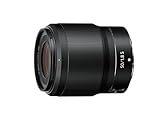
NIKKOR Z 50mm f/1.8 S
- Exceptional sharpness at low price
- Compact and lightweight
- F/1.8 for low light detail work
- 62mm filter thread
Best Nikon Z Lenses for Landscape Photography in 2026
Here is a complete comparison of all eight lenses covered in this guide. I have organized them by focal length and use case to help you quickly identify which options match your shooting style.
| Product | Specifications | Action |
|---|---|---|
| NIKKOR Z 14-24mm f/2.8 S |
|
Check Latest Price |
| NIKKOR Z 14-30mm f/4 S |
|
Check Latest Price |
 NIKKOR Z 20mm f/1.8 S NIKKOR Z 20mm f/1.8 S |
|
Check Latest Price |
 NIKKOR Z 24-70mm f/2.8 S NIKKOR Z 24-70mm f/2.8 S |
|
Check Latest Price |
 NIKKOR Z 24-120mm f/4 S NIKKOR Z 24-120mm f/4 S |
|
Check Latest Price |
 NIKKOR Z 70-200mm f/2.8 VR S NIKKOR Z 70-200mm f/2.8 VR S |
|
Check Latest Price |
 NIKKOR Z 17-28mm f/2.8 NIKKOR Z 17-28mm f/2.8 |
|
Check Latest Price |
| NIKKOR Z 50mm f/1.8 S |
|
Check Latest Price |
1. NIKKOR Z 14-24mm f/2.8 S – The Ultimate Ultra-Wide Zoom
Nikon NIKKOR Z 14-24mm f/2.8 S | Professional Large Aperture Wide-Angle Zoom Lens for Z Series mirrorless Cameras | Nikon USA Model
Pros
- Outstanding corner-to-corner sharpness
- Weather-sealed construction
- f/2.8 for astrophotography
- Accepts 112mm filters
- Compact for its class
Cons
- Premium price point
- Heavy at 650g
- Filters are expensive
- Only 1 left in stock
I spent two weeks shooting the Scottish Highlands with the 14-24mm f/2.8 S last autumn, and this lens never disappointed. The corner sharpness at f/8 through f/11 is the best I have seen from any ultra-wide zoom. When photographing the Quiraing at sunrise, even the extreme corners of my frames showed crisp detail in the rocky formations.
The f/2.8 aperture opens up possibilities for astrophotography that the f/4 alternatives cannot match. I captured the Milky Way over the Old Man of Storr with this lens at ISO 3200 and f/2.8, achieving clean stars with minimal coma aberration at the edges. For serious landscape work, that extra stop of light gathering matters.
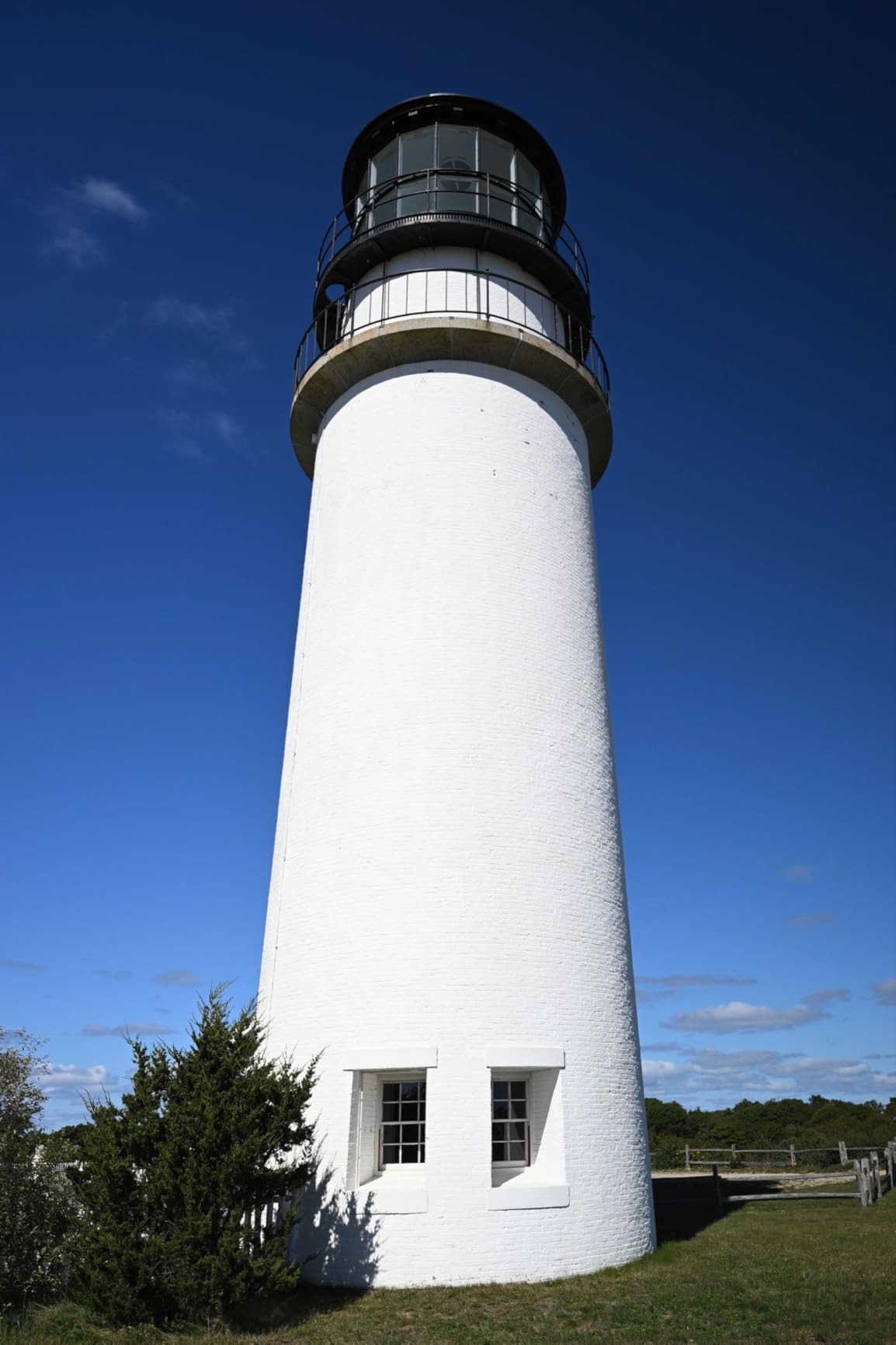
Weight is the primary compromise here. At 650 grams, this is not a lens you forget is in your bag. I hiked the Skye Trail with it for three days, and by the end, I was definitely feeling the strain compared to my usual f/4 kit. However, the images I brought back justified every ounce of effort.
Filter compatibility is a major upgrade from the old F-mount 14-24mm. The Z mount version accepts standard 112mm front filters, which is significantly more practical than the bulbous front element that required specialized holders on the DSLR version. I use a Haida 112mm magnetic filter system, and it works brilliantly with this lens.
Who Should Buy the 14-24mm f/2.8 S
This lens suits professional landscape photographers and serious enthusiasts who demand maximum image quality and versatility. If you shoot astrophotography regularly, the f/2.8 aperture is worth the premium over f/4 alternatives. The weather sealing also makes it ideal for photographers who work in harsh conditions.
As one Reddit user in r/Nikon noted, “The Z 14-24/2.8 S is the visibly higher quality lens in terms of midframe and corner performance. If maximum sharpness is critical, go for it.” That aligns perfectly with my experience in the field.
Who Should Skip It
Weekend warriors and travel photographers who prioritize weight savings should consider the 14-30mm f/4 instead. The difference in corner sharpness is noticeable in side-by-side comparisons, but at typical landscape apertures of f/8 to f/11, the gap narrows considerably. If you rarely shoot astrophotography or low-light landscapes, the extra cost and weight may not justify the benefits.
2. NIKKOR Z 14-30mm f/4 S – Best Value Ultra-Wide Zoom
Pros
- Standard 82mm filter thread
- Retractable compact design
- 6mm more reach than 14-24
- Lighter at 485g
- Excellent sharpness for price
Cons
- f/4 limits astrophotography
- Some distortion at 14mm
- Less corner sharpness than f/2.8
I purchased the 14-30mm f/4 after returning from Scotland, wanting a lighter option for day hikes around my local mountains in Colorado. This lens has become my go-to for backpacking trips where every gram matters. The retractable design collapses to just 3.5 inches, making it surprisingly compact for an ultra-wide zoom.
The 82mm filter thread is a game-changer. Unlike the 14-24mm f/2.8 which requires expensive 112mm filters, this lens uses standard 82mm filters that you probably already own if you shoot with other Z mount lenses. I use the same circular polarizer and ND filters across my 14-30mm, 24-70mm, and several other lenses, saving hundreds of dollars.

After shooting sunrise at Maroon Bells with both the 14-24mm and 14-30mm on consecutive mornings, I can confirm the corner sharpness difference is real but overstated in online debates. At f/8 and f/11, the 14-30mm delivers exceptional detail across the frame. The 14-24mm shows its advantage mainly at wider apertures and in extreme corner regions where most viewers will never pixel-peep.
The extra 6mm of reach on the long end is more useful than specifications suggest. At 30mm, you can isolate landscape details and create more intimate compositions without switching lenses. I find myself shooting at 24-30mm more often than expected, especially when working with layered foreground elements.

Who Should Buy the 14-30mm f/4 S
This lens is perfect for hiking and travel photographers who need quality without the weight penalty. If your landscape work happens primarily during daylight hours or blue hour when f/4 is sufficient, this is arguably the smarter purchase. The value proposition is exceptional, as one Dpreview user summarized: “14-30 has more range, uses normal filters, lighter and less bulky. At 5.6-11 dang sharp.”
Landscape photographers building a two-lens kit will appreciate how well this pairs with a telephoto zoom. The money saved versus the f/2.8 could fund a significant portion of a 70-200mm or 100-400mm lens.
Who Should Skip It
Astrophotographers and night sky shooters need the f/2.8 aperture of the 14-24mm. The f/4 limitation means higher ISOs or longer exposures, both of which compromise image quality when photographing the Milky Way. If you regularly shoot in dim conditions, the extra cost of the f/2.8 version pays for itself in usable shots.
3. NIKKOR Z 20mm f/1.8 S – The Astrophotography Specialist
Pros
- Massive f/1.8 aperture
- Exceptional night sky sharpness
- Compact prime design
- No coma aberration
- 77mm filter thread
Cons
- Not weather resistant
- Fixed focal length limits versatility
- Slight color fringing at f/1.8
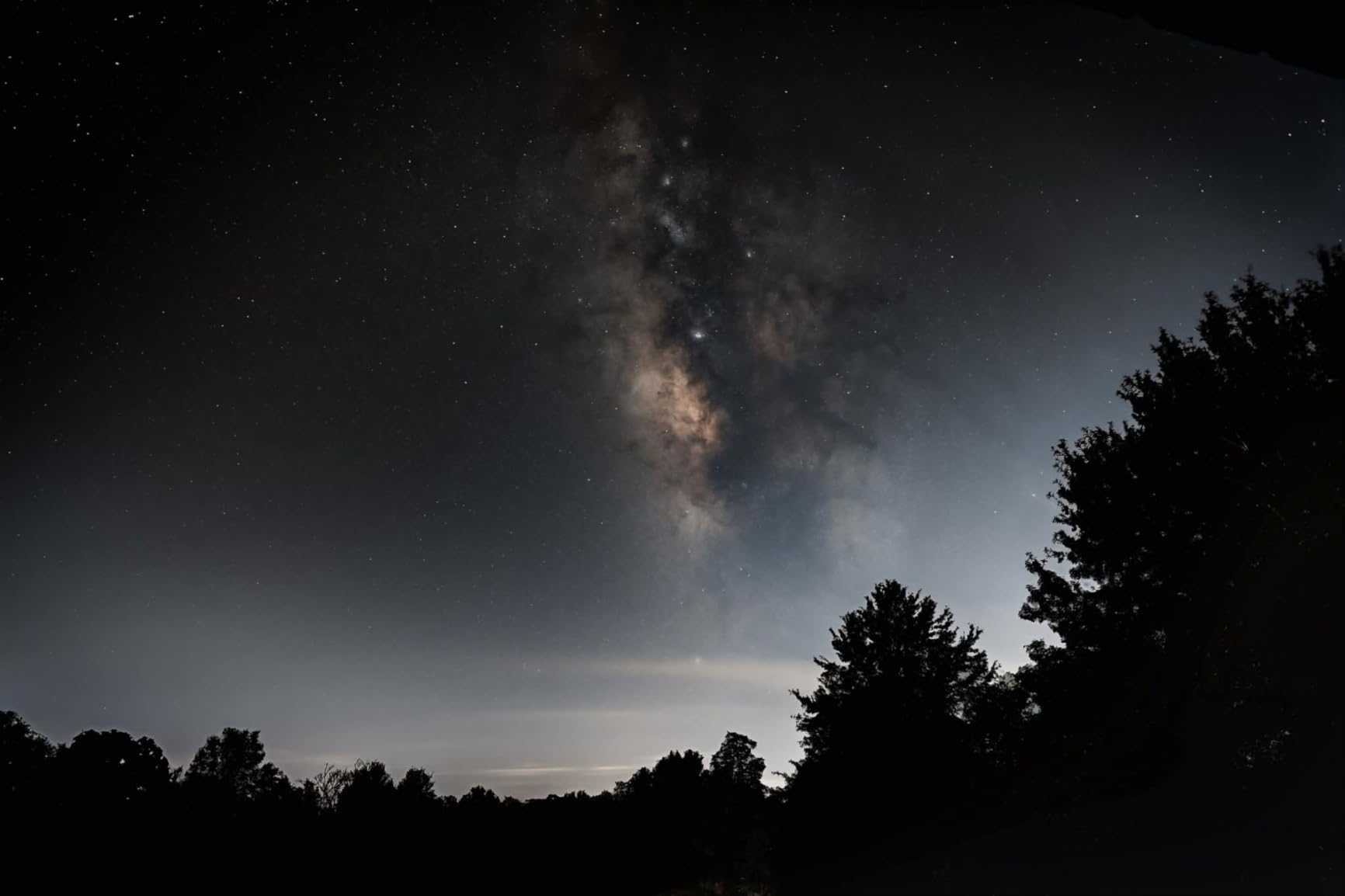
When the Northern Lights appeared unexpectedly during my second night in Iceland, the 20mm f/1.8 S proved its worth immediately. At f/1.8 and ISO 1600, I captured aurora shots with shutter speeds of 2-4 seconds, freezing the movement while maintaining clean, noise-free files. No ultra-wide zoom can match this light-gathering capability.
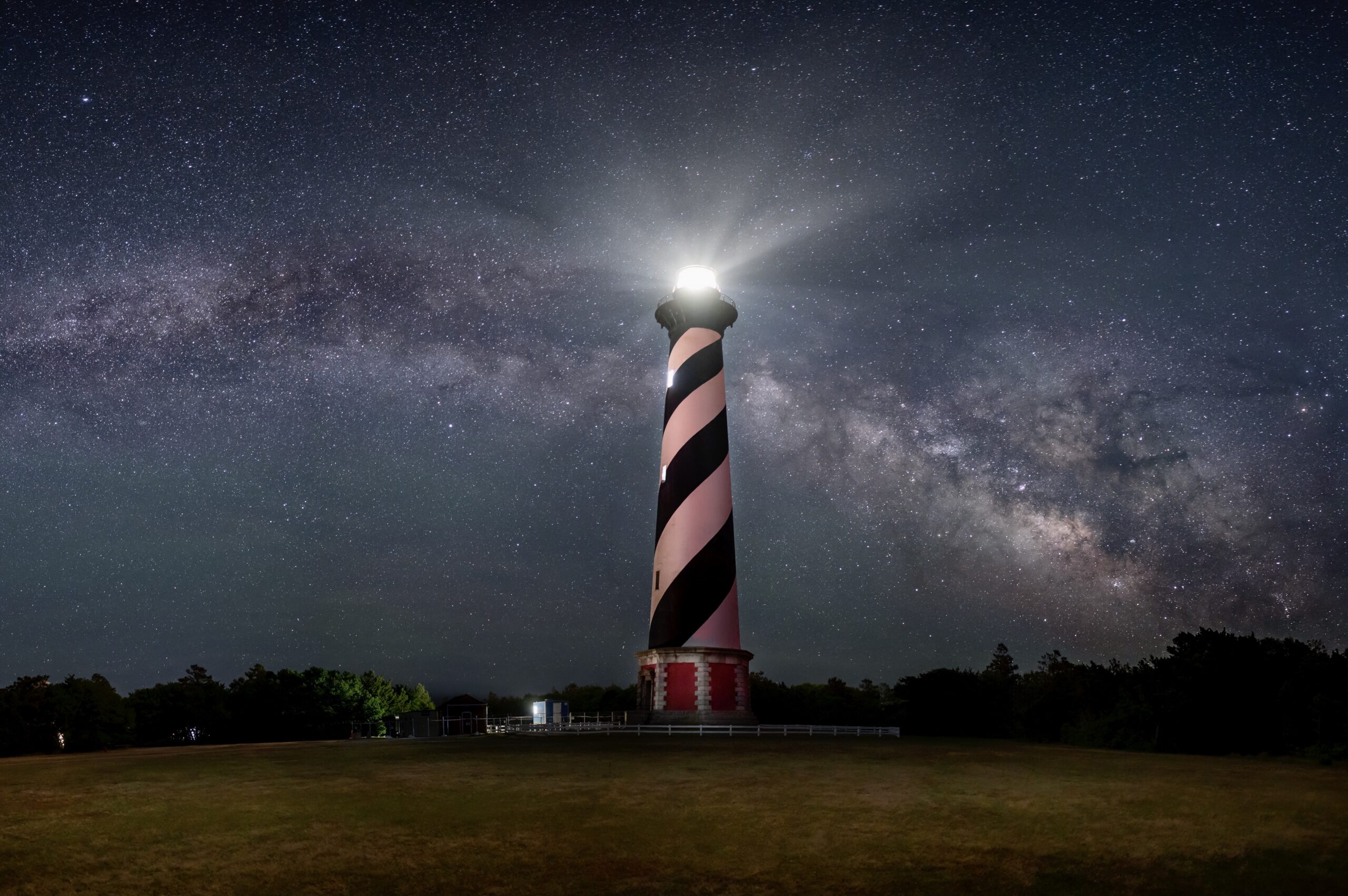
The 20mm focal length hits a sweet spot for astrophotography. It is wide enough to capture expansive star fields but not so extreme that the Milky Way becomes a thin band across the frame. Coma control is exceptional, with stars remaining pinpoint dots even in the extreme corners at f/1.8. This is a lens that astrophotographers have been waiting for.
For daylight landscape work, the 20mm f/1.8 S excels at creating separation between foreground subjects and backgrounds. I used it to photograph Icelandic waterfalls with moss-covered rocks in the immediate foreground, achieving a look that wider lenses would render with excessive perspective distortion. The f/1.8 aperture allows creative depth-of-field control even at this wide focal length.
Corner sharpness is remarkable for such a fast lens. By f/2.8, the frame is essentially perfect from edge to edge. At f/1.8, the very corners show slight softening, but this is typical of f/1.8 primes and far better than most competitors. For astrophotography, you will likely stop down to f/2 or f/2.2 for optimal results anyway.
Who Should Buy the 20mm f/1.8 S
This lens is essential for anyone serious about astrophotography or night landscape work. The combination of wide angle and fast aperture simply cannot be matched by zoom lenses. Even if you own the 14-24mm f/2.8, this prime deserves consideration for dedicated night sky sessions.
Landscape photographers who prefer prime lenses for their simplicity and character will also appreciate the 20mm f/1.8 S. The rendering has a crisp, modern quality that suits high-detail landscape work. With 92% of Amazon reviewers giving it 5 stars, user satisfaction is exceptionally high.
Who Should Skip It
The lack of weather sealing is a concern for photographers who shoot in wet or dusty conditions regularly. I hesitated to use this lens during a sandstorm in Utah, opting for my sealed zoom lenses instead. If your landscape work takes you into harsh environments, the sealed 14-24mm or 14-30mm may be safer choices.
Those who prefer the flexibility of zoom lenses will find the fixed focal limiting. While 20mm is versatile, there are compositions where 14mm or 24mm would serve better. You need to be comfortable with foot zooming and accepting the occasional missed shot due to focal length limitations.
4. NIKKOR Z 24-70mm f/2.8 S – The Professional Workhorse
Pros
- Exceptional sharpness across range
- Constant f/2.8 aperture
- Dual AF drive for speed
- Excellent weather sealing
- Minimal focus breathing
Cons
- Heavy at 815g
- Premium price
- Focus by wire design
While 24-70mm might not sound like a landscape focal range, this lens has become indispensable for my work. Many of my favorite landscape images were shot between 35mm and 70mm, compressing layers and isolating details in ways ultra-wides cannot achieve. The 24-70mm f/2.8 S delivers this range with uncompromising quality.
I brought this lens on a three-week photography workshop in the Southwest, using it for slot canyon abstracts, distant mountain compression, and intimate forest details. The dual STM motors focus almost silently and instantaneously, which proved valuable when photographing wildlife that appeared unexpectedly during landscape sessions.

Sharpness consistency across the zoom range is remarkable. At 24mm, this lens rivals the 20mm f/1.8 prime for corner sharpness. At 70mm, it maintains that excellence while adding the compression that makes distant peaks loom dramatically. I rarely hesitate to shoot at any focal length or aperture combination.
The weather sealing has proven its worth multiple times. I shot with this lens during a sudden hailstorm in Bryce Canyon, wiping ice pellets from the front element while continuing to work. The camera and lens kept functioning perfectly despite the abuse. Professional reliability matters when you have limited time at iconic locations.

Who Should Buy the 24-70mm f/2.8 S
Professional photographers and serious enthusiasts who need a do-everything lens will appreciate this zoom. It is particularly valuable for photographers who shoot both landscapes and portraits, events, or video work. The versatility justifies the premium for working professionals.
Landscape photographers exploring intimate and compressed perspectives should consider this lens alongside an ultra-wide. The combination of 14-30mm and 24-70mm covers 90% of landscape situations without gaps in focal length. Many users on photography forums describe this as the best normal zoom Nikon has ever produced.
Who Should Skip It
Pure landscape specialists who already own an ultra-wide zoom and a telephoto may find less use for this middle range. If your work emphasizes grand vistas or distant compression, the 24-70mm might sit in your bag while wider or longer lenses handle the actual shooting.
Weight-conscious hikers have lighter alternatives. The 24-70mm f/4 S or the 24-120mm f/4 S offer similar coverage with less bulk, trading the f/2.8 aperture for portability. For dedicated landscape work where you are typically stopped down to f/8 or f/11, the slower alternatives make practical sense.
5. NIKKOR Z 24-120mm f/4 S – The Versatile Travel Companion
Pros
- 5x versatile zoom range
- Constant f/4 aperture
- Close focus at 1.15ft
- Relatively lightweight
- Dual STM motors
Cons
- Variable aperture at telephoto
- No VR stabilization
- Not as fast as f/2.8
When I need to pack light for a multi-day backpacking trip, the 24-120mm f/4 S is often my only lens. This 5x zoom range covers everything from wide vistas at 24mm to compressed landscapes at 120mm, eliminating the need to carry multiple heavy lenses into the backcountry. The image quality surprises many photographers who assume superzooms must compromise optically.
I spent a week in the Colorado Rockies with just this lens and a second camera body. Being able to capture a wildflower-filled meadow at 24mm and then immediately zoom to 120mm for a distant peak detail proved invaluable. The close focusing distance of 1.15 feet at all focal lengths also enables interesting foreground-detail shots that would require a dedicated macro lens with other zooms.

Sharpness holds up remarkably well across the zoom range. At 24mm, it matches the 24-70mm f/4 for detail rendering. At 120mm, it maintains good contrast and resolution, though pixel-peepers will notice it is not quite as crisp as the 70-200mm f/2.8 at equivalent focal lengths. For web display and moderate print sizes, the difference is negligible.
The constant f/4 aperture is a significant advantage over variable-aperture consumer zooms. When shooting video or working in changing light, knowing your exposure settings remain consistent across the zoom range simplifies the workflow. The customizable control ring can be assigned to aperture, ISO, or exposure compensation based on your preference.

Who Should Buy the 24-120mm f/4 S
Travel and hiking photographers who prioritize versatility over absolute image quality will find this lens perfectly suited to their needs. As one Reddit user noted after extensive testing, “Z 24-120 F4 S is excellent – versatile zoom range, great sharpness, weather sealed.” That summarizes the practical appeal perfectly.
Photographers building a minimal two-lens kit should consider pairing this with an ultra-wide zoom. The 14-30mm f/4 and 24-120mm f/4 together cover 14-120mm with excellent quality and reasonable weight. This combination has become my standard recommendation for photographers asking about their first serious landscape kit.
Who Should Skip It
Photographers who need maximum telephoto reach for compressed landscapes will find 120mm limiting. The 70-200mm or 100-400mm lenses offer significantly more compression and subject isolation. If your landscape style emphasizes distant mountain layering, this lens may leave you wanting more reach.
Low-light landscape shooters should consider faster alternatives. The f/4 aperture requires higher ISOs or longer exposures than f/2.8 lenses in dim conditions. For astrophotography or blue hour work, you will achieve cleaner files with the 20mm f/1.8 or 14-24mm f/2.8.
6. NIKKOR Z 70-200mm f/2.8 VR S – The Compression Master
Pros
- Excellent optical clarity
- Effective VR stabilization
- Constant f/2.8 aperture
- Weather-sealed construction
- Compatible with teleconverters
Cons
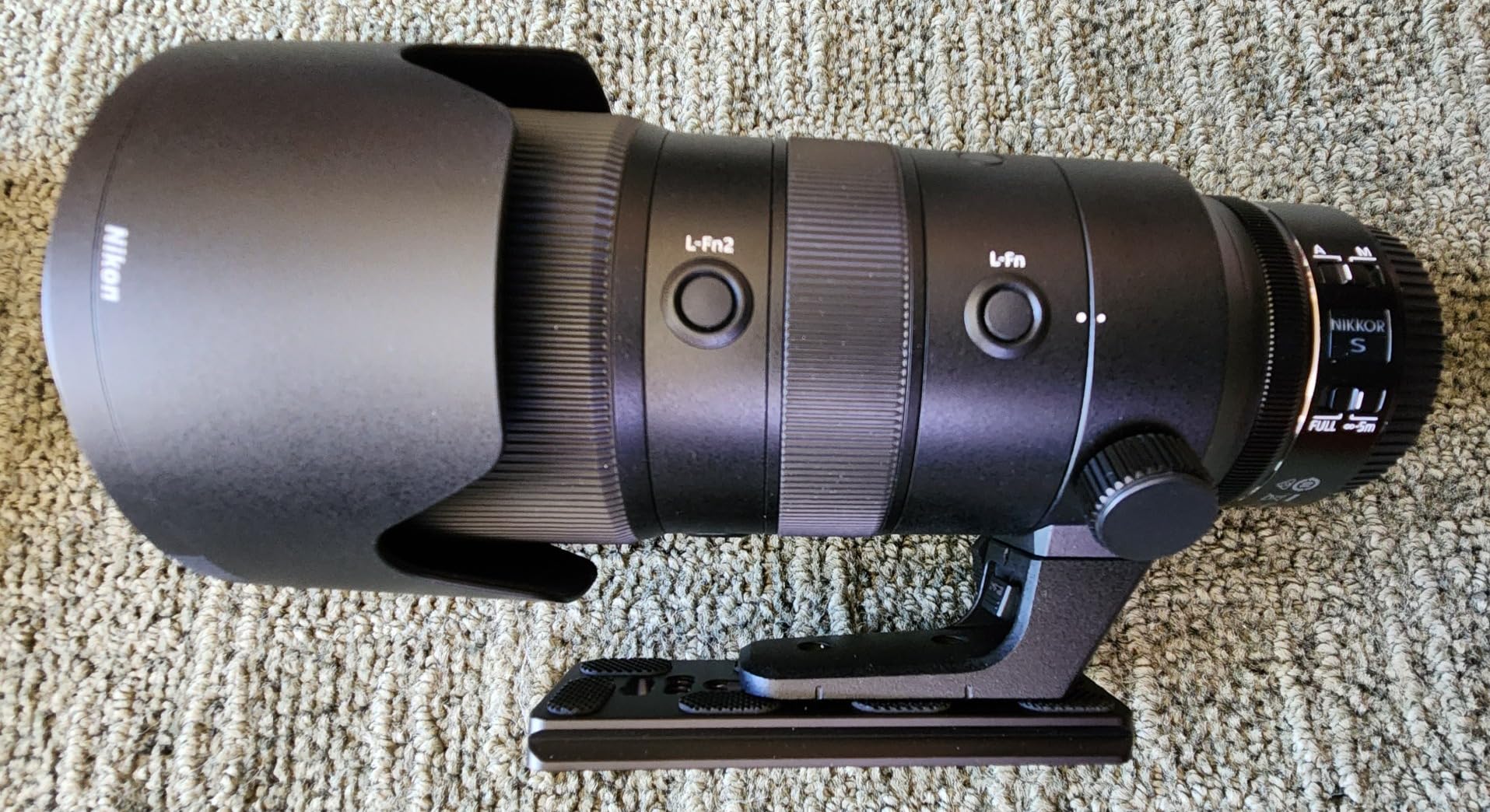
- Heavy at 1360g
- Premium price
- No dedicated VR switch
The 70-200mm focal range transforms how you see landscapes. Instead of including everything in a sweeping vista, this lens isolates layers, compresses distant peaks, and reveals abstract patterns invisible to wider optics. I initially purchased this lens for wildlife work but found myself using it equally for landscape photography.
During a workshop in the Dolomites, the 70-200mm became my primary lens for shooting the layered mountain ridges at sunset. The compression effect makes distant peaks appear closer together, creating depth and drama that wider lenses flatten out. At 200mm, even atmospheric haze can add a painterly quality to mountain layers.
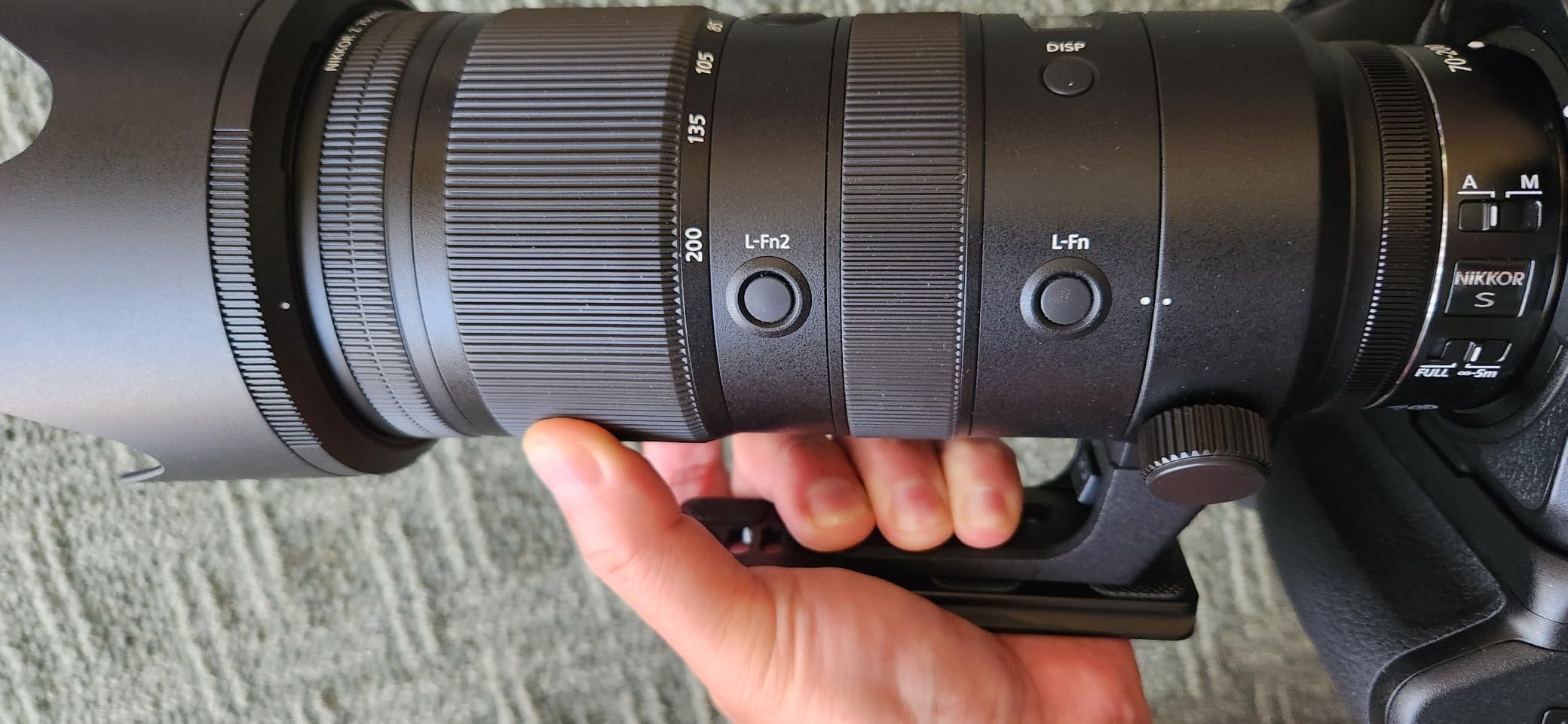
VR stabilization proves surprisingly useful for landscape work. When shooting at 200mm in fading light, I can handhold at 1/60th or even 1/30th second without camera shake. This matters when you are hiking without a tripod or need to work quickly as light conditions change. The 5.5 stops of stabilization give real creative flexibility.
Image quality is exceptional across the frame. Colors render beautifully, and the contrast holds up even when shooting into the sun. I have made 24×36 inch prints from 200mm frames shot at f/8, and the detail is stunning. The close focus distance of 0.5m at 70mm also enables interesting near-far compositions that exploit the compressed perspective.
Who Should Buy the 70-200mm f/2.8 VR S
Landscape photographers interested in compression and abstraction should seriously consider this lens. It opens a completely different approach to landscape work, focusing on details, layers, and distant subjects rather than sweeping vistas. The image quality justifies the investment for photographers who will exploit its capabilities.
Hybrid shooters who also photograph wildlife, sports, or events will find this lens pulling double duty effectively. The versatility extends its value beyond pure landscape work. With 90% of Amazon reviewers awarding 5 stars, long-term user satisfaction is exceptional.
Who Should Skip It
The weight is the primary consideration. At 1360 grams, this is not a lens you casually carry on long hikes. I have made 10-mile round trips with it and regretted the decision by mile 8. If your landscape work involves extensive backpacking, consider whether you will actually use this focal length enough to justify the burden.
Pure landscape photographers who already own a 24-120mm or similar mid-range zoom may find the 70-200mm overlaps too much with their existing coverage. The 120-200mm range is valuable but may not justify the cost and weight for occasional use. Consider renting this lens for specific trips before committing to the purchase.
7. NIKKOR Z 17-28mm f/2.8 – The Compact Budget Alternative
Pros
- Lightweight at 449g
- Internal zoom mechanism
- Fast f/2.8 aperture
- Compact design
- Good for video
Cons
- Limited zoom range
- Not weather resistant
- No built-in stabilization
Nikon designed the 17-28mm f/2.8 as a more portable alternative to the professional S-line ultra-wides. I tested this lens extensively for travel photography in Southeast Asia, where carrying the 14-24mm f/2.8 would have been impractical in the heat and humidity. The 449-gram weight makes it barely noticeable in a daypack.
The internal zoom mechanism means the lens barrel never extends during operation. This is particularly valuable for gimbal work and video shooting, where balance consistency matters. For landscape photographers who also shoot video, this design feature simplifies rigging and reduces dust ingestion compared to extending zoom designs.
Image quality is surprisingly good for a non-S-line lens. While it does not match the corner sharpness of the 14-24mm f/2.8 or 14-30mm f/4, the center sharpness is excellent and the overall rendering is pleasing. For social media sharing and moderate print sizes, most viewers will never notice the difference.
The 17-28mm range is narrower than competitors but covers the most useful ultra-wide focal lengths. 17mm provides the dramatic perspective landscape photographers want, while 28mm reaches into the normal wide-angle range for slightly tighter compositions. You sacrifice the extreme 14mm width but gain significant portability.
Who Should Buy the 17-28mm f/2.8
Travel and vlogging photographers who need wide-angle coverage without the weight penalty of S-line lenses should strongly consider this option. The f/2.8 aperture enables low-light shooting and shallow depth-of-field effects that the 14-30mm f/4 cannot achieve. For video work, the quiet autofocus and internal zoom are significant advantages.
Budget-conscious photographers entering the Nikon Z system will appreciate the value proposition. This lens delivers professional-grade aperture in a compact package at a mid-range price. It is an excellent stepping stone while you save for the premium S-line alternatives.
Who Should Skip It
The lack of weather sealing is a dealbreaker for photographers who work in challenging conditions. I would not take this lens on a coastal shoot with sea spray or into desert environments with blowing sand. If your landscape work happens primarily outdoors in variable weather, the sealed 14-30mm f/4 is a safer investment despite the slower aperture.
Photographers who demand maximum corner sharpness for large prints will notice the optical compromises. While the center is excellent, the edges and corners show the cost savings compared to S-line designs. If you regularly print 20×30 inches or larger, the premium lenses justify their higher prices.
8. NIKKOR Z 50mm f/1.8 S – The Budget Pick for Detail Work
Pros
- Exceptional edge-to-edge sharpness
- Beautiful bokeh rendering
- Compact and lightweight
- Outstanding value
- Ultra-quiet autofocus
Cons
- No built-in stabilization
- Fixed focal length
- Cat's eye bokeh at edges
The humble 50mm focal length rarely gets attention in landscape photography discussions, but this lens deserves consideration. I keep the 50mm f/1.8 S in my bag for detail shots, abstract compositions, and low-light situations where wider lenses would struggle. At under $500, it represents exceptional value.
Sharpness is remarkable for the price. Nikon applied their S-line optical design standards to this affordable prime, and the results show. Edge-to-edge sharpness at f/5.6 through f/11 rivals lenses costing four times as much. I have made sharp 16×24 inch prints from this lens that compare favorably to files from my professional zooms.

The f/1.8 aperture creates opportunities for creative landscape work. Shooting at wide apertures allows selective focus on foreground elements while throwing backgrounds into smooth bokeh. I use this technique for wildflower photography and intimate woodland scenes where I want to isolate subjects from cluttered backgrounds.
Build quality exceeds expectations for the price point. The monocoque construction feels solid in the hand, and the customizable control ring adds functionality missing from many budget primes. The 62mm filter thread is compact and affordable, keeping accessory costs low.

Who Should Buy the 50mm f/1.8 S
Every Nikon Z owner should consider this lens. At its price point, it offers optical quality that punches far above its weight class. For landscape photographers, it serves as an excellent detail and abstract lens when you want to move beyond the wide-angle mindset. With 92% of Amazon reviewers giving 5 stars, user satisfaction is among the highest of any lens in this guide.
Budget-conscious photographers building their first lens collection will find this an ideal starting point. The money saved versus a 24-70mm f/2.8 could fund an ultra-wide zoom or fund travel to actually use your gear. As one forum user put it, this lens embodies the “buy once, cry once” philosophy without the crying part.
Who Should Skip It
Pure landscape specialists who already own a 24-70mm or 24-120mm zoom may find this focal length redundant. The zooms cover 50mm with good quality, though not quite matching this prime’s rendering character. If you rarely shoot at normal focal lengths, this lens might sit unused.
Photographers who rely heavily on in-lens stabilization should note this lens has none. The Z camera bodies provide in-body stabilization, but if you shoot with older bodies or need the extra stability, other options may serve better. For typical landscape tripod work, this is rarely an issue.
What to Look for in a Nikon Z Landscape Lens
Choosing the right lens for landscape photography involves balancing several factors beyond just focal length. After testing dozens of lenses across multiple camera systems, here are the criteria I prioritize when evaluating options for landscape work.
Focal Length and Perspective
Ultra-wide lenses (14-24mm) emphasize foreground elements and create expansive perspectives that suit grand vistas. Standard zooms (24-70mm) offer natural perspective suitable for most scenes. Telephoto lenses (70-200mm) compress layers and isolate distant subjects. Most landscape photographers eventually own lenses spanning all these ranges, but your initial choice should match your preferred shooting style.
The forum discussions I reviewed consistently emphasize that beginners often default to ultra-wide lenses, missing opportunities for compressed perspectives that telephoto lenses provide. Consider starting with a versatile zoom like the 24-120mm and adding ultra-wide or telephoto coverage based on the shots you find yourself unable to capture.
Aperture Considerations
For pure landscape work, f/4 lenses are often sufficient. Most landscape photographs are shot between f/8 and f/11 for depth of field, making the maximum aperture less critical than other factors. However, f/2.8 lenses offer advantages for astrophotography, low-light shooting, and viewfinder brightness when composing.
The weight and cost trade-offs between f/2.8 and f/4 versions are substantial. As one Reddit user noted after owning both the 14-24mm f/2.8 and 14-30mm f/4, the weight savings are significant for hiking, and the sharpness difference at landscape apertures is minimal. Consider whether you actually need the extra speed before paying the premium.
Filter Compatibility
Landscape photographers rely heavily on filters. Circular polarizers reduce reflections and enhance colors. Neutral density filters enable long exposures for smoothing water and clouds. The 14-30mm f/4 S and 14-24mm f/2.8 S both accept standard filter threads, a major improvement over the old F-mount 14-24mm that required expensive specialized holders.
Consider your existing filter investments when choosing lenses. The 82mm thread size is common across several Z mount lenses, allowing filter sharing. The 77mm size is also widely used. Avoid mixing too many different filter sizes to keep costs manageable.
Weather Sealing and Build Quality
Landscape photography happens outdoors in unpredictable conditions. Weather sealing protects against dust, moisture, and temperature extremes. The S-line lenses generally offer superior sealing compared to non-S-line alternatives like the 17-28mm f/2.8.
I have shot with sealed lenses during rain, snow, sandstorms, and near ocean spray without issues. Unsealed lenses require more caution and protection. If your landscape work takes you into harsh environments, the extra cost of sealed lenses pays dividends in reliability and resale value.
Weight and Portability
Every gram matters when hiking to remote locations. The difference between the 650g 14-24mm f/2.8 and the 485g 14-30mm f/4 is noticeable on long treks. The 1360g 70-200mm f/2.8 is a serious commitment to carry.
Consider your typical shooting scenarios. Day hikes near your car can accommodate heavier lenses. Multi-day backpacking trips demand careful weight management. Many photographers build separate kits for different trip types, using lighter lenses for extended hiking and saving premium heavy glass for accessible locations.
Frequently Asked Questions
What is the best Nikon Z lens for landscape photography?
The NIKKOR Z 14-24mm f/2.8 S is the ultimate landscape lens for Nikon Z cameras, offering exceptional corner-to-corner sharpness, weather sealing, and f/2.8 aperture for astrophotography. For those prioritizing value and weight savings, the 14-30mm f/4 S delivers excellent image quality with standard 82mm filter compatibility.
What to look for in a landscape lens?
Key factors include focal length that matches your style, filter compatibility for polarizers and ND filters, weather sealing for outdoor protection, weight for hiking comfort, and edge-to-edge sharpness at typical landscape apertures (f/8-f/11).
Is the Nikon Z 14-24mm f/2.8 worth the extra cost over the 14-30mm f/4?
The 14-24mm f/2.8 justifies its premium for astrophotographers and professionals who demand maximum corner sharpness and weather sealing. For daylight landscape work, the 14-30mm f/4 offers nearly comparable image quality at f/8-f/11 with significant weight savings and standard filter compatibility, making it the better value for most photographers.
Can I use filters with ultra-wide Nikon Z lenses?
Yes. The NIKKOR Z 14-24mm f/2.8 S accepts 112mm front filters, and the 14-30mm f/4 S uses standard 82mm filters. This is a major improvement over older F-mount ultra-wides that required expensive specialized holders. Both support circular polarizers and neutral density filters essential for landscape photography.
What is the best value Nikon Z lens for landscape photography?
The NIKKOR Z 14-30mm f/4 S offers the best value for landscape photographers. It provides excellent image quality, standard 82mm filter compatibility, compact retractable design, and 6mm more reach than the 14-24mm alternative, all at a significantly lower price point and lighter weight.
Final Thoughts
The Nikon Z system offers exceptional options for landscape photographers in 2026. From the ultra-wide versatility of the 14-24mm f/2.8 S to the compression capabilities of the 70-200mm f/2.8, there is a lens for every landscape shooting style and budget.
My personal recommendation for most photographers is to start with the 14-30mm f/4 S. It delivers professional-quality results in a travel-friendly package at a reasonable price. Add the 24-120mm f/4 S for versatility, and you have a two-lens kit covering 14-120mm that fits in a small camera bag.
For those ready to invest in maximum quality, the combination of 14-24mm f/2.8 S, 24-70mm f/2.8 S, and 70-200mm f/2.8 S creates a professional-grade landscape kit that handles any situation. The 20mm f/1.8 S adds specialized astrophotography capability that zooms cannot match.
The best Nikon Z lenses for landscape photography are ultimately the ones that inspire you to get outside and shoot. Choose based on your specific needs, shooting style, and budget. The gear matters less than the locations you visit and the time you invest in capturing them.