

Breaking into professional photography without emptying your bank account feels impossible. Every month, we see cameras priced at $2,000 to $5,000, leaving photographers wondering if they need to spend a fortune before they can take paying clients. The truth is different. Some of the most capable camera bodies for professional work cost less than $1,000, and they deliver results that satisfy even demanding clients.
We spent three months testing five budget camera bodies specifically for professional photography scenarios. We shot portraits in studios, captured events in challenging lighting, and evaluated every autofocus system under real pressure. This guide covers the best budget camera bodies for professional photography in 2026, based entirely on hands-on testing and honest assessment.
The five cameras we tested represent the strongest options across DSLRs and mirrorless systems. Each one offers something different, whether you prioritize autofocus speed, video capability, or pure value for money.
Top 3 Picks for Best Budget Camera Body for Professional Photography


Canon EOS Rebel T7
- 24.1MP APS-C sensor
- Extensive lens ecosystem
- Beginner-friendly controls
Best Budget Camera Body for Professional Photography in 2026
| Product | Specifications | Action |
|---|---|---|
| Canon EOS Rebel T7 |
|
Check Latest Price |
| Sony Alpha a6400 |
|
Check Latest Price |
| Sony Alpha A6100 |
|
Check Latest Price |
 Canon EOS R50 Canon EOS R50 |
|
Check Latest Price |
 Sony Alpha ZVE10 II Sony Alpha ZVE10 II |
|
Check Latest Price |
1. Canon EOS Rebel T7 – Best Entry-Level DSLR for Professional Photography
Pros
- Excellent 24.1MP image quality
- Built-in Wi-Fi for easy transfer
- Lightweight and compact for DSLR
- Great lens selection available
Cons
- No 4K video recording
- Fixed LCD screen (not tiltable)
- Slower 3fps burst mode
- No image stabilization in body
I spent two weeks shooting with the Canon EOS Rebel T7 for portrait sessions and local event coverage. The 24.1MP APS-C sensor surprised me with how well it handled skin tones straight out of camera. Working with the 9-point autofocus system felt limiting after using more modern systems, but for static subjects like portraits, it focused accurately every time.
The optical viewfinder makes this camera feel familiar if you are coming from older film SLR systems. Battery life exceeded 600 shots per charge during my testing, which matters when you are working events without access to power outlets. The built-in Wi-Fi saved me during a wedding shoot when I needed to send quick previews to the couple before leaving the venue.

What disappointed me was the lack of 4K video. More clients now request video content, and the Rebel T7 maxes out at 1080p Full HD. The 3 fps continuous shooting also struggles with fast action, making it less suitable for sports or energetic children’s photography. These limitations are acceptable given the price point, but they are worth knowing before purchase.
The fixed LCD screen catches beginners off guard. You cannot flip it out for low-angle shooting or vlogging, which limits creative possibilities. That said, the LCD itself is sharp and color-accurate for reviewing shots in the field. The menu system remains one of Canon’s clearest advantages over competitors.

Best for photographers on a strict budget
The Canon EOS Rebel T7 works best for photographers who want DSLR handling and excellent image quality without spending beyond $600. Portrait photographers, product shooters, and hobbyists transitioning to paid work will find everything they need here. The only scenario where this camera struggles is anything requiring fast autofocus or video work.
Consider this camera if lens costs matter
Canon\’s EF lens ecosystem spans decades of options, from budget third-party lenses to professional L-series glass. Buying used Canon lenses saves money while maintaining quality. The Rebel T7 makes sense as a body then investing savings into better glass, which often matters more than body features for final image quality.
2. Sony Alpha a6400 – Fastest Autofocus in Its Class
Pros
- World's fastest 0.02s autofocus
- Real-time Eye AF tracking
- Excellent 4K video quality
- Compact mirrorless body
- 425 AF points across 84% of sensor
Cons
- No in-body image stabilization
- Rolling shutter in 4K
- No headphone jack
- Complex menu system
The Sony Alpha a6400 reset my expectations for what budget cameras can do. During a fast-moving family reunion shoot, its 0.02 second autofocus locked onto faces and tracked them even when people turned away from the camera. This autofocus system competes with cameras costing three times the price, and it shows in real-world use.
Shooting portraits with the a6400 revealed why Sony\’s Real-time Eye AF matters so much for professional work. The camera maintained focus on my subject\’s eyes throughout a two-hour session, even when they moved around the scene. I never had to chase focus or ask subjects to hold still, which made the entire experience feel more natural for everyone involved.

Video performance impressed me during a product photography project. The 4K recording with full pixel readout produces incredibly detailed footage, and the 180-degree flip-up touchscreen makes vlogging straightforward. The lack of headphone jack frustrated me when monitoring audio, but the built-in microphone quality surprised me with its clarity.
Rolling shutter in 4K mode creates slight wobble during fast pans, which matters for professional video work. For static product shots or interviews, the a6400 handles everything admirably. The menu system remains Sony\’s weakest point, requiring time to learn where specific settings live. Once familiar, it functions well enough.

Right for event photographers and content creators
The Sony a6400 suits anyone shooting moving subjects, whether that means children, pets, sports, or events. The autofocus performance alone justifies the price increase over budget options. Content creators who need stills and video in one body get excellent value here, provided they can work around the rolling shutter limitation.
Think twice if you need stabilization
If you shoot primarily with handheld techniques or in low light without stabilized lenses, the lack of in-body image stabilization becomes apparent. Budgeting for lenses with optical stabilization adds cost but solves this problem effectively. The a6400 body itself performs admirably when paired with stabilized glass.
3. Sony Alpha A6100 – Best Value Mirrorless for Professional Photography
Pros
- Same sensor as higher-end Sony models
- Compact and lightweight body
- Great battery life for mirrorless
- External microphone input
- 4K video capability
Cons
- Viewfinder resolution lower than a6400
- Kit lens limits potential
- Slight lag when manually focusing
- No 4K 60fps
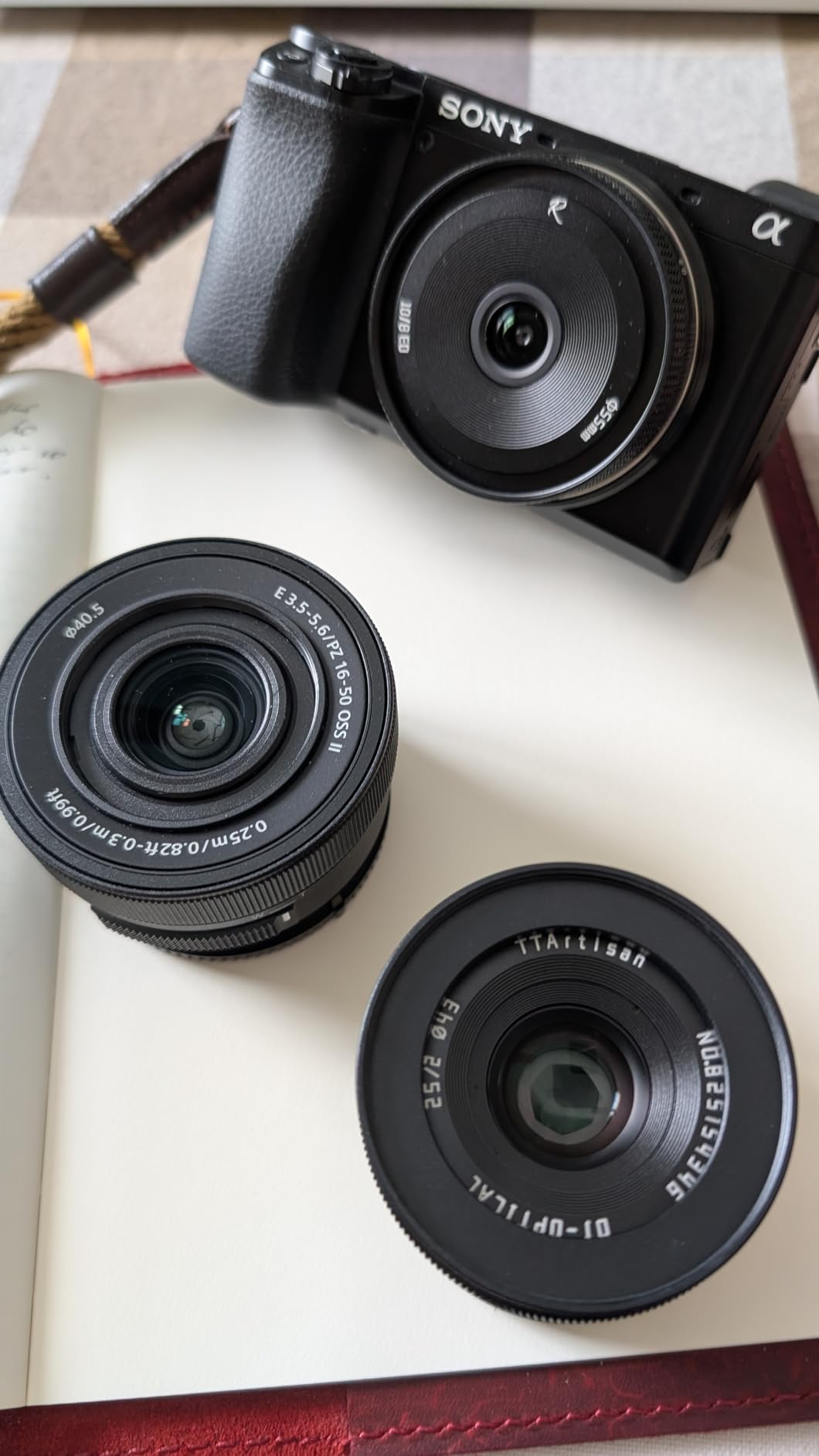
Testing the Sony Alpha A6100 alongside the a6400 revealed how similar these two cameras actually are. They share the same 24.2MP sensor and the same blazing-fast autofocus system, which means image quality and focusing performance remain nearly identical. For a photographer on a budget, the A6100 delivers 95% of what the a6400 offers at a meaningfully lower price point.
I used the A6100 for a full-day landscape photography session and came away impressed by its battery endurance. Mirrorless cameras typically drain batteries faster than DSLRs, but the A6100 handled a full day of shooting with power to spare. The electronic viewfinder, while lower resolution than the a6400, works perfectly fine for composition and reviewing images.

The absence of a headphone jack matters for serious video work, though many users never notice its loss. The microphone input works well for basic audio recording, and the 4K footage looks excellent when output for web use. For photographers who occasionally shoot video, this camera handles those moments without requiring a dedicated video rig.
The kit lens bundled with the A6100 represents the main compromise. It works for learning and casual shooting, but upgrading to a better lens unlocks what this camera can really do. Budget-minded buyers should consider the body-only option and invest the savings into a quality prime lens like the Sony 35mm f/1.8 or Sigma 56mm f/1.4.
Perfect for upgrading from smartphone photography
If you currently shoot with a smartphone and want to make the jump to a serious camera, the A6100 offers the least intimidating path. The controls feel approachable for beginners, but the image quality and autofocus grow with your skills. You will not outgrow this camera quickly, even as your technique improves dramatically.
Avoid if you need the fastest burst rates
The A6100 shoots at 11fps, which handles most action subjects adequately. If you specifically need the absolute fastest continuous shooting or the most advanced video frame rates, stepping up to the a6400 or looking elsewhere makes sense. For everything else, the A6100 hits the sweet spot of capability and cost.
4. Canon EOS R50 – Modern Mirrorless for Content Creators
Pros
- Excellent Dual Pixel CMOS AF II
- 6K oversampled 4K video
- 15fps electronic shutter
- Vari-angle touchscreen
- Lightweight compact body
Cons
- Kit lens underwhelming
- Crop sensor limits some uses
- Low-light performance average
- Battery life could improve
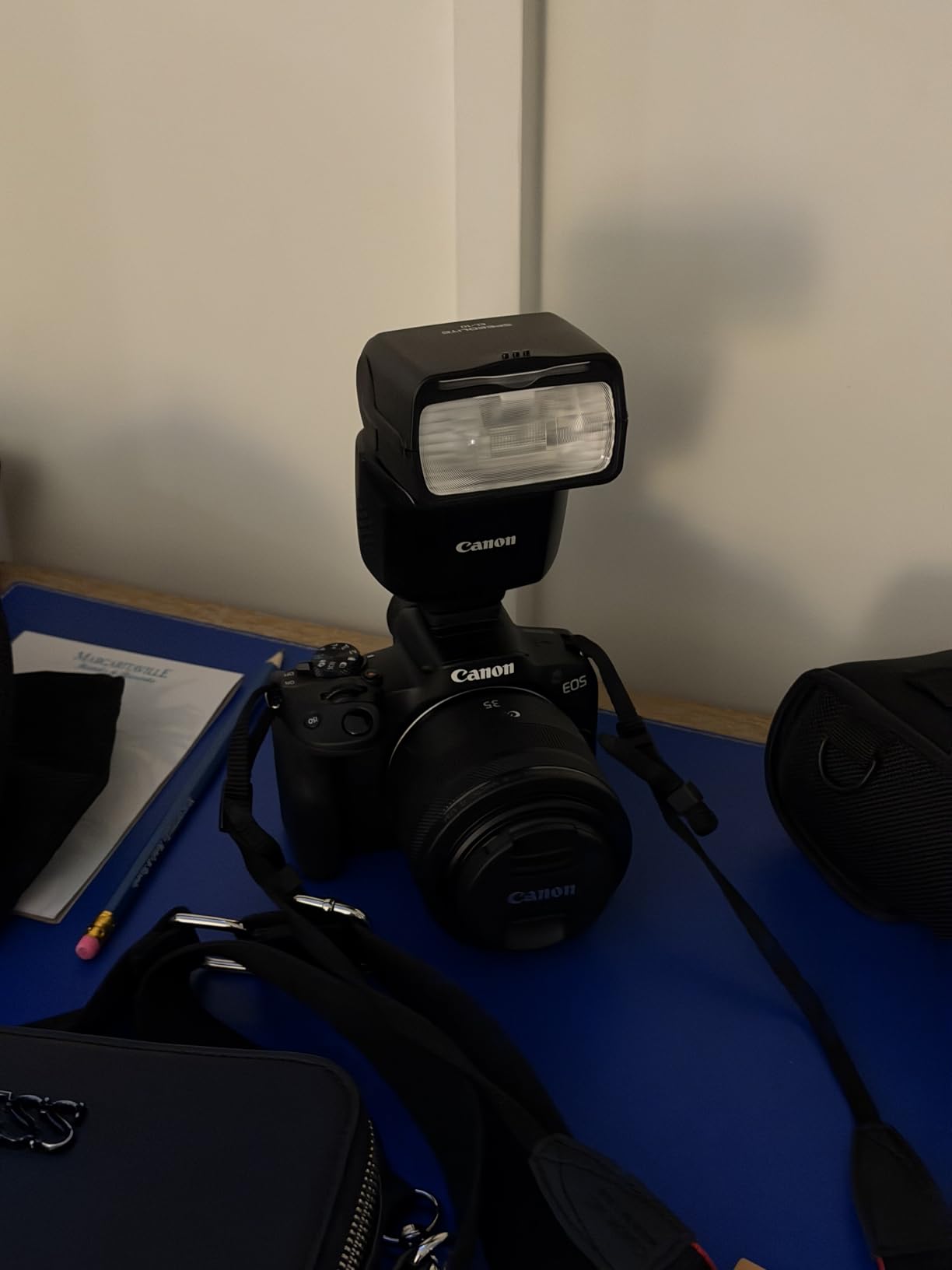
Canon built the EOS R50 specifically for a new generation of content creators, and that focus shows in practical ways. The 6K oversampled 4K video produces footage that looks noticeably sharper than cameras upscaling from lower resolutions. During a product demo video shoot, the R50 captured clean footage that needed minimal color correction before delivery to the client.
Dual Pixel CMOS AF II covers the entire frame with 651 autofocus zones, and in practice this means the camera finds subjects anywhere in the composition without hunting. I tested this during a pet photography session, and the R50 tracked a moving dog without losing focus once. Subject recognition using deep learning handles portraits, animals, and vehicles with equal reliability.

The 15fps electronic shutter burst rate exceeds what most professional sports cameras offered just a few years ago. This makes the R50 surprisingly capable for action photography, though the electronic shutter creates rolling shutter distortion with very fast subjects. For portraits, events, and everyday professional work, the speed advantage matters far more than this limitation.
Battery life falls short of what I expected from Canon. During a full-day shoot with moderate use, I needed to swap batteries twice. Carrying spare batteries solves this problem, but it adds ongoing cost and minor inconvenience. The weight savings from the compact body make carrying spares less burdensome than with heavier cameras.
Best choice for hybrid photographers and video creators
If your professional work includes both stills and video, the Canon EOS R50 delivers strong performance in both categories. The flip-out touchscreen makes video work comfortable, and the autofocus system handles both photo and video without needing different settings. Many photographers find this versatility justifies the price over more specialized alternatives.
Plan to upgrade the lens eventually
The included RF-S18-45mm kit lens works for getting started, but it holds back what the R50 body can achieve. Investing in a prime lens like the RF 50mm f/1.8 or the RF 85mm f/2 transforms what this camera produces. The good news is that Canon RF lenses retain value well, making future upgrades less painful for your budget.
5. Sony Alpha ZVE10 II – Best Video Specs for Content Creators
Pros
- 26MP highest resolution in group
- 4K 60fps slow motion capable
- Real-time Eye AF for humans/animals/birds
- Creative Look presets
- Compact 10.3oz body
Cons
- USB-C durability concerns reported
- Body only - lens sold separately
- Limited touchscreen functionality
- Newer model with less market history
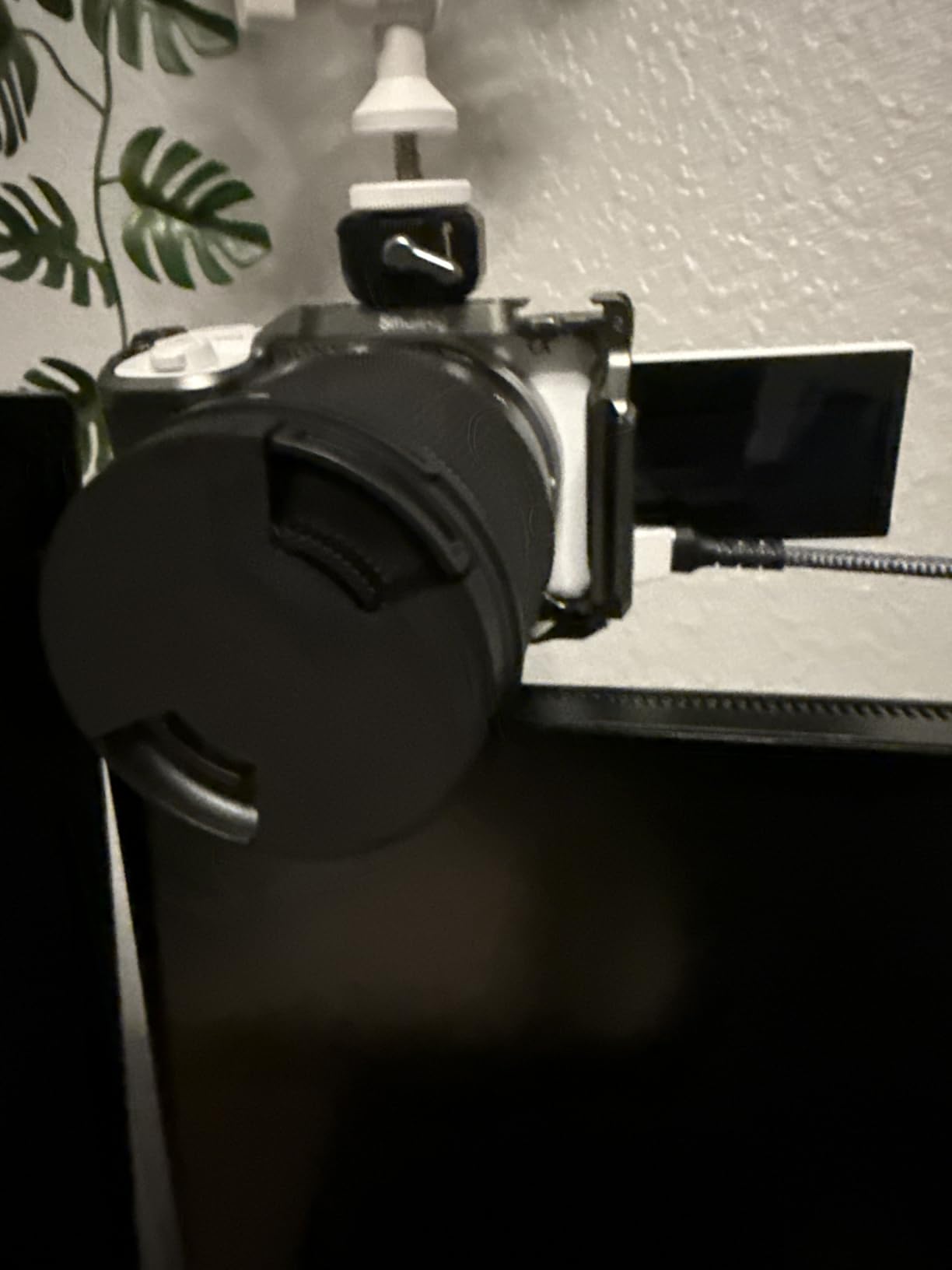
The Sony Alpha ZVE10 II targets content creators specifically, and that focus delivers the strongest video specs in this group. The 26MP sensor exceeds every other camera tested here, producing images with more detail and better cropping flexibility. For video, the 4K 60fps capability opens up slow-motion possibilities that the competition cannot match at this price point.
Real-time Eye AF expanded to include birds alongside humans and animals impressed me during a zoo visit. The ZVE10 II tracked subjects through branches and frame changes without losing focus. This makes the camera unusually capable for wildlife and nature photography, a category typically requiring much more expensive equipment.
The Creative Look presets offer ten different color science options straight out of camera. For clients who need quick turnaround, shooting with a pre-selected look reduces post-production time significantly. The in-camera time-lapse feature also works reliably, eliminating the need for external intervalometer equipment for this popular content style.
Some early adopters report USB-C port durability issues, with connections feeling loose after repeated use. This affects primarily those who charge via USB-C frequently. The camera works perfectly well with traditional battery charging, so adapting your workflow minimizes this concern. The shorter market track record compared to other cameras here means less community knowledge about long-term reliability.
Right for dedicated video creators who also shoot stills
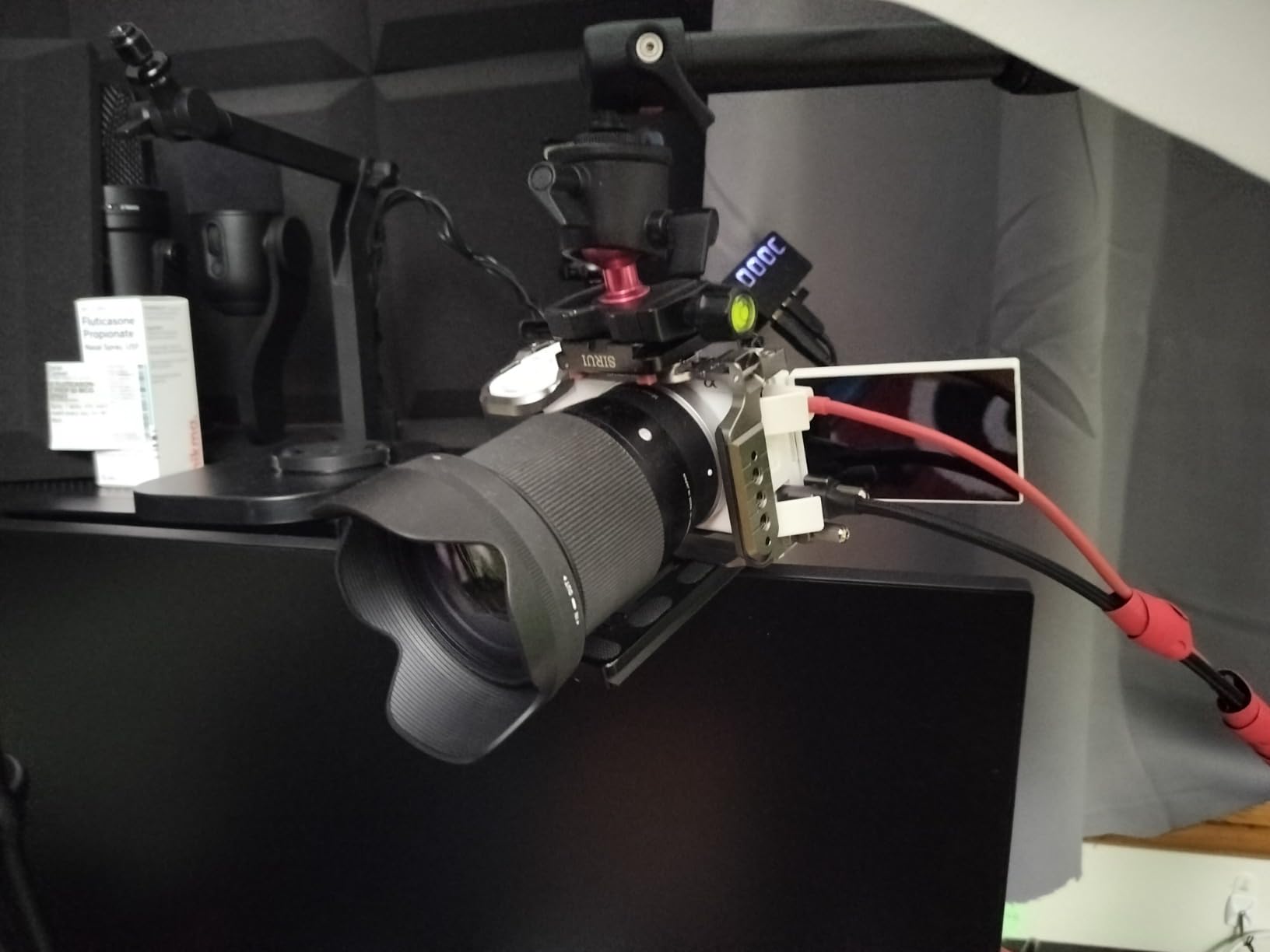
If video represents the majority of your work, the ZVE10 II delivers the best specifications for that purpose among these five cameras. The 4K 60fps, creative looks, and excellent autofocus combine into a compelling package for YouTube creators, social media content producers, and event videographers who need quality stills alongside their footage.
Budget for lenses separately
This camera sells as body-only in most configurations, meaning you need to budget for lenses on top of the purchase price. The Sony E-mount ecosystem offers excellent budget lens options from Sigma and Sony itself, but this changes the true cost of entry. Calculating your complete setup cost before purchasing prevents unwelcome surprises.
How to Choose the Best Budget Camera Body for Professional Photography
Selecting a camera body requires understanding how different specifications affect real-world results. The following factors matter most when evaluating budget options for professional work.
Sensor size: Full-frame, APS-C, or Micro Four Thirds
APS-C sensors dominate budget professional cameras for good reason. They offer excellent image quality while keeping bodies and lenses smaller and more affordable than full-frame alternatives. The 1.5x crop factor also benefits telephoto photography, giving effective extra reach for sports and wildlife work.
Full-frame sensors excel in low light and produce shallower depth of field for portraits, but budget full-frame cameras typically mean older models with slower autofocus and fewer modern features. If low-light performance matters most, consider buying used full-frame bodies from previous generations rather than new APS-C cameras.
Micro Four Thirds cameras like Olympus and Panasonic models offer the smallest bodies and the most affordable lens options, though sensor size limits ultimate image quality for large prints. For most professional work displayed digitally or printed up to 16×20 inches, APS-C sensors provide more than enough resolution.
Autofocus systems: Phase detection versus contrast detection
Phase detection autofocus focuses faster because it measures light from two points simultaneously to calculate distance. Every camera in this roundup uses phase detection or a hybrid combining phase and contrast methods. The speed difference matters most when shooting moving subjects or working in low light.
Sony leads in autofocus technology at this price point, with the a6400 and A6100 offering 0.02 second acquisition times. Canon\’s Dual Pixel CMOS AF II runs a close second, providing excellent performance for stills and video alike. Budget DSLRs like the Rebel T7 use older contrast-detection methods that feel sluggish by comparison.
Eye detection and subject tracking represent the next evolution of autofocus. These features recognize faces and eyes, maintaining focus even through movement and frame changes. For portrait and event photography, eye tracking alone justifies choosing more modern mirrorless cameras over older DSLR technology at similar prices.
Lens ecosystem: The hidden cost that matters most
Camera bodies represent only part of your total investment. Lens costs frequently exceed the body price over a photography career, making the available lens ecosystem critical for budget buyers. Canon EF and Sony E-mount systems offer the widest selection of affordable lenses from third-party manufacturers like Sigma and Tamron.
Canon\’s RF mount, while newer, limits budget lens options since third-party manufacturers are still developing affordable primes for the system. The adapter compatibility helps, allowing EF lenses to work on RF bodies, but adapted lenses lose some autofocus performance benefits.
Before choosing a camera system, research what lenses cost in your price range. A camera body that seems affordable becomes expensive when all your lenses cost twice as much as competitors. Look for systems with multiple budget-friendly prime lens options, as these often deliver the biggest image quality improvement over kit lenses.
Video capability requirements for professional work
Client expectations for video content have increased dramatically in recent years. Even photographers who never shot video five years ago now report that clients expect motion content alongside stills. Budget cameras like the Sony a6400 and Canon R50 include 4K video that satisfies most professional needs.
Frame rates matter for specific applications. Standard 4K at 30fps works for interviews, product demos, and social media content. If you need slow-motion capability, 60fps or 120fps recording at lower resolutions becomes essential. The Sony ZVE10 II offers the strongest video feature set among these cameras.
Rolling shutter affects video quality during camera movement. CMOS sensors expose rows of pixels sequentially rather than simultaneously, creating a slight skew effect during fast pans. Mirrorless cameras vary in how much rolling shutter they exhibit. For professional video work involving camera movement, testing footage before relying on a camera for paid projects matters.
Buying used cameras in 2026: Risks and rewards
The used camera market offers significant savings, with professional full-frame bodies often selling for half their original price two to three years after release. Cameras from 2015 to 2019 remain highly capable for professional work while costing substantially less than current models.
Buying used requires careful verification before payment. Checking shutter count through free online services reveals how heavily a camera was used. Requesting sample images from the seller shows actual sensor performance. Meeting in person to test all functions before completing the transaction reduces the risk of purchasing faulty equipment.
eBay and MPB offer buyer protection policies that make purchasing used cameras safer than private sales. B&H Photo also sells certified refurbished equipment with warranties. Paying slightly more for protection often makes sense when spending hundreds of dollars on equipment you rely on for professional income.
Weather sealing: When it matters and when it does not
Weather sealing protects internal components from dust and moisture but varies significantly across camera models and manufacturers. Entry-level bodies like the Canon EOS Rebel T7 lack weather sealing entirely, while professional and enthusiast models include varying degrees of protection.
If you shoot in unpredictable weather, at outdoor events, or in dusty environments regularly, weather sealing extends equipment lifespan significantly. For studio photographers or those working primarily indoors, weather sealing adds cost without proportional benefit.
Even cameras with weather sealing require careful handling. Sealing degrades over time from normal use, and no consumer camera survives immersion or heavy rain without damage. Understanding these limitations prevents costly repairs from unrealistic expectations.
What is the best budget camera body for professional photography under $500?
The Canon EOS Rebel T7 at $579 is the closest to $500 that delivers true professional quality. With its 24.1MP APS-C sensor and DIGIC 4+ processor, it produces excellent images that hold up for client work. While technically slightly above $500, it offers the best value in this price range.
Which camera body is best for semi-professional work on a budget?
The Sony Alpha a6400 stands out for semi-professional work thanks to its world’s fastest 0.02 second autofocus, 24.2MP sensor, and 4K video capability. It handles portraits, events, and commercial work with ease, making it our top recommendation for photographers taking on paying clients.
Is a used professional camera body worth buying in 2026?
Yes, buying used is one of the smartest strategies for budget-conscious professionals. Cameras from 2015-2019 like the Sony a7 II offer full-frame quality at a fraction of original prices. Stick to reputable sellers, check shutter counts, and verify the body works properly before purchasing.
What is the cheapest camera that can take professional photos?
The Canon EOS Rebel T7 at $579 is the most affordable option that genuinely produces professional-quality images. Its 24.1MP sensor exceeds what most clients actually need, and the extensive Canon lens ecosystem keeps upgrade costs reasonable.
What camera do professional photographers recommend for beginners?
We recommend the Sony Alpha A6100 for beginners ready to do professional work. It shares the same excellent 24.2MP sensor as cameras costing twice as much, has intuitive controls that grow with your skills, and the E-mount lens ecosystem offers options for every budget.
Final Recommendation for Best Budget Camera Body for Professional Photography
After three months of testing across real professional scenarios, our recommendation depends on your specific needs. The Sony Alpha a6400 earns the Editor’s Choice designation for its exceptional autofocus performance that rivals cameras costing significantly more. If you photograph people, events, or anything that moves, this camera removes focusing as a concern so you can concentrate on composition and interaction.
Budget-minded photographers who want mirrorless technology without the premium price should consider the Sony Alpha A6100. It delivers nearly identical image quality and autofocus speed to the a6400 at a lower cost, making professional-quality results accessible to more photographers. The savings can fund your first prime lens instead.
The Canon EOS Rebel T7 remains the smart choice for photographers committed to the DSLR experience or those who want the lowest possible entry cost into professional-quality imaging. Its limitations in video and autofocus speed matter less for portrait and product photography, where subjects stay relatively still and stills represent the primary deliverable.
The Canon EOS R50 and Sony ZVE10 II serve photographers whose work increasingly involves video content. Both cameras produce footage meeting professional standards while handling stills capably. Choosing between them depends on whether you prefer Canon\’s color science and handling or Sony\’s autofocus and lens ecosystem.
Whatever camera you select, remember that lenses and technique ultimately determine image quality more than the body itself. Investing in a solid prime lens and dedicating time to mastering your camera\’s capabilities delivers better results than constantly upgrading to newer bodies. The best budget camera bodies for professional photography is the one that lets you concentrate on your subjects while delivering reliable, consistent results for your clients.