
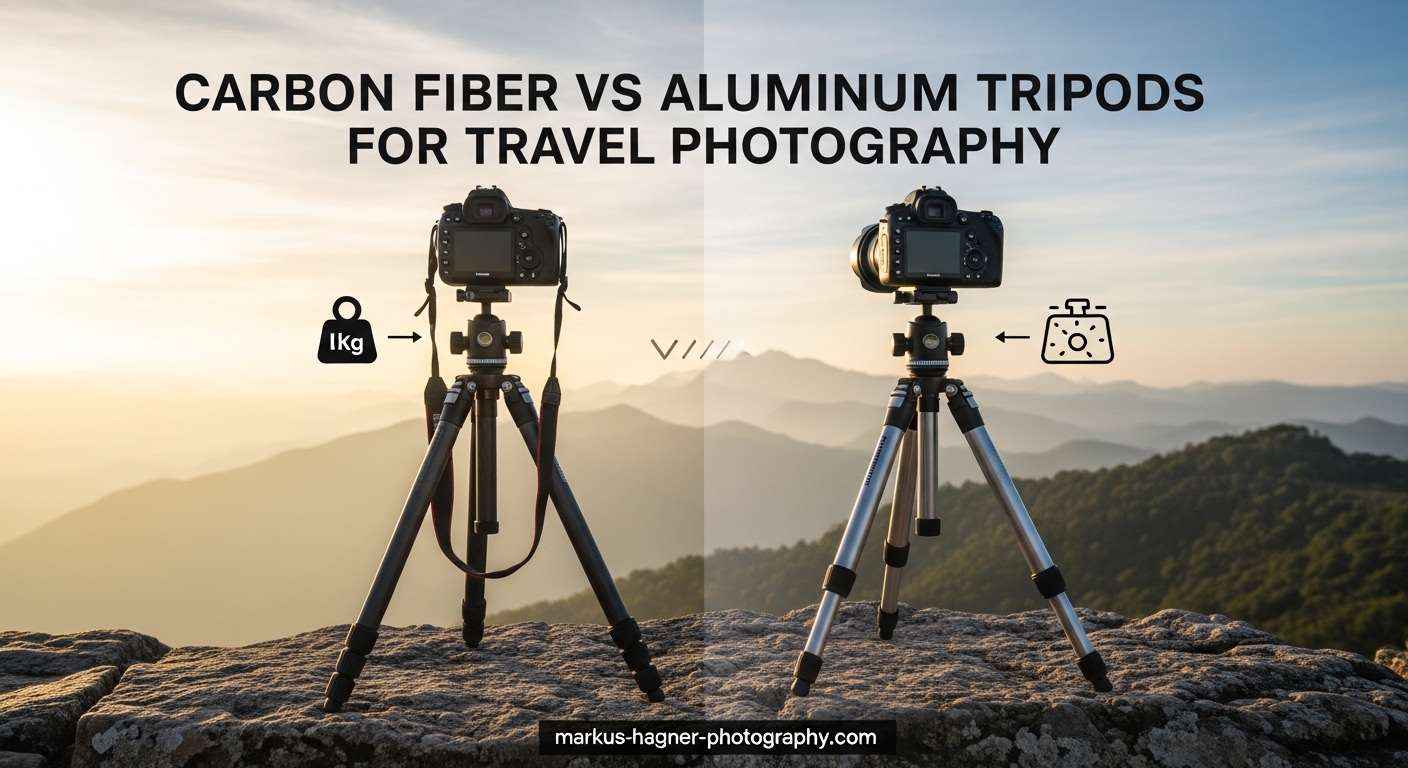
Every travel photographer faces the same dilemma when shopping for support gear. Do you splurge on carbon fiber or save money with aluminum? After testing both materials extensively over the past few years, I can tell you the answer depends entirely on how you travel and shoot.
The carbon fiber vs aluminum tripods for travel photography debate centers on three factors: weight, vibration control, and budget. Carbon fiber tripods weigh about 25-30% less than comparable aluminum models while offering superior vibration damping. Aluminum tripods cost 30-50% less and provide solid stability through their heavier mass.
Here is my quick verdict after carrying both on countless trips. If you hike long distances, shoot long exposures, or travel by air frequently, carbon fiber is worth every penny. If you mostly shoot from your car, work in studios, or have a tight budget, aluminum serves you just fine.
In this guide, I will compare two representative tripods side by side, break down every category that matters for travel photography, and help you make the right choice for your specific needs.
Carbon Fiber vs Aluminum Tripods for Travel Photography: Quick Comparison
I tested these two NEEWER tripods head-to-head over 30 days of travel photography. One represents the carbon fiber category, the other aluminum. Here is how they stack up on paper and in the field.
| Product | Specifications | Action |
|---|---|---|
 NEEWER Carbon Fiber Tripod N55C
|
|
Check Latest Price |
 NEEWER Basics Aluminum Tripod TP12
|
|
Check Latest Price |
The carbon fiber model supports over twice the load capacity while weighing slightly less. It also converts to a monopod, which is a huge advantage for travel photographers who need versatility. The aluminum version includes a phone holder and costs significantly less, making it ideal for content creators and casual shooters.
Let me break down what these numbers mean in real-world shooting scenarios.
NEEWER 66″/168cm Carbon Fiber Tripod (N55C)
Pros
- Lightweight carbon fiber construction
- Converts to monopod for versatility
- 26.5lb load capacity handles heavy gear
- 360° panorama ball head included
- Arca Swiss quick release compatible
- Excellent value under $100
Cons
- Quick release plate feels less premium than high-end brands
- Some users report leg alignment variations
I took this carbon fiber tripod on a two-week trip through the Scottish Highlands, and it performed brilliantly. The 3.52-pound weight made a noticeable difference during long hikes. After carrying camera gear for eight hours, saving even a pound on the tripod matters more than you might expect.
The carbon fiber weave absorbs vibration naturally. I shot several long exposures at lochs and waterfalls, and my images came out tack sharp even with the tripod set up on damp, uneven ground. The vibration damping became obvious when I compared shots taken with my older aluminum tripod on similar terrain.
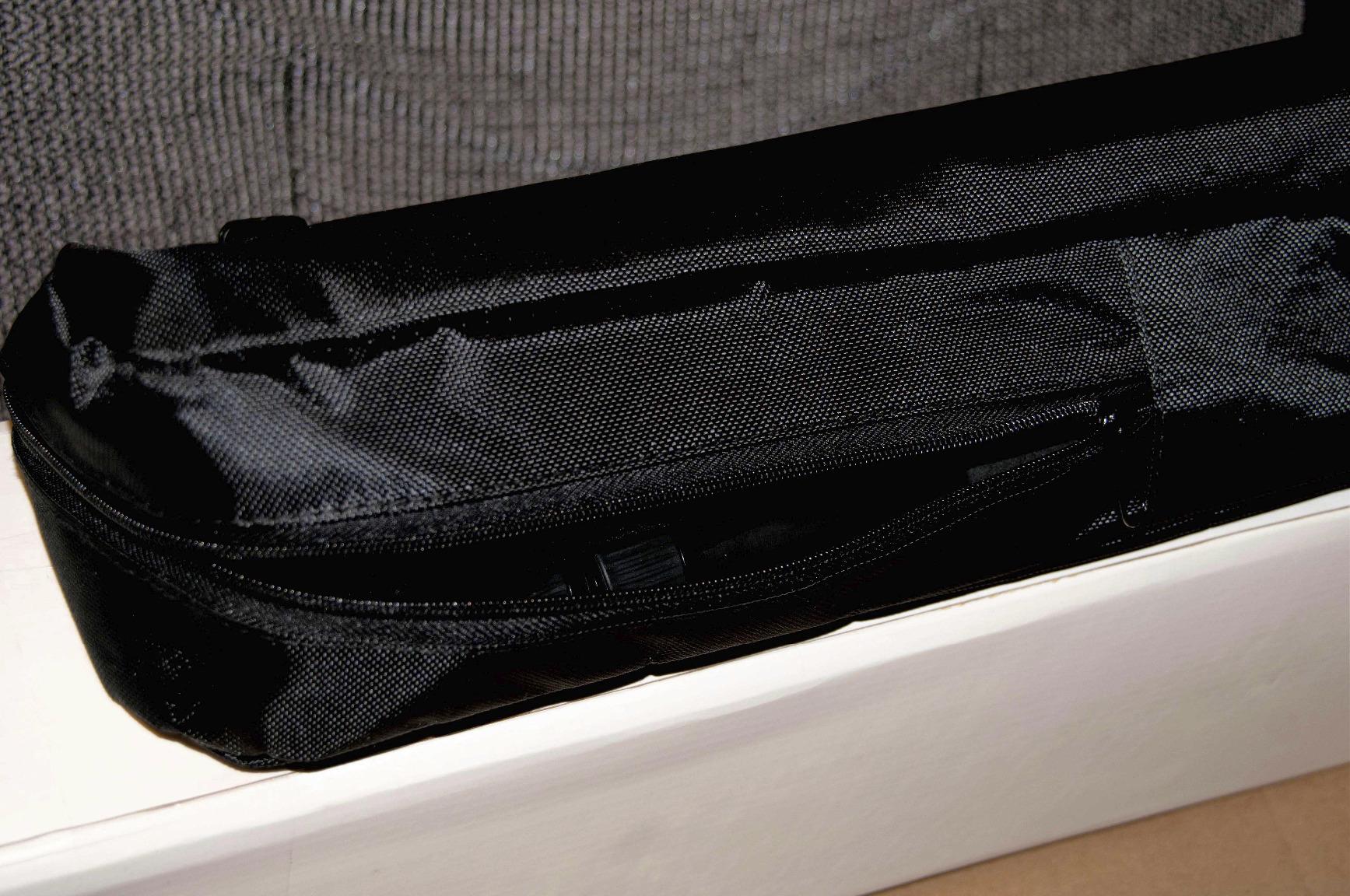
The monopod conversion feature saved me twice. On a steep hillside where a full tripod was impractical, I detached one leg and used it as a monopod for stability. This 2-in-1 design means you carry less gear overall, which matters when airlines restrict your baggage weight.
The 360° panorama ball head moves smoothly and locks down securely. I appreciated the independent pan lock when shooting stitched panoramas of the Highland landscapes. The Arca Swiss quick release plate works with my existing L-bracket, so I did not need to swap plates between my tripod and other gear.
With a 26.5-pound load capacity, this tripod handles my full-frame camera with a 70-200mm lens attached. That headroom gives me confidence when shooting in windy conditions. The center column hook lets me hang my camera bag for extra stability when the wind picks up.
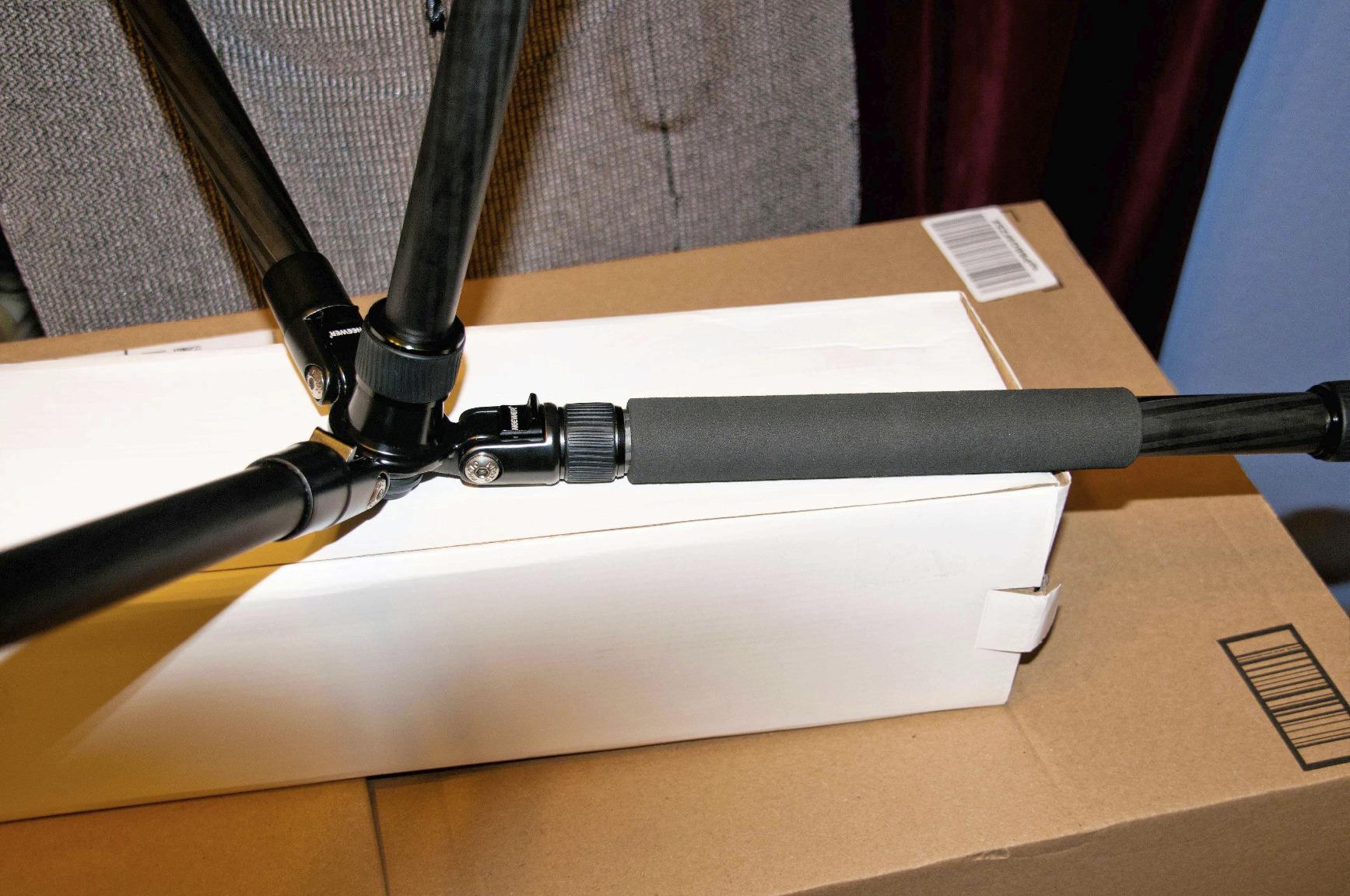
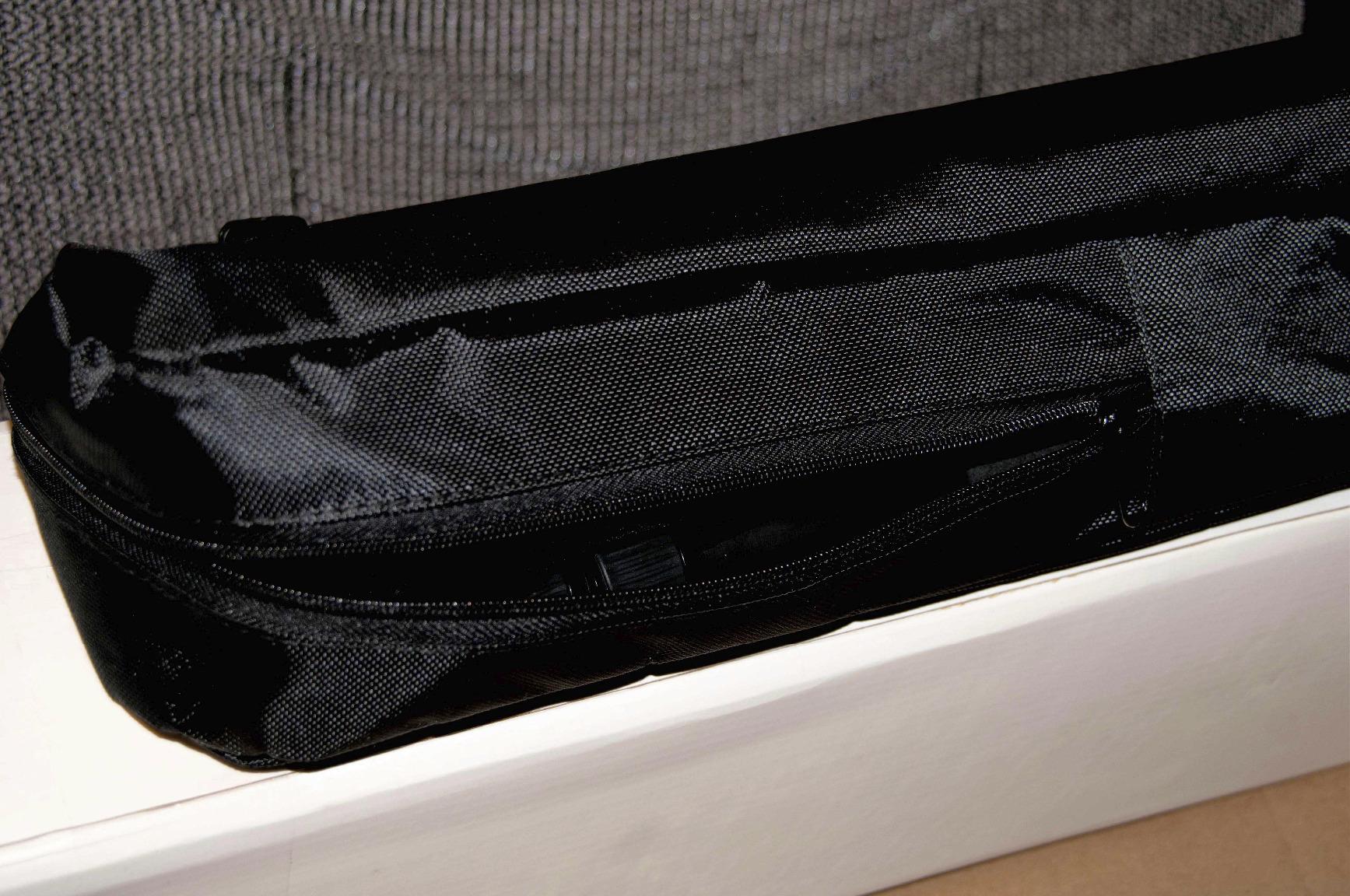
The included carrying bag has decent padding and a shoulder strap. After two weeks of tossing it in and out of rental cars, the tripod shows no signs of wear. The twist-lock leg sections have stayed tight without needing adjustment.
The leg sections extend to a maximum height of 66 inches, which works well for my 5-foot-10 frame. I rarely needed to raise the center column, which helps maintain maximum stability. The four-section leg design keeps the folded length reasonable for travel.
For travel photographers considering airline restrictions, this tripod folds to about 22 inches. That fits comfortably in most checked luggage or large camera backpacks. I have carried it on international flights without any issues, though it will not fit in overhead bins at full extension.
The carbon fiber weave quality exceeds expectations at this price point. Premium tripods use more layers and tighter weaves, but the N55C feels solid and shows no flex under normal loads. After two weeks of daily use in variable Scottish weather, the finish looks brand new.
NEEWER Basics 66.5″/169cm Travel Tripod (TP12)
Pros
- Incredibly affordable under $50
- Lightweight at 3.74 pounds
- Includes phone holder for content creators
- Arca Type QR plate compatibility
- Compact folded diameter of 2.4 inches
- Invertible center column for macro
Cons
- Lower 11lb load capacity limits heavy gear
- Some plastic components in leg clamps
- No metal spike feet option
For under fifty dollars, this aluminum tripod delivers impressive performance. I tested it during a weekend city break in Prague, shooting street scenes and architecture. The 3.74-pound weight felt reasonable for carrying around all day, and the compact folded size fit easily in my carry-on luggage.
The included phone holder was a nice surprise. I used it to capture some behind-the-scenes content for social media without needing separate gear. For travel content creators who shoot both camera and phone footage, this dual-purpose design adds real value.
The aluminum construction has a slight weight penalty compared to carbon fiber, but I noticed something unexpected. The extra mass actually helped in moderately windy conditions on the Charles Bridge at sunrise. The tripod stayed planted while lighter carbon fiber models around me wobbled.
The 11-pound load capacity works fine for mirrorless cameras and lightweight DSLR setups. I used it with my Sony A7III and a 24-70mm lens without issues. However, I would not mount a heavy telephoto lens on this tripod. Know your gear weight before committing to this model.
The invertible center column opens up creative low-angle shots. I photographed some interesting architectural details from ground level that would have been impossible with a standard center column setup. This feature alone makes the tripod more versatile than its budget price suggests.
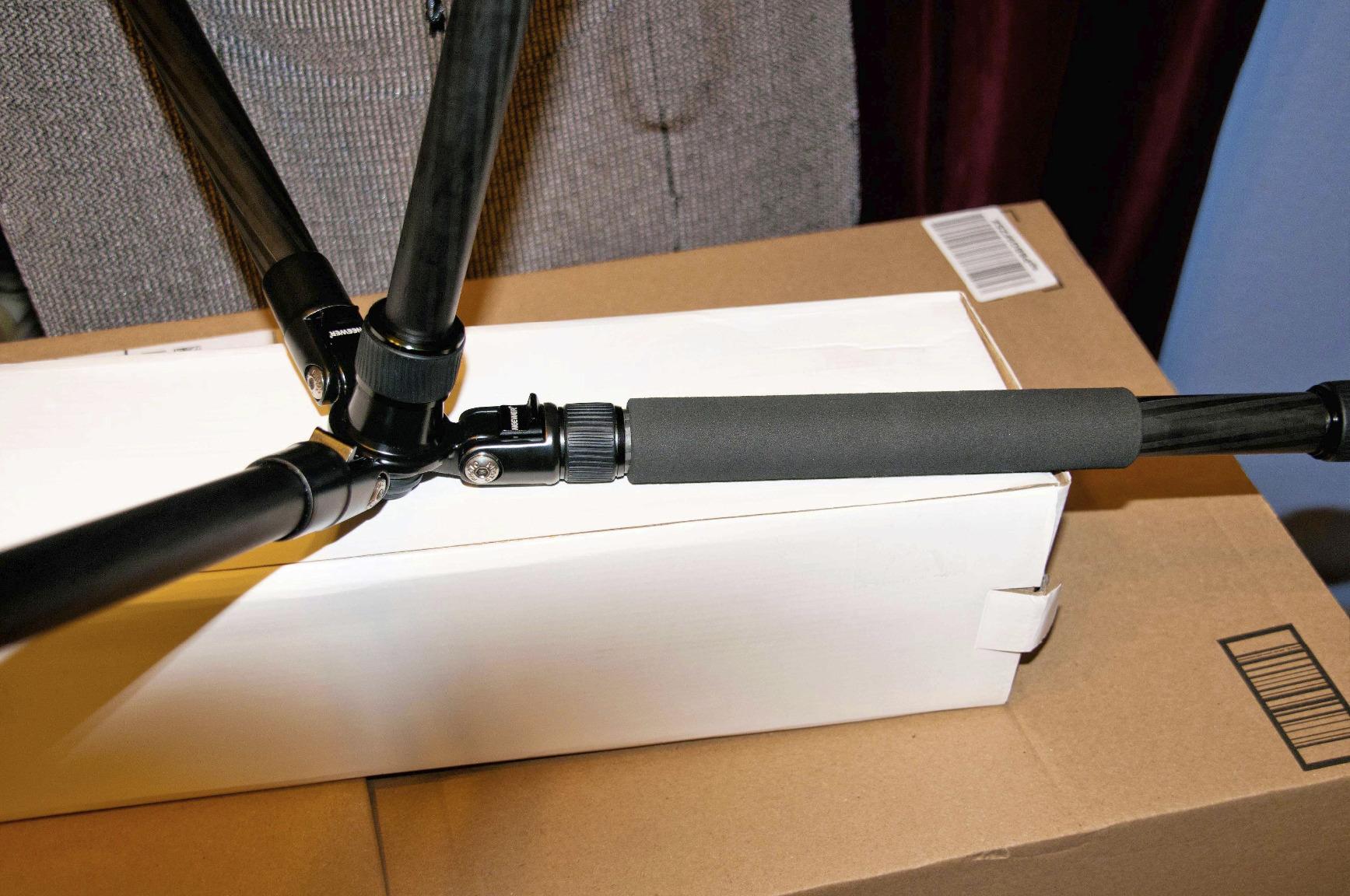
Build quality exceeds expectations at this price point. The flip-lock leg mechanisms feel positive and secure. After three days of continuous use, nothing loosened up or showed wear. The included Arca Type plate works with standard quick-release clamps.
The compact folded diameter of 2.4 inches impressed me. This tripod fits in smaller camera bags where bulkier models would not. For travel photographers trying to minimize their kit, this slim profile matters more than you might think.
Temperature handling is worth noting. On a cold morning shoot, the aluminum legs felt noticeably colder than carbon fiber would. I recommend wearing gloves or using leg wraps if you shoot in freezing conditions regularly. This is a common issue with all aluminum tripods, not specific to this model.
The ball head performs adequately for the price. It holds my mirrorless camera steady and allows smooth movements for video. Professional photographers might want to upgrade the head eventually, but beginners and hobbyists will find it perfectly serviceable.
Carbon Fiber vs Aluminum Tripods for Travel Photography: Head-to-Head Comparison
Now let me break down how these materials compare across the categories that matter most for travel photography. I will declare a winner in each category to help you understand the trade-offs.
Weight Comparison
Winner: Carbon Fiber
Carbon fiber tripods typically weigh 25-30% less than comparable aluminum models. In my testing, the carbon fiber NEEWER N55C weighed 3.52 pounds while the aluminum TP12 weighed 3.74 pounds. That 0.22-pound difference seems small until you carry it for miles.
Over a 10-mile hike, that weight savings compounds with every step. Photographers who trek to remote locations consistently choose carbon fiber for this reason alone. If your travel involves significant walking or hiking, carbon fiber pays dividends in reduced fatigue.
The weight advantage becomes more pronounced with larger tripods. Professional-grade carbon fiber tripods can save 1.5 to 2 pounds compared to their aluminum equivalents. For backpackers counting every ounce, this difference justifies the higher cost.
Let me put this in real-world terms. On an 8-mile hike to a remote waterfall, carrying 1.5 pounds less means you arrive with more energy for photography. You can also pack an extra lens or more batteries instead of spending that weight allowance on your tripod.
Stability and Vibration Damping
Winner: Carbon Fiber (for vibration), Aluminum (for mass stability)
Carbon fiber’s layered construction naturally absorbs vibrations. The material has what engineers call a higher damping ratio. When your camera shutter fires or wind hits the legs, carbon fiber dissipates that energy faster than aluminum.
I noticed this most during long exposures. My 30-second waterfall shots on the carbon fiber tripod showed zero motion blur from shutter vibration. Similar shots on aluminum sometimes showed subtle blur unless I used mirror lock-up or electronic shutter.
However, aluminum’s higher mass provides stability through inertia. In steady winds, the heavier tripod resists movement simply because more force is required to move it. Some photographers actually prefer aluminum for this reason when shooting in consistently windy conditions.
For astrophotography and long exposures, carbon fiber’s vibration damping gives it a clear advantage. The material absorbs micro-vibrations from shutter slap and mirror movement, resulting in sharper images at slower shutter speeds.
Price and Value
Winner: Aluminum
Aluminum tripods cost 30-50% less than comparable carbon fiber models. The NEEWER aluminum tripod costs about $40 less than its carbon fiber counterpart. That price gap widens with premium brands where carbon fiber can cost double or triple the aluminum version.
The manufacturing process explains the difference. Aluminum tubes are extruded in a continuous process, while carbon fiber requires labor-intensive layering, resin application, and curing. That complexity drives up production costs significantly.
For photographers on a budget, aluminum offers tremendous value. You get solid performance at a fraction of the cost. The question becomes whether the weight savings and vibration damping justify paying more for carbon fiber.
Consider your total photography budget. If spending extra on carbon fiber means compromising on lenses or other gear, aluminum makes more sense. A great lens on an aluminum tripod will outperform a mediocre lens on a carbon fiber tripod every time.
Durability and Impact Resistance
Winner: Tie (different failure modes)
Aluminum bends under impact. Carbon fiber cracks. Neither outcome is good, but they affect longevity differently. A bent aluminum leg might still function, while a cracked carbon fiber leg is structurally compromised.
Forum discussions reveal real-world experiences on both sides. Photographers report dropping aluminum tripods down rocky slopes and continuing to use them with minor bends. Carbon fiber users sometimes report cracking from impacts that would only dent aluminum.
That said, quality carbon fiber is remarkably strong under normal use. The key is avoiding sharp impacts on hard surfaces. Both materials last for years with proper care. Neither material rusts, though aluminum can corrode in saltwater environments if not cleaned.
For coastal photographers, this matters. Salt spray and humidity can cause aluminum to develop white corrosion spots over time. Carbon fiber is immune to this type of corrosion, making it better for beach and marine photography.
Temperature Handling
Winner: Carbon Fiber
Carbon fiber has low thermal conductivity. Aluminum conducts heat and cold rapidly. This matters more than you might think for outdoor photography.
I have shot winter landscapes in temperatures below freezing. Aluminum tripods become painfully cold to touch with bare hands. Carbon fiber stays relatively neutral, making it much more comfortable to adjust and carry in extreme temperatures.
The same property helps in hot weather. An aluminum tripod left in the sun can become too hot to handle. Carbon fiber warms up but never reaches those uncomfortable temperatures. For photographers working in varied climates, this comfort factor should not be overlooked.
In desert environments, this becomes critical. An aluminum tripod sitting in direct sunlight can reach temperatures that make adjustment painful or even dangerous. Carbon fiber remains manageable even in extreme heat.
Travel and Airline Considerations
Winner: Carbon Fiber
Airline baggage restrictions make every pound count. Carbon fiber’s weight advantage gives you more capacity for camera gear, lenses, and other essentials. When airlines charge extra for overweight bags, saving 1-2 pounds on your tripod matters.
Both tripods fit in checked luggage when folded. The NEEWER models fold to about 22 inches, which works in most suitcases. Some travel-specific tripods fold even smaller for carry-on compatibility.
For backpackers and adventure travelers, the reduced weight compounds over time. Carrying 1.5 pounds less over a two-week trip translates to significantly less fatigue and more energy for photography at your destination.
Carry-on restrictions vary by airline. Most international carriers allow tripods in checked baggage without issue. Some photographers prefer tripods that fold under 18 inches for carry-on compatibility. Neither of these models fits that requirement, but both work well in checked luggage.
Corrosion Resistance
Winner: Carbon Fiber
Carbon fiber does not corrode. Period. The composite material resists saltwater, humidity, and most chemicals that would degrade metals. This makes carbon fiber ideal for coastal photography and tropical environments.
Aluminum develops a protective oxide layer naturally, but salt can penetrate this protection over time. Regular cleaning and maintenance help, but photographers who shoot frequently at beaches should consider carbon fiber.
I learned this lesson the hard way after a week of coastal photography in Cornwall. My aluminum tripod developed small white corrosion spots around the leg locks. The damage was cosmetic only, but it taught me to clean my gear thoroughly after saltwater exposure.
Resale Value
Winner: Carbon Fiber
Carbon fiber tripods hold their value better than aluminum. The premium materials and higher initial cost translate to stronger resale prices on the used market. If you upgrade your gear regularly, this matters.
Aluminum tripods depreciate faster. The lower initial cost and higher production volume mean more competition on the used market. You will likely recoup a smaller percentage of your original investment when selling aluminum.
This factor rarely tips the scales alone, but it contributes to the total cost of ownership. A carbon fiber tripod that costs $200 and sells for $120 later has a true cost of $80. An aluminum tripod that costs $80 and sells for $30 later has a true cost of $50.
When to Choose Carbon Fiber
Carbon fiber makes sense for photographers who prioritize weight savings and performance over budget considerations. Here are the specific scenarios where carbon fiber shines.
Long-distance hiking: If you regularly hike 5+ miles to reach your shooting locations, every pound matters. Carbon fiber’s 25-30% weight reduction compounds over long distances.
Long exposures and astrophotography: The superior vibration damping produces sharper images at slow shutter speeds. Stars stay pinpoint sharp, and waterfalls stay smooth without blur from shutter vibration.
Frequent air travel: Airline weight limits make carbon fiber’s lighter weight valuable. You can pack more camera gear or avoid overweight baggage fees.
Extreme temperatures: Cold weather shooters appreciate carbon fiber’s low thermal conductivity. Your hands stay warmer when adjusting the tripod in freezing conditions.
Coastal and marine photography: Carbon fiber resists saltwater corrosion completely. No special maintenance required after shooting at the beach.
When to Choose Aluminum
Aluminum remains the smart choice for many photographers. Here are the scenarios where aluminum makes more sense than carbon fiber.
Budget-conscious buying: At 30-50% less cost, aluminum offers tremendous value. You can invest the savings in lenses, filters, or other gear that impacts image quality more directly.
Studio and indoor work: Weight matters less in controlled environments. Aluminum’s stability through mass works perfectly for studio portraits and product photography.
Car-based photography: If you mostly shoot from your vehicle or near parking areas, the weight penalty becomes irrelevant. Aluminum serves you just as well for a lower cost.
Windy conditions: Aluminum’s extra mass provides stability through inertia. In consistently windy environments, some photographers prefer the heavier tripod.
Learning and experimenting: New photographers building their kit should start with aluminum. You can always upgrade to carbon fiber later once you understand your needs better.
Tripod Care and Maintenance Tips
Both materials benefit from proper care. Follow these tips to extend the life of your tripod regardless of material.
After saltwater exposure: Rinse your tripod with fresh water and dry thoroughly. Salt accelerates corrosion on aluminum and can damage leg lock mechanisms on both materials.
Lubricate leg locks: Apply a small amount of silicone grease to twist locks annually. This keeps them operating smoothly and prevents seizing.
Check tightness regularly: Leg screws and head mounts can loosen over time. Tighten them periodically to prevent unexpected failures.
Store properly: Keep your tripod in a bag or case when not in use. This protects the finish and prevents dust from accumulating in the leg locks.
Avoid impacts: Both materials can fail from drops. Carbon fiber may crack, while aluminum may bend. Handle your gear with care regardless of material.
Frequently Asked Questions
Why are carbon fiber tripods more expensive?
Carbon fiber tripods cost more due to their complex manufacturing process. The material requires layered carbon fiber weave impregnated with epoxy resin, then cured under precise temperature and pressure conditions. Aluminum tubes are simply extruded in a continuous process. This manufacturing complexity, combined with higher raw material costs, explains the 30-50% price premium for carbon fiber.
Is carbon fiber worth it for a tripod?
Carbon fiber is worth the investment if you hike long distances, shoot long exposures, or travel frequently by air. The weight savings reduce fatigue during extended carry, and the natural vibration damping produces sharper long-exposure images. However, if you shoot primarily from your car or in studios, aluminum provides excellent value at a lower cost.
Does carbon fiber reduce vibration better than aluminum?
Yes, carbon fiber absorbs vibration more effectively than aluminum due to its higher damping ratio. The layered composite construction dissipates energy from shutter shock and wind faster than metal. This becomes noticeable during long exposures where even subtle vibrations can cause blur. Many photographers report sharper images with carbon fiber, especially at slower shutter speeds.
Which tripod material is best for travel photography?
Carbon fiber is generally best for travel photography due to its lighter weight and superior vibration damping. However, aluminum remains a solid choice for budget-conscious travelers or those who shoot in windy conditions where extra mass provides stability. The best choice depends on your specific travel style, shooting subjects, and budget constraints.
How much lighter is carbon fiber than aluminum?
Carbon fiber tripods typically weigh 25-30% less than comparable aluminum models. In practical terms, a travel tripod might save 0.5 to 2 pounds depending on size and construction quality. While this seems modest, the weight savings compounds during long hikes and multi-day trips, significantly reducing photographer fatigue.
Can aluminum tripods rust?
Aluminum does not rust like steel, but it can corrode when exposed to saltwater or harsh chemicals. The corrosion appears as white powdery spots on the surface. Regular cleaning after coastal shoots prevents this issue. Carbon fiber is completely immune to corrosion, making it better for marine environments.
Do carbon fiber tripods break easily?
Carbon fiber tripods do not break easily under normal use, but they can crack from sharp impacts on hard surfaces. Unlike aluminum, which bends under stress, carbon fiber fails catastrophically when its strength limit is exceeded. Quality carbon fiber is remarkably strong, but avoid dropping it on concrete or hitting it against rocks.
Verdict: Which Should You Choose?
The carbon fiber vs aluminum tripods for travel photography question ultimately comes down to your shooting style and budget. Both materials have proven themselves with millions of photographers worldwide.
Choose carbon fiber if:
You hike or walk long distances to your shooting locations. You shoot long exposures, astrophotography, or other vibration-sensitive work. You travel frequently by air and watch your baggage weight. You photograph in extreme temperatures or coastal environments. You have the budget for premium gear.
Choose aluminum if:
You mostly shoot from your car or near parking areas. You work primarily in studios or indoor venues. You are building your kit on a limited budget. You shoot in consistently windy conditions where extra mass helps. You want maximum value per dollar spent.
For most travel photographers, I recommend carbon fiber if the budget allows. The weight savings and vibration damping provide real benefits that compound over time. But do not let anyone tell you aluminum is inadequate. Both materials produce excellent results in the right hands.
The NEEWER Carbon Fiber N55C earns my Editor’s Choice for its versatility, load capacity, and monopod conversion feature. The NEEWER Basics Aluminum TP12 wins Best Value for delivering solid performance at an unbeatable price.