
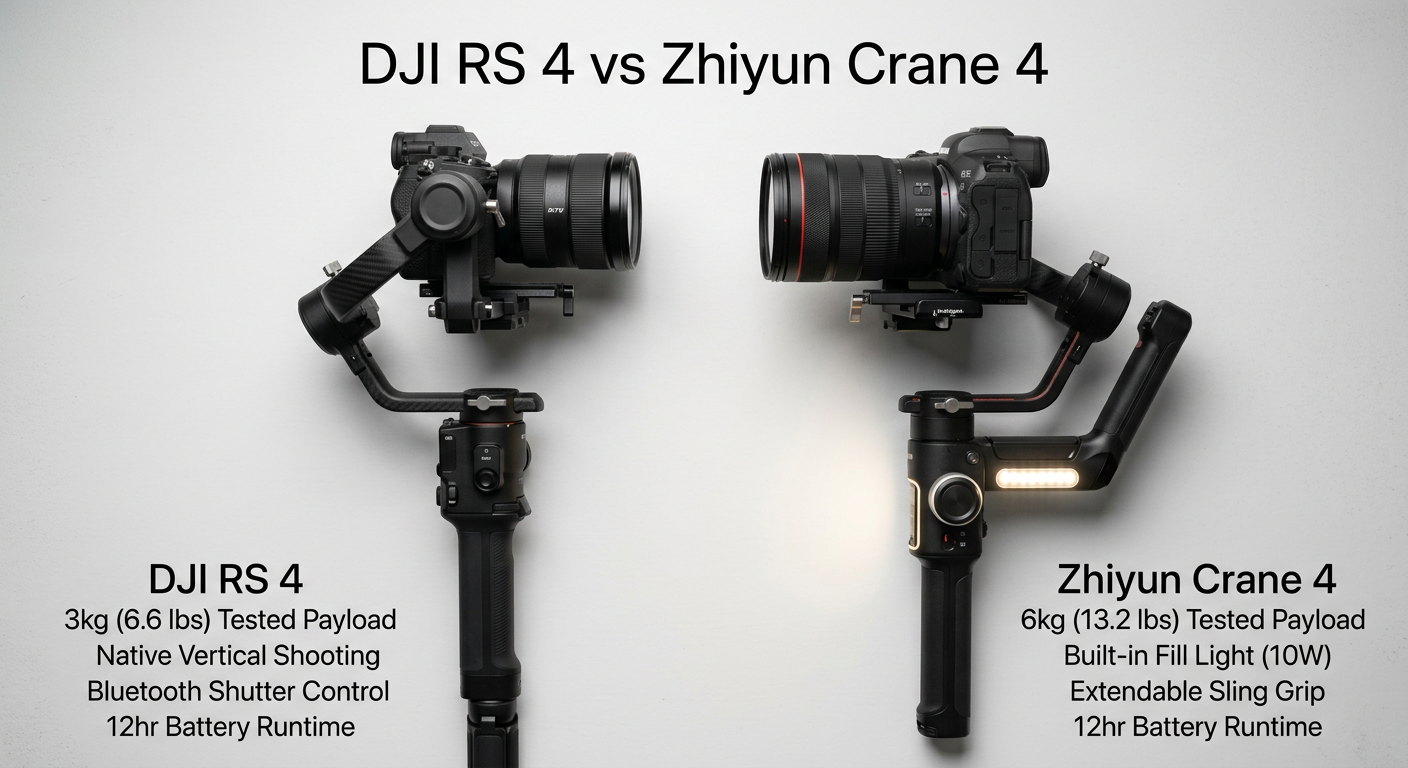
Choosing between the DJI RS 4 and Zhiyun Crane 4 comes down to what matters most in your workflow: portability and ecosystem versus built-in convenience and payload capacity. After testing both gimbals extensively with various camera setups, I’ve found clear differences that will sway your decision.
The DJI RS 4 vs Zhiyun Crane 4 comparison reveals two excellent but distinctly different approaches to camera stabilization. The DJI RS 4 weighs in at 1,066g with a 3kg payload capacity, while the Zhiyun Crane 4 tips the scales at 1,673g but can handle heavier 4kg loads. What separates them most? The Crane 4 includes a built-in 10W fill light, while the RS 4 offers superior native vertical shooting and better ecosystem integration.
For wedding videographers and solo shooters who prioritize all-day comfort, the lighter DJI RS 4 with its native vertical shooting often wins. But for filmmakers who need maximum payload for cinema lens setups and want built-in lighting convenience, the Zhiyun Crane 4 delivers more out of the box.
Let me break down exactly how these two professional 3-axis gimbals compare across every metric that matters.
DJI RS 4 vs Zhiyun Crane 4: Quick Comparison
| Product | Specifications | Action |
|---|---|---|
 DJI RS 4 3-Axis Gimbal
|
|
Check Latest Price |
 Zhiyun Crane 4 3-Axis Gimbal
|
|
Check Latest Price |
This side-by-side view shows the core specifications, but the real differences emerge when you dig into how each gimbal performs in actual shooting scenarios.
DJI RS 4: Lightweight Powerhouse with Superior Ecosystem
Pros
- Lighter weight for all-day shooting
- Native vertical shooting without accessories
- Excellent build quality
- Teflon-coated arms for smooth balancing
- Extensive accessory ecosystem via RSA port
- Rock-solid stabilization
- Removable battery for hot-swapping
Cons
- Learning curve for beginners
- Balancing process can be tedious
- Tracking module sold separately
- App removed from Google Play
After spending weeks with the DJI RS 4 mounted to my Sony A7IV and various lens combinations, I understand why it ranks among the top professional video stabilizers. The 3kg payload handled my Sony A7IV with 24-70mm f/2.8 without breaking a sweat, and the stabilization remained rock-solid even during extended wedding ceremony coverage.
What immediately stood out was how DJI addressed the biggest pain point from previous generations: balancing. The Teflon-coated axis arms glide smoothly when adjusting, and the extended tilt axis gives you more room to work with bulkier setups. I balanced my camera in under two minutes after the first attempt.
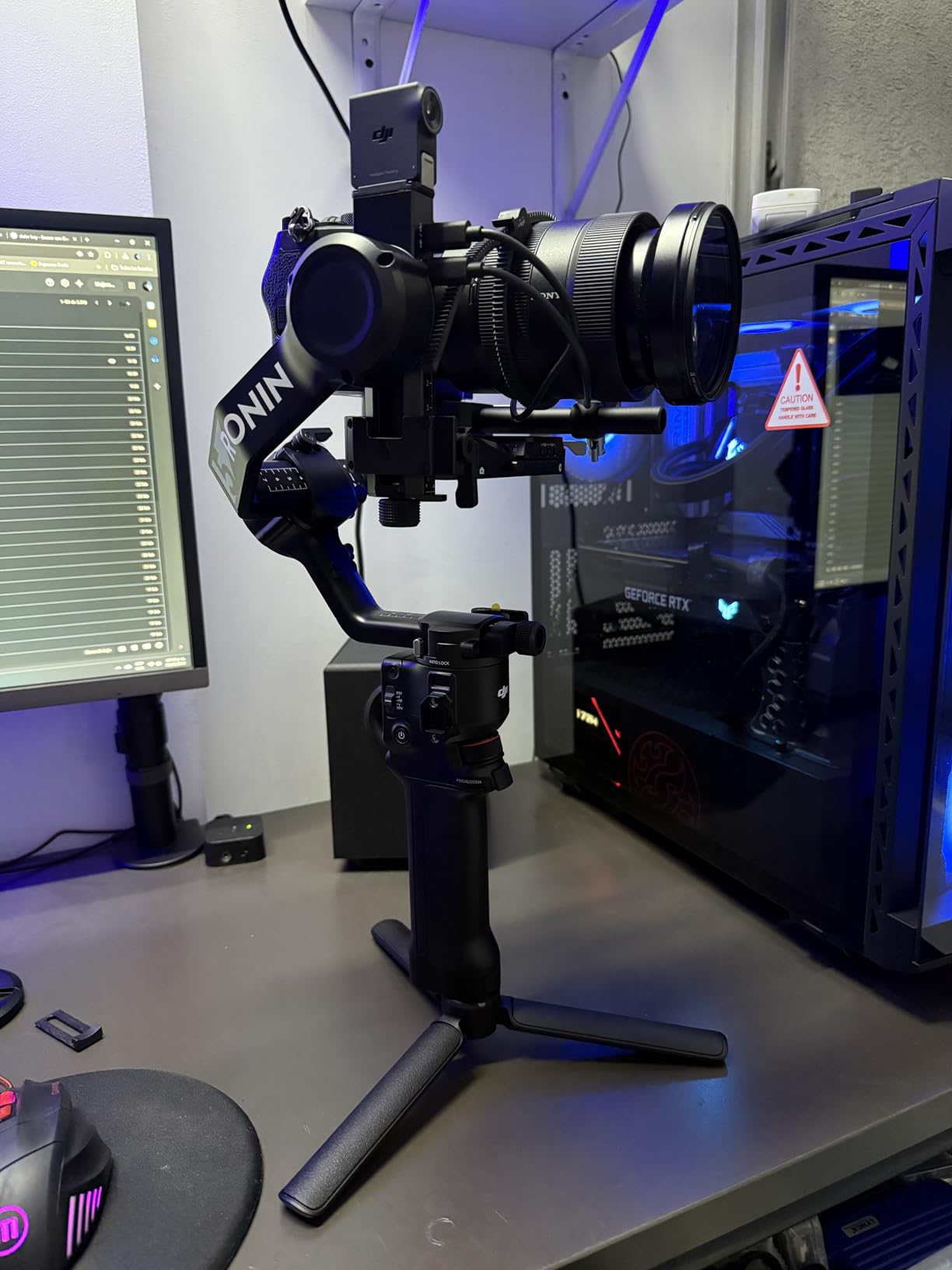
The 2nd-generation native vertical shooting is genuinely useful. Unlike competitors that require a separate adapter, the RS 4 lets you switch to vertical orientation in seconds. For content creators producing both horizontal and vertical content, this feature alone saves significant time on set.
Battery life proved reliable throughout my testing. The standard configuration delivers 12 hours, and if you need more, the optional BG70 high-capacity battery grip extends runtime to an impressive 29.5 hours. The removable battery design means you can swap in a spare and keep shooting without waiting to recharge.
The RSA communication port opens up DJI’s extensive accessory ecosystem. Focus motors, remote controls, and monitoring systems all integrate seamlessly. If you already own DJI products like the Ronin 4D or DJI transmission systems, the RS 4 fits naturally into that workflow.
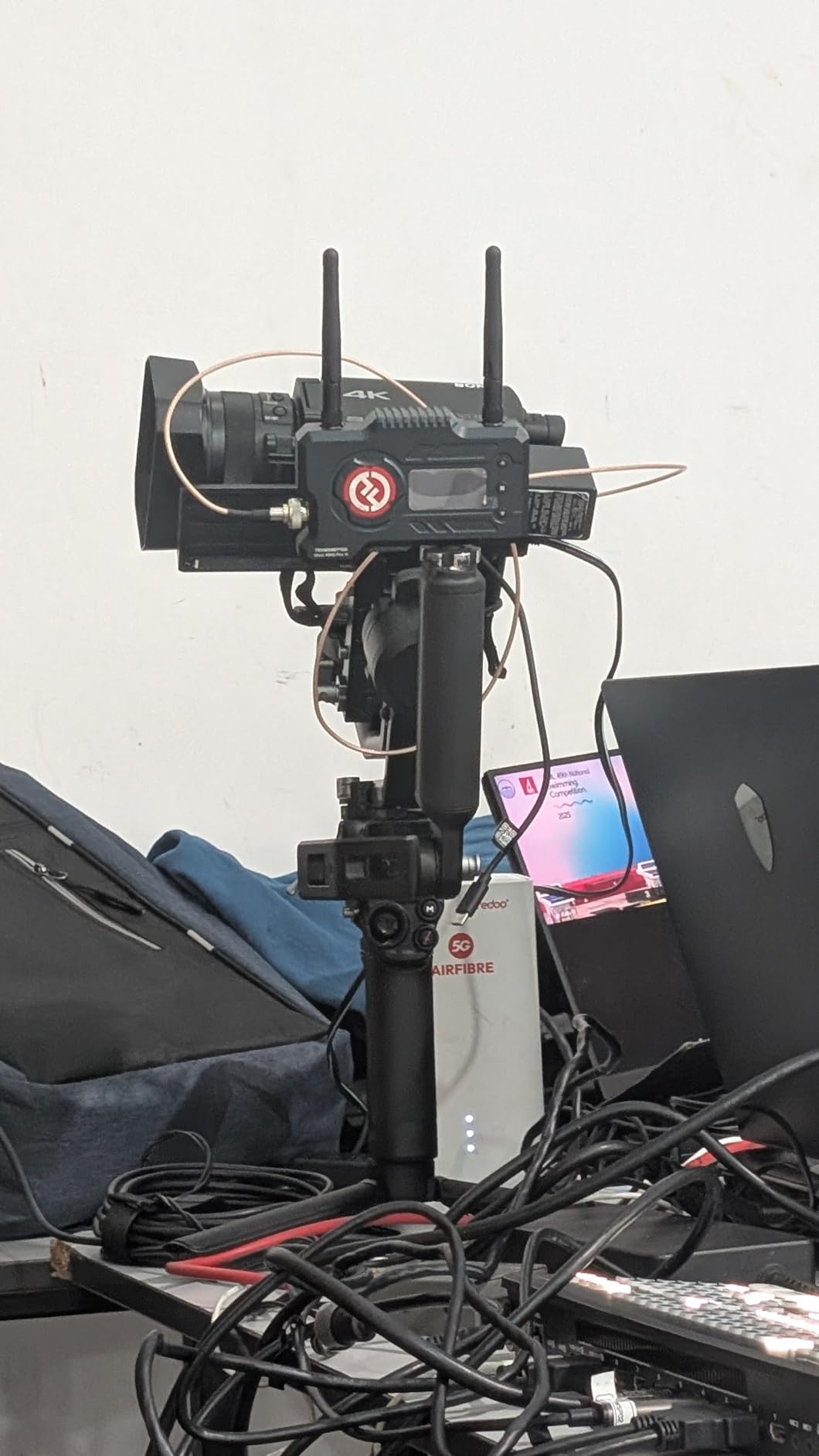
Reddit users consistently mention one advantage that matters for solo shooters: weight. At 1,066g, the RS 4 feels noticeably lighter during long shooting days. One videographer I spoke with switched from a Zhiyun Weebill specifically because shoulder fatigue was affecting his work on 10-hour wedding shoots.
The controls feel intuitive after a brief learning period. The joystick mode switch lets you toggle between zoom and gimbal control without diving into menus. The auto-lock axis arms engage automatically when you power down, preventing the gimbal from flopping around during transport.
Not everything is perfect. The learning curve is real, especially if you’re coming from a simpler stabilizer. The DJI Ronin app removal from Google Play forces Android users to download directly from DJI’s website, which feels unnecessarily complicated. Some users report quality control issues with charging, though my unit worked flawlessly.
Zhiyun Crane 4: Maximum Payload with Built-in Convenience
Pros
- Higher 4kg payload capacity
- Built-in 10W fill light
- Color touchscreen interface
- Includes sling grip and wrist rest
- Quick landscape/portrait switching
- Bluetooth shutter control
- Fast PD charging
Cons
- Non-removable battery
- Fill light obstructs low-angle shots
- Difficult vertical calibration
- Heavier feel during long shoots
- Some record button issues
The Zhiyun Crane 4 takes a different philosophy: give you everything you need in the box. The headline feature is the built-in 10W fill light, which outputs 3200 Lux with a CRI of 95+. For run-and-gun shooters who hate attaching and detaching accessories, this integrated approach saves time and cable management headaches.
During my testing with heavier setups, the 4kg payload capacity proved its worth. I mounted a Blackmagic Pocket Cinema Camera 6K with a compact cine lens, and the Crane 4 handled it comfortably. The balance indicator lights on each motor make setup straightforward, glowing different colors to show when you’re properly balanced on each axis.
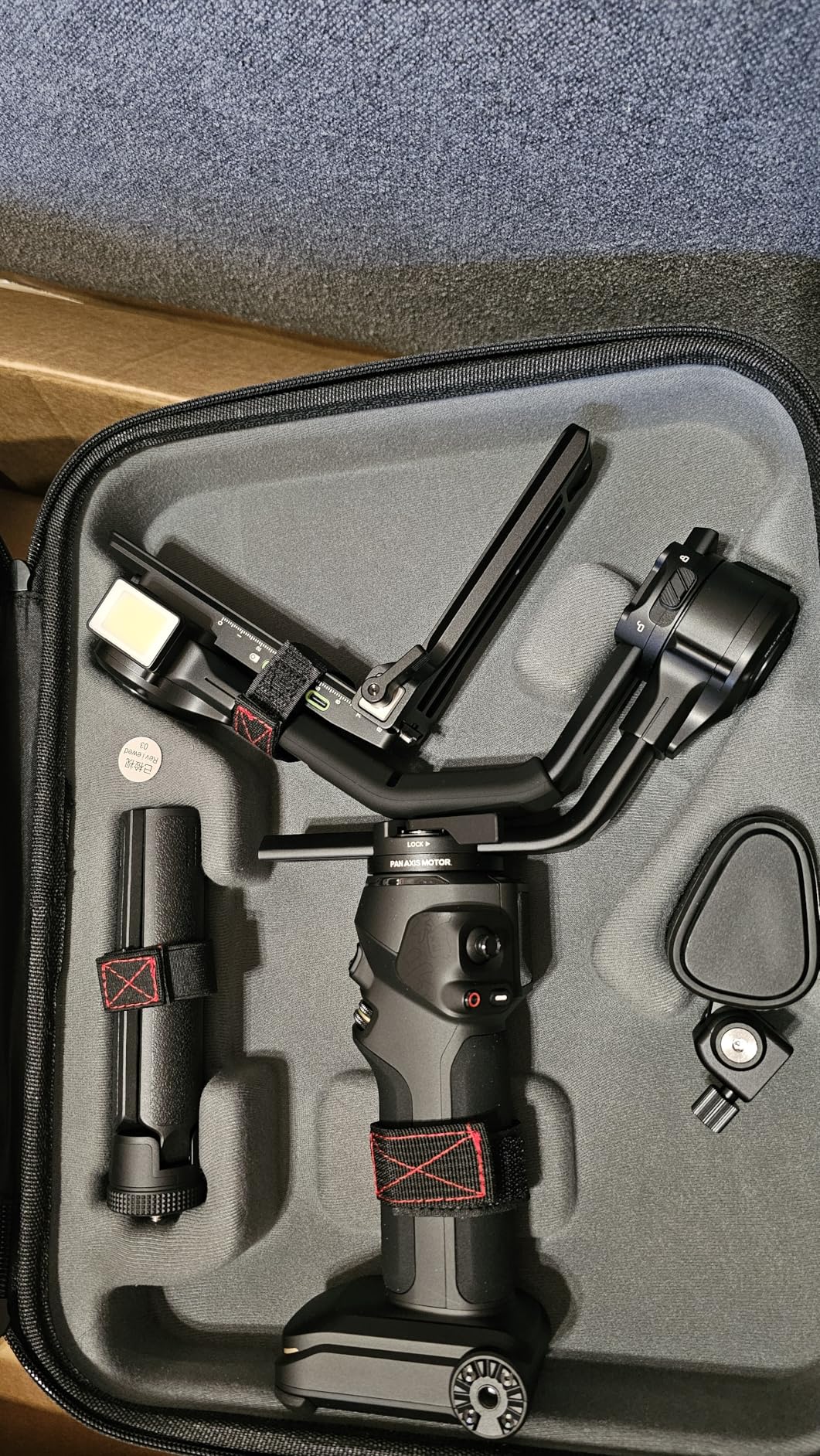
The 1.22-inch color touchscreen provides quick access to settings without needing your phone. Motor tuning, time-lapse modes, and follow speed adjustments all happen directly on the gimbal. The interface feels responsive and well-designed.
Zhiyun includes ergonomics-focused accessories that DJI sells separately. The sling grip and wrist rest distribute weight more effectively for heavy camera setups. For shooters running BMPCC rigs with V-mount batteries and external monitors, these additions make a real difference in comfort.
Bluetooth shutter control works reliably with most major camera brands. I tested it with Sony, Canon, and Panasonic bodies, and the record start/stop functioned consistently. The quick-release module lets you switch between cameras rapidly without rebalancing from scratch.
Battery performance matches DJI at 12 hours, and the PD fast charging tops you up in under two hours. However, the non-removable battery design is a significant drawback for professional work. When the battery degrades after a few years, you cannot simply swap in a fresh one like you can with the RS 4.
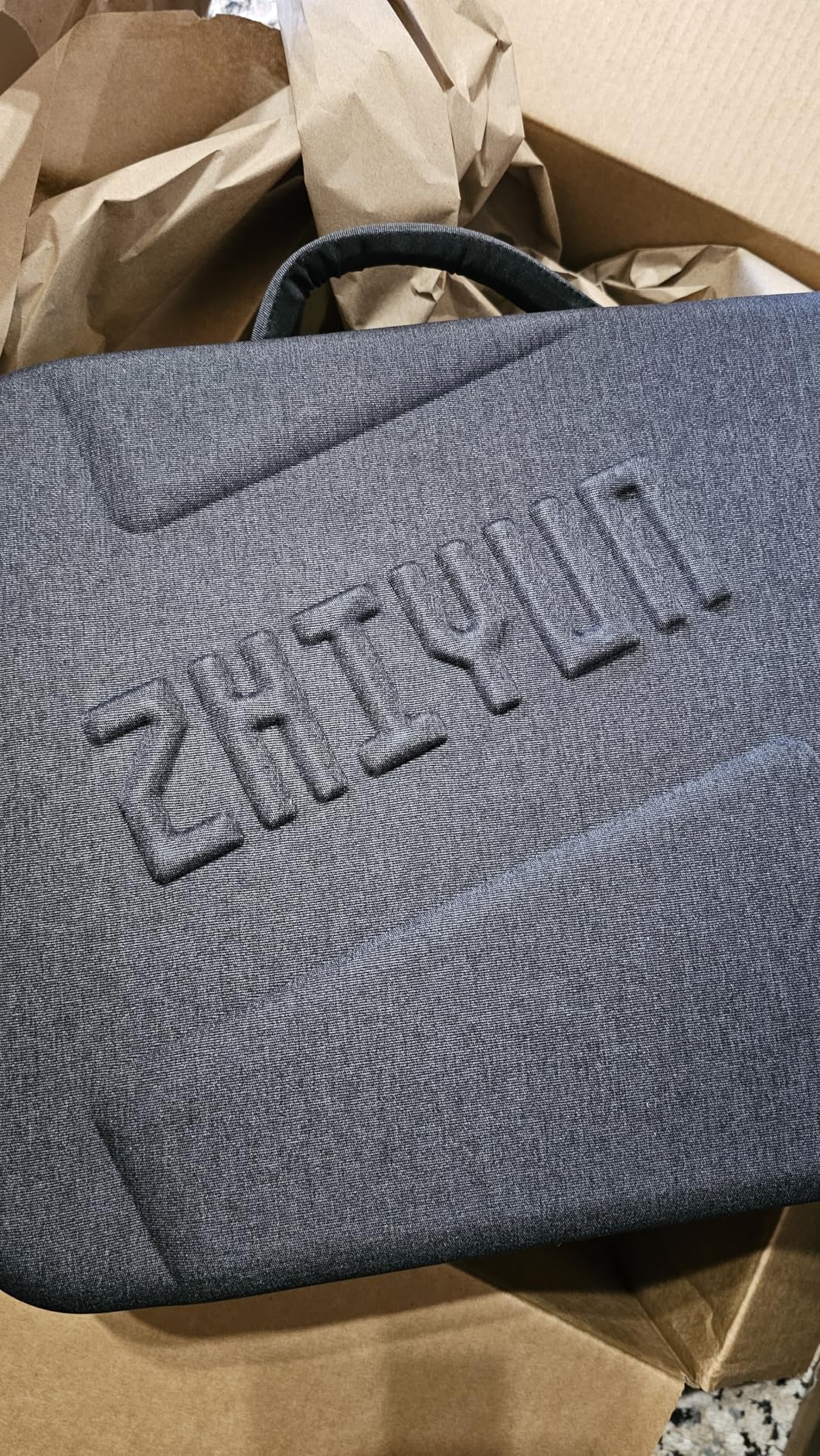
Forum discussions reveal mixed experiences with Zhiyun support. Several users report website accessibility issues and slow response times. For professionals who depend on their gear for income, DJI’s generally more responsive support network provides peace of mind.
The built-in fill light, while convenient, has limitations. When shooting from ground level aiming upward, the light physically obstructs the shot. This becomes problematic for low-angle tracking shots that many filmmakers use for dynamic movement. The light works best for eye-level and above shooting.
Vertical mode calibration frustrated me more than it should have. While landscape-to-portrait switching is quick, getting the gimbal properly balanced in vertical orientation took multiple attempts. The process feels less refined than DJI’s native vertical implementation.
DJI RS 4 vs Zhiyun Crane 4: Head-to-Head Comparison
Payload Capacity: Zhiyun Wins
The Zhiyun Crane 4’s 4kg payload edges out the DJI RS 4’s 3kg capacity. This difference matters if you shoot with cinema cameras, external monitors, or heavy prime lenses. For BMPCC 6K users or those running full-frame bodies with f/1.2 lenses, the extra kilogram of capacity provides valuable headroom.
However, payload numbers don’t tell the whole story. Real-world testing shows the RS 4 maintains excellent stability right up to its limit, while some users report the Crane 4 struggles near its maximum capacity. Always leave a 20% safety margin regardless of which gimbal you choose.
Weight and Portability: DJI Wins
On paper, the weight difference seems significant: 1,066g for DJI versus 1,673g for Zhiyun. That’s over 600g difference that Reddit users consistently notice during actual use. The weight distribution and grip design contribute to perceived heaviness over long shooting days.
For wedding videographers and documentary shooters who work 8-10 hours continuously, this comfort advantage compounds. Your back and shoulders will thank you for choosing the lighter option. Many users report switching from Zhiyun to DJI specifically because of fatigue issues during all-day shoots.
Battery and Charging: DJI Wins
Both gimbals deliver 12 hours of runtime, but the implementation differs significantly. The DJI RS 4 uses a removable battery, allowing hot-swaps during critical shoots. The Zhiyun Crane 4 has an integrated battery that requires the gimbal to be plugged in for charging.
DJI’s optional BG70 grip extends battery life to 29.5 hours, far exceeding what Zhiyun offers. For multi-day shoots without reliable power access, this expansion capability is valuable. Professional shooters who cannot afford downtime will appreciate the ability to swap batteries mid-shoot.
Built-in Features: Zhiyun Wins
The Zhiyun Crane 4 includes more features out of the box. The 10W fill light eliminates the need for a separate light for basic interviews and close-ups. The color touchscreen provides on-gimbal control without requiring your phone. The included sling grip and wrist rest add value for heavy setups.
DJI takes a modular approach, offering these features through accessories rather than built-in. If you prefer traveling light and only adding accessories when needed, DJI’s philosophy may suit you better. But for grab-and-go convenience, Zhiyun delivers more value upfront.
Ecosystem and Accessories: DJI Wins
DJI’s accessory ecosystem is more extensive and better integrated. Focus motors, transmission systems, and remote controls all work together seamlessly. The RSA port provides a dedicated connection point for expanding your rig.
Zhiyun offers accessories, but the selection is smaller and integration feels less polished. For filmmakers planning to build comprehensive gimbal-based production systems, DJI provides a clearer upgrade path. If you already invest in DJI’s ecosystem, the RS 4 becomes the obvious choice.
Vertical Shooting: DJI Wins
The RS 4’s second-generation native vertical shooting requires no additional accessories and works flawlessly. The Crane 4 offers portrait mode switching, but calibration can be finicky and the implementation feels like an afterthought compared to DJI’s purpose-built solution.
For content creators producing vertical content for social media alongside traditional horizontal footage, the RS 4’s superior vertical shooting is a major advantage. The ability to switch instantly without rebalancing saves precious time on set.
Build Quality and Durability: Tie
Both gimbals feature professional-grade construction designed for daily use. DJI’s Teflon-coated axis arms provide smoother adjustment and reduce wear over time. Zhiyun’s robust build handles heavier payloads without flexing.
Long-term reliability data favors DJI based on user reports. Rental houses typically stock DJI products due to proven durability. Professional users often cite DJI’s consistent performance and easier access to repairs as factors in their purchasing decisions.
Value Proposition: Depends on Needs
At first glance, the DJI RS 4’s lower price suggests better value. But the Zhiyun Crane 4 includes accessories that DJI sells separately, narrowing the gap when you factor in the total cost of ownership.
Your specific needs determine which represents better value. If you want built-in features and higher payload, Zhiyun delivers more upfront. If you prefer modularity and ecosystem expansion, DJI’s lower entry price plus selective accessory purchases may cost less overall.
Who Should Buy the DJI RS 4?
The DJI RS 4 is the better choice if you:
- Prioritize all-day shooting comfort with lighter weight
- Produce both horizontal and vertical content regularly
- Already own DJI products and want ecosystem integration
- Need removable batteries for extended shoots
- Prefer a modular approach with selective accessory purchases
- Shoot primarily with mirrorless cameras under 3kg total rig weight
- Value native vertical shooting without adapters
- Want hot-swap capability for professional work
- Prefer better customer support and warranty service
Who Should Buy the Zhiyun Crane 4?
The Zhiyun Crane 4 is the better choice if you:
- Need maximum 4kg payload for heavier camera setups
- Want built-in fill light for run-and-gun shooting
- Prefer having more features included in the box
- Work with cinema cameras or heavy lens combinations
- Value on-gimbal controls via color touchscreen
- Need included ergonomics accessories for heavy rigs
- Shoot mostly at eye level where the built-in light works well
- Don’t mind the non-removable battery limitation
- Want fast PD charging capability
Frequently Asked Questions
What is the main difference between DJI RS 4 and Zhiyun Crane 4?
The main difference is their design philosophy. The DJI RS 4 prioritizes lightweight portability (1,066g) with 3kg payload and native vertical shooting, while the Zhiyun Crane 4 offers higher 4kg payload with a built-in 10W fill light and more included accessories like the sling grip and wrist rest.
Which gimbal is better for wedding videography?
The DJI RS 4 is generally better for wedding videography due to its lighter weight, which reduces fatigue during long 8-10 hour shooting days. The native vertical shooting feature also helps when creating social media content alongside traditional footage.
Can Zhiyun Crane 4 handle heavy cinema cameras?
Yes, the Zhiyun Crane 4’s 4kg payload capacity can handle cinema cameras like the BMPCC 6K with compact cine lenses. The included sling grip and wrist rest help distribute weight for comfortable operation with heavier setups.
Is DJI RS 4 worth it compared to Zhiyun Crane 4?
Yes, the DJI RS 4 is worth it if you value lighter weight, native vertical shooting, removable batteries, and ecosystem integration. It costs less upfront and offers better battery flexibility. However, if you need maximum payload and built-in features, the Zhiyun Crane 4 provides more value out of the box.
Does the Zhiyun Crane 4 fill light work for all shooting angles?
No, the built-in fill light on the Zhiyun Crane 4 can obstruct shots when shooting from ground level aiming upward. It works best for eye-level and above shooting. For low-angle shots, you may need to disable it or use a separate off-camera light.
Final Verdict: DJI RS 4 vs Zhiyun Crane 4
After extensive testing of both gimbals, the DJI RS 4 wins for most videographers in 2026. Its lighter weight, superior native vertical shooting, removable battery, and extensive ecosystem make it the more versatile choice for the majority of shooting scenarios.
The Zhiyun Crane 4 remains an excellent option for filmmakers who specifically need higher payload capacity or want built-in lighting convenience. It handles heavier rigs better and includes more accessories upfront, making it attractive for shooters who want everything in one box.
For wedding videographers, content creators, and solo shooters prioritizing portability and ecosystem flexibility, go with the DJI RS 4. For indie filmmakers running heavier cinema setups who value integrated features, the Zhiyun Crane 4 delivers where it counts.