
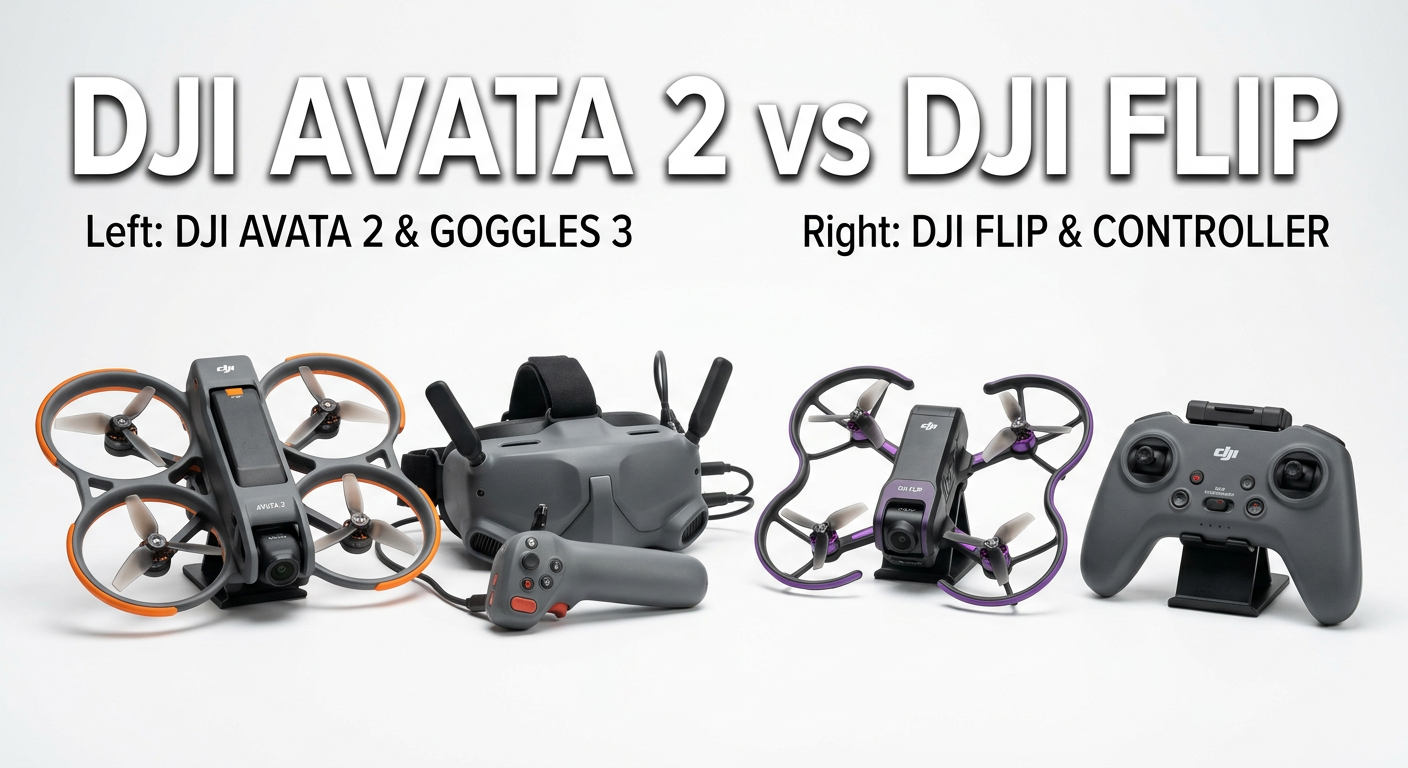
Choosing between the DJI Avata 2 vs DJI Flip comes down to one fundamental question: do you want an immersive FPV experience or a portable drone for casual aerial photography? I have spent extensive time with both drones, and they serve completely different purposes despite looking somewhat similar at first glance.
The Avata 2 delivers an adrenaline-pumping first-person view experience through goggles, reaching speeds up to 60 mph in manual mode. Meanwhile, the Flip focuses on making aerial content creation effortless with its palm takeoff feature and intelligent flight modes perfect for social media creators.
Our team found that the Avata 2 is built for FPV enthusiasts who crave that cockpit-style flying sensation, while the Flip targets casual users wanting high-quality footage without the learning curve. Here is my detailed breakdown to help you decide which drone fits your needs.
DJI Avata 2 vs DJI Flip: Quick Comparison
| Product | Specifications | Action |
|---|---|---|
 DJI Avata 2 Fly More Combo
|
|
Check Latest Price |
 DJI Flip Fly More Combo
|
|
Check Latest Price |
DJI Avata 2: The Immersive FPV Experience
Pros
- Immersive FPV goggles experience
- Built-in propeller guards for safety
- High-quality 4K camera with 1/1.3-inch sensor
- Intuitive motion controller
- One-push acrobatics
- Durable crash-resistant design
Cons
- Learning curve for acrobatic maneuvers
- Wind sensitivity due to light weight
- Propellers visible in some wide shots
- Not ideal for traditional cinematic shots
When I first flew the DJI Avata 2 with the Goggles 3 and RC Motion 3 controller, I immediately understood why FPV pilots get hooked on this experience. The feeling of sitting in a virtual cockpit, seeing exactly what the drone sees in real-time, creates an unmatched sense of immersion. You feel every turn, dive, and roll as if you were actually flying.
The motion controller makes this accessible even for beginners. Instead of juggling two joysticks, you simply tilt and rotate the controller to steer. Within my first 15 minutes, I was navigating around my backyard with confidence. The one-push acrobatics feature lets you perform flips and rolls without any advanced piloting skills.
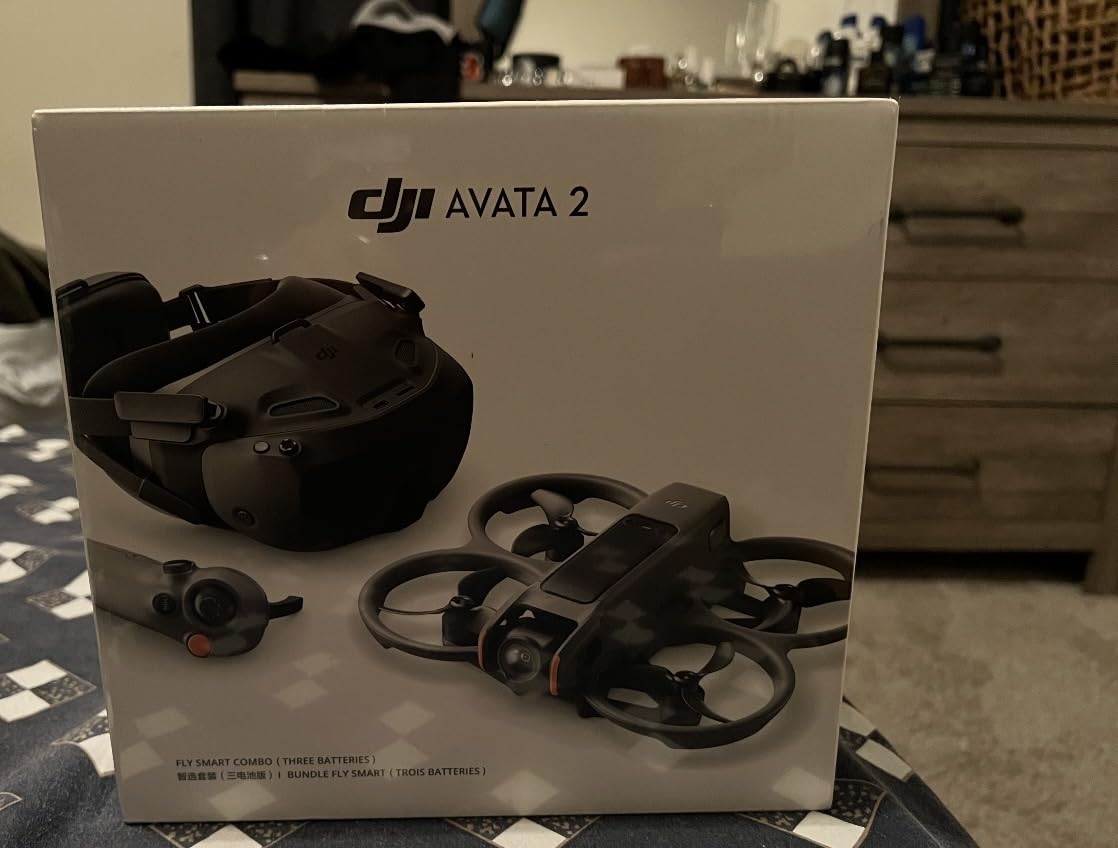
The built-in propeller guards are a game-changer for indoor flying and learning. I crashed into walls, furniture, and even my garage door during testing, and the Avata 2 kept going without a scratch. This durability gives you confidence to push limits and try new maneuvers.
Video quality impressed me throughout testing. The 1/1.3-inch CMOS sensor captures sharp 4K footage at 60fps with the ultra-wide 155-degree field of view. This perspective creates that distinctive FPV look with expansive landscapes and dynamic shots. The D-Log M 10-bit color profile provides flexibility in post-production for color grading.
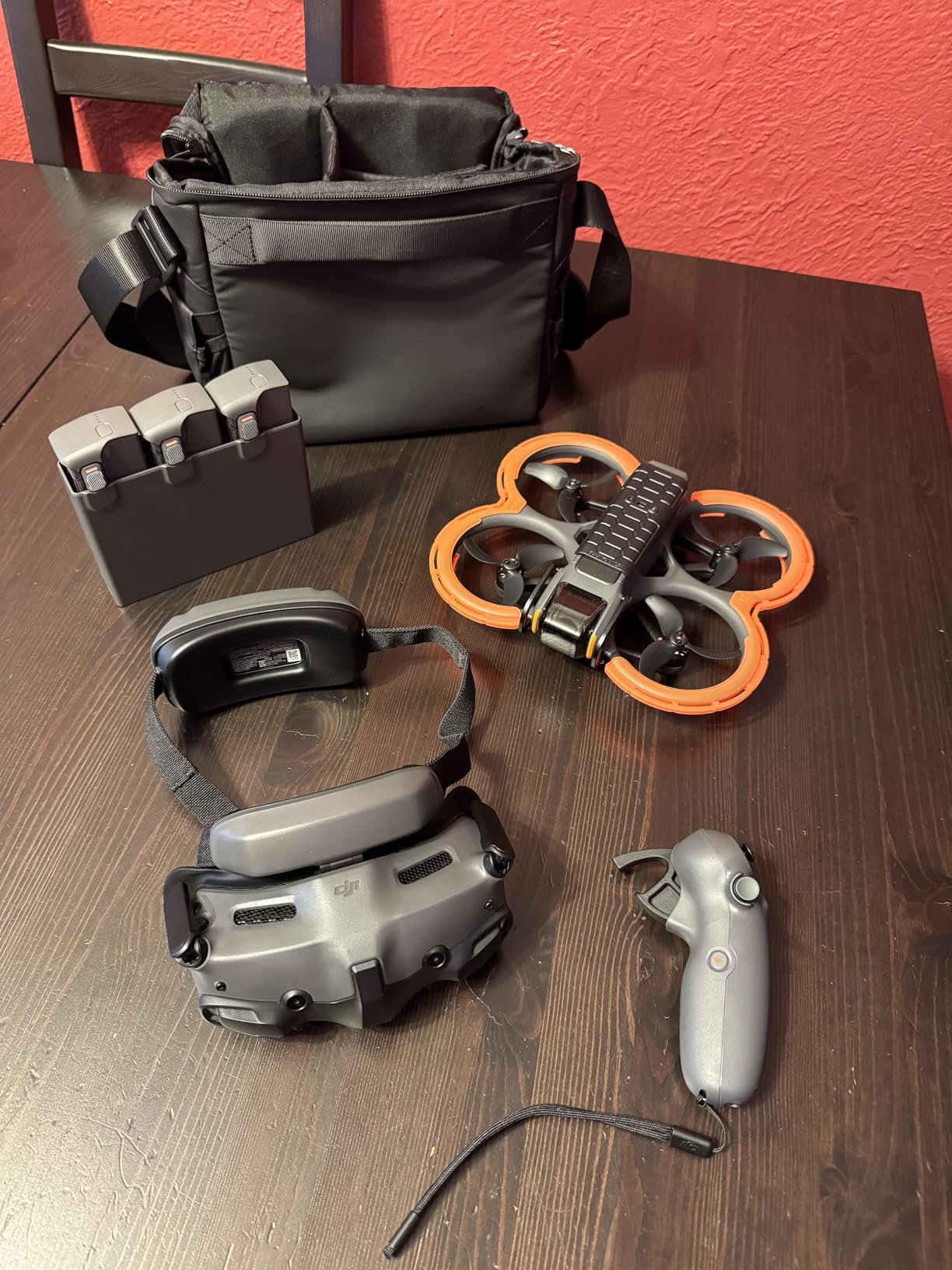
The Fly More Combo includes three batteries, each providing around 23 minutes of flight time. I found this sufficient for a solid session, though serious FPV pilots often want more. The O4 transmission system maintains a stable connection up to 13 kilometers, though I never tested it at that range.
One consideration: this drone really shines with the full FPV setup. Flying without goggles feels like missing half the experience. If you want casual aerial shots without the immersive component, the Avata 2 might be overkill for your needs.
DJI Flip: The Casual Creator’s Dream
Pros
- Extremely beginner-friendly
- Under 249g no FAA registration
- RC 2 with built-in screen
- 31-minute flight time per battery
- Full-coverage propeller guards
- Palm takeoff capability
- Subject tracking features
Cons
- No 360-degree obstacle avoidance
- Wind sensitivity
- Forward-only obstacle detection
- Limited tracking to people only
- No lights for low visibility
The DJI Flip changed how I think about casual drone flying. Within seconds of pulling it from my backpack, I had it airborne using palm takeoff. No setup, no phone mounting, no complicated startup sequence. Just hold it, tap a button, and it hovers waiting for your command.
The included RC 2 controller with its built-in high-brightness screen eliminates the need for a smartphone. I appreciate this when traveling because my phone stays free for other tasks. The screen remains readable even in direct sunlight, which surprised me during a midday beach session.
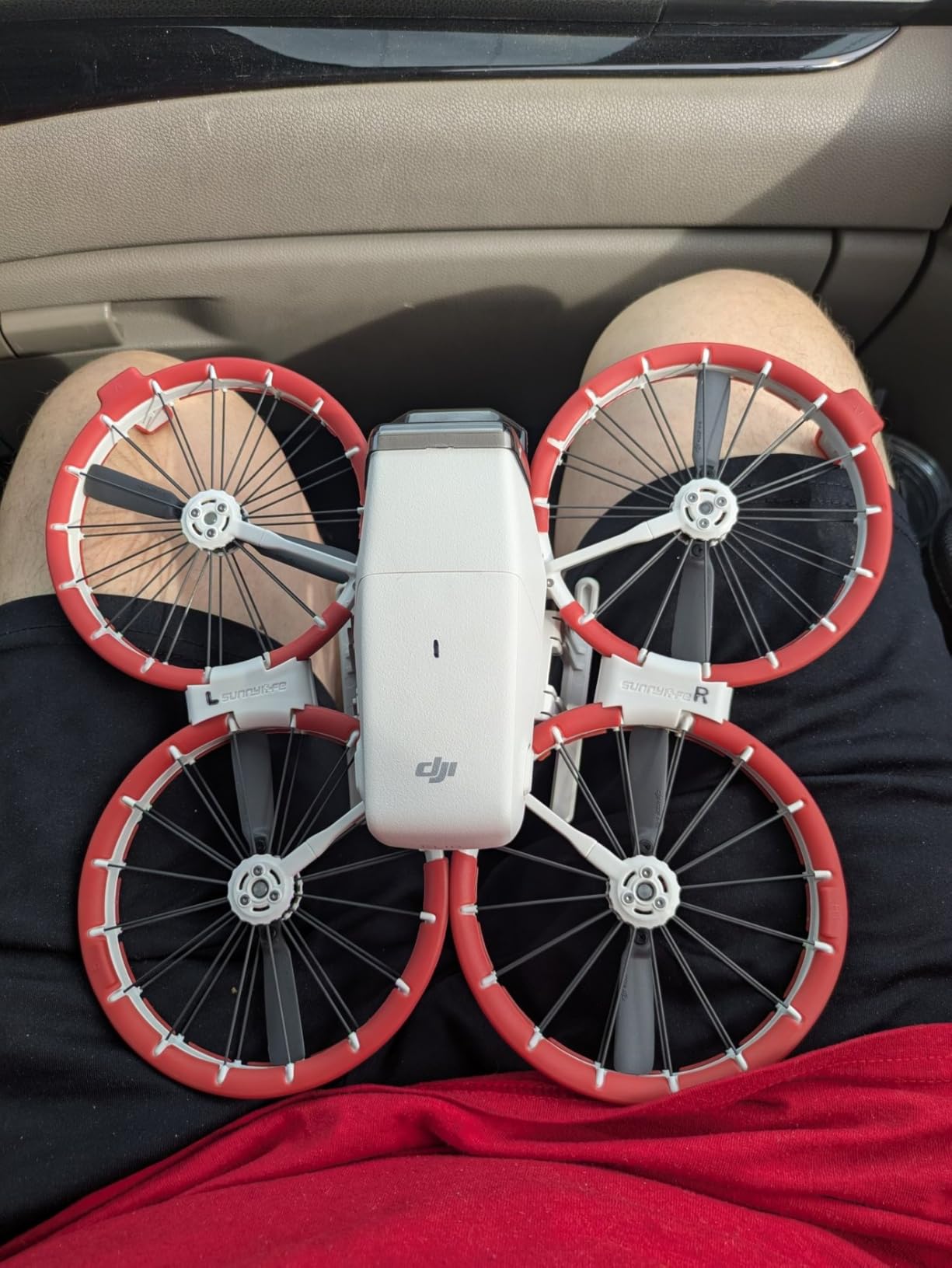
At under 249 grams, the Flip requires no FAA registration or Remote ID. This regulatory freedom makes it incredibly appealing for casual users who just want to fly without paperwork. I took it on vacation and flew in several locations where heavier drones would have required additional planning.
The 1/1.3-inch CMOS sensor delivers excellent 4K/60fps HDR video and 48MP still photos. Image quality holds up well for social media content and casual photography. Subject tracking keeps people in frame automatically, perfect for vloggers who want dynamic footage without a camera operator.
Battery life stands out as a major advantage. Each of the three included batteries delivers up to 31 minutes of flight time. I regularly captured multiple locations on a single charge. The parallel charging hub lets you top up all three batteries simultaneously.
The full-coverage carbon fiber propeller guards protect both the drone and anything it might contact. I felt comfortable flying near family members and pets. However, the obstacle detection only works forward, so you still need to be mindful of what is behind and beside the drone.
DJI Avata 2 vs DJI Flip: Head-to-Head Comparison
Flight Performance
The Avata 2 wins on raw performance with its 60 mph top speed in manual mode compared to the Flip’s more modest capabilities. For FPV enthusiasts wanting speed and agility, the Avata 2 delivers that rush. The Flip prioritizes stability and ease of use over adrenaline.
In terms of maneuverability, the Avata 2 feels more responsive and nimble thanks to its FPV-optimized design. The Flip handles adequately for casual flying but lacks the sporty characteristics that make FPV flying exciting.
Camera Quality
Both drones feature the same 1/1.3-inch CMOS sensor capable of 4K/60fps video. The key difference lies in their field of view. The Avata 2 captures an ultra-wide 155-degree perspective ideal for dynamic FPV footage. The Flip offers a more traditional 82.1-degree field of view suited for standard aerial photography.
For still photos, the Flip wins with 48MP resolution versus the Avata 2’s 12MP. Content creators focused on both video and photos will appreciate this additional detail.
Portability and Design
The Flip takes the portability crown at under 249g versus the Avata 2’s roughly 377g (drone only). This weight difference matters for travel and regulatory reasons. The Flip’s compact folding design slips easily into a backpack.
Both drones feature built-in propeller guards, but the Flip’s full-coverage carbon fiber guards feel more robust for everyday protection. The Avata 2’s guards are integrated into the frame design.
Ease of Use
The Flip wins for absolute beginners. Palm takeoff, intuitive controls, and intelligent flight modes make it accessible within minutes. You can even fly without any controller using just your phone.
The Avata 2 requires more commitment. While the motion controller helps, mastering FPV flying takes practice. You also need to wear goggles, which some people find disorienting initially.
Battery Life
The Flip clearly wins here with 31 minutes per battery versus the Avata 2’s 23 minutes. For extended sessions, this difference adds up significantly. Both drones include three batteries in their Fly More Combo packages.
Frequently Asked Questions
Can the DJI Avata 2 do flips?
Yes, the DJI Avata 2 can perform flips using the one-push acrobatics feature. This allows you to execute flips, rolls, and 180-degree drifts without advanced piloting skills. The motion controller makes these maneuvers accessible even for beginners learning FPV flying.
Can the DJI Flip avoid obstacles?
The DJI Flip has forward obstacle detection but lacks 360-degree obstacle avoidance. It can sense obstacles in front of it but cannot detect objects behind or to the sides. You should remain aware of your surroundings when flying.
Which is better DJI Avata 2 or Flip?
Neither drone is universally better. The Avata 2 is better for FPV enthusiasts wanting immersive goggle-based flight and acrobatic capabilities. The Flip is better for casual users wanting portable aerial photography with minimal learning curve. Your choice depends entirely on intended use.
Is DJI Flip good for beginners?
Yes, the DJI Flip is excellent for beginners. Its palm takeoff feature, intuitive controls, and intelligent flight modes make it accessible within minutes. The full-coverage propeller guards provide safety, and the under-249g weight eliminates FAA registration requirements.
Verdict: Which Drone Should You Buy
The DJI Avata 2 vs DJI Flip comparison reveals two drones designed for completely different users. Buy the Avata 2 if you want the immersive FPV experience with goggles, plan to learn acrobatic maneuvers, and prioritize speed and agility over convenience. It delivers that cockpit feeling FPV enthusiasts crave.
Choose the DJI Flip if you want a portable drone for casual aerial photography and social media content. Its palm takeoff, beginner-friendly controls, and 31-minute flight time make it perfect for travelers, vloggers, and families. The under-249g weight means no FAA registration hassle.
For most casual users, the Flip offers better value and easier operation. But for those seeking the thrill of FPV flight, nothing matches the Avata 2 experience.