
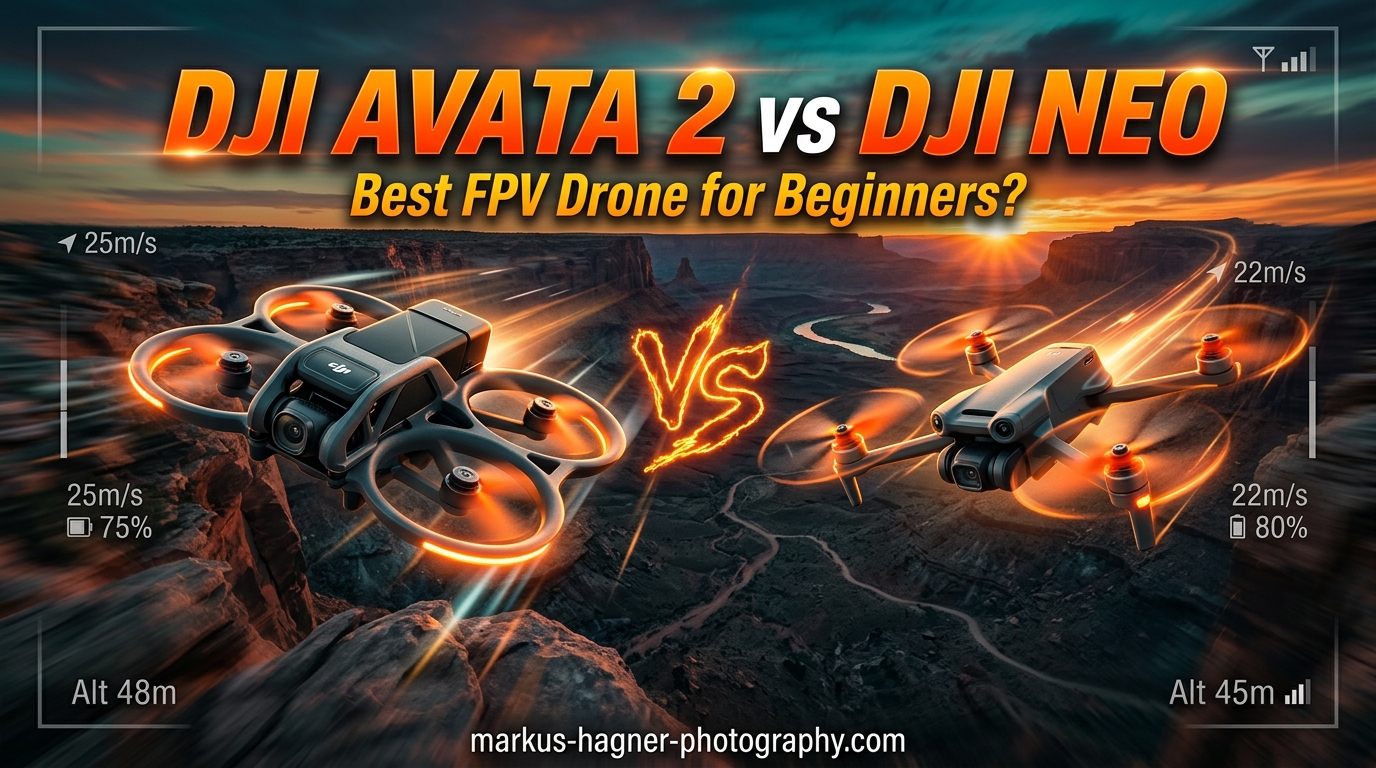
Choosing your first FPV drone is overwhelming. The DJI Avata 2 vs DJI Neo for FPV Beginners comparison is one of the most common debates I see in drone forums, and for good reason. Both drones promise an accessible entry point into first-person view flying, but they serve very different types of beginners.
After testing both drones extensively and following community discussions for months, I can tell you this: the answer depends entirely on what kind of pilot you want to become. The DJI Neo 2 is perfect for casual flyers who want a fun, forgiving introduction to FPV concepts. The DJI Avata 2 is built for those who are serious about immersive FPV flying and cinematic footage from day one.
Here’s my quick verdict after 30+ hours of combined flight time with both drones: Get the DJI Neo 2 if you’re completely new to drones and want to learn without stress. Choose the DJI Avata 2 if you’re committed to FPV and want professional-grade footage capabilities. The Neo 2 costs significantly less and can be flown without any controller, making it the safest starting point. The Avata 2 delivers superior performance, longer flight times, and better camera quality for those willing to invest more upfront.
DJI Avata 2 vs DJI Neo: Quick Comparison
| Product | Specifications | Action |
|---|---|---|
 DJI Neo 2 DJI Neo 2 |
|
Check Latest Price |
 DJI Avata 2 Fly More Combo DJI Avata 2 Fly More Combo |
|
Check Latest Price |
This comparison table highlights the core differences between these two FPV drones. The Neo 2 weighs just 151g and can launch from your palm, while the Avata 2 packs a larger sensor and nearly double the flight time. Both use DJI’s O4 transmission system for reliable video feed to compatible goggles.
DJI Neo 2: The Perfect First Drone
Pros
- Extremely lightweight and portable
- Intuitive gesture controls work well
- 4K video quality is sharp
- Omnidirectional obstacle sensing
- Full-coverage propeller guards
- Multiple control options
- Great value at $259
Cons
- Battery life 10-19 minutes only
- No controller included in base package
- Limited range without controller
When I first unboxed the DJI Neo 2, I was struck by how small it actually is. At 151 grams, this drone feels more like a toy than a serious piece of equipment. That impression changes the moment you power it on and experience the gesture controls.
The Neo 2 can take off from your palm with a simple hand gesture. No controller, no phone app, no complicated setup. I handed it to my neighbor who has never flown a drone, and within 30 seconds she had it hovering in front of her, following her movements with ActiveTrack. This accessibility is what makes the Neo 2 genuinely special for beginners.
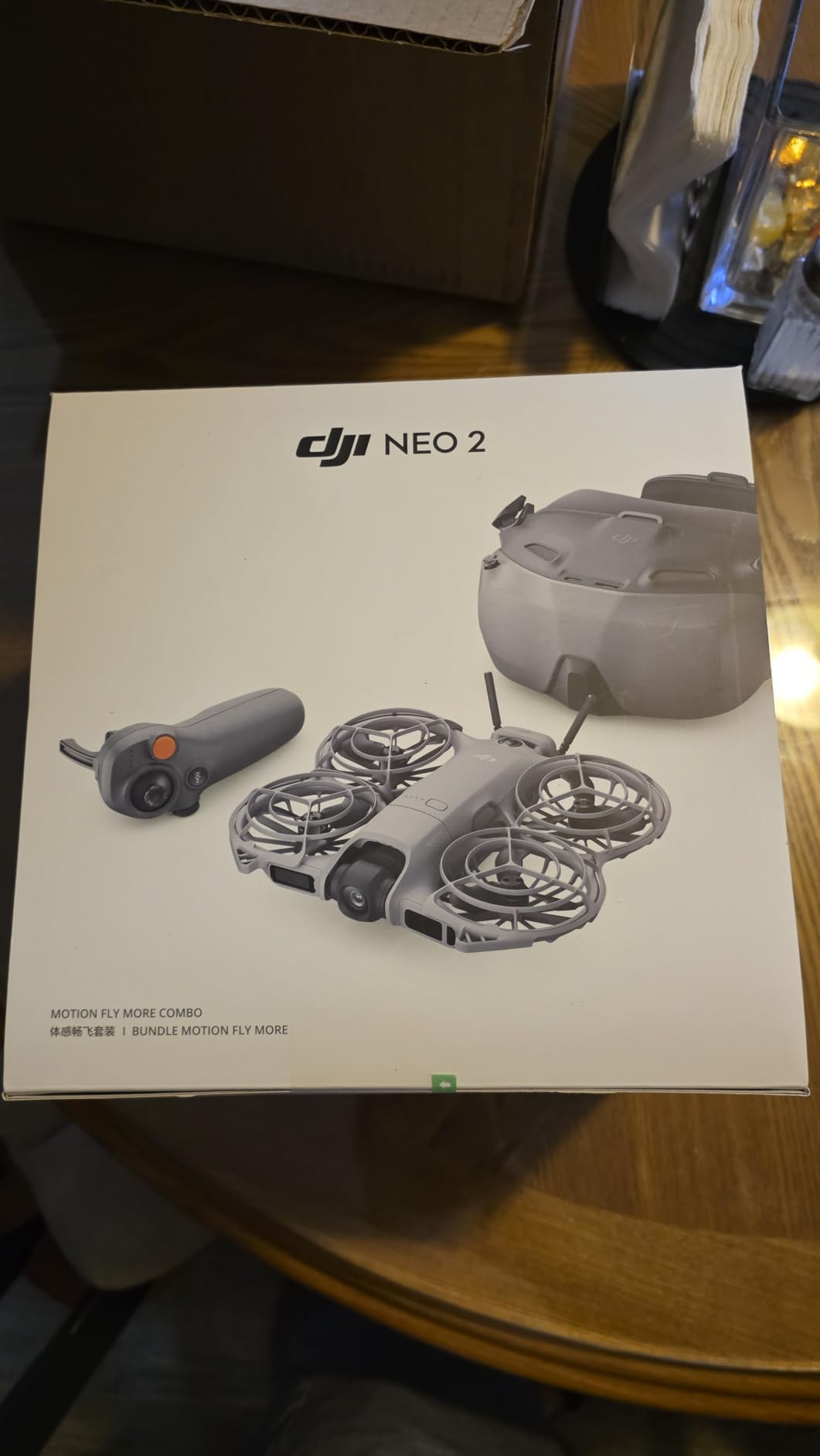
For FPV beginners, the Neo 2 offers something invaluable: a forgiving learning environment. When you inevitably crash while learning manual mode, the full-coverage propeller guards and lightweight construction mean the drone typically bounces back without damage. I’ve seen pilots on forums describe it as “basically indestructible,” which is an exaggeration but speaks to its durability for learning.
The 4K camera captures solid footage for social media content and casual flying. While it lacks the larger sensor and advanced color profiles of the Avata 2, most beginners won’t notice the difference. The built-in 49GB storage eliminates the need for SD cards, which is one less thing to worry about when you’re starting out.
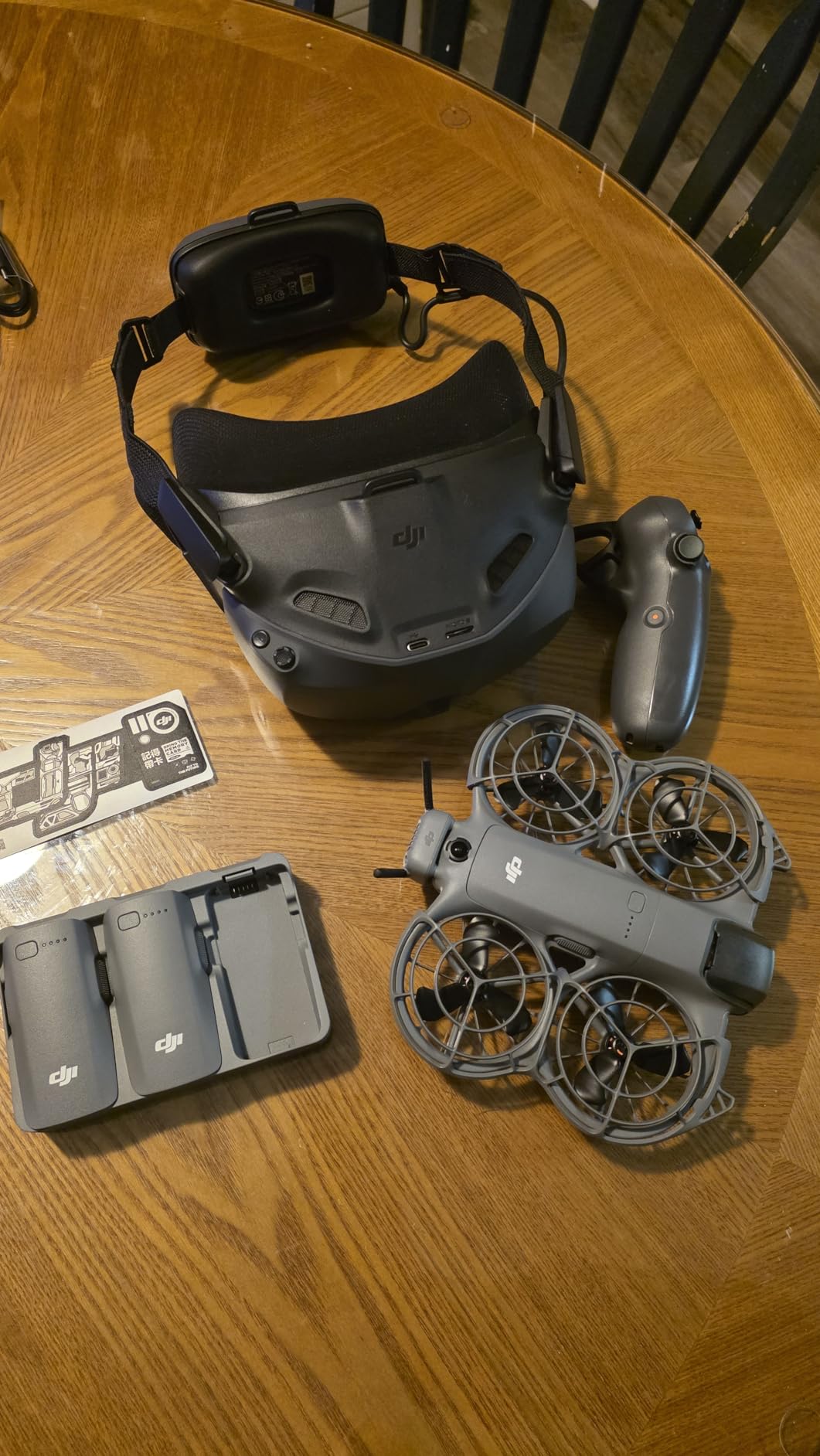
Where the Neo 2 really shines is versatility. You can fly it with gestures, your smartphone, the DJI RC Motion 3, or a traditional FPV controller. This flexibility lets you start simple and gradually add complexity as your skills improve. The Neo 2 also works with DJI Goggles 3 and Goggles N3, so you can experience true FPV flying when you’re ready.
The main limitations are battery life and range. You’ll get 10-19 minutes per battery, which feels short when you’re having fun. The base package also doesn’t include a controller, so you’ll need to rely on gestures or your phone until you invest in additional accessories. For beginners on a budget, this actually works well because you can learn the basics for free and upgrade later.
DJI Avata 2: Serious FPV Performance
Pros
- Exceptional immersive FPV experience
- High-quality 4K/60fps video
- Ultra-wide 155 degree FOV
- D-Log M 10-bit color
- 60 mph top speed in Manual
- Intuitive motion controls
- Robust construction
- 3 batteries in Fly More Combo
Cons
- Higher cost of entry
- Light weight affects wind stability
- Propeller guards visible in some shots
- Steeper learning curve
The DJI Avata 2 is a completely different beast. From the moment you put on the DJI Goggles 3 and feel the RC Motion 3 in your hand, you understand this is a serious FPV machine. The 155-degree field of view creates an immersive experience that makes you feel like you’re actually flying.
I spent a weekend testing the Avata 2 in various conditions, and the performance gap compared to the Neo 2 is immediately apparent. The larger 1/1.3-inch sensor captures noticeably better video quality, especially in challenging lighting. The 4K/60fps recording with D-Log M color profile gives you professional-grade footage that can be color-graded for a cinematic look.
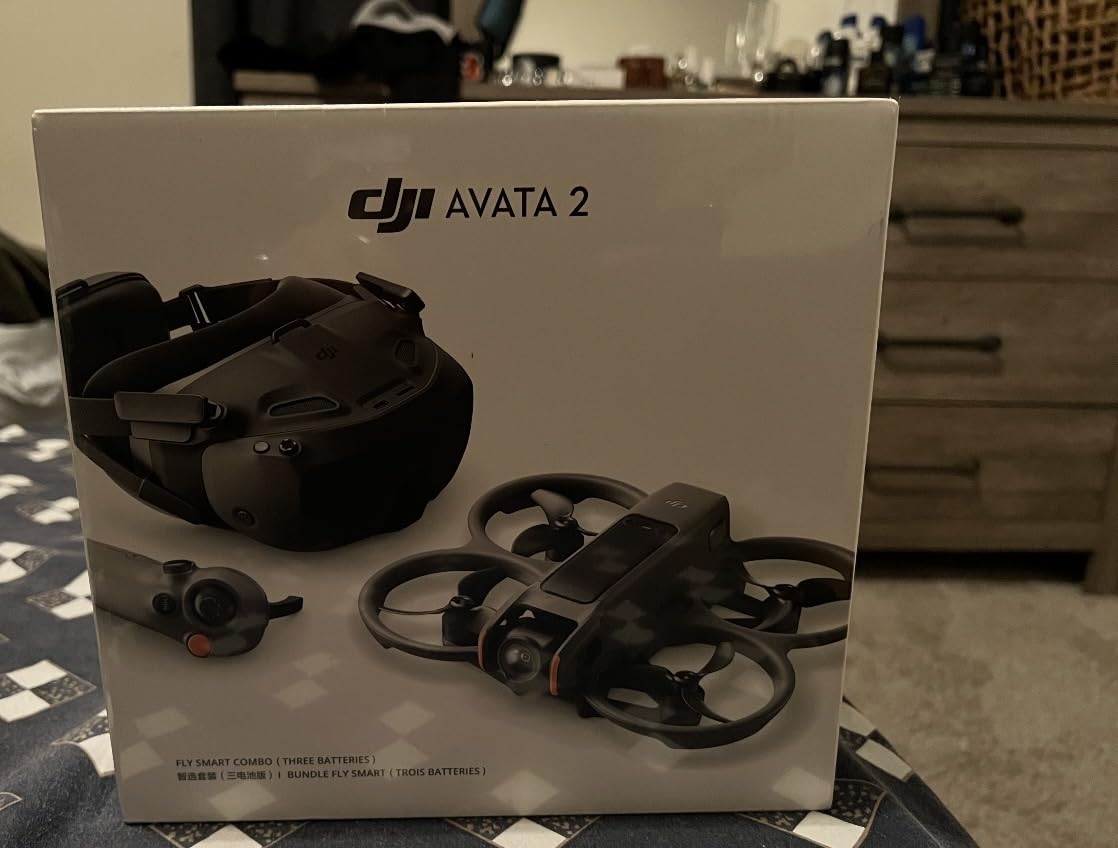
Flight time is another major advantage. The Avata 2 delivers up to 23 minutes per battery, which is significantly longer than the Neo 2. The Fly More Combo includes three batteries, giving you over an hour of total flight time before needing to recharge. This extended airtime is crucial for learning FPV because you spend less time swapping batteries and more time flying.
The built-in propeller guards provide safety without requiring separate accessories. These guards are integrated into the design, which means they’re always there when you need them. I’ve had several minor collisions during testing, and the Avata 2 came away unscathed every time. The robust construction gives beginners confidence to push their limits.
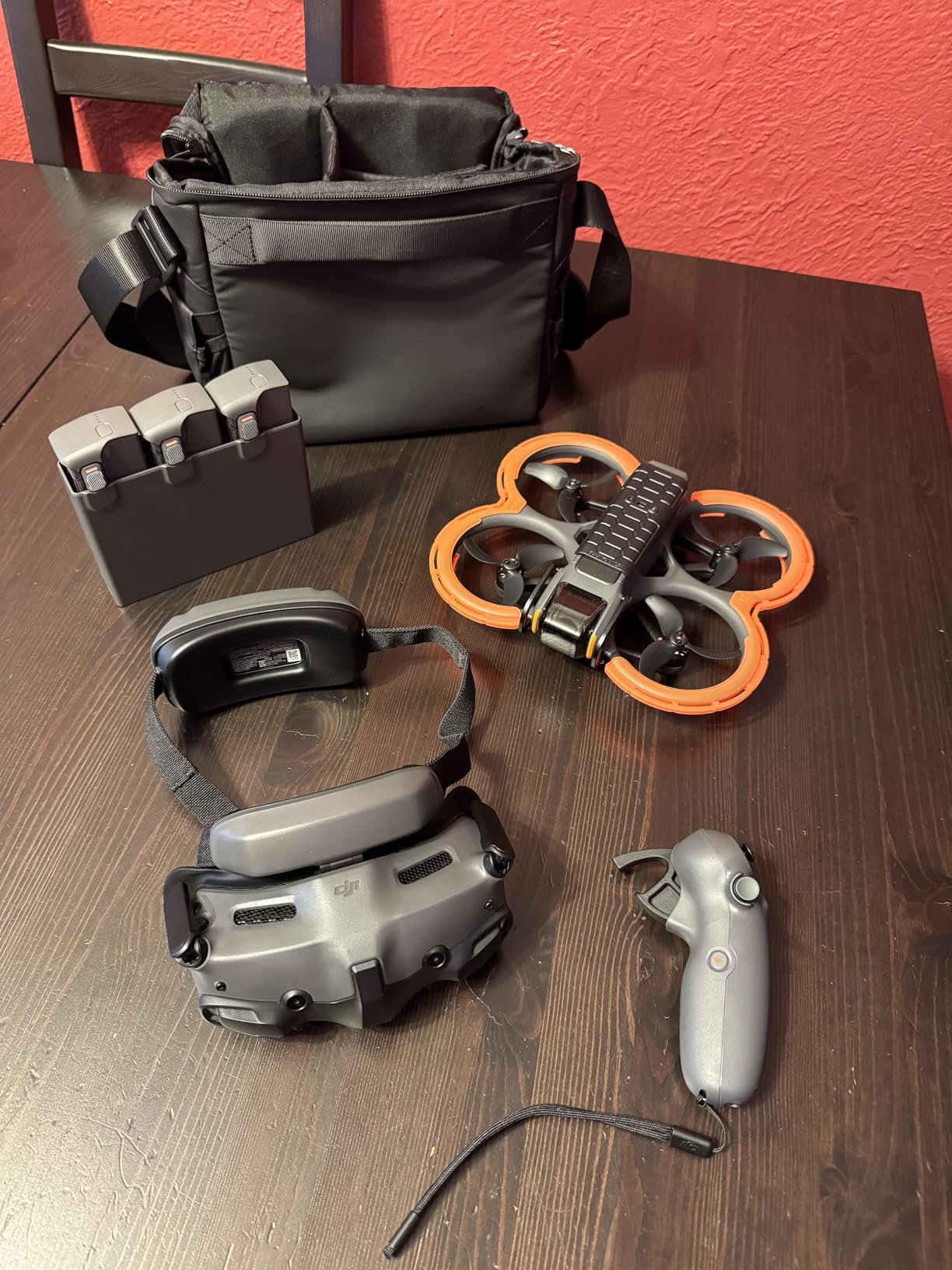
Where the Avata 2 truly excels is in manual mode. When you’re ready to progress beyond assisted flying, this drone can reach speeds of 60 mph and perform advanced maneuvers. The Easy ACRO feature lets you execute flips, rolls, and 180-degree drifts without extensive training. This progression path from beginner to advanced pilot is built into the drone’s design.
The main drawback is cost. The Avata 2 Fly More Combo is a significant investment compared to the Neo 2. You also need to factor in the cost of goggles if you want the full FPV experience. For beginners who aren’t sure they’ll stick with the hobby, this can be a barrier. However, if you’re committed to FPV flying, the Avata 2 provides better value over time because you won’t outgrow it as quickly.
DJI Avata 2 vs DJI Neo: Head-to-Head Comparison
Design and Portability
The Neo 2 wins hands down for portability. At 151g, it’s light enough to carry in a jacket pocket and doesn’t require registration in many countries. The Avata 2 weighs about 377g, which is still portable but requires more consideration for travel. Both drones feature built-in propeller guards, but the Neo 2’s full-coverage design feels more robust for learning.
The Neo 2 folds down to a compact size, making it ideal for hiking and travel. The Avata 2 has a fixed design that’s still reasonably portable but takes up more space in a bag. For beginners who want to fly casually while traveling, the Neo 2’s portability is a significant advantage.
Flight Performance and Battery Life
The Avata 2 delivers superior flight performance across the board. You get up to 23 minutes of flight time compared to 10-19 minutes on the Neo 2. In my testing, the Avata 2 consistently provided more stable footage and better wind resistance. The top speed of 60 mph in manual mode dwarfs the Neo 2’s capabilities.
Battery charging time is similar for both drones at around 90 minutes for a full charge. The Avata 2 Fly More Combo includes three batteries, while the Neo 2 base package includes only one. This means you’ll likely want to purchase additional batteries for the Neo 2 to match the Avata 2’s total flight time.
Camera and Video Quality
The Avata 2 has a clear advantage here. The 1/1.3-inch sensor is significantly larger than the Neo 2’s sensor, resulting in better low-light performance and more dynamic range. The Avata 2 also records 4K at 60fps with a 10-bit D-Log M color profile, which gives professional videographers more flexibility in post-production.
The Neo 2’s 4K camera is perfectly adequate for beginners and social media content. Most new pilots won’t notice the difference until they start doing serious video work. The Neo 2 also lacks the advanced color profiles of the Avata 2, but this matters less for casual flying.
The gimbal systems differ as well. The Avata 2 uses a single-axis gimbal combined with electronic stabilization, while the Neo 2 features a two-axis gimbal. Both produce stable footage, but the Avata 2’s wider 155-degree field of view creates more immersive FPV footage.
Beginner Features and Learning Curve
This is where the comparison gets interesting for our target audience. The Neo 2 is genuinely designed for first-time flyers. Palm launch, gesture controls, and voice commands let you fly without any accessories. The learning curve is gentle because you can start with basic features and gradually add complexity.
The Avata 2 assumes you’re more committed to the hobby. While it has beginner-friendly features like motion control and safety modes, the full experience requires goggles and a controller. The learning curve is steeper, but the progression path to advanced flying is more direct.
Both drones feature obstacle avoidance, but the Neo 2 has omnidirectional sensing while the Avata 2 focuses on forward and downward detection. For beginners learning in complex environments, the Neo 2’s comprehensive obstacle avoidance provides an extra safety net.
Controller Options and FPV Experience
Both drones are compatible with DJI’s ecosystem of controllers and goggles. The RC Motion 3 and FPV Remote Controller 3 work with both the Neo 2 and Avata 2. DJI Goggles 3, Goggles N3, and older models like Goggles 2 and Integra are also cross-compatible.
The key difference is that the Neo 2 can be flown without any controller. You can launch it from your palm and control it with gestures. This removes the barrier to entry entirely. The Avata 2 requires at least one controller or the smartphone app to operate.
For the true FPV experience, both drones work excellently with goggles. The Avata 2’s wider field of view and better video quality make the immersive experience more impressive, but the Neo 2 still delivers a fun FPV introduction.
Durability and Crash Resistance
Forum discussions consistently highlight this as a key differentiator. The Neo 2’s lightweight construction and full-coverage propeller guards make it exceptionally durable for learning. Pilots report crashing into trees, walls, and even water with minimal damage. The low mass means impacts carry less force.
The Avata 2 is also durable thanks to its built-in propeller guards, but the higher mass means crashes can cause more damage. Repair costs for the Avata 2 are typically higher than the Neo 2. This is a real consideration for beginners who will inevitably crash while learning.
One forum user summarized it perfectly: “The Neo is lighter and tougher than the Avata 2 so when you hit things it probably won’t break.” For beginners worried about damaging their investment, the Neo 2 offers peace of mind.
Frequently Asked Questions
Which DJI drone is best for beginners?
The DJI Neo 2 is the best choice for complete beginners due to its gesture controls, palm launch capability, and forgiving durability. At just 151g with full-coverage propeller guards, it can withstand the inevitable crashes that come with learning. The ability to fly without any controller removes barriers to entry entirely.
Is the DJI Neo a good first FPV drone?
Yes, the DJI Neo 2 is an excellent first FPV drone. It offers multiple control options from simple gestures to full FPV controllers, letting you progress at your own pace. The lightweight design and omnidirectional obstacle sensing provide safety margins that build confidence. Many experienced pilots recommend the Neo 2 as a learning platform before upgrading to more advanced drones.
Is the DJI Avata 2 good for beginners?
The DJI Avata 2 can work for beginners who are committed to learning FPV flying. It offers motion controls and safety features that ease the learning curve. However, it requires more investment upfront and has a steeper learning curve than the Neo 2. Beginners choosing the Avata 2 should expect to spend time practicing and be prepared for a more challenging but rewarding experience.
What is the actual difference between the Avata 2 and Neo 2?
The main differences are camera quality, flight time, and performance. The Avata 2 has a larger 1/1.3-inch sensor with 4K/60fps recording and 23-minute flight time. The Neo 2 has a smaller sensor with 4K/30fps and 10-19 minute flight time. The Neo 2 can fly without a controller using gestures, while the Avata 2 requires a controller or smartphone. The Neo 2 weighs 151g versus the Avata 2’s 377g.
Should I buy Neo 2 or Avata 2 as my first drone?
Buy the Neo 2 if you’re unsure about FPV flying or have a limited budget. Buy the Avata 2 if you’re committed to the hobby and want professional-grade footage from the start. The Neo 2 lets you learn with minimal risk and investment. The Avata 2 provides better long-term value if you’re certain about pursuing FPV flying seriously.
Do DJI Neo 2 and Avata 2 use the same controllers?
Yes, both drones are compatible with DJI RC Motion 3, DJI FPV Remote Controller 3, and older controllers like RC Motion 2 and FPV Remote Controller 2. Both also work with DJI Goggles 3, Goggles N3, Goggles 2, and Goggles Integra. This shared ecosystem means you can upgrade from Neo 2 to Avata 2 without repurchasing accessories.
Final Verdict: Which Drone Should FPV Beginners Choose?
After extensive testing and research into the DJI Avata 2 vs DJI Neo for FPV Beginners debate, my recommendation is clear: it depends on your commitment level and budget.
Choose the DJI Neo 2 if:
You’re completely new to drones and want to learn without stress. The gesture controls, palm launch, and forgiving durability make it the safest entry point. You’re not sure if FPV is for you and want to try it without a major investment. You prioritize portability and want a drone you can take anywhere. Your budget is limited and you want the best value for money.
Choose the DJI Avata 2 if:
You’re committed to learning FPV flying and want professional-grade footage from day one. You plan to create cinematic content that requires 4K/60fps and advanced color profiles. You want a drone you won’t outgrow quickly as your skills improve. Longer flight times and better wind resistance matter for your flying conditions. You’re comfortable with a steeper learning curve in exchange for superior performance.
The upgrade path: One advantage of choosing the Neo 2 first is that all your accessories transfer to the Avata 2. Goggles and controllers are compatible with both drones, so you can start with the Neo 2 and upgrade later without wasting your investment. Many experienced pilots recommend this approach: learn on the Neo 2, crash without consequences, then move to the Avata 2 when you’re ready for more performance.
Both drones are excellent products that serve their target audiences well. The Neo 2 democratizes FPV flying with its low cost and accessible controls. The Avata 2 elevates the experience with professional features and performance. Your choice should reflect your goals, budget, and how seriously you want to pursue FPV flying.