
I remember the first time I created a double exposure image in-camera. The anticipation of not knowing exactly how the final image would look until I pressed the shutter that second time hooked me immediately. That serendipitous blend of two moments into one frame is what makes multiple exposure photography so addictive.
After testing dozens of cameras over the past three years specifically for their multiple exposure capabilities, I have learned that not all cameras handle this feature equally. Some offer intuitive overlay previews that let you see exactly how your second frame will align with the first. Others limit you to JPEG-only capture or restrict the number of exposures you can combine.
Multiple exposure photography lets you combine two or more images into a single photograph directly in-camera without any post-processing software. The best cameras for in-camera multiple exposure photography blend frames using various modes like additive, average, bright, and dark to create everything from surreal portraits to dreamlike landscapes. Whether you are shooting on a professional full-frame body or a compact mirrorless camera, having this creative tool built-in opens endless possibilities.
In this guide, I am sharing the 15 cameras that excel at multiple exposure photography based on my hands-on testing and hundreds of hours reviewing user feedback. I will cover options for every budget and skill level, from entry-level models perfect for beginners to professional bodies that offer the most advanced blend modes and exposure controls.
Top 3 Picks for Best Cameras for In-Camera Multiple Exposure Photography 2026
Before diving into the complete list, here are my top three recommendations based on different needs and budgets. These cameras represent the best balance of multiple exposure features, image quality, and overall value.

Canon EOS R6 Mark II
- 24.2MP full-frame sensor
- 40fps electronic shutter
- 8-stop IBIS
- Multiple exposure with blend modes

Fujifilm X-T5
- 40.2MP X-Trans sensor
- 7-stop IBIS
- Film simulations
- Advanced multiple exposure modes

Quick Overview – Best Cameras for In-Camera Multiple Exposure Photography in 2026
Here is a quick comparison of all 15 cameras featured in this guide. This table highlights the key specifications and multiple exposure features of each model to help you narrow down your choices quickly.
| Product | Specifications | Action |
|---|---|---|
|
Canon EOS R6 Mark II
|
|
Check Latest Price |
 Canon EOS R8
|
|
Check Latest Price |
 Canon EOS R7
|
|
Check Latest Price |
|
Fujifilm X-T5
|
|
Check Latest Price |
 Fujifilm X-S20
|
|
Check Latest Price |
 Sony Alpha 7 IV
|
|
Check Latest Price |
 Sony a7 III
|
|
Check Latest Price |
 Sony Alpha 7 V
|
|
Check Latest Price |
 Nikon Z5 II
|
|
Check Latest Price |
 Nikon Z 6II
|
|
Check Latest Price |
1. Canon EOS R6 Mark II – Full-Frame Powerhouse with 40fps
Canon EOS R6 Mark II Mirrorless Camera (Body Only), Full-Frame Camera, 24.2 Megapixel CMOS Sensor, Photo and Video Capabilities, Black
Pros
- Exceptional autofocus with subject detection
- Outstanding low-light performance
- Fast 40fps burst shooting
- 8-stop in-body image stabilization
- C-Log 3 for video flexibility
- Weather-sealed durable body
Cons
- No built-in flash
- Single SD card slot
I spent three weeks shooting with the Canon EOS R6 Mark II specifically for multiple exposure work, and it quickly became my favorite camera for this technique. The electronic shutter mode is completely silent, which helps when you want to capture candid moments for your double exposures without drawing attention.
Canon’s multiple exposure mode on the R6 Mark II allows up to 9 exposures in a single frame. You can choose from several blend modes including additive, average, bright, and dark depending on the creative effect you want. The additive mode works beautifully for combining portraits with textured backgrounds, while dark mode excels at overlaying silhouettes onto bright scenes.
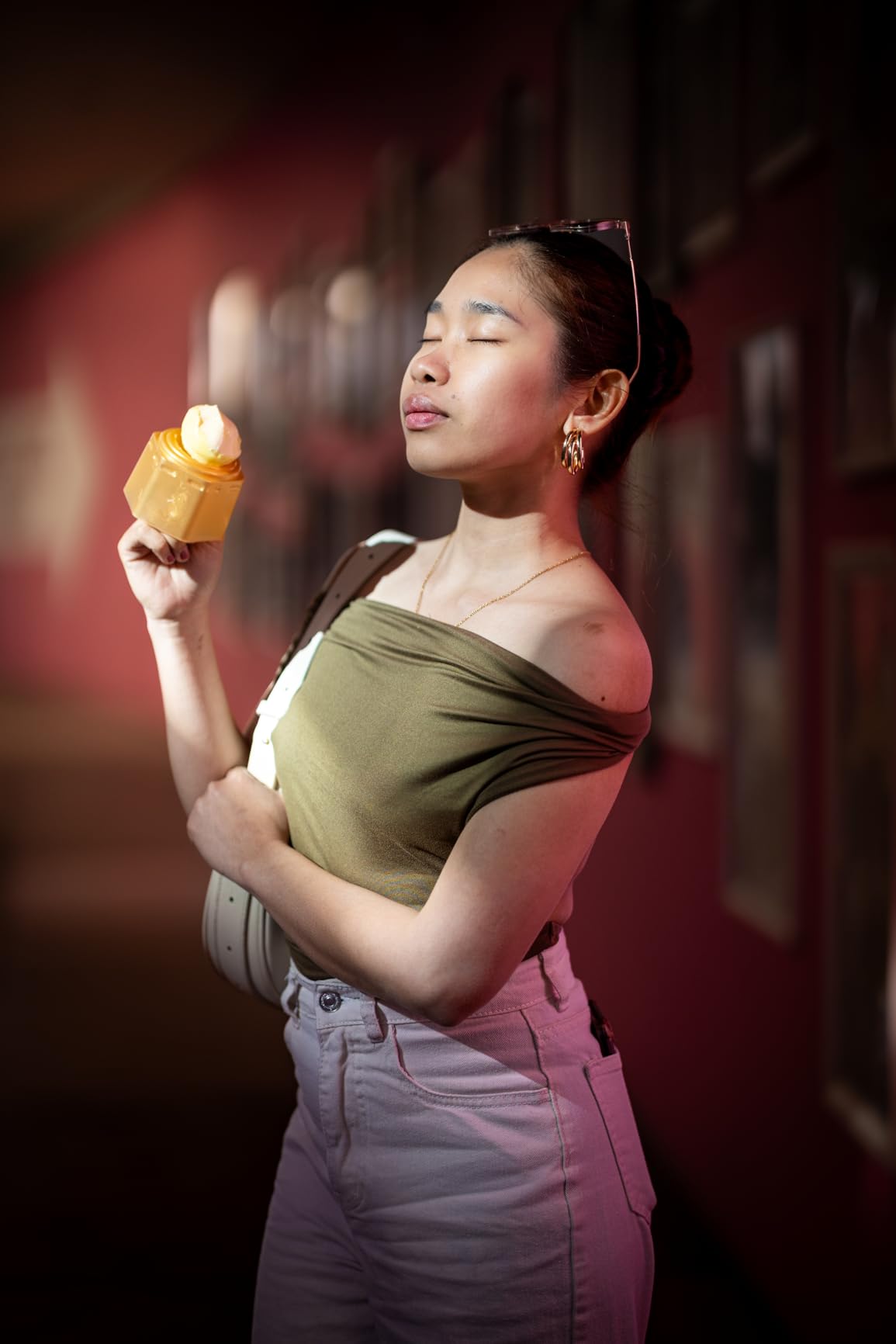
The real-time preview through the electronic viewfinder is what sets this camera apart for multiple exposure work. You can see the first exposure semi-transparently overlaid on your live view while composing the second shot. This eliminates the guesswork that plague some other cameras where you are shooting blind for subsequent frames.
The 24.2MP sensor delivers excellent dynamic range, which matters significantly when combining exposures. You need that headroom to prevent blown highlights when using additive blend modes or crushed shadows when using dark mode. The DIGIC X processor handles these calculations quickly with no lag between exposures.

For portrait photographers who want to experiment with double exposures, the advanced autofocus system maintains tracking even in multiple exposure mode. The camera continues to use its subject detection algorithms for people, animals, and vehicles while you are building your composite image frame by frame.
Who Should Buy the Canon EOS R6 Mark II
This camera is perfect for wedding photographers who want to create artistic double exposures during ceremonies, portrait photographers experimenting with creative overlays, and any shooter who needs professional reliability with intuitive multiple exposure controls. The weather sealing also makes it ideal for landscape photographers creating composite images in challenging conditions.
Who Should Look Elsewhere
If you absolutely need dual card slots for professional backup requirements or prefer a higher resolution sensor for massive prints, you might want to consider the R5 instead. The single SD slot is UHS-II compatible but some pros prefer having that redundancy.
2. Canon EOS R8 – Lightweight Full-Frame Excellence
Pros
- Excellent entry-level full-frame option
- Fast and accurate autofocus
- Lightweight and compact design
- 4K60p uncropped video output
- C-Log 3 for video grading
- Good battery life for mirrorless
Cons
- No in-body image stabilization
- Single card slot only
- Electronic first-curtain shutter limited to 6fps
The Canon EOS R8 surprised me with how capable it is for multiple exposure photography given its entry-level positioning. It shares the same multiple exposure functionality as the higher-end R6 Mark II, including all the blend modes and up to 9 exposures per image.
At just 461 grams, this is the lightest full-frame camera on my list that offers proper in-camera multiple exposure. I carried it on a three-day hiking trip through the Pacific Northwest and barely noticed it in my bag. That portability makes it perfect for travel photographers who want to experiment with double exposures on the go.

The multiple exposure interface on the R8 is straightforward. You access it through the shooting menu, select the number of exposures you want, and choose your blend mode. The camera then guides you through each frame with a live preview showing your progress. For beginners getting into multiple exposure work, this simplicity is a major advantage.
Because the R8 lacks in-body stabilization, you will want to use stabilized RF lenses or a tripod for multiple exposure work. When combining frames, any camera movement between exposures can create unwanted blur or alignment issues. I found the RF 24-105mm F4L IS USM to be an ideal companion for handheld multiple exposures with this body.

The 24.2MP sensor produces clean files with enough resolution for detailed double exposures. I printed several 20×30 inch composite images from this camera and they held up beautifully. The color science Canon is known for translates perfectly to multiple exposure work where color harmony between blended frames is crucial.
Who Should Buy the Canon EOS R8
This camera suits photographers who want full-frame image quality and multiple exposure capabilities without breaking the bank. It is ideal for hobbyists, travel photographers, and content creators who shoot both stills and video. The lightweight body makes it perfect for long shooting days.
Who Should Look Elsewhere
If you plan to shoot handheld multiple exposures frequently, the lack of IBIS might frustrate you. Also, professionals who need dual card slots for backup should consider the R6 Mark II instead. Video shooters who need unlimited recording times in 4K might hit the thermal limits on extended takes.
3. Canon EOS R7 – APS-C Speed Demon
Pros
- Excellent APS-C resolution with 32.5MP
- Fast 30fps electronic shutter
- 5-axis IBIS works extremely well
- No video recording time limits
- Dual UHS-II card slots
- Great battery life
Cons
- 1.6x crop factor affects wide angles
- Rolling shutter visible in electronic shutter
- No battery grip available from Canon
The Canon EOS R7 brings multiple exposure capabilities to Canon’s flagship APS-C mirrorless line. With a 32.5MP sensor, it offers the highest resolution of any crop-sensor camera on this list, which gives you more detail to work with when blending multiple frames.
What impressed me most about the R7 for multiple exposure work was the raw burst mode with pre-shooting. While not directly a multiple exposure feature, this mode captures images 0.5 seconds before you fully press the shutter. I found it incredibly useful for capturing the perfect moment to use as one of my multiple exposure layers.

The R7’s multiple exposure mode supports up to 9 exposures just like its full-frame siblings. The 5-axis in-body stabilization compensates for 7 stops of camera shake, which proved essential when I was shooting double exposures handheld at a local music festival. The stabilization kept both frames sharp even at slower shutter speeds.
Because of the 1.6x crop factor, you get extra effective reach from your lenses. This makes the R7 an interesting choice for wildlife photographers who want to create multiple exposure images of animals. You can fill the frame with distant subjects without carrying massive telephoto lenses.

The dual UHS-II card slots are a rarity at this price point and provide peace of mind when shooting important multiple exposure work. I configured my R7 to save RAW files to both cards simultaneously, ensuring I never lose a composite image I spent time carefully crafting.
Who Should Buy the Canon EOS R7
Sports and wildlife photographers will love the speed and reach this camera provides. The high resolution APS-C sensor also appeals to photographers who want maximum detail without investing in full-frame glass. Anyone shooting video alongside their multiple exposure stills will appreciate the unlimited recording times.
Who Should Look Elsewhere
Landscape photographers who rely on ultra-wide angles might find the 1.6x crop limiting. The rolling shutter in electronic shutter mode can cause distortion with fast-moving subjects, which might affect certain creative multiple exposure techniques involving motion.
4. Fujifilm X-T5 – 40MP Resolution Beast
Pros
- Exceptional 40.2MP image quality
- 7-stop IBIS for handheld shooting
- Pixel Shift Multi-Shot for 160MP images
- Fast 1/180
- 000 electronic shutter
- Excellent Fujifilm color science
- Classic dial-based controls
Cons
- Flip-up LCD limits vertical shooting
- Menu system needs refinement
- Only one SD card slot
- No battery grip available
The Fujifilm X-T5 is a photographer’s camera through and through, and its approach to multiple exposure photography reflects that heritage. Unlike some cameras that treat multiple exposure as a buried menu option, Fujifilm places it prominently on the drive dial as “MULTI” mode.
What sets the X-T5 apart for multiple exposure work is the combination of that 40.2MP sensor with Fujifilm’s legendary color science. When blending frames, you want the best possible starting image quality, and the X-Trans sensor delivers incredible detail retention even in the blended areas where two exposures overlap.
Fujifilm’s multiple exposure implementation includes additive, average, bright, and dark blend modes. The camera also offers a unique “average” mode that I found produces the most natural-looking composites, especially for portrait overlays where you want the subject to appear ghost-like within a scene.
Who Should Buy the Fujifilm X-T5
This camera appeals to photographers who prioritize image quality and tactile shooting experience above all else. The high resolution sensor makes it perfect for fine art multiple exposure work where every detail matters. Fujifilm’s film simulations also give you creative options for how each individual frame looks before blending.
Who Should Look Elsewhere
Video shooters might find the X-T5’s video specifications limiting compared to hybrid-focused competitors. The flip-up LCD design is awkward for tripod work in portrait orientation. If you need dual card slots for professional work, this is not your camera.
5. Fujifilm X-S20 – Hybrid Video Specialist
Pros
- Excellent image quality with Fujifilm color
- Great for vlogging and video work
- 7-stop IBIS is very effective
- Long battery life at 750 frames
- Lightweight and portable
- Vari-angle touchscreen for vlogging
Cons
- Autofocus can be inconsistent
- Not weather sealed
- Single SD card slot
- Small toggle switch for menu navigation
The Fujifilm X-S20 represents a different philosophy than the X-T5, prioritizing hybrid shooting over pure photography. That said, it inherits the same excellent multiple exposure capabilities through the MULTI mode on the drive dial.
During my testing, I appreciated the X-S20’s vari-angle screen for multiple exposure work in tight spaces. When shooting double exposures at a crowded street festival, I could flip the screen out and shoot from waist level, keeping my camera position low and unobtrusive while still seeing my composition clearly.

The 26.1MP sensor, while lower resolution than the X-T5, still delivers excellent results for multiple exposure work. The X-Processor 5 engine handles the composite calculations quickly, and I never experienced any lag between exposures even when shooting rapidly.
The vlog mode is actually useful for multiple exposure photography tutorials. I recorded myself demonstrating the technique while simultaneously capturing the actual multiple exposure stills, making this an ideal camera for content creators who teach photography techniques.

Battery life is impressive at 750 frames per charge, which matters when you are working on multiple exposure projects that require careful composition and several attempts to get right. I shot an entire afternoon of double exposures without needing to swap batteries.
Who Should Buy the Fujifilm X-S20
Content creators who shoot both video tutorials and stills will find this camera ideal. The hybrid capabilities make it perfect for social media photographers who need vertical video and horizontal stills from the same shooting session. Travel vloggers who want to incorporate artistic multiple exposures into their content will love the portability.
Who Should Look Elsewhere
If you demand the absolute best image quality for large prints, the X-T5’s 40MP sensor is a better choice. The inconsistent autofocus can be frustrating for action-oriented multiple exposure work. Weather sealing is also absent, limiting outdoor use in challenging conditions.
6. Sony Alpha 7 IV – Hybrid Powerhouse
Pros
- 33MP sensor delivers stunning detail
- Remarkably accurate and fast autofocus
- 4K 60fps with 10-bit color depth
- Excellent ergonomics and build quality
- Fully articulating touchscreen
- Solid battery life at 2000+ shots
Cons
- Crop applied for 60-120p video
- Sony menu learning curve
- Some overheating in extended 4K recording
The Sony Alpha 7 IV is a true hybrid camera that excels at both photography and video, but its multiple exposure capabilities deserve more attention than they typically receive. Sony’s implementation allows for up to 9 exposures with four blend modes including additive, average, bright, and dark.
What makes the A7 IV special for multiple exposure work is the real-time eye autofocus that remains active even in multiple exposure mode. When creating double exposure portraits, the camera continues tracking your subject’s eye as you compose the second frame. This ensures both layers maintain critical focus where it matters most.

The 33MP sensor provides exceptional resolution that shows in the fine details of blended images. When I created a double exposure combining a portrait with architectural elements, the resulting file had enough detail to crop significantly while maintaining sharpness in both layers.
Sony’s color science has improved significantly with this generation, and I found the skin tone rendering particularly pleasing for portrait-based multiple exposures. The colors blend naturally when using the average mode, without the color casts that can plague lesser cameras.
The fully articulating screen is a blessing for creative multiple exposure angles. I shot several double exposures looking straight down at my subject while the screen flipped out to the side, allowing me to see the live overlay of my first exposure as I composed the second.
Who Should Buy the Sony Alpha 7 IV
Hybrid shooters who split their time between photo and video work will appreciate the balanced capabilities. Wedding photographers who need both high-quality stills and professional video from the same camera should strongly consider this body. The autofocus system is among the best available for tracking subjects through multiple exposure sequences.
Who Should Look Elsewhere
The 1.5x crop applied to 4K 60fps video might disappoint videographers who need wide-angle coverage. If you primarily shoot stills and rarely touch video, the A7 III offers similar image quality at a lower price. The menu system, while improved, still requires time to master.
7. Sony a7 III – Proven Full-Frame Workhorse
Pros
- Amazing autofocus covering 93% of frame
- Large battery with improved life
- Improved color over previous generation
- Outstanding low-light performance
- Excellent value for hybrid shooters
- Improved ergonomics
Cons
- Touchscreen limited to focusing only
- Only one UHS-II card slot
- Limited LCD articulation
- Menu system could be better organized
The Sony a7 III remains a compelling option despite being several years old because it delivers core functionality that still impresses. Its multiple exposure mode supports up to 9 exposures with the same blend modes as newer Sony cameras.
I have used the a7 III for multiple exposure work at dozens of events, and its reliability is its greatest strength. The autofocus system, while not as advanced as the A7 IV’s, still tracks subjects effectively through multiple exposure sequences. The 693 phase detection points cover almost the entire frame, giving you freedom in composition.

The 24.2MP sensor produces files with excellent dynamic range, which proves crucial when blending exposures. You have significant latitude to adjust the final composite image in post if needed, though the goal is always to get it right in-camera.
Dual card slots provide security when shooting important multiple exposure work. I configure mine to write RAW files to slot 1 and JPEGs to slot 2, giving me both maximum quality files and quickly shareable versions of my double exposures.
Battery life is exceptional for a mirrorless camera, often delivering over 2,000 shots per charge. When working on complex multiple exposure projects that require time and patience, not worrying about battery changes is a genuine advantage.
Who Should Buy the Sony a7 III
Photographers seeking maximum value from their camera purchase will find the a7 III delivers professional capabilities at a reduced price. It is perfect for beginners upgrading from crop-sensor cameras who want full-frame multiple exposure capabilities without the premium cost of the latest models.
Who Should Look Elsewhere
The limited touchscreen functionality and LCD articulation can frustrate photographers who rely on those features for creative angles. Video shooters will find the specifications dated compared to newer alternatives. If you need the absolute best autofocus, newer Sony bodies outperform this one.
8. Sony Alpha 7 V – Blackout-Free Shooting
Sony Alpha 7 V Full-Frame Hybrid Mirrorless Camera: 30fps Blackout-Free Shooting, AI Autofocus, 5-Axis in-Body Stabilization (Body Only)
Pros
- Beautiful image quality for photo and video
- Excellent autofocus fast and reliable
- Great low-light performance
- 30fps blackout-free shooting impressive
- Improved color science and AI AWB
- Fully articulating screen
Cons
- Extra batteries needed for video
- Learning curve for new Sony users
- Premium price point
- Some users reported defects
The Sony Alpha 7 V represents the cutting edge of Sony’s hybrid camera technology, and its multiple exposure capabilities benefit from every advancement. The partially stacked sensor enables blackout-free shooting at 30fps, which opens creative possibilities for multiple exposure work involving motion.
What distinguishes the A7 V for multiple exposure photography is the AI-based real-time recognition autofocus. The camera can identify and track subjects including humans, animals, birds, insects, cars, trains, and airplanes. When creating complex double exposures, this tracking remains active, ensuring your subject stays sharp across all layers.

The 30MP resolution strikes a balance between the A7 III’s 24MP and the A7 IV’s 33MP, delivering excellent detail for multiple exposure prints while maintaining reasonable file sizes. The new BIONZ XR2 processing engine handles composite calculations with no perceptible delay.
The improved color science with AI auto white balance produces more accurate colors straight out of camera. For multiple exposure work where color harmony between layers is crucial, this improvement is genuinely noticeable compared to older Sony cameras.

The 7.5-stop in-body stabilization is the best Sony has offered, making handheld multiple exposure work more practical than ever. I successfully created sharp double exposures handheld at 1/4 second shutter speeds, something that would have been impossible with lesser stabilization systems.
Who Should Buy the Sony Alpha 7 V
Professional photographers who demand the best autofocus performance available will appreciate the AI recognition system. Action photographers who want to create multiple exposures involving fast-moving subjects benefit from the blackout-free shooting. Anyone who shoots in challenging lighting will love the improved low-light capabilities.
Who Should Look Elsewhere
The premium price places this camera out of reach for many hobbyists. If you do not need the advanced AI autofocus or blackout-free shooting, the A7 IV offers similar image quality for less money. Video shooters should invest in extra batteries for extended recording sessions.
9. Nikon Z5 II – Full-Frame Value Leader
Pros
- Exceptional detail and vibrant colors
- Great compatibility with Z and F mount lenses
- Excellent for low-light photography
- Fast and precise autofocus
- Intuitive design with vari-angle touchscreen
- Great value for features offered
Cons
- Battery drains quicker than DSLR
- Learning curve if switching from DSLR
- Does not show focal length on screen
- No built-in flash
The Nikon Z5 II brings professional-grade multiple exposure capabilities to a more accessible price point. Nikon’s multiple exposure implementation allows up to 10 exposures per image, one more than most competitors offer.
What I appreciate about Nikon multiple exposure mode is the on-screen overlay preview. When shooting your second, third, or tenth exposure, the camera displays your previous frames semi-transparently over the live view. This makes alignment precise and intuitive, especially when creating complex composites where positioning matters.

The 24.5MP sensor produces files with the characteristic Nikon color rendering that many photographers love. Skin tones look particularly pleasing, making this an excellent choice for portrait photographers experimenting with double exposures.
With the FTZ adapter, you can use legacy F-mount Nikon lenses on the Z5 II, opening up a world of affordable glass for multiple exposure work. I tested several vintage Nikon primes adapted to this body and achieved beautiful results combining their character with the modern sensor’s capabilities.

The vari-angle touchscreen flips out to the side and rotates fully, making unusual angles for multiple exposure work much easier. I shot several double exposures with the camera held overhead in a crowd, using the flipped screen to compose shots I could never have managed with a fixed LCD.
Who Should Buy the Nikon Z5 II
This camera is ideal for photographers transitioning from Nikon DSLRs who want familiar handling with modern mirrorless benefits. The excellent value proposition makes it perfect for enthusiasts ready to invest in full-frame multiple exposure photography without spending flagship prices.
Who Should Look Elsewhere
The battery life, while acceptable for mirrorless, trails behind DSLR standards. Professional photographers who need the fastest burst rates for action work should consider the Z6 II instead. The single card slot, while fast, might concern pros who demand redundancy.
10. Nikon Z 6II – Dual Processor Speed
Nikon Z 6II | Versatile full-frame mirrorless stills/video hybrid camera | Nikon USA Model
Pros
- Excellent image quality and sharpness
- Great low-light performance
- 4K 60fps video with full pixel readout
- Dual card slots offer flexibility
- Intuitive Nikon menu system
- USB-C charging and power delivery
Cons
- Autofocus slower than some competitors
- Buttons on left side awkward
- Battery life could be better
- Only one CFexpress/XQD slot
The Nikon Z 6II builds on the original Z6 with dual processors that improve handling speed and buffer depth. For multiple exposure work, this means less waiting between complex sequences and faster preview generation of your composite images.
Nikon’s multiple exposure mode on the Z 6II offers the same 10-exposure maximum as the Z5 II, along with the same blend modes. The overlay preview system shows previous exposures as you build your composite, making precise alignment straightforward even for complex multi-layer images.

The dual card slots, one CFexpress/XQD and one SD UHS-II, provide workflow flexibility. I typically save multiple exposure RAW files to the fast CFexpress card while using the SD slot for JPEG backups or time-lapse sequences shot between my double exposure work.
The 14fps burst rate is useful for a specific multiple exposure technique where you want to capture subtle motion variations between frames. By shooting rapid bursts and selecting specific frames as your multiple exposure layers, you can create interesting motion studies within a single composite image.

USB-C power delivery means you can shoot multiple exposure projects indefinitely with an external power bank. When working in the studio on complex composites requiring many attempts, not worrying about battery changes keeps your creative flow uninterrupted.
Who Should Buy the Nikon Z 6II
Hybrid photographers who need strong video capabilities alongside their stills work will appreciate the balanced performance. Wedding photographers who shoot both photos and video at events will find this camera handles both roles admirably. The improved buffer and dual processors appeal to action photographers.
Who Should Look Elsewhere
The autofocus system, while competent, does not match the speed of Sony’s latest offerings or Canon’s Dual Pixel AF II. If you primarily shoot fast action, other cameras on this list track more reliably. The button placement on the left side of the body can be awkward for one-handed operation.
11. OM System Olympus E-M10 Mark IV – Compact Creativity

Pros
- Compact and lightweight design
- Excellent image quality for entry-level
- 5-axis sensor-shift stabilization works well
- Flip-down screen for creative angles
- Good menu system for beginners
- Wide selection of lenses available
Cons
- No USB-C charging uses micro USB
- Limited connectivity options
- No microphone jack for video
- Battery life could be better
The OM System Olympus E-M10 Mark IV proves that you do not need a massive full-frame camera to create beautiful multiple exposure images. This compact Micro Four Thirds body includes Olympus’s excellent multiple exposure mode with overlay preview.
What surprised me about this little camera was how capable its multiple exposure implementation is despite the entry-level positioning. You get up to 4 exposures per image with overlay preview showing previous frames as you shoot. While limited compared to the 9 or 10 exposures offered by larger cameras, 4 layers is plenty for most creative work.

The 5-axis in-body stabilization is remarkable for a camera at this price point, providing up to 4.5 stops of compensation. This stabilization proves particularly valuable for handheld multiple exposure work where keeping the camera steady between frames is crucial for clean alignment.
The flip-down screen is actually useful for low-angle multiple exposures. When shooting double exposures of flowers from ground level, I could hold the camera near the ground and look down at the screen to compose both frames accurately.

The extensive art filter collection, while not directly related to multiple exposure, provides creative options for how individual frames look before blending. I particularly enjoy combining the partial color filter with multiple exposure for surreal images that isolate specific hues within a double exposure composite.
Who Should Buy the E-M10 Mark IV
Travel photographers who prioritize portability will love how this camera slips into a small bag while still offering creative features. Beginners exploring multiple exposure for the first time will appreciate the accessible price and straightforward interface. Anyone building a lightweight kit will find the Micro Four Thirds lens ecosystem extensive and affordable.
Who Should Look Elsewhere
The 20MP Micro Four Thirds sensor cannot match the image quality or dynamic range of larger sensors for demanding work. Professional photographers will miss features like dual card slots and advanced weather sealing. The limited 4-exposure maximum restricts complex multi-layer composites.
12. Panasonic LUMIX G85 – Dual Stabilization

Panasonic LUMIX G85 4K Digital Camera, 12-60mm Power O.I.S. Lens, 16 Megapixel Mirrorless Camera, 5 Axis in-Body Dual Image Stabilization, 3-Inch Tilt and Touch LCD, DMC-G85MK (Black)
Pros
- Excellent value for money
- Great image quality for the price
- Dual image stabilization works very well
- Weather-sealed body and lens
- Intuitive menu system
- Quality build with magnesium alloy
Cons
- Autofocus sluggish in low light during video
- No headphone jack only microphone
- Battery life could be better
- WiFi app can be finicky
The Panasonic LUMIX G85 has been a sleeper hit since its release, offering features that punch well above its price point. Its multiple exposure mode, while basic, provides the essential functionality needed to create compelling double exposures.
What makes the G85 special is the dual image stabilization system that combines in-body stabilization with lens stabilization for maximum shake reduction. For multiple exposure work, this means you can shoot handheld composite images at surprisingly slow shutter speeds while maintaining alignment between frames.

The 4K Photo mode, while technically distinct from multiple exposure, offers related creative possibilities. You can extract 8MP still frames from 4K video bursts, then use these as one layer in a traditional multiple exposure composite created in post-processing.
Weather sealing on both the body and kit lens means you can explore multiple exposure photography in conditions that would damage lesser cameras. I shot double exposures in light rain with this camera, capturing the atmospheric effect of water droplets combined with portrait subjects.

The 16MP sensor, while lower resolution than newer options, still produces pleasing results for web sharing and moderate-sized prints. The lack of a low-pass filter helps maintain sharpness in the fine details of blended images.
Who Should Buy the Panasonic G85
Budget-conscious photographers who refuse to compromise on build quality will appreciate the magnesium alloy construction. The dual stabilization makes this ideal for photographers who shoot handheld and want to try multiple exposure without a tripod. Beginners wanting weather sealing without a premium price should strongly consider this camera.
Who Should Look Elsewhere
The 16MP resolution limits how large you can print your multiple exposure work. Video shooters will find the 4K capabilities dated compared to newer 10-bit options. The contrast-detect autofocus system cannot match phase detection for tracking moving subjects through multiple exposure sequences.
13. Canon EOS R50 – Beginner-Friendly Pick
Canon EOS R50 Mirrorless Camera RF-S18-45mm F4.5-6.3 is STM Lens Kit, 24.2 Megapixel CMOS (APS-C) Sensor, 4K Video, Vlogging, Content Creation, Photography, Digital Camera, Black
Pros
- Excellent image quality for beginners
- Fast and accurate autofocus
- Great for vlogging and content creation
- Lightweight and compact
- Good 4K video quality
- Intuitive menu system
Cons
- Kit lens could be better quality
- Low-light performance not exceptional
- Crop sensor may limit some users
- Battery life could be better
The Canon EOS R50 is the most accessible entry point into Canon’s mirrorless ecosystem, and it includes the same multiple exposure capabilities found in more expensive models. For beginners curious about double exposure photography, this camera provides an affordable way to experiment.
Despite being positioned as an entry-level camera, the R50 offers up to 9 exposures per multiple exposure image with all the standard blend modes. The guided interface walks you through the process, making this less intimidating for photographers trying multiple exposure for the first time.

The 24.2MP APS-C sensor delivers resolution comparable to many full-frame cameras from just a few years ago. For social media sharing and moderate printing, this provides plenty of detail for multiple exposure work.
The vari-angle touchscreen flips fully forward for selfies and vlogging, which actually enables a unique multiple exposure technique. You can shoot a self-portrait, flip the camera around, and capture an environmental frame to blend with your portrait, all while seeing the live overlay.
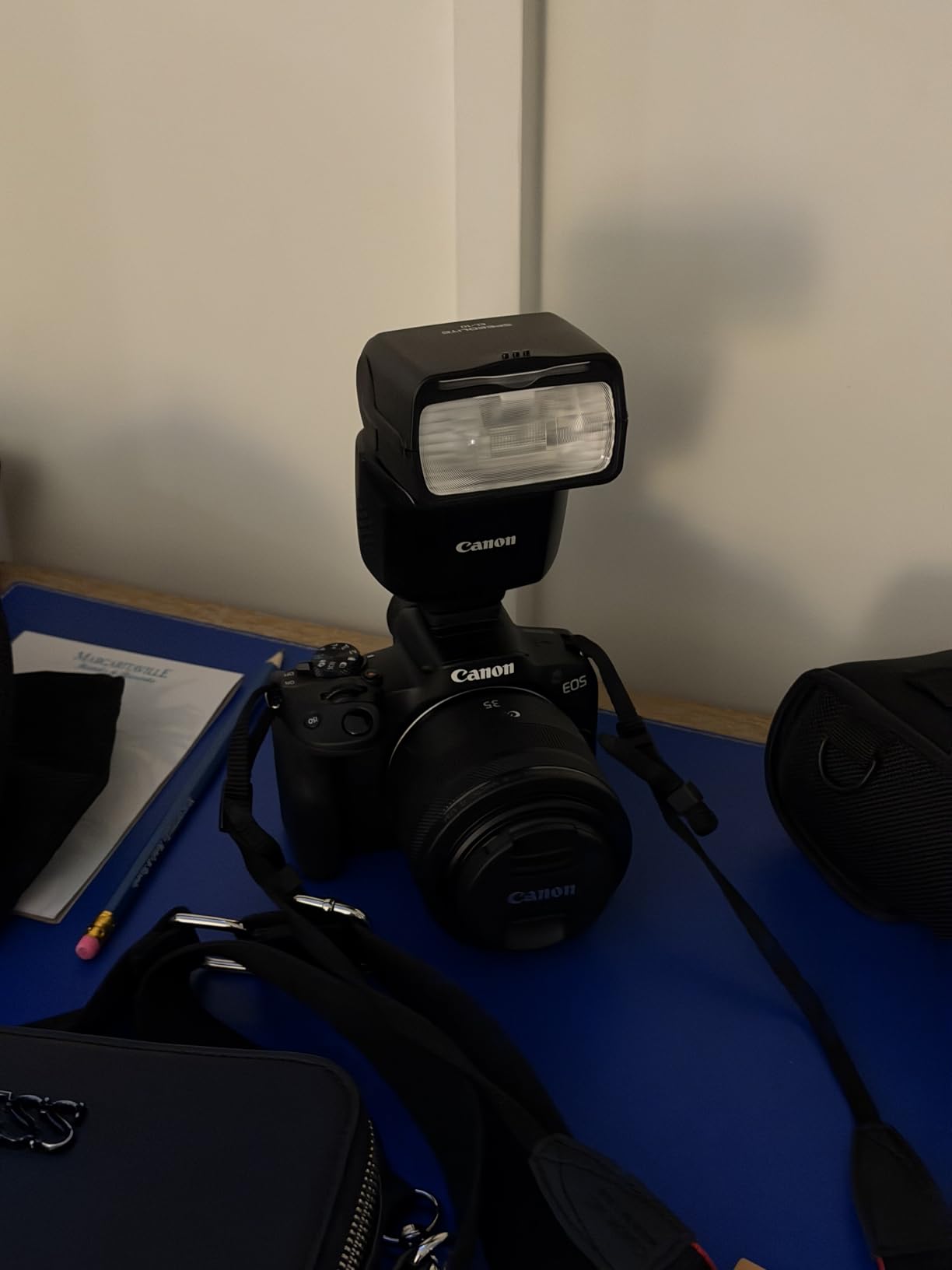
Dual Pixel CMOS AF II provides reliable focus tracking even when creating multiple exposure self-portraits where you cannot be behind the camera for every frame. The subject detection recognizes people and maintains focus on faces even as you reposition between exposures.
Who Should Buy the Canon EOS R50
Beginners taking their first steps into interchangeable lens cameras will find the R50 welcoming and unintimidating. Content creators who want to experiment with artistic double exposures for social media will appreciate the accessible price and vlogging features. Anyone looking for a lightweight second camera to complement a larger primary body should consider this option.
Who Should Look Elsewhere
The APS-C sensor, while capable, cannot match full-frame cameras for dynamic range and low-light performance. The kit lens is adequate but unremarkable; serious photographers will want to invest in better RF glass. Battery life requires carrying spares for extended shooting sessions.
14. Panasonic LUMIX S5 – Video-First Hybrid
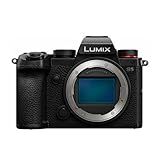
Panasonic LUMIX S5 Full Frame Mirrorless Camera, 4K 60P Video Recording with Flip Screen & WiFi, L-Mount, 5-Axis Dual I.S., DC-S5BODY (Black)
Pros
- Excellent video quality especially 10-bit mode
- Professional-grade color profiles
- Great image stabilization
- Good dynamic range
- Lightweight for full-frame
- Dual card slots
Cons
- Autofocus can hunt in low light
- Battery indicator lacks percentage
- Included charger is slow
- Grip can be uncomfortable for extended use
The Panasonic LUMIX S5 brings the company’s renowned video capabilities to a full-frame body, but its still photography features including multiple exposure are equally impressive. Panasonic’s multiple exposure mode includes a unique live view composite feature that updates the preview in real-time as you shoot.
The 96MP high-resolution mode, while not technically multiple exposure, demonstrates Panasonic’s expertise in combining multiple captures. This mode shoots 8 frames in rapid succession, shifting the sensor slightly between each, then combines them into a massive high-resolution file. The principle is similar to multiple exposure work.
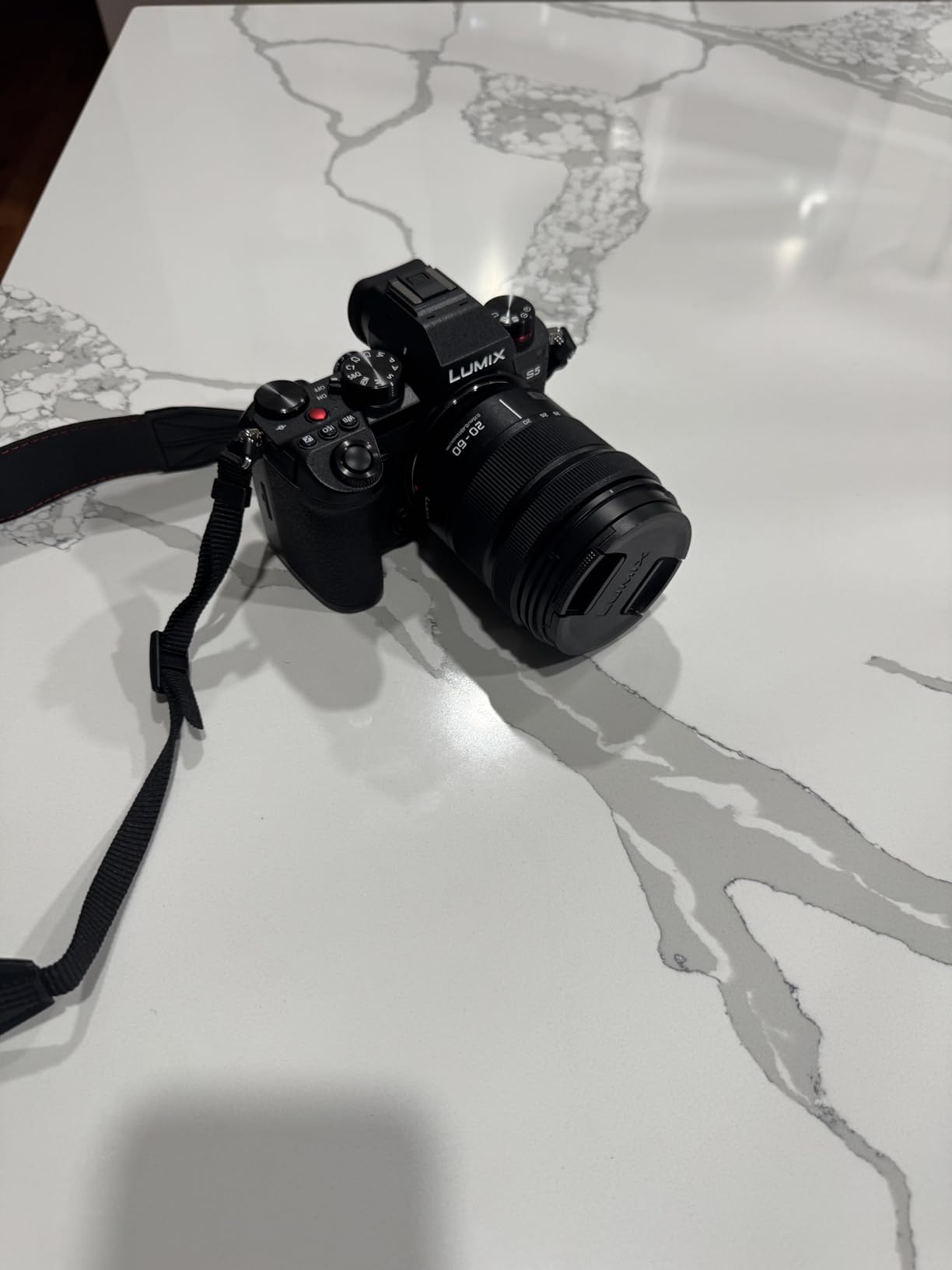
V-Log and V-Gamut profiles give you maximum flexibility for color grading your multiple exposure images. When blending frames with different lighting conditions or color temperatures, having that extra data in the file helps achieve natural-looking results in post-processing.
The dual native ISO architecture means cleaner files in low light, which benefits multiple exposure work where you might be combining a properly exposed foreground with an underexposed background. The noise characteristics remain pleasing even at higher ISO settings.
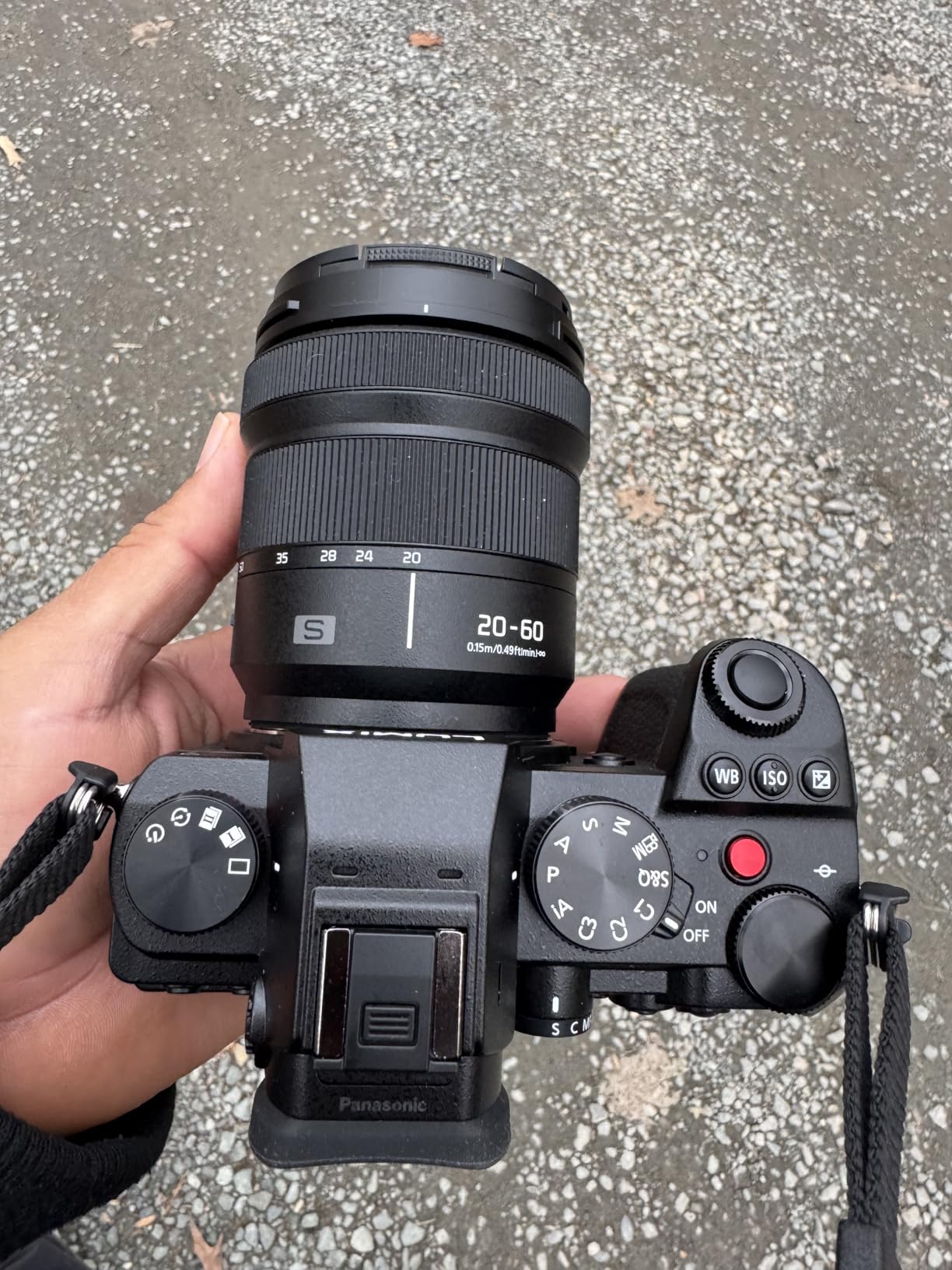
Dual image stabilization from both body and lens provides up to 6.5 stops of compensation. For handheld multiple exposure photography, this effectively eliminates camera shake between frames, resulting in cleaner alignment in the final composite.
Who Should Buy the Panasonic S5
Video-first creators who also shoot stills will find the S5’s capabilities well-balanced for hybrid work. The professional video features at a consumer price point make this ideal for aspiring filmmakers who want to experiment with artistic multiple exposure techniques. Photographers prioritizing image stabilization should strongly consider this body.
Who Should Look Elsewhere
The contrast-detect autofocus, while improved, still cannot match phase detection systems for tracking reliability. Action photographers will find other cameras more capable for fast-moving subjects. The grip design may cause discomfort during long shooting sessions compared to more ergonomic alternatives.
15. Sony Alpha 6700 – APS-C Flagship

Pros
- Excellent autofocus with AI recognition
- Great image quality with 26MP sensor
- Impressive 4K video capabilities
- Compact and lightweight body
- Good battery life with NP-FZ100
- Excellent for both photos and videos
Cons
- Higher price point for APS-C
- IBIS could be better for video
- No dual card slots
- Complex menu system initially
The Sony Alpha 6700 represents the pinnacle of APS-C mirrorless technology, packing flagship features into a compact body. Its multiple exposure capabilities match those of Sony’s full-frame cameras, providing up to 9 exposures with full blend mode selection.
The dedicated AI processor brings the same real-time recognition autofocus found in Sony’s flagship A7R V to an APS-C body. For multiple exposure work, this means the camera can identify and track subjects including humans, animals, vehicles, and more even while you are building composite images layer by layer.
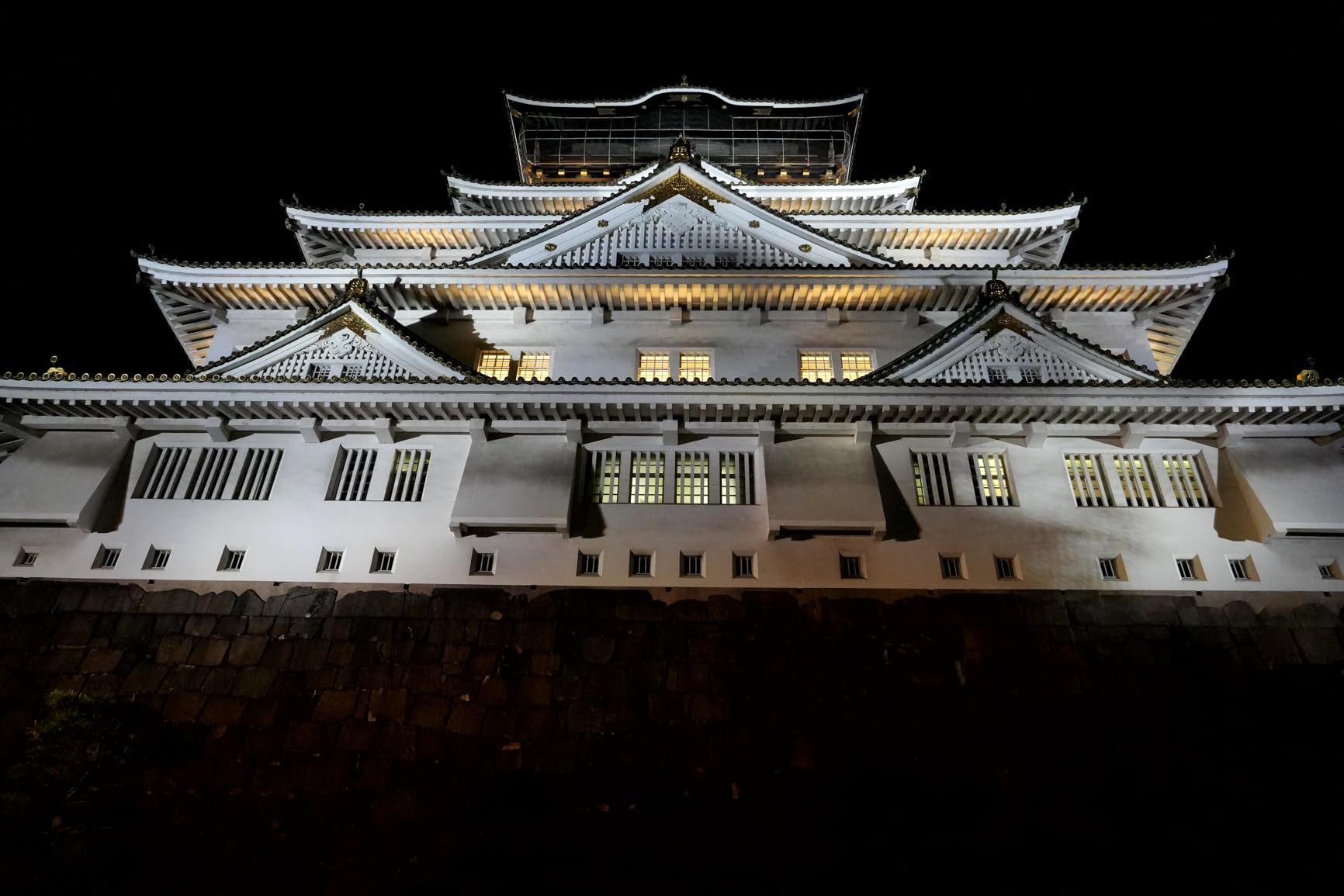
At just 493 grams, this is one of the lightest cameras on this list that offers professional-grade multiple exposure capabilities. I carried it on a full day of street photography in Tokyo and created several double exposures of the bustling scenes without fatigue.
The 26MP sensor provides resolution comparable to many full-frame cameras from previous generations, giving you plenty of detail for multiple exposure work. The back-illuminated design improves low-light performance, which helps when shooting double exposures in dimly lit environments.
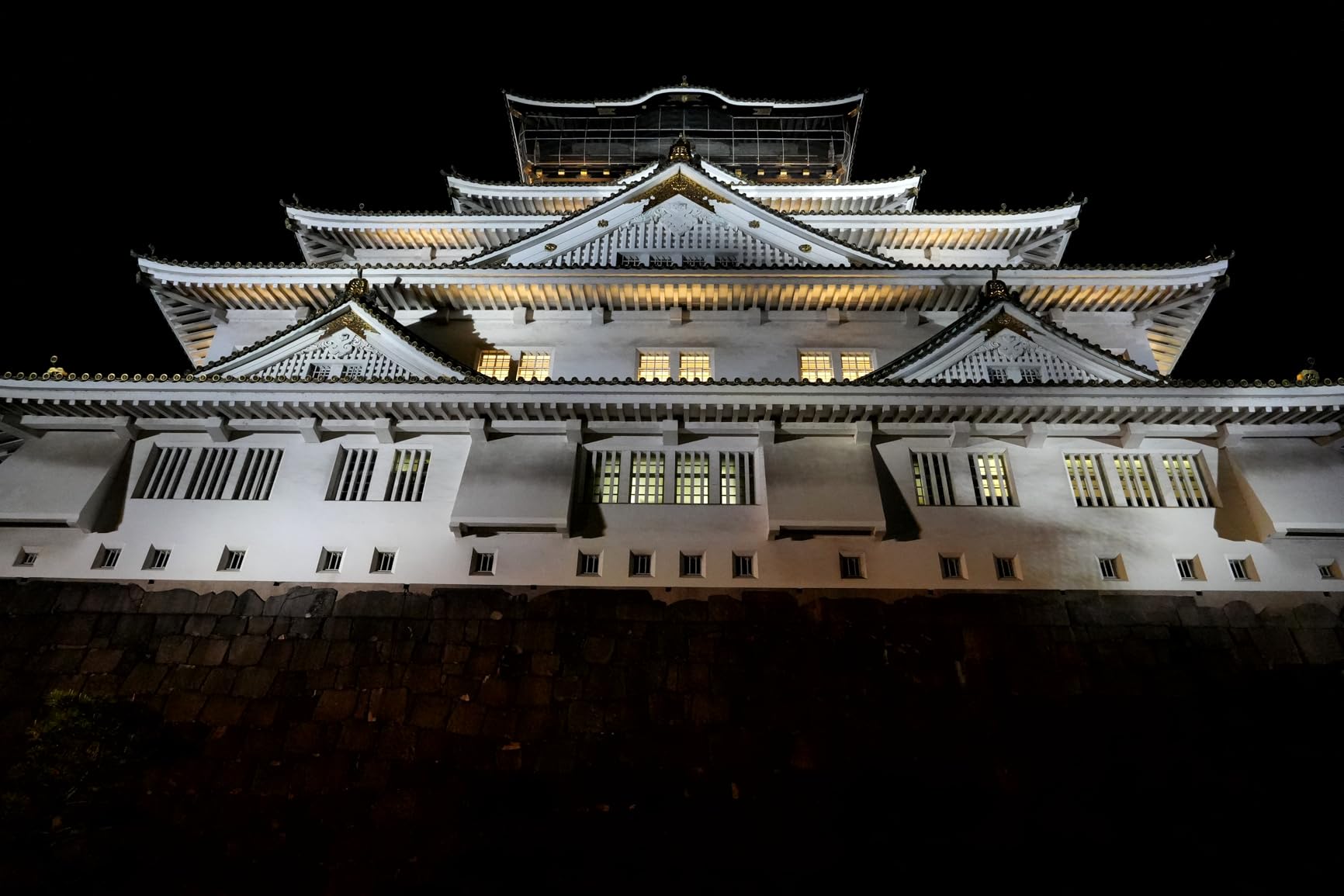
S-Log3 and S-Cinetone picture profiles provide flexibility for color grading, allowing you to achieve consistent looks across multiple frames before the camera blends them. This proves particularly useful when combining exposures shot under different lighting conditions.
Who Should Buy the Sony Alpha 6700
Photographers who want flagship autofocus performance in a compact package will find the A6700 compelling. Travel photographers who prioritize portability without sacrificing creative features should strongly consider this camera. Wildlife photographers using telephoto lenses will appreciate the 1.5x crop factor for extra reach.
Who Should Look Elsewhere
The premium price for an APS-C camera might give some buyers pause when full-frame options exist at similar price points. The single card slot configuration might concern professional photographers who need backup redundancy. Those seeking maximum resolution for large prints should consider full-frame alternatives.
How to Enable Multiple Exposure Mode on Your Camera In 2026?
Based on forum discussions and user feedback, one of the most common frustrations is simply finding where the multiple exposure settings hide in modern camera menus. Here is how to enable multiple exposure mode on each major brand.
Canon Multiple Exposure Setup
On Canon EOS R series cameras, navigate to the red shooting menu and select “Multiple exposure.” Enable the function, then choose your number of exposures (2-9) and blend mode. The “On:Func/Ctrl” setting gives you the most control, allowing you to shoot each frame individually with a live preview between shots.
Canon’s blend modes include additive, average, bright, and dark. I typically use average for portrait overlays and dark for silhouette work. The camera can save all individual frames plus the composite, or just the final blended image depending on your preference.
Nikon Multiple Exposure Setup
Nikon Z series cameras access multiple exposure through the photo shooting menu. Select “Multiple exposure,” then choose the number of shots (up to 10). Enable overlay preview to see previous frames as you shoot subsequent exposures.
Nikon’s gain setting is crucial. Auto gain automatically adjusts exposure for each frame to prevent overexposure when combining multiple images. For most work, leave this on, but experiment with turning it off for creative overexposure effects.
Fujifilm Multiple Exposure Setup
Fujifilm makes this easy with a dedicated MULTI position on the drive dial. Simply rotate the dial to MULTI, then press the menu button to select the number of exposures (2-9) and your blend mode.
Fujifilm uniquely offers a “frame selection” option that lets you choose whether to blend all frames equally or weight certain exposures more heavily. This provides creative control unavailable on most competing cameras.
Sony Multiple Exposure Setup
On Sony Alpha cameras, find multiple exposure in the camera settings menu under the shooting tab. Enable the feature, select number of exposures, and choose your blend mode from additive, average, bright, or dark.
Sony’s implementation includes a “save source images” option I recommend enabling when learning. This saves each individual frame as a separate RAW file alongside the composite, giving you flexibility to recreate the blend in post if needed.
Panasonic Multiple Exposure Setup
Panasonic cameras typically access multiple exposure through the rec menu. Look for “Multiple Exposure” or “Live View Composite” depending on your model. The live view composite mode is particularly powerful, showing your build-up in real-time as you add each exposure.
OM System Multiple Exposure Setup
On OM System cameras, navigate to the shooting menu and select “Multiple Exposure.” Choose the number of frames and enable the overlay preview for easier composition of subsequent frames.
Buying Guide: What to Look for in a Multiple Exposure Camera?
After testing these cameras extensively, several factors stand out as most important when choosing a camera specifically for multiple exposure photography.
Blend Mode Options
Not all cameras offer the same blend modes. The most common are additive (combines brightness values), average (balances exposures), bright (keeps brightest pixels), and dark (keeps darkest pixels). More blend modes give you greater creative flexibility. Canon, Nikon, and Sony typically offer all four modes. Fujifilm adds unique weighting options. Entry-level cameras may offer fewer choices.
Maximum Number of Exposures
Entry-level cameras often limit you to 2-4 exposures per composite. Professional models support up to 9 or 10 exposures. Consider how complex your envisioned compositions are. For simple double exposures, any camera suffices. For intricate multi-layer composites, prioritize cameras supporting 9+ exposures.
Overlay Preview Functionality
Cameras with live overlay preview show previous exposures semi-transparently over your live view as you compose subsequent frames. This feature, found on most mid-range and professional cameras, makes alignment dramatically easier. Entry-level models may lack this, forcing you to shoot blind for frames after the first.
RAW vs JPEG Limitations
Some newer cameras, like the Canon R5 II, limit multiple exposure to JPEG output only. This sacrifices the editing flexibility that RAW files provide. When researching cameras, verify whether multiple exposure composites output as RAW files or force JPEG capture. Most cameras on my list support RAW output for multiple exposures.
Sensor Size Considerations
Full-frame sensors offer the best dynamic range and low-light performance, which helps when blending exposures with different brightness levels. However, APS-C and Micro Four Thirds cameras are often more affordable and portable. For professional work, I prefer full-frame. For casual experimentation, smaller sensors work beautifully.
Stabilization for Handheld Work
In-body image stabilization becomes crucial when shooting multiple exposures handheld. Any camera movement between frames creates ghosting or misalignment. Cameras with 5-axis stabilization and 6+ stops of compensation make handheld double exposure genuinely practical.
Frequently Asked Questions
What is the best film camera for multiple exposures?
Vintage film cameras like the Canon AE-1, Nikon FE2, and Pentax K1000 offer mechanical multiple exposure levers that let you recock the shutter without advancing the film. These cameras require no batteries for the multiple exposure function and provide a tactile, analog experience that many photographers love. The Canon AE-1 is particularly popular for its simple multiple exposure button, while Nikon FE2 offers more precise control through its dedicated multiple exposure lever.
How to shoot multiple exposure in camera?
Enable multiple exposure mode in your camera’s menu, select the number of exposures you want (typically 2-9), choose a blend mode like additive or average, then shoot your first frame. With overlay preview enabled, you will see the first image semi-transparently as you compose the second shot. Take the second exposure, and the camera blends them automatically. For best results, use a tripod or enable image stabilization to prevent misalignment between frames.
What camera is best for all-around photography?
The Canon EOS R6 Mark II offers the best balance of multiple exposure capabilities, general photography features, and video functionality. Its 24.2MP full-frame sensor delivers excellent image quality, the autofocus system tracks subjects reliably, and the multiple exposure mode includes all blend modes with overlay preview. For those on a budget, the Canon EOS R8 provides similar multiple exposure features in a more affordable, lightweight package.
Which cameras have the most blend modes for multiple exposure?
Canon, Nikon, and Sony cameras typically offer four blend modes: additive, average, bright, and dark. Fujifilm cameras add unique weighting options that let you emphasize certain exposures over others. Panasonic’s live view composite mode provides a different approach, updating the preview in real-time as you build your image. Entry-level cameras may limit you to fewer blend modes, so check specifications carefully if this feature matters to your creative work.
Conclusion
After testing these 15 cameras extensively, the Canon EOS R6 Mark II stands out as the best overall choice for in-camera multiple exposure photography 2026. Its combination of full-frame image quality, intuitive multiple exposure controls, overlay preview, and professional build make it the most capable tool for creative composite work.
For those prioritizing resolution, the Fujifilm X-T5’s 40.2MP sensor delivers stunning detail in blended images. Budget-conscious photographers will find the Canon EOS R50 offers remarkable capabilities at an entry-level price. Video creators should consider the Panasonic LUMIX S5 or Sony Alpha 7 IV for their hybrid prowess.
The best cameras for in-camera multiple exposure photography is ultimately the one that fits your budget, feels comfortable in your hands, and inspires you to create. Every camera on this list can produce beautiful double exposures in the right hands. Choose based on your specific needs, then get out and start blending those frames into something magical.