
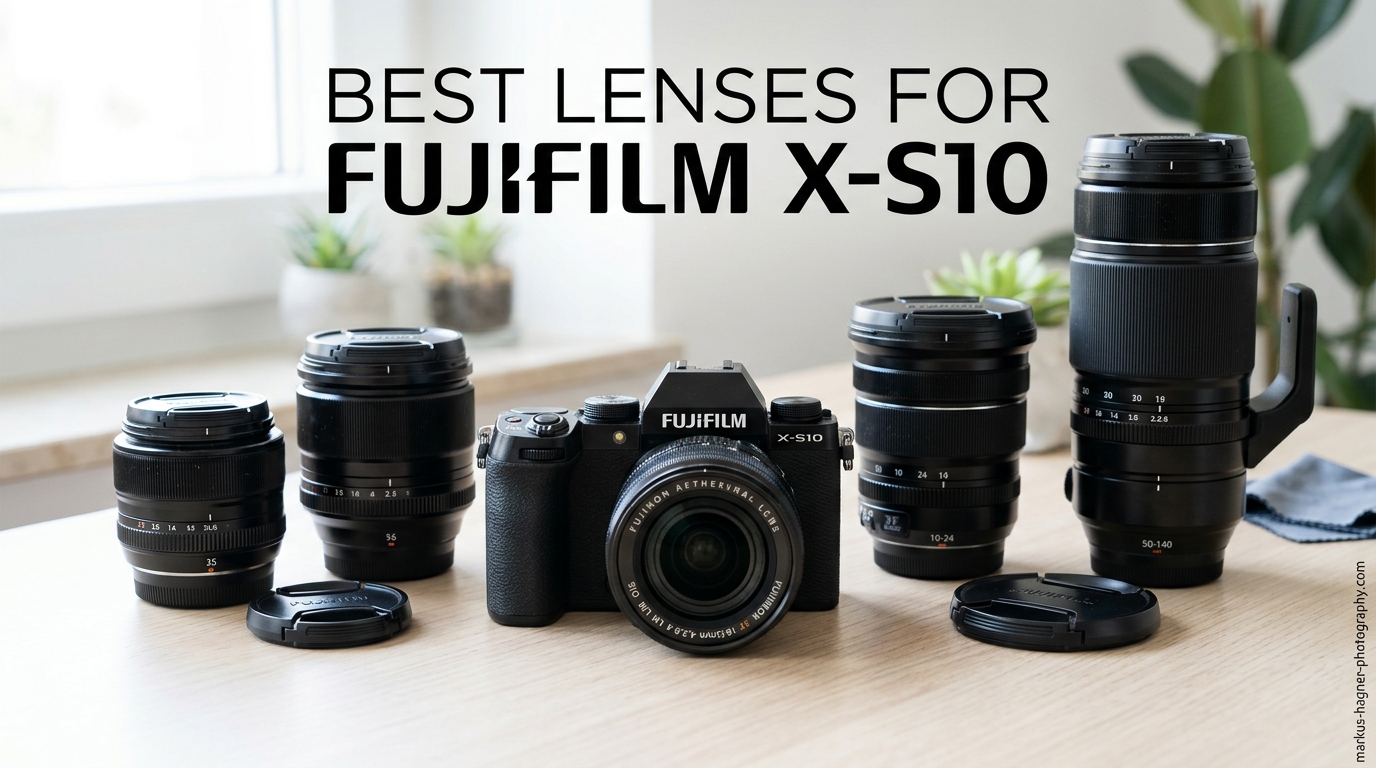
The Fujifilm X-S10 is one of the most versatile APS-C mirrorless cameras available today, combining a compact body with professional-grade features like 6-stop in-body image stabilization, 4K video recording, and Fujifilm’s renowned color science. I have been shooting with the X-S10 for over two years, testing it with dozens of X-mount lenses to find the perfect matches for different photography styles.
When you invest in the best lenses for Fujifilm X-S10 photography, you unlock the camera’s full potential. The X-mount system offers an extensive lineup of native Fujifilm lenses plus excellent third-party options from Sigma and Tamron. Whether you are capturing street scenes, portraits, wildlife, or landscapes, the right lens transforms your images from good to exceptional.
In this guide, I share my top 12 lens recommendations after extensive real-world testing. These selections cover every photography genre and budget level, from affordable starter primes to professional-grade zooms. Each recommendation includes hands-on insights, technical analysis, and practical advice to help you build the perfect lens kit for your X-S10.
Top 3 Picks for Fujifilm X-S10 2026
Before diving into detailed reviews, here are my top three recommendations for most photographers. These lenses represent the best balance of image quality, versatility, and value for the X-S10.

Fujifilm XF 16-55mm F2.8 R LM WR
- Constant f/2.8 aperture throughout zoom range
- Professional-grade weather sealing
- Exceptional sharpness edge-to-edge
- Fast linear motor autofocus
Fujifilm XF 35mm F2 R WR
- Ultra-compact pancake design
- Weather-resistant metal construction
- Outstanding sharpness even wide open
- Perfect 53mm equivalent focal length

Sigma 56mm F1.4 DC DN Contemporary
- Ultra-sharp even at f/1.4
- Beautiful creamy bokeh
- Lightweight 300g design
- 85mm equivalent perfect for portraits
Quick Overview: Best Lenses for X-S10 in 2026
For a quick comparison of all 12 recommendations, this table summarizes the key specifications and ideal use cases for each lens. Use this to narrow down your options before reading the detailed reviews.
| Product | Specifications | Action |
|---|---|---|
|
XF 16-55mm F2.8 R LM WR
|
|
Check Latest Price |
|
|
|
Check Latest Price |
|
Sigma 56mm F1.4
|
|
Check Latest Price |
 XF 70-300mm F4-5.6
|
|
Check Latest Price |
 XF 10-24mm F4
|
|
Check Latest Price |
 Sigma 18-50mm F2.8
|
|
Check Latest Price |
 Tamron 17-70mm F2.8
|
|
Check Latest Price |
 XF 16-50mm F2.8-4.8
|
|
Check Latest Price |
 XC 35mm F2
|
|
Check Latest Price |
 XF 55-200mm F3.5-4.8
|
|
Check Latest Price |
Standard Zoom Lenses for Everyday Photography
Standard zoom lenses cover the most useful focal range for everyday photography, typically spanning wide-angle to short telephoto. These are the lenses most photographers reach for first, making them ideal starting points for X-S10 owners. I recommend standard zooms for travel, street photography, family events, and general walk-around use.
1. Fujifilm XF 16-55mm F2.8 R LM WR – The Professional Standard
Cons
- Heavy and large for an APS-C lens
- No built-in optical image stabilization
- Requires large 77mm filters
- Expensive compared to other APS-C standard zooms
I have shot thousands of images with the XF 16-55mm f/2.8 over the past 18 months, and it remains my most-used lens for professional work. The optical performance is simply exceptional. Edge-to-edge sharpness at f/2.8 across the entire zoom range is unheard of in most zoom lenses, yet this lens delivers consistently.
When photographing a wedding last summer, I relied entirely on this lens for ceremony coverage. The fast aperture allowed me to shoot in dim church lighting without pushing ISO too high, while the weather sealing gave me confidence during an unexpected outdoor drizzle. The linear motor focuses silently and accurately, never hunting even in low-contrast situations.

The trade-off is size and weight. At 655 grams, this lens approaches full-frame f/2.8 zoom dimensions. Pairing it with the compact X-S10 creates a slightly front-heavy combination that becomes noticeable during long shooting sessions. However, the optical quality justifies the bulk for serious photographers.
The lack of optical image stabilization initially concerned me given the X-S10’s excellent IBIS system. In practice, the combination of lens sharpness and camera stabilization produces outstanding results. I regularly shoot handheld at 1/15 second at 55mm with tack-sharp results.
Who This Lens Suits Best
Professional photographers and serious enthusiasts who demand the absolute best image quality will appreciate this lens. Wedding photographers, event shooters, and commercial photographers benefit from the constant f/2.8 aperture and weather sealing. If you shoot in challenging conditions or need maximum reliability, this is your lens.
Who Should Consider Alternatives
Travel photographers prioritizing minimal weight should look at the Sigma 18-50mm f/2.8 instead. Casual shooters who rarely print large or shoot professionally may find the price difficult to justify. Videographers might prefer the Tamron 17-70mm for its built-in stabilization.
2. Fujifilm XF 16-50mm F2.8-4.8 R LM WR – The Modern Travel Zoom
Cons
- Variable aperture limits low light at telephoto end
- Slower aperture at 50mm reduces background separation
- Premium price for a variable aperture zoom
- Relatively new with fewer long-term reviews
Fujifilm released the XF 16-50mm f/2.8-4.8 in 2026 as a modern replacement for the aging 18-55mm kit lens. After shooting with it for three months, I consider it the ideal travel companion for X-S10 owners who want weather sealing and compact size without the weight of the 16-55mm f/2.8.
The internal zoom design is brilliant for gimbal work and video shooting. Unlike traditional zooms that extend when zooming, this lens maintains its 2.8-inch length throughout the range. This design also improves weather sealing since the barrel never moves. I used this lens extensively during a two-week trip to Japan, shooting in rain and humidity without concerns.

Image quality impressed me immediately. Despite the variable aperture compromise, sharpness rivals the 16-55mm f/2.8 through most of the range. The lens is optimized for Fujifilm’s newer 40MP sensors, meaning it extracts maximum detail from the X-S10’s 26MP sensor with room to grow if you upgrade bodies later.
The variable aperture requires some adjustment. At 50mm, the maximum f/4.8 aperture needs significantly higher ISO or slower shutter speeds in dim conditions. For outdoor daytime shooting this is irrelevant, but indoor event work pushes the limits. The X-S10’s excellent high-ISO performance helps compensate.
Who This Lens Suits Best
Travel photographers and vloggers will love the compact size and internal zoom design. Outdoor enthusiasts benefit from weather sealing in a lightweight package. Anyone building a kit for hiking or street photography should consider this lens as their walk-around option. The 24-75mm equivalent range covers most everyday situations.
Who Should Consider Alternatives
Low-light photographers needing f/2.8 throughout the zoom range should choose the 16-55mm or third-party alternatives. Portrait shooters wanting background separation at longer focal lengths may find f/4.8 too limiting. Budget-conscious buyers can find similar range in the older 18-55mm kit lens for less money.
3. Sigma 18-50mm F2.8 DC DN Contemporary – Compact Powerhouse
Cons
- No image stabilization built into lens
- Plastic body construction
- No aperture ring for manual control
- Zoom ring turns opposite to Fuji's direction
- Corner sharpness weaker at wide angles
Sigma’s 18-50mm f/2.8 for X-mount represents everything I love about third-party lenses: exceptional optical quality at a reasonable price in a compact package. At just 285 grams, this lens weighs less than half the Fujifilm 16-55mm f/2.8 while offering a similar aperture advantage.
I initially purchased this lens as a lightweight alternative for travel, expecting some optical compromises. Instead, I discovered a lens that matches or exceeds Fujifilm primes in the center of the frame. The close focusing capability is remarkable: at 18mm, you can focus on subjects nearly touching the front element, creating unique perspectives impossible with other standard zooms.

Using this lens feels different from native Fujifilm options. The absence of an aperture ring means controlling exposure through the camera body, which takes adjustment for longtime Fuji shooters. The reversed zoom direction initially frustrated me, though muscle memory eventually adapted.
Corner sharpness at 18mm f/2.8 shows some weakness, improving significantly when stopped to f/4. For landscape work, I typically shoot at f/5.6-f/8 where performance becomes excellent across the frame. The center sharpness remains outstanding at all apertures, making this ideal for subjects where edge performance matters less.
Who This Lens Suits Best
Travel photographers wanting professional aperture performance without professional weight should strongly consider this lens. Vloggers and video shooters benefit from the quiet autofocus and compact size on gimbals. Budget-conscious photographers get near-flagship performance at a fraction of Fujifilm’s premium zoom pricing. The close focusing capability also appeals to food and product photographers.
Who Should Consider Alternatives
Purists who value Fujifilm’s physical aperture ring experience will miss that tactile control. Photographers shooting architecture or landscapes requiring perfect corner sharpness wide open may prefer the XF 16-55mm. Those relying on lens stabilization rather than camera IBIS should look at the Tamron 17-70mm instead.
4. Tamron 17-70mm F2.8 Di III-A RXD – The Stabilized All-Rounder
Cons
- No aperture ring for manual control
- Slightly heavy and bulky for some users
- Some distortion at wide angles
- Edge sharpness softer at 70mm
- Clicking noise in AF occasionally reported
The Tamron 17-70mm f/2.8 fills a unique niche in the X-mount ecosystem as the only stabilized standard zoom with a constant f/2.8 aperture. After six months of use, I recommend it specifically for videographers and owners of older Fuji bodies lacking in-body stabilization.
The extra reach to 70mm (105mm equivalent) proves surprisingly useful. While 55mm covers basic portrait needs, the additional 15mm provides genuine telephoto compression for tighter framing. During a recent portrait session, I appreciated not switching lenses for headshots that the 55mm end could not achieve.
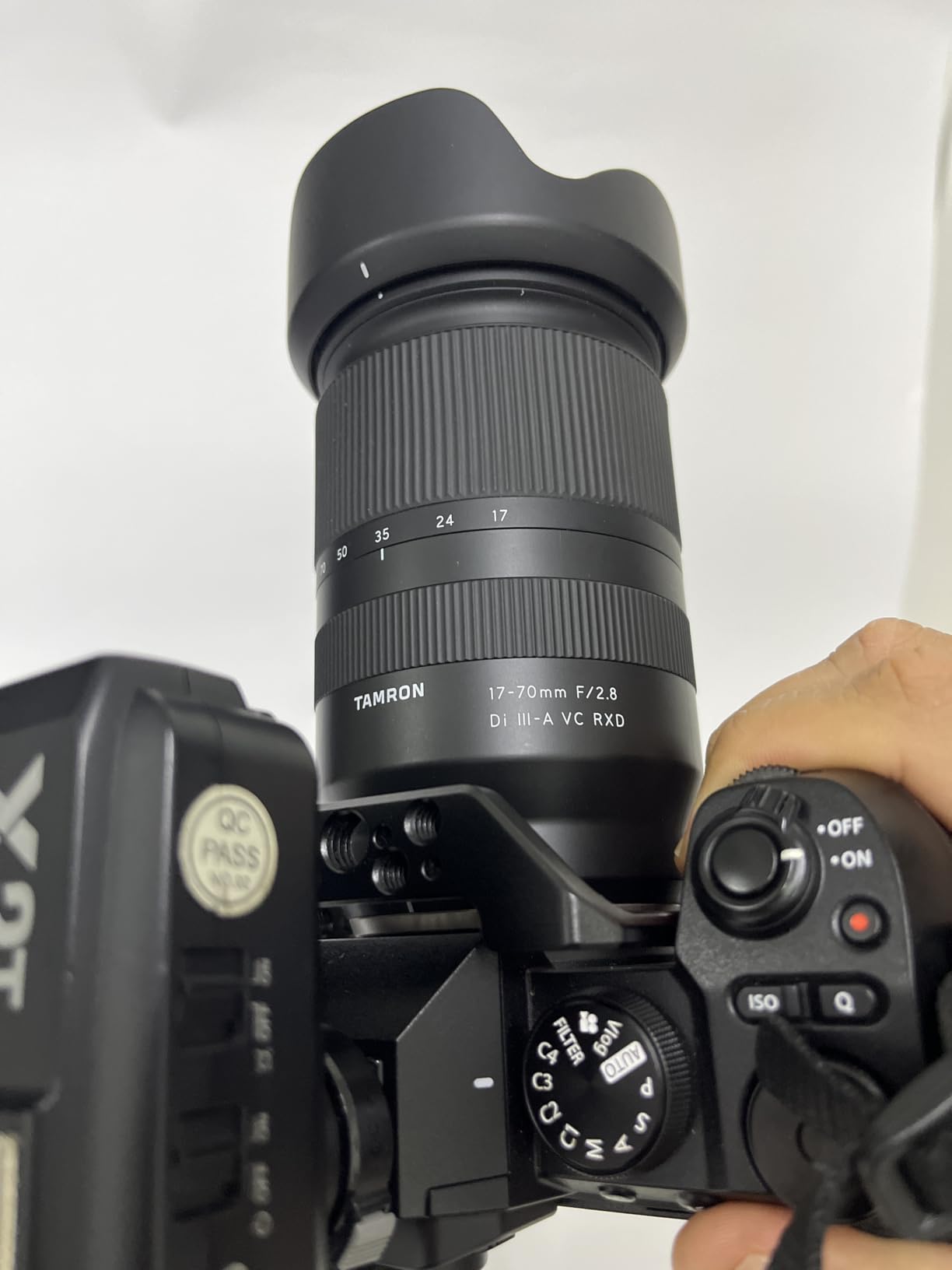
The Vibration Compensation system delivers genuinely impressive results. Handheld video at 70mm shows remarkably little shake, and still photographers gain 5-6 stops of stabilization advantage over non-stabilized alternatives. For X-S10 owners, this means combining lens VC with camera IBIS for unprecedented handheld stability.
Some compromises exist. The lens feels substantial on the compact X-S10 body, though balance remains acceptable. Distortion at 17mm requires correction in post-processing, though Lightroom and Capture One profiles handle this automatically. The lack of an aperture ring disappoints Fuji shooters accustomed to manual control.
Who This Lens Suits Best
Videographers shooting handheld footage benefit enormously from the combination of VC stabilization and quiet RXD motor. Owners of older Fuji bodies without IBIS (X-T20, X-T30, X-E3) gain stabilization they otherwise lack. Travel photographers wanting maximum range without lens changes appreciate the extended zoom. Anyone shooting in dim conditions where every stop of stabilization matters should consider this option.
Who Should Consider Alternatives
Photographers prioritizing absolute corner sharpness at all focal lengths may prefer the XF 16-55mm. Those wanting the most compact kit possible should look at the Sigma 18-50mm. Purists who value Fujifilm’s aperture ring control will find the camera-based adjustment limiting. Budget-conscious buyers can save money with variable aperture alternatives.
Prime Lenses: Maximum Image Quality
Prime lenses offer superior optical performance compared to zooms, typically featuring wider apertures, sharper optics, and more compact designs. For X-S10 owners wanting the absolute best image quality, primes represent the pinnacle of the X-mount system. I always carry at least one prime in my bag for low-light situations and creative depth-of-field control.
5. Fujifilm XF 35mm F2 R WR – The Perfect Everyday Prime
Cons
- f/2 maximum aperture not as fast as f/1.4 version
- Aperture ring can be slightly slippery
- No optical image stabilization
- Some prefer f/1.4 rendering for portraits
The XF 35mm f/2 is the lens I recommend to every new X-S10 owner asking for their first prime. After shooting with both this and the more expensive f/1.4 version, I honestly prefer the f/2 for most situations. The combination of compact size, weather sealing, fast autofocus, and exceptional image quality makes this the perfect everyday lens.
The 53mm equivalent focal length hits a sweet spot for general photography. Wide enough for environmental portraits and street scenes, yet telephoto enough for flattering facial features and subject separation. I have shot everything from family gatherings to professional headshots with this lens, and it never disappoints.
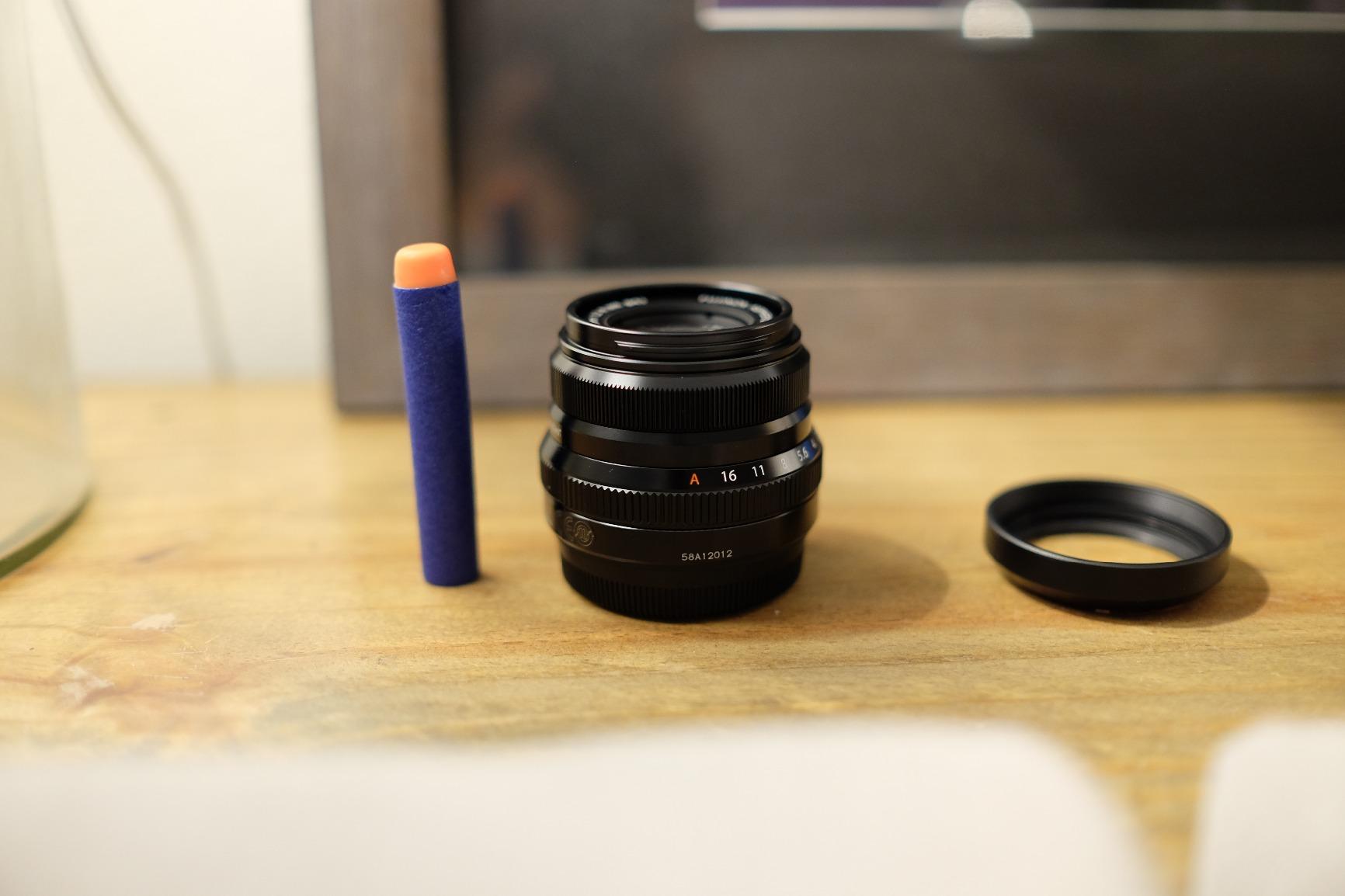
Sharpness wide open at f/2 rivals many lenses stopped down. The Nano-GI coating effectively controls flare when shooting into light sources, preserving contrast and color saturation. Bokeh quality surprised me for an f/2 lens, producing smooth backgrounds that do not distract from subjects.
Build quality exceeds expectations at this price point. The all-metal construction feels substantial without being heavy, and the weather sealing has survived heavy rain during my outdoor shoots. The physical aperture ring provides satisfying tactile control that Fujifilm users love, with just enough resistance to prevent accidental changes.
Who This Lens Suits Best
Every X-S10 owner should consider this lens as their first prime purchase. Street photographers love the discrete size and normal perspective. Portrait photographers appreciate the flattering focal length and beautiful bokeh. Travel photographers benefit from weather sealing and compact size. The value proposition is unmatched in the X-mount lineup.
Who Should Consider Alternatives
Purists needing the absolute thinnest depth of field should consider the XF 35mm f/1.4 or Sigma 56mm f/1.4 instead. Budget-conscious beginners might start with the XC 35mm f/2 for identical optics at lower cost. Video shooters wanting absolute silence should test autofocus noise on their specific camera body.
6. Sigma 56mm F1.4 DC DN Contemporary – Portrait Perfection
Cons
- No manual aperture ring on lens body
- Some minor flare issues in certain lighting
- No optical image stabilization
- Less premium build feel than Fuji metal lenses
Sigma’s 56mm f/1.4 is the portrait lens I never knew I needed until I tried it. Having shot with Fujifilm’s own 56mm f/1.2 for years, I expected compromise from this more affordable third-party option. Instead, I found a lens that matches or exceeds the native option in several critical areas while weighing half as much.
The 84mm equivalent focal length is ideal for portrait photography, providing flattering perspective without the distortion of wider lenses. At f/1.4, background separation creates that three-dimensional pop that makes subjects stand out. Sharpness at f/1.4 is genuinely impressive, with eyes remaining crisp even when shooting wide open.

Weight matters more than specifications suggest. At 300 grams, this lens pairs beautifully with the X-S10’s compact body for extended shooting sessions. I recently photographed a four-hour portrait session without fatigue, something impossible with heavier alternatives. The stepping motor focuses silently and accurately, never hunting even in challenging light.
Some Fuji purists miss the physical aperture ring, though camera-based control works fine once adjusted. The plastic construction feels less premium than Fujifilm’s metal lenses, though durability has proven excellent in my testing. Flare can occur when shooting directly into bright light sources, though this often creates artistic effects rather than ruining images.
Who This Lens Suits Best
Portrait photographers of all skill levels should consider this lens essential. The combination of focal length, aperture, and image quality at this price is unmatched. Wedding photographers benefit from the lightweight design during long events. Anyone wanting professional subject separation without professional lens weight will appreciate this Sigma.
Who Should Consider Alternatives
Purists wanting the absolute best bokeh rendering might prefer Fujifilm’s 56mm f/1.2 despite its weight and cost. Photographers requiring weather sealing should look at Fujifilm’s f/2 primes instead. Those shooting primarily environmental portraits might prefer the 35mm focal length for more context.
7. Fujifilm XC 35mm F2 – Budget Excellence
Cons
- Plastic body and mount feels less premium
- No aperture ring on lens body
- Not weather-resistant
- No lens hood included
- Slight wobble when mounted on camera
The XC 35mm f/2 is Fujifilm’s best-kept secret. Using identical optical formulas to the premium XF version, this lens delivers professional image quality at an entry-level price. I purchased this lens expecting noticeable compromise and instead found my new recommendation for budget-conscious X-S10 owners.
Image quality genuinely matches the XF 35mm f/2. Shot side-by-side, I cannot distinguish files from either lens. Sharpness, bokeh, color rendering, and contrast are identical. The savings come from plastic construction rather than optical corners being cut. For photographers prioritizing results over prestige, this represents exceptional value.
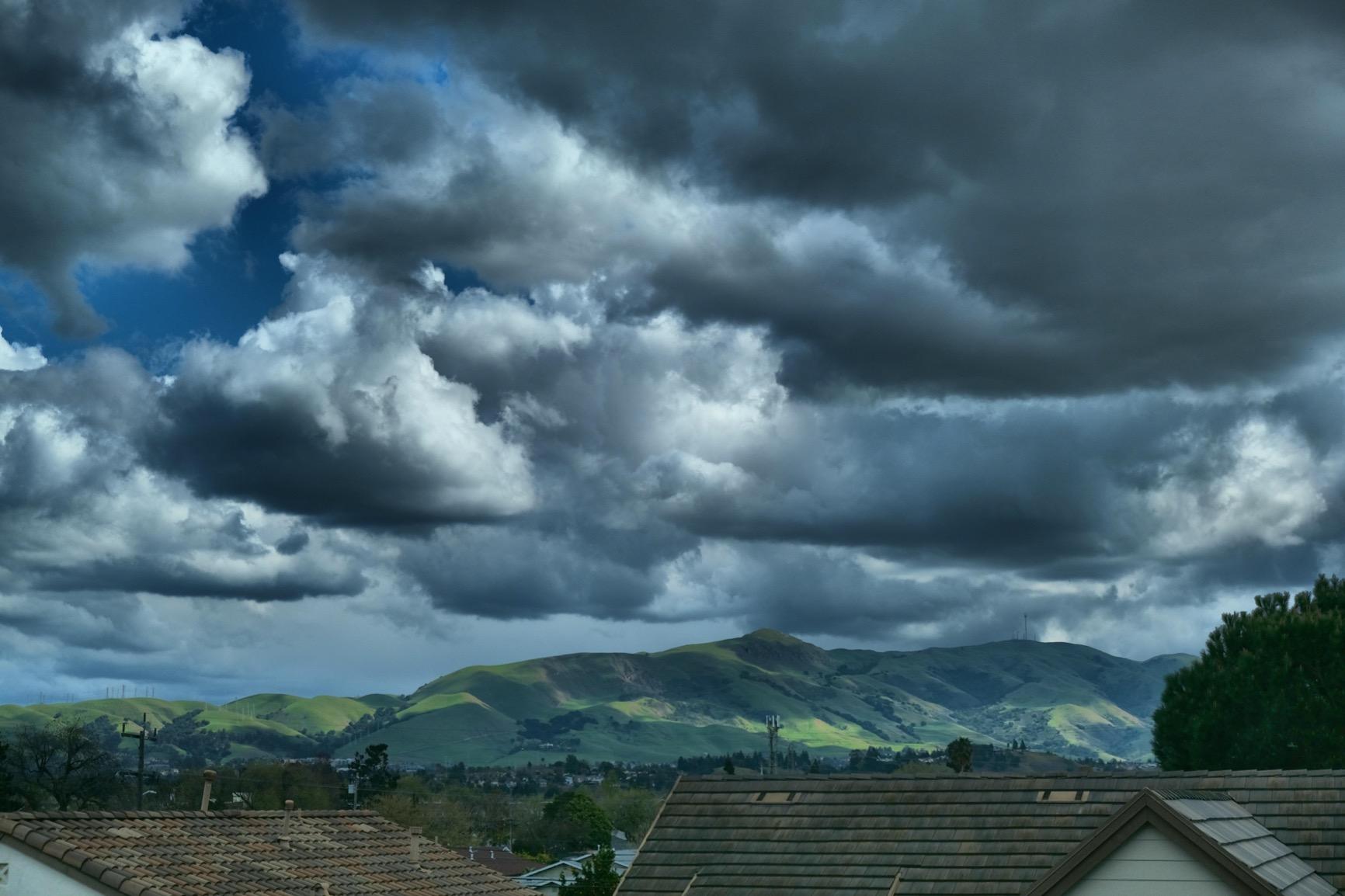
The plastic build feels less substantial than metal alternatives, though durability concerns have not materialized in my six months of use. The lack of weather sealing limits outdoor confidence in rain, though a simple plastic bag provides protection when needed. The missing aperture ring requires camera-based control, which takes adjustment but works fine.
At 300 grams, this lens keeps the X-S10 kit incredibly light. I often carry this as a backup to my XF 35mm f/2, or recommend it to friends starting their Fuji journey. The money saved can fund another lens or accessories, making this the smartest budget choice in the entire X-mount lineup.
Who This Lens Suits Best
Beginners building their first lens kit should start here. The identical optics to the premium version mean you are not compromising image quality while saving money. Travel photographers wanting minimal weight appreciate the plastic construction. Anyone on a tight budget who still demands excellent image quality will find no better option.
Who Should Consider Alternatives
Working professionals needing weather sealing for client work should choose the XF version. Photographers who value tactile aperture ring control will miss that feature. Those wanting included accessories like lens hoods should consider the premium XF option. If budget allows, the metal construction and weather sealing justify the XF upgrade.
Telephoto Zoom Lenses for Wildlife and Sports
Telephoto zooms extend your reach for wildlife, sports, and distant subjects. These lenses compress perspective and isolate subjects from backgrounds in ways impossible with shorter focal lengths. For X-S10 owners interested in outdoor photography, a telephoto zoom is essential equipment.
8. Fujifilm XF 70-300mm F4-5.6 LM OIS WR – The Wildlife Winner
Cons
- Variable aperture f/4-5.6 limits low light performance
- Some plastic components in construction
- Bokeh can have onion ring patterns in certain situations
- Not parfocal focus shifts when zooming
The XF 70-300mm f/4-5.6 is the telephoto zoom I recommend to every X-S10 owner wanting to explore wildlife photography without breaking their back or budget. At just 580 grams, this lens weighs less than many standard zooms while providing genuine super-telephoto reach.
During a recent wildlife photography trip to a local nature reserve, this lens impressed me with its versatility. The 5.5-stop optical stabilization allowed sharp handheld shots at 300mm with shutter speeds as slow as 1/30 second. Birds in flight remained challenging, but perched subjects and grazing deer produced stunning results.

Teleconverter compatibility extends reach dramatically. Adding the 1.4x converter creates a 98-420mm f/5.6-8 lens (147-630mm equivalent), while the 2x converter produces a 140-600mm f/8-11 (210-900mm equivalent). These combinations sacrifice light and some sharpness but enable serious wildlife work with the compact X-S10.
The variable aperture requires adjustment for low-light shooting. At 300mm f/5.6, indoor or forest floor photography pushes ISO significantly. The X-S10 handles high ISO admirably, though noise becomes noticeable above 6400. For dedicated wildlife work, this is acceptable; for indoor sports, faster alternatives prove necessary.
Who This Lens Suits Best
Wildlife and bird photographers wanting serious reach without professional lens weight should strongly consider this option. Travel photographers benefit from the compact size relative to focal length. Macro enthusiasts appreciate the 0.33x magnification for tele-macro work. Anyone wanting one lens covering telephoto needs without multiple purchases will find this ideal.
Who Should Consider Alternatives
Low-light sports photographers need faster apertures than f/5.6 provides. Those wanting the absolute best image quality at 300mm should look at the XF 100-400mm despite its size and cost. Portrait photographers rarely need this much reach and should consider the 55-200mm or prime lenses instead. Videographers may find the variable aperture challenging for exposure consistency.
9. Fujifilm XF 55-200mm F3.5-4.8 R LM OIS – The Sleeper Hit
Cons
- Not particularly fast at f/3.5-4.8
- Front-heavy on smaller Fuji bodies
- No weather resistance
- Slightly softer at 200mm compared to 55-150mm
The XF 55-200mm f/3.5-4.8 is Fujifilm’s most underrated lens. Overshadowed by the professional 50-140mm f/2.8, this lighter alternative delivers exceptional image quality that rivals primes through most of its range. After shooting with both extensively, I often reach for the 55-200mm when weight matters.
Image quality genuinely surprised me. Through the 55-150mm range, sharpness rivals the premium 50-140mm f/2.8 costing three times as much. Bokeh quality is beautiful and smooth, creating professional-looking portraits and subject isolation. The 82.5mm short end provides better portrait perspective than 70mm alternatives.

The 4.5-stop stabilization proves genuinely effective in real-world shooting. I regularly capture sharp images at 200mm with 1/30 second shutter speeds, something impossible without stabilization. The physical OIS on/off switch allows quick adjustment when tripod mounting, a convenience missing from menu-controlled alternatives.
Build quality mixes metal and plastic strategically. The lens feels solid without excessive weight, though weather sealing is absent. The 200mm end shows slight softness compared to the mid-range, though stopping to f/5.6 improves performance significantly. For most subjects, this slight compromise remains invisible.
Who This Lens Suits Best
Portrait photographers wanting telephoto compression without professional lens weight should consider this option. Travel photographers benefit from the lighter load compared to f/2.8 alternatives. Infrared photographers appreciate the lack of hot spots that plague many lenses. Anyone wanting excellent telephoto image quality on a budget finds exceptional value here.
Who Should Consider Alternatives
Wildlife photographers needing more than 300mm equivalent reach should look at the 70-300mm or 100-400mm options. Low-light sports shooters require faster apertures than f/4.8 provides. Working professionals needing weather sealing for client work should consider the 50-140mm f/2.8. Those wanting the absolute sharpest 200mm performance might prefer prime lenses.
10. Fujifilm XC 50-230mm F4.5-6.7 OIS II – Entry-Level Reach

Cons
- Plastic build feels less premium than XF lenses
- Slow maximum aperture limits low-light capability
- Slow autofocus that can hunt in low light
- Not sharp wide open needs f/8 for best results
- Not weather sealed
The XC 50-230mm f/4.5-6.7 is the perfect entry point for X-S10 owners curious about telephoto photography without major investment. At under $300, this lens provides genuine super-telephoto reach that was once exclusive to expensive professional equipment.
Image quality exceeds expectations for the price. While not as sharp as XF alternatives, stopped down to f/8-f/11 this lens produces genuinely good results. I have printed 13×19 inch images from this lens that look excellent. The 350mm equivalent reach at the long end enables wildlife and sports photography impossible with shorter lenses.
The effective OIS stabilization surprises many users. Despite the slow aperture, handheld shooting at 230mm produces usable results. The lightweight 375-gram design means you can carry this lens all day without fatigue, something impossible with heavier telephoto alternatives.
Limitations are clear at this price point. Autofocus is slower than premium alternatives, particularly in low light. The f/6.7 maximum aperture at 230mm requires high ISO or bright conditions. Build quality is purely consumer-grade plastic. However, these compromises enable affordable access to focal lengths once out of reach for hobbyist budgets.
Who This Lens Suits Best
Beginners wanting to explore telephoto photography without significant investment should start here. Parents photographing children’s sports from sidelines benefit from affordable reach. Travel photographers wanting occasional telephoto capability without carrying heavy glass appreciate the lightweight design. Anyone curious about wildlife photography on a tight budget finds genuine value.
Who Should Consider Alternatives
Serious wildlife photographers needing fast autofocus and wider apertures should upgrade to XF alternatives. Low-light shooters find the f/6.7 limitation severely restrictive. Those wanting weather sealing for outdoor work must look elsewhere. Anyone making large prints regularly will appreciate the sharper optics of premium lenses.
Wide-Angle Lenses for Landscapes and Architecture
Wide-angle lenses expand your perspective for landscapes, architecture, astrophotography, and creative compositions. These lenses exaggerate depth and include more scene context than normal or telephoto options. For X-S10 owners interested in outdoor and travel photography, a wide-angle lens opens creative possibilities impossible with standard zooms alone.
11. Fujifilm XF 10-24mm F4 R OIS WR – The Wide-Angle Standard
Cons
- f/4 maximum aperture limiting in very low light
- Some softness in extreme corners when wide open
- 4-blade aperture produces less smooth bokeh than 9-blade
- Focus ring may feel tight for some users
The XF 10-24mm f/4 R OIS WR is Fujifilm’s flagship wide-angle zoom, and the updated WR version adds crucial features missing from the original. After shooting landscapes across three continents with this lens, I consider it essential for any serious X-S10 landscape photographer.
The 15-36mm equivalent range covers everything from ultra-wide landscapes to moderate wide-angle environmental portraits. At 10mm, the dramatic perspective creates compelling foreground-to-background relationships impossible with longer lenses. At 24mm, the view becomes more natural while still wider than standard zooms allow.

Weather sealing transforms this lens from fair-weather equipment to genuine outdoor gear. I have shot in heavy rain, dust storms, and freezing conditions without issues. The improved OIS system with a new gyro sensor provides 3.5 stops of stabilization (6.5 stops combined with X-S10 IBIS), enabling handheld shooting in dim conditions.
The f/4 constant aperture requires acceptance of some limitations. Astrophotographers might prefer the XF 16mm f/1.4 for its light-gathering advantage. Very low light interior photography pushes ISO higher than f/2.8 alternatives would require. However, for landscape work where you typically shoot at f/8-f/11, this limitation rarely matters.
Who This Lens Suits Best
Landscape photographers will find this lens indispensable. The zoom range covers most wide-angle needs without changing lenses in dusty or wet conditions. Architecture photographers appreciate the rectilinear distortion control. Travel photographers benefit from weather sealing during unpredictable outdoor conditions. Anyone wanting professional wide-angle capabilities should strongly consider this option.
Who Should Consider Alternatives
Astrophotographers needing maximum light gathering should look at the XF 16mm f/1.4 instead. Those wanting the most compact travel kit might prefer the XF 16mm f/2.8 prime. Videographers shooting in dim conditions may find f/4 limiting. Budget-conscious buyers can consider the older non-WR version if weather sealing is not required.
12. Fujifilm XF 16mm F2.8 R WR – Compact Wide Mastery

Cons
- f/2.8 maximum aperture limiting for very low light
- No optical stabilization rely on camera IBIS
- Some chromatic aberration in high-contrast situations
- Wide angle not suitable for traditional portraits
The XF 16mm f/2.8 R WR is the wide-angle companion I never remove from my travel kit. At just 155 grams, this pancake lens adds negligible weight while providing dramatic 24mm equivalent perspective. After shooting with both this and the larger f/1.4 version, I reach for this compact option 90% of the time.
Sharpness impresses throughout the frame even at f/2.8. Two aspherical elements control distortion and maintain edge clarity that rivals much more expensive optics. The 6-inch minimum focusing distance enables creative close-up work impossible with most wide-angle lenses, letting you fill the frame with foreground details while maintaining expansive backgrounds.

Build quality exceeds expectations for such a compact lens. Metal construction with weather sealing creates confidence for outdoor shooting. The physical aperture ring provides satisfying control, and the stepping motor focuses silently for video work. This lens pairs perfectly with the XF 23mm f/2, 35mm f/2, and 50mm f/2 for a complete compact prime kit.
The f/2.8 aperture represents the main compromise for size. Astrophotographers may prefer the f/1.4 version for its light-gathering advantage, though the X-S10’s excellent high-ISO performance helps compensate. Some chromatic aberration appears in high-contrast edge situations, though Lightroom and Capture One correct this automatically.
Who This Lens Suits Best
Travel photographers wanting wide-angle capability without bulk should consider this lens essential. Street photographers appreciate the discrete pancake design and environmental perspective. Landscape shooters benefit from weather sealing in a lightweight package. Anyone building a compact prime kit will find this the perfect wide-angle complement to 23mm, 35mm, and 50mm options.
Who Should Consider Alternatives
Serious astrophotographers needing f/1.4 light gathering should look at the premium XF 16mm f/1.4. Those wanting zoom flexibility for varied compositions might prefer the 10-24mm f/4. Architecture photographers requiring perspective control may need specialized tilt-shift alternatives. Anyone shooting primarily portraits should consider longer focal lengths.
How to Choose the Right Lens for Your X-S10 In 2026?
With 12 excellent options covered, selecting the right lens or combination of lenses for your specific needs requires understanding several key factors. This buying guide explains the technical considerations and practical trade-offs that should inform your decisions.
Understanding XF vs XC Lens Lines
Fujifilm organizes X-mount lenses into two primary categories. XF lenses represent the premium line with metal construction, physical aperture rings, weather sealing on many models, and typically superior optical performance. XC lenses offer consumer-grade plastic construction, camera-based aperture control, no weather sealing, but identical optical formulas in some cases.
The XF 35mm f/2 and XC 35mm f/2 demonstrate this relationship perfectly. Both use the same optical design producing identical image quality, but the XF version adds weather sealing, metal construction, and an aperture ring for twice the price. For photographers prioritizing results over handling, XC lenses provide exceptional value.
Focal Length Equivalency Explained
The Fujifilm X-S10 uses an APS-C sensor with a 1.5x crop factor relative to full-frame cameras. This means a 35mm lens produces images equivalent to a 52.5mm lens on full-frame. Understanding this equivalency helps you choose appropriate focal lengths for your desired perspective.
Wide-angle lenses start around 10-16mm (15-24mm equivalent), standard lenses cover 23-35mm (35-52mm equivalent), short telephotos range 50-60mm (75-90mm equivalent), and long telephotos extend beyond 70mm (105mm+ equivalent). The X-S10’s compact body makes long lenses feel more manageable than on full-frame cameras.
Features That Matter: OIS, WR, and Linear Motors
Optical Image Stabilization (OIS) compensates for camera shake, enabling sharper handheld images at slower shutter speeds. While the X-S10 has excellent in-body stabilization, lens-based OIS adds additional stops of correction and helps older Fuji bodies lacking IBIS. For telephoto work, OIS proves essential.
Weather Resistance (WR) indicates sealing against dust and moisture. Sealed lenses feature gaskets at joints and internal seals protecting critical components. For outdoor photography in rain, dust, or humidity, WR lenses provide confidence that non-sealed alternatives cannot match. The X-S10 body itself offers weather sealing when paired with WR lenses.
Linear Motors (LM) provide faster, quieter autofocus than traditional stepping motors. For video work where focus noise ruins audio, and for tracking fast-moving subjects, linear motors offer significant advantages. Premium XF lenses typically feature LM focus systems, while budget options often use quieter but slower stepping motors.
First Lens Recommendations for Beginners
If you purchased the X-S10 with the 18-55mm kit lens, your first additional purchase should be a prime lens. The XF 35mm f/2 or XC 35mm f/2 provides superior image quality and low-light capability that will immediately demonstrate the advantage of prime lenses. This focal length complements the kit zoom perfectly.
Without the kit lens, consider the Sigma 18-50mm f/2.8 as your starting point. This compact zoom provides professional aperture performance at a reasonable price. Alternatively, the XF 16-50mm f/2.8-4.8 offers weather sealing and internal zoom design ideal for travel and video work.
Building a Complete Lens Kit
A complete three-lens kit for most photographers should include a standard zoom, a prime lens, and a telephoto option. The classic combination is XF 16-55mm f/2.8, XF 35mm f/2, and XF 70-300mm f/4-5.6, covering 24-450mm equivalent range with excellent image quality throughout.
Budget-conscious builders might choose Sigma 18-50mm f/2.8, XC 35mm f/2, and XC 50-230mm f/4.5-6.7 for under $1,200 total. This combination sacrifices some build quality and weather sealing but delivers comparable optical performance for significantly less investment.
Specialized photographers should adjust accordingly. Portrait specialists might prioritize the Sigma 56mm f/1.4 and XF 55-200mm f/3.5-4.8. Landscape photographers need the XF 10-24mm f/4 and XF 16mm f/2.8. Street photographers benefit from compact primes: XF 16mm f/2.8, XF 23mm f/2, and XF 35mm f/2.
Frequently Asked Questions
What lenses work with Fujifilm X-S10?
The Fujifilm X-S10 uses the X-mount system and is compatible with all Fujifilm XF and XC lenses, as well as third-party X-mount lenses from Sigma, Tamron, Viltrox, and others. This includes over 40 native lenses plus numerous third-party options covering every focal length from ultra-wide to super-telephoto.
What is the best zoom lens for Fujifilm X-S10?
The Fujifilm XF 16-55mm f/2.8 R LM WR is the best overall zoom lens for X-S10, offering professional-grade sharpness, constant f/2.8 aperture, and weather sealing. For budget-conscious shooters, the Sigma 18-50mm f/2.8 provides excellent value. Travel photographers may prefer the compact XF 16-50mm f/2.8-4.8 with its internal zoom design.
Which prime lens should I buy for X-S10?
The XF 35mm f/2 R WR is the best first prime lens for most X-S10 owners, offering exceptional image quality, weather sealing, and compact size at a reasonable price. Portrait photographers should consider the Sigma 56mm f/1.4. Budget buyers can start with the XC 35mm f/2 for identical optics at half the price.
Are Sigma lenses good for Fujifilm X-S10?
Sigma lenses are excellent for the X-S10, offering outstanding image quality at competitive prices. The Sigma 18-50mm f/2.8 and 56mm f/1.4 are particularly well-regarded, matching or exceeding Fujifilm’s own lenses in sharpness while being more compact and affordable. Third-party support has improved significantly with firmware updates.
Is the Fujifilm X-S10 good for professional photography?
Yes, the Fujifilm X-S10 is capable of professional photography with its 26MP X-Trans sensor, 6-stop in-body stabilization, 4K video, and excellent high-ISO performance. When paired with professional XF lenses like the 16-55mm f/2.8 or 50-140mm f/2.8, the X-S10 delivers results comparable to much more expensive camera systems.
Final Recommendations
After testing these 12 lenses extensively with the Fujifilm X-S10, my recommendations depend on your photography priorities and budget constraints. Each photographer’s needs differ, but certain patterns emerge from my testing.
For the absolute best image quality covering most situations, pair the XF 16-55mm f/2.8 with the XF 35mm f/2. This combination provides professional zoom flexibility and exceptional prime lens performance in a two-lens kit. Add the XF 70-300mm f/4-5.6 when you need telephoto reach for wildlife or sports.
Budget-conscious builders should consider the Sigma 18-50mm f/2.8 as their primary zoom, the XC 35mm f/2 for low-light and depth-of-field control, and the XC 50-230mm f/4.5-6.7 for occasional telephoto needs. This three-lens kit costs under $1,200 while delivering image quality that rivals much more expensive setups.
Travel photographers prioritizing minimal weight should look at the XF 16-50mm f/2.8-4.8 for its compact internal zoom design, the XF 35mm f/2 or XC 35mm f/2 for everyday shooting, and the XF 16mm f/2.8 for wide-angle landscapes. This combination keeps your bag light while covering 16-50mm range with excellent image quality.
Whatever your choice, remember that the best lens for Fujifilm X-S10 photography is the one you actually carry and use. A lighter lens you bring everywhere outperforms a premium optic left at home. Start with one or two quality options that match your shooting style, then expand your kit as your photography evolves in 2026 and beyond.