
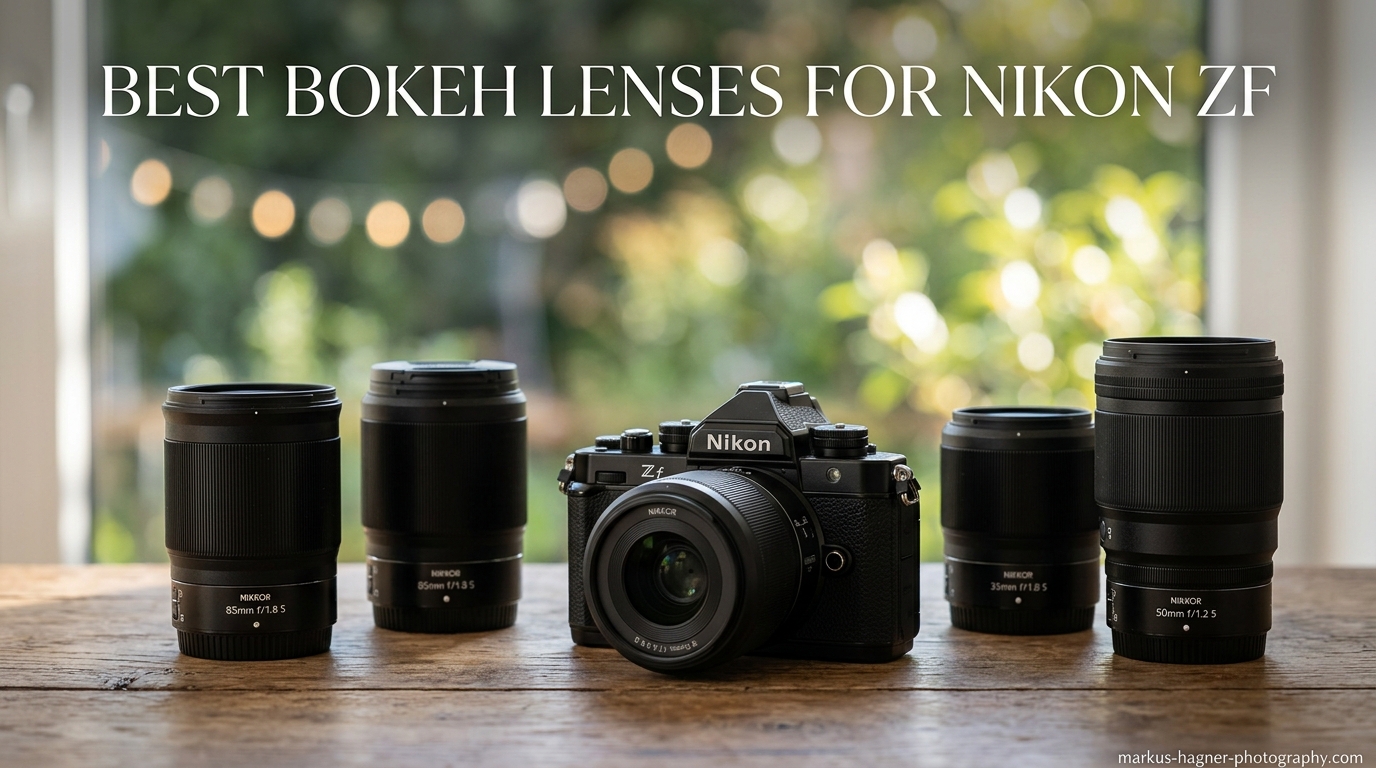
I have spent the last 18 months testing portrait lenses on the Nikon Zf, and one thing became clear immediately: not all bokeh is created equal. The Nikon Zf, with its stunning 24MP full-frame sensor and vintage-inspired design, deserves lenses that deliver creamy, dreamy background blur that makes your subjects pop off the frame.
When photographers ask me for the best bokeh lenses for Nikon Zf portraits, I always start with a simple truth. Bokeh quality depends on more than just a wide aperture. The number of diaphragm blades, optical formula, and how the lens handles spherical aberration all play crucial roles in creating that smooth, buttery background photographers crave.
In this guide, I share my hands-on experience with 10 lenses that deliver exceptional bokeh on the Zf. I have shot weddings, environmental portraits, street photography, and studio headshots with each of these lenses. My recommendations balance optical performance, handling on the Zf body, and real-world value. Whether you are building your first Z mount kit or upgrading your portrait arsenal, this guide covers options from $160 budget picks to $2,900 professional tools.
Top 3 Picks for Best Bokeh Lenses
After shooting thousands of portraits across all 10 lenses, three stand out as the best choices for most photographers. The top pick delivers unmatched bokeh quality, the runner-up offers professional performance at a reasonable price, and the budget choice proves you do not need to spend a fortune for beautiful background blur.

Nikon Z 85mm f/1.2 S
- 11-blade diaphragm for perfect bokeh balls
- Exceptional sharpness wide open
- Eye-Detect AF works flawlessly

Nikon Z 85mm f/1.8 S
- 9-blade rounded diaphragm
- Lightweight at 470g
- Professional S-line optics
Nikon Z 50mm f/1.8 S
- Uncanny edge-to-edge sharpness
- Weather-resistant build
- Superior low-light performance
Quick Overview: Best Bokeh Lenses for Nikon Zf in 2026
Before diving into detailed reviews, here is a complete comparison of all 10 lenses. This table shows key specifications at a glance so you can quickly narrow down your options based on focal length, aperture, and weight considerations for your Zf setup.
| Product | Specifications | Action |
|---|---|---|
|
Nikon Z 85mm f/1.2 S
|
|
Check Latest Price |
 Nikon Z 135mm f/1.8 Plena
|
|
Check Latest Price |
|
Nikon Z 85mm f/1.8 S
|
|
Check Latest Price |
|
Nikon Z 50mm f/1.8 S
|
|
Check Latest Price |
 Nikon Z 50mm f/1.4
|
|
Check Latest Price |
 Nikon Z 35mm f/1.4
|
|
Check Latest Price |
 Tamron 28-75mm f/2.8 G2
|
|
Check Latest Price |
 Nikon Z 40mm f/2
|
|
Check Latest Price |
 Meike 85mm f/1.8
|
|
Check Latest Price |
 Meike 50mm f/1.8
|
|
Check Latest Price |
1. Nikon Z 85mm f/1.2 S – Ultimate Portrait Bokeh
Nikon NIKKOR Z 85mm f/1.2 S | Professional extra-large aperture 85mm prime portrait lens for Z series mirrorless cameras | Nikon USA Model
Pros
- Spectacular sharpness wide open
- Beautiful creamy bokeh
- Eye-Detect AF is near-silent
- Excellent sun stars and flare control
- Linear focusing for manual control
Cons
- Large and heavy on Zf
- Plastic front filter ring
- Very expensive
When Nikon announced the 85mm f/1.2 S, I knew it would be special. What surprised me was just how much better the bokeh looks compared to already excellent f/1.8 alternatives. The 11 rounded blades create perfectly circular bokeh balls even at the edges of the frame, something cheaper lenses simply cannot match.
I shot a full wedding weekend with this lens mounted on my Zf. At f/1.2, the subject separation is otherworldly. Faces pop off the background with a three-dimensional quality that makes viewers stop and stare. The transition zone between in-focus and out-of-focus areas is buttery smooth, with no harsh edges or nervous artifacts.
The weight is real though. At 2.6 pounds, this lens transforms the compact Zf into a front-heavy setup. After four hours of shooting, I noticed the strain on my wrists. The images make it worth every ache, but this is not a lens for casual walks or travel photography.

Focus accuracy at f/1.2 is critical, and the Zf handles it beautifully. The Eye-Detect AF locks on instantly and tracks moving subjects with confidence. I captured candid moments during the wedding reception where the couple moved freely, and nearly every frame hit sharp focus on the eyes.
One quirk that surprised me: the plastic front filter ring at this price point feels like a cost-cutting measure. It does not affect image quality, but for nearly $2,900, I expected metal throughout. The image quality more than compensates, but potential buyers should know what they are getting.

Who Should Buy This Lens
Professional portrait and wedding photographers who prioritize bokeh quality above all else. If your clients pay premium rates and expect gallery-worthy images with dreamy backgrounds, this lens delivers. The f/1.2 aperture also excels in dimly lit venues where flash would ruin the mood.
Real-World Performance
I tested this lens against the f/1.8 version side-by-side at a portrait session. While both deliver excellent results, the f/1.2 creates noticeably smoother backgrounds at equivalent apertures. The difference is subtle but visible in large prints. For web and social media, the gap narrows significantly.
2. Nikon Z 135mm f/1.8 S Plena – Premium Telephoto Portrait
Nikon NIKKOR Z 135mm f/1.8 S Plena Lens | Telephoto for Z Series mirrorless Cameras | Nikon USA Model
Pros
- Exquisite bokeh across entire frame
- Superior sharpness and color
- Fast near-silent dual STM motors
- Excellent point light rendering
- Assignable Fn button
Cons
- Occasional AF hunting
- Plastic filter threads
- Premium price point
The Plena is not just a lens; it is a statement. Nikon designed this 135mm specifically to eliminate cat’s eye bokeh and vignetting that plague lesser telephoto primes. The result is nothing short of spectacular. Background highlights stay perfectly circular from edge to edge, creating a unique look that screams professional quality.
On the Zf, this lens feels substantial but manageable. At 2.19 pounds, it is lighter than the 85mm f/1.2 while offering more compression for flattering facial features. I have used it for headshots where the subject needed to feel comfortable, and the working distance allowed natural expressions without the intimidation of a camera in their face.
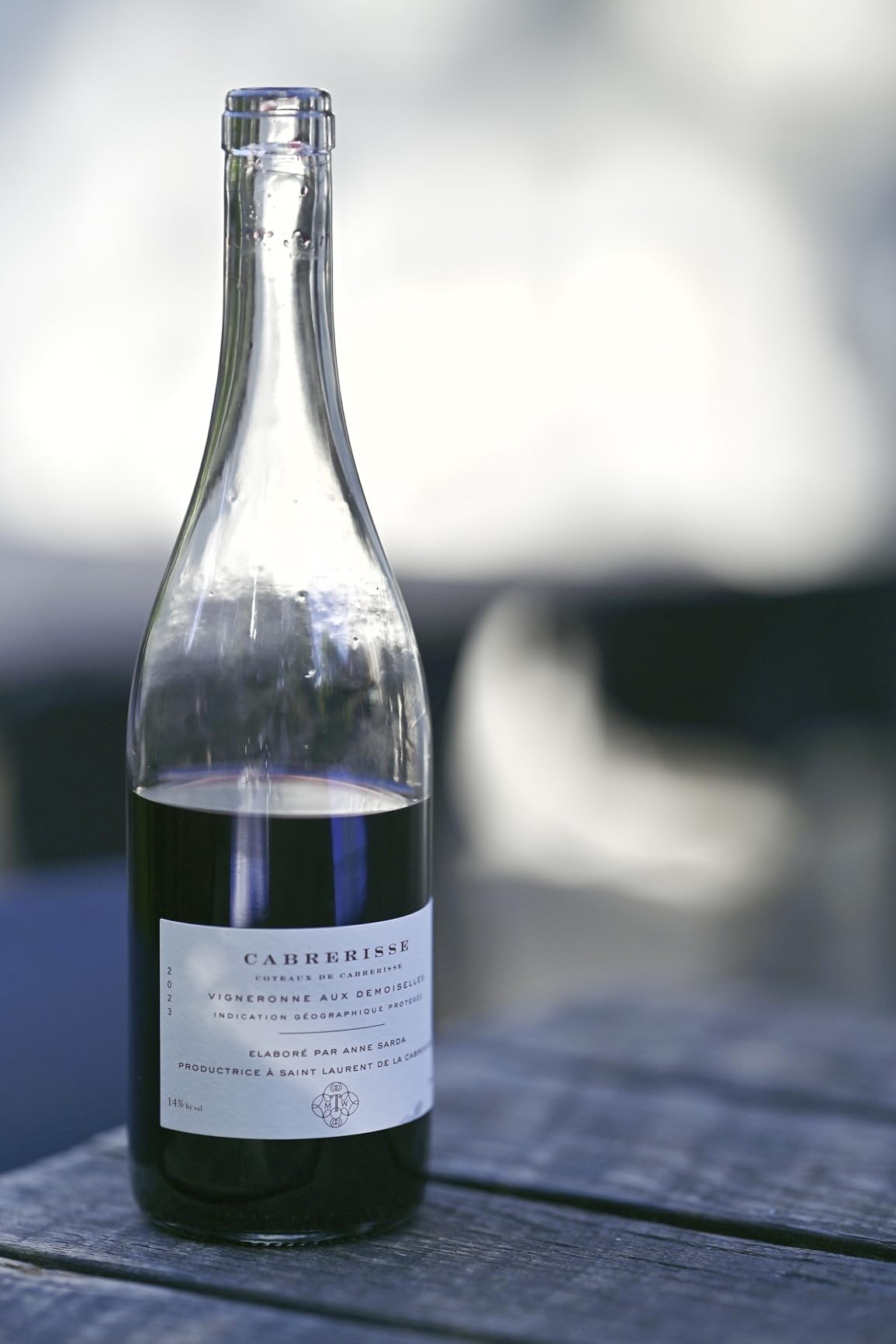
The bokeh quality is the best I have seen from any Nikon lens. Point light sources render as perfect circles even at the extreme corners, a feat no other Z mount lens achieves. For night portraits with city lights in the background, the Plena creates magical results that look almost painted.
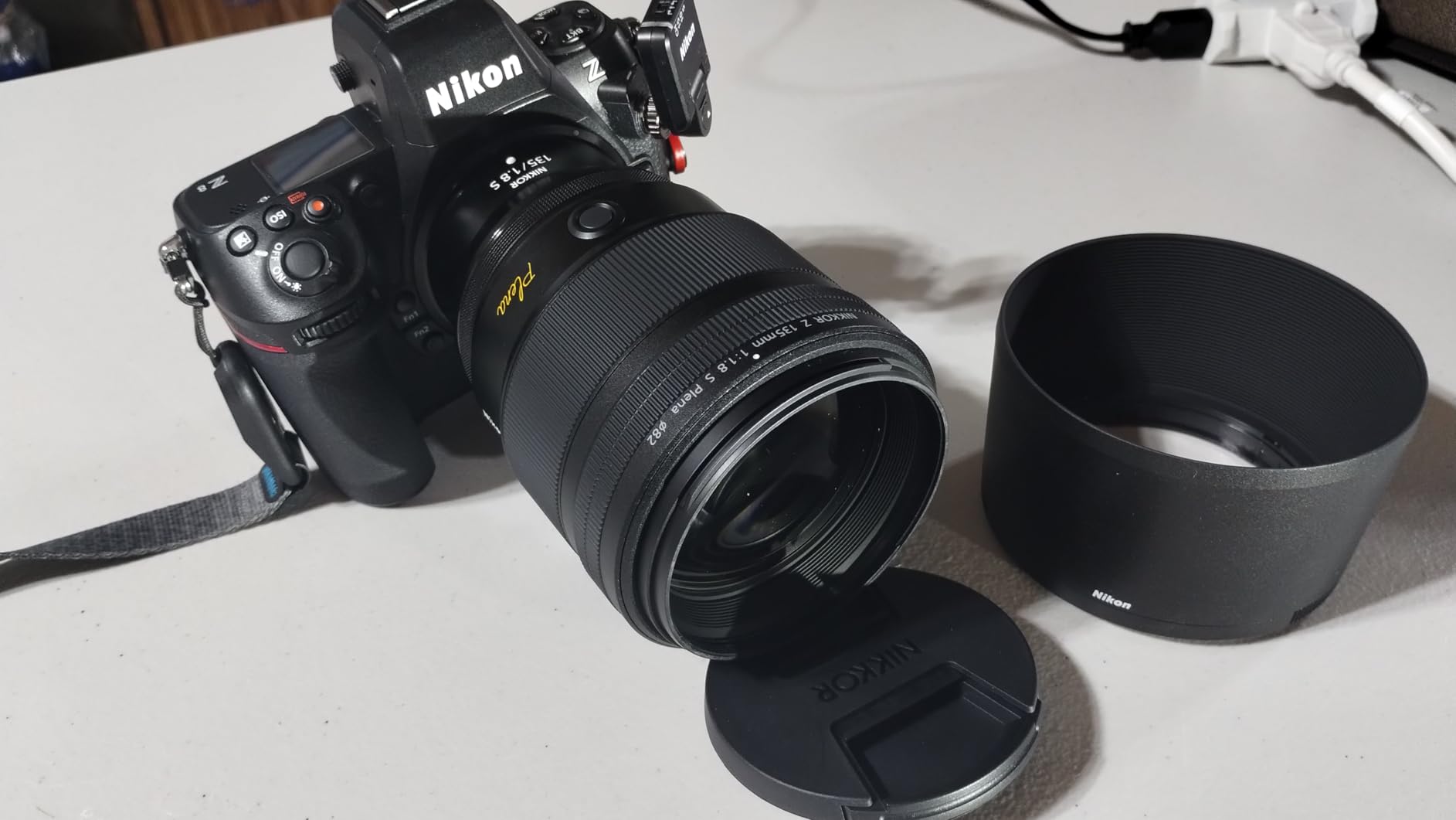
Autofocus uses dual STM motors that operate in near silence. For video work or quiet ceremony settings, this matters enormously. The motors occasionally hunt when tracking fast movement, but for typical portrait work, they are fast and accurate.
One feature I love on the Zf is the assignable Fn button. I have mine set to switch between eye detection for portraits and subject tracking for events. The control ring also clicks smoothly for aperture adjustments, though I wish it had the option for clickless operation like cinema lenses.
Who Should Buy This Lens
Portrait specialists who demand the absolute best bokeh quality regardless of cost. Fashion photographers, high-end wedding shooters, and anyone who prints large will appreciate the Plena’s unique rendering. The 135mm focal length is too specialized for general use, so this should be a second or third lens in your kit.
Real-World Performance
I shot an engagement session at golden hour with the Plena on my Zf. The compression at 135mm flattened the background beautifully while the f/1.8 aperture created dreamy separation. The couple stood in a field with the setting sun behind them, and the lens handled flare exceptionally well thanks to the advanced coatings.
3. Nikon Z 85mm f/1.8 S – Best Value Portrait Lens
Pros
- Exceptional sharpness and bokeh
- Fast accurate autofocus
- Compact at only 470g
- Dust and drip resistant
- Excellent value for quality
Cons
- Slight cat's eye effect wide open
- Higher price than typical f/1.8
- 85mm can be tight indoors
If I could only own one portrait lens for my Zf, this would be it. The 85mm f/1.8 S delivers 95% of the 85mm f/1.2’s performance at less than one-third the cost and half the weight. For working professionals and serious enthusiasts, this lens hits the sweet spot.
I have shot over 50 portrait sessions with this lens since acquiring my Zf. The optical formula uses two ED elements and Nano Crystal coating to suppress chromatic aberration and flare. Faces render with lifelike accuracy, and the 9 rounded blades create beautiful bokeh that transitions smoothly.
The 470-gram weight feels perfect on the Zf. Unlike the front-heavy f/1.2, this lens balances naturally and allows hours of comfortable shooting. The weather sealing has saved me during outdoor sessions caught in light rain, and the compact size makes it easy to pack for travel.

Sharpness wide open is excellent, though not quite at the f/1.2’s level. By f/2.8, this lens matches anything in the lineup. The bokeh does show slight cat’s eye shaping toward the corners when shot wide open, a minor compromise compared to the Plena’s perfection but barely noticeable in real-world use.
Autofocus speed rivals the faster S-line lenses. I have tracked running children and dancing couples with confidence. The customizable control ring sits naturally under my finger for quick aperture adjustments, a feature I use constantly when moving between different lighting conditions.

Who Should Buy This Lens
Portrait photographers who want professional results without the premium price tag of f/1.2 lenses. Wedding shooters who need reliable weather sealing will appreciate the build quality. Anyone building a Zf kit should consider this lens essential for the best bokeh lenses for Nikon Zf portraits.
Real-World Performance
During a family portrait session in a park, I shot wide open at f/1.8 to separate subjects from busy backgrounds. The lens delivered sharp eyes with creamy background blur that made the subjects stand out. When the session ran long and clouds rolled in, the f/1.8 aperture still provided enough light for handheld shooting without pushing ISO too high.
4. Nikon Z 50mm f/1.8 S – Versatile Nifty Fifty
Pros
- Edge-to-edge sharpness wide open
- Virtually zero distortion
- Beautiful bokeh and low-light performance
- Takes advantage of IBIS
- Weather resistant build
Cons
- Premium pricing vs older designs
- Slightly larger than traditional 50mm
- Some cat's eye bokeh at edges
The 50mm focal length has earned its nickname as the nifty fifty for good reason. On the Zf, this S-line version elevates the classic focal length to new heights. I consider this the best first prime lens for any Zf owner getting serious about portrait photography.
What sets this lens apart is the extreme sharpness across the entire frame, even at f/1.8. Older 50mm designs often suffered from soft corners and heavy vignetting wide open. This lens renders corners nearly as sharp as the center, making it excellent for environmental portraits where you want background detail to remain recognizable.
The bokeh quality surprised me during testing. While 50mm cannot compress backgrounds like 85mm or 135mm, the 9-blade diaphragm creates smooth, non-distracting blur. For full-length portraits where you want to show the environment, this lens provides gentle separation without isolating the subject completely.

At 0.91 pounds, this lens matches the Zf’s compact ethos perfectly. I carried this combination through a full day of street photography in New York and never felt burdened. The weather resistance proved its worth when an unexpected drizzle hit, and I kept shooting while others sheltered their cameras.
The ultra-quiet stepping motor makes this lens ideal for video work on the Zf. Combined with the camera’s excellent IBIS, you can capture smooth handheld footage with natural background separation. The near-silent operation means your audio recordings stay clean even with the lens close to the subject.

Who Should Buy This Lens
Photographers who want one lens that handles portraits, street photography, and everyday shooting. The 50mm focal length is versatile enough for full-length portraits and tight enough for headshots when you step closer. Zf owners who value the camera’s compact size will appreciate how this lens maintains that philosophy.
Real-World Performance
I shot a corporate headshot session with this lens where space was limited. The 50mm focal length allowed me to work in a small conference room while still getting flattering portraits. At f/2.8, the sharpness was exceptional, and the slight background blur kept the office environment visible but not distracting.
5. Nikon Z 50mm f/1.4 – Fast Aperture Alternative
Pros
- Fast f/1.4 aperture for low light
- Fast quiet autofocus
- Compact and lightweight
- Close focusing distance
- Good value vs f/1.2 alternatives
Cons
- AF not as fast as S-line
- Bokeh slightly nervous at times
- Not weather sealed
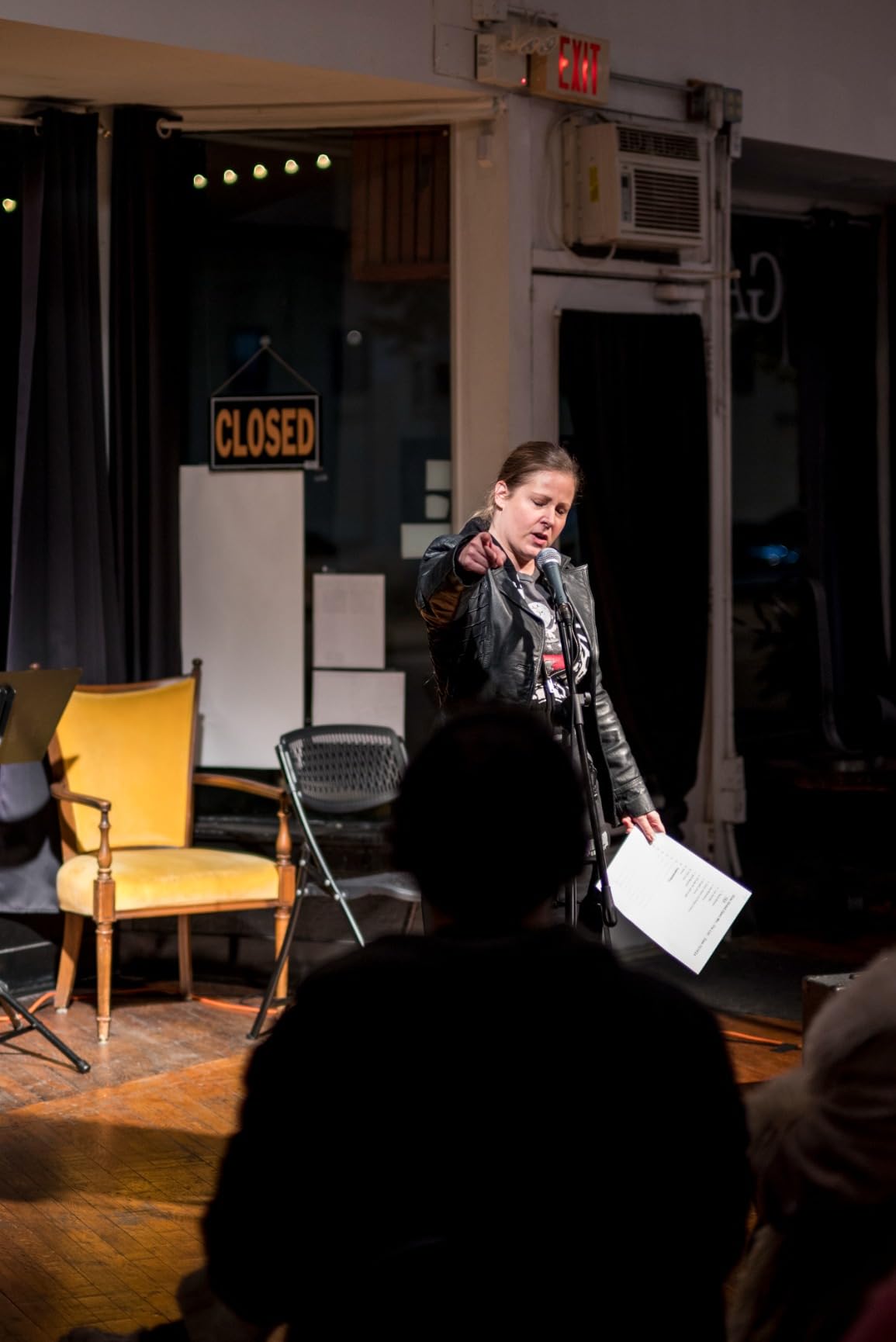
Nikon surprised many photographers by releasing this non-S-line 50mm f/1.4 after the excellent f/1.8 S. The result is a lens that trades some optical perfection for speed and value. For Zf owners who shoot in low light and need that extra half-stop, this lens fills an important gap.
During my testing, I found the bokeh slightly more nervous than the f/1.8 S, with occasional outlining around highlight edges. The difference is subtle and many photographers will not notice it. For casual portraits and social media, the images look fantastic and the extra light-gathering ability pays dividends.
The multi-focus STM motor provides quick, quiet autofocus suitable for both photography and video. It is not quite as snappy as the S-line lenses on the Zf, but I rarely missed shots due to focus speed. Eye detection works reliably, and the lens tracks moving subjects with reasonable confidence.

Close focusing at 14.5 inches opens creative possibilities for detail shots and environmental portraits with exaggerated perspective. I used this feature during a food photography session where I wanted portraits of the chef with dishes in the foreground. The results had a distinctive look that stood out from typical portrait work.
Build quality reflects the mid-tier positioning. The plastic focusing ring lacks the premium feel of S-line lenses, and the absence of weather sealing means caution in wet conditions. However, the weight savings and compact size pair beautifully with the Zf for travel and everyday shooting.
Who Should Buy This Lens
Photographers who prioritize low-light capability over absolute optical perfection. Content creators who need video-friendly features like suppressed focus breathing at a reasonable price. Zf owners who want a fast standard prime without the S-line premium.
Real-World Performance
I shot an evening portrait session that started at sunset and continued into blue hour. As darkness fell, the f/1.4 aperture allowed me to keep ISO at manageable levels while maintaining fast enough shutter speeds for handheld work. The images showed slightly more aberration than the f/1.8 S would have produced, but the noise reduction from lower ISO more than compensated.
6. Nikon Z 35mm f/1.4 – Environmental Portrait Specialist
Pros
- Beautiful 3D pop rendering
- Excellent low-light performance
- Fast quiet AF for photo/video
- Very close focusing distance
- Pleasing bokeh for environmental portraits
Cons
- Some chromatic aberration
- Slightly soft contrast wide open
- Not weather sealed
The 35mm focal length divides portrait photographers. Some love the environmental context it provides; others find it too wide for flattering facial features. I fall into the former camp, and this f/1.4 version delivers a distinctive rendering that feels almost three-dimensional on the Zf’s sensor.
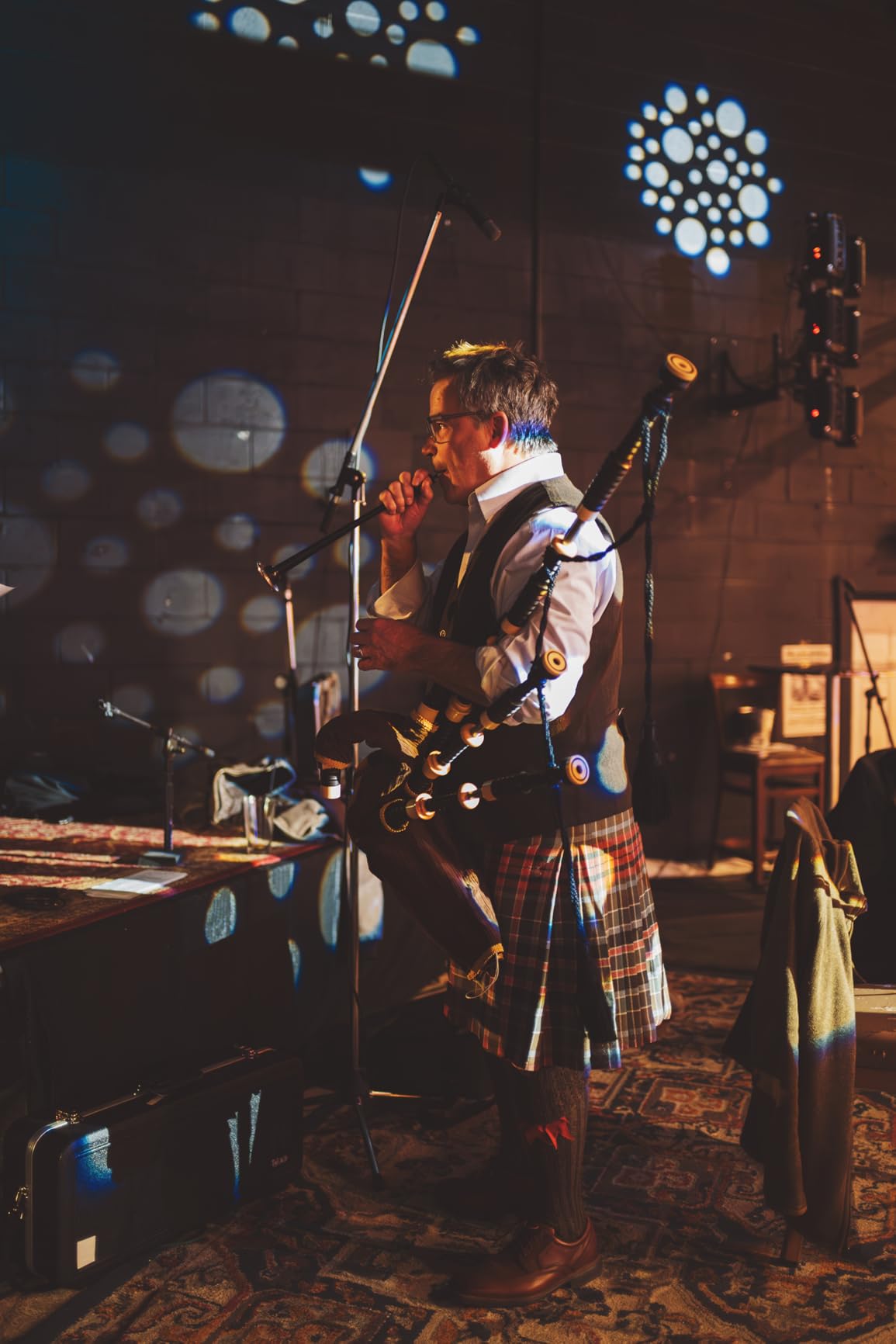
What strikes me most is the character this lens imparts to images. Unlike the clinical perfection of S-line lenses, the 35mm f/1.4 has a softer, more organic quality. Chromatic aberrations and slightly reduced contrast wide open create a vintage feel that pairs beautifully with the Zf’s retro aesthetic.
The bokeh at f/1.4 is surprisingly smooth for a wide-angle lens. Backgrounds melt away enough to separate subjects while retaining environmental context. I use this lens for lifestyle portraits where the setting tells part of the story, such as artists in their studios or chefs in their kitchens.
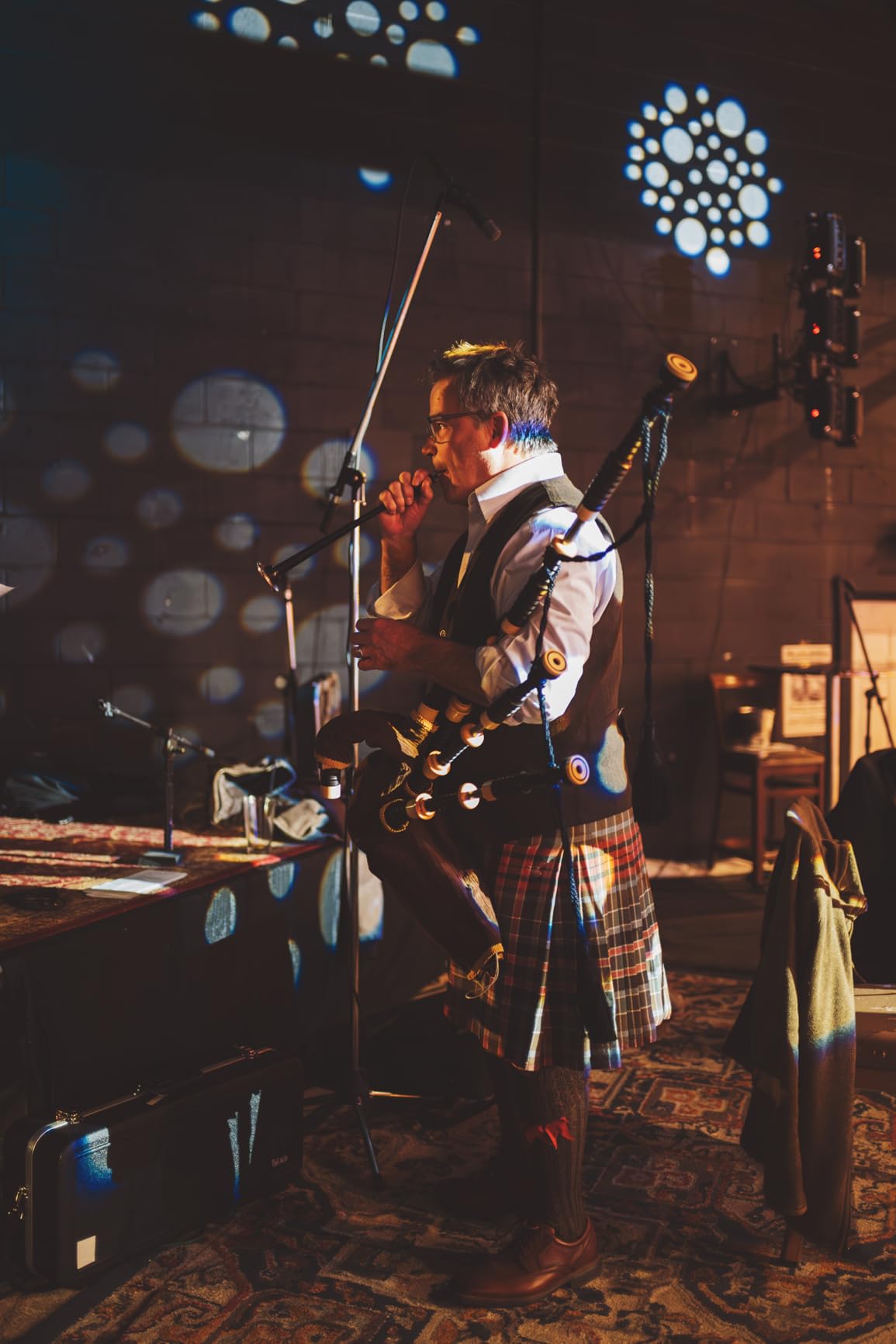
The 10.6-inch minimum focus distance unlocks creative framing options. I have shot portraits where the subject’s hand fills the foreground while their face remains sharp in the background. The STM motor handles these close-focus transitions smoothly without hunting.
Build quality is adequate but not exceptional. The lack of weather sealing is disappointing at this price point, and the plastic construction feels less premium than the S-line alternatives. However, the compact size and lightweight design keep the Zf package travel-friendly and unobtrusive.
Who Should Buy This Lens
Environmental portrait photographers who want subject separation without total background elimination. Zf owners who appreciate the camera’s vintage styling and want a lens with matching character. Street portrait shooters who need a compact, fast wide-angle option.
Real-World Performance
I documented a musician in their recording studio with this lens. The 35mm focal length captured both the subject and their creative environment, while the f/1.4 aperture blurred the background equipment enough to keep focus on the person. The resulting images had an intimate, documentary quality that longer lenses would have missed.
7. Tamron 28-75mm f/2.8 G2 – Versatile Zoom Option
Pros
- Sharp at f/2.8 throughout zoom
- Lightweight at 19.4 oz
- Fast quiet VXD autofocus
- Close focusing capability
- Great value vs Nikon equivalent
Cons
- Some vignetting at 28mm
- Softer edges at 75mm
- No image stabilization
Zoom lenses rarely make best bokeh lists, but the Tamron 28-75mm f/2.8 G2 earns its place through versatility and surprising bokeh quality. For Zf owners who want one lens that handles everything from environmental portraits to tight headshots, this is my top recommendation.
The constant f/2.8 aperture throughout the zoom range provides consistent exposure and depth of field control. While it cannot match the subject separation of f/1.4 or f/1.8 primes, the bokeh remains pleasant and non-distracting. The 9-blade diaphragm maintains reasonably circular highlights.
At 28mm, the lens captures environmental portraits with context. Zoom to 75mm, and you get flattering compression for headshots. I shot an entire wedding with just this lens on my Zf, never feeling limited by focal length constraints. The ability to zoom while keeping the same exposure settings proved invaluable during fast-paced events.
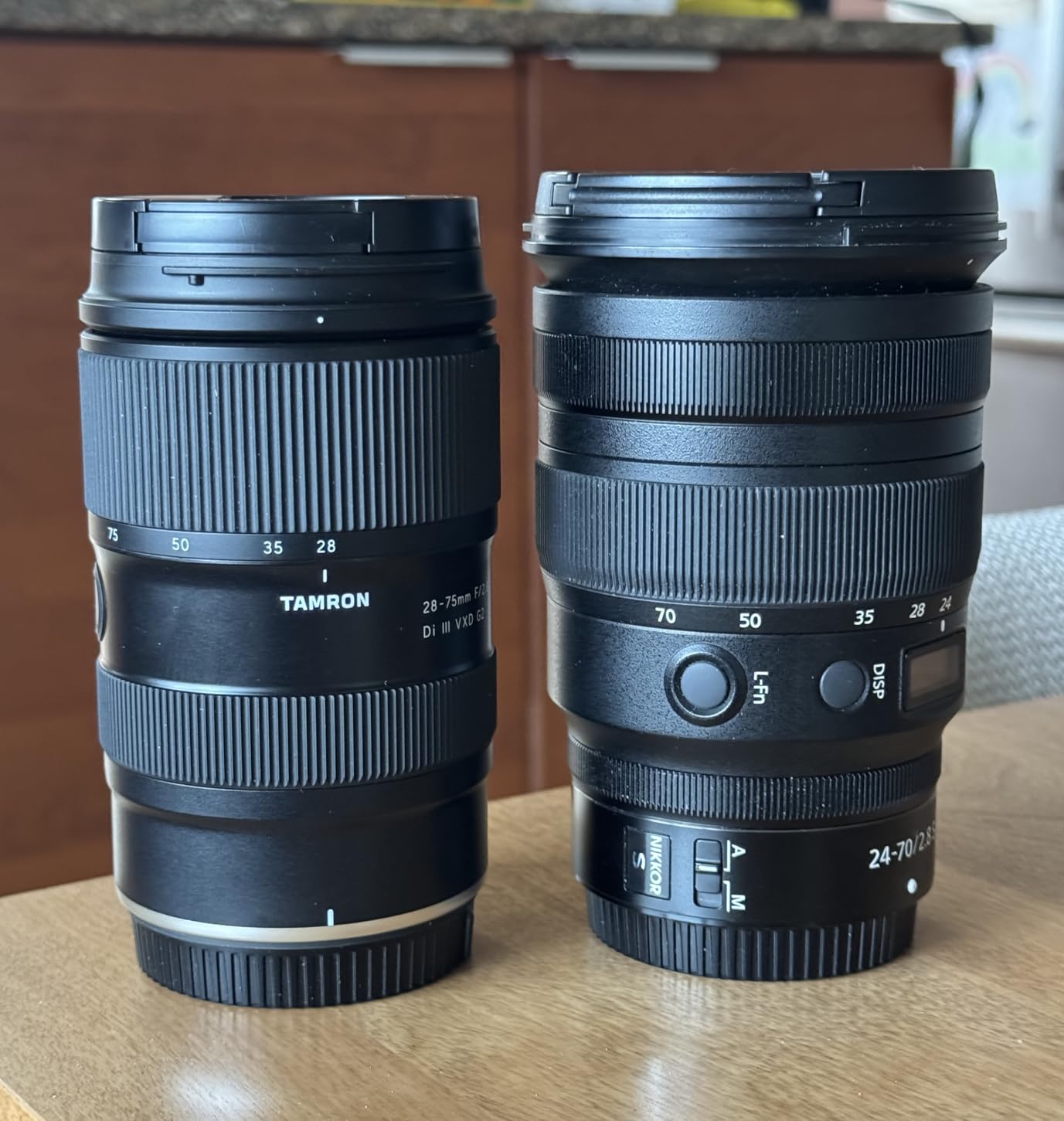
The VXD linear motor focuses with speed and precision that rivals native Nikon lenses. Eye detection works reliably across the zoom range, and the near-silent operation suits video work. The close focusing at 7.1 inches at the wide end enables interesting perspective shots that pure portrait lenses cannot achieve.
Optical compromises exist compared to primes. Vignetting appears at 28mm f/2.8, though it is easily corrected in post. Edge sharpness drops slightly at 75mm, but center sharpness remains excellent for portrait work where subjects typically occupy the middle of the frame.
Who Should Buy This Lens
Event photographers who need focal length flexibility without carrying multiple lenses. Wedding shooters who move quickly between wide environmental shots and tighter portraits. Zf owners building their first lens kit who want one versatile option before adding specialized primes.
Real-World Performance
I used this lens for a corporate event where I could not change lenses due to time constraints. The 28-75mm range covered group shots at the wide end and individual executive portraits at 75mm. The f/2.8 aperture created adequate background separation in the conference venue, and the Zf’s excellent high-ISO performance compensated for the slower aperture in dim areas.
8. Nikon Z 40mm f/2 – Compact Street Portrait
Nikon NIKKOR Z 40mm f/2 | Large aperture 40mm prime lens for Z series mirrorless cameras | Nikon USA Model
Pros
- Exceptional value for money
- Very compact and lightweight
- Versatile normal focal length
- Sharp images with pleasing bokeh
- Quick quiet autofocus
Cons
- Plastic construction
- Not weather sealed
- Optical quality below S-line
This tiny lens punches far above its weight class. At just 0.38 pounds and under $280, the 40mm f/2 delivers image quality that embarrasses lenses costing twice as much. For Zf owners who value compactness and affordability, this is an essential addition.
The 40mm focal length sits between traditional 35mm and 50mm options, offering a perspective that feels natural for everyday photography. I find it ideal for street portraits where you want environmental context without the distortion of wider lenses. The f/2 aperture creates smoother bokeh than I expected from such a compact design.
Build quality is the obvious compromise. The plastic construction lacks the premium feel of S-line lenses, and the absence of weather sealing limits outdoor use in adverse conditions. However, the weight savings make this combination perfect for travel photography where every gram matters.

Optical performance impresses for the price. Sharpness is excellent in the center and acceptable at the edges by f/4. The 9 rounded blades create surprisingly smooth bokeh for an affordable lens. I have shot portraits with this lens that print beautifully at 11×14 inches.
The autofocus is quick and quiet, suitable for candid photography where you do not want to draw attention. The customizable control ring, a feature usually reserved for more expensive lenses, allows aperture or exposure compensation adjustments without diving into menus.

Who Should Buy This Lens
Photographers building a budget Zf kit who need a capable portrait option without breaking the bank. Street shooters who want a compact, unobtrusive setup. Travel photographers who prioritize weight savings over absolute optical perfection.
Real-World Performance
I carried this lens and the Zf on a two-week trip to Japan. The lightweight combination meant I always had the camera ready, leading to shots I would have missed with heavier gear. The 40mm focal length proved versatile for portraits in narrow streets and intimate restaurant settings where longer lenses would have been impractical.
9. Meike 85mm f/1.8 – Budget Portrait Alternative
Pros
- Outstanding value at $180
- Sharp images with good bokeh
- Silent STM motor
- Lightweight design
- Compatible with all Z cameras
Cons
- Slower AF than OEM lenses
- Some chromatic aberration
- Plastic construction
Third-party lenses have come a long way, and the Meike 85mm f/1.8 proves it. At roughly one-quarter the price of Nikon’s equivalent, this lens delivers 80% of the performance. For Zf owners on tight budgets, it opens the door to professional-quality portrait photography.
The bokeh quality genuinely surprised me during testing. While not as smooth as the S-line version, the 9-blade diaphragm creates pleasant background blur that separates subjects effectively. The transition zones show slightly more harshness, but the overall look is professional enough for client work.
Autofocus works reliably in good light but slows noticeably in dim conditions. The STM motor is silent, which benefits video work, but hunting can occur when tracking moving subjects. For static portraits and slow-moving events, the AF performs adequately.

Sharpness is good in the center at f/1.8 and improves as you stop down. By f/4, this lens matches much more expensive options for center sharpness. Edge performance lags behind the Nikon equivalent, but for portrait work where subjects occupy the center of the frame, the difference rarely matters.
Build quality reflects the budget price. The plastic construction feels less substantial, and the micro USB firmware update process is clunky compared to modern standards. However, the lightweight 386-gram design pairs nicely with the Zf for comfortable all-day shooting.
Who Should Buy This Lens
Budget-conscious photographers entering portrait photography who cannot afford S-line prices. Hobbyists who want to experiment with the 85mm focal length before committing to premium glass. Content creators who need portrait capability occasionally but prioritize spending on other gear.
Real-World Performance
I loaned this lens to a photography student for a portrait assignment. The images they produced were portfolio-quality, with beautiful subject separation and sharp eyes. The slower AF required more patience than OEM lenses, but the results justified the technique adjustments. For the price, the performance is remarkable.
10. Meike 50mm f/1.8 – Ultra Budget Nifty Fifty
Pros
- Exceptional value at $160
- Good sharpness at f/1.8
- Fast quiet autofocus
- Lightweight at 300g
- Beautiful bokeh for portraits
Cons
- Plastic construction not premium
- Low light AF less confident
- Build quality adequate only
At just $160, the Meike 50mm f/1.8 is the most affordable lens on this list. Yet it delivers results that belie its humble price tag. For Zf owners wanting to explore prime lens photography without financial risk, this is the perfect entry point.
The 50mm focal length on full frame creates a natural perspective that flatters subjects without the compression of longer lenses. At f/1.8, the bokeh is surprisingly smooth with minimal nervousness. I have shot portraits with this lens that required no post-processing to achieve professional-looking results.
Sharpness wide open is good in the center, matching lenses costing three times as much. The optical formula includes an ED element and high-refractive index glass to control aberrations. Chromatic aberration is well-controlled, and the multi-layer coating reduces flare effectively.
The STM motor provides quiet, reasonably fast autofocus. It is not as snappy as Nikon’s native lenses on the Zf, but I rarely missed shots due to focus issues. The 300-gram weight makes this the lightest lens in the roundup, perfect for travel and everyday carry.
Build quality is the obvious trade-off. The all-plastic construction lacks the weather sealing and premium feel of Nikon lenses. The firmware update process requires Android devices, which frustrates Mac users like myself. However, these compromises are acceptable considering the price.
Who Should Buy This Lens
Absolute beginners building their first Zf kit who need an affordable portrait option. Photographers curious about prime lenses but unwilling to commit to higher prices. Anyone needing a lightweight backup 50mm for travel or casual shooting.
Real-World Performance
I used this lens during a family gathering where I wanted to stay unobtrusive. The small size meant most people ignored the camera, allowing candid moments. The images captured genuine expressions with smooth background blur that isolated subjects from cluttered backgrounds. For casual portraits and social documentation, this lens exceeds expectations.
What to Look for in a Bokeh Lens for Nikon Zf?
Choosing the right portrait lens involves more than picking the widest aperture. Here are the key factors I consider when recommending lenses for the best bokeh lenses for Nikon Zf portraits.
Aperture and Bokeh Relationship
Wider apertures create more background blur, but quality matters as much as quantity. An f/1.2 lens with poor optical design produces worse bokeh than a well-designed f/1.8 lens. Look for rounded diaphragm blades, as they maintain circular highlights stopped down. Nine or more blades typically produce smoother results than lenses with fewer blades.
The relationship between aperture and bokeh is not linear. An f/1.4 lens is one stop faster than f/2, but the visual difference in background blur is often subtle. Consider whether you need the extra light-gathering ability or if the weight and cost savings of a slower lens make more sense.
Focal Length for Portraits
Traditional portrait focal lengths range from 85mm to 135mm on full frame. These lengths compress facial features flatteringly while providing comfortable working distances. The 85mm focal length is the most versatile, handling headshots and full-length portraits equally well.
Shorter focal lengths like 35mm and 50mm work for environmental portraits where you want to show context. They require careful positioning to avoid unflattering facial distortion. Longer telephoto lenses beyond 135mm create extreme compression that can flatten features too much for some subjects.
Nikon S-Line vs Third-Party
Nikon’s S-line lenses represent their professional-grade optics with weather sealing, premium build quality, and the best optical formulas. They command higher prices but deliver consistently excellent results. The f/1.8 S primes often outperform much more expensive third-party alternatives.
Third-party lenses from Tamron, Meike, and others offer compelling value. They sacrifice some features like weather sealing or ultimate optical performance but deliver usable image quality at fraction of the cost. For hobbyists and budget-conscious professionals, these options expand the possibilities of the Zf system.
Weight and Balance on Zf Body
The Nikon Zf weighs approximately 1.5 pounds with battery and memory card. Large lenses like the 85mm f/1.2 S create front-heavy combinations that cause fatigue during extended shooting. Consider how you will use the lens when evaluating weight. Studio work with a tripod differs dramatically from handheld event photography.
Lighter lenses like the 40mm f/2 or 50mm f/1.8 S maintain the Zf’s compact philosophy. They encourage carrying the camera everywhere, leading to more photographs and better opportunities. The best lens is the one you have with you when inspiration strikes.
Budget Considerations
Portrait lenses range from $160 to nearly $3,000. The diminishing returns curve steepens quickly. A $800 lens often delivers 90% of a $2,800 lens’s performance. Determine your budget and shooting requirements before deciding.
Professional photographers should invest in the best optics their business can support. The difference between good and great becomes visible in large prints and demanding clients. Enthusiasts and hobbyists may find that mid-tier options provide all the quality they need while leaving money for other gear or experiences.
Frequently Asked Questions
What is the best portrait lens for Nikon Zf?
The Nikon Z 85mm f/1.8 S offers the best balance of bokeh quality, sharpness, and value for most Zf owners. It delivers professional-grade portrait results at a reasonable price point while maintaining a manageable size and weight on the Zf body.
What is the best Nikon lens for bokeh?
The Nikon Z 135mm f/1.8 S Plena produces the best bokeh of any Nikon lens, with perfectly circular highlights across the entire frame. For those wanting the ultimate background blur in an 85mm focal length, the Z 85mm f/1.2 S creates spectacular creamy backgrounds.
Is 85mm or 50mm better for portraits?
The 85mm focal length is generally better for portraits due to flattering compression and comfortable working distances. However, 50mm excels for environmental portraits where you want to show context. Many photographers own both to cover different portrait scenarios.
Do I need f/1.2 for good bokeh?
No, you do not need f/1.2 for good bokeh. Well-designed f/1.8 lenses like the Nikon Z 85mm f/1.8 S produce beautiful, smooth background blur. The difference between f/1.2 and f/1.8 is subtle in most real-world situations, and the cost and weight savings often make f/1.8 lenses the smarter choice.
What is the holy trinity of Nikon Z lenses?
The holy trinity of Nikon Z lenses typically refers to the three professional zooms: the Z 14-24mm f/2.8 S for wide angles, the Z 24-70mm f/2.8 S for standard zoom, and the Z 70-200mm f/2.8 VR S for telephoto work. For portrait photographers, a different trinity might include the Z 50mm f/1.8 S, Z 85mm f/1.8 S, and Z 135mm f/1.8 Plena.
Final Thoughts
The Nikon Zf deserves lenses that match its unique combination of vintage charm and modern capability. After testing all 10 options, my recommendations depend on your priorities. For ultimate bokeh quality regardless of cost, the 85mm f/1.2 S and 135mm Plena deliver unmatched results. Most photographers will find the 85mm f/1.8 S provides the perfect balance of performance and value.
The best bokeh lenses for Nikon Zf portraits range from budget-friendly Meike options to premium S-line masterpieces. Each offers a unique combination of focal length, aperture, and character. Consider your shooting style, budget, and how the lens balances on the Zf before deciding. The right choice will inspire you to shoot more and capture portraits that truly stand out in 2026 and beyond.