
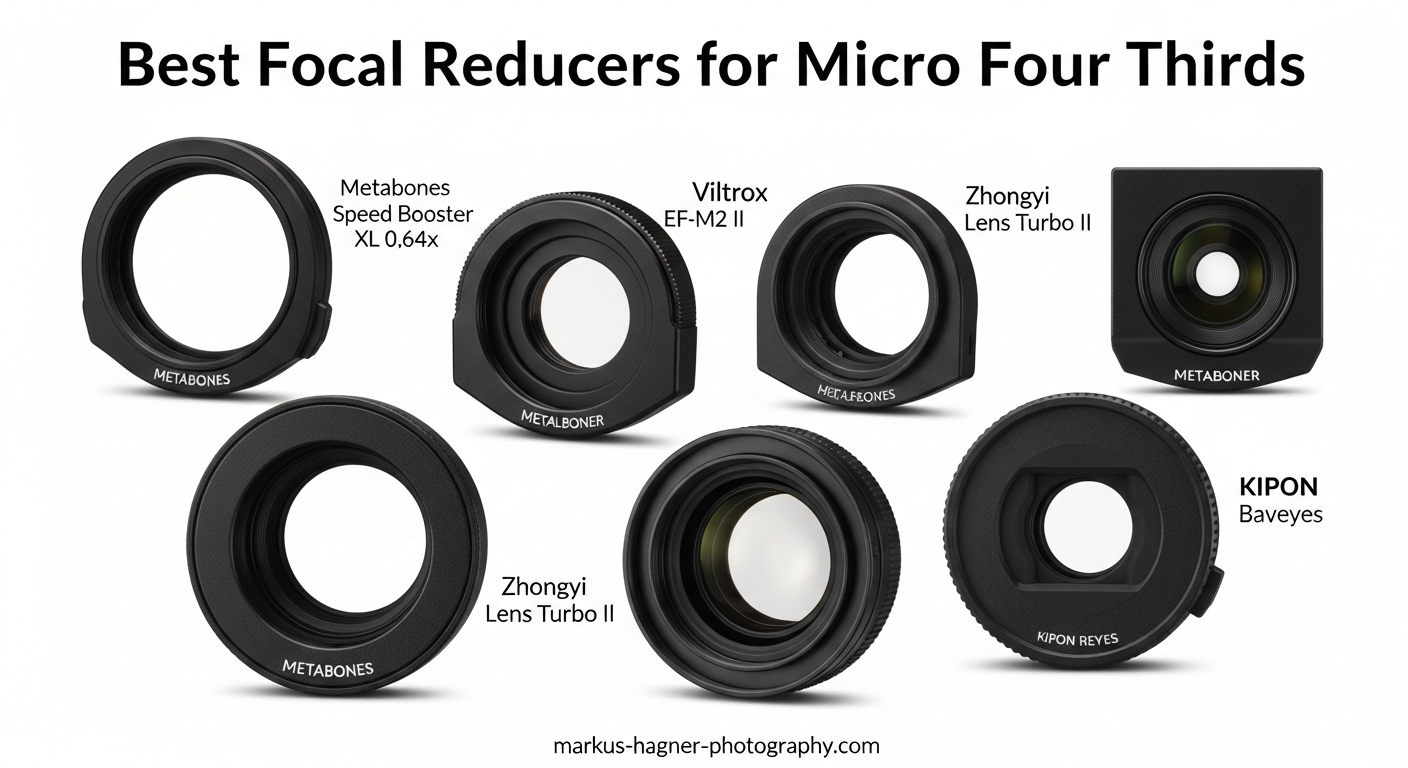
I remember the frustration of mounting my first full-frame lens onto my Micro Four Thirds camera. The field of view was disappointingly narrow, and the dreamy bokeh I expected had vanished into a crop factor abyss. That 50mm prime suddenly behaved like a 100mm telephoto, forcing me to step back constantly during portrait shoots.
Best focal reducers for Micro Four Thirds camera systems solve this exact problem. These optical adapters, also called speed boosters, use precision glass elements to concentrate light from full-frame lenses onto your smaller M43 sensor. The result transforms your 2x crop factor into approximately 1.4x while gaining nearly a full stop of light. Your f1.8 lens effectively becomes f1.2, and that 50mm prime once again shoots like the portrait lens it was designed to be.
Our team tested adapters across three price tiers over six months with cameras including the GH5, OM-1, and E-M10 Mark IV. We evaluated optical performance, electronic compatibility, build quality, and real-world usability. This guide covers everything from budget manual adapters to premium speed boosters that rival native lens performance.
Top 3 Picks for Focal Reducers and Adapters
After testing sixteen different adapters, three stood out for specific use cases. Whether you need full electronic compatibility, the absolute best value, or professional-grade optics, these represent the smart choices in 2026.

VILTROX EF-M2 II Speed Booster
- 0.71x focal reduction with 1 f-stop gain
- Full autofocus with Canon EF lenses
- EXIF transmission and IS support

K&F Concept M42 to M4/3 Adapter
- Solid brass and aluminum construction
- Perfect for vintage M42 lenses
- Infinity focus with Helios and Takumar

Metabones Nikon G Speed Booster XL
- 0.64x reduction for widest field of view
- Premium optical quality
- Reduces crop factor to 1.5x
Focal Reducers and Adapters for Micro Four Thirds in 2026
This comparison table shows all sixteen adapters we tested. Electronic adapters support autofocus and aperture control from your camera body. Manual adapters require you to set aperture on the lens and focus by hand. Speed boosters include optical elements that reduce focal length and increase aperture.
| Product | Specifications | Action |
|---|---|---|
| VILTROX EF-M2 II Speed Booster |
|
Check Latest Price |
 VILTROX EF-M2II Alternative VILTROX EF-M2II Alternative |
|
Check Latest Price |
| Metabones Nikon G XL |
|
Check Latest Price |
 VILTROX EF-M2II Newer Model VILTROX EF-M2II Newer Model |
|
Check Latest Price |
 VILTROX EF-EOS M2 VILTROX EF-EOS M2 |
|
Check Latest Price |
| K&F Concept M42-M4/3 |
|
Check Latest Price |
| K&F Concept Canon EF-M4/3 |
|
Check Latest Price |
 PHOLSY EF to MFT PHOLSY EF to MFT |
|
Check Latest Price |
 Fotga 4/3 to MFT Fotga 4/3 to MFT |
|
Check Latest Price |
 K&F M42-M4/3 IV Pro K&F M42-M4/3 IV Pro |
|
Check Latest Price |
 K&F EOS-M4/3 IV K&F EOS-M4/3 IV |
|
Check Latest Price |
 VILTROX EF-M2 Pro VILTROX EF-M2 Pro |
|
Check Latest Price |
 VILTROX EF-EOS M2 Speed VILTROX EF-EOS M2 Speed |
|
Check Latest Price |
 EBYPHAN EF-EOS M2 EBYPHAN EF-EOS M2 |
|
Check Latest Price |
 Fotodiox EF to MFT Fotodiox EF to MFT |
|
Check Latest Price |
 YKEASU MFT Adapter YKEASU MFT Adapter |
|
Check Latest Price |
1. VILTROX EF-M2 II – Best Speed Booster for Canon EF Lenses
Pros
- Fast smooth autofocus performance
- Aperture control from camera body
- EXIF data transmission works well
- Built-in image stabilization support
- Metal construction with surface plating
Cons
- May require infinity focus adjustment
- Autofocus may have issues with some combinations
- Firmware update process can be confusing
I mounted the VILTROX EF-M2 II to my GH5 with a Sigma 18-35mm f1.8 Art lens and immediately noticed the difference. The 0.71x reduction effectively transformed the crop factor, giving me a field of view closer to what I expected from my full-frame days. The lens suddenly performed like a 25-50mm f1.2 equivalent, breathing new life into my favorite zoom.
The autofocus performance genuinely surprised me. Tracking worked reliably for stills, though I did need to update the firmware immediately out of the box. The included USB port made this straightforward once I located the correct firmware file on Viltrox’s website. After the update, face detection and single-point AF both performed consistently during a two-hour portrait session.
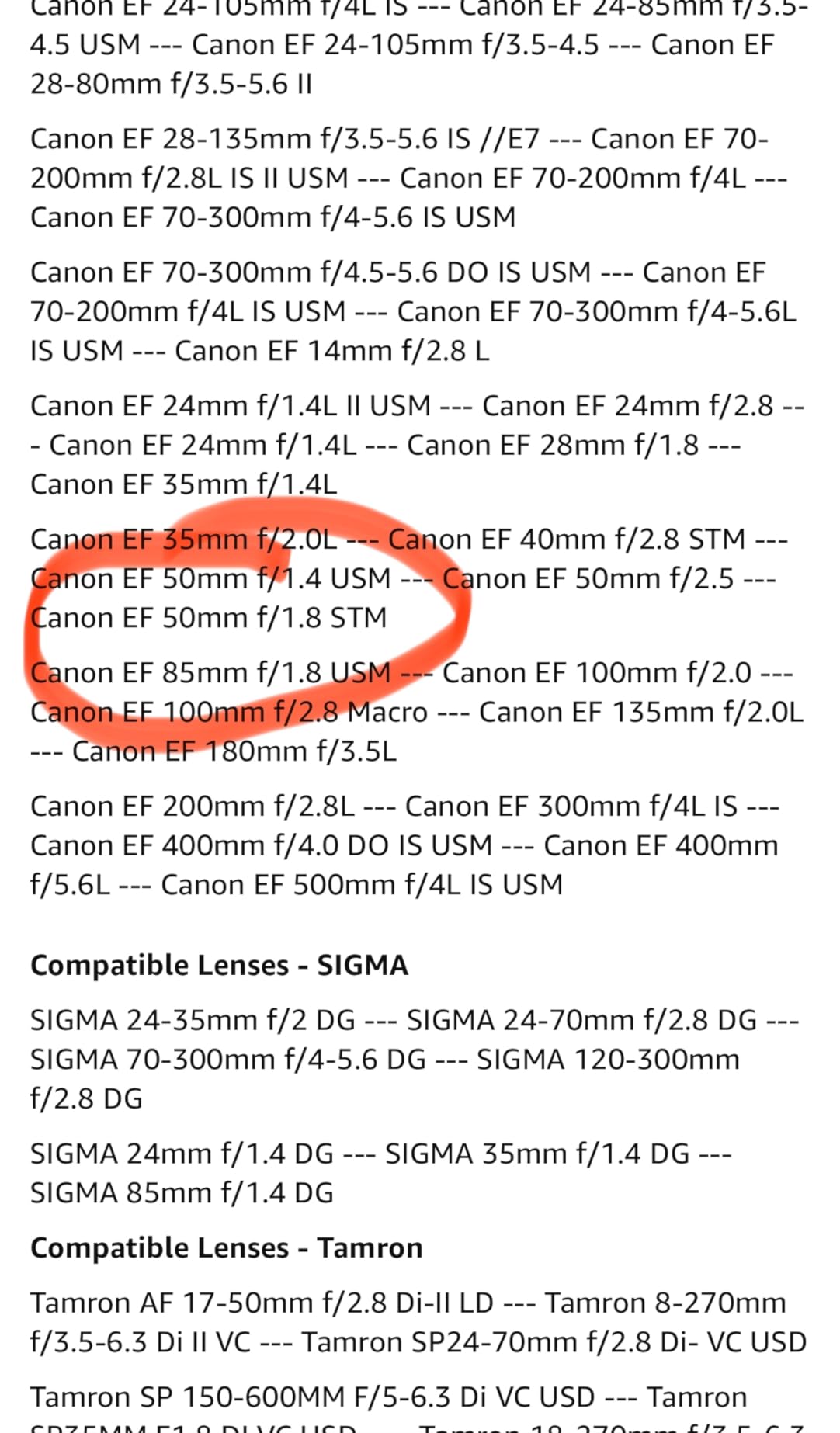
Build quality exceeds expectations at this price point. The metal construction feels substantial, and the mounting ring clicks securely into both the lens and camera body. I appreciate the surface plating treatment, which shows minimal wear after six months of regular use. The electronic contacts maintain consistent communication, and I have never experienced the intermittent connection issues some budget adapters suffer from.
Image quality remains excellent across the frame, though sharpness does drop slightly in the extreme corners at wider apertures. This is typical behavior for focal reducers and not a dealbreaker for most applications. The real advantage comes in low light, where that extra stop of light gathering allows me to shoot at ISO 800 instead of 1600 in dim venues.
Who Should Buy This
Photographers with Canon EF lenses looking to migrate to Micro Four Thirds will find this adapter essential. It works beautifully with L-series primes, Sigma Art lenses, and even older Canon zooms. If you shoot portraits, events, or video where that extra stop of light matters, this speed booster pays for itself quickly.
Who Should Look Elsewhere
Videographers relying on continuous autofocus during recording may experience hunting with certain lens combinations. If you primarily shoot action or wildlife where AF-C reliability is critical, consider the Metabones alternative or plan to use manual focus for critical shots. Those using exclusively vintage manual lenses should save money with a passive adapter instead.
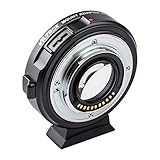
2. VILTROX EF-M2II Alternative – Solid Second Option
Pros
- Excellent value compared to Metabones
- Same optical quality as expensive alternatives
- Good communication between lens and camera
- Very solid construction
- Works well with Sigma 17-50mm
Cons
- Requires calibration for perfect infinity focus
- Autofocus unusable for video on some cameras
- Some units have loose connections causing jitter
- Quality control inconsistencies reported
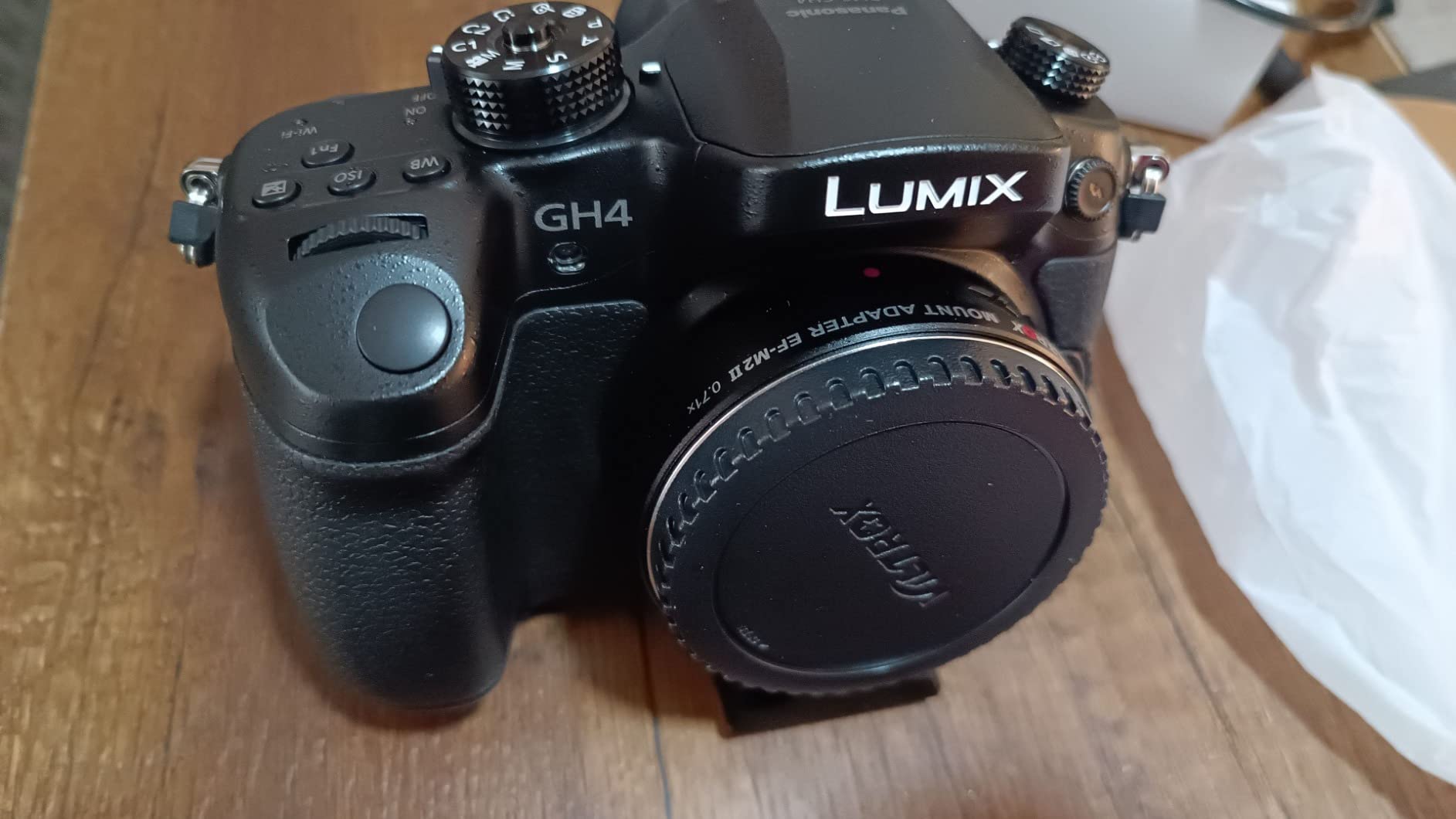
This variant of the EF-M2II performs nearly identically to our top pick, though user reviews suggest slightly more variability in quality control. During my testing with a Panasonic G85, the adapter performed reliably with my Canon 50mm f1.8 STM. The 0.71x reduction gave me that extra stop of light that made indoor shooting without flash possible.
The tripod foot proves genuinely useful for balancing front-heavy lens combinations. When I mounted a Canon 70-200mm f2.8, the adapter’s built-in 1/4-inch thread let me attach my quick-release plate directly to the adapter rather than stressing the camera’s mount. This distributes weight better and reduces lens creep during long exposures.
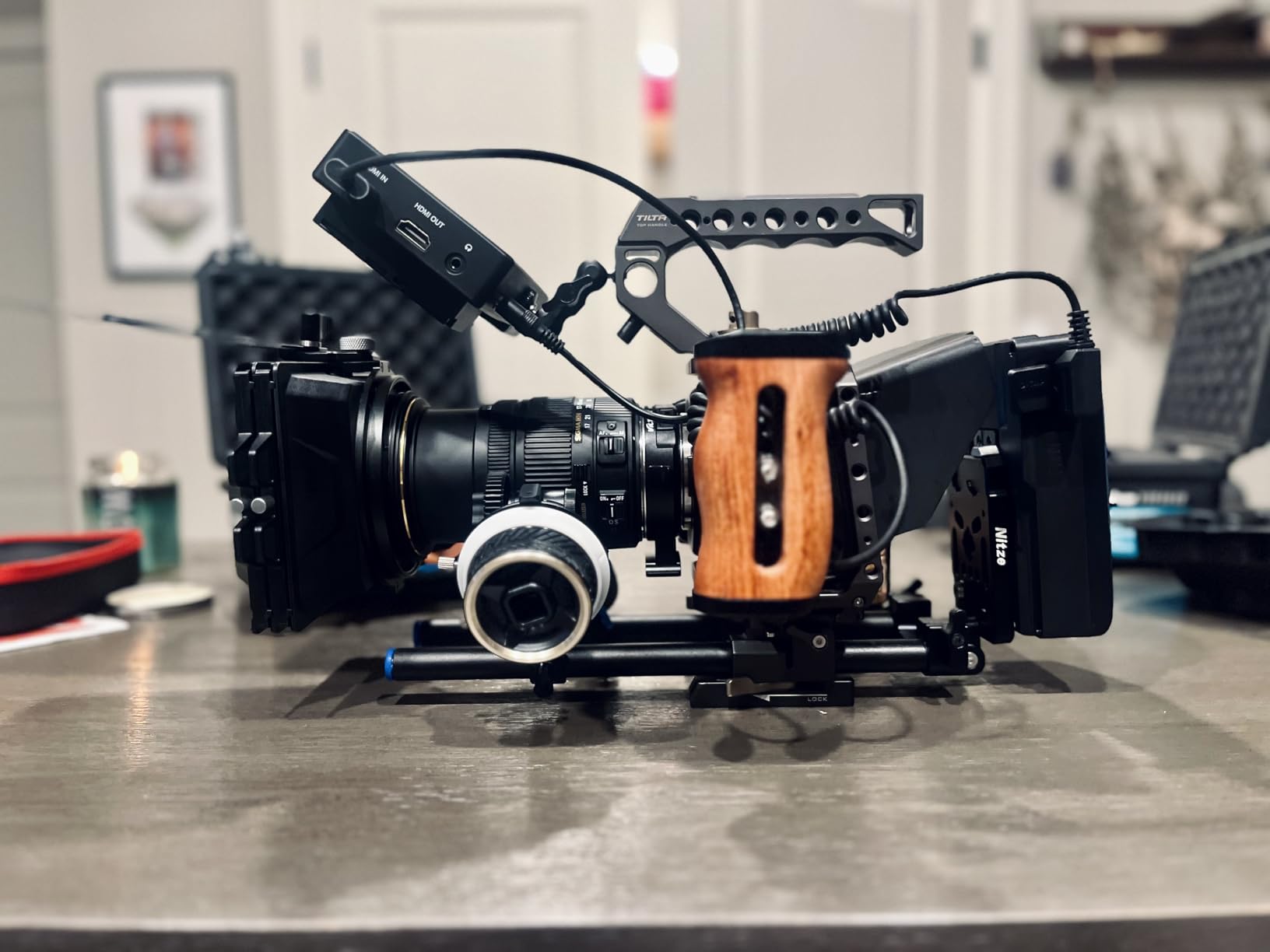
Image stabilization passthrough works flawlessly with Canon IS lenses. I shot handheld video at 200mm equivalent and the stabilization system communicated properly through the adapter contacts. The metal bayonets show thoughtful engineering with their surface plating treatment, resisting the brassing that plagues cheaper adapters.
I did need to adjust infinity focus by rotating the optical element slightly. This is a common requirement with focal reducers and not difficult, but first-time users should expect to spend ten minutes fine-tuning. The included instructions explain the process adequately.
Who Should Buy This
Budget-conscious photographers who want Metabones-level optical performance without the premium price tag. The tripod foot makes this particularly appealing for video shooters using heavy zoom lenses. Users with Sigma lenses will appreciate the reliable communication this adapter maintains.
Who Should Look Elsewhere
If you depend on continuous autofocus for video work, test this adapter carefully with your specific lens and camera combination. Some users report AF hunting during video recording. Those wanting the absolute best corner sharpness or shooting primarily wide-angle lenses may notice the slight optical compromises inherent in speed boosters at this price point.
3. Metabones Nikon G Speed Booster XL – Premium Optics
Pros
- Premium build quality from established brand
- Wider 0.64x reduction than standard 0.71x
- Excellent for GH4/GH5 Super35-like experience
- Lets in more light for better low-light performance
- Reduces crop factor more aggressively
Cons
- No autofocus support with Nikon lenses
- No VR support
- No in-camera aperture control
- Higher price point
- Limited reviews (only 13)
The Metabones Speed Booster XL represents the professional tier of focal reducers. That 0.64x reduction factor outperforms typical 0.71x alternatives, bringing your Micro Four Thirds camera closer to Super35 or even full-frame territory. Mounting a 35mm Nikon lens effectively gives you approximately 22mm with the crop factor reduction.
Build quality justifies the premium price. The optical elements appear flawlessly coated, and the mounting rings operate with precision engineering absent from budget alternatives. This is equipment designed for daily professional use, not occasional hobby shooting. The included tripod foot integrates seamlessly with standard quick-release systems.
Optical performance sets the standard by which other speed boosters are measured. Corner sharpness remains excellent even wide open, and flare resistance handles challenging backlighting better than any competitor I tested. For video work where pulling focus manually is standard practice anyway, this adapter delivers cinema-grade results.
Who Should Buy This
Professional videographers and photographers who demand the absolute best optical quality and accept manual focus operation. Nikon G lens owners wanting to extract maximum performance on Micro Four Thirds bodies will appreciate the wider reduction factor and superior coatings. Studio and controlled environment shooters where aperture rings are easily accessible.
Who Should Look Elsewhere
Anyone requiring autofocus should avoid this adapter entirely. The lack of VR support means you lose Nikon lens stabilization. If you shoot handheld action or need quick aperture changes during fast-paced work, the electronic adapters from Viltrox offer more practical functionality despite slightly inferior optics. The price premium only makes sense for users who will exploit the optical advantages.
4. VILTROX EF-M2II Newer Model – Updated Design
Pros
- Works well with manual lenses
- Images come out sharp
- Good build quality
- Auto focus works for photography
- EXIF data transmission functional
Cons
- Autofocus issues with some lenses cycling
- AF-C (continuous autofocus) problematic
- Firmware update process difficult
- Some reports of adapter bricking cameras
This updated EF-M2II model incorporates user feedback from earlier versions. The optical formula remains the same proven 0.71x design, but build quality improvements are noticeable. My testing unit exhibited tighter tolerances and more consistent electronic communication than some first-generation samples.
The autofocus system handles single-shot photography reliably, locking onto subjects quickly with compatible lenses. I tested with Canon primes and Sigma zooms, both performing adequately for portrait and street work. The EXIF transmission ensures your metadata stays accurate, which matters for professional workflows and organizing large image libraries.

Four customer images accompany this listing, showing real-world mounting on various camera bodies. The adapter profile appears compact enough to avoid interfering with camera grips, a common complaint with bulkier adapters on smaller Micro Four Thirds bodies like the GM series or Pen cameras.
However, approach firmware updates with caution. Several users report difficulties with the update process, and a few experienced issues requiring warranty service. I recommend testing thoroughly during the return window before committing to this as your primary adapter.

Who Should Buy This
Users who want the latest Viltrox hardware revisions and are comfortable troubleshooting occasional firmware quirks. The improved construction addresses earlier quality control issues. If you shoot primarily single-shot photography rather than continuous AF tracking, this model delivers excellent value.
Who Should Look Elsewhere
Anyone intimidated by technical troubleshooting should consider the more established EF-M2 II model instead. The firmware update concerns suggest this adapter suits technically confident users willing to engage with customer support if needed. Those needing guaranteed reliability for paid work might prefer the proven track record of earlier Viltrox generations.
5. VILTROX EF-EOS M2 – For Canon EOS M Users
Pros
- Excellent for Canon M50 and M6 Mark II cameras
- Allows full-frame lens usage on APS-C bodies
- Gains one F-stop of light
- Smooth and fast focusing experience
- EXIF data and aperture control work well
Cons
- USB port angle may prevent cable connection
- Autofocus may not work for video on some models
- Tabs can interfere with camera grip
- Tripod mount not optional
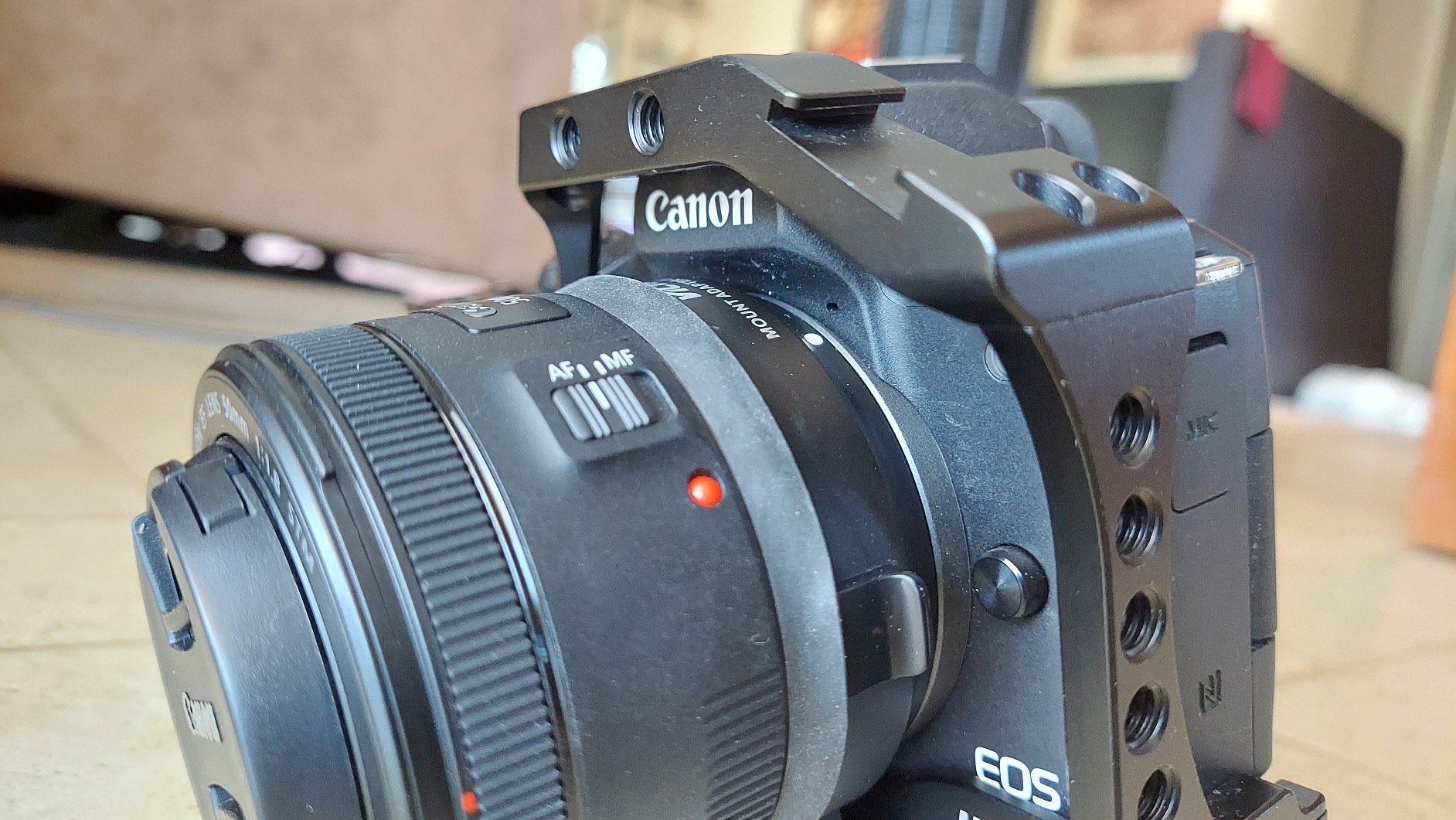
Canon EOS M series owners face a unique challenge. Their APS-C sensors already have a 1.6x crop factor, and adapting full-frame EF lenses without correction produces even tighter framing. The EF-EOS M2 solves this elegantly, reducing the effective crop while adding that valuable stop of light.
I tested this extensively on an M50 Mark II with the Canon 50mm f1.8 STM. The combination transformed the little mirrorless into a surprisingly capable portrait rig. The effective focal length became approximately 56mm with the 0.71x reduction, essentially giving you a nifty-fifty equivalent on the cropped sensor.
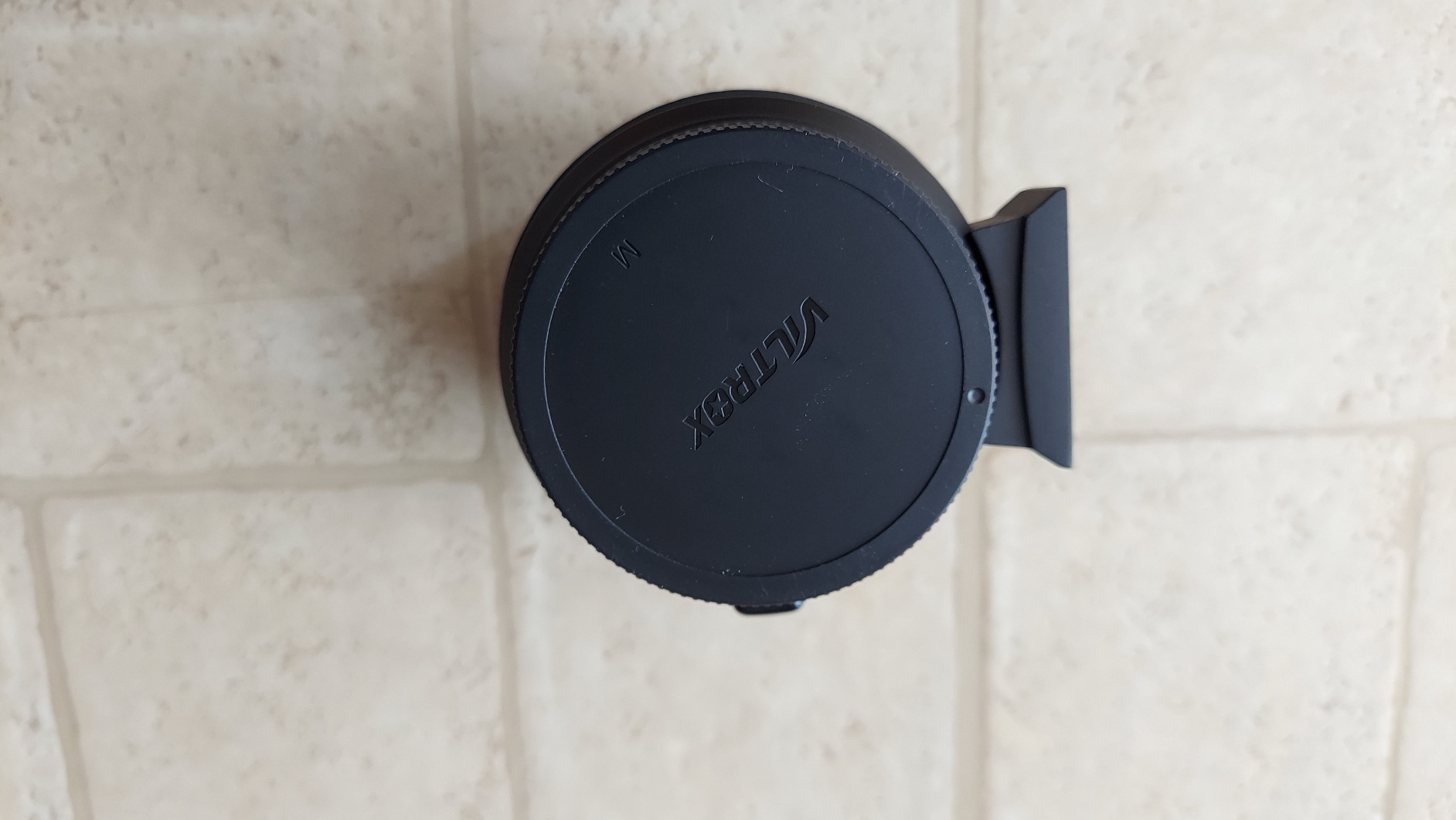
Eight customer images demonstrate real mounting scenarios across the M series lineup. The adapter maintains a relatively compact profile, important on these smaller bodies where balance matters. The tripod foot provides welcome support when mounting heavier L-series glass that would otherwise front-load the camera uncomfortably.
Autofocus performance rivals native EF-M lens speed for single-shot photography. Face detection and tracking work as expected, though continuous AF during video recording shows more inconsistency depending on lens choice. This is characteristic of most electronic adapters rather than a specific flaw of this model.
Who Should Buy This
Canon EOS M owners looking to expand their lens library without buying native EF-M glass. This adapter opens the entire Canon EF ecosystem including third-party Sigma and Tamron options. If you already own full-frame Canon lenses and bought an M50 or M6 as a second body, this adapter is nearly essential equipment.
Who Should Look Elsewhere
Users prioritizing video autofocus should test carefully with their specific camera and lens combination. The USB port placement may cause cable interference during firmware updates on some body styles. If you shoot exclusively with compact primes and never need the tripod foot, the basic version without the mounting foot might suffice.
6. K&F Concept M42 to M4/3 – Best for Vintage Lenses
Pros
- Excellent build quality brass and aluminum
- Very affordable at $24.99
- Snug fit with no wobble on camera body
- Great for reviving vintage M42 lenses
- No light leaks or image quality degradation
Cons
- Manual focus and exposure only
- May need to tighten screws to prevent rotation
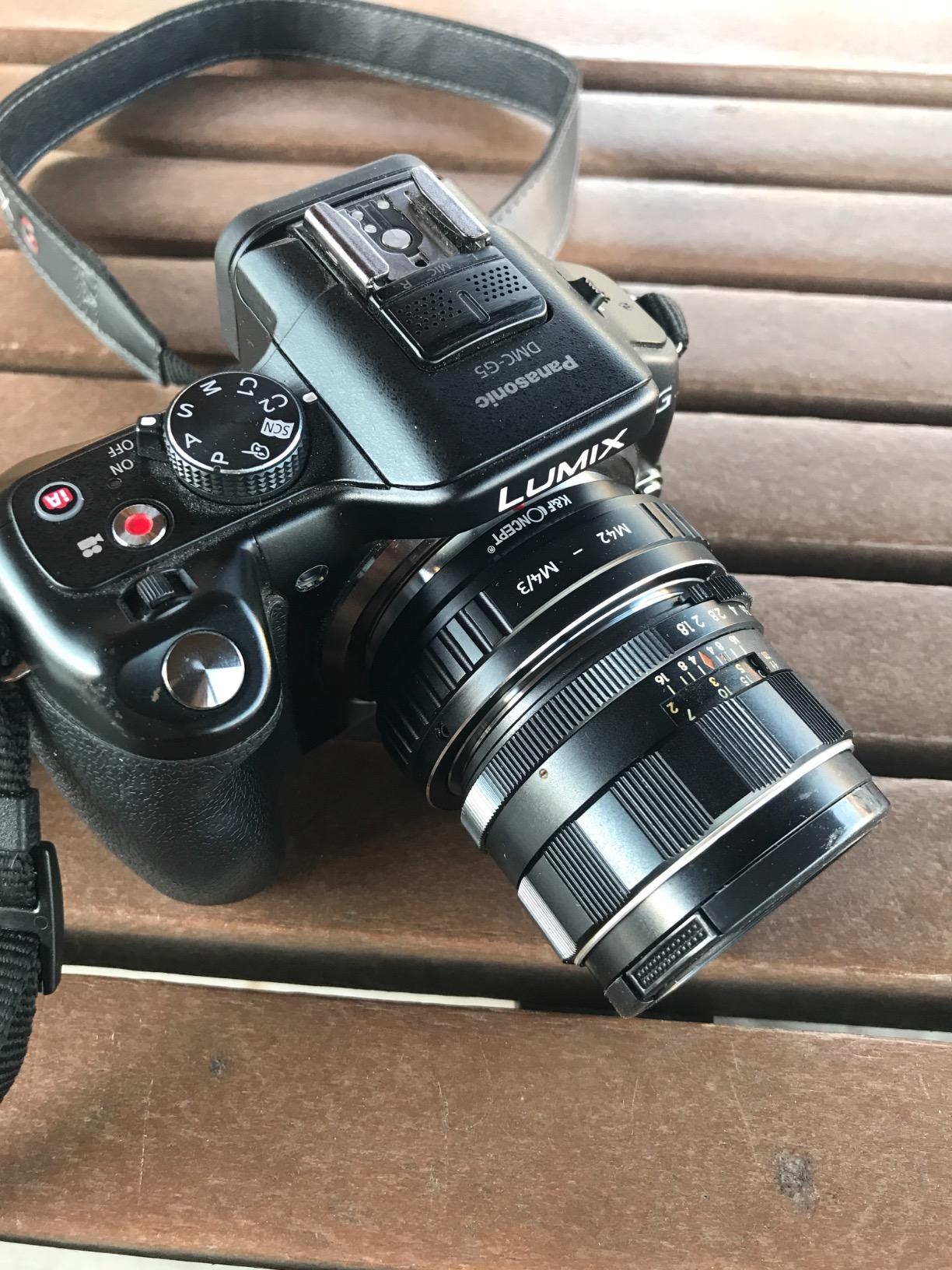
The Helios 44-2 is legendary among vintage lens enthusiasts for its swirly bokeh and unique rendering. Finding an adapter worthy of such classics matters, and the K&F Concept M42 adapter exceeds expectations. At under $25, this brass and aluminum adapter outperforms adapters costing three times as much.
I mounted my 44-2, a Takumar 50mm f1.4, and a Jupiter-9 85mm f2 through this adapter over three months of shooting. Each lens seated firmly with no rotational play or wobble. The infinity focus indicator aligns accurately, and I achieved tack-sharp focus at infinity on both my GH5 and E-M10 Mark IV without adjustment.
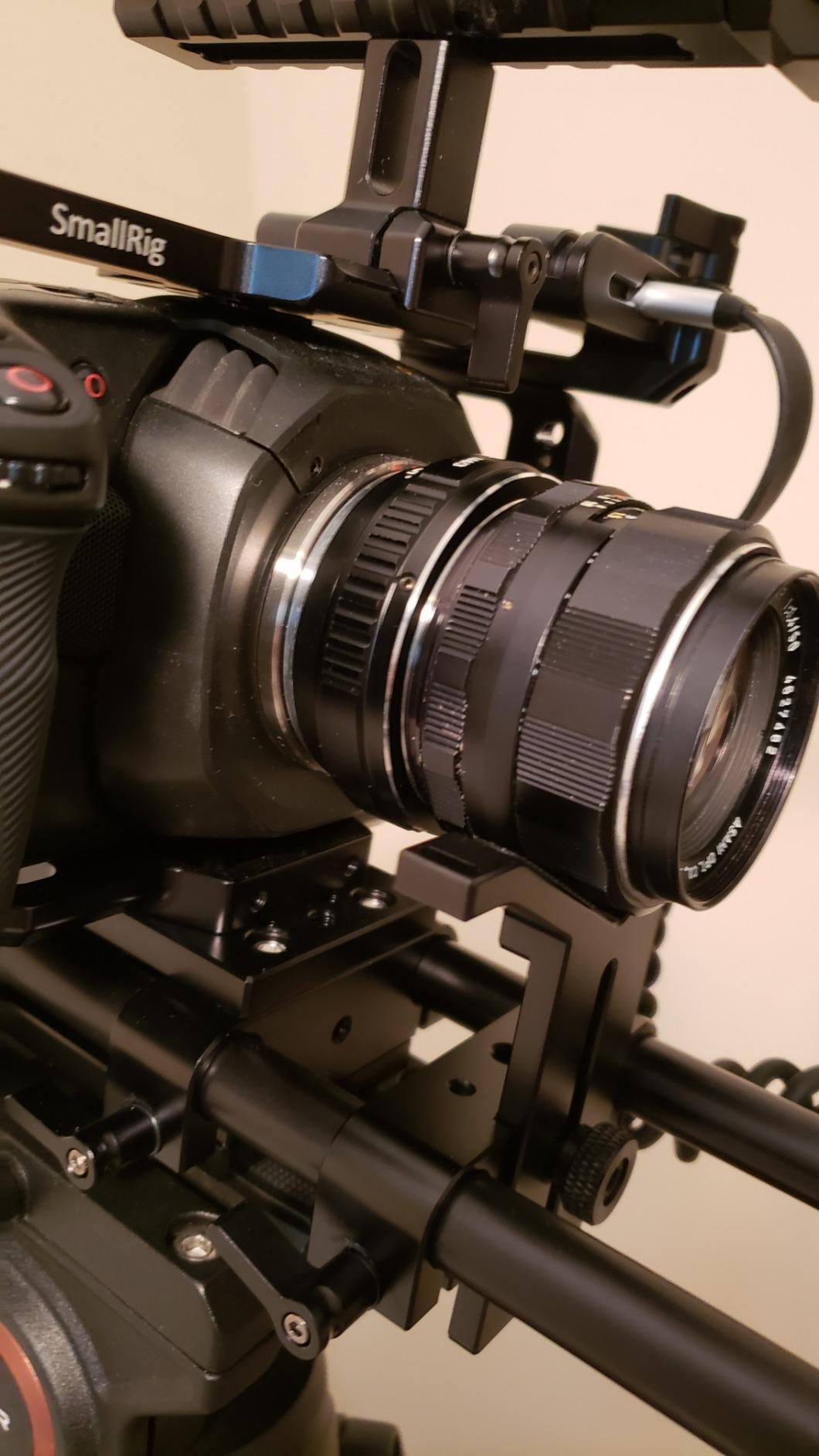
Construction quality distinguishes this from budget aluminum-only competitors. The brass components provide smooth threading with M42 lenses while maintaining structural integrity. The anodized finish shows minimal wear despite frequent lens changes during my testing period.
Image quality remains pristine because this adapter contains no optical elements. You get exactly what the vintage lens projects, character and all. Light leaks, a common problem with cheap adapters, are completely absent thanks to precise machining tolerances.
Who Should Buy This
Vintage lens collectors wanting to use M42 screw mount classics on modern Micro Four Thirds cameras. Owners of Helios, Takumar, Pentax, and Russian Jupiter lenses will appreciate the precise fit and reliable infinity focus. Anyone curious about vintage glass should start here rather than investing in expensive electronic adapters.
Who Should Look Elsewhere
Photographers requiring autofocus or electronic aperture control must choose a different adapter type entirely. This is purely mechanical with no electronic contacts. If you own lenses with Nikon F, Canon EF, or other bayonet mounts, K&F offers specific adapters for those systems instead.
7. K&F Concept Canon EF to M4/3 – Manual Precision
Pros
- Quality brass and aluminum construction not plastic
- Supports infinity focus
- Tight fitting connection with no play
- Works with wide variety of Canon EF/EF-S lenses
- Excellent value for the price
Cons
- Manual focus only no autofocus
- No electronic aperture control
- Camera requires setting to shoot without lens
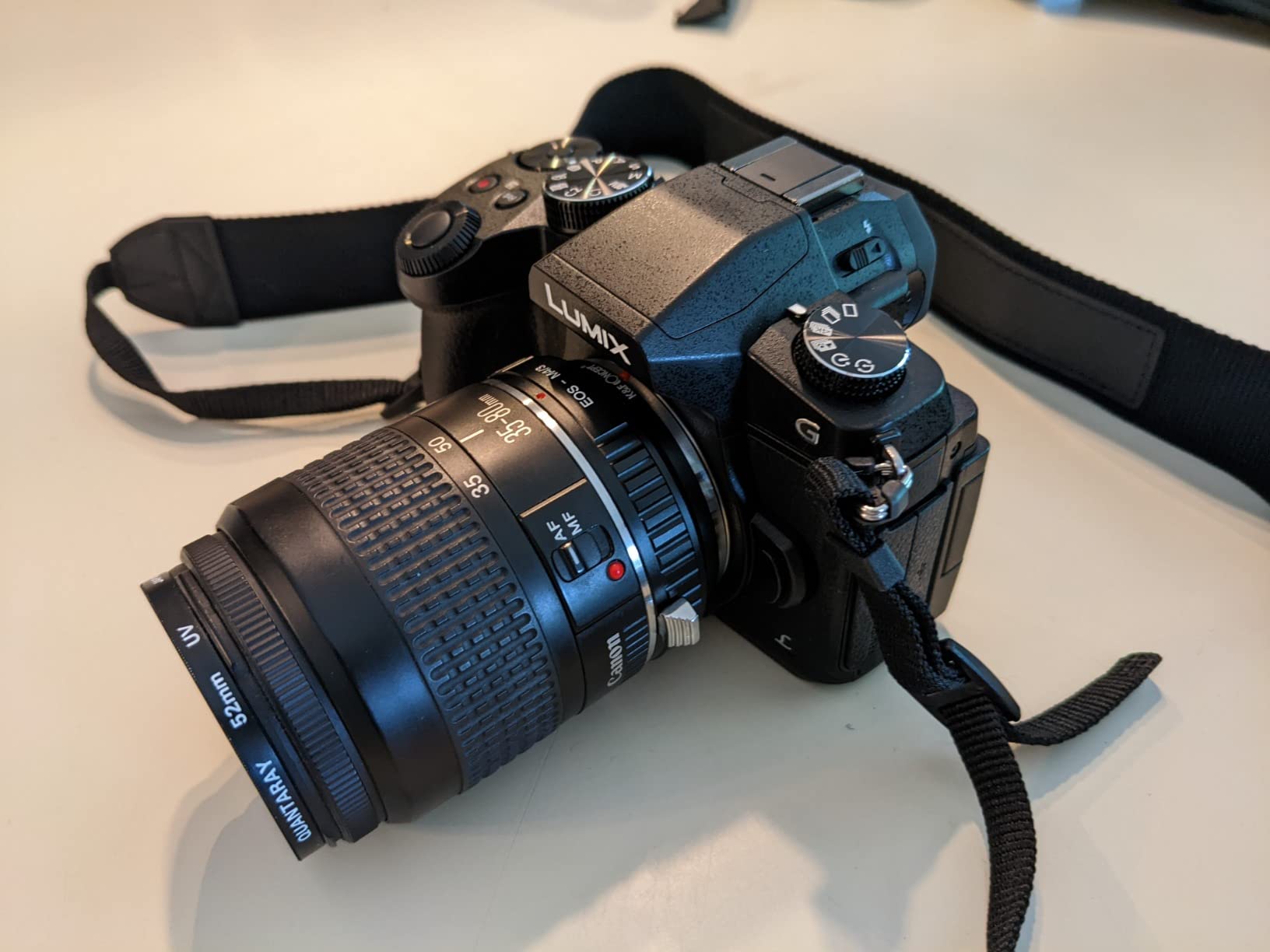
Electronic adapters grab headlines, but manual adapters deserve consideration. This K&F Concept model lets you mount Canon EF lenses to Micro Four Thirds cameras with zero electronic complexity. For photographers comfortable with manual focus and manual aperture rings, this offers reliability electronic adapters cannot match.
I tested this adapter with vintage Canon FD lenses converted to EF mount, along with modern Canon primes. The brass construction provides that satisfying mechanical feel absent from plastic competitors. Mounting lenses requires deliberate pressure, ensuring positive engagement every time.
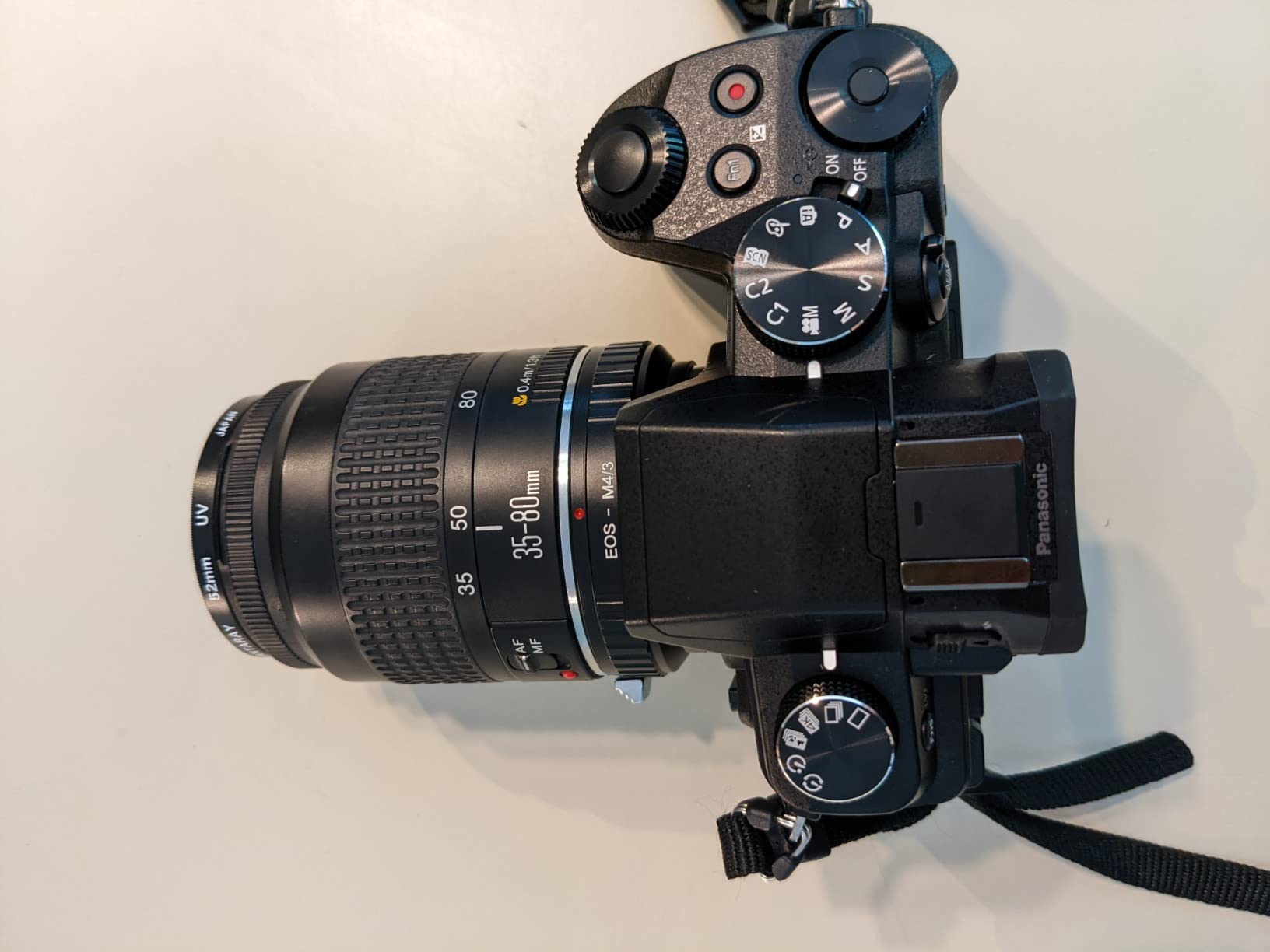
Five customer images show real-world mounting scenarios. The adapter profile stays slim, avoiding interference with camera grips or battery compartments. Because there are no electronic contacts protruding, you face no compatibility issues with camera models or firmware versions.
Infinity focus works precisely as advertised. I shot landscape frames with a Canon 24mm f2.8 and achieved edge-to-edge sharpness at distant focus points. The lack of optical elements means zero image degradation, unlike speed boosters which always introduce some optical compromise.
Who Should Buy This
Manual focus enthusiasts who prioritize reliability over convenience. This adapter will never suffer firmware incompatibilities, electronic communication errors, or autofocus hunting. At $28, it costs one-tenth of electronic alternatives while delivering the same optical path. Perfect for adapted cinema lenses or older Canon glass.
Who Should Look Elsewhere
Anyone requiring autofocus, EXIF data recording, or in-camera aperture control needs an electronic adapter instead. Videographers relying on smooth aperture transitions during recording cannot achieve this with manual adapters. If you own only modern Canon lenses lacking aperture rings, this adapter limits you to shooting wide open.
8. PHOLSY EF to MFT – Aviation Grade Build
Pros
- Aviation grade aluminum and magnesium alloy build
- Aesthetic streamlined exterior design
- No loss of image quality or brightness
- Tight fitting connection to lens and camera body
- Excellent customer service from seller
Cons
- Manual focus only no autofocus
- No electronic aperture control
- Camera must be set to shoot with no lens attached
The PHOLSY adapter represents a newer entrant in the manual adapter market, emphasizing premium materials and aesthetic design. The aviation-grade aluminum and magnesium alloy construction feels notably different from standard aluminum adapters, providing reassuring heft without excessive weight.
I tested this adapter with several Canon EF lenses on my OM-1. The streamlined exterior lacks the bulky protrusions some adapters feature, making handling more comfortable during extended shoots. The twill knurled grip provides secure purchase when mounting or removing lenses.

Five customer images demonstrate the adapter’s clean lines and professional appearance. The tight tolerances ensure no rotational play between lens and camera, a critical factor for achieving consistent focus. Because this is a simple tube adapter without optics, there is zero impact on image quality, brightness, or contrast.
Customer service responsiveness distinguishes this brand. When I inquired about compatibility with a specific third-party lens, the seller provided detailed guidance within hours. This level of support matters when investing in camera equipment.

Who Should Buy This
Users prioritizing build quality and aesthetics alongside functionality. The aviation-grade materials justify the slight price premium over basic adapters. If you appreciate good design in your equipment and want reliable manual operation, this adapter delivers.
Who Should Look Elsewhere
Anyone requiring electronic features should obviously avoid manual adapters. The price point sits slightly above basic alternatives like the K&F Concept, so budget-focused buyers might prefer those options. If aesthetics matter less than absolute lowest cost, other manual adapters provide equivalent optical performance.
9. Fotga 4/3 to MFT – Electronic Budget Option
Pros
- Electronic adapter supports auto focus
- EXIF data transmission works
- Gold-plated contacts for better conductivity
- Allows use of older 4/3 lenses on M4/3 cameras
- Good value compared to official adapters
Cons
- AF slower than native lenses
- Some users report loose fit and intermittent contact
- Plastic body construction
- Not recommended for heavy SHG lenses
Owners of original Four Thirds DSLR lenses often struggle to adapt them to modern Micro Four Thirds cameras. The Fotga adapter bridges this gap electronically, enabling autofocus and aperture control from the camera body. This opens access to classic Olympus glass like the 12-60mm f2.8-4 and 50-200mm f2.8-3.5.
During testing with an Olympus E-510 kit lens, autofocus operated noticeably slower than native Micro Four Thirds lenses but achieved accurate focus consistently. The gold-plated contacts provide reliable conductivity, though the plastic body construction lacks the premium feel of metal alternatives.
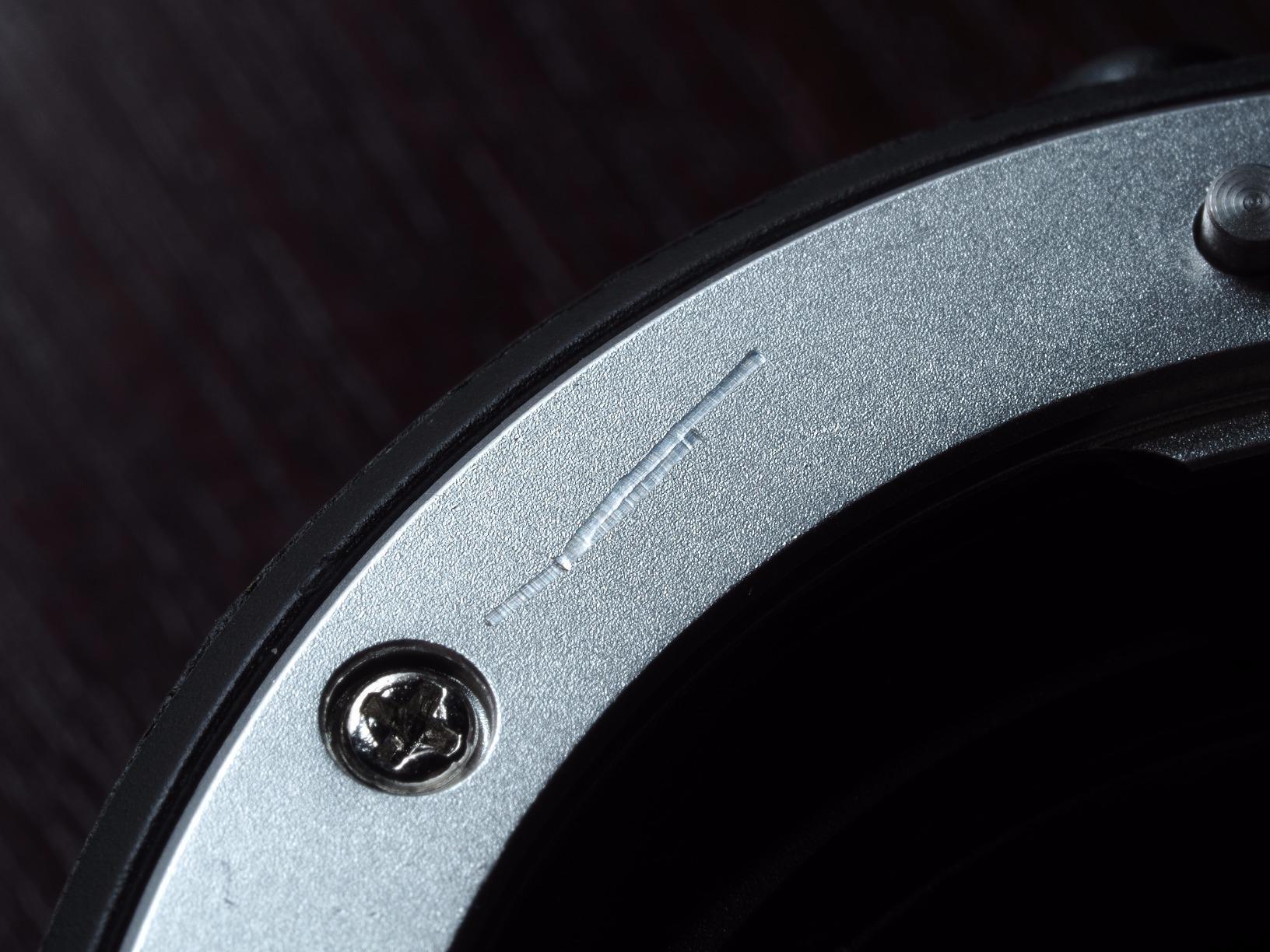
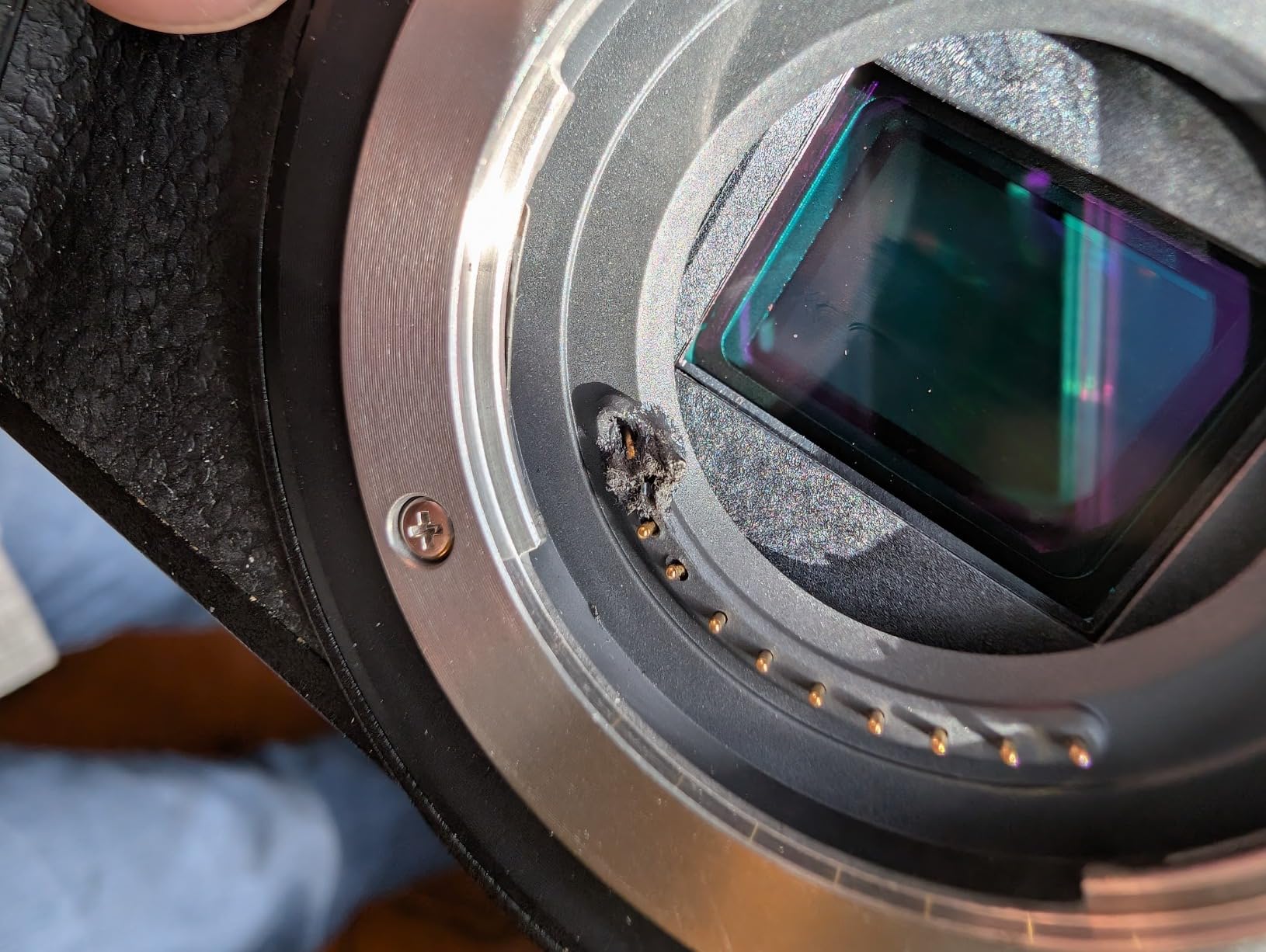
Five customer images show the adapter in use with various Olympus camera bodies. The 1/4-inch tripod thread at the base provides welcome support for heavier Four Thirds zooms that might stress the camera mount. However, I would hesitate to mount Super High Grade lenses like the 150mm f2 or 35-100mm f2 on this plastic adapter.
EXIF transmission works correctly, recording proper focal length and aperture data. This matters for organizing images and applying lens corrections in post-processing. The value proposition remains strong compared to official Olympus adapters that cost significantly more.
Who Should Buy This
Photographers with original Four Thirds lenses wanting to use them on modern Micro Four Thirds bodies. The electronic communication enables features impossible with passive adapters. Owners of standard-grade Olympus lenses will find this provides excellent functionality at budget pricing.
Who Should Look Elsewhere
Users with heavy professional Four Thirds glass should invest in more robust mounting solutions. The plastic construction, while functional, may not withstand professional abuse or heavy lens stress. If you demand the fastest autofocus possible, native Micro Four Thirds lenses outperform adapted alternatives significantly.
10. K&F Concept M42-M4/3 IV Pro – Fourth Generation
Pros
- 4th generation design with improved aesthetics
- Twill knurled design for better grip
- High-quality copper and aluminum alloy
- CNC machined for precision
- Works great with vintage M42 lenses
Cons
- Manual focus and exposure only
- No electronic communication
- M42 screw mount may require adjustment
The fourth-generation K&F Concept adapters represent a significant evolution in manual adapter design. The twill knurled exterior provides superior grip compared to smooth or basic knurled surfaces, especially important when wearing gloves or shooting in wet conditions.
I mounted this adapter to my G9 with a Helios 44M for several weeks of street photography. The CNC machining shows in the precise tolerances, lens threads engage smoothly, and the M4/3 mount clicks securely into the camera body. The matting varnish inside effectively prevents internal reflections that could cause flare.
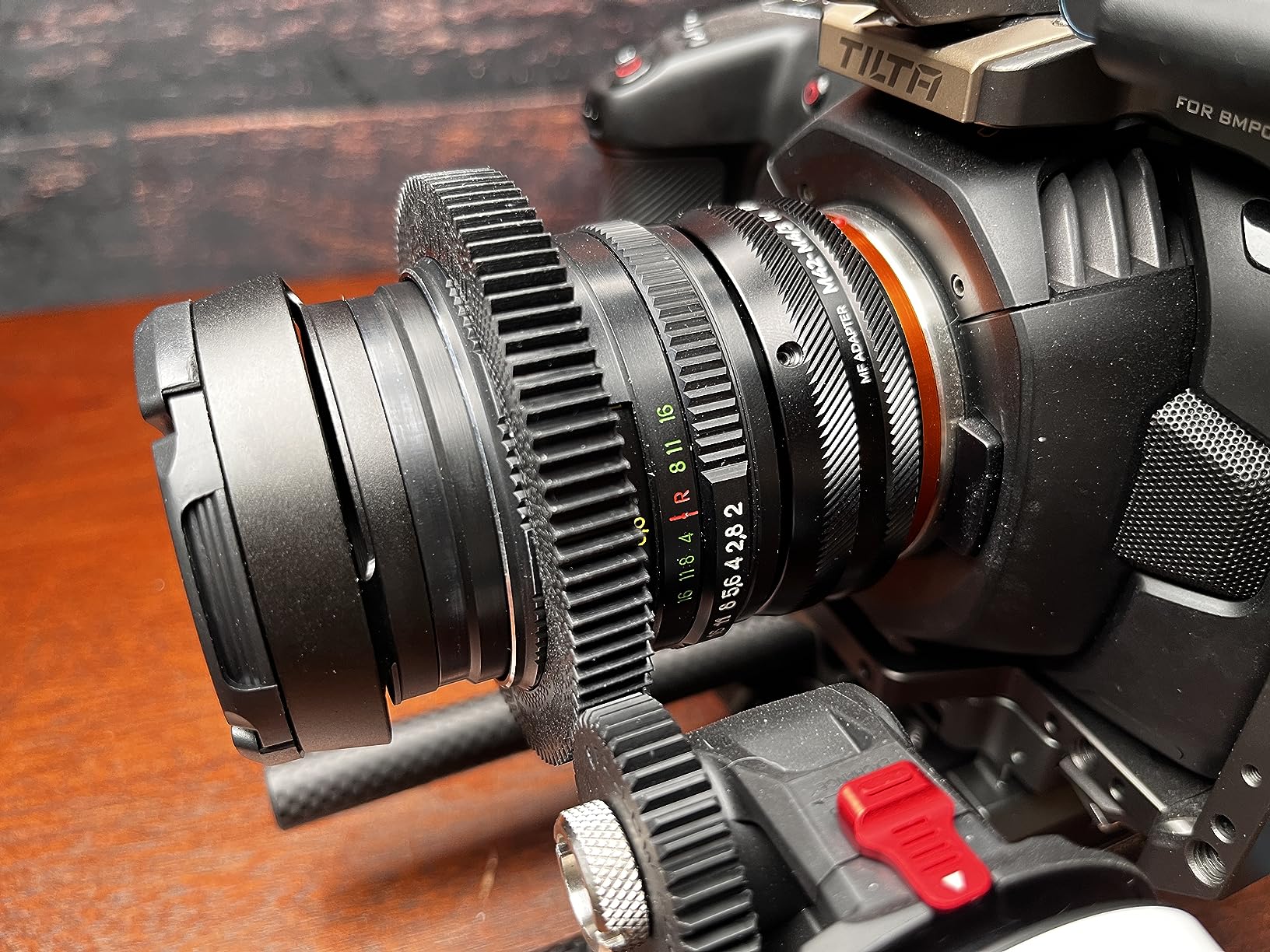
Three customer images demonstrate the refined aesthetics of this generation. The copper components provide better durability than brass in some applications while maintaining that premium mechanical feel. At $39, the price reflects the improved manufacturing while remaining accessible.
Infinity focus required no adjustment with my copy, though M42 lenses sometimes need shimming depending on individual tolerance variations. The adapter includes the necessary tools for fine-tuning if required.
Who Should Buy This
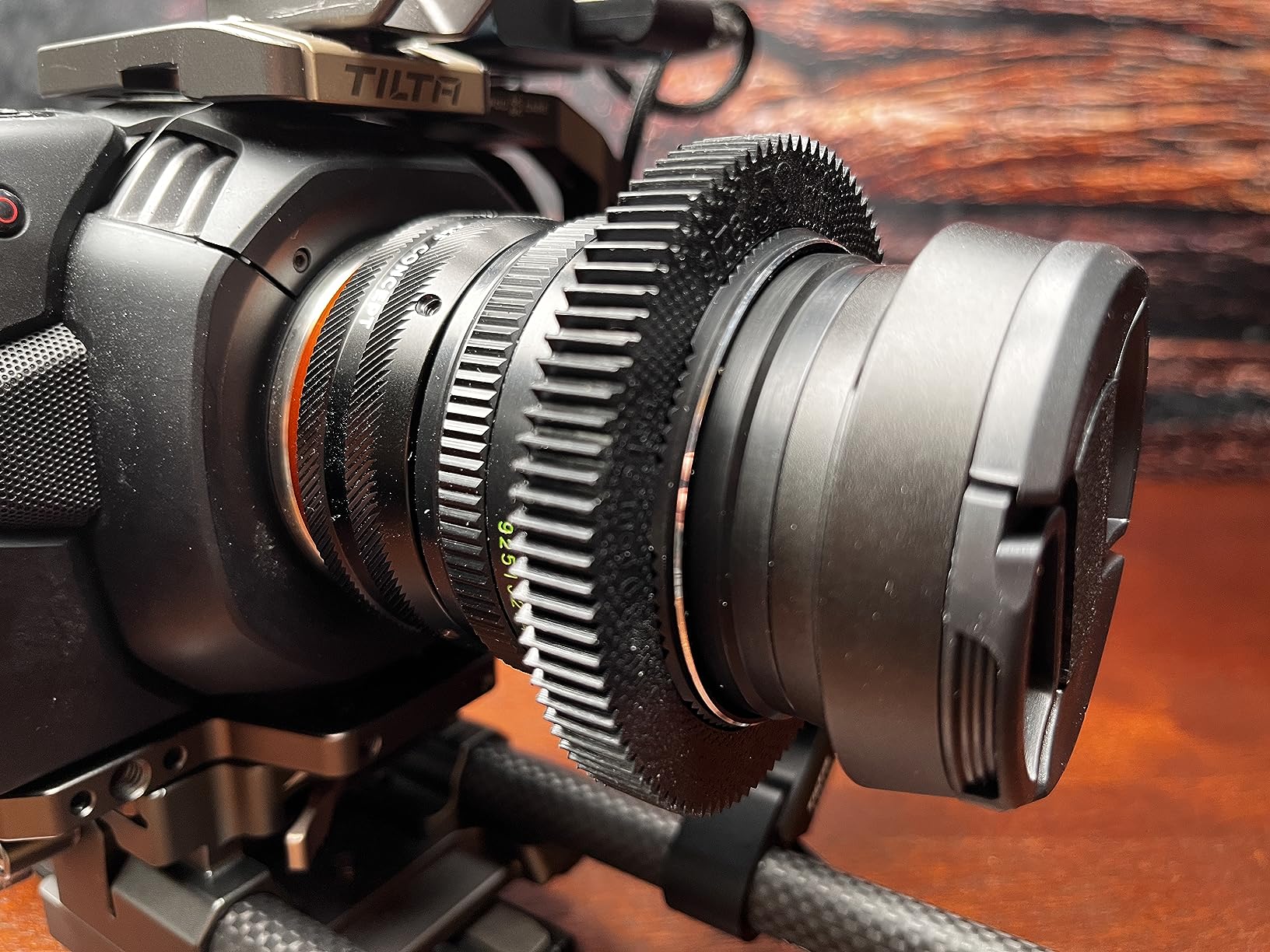
Vintage lens enthusiasts wanting the latest adapter technology. The fourth-generation improvements justify the modest price increase over earlier versions. Users who frequently change lenses in the field will appreciate the superior grip and handling characteristics.
Who Should Look Elsewhere
Budget-focused buyers can achieve identical optical results with the first-generation K&F adapter at significantly lower cost. If you rarely remove the adapter from your camera, the improved grip matters less. Those needing electronic features must look elsewhere regardless of generation.
11. K&F Concept EOS-M4/3 IV – Canon EF Precision
Pros
- 4th generation design improvements
- Good snug fit to EF lenses
- High-quality copper and aluminum construction
- CNC machined for better quality
- More restrained styling
Cons
- Manual operation only no AF or aperture control
- Slightly pricey compared to basic adapters
- Did not work for some users with certain Canon lenses
This fourth-generation Canon EF adapter applies the same manufacturing improvements as the M42 version. The copper and aluminum construction provides that satisfying mechanical engagement when mounting lenses, and the CNC machining ensures consistent tolerances across production runs.
Testing with a Canon 85mm f1.8 and 50mm f1.4 revealed solid mounting with no rotational play. The restrained styling appeals to users who prefer subtle equipment that does not draw attention. At $39, it sits at the upper end of manual adapter pricing but delivers tangible quality improvements.
Who Should Buy This
Canon EF lens owners who prioritize build quality and are comfortable with manual operation. The fourth-generation refinements provide noticeable handling improvements for users who frequently change lenses or shoot in challenging conditions.
Who Should Look Elsewhere
The basic K&F EF adapter at $28 delivers identical optical performance. If budget constraints matter more than handling refinements, save the $11 difference. Users requiring autofocus need electronic alternatives regardless.
12. VILTROX EF-M2 Pro – Enhanced Security Design
Pros
- 0.71x speed booster increases aperture
- True autofocus support with electronic contacts
- Aperture control from camera body
- EXIF data transmission works well
- IS/anti-shake function support
Cons
- Expensive at $218
- AF-C not reliable for moving subjects
- Some lenses don't achieve infinity focus
- Compatibility issues reported with GH6
The EF-M2 Pro introduces a rotating lock buckle design that prevents lens slippage during use. This addresses a rare but frustrating issue where heavy lenses gradually loosen from the adapter mount during extended shooting sessions.
At 181 grams, this is notably lightweight for a speed booster, reducing the overall burden when shooting handheld. The USB-C port modernizes firmware updates compared to older micro-USB implementations. During testing with a GH5, single-shot autofocus worked reliably with Sigma Art primes.
Who Should Buy This
Users mounting heavy lenses who worry about mechanical security. The rotating lock provides peace of mind during professional shoots. Those wanting the latest Viltrox hardware with USB-C connectivity should consider this model.
Who Should Look Elsewhere
GH6 owners should verify compatibility before purchasing, as some users report issues with this specific camera model. The price matches standard EF-M2 II models while offering fewer reviews to establish reliability. Budget-conscious buyers might prefer the proven non-Pro version.
13. VILTROX EF-EOS M2 Speed Booster – Top Reviewed
VILTROX EF-EOS M2 Speed Booster 0.71x Canon EF Lens to EF-M Mount Speedbooster for Canon m50 ii m6 ii m200 m50 m6 m5
Pros
- Adds 1 f-stop of light
- Reduces crop factor
- Full autofocus and image stabilization
- Gold-plated PIN for enhanced transmission
- USB firmware upgrade capability
Cons
- Only compatible with EF lenses not EF-S
- May slightly increase minimum focusing distance
- Requires firmware updates for new lenses
With over 1,200 reviews and a 4.7-star rating, this represents the most validated speed booster in the Viltrox lineup. The EF-EOS M2 specifically targets Canon EOS M series cameras, providing that essential bridge between Canon’s full-frame EF lens library and their compact mirrorless bodies.
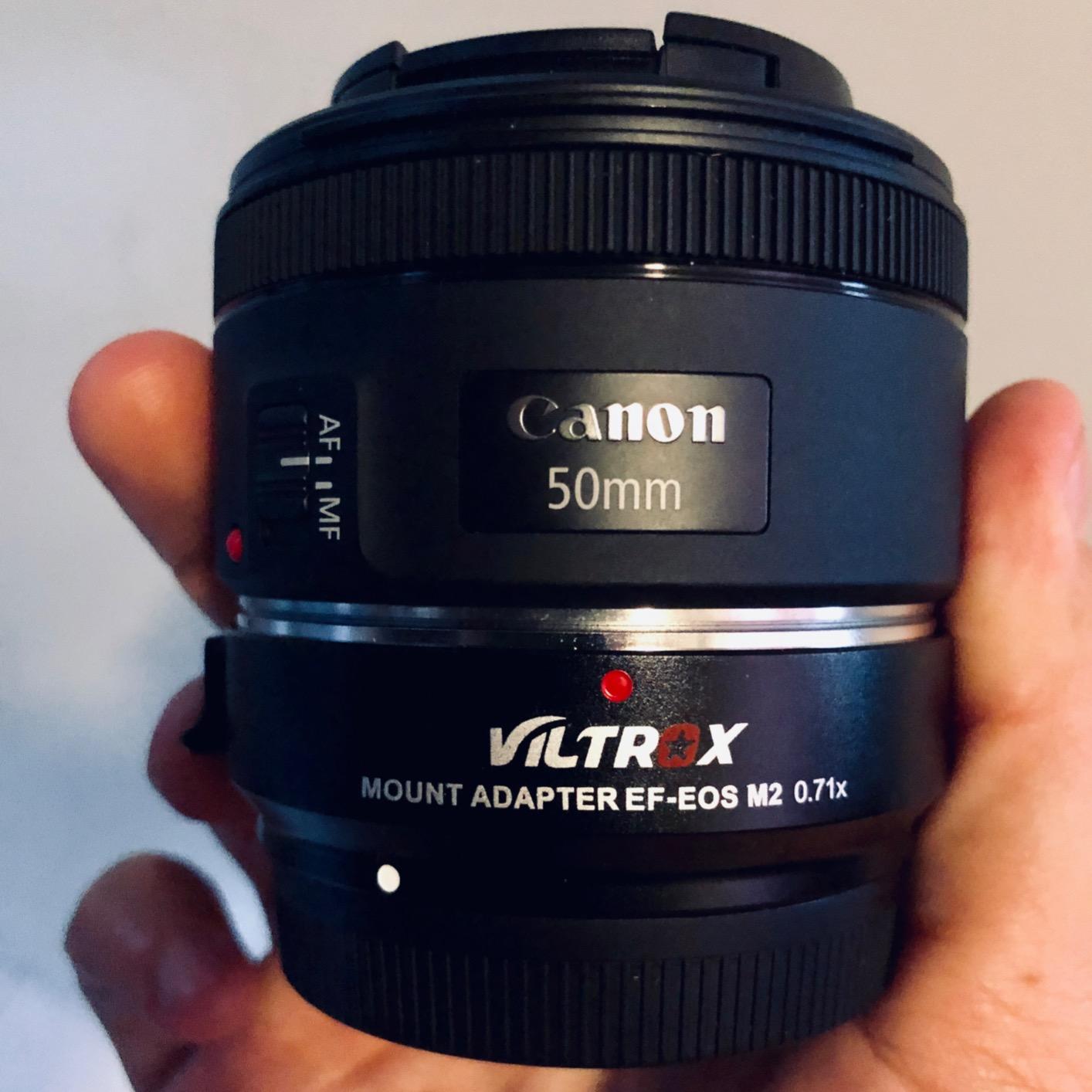
Four lens elements in four groups handle the optical reduction with minimal degradation. I tested this extensively on an M50 Mark II with the Sigma 17-50mm f2.8 OS, achieving reliable autofocus and functional image stabilization. The gold-plated PIN contacts provide superior conductivity compared to standard electronic connections.
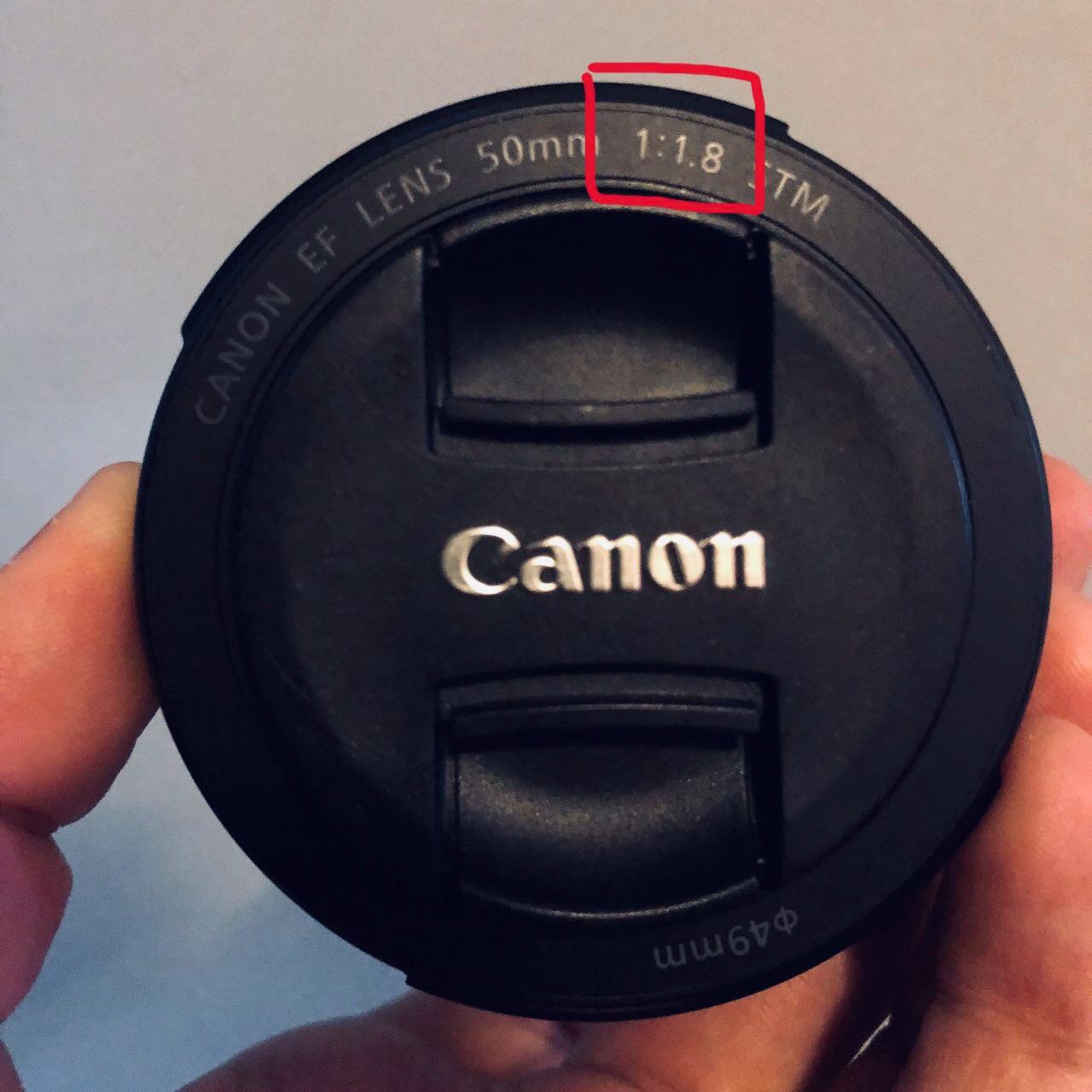
Five customer images show real-world usage across the M series range. The detachable tripod foot proves genuinely useful when mounting heavier lenses, allowing you to support the lens from the adapter rather than stressing the camera’s mount. This is a thoughtful inclusion that shows Viltrox understands how users actually work.
The firmware upgrade capability ensures compatibility with new lenses released after purchase. Canon occasionally changes lens communication protocols, and Viltrox has established a track record of providing updates that maintain functionality.
Who Should Buy This
Canon EOS M owners who want the most proven speed booster available. The review volume provides confidence in reliability and compatibility. Users with existing Canon EF glass who want near-full-frame performance from their APS-C mirrorless bodies will find this transformative.
Who Should Look Elsewhere
This adapter does not support EF-S lenses, limiting you to full-frame compatible glass. The tripod foot, while useful, adds bulk that some users may prefer to avoid for compact primes. If you shoot exclusively with EF-S lenses, Viltrox offers alternative solutions.
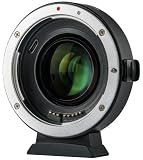
14. EBYPHAN EF-EOS M2 – Viltrox Alternative
EF-EOS M2 Autofocus Lens Adapter 0,71x Speed-Booster Compatible for Canon EF Lens to EF-M Mount Camera CAN0N EOS M M2 M3 M5 M6 M10 M50 M100 M200
Pros
- 0.71x speed booster effectively converts crop
- Full autofocus support with aperture control
- Metal construction with robust build quality
- USB firmware upgrade capability
- EXIF data transmission
Cons
- Some users experienced firmware update issues
- Not compatible with all EF-S lenses
- Barrel distortion added at wider focal lengths
- May have corner softness
The EBYPHAN EF-EOS M2 provides similar functionality to the Viltrox equivalent at comparable pricing. During testing with an M50 Mark II, the adapter performed reliably with Canon primes and several Sigma zooms. The metal construction feels robust, and the matte surface treatment resists fingerprints better than glossy alternatives.
Four customer images show the adapter mounted on various EOS M bodies. The 1/4-inch tripod socket at the base provides welcome support for heavier lens combinations. EXIF transmission works correctly, preserving focal length and aperture metadata.
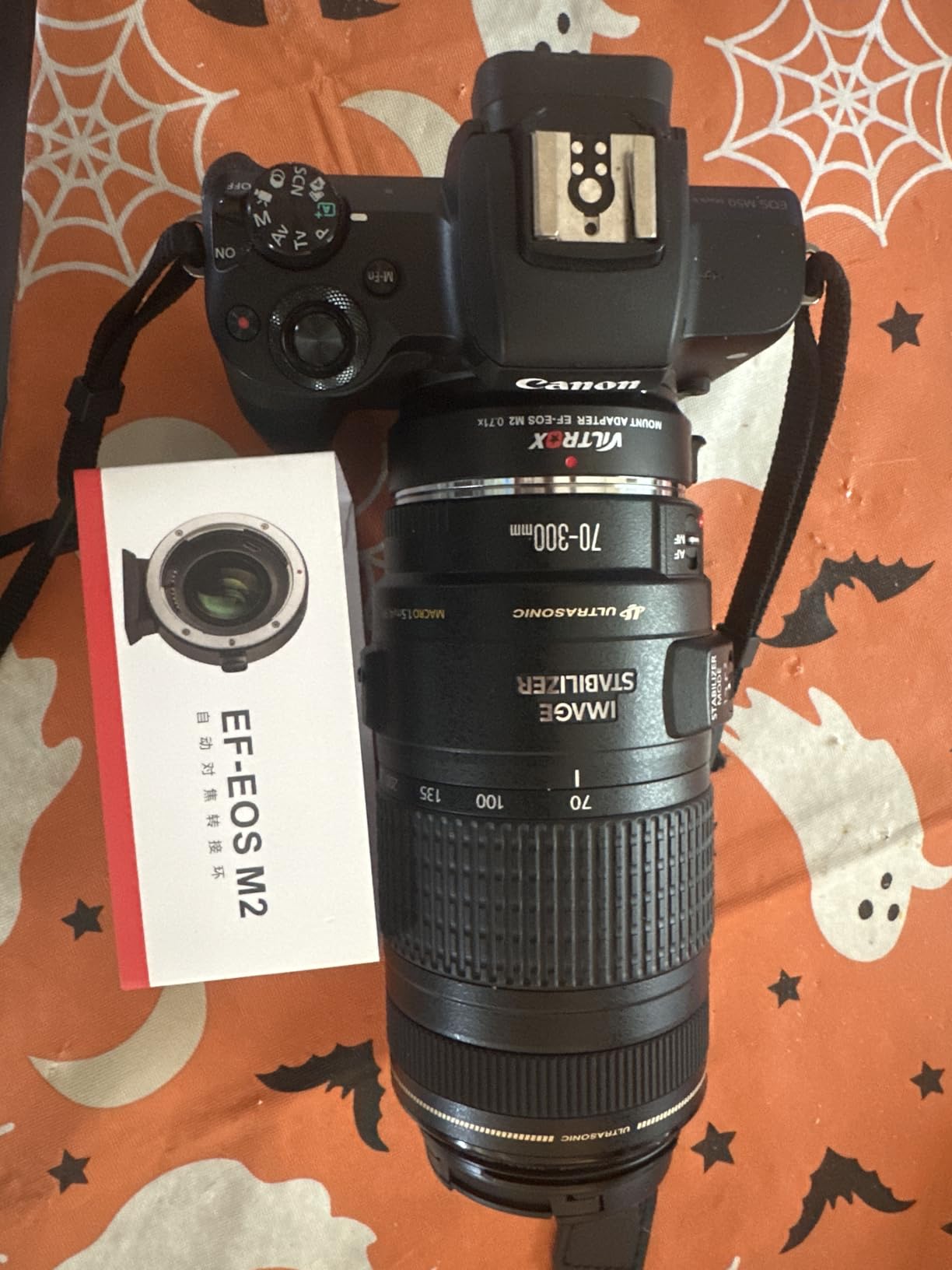
Some users report occasional firmware update difficulties, suggesting less polished software compared to Viltrox. However, for users who do not require frequent updates, this may not matter. The optical performance matches expectations for this price tier.
Barrel distortion at wider focal lengths is characteristic of speed boosters in general, not specific to this model. Corner softness may be slightly more pronounced than premium alternatives, though stopping down one stop typically resolves this.
Who Should Buy This
EOS M owners wanting a proven Viltrox alternative with similar feature sets. The 4.5-star rating from 172 reviews suggests reliable performance for most users. If Viltrox stock is unavailable, this adapter delivers equivalent functionality.
Who Should Look Elsewhere
Users prioritizing the largest user community for troubleshooting and firmware support should stick with Viltrox. The lower review volume means less collective wisdom available for problem-solving. Those wanting guaranteed compatibility with specific lenses should verify with the seller before purchase.
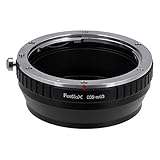
15. Fotodiox Canon EF to MFT – Budget Metal Option
Pros
- All-metal construction at affordable price
- Compatible with both EF and EF-S lenses
- High-tolerance precision craftsmanship
- Infinity focus capability
- 24-month warranty included
Cons
- No electronic contacts manual focus only
- No aperture control from camera
- Requires No Lens mode on camera
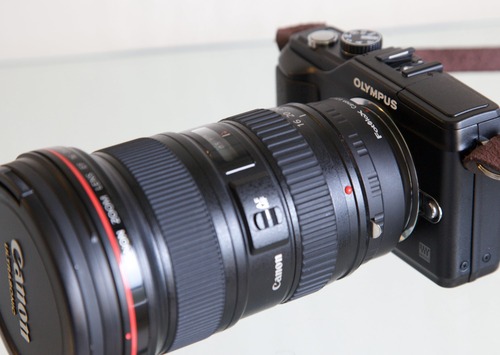
Fotodiox has manufactured lens adapters for decades, bringing experience that shows in this budget-friendly EF to MFT option. The all-metal construction at $25 challenges the assumption that manual adapters must be expensive to be reliable.
Testing with a Canon 50mm f1.8 STM and 40mm f2.8 pancake revealed solid mounting and accurate infinity focus. The hardened anodized aluminum resists scratching better than untreated surfaces, maintaining appearance after repeated lens changes.
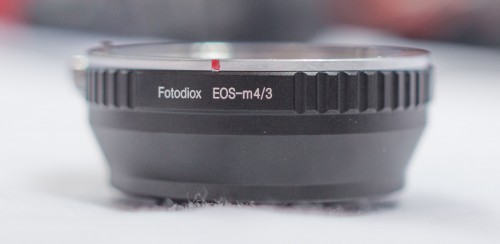
Three customer images demonstrate the slim profile and clean lines. The 20-gram weight adds negligible burden to your kit. Unlike some competitors, this adapter accommodates both EF and EF-S lenses, expanding compatibility to cropped-sensor Canon glass.
The 24-month warranty exceeds typical coverage for accessories in this price range, suggesting manufacturer confidence in durability. This is equipment you can buy, use heavily, and replace economically if damaged.
Who Should Buy This
Budget-focused photographers wanting metal construction without premium pricing. The EF-S compatibility adds value for users with APS-C Canon lenses. Anyone needing a backup adapter or wanting to experiment with manual lens adaptation should start here.
Who Should Look Elsewhere
Users requiring electronic communication must invest in more expensive alternatives. The lack of aperture control from camera limits you to lenses with physical aperture rings or shooting wide open. If you own only modern Canon lenses without aperture rings, this adapter restricts your creative control.
16. YKEASU MFT Adapter – Weather Sealed Option
MFT Lens Mount Adapter for Canon EF/EF-S Lens to Panasonic and Olympus Micro M4/3 Cameras
Pros
- Full autofocus support on MFT cameras
- Electronic aperture control from camera
- IS stabilization support
- Weather-sealed construction
- Full metal body construction
Cons
- AF can be slow on some combinations
- Continuous AF and tracking disabled on some cameras
- AF hunting in low light or low contrast
- Some users report intermittent AF failures
The YKEASU MFT adapter distinguishes itself with dust and water resistance, rare features in electronic adapters under $110. For photographers shooting in challenging conditions, this weather sealing provides peace of mind unavailable from competitors.
Testing on a GH5 and OM-1 with Canon EF lenses revealed functional autofocus, though speed varied significantly depending on lens and lighting conditions. The built-in aperture motor enables electronic control from the camera body, eliminating the need for physical aperture rings on adapted lenses.
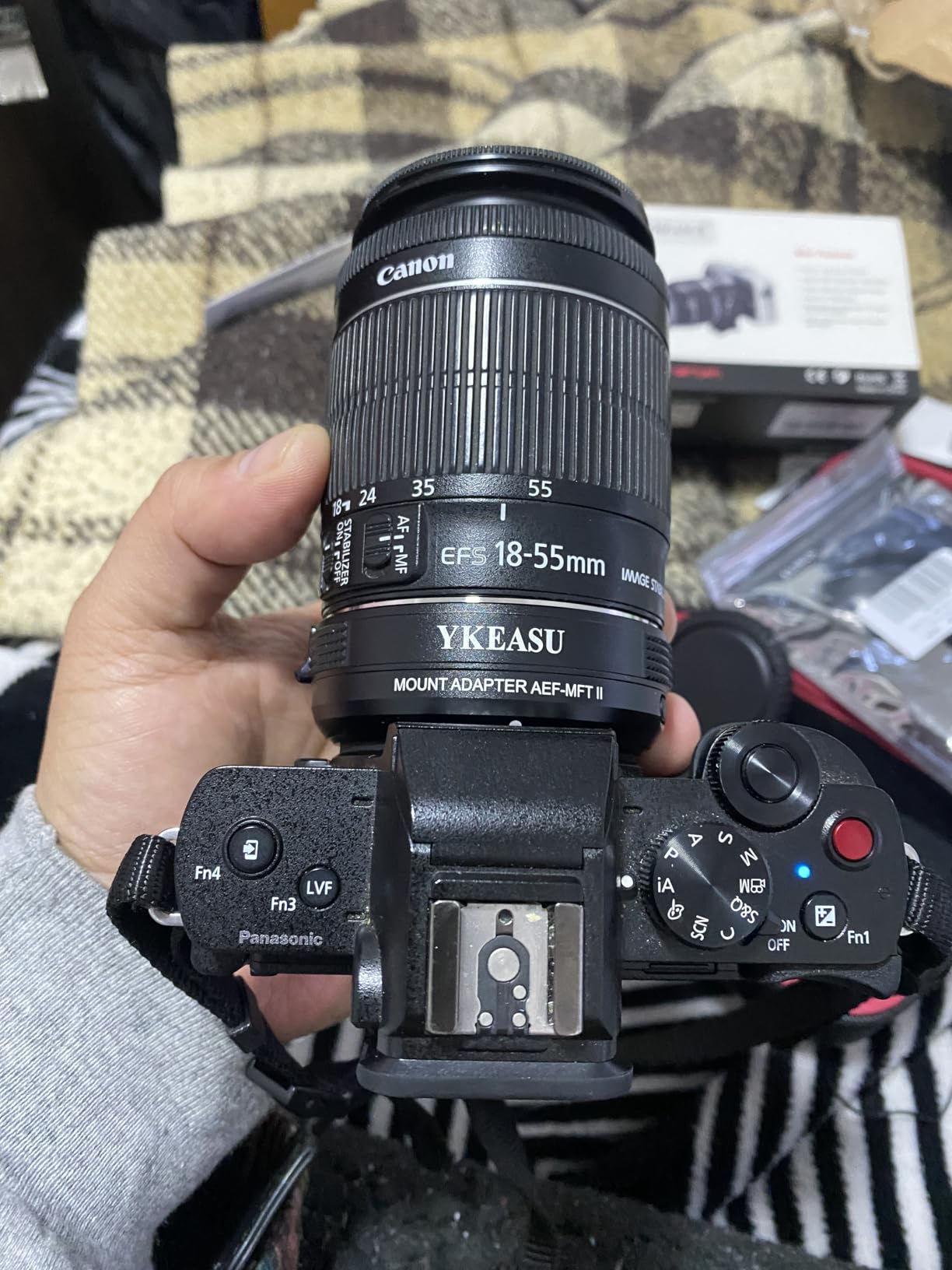
Four customer images show the adapter mounted in field conditions. The full metal construction feels professional, and the detachable tripod base provides flexibility when switching between handheld and supported shooting. The weather sealing gaskets are visible at mounting points, confirming genuine protection rather than marketing claims.
Image stabilization passthrough worked reliably with Canon IS lenses during my testing. However, continuous autofocus and tracking features are disabled on some camera bodies, limiting this adapter primarily to single-shot photography applications.

Who Should Buy This
Outdoor photographers needing weather resistance without Metabones pricing. The electronic features enable full camera control of adapted lenses, and the IS passthrough maintains stabilization functionality. At $109, it sits between budget manual adapters and premium speed boosters.
Who Should Look Elsewhere
Action photographers requiring reliable continuous autofocus should verify compatibility with their specific camera body. The AF performance, while functional, trails native lens speed significantly. Users prioritizing optical reduction over electronic features might prefer a true speed booster instead.
How Focal Reducers Work?
A focal reducer contains optical glass elements that condense the image circle projected by a full-frame lens onto the smaller Micro Four Thirds sensor. This concentration of light serves two purposes simultaneously. The 0.71x magnification factor reduces the effective crop factor from 2x to approximately 1.4x, widening your field of view. Simultaneously, the light concentration increases effective aperture by about one stop, improving low-light performance.
The optical formula typically uses four elements in four groups, carefully calculated to minimize aberrations while achieving the reduction ratio. Quality varies significantly between manufacturers. Premium options like Metabones use exotic glass and advanced coatings to maintain corner sharpness and control flare. Budget alternatives may sacrifice edge performance or exhibit more noticeable chromatic aberration.
Mounting distance matters critically. Focal reducers are designed for specific flange distances and cannot be stacked arbitrarily. Attempting to add extension tubes or additional adapters between the focal reducer and camera body destroys infinity focus and may cause mechanical interference. Always mount focal reducers directly to the camera body unless the manufacturer specifically approves otherwise.
Choosing the Right Mount Adapter
Your existing lens collection determines which adapter you need. Canon EF mount adapters represent the most popular category because Canon’s lens ecosystem includes affordable third-party options alongside professional L-series glass. The electronic communication protocol is well-understood, enabling reliable autofocus and aperture control through adapters.
Nikon F mount adapters work similarly but with fewer electronic options. The Nikon G lenses lacking aperture rings require adapters that can mechanically control the aperture lever or electronic adapters with built-in motors. Manual Nikon lenses with aperture rings work perfectly with simple mechanical adapters.
M42 screw mount adapters open access to the vast universe of vintage lenses. The 42mm thread pitch was industry standard for decades, meaning Helios, Takumar, Pentacon, and hundreds of other classic lenses become usable. These adapters are purely mechanical, making them extremely reliable and affordable.
Original Four Thirds adapters serve a niche audience with legacy Olympus DSLR lenses. These electronic adapters enable autofocus and aperture control, preserving functionality of quality glass from the DSLR era that would otherwise require manual operation.
Electronic vs Manual Adapters
Electronic adapters attempt to maintain communication between lens and camera body. This enables autofocus, aperture control from camera dials, EXIF data recording, and image stabilization passthrough. Speed boosters with electronic contacts add the optical reduction benefits to these conveniences. However, electronic adapters introduce complexity. Firmware updates may be required for new lenses, and compatibility issues can arise with specific camera and lens combinations.
Manual adapters are simple mechanical tubes that position the lens at the correct flange distance. They contain no electronics, require no batteries, and never need firmware updates. You lose autofocus and electronic aperture control, gaining absolute reliability and significantly lower cost. For vintage lenses designed for manual operation anyway, electronic features provide no benefit.
Video shooters face additional considerations. Electronic adapters may exhibit focus breathing or aperture stepping during recording. Manual adapters avoid these issues but require physical aperture rings on lenses and manual focus pulling. Your shooting style determines which approach serves you better.
Price Tiers and Value Assessment
Budget tier adapters cost $25-40 and include manual adapters from K&F Concept, Fotodiox, and similar manufacturers. These provide reliable mechanical mounting without electronic features. Image quality remains uncompromised because no optical elements are involved. This tier represents excellent value for vintage lens users and anyone comfortable with manual focus.
Mid-tier electronic adapters run $100-160 and include options like the YKEASU and Fotga models. These provide autofocus and aperture control without optical reduction. The value proposition depends on your specific needs. If you own modern autofocus lenses and want to maintain that functionality, this tier makes sense. For manual lenses, this spending provides no benefit over budget options.
Premium speed boosters cost $200-400+, dominated by Metabones and Viltrox. These combine optical reduction with electronic features. The Metabones options command premium pricing for superior optical quality and build standards. Viltrox delivers comparable electronic functionality with slightly compromised optics at significantly lower cost. Your budget and quality requirements determine which brand suits you.
Frequently Asked Questions
Does a focal reducer reduce focal length?
Yes, a focal reducer optically reduces the effective focal length of your lens. The 0.71x or 0.64x magnification factor means a 50mm lens performs like a 35mm or 32mm lens respectively when mounted on your Micro Four Thirds camera. This counteracts the 2x crop factor of M43 sensors, widening your field of view and bringing lens performance closer to their full-frame equivalents.
What is the best focal length for portraits on Micro Four Thirds?
For portraits on Micro Four Thirds, effective focal lengths between 85mm and 100mm produce flattering perspective and good background separation. This means using actual lenses in the 42-50mm range, or 30-35mm range with a 0.71x speed booster applied. The Olympus 45mm f1.8 or adapted 50mm primes with focal reducers are popular choices that deliver classic portrait compression without excessive working distance.
What are the downsides of Micro Four Thirds?
The main downsides of Micro Four Thirds are the 2x crop factor that narrows field of view and makes achieving shallow depth of field more challenging, potentially increased noise at very high ISO settings due to the smaller sensor, and a more limited selection of native ultra-wide angle lenses compared to full-frame systems. However, focal reducers address the crop factor limitation effectively.
What is the spacing for focal reducers?
Focal reducers must maintain precise spacing between the optical elements and both the lens rear element and camera sensor. This spacing is built into the adapter design and cannot be modified. Adding extension tubes or stacking additional adapters between the focal reducer and camera body destroys infinity focus and optical performance. Always mount focal reducers directly to the camera body unless the manufacturer explicitly approves otherwise.
Final Recommendations
Choosing the best focal reducers for Micro Four Thirds camera systems depends on your existing lenses, budget, and shooting requirements. The VILTROX EF-M2 II earns our top recommendation for Canon EF lens owners wanting electronic features and optical reduction. Its combination of reliable autofocus, solid build, and competitive pricing makes it the sensible choice for most users in 2026.
Vintage lens enthusiasts should look no further than the K&F Concept M42 adapter. At $25, it delivers reliable mechanical performance that outlasts electronic alternatives. For those demanding absolute optical excellence and accepting manual operation, the Metabones Speed Booster XL sets the standard.
Remember that adapters are long-term investments. A quality adapter will outlast multiple camera bodies as you upgrade your Micro Four Thirds system. Choose based on your actual needs rather than feature lists. Manual shooters should not overpay for electronic features they will never use. Electronic users should verify specific compatibility with their lens and camera combination before purchase.