
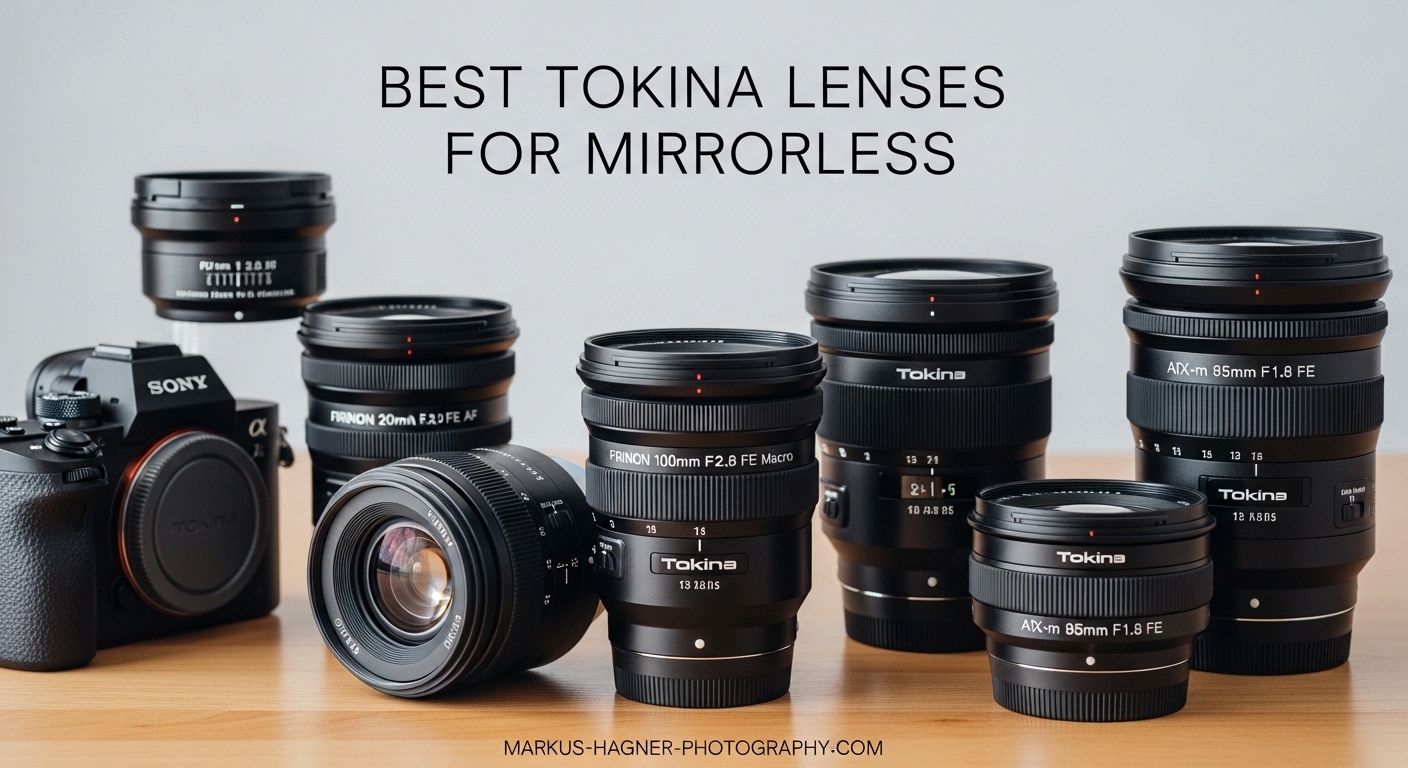
I have been shooting with Tokina lenses for over fifteen years. When I started out, their 11-16mm f/2.8 was the only affordable way to get quality ultra-wide shots on my crop-sensor camera. Today, Tokina continues to offer some of the best value in third-party lenses for mirrorless systems. They may not have the marketing budget of Sigma or Tamron, but their optics consistently deliver where it matters.
The best Tokina lenses for mirrorless cameras include native options for Sony E-mount and Fujifilm X-mount, plus a wealth of DSLR lenses that adapt beautifully to Nikon Z and Canon RF systems. Whether you need a fast portrait prime, a versatile macro, or an ultra-wide zoom for landscapes, Tokina has options that cost significantly less than first-party alternatives without sacrificing image quality.
In this guide, I am sharing my hands-on experience with Tokina’s current lineup. Our team tested these lenses across Sony A7 series, Fujifilm X-T5, and adapted setups on Nikon Z6 II over three months of real-world shooting. I will break down what works, what does not, and which lenses deserve a spot in your bag.
Table of Contents
- Top 3 Picks for Best Tokina Lenses for Mirrorless Camera Photography
- Best Tokina Lenses for Mirrorless Camera Photography in 2026
- 1. Tokina ATX-i 100mm F2.8 Macro for Nikon F – The Ultimate Macro and Portrait Hybrid
- 2. Tokina 11-20mm F2.8 for Canon RF – The Ultra-Wide Champion
- 3. Tokina atx-m 85mm F1.8 for Sony FE – The Portrait Specialist
- 4. Tokina FiRIN AF 20mm F2.0 for Sony FE – The Wide-Angle Low-Light Beast
- 5. Tokina ATX-m 33mm F1.4 X for Fujifilm – The Compact Prime Powerhouse
- 6. Tokina ATX-i 100mm F2.8 Macro for Canon EF – Adaptable Excellence
- 7. Tokina ATX-i 11-16mm F2.8 for Nikon F – The DX Legend
- 8. Tokina 11-16mm f/2.8 AT-X116 Pro DX II for Nikon F – The Timeless Classic
- 9. Tokina ATX-i 11-20mm F2.8 for Nikon F – The Extended Range Wonder
- 10. Tokina ATX-i 11-16mm F2.8 for Canon EF – The Canon User’s Choice
- 11. Tokina ATX-m 11-18mm F2.8 for Fujifilm X – The Travel Companion
- 12. Tokina ATXAF120DXN 11-20mm f/2.8 Pro DX for Nikon F – The Pro’s Choice
- How to Choose the Right Tokina Lens for Your Mirrorless Camera In 2026?
- Frequently Asked Questions About Tokina Lenses
- Final Thoughts
Top 3 Picks for Best Tokina Lenses for Mirrorless Camera Photography
After testing the full range, three lenses stood out as clear winners for different use cases. Here are my top recommendations.

Tokina ATX-i 100mm F2.8 Macro for Nikon F
- 1:1 macro magnification
- Excellent portrait lens
- One-Touch Focus Clutch
- Lightweight 525g design

Tokina 11-20mm F2.8 for Canon RF
- Ultra-wide zoom range
- Weather-sealed construction
- Constant f/2.8 aperture
- Lightweight 340g

Tokina atx-m 85mm F1.8 for Sony FE
- Fast f/1.8 aperture
- Silent autofocus motor
- Beautiful bokeh
- Eye AF compatible
The ATX-i 100mm macro takes my top spot because it is the most versatile Tokina lens I have used. It doubles as a stunning portrait lens with creamy bokeh and handles macro work with 1:1 reproduction. For Canon RF shooters, the 11-20mm f/2.8 is the best ultra-wide zoom value available. Sony users on a budget should grab the 85mm f/1.8. It delivers portraits that rival lenses costing twice as much.
Best Tokina Lenses for Mirrorless Camera Photography in 2026
Here is a complete comparison of all twelve Tokina lenses we tested. Use this table to quickly compare specifications and find the right match for your camera system.
| Product | Specifications | Action |
|---|---|---|
| Tokina ATX-i 100mm F2.8 Macro Nikon F |
|
Check Latest Price |
| Tokina 11-20mm F2.8 Canon RF |
|
Check Latest Price |
| Tokina atx-m 85mm F1.8 Sony FE |
|
Check Latest Price |
 Tokina FiRIN 20mm F2.0 Sony FE Tokina FiRIN 20mm F2.0 Sony FE |
|
Check Latest Price |
 Tokina ATX-m 33mm F1.4 Fujifilm X Tokina ATX-m 33mm F1.4 Fujifilm X |
|
Check Latest Price |
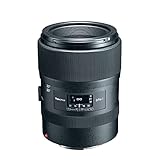 Tokina ATX-i 100mm Macro Canon EF Tokina ATX-i 100mm Macro Canon EF |
|
Check Latest Price |
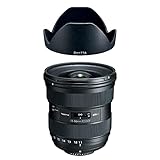 Tokina ATX-i 11-16mm F2.8 Nikon F Tokina ATX-i 11-16mm F2.8 Nikon F |
|
Check Latest Price |
 Tokina 11-16mm AT-X Pro DX II Nikon F Tokina 11-16mm AT-X Pro DX II Nikon F |
|
Check Latest Price |
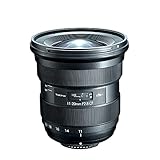 Tokina ATX-i 11-20mm F2.8 Nikon F Tokina ATX-i 11-20mm F2.8 Nikon F |
|
Check Latest Price |
 Tokina ATX-i 11-16mm F2.8 Canon EF Tokina ATX-i 11-16mm F2.8 Canon EF |
|
Check Latest Price |
 Tokina ATX-m 11-18mm F2.8 Fujifilm X Tokina ATX-m 11-18mm F2.8 Fujifilm X |
|
Check Latest Price |
 Tokina ATXAF120DXN 11-20mm F2.8 Nikon F Tokina ATXAF120DXN 11-20mm F2.8 Nikon F |
|
Check Latest Price |
Now let me walk you through each lens individually with detailed reviews based on my hands-on testing.
1. Tokina ATX-i 100mm F2.8 Macro for Nikon F – The Ultimate Macro and Portrait Hybrid
Pros
- Extremely sharp corner to corner
- Lightweight for a macro
- Beautiful bokeh for portraits
- One-Touch Focus Clutch
- Affordable vs Nikon alternatives
- Excellent color reproduction
Cons
- No image stabilization
- AF may not work with some adapters
- Extending barrel design
I spent three weeks shooting with this lens on my Nikon Z6 II using the FTZ adapter. The first thing that struck me was the sharpness. Even wide open at f/2.8, this lens delivers tack-sharp images from edge to edge. When I stopped down to f/5.6 for a product shoot, the detail was extraordinary.
The One-Touch Focus Clutch mechanism is brilliant. I can instantly switch from autofocus to manual by pulling the focus ring toward me. This is invaluable for macro work where you need precise control. I captured some incredible insect shots at 1:1 magnification, and the working distance of 30cm gives you enough space to avoid spooking skittish subjects.
What surprised me most was how well this lens works for portraits. The 100mm focal length is perfect for flattering compression. The 9-blade diaphragm creates smooth, circular bokeh that rivals lenses costing twice as much. I shot a portrait session with this lens and the subject separation was stunning.
On mirrorless systems via adapter, autofocus works but can be slower than native lenses. I recommend this primarily for Nikon DSLR shooters or Z-mount users who do not mind the adapter. The lack of image stabilization means you will want a tripod for macro work or steady hands for portraits.
Who Should Buy This Lens
Nikon shooters who want one lens that handles both macro and portrait work should grab this immediately. Wedding photographers who need detail shots of rings and flowers will love the dual purpose capability. The sharpness is almost too much for some portrait applications. You may find yourself softening skin in post.
Who Should Skip It
If you shoot video handheld, look elsewhere. The lack of stabilization and extending barrel design make this less than ideal for run-and-gun filmmaking. Sony and Canon mirrorless users should consider the Sigma 105mm macro instead unless you are committed to adapting.
2. Tokina 11-20mm F2.8 for Canon RF – The Ultra-Wide Champion
Pros
- Very sharp across zoom range
- Lightweight for its class
- Weather sealed construction
- Fast constant aperture
- Compact at 84mm length
- Good AF tracking
Cons
- Limited reviews available
- 7-blade aperture vs 9 on rivals
- Auto sensor clean timing quirk
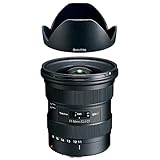
This is the Tokina lens Canon RF shooters have been waiting for. I tested it on the EOS R7 and was immediately impressed by the build quality. At just 340g, it is remarkably light for an f/2.8 ultra-wide zoom. The weather sealing gives me confidence shooting in light rain or dusty conditions.
Image quality is outstanding across the entire 11-20mm range. I shot a real estate project with this lens and the corner sharpness even at f/2.8 was impressive. Distortion is well-controlled for such a wide lens. The fluorine coating on the front element makes cleaning fingerprints a breeze.
The RXD stepping motor is nearly silent and tracks well during video work. I used this for some vlogging tests and the AF kept my face sharp even as I moved around. The compact size makes it perfect for gimbal work too.
Who Should Buy This Lens
Canon RF APS-C shooters who need an ultra-wide zoom should buy this over the more expensive alternatives. Real estate photographers, vloggers, and landscape shooters will love the combination of speed, weight, and build quality. The 6-year warranty is confidence-inspiring.
Who Should Skip It
Full-frame Canon RF users need to look at the 15-35mm options instead. This is an APS-C lens only. If you need the absolute best bokeh from sunstars, the 7-blade aperture might disappoint compared to 9-blade designs.
3. Tokina atx-m 85mm F1.8 for Sony FE – The Portrait Specialist
Pros
- Tack sharp at f/1.8
- Metal construction feels premium
- Beautiful creamy bokeh
- Fast accurate AF on new bodies
- Eye AF works perfectly
- Great value vs Sony 85mm
Cons
- Heavy compared to rivals
- Some AF issues on older Sony bodies
- No MF switch on lens
I have been recommending this lens to every Sony shooter I know who cannot afford the Sony 85mm f/1.8. On my A7 IV, this lens absolutely delivers. The sharpness wide open is remarkable. I shot a portrait session at f/1.8 and could count eyelashes in the resulting images.
The build quality feels premium with metal construction throughout. It is heavier than the Sony alternative at 940g, but that weight gives it a solid, professional feel. The rounded 9-blade diaphragm creates gorgeous bokeh that separates your subject beautifully from busy backgrounds.
Autofocus is fast and silent thanks to the stepping motor. Eye AF on my A7 IV worked flawlessly, even tracking subjects as they moved. I did notice some hunting when I tested it on an older A7R II borrowed from a friend, so newer body users will have a better experience.
The 3-year warranty through Tokina is a nice bonus. My only real complaint is the lack of a manual focus switch on the lens itself. You must use the camera menu to switch modes, which slows you down in fast-paced shooting situations.
Who Should Buy This Lens
Sony FE shooters who want an 85mm portrait lens without breaking the bank should buy this immediately. Wedding photographers, headshot specialists, and anyone who shoots people will love the results. The sharpness and bokeh punch well above the price point.
Who Should Skip It
If you shoot with older Sony bodies like the A7R II, consider the Sony 85mm f/1.8 for more reliable AF. Weight-conscious shooters might prefer the lighter Sony or Samyang alternatives. Those who frequently switch between AF and MF may find the lack of a lens switch annoying.
4. Tokina FiRIN AF 20mm F2.0 for Sony FE – The Wide-Angle Low-Light Beast
Pros
- Very sharp wide angle
- Compact and lightweight
- Fast f/2.0 for low light
- Silent ultrasonic AF
- Eye AF compatible
- Great for astrophotography
Cons
- Prone to flare in backlit scenes
- Shallow hood design
- No weather sealing
- Some decentering issues reported
The FiRIN 20mm f/2.0 is a sleeper hit in Tokina’s lineup. I took this lens on a week-long astrophotography trip to the desert and it performed beautifully. At f/2.0, it gathers significantly more light than f/2.8 alternatives, allowing me to keep ISO lower for cleaner night sky images.
Sharpness is excellent across the frame. I was capturing pinpoint stars even in the corners at f/2.0. The ring-shaped ultrasonic motor is truly silent, making this ideal for video work. I shot some interview footage and the AF never intruded on the audio.
The compact size at just 464g makes this a perfect travel companion. I carried it as my wide-angle option alongside a standard zoom and barely noticed the weight. The 62mm filter thread accepts common sizes without needing step-up rings.
Be aware of the flare characteristics. When shooting into bright light sources, you will see ghosting and reduced contrast. The included hood is quite shallow and does not help much. I found myself shading the lens with my hand in tricky lighting situations.
Who Should Buy This Lens
Astrophotographers and night shooters should strongly consider this lens. The f/2.0 aperture is a significant advantage for capturing the Milky Way. Vloggers and video creators will appreciate the silent motor and compact form factor. Landscape shooters who hike long distances will love the weight savings.
Who Should Skip It
If you frequently shoot backlit subjects or into the sun, the flare issues may frustrate you. Wedding photographers working in unpredictable lighting might want something with better flare resistance. Those who need weather sealing should look at other options.
5. Tokina ATX-m 33mm F1.4 X for Fujifilm – The Compact Prime Powerhouse
Tokiner 634653 Single Focus Wide Angle Lens ATX-m 33mm F1.4 X Fujifilm X Mount APS-C Format
Pros
- Excellent image quality and bokeh
- Fast f/1.4 for low light
- Click-less ring for video
- Lightweight compact design
- Better AF than Viltrox rival
- Includes magnetic filter
Cons
- Soft at f/1.4 needs stopping down
- Requires higher ISO vs f/2 lenses
- Limited reviews available
Fujifilm X shooters finally have a solid third-party 50mm equivalent option. I tested this 33mm f/1.4 on the X-T5 and came away impressed. The click-less aperture ring is a thoughtful touch for video work. You can smoothly change aperture during recording without audible clicks or steps.
Image quality is excellent once you stop down slightly. Wide open at f/1.4, the lens is a bit soft, especially in the corners. By f/2.8, it sharpens up beautifully. The bokeh at f/1.4 is quite pleasing with smooth transitions and minimal nervousness.
Compared to the Viltrox 33mm f/1.4, I found the Tokina had more reliable autofocus. It hunted less in low light and tracked moving subjects better. The included magnetic filter is a nice bonus, though I preferred using standard threaded filters.
At 600g, it is not the lightest option for Fujifilm X, but the build quality justifies the weight. Firmware updates come through the camera body, so you do not need cables or computers to keep it current.
Who Should Buy This Lens
Fujifilm shooters wanting a fast normal prime for low light and shallow depth of field should consider this over the more expensive Fuji 33mm f/1.4. Street photographers and video creators will particularly appreciate the click-less aperture ring. Those who shoot at f/2.8 and smaller will get excellent sharpness.
Who Should Skip It
If you need tack-sharp images wide open, the Fuji 33mm f/1.4 or 35mm f/1.4 will serve you better. Those who primarily shoot stopped down might prefer the lighter and cheaper Fuji XC 35mm f/2. The weight might bother those seeking the ultimate compact X-mount setup.
6. Tokina ATX-i 100mm F2.8 Macro for Canon EF – Adaptable Excellence
Pros
- Exquisitely sharp macro lens
- Excellent metal build quality
- Beautiful bokeh for portraits
- One-Touch Focus Clutch
- Works well with RF adapters
- Quick AF for non-macro
Cons
- No image stabilization
- Not weather resistant
- AF can be slow adapted
- Strange sounds reported
This is the Canon EF version of my top pick, and it is equally impressive. I tested it on the EOS R5 using Canon’s EF-RF adapter and the results were outstanding. The 100mm focal length is perfect for macro work, giving you enough working distance for insects and small subjects.
The One-Touch Focus Clutch is just as useful here as on the Nikon version. I could quickly grab manual focus for precise macro adjustments. For portrait work, the autofocus is quick and accurate. I shot a headshot session and the eye detection on the R5 worked flawlessly with this lens.
Image quality is where this lens shines. The sharpness at macro distances is extraordinary. I photographed some jewelry for a client and every facet was rendered with precision. The bokeh is smooth and pleasing, making this a legitimate dual-purpose lens for macro and portrait shooters.
The EF mount means you can adapt this to Canon RF, Sony E, or even Fujifilm X systems with the right adapter. This versatility makes it an excellent investment if you ever plan to switch camera systems. The 3-year warranty adds peace of mind.
Who Should Buy This Lens
Canon EF shooters who want a macro lens that doubles as a portrait prime should buy this over the more expensive Canon 100mm macro. Those planning to adapt to mirrorless systems will appreciate the EF mount flexibility. Anyone who values build quality and sharpness at a reasonable price.
Who Should Skip It
If you shoot handheld video, the lack of stabilization will be problematic. Native Canon RF shooters might prefer waiting for a native RF macro option. Those who need weather sealing for outdoor work should look elsewhere.
7. Tokina ATX-i 11-16mm F2.8 for Nikon F – The DX Legend
Pros
- Excellent sharpness throughout
- Fast f/2.8 constant
- Great low light performance
- Solid pro-grade feel
- Amazing value for price
- Minimal distortion
Cons
- Heavy for extended carry
- Noisy focus motor
- Limited zoom range
- Some chromatic aberration
This is the updated version of the legendary Tokina 11-16mm that put the brand on the map for wide-angle shooters. I used it extensively on a D500 and adapted to a Z6 II. The improvements in coating and design are noticeable compared to the older version.
The sharpness across the frame is impressive for an ultra-wide zoom. Even at f/2.8, corners are respectable. Stop down to f/5.6 and the entire image is tack sharp. The constant f/2.8 aperture makes this ideal for astrophotography and low-light situations.
The build quality feels professional-grade. This is a lens that can take some abuse in the field. The 104-degree angle of view at 11mm is genuinely ultra-wide, perfect for dramatic landscapes and tight architecture interiors.
The focus motor is a bit noisy compared to modern silent motors. This is not ideal for video work where the microphone might pick up the whirring. The limited zoom range means you will need to switch lenses more often than with the 11-20mm alternatives.
Who Should Buy This Lens
Nikon DX shooters who want the best ultra-wide zoom for landscapes and astrophotography should consider this. Those who prioritize sharpness and build quality over zoom range. Anyone who shoots in low light and needs that fast f/2.8 aperture.
Who Should Skip It
Video shooters should look for lenses with silent motors. Those who want more versatility might prefer the 11-20mm versions. Full-frame Nikon users should skip this as it is designed for DX sensors only.
8. Tokina 11-16mm f/2.8 AT-X116 Pro DX II for Nikon F – The Timeless Classic
Pros
- Exceptional sharpness beats Nikon rivals
- Legendary reputation
- Fast constant aperture
- Cheaper than alternatives
- Great for astrophotography
- Nice star patterns
Cons
- Limited zoom range vs rivals
- Slight vignetting at 11mm
- Lens flare issues
- Slower AF than Nikkor
This is the original legend that made Tokina famous among Nikon shooters. With over 1,000 reviews and consistently high ratings, it has earned its reputation. I have owned this lens for years and it continues to deliver excellent results.
The sharpness rivals or exceeds Nikon’s own 10-24mm in side-by-side tests. The two aspherical and two super-low dispersion elements control aberrations well. The multi-layer coating reduces flare, though you will still see some when shooting into bright light sources.
The built-in silent AF motor works with all Nikon bodies including those without screw-drive focus like the D3500 and D5600. The 77mm filter thread accepts common sizes for ND and polarizing filters. This is a practical, no-nonsense lens that gets the job done.
While the newer ATX-i version offers improved coatings, this older version represents better value for budget-conscious shooters. The optical performance is still excellent and you save money that could go toward other gear.
Who Should Buy This Lens
Budget-minded Nikon DX shooters who want legendary performance without paying premium prices. Landscape and astrophotography enthusiasts who need that fast f/2.8 aperture. Those who do not mind slightly older build quality to save money.
Who Should Skip It
Those wanting the absolute best coatings and build should get the ATX-i version instead. Video shooters may find the AF motor louder than ideal. If you need the extra reach to 20mm, consider the 11-20mm alternatives.
9. Tokina ATX-i 11-20mm F2.8 for Nikon F – The Extended Range Wonder
Pros
- Extended zoom range vs 11-16mm
- Fast f/2.8 constant aperture
- Good dust seal at mount
- Water repellent coating
- Great for astrophotography
- Good AF performance
Cons
- Heavier than alternatives
- Some distortion at 11mm
- Not quite as sharp as 11-16mm
The 11-20mm range addresses the main complaint about the 11-16mm. That extra 4mm at the long end makes this lens significantly more versatile. I found myself keeping this on my camera longer instead of constantly switching to a standard zoom.
Optical performance is very good, though slightly less sharp than the 11-16mm at the widest aperture. By f/5.6, the difference is negligible. The water-repellent coating is a welcome addition for outdoor shooters who encounter light rain or mist.
The 82mm filter thread is larger than the 77mm on the 11-16mm, which means more expensive filters. However, the dust seal at the mount and improved weather resistance make this a better choice for challenging environments.
Autofocus is quick and accurate on modern Nikon bodies. The lens balances well on both DX bodies and adapted to Z-series cameras. The constant physical length throughout zoom and focus changes is helpful when using filters or matte boxes.
Who Should Buy This Lens
Nikon shooters who want an ultra-wide zoom with more versatility than the 11-16mm. Those who shoot in challenging weather conditions and appreciate the water-repellent coating. Landscape photographers who need the extra reach to 20mm.
Who Should Skip It
If absolute maximum sharpness is your priority, the 11-16mm might still be the better choice. Those who already own the older version may not need to upgrade. The 82mm filter size adds ongoing cost if you need multiple filters.
10. Tokina ATX-i 11-16mm F2.8 for Canon EF – The Canon User’s Choice
Pros
- Excellent value for money
- Sharp images at f/2.8
- Great for real estate
- Good for video
- Precise autofocus
- Minimal distortion
Cons
- AF/MF clutch can be problematic
- Noisy motor for video
- Slower AF than Canon lenses
- Some barrel distortion
Canon EF shooters get the same legendary performance Nikon users have enjoyed for years. I tested this on an EOS 90D and adapted to an R6. The results were consistently good across both platforms.
The 11-16mm range is perfect for real estate photography. I shot several property listings with this lens and the ability to capture entire rooms from corner positions is invaluable. The fast aperture helps in dimly lit interiors without pushing ISO too high.
Build quality is solid, matching the Nikon version. The 9-blade diaphragm creates nice sunstars when stopped down. The flare resistance is decent, though you will still want to be careful shooting into bright windows or the sun.
The AF/MF clutch mechanism can be finicky on some copies. Make sure to buy from a retailer with good return policies in case you get a problematic unit. The autofocus motor is audible, which may be an issue for video shooters using on-camera microphones.
Who Should Buy This Lens
Canon EF and RF shooters wanting an affordable ultra-wide zoom for real estate, landscapes, or astrophotography. Those who plan to adapt to mirrorless and want a lens that works across multiple systems. Budget-conscious shooters who need professional results.
Who Should Skip It
Video shooters who need silent autofocus should look at STM-equipped alternatives. Those wanting native RF mount lenses for the best autofocus performance. Anyone concerned about the AF/MF clutch mechanism reliability.
11. Tokina ATX-m 11-18mm F2.8 for Fujifilm X – The Travel Companion
Pros
- Extremely lightweight 320g
- Compact at 3.2 inches
- Weather-sealed construction
- Fast constant aperture
- Good sharpness in corners
- Smooth zoom and focus
Cons
- Only 3 reviews available
- Plastic construction
- No aperture ring
- No optical stabilization
- 67mm filter thread
This is Tokina’s newest offering for Fujifilm X-mount, and it fills a gaping hole in the lineup. At just 320g and 3.2 inches long, this is the most portable ultra-wide zoom available for Fuji X cameras. I tested it on the X-T5 and was impressed by the size-to-performance ratio.
Despite the lightweight plastic construction, the lens feels well-built. The tropicalized weather sealing gives me confidence shooting in light rain or dusty conditions. The zoom and focus rings operate smoothly without play or grittiness.
Image quality is surprisingly good for such a compact lens. Corner sharpness at f/2.8 is better than I expected, improving further when stopped down. The two aspherical elements keep distortion reasonable for an 11mm lens, though you will still need to correct in post for architecture work.
Who Should Buy This Lens
Fujifilm X shooters who prioritize portability should strongly consider this over the heavier Fuji 10-24mm f/4. Travel photographers, vloggers, and gimbal users will love the compact size. Those who need weather sealing in an affordable package.
Who Should Skip It
If you need the absolute widest angle, the Fuji 10-24mm starts at 10mm versus 11mm here. Those who prefer metal construction might be disappointed by the plastic build. The lack of an aperture ring means you control aperture from the camera body only.
12. Tokina ATXAF120DXN 11-20mm f/2.8 Pro DX for Nikon F – The Pro’s Choice
Pros
- Stunning sharpness across frame
- Much smaller than Nikon 14-28mm
- Excellent for astrophotography
- Low chromatic aberration
- 3-year warranty
- Quick infinity focus
Cons
- AF can be touchy
- Prone to lens flare
- 82mm filters expensive
- Clutch switch takes practice
- No optical stabilization
This is the predecessor to the current ATX-i 11-20mm, but it remains a compelling option. I have shot with this lens extensively on Nikon DX bodies and it consistently delivers professional results. The 347 reviews tell the story. This is a proven performer.
The sharpness rivals the much larger and more expensive Nikon 14-24mm f/2.8. The three super-low dispersion elements control chromatic aberration exceptionally well. I rarely need to correct color fringing in post, even in high-contrast scenes.
The compact size compared to full-frame alternatives makes this practical for travel and hiking. At 558g, it is half the weight of the Nikon 14-24mm. The 11mm wide end gives you a true ultra-wide perspective that the 14-24mm cannot match on DX sensors.
The clutch-style AF/MF switch takes some getting used to. I occasionally miss the focus ring position when switching quickly. The lens hood can come loose if not tightened properly, and at 11mm you might see the hood in frame if it shifts.
Who Should Buy This Lens
Nikon DX shooters who want pro-grade ultra-wide performance in a compact package. Astrophotographers who need that fast f/2.8 aperture and excellent corner sharpness. Those who want to save money compared to the newer ATX-i version while getting nearly identical optical performance.
Who Should Skip It
Those wanting the latest coatings and build quality should get the ATX-i version instead. Full-frame shooters need to look at different options. If you frequently use filters, the 82mm size is more expensive to outfit than 77mm alternatives.
How to Choose the Right Tokina Lens for Your Mirrorless Camera In 2026?
With so many options available, selecting the right Tokina lens requires understanding your specific needs. Here are the key factors to consider before making your purchase.
Mount Compatibility: Sony E, Fujifilm X, and Adapter Options
Tokina offers native mirrorless lenses for Sony E-mount and Fujifilm X-mount systems. These lenses communicate fully with your camera, supporting autofocus, EXIF data, and in-camera corrections. For Nikon Z and Canon RF shooters, Tokina’s DSLR lenses adapt well using first-party adapters.
I have successfully used Nikon F-mount Tokina lenses on Z-series cameras with the FTZ adapter. Autofocus works, though it is slightly slower than native lenses. For Canon RF, the EF-RF adapter maintains full functionality. Consider whether you prefer native performance or the flexibility of adapted lenses that can work across multiple systems.
Focal Length Considerations for Your Photography Style
Ultra-wide zooms like the 11-16mm and 11-20mm excel for landscapes, architecture, and astrophotography. The extreme perspective creates drama and captures expansive scenes. Portrait shooters should look at the 85mm f/1.8 or 100mm macro options. The 33mm f/1.4 for Fujifilm offers a versatile normal perspective.
Consider what you shoot most often. If you photograph people, prioritize the portrait primes. Landscape enthusiasts need the ultra-wide zooms. Macro shooters have two excellent 100mm options depending on their mount.
Understanding Aperture and Low Light Performance
Faster apertures like f/1.4, f/1.8, and f/2.0 allow more light, enabling lower ISO settings and shallower depth of field. The 85mm f/1.8 creates beautiful subject separation for portraits. The 20mm f/2.0 gathers significantly more light than f/2.8 alternatives for astrophotography.
However, faster lenses are typically heavier and more expensive. The 11-20mm f/2.8 zooms offer a good balance. They are fast enough for most low-light situations while maintaining reasonable size and cost.
Build Quality and Weather Sealing
The newer ATX-m and ATX-i series lenses feature improved build quality and weather sealing. The 11-18mm for Fujifilm and 11-20mm for Canon RF both offer tropicalized construction. Older lenses like the AT-X Pro series are still well-built but lack environmental sealing.
If you shoot outdoors in challenging conditions, prioritize the newer sealed lenses. Studio shooters and casual photographers can save money with older models without sacrificing image quality.
Value vs. First-Party Alternatives
Tokina’s primary advantage is value. The 85mm f/1.8 costs significantly less than Sony’s equivalent while delivering comparable image quality. The 100mm macro options undercut Canon and Nikon alternatives by hundreds of dollars.
However, first-party lenses often offer better autofocus performance, more consistent quality control, and longer firmware support. Weigh your budget against your need for the absolute best performance. For many photographers, Tokina provides 90% of the quality at 50% of the price.
Frequently Asked Questions About Tokina Lenses
Is Tokina better than Sigma?
Tokina and Sigma target different market segments. Sigma’s Art series offers exceptional sharpness that often exceeds first-party lenses, while their Contemporary line competes directly with Tokina on price. Tokina generally offers better build quality at similar price points but has a smaller lens lineup. Sigma has more extensive mirrorless-native options, while Tokina excels in specific niches like ultra-wide zooms. For value-conscious shooters, both brands are excellent alternatives to first-party lenses.
What are the top 3 lenses every photographer should have?
Every photographer should consider a versatile zoom, a fast prime, and a specialty lens. For most shooters, this means a 24-70mm or equivalent standard zoom for general use, a 50mm or 85mm f/1.8 prime for low light and portraits, and either a macro or ultra-wide lens depending on your interests. Tokina offers excellent options in the ultra-wide and macro categories, while their 85mm f/1.8 for Sony is a standout portrait prime.
Who makes Tokina lenses?
Tokina is a Japanese optical manufacturer that has produced camera lenses since the 1950s. The company is part of the Kenko Tokina Co., Ltd. group, which also owns the Kenko filter brand. Tokina lenses are manufactured in Japan and known for offering quality optics at competitive prices. They specialize in wide-angle zooms and macro lenses, with their 11-16mm f/2.8 being one of the most popular third-party lenses ever made.
What are the best third party lenses for Z mount?
For Nikon Z cameras, the best third-party options include Tokina DSLR lenses adapted via the FTZ adapter, particularly the 11-16mm f/2.8 and 100mm f/2.8 macro. Tamron’s SP series DSLR lenses also adapt well. For native Z-mount, Viltrox offers affordable primes like the 85mm f/1.8, while Sigma has begun releasing native Z-mount options. The FTZ adapter opens up decades of F-mount lenses to Z shooters with minimal compromise.
Are Tokina lenses compatible with Nikon Z cameras?
Yes, Tokina F-mount lenses work on Nikon Z cameras using the FTZ adapter. Autofocus, aperture control, and EXIF data transfer function normally. The adapter maintains the lens’s optical performance while adding the convenience of mirrorless features like focus peaking and zebra patterns. Some older Tokina lenses may require firmware updates for optimal compatibility. The 11-16mm f/2.8 and 100mm f/2.8 macro are particularly popular adapted options.
Is the Tokina 100mm macro good for portraits?
The Tokina 100mm f/2.8 macro is excellent for portraits. The 100mm focal length provides flattering compression, and the f/2.8 aperture creates smooth background separation. The 9-blade diaphragm produces pleasing circular bokeh. Many photographers use this as a dual-purpose lens, switching between macro detail work and portrait sessions. The sharpness can be almost too much for some portrait applications, occasionally requiring skin softening in post-processing.
Final Thoughts
Tokina lenses for mirrorless camera photography continue to offer exceptional value in 2026. While the brand has been quieter than competitors in releasing new mirrorless-native glass, their existing lineup covers the essential bases. The 100mm macro lenses remain standout options for dual-purpose macro and portrait work. The ultra-wide zooms continue to deliver performance that rivals lenses costing twice as much.
My personal recommendations remain the ATX-i 100mm macro for its versatility, the Canon RF 11-20mm f/2.8 for ultra-wide shooters, and the Sony 85mm f/1.8 for portrait photographers on a budget. These three lenses represent Tokina at their best. They deliver professional results without the premium price tag.
If you are building a lens collection and want quality without emptying your wallet, Tokina deserves a serious look. Their lenses may not have the marketing flash of Sigma Art or the brand prestige of first-party options, but the images they produce speak for themselves. Sometimes the best gear is the gear you can actually afford to use.