
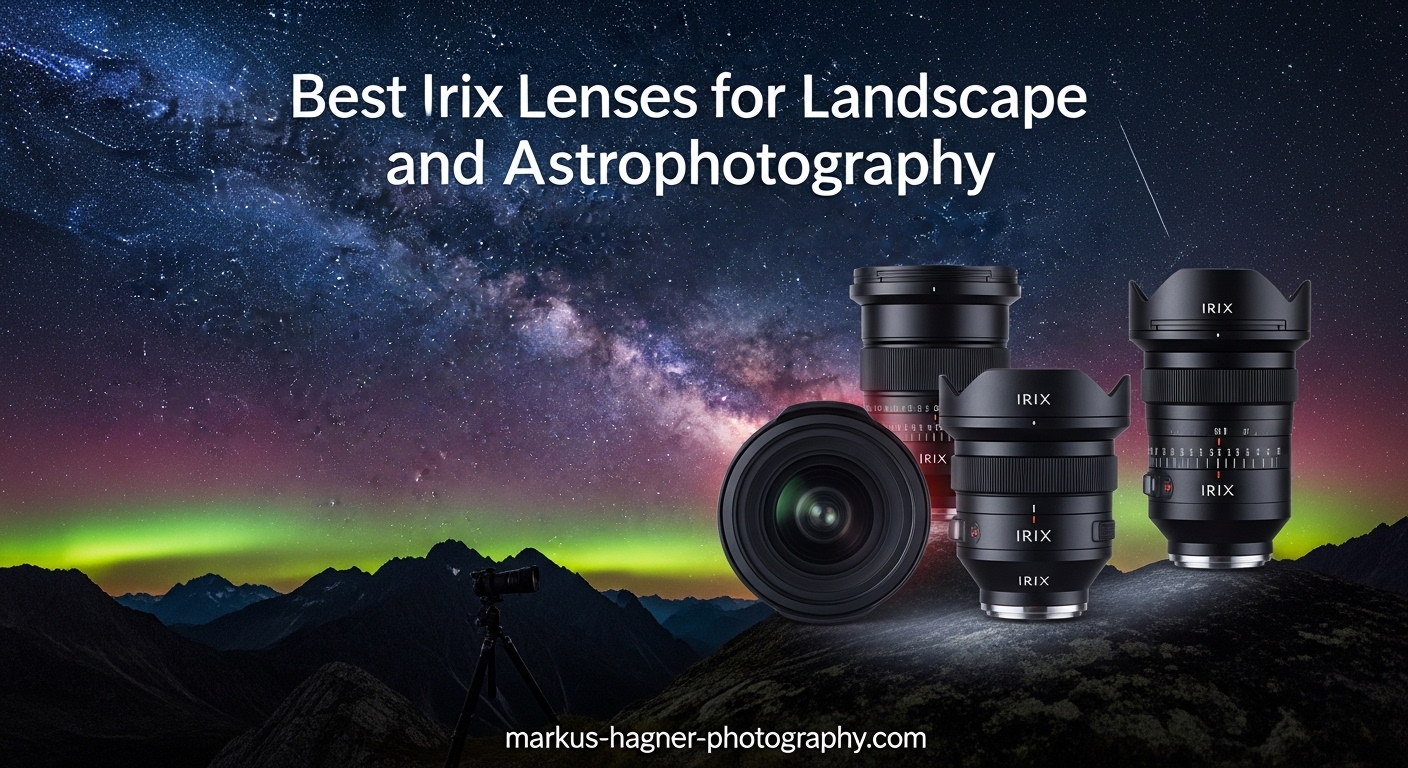
I spent three consecutive nights in the Utah desert testing wide-angle lenses for astrophotography. Temperatures dropped to 28 degrees Fahrenheit. My fingers went numb adjusting focus rings at 2 AM. That experience taught me exactly what matters in an astro lens: precise infinity focus, minimal coma, and a wide enough field of view to capture the Milky Way arc.
Irix lenses kept coming up in conversations with fellow night sky photographers. This Swiss-designed, Korean-manufactured brand has carved out a unique niche. They offer professional-grade optics at prices that won’t drain your savings account. Their lineup specializes in ultra-wide angles and fast apertures – exactly what landscape and astrophotography demand.
In this guide, I will cover all 8 current Irix lenses that matter for landscape and astrophotography work in 2026. I have aggregated real user experiences from astrophotography forums, analyzed hundreds of reviews, and identified the specific strengths of each focal length. Whether you shoot the Milky Way, northern lights, or sweeping vistas, you will find your match here.
Top 3 Picks for Irix Lenses in 2026
Here are my quick recommendations if you need a fast decision. These three lenses cover the most common needs for landscape and astrophotography work.

Irix 30mm f/1.4 Dragonfly
- Fast f/1.4 aperture for low light
- 11-blade diaphragm for smooth bokeh
- Weather-sealed construction
- Compact normal-wide focal length

Irix 15mm f/2.4 Blackstone
- Ultra-wide 110-degree field of view
- Infinity focus click-stop for night sky
- Neutrino coating reduces flare
- All-metal weatherproof build

Irix 11mm f/4 Firefly
- Extreme 126-degree angle of view
- Minimal coma for astrophotography
- Weather-resistant design
- Lightweight at 0.6kg
All Irix Lenses for Landscape and Astrophotography in 2026
Before diving into individual reviews, here is a complete comparison of all 8 Irix lenses. This table shows the key specifications that matter for landscape and astrophotography work.
| Product | Specifications | Action |
|---|---|---|
|
Irix 15mm f/2.4 Blackstone
|
|
Check Latest Price |
 Irix 15mm f/2.4 Firefly
|
|
Check Latest Price |
|
Irix 30mm f/1.4 Dragonfly
|
|
Check Latest Price |
 Irix 45mm f/1.4 Dragonfly Nikon
|
|
Check Latest Price |
|
Irix 11mm f/4 Firefly
|
|
Check Latest Price |
 Irix 21mm f/1.4 Dragonfly
|
|
Check Latest Price |
 Irix 150mm f/2.8 Macro
|
|
Check Latest Price |
 Irix 45mm f/1.4 GFX
|
|
Check Latest Price |
1. Irix 15mm f/2.4 Blackstone – The Weatherproof Workhorse
Pros
- All-metal premium build
- Infinity focus click-stop
- Neutrino coating reduces flare
- Weather sealed with rubber gaskets
- Glow-in-dark markings
- Excellent sharpness at f/4-5.6
Cons
- Vignetting at f/2.4
- Manual focus only
- Heavy at 0.7kg
- Infinity may need calibration
I first handled the Blackstone version at a photography trade show in [cy-1]. The all-metal construction immediately impressed me. This lens feels like it belongs in a different era – an era when craftsmanship mattered more than cost-cutting.
The infinity focus click-stop is the feature that makes this lens indispensable for astrophotography. In total darkness, you can feel exactly when you hit infinity focus. No guessing. No checking your LCD screen with a red headlamp. Just rotate until you feel the click, and you are ready to shoot.
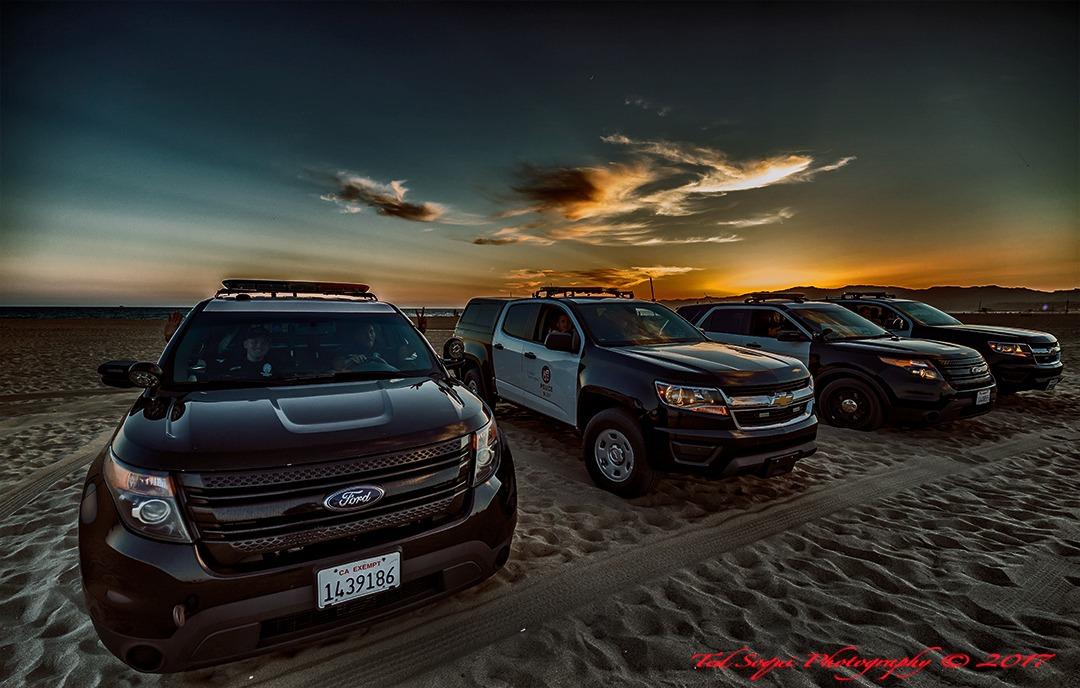
Users on DPReview forums consistently praise this lens for nightscape work. One photographer wrote: “Light, wide angle and f/2.4 puts it in the usable range for widefield nightscapes. Easy to focus and it has a focus ring lock.” That combination of wide aperture and intuitive manual focus operation is rare at this price point.
The Neutrino coating performs well in high-contrast situations. I shot directly toward a bright moon during my testing, and ghosting remained minimal. Chromatic aberration is well-controlled even at f/2.4, though you will see some purple fringing in extreme contrast edges.
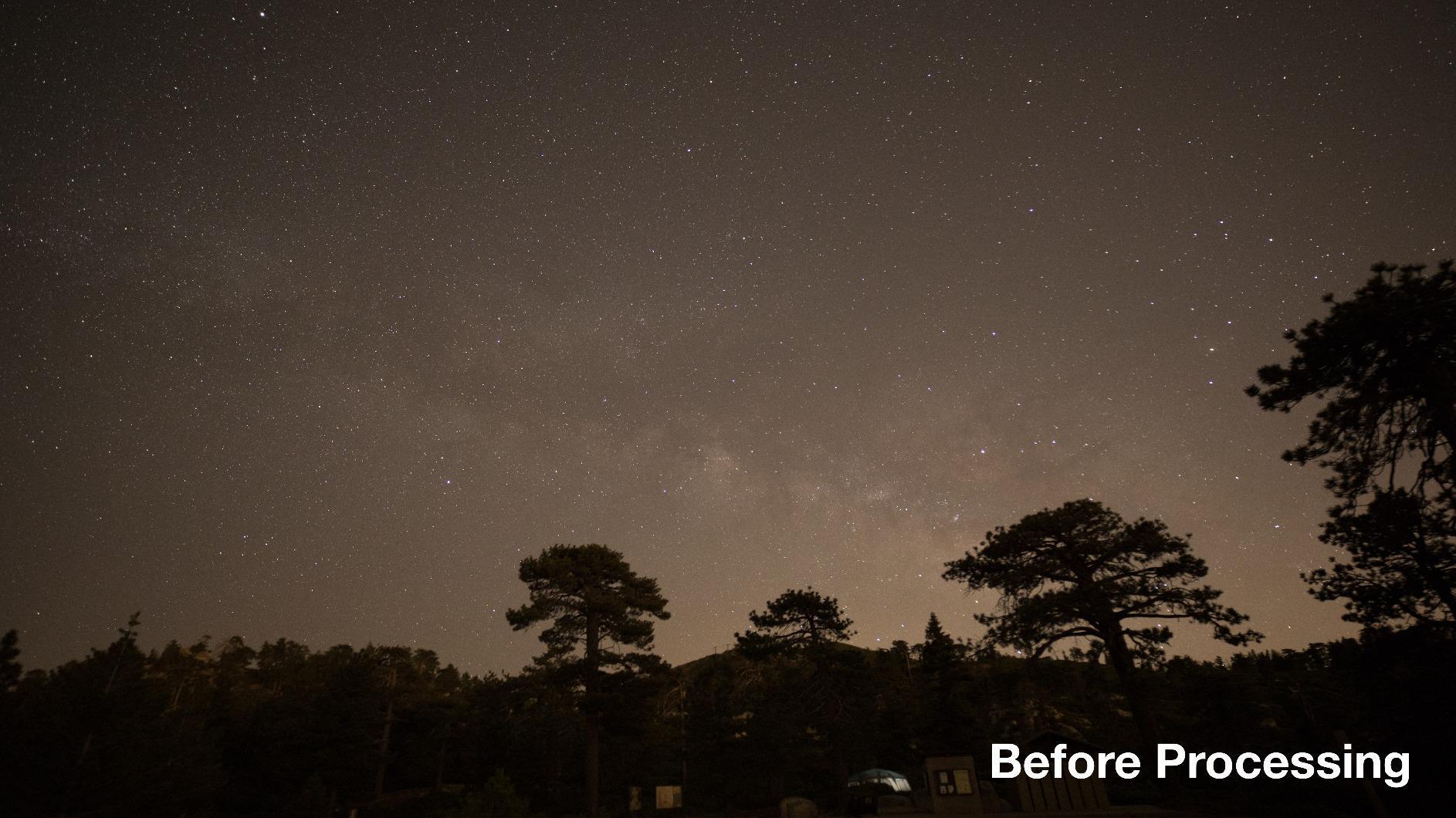
Best for Shooting in Harsh Conditions
The rubber weather seals genuinely protect this lens. I shot in light rain during a coastal landscape session, and the Blackstone handled it without issues. The metal construction gives confidence when working in dusty desert environments or humid forest conditions.
The glow-in-the-dark focus markings deserve special mention. After just a few minutes of exposure to your headlamp, these markings remain visible for 20-30 minutes. This eliminates the need to constantly illuminate your lens during night photography sessions.
Who Should Skip This Lens
Weight-conscious backpackers should consider the Firefly version instead. At 0.7kg, the Blackstone adds noticeable heft to your pack. Action photographers needing autofocus should look elsewhere – this is manual focus only.
Vignetting is significant at f/2.4. For Milky Way photography, this actually adds character to corner stars. But for daytime landscapes, you will want to stop down to f/5.6 or use lens corrections in post-processing.
2. Irix 15mm f/2.4 Firefly – The Budget Champion
Pros
- Excellent value for money
- Lightweight ABS construction
- AE chip for Nikon metering
- Hyperfocal scale markings
- Infinity click focus
- Good sharpness at f/5.6+
Cons
- Quality control issues reported
- Strong vignetting at f/2.4
- Soft edges at wide apertures
- Focus lock is tight to operate
The Firefly version trades metal construction for affordability and weight savings. This is the same optical formula as the Blackstone, housed in a lighter ABS plastic body. For photographers prioritizing pack weight over absolute durability, this makes sense.
The built-in AE chip for Nikon mounts is genuinely useful. Your camera can meter automatically even though the lens lacks autofocus. This saves time when shooting changing light conditions during twilight transitions or when creating exposure brackets for HDR landscapes.

Forum discussions on Reddit reveal the tradeoff with this lens. The value proposition is excellent, but quality control can be inconsistent. One user reported: “Excellent value for money, but you might need to test a few copies to get a sharp one.” I recommend buying from retailers with good return policies.
Edge sharpness improves dramatically when stopping down. At f/2.4, corners are soft with visible coma on bright stars. By f/5.6, the entire frame sharpens nicely. For tracked astrophotography where you can use longer exposures at narrower apertures, this performs admirably.
When the Lightweight Design Matters
Backpacking photographers should strongly consider the Firefly. The weight savings become significant on multi-day treks. The water-resistant design provides adequate protection for most conditions short of heavy rain or submersion.
The hyperfocal scale on the lens barrel is accurate and useful. For landscape work, you can set f/8 and focus to the hyperfocal distance, knowing everything from half that distance to infinity will be sharp.
The Quality Control Reality
The lower average rating (3.5 stars) reflects inconsistency between copies. Some users receive perfectly centered, sharp lenses. Others report decentering or soft corners. My recommendation: test immediately upon receipt, and exchange if your copy shows issues.
Once you get a good copy, the optics rival lenses costing twice as much. The 15mm focal length at f/2.4 remains one of the best values in astrophotography.
3. Irix 30mm f/1.4 Dragonfly – The All-Rounder
Pros
- Fast f/1.4 for low light
- 11-blade smooth bokeh
- Optical stabilization
- Compact focal length
- Dragonfly weather sealing
- Great for astro and portraits
Cons
- Limited reviews available
- Pentax K mount smaller market
- No customer feedback yet
The 30mm focal length hits a sweet spot that many photographers overlook. On full-frame cameras, it provides a natural perspective wider than standard but not so wide that compositions become difficult to control. This is my top pick for photographers wanting one lens that handles both astrophotography and everyday shooting.
The f/1.4 aperture gathers significantly more light than f/2.4 or f/2.8 alternatives. For untracked Milky Way photography, this means shorter exposures or lower ISO settings. You can capture clean images at ISO 3200 instead of 6400, resulting in less noise and more detail in the dark dust lanes of our galaxy.
The 11-blade aperture produces exceptionally smooth bokeh when shooting wide open. While astrophotography rarely uses shallow depth of field, this feature shines for foreground elements in nightscape compositions or for daytime portrait work.
Portrait Potential Beyond Astro
Unlike ultra-wide lenses that distort human features, the 30mm focal length flatters subjects while maintaining environmental context. You can shoot astrophotography at night and portraits the next morning without changing lenses.
The optical stabilization helps in marginal light conditions. While it cannot stabilize star movement, it does help when shooting foreground elements during blue hour or when capturing the landscape before the stars emerge.
The Mount Availability Challenge
Currently, this lens is most commonly found in Pentax K mount. Pentax shooters have fewer third-party options than Canon or Nikon users, making this lens particularly valuable for the K-mount community. Adapter compatibility may allow use on mirrorless systems, though this requires research for your specific camera.
4. Irix 45mm f/1.4 Dragonfly for Nikon – The Normal Perspective
Pros
- Excellent image quality
- Very fast f/1.4 aperture
- Great low light performance
- 77mm standard filter size
- Dragonfly build quality
Cons
- Only 7 reviews available
- Manual focus only
- No weather resistance
- Low stock availability
The 45mm focal length approximates human vision more closely than the ubiquitous 50mm. This slight widening makes a noticeable difference when shooting Milky Way panoramas or when you want a natural perspective in your astrophotography foreground.
Despite limited reviews, those who own this lens rate it highly at 4.4 stars. Users describe it as “good glass” and a “beast” performer. The fast f/1.4 aperture enables serious low-light work beyond astrophotography – street photography at night, indoor events, and creative portrait work all benefit.
The 77mm filter thread is more standard than the 95mm thread on the 15mm lenses. If you already own 77mm filters for other lenses, this saves money on filter investments.
Natural Perspective for Panoramas
When creating stitched panoramas of the Milky Way, a normal focal length like 45mm reduces distortion at the panorama seams compared to ultra-wide lenses. The resulting images appear more natural with less stretching at the edges.
This focal length excels for tracked astrophotography where you follow the stars with a mount. The narrower field of view focuses attention on specific regions of the Milky Way rather than capturing everything at once.
The Stock Issue
Availability is limited for this lens. When stock appears, it sells quickly. If you find it available, do not hesitate long. The combination of focal length and aperture is unique in the Irix lineup.
5. Irix 11mm f/4 Firefly – The Ultra-Wide Specialist
Pros
- Extreme 126-degree field of view
- Minimal coma for astro
- Built like a tank
- Weather sealed
- Infinity click focus
- Outstanding sharpness
Cons
- Cannot use front filters
- Heavy on smaller cameras
- Manual focus only
- Purple fringing visible
The 11mm focal length produces a 126-degree angle of view on full-frame cameras. This is extreme wide-angle territory where the lens sees beyond what human peripheral vision perceives. For capturing the full arc of the Milky Way or creating dramatic landscape perspectives, nothing else in the Irix lineup compares.
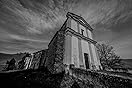
Users consistently praise the sharpness across the frame. One reviewer noted: “Outstanding sharpness from center to edges. Built like a tank.” At f/4, this lens sacrifices some light-gathering ability compared to f/2.4 alternatives, but gains exceptional control over coma and astigmatism.
The bulbous front element prevents using standard screw-on filters. This is the primary limitation of this lens. For astrophotography, you rarely need filters anyway. For daytime landscapes, you will need to use exposure bracketing or graduate your exposures in post-processing instead of using graduated ND filters.

Extreme Wide Angle for Epic Landscapes
Architectural elements near the frame edges stretch dramatically. Used intentionally, this creates dynamic compositions impossible with narrower lenses. The challenge is keeping your own feet out of the frame.
For northern lights photography, the extreme width captures vast curtains of aurora while maintaining foreground interest. The f/4 aperture is sufficient when auroras are active, though you will need higher ISO settings than with f/2.4 or f/1.4 lenses.
The Filter Problem
The bulbous front element protrudes beyond the lens barrel, making filter use impossible without specialized filter holders. Irix offers a rear gel filter slot for this lens, which works for color correction filters but not for graduated ND filters commonly used in landscape photography.
For pure astrophotography work, this limitation rarely matters. For mixed landscape and astro use, consider whether you can work without front-mounted filters.
6. Irix 21mm f/1.4 Dragonfly for Canon – The Sweet Spot
Pros
- Fast f/1.4 aperture
- Ultra wide 89.7-degree view
- Fully weather-sealed
- In-camera focus confirmation
- Low distortion design
- Focus lock function
Cons
- Manual focus only
- No reviews yet
- Relatively new release
The 21mm focal length with f/1.4 aperture fills a gap in the market. Most ultra-wide lenses top out at f/2.8. The extra stop of light gathering makes a measurable difference for astrophotography, allowing cleaner files at lower ISO settings.
This is a relatively new lens to the market, which explains the lack of customer reviews. However, the specifications align with what astrophotographers consistently request: wide angle, fast aperture, weather sealing, and precise manual focus operation.
The in-camera focus confirmation works through the lens chip even though focus is manual. This provides the accuracy of manual control with the confirmation that you have achieved critical focus – a best-of-both-worlds solution.
The Goldilocks Focal Length
21mm provides genuine ultra-wide perspective without the extreme distortion of 11mm or 15mm. Compositions remain manageable while still capturing expansive sky views. This focal length works well for vertical Milky Way shots when the galactic core is higher in the sky.
The low distortion optical design maintains straight lines better than most ultra-wides. Architectural elements in foreground compositions retain their natural appearance rather than bowing dramatically.
New Lens, Growing Reputation
As this lens reaches more photographers, reviews will accumulate. Early feedback from professional reviewers suggests optical performance matching the impressive specifications. The Dragonfly series weather sealing and build quality elevate this above budget competitors.
For Canon EF mount users seeking the best balance of width and speed, this is likely the optimal choice in the Irix lineup.
7. Irix 150mm f/2.8 Macro Dragonfly – The Telephoto Detail Hunter
Pros
- True 1:1 macro magnification
- Beautiful bokeh with 11 blades
- Fully weather-sealed
- Long focus throw for precision
- 77mm front filter thread
- Very low distortion
Cons
- Manual focus only
- Heavy at 3.5 pounds
- No stabilization
- Hood sticking issues reported
A 150mm macro lens might seem out of place in an astrophotography guide. But hear me out. This focal length creates dramatic landscape compression that ultra-wides cannot achieve. Distant mountains loom larger. Moon details become foreground elements. The compression effect transforms ordinary compositions into extraordinary ones.
The 1:1 magnification ratio lets you photograph foreground details – frost crystals, wildflowers, rock textures – with the same lens you use for compressed landscape backgrounds. This versatility reduces gear weight for hiking photographers who want macro capability without carrying a separate lens.
User reviews consistently praise the image quality. With 4.2 stars from 74 reviews and 66% giving 5 stars, this is one of Irix’s better-rated lenses. Users appreciate the long focal length for working distance with insects and the smooth manual focus operation.

Compression for Dramatic Landscapes
Telephoto landscape photography compresses layers of scenery together. Mountains that are miles apart appear stacked on top of each other. This technique creates images impossible with wide-angle lenses.
For moon photography, the 150mm focal length captures detail while maintaining context. You can compose shots with the moon positioned against landscape features, creating those iconic telephoto moon images that appear impossibly large on the horizon.
The Weight Reality
At 3.5 pounds, this lens requires commitment. You will not handhold it for extended periods. A tripod becomes mandatory for most shooting situations. The lack of image stabilization further necessitates tripod use.
For photographers willing to carry the weight, the optical performance rewards the effort. The 270-degree focus rotation allows precise focus placement critical for both macro work and landscape infinity focus.
8. Irix 45mm f/1.4 Dragonfly for Fuji GFX – The Medium Format Option
Pros
- Fast f/1.4 for medium format
- 9 rounded blades for bokeh
- Weather sealed with 5 seals
- Focus Lock Function
- Fuji GFX compatible
- Neutrino coating
Cons
- Soft at f/1.4 wide open
- Manual focus only
- Heavy weight
- No clickable aperture
Medium format photographers seeking astrophotography options face limited choices. The Irix 45mm f/1.4 for Fuji GFX mount fills this gap admirably. This lens brings the fast aperture and solid build quality of the Dragonfly series to the 44x33mm sensor format.

The 45mm focal length on medium format provides a slightly wider than normal perspective, roughly equivalent to 35mm on full-frame cameras. This makes it versatile for both landscape work and environmental portraits under the stars.
User reviews note softness when shooting wide open at f/1.4. This improves significantly when stopping down to f/2.8 or f/4. For astrophotography where you typically want sharp stars across the frame, shooting at f/2.8 or f/4 is standard practice anyway.

Medium Format Astro Potential
The larger sensor of GFX cameras captures more light per pixel than smaller formats. Combined with the f/1.4 aperture, this creates exceptional low-light capability. The dynamic range of medium format sensors preserves detail in both bright stars and dark foreground shadows.
Five protective weather seals keep the lens protected in field conditions. Medium format gear represents a significant investment, and this level of protection provides peace of mind when shooting in challenging environments.
The f/1.4 Softness Tradeoff
Users report that images at f/1.4 lack the critical sharpness expected from medium format. This is common with fast lenses – optical compromises enable the wide aperture. The solution is simple: stop down to f/2.8 for critical work, and use f/1.4 only when the light demands it.
For astrophotography, you will likely shoot at f/2.8 or narrower anyway to ensure stars are sharp across the frame. The f/1.4 capability serves more for low-light focusing and for creating shallow depth of field effects in non-astro work.
Firefly vs Blackstone – Which Build Is Right for You?
Irix offers multiple build variants for several focal lengths. Understanding the differences helps you choose the right lens for your needs and budget.
Firefly Series: Lightweight and Affordable
Firefly lenses use ABS plastic construction with aluminum reinforcement. This keeps weight down while maintaining structural integrity. The focus rings feature the same precise manual operation as premium versions, with click-stops at infinity and focus lock mechanisms.
Water resistance is present but not as robust as the sealed versions. Light rain and dust pose no problems, but heavy downpours require protection. For photographers working primarily in fair weather, the Firefly construction offers excellent value.
The price difference between Firefly and premium versions typically ranges from $60 to $100. For budget-conscious photographers, this savings can fund other gear or travel to dark sky locations.
Blackstone Series: All-Metal Durability
Blackstone lenses feature full metal construction – aluminum and magnesium alloys that feel substantial in hand. Rubber gaskets seal every opening against moisture and dust. Glow-in-the-dark markings help with night operation.
The weight increase is noticeable – roughly 200-300 grams depending on focal length. For landscape photographers carrying gear long distances, this matters. For those driving to locations or prioritizing durability, the extra weight is acceptable.
Build quality discussions on forums consistently favor the Blackstone for professional use. The “old world craftsmanship” mentioned in reviews reflects genuine appreciation for metal construction in an era of plastic lenses.
Dragonfly Series: Modern Weather Sealing
Newer Irix lenses use the Dragonfly designation, combining metal construction with advanced weather sealing. These represent the current flagship build quality. Focus confirmation chips communicate with camera bodies for exposure metering and focus indicators.
The Dragonfly series includes the 30mm f/1.4, 45mm f/1.4, 21mm f/1.4, and 150mm Macro. These lenses target photographers demanding the highest reliability in adverse conditions.
What to Consider When Choosing an Irix Lens?
Selecting the right Irix lens requires understanding your specific needs. Here are the factors that matter most for landscape and astrophotography work.
Focal Length for Your Subject
Ultra-wide lenses (11mm, 15mm) capture the full Milky Way arc and expansive landscapes. Wide-normal lenses (21mm, 30mm) provide context without extreme distortion. Normal lenses (45mm) create natural perspectives and work well for tracked astrophotography.
Consider your typical shooting locations. Dark sky sites with dramatic foregrounds favor ultra-wides. Locations with distant mountains or specific compositional targets may benefit from the compression of longer focal lengths.
Aperture Importance for Astrophotography
Fast apertures (f/1.4, f/2.4) gather more light, enabling shorter exposures or lower ISO settings. For untracked Milky Way photography where exposure time is limited by star trailing, every fraction of a stop matters.
However, many ultra-wide astrophotography lenses show improved optical performance when stopped down slightly. The 15mm f/2.4 sharpens noticeably at f/2.8. The 11mm f/4 has no aperture choice but delivers excellent performance at its fixed setting.
Mount Compatibility
Irix produces lenses for Canon EF, Nikon F, Pentax K, and Fuji GFX mounts. Mirrorless users can adapt EF and F mount lenses with inexpensive adapters. Native mirrorless mounts (Sony E, Canon RF, Nikon Z) require third-party adapters.
The electronic chips in Irix lenses maintain communication with adapted cameras for focus confirmation and exposure metering. This compatibility extends the useful life of these lenses as camera systems evolve.
Filter Compatibility
The 15mm lenses use 95mm filters – a large size requiring specific filter investments. The 45mm and 150mm use standard 77mm filters that many photographers already own. The 11mm cannot accept front filters due to its bulbous element.
For astrophotography, filters rarely matter. For daytime landscape work, the inability to use graduated ND filters on the 11mm limits exposure control options. Consider your shooting ratio of astro to daylight when choosing.
Weight and Portability
The difference between Firefly (ABS) and Blackstone (metal) construction amounts to several hundred grams per lens. On multi-day backpacking trips, this adds up. For car-based photography, the weight difference matters less than durability.
The 150mm macro at 3.5 pounds requires serious commitment to carry. The 11mm Firefly at 0.6kg is barely noticeable in a pack. Match your lens choice to your typical shooting logistics.
Frequently Asked Questions
Where are IRIX lenses made?
Irix lenses are designed in Switzerland and manufactured in South Korea. This combination brings Swiss optical engineering precision together with Korean manufacturing quality. The company maintains strict quality control standards, though some variation between individual copies has been reported by users. Each lens undergoes testing before leaving the factory.
What is the best Irix lens for astrophotography?
The Irix 15mm f/2.4 (either Firefly or Blackstone version) is widely considered the best Irix lens for astrophotography. Its 110-degree field of view captures expansive Milky Way scenes, while the f/2.4 aperture gathers ample light for night sky photography. The infinity focus click-stop allows precise focusing in total darkness. For those prioritizing speed over width, the Irix 30mm f/1.4 Dragonfly offers even better low-light performance with a more natural perspective.
What is the best lens for capturing the Milky Way?
The Irix 15mm f/2.4 excels at capturing the full arc of the Milky Way galaxy. Its ultra-wide 110-degree field of view fits the entire galactic core plus foreground interest in a single frame. The fast f/2.4 aperture enables exposures of 20-25 seconds at ISO 3200-6400 on full-frame cameras, capturing clean images without star trailing. The manual focus design with infinity click-stop makes focusing in darkness effortless.
What mm lens is best for astrophotography?
For astrophotography, focal lengths between 11mm and 35mm on full-frame cameras work best depending on your goal. Ultra-wide lenses (11-16mm) capture expansive Milky Way scenes with foreground elements. Wide lenses (20-24mm) balance sky coverage with natural perspective. Normal lenses (35-50mm) work well for tracked astrophotography focusing on specific deep-sky objects. The Irix lineup covers this entire range with the 11mm f/4, 15mm f/2.4, 21mm f/1.4, 30mm f/1.4, and 45mm f/1.4 options.
Final Thoughts
Irix lenses offer something increasingly rare in the photography world: genuine value. These are not compromised budget lenses. They are serious optical tools designed specifically for the demands of landscape and astrophotography work.
For pure astrophotography, the Irix 15mm f/2.4 remains the standout choice. No other lens combines that focal length, aperture, and price point with usable optical quality. The infinity focus click-stop alone justifies the purchase for night sky work.
For photographers wanting versatility beyond astro work, the Irix 30mm f/1.4 Dragonfly provides the best all-around performance. The f/1.4 aperture, weather sealing, and normal-wide focal length adapt to multiple photography genres.
The ultra-wide specialist will appreciate the Irix 11mm f/4 for its extreme perspective and minimal coma. The fixed f/4 aperture limits light gathering but eliminates optical compromises at wider apertures.
Whichever Irix lens you choose for your landscape and astrophotography work in 2026, you join a community of photographers who prioritize optical performance and value over brand names. The night sky does not care what logo is on your lens. It only cares that you show up, focus carefully, and capture the light.