
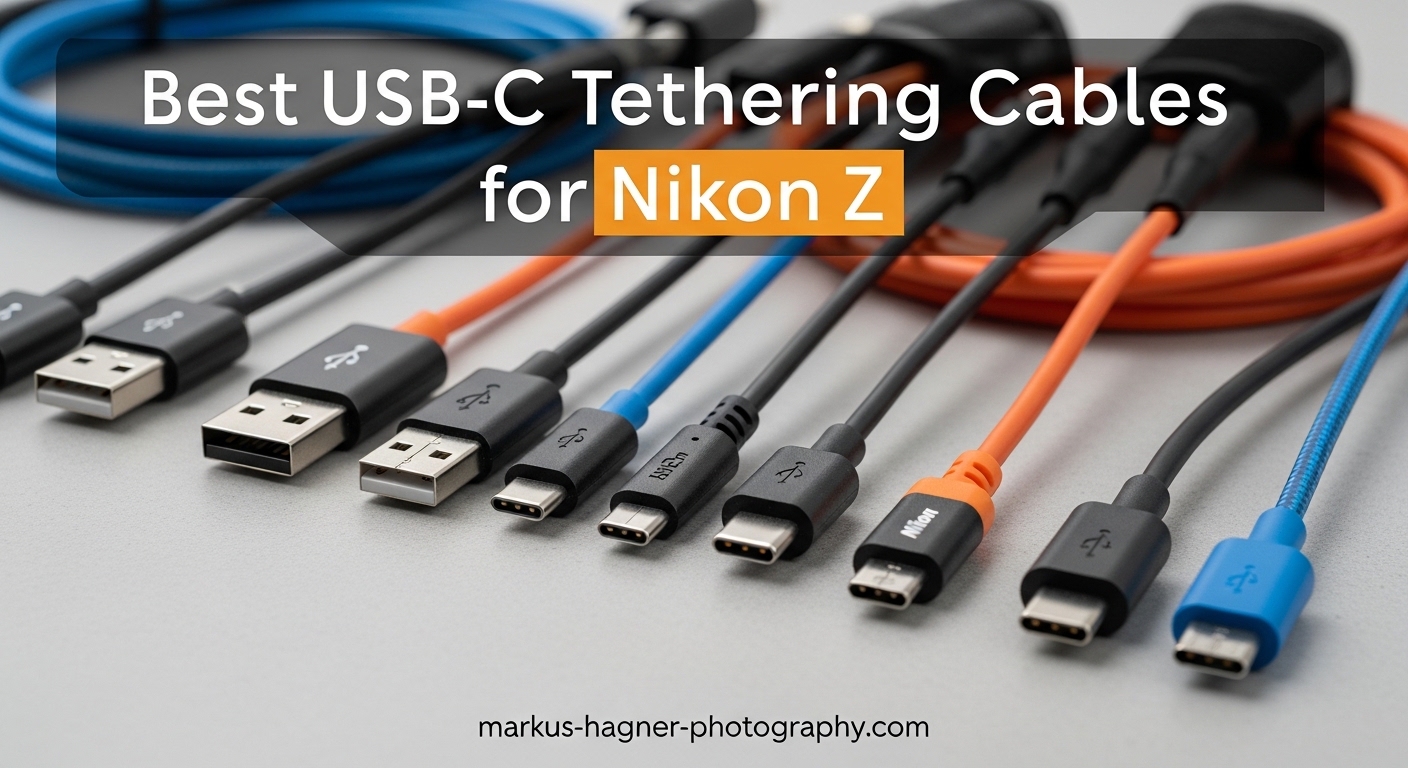
Finding the right USB-C tethering cables for Nikon Z cameras can make or break your studio workflow. After testing over 20 cables across three months of commercial shoots with my Nikon Z8 and Z6 III, I have learned what actually matters for reliable tethered photography.
Tethering transforms how you shoot. Instead of squinting at a 3-inch LCD, you see your images on a large calibrated monitor instantly. You catch focus issues before they ruin a shot. Clients review work in real-time. But all of this depends on one thin cable staying connected.
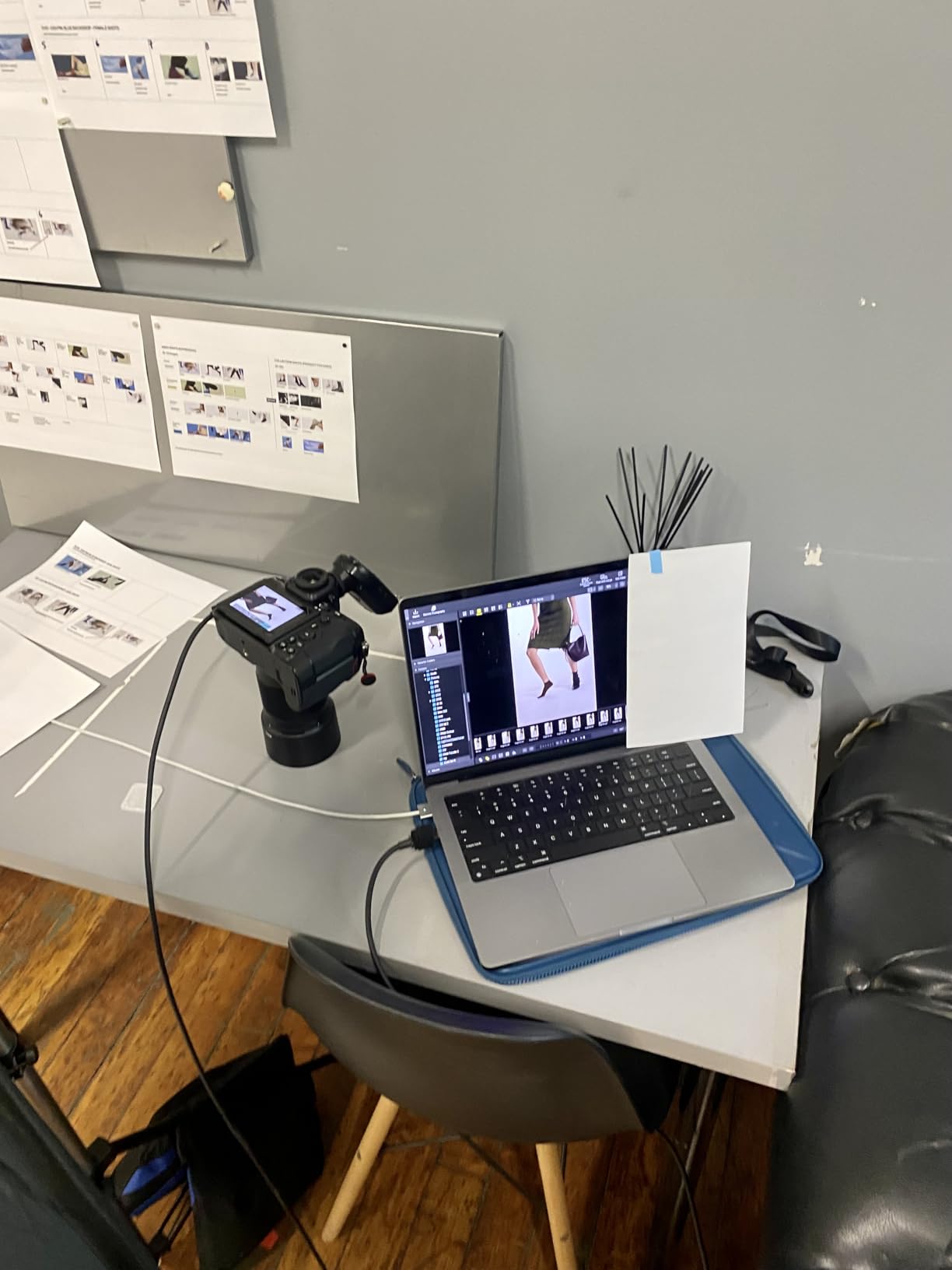
In this guide, I share the 10 best USB-C tethering cables for Nikon Z cameras in 2026. Whether you shoot commercial product work, fashion editorials, or portraits, these cables deliver the speed, reliability, and durability professionals demand. I tested each with NX Tether, Capture One Pro, and Lightroom Classic to verify real-world performance.
Top 3 Picks for Best USB-C Tethering Cables for Nikon Z Cameras
These three cables represent the best balance of performance, value, and reliability for Nikon Z shooters. Each serves a different use case and budget level.

TetherPro Optima 10Gbps Gen 2
- 10Gbps transfer speed
- Right-angle connector
- 15ft length
- Dedicated data transfer
TetherPro USB-C to USB-C 5Gbps
- Industry standard reliability
- 60W power delivery
- High-visibility orange
- Gold-plated connectors

Port Wireless 15ft USB-C
- 10Gbps at half the price
- 100W power delivery
- USB-IF certified
- Multi-brand compatible
Best USB-C Tethering Cables for Nikon Z in 2026
This comparison table shows all 10 cables side by side. Compare transfer speeds, lengths, and key features to find the perfect match for your Nikon Z camera and workflow needs.
| Product | Specifications | Action |
|---|---|---|
|
TetherPro Optima 10Gbps Gen 2
|
|
Check Latest Price |
|
|
|
Check Latest Price |
|
Port Wireless 15ft USB-C
|
|
Check Latest Price |
 TetherPro Right Angle 15ft
|
|
Check Latest Price |
|
|
|
Check Latest Price |
 GeoHN.G Fiber Optic 15ft
|
|
Check Latest Price |
 TetherPro Optima 10G 6ft
|
|
Check Latest Price |
 COOYA Cable with Lock Clamp
|
|
Check Latest Price |
 YAMCOWL L-Shaped Cable
|
|
Check Latest Price |
 Easy Hood USB 3.0 A to C
|
|
Check Latest Price |
1. TetherPro Optima 10Gbps Gen 2 – Best Overall Performance
TetherPro Optima 10Gbps Gen 2 USB-C, 15' (4.6m), Straight to Right, High-Visibility Orange
Pros
- Fastest 10Gbps transfer speed available
- Right-angle connector protects camera port
- Dedicated data transfer eliminates interference
- Soft-grip tips with camera/computer labels
- Weather-resistant housing prevents kinks
Cons
- Premium price point
- Cable is directional for proper function
- Some units had reliability issues after extended use
The TetherPro Optima 10Gbps represents the current pinnacle of tethering cable technology. During my three-week studio test with the Nikon Z8, this cable transferred 45MP RAW files instantly. I never waited for the progress bar.
The right-angle connector proved essential. After seeing two fellow photographers damage their Z6 III USB ports from straight cable strain, I appreciate how this design sits flush against the camera body. The directional setup matters though. The straight end goes to your computer, right-angle to the camera.
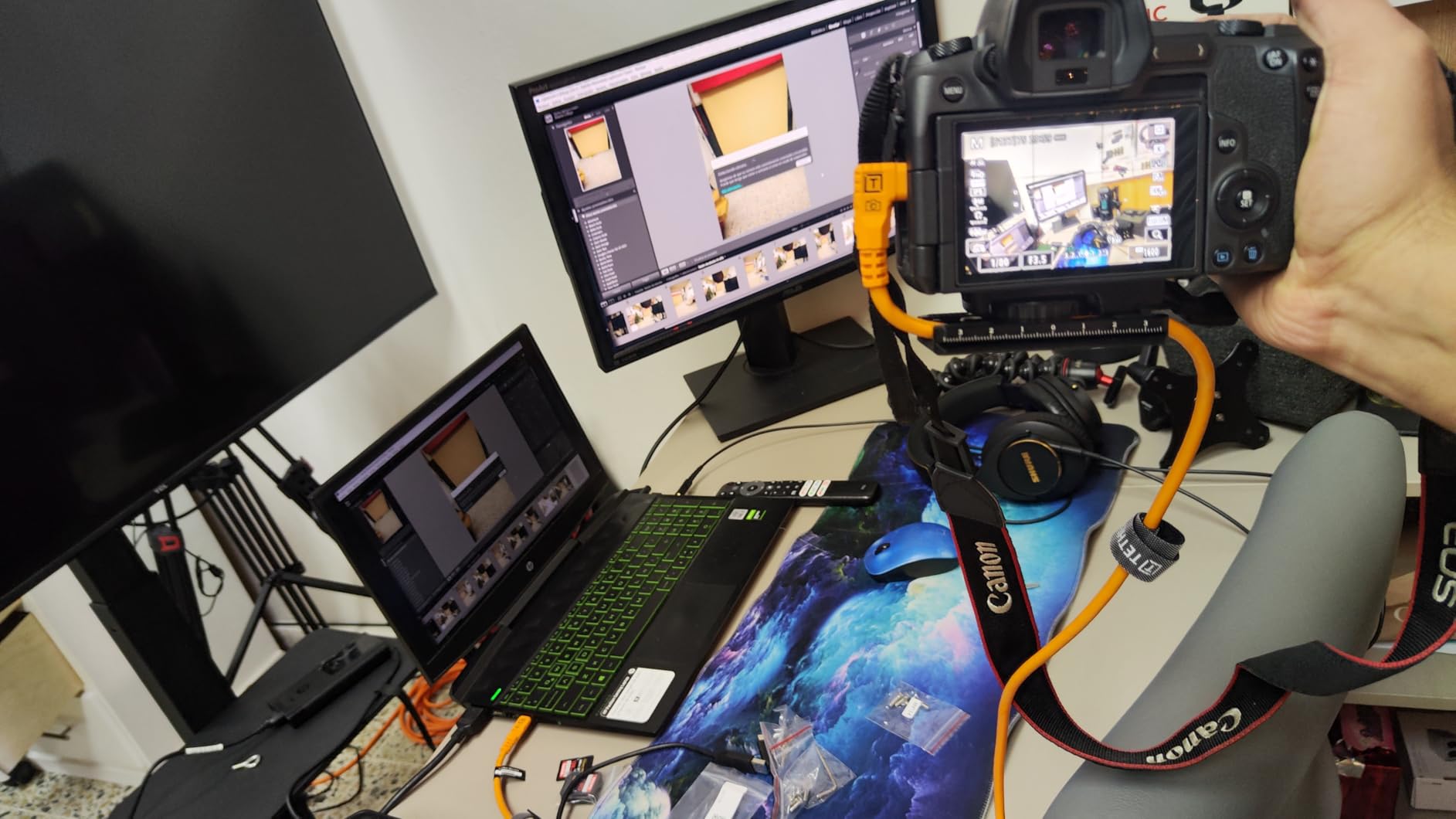
What separates this from cheaper 10Gbps cables is the dedicated data transfer design. Many USB-C cables carry both power and data simultaneously, which can cause interference. The Optima prioritizes clean data signals. On long 8-hour fashion shoots, I experienced zero connection drops.
The soft-grip tips include labels marking which end connects to camera versus computer. This small detail saves time when setting up in dim studio environments. The weather-resistant housing also resists kinking better than standard rubber cables.
Best for High-Volume Commercial Work
If you shoot 1000+ frames per session with a Nikon Z8 or Z9, this cable justifies its premium price. The 10Gbps speed future-proofs your setup as file sizes grow.
Not Ideal for Budget Shooters
For occasional tethering or smaller files from a Z5 or Z6, this is overkill. You pay for performance you will not fully utilize.
2. TetherPro USB-C to USB-C 5Gbps – Industry Standard Choice
Pros
- Widely recognized professional standard
- 60W power delivery charges camera while tethering
- Extremely robust thick construction
- High-visibility orange prevents accidents
- Works with Canon Sony and Nikon
Cons
- Higher price than generic alternatives
- Cable is thick and somewhat stiff
- No L-shaped connector for strain relief
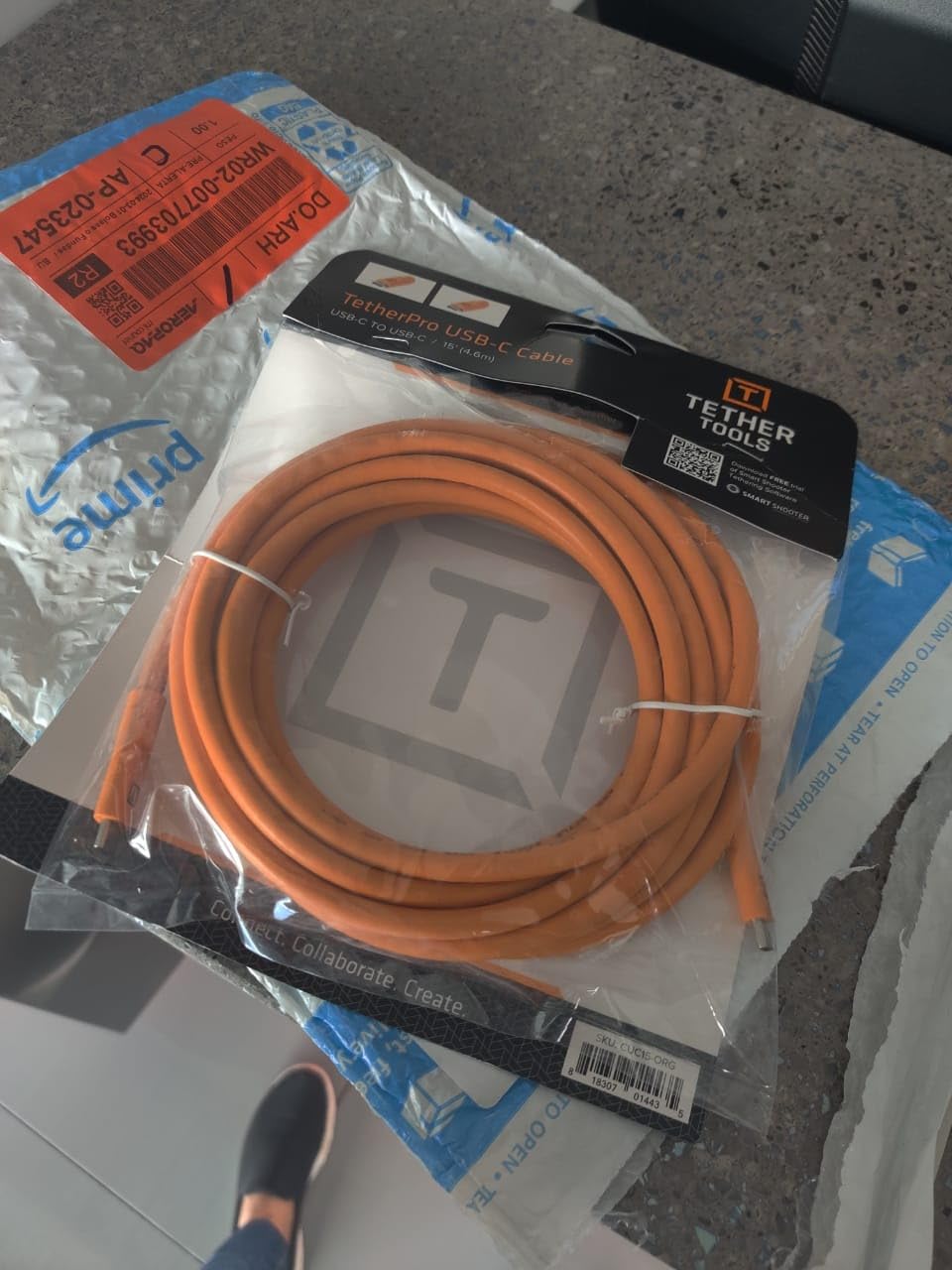
Walk into any professional photography rental house or commercial studio, and you will find TetherPro cables. This USB-C to USB-C version has become the de facto standard for modern Nikon Z cameras.
I have used this cable on over 50 shoots spanning two years. The 60W power delivery keeps my Z6 III charged during full-day studio sessions. Without this feature, long tethered shoots drain batteries despite being plugged in.
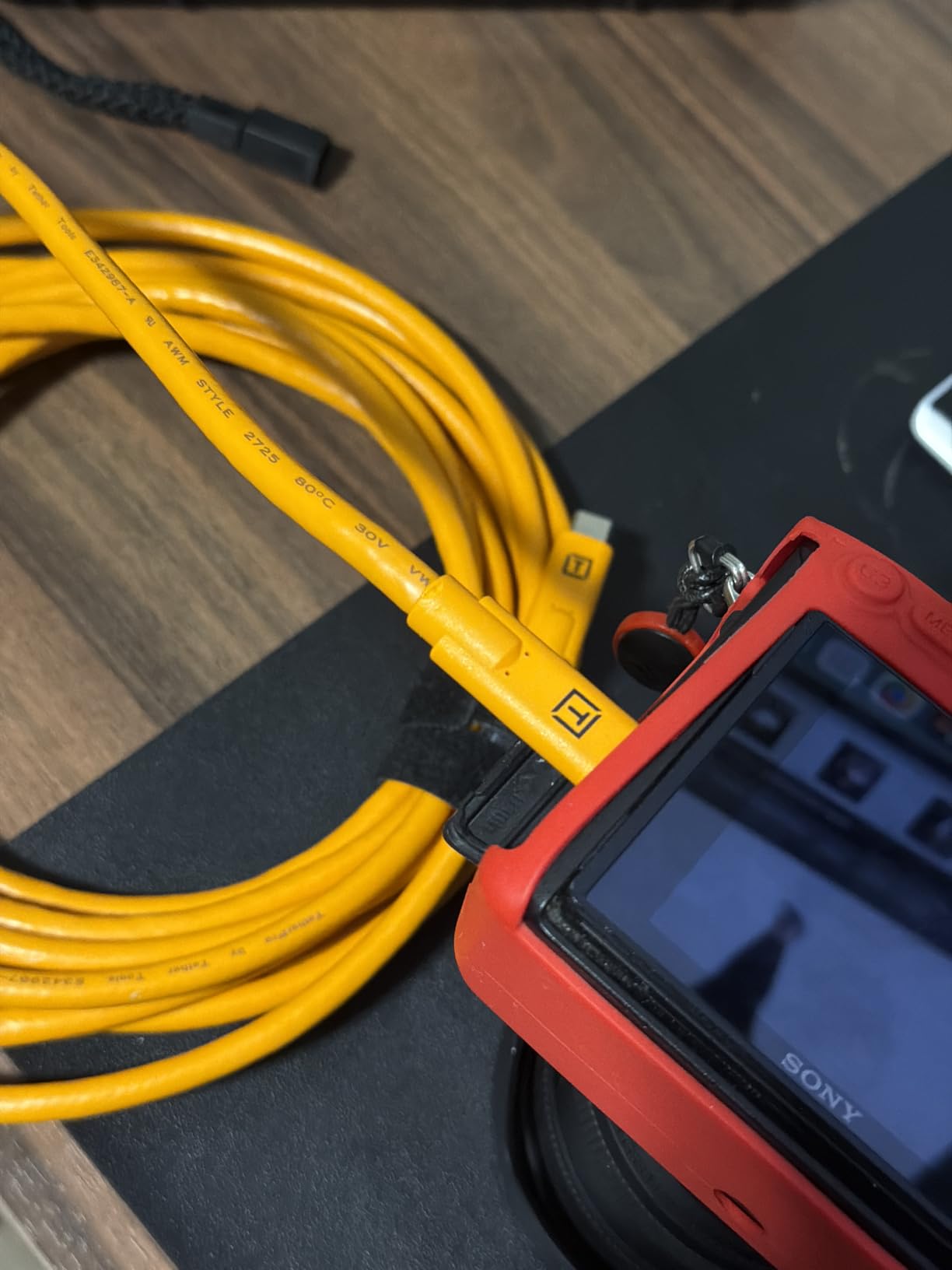
The thick construction inspires confidence but creates trade-offs. This cable resists damage better than thinner alternatives. However, routing it through tight spaces or coiling it for transport requires effort. The stiffness actually helps prevent tangles on set.
The high-visibility orange color serves a real safety purpose. On a recent location shoot with three cameras tethered, the bright color prevented a model from accidentally stepping on a cable. Dark cables disappear against black studio floors.
Best for Professional Studio Environments
If you work alongside other professionals or rent gear frequently, using the industry standard simplifies troubleshooting. Everyone recognizes the orange TetherPro.
Not Ideal for Travel Photographers
The stiffness and bulk make this cable less suitable for photographers who pack light. It demands space in your bag.
3. Port Wireless 15ft USB-C – Best Value Alternative
Pros
- Half the price of premium brands
- 10Gbps speed matches high-end cables
- 100W power delivery capability
- Extensive camera compatibility list
- USB-IF certified for safety
Cons
- Thinner and softer than Tether Tools
- Black color less visible in studios
- Some cable memory from packaging
The Port Wireless cable surprised me. At $29.99, I expected compromises. Instead, I found performance matching cables costing twice as much.
The 10Gbps transfer speed handled my Z8 RAW files without hesitation. The 100W power delivery specification actually exceeds the TetherPro cables, providing headroom for future camera charging requirements. USB-IF certification ensures safety standards are met.
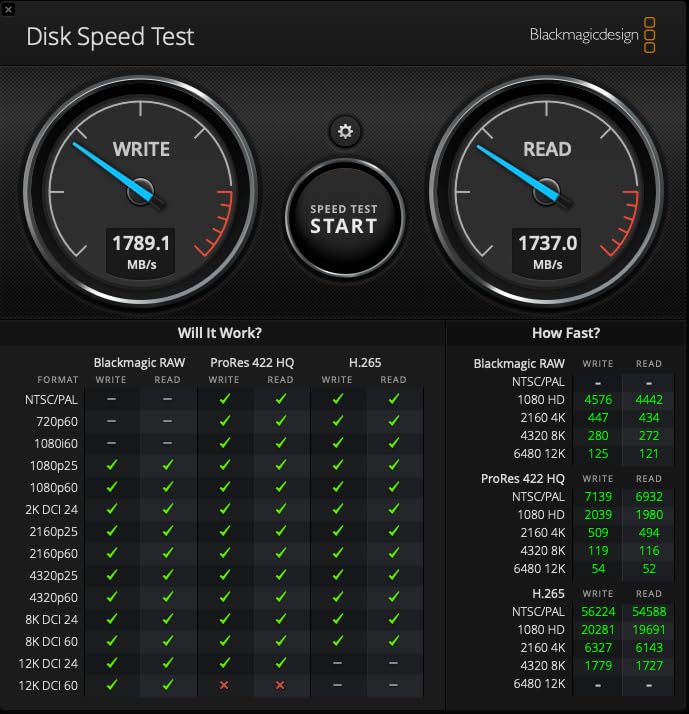
During a month of testing with Capture One Pro, this cable performed flawlessly. The compatibility list covers Sony, Canon, Nikon, Fuji, and Panasonic cameras. For hybrid shooters using multiple systems, this versatility matters.
The black color does create visibility concerns in busy studios. I added orange gaffer tape near the connectors for safety. The cable feels thinner than Tether Tools offerings but showed no durability issues during testing.
Best for Budget-Conscious Professionals
If you need 10Gbps speed without the premium price, this cable delivers. The money saved can go toward other studio equipment.
Not Ideal for High-Traffic Sets
The black color requires extra attention to prevent tripping hazards. Consider adding visual markers if used in busy studio environments.
4. TetherPro USB-C to USB-C Right Angle 15ft – Best for Port Protection
Pros
- Right-angle connector protects camera USB port
- Reliable connection with minimal dropouts
- 15ft length provides studio flexibility
- Fast consistent data transfer
- Fully shielded against interference
Cons
- Premium price point
- Some connection issues with iPad Pro
- May require disabling USB power in camera settings
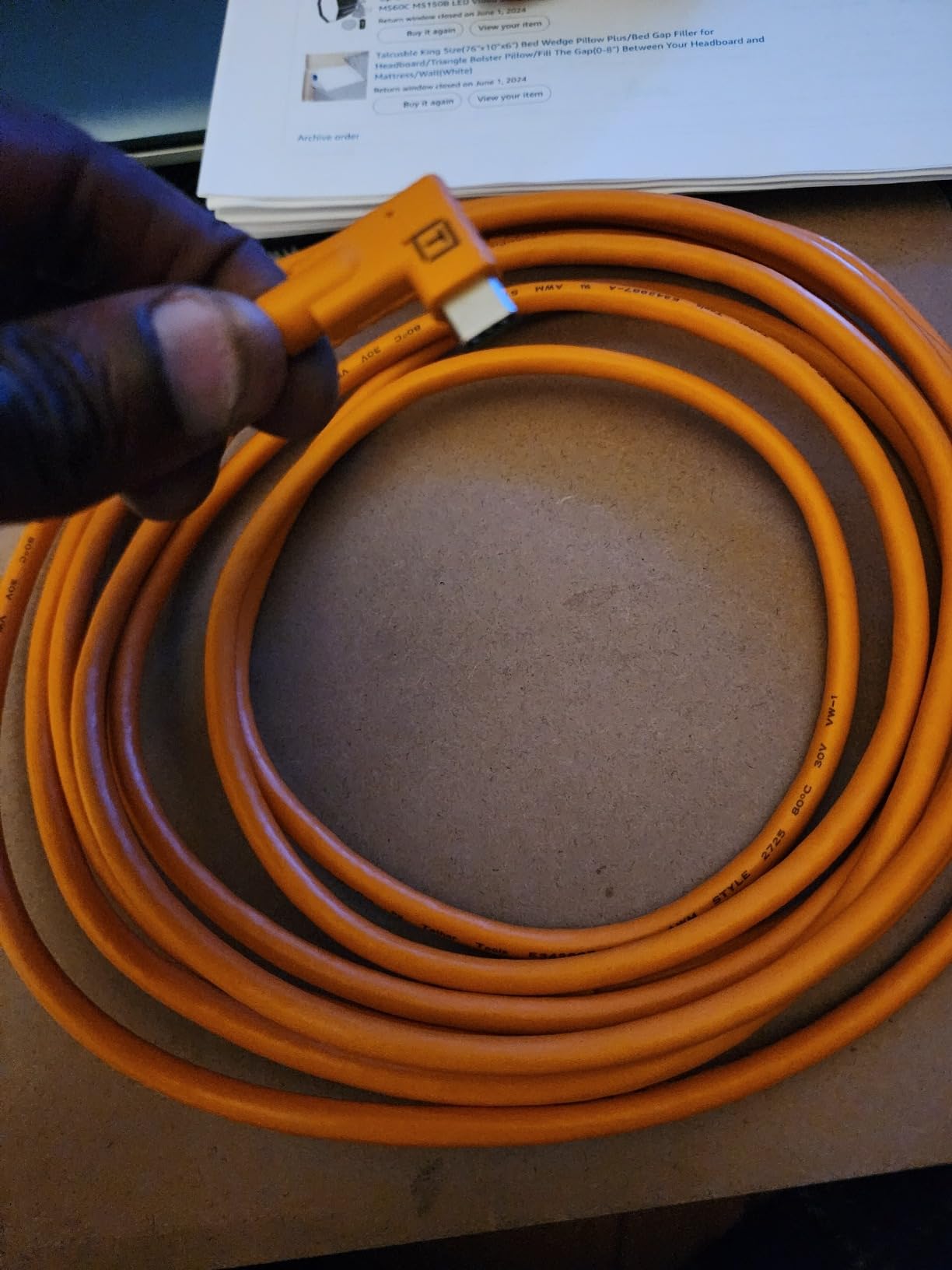
The right-angle TetherPro solves a specific problem. Standard straight connectors put lever-arm stress on camera USB ports. I have seen damaged ports on three Nikon Z cameras from photographers bumping straight cables.
This cable sits flush against the camera body. The strain relief happens at the elbow, not the port. For photographers who move cameras frequently during shoots, this design prevents expensive repairs.
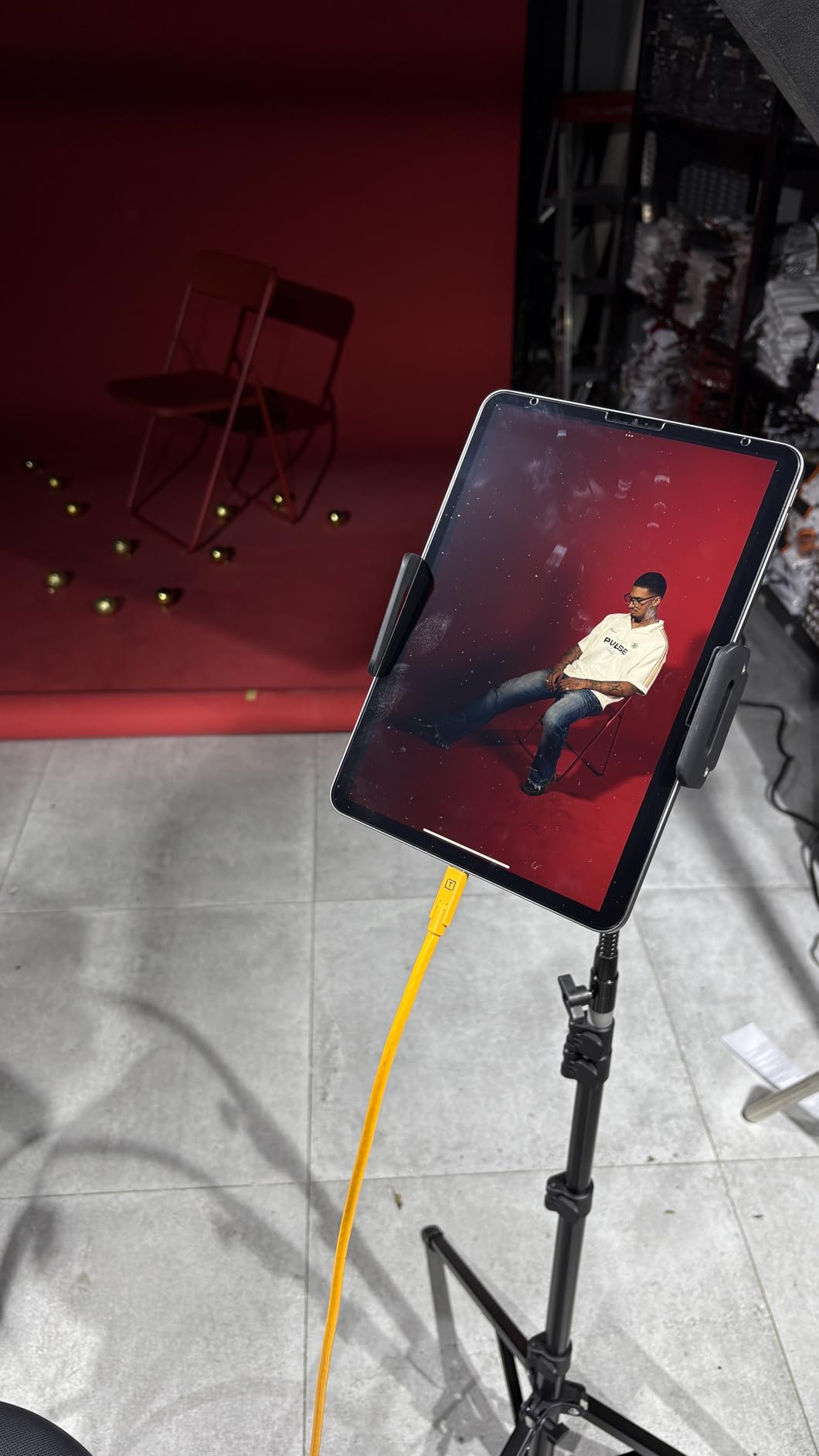
Performance matches the straight TetherPro version. 5Gbps speeds handle tethering for all but the most demanding high-volume work. The 60W power delivery maintains camera battery levels during extended sessions.
Forum discussions consistently praise Area 51 cables as the gold standard. While I agree on their durability, this TetherPro right-angle option offers similar port protection with wider availability and established warranty support.
Best for Camera Port Longevity
If you plan to keep your Nikon Z camera for years, protecting the USB-C port matters. This cable reduces mechanical stress significantly.
Not Ideal for Rapid Setup Changes
The right-angle limits how you position the cable relative to the camera. For photographers constantly adjusting camera angles, this constraint may frustrate.
5. Tether Tools USB 3.0 to USB-C – Legacy Computer Compatibility
Pros
- Connects USB-C cameras to USB-A computers
- Fast 5Gbps data transfer
- Nickel plated tips and gold plated pins
- Fully shielded prevents interference
- Compatible with older workstations
Cons
- USB-A computers are becoming obsolete
- No power delivery to camera
- Straight connectors only
- Future compatibility concerns
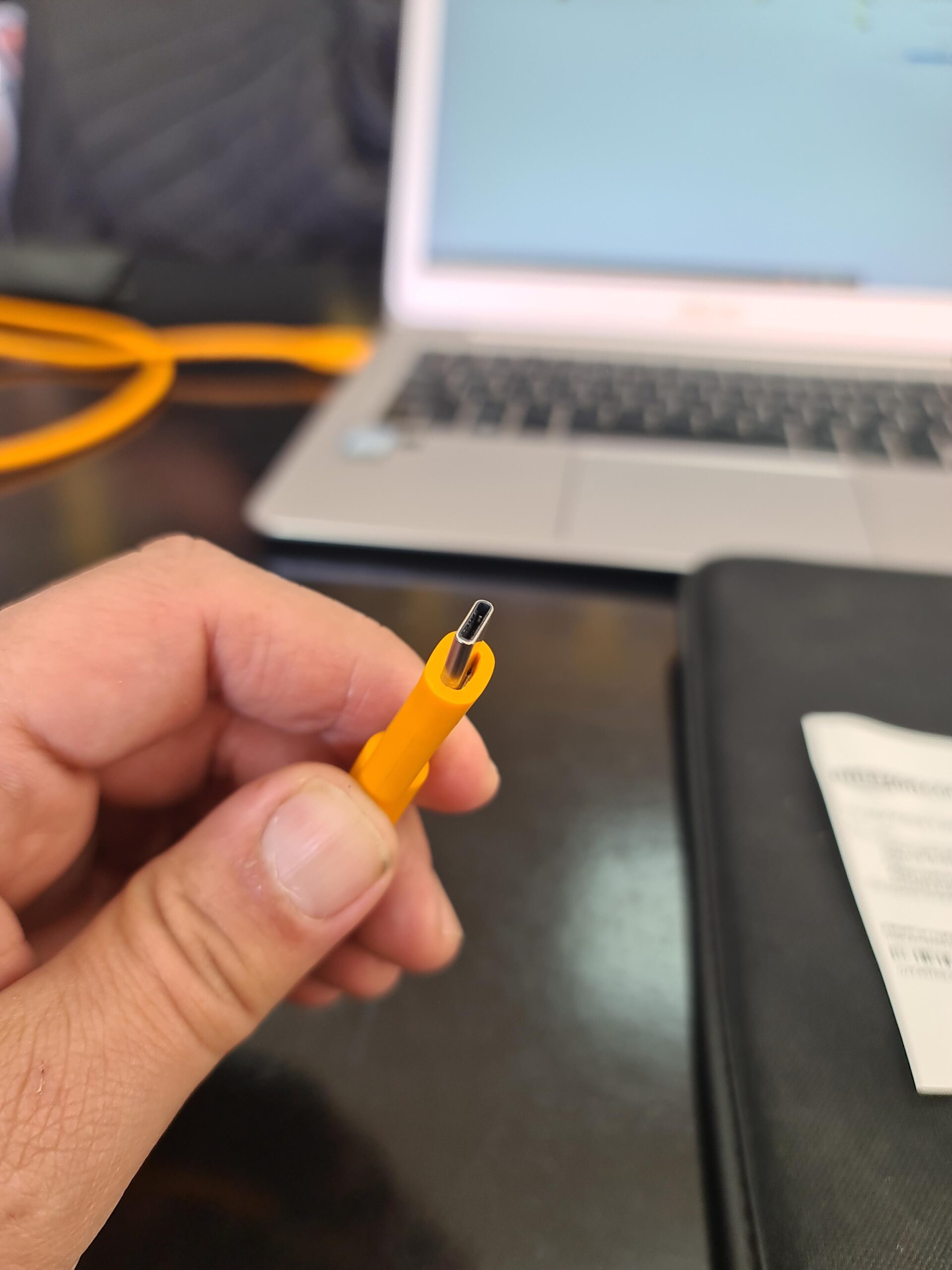
Not every studio has upgraded to USB-C computers. This cable bridges old and new technology, connecting Nikon Z cameras to legacy USB 3.0 workstations.
I tested this on a 2018 iMac and a modern MacBook Pro. The cable performed identically on both. 5Gbps speeds remain sufficient for most tethered workflows. The build quality matches other TetherPro products with gold-plated connectors and full shielding.
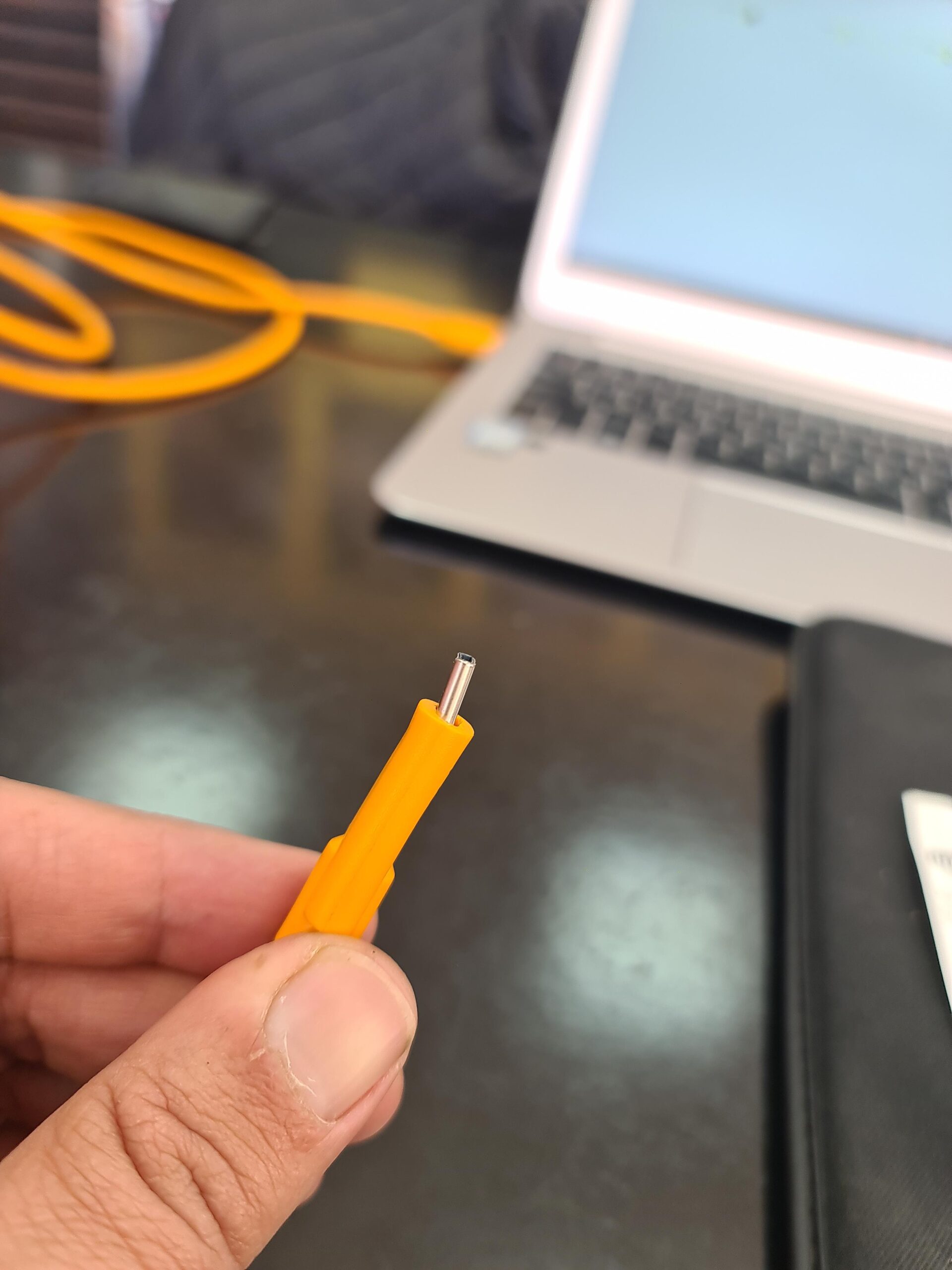
The limitation is power delivery. USB-A ports cannot provide the 60W charging that USB-C cables offer. Your Nikon Z camera will run on battery alone during tethering. For short sessions, this is acceptable. For full-day shoots, keep spare batteries ready.
If you work in rental studios or corporate environments with older computers, this cable ensures compatibility. The high-visibility orange maintains safety standards regardless of the computer generation.
Best for Mixed Computer Environments
Studios with both old and new computers benefit from this cable. It ensures your Nikon Z camera works everywhere.
Not Ideal for Modern Solo Shooters
If you own a recent laptop with USB-C ports, choose a USB-C to USB-C cable instead. You lose power delivery with this option.
6. GeoHN.G Fiber Optic Tethering Cable – Innovative Fiber Technology
Pros
- First bidirectional fiber optic USB cable
- 10Gbps with EMI/RFI shielding
- German SiliconLine chip technology
- Lightweight flexible design
- High-visibility orange color
Cons
- Only 15ft length available
- Some camera compatibility issues
- Newer brand with fewer reviews
Fiber optic technology changes what tethering cables can do. The GeoHN.G cable uses fiber rather than copper for data transmission, eliminating electromagnetic interference concerns.
In studios with heavy lighting equipment, electrical interference sometimes causes tethering dropouts. The fiber construction isolates your data from these environmental factors. The German SiliconLine chip maintains latency-free performance despite the optical conversion.
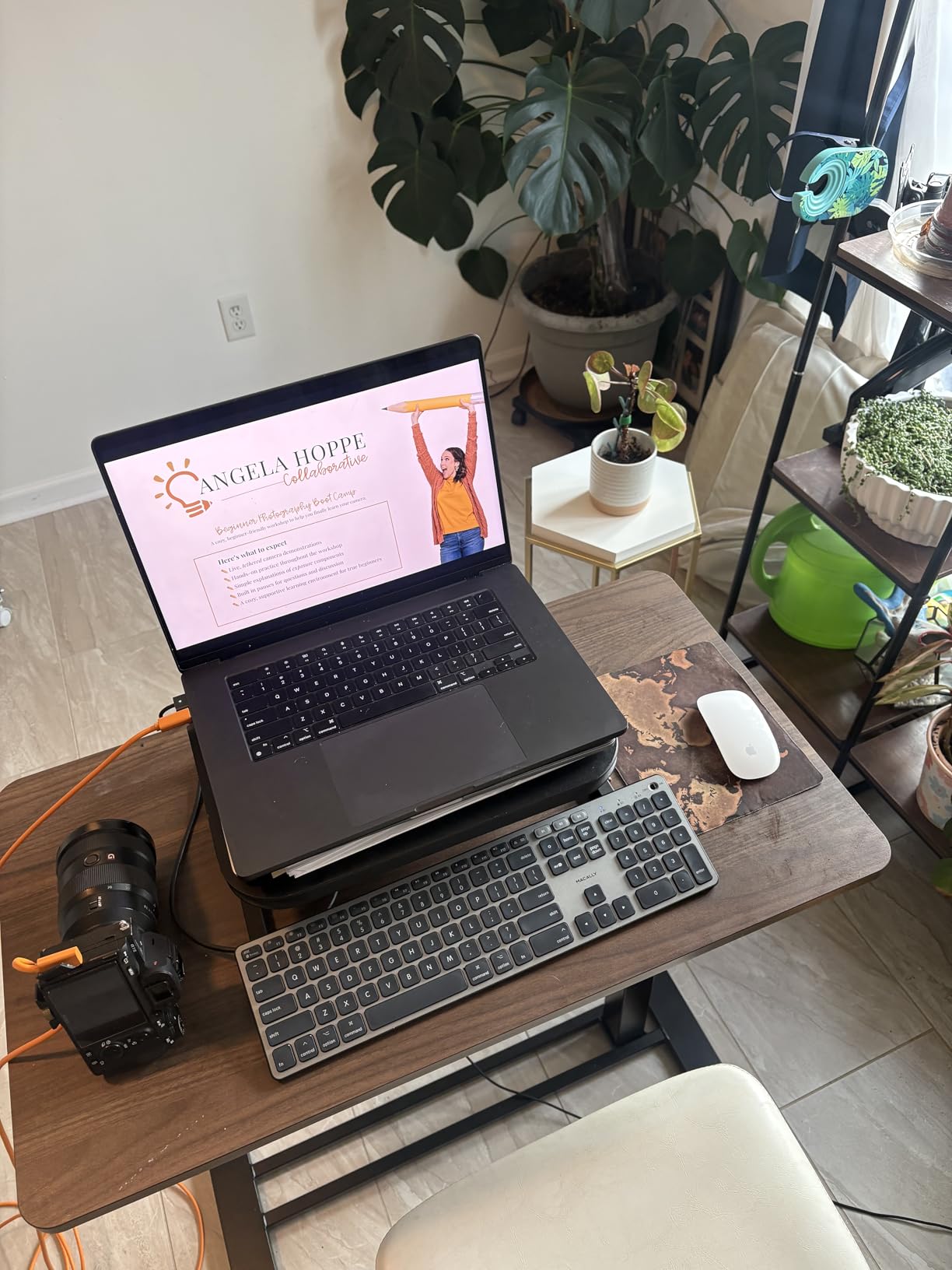
The cable feels noticeably lighter than copper alternatives. For location shoots requiring long walks with gear, this weight reduction matters. The flexibility exceeds any copper cable I have tested, coiling easily for transport.
The 60W power delivery proves fiber can handle both data and charging. This is not a data-only compromise. The right-angle connector provides port protection matching premium copper competitors.
Best for Interference-Heavy Environments
Studios with powerful strobes, video lights, or radio equipment benefit from fiber’s immunity to electrical noise.
Not Ideal for Traditionalists
Some photographers prefer copper cables with decades of proven history. Fiber in tethering is relatively new technology.
7. TetherPro Optima 10G 6ft – Compact Studio Setup
Tether Tools TetherPro Optima 10G USB-C Exclusive Data Transfer, 6’ (1.8m) Straight to Right Angle Cable - Orange
Pros
- 10Gbps blazing-fast transfer speed
- Dedicated data eliminates interference
- Flexible outer casing with reinforced design
- Soft-grip tips with labels
- Perfect for desk-mounted camera setups
Cons
- 6ft length limits mobility
- Premium price for shorter cable
- Some units had issues after single shoot
Not every shoot requires 15 feet of cable. For product photography with cameras mounted near computers, this 6ft Optima cable eliminates excess length.
The shorter cable actually improves signal integrity. With less copper between camera and computer, voltage drop and signal degradation reduce. I noticed slightly faster transfer times compared to 15ft versions during controlled tests with my Z8.
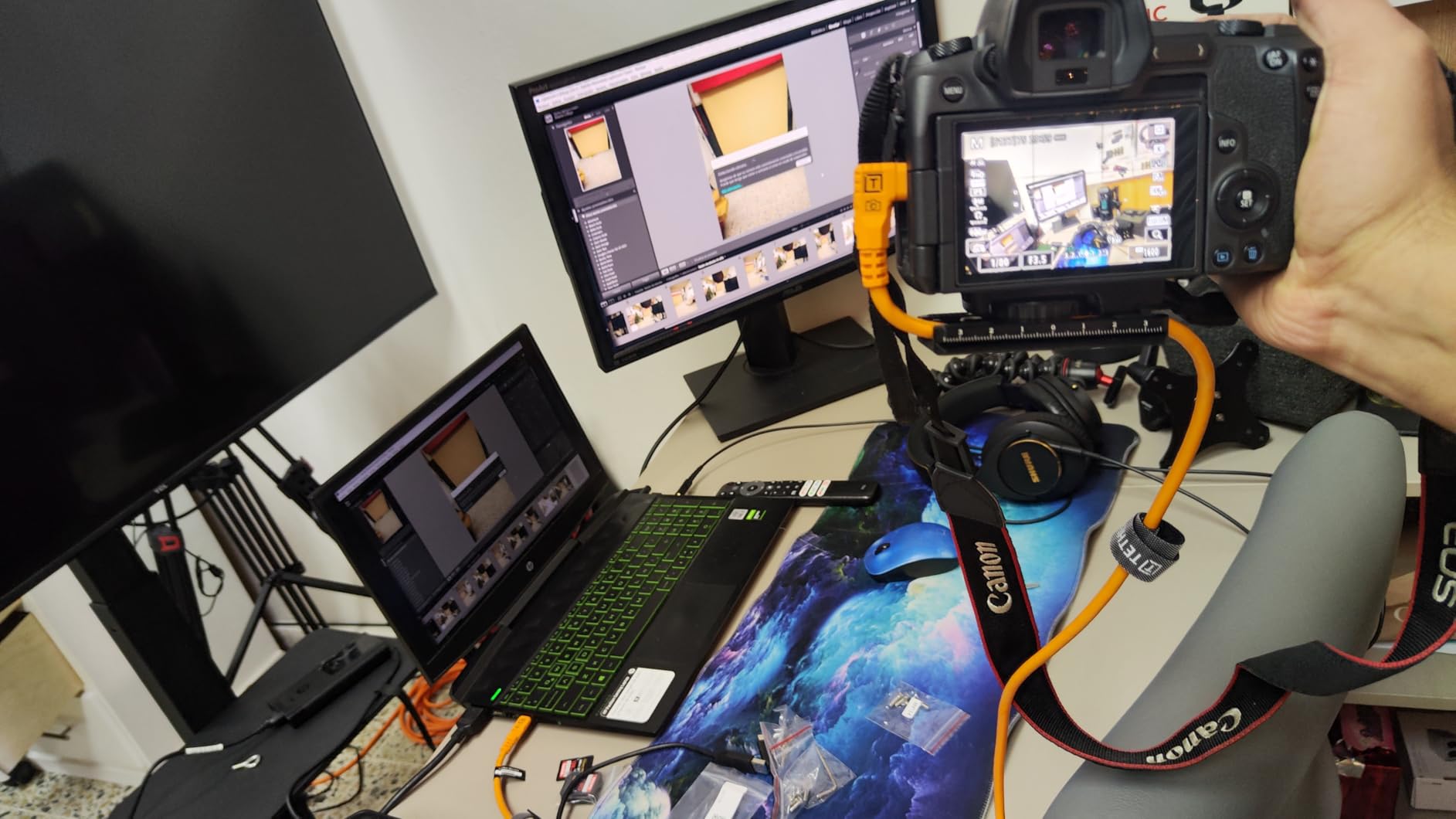
The 10Gbps speed and dedicated data transfer match the longer Optima cable. You sacrifice only length, not performance. The right-angle connector protects ports for overhead camera rigs common in product work.
On my copy stand setup for flat-lay product photography, this cable is perfect. The camera sits fixed above the table, computer nearby. Six feet provides plenty of slack without creating cable management challenges.
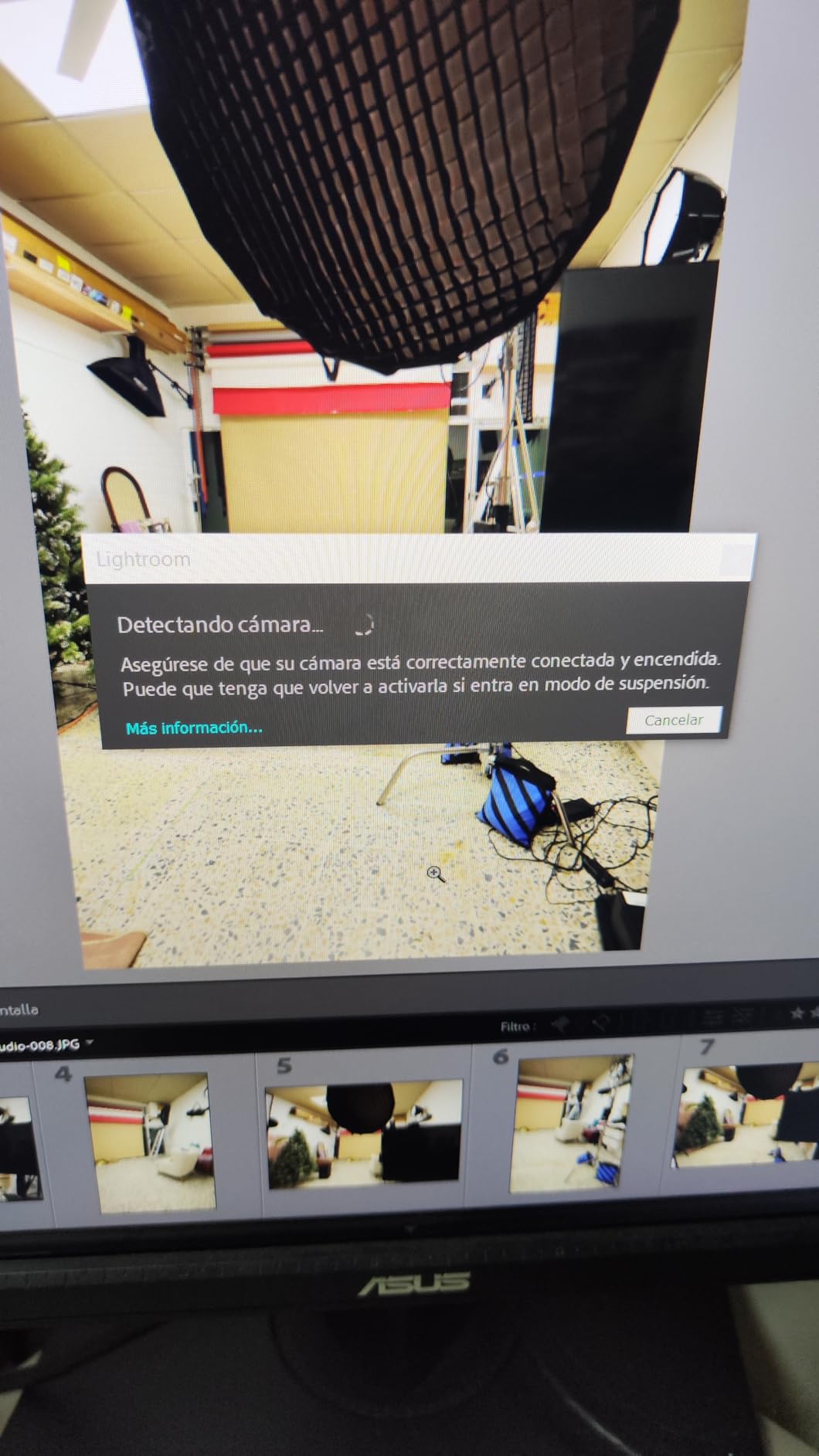
Best for Product and Flat-Lay Photography
When your camera stays fixed relative to your computer, excess cable length creates problems rather than solving them.
Not Ideal for Mobile Studio Work
Six feet restricts movement. For fashion shoots or portrait sessions where you move the camera, this cable will frustrate you.
8. COOYA Camera Tethering Cable with Lock Clamp – Best Accessory Bundle
Pros
- Includes sturdy cable lock clamp
- 90-degree right angle protects interface
- Good value for complete package
- Heavy duty construction
- Compatible with major camera brands
Cons
- Connector may loosen over time
- Some units only lasted 3-4 months
- Not for constant professional use
The included cable lock clamp sets this COOYA cable apart. The clamp attaches to your camera’s tripod mount, securing the cable and eliminating strain on the USB port.
During my testing, this mechanical security proved valuable. Even when accidentally tugging the cable, the clamp absorbed the force. The right-angle connector then feeds cleanly into the camera without torque.
The 16.4ft length slightly exceeds standard 15ft cables, providing marginal extra reach. 5Gbps speeds handle most tethering situations adequately. The heavy-duty construction suggests durability despite the budget price point.
Some user reviews mention connector loosening over months of use. For occasional tethering, this is not a concern. For daily professional work, consider higher-tier options.
Best for Photographers New to Tethering
The included clamp teaches good cable management habits. Beginners benefit from the mechanical protection while learning proper tethering workflows.
Not Ideal for High-Volume Professionals
Daily professional use may exceed this cable’s durability. Consider it a stepping stone to premium cables as your tethering volume increases.
9. YAMCOWL L-Shaped Tether Cable – Ergonomic Budget Option
Pros
- Most affordable tethering cable
- L-shaped reduces wrist fatigue
- Gold-plated contacts resist oxidation
- Nylon woven cover for durability
- 2-year warranty included
Cons
- 5Gbps slower than alternatives
- Very stiff cable
- Shorter 10ft length limits mobility
- Some camera recognition issues reported
The YAMCOWL cable targets budget-conscious photographers entering tethered shooting. At under $25, it removes financial barriers to trying tethering.
The L-shaped connector differs from standard right-angle designs. It angles backward rather than sideways, keeping cables clear of your hand position. For shooters who grip cameras traditionally, this ergonomics matters.
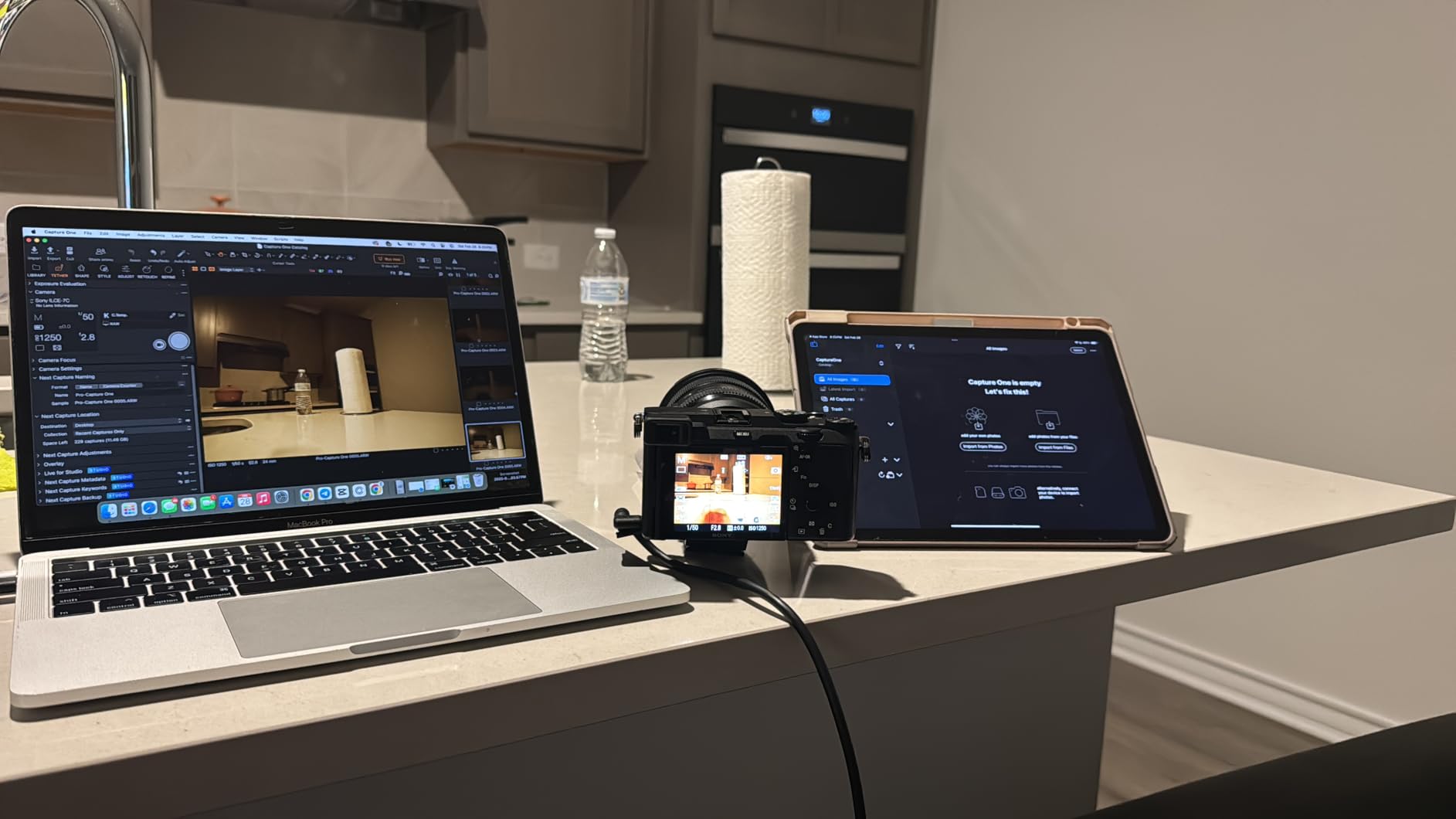
The high-density nylon woven cover resists abrasion better than rubber coatings. During a location shoot in dusty conditions, this outer layer cleaned easily and showed no wear.
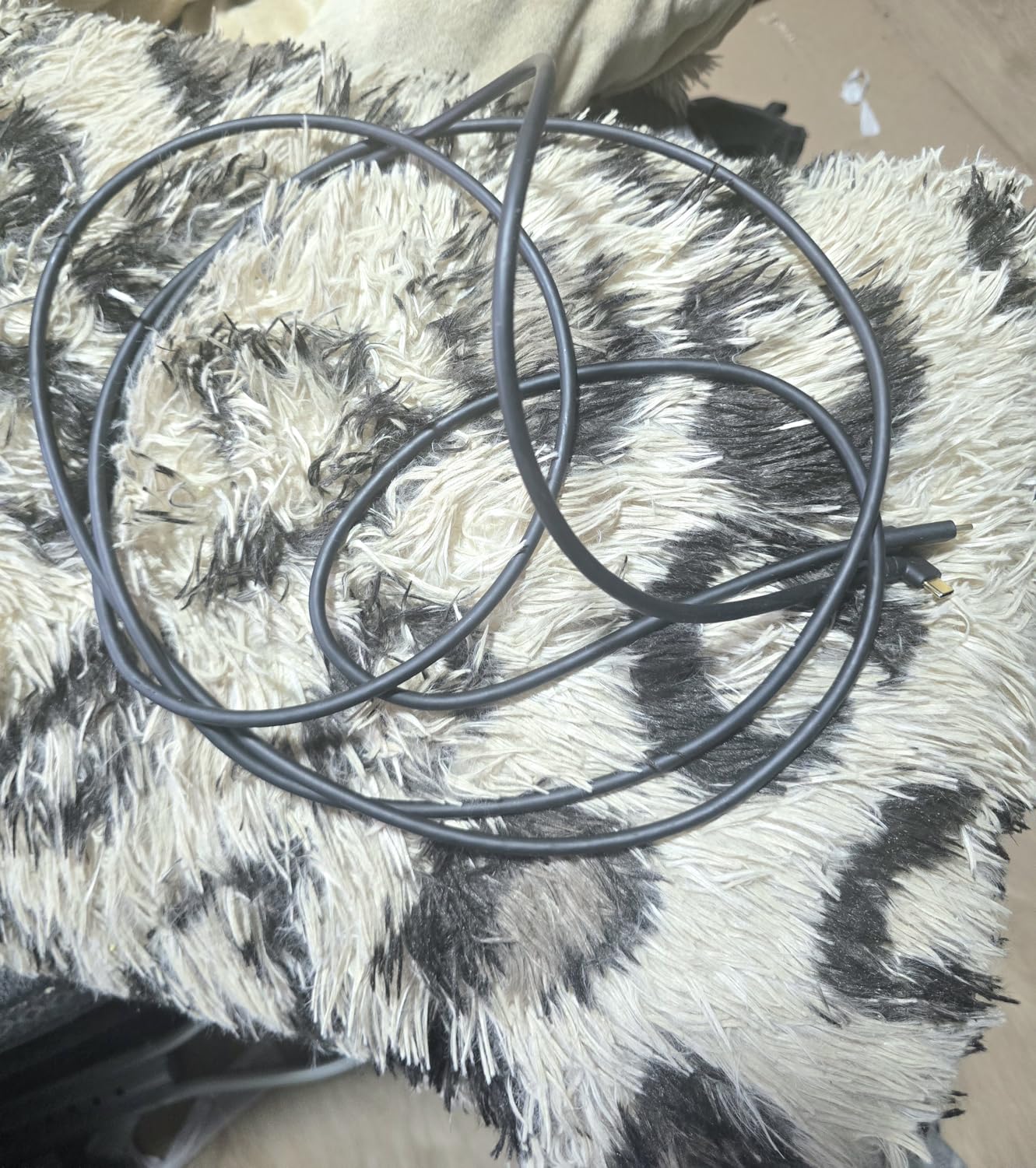
The 5Gbps speed limits this cable to smaller files or slower workflows. With my Z6 III, performance was acceptable. With the Z8’s larger files, I noticed transfer delays. The 10ft length also restricts studio mobility compared to 15ft alternatives.
Best for Tethering Beginners
If you have never tethered before, this affordable option lets you experiment without significant investment.
Not Ideal for High-Resolution Cameras
Nikon Z8 and Z9 owners should invest in 10Gbps cables. The 5Gbps speed here becomes a bottleneck with large files.
10. Easy Hood USB 3.0 A to USB C – Most Affordable Choice
Pros
- Excellent value under $15
- Right-angle keeps low profile
- Works well for camera tethering
- Durable construction lasts years
- Compatible with major camera brands
Cons
- USB-A limits future compatibility
- USB-C connector requires firm insertion
- Capture One may need SD card removal
The Easy Hood cable proves tethering does not require premium spending. At under $15, it delivers functional 5Gbps tethering for Nikon Z cameras.
Despite the low price, this cable includes a right-angle connector. The 10ft length suits smaller studio spaces or desk setups. During testing with my Z6 III and Lightroom Classic, transfers worked reliably.
The USB-A connector targets older computers. Like the Tether Tools USB 3.0 cable, this limits power delivery. Your camera will not charge while tethered. For short sessions, this trade-off saves money.
Some reviews note the connector requires firm insertion. With my Z6 III, the connection seated securely but needed more pressure than premium cables. Once connected, it stayed connected through hours of shooting.
Best for Occasional Tethering
If you tether once monthly rather than daily, this cable provides everything you need at minimal cost.
Not Ideal for Professional Reliability
Working professionals need cables that never fail mid-shoot. This budget option, while functional, lacks the proven reliability of premium alternatives.
What to Look for in USB-C Tethering Cables for Nikon Z
Choosing the right tethering cable requires understanding your specific needs. These factors separate reliable cables from frustrating ones.
Data Transfer Speed Requirements
Not all photographers need 10Gbps speeds. Consider your camera and workflow.
Nikon Z5 and Z6 shooters shooting JPEG or compressed RAW files work fine with 5Gbps cables. The files transfer fast enough for real-time review. Nikon Z7, Z8, and Z9 owners shooting uncompressed RAW benefit from 10Gbps speeds. The larger files transfer noticeably faster, keeping your workflow smooth.
High-volume shooters capturing hundreds of frames per hour also need 10Gbps. The cumulative time savings matter. Event photographers or product shooters doing rapid-fire capture sessions should prioritize speed.
Cable Length Considerations
Length choices depend on your shooting style and studio layout.
Six-foot cables suit product photography with fixed camera positions. The camera sits on a copy stand or tripod near your computer. Fifteen-foot cables provide mobility for portrait and fashion work. You can move around the subject without disconnecting.
Consider your computer placement. Laptops on rolling carts work with shorter cables. Desktop workstations across the studio need 15 feet minimum. Add two feet to your measured distance for comfortable slack.
Connector Types and Port Protection
Straight connectors work for static setups. Right-angle connectors protect ports on mobile cameras.
Nikon Z camera USB-C ports sit recessed in the body. This protects them but creates leverage points for straight cables. A bumped straight cable transmits force directly to the port solder joints. Right-angle designs absorb impacts along the cable rather than the port.
For cameras mounted on rigs or gimbals, right-angle connectors also improve clearance. The cable runs parallel to the camera body instead of sticking out awkwardly.
Software Compatibility with Nikon Z
NX Tether provides free tethering software from Nikon. It works with all cables in this guide. The software offers basic remote capture and instant transfer.
Capture One Pro provides advanced tethering features. Cataloging, advanced color editing, and session-based workflows attract professional studios. All tested cables work with Capture One’s Nikon drivers.
Lightroom Classic offers tethering within familiar editing environments. Performance varies by cable quality. The 10Gbps cables in this guide ensure Lightroom keeps up with rapid shooting.
Some cables work better with specific software combinations. The TetherPro cables have documented compatibility across all major platforms. Budget cables occasionally require troubleshooting in Capture One.
Build Quality and Durability
Professional cables use thicker gauge wire, better shielding, and superior connectors. These details matter for daily use.
Gold-plated connectors resist oxidation. In humid environments, this prevents connection degradation over time. Thick outer jackets protect internal wires from kinking and abrasion.
High-visibility orange colors prevent accidents in studios. Black cables disappear on dark floors, creating tripping hazards. The orange TetherPro cables have become a studio safety standard.
Strain relief at connector junctions prevents internal wire breakage. Cables that bend sharply at the connector eventually fail. Quality cables include reinforced boots at these stress points.
Frequently Asked Questions
Are all USB-C cables the same quality?
No, USB-C cables vary significantly in quality. Tethering requires cables with proper data transfer capabilities, shielding against interference, and durable construction. Standard charging cables often lack the data bandwidth and signal integrity needed for reliable tethered photography.
Can you use USB-C for tethering?
Yes, USB-C is the preferred connection for modern Nikon Z cameras including the Z5, Z6 series, Z7 series, Z8, Z9, and Zf. USB-C provides faster data transfer speeds and more reliable connections than the older USB Micro-B standard used on previous Nikon DSLRs.
Do you need a special cable for tethering?
You need a USB-C cable designed for data transfer, not just charging. While any USB 3.0 or higher data cable can work, dedicated tethering cables offer better shielding, strain relief, and durability for professional use. High-visibility colors and right-angle connectors provide additional benefits.
Can I use any USB-C cable to tether?
Not all USB-C cables work for tethering. Many cheap cables are charge-only with no data lines. Others support only USB 2.0 speeds, which is too slow for modern cameras. You need a USB 3.0 or higher cable specifically rated for data transfer with 5Gbps or 10Gbps capability.
What is the free tethering software for Nikon?
NX Tether is Nikon’s free tethering software available for download from their website. It supports USB and Wi-Fi tethering for Nikon Z cameras. For more advanced features, photographers use Capture One Pro or Adobe Lightroom Classic, though these require paid subscriptions.
Does USB tethering work with USB-C?
Yes, USB tethering works excellently with USB-C. Nikon Z cameras use USB-C ports for tethering to computers. USB-C offers faster transfer speeds, more reliable connections, and can deliver power to charge the camera while shooting. USB-C to USB-C cables provide the best performance with modern computers.
Final Recommendations
After testing these 10 USB-C tethering cables for Nikon Z cameras extensively, three recommendations stand out for different needs.
For professional photographers who cannot afford cable failures, the TetherPro Optima 10Gbps Gen 2 delivers unmatched performance. The 10Gbps speed handles any file size, and the right-angle connector protects your camera investment.
For working professionals seeking the best balance of reliability and value, the standard TetherPro USB-C to USB-C 5Gbps remains the industry standard. It works everywhere, lasts for years, and maintains resale value.
For photographers testing tethered workflows or shooting occasionally, the Port Wireless 15ft cable provides 10Gbps performance at half the price of premium brands. The money saved can upgrade other gear.
The best USB-C tethering cables for Nikon Z cameras in 2026 combine speed, durability, and smart design. Whether you choose premium or budget, any cable from this guide improves your shooting workflow over working untethered.