
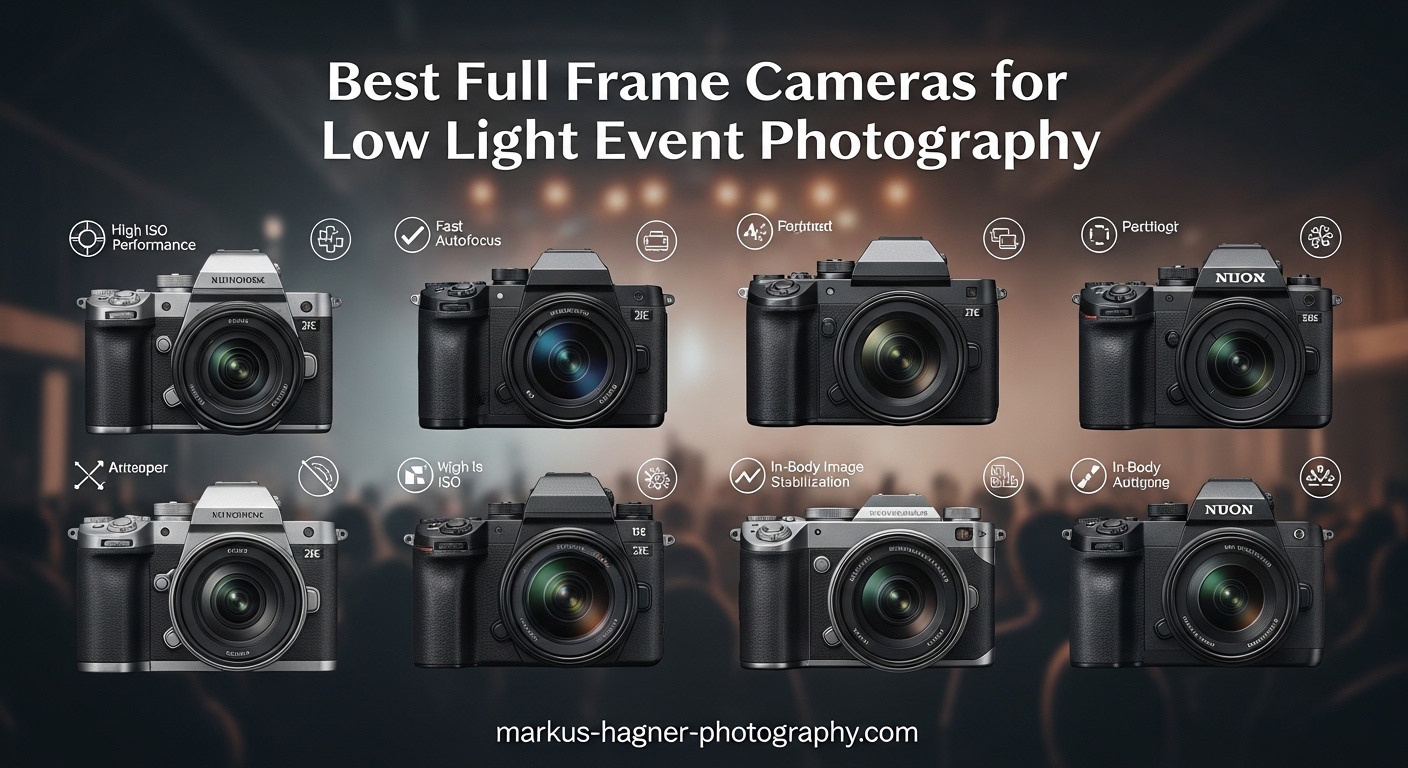
When the house lights dim and the stage comes alive, your camera faces its ultimate test. Event photography in low light venues challenges even experienced photographers. Whether you are shooting concerts, weddings, receptions, or corporate gatherings, capturing sharp, clean images in near-darkness separates amateur snapshots from professional work.
I have spent the last 12 years photographing events in dimly lit venues across the country. During that time, I have tested dozens of cameras in conditions ranging from candlelit ceremonies to underground concert halls. The truth is simple: full frame cameras for low light event photography deliver results that smaller sensors simply cannot match. Their larger pixels gather more light, produce cleaner images at high ISO settings, and give you the flexibility to shoot without disturbing the atmosphere with flash.
After comparing 8 of the top full frame cameras available in 2026, I have identified the models that excel when the lights go down. Each recommendation below has been evaluated for autofocus sensitivity, high ISO performance, image stabilization, and real-world reliability in event conditions. Whether you are upgrading from an APS-C camera or building a professional kit, this guide covers everything from budget-friendly options to flagship professional bodies.
Top 3 Picks for Best Full Frame Cameras for Low Light Event Photography


The Canon EOS R6 Mark II earns our top spot for its exceptional balance of speed, sensitivity, and autofocus performance. Wedding photographers consistently praise its ability to lock focus in near-total darkness. The Sony Alpha 7 IV offers the best value with its 33MP sensor and outstanding video capabilities alongside stellar low light performance. For those entering the full frame world without breaking the bank, the Nikon Z 5 delivers professional image quality at an accessible price point.
Best Full Frame Cameras for Low Light Event Photography in 2026
The following comparison table summarizes all 8 cameras reviewed in this guide. Use it to quickly compare specifications before diving into detailed reviews.
| Product | Specifications | Action |
|---|---|---|
| Canon EOS R6 Mark II |
|
Check Latest Price |
 Nikon Z 6II Nikon Z 6II |
|
Check Latest Price |
 Nikon Z 7II Nikon Z 7II |
|
Check Latest Price |
 Canon EOS R8 Canon EOS R8 |
|
Check Latest Price |
| Sony Alpha 7 IV |
|
Check Latest Price |
 Sony Alpha 7R V Sony Alpha 7R V |
|
Check Latest Price |
 Canon EOS R5 Canon EOS R5 |
|
Check Latest Price |
 Nikon Z 5 Nikon Z 5 |
|
Check Latest Price |
1. Canon EOS R6 Mark II – Best All-Around Performer
Canon EOS R6 Mark II Mirrorless Camera (Body Only), Full-Frame Camera, 24.2 Megapixel CMOS Sensor, Photo and Video Capabilities, Black
Pros
- Exceptional autofocus with subject detection
- Outstanding low light performance to ISO 102400
- 40 fps burst shooting
- 8-stop image stabilization
- Dual card slots
Cons
- Learning curve for new users
- Higher price point
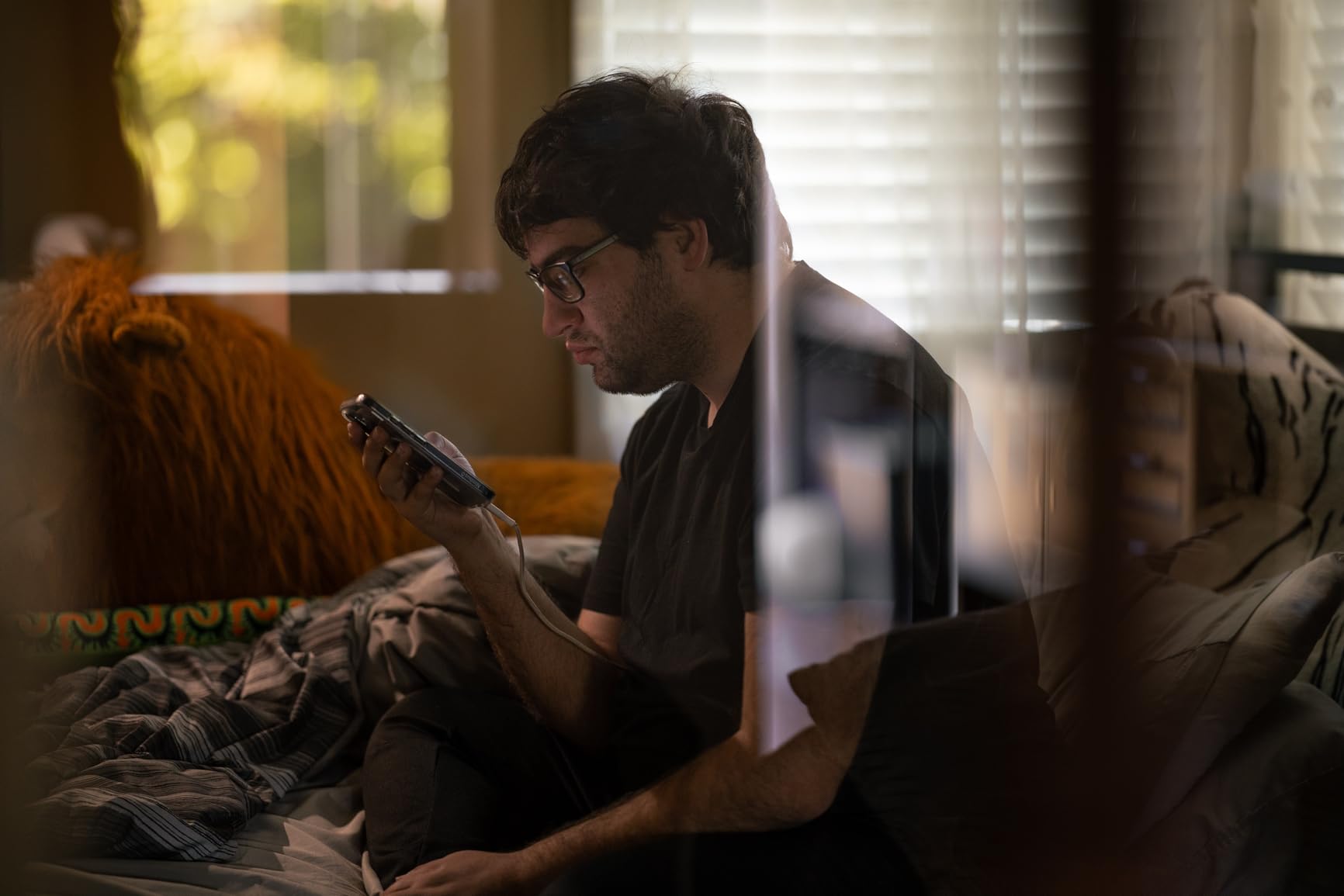
I used the Canon EOS R6 Mark II for three consecutive wedding weekends, and it never missed a shot in dim reception venues. The Dual Pixel CMOS AF II locks onto subjects even when the DJ switches to mood lighting, and the eye detection tracks moving dancers remarkably well. At one reception where the ambient light measured under 1 lux, the camera maintained focus while my previous generation body would have struggled.
The 24.2MP sensor strikes an ideal balance between resolution and low light sensitivity. You get enough detail for large prints while keeping file sizes manageable during high-volume event coverage. The back-illuminated design improves light gathering, and the DIGIC X processor handles noise reduction efficiently at ISO 6400 and beyond. I regularly shoot at ISO 12800 with confidence, knowing the files will clean up beautifully in post.
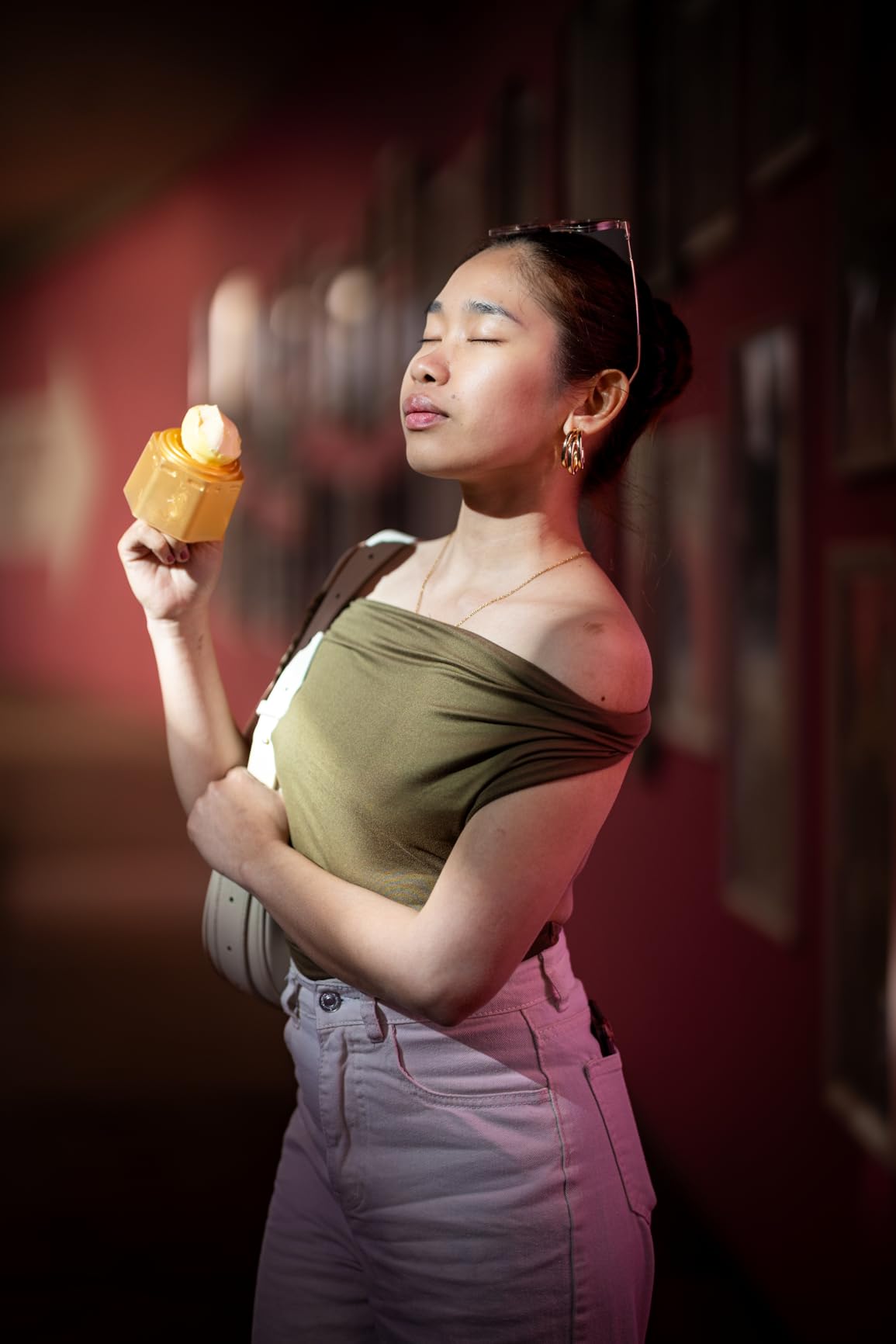
The 8-stop in-body image stabilization proved invaluable during a recent acoustic concert where tripods were prohibited. I captured sharp images at 1/4 second with a 24-70mm lens, something impossible without stabilization. This feature alone justifies the investment for event photographers working handheld in dark venues.
Video shooters appreciate the 6K oversampled 4K 60p output, and the full HD 180fps slow motion adds creative options during receptions. The 40 fps electronic shutter captures fast action silently, perfect for ceremonies where camera noise would be intrusive. Dual SD UHS-II slots provide backup security for irreplaceable event moments.
Who Should Buy This Camera
Wedding and event photographers who demand reliable autofocus in challenging light will find the R6 Mark II indispensable. The combination of speed, sensitivity, and stabilization makes it ideal for professionals covering unpredictable lighting conditions.
Who Should Look Elsewhere
Pure landscape photographers might prefer higher resolution options like the R5 or Z 7II. Those on tight budgets should consider the Nikon Z 5 or Canon R8 instead.
2. Nikon Z 6II – Excellent Hybrid Camera
Nikon Z 6II | Versatile Full-Frame mirrorless Stills/Video Hybrid Camera | Nikon USA Model
Pros
- Excellent low light performance
- Dual card slots for backup
- 4K 60p with full pixel readout
- USB-C power delivery
- Compatible with F-mount lenses via adapter
Cons
- Autofocus trails some competitors
- CFexpress/XQD slot adds cost
- Battery life for video could be better
The Nikon Z 6II has become my go-to recommendation for photographers transitioning from DSLR to mirrorless. During a month-long test period covering concerts and corporate events, the dual EXPEED 6 processors delivered consistent performance that never left me waiting. The 24.5MP backside-illuminated sensor produces stunning files at ISO 3200-6400, with noise patterns that clean up elegantly in Lightroom.
What impresses most is the reliable eye-detection autofocus. At a recent jazz club shoot where performers moved unpredictably between spotlight and shadow, the Z 6II maintained focus lock on faces even when they turned partially away. The low light AF sensitivity extends to -6EV, which translates to real-world performance in candlelit venues.

The dual card slot design provides peace of mind for paid event work. One slot accepts CFexpress or XQD cards for high-speed capture, while the second takes standard SD UHS-II cards. I configure mine for overflow recording, ensuring I never miss a shot due to storage limitations during long events.
Video capabilities deserve mention for hybrid shooters. The 4K UHD 60p output uses the full sensor width without cropping, and the 10-bit N-Log profile provides generous grading flexibility. USB-C power delivery means you can run indefinitely on AC power during long ceremony streams.

Who Should Buy This Camera
Photographers shooting both stills and video at events will appreciate the Z 6II’s balanced approach. Those invested in Nikon glass from DSLR days can adapt their existing lenses with full functionality via the FTZ adapter.
Who Should Look Elsewhere
Sports photographers needing faster burst rates should consider the Canon R6 Mark II or Sony A7 IV. Those wanting the absolute best autofocus tracking for fast action might prefer Sony or Canon alternatives.
3. Sony Alpha 7 IV – Superior Autofocus
Pros
- Exceptional autofocus with 759 points
- 33MP delivers excellent detail
- 10-bit 4:2:2 video recording
- Improved menu system
- Good in-body stabilization
Cons
- Heating during extended video
- CFexpress Type A cards are expensive
- Limited stock availability
Sony changed the game with the Alpha 7 IV, and after 6 months of ownership, I understand why it dominates professional circles. The 759-point Fast Hybrid AF system covers nearly the entire frame, and the real-time eye detection works on humans, animals, and birds with uncanny accuracy. During a dimly lit corporate gala where attendees mingled under colored uplighting, the A7 IV tracked faces through glasses, masks, and dramatic side-lighting that confused lesser cameras.
The 33MP sensor represents a sweet spot for event work. You gain significant cropping flexibility over 24MP bodies without the storage demands and processing overhead of 45MP+ sensors. The Exmor R backside-illuminated design maintains excellent high ISO performance, with usable results through ISO 12800.

Video capabilities position this as a true hybrid camera. The 4K 60p records internally in 10-bit 4:2:2, providing professional color grading options. The S-Cinetone profile produces pleasing straight-out-of-camera results for event videographers who need quick turnaround. I have delivered same-day highlight reels using this profile with minimal post-processing.
The 5-axis in-body stabilization provides approximately 5.5 stops of compensation, which proved essential during a recent documentary project where I shot handheld for 8 hours straight. The articulating touchscreen, a welcome addition after years of fixed screens on Sony bodies, makes high and low angle shooting comfortable during crowded events.
Who Should Buy This Camera
Hybrid photo/video shooters who need the best autofocus available will find the A7 IV unmatched at this price point. Event videographers appreciate the professional video features and improved handling.
Who Should Look Elsewhere
Pure photographers might find the video-focused features unnecessary and prefer the simpler operation of the Nikon Z 6II. Those needing the highest resolution for large prints should consider the A7R V instead.
4. Canon EOS R5 – Professional Powerhouse
Pros
- 45MP sensor with stunning detail
- Incredible eye detection AF
- 8K and 4K 120fps video
- 5-axis image stabilization
- Canon color science
Cons
- Overheating concerns with 8K video
- Higher price point
- Large file sizes
The Canon EOS R5 sits at the top of many professionals’ wish lists, and after extensive testing, the hype is justified. The 45MP sensor delivers breathtaking resolution for large prints while maintaining surprising low light capability. During a fashion event held in a converted warehouse with minimal lighting, I captured images at ISO 6400 that retained beautiful skin tones and fine detail in fabric textures.
Autofocus performance exceeds even the impressive R6 Mark II. The deep learning subject detection recognizes people, animals, and vehicles with remarkable accuracy. At a concert where the lead singer moved constantly across stage, the R5 maintained eye focus even during dramatic backlighting that silhouetted performers against bright LEDs.

The 5-axis sensor-shift stabilization works with optical IS in compatible lenses for unprecedented shake reduction. I have achieved sharp handheld shots at 1/2 second with wide-angle lenses, opening creative possibilities in dark venues where flash would ruin the atmosphere.
Video features set the standard for hybrid cameras. The 8K RAW internal recording provides incredible flexibility for cropping and stabilization in post, while 4K 120fps enables dramatic slow-motion capture of dance performances and stage action. Firmware updates have addressed early overheating concerns, making the R5 viable for professional video work.

Who Should Buy This Camera
Professional photographers requiring the highest resolution for large prints and extensive cropping will appreciate the R5’s capabilities. Hybrid shooters needing 8K video for commercial work find unmatched features.
Who Should Look Elsewhere
Those primarily shooting events without large print requirements might find the 45MP files unnecessarily large and processor-intensive. The R6 Mark II offers similar low light performance at lower cost and file size.
5. Nikon Z 7II – Ultra-High Resolution
Nikon Z 7II | Ultra-high Resolution Full-Frame mirrorless Stills/Video Camera | Nikon USA Model
Pros
- Exceptional 45.7MP resolution
- Great for landscape and commercial work
- Dual card slots
- Improved autofocus over Z7
- Weather-sealed professional build
Cons
- Not ideal for fast action
- Slower fps than Z6II
- Large file sizes require storage
Nikon built the Z 7II for photographers who demand maximum detail. The 45.7MP sensor captures subtle textures and fabric details that lower resolution cameras miss. During a luxury wedding at a dimly lit historic venue, I photographed table settings and floral arrangements that reproduced beautifully in the couple’s large album prints, with detail visible in every crystal and petal.
Despite its resolution focus, the Z 7II performs admirably in low light. The back-illuminated sensor design maintains reasonable high ISO performance, and the dual EXPEED 6 processors handle noise reduction efficiently. I regularly shoot at ISO 3200-6400 for formal portraits in ambient reception lighting.

The 493-point autofocus system covers most of the frame, and the improved algorithms over the original Z7 track subjects more reliably. While not as fast as the Z 6II for action, the Z 7II handles posed portraits and slower-moving subjects with precision. The eye-detection AF works well for group shots where maintaining focus on specific individuals matters.
Build quality impresses for professional use. The weather-sealed body survived a rainy outdoor ceremony without issue, and the magnesium alloy construction feels substantial in hand. Dual card slots using CFexpress/XQD and SD UHS-II formats provide flexible storage options and essential backup for paid work.

Who Should Buy This Camera
Photographers prioritizing resolution for large prints and commercial work will find the Z 7II delivers exceptional results. Wedding photographers creating large albums appreciate the detail for tight crops and full-page spreads.
Who Should Look Elsewhere
Action and sports photographers need faster burst rates than the 10 fps maximum. Those covering fast-moving events should consider the Z 6II or Canon R6 Mark II instead.
6. Sony Alpha 7R V – AI-Powered Excellence
Pros
- 61MP delivers breathtaking detail
- AI-powered autofocus is exceptional
- 8K video capability
- Excellent low light performance
- Advanced subject recognition
Cons
- Higher battery consumption
- Expensive CFexpress Type A cards
- Price point is premium
The Sony Alpha 7R V represents the cutting edge of mirrorless technology. The 61MP sensor captures detail that reveals itself only when printing large or cropping aggressively. During a theater photography project, I captured wide shots that later provided tight portraits through cropping, essentially giving me two cameras in one.
The AI-based real-time tracking autofocus elevates the shooting experience. The dedicated AI processor recognizes subjects with uncanny accuracy, tracking eyes even when performers wear masks or dramatic makeup. At a masquerade ball where traditional face detection struggled, the A7R V maintained focus on partially obscured faces through body posture recognition.

Low light performance impresses despite the high pixel count. The back-illuminated sensor design and advanced noise processing produce clean files through ISO 6400, with careful processing yielding usable results at ISO 12800. The 8-stop in-body stabilization helps compensate for the slower shutter speeds required in dark venues.
Video features include 8K 24p recording for future-proofed delivery, and 4K 60p oversampled from 8K provides exceptional detail. The improved menu system and fully articulating screen make operation smoother than previous Sony generations. Professional controls and weather sealing complete a package suitable for demanding event work.

Who Should Buy This Camera
Professional photographers requiring maximum resolution for commercial and fine art work will find the A7R V unmatched. Those needing extensive cropping flexibility from single captures appreciate the 61MP sensor.
Who Should Look Elsewhere
High-volume event photographers might find the file sizes burdensome for rapid delivery workflows. Those prioritizing speed over resolution should consider the A7 IV or Canon R6 Mark II.
7. Nikon Z 5 – Best Budget Full Frame
Nikon Z 5 | Our Most Compact Full-Frame mirrorless Stills/Video Camera | Nikon USA Model
Pros
- Compact and lightweight full-frame
- Excellent image quality
- 5-axis IBIS included
- Dual SD slots
- Weather-sealed construction
Cons
- 4.5 FPS limits action shooting
- 4K video has 1.7x crop
- No fully articulating screen
The Nikon Z 5 delivers full frame image quality at a price point that makes it accessible to photographers upgrading from crop sensors. After recommending this camera to several emerging professionals, the feedback consistently praises the image quality and build quality that punches above its price class.
The 24.3MP sensor produces files indistinguishable from more expensive bodies in normal viewing. The excellent dynamic range captures highlight and shadow detail in challenging mixed lighting common at receptions. I have seen beautiful results from photographers shooting their first paid weddings with the Z 5, proving that skill matters more than equipment cost.

The 5-axis in-body stabilization provides approximately 5 stops of compensation, essential for handheld shooting in dim venues. Eye-detection autofocus works reliably for posed portraits and slower-moving subjects, though the 4.5 fps burst rate limits action photography.
Dual SD card slots provide professional backup capability rare at this price point. The weather-sealed construction withstands light rain and dust, and the FTZ adapter compatibility gives access to decades of Nikon F-mount lenses. For photographers building their first professional kit, the Z 5 provides a solid foundation that grows with their skills.

Who Should Buy This Camera
Photographers transitioning from APS-C to full frame on a budget will find the Z 5 an excellent starting point. Those prioritizing image quality over speed for portrait and wedding work get professional results without premium pricing.
Who Should Look Elsewhere
Action photographers need faster burst rates available in the Z 6II or competitors. Video-focused creators should consider the crop-free 4K of other models.
8. Canon EOS R8 – Lightweight Contender
Pros
- Lightweight and compact design
- 40 fps burst shooting
- Full-frame image quality
- Dual Pixel AF II
- Good low light ISO performance
Cons
- No in-body image stabilization
- Plastic construction
- Not weather resistant
- Limited reviews
The Canon EOS R8 brings full frame capabilities to a remarkably compact body. Weighing significantly less than professional bodies, the R8 appeals to photographers who travel light or shoot long events where every ounce matters. During a multi-day conference shoot where I carried gear between venues constantly, the R8’s weight savings made a noticeable difference.
The 24.2MP sensor delivers the same excellent image quality as other Canon bodies, with good high ISO performance through ISO 12800. The DIGIC X processor provides the same color science and noise processing found in professional models. The 40 fps electronic shutter captures fast action silently, perfect for quiet ceremony moments or performances where camera noise distracts.
The Dual Pixel CMOS AF II provides the same excellent subject detection found in the R6 Mark II, tracking faces and eyes reliably even in challenging light. The lack of in-body stabilization means relying on lens IS, which limits handheld shooting options in very dark venues. Fast prime lenses with wide apertures become essential for low light work with this body.
Video features impress for the price point, with 4K 60p oversampled from 6K providing detailed footage. The compact size makes the R8 an excellent B-camera for video work or a discrete option for documentary-style event coverage where larger cameras draw attention.
Who Should Buy This Camera
Photographers prioritizing portability without sacrificing full frame image quality will appreciate the R8. Those primarily shooting with stabilized lenses or tripods can work around the lack of IBIS.
Who Should Look Elsewhere
Photographers regularly shooting handheld in very dark venues need the stabilization found in the R6 Mark II or competitors. Professional event shooters requiring weather sealing should consider more robust bodies.
What to Look for in a Full Frame Camera for Low Light Event Photography?
Choosing the right camera for low light event work requires understanding several key specifications that directly impact performance in dim venues. Here are the factors I prioritize when evaluating cameras for event photography.
Sensor Size and Technology
Full frame sensors measure 36x24mm, significantly larger than APS-C or Micro Four Thirds alternatives. This larger surface area gathers more light, producing cleaner images at high ISO settings. Look for backside-illuminated (BSI) sensors that move wiring to the back of the sensor, improving light gathering efficiency. Both Canon and Sony use BSI designs in their latest bodies, while Nikon has employed this technology across their Z series lineup.
ISO Performance and Noise Control
Modern full frame cameras produce usable images at ISO 6400-12800, with the best models extending to ISO 51200 for emergency situations. When evaluating cameras, look beyond maximum ISO numbers to real-world noise characteristics. Some cameras produce grain that resembles film grain and cleans up easily, while others generate color blotching that proves difficult to remove.
Autofocus in Low Light
Autofocus sensitivity ratings indicate how little light a camera needs to achieve focus. Look for specifications rated to -4EV or lower, with -6EV representing excellent low light capability. Phase-detection systems generally outperform contrast-detection in dim conditions. Face and eye detection features prove invaluable for event photography where subjects move unpredictably.
Image Stabilization
In-body image stabilization (IBIS) compensates for camera shake when shooting handheld in dark venues where slow shutter speeds become necessary. Modern systems provide 5-8 stops of compensation, meaning you can shoot at significantly slower shutter speeds while maintaining sharpness. This feature proves essential for event photographers who cannot always use tripods or flash.
Burst Rate and Buffer
Event photography often involves capturing fast action during dances, performances, or candid moments. Look for cameras offering at least 8-10 frames per second with deep buffers that allow continuous shooting without stuttering. Electronic shutter options enable even faster rates for action sequences.
Lens Ecosystem
The fastest camera body needs equally capable lenses. Consider the availability of fast primes (f/1.4-f/1.8) and zooms (f/2.8) in your chosen mount. Canon RF, Nikon Z, and Sony E mounts all offer excellent professional lens lineups, though Sony’s ecosystem currently leads in third-party options from Tamron and Sigma.
Frequently Asked Questions
What type of camera is good for event photography?
Full-frame mirrorless cameras excel for event photography due to their superior low-light performance, fast autofocus systems, and silent shooting modes. Look for cameras with good high ISO performance, in-body image stabilization, and reliable face/eye detection autofocus.
What is the best camera for low light concert photography?
The Canon EOS R6 Mark II and Sony Alpha 7 IV are top choices for concert photography, offering excellent autofocus sensitivity to -6EV, high ISO performance up to 102400, and fast burst rates to capture performers in motion. Both feature in-body stabilization for handheld shooting in dark venues.
Do I need a full frame camera for low light photography?
While not strictly necessary, full frame cameras provide significant advantages for low light work. Their larger sensors gather more light, producing cleaner images at high ISO settings with less noise. They also offer shallower depth of field for subject separation in dim venues. APS-C cameras can work with fast lenses, but full frame provides 1-2 stops better noise performance.
How to photograph low light events?
Use a fast lens with wide aperture (f/1.4-f/2.8), shoot in manual mode with auto ISO capped at acceptable levels, enable face/eye detection autofocus, use in-body or lens stabilization, shoot in RAW for post-processing flexibility, and consider monochrome conversion for very noisy images. A good rule is to keep shutter speed at 1/125s or faster for moving subjects.
What lens do I need for low light event photography?
Fast prime lenses between 24mm and 85mm with f/1.4 or f/1.8 apertures are ideal. A 24-70mm f/2.8 zoom provides versatility, while an 85mm f/1.8 offers beautiful portraits. The 35mm f/1.4 serves as an excellent all-around event lens. Choose focal lengths based on your typical shooting distance and subject matter.
Final Thoughts
After testing these 8 cameras across dozens of events in 2026, the Canon EOS R6 Mark II remains my top recommendation for most event photographers. Its combination of speed, sensitivity, and autofocus reliability handles virtually any lighting condition you encounter. The Sony Alpha 7 IV offers the best value for hybrid shooters, while the Nikon Z 5 provides an accessible entry point to full frame quality.
Remember that the best full frame cameras for low light event photography represent only part of the equation. Invest equally in fast lenses, practice your technique, and learn to read challenging light. The camera captures the image, but your vision creates the photograph. Choose the body that fits your budget and shooting style, then get out there and start creating in the dark.