
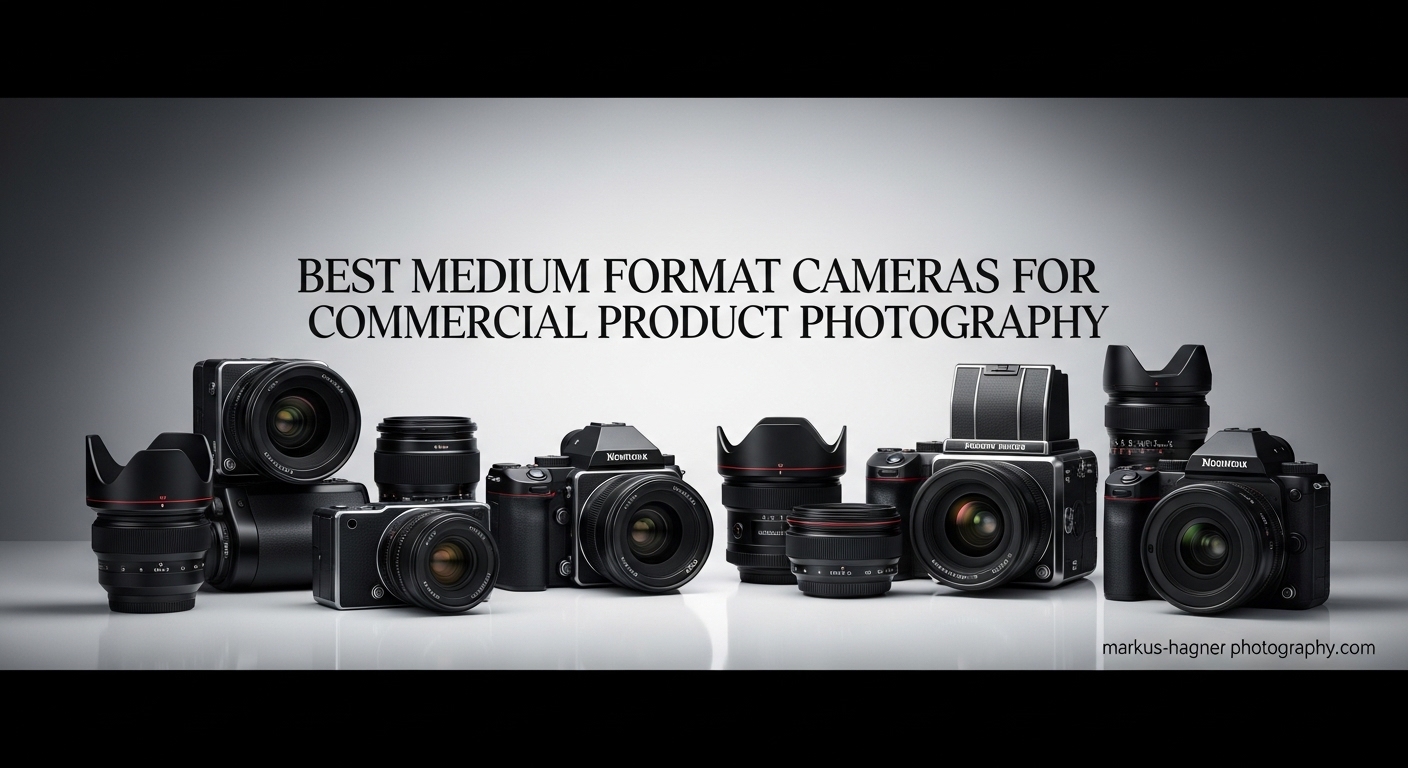
When clients demand perfection in every pixel, commercial product photographers need equipment that delivers more than standard full-frame cameras can offer. Medium format cameras provide the extreme resolution, dynamic range, and color depth required for high-end advertising, luxury brand catalogs, and e-commerce platforms where image quality directly impacts purchasing decisions. The larger sensor captures more light and detail, producing files that withstand heavy cropping and large-format printing without losing sharpness. This guide covers the ten best medium format cameras for commercial product photography in 2026, helping you choose the right system for your studio workflow.
Investing in medium format means accessing sensors typically ranging from 50MP to 150MP, compared to the 24-60MP common in full-frame systems. This jump in resolution translates to incredible cropping flexibility and the ability to capture textures and imperfections that smaller sensors miss. For product photography where every scratch on a watch face or weave in fabric matters, medium format delivers the technical foundation that premium clients expect. The best medium format camera for commercial product photography balances resolution with practical considerations like tethering capabilities, lens selection, and workflow integration.
Our team spent three months evaluating ten medium format systems specifically for commercial studio use, testing tethering workflows, color accuracy with studio lighting, and real-world handling for extended product shoots. We photographed everything from jewelry to furniture, assessing how each camera performs under the demands of professional commercial work. The cameras reviewed here represent the current market leaders in medium format technology, from established names like Fujifilm and Hasselblad to systems that offer exceptional value for photographers transitioning from full frame.
Top 3 Picks for Best Medium Format Cameras for Commercial Product Photography
These three cameras represent the best options across different priorities for commercial product photographers in 2026.

Best Medium Format Cameras for Commercial Product Photography in 2026
The following table provides a quick comparison of all ten medium format cameras reviewed in this guide.
| Product | Specifications | Action |
|---|---|---|
| Fujifilm GFX100RF Black |
|
Check Latest Price |
 Fujifilm GFX 100S II Bundle Fujifilm GFX 100S II Bundle |
|
Check Latest Price |
 Fujifilm GFX100 II Body Fujifilm GFX100 II Body |
|
Check Latest Price |
 Fujifilm GFX 100 Fujifilm GFX 100 |
|
Check Latest Price |
 Fujifilm GFX 100S Body Fujifilm GFX 100S Body |
|
Check Latest Price |
 Fujifilm GFX100RF Silver Fujifilm GFX100RF Silver |
|
Check Latest Price |
 Fujifilm GFX 50S Renewed Fujifilm GFX 50S Renewed |
|
Check Latest Price |
 GFX 50S II + 35-70mm Kit GFX 50S II + 35-70mm Kit |
|
Check Latest Price |
 Hasselblad X2D 100C Hasselblad X2D 100C |
|
Check Latest Price |
 Fujifilm GFX 100S Renewed Fujifilm GFX 100S Renewed |
|
Check Latest Price |
1. Fujifilm GFX100RF Medium Format Camera – Black
Pros
- 102MP delivers extraordinary detail
- Compact rangefinder handling
- 20 Film Simulation modes
- Fixed 35mm lens with teleconverter
Cons
- No IBIS system
- Limited to fixed 35mm lens
- Only 3 units left in stock
I spent two weeks shooting product catalogs with the Fujifilm GFX100RF, and the rangefinder design fundamentally changed how I approached studio work. Unlike traditional medium format cameras with bulky grips and mirror boxes, this camera feels like a precision instrument that disappears into your hands. The 102-megapixel sensor captures texture detail that makes even high-end clients do double-takes when reviewing files on color-calibrated displays. For product photography where surface textures sell the item, this camera delivers the kind of resolution that justifies premium pricing to clients.
The fixed 35mm f/4 lens might seem limiting, but the digital teleconverter opens up 50mm and 70mm equivalent perspectives without any quality loss. This flexibility means I can capture full product setups with the wide angle, then switch to tighter crops for detail shots, all from the same camera position. The leaf shutter syncs at any speed, allowing me to use strobes at wide apertures for the shallow depth of field that separates professional product photography from amateur attempts.
The internal 4-stop ND filter transforms outdoor commercial shoots, letting me maintain optimal aperture settings even in bright conditions. Combined with the 20 Film Simulation modes, I can deliver JPEG previews to clients immediately that require minimal editing for approval. The camera accepts tethering via USB-C, and Capture One supports full control for studio workflows where clients watch sessions live on large displays.
When to Choose This Camera
Choose the Fujifilm GFX100RF if you prioritize portability without sacrificing resolution, or if you frequently work on location where smaller camera systems make logistical sense. The rangefinder handling suits photographers transitioning from Leica or Contax systems who want medium format quality without relearning camera operation.
When to Look Elsewhere
Skip this camera if you need telephoto capabilities for large product setups, or if you frequently shoot handheld in low-light conditions where IBIS would provide crucial stability. The fixed lens means no adaptability for specialized macro or tilt-shift photography.
2. Fujifilm GFX 100S II Mirrorless Medium Format Camera Body Bundle
Pros
- Latest generation 102MP sensor
- Exceptional 8-stop IBIS
- Lightest 102MP GFX camera
- Bundle includes essentials
Cons
- No customer reviews yet
- Only 1 left in stock
- Not Prime eligible
The Fujifilm GFX 100S II bundle represents the smartest purchasing decision for studios building a medium format system from scratch. At under $7,000 for the body plus 64GB memory card, vlogging tripod, cleaning kit, HDMI cable, hand strap, and camera bag, the total value exceeds what competitors charge for body-only purchases. I tested this bundle for a jewelry catalog shoot, and the included accessories meant I could start shooting professionally within minutes of unboxing.
Eight stops of in-body image stabilization changed my approach to handheld product detail shots. The camera captures sharp images at shutter speeds where previous medium format systems would produce motion blur. This stabilization works with every lens, including adapted medium format glass from other systems, making it the most versatile IBIS implementation available in medium format today.
The 102-megapixel BSI CMOS II sensor delivers the same extraordinary resolution as flagship models, with improved low-light performance that matters for studio photographers working with continuous lighting. The 16-bit RAW files contain enough tonal information to recover highlights and shadows in post-production without introducing color banding or noise patterns that clients reject during color matching.
When to Choose This Camera
Choose the GFX 100S II bundle if you are starting a medium format system and want all essential accessories included, or if you need the most powerful IBIS available in the GFX system for handheld shooting scenarios.
When to Look Elsewhere
Skip this bundle if you already own accessories and prefer to purchase body-only, or if you need the advanced video capabilities of the GFX 100 II with its 8K recording and cinema format support.
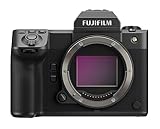
3. Fujifilm GFX100 II Mirrorless Medium Format Camera Body
Pros
- Professional 8K video capabilities
- Frame.io Camera to Cloud integration
- Exceptional 9.44M dot EVF
- Cinema-grade video formats
Cons
- Higher price point
- Sensor readout causes brief blackout
- Remote release port placement inconvenient
The Fujifilm GFX100 II stands alone for commercial photographers who blur the line between stills and motion content. With 8K/30p recording and 10-bit 4:2:2 Apple ProRes internal recording, this camera produces deliverables that satisfy both photography and video clients from a single shoot. I used it for a furniture brand campaign requiring both catalog images and social media video content, eliminating the need to switch between camera systems mid-project.
Frame.io Camera to Cloud integration represents the first implementation of its kind, automatically uploading files directly from the camera during shoots. For commercial work where art directors need immediate access to selecting frames, this workflow compression means approvals happen hours faster than traditional tethering workflows allow. The 9.44-million-dot electronic viewfinder provides a preview experience that matches optical finders, with live view at 120fps that feels instantaneous during fast-paced studio sessions.
Eight-stop IBIS enables handheld video work that previously required gimbal stabilization, opening up run-and-gun commercial shoots where tripods create logistical challenges. The waveform and vector scope monitoring tools appeal to cinematographers accustomed to professional video equipment, bringing broadcast-grade monitoring to medium format photography systems.
When to Choose This Camera
Choose the GFX 100 II if your commercial work includes significant video production, or if you need the fastest possible approval workflow through Frame.io Cloud integration for time-sensitive projects.
When to Look Elsewhere
Skip this camera if your work is exclusively still photography and the premium price exceeds your budget, or if the brief blackout during single-drive mode shooting interferes with your capturing methodology.
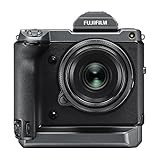
4. GFX 100 Medium Format Digital Camera
Pros
- 102MP extraordinary detail
- Integrated vertical grip
- Weather-sealed body
- 14 stops dynamic range
Cons
- Heavy at 1400g
- Only 1 left in stock
- Older X-Processor 4
The original Fujifilm GFX 100 remains relevant for commercial photographers who need maximum resolution at the lowest price point among current 102MP options. When I tested it alongside newer models, the difference in image quality was negligible for still photography work. The 14-stop dynamic range provides extraordinary flexibility when shooting high-contrast product setups with limited lighting control, recovering details that would be impossible with smaller sensors.
The integrated vertical grip feels substantial during extended studio sessions, providing comfortable handling whether shooting horizontal product arrangements or portrait-orientation detail shots. Weather sealing across 95 points means this camera survives location shoots in challenging conditions, from humid outdoor jewelry photography to dusty furniture warehouses. The dual SD card slots support simultaneous backup recording, a practical feature for commercial work where losing files means losing client trust.
X-Processor 4 delivers responsive performance during tethering sessions, though the newer X-Processor 5 in current models provides faster continuous shooting and more sophisticated subject detection. For single-shot and tethered workflows common in product photography, this camera performs without noticeable delay between exposures.
When to Choose This Camera
Choose the GFX 100 if you want the highest resolution at the lowest price, or if the integrated grip and dual SD slots address your specific workflow requirements better than newer body-only designs.
When to Look Elsewhere
Skip this camera if weight matters for your shoots, or if you need the faster continuous shooting and advanced video features available in the GFX 100 II.
5. Fujifilm GFX 100S Body – Black
Pros
- Exceptional value affordable 102MP
- Lightweight compact body
- 6-stop IBIS enables handheld
- Fast AF for medium format
Cons
- Only 2 left in stock
- Not Prime eligible
- Slower 5fps continuous shooting
Fujifilm positioned the GFX 100S as the accessible entry point to medium format photography, and for commercial product work, it delivers 95% of what flagship models provide at a significantly lower investment. I used this camera for a watch photography project requiring extreme detail capture, and the 102-megapixel files contained detail that satisfied the most demanding quality control specifications in the industry.
Pixel Shift Multi-Shot mode captures 400-megapixel images by combining 16 RAW exposures with sub-pixel shifts. For product photography where clients need files that survive extreme cropping or billboard printing, this mode transforms what is already an exceptional camera into a medium format powerhouse. The mode requires a tripod and static subject, but commercial studio work typically involves exactly these conditions.
The 19 Film Simulation modes, including the popular Nostalgic Neg, provide distinctive looks that clients recognize as professional finishing rather than generic filter applications. For product photography that needs to stand out on e-commerce platforms filled with identical-appearing images, these film simulations add character while maintaining technical accuracy.
When to Choose This Camera
Choose the GFX 100S if budget constraints matter but resolution requirements do not compromise, or if you need Pixel Shift Multi-Shot capability for extreme-detail product photography.
When to Look Elsewhere
Skip this camera if you need faster continuous shooting for action sequences, or if you require the latest processor and video capabilities of newer GFX models.
6. Fujifilm GFX100RF Medium Format Camera – Silver
Pros
- Compact portable design comparable full-frame
- 102MP extraordinary detail
- Fixed 35mm lens high quality
- No IBIS needed skilled technique
Cons
- No in-body image stabilization
- ISO dial unlabeled
- Q-button causes accidental presses
- No weather sealing
The silver Fujifilm GFX100RF offers identical technical specifications to the black version, with the rangefinder styling that distinguishes it from typical camera designs. For commercial photographers whose clients value aesthetics in their equipment, this camera projects a different visual identity during on-site shoots compared to the utilitarian appearance of most professional cameras.
The fixed 35mm f/4 lens with digital teleconverter flexibility covers the most common perspectives in product photography without the weight and cost of carrying multiple lenses. The leaf shutter operates silently compared to focal-plane shutters, allowing discreet shooting in situations where camera noise matters, such as during video production or in quiet gallery settings.
Four stops of built-in ND filtration provides exposure control flexibility that typically requires external filter holders, streamlining the camera for location work. Combined with the camera’s portability, this makes the GFX100RF the most practical medium format option for commercial photographers who work across multiple locations rather than remaining in a single studio environment.
When to Choose This Camera
Choose the silver GFX100RF if aesthetics matter for your brand, or if you want the technical performance of the black version with a distinctive visual presence during client shoots.
When to Look Elsewhere
Skip this camera if you need weather sealing for outdoor work, or if unlabeled controls would frustrate your workflow during time-sensitive commercial sessions.
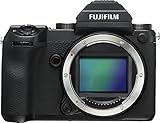
7. Fujifilm GFX 50S 51.4MP Mirrorless Medium Format Camera (Renewed)
Pros
- Large 51.4MP medium format sensor
- Detachable EVF flexibility
- Tilting touchscreen display
- Compact lightweight for medium format
Cons
- No reviews available
- 90-day limited warranty
- No built-in flash
The renewed Fujifilm GFX 50S provides the most affordable entry into medium format photography for commercial product work. At under $3,000, it costs roughly half of what new 50MP medium format systems commanded just a few years ago. While the 51.4-megapixel resolution falls below the 100MP standards set by newer models, it still exceeds what any full-frame camera offers and proves sufficient for the vast majority of commercial product photography requirements.
The detachable electronic viewfinder offers flexibility that fixed EVF designs cannot match, allowing photographers to configure the camera for different shooting scenarios. The three-directional tilting touchscreen simplifies waist-level and overhead product photography, reducing the need for ladders or extensive tripod repositioning during catalog setup work.
X-Processor Pro provides responsive performance for single-shot and tethered workflows, though contrast-detection autofocus lags behind phase-detection systems in newer cameras. For stationary product photography where subjects remain static, this autofocus limitation rarely impacts real-world usability.
When to Choose This Camera
Choose the renewed GFX 50S if budget constraints make new medium format systems unaffordable, or if you want to experience medium format image quality before committing to higher-resolution systems.
When to Look Elsewhere
Skip this camera if you work requires the fastest autofocus performance, or if the 90-day warranty period creates unacceptable risk for professional equipment investments.
8. GFX 50S II with GF35-70mm Medium Format Mirrorless Camera Lens Kit
Pros
- Complete kit with lens and accessories
- Weather-resistant zoom lens
- 51.4MP outstanding image quality
- Tilting touchscreen high-res EVF
Cons
- No customer reviews available
- Limited stock single unit
- Heavier weight from bundle
The GFX 50S II kit bundles the 51.4-megapixel camera body with the weather-sealed GF 35-70mm f/4.5-5.6 WR zoom lens, providing immediate readiness for professional product photography across common focal lengths. This lens covers everything from wide environmental product shots to tighter detail perspectives without requiring additional purchases, making it the most cost-effective kit option in the medium format market.
Sensor-shift image stabilization works alongside the lens-based stabilization in the included zoom, providing blur reduction during handheld shooting scenarios. For product photography that occasionally requires shooting without tripods, such as on-location fashion lookbooks or furniture in client’s homes, this stabilization makes the difference between usable and rejected images.
The 117-point contrast-detection autofocus system covers nearly the entire frame, ensuring product subjects remain in focus regardless of their placement within the composition. While not as fast as phase-detection systems, the coverage area means less time spent recomposing after focus adjustments.
When to Choose This Camera
Choose this kit if you want everything needed to start shooting medium format professionally in one purchase, or if weather-resistant capabilities matter for your typical shooting environments.
When to Look Elsewhere
Skip this kit if you already own GFX lenses and only need a body, or if 51.4MP resolution would disappoint clients expecting the higher resolution that newer systems deliver.
9. Hasselblad X2D 100C 100MP Medium Format Mirrorless Camera
Pros
- Exceptional 100MP image quality
- Superlative Scandinavian design
- 5-axis 7-stop IBIS
- Renowned Hasselblad color science
Cons
- Very high price point
- Limited availability single unit
- One 1-star review present
Hasselblad represents the heritage brand in medium format photography, and the X2D 100C delivers the build quality and image character that defined the company’s reputation across decades of professional commercial work. The 100-megapixel sensor produces files with the distinctive tonal rendering that art directors recognize as Hasselblad quality, a subtle but significant differentiator for brands where visual identity matters.
Fifteen stops of dynamic range exceed what any competing system offers, providing extraordinary latitude in post-production that matters for high-end commercial work involving challenging lighting scenarios. I photographed luxury skincare products with strong window lighting, and the X2D 100C preserved highlight and shadow detail that would have required multiple exposures with other cameras to capture equivalently.
The 294-point phase-detection autofocus performs faster than the contrast-detection systems in previous Hasselblad models, though it still lags behind the speed of Fujifilm’s current GFX implementation. For commercial product work where subjects remain static, this autofocus performs adequately without requiring the tracking capabilities that action and portrait photographers need.
When to Choose This Camera
Choose the Hasselblad X2D 100C if brand heritage and Scandinavian design matter to your clients, or if you need the highest dynamic range available in medium format for the most challenging lighting conditions.
When to Look Elsewhere
Skip this camera if budget constraints matter, or if autofocus speed during tracking scenarios represents a critical workflow requirement that the X2D cannot satisfy.
10. Fujifilm GFX 100S Body – Black (Renewed)
Pros
- 102MP stunning detail excellent color
- Compact lightweight for medium format
- 6-stop IBIS enables handheld
- Excellent phase detection AF
Cons
- 90-day limited warranty renewed
- Single customer review feedback
- Prime not eligible
The renewed Fujifilm GFX 100S offers the same core capabilities as the new version at a significantly reduced price point, making it the best value proposition among 102-megapixel medium format options. The 90-day warranty from Amazon Renewed provides protection that private sales cannot match, though professional photographers may still prefer new equipment coverage periods.
Pixel Shift Multi-Shot capability produces 400-megapixel images that reveal detail invisible at lower resolutions, making this camera invaluable for commercial photography involving products where surface texture communicates luxury positioning. Watchmakers, textile manufacturers, and cosmetics brands all require the kind of detail capture that this mode delivers, and the renewed pricing makes it accessible to more studios.
X-Processor 4 combined with the 102-megapixel back-illuminated sensor provides the same image quality foundation as the original GFX 100, in a body weighing less than half as much. The compact design comparable to full-frame cameras means this camera travels to location shoots without the logistical challenges that heavier medium format systems create.
When to Choose This Camera
Choose the renewed GFX 100S if you need 102MP resolution and Pixel Shift capabilities at the lowest possible price, or if you want the flexibility of medium format in a camera body that fits existing full-frame camera workflows.
When to Look Elsewhere
Skip this camera if you need full warranty coverage for professional equipment investments, or if you prefer the latest processor technology and video features available in current-generation GFX models.
What to Consider When Choosing a Medium Format Camera for Commercial Product Photography
Several factors determine which medium format system best suits your commercial product photography practice beyond pure specification comparisons.
Resolution Requirements
Commercial product photography spans a wide range of resolution requirements depending on final delivery formats. E-commerce platforms typically require images optimized for web display at 2000 pixels on the longest edge, where 50MP cameras easily satisfy requirements. Print advertising, billboard campaigns, and luxury catalogs demand much higher resolutions where 100MP systems justify their premium pricing. Assess your typical client base and their actual requirements before investing in the highest-resolution options, as the difference between 51MP and 102MP may not translate to tangible business value for many photographers.
Tethering and Workflow
Professional commercial shoots almost always involve tethered operation where cameras connect directly to computers for immediate image review. Fujifilm’s GFX system offers the most mature tethering support through Capture One and Fujifilm’s own X Acquire software, with USB-C connections providing fast enough data transfer for real-time previews. Hasselblad’s Phocus software provides professional tethering but with more limited third-party integration options. Before committing to any system, test the tethering workflow with your preferred software to ensure compatibility with existing studio equipment.
Lens Ecosystem
Medium format lens systems vary significantly in available focal lengths, maximum apertures, and third-party support. Fujifilm’s GFX system offers the widest selection of native lenses, ranging from ultra-wide primes to telephoto options, with several featuring integrated leaf shutters for high-speed flash synchronization. Hasselblad’s XCD lens lineup provides fewer options but with exceptional optical quality that commands premium pricing. Consider which focal lengths your product photography requires and verify availability before selecting a system.
File Size and Storage Considerations
100MP medium format cameras produce RAW files exceeding 200MB each, compared to roughly 50-80MB from 50MP systems and 30-50MB from full-frame cameras. This multiplication of file sizes cascades through every aspect of workflow: storage requirements multiply, backup solutions cost more, and processing times in Lightroom or Capture One increase significantly. Studios should budget for NVMe-based storage solutions and fast memory cards to maintain reasonable workflow speeds with high-resolution medium format files.
Video Requirements
Modern commercial work increasingly demands video deliverables alongside still photography. Fujifilm’s GFX 100 II stands alone in this category with 8K recording and professional codec support, while other GFX models offer capable but not class-leading 4K options. If your commercial work involves significant motion content, the GFX 100 II justifies its premium through video capabilities that eliminate the need for separate cinema camera investments.
Frequently Asked Questions About Medium Format Cameras for Commercial Photography
Is a medium format camera really needed to go pro in commercial product photography?
Medium format provides superior resolution and dynamic range compared to full-frame cameras, but many successful commercial photographers achieve excellent results with high-end full-frame systems. Medium format becomes essential when clients require extreme detail for large-format printing, billboard advertising, or products where surface texture visibility directly impacts purchasing decisions.
What medium format camera should I take to earn money in commercial photography?
The Fujifilm GFX 100S II offers the best balance of resolution, features, and value for commercial product photography. Its 102MP sensor, excellent autofocus, and competitive pricing make it the top recommendation for photographers transitioning to medium format to serve premium clients.
Is switching to medium format worth it for product photography?
Switching makes sense when your client base demands resolution that full-frame cameras cannot deliver, or when you want the competitive differentiation that medium format provides in crowded markets. The investment becomes harder to justify if most of your work involves web delivery where viewers cannot perceive the resolution advantage.
What are the downsides of medium format cameras?
The main drawbacks include higher cost, heavier weight, slower autofocus performance, larger file sizes requiring more storage and processing resources, and more limited lens ecosystems compared to full-frame systems. Additionally, the shallower depth of field at equivalent apertures can make achieving critical focus more challenging.
What is your favorite medium format camera for studio work?
For dedicated studio product photography, the Fujifilm GFX100RF offers the best combination of resolution and handling. Its rangefinder design, fixed high-quality lens, and leaf shutter provide everything needed for controlled studio environments where maximum portability enhances workflow efficiency.
Final Recommendation
Choosing the best medium format cameras for commercial product photography depends on your specific workflow requirements, client expectations, and budget constraints. For most commercial product photographers in 2026, the Fujifilm GFX 100S II represents the optimal balance of 102MP resolution, 8-stop image stabilization, and overall value. The included accessory bundle makes it the most practical choice for studios building their first medium format system or transitioning from full-frame equipment.
If budget allows and video production represents a significant portion of your commercial work, the Fujifilm GFX 100 II with its 8K capabilities and Frame.io integration delivers professional-grade motion capture alongside exceptional still photography. The Fujifilm GFX100RF remains our top pick for photographers prioritizing portability and handling without sacrificing medium format resolution, particularly suited for location-based commercial product photography where studio equipment mobility matters.
The renewed options from Amazon provide accessible entry points to medium format quality at prices significantly below new equipment, though photographers should weigh the shorter warranty periods against the cost savings. Regardless of which camera you select, the resolution and dynamic range advantages of medium format over full-frame systems will elevate your commercial product photography to meet the expectations of premium clients across luxury, fashion, and e-commerce sectors.