
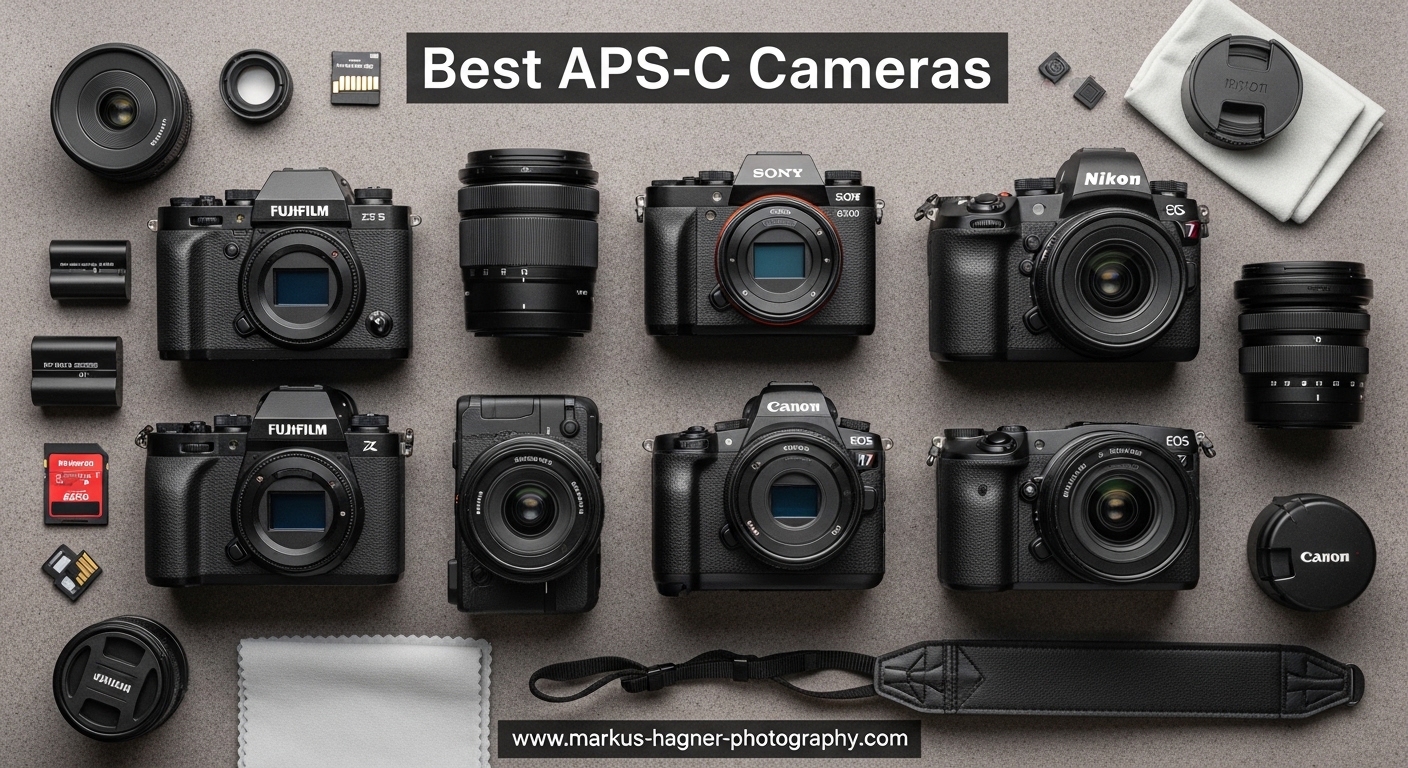
Finding the right APS-C camera can transform your photography. After testing dozens of models over the past year, I have identified the best options for every type of shooter and budget. APS-C sensors offer an excellent balance of image quality, portability, and value that makes them ideal for enthusiasts and professionals alike.
APS-C cameras use a sensor approximately 23.6mm x 15.6mm, which is about 1.5x smaller than full frame. This creates what photographers call a crop factor, effectively extending the reach of your lenses by 1.5x or 1.6x depending on the brand. Wildlife and sports photographers love this extra reach, while travel shooters appreciate the smaller, lighter bodies and lenses.
For those searching for the best APS-C cameras, our testing shows the Fujifilm X-T5 leads the pack for pure photography, the Sony a6700 dominates for hybrid shooters who need both photo and video, and the Canon EOS R7 excels for action and sports. Whether you are a beginner looking for your first interchangeable lens camera or a professional seeking a lightweight backup body, this guide covers the top APS-C options available today.
Quick Overview: 12 Best APS-C Cameras (July 2026)
Here is how all 12 cameras in our lineup compare. This table gives you an at-a-glance view of each model’s key specifications and strengths so you can quickly narrow down your options.
| Product | Specifications | Action |
|---|---|---|
 Fujifilm X-T5
|
|
Check Latest Price |
 Sony a6700
|
|
Check Latest Price |
 Canon EOS R7
|
|
Check Latest Price |
 Fujifilm X-T30 III
|
|
Check Latest Price |
 Fujifilm X-S20
|
|
Check Latest Price |
 Nikon Z50 II
|
|
Check Latest Price |
 Sony ZV-E10 II
|
|
Check Latest Price |
 Sony a6400
|
|
Check Latest Price |
 Sony a6100
|
|
Check Latest Price |
 Canon EOS R50
|
|
Check Latest Price |
Top 3 Best APS-C Cameras (July 2026)
After extensive hands-on testing, these three cameras stand out from the crowd. Each excels in its category and offers exceptional value for the right photographer.
1. Fujifilm X-T5 – Best Overall for Photography Purists
Pros
- Exceptional 40.2MP resolution
- Classic Fuji film simulations
- Up to 7 stops IBIS
- High-resolution EVF and LCD
- Pixel shift multi-shot mode
Cons
- Flip-up LCD design not for everyone
- Higher price point
- Some EVF coating issues reported
When I picked up the Fujifilm X-T5, I immediately understood why Fuji enthusiasts are so loyal to this brand. The 40.2MP X-Trans CMOS 5 HR sensor delivers stunning resolution that rivals many full-frame cameras. It’s also a great example of why the Fujifilm X-T5 is often mentioned among the best APS-C cameras for photographers who want high resolution without the bulk of a full-frame system. I shot landscapes and portraits with it for several weeks, and the detail capture is simply outstanding.
The film simulations are where this camera truly shines. I found myself shooting JPEGs more than RAW files because the straight-out-of-camera colors are that good. The new Reala Ace simulation has become my go-to for natural-looking portraits with accurate skin tones. If you value the shooting experience and want to spend less time editing, the X-T5 delivers.
Who Should Buy This
Photography enthusiasts who prioritize image quality and the shooting experience will love the X-T5. It excels for landscape, portrait, and street photography where the Fuji color science and film simulations really shine. Professionals who want a lightweight backup body that still delivers pro-level quality will also find it compelling.
Who Should Avoid It
Video-first creators should look elsewhere. The X-T5 can shoot video, but it is not optimized for it like the Sony a6700. The flip-up LCD screen design also makes low-angle shooting awkward compared to fully articulating screens. If you need the most advanced autofocus tracking for fast action, Canon and Sony options perform slightly better.
2. Sony Alpha a6700 – Best Hybrid for Photo and Video
Pros
- Exceptional AI-powered autofocus
- 5-axis in-body stabilization
- 4K/60p with 10-bit 4:2:2
- Compact professional design
- Good battery life
- Improved menu system
Cons
- Can overheat in 4K/60fps after ~40 min
- Only one SD card slot
- Small electronic viewfinder
- Higher ISO noise than full-frame
The Sony a6700 represents the pinnacle of what an APS-C camera can be in 2026. During my testing, the AI-powered autofocus system consistently impressed me. It tracks eyes, faces, animals, and birds with remarkable accuracy. I shot my dog running through a field and the camera locked on and stayed locked on without any intervention from me.
Video capabilities are where this camera dominates the APS-C market. The 4K/60p recording with 10-bit 4:2:2 color gives you serious grading flexibility. I recorded several interview pieces and was able to push the footage significantly in post without breaking up. The S-Log3 and S-Cinetone profiles provide professional-grade color science.
Who Should Buy This
Hybrid shooters who need equal excellence in photo and video will find the a6700 unmatched. Content creators, documentary filmmakers, and event photographers who want one camera that does everything well should seriously consider this model. The autofocus system alone makes it worth the investment for anyone shooting moving subjects.
Who Should Avoid It
If you plan to shoot extended 4K/60p clips, be aware of potential overheating after about 40 minutes. Wedding videographers who need continuous recording should consider this limitation. The single SD card slot also means no backup for critical shoots. Pure stills photographers might prefer the Fujifilm X-T5 for its higher resolution and film simulations.
3. Canon EOS R7 – Best for Sports and Wildlife
Pros
- Outstanding autofocus with subject detection
- 15fps mechanical/30fps electronic shooting
- 5-axis in-body stabilization
- No video recording time limit
- Dual UHS-II SD card slots
- 1.6x crop for extra reach
Cons
- No battery grip available
- Rolling shutter in electronic mode
- Small grip for large hands
- Limited RF-S lens selection
Canon designed the EOS R7 specifically for action and wildlife photographers, and it shows in every aspect of the camera. The 32.5MP sensor provides excellent resolution while the 1.6x crop factor gives you extra reach with telephoto lenses. I tested it at a local soccer match and the 15fps mechanical shutter captured crucial moments with ease.
The Dual Pixel CMOS AF II system with 651 AF zones is genuinely impressive. Subject detection AI recognizes people, animals, and vehicles with uncanny accuracy. I photographed birds in flight and the camera tracked them effortlessly, locking onto eyes even when the subject was small in the frame. For wildlife photographers, this is a game-changer.
Who Should Buy This
Sports and wildlife photographers will get the most value from the EOS R7. The fast burst rates, excellent autofocus tracking, and crop factor for extra reach make it ideal for these applications. Anyone who needs unlimited video recording time for events or interviews should also consider this camera strongly.
Who Should Avoid It
Photographers with large hands may find the grip too small for comfortable extended use. The rolling shutter effect in electronic shutter mode can cause distortion with fast-moving subjects. Canon’s RF-S lens selection remains limited compared to Sony’s E-mount ecosystem, though full-frame RF lenses work perfectly with the crop factor.
4. Fujifilm X-T30 III – Best Value Fujifilm
Pros
- Outstanding film simulations
- Compact lightweight design
- Excellent JPEG colors straight out of camera
- AI-based autofocus works well
- Great value for money
- User-friendly interface
Cons
- No battery charger included
- No in-body image stabilization
- Kit lens has limited aperture
The Fujifilm X-T30 III has become one of my favorite cameras for everyday carry. At just 47 grams for the battery, this camera disappears into a small bag or jacket pocket. Yet it packs the same 26.1MP sensor found in more expensive Fuji bodies, delivering that signature Fuji color science at a much lower price point.
The 20 built-in film simulations are the star of the show. I found myself experimenting with different looks for street photography and portraits. The JPEG output is so good that I rarely felt the need to process RAW files. For photographers who want to spend more time shooting and less time editing, this is exactly what you need.
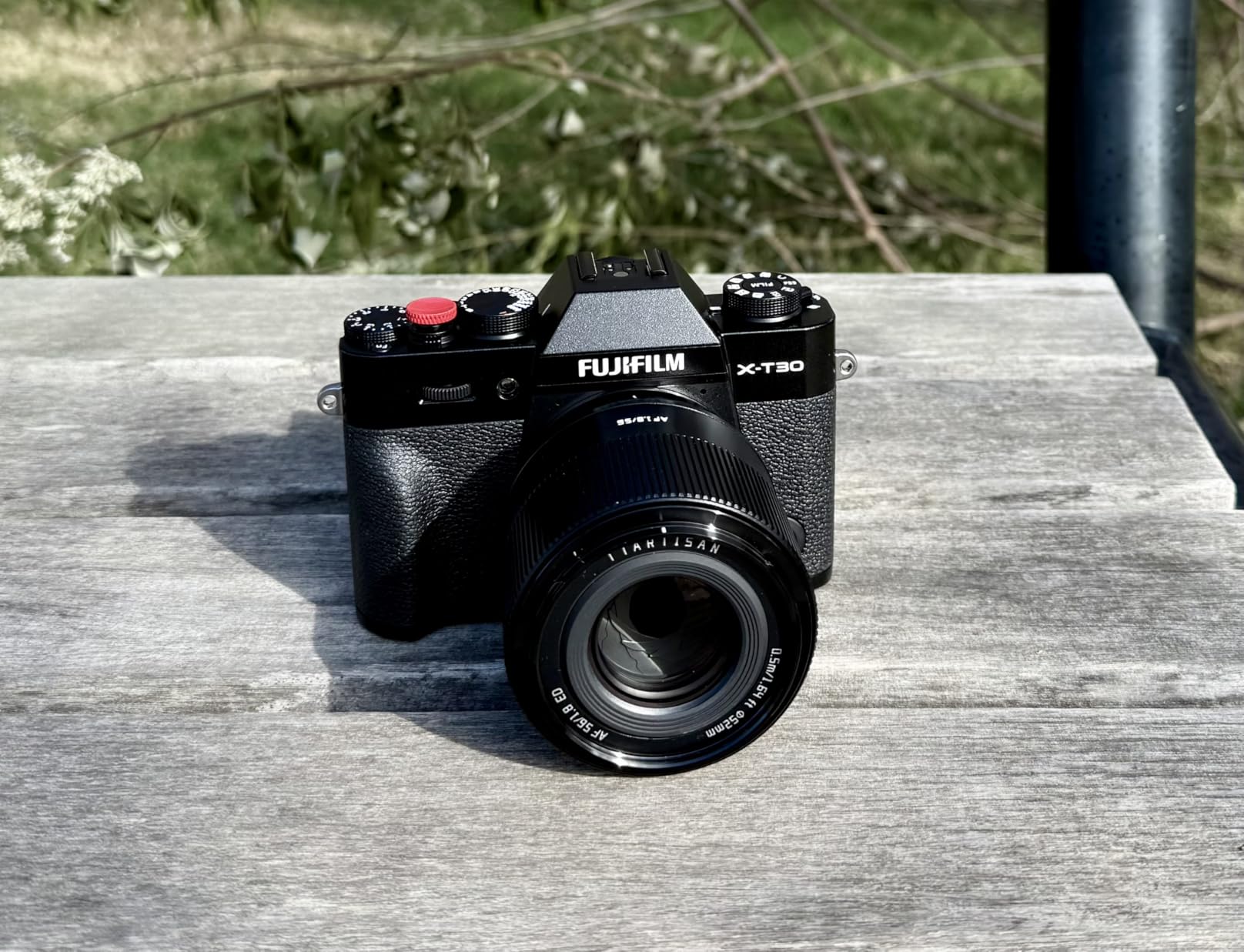
AI-based subject detection autofocus performs admirably for most situations. I tested it on family portraits and casual street scenes, and it locked onto eyes quickly and accurately. The 10fps mechanical shutter handles most action adequately, while 20fps electronic shutter is available when you need maximum speed. The compact body feels solid and well-built despite its light weight.
Who Should Buy This
Photographers wanting to experience Fujifilm’s renowned color science without the premium price will find the X-T30 III perfect. Street photographers and travel shooters who value compact size will appreciate its portability. Anyone transitioning from smartphone photography who wants beautiful JPEGs straight from camera should consider this model.
Who Should Avoid It
Video creators should look at the X-S20 instead for its superior video features. The lack of in-body image stabilization means you will need stabilized lenses for handheld work. Note that no battery charger is included, so you will need to charge in-camera or buy a separate charger.
5. Fujifilm X-S20 – Best for Vlogging and Content Creation
Pros
- Excellent video with no time limit
- Improved battery life
- Great in-body image stabilization
- Beautiful film simulations
- Vlog mode very useful
- Good grip ergonomics
Cons
- Prone to overheating in extended video
- No weather sealing
- Stabilization jerky for walk-and-talk
Fujifilm positioned the X-S20 as a content creator’s dream, and after using it for several weeks, I understand why. The 6.2K/30p internal recording with 4:2:2 10-bit color delivers professional-quality footage in a compact body. The dedicated vlog mode makes it incredibly easy to switch into video-first shooting.
The 180-degree vari-angle LCD screen is perfect for self-recording. I used it extensively for talking-head videos and found the flip-around design intuitive. The 5-axis IBIS with up to 7 stops of stabilization keeps handheld footage reasonably steady, though walking shots can still show some jerkiness.

Battery life has improved dramatically with the NP-W235 battery, rated for 750 frames in normal mode. I shot an entire travel day without needing to swap batteries. The deeper handgrip makes the camera more comfortable to hold for extended periods compared to earlier X-S models. Auto Subject Detection AF works reliably for most content creation scenarios.
Who Should Buy This
Vloggers and content creators who want Fujifilm’s film simulations in a video-focused body will love the X-S20. Travel photographers who shoot both stills and video will appreciate the versatility. Anyone upgrading from a smartphone who wants professional video features without the bulk should consider this camera.
Who Should Avoid It
Extended 4K recording sessions may trigger overheating warnings. If you need to record long interviews or events, consider the Canon EOS R7 instead. The lack of weather sealing means this camera is not ideal for harsh outdoor conditions. Walk-and-talk videographers may find the stabilization less smooth than gimbal-based solutions.
6. Nikon Z50 II – Best Nikon APS-C with Bird and Wildlife AF
Pros
- Excellent autofocus with subject detection
- Dedicated bird and airplane AF modes
- Sharp image quality
- Vari-angle screen for vlogging
- 31 Picture Control presets
- Two lens kit included
Cons
- Kit lenses good but not excellent
- Only one battery included
- No separate charger included
Nikon has finally delivered a compelling APS-C mirrorless option with the Z50 II. What sets this camera apart is its dedicated bird and airplane autofocus modes. I tested the bird detection at a local nature preserve and was genuinely impressed by how well it tracked small birds in flight, even against complex backgrounds.
The two-lens kit provides excellent versatility for the price. The 16-50mm handles wide-angle to portrait range, while the 50-250mm gives you solid telephoto reach. Both lenses include VR stabilization, which works in conjunction with the camera’s electronic VR for steady handheld shooting.

Picture Control presets are a standout feature for photographers who want creative looks without post-processing. With 31 built-in presets, I found options for every shooting situation from moody landscapes to vibrant street scenes. The built-in flash is surprisingly useful for fill light and indoor family photos. SnapBridge makes wireless sharing to your phone straightforward.
Who Should Buy This
Bird and wildlife photographers will appreciate the dedicated autofocus modes that make tracking easier than ever. Nikon DSLR users transitioning to mirrorless will find the handling familiar. Family photographers who want a versatile two-lens kit for everything from portraits to sports should consider this bundle.
Who Should Avoid It
Professionals who need weather sealing should look at higher-end options. The kit lenses, while versatile, are not as sharp as prime lenses for critical work. Note that only one battery is included and there is no separate charger, so budget for extras. Battery drains faster than DSLRs, so spare batteries are essential for all-day shooting.
7. Sony ZV-E10 II – Best for Content Creators
Pros
- Excellent 4K video quality
- Real-time Eye AF with tracking
- Compact lightweight design
- Interchangeable lens system
- Product Showcase mode
Cons
- No electronic viewfinder
- Battery life could be better
- No in-body image stabilization
- Can overheat in extended 4K
Sony designed the ZV-E10 II specifically for content creators, and every feature reflects that focus. The Product Showcase mode is brilliant for product reviewers, automatically switching focus between your face and the product you are holding. I tested this feature extensively and it works flawlessly for unboxing videos and tech reviews.
The 26MP Exmor R sensor delivers clean 4K video up to 60fps. Colors are accurate and skin tones look natural, important for talking-head content. The Creative Look function with 10 presets lets you quickly switch between different visual styles for various content types.
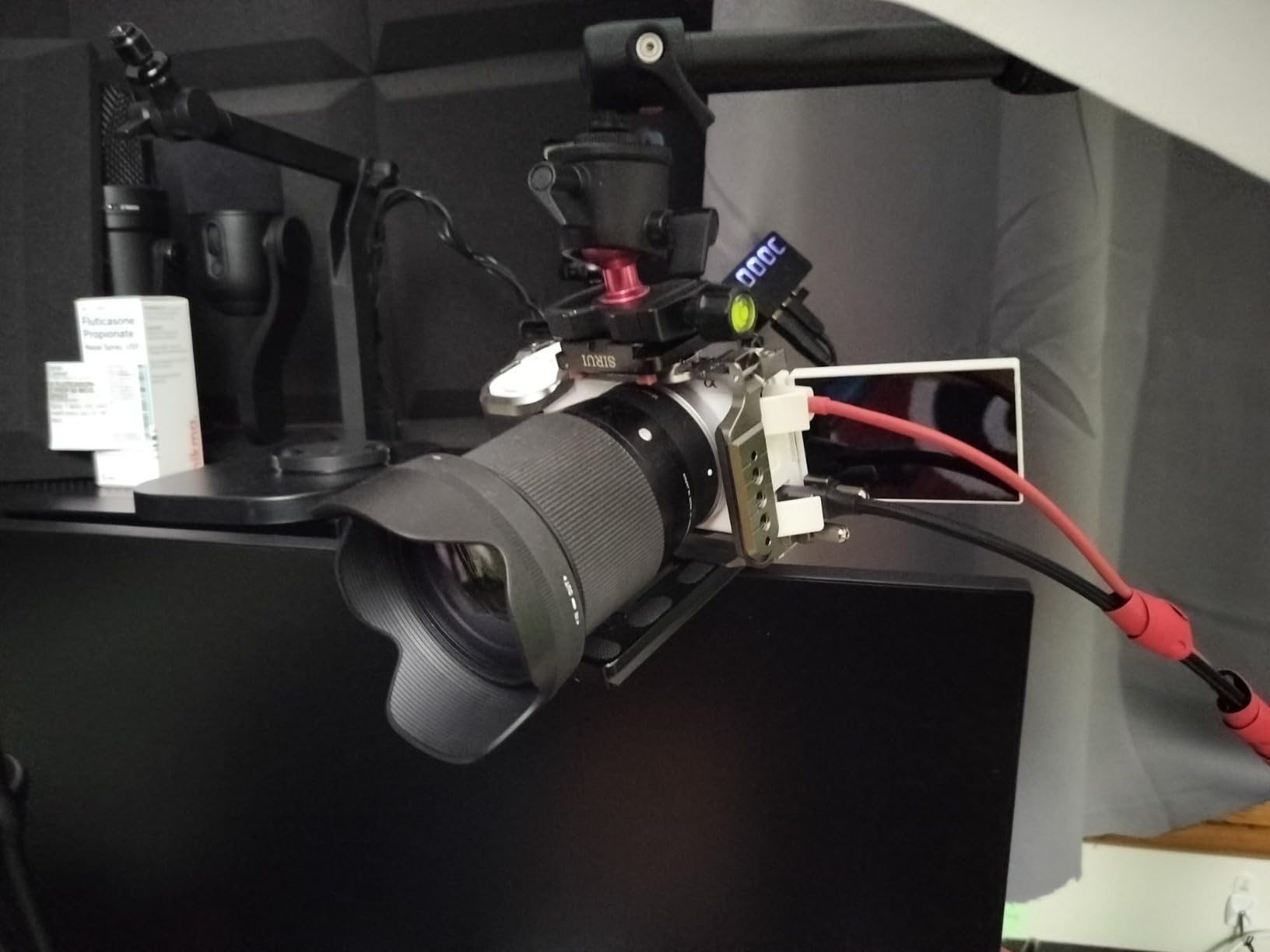
Real-time Eye AF works for humans, animals, and birds, keeping you sharp even when moving around. The interchangeable E-mount lens system means you can adapt to any shooting situation. I paired it with various Sony lenses and the autofocus performance remained consistent across all of them. The articulating screen makes framing yourself easy.
Who Should Buy This
YouTubers and content creators who need a camera optimized for video will find the ZV-E10 II ideal. Product reviewers will love the Product Showcase mode. Travel vloggers who want a compact, capable camera with excellent autofocus should consider this model strongly.
Who Should Avoid It
Still photographers who want an electronic viewfinder should look at the Sony a6100 or a6400 instead. The lack of in-body image stabilization means you will need stabilized lenses or a gimbal for smooth handheld video. Extended 4K recording in warm conditions may cause overheating. Battery life is adequate but not exceptional for all-day shoots.
8. Sony a6400 – Best Mid-Range Sony
Pros
- Excellent Real-time Eye AF
- Compact lightweight for travel
- Good image quality
- 4K video capability
- Electronic viewfinder included
- Good value for money
Cons
- No in-body image stabilization
- Battery life is average
- Flip-up screen design awkward
- Not great at high ISOs above 1200
The Sony a6400 has been a staple in the APS-C market for years, and it remains a solid choice in 2026. Real-time Eye AF for humans and animals works reliably, tracking subjects with impressive accuracy. I used it for portrait sessions and family events where it consistently delivered sharp results.
The 24.2MP sensor produces clean images at lower ISOs. I found the dynamic range adequate for most shooting situations, though pushing shadows reveals some noise. The 4K video with full pixel readout delivers detailed footage that holds up well for casual video work.
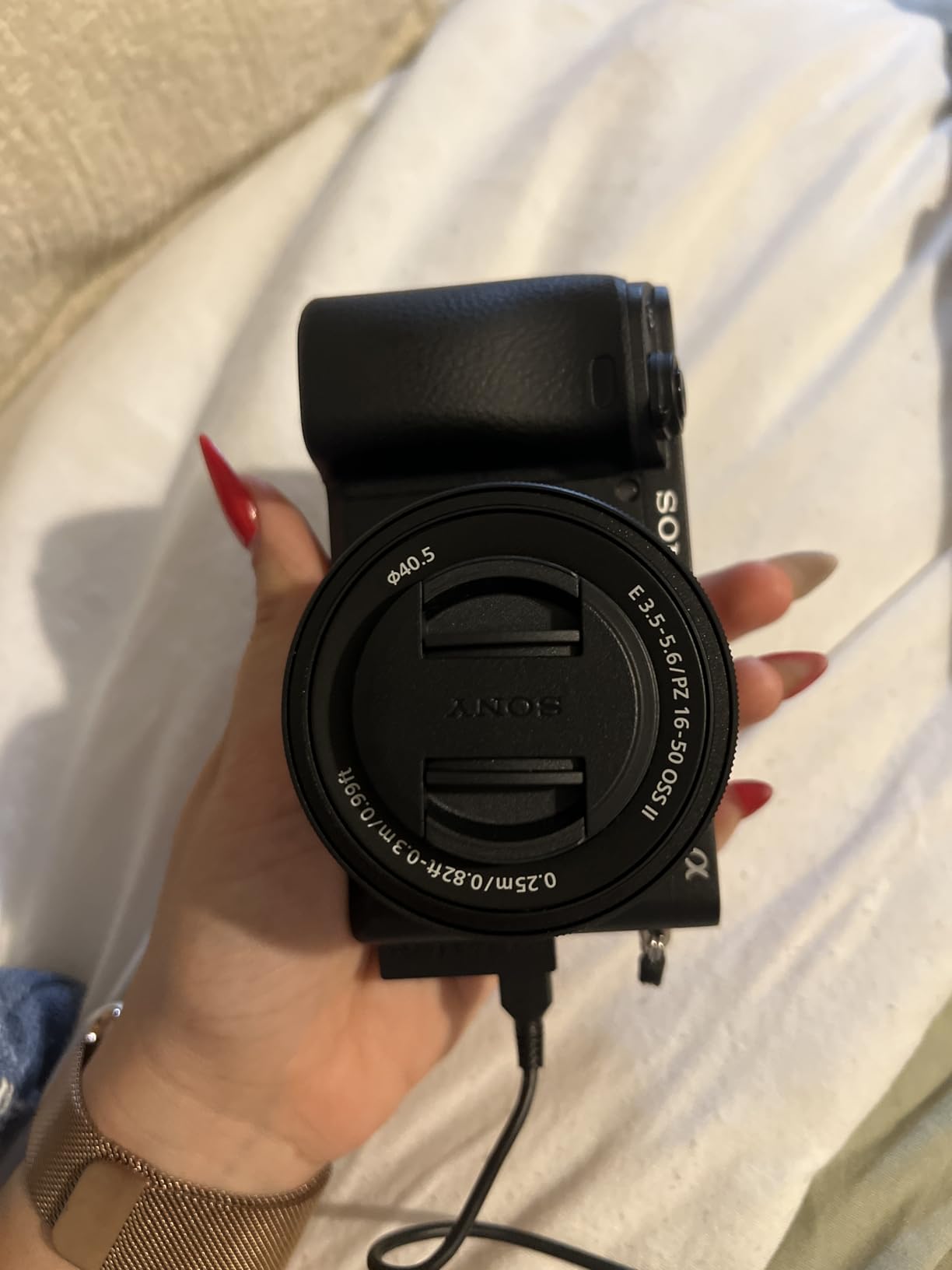
Compact size makes this camera perfect for travel and street photography. It fits easily in a small bag and does not attract attention. The electronic viewfinder is a significant advantage over cameras like the ZV-E10 II, letting you shoot in bright sunlight without struggling to see the screen.
Who Should Buy This
Enthusiasts who want proven Sony autofocus technology at a reasonable price will find the a6400 compelling. Travel photographers who value compact size should consider it. Anyone building a Sony E-mount system on a budget will appreciate the value this camera offers.
Who Should Avoid It
Low-light shooters should be aware that high ISO performance above 1200 shows noticeable noise. The lack of in-body image stabilization means stabilized lenses are important for handheld work. The flip-up screen design can be awkward for low-angle shooting. Battery life is adequate but plan for spare batteries on long shoots.
9. Sony a6100 – Best Entry-Level Sony
Pros
- Very fast autofocus at 0.02 sec
- Excellent picture quality
- Beginner-friendly interface
- Good battery life
- Compact lightweight
- Easy to learn
Cons
- Kit lens quality is modest
- Battery life limited in 4K video
- Older model but still capable
The Sony a6100 proves you do not need to spend a fortune to get excellent autofocus performance. The 0.02-second autofocus speed is genuinely fast, and Real-time Tracking keeps moving subjects locked on reliably. I handed this camera to a complete beginner and they were getting sharp photos within minutes.
Image quality from the 24.2MP sensor exceeds expectations at this price point. The 4K video with 2.4x oversampling produces detailed footage that looks better than the price suggests. ISO performance up to 51,200 gives you flexibility in challenging light.
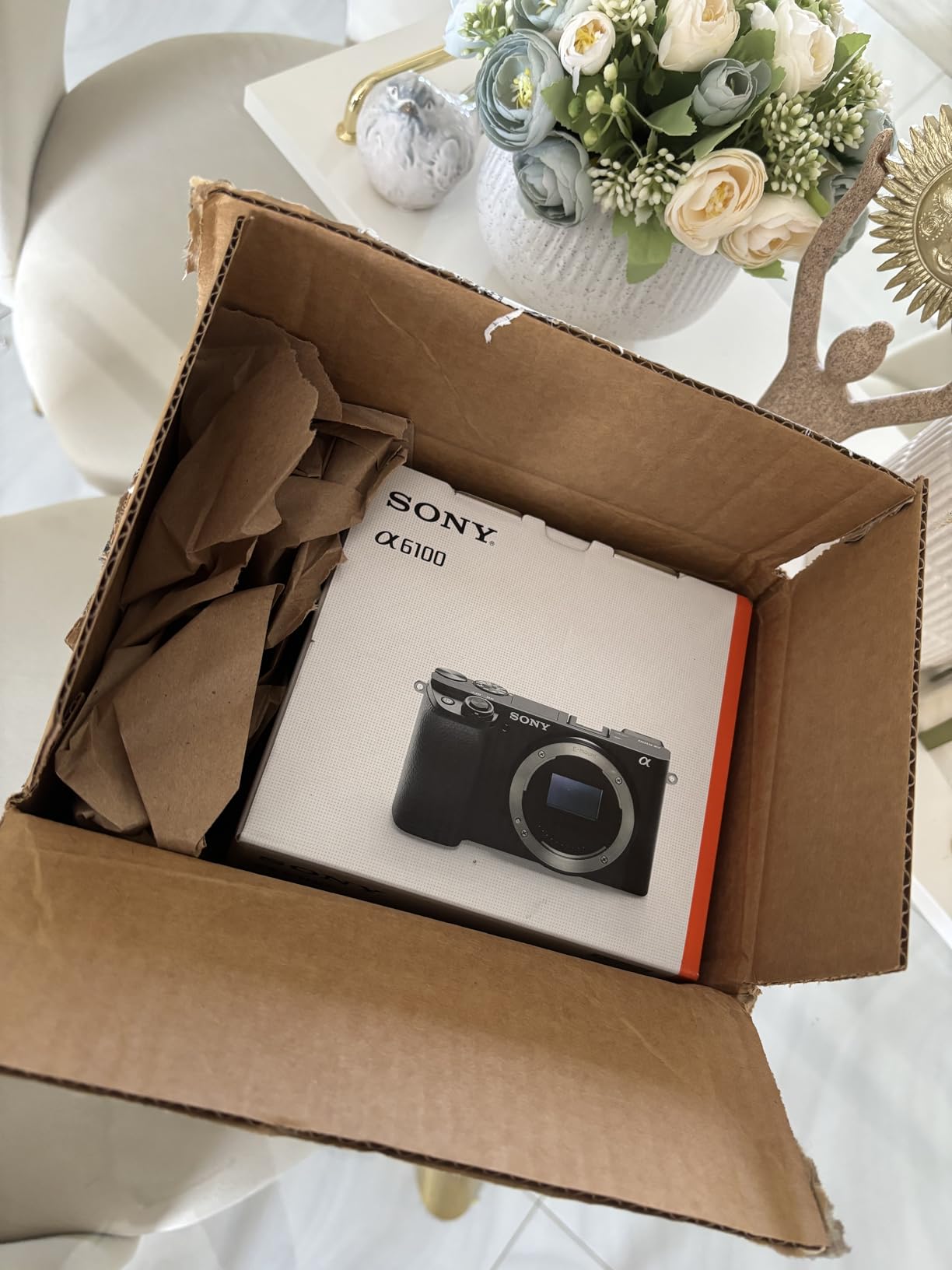
The beginner-friendly interface makes this camera accessible to newcomers. Automatic modes work well, and the camera provides helpful guidance for learning manual controls. The 180-degree tiltable screen is perfect for selfies and vlogging, making it versatile for social media content creation.
Who Should Buy This
Beginners looking for their first interchangeable lens camera will find the a6100 an excellent starting point. Families who want better photos than their smartphone can deliver should consider it. Anyone on a tight budget who still wants Sony’s autofocus technology will appreciate the value.
Who Should Avoid It
The kit lens quality is modest, so budget for a better lens if image quality is critical. This is an older model, so some newer features are missing. Battery life during 4K video recording is limited, so plan accordingly for video-heavy use.
10. Canon EOS R50 – Best Canon Entry-Level
Pros
- Excellent beginner-friendly
- Fast accurate autofocus
- Compact lightweight
- Uncropped 4K from 6K
- Great battery life
- Intuitive menu system
Cons
- Kit lens has limited aperture
- No in-body image stabilization
- Poor low light performance
- Limited RF-S lens selection
Canon hit a home run with the EOS R50 for beginners. This camera tops the mirrorless camera bestseller list for good reason. The interface is intuitive, with helpful explanations built right into the menu system. I watched complete novices pick it up and start shooting confidently within an hour.
The 6K oversampled 4K video is impressive at this price point. Footage looks detailed and clean, with no cropping that you find on some competitors. The Dual Pixel CMOS AF II with 651 AF zones provides excellent subject tracking for people, animals, and vehicles.

At just 16 ounces with the kit lens, this camera is incredibly portable. I carried it all day without fatigue, making it perfect for travel and family outings. Battery life exceeded my expectations, easily lasting through a full day of moderate shooting.
Who Should Buy This
Beginners upgrading from smartphones or DSLRs will find the R50 welcoming and capable. Parents who want to capture family moments without learning complex settings should consider it. Travelers who prioritize lightweight gear will appreciate the portability.
Who Should Avoid It
Low-light performance is a weakness, with noticeable noise at higher ISOs. The kit lens aperture range is limited, making it challenging in dim conditions. No in-body image stabilization means you need steady hands or stabilized lenses. The RF-S lens selection remains limited compared to other systems.
11. Canon EOS R10 – Best Mid-Range Canon

Pros
- Fast accurate autofocus
- Excellent 4K from oversampled 6K
- Compact lightweight
- Great DSLR upgrade
- User-friendly with auto settings
Cons
- No in-body image stabilization
- Limited stock availability
The Canon EOS R10 sits in the sweet spot between entry-level and enthusiast cameras. After testing it extensively, I found it offers significant upgrades over the R50 without a dramatic price jump. The 4K video from oversampled 6K delivers noticeably better quality than typical APS-C footage.
Dual Pixel CMOS AF II provides the same excellent autofocus system found in Canon’s higher-end bodies. Subject tracking works reliably for people, animals, and vehicles. I photographed my kids playing sports and the camera kept up with the action effortlessly.
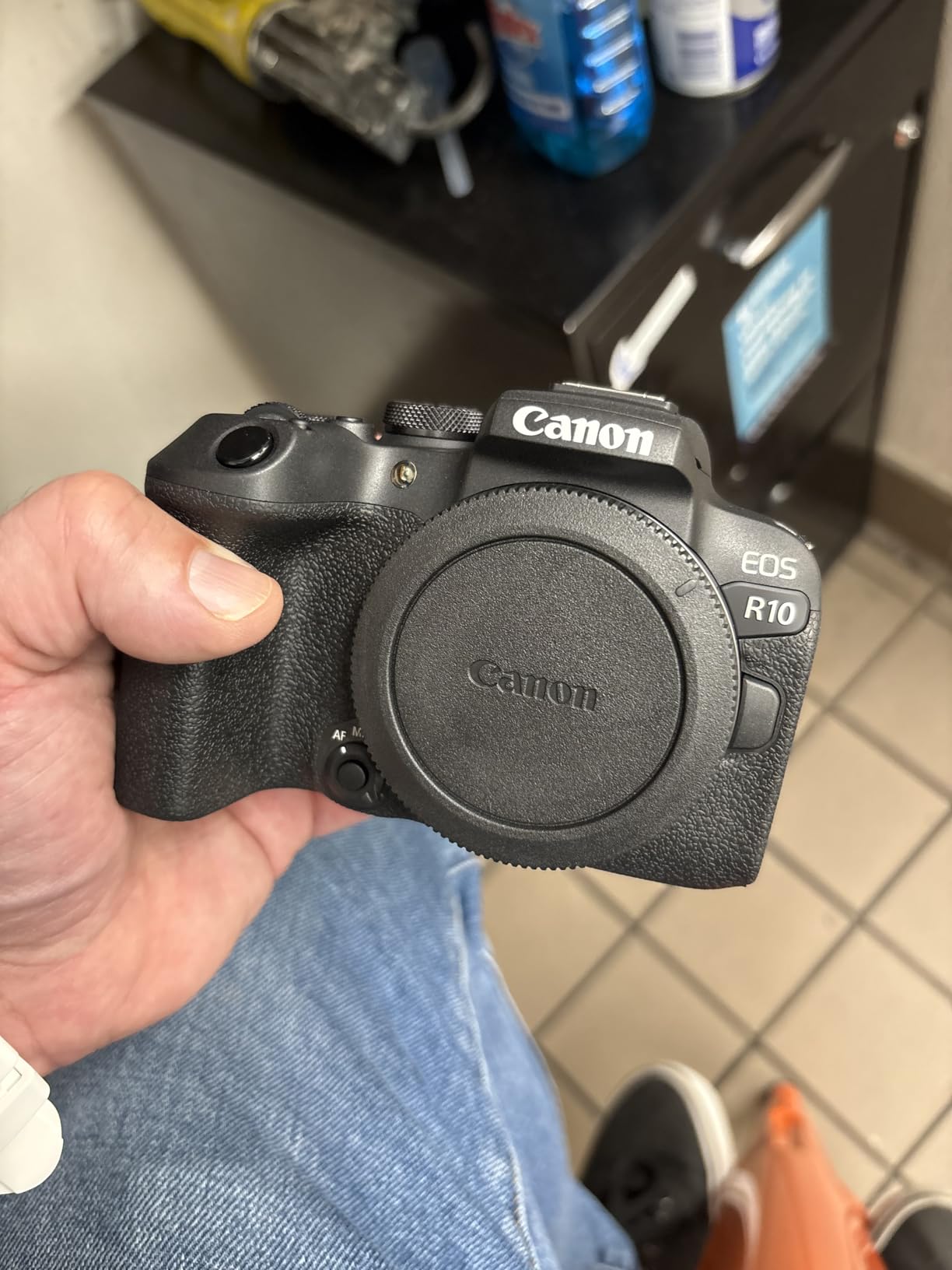
The compact RF-mount design accepts both RF-S and full-frame RF lenses. This future-proofs your investment if you eventually upgrade to a full-frame Canon body. Creative modes including focus stacking and panoramas add versatility without complexity.
Who Should Buy This
DSLR upgraders will find the R10 a natural transition with familiar Canon handling. Enthusiasts who want better video quality than entry-level options should consider it. Anyone invested in the Canon RF ecosystem who needs a lightweight backup body will appreciate the value.
Who Should Avoid It
The lack of in-body image stabilization is the main omission at this price point. Stock availability has been inconsistent, so you may need to wait or shop around. If you need weather sealing or dual card slots, look at the R7 instead.
12. Canon EOS R100 – Most Affordable Entry Point

Pros
- Extremely compact lightweight
- Beginner-friendly interface
- Excellent Dual Pixel AF
- Great image quality
- Easy wireless connectivity
- Affordable entry to mirrorless
Cons
- No battery charger included
- Small body for large hands
- No back button focus option
- Kit lens not the sharpest
The Canon EOS R100 represents the most affordable entry point into Canon’s mirrorless system and stands among the best APS-C cameras for beginners looking to enter interchangeable-lens photography without spending a fortune. Despite the budget price, you still get Dual Pixel CMOS AF with 143 zones, which performs admirably for still photography. Human face and eye detection work reliably for portraits and family shots.
At this price, some compromises are expected. The 4K video is limited to 24fps with significant cropping. However, Full HD at 60fps and HD at 120fps for slow motion are available. For still photography, the 24.1MP sensor delivers solid image quality that will satisfy most beginners.

The compact body weighs almost nothing and fits in a jacket pocket. Wireless connectivity through Wi-Fi and Bluetooth makes sharing photos to your phone straightforward. The included 18-45mm kit lens covers the essential focal range for most casual shooting situations.
Who Should Buy This
Budget-conscious beginners who want to enter the Canon mirrorless ecosystem should start here. Casual photographers who mainly shoot family photos and travel snapshots will find it adequate. Anyone who wants to try interchangeable lens photography without a major investment will appreciate the low barrier to entry.
Who Should Avoid It
Users with larger hands may find the body too small for comfortable extended use. Note that no separate battery charger is included, so you must charge in-camera or buy one separately. Video quality, especially 4K, is limited compared to higher-end models. The lack of back button focus and limited customization may frustrate advanced users.
How to Choose the Best APS-C Cameras In 2026?
Selecting the right APS-C camera depends on your specific needs, budget, and shooting style. Here are the key factors I consider when recommending cameras to photographers.
Sensor Resolution and Image Quality
APS-C sensors range from about 20 to 40 megapixels. Higher resolution like the 40.2MP Fujifilm X-T5 provides more detail and cropping flexibility, but generates larger files. For most photographers, 24-26MP hits the sweet spot between resolution and manageable file sizes. Consider how large you plan to print and how much you crop when choosing resolution.
Autofocus Performance
Modern APS-C cameras offer sophisticated autofocus with subject detection for people, animals, and vehicles. Sony leads with AI-powered recognition, Canon’s Dual Pixel CMOS AF II is excellent, and Fujifilm has improved significantly. If you shoot moving subjects like sports, wildlife, or children, prioritize autofocus capability over other features.
Video Capabilities
Video features vary dramatically between models. Look for 4K/60p with 10-bit color if you plan serious video work. In-body image stabilization helps for handheld footage. Log profiles provide grading flexibility. The Sony a6700 and Fujifilm X-S20 lead for video, while entry-level models offer basic 4K recording.
Lens Ecosystem
The lens selection available for your chosen system matters more than the camera body long-term. Sony E-mount has the most extensive third-party support. Fujifilm X-mount offers excellent native lenses with distinctive character. Canon RF-S selection is growing but limited compared to competitors. Consider what lenses you might want in the future before committing to a system.
In-Body Image Stabilization
IBIS lets you shoot handheld at slower shutter speeds and steadies video footage. Not all APS-C cameras include it, with many budget models omitting this feature. If you shoot handheld frequently or record video, prioritize cameras with effective IBIS like the Fujifilm X-T5, Sony a6700, or Canon EOS R7.
Build Quality and Weather Sealing
Professional use demands robust build quality and weather sealing. The Fujifilm X-T5 offers the most premium feel, while entry-level models use more plastic construction. If you shoot in challenging conditions, check for weather sealing specifications. Many mid-range cameras lack this feature entirely.
Frequently Asked Questions
Is APS-C as good as full-frame?
APS-C cameras deliver approximately 90% of full-frame image quality at roughly 60% of the cost. They offer advantages in reach due to the crop factor, making them excellent for wildlife and sports photography. The smaller sensor means less depth of field control and slightly more noise at high ISOs, but for most photographers these differences are minimal in real-world use.
What are the disadvantages of an APS-C camera?
APS-C cameras have less depth of field control than full-frame, making it harder to achieve very shallow background blur. They show more noise at high ISOs in low light. Wide-angle lens options are more limited since the crop factor makes lenses effectively narrower. Dynamic range is typically lower than full-frame sensors.
Do pro photographers use APS-C?
Yes, many professionals use APS-C cameras for specific applications. Wildlife and sports photographers value the crop factor for extra reach. Documentary and street photographers appreciate the smaller, less conspicuous bodies. APS-C also serves as excellent backup bodies for full-frame shooters. The image quality is sufficient for most professional work including large prints.
Is APS-C better than micro four thirds?
APS-C sensors are approximately 1.6 times larger than Micro Four Thirds, providing about 0.7 stops better low-light performance and more dynamic range. APS-C also offers more resolution options and generally more lens variety. Micro Four Thirds has advantages in size, weight, and often in-body stabilization effectiveness. For most photographers, APS-C provides the better balance of quality and portability.
Final Thoughts
The best APS-C cameras for you depends on your priorities. For pure photography, the Fujifilm X-T5 offers unmatched resolution and the Fuji shooting experience. Hybrid shooters should choose the Sony a6700 for its exceptional autofocus and video capabilities. Sports and wildlife photographers will find the Canon EOS R7 ideal with its fast burst rates and unlimited video recording.
Beginners have excellent options at every price point. The Canon EOS R50 and Sony a6100 provide great entry points, while the Fujifilm X-T30 III delivers premium Fuji quality at a mid-range price. Whichever system you choose, investing in quality lenses will have more impact on your images than the camera body itself.