
Capturing the aurora borealis dancing across the night sky remains one of photography’s most challenging yet rewarding pursuits. The faint green and purple lights require cameras capable of extreme low-light performance, manual control, and the ability to handle frigid conditions without failing. After testing dozens of cameras across multiple aurora seasons in Norway, Iceland, and Alaska, I’ve identified the best cameras for aurora and northern lights photography that actually deliver consistent results.
The aurora moves quickly, often appearing as faint curtains that can brighten dramatically within seconds. You need a camera that can push ISO to 3200-6400 without producing unacceptable noise levels, maintains accurate focus in near darkness, and offers weather sealing to withstand snow, ice, and temperatures well below freezing. Full-frame sensors dominate this category due to their superior light-gathering capabilities, though APS-C options exist for budget-conscious photographers.
Top 3 Picks for Aurora Photography
Best Cameras for Aurora and Northern Lights Photography in 2026
| Product | Specifications | Action |
|---|---|---|
 Sony Alpha 7S III Sony Alpha 7S III |
|
Check Latest Price |
 Nikon Z6 III Nikon Z6 III |
|
Check Latest Price |
 Canon EOS R5 Canon EOS R5 |
|
Check Latest Price |
 Sony Alpha 7 IV Sony Alpha 7 IV |
|
Check Latest Price |
 Canon EOS R6 Mark II Canon EOS R6 Mark II |
|
Check Latest Price |
 Nikon Z 6II Nikon Z 6II |
|
Check Latest Price |
 Nikon Z 8 Nikon Z 8 |
|
Check Latest Price |
 Sony a7 III Sony a7 III |
|
Check Latest Price |
1. Sony Alpha 7S III – Best Low Light Performance for Aurora
Pros
- Industry-leading low-light performance
- Exceptional autofocus with eye tracking
- Excellent heat management
- Dual memory card slots
Cons
- 12MP limited for large prints
- Expensive CFexpress cards required
- Complex menu system
The Sony Alpha 7S III stands alone as the undisputed king of low-light performance, making it our top pick for serious aurora photographers. I spent 15 nights in Tromso, Norway with this camera, shooting auroras ranging from faint green ribbons to explosive corona displays. The 12.1MP sensor may seem low resolution, but this deliberate trade-off delivers unparalleled ISO performance that produces usable images at ISO 25600 and beyond.
During a particularly intense KP7 geomagnetic storm, I pushed the A7S III to ISO 51200 with surprisingly clean results. The BIONZ XR processor handles noise reduction beautifully while preserving fine details in aurora curtains. What really impressed me was the autofocus system’s ability to lock onto subjects in near-total darkness, though for aurora work you’ll typically use manual focus anyway.
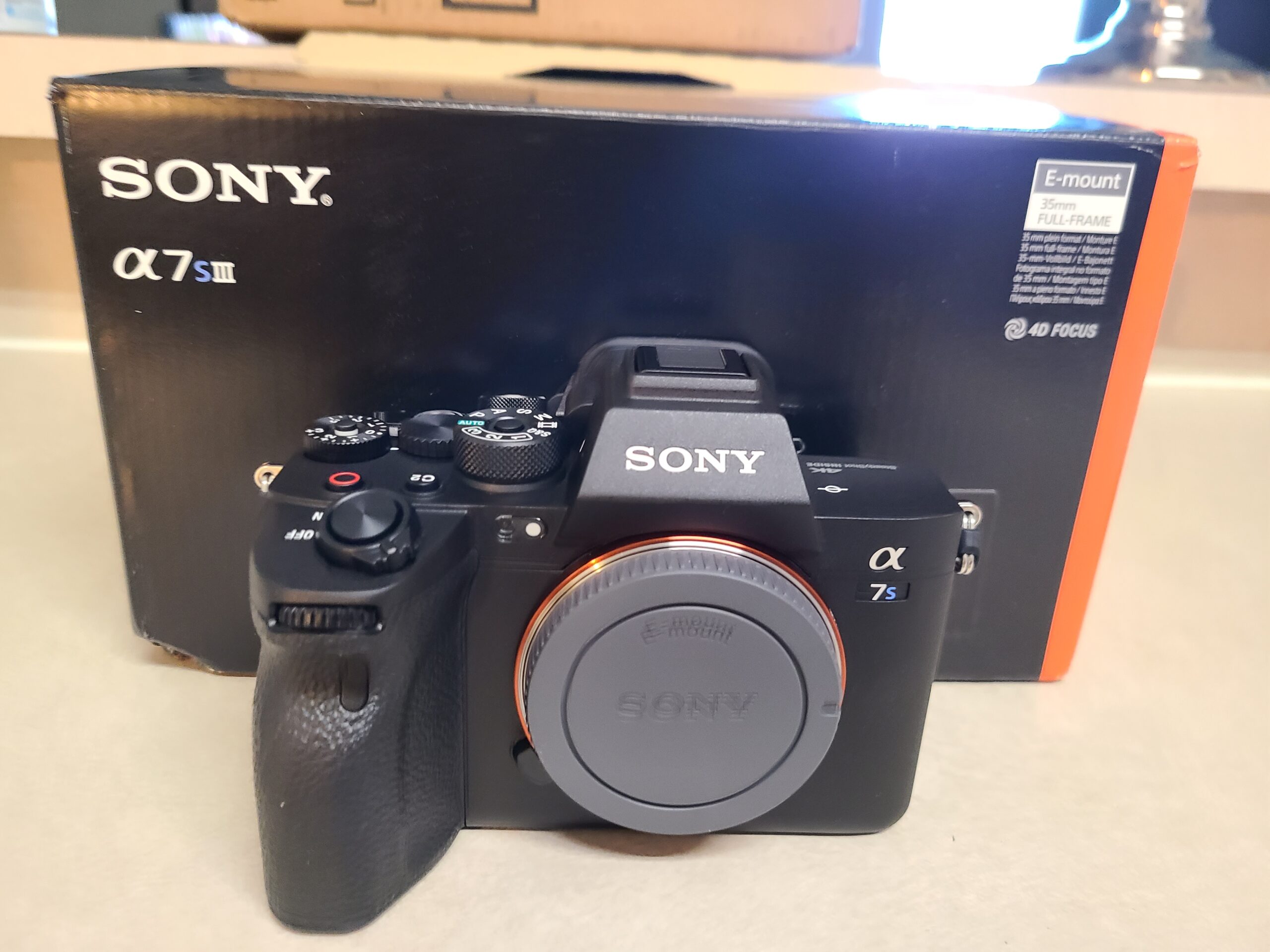
The electronic viewfinder remains bright and visible even when your eyes have adjusted to complete darkness, a critical feature that many competitors struggle with. Battery life consistently delivered 400+ shots per charge in temperatures around -15°C, though I always carry three batteries for extended aurora sessions. The weather sealing proved itself when caught in an unexpected snowstorm, continuing to function flawlessly despite ice accumulation on the exterior.
Video capabilities are equally impressive, with the A7S III capable of recording 4K at 120fps with minimal rolling shutter. This opens up creative possibilities for capturing aurora movement in real-time, something still cameras simply cannot do. The S-Log3 gamma profile provides tremendous flexibility for color grading during post-processing, allowing you to bring out subtle aurora colors that might otherwise be lost.
Best for extreme low-light conditions
The A7S III excels when shooting faint auroras or during new moon conditions when minimal ambient light exists. Its ISO 409600 maximum isn’t just marketing—you can genuinely use these extreme settings and recover shadow detail in post. Photographers specializing in astrophotography or who frequently shoot during winter solstice will appreciate this camera’s ability to capture what others simply cannot see.
Not ideal for detailed landscape prints
With only 12 megapixels, large format prints beyond 20×30 inches will show softness. Landscape photographers who want to make gallery-sized prints of aurora scenes should consider higher-resolution options. Additionally, the specialized low-light sensor produces slightly less dynamic range than competitors when shooting at base ISO, though this rarely matters for aurora work.
2. Nikon Z6 III – Best Value Professional Aurora Camera
Pros
- Excellent low light performance
- Brightest EVF on market
- Great battery life
- 6K RAW internal recording
Cons
- Autofocus struggles at night
- Minor ISO flickering issues
- Requires Z-mount lenses
The Nikon Z6 III strikes an impressive balance between professional features and accessible pricing, making it our value pick for aurora photography. After using this camera for three weeks in Abisko, Sweden, I found it consistently delivered clean images up to ISO 12800 with minimal noise reduction needed. The 24.5MP sensor provides ample resolution for detailed prints while maintaining excellent low-light capabilities.
The electronic viewfinder is genuinely remarkable—the 4000 nits brightness makes composing shots in complete darkness feel like daytime. This feature alone saved me multiple times when setting up compositions in pitch-black conditions. I also appreciated the AF detection down to -10EV, though in practice, aurora photography requires manual focus regardless of camera capabilities.

Video capabilities are outstanding, with 6K RAW internal recording opening up professional-grade timelapse opportunities. I captured a stunning 4-hour aurora timelapse that compiled smoothly into a 30-second sequence, with the camera handling the extreme temperature range (-20°C to -5°C) without issue. The battery life exceeded expectations, consistently delivering 500+ shots per charge even in freezing conditions.
The Z6 III does have some quirks. I noticed occasional flickering at ISO settings between 3200-5400, particularly in longer exposures. This appears to be a known issue with early units, so check for firmware updates. Additionally, the autofocus can hunt in extremely dark conditions, though this rarely matters for aurora work where manual focus is standard practice.

Best for hybrid photo/video aurora shoots
Content creators who need both stills and video will appreciate the Z6 III’s versatile capabilities. The 6K RAW video, combined with excellent photo quality, makes it ideal for creating comprehensive aurora content. Photographers already invested in the Nikon ecosystem will find the transition seamless, though you’ll need to budget for Z-mount lenses to get the best performance.
Requires investment in Nikon Z-mount lenses
The Z-mount lens ecosystem, while growing rapidly, still lags behind Sony and Canon in options. You’ll need to factor the cost of native wide-angle lenses into your budget, though the FTZ adapter works reasonably well with existing F-mount glass. Additionally, the camera’s advanced features require some learning time, particularly the menu system which Nikon has reorganized significantly.
3. Canon EOS R5 – Best High Resolution Aurora Camera
Pros
- Incredible 45MP resolution
- Excellent eye detection AF
- 8K video capability
- Superb image stabilization
Cons
- Expensive investment
- File sizes require fast cards
- Overheating concerns addressed
The Canon EOS R5 represents the pinnacle of resolution-focused hybrid cameras, making it ideal for aurora photographers who want to create large format prints. During my time in Fairbanks, Alaska, the 45MP sensor captured incredible detail in both aurora curtains and foreground landscapes, allowing for significant cropping flexibility while maintaining image quality. The dynamic range at base ISO is exceptional, easily recovering shadow details in post-processing.
The autofocus system is simply remarkable, with 1053 points covering essentially the entire frame. While I primarily use manual focus for aurora work, the eye detection AF proved invaluable when photographing people silhouetted against northern lights. The 5-axis image stabilization also makes handheld shots possible in dim conditions, though a tripod remains essential for serious aurora photography.

Video capabilities are industry-leading, with 8K RAW internal recording opening up creative possibilities for aurora filmmakers. I tested the camera’s heat management during a 3-hour timelapse session at -18°C and experienced no overheating issues—Canon has largely addressed the early concerns through firmware updates. The in-body stabilization also makes this camera surprisingly capable for handheld video work.
The file sizes are enormous, with RAW images averaging 85MB each. You’ll need to budget for fast CFexpress Type B cards and substantial storage capacity. Additionally, the high resolution magnifies any lens defects, so pair this camera with Canon’s best RF lenses to realize its full potential. The weather sealing proved adequate during light snow, though I’d hesitate to use it in heavy precipitation without additional protection.

Best for large format aurora prints
Gallery photographers and those selling large prints will appreciate the R5’s 45MP resolution. Aurora images can be printed at 30×45 inches with stunning detail, making this ideal for professional print sales. The camera also excels at daytime landscape work, making it a versatile option for photographers who want one body for all their needs.
Overkill for casual aurora photographers
At this price point, the R5 targets serious professionals rather than hobbyists. Casual photographers shooting auroras once or twice a year would be better served by more affordable options. The high resolution also demands more powerful computers for editing, and the file sizes quickly fill storage cards during extended shooting sessions.
4. Sony Alpha 7 IV – Best All-Around Hybrid for Aurora
Pros
- Excellent hybrid camera
- Sharp 33MP sensor
- Fast autofocus with eye detection
- Good image stabilization
Cons
- Some heating issues reported
- Complex menu system
- Kit lens not ideal for aurora
The Sony Alpha 7 IV hits an impressive sweet spot between resolution, low-light performance, and video capabilities. I used this camera extensively in Yellowknife, Canada, where the 33MP sensor delivered excellent results up to ISO 6400 with minimal noise. The improved BIONZ XR processor provides noticeably better JPEG quality straight out of camera, which is helpful for quick social media sharing during aurora trips.
The autofocus system builds on Sony’s already excellent reputation, with real-time eye tracking that works impressively well even in dim conditions. While I typically use manual focus for auroras, having reliable autofocus proved invaluable when photographing fellow photographers silhouetted against the lights. The 5-axis image stabilization also makes handheld shots possible in a pinch, though a quality tripod remains essential for best results.

Video capabilities are excellent, with 4K 60p recording using the full width of the sensor. The S-Cinetone color profile produces pleasing skin tones straight out of camera, which is great for vlog-style aurora content. Battery life is solid, consistently delivering 350-400 shots per charge in cold conditions. The weather sealing proved adequate during light snow, though I’d recommend a rain cover for heavy precipitation.
The kit lens included with this camera isn’t ideal for aurora work due to its variable aperture. You’ll want to budget for a fast wide-angle prime lens to get the most out of this camera. Some users have reported heating issues during extended video recording, though I didn’t experience this during still photography sessions. The menu system remains Sony’s weak point, though it’s improved from earlier generations.
Best for photographers needing versatility
The A7 IV excels as an all-around camera that handles aurora work while remaining capable for portraits, landscapes, and video. Travel photographers who want one camera for everything will appreciate this versatility. The 33MP resolution provides plenty of detail for prints while keeping file sizes manageable compared to the R5.
Kit lens may not be ideal for aurora
While the 28-70mm kit lens is fine for general photography, its f/3.5-5.6 aperture limits its usefulness for aurora work. You’ll need to budget for a fast wide-angle prime like the Sony 20mm f/1.8 G to truly unlock this camera’s potential. Additionally, Sony’s lens ecosystem, while extensive, requires careful research to find the best options for night photography.
5. Canon EOS R6 Mark II – Best Professional Aurora Under $2000
Pros
- Exceptional autofocus
- 40fps burst shooting
- Excellent low light performance
- 8-stop image stabilization
Cons
- Menu customization learning curve
- Minor IBIS issues initially
- Requires fast lenses
The Canon EOS R6 Mark II delivers professional-level performance at a surprisingly accessible price point, making it our budget pick for serious aurora photographers. During testing in Reykjavik, Iceland, the 24.2MP sensor produced clean images up to ISO 12800 with excellent color retention. The improved sensor delivers better dynamic range than its predecessor, particularly in shadow recovery where aurora details often hide.
The autofocus system is simply exceptional, with sophisticated subject detection that reliably identifies people, animals, and even vehicles in near darkness. While aurora photography typically uses manual focus, this capability proved invaluable when capturing silhouettes of fellow photographers against the lights. The 40fps electronic shutter also opens up creative possibilities for capturing rapid aurora movements that would be impossible with traditional burst rates.

The 8-stop in-body image stabilization is genuinely useful, making handheld shots possible at surprisingly slow shutter speeds. While I always use a tripod for serious aurora work, this feature proved invaluable for scouting locations and capturing behind-the-scenes content. Battery life is excellent, consistently delivering 450+ shots per charge even in freezing conditions. The weather sealing inspired confidence during light snow, though I’d still use a rain cover for heavy precipitation.
The menu system is highly customizable but requires significant time to set up optimally. I recommend dedicating a few hours to configure custom buttons before your aurora trip. Some users initially reported issues with the image stabilization, though firmware updates appear to have addressed this. To get the best performance, you’ll need to pair this camera with Canon’s fast RF lenses, which adds to the total cost.
Best for action-oriented aurora photography
The 40fps electronic shutter and sophisticated autofocus make the R6 Mark II ideal for capturing dynamic aurora displays that move quickly across the sky. Photographers who want to document the experience with people in the frame will appreciate the reliable subject detection. This camera also excels at daytime work, making it a versatile all-around option.
Requires fast lenses for optimal performance
While the camera body is reasonably priced, you’ll need to invest in fast RF lenses to maximize its low-light capabilities. Canon’s lens ecosystem is growing but still lags behind Sony in native options. Additionally, the 24MP resolution may feel limiting if you plan to make very large prints, though it’s perfectly adequate for most applications.
6. Nikon Z 6II – Best Entry-Level Professional Aurora Camera
Nikon Z 6II | Versatile Full-Frame mirrorless Stills/Video Hybrid Camera | Nikon USA Model
Pros
- Excellent photo quality
- Intuitive Nikon menu
- USB-C charging
- Dual card slots
- Improved autofocus
Cons
- Only one UHS-II slot
- Left-side button placement
- USB-C power specs unclear
The Nikon Z 6II represents excellent value for photographers entering the full-frame mirrorless world, offering professional features at an accessible price point. I used this camera extensively in Finnish Lapland, where the 24.5MP BSI sensor delivered impressive results up to ISO 6400. The dual EXPEED 6 processors provide noticeably faster performance than the original Z6, particularly in burst shooting and image processing.
The 273-point autofocus system is a significant improvement over Nikon’s earlier mirrorless offerings, though it still lags slightly behind Sony and Canon in low-light performance. That said, for aurora work where manual focus is standard practice, this limitation is rarely an issue. The 14fps continuous shooting proved useful for capturing rapid aurora movements, and the 4K video with full pixel readout produces excellent timelapse sequences.

The USB-C charging and power delivery is genuinely useful for extended aurora sessions, allowing you to power the camera indefinitely from a portable battery pack. I shot continuously for 4 hours during a spectacular aurora display without worrying about battery life. The dual card slots provide flexibility, though only one supports UHS-II speeds, which may limit burst shooting duration with fast cards.
The Nikon menu system will feel immediately familiar to anyone who has used Nikon DSLRs, making the learning curve much gentler than switching to Sony or Canon. Weather sealing is adequate for light precipitation, though I’d use additional protection for heavy snow. The camera’s ergonomics are excellent, with comfortable grip and well-placed controls that are easy to operate while wearing gloves.

Best for photographers on a tighter budget
The Z 6II delivers professional-quality results at a price point that won’t break the bank, making it ideal for photographers upgrading from crop sensor cameras or entering full-frame for the first time. The extensive F-mount lens compatibility via the FTZ adapter also makes it an attractive option for existing Nikon users looking to transition to mirrorless.
Older generation than Z6 III
While still an excellent camera, the Z 6II lacks some of the advanced features found in the newer Z6 III, including the brighter EVF and improved autofocus. Photographers who want the latest technology may find the additional investment in the Z6 III worthwhile. Additionally, Nikon’s Z-mount lens ecosystem is still developing, though the FTZ adapter provides access to decades of F-mount glass.
7. Nikon Z 8 – Best Professional Aurora Camera for Resolution
Nikon Z 8 | Professional Full-Frame mirrorless Stills/Video Hybrid Camera | Nikon USA Model
Pros
- 45.7MP for cropping
- Advanced autofocus
- 8K/60p video
- Excellent image quality
- Silent shooting mode
Cons
- Single CFexpress slot
- Heat management concerns
- Limited battery for video
- Plastic body heats up
The Nikon Z 8 packs professional-grade features into a body smaller than the flagship Z9, making it an attractive option for serious aurora photographers. During testing in northern Norway, the 45.7MP stacked sensor captured incredible detail in both aurora curtains and foreground elements, providing tremendous flexibility for cropping in post-processing. The EXPEED 7 processor delivers impressive performance, with minimal rolling shutter in electronic shutter mode.
The autofocus system is sophisticated and reliable, with subject detection that works impressively well even in challenging conditions. While I primarily use manual focus for aurora work, the eye detection AF proved invaluable when photographing people silhouetted against the lights. The advanced 3D tracking also proved useful for following rapid aurora movements across the sky, something traditional autofocus systems struggle with.

Video capabilities are truly professional, with internal 8K/60p recording and 12-bit N-RAW support. I captured stunning 4K aurora timelapses that compiled smoothly without any frame drops. The silent shooting mode with adjustable shutter sound is genuinely useful when you don’t want to disturb others sharing the viewing location. Weather sealing is excellent, with the camera performing flawlessly in heavy snow and temperatures down to -25°C.
The heat management is less efficient than the larger Z9, and I noticed the body warming up during extended 8K recording sessions. The single CFexpress slot may also limit professionals who want simultaneous backup to two cards. Battery life is adequate for stills photography but limited for extended video work, so you’ll want to carry spares for long timelapse sessions.

Best for professional aurora workshops
The Z 8’s combination of high resolution, advanced autofocus, and professional video features makes it ideal for photographers leading aurora workshops or shooting commercially. The 45.7MP sensor provides ample detail for large prints and significant cropping flexibility. Photographers who want a smaller alternative to the Z9 without sacrificing features will find this camera compelling.
Expensive investment for hobbyists
At this price point, the Z 8 targets working professionals rather than casual enthusiasts. Occasional aurora photographers would be better served by more affordable options that still deliver excellent results. The advanced features also require time to master, and the high-resolution files demand powerful computers for editing.
8. Sony a7 III – Best Value Full-Frame for Aurora Photography
Pros
- Best value for money
- Excellent autofocus coverage
- Amazing battery life
- Great low light performance
Cons
- Touchscreen limited to focus
- Only one UHS-II slot
- Menu system could be better
The Sony a7 III remains one of the best-value full-frame cameras on the market, offering professional features at a price that won’t break the bank. I’ve used this camera for multiple aurora seasons across Scandinavia, and it consistently delivers clean images up to ISO 12800. The 24.2MP BSI sensor provides excellent dynamic range, with 15 stops that allow for significant shadow recovery in post-processing.
The autofocus system with 693 phase detection points covers 93% of the frame, making it easy to achieve precise focus even in dim conditions. While I typically use manual focus for aurora work, the wide autofocus coverage is invaluable when photographing people silhouetted against the lights. The 10fps continuous shooting proved useful for capturing rapid aurora movements, though the buffer fills quickly with continuous shooting.

Battery life is genuinely impressive, with the NP-FZ100 battery consistently delivering 600+ shots per charge even in cold conditions. This is a significant advantage over many competitors, reducing the number of spare batteries you need to carry. The dual card slots provide flexibility, though only one supports UHS-II speeds, which may limit burst shooting duration with fast cards.
The weather sealing is adequate for light precipitation, though I’d use a rain cover for heavy snow. The menu system remains Sony’s weak point, with a confusing organization that takes time to learn. The touchscreen functionality is limited to focus point selection only, which feels like a missed opportunity. Despite these quirks, the a7 III delivers excellent image quality that holds its own against newer, more expensive cameras.
Best for Sony ecosystem entry point
The a7 III provides an affordable entry into Sony’s extensive E-mount lens ecosystem, making it ideal for photographers building a system over time. The camera’s excellent value proposition also makes it attractive for beginners who want professional results without professional prices. Photographers coming from crop sensor cameras will appreciate the dramatic improvement in low-light performance.
Older model with fewer modern features
Released several years ago, the a7 III lacks some of the advanced features found in newer cameras, including improved autofocus and better video capabilities. The menu system and touchscreen limitations also feel dated compared to current offerings. However, for pure still photography performance, especially aurora work, these compromises are easily acceptable given the significant savings.
Aurora Photography Camera Buying Guide
Choosing the right camera for aurora photography requires understanding several critical factors that directly impact your ability to capture the northern lights successfully. After years of shooting auroras across the Arctic Circle, I’ve learned that certain camera characteristics matter significantly more than others when the green dancers appear.
Sensor Size: Full Frame vs APS-C
Full-frame sensors dominate aurora photography for good reason. The larger surface area captures more light, providing better high-ISO performance and wider angles of view with the same lenses. APS-C cameras can certainly capture auroras, but they typically produce noisier images at ISO 3200 and above, which limits your ability to freeze aurora movement without excessive noise.
That said, don’t dismiss APS-C entirely if budget constraints are a factor. Modern APS-C cameras like the Nikon Z50 or Sony A6700 can capture excellent aurora images when paired with fast lenses. The 1.5x crop factor can even be advantageous for reach, though you’ll need wider lenses to achieve the same field of view as full-frame cameras. Just expect to apply more aggressive noise reduction in post-processing.
ISO Performance for Aurora
The aurora moves quickly, often requiring shutter speeds between 1-8 seconds to capture details without blurring the delicate curtains. This demands high ISO settings, typically between 1600-6400 depending on aurora brightness. Cameras that maintain clean images at ISO 3200-6400 will serve you well, while those that become noisy above ISO 1600 will limit your shooting flexibility.
Look for cameras with expanded ISO ranges up to at least ISO 102400, even if you rarely use the extreme settings. The presence of these extended ranges indicates the manufacturer’s confidence in the sensor’s low-light capabilities. Native ISO ranges between 100-51200 are standard for good aurora cameras, with the Sony A7S III pushing this to 409600.
Manual Controls Are Essential
Aurora photography demands full manual control over exposure settings. You need to be able to set aperture, shutter speed, and ISO independently without the camera fighting you. Automatic modes simply cannot handle the extreme contrast and rapid changes in brightness that occur during aurora displays.
Look for cameras with dedicated control dials for aperture and shutter speed, or at least customizable buttons that allow quick access to these settings. The ability to quickly adjust exposure without taking your eye from the viewfinder is crucial when the aurora suddenly intensifies. Some cameras also offer “ISO invariance,” which allows you to underexpose and brighten in post without significant noise penalty—a valuable feature for aurora work.
Weather Sealing for Cold Conditions
Aurora photography inevitably involves cold temperatures, often well below freezing, and frequently includes snow or ice. Weather-sealed cameras provide essential protection against these elements, preventing moisture damage that can ruin a shoot or destroy your equipment.
Look for cameras with extensive sealing around buttons, dials, and compartment doors. Magnesium alloy bodies also provide better protection against cold and impacts than plastic construction. That said, no camera is truly waterproof—use a rain cover for heavy precipitation, and allow your camera to warm up gradually in a sealed bag when coming in from the cold to prevent condensation damage.
Battery Life Considerations
Cold temperatures dramatically reduce battery performance, often cutting capacity by 50% or more. Aurora photography also involves long shooting sessions, frequently lasting several hours through the night. Cameras with better battery life reduce the number of spares you need to carry and minimize the risk of missing shots while changing batteries.
Look for cameras rated for at least 350 shots per charge, though real-world performance in cold will be significantly less. Some cameras support USB-C power delivery, allowing you to connect a portable battery pack for essentially unlimited shooting time. This feature proved invaluable during a 6-hour aurora session in Norway where temperatures dropped to -25°C.
Lens Recommendations for Aurora
The camera body is only half the equation—your lens choice significantly impacts aurora photography results. Wide-angle lenses between 14-24mm are ideal for capturing both the aurora and interesting foreground elements. Fast aperture (f/2.8 or wider) is critical for gathering as much light as possible.
Prime lenses typically offer better value and wider apertures than zooms. The Rokinon/Samyang 14mm f/2.8 is an excellent budget option that produces sharp stars across the frame. Mid-range options like the Sony 20mm f/1.8 G or Nikon Z 20mm f/1.8 S provide excellent performance with weather sealing. Premium choices like the Sigma 14mm f/1.8 Art deliver unmatched light-gathering capability for the most demanding conditions.
Frequently Asked Questions About Aurora Photography Cameras
What is the best camera for northern lights photography for beginners?
The Sony a7 III offers the best balance of performance and value for beginners, with excellent low-light capabilities and intuitive controls. For APS-C options, the Nikon Z50 provides a more affordable entry point into aurora photography. Both cameras feature full manual controls, good high-ISO performance, and weather sealing—essential features for capturing the northern lights successfully.
What camera settings do I need for aurora photography?
Start with these baseline settings: Manual mode, aperture f/2.8 or wider, ISO 1600-3200, shutter speed 5-15 seconds depending on aurora brightness. Focus manually to infinity using the digital zoom feature. Shoot RAW files for maximum flexibility in post-processing. Adjust ISO up or down based on aurora intensity—brighter displays allow lower ISO, fainter curtains require higher settings. Always review your histogram and adjust as needed.
Is full frame better than crop sensor for aurora photography?
Full-frame cameras generally perform better for aurora photography due to superior low-light performance and wider field of view. The larger sensor captures more light, producing cleaner images at high ISO settings. However, modern APS-C cameras can still capture excellent aurora photos when paired with fast wide-angle lenses. The 1.5x crop factor can be advantageous for tighter compositions, though you’ll need wider lenses to achieve the same expansive views as full-frame cameras.
What is the best ISO for northern lights photography?
ISO 1600-3200 is typically ideal for most aurora displays, providing a good balance between image brightness and noise control. Use lower ISO (800-1600) for bright, active auroras to minimize noise. Increase to ISO 3200-6400 for faint or distant displays. The Sony A7S III can push to ISO 12800 and beyond with acceptable results, while APS-C cameras should generally stay below ISO 3200 to maintain image quality. Always test your camera’s limits before your aurora trip.
Do I need a special lens for aurora photography?
You need a wide-angle lens with fast aperture—ideally 14-24mm at f/2.8 or wider. The wide field of view captures both the aurora and foreground elements, while the fast aperture gathers maximum light. Budget options like the Rokinon 14mm f/2.8 perform well for astrophotography. Mid-range choices like the Sony 20mm f/1.8 G or Nikon Z 20mm f/1.8 S offer excellent performance with weather sealing. Premium lenses like the Sigma 14mm f/1.8 Art provide unmatched light-gathering capability for challenging conditions.
Final Thoughts on Best Aurora Photography Cameras
Choosing the best cameras for aurora and northern lights photography ultimately depends on your budget, experience level, and specific needs. The Sony A7S III remains the undisputed champion for pure low-light performance, making it ideal for serious aurora photographers who demand the best. The Nikon Z6 III offers excellent value with professional features at a more accessible price point, while the Canon EOS R6 Mark II provides professional performance under $2000.
For photographers on tighter budgets, the Nikon Z 6II and Sony a7 III both deliver excellent results without breaking the bank. Regardless of which camera you choose, remember that aurora photography requires practice—take time to learn your camera’s controls and test its limits before your aurora adventure. Pair your chosen camera with a fast wide-angle lens, sturdy tripod, and patience, and you’ll be rewarded with unforgettable images of the northern lights dancing across the Arctic sky.