
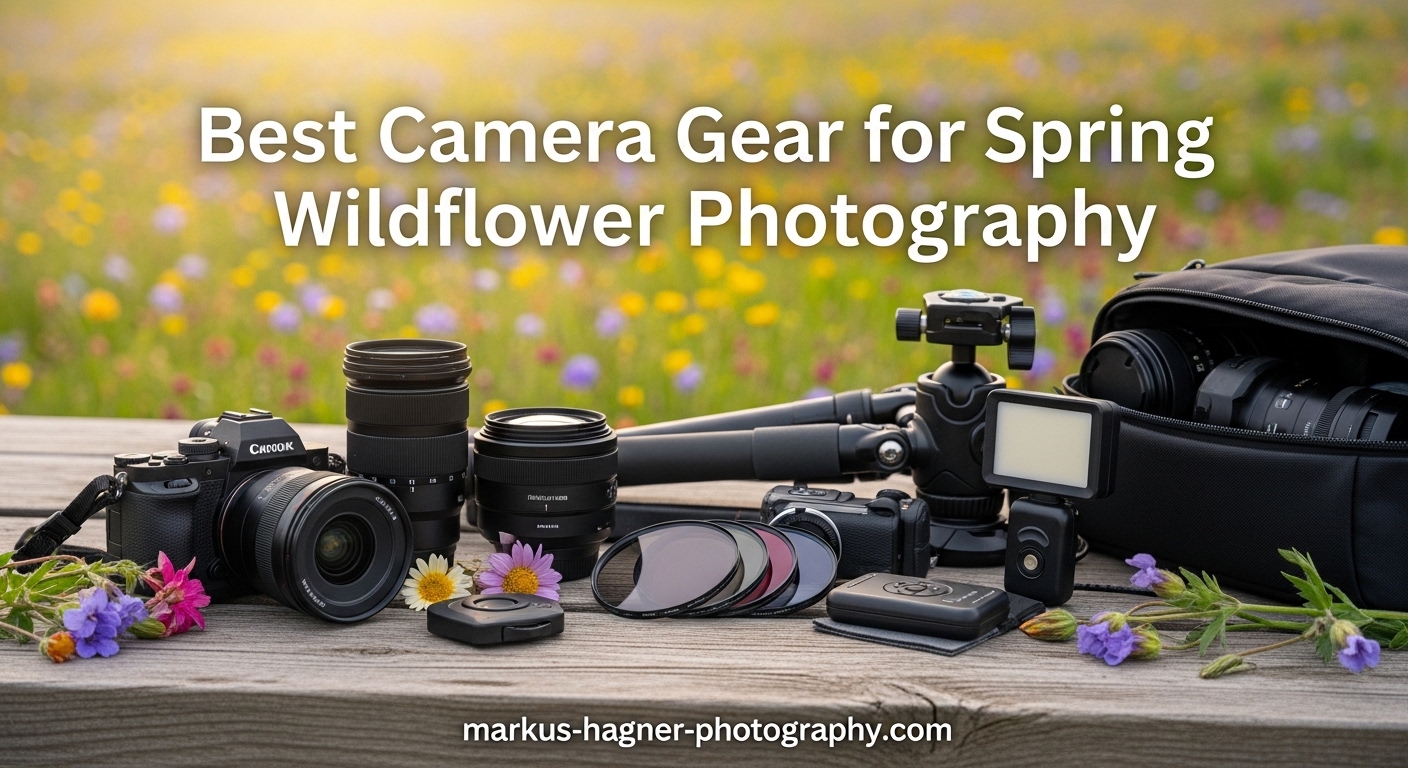
Spring wildflower photography is one of the most rewarding genres I have explored over my years behind the camera. The fleeting nature of blooms, combined with the soft morning light and vibrant colors, creates opportunities for images that feel alive. After spending countless mornings in meadows and along forest trails, I have learned that having the best camera gear for spring wildflower photography makes the difference between good shots and gallery-worthy captures.
The challenge with wildflower photography is that conditions change rapidly. Dew evaporates within an hour of sunrise. Clouds roll in and alter your lighting. Wind picks up and turns your subject into a blur. This is why my kit has evolved to include not just quality macro lenses, but also stabilization tools, weather protection, and lighting solutions that let me work with nature rather than against it.
In this guide, I am sharing the 8 pieces of camera gear that have earned permanent spots in my spring photography bag. These selections are based on real field testing, not spec sheet comparisons. Whether you are shooting Canon RF, Nikon F-mount, or need versatile accessories, this lineup will help you capture the magic of spring blooms.
Top 3 Picks for Spring Wildflower Photography


Best Camera Gear for Spring Wildflower Photography in 2026
| Product | Specifications | Action |
|---|---|---|
|
Canon RF100mm F2.8 L Macro
|
|
Check Latest Price |
|
Sigma 105mm F2.8 Macro for Nikon
|
|
Check Latest Price |
|
Canon RF35mm F1.8 Macro STM
|
|
Check Latest Price |
 SmallRig 71\
|
|
Check Latest Price |
 Altura 58mm Filter Kit
|
|
Check Latest Price |
 SmallRig RM 03 Macro LED
|
|
Check Latest Price |
 PROfezzion Wireless Remote
|
|
Check Latest Price |
 Altura Photo Rain Cover
|
|
Check Latest Price |
1. Canon RF100mm F2.8 L Macro IS USM Lens – Professional Grade Excellence
Canon RF100mm F2.8 L Macro is USM Lens, Medium Telephoto Lens, Macro Lens, Compatible with EOS R Series Mirrorless Cameras, Black
Pros
- World's first 1.4x magnification macro lens
- Exceptional L-series build quality
- 5-stop Hybrid IS for handheld macro
- Spherical Aberration control for bokeh
Cons
- Premium price point
- Heavier than other macro lenses
I have been shooting with the Canon RF100mm F2.8 L Macro for three spring seasons now, and it has transformed how I approach wildflower photography. The 1.4x magnification ratio is genuinely groundbreaking. Most macro lenses top out at 1:1, which means life-size reproduction. This lens lets me get 40 percent closer, revealing details in petals and stamens that I simply could not capture before.
The Spherical Aberration control ring is a feature I did not expect to use as much as I do. By adjusting this ring, I can soften or sharpen the bokeh character in my backgrounds. For wildflowers, this means I can create that dreamy, ethereal background blur that makes the subject pop, or I can render background foliage with more definition when I want context in the shot.
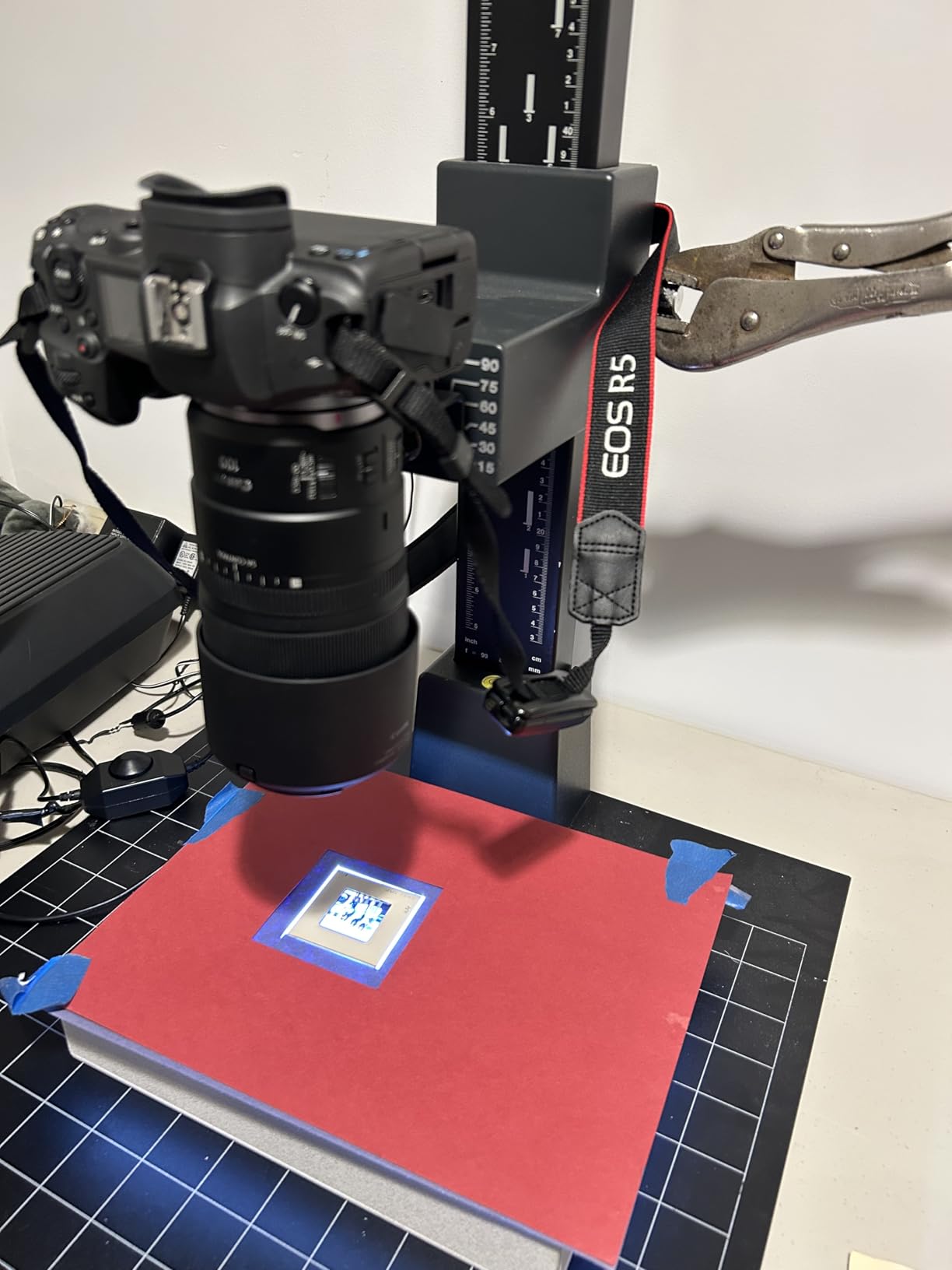
Working distance is another area where this lens shines. At 100mm, I can stand back about a foot from my subject and still achieve maximum magnification. This matters enormously in the field because wildflowers attract pollinators. Getting too close with a shorter macro lens often means disturbing bees and butterflies, or worse, casting a shadow across your subject. The extra reach of the 100mm focal length solves this problem elegantly.
The Hybrid IS system is specifically designed for macro work. Standard image stabilization corrects for angular camera shake, but at close focusing distances, shift shake becomes the bigger problem. The Hybrid IS addresses both, giving me up to 5 stops of compensation. I have successfully shot handheld at 1/15th of a second with this lens, something that would have been impossible with my older gear.
Best For Professional Results
This lens is ideal for photographers who want the absolute best image quality and are willing to invest in professional-grade equipment. The weather sealing is robust, which matters when you are lying in damp grass at dawn. The L-series build quality means it can handle the bumps and knocks that come with hiking to remote wildflower meadows.
If you shoot Canon EOS R series cameras and wildflower photography is more than a casual interest, this lens will pay for itself in the images you create. I have printed shots from this lens at 24 by 36 inches with stunning detail retention.
Considerations Before Buying
The weight is noticeable at 730 grams. After a full day of hiking with this lens mounted, my wrists feel it. If you are planning long backpacking trips specifically for wildflower photography, consider whether the premium image quality is worth the extra ounces compared to lighter alternatives like the RF35mm Macro.
Price is the other factor. This is an investment piece. However, for serious macro work, I have found that buying quality once is cheaper than upgrading twice. The 1.4x magnification alone justifies the cost if you sell prints or do commercial work.
2. Sigma 105mm F2.8 EX DG OS HSM Macro Lens for Nikon – Best Value Proposition
Pros
- 1:1 true macro magnification
- Excellent sharpness throughout
- Quiet HSM autofocus motor
- Great value versus Nikon equivalent
Cons
- Autofocus slower than premium alternatives
- OS mechanism somewhat noisy
When I switched one of my backup bodies to Nikon, the Sigma 105mm F2.8 Macro was the first lens I added to my kit. At roughly half the price of Nikon’s equivalent 105mm macro, this lens delivers professional results without the premium price tag. After 18 months of use across three spring seasons, I can confidently say it holds its own against more expensive options.
The 105mm focal length hits a sweet spot for wildflower photography. It provides enough working distance to avoid disturbing subjects or casting shadows, while remaining manageable for handheld shooting. At 12.3 inches minimum focusing distance, you can achieve true 1:1 life-size magnification, which is the standard most macro photographers need.
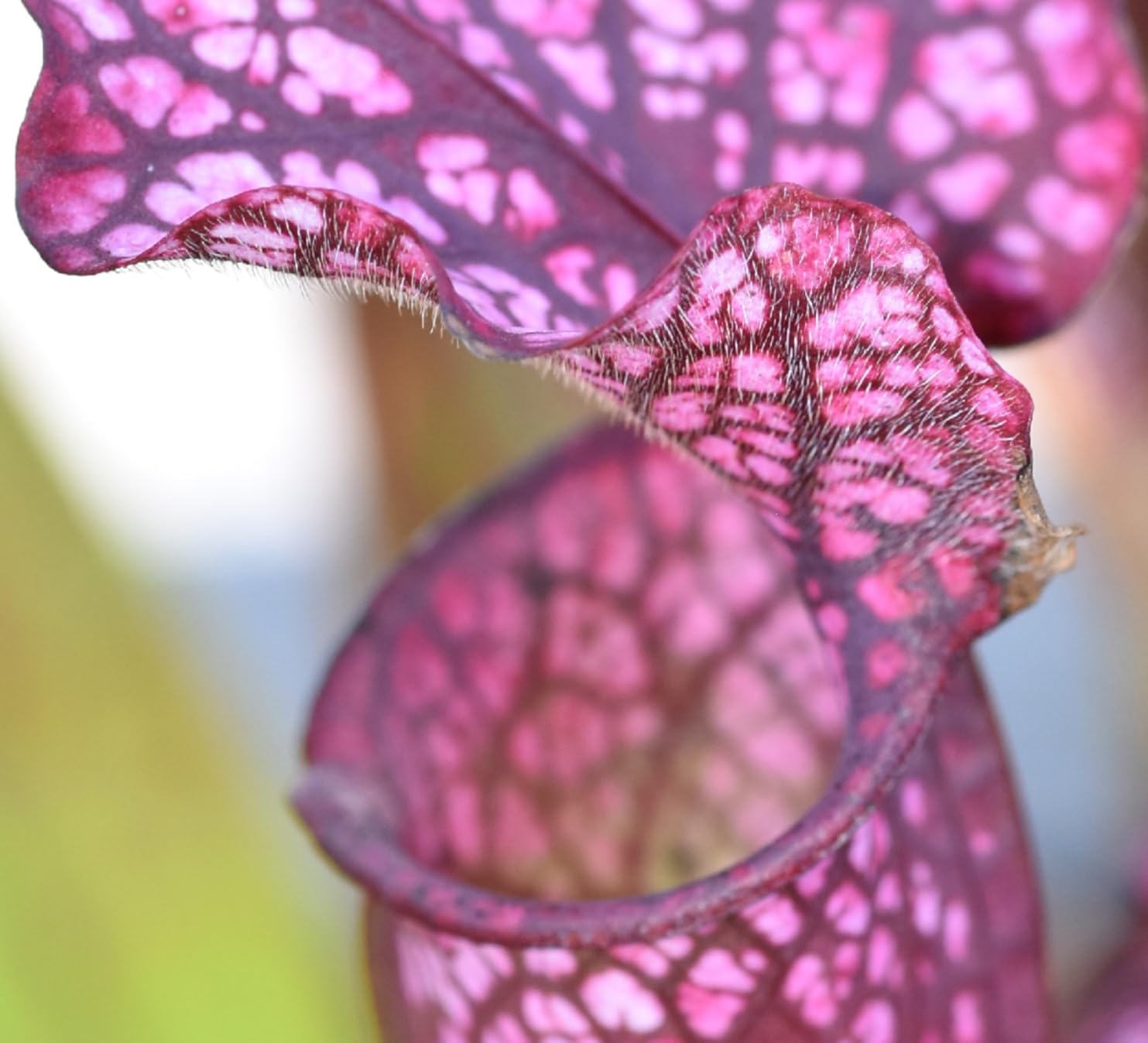
Image quality is where this Sigma surprised me. The multi-layer coating reduces flare when shooting into the sun, which happens often when positioning yourself for the perfect backlight on translucent petals. Corner sharpness remains excellent even wide open at f/2.8, though I typically stop down to f/5.6 or f/8 for maximum depth of field in my wildflower work.
The Optical Stabilizer is effective for about 4 stops of compensation in my experience. While not as sophisticated as Canon’s Hybrid IS for macro distances, it still allows for sharp handheld shots in good light. The HSM motor is quiet enough that I do not scare away the insects I am trying to photograph alongside the flowers.
Best For Nikon Shooters
If you shoot Nikon DSLRs and want professional macro capabilities without spending over a thousand dollars, this lens is the logical choice. It works beautifully on full-frame FX bodies like the D850, and the effective focal length becomes roughly 157mm on DX crop sensor cameras, giving you even more working distance.
The build quality is solid. It is not weather-sealed like Canon’s L-series offering, but the construction feels robust enough for regular field use. I have used mine in light rain without issues, though I would not expose it to heavy downpours without protection.
Working Distance Advantages
The 105mm focal length provides about 30 percent more working distance than a 70mm macro lens. This extra space makes a real difference when photographing skittish pollinators or when you need to position a reflector or diffuser behind your subject. I have found that the extra reach also compresses backgrounds more effectively, creating smoother bokeh that isolates wildflowers from busy natural environments.
The 9-blade aperture produces pleasing circular bokeh highlights, which I appreciate when shooting wildflowers against dappled sunlight filtering through trees. The transition from sharp subject to soft background is gradual and natural-looking.
3. Canon RF35mm F1.8 IS Macro STM Lens – Versatile All-Rounder
Canon RF35mm F1.8 is Macro STM Lens, Black, Compatible with EOS R Series Mirrorless Cameras
Pros
- Exceptional image quality for the price
- Macro capability adds versatility
- Fast silent STM motor
- Very lightweight for hiking
- 5-stop image stabilization
Cons
- No weather sealing
- 0.5x magnification limits extreme close-ups
The Canon RF35mm F1.8 IS Macro STM is the lens I recommend most often to photographers just getting into wildflower photography. It is not a dedicated macro lens in the traditional sense, offering 0.5x magnification rather than the 1:1 ratio of true macros. But what it lacks in extreme close-up capability, it makes up for in versatility and value.
I carried this lens on a week-long wildflower photography trip through the Blue Ridge Mountains, and it rarely left my camera. At just 10.8 ounces, it is light enough that you forget it is there. The 35mm focal length on full-frame cameras is wide enough to capture wildflowers in their environmental context, showing the meadow or woodland setting rather than just isolating a single bloom.

The f/1.8 maximum aperture creates beautiful background separation even at the moderate 35mm focal length. I love using this lens for shooting clusters of wildflowers where I want several blooms in focus while still softening the background. The bokeh is smooth and pleasing, without the nervous quality some wide-angle lenses produce.
Minimum focusing distance is remarkably close at 0.56 feet. While you will not get the extreme magnification of a 100mm macro, you can still fill the frame with larger flowers like trillium or jack-in-the-pulpit. The 0.5x magnification is sufficient for most wildflower work, especially when you are capturing flowers that are an inch or larger in diameter.
Best For Versatility
This lens excels when you want one piece of gear that handles multiple scenarios. It works as a standard walkaround lens for hiking, captures environmental wildflower shots beautifully, and provides enough macro capability for most bloom photography. After the wildflower season ends, it transitions seamlessly to street photography, landscape work, and even astrophotography thanks to its fast f/1.8 aperture.
The STM motor is virtually silent, which I appreciate when shooting video of wildflowers swaying in the breeze. If you are creating content for social media that mixes stills and video, this lens handles both beautifully.
Limitations to Know
The 0.5x magnification is the primary limitation. You cannot capture extreme detail shots of tiny wildflowers like spring beauties or hepatica with this lens. For those subjects, you will need a dedicated macro lens or extension tubes. However, for shooting larger blooms like wild iris, lupine, or columbine, the magnification is perfectly adequate.
Build quality is good but not exceptional. The lack of weather sealing means I am more cautious with this lens in wet conditions. I always carry a rain cover when shooting with it, which adds minimal weight and provides peace of mind.
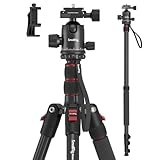
4. SmallRig Camera Tripod 71″ – Stable Foundation for Sharp Images
Pros
- Converts to monopod for hiking
- 360-degree ball head rotation
- Excellent value for price
- Lightweight aluminum construction
- 33lb payload capacity
Cons
- Ball head may loosen during use
- Some vibration at maximum height
A tripod is non-negotiable for serious wildflower photography, and the SmallRig 71-inch aluminum tripod has been my go-to field companion for the past two years. At 3.37 pounds, it is light enough to carry on day hikes but sturdy enough to support my Canon R5 with the RF100mm macro attached.
The ability to convert to a monopod is what sold me on this tripod. When I am covering miles of trail looking for the perfect wildflower patch, I remove one leg and use it as a walking staff with my camera attached. This setup allows for quick shots when I spot something interesting without unpacking my entire kit.
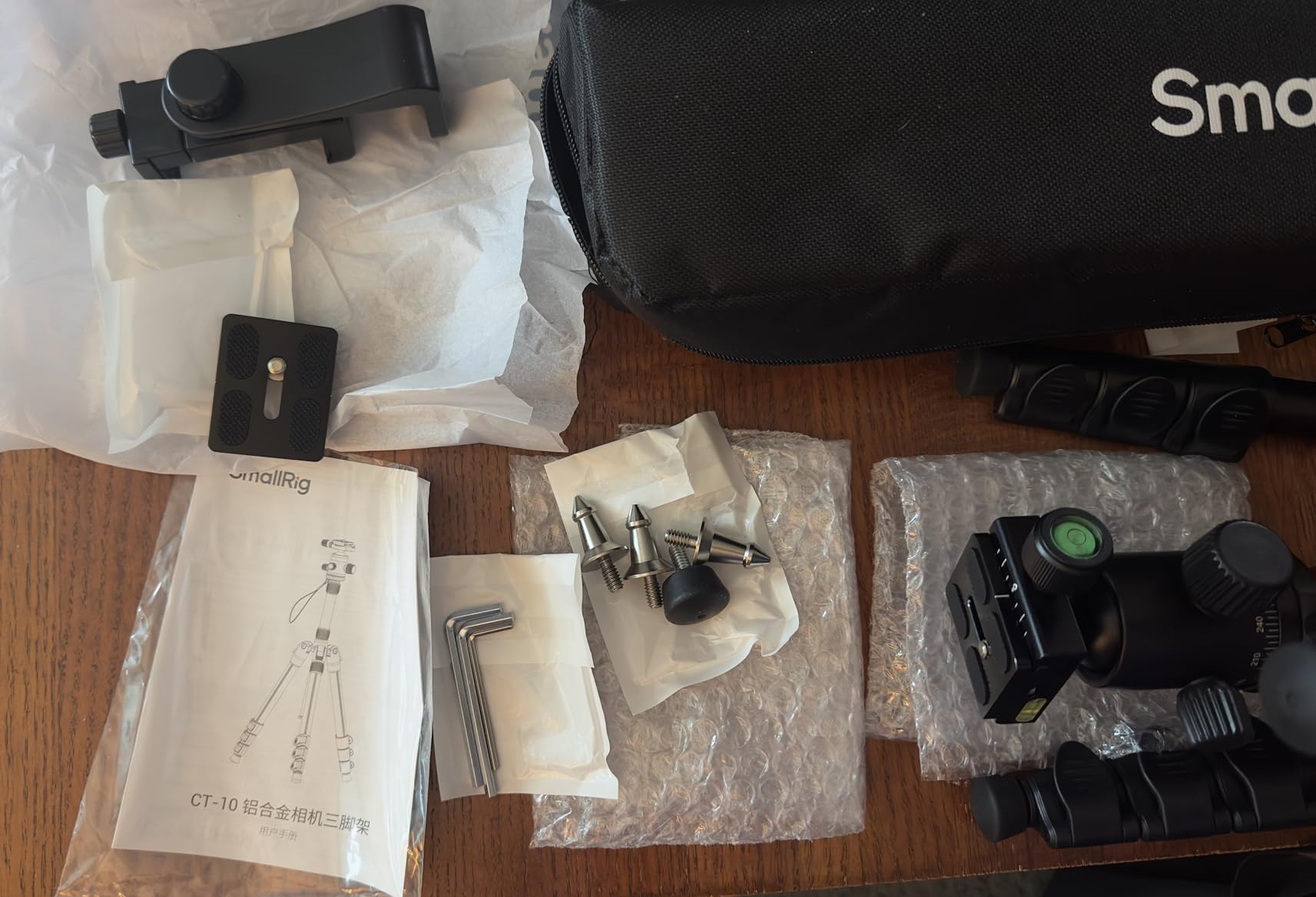
The ball head provides smooth 360-degree rotation, which I need when framing wildflower shots at odd angles. Often I find myself lying on the ground shooting upward at a bloom, or positioned on a slope where a standard tripod would struggle. The adjustable legs and center column let me get the camera exactly where I need it.
At 71 inches maximum height, this tripod extends well above my eye level when standing. This is useful for shooting down into wildflowers from above, a perspective that can create interesting abstract patterns when blooms are densely packed.
Why Tripods Matter for Macro
Macro photography magnifies camera shake along with your subject. At 1:1 magnification, even the slight vibration from your heartbeat can blur the image. A solid tripod eliminates this problem, allowing you to use lower ISO settings and smaller apertures for maximum depth of field. I rarely shoot wildflower macros handheld anymore unless I specifically need motion blur for creative effect.
The tripod also enables focus stacking, a technique where you take multiple shots at different focus distances and blend them in post-processing. This is essential for wildflower photography where depth of field is measured in millimeters. The SmallRig’s stability makes focus stacking sequences reliable and repeatable.
Hiking-Friendly Features
The included carrying case has a shoulder strap that makes the tripod comfortable to carry on longer hikes. The quick-release flip locks on the leg sections are faster to adjust than twist locks when you are in a hurry to catch the perfect light. I can set up this tripod in under 30 seconds, which matters when conditions are changing quickly at sunrise.
The 33-pound weight capacity is overkill for mirrorless setups but provides peace of mind when using larger DSLR bodies with battery grips. I appreciate the margin of safety when my gear is perched on uneven ground in a meadow.
5. Altura Photo 58mm Lens Filter Kit – Essential Light Control
Altura Photo 58mm Lens Filter Kit - Multi-Coated UV Protector, CPL Polarizing and ND Neutral Density Filters + Case for Camera Accessories & Lenses
Pros
- Great value for three filters
- UV filter protects front element
- CPL reduces reflections effectively
- Multi-coated optical glass
Cons
- ND4 filter adds color cast
- Only one ND strength included
Filters are often overlooked in wildflower photography, but the Altura Photo 58mm kit has become essential in my spring shooting kit. At under $30 for three filters, the value is undeniable, and each filter serves a specific purpose in my workflow.
The UV filter lives on my RF35mm lens permanently. It provides physical protection for the front element when I am pushing through vegetation to get the perfect angle. Replacing a scratched filter costs $10. Replacing a scratched front element on a lens costs hundreds. The math is simple.
The circular polarizer (CPL) is the real star of this kit for wildflower work. By rotating the filter, I can eliminate reflections from dew-covered petals and leaves. This makes colors more saturated and details more visible. The CPL also darkens blue skies when shooting wildflowers against the sky, adding contrast and visual impact to your compositions.
Filter Applications for Flowers
Wildflower photography presents unique lighting challenges. Morning dew creates specular highlights that can blow out portions of your image. The CPL tames these reflections while maintaining the overall luminosity of the scene. I use it on nearly every shot during the first two hours after sunrise.
The ND4 filter reduces light by two stops, which is useful when I want to shoot wide open at f/1.8 or f/2.8 in bright conditions. Spring wildflowers often grow in open meadows with direct sunlight. The ND filter allows me to use larger apertures for shallow depth of field without overexposing the image.
Kit Value Breakdown
Buying these filters individually would cost roughly twice the kit price. The build quality is appropriate for the price point. These are not premium filters that will last decades, but they are optically good enough for serious work. I have printed 16 by 20 inch images shot with the CPL filter and found no noticeable sharpness loss.
The 58mm size fits several of my lenses, and step-up rings allow me to use these filters on larger diameter lenses as well. This versatility extends the value of the kit across my entire camera bag.
6. SmallRig RM 03 Macro Photography LED Light – Controlled Lighting Solution
Pros
- Adjustable beam angle for precision
- CRI 95+ for accurate colors
- IP54 weather resistance
- Bendy arm positioning
Cons
- USB port gasket can dislodge
- Limited battery life for long sessions
The SmallRig RM 03 is my secret weapon for wildflower photography when natural light is not cooperating. Spring weather is unpredictable. Clouds roll in. Forest canopies block direct sun. This compact LED light lets me add controlled illumination exactly where I need it.
The CRI 95+ rating means colors render accurately under this light. Cheaper LEDs often create a green or magenta cast that requires extensive color correction in post-processing. With the RM 03, what I see on the back of my camera matches what I see with my eyes. This accuracy is crucial for wildflower photography where subtle color variations make the difference between an average shot and a stunning one.

The adjustable beam angle is the feature I use most. For tight macro shots, I narrow the beam to spotlight just the flower, leaving the background in shadow. For wider shots, I broaden the beam to provide even fill light across a cluster of blooms. The bendy arm lets me position the light at any angle, including backlighting translucent petals for that magical glow effect.
When to Use Macro Lighting
I primarily use this light in three scenarios. First, when shooting in dense forests where natural light is scarce. Second, for adding fill light to eliminate harsh shadows on overcast days. Third, for backlighting flowers to emphasize their translucent qualities. Each application produces a different mood, and having this control expands my creative options.
The light is dimmable, which prevents overexposing delicate flower details. I typically start at 25 percent power and adjust from there. The battery lasts about 140 minutes at full power, which covers most of my dawn shooting sessions.
Weather Resistance Benefits
The IP54 rating means this light handles light rain and dust without issues. Spring photography often involves morning dew and occasional showers. I do not have to pack up and head home when conditions get damp. The weather resistance matches well with the rain cover I will discuss next, creating a weather-ready kit for unpredictable spring conditions.
The compact size fits easily in my camera bag alongside lenses. It is not much larger than a smartphone, so I carry it on every wildflower shoot even if I do not expect to need artificial light. Having it available has saved more than one session when conditions changed unexpectedly.
7. PROfezzion Wireless Remote Shutter Release – Shake-Free Shooting
Pros
- Impressive 164ft wireless range
- 5 shooting modes available
- Affordable versus branded alternatives
- Includes tripod clip
Cons
- Some compatibility issues reported
- Tripod clip feels plasticky
Camera shake is the enemy of sharp macro photography. Even pressing the shutter button can introduce enough vibration to blur a 1:1 macro shot. The PROfezzion wireless remote eliminates this problem entirely by letting me trigger the camera without touching it.
The 164-foot range is more than I ever need for wildflower photography, but it means I can position myself away from the camera to avoid casting shadows on my subject. I often use this remote when shooting downward into wildflowers, positioning my tripod high and triggering from a crouch to keep my shadow out of the frame.
Five shooting modes cover every scenario I encounter. Single shot is my default for most work. The 5-second delay mode is useful when I need to let vibrations settle after adjusting the tripod. Continuous shooting mode helps when capturing wildflowers in gentle breeze, letting me fire off a burst and select the sharpest frame later. Bulb mode is essential for my low-light forest floor photography when exposures extend beyond 30 seconds.
Eliminating Camera Shake
At macro magnifications, the slightest vibration degrades image quality. Mirror lockup helps, but the physical act of pressing the shutter button still introduces shake. A remote release is the final piece of the puzzle for tack-sharp wildflower images. I consider it as essential as the tripod itself.
The remote also enables me to shoot from positions where touching the camera would be awkward or impossible. I have triggered shots while lying flat on my back shooting upward at flowers overhead, and while positioned across a stream where the tripod stood on the opposite bank.
Field Use Scenarios
The included tripod clip keeps the transmitter accessible without fumbling in my pockets. When I am working quickly in changing light, this convenience matters. The AAA batteries last for months of regular use, and replacements are available anywhere.
Setup is straightforward. I mount the receiver on my camera’s hot shoe, connect the cable to the remote port, and I am ready to shoot. The 2.4GHz frequency works reliably even when I am standing behind the camera rather than in front of it, which happens often when positioning for backlighting.
8. Altura Photo Professional Waterproof Camera Rain Cover – Weather Protection
Pros
- Effective rain and moisture protection
- Lightweight and packable
- Ultra-clear viewing window
- Dual adjustable sleeves
Cons
- Plastic window fogs when wet
- Not ideal for rotating front lenses
Spring weather is unpredictable. Morning sunshine gives way to afternoon showers. Dew-soaked meadows soak your gear from below while you are focused on the flowers above. The Altura Photo rain cover has saved my equipment more times than I can count, and at under $20, it is the cheapest insurance policy in my kit.
The waterproof nylon construction keeps rain and splashes away from my camera body and lens. The clear viewing window lets me monitor my LCD screen and access controls without removing the cover. When I am lying in wet grass for that perfect low-angle shot, I know my gear is protected even if I am soaked.

The dual adjustable sleeves allow me to operate camera controls and focus the lens while the cover remains in place. The full-length double zipper provides access to all camera buttons without exposing the interior to moisture. I can change settings, review images, and adjust focus without removing protection.
Spring Weather Protection
Wildflower photography often happens during the wettest parts of spring. Trillium and other early bloomers emerge during periods of rain and high humidity. Some of my favorite wildflower shots have happened during light rain when colors become more saturated and backgrounds turn into soft, even tones.
Without protection, I would miss these opportunities. The rain cover lets me keep shooting when others have packed up and headed home. The images I capture in these conditions often have a mood and atmosphere that sunny-day shots cannot match.
Practical Usage Tips
I keep the rain cover in an outer pocket of my camera bag for quick access. When I feel the first drops, I can deploy it in under a minute. The lightweight construction packs down small, so there is no excuse for leaving it behind.
The universal fit works with every lens and camera combination I own, from the compact RF35mm to the substantial RF100mm macro with lens hood attached. I have even used it with my tripod-mounted setups, draping the cover over the entire rig when shooting in steady rain.
Spring Wildflower Photography Buying Guide
Choosing the right gear for wildflower photography involves understanding how each piece fits into your workflow. Here are the factors I consider when building a kit for spring shooting.
Magnification Ratio Matters
True macro lenses offer 1:1 magnification, meaning the subject appears life-size on your camera sensor. This is essential for photographing small wildflowers like spring beauties, hepatica, or trailing arbutus. The Canon RF100mm goes beyond this to 1.4:1, while the RF35mm offers 0.5:1, which is adequate for larger blooms. Consider what you will be photographing most when choosing your primary lens.
Working Distance Considerations
Longer focal lengths provide more working distance, which helps avoid casting shadows and disturbing subjects. A 100mm or 105mm macro lets you stand back about a foot from your subject at maximum magnification. Shorter macros require getting closer, which can be challenging in dense vegetation or with skittish insects.
Weather Sealing for Spring Conditions
Spring photography involves dew, rain, and mud. Weather-sealed gear like the Canon RF100mm L-series lens handles these conditions better than non-sealed alternatives. If your primary lens lacks sealing, invest in the rain cover to protect your investment.
Weight for Hiking
Wildflower photography often requires hiking to remote meadows. Every ounce matters when you are covering miles of trail. The RF35mm macro weighs less than a pound, while the RF100mm approaches two pounds with the camera attached. Consider whether you need the extra magnification enough to carry the extra weight.
Lighting Challenges
Spring light changes rapidly. Morning golden hour is brief. Clouds create soft, even lighting one moment and deep shadows the next. Having tools to control light, like the CPL filter for reflections and the LED light for fill, gives you flexibility to shoot in varying conditions.
Frequently Asked Questions
What camera is best for flower photography?
Any modern DSLR or mirrorless camera works well for flower photography. The key factors are a good sensor for dynamic range, the ability to shoot in RAW format, and compatibility with macro lenses. Full-frame cameras offer better low-light performance for dawn shooting, but APS-C cameras provide extra reach due to the crop factor. The camera body matters less than the lens you attach to it.
What is the 20 60 20 rule in photography?
The 20-60-20 rule is a guideline for allocating your photography time. Spend 20 percent of your time planning and preparing, 60 percent actively shooting, and 20 percent reviewing and adjusting your approach. For wildflower photography, this means scouting locations beforehand, shooting during optimal light, and checking your results on the LCD to make adjustments as conditions change.
What to wear for a wildflower photoshoot?
Wear clothing that you do not mind getting dirty, as wildflower photography often involves kneeling or lying on the ground. Earth-toned clothing helps you blend into the environment and avoid scaring wildlife. Waterproof boots or shoes are essential for dew-covered morning meadows. Long pants and sleeves protect against ticks and poison ivy in woodland settings.
What is the 50 50 rule in photography?
The 50-50 rule suggests that 50 percent of your photography success comes from technical skills and equipment, while 50 percent comes from creativity and vision. Having the best camera gear for spring wildflower photography helps, but understanding composition, light, and timing is equally important. Invest in both equipment and education for the best results.
Do I need a macro lens for wildflower photography?
While a dedicated macro lens is ideal for capturing fine details and small blooms, you can photograph wildflowers with other lenses. A 35mm or 50mm lens with close-focusing capability works for larger flowers. Extension tubes can add macro capability to standard lenses. However, for the best results with the widest variety of wildflowers, a true macro lens offering 1:1 magnification is highly recommended.
Final Thoughts
Building the best camera gear for spring wildflower photography does not happen overnight. I have accumulated this kit over several years, adding pieces as my skills and needs evolved. If you are just starting, I recommend beginning with a versatile lens like the Canon RF35mm F1.8 Macro or the Sigma 105mm for Nikon shooters. Add a tripod and rain protection, then expand your kit as you discover what types of wildflower photography resonate with you.
The gear I have shared here represents thousands of hours of field testing across multiple spring seasons. Each item earned its place in my bag by solving real problems I encountered while photographing wildflowers. Whether you choose the professional-grade Canon RF100mm L Macro or the budget-friendly alternatives, the important thing is getting out into the field and capturing the fleeting beauty of spring blooms.
Wildflower season is short. The window for capturing trillium, bluebells, and spring beauties lasts only a few weeks in most regions. Do not let gear indecision keep you from shooting. Start with what you can afford, master the fundamentals, and upgrade as your passion for wildflower photography grows. The flowers will be back next spring, and with the right gear, you will be ready to capture them in 2026.