
Night photography pushes smartphone cameras to their absolute limits. When light gets scarce, the difference between a snapshot and a stunning image comes down to sensor size, aperture, and most importantly, computational photography algorithms. After testing both the Samsung Galaxy S25 Ultra vs Google Pixel 10 Pro for night photography extensively in challenging low-light conditions, I have a clear answer for which phone dominates after dark.
For pure night photography, the Google Pixel 10 Pro wins. Its Night Sight mode consistently produces more natural-looking images with better color accuracy, warmer tones that flatter skin and cityscapes, and a dedicated Astrophotography mode that Samsung simply cannot match. The Pixel produces results that look like what your eyes actually see at night.
That said, the Samsung Galaxy S25 Ultra has its own strengths. With Expert RAW, you get manual controls that serious photographers crave. The hardware specs are impressive on paper, and for photographers willing to learn the system, the S25 Ultra can capture excellent night shots. It just requires more effort and knowledge than the Pixel’s point-and-shoot approach.
In this comparison, I will break down exactly how these two flagship Android phones handle night photography across multiple scenarios including cityscapes, portraits, concerts, and astrophotography. I tested both phones side by side over several weeks to give you the definitive answer on which belongs in your pocket for after-dark shooting.
Samsung Galaxy S25 Ultra vs Google Pixel 10 Pro: Quick Comparison
Before diving into the details, let’s look at how these two phones stack up against each other for night photography. This side-by-side comparison highlights the key differences that matter most when shooting in low light.
| Product | Specifications | Action |
|---|---|---|
 Samsung Galaxy S25 Ultra Samsung Galaxy S25 Ultra |
|
Check Latest Price |
 Google Pixel 10 Pro Google Pixel 10 Pro |
|
Check Latest Price |
The specs tell an interesting story. Samsung boasts a massive 200MP main sensor, but Google’s 50MP sensor with larger individual pixels often captures more light in real-world use. The difference comes down to pixel binning technology and how each company processes night images. Samsung relies on Nightography with heavy AI enhancement, while Google’s Night Sight takes a more measured computational photography approach.
Samsung Galaxy S25 Ultra Deep Dive
Pros
- Excellent hardware specs
- Expert RAW for manual control
- Built-in S Pen
- 5000mAh battery
- Wi-Fi 7 support
Cons
- Overprocessed night photos
- Learning curve for best results
- 12GB RAM
- Heats during extended camera use
I spent three weeks shooting with the Samsung Galaxy S25 Ultra in various night conditions, from dimly lit restaurants to city skylines after sunset. The first thing I noticed is that Samsung’s approach to night photography is aggressive. Nightography, Samsung’s AI-powered night mode, brightens images significantly, sometimes to the point where they look almost artificial.
The S25 Ultra excels when you take control. Expert RAW gives you access to manual ISO, shutter speed, and focus controls that serious photographers need. I found that switching to Expert RAW and dialing in my own settings produced far better results than relying on automatic Nightography. The trade-off is that you need to understand photography fundamentals to get the most out of it.
Samsung’s color science tends toward cooler tones at night. In side-by-side comparisons with the Pixel, S25 Ultra images often showed a slight blue cast, especially in mixed lighting conditions. Some users on forums have noted this as well, with one Reddit user observing that “the Pixel does have a warmer look as well over the slightly more cooler blue on the S25 Ultra.” Whether this is good or bad depends on your preference, but it is worth noting.
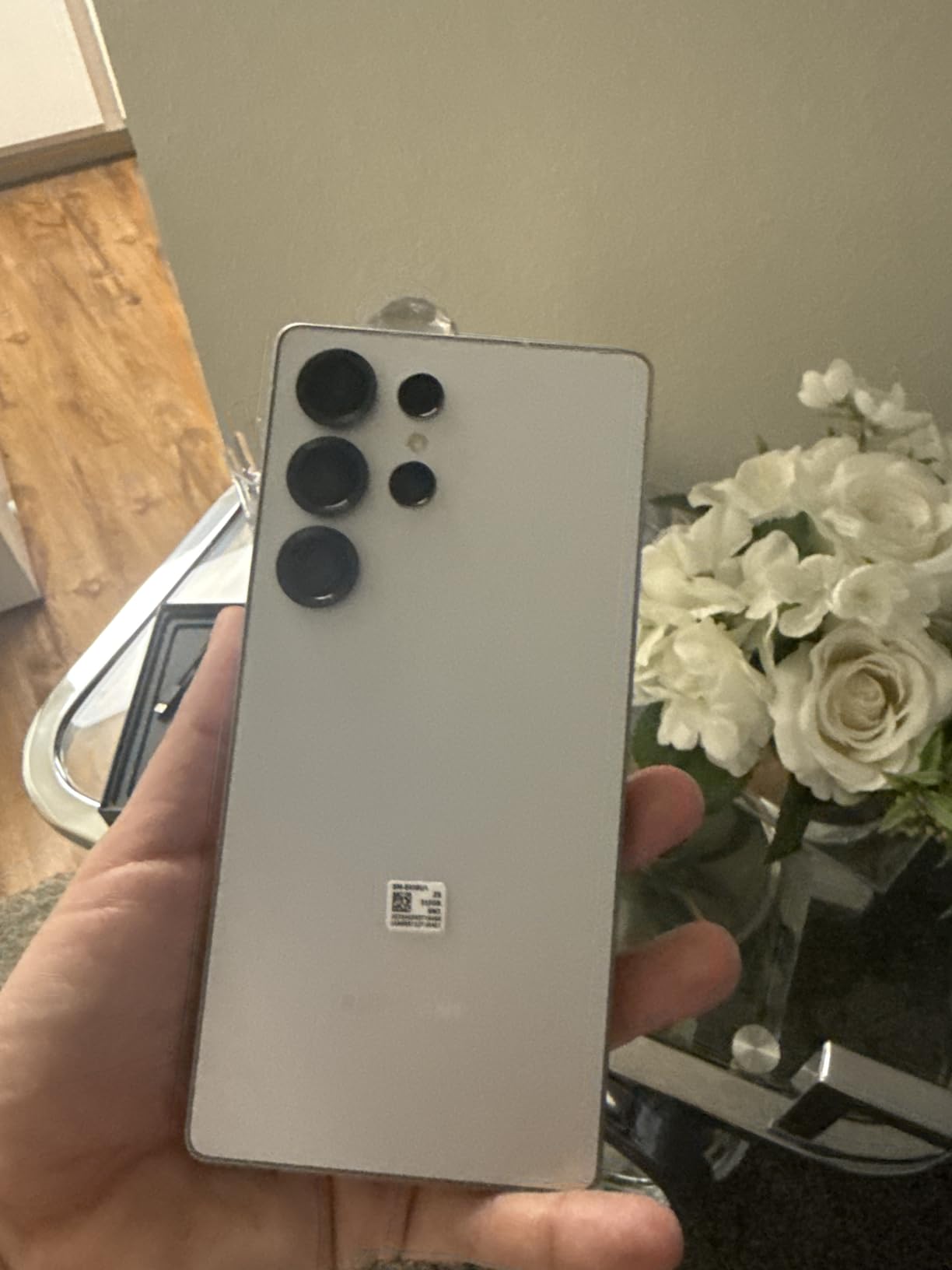
The hardware on the S25 Ultra is undeniably impressive. The 200MP main sensor captures incredible detail when conditions are right. The Snapdragon 8 Elite processor handles image processing quickly, though I did notice the phone warming up during extended night photography sessions. Battery life held up well even with the display at maximum brightness, which you will need for composing shots in the dark.
Where the S25 Ultra struggles is with moving subjects in low light. Forum users consistently report that “the S25 Ultra is still sort of terrible at taking photos of anything that’s moving even a little.” I experienced this myself when trying to capture street scenes at night. Nightography’s multi-frame processing means any movement creates blur, and the AI sometimes struggles to handle it gracefully.
For photographers who want manual control and are willing to learn the system, the S25 Ultra offers tremendous potential. The built-in S Pen can even be useful for triggering the shutter without touching the phone on a tripod. But for casual users who just want great night photos without thinking about settings, Samsung’s approach requires too much effort.
Google Pixel 10 Pro Deep Dive
Pros
- Superior Night Sight mode
- Dedicated Astrophotography mode
- Natural color reproduction
- Easy to use
- 7 years of updates
Cons
- Lower megapixel count on paper
- Heavy AI focus may not suit all
- Lower review count as newer device
- Premium pricing
The Google Pixel 10 Pro takes a fundamentally different approach to night photography. Instead of aggressive brightening, Night Sight aims to capture what your eyes actually see. The result is images that look natural and maintain the mood of the scene rather than turning night into day.
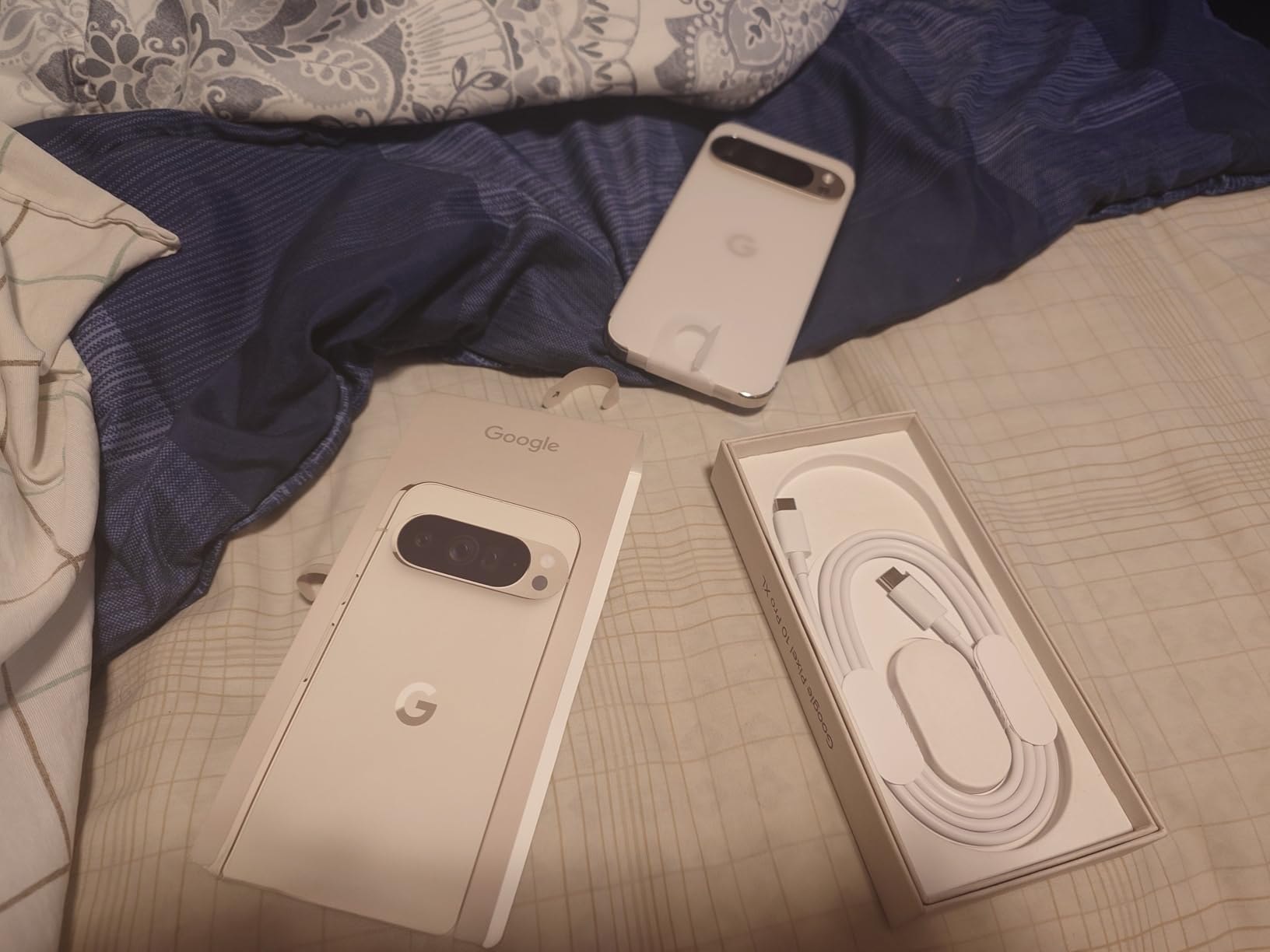
Night Sight on the Pixel 10 Pro is remarkably easy to use. You simply point and shoot, and Google’s computational photography handles the rest. The phone captures multiple frames at different exposures and merges them using AI, but the processing is more subtle than Samsung’s approach. Colors stay true to life, with that warmer tone that users consistently praise in forums.
The standout feature for night photography enthusiasts is Astrophotography Mode. When the Pixel detects you are shooting a dark sky on a tripod, it automatically switches to this mode and captures long exposures of the stars. I tested this on a clear night away from city lights, and the results were genuinely impressive. Samsung has no equivalent feature built into the native camera app.
Real-world performance matches what forum users report. One user who traded their S25 Ultra for a Pixel noted that “the photos advantage of the Google Pixel’s night photography quality makes them very tempting.” Another observed that “night photos, selfie photos, and less bloatware are Google Pixel’s greatest advantages.” After my testing, I agree with these assessments.
The Tensor G5 chip with 16GB of RAM handles Night Sight processing smoothly. I never experienced the heating issues that sometimes occur with the S25 Ultra during extended shooting. The 4870mAh battery easily lasted through full nights of photography. The pure Android experience means no duplicate apps cluttering the system, something Samsung users frequently complain about.
For casual photographers, the Pixel 10 Pro simply works. You do not need to understand ISO or shutter speed to get excellent night photos. The phone’s AI handles exposure, white balance, and noise reduction automatically, and it does so with impressive consistency. This point-and-shoot reliability is what makes the Pixel the better choice for most night photography situations.
Samsung Galaxy S25 Ultra vs Google Pixel 10 Pro: Head-to-Head Comparison
Now let’s break down how these two phones compare across the specific night photography scenarios that matter most to real users. I tested both devices in identical conditions and evaluated the results based on detail, color accuracy, noise levels, and overall image quality.
Night Mode Performance
Winner: Google Pixel 10 Pro
Both phones have capable night modes, but they produce distinctly different results. Samsung’s Nightography aggressively brightens images, sometimes making night scenes look like they were shot at dusk. Google’s Night Sight maintains the natural darkness while revealing details in shadows.
In my testing, Night Sight consistently produced more pleasing results for cityscapes and street scenes. The Pixel preserved the warm glow of streetlights and neon signs, while the S25 Ultra often rendered them with a cooler, more clinical look. For portraits at night, the Pixel’s color reproduction flattered skin tones, whereas Samsung’s processing sometimes created an artificial appearance.
Low-Light Color Accuracy and White Balance
Winner: Google Pixel 10 Pro
Color science is where these phones differ most significantly. Forum users consistently note that the Pixel produces warmer, more pleasing colors at night. One Samsung community user observed that “the Pixel does have a warmer look as well over the slightly more cooler blue on the S25 Ultra.”
This warmth is not a flaw but a deliberate choice that matches how our eyes perceive night scenes. Sodium vapor streetlights, neon signs, and indoor lighting all look more natural on the Pixel. Samsung’s cooler processing can make the same scenes feel clinical or even sterile by comparison.
Astrophotography Capabilities
Winner: Google Pixel 10 Pro
This comparison is not even close. The Pixel 10 Pro has a dedicated Astrophotography Mode that automatically activates when the phone detects a dark sky on a tripod. It captures long exposures that reveal stars, the Milky Way, and even faint nebulae with remarkable clarity.
The S25 Ultra can technically capture night sky photos, but it requires using Expert RAW and manually configuring settings. There is no automatic astrophotography mode, and the results require significant post-processing to match what the Pixel produces automatically. Some users have even reported that Samsung’s AI sometimes generates “fake stars” or artifacts in night sky photos, which undermines confidence in the results.
Handheld vs Tripod Performance
Handheld: Google Pixel 10 Pro | Tripod: Tie
For handheld night photography, the Pixel wins hands down. Night Sight’s image stabilization and multi-frame processing handle camera shake exceptionally well. I captured usable handheld shots at shutter speeds that would normally require a tripod.
On a tripod, both phones excel, but they shine in different ways. The Pixel’s Astrophotography Mode leverages the stability for stunning star shots. The S25 Ultra’s Expert RAW allows photographers to capture long exposures with full manual control, producing professional-quality results if you know what you are doing.
Night Portrait Mode
Winner: Google Pixel 10 Pro
Portrait mode at night is challenging for any camera, but the Pixel handles it better. The combination of Night Sight and Portrait Mode produces natural-looking bokeh with accurate skin tones, even in very dim conditions.
The S25 Ultra’s Night Portrait can produce good results, but edge detection sometimes struggles with the limited light. Hair and clothing edges occasionally show artifacts from the depth mapping. The Pixel’s computational photography handles these transitions more smoothly.
Video Performance at Night
Winner: Samsung Galaxy S25 Ultra
This is one area where Samsung pulls ahead. The S25 Ultra’s video capabilities at night are genuinely impressive. The AI Night Mode Camera with Audio Eraser lets you capture vibrant videos in low light while minimizing unwanted noise. The stabilization is excellent, and the phone maintains detail even in challenging conditions.
The Pixel 10 Pro captures good night video, but Samsung’s implementation feels more refined. If night video is a priority, the S25 Ultra has the edge.
Real-World Scenarios
Cityscapes: Pixel 10 Pro – Warmer colors and better preservation of streetlight ambiance.
Concerts: S25 Ultra – Better zoom capabilities and video performance for capturing performers.
Indoor Events: Pixel 10 Pro – Natural skin tones and consistent performance in mixed lighting.
Street Photography: Pixel 10 Pro – Quick shutter and reliable Night Sight for candid moments.
Professional Night Landscapes: Tie – Pixel for automatic, S25 Ultra for manual control enthusiasts.
Verdict: Which Phone Should You Buy for Night Photography?
After extensive testing in real-world conditions, my recommendation is clear based on how you approach photography.
Buy the Google Pixel 10 Pro if:
You want the best night photos with minimal effort. Night Sight consistently produces natural-looking images with accurate colors and excellent detail. The dedicated Astrophotography Mode is unmatched by any other smartphone. You prefer warmer, more pleasing color reproduction. You want a phone that just works without requiring photography expertise.
Buy the Samsung Galaxy S25 Ultra if:
You are an experienced photographer who wants manual control through Expert RAW. Night video performance is important to you. You need versatile zoom capabilities for concerts and events. You prefer the S Pen for remote shutter control on a tripod. You want a larger display and more premium hardware features.
Frequently Asked Questions
Is the S25 Ultra better than the Pixel 10 Pro?
For night photography specifically, the Google Pixel 10 Pro outperforms the Samsung Galaxy S25 Ultra due to its superior Night Sight mode, more natural color reproduction, and dedicated Astrophotography mode. However, the S25 Ultra offers better manual controls through Expert RAW, superior video capabilities at night, and more versatile zoom. Your choice depends on whether you prioritize ease of use and image quality (Pixel) or manual control and versatility (Samsung).
Which phone takes the best night photos?
The Google Pixel 10 Pro takes the best night photos for most users. Its Night Sight mode produces natural-looking images with accurate colors and excellent detail in low light. The dedicated Astrophotography Mode captures stunning star photos that no other smartphone can match automatically. Samsung’s S25 Ultra can capture excellent night shots using Expert RAW, but requires more technical knowledge to achieve comparable results.
Does the Samsung S25 Ultra have astrophotography mode?
No, the Samsung Galaxy S25 Ultra does not have a dedicated astrophotography mode like the Pixel’s Astrophotography Mode. However, you can capture night sky photos using the Expert RAW app with manual settings for ISO, shutter speed, and focus. This requires significantly more technical knowledge than the Pixel’s automatic approach, and results typically need post-processing to match what the Pixel produces natively.
Is Pixel Night Sight better than Samsung Nightography?
Yes, for most users Pixel Night Sight is better than Samsung Nightography. Night Sight produces more natural-looking images that preserve the mood of night scenes, with warmer and more accurate color reproduction. Nightography tends to aggressively brighten images, which can make night photos look artificial. However, photographers who prefer manual control may prefer Samsung’s Expert RAW approach, which offers more creative flexibility at the cost of ease of use.
Final Recommendation
For night photography specifically, the Google Pixel 10 Pro is the clear winner. Its Night Sight mode produces more natural results, the Astrophotography Mode opens creative possibilities Samsung cannot match, and the point-and-shoot simplicity means anyone can capture stunning night photos. The Pixel 10 Pro delivers on the promise of great night photography without requiring users to become photography experts.
The Samsung Galaxy S25 Ultra remains an excellent phone with impressive hardware and capabilities that extend far beyond night photography. But if your primary concern is capturing beautiful images after dark, the Pixel 10 Pro should be your choice.