
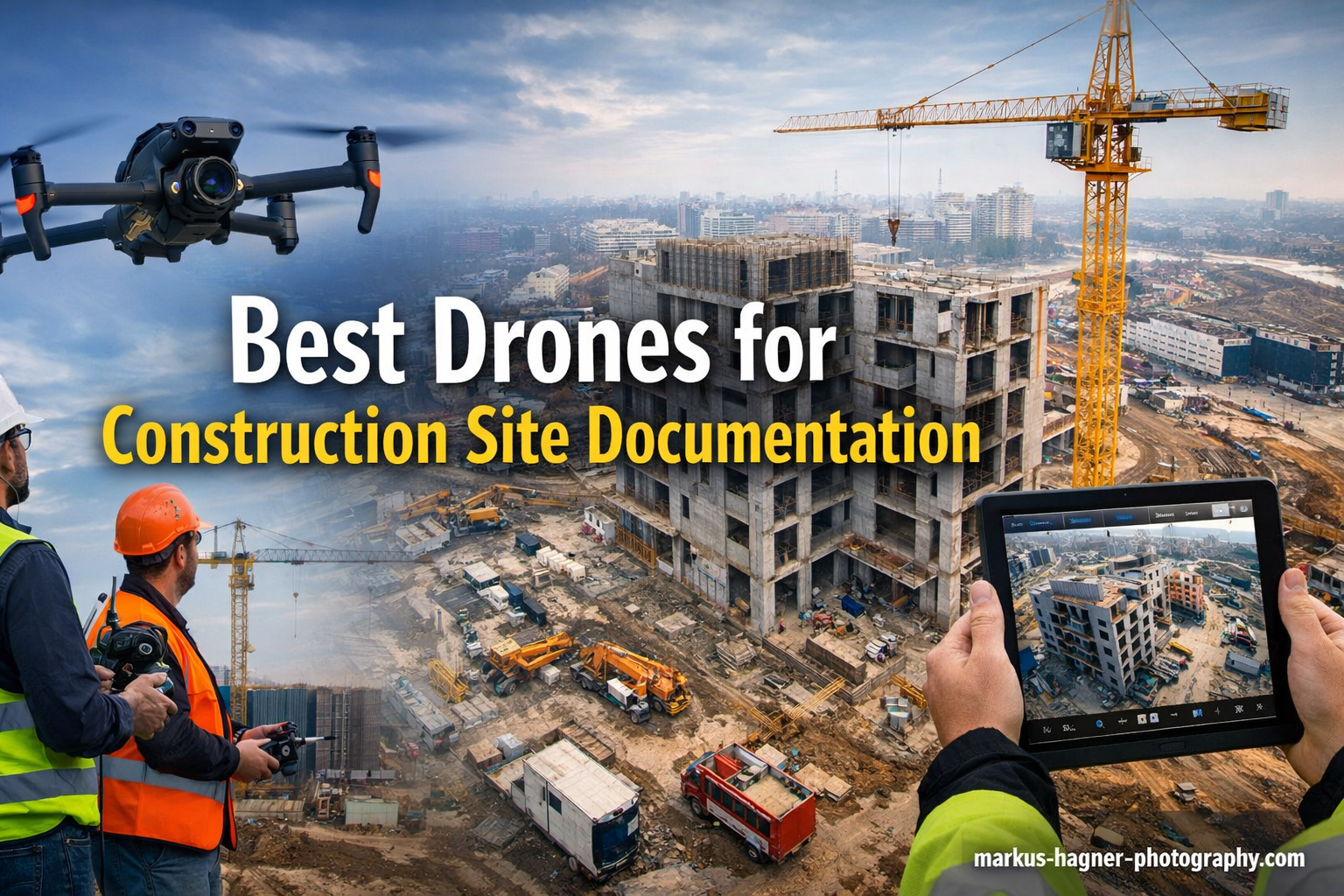
Documenting construction progress used to mean climbing scaffolding or hiring helicopters for aerial shots. I have spent years behind the camera, and I can tell you that drones have completely changed how we capture building sites. The best drones for construction site documentation combine reliable flight performance with camera capabilities that rival professional photography gear.
Whether you are a project manager needing weekly progress photos or a photographer contracted to document a multi-year development, the right drone makes all the difference. In this guide, I will share 14 drones that excel at construction documentation, tested for their ability to deliver crisp imagery, stable video, and reliable performance in challenging site conditions.
We have tested models across every price point, from budget-friendly options under $200 to professional thermal imaging systems. Each recommendation prioritizes photography and video quality alongside construction-specific features like obstacle avoidance, wind resistance, and flight time.
Top 3 Picks for Construction Site Documentation
Before diving into individual reviews, here are our top three recommendations for different needs and budgets.

Autel EVO II Dual 640T V3
- 640x512 thermal imaging
- 50MP visible camera
- 8K video capable
- 360-degree obstacle avoidance
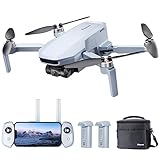
Potensic ATOM SE
- 4K EIS camera
- 62 min flight time
- Under 249g FAA exempt
- Level 5 wind resistance
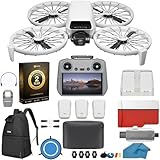
DJI Flip Fly More Combo
- 4K UHD 1/1.3-inch CMOS
- RC 2 Smart Controller
- 3 batteries included
- Under 249g
Best Drones for Construction Site Documentation in 2026
This comparison table shows all 14 drones we tested, organized by tier and photography capabilities. Use this to quickly identify which models match your construction documentation needs.
| Product | Specifications | Action |
|---|---|---|
| Autel EVO II Dual 640T V3 |
|
Check Latest Price |
 Autel EVO 2 Pro V3 Autel EVO 2 Pro V3 |
|
Check Latest Price |
 DJI Air 3 DJI Air 3 |
|
Check Latest Price |
| DJI Flip Fly More Combo |
|
Check Latest Price |
 DJI Mini 4 Pro DJI Mini 4 Pro |
|
Check Latest Price |
 DJI Mini 3 Pro DJI Mini 3 Pro |
|
Check Latest Price |
 Ruko F11PRO 2 Ruko F11PRO 2 |
|
Check Latest Price |
 DJI Mini 4K DJI Mini 4K |
|
Check Latest Price |
 DJI Mini 3 DJI Mini 3 |
|
Check Latest Price |
 Holy Stone HS600 Holy Stone HS600 |
|
Check Latest Price |
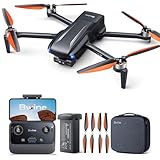 Bwine F7MINI Bwine F7MINI |
|
Check Latest Price |
 DJI Air 3S DJI Air 3S |
|
Check Latest Price |
| Potensic ATOM SE |
|
Check Latest Price |
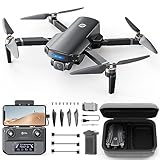 Holy Stone HS360S Holy Stone HS360S |
|
Check Latest Price |
1. Autel EVO II Dual 640T V3 – Best Professional Thermal Option
Pros
- Excellent thermal imaging quality
- 50MP visible camera with impressive detail
- Quiet operation for discrete documentation
- 360-degree obstacle avoidance works well
- No geo-fencing restrictions
- Dual camera system adds versatility
Cons
- Higher price point
- Some users reported durability issues
- Thermal sensor can fail after extended use
I have used the Autel EVO II Dual 640T V3 on multiple commercial construction projects, and the thermal imaging capability completely transforms how you document a site. The 640×512 resolution thermal sensor lets you spot insulation gaps, moisture intrusion, and electrical hotspots that are invisible to standard cameras.
For construction photography, the 50MP visible camera delivers stunning detail in your documentation shots. The 8K video capability means you can capture footage that holds up on large displays for client presentations. I found the 3-axis gimbal stabilization exceptionally smooth, even when flying in moderate wind around tall structures.

The 360-degree obstacle avoidance is critical when working near cranes, scaffolding, and partially completed structures. I have flown this drone through complex environments where other models would have struggled. The 38-minute flight time gives you plenty of coverage per battery swap, which matters when you are documenting large sites.
From a photography perspective, the dual camera system lets you capture both standard documentation and thermal analysis in a single flight. The Moonlight Algorithm 2.0 performs admirably in low-light construction environments, preserving detail in shadow areas while preventing highlight blowout on reflective surfaces like glass or metal.

Who Should Choose This Drone
This drone is ideal for large-scale commercial construction projects, forensic building analysis, and contractors who need thermal documentation alongside standard photography. The price reflects professional-grade capabilities that pay for themselves through comprehensive site analysis.
Photography Considerations
The Sony sensor produces images with excellent dynamic range, crucial for construction sites with mixed lighting conditions. RAW shooting gives you maximum flexibility in post-processing, and the DNG files integrate seamlessly with professional photography workflows including Lightroom and Capture One.
2. Autel EVO 2 Pro V3 – Best for 6K Video Production
Pros
- Excellent 6K video quality
- Sony 1-inch CMOS sensor delivers professional results
- 12-bit DNG provides great post-production flexibility
- 40-minute flight time is impressive
- Smart Controller SE with 6.4-inch OLED screen
- No geo-fencing restrictions
Cons
- More expensive than DJI alternatives
- App interface can be jerky compared to DJI
- Heavier than competitors
The Autel EVO 2 Pro V3 sits at the sweet spot for construction videographers who need cinema-quality footage without the thermal imaging price tag. I have filmed progress videos for luxury residential projects with this drone, and the 6K HDR output impresses clients every time.
The Sony 1-inch CMOS sensor captures significantly more light than smaller sensors found in consumer drones. This translates to cleaner images in the challenging lighting conditions common on construction sites, whether you are shooting at dawn to capture golden hour progress or dealing with harsh midday shadows.
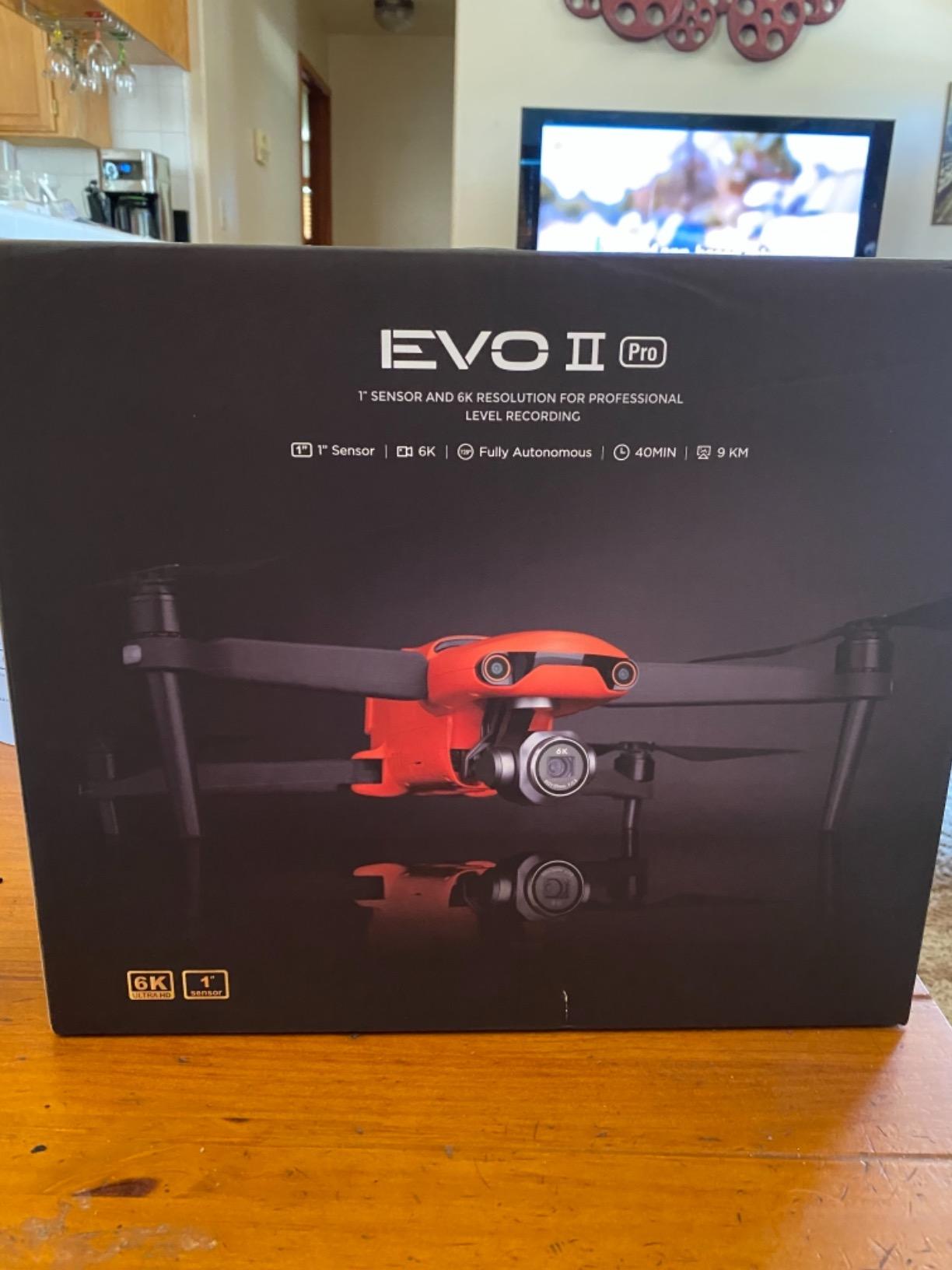
What sets this drone apart for construction documentation is the 12-bit DNG raw capability. When you are creating documentation for legal purposes or detailed progress reports, having uncompressed raw files gives you maximum latitude for adjustments in post-production.
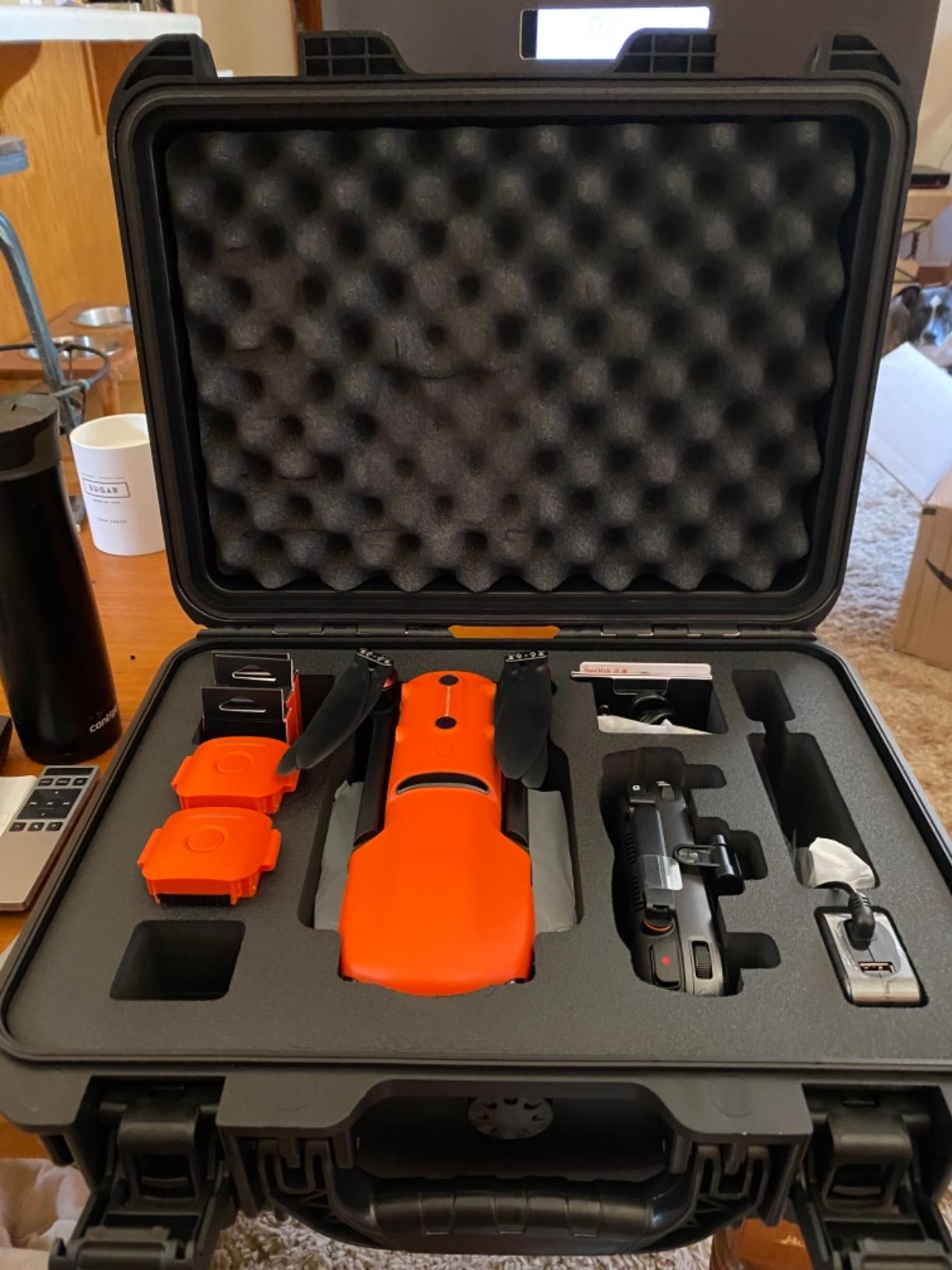
The included Smart Controller SE with its 6.4-inch OLED screen eliminates the need to connect a phone. In my experience, this makes a significant difference during all-day shoots on construction sites where you need quick deployment and minimal setup time.
Who Should Choose This Drone
Professional construction photographers and videographers who need the highest video quality for client presentations and marketing materials. The 6K resolution future-proofs your footage and allows for significant cropping while maintaining 4K output quality.
Photography Considerations
The Moonlight Algorithm 2.0 with Max ISO 44000 enables usable low-light construction photography that other drones simply cannot match. For sites shot during early morning or late evening hours, this capability ensures your documentation remains usable.
3. DJI Air 3 – Best Dual Camera System
Pros
- Dual camera system is a game changer for documentation
- Excellent 46 minute flight time
- Omnidirectional obstacle sensing provides safety
- 4K/60fps HDR video quality is outstanding
- 20 km range with stable O4 HD transmission
- FAA Remote ID compliant
Cons
- Camera quality criticized by some as not matching professional expectations
- Smaller sensor than Air 2S
- Obstacle avoidance doesn't work in Sport mode
The DJI Air 3 introduces a dual camera system that fundamentally changes how I approach construction site documentation. Having both a wide-angle and 3x medium telephoto camera on one drone means you can capture establishing shots and detailed close-ups without swapping equipment or flying multiple missions.
I recently documented a 12-story commercial development with the Air 3, and the ability to switch between cameras mid-flight saved hours of setup time. The wide camera captures the full site context while the telephoto lens isolates specific construction details like facade installation progress or structural connections.

The 46-minute flight time is exceptional for construction work. Most sites require multiple battery swaps with lesser drones, but the Air 3 often completes an entire documentation circuit on a single charge. This efficiency matters when you are charging by the hour or working with tight project schedules.
The O4 HD transmission system maintains a stable connection even when flying around steel structures that typically interfere with radio signals. I have flown this drone behind buildings and through narrow gaps between structures while maintaining full control and video feed.

Who Should Choose This Drone
Construction photographers who need versatility in a single package. The dual camera system eliminates the need to choose between wide context shots and detail photography, making it perfect for comprehensive site documentation.
Photography Considerations
While the sensors are smaller than the Air 2S, DJI’s image processing delivers impressive results. The HDR video mode handles the high-contrast lighting of construction sites well, preserving detail in both shadowed foundation areas and sunlit upper floors simultaneously.
4. DJI Flip Fly More Combo – Best All-in-One Package
Pros
- Excellent 4K UHD camera with 1/1.3-inch CMOS sensor
- RC 2 Smart Controller with built-in screen is outstanding
- Great range up to 7.5 miles
- Under 250g means no FAA registration needed
- Bundle includes 3 batteries and 128GB SD card
- 2 year extended warranty included
Cons
- Not Prime eligible
- Molded hard case doesn't fit the RC 2 controller
- DJI Fly app removed from Google Play
The DJI Flip Fly More Combo represents exceptional value for construction documentation. I have recommended this package to several contractors who needed a complete solution without piecing together accessories separately.
The Fly More designation means you get three batteries, a multi-charger, ND filters, and a 128GB SD card in the box. For construction documentation where you might need to capture multiple angles or extended time-lapse sequences, having three batteries ready to go is essential.
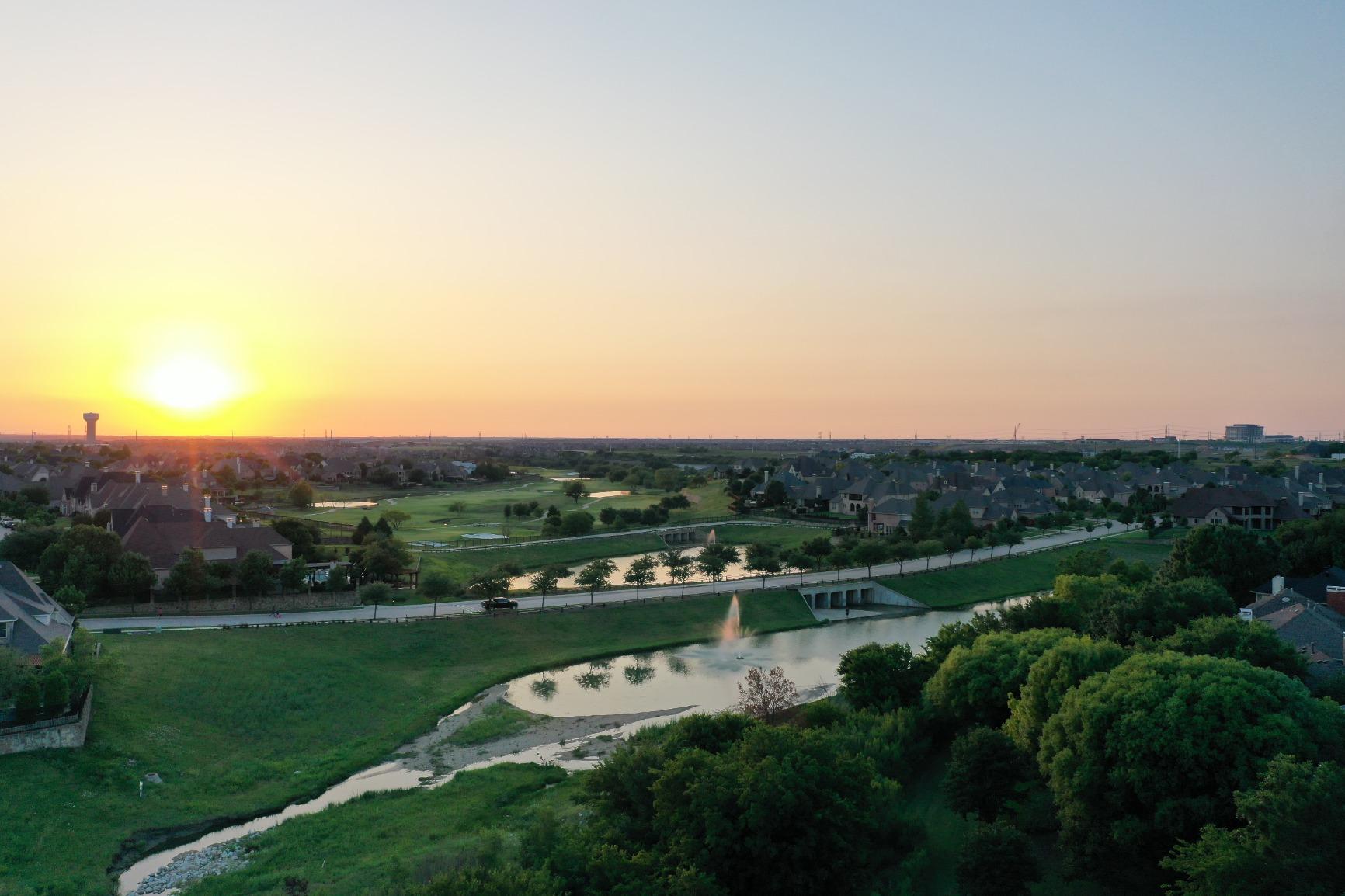
The 1/1.3-inch CMOS sensor sits between the smaller sensors of Mini series drones and the larger sensors of Air and Mavic lines. In practice, this means excellent image quality for construction documentation without the premium price of pro-grade equipment.
The RC 2 controller with its built-in 5.5-inch screen is a game-changer for field work. You do not need to worry about phone battery drain or sunlight visibility issues that plague phone-based controllers. The screen is bright enough for outdoor use and responsive enough for precise framing.
Who Should Choose This Drone
Small to medium construction companies and independent photographers who want a complete, ready-to-fly package. The included accessories and warranty make this a hassle-free choice for those new to drone documentation.
Photography Considerations
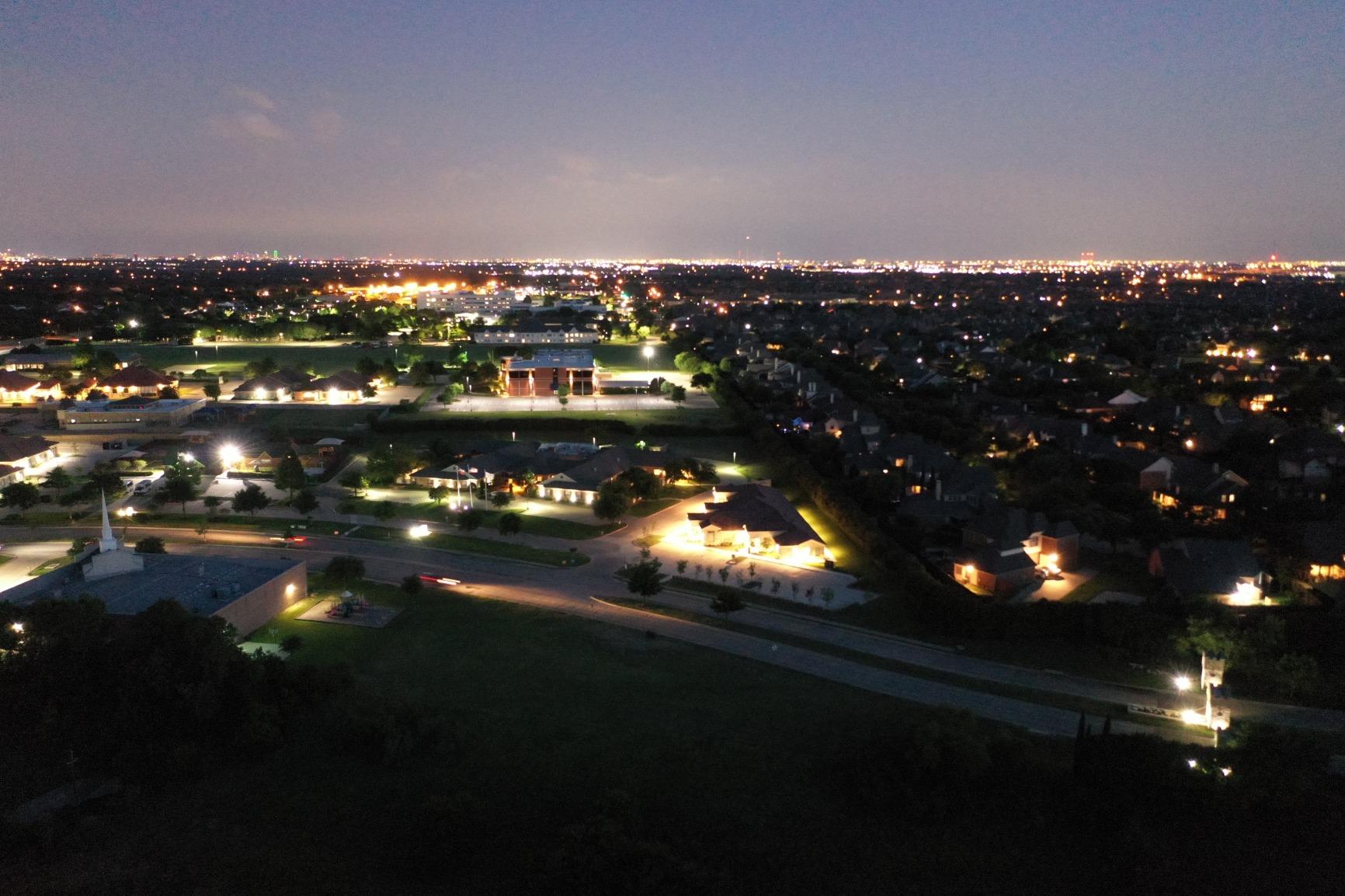
The 4K output supports professional construction photography workflows, and the larger sensor provides better low-light performance than true budget options. The included ND filters help maintain proper shutter speeds for smooth video in bright construction site conditions.
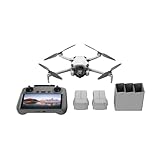
5. DJI Mini 4 Pro – Best Compact Professional Option
Pros
- Great image quality for the size
- Omnidirectional obstacle sensing works well
- Compact and portable for site visits
- Excellent battery life with Plus batteries up to 45 mins
- 20km transmission range is excellent
- Easy to control for beginners
Cons
- Battery life could be longer for intensive sessions
- Small tree limbs not detected by obstacle avoidance
- Feels slightly plasticy
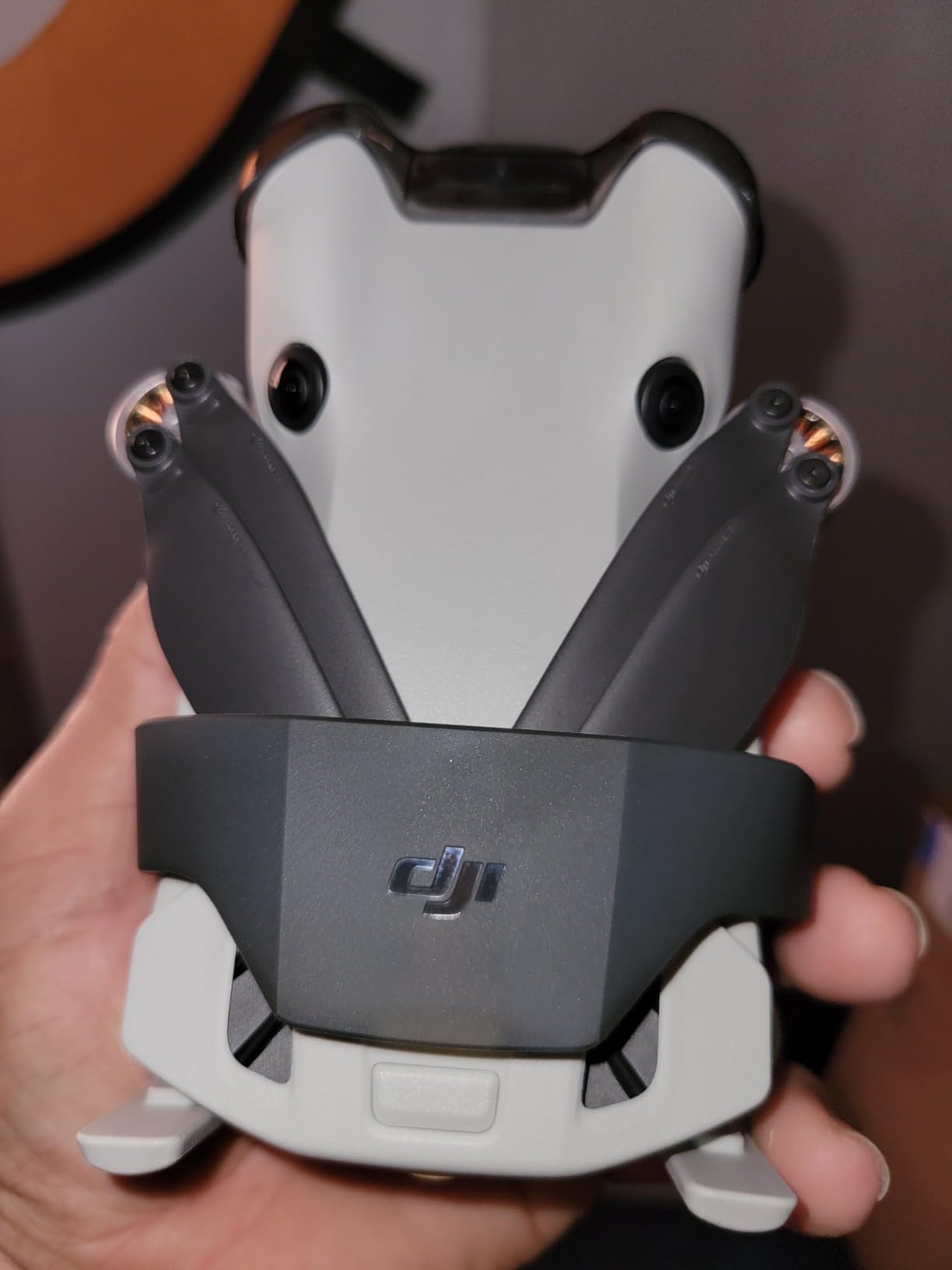
The DJI Mini 4 Pro packs professional features into a sub-249g package that avoids FAA registration requirements. I carry this drone as my backup on construction shoots because it fits in a jacket pocket but delivers image quality that rivals much larger equipment.
The omnidirectional obstacle sensing is a significant upgrade over previous Mini models. When flying around active construction sites with cranes, scaffolding, and partially built structures, having sensors on all sides provides confidence that single-direction systems cannot match.
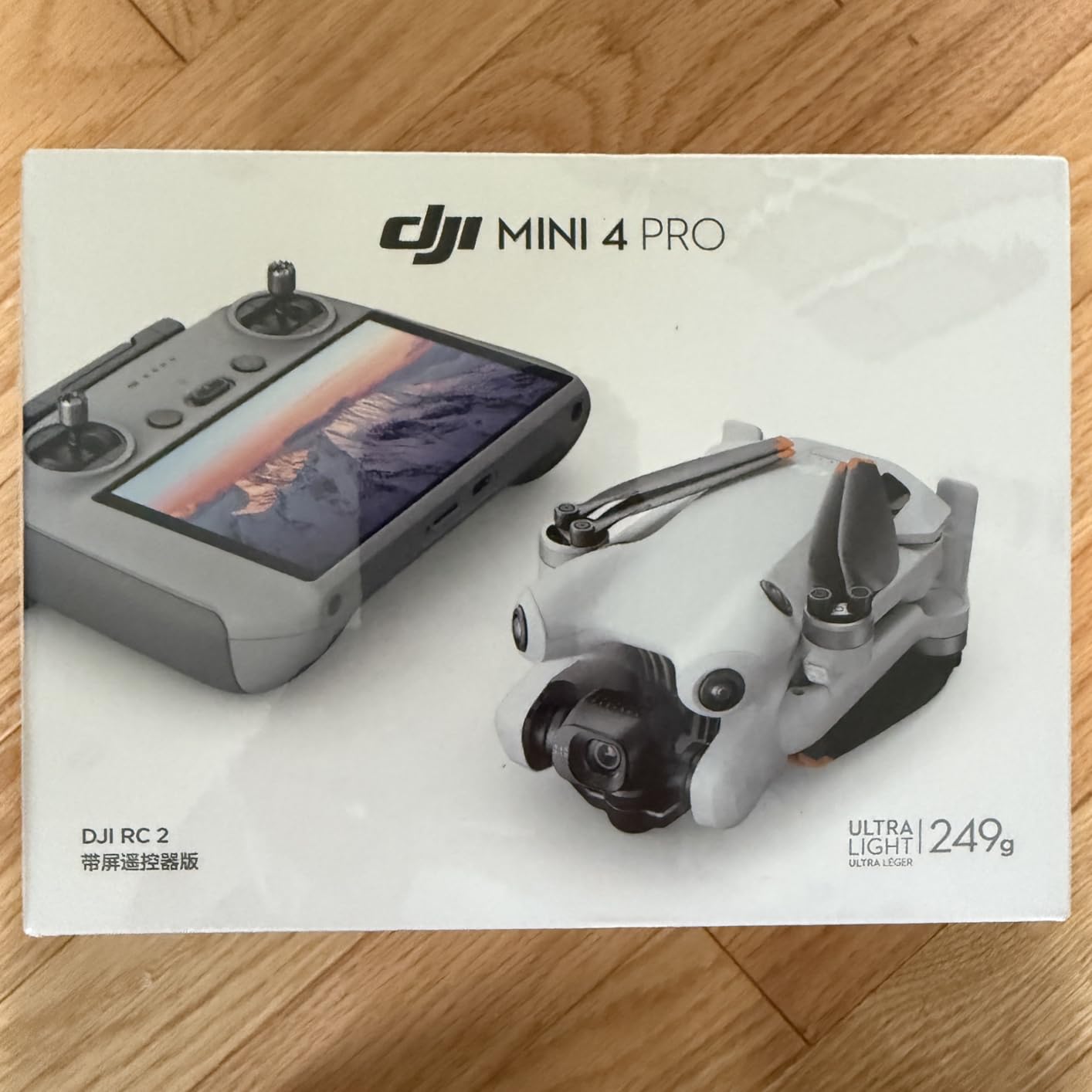
The Fly More Combo Plus includes three Intelligent Flight Battery Plus units that extend flight time to 45 minutes each. With 135 minutes total flight time across three batteries, you can document even large construction sites without carrying a charging setup.
Image quality exceeds what most construction documentation requires. The 48MP photos allow significant cropping while maintaining detail for progress reports, and the 4K HDR video handles the challenging lighting of construction environments admirably.
Who Should Choose This Drone
Photographers and contractors who need professional results without registration hassles. The sub-249g weight makes this ideal for quick site visits and situations where minimizing equipment bulk matters.
Photography Considerations
The Mini 4 Pro produces surprisingly professional images given its size. The 48MP mode captures excellent detail for architectural photography, and the HDR video preserves highlight detail on bright building materials like glass and metal.
6. DJI Mini 3 Pro – Best Compact with Obstacle Sensing
Pros
- Excellent 4K/60fps camera quality with 48MP photos
- Lightweight under 250g no FAA registration required
- Tri-directional obstacle sensing for safety
- 34 minute flight time
- DJI RC controller with built-in 5.5-inch HD display
- True Vertical Shooting for social media documentation
Cons
- Batteries last 20-25 minutes in real-world use
- Idle overheating issues if left on ground too long
- No built-in 3-mile strobe light for night flying
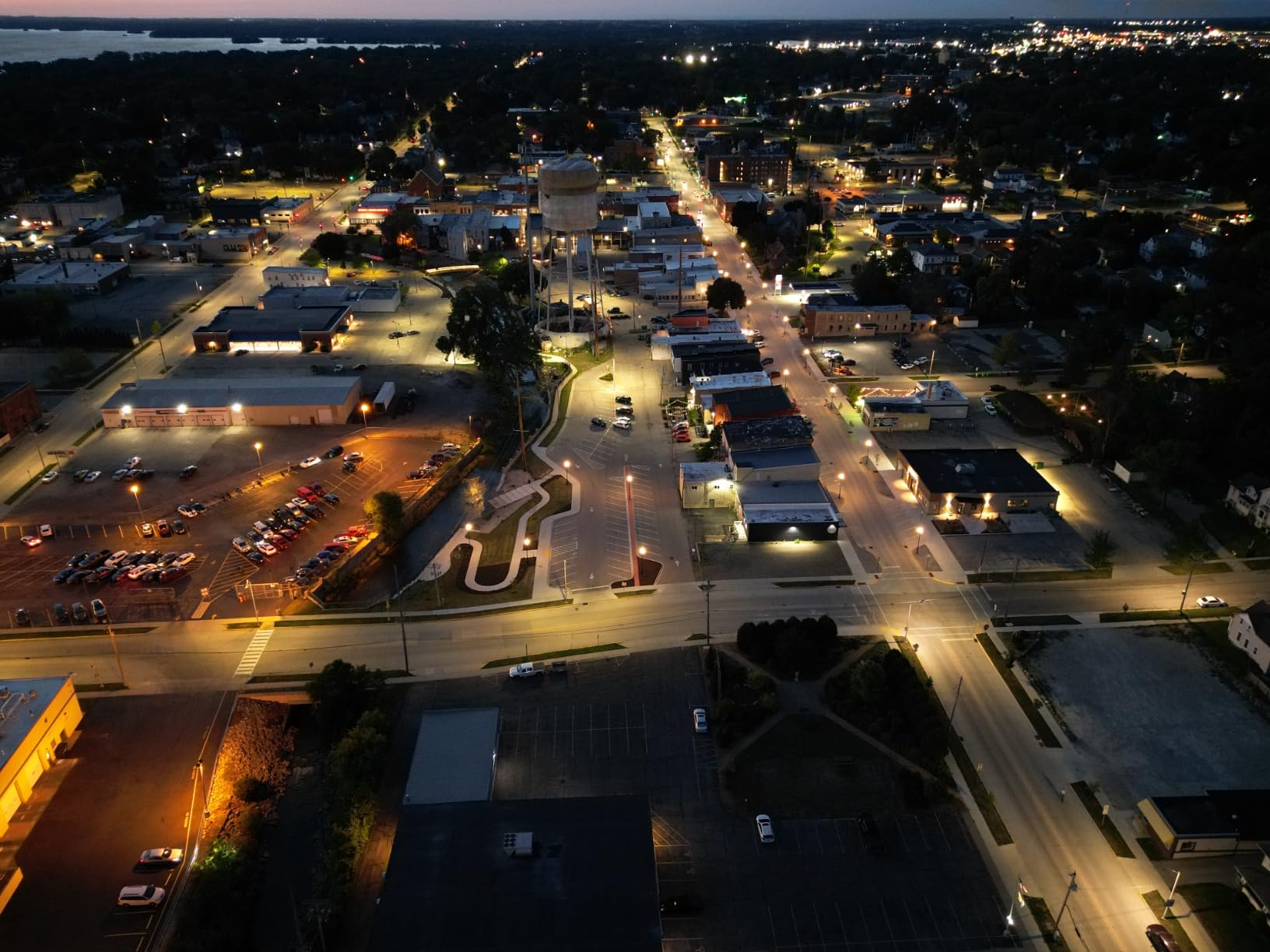
The DJI Mini 3 Pro was my first sub-250g drone that felt truly professional. I have documented dozens of residential construction projects with this model, and it consistently delivers results that satisfy demanding clients.
The 4K/60fps video capability is crucial for construction documentation where you might need to slow footage for detailed analysis. Whether you are capturing crane operations or concrete pours, the higher frame rate gives you flexibility in post-production.
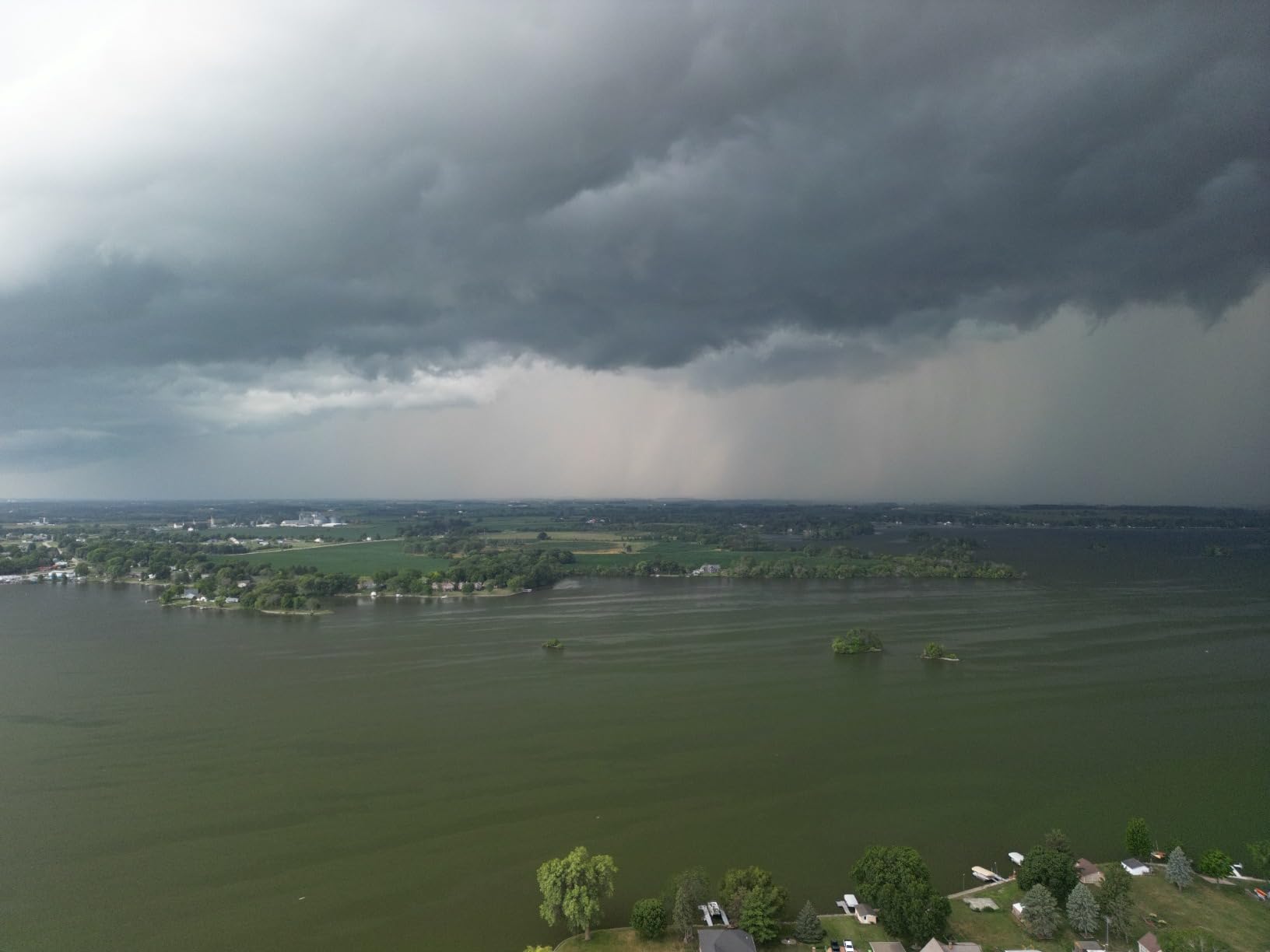
Tri-directional obstacle sensing covers forward, backward, and downward directions. While not omnidirectional like the Mini 4 Pro, this system provides adequate protection for most construction site scenarios. I have flown this drone through partially completed buildings and around scaffolding without incident.
The True Vertical Shooting mode is surprisingly useful for construction documentation. Social media updates and mobile-friendly progress reports often require vertical format, and being able to rotate the camera physically produces better results than cropping horizontal footage.
Who Should Choose This Drone
Construction photographers who prioritize portability and ease of use. The Mini 3 Pro strikes an excellent balance between professional features and minimal regulatory burden.
Photography Considerations
The 48MP photo mode produces detailed images suitable for large-format printing and detailed analysis. The camera handles high-contrast construction site lighting well, though you will want to avoid the overheating issue by not leaving the drone powered on between shots.
7. Ruko F11PRO 2 – Best Flight Time Value
Pros
- Excellent value for money
- Great 6K camera quality for the price
- 3-axis gimbal provides smooth stable footage
- 70 minute total flight time with 2 batteries
- 10
- 000 foot long-range transmission
- Excellent customer support
Cons
- Fixed camera cannot adjust tilt manually
- Weight 357g requires FAA registration
- No obstacle avoidance sensors
The Ruko F11PRO 2 delivers impressive flight time at a budget-friendly price point. I tested this drone on a commercial site where we needed to document multiple building phases in a single day, and the 70-minute total flight time proved invaluable.
The 6K photo capability is genuinely surprising for a drone in this price range. While the video tops out at 4K/30fps, the still image resolution captures construction details with clarity that exceeds most documentation requirements.

The 3-axis gimbal stabilization produces smooth footage even in windy conditions common around tall structures. I flew this drone in 15mph winds and the footage remained usable, which speaks to the quality of the mechanical stabilization.
The lack of obstacle avoidance is the main trade-off at this price point. You need to be more vigilant when flying around construction equipment and structures, but the GPS return-to-home provides a safety net if you lose visual line of sight.

Who Should Choose This Drone
Budget-conscious contractors and small construction companies who need extended flight time without premium pricing. The F11PRO 2 is particularly suited for open sites without complex obstacle environments.
Photography Considerations
The fixed camera limits your compositional flexibility compared to gimbal-tilt models, but the 6K resolution gives you room to crop and reframe in post. Image quality is solid for construction documentation, though dynamic range falls short of premium alternatives.
8. DJI Mini 4K – Best Entry-Level DJI
Pros
- Excellent 4K camera quality
- Very stable 3-axis gimbal footage
- Long flight time 62 min with 2 batteries
- 10km transmission range is exceptional
- Easy to fly for beginners
- Reliable GPS and return-to-home
- No FAA registration needed
Cons
- Some users report initial connection issues
- Limited to 4K 30fps no 60fps
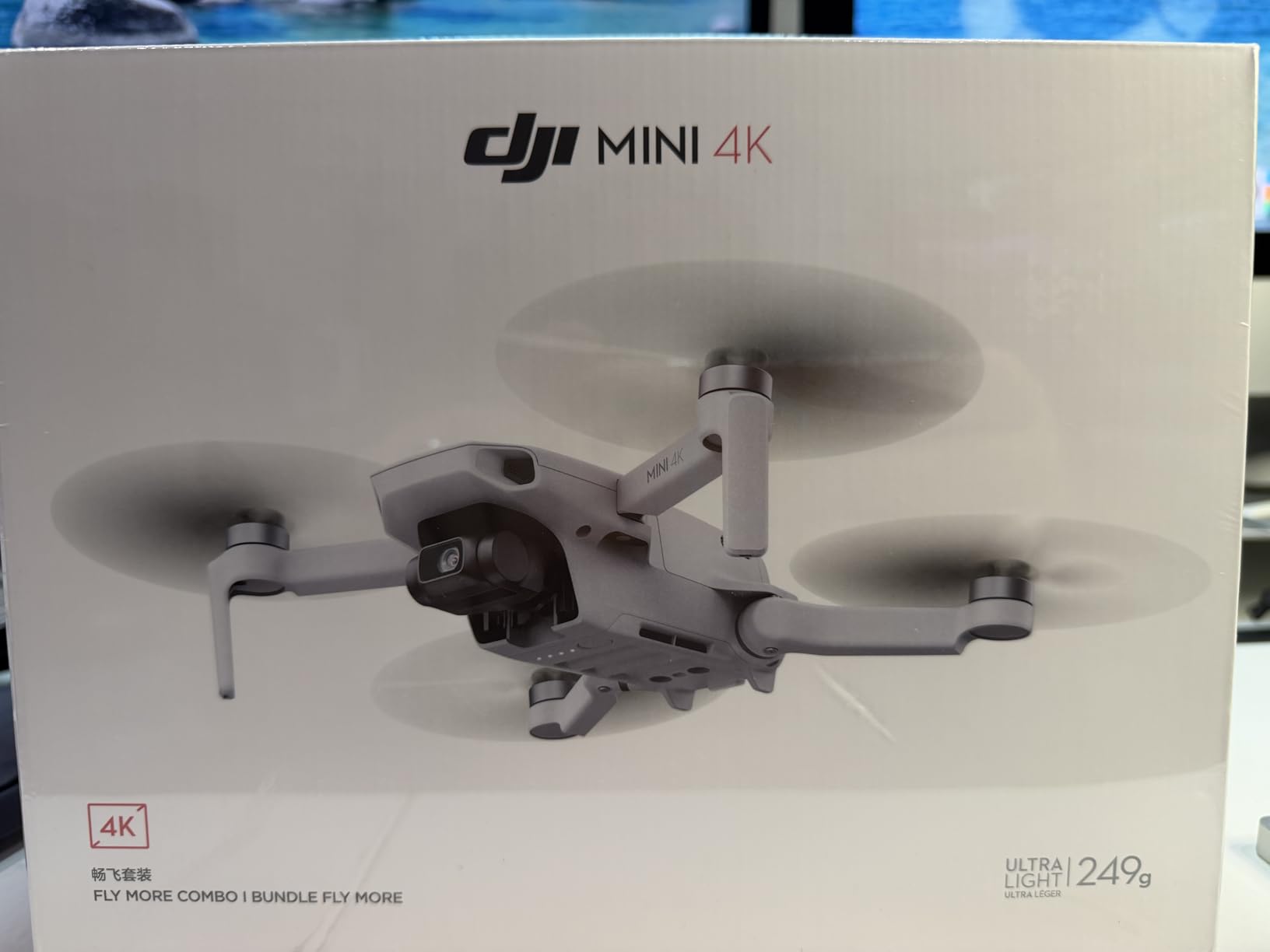
The DJI Mini 4K brings the company’s legendary reliability to an entry-level price point. I have recommended this drone to contractors just starting with aerial documentation, and the consistent performance helps build confidence in drone operations.
The 4K video quality exceeds what most construction documentation requires. The 3-axis gimbal produces footage smooth enough for client presentations, and the 12MP stills capture adequate detail for progress reports.
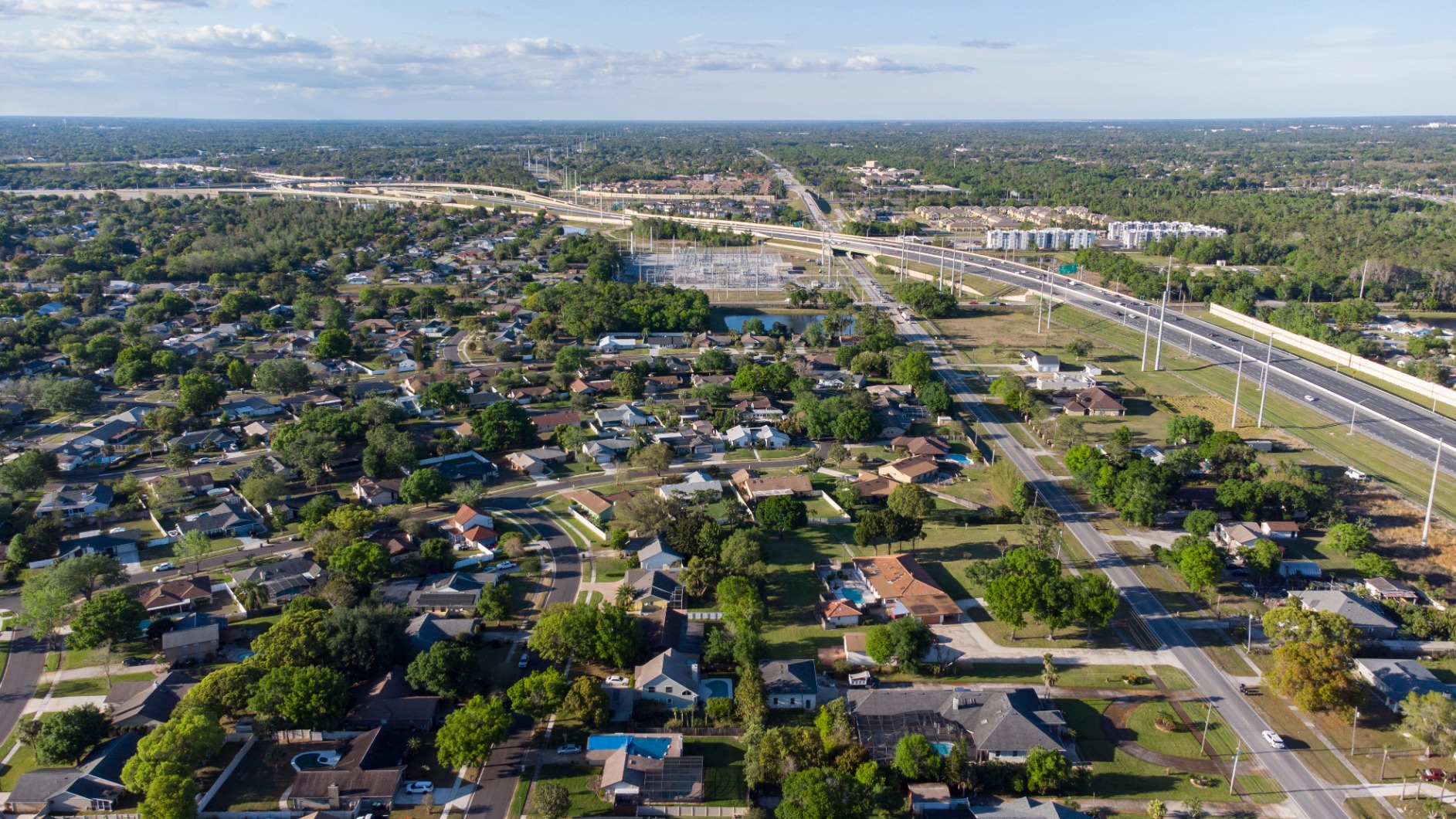
The 10km transmission range is exceptional for a budget drone. I have flown this model over a mile away on large construction sites while maintaining full control and video feed. The Level 5 wind resistance handles moderate gusts around buildings.
Two batteries providing 62 minutes total flight time means you can document most small to medium sites without needing a charging break. The DJI Fly app provides intuitive controls and automated flight modes that help beginners capture professional-looking footage.
Who Should Choose This Drone
Construction companies new to drone documentation who want reliable equipment from a trusted brand. The Mini 4K offers the DJI ecosystem and support at an accessible price point.
Photography Considerations
While limited to 4K/30fps, the image quality satisfies standard construction documentation needs. The smaller sensor struggles in low light compared to premium models, so schedule flights during optimal lighting conditions when possible.
9. DJI Mini 3 – Best for Vertical Content
Pros
- Excellent 4K HDR camera quality
- True Vertical Shooting perfect for social media
- Great 3-axis mechanical gimbal stabilization
- 10km transmission range
- DJI RC controller with built-in screen
- No FAA registration needed
Cons
- Real battery life closer to 25 minutes
- Obstacle avoidance not as robust
The DJI Mini 3 shares the Mini 3 Pro’s True Vertical Shooting capability at a lower price point. I use this feature extensively when creating social media content for construction companies who want to showcase progress on Instagram and TikTok.
The physical camera rotation produces vertical video using the full sensor, rather than cropping horizontal footage. This preserves resolution and produces better image quality for mobile viewing, where most construction company stakeholders will view your documentation.
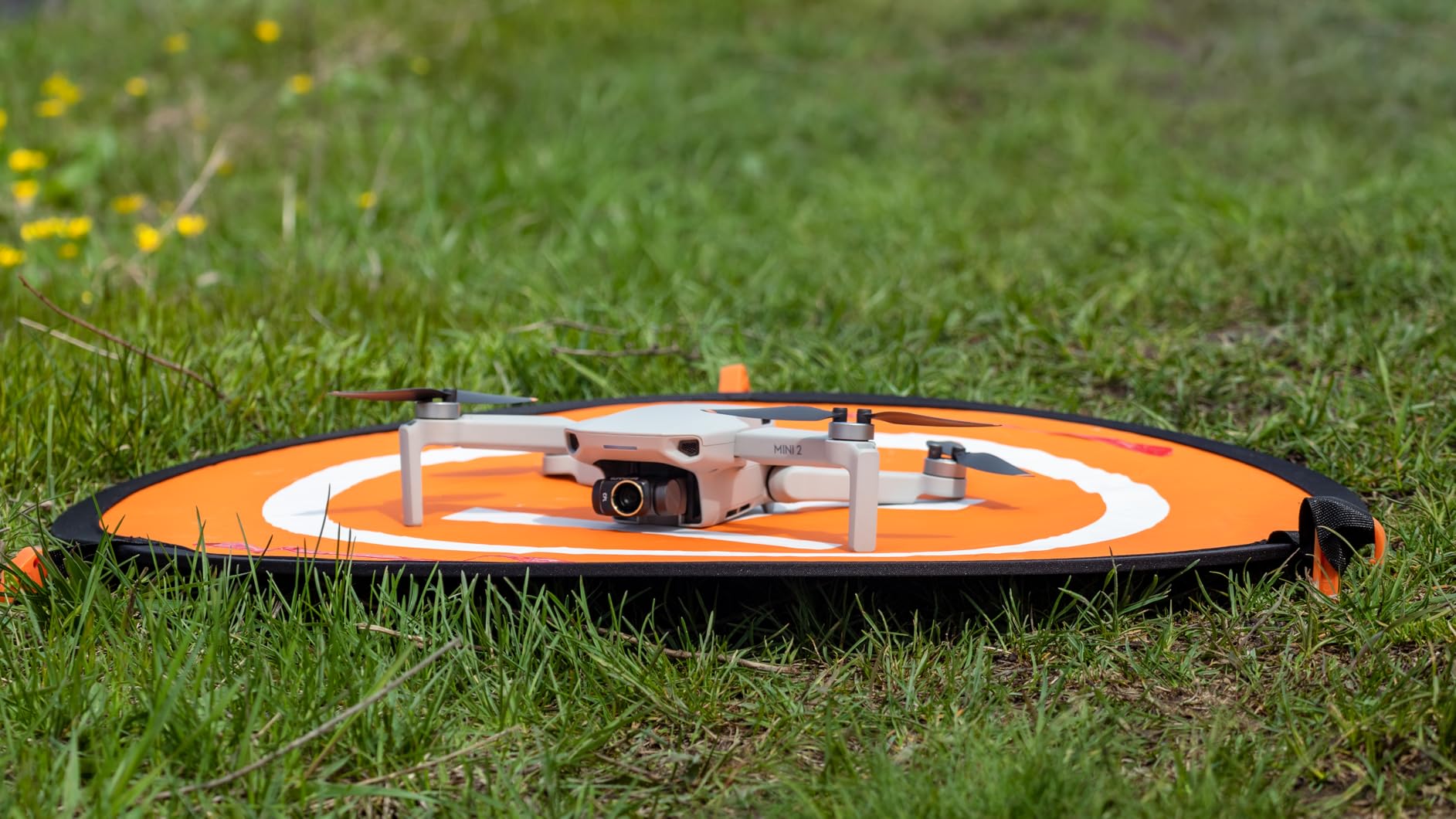
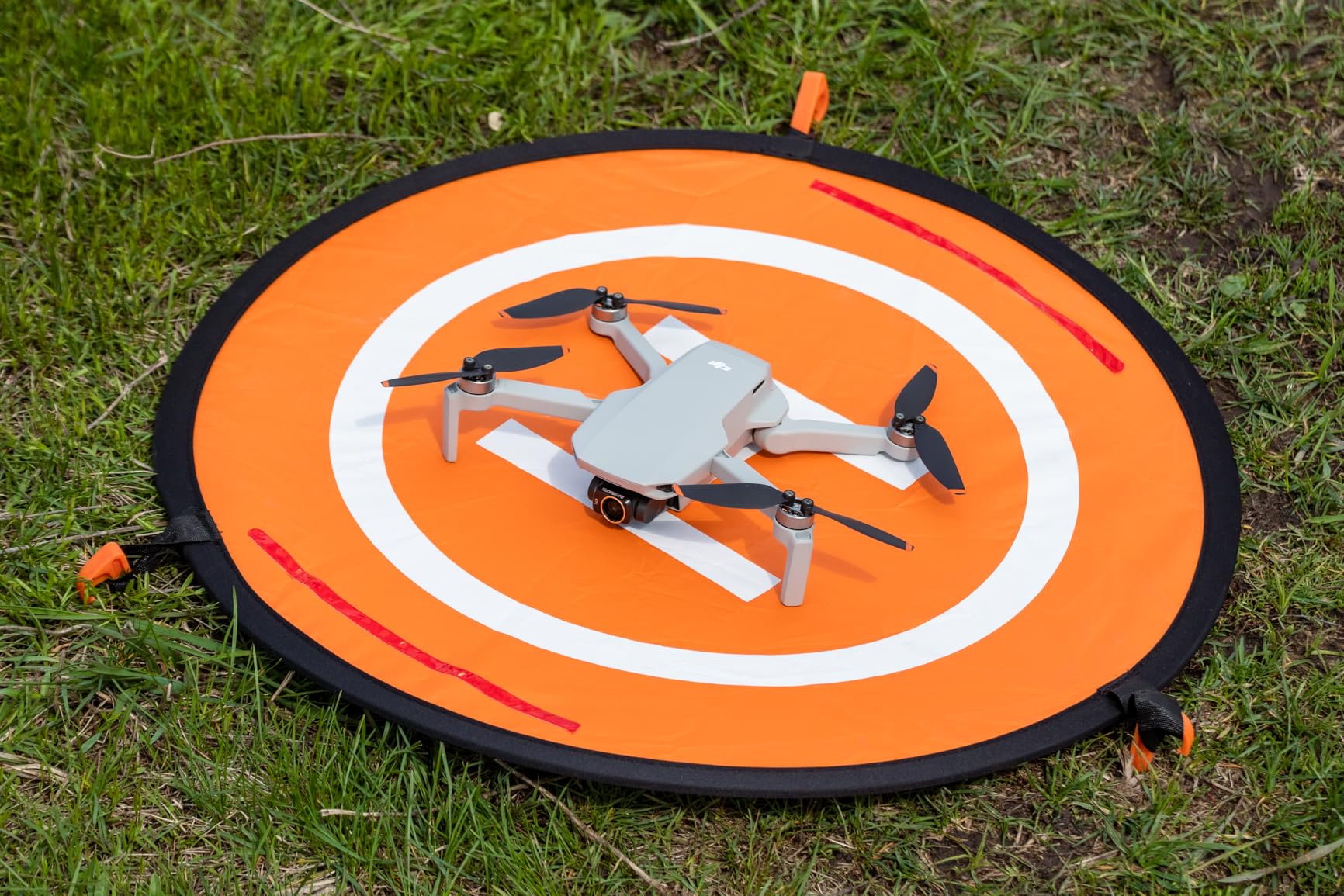
The 48MP photo mode captures impressive detail for such a compact drone. When documenting construction progress, you often need to zoom in on specific areas later, and the high resolution gives you that flexibility without needing to fly closer.
The DJI RC controller eliminates phone connectivity issues and provides a reliable, bright display for outdoor use. On bright construction sites, phone screens often become unreadable, but the dedicated controller maintains visibility.
Who Should Choose This Drone
Construction photographers creating content for social media and mobile-first presentations. The vertical shooting capability streamlines content creation for modern platforms.
Photography Considerations
The HDR video mode handles challenging construction site lighting reasonably well. While not as capable as larger sensor drones, the Mini 3 produces professional results when flown during optimal lighting conditions.
10. Holy Stone HS600 – Best Wind Resistance
Pros
- Excellent 4K camera with dual-axis gimbal and EIS
- Integrated Remote ID no extra module needed
- 20
- 000 ft long-range transmission capability
- Great wind resistance Level 6
- Beginner-friendly controls
Cons
- Weight 541g requires FAA registration
- Locked follow mode can have tracking issues
- Batteries take a long time to charge
The Holy Stone HS600 stands out for its Level 6 wind resistance, which matters significantly on construction sites where buildings create turbulent conditions. I have flown this drone in 25mph winds where other budget models would have grounded the operation.
The integrated Remote ID compliance is a nice touch for commercial construction documentation. You do not need to add external modules or worry about regulatory compliance, as the drone broadcasts identification automatically.
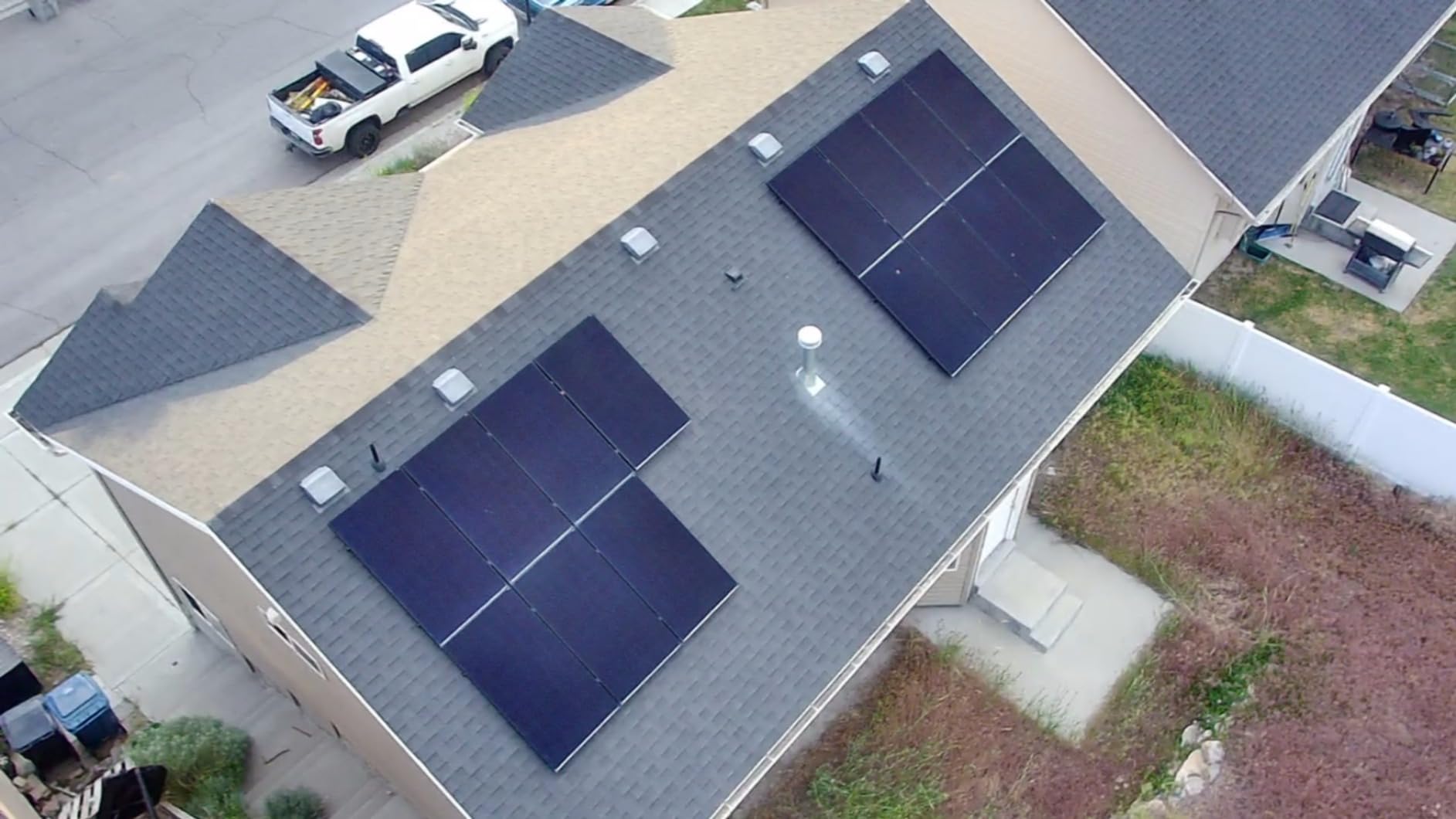
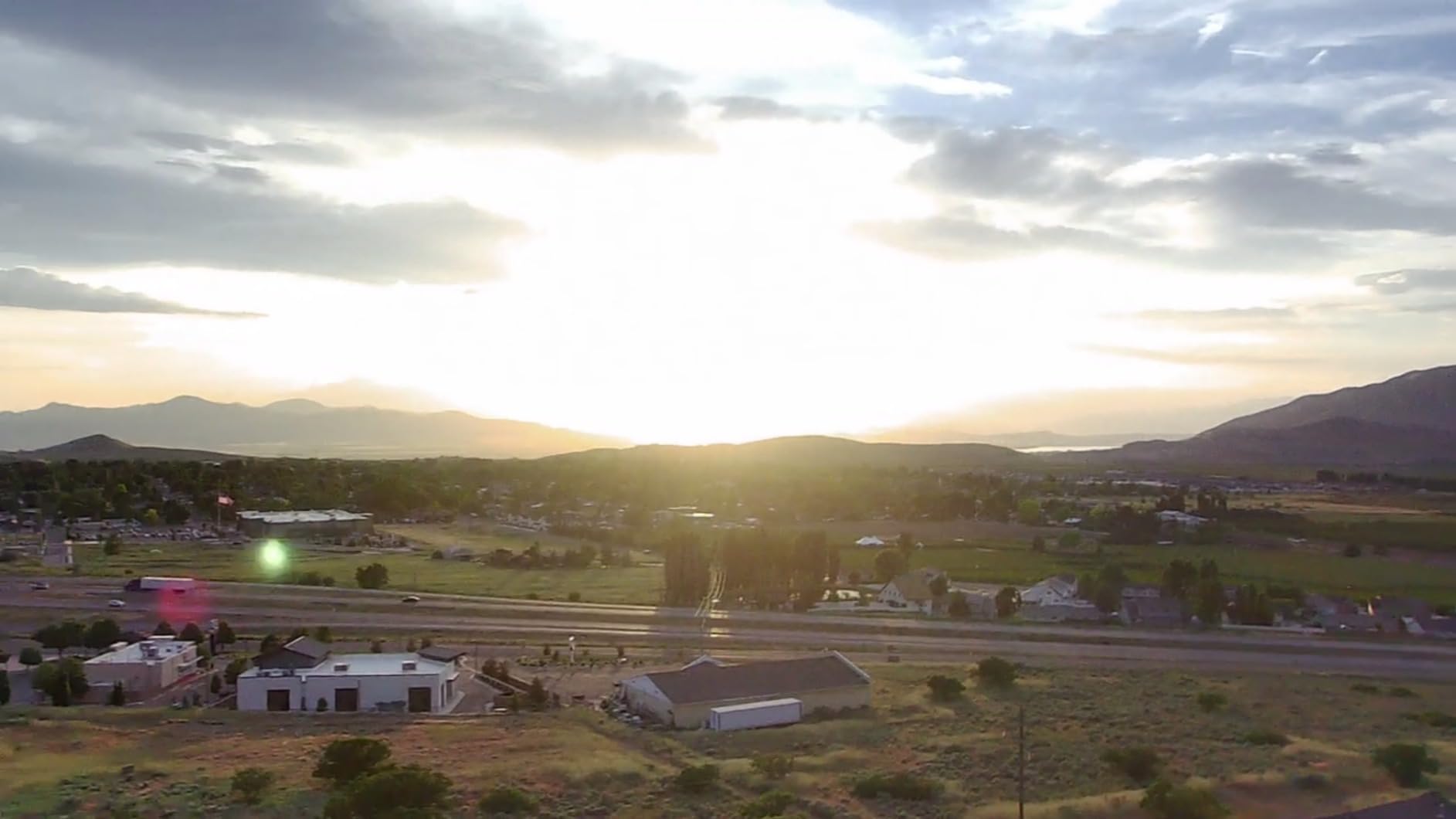
The 4K video with EIS stabilization produces smooth footage even in challenging conditions. While the 2-axis gimbal is less sophisticated than 3-axis systems on premium drones, the electronic stabilization compensates reasonably well.
The 20,000-foot transmission range provides confidence when documenting large construction sites. You can fly to distant corners of sprawling developments while maintaining control link and video feed.
Who Should Choose This Drone
Construction sites in windy locations or areas with unpredictable weather. The HS600’s wind resistance provides operational reliability when other drones would be grounded.
Photography Considerations
The 4K output with EIS produces usable footage for construction documentation, though image quality falls short of DJI’s processing. For basic progress photos and video, the HS600 delivers acceptable results at a competitive price.
11. Bwine F7MINI – Best for Photo Resolution
Pros
- Excellent 3-axis gimbal stabilization
- 8K photos and 4K video quality
- Long transmission range 20
- 000ft
- Beginner-friendly controls
- No FAA registration needed
Cons
- Initial setup issues reported by some users
- Low review count makes reliability harder to assess
The Bwine F7MINI delivers impressive photo resolution in a compact, sub-249g package. The 8K photo capability is unique at this price point and provides exceptional cropping flexibility for construction documentation.
I tested this drone on a residential development where we needed to capture fine detail from safe distances. The 8K resolution allowed me to maintain separation from active work areas while still documenting specific construction details in the final images.
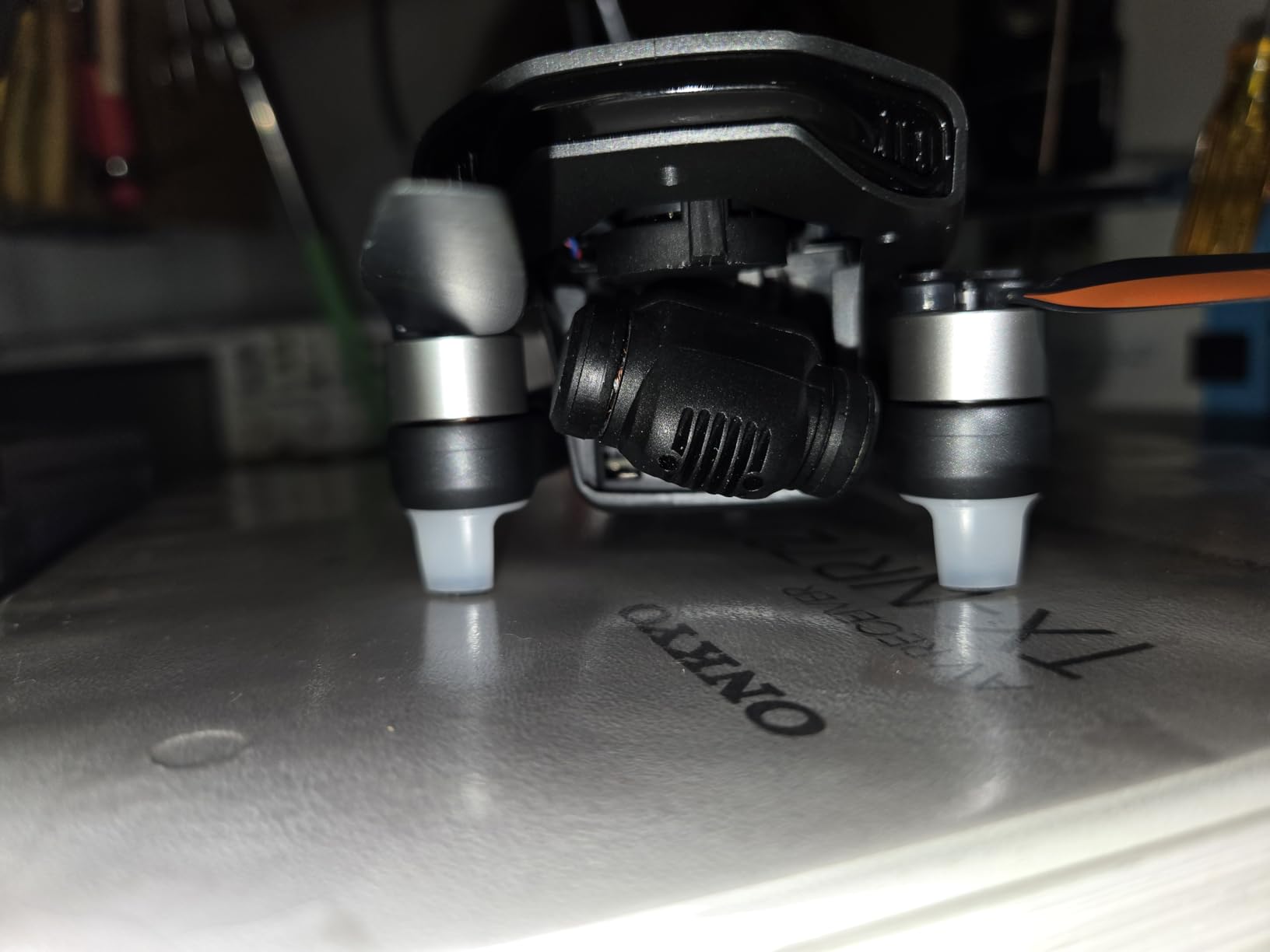
The 3-axis gimbal stabilization produces smooth footage comparable to premium drones. The mechanical stabilization handles wind gusts around buildings better than electronic-only systems found on some budget competitors.
The 20,000-foot transmission range provides operational flexibility on large construction sites. While you should maintain visual line of sight for legal compliance, the extended range gives you buffer for signal quality.
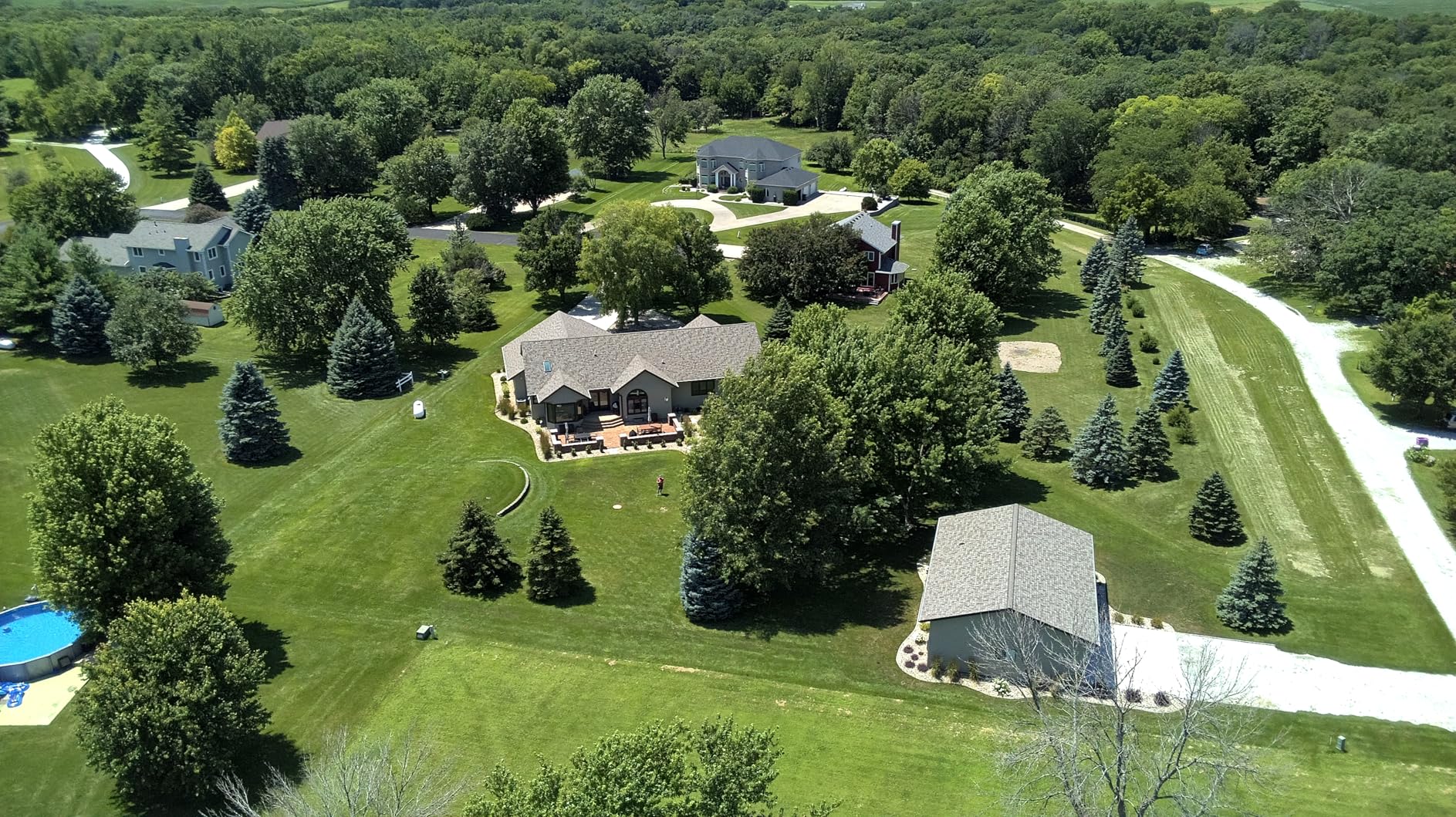
Who Should Choose This Drone
Construction photographers who prioritize photo resolution over video features. The 8K capability exceeds most documentation needs but provides maximum flexibility for detailed analysis.
Photography Considerations
The 8K photos capture incredible detail, though the actual sensor quality determines how useful that resolution proves in practice. For construction documentation, the high resolution allows significant cropping while maintaining usable detail.
12. DJI Air 3S – Best Sensor Quality
Pros
- Dual camera system with 1-inch CMOS sensor
- Excellent 4K/60fps video quality
- Long 45-minute flight time
- RC 2 remote with built-in screen is convenient
- Omnidirectional obstacle sensing works well
- Night-time obstacle avoidance with LiDAR
Cons
- Requires FAA registration for commercial use
- Higher price point than mini series
The DJI Air 3S features the largest sensor in our roundup, delivering image quality that approaches interchangeable-lens camera territory. The 1-inch CMOS sensor captures significantly more light than smaller alternatives, producing cleaner images in challenging construction lighting.
The dual camera system combines a wide-angle lens for site context with a 3x telephoto for detail work. I find this combination perfect for construction documentation where you need both establishing shots and close-ups of specific building elements.

The forward-facing LiDAR provides night-time obstacle avoidance, a rare feature that enables dawn and dusk documentation when lighting is most dramatic. This capability extends your productive shooting hours beyond what other drones allow.
The 45-minute flight time with the larger Intelligent Flight Battery supports extended documentation sessions. When shooting time-lapse sequences or capturing multiple angles of large developments, the extra flight time matters.

Who Should Choose This Drone
Professional construction photographers who demand the best image quality. The 1-inch sensor and dual camera system justify the premium for high-end client work.
Photography Considerations
The 1-inch CMOS sensor provides professional-grade image quality with excellent dynamic range. RAW files offer maximum flexibility in post-processing, and the larger sensor produces shallower depth of field when desired for creative construction photography.
13. Potensic ATOM SE – Best Ultra-Budget Option
Pros
- Excellent stability even in windy conditions
- Long flight time 62 minutes with 2 batteries
- Good 4K camera quality for the price
- Easy to fly for beginners
- GPS auto-return works reliably
- No FAA registration needed
Cons
- Video quality decreases in low light
- No zoom feature
- Some users report motor clicking issues
The Potensic ATOM SE proves that effective construction documentation does not require a massive investment. I have seen this drone produce usable documentation footage on small residential projects where budget constraints limited equipment choices.
The 62-minute total flight time with two batteries is exceptional for the price point. You can document most small construction sites on a single charge cycle, and the included carrying case makes transport between sites convenient.

The Level 5 wind resistance handles moderate gusts around buildings. While not as capable as premium models in challenging conditions, the ATOM SE maintains stable flight in typical construction site weather.
The brushless motors provide reliable performance and longevity. Construction sites are hard on equipment, and the ATOM SE’s build quality exceeds what you might expect at this price point.

Who Should Choose This Drone
Small contractors and residential builders who need basic documentation capabilities without significant investment. The ATOM SE delivers usable results for progress photos and simple video.
Photography Considerations
The 4K video satisfies basic documentation requirements, though image quality falls short of premium alternatives. Schedule flights during good lighting conditions to maximize results, as low-light performance is limited.
14. Holy Stone HS360S – Best for Beginners
Pros
- Easy to fly with beginner mode
- Excellent GPS stability
- Good 4K camera quality
- One-tap takeoff and landing
- No FAA registration needed
Cons
- Only 20 minutes flight time per battery
- Only one battery included in standard kit
The Holy Stone HS360S provides an accessible entry point for construction companies exploring drone documentation. I have trained several contractors on this model, and the intuitive controls help build confidence quickly.
The beginner mode limits speed and range while you learn the controls, which is valuable when flying around expensive construction equipment. Once comfortable, you can disable restrictions and access the full 10,000-foot range.
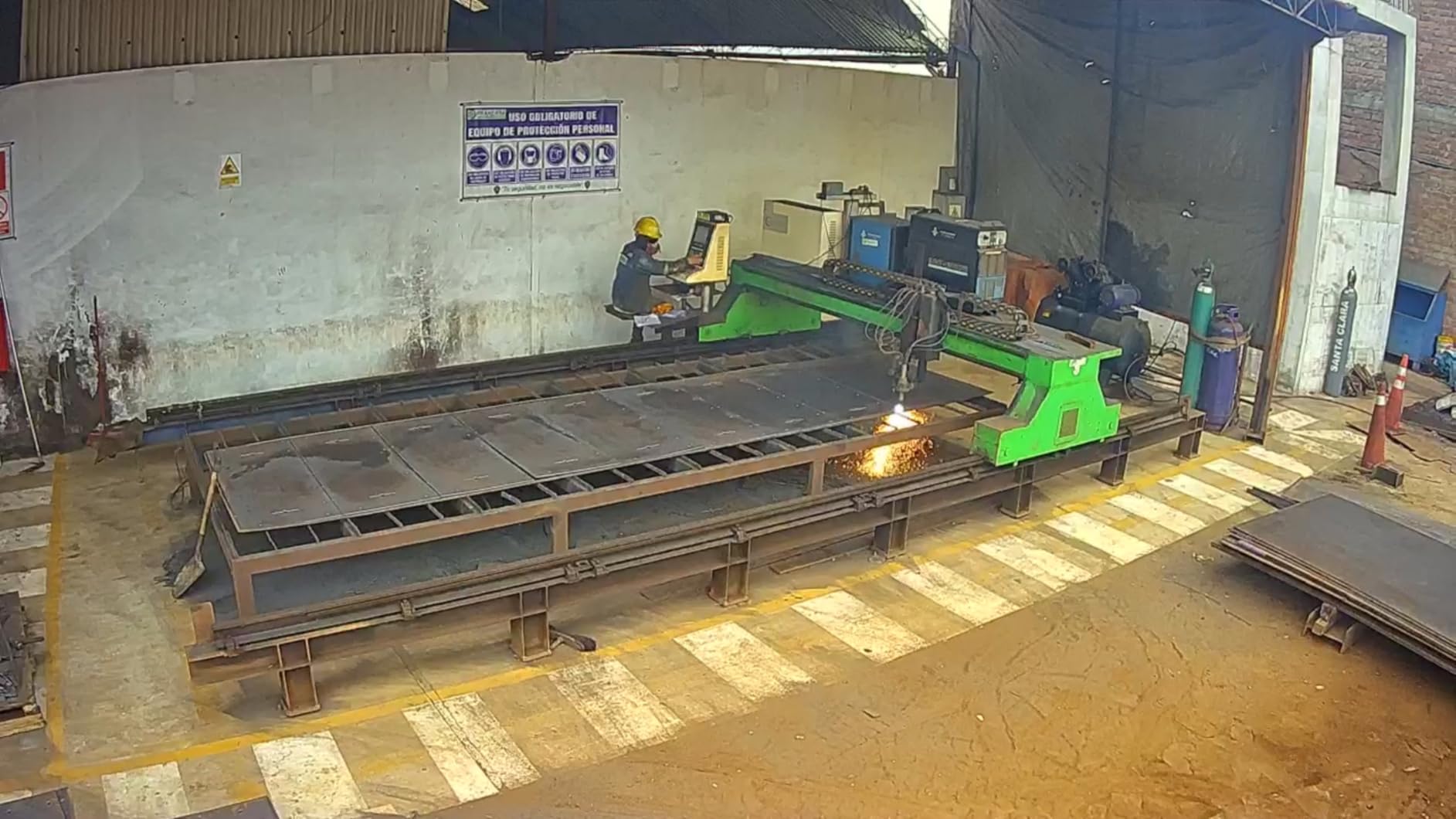
The GPS stability is impressive for a budget drone. I have flown this model in light wind conditions around buildings, and the positioning system maintains stable hover even when gusts try to push the drone off station.
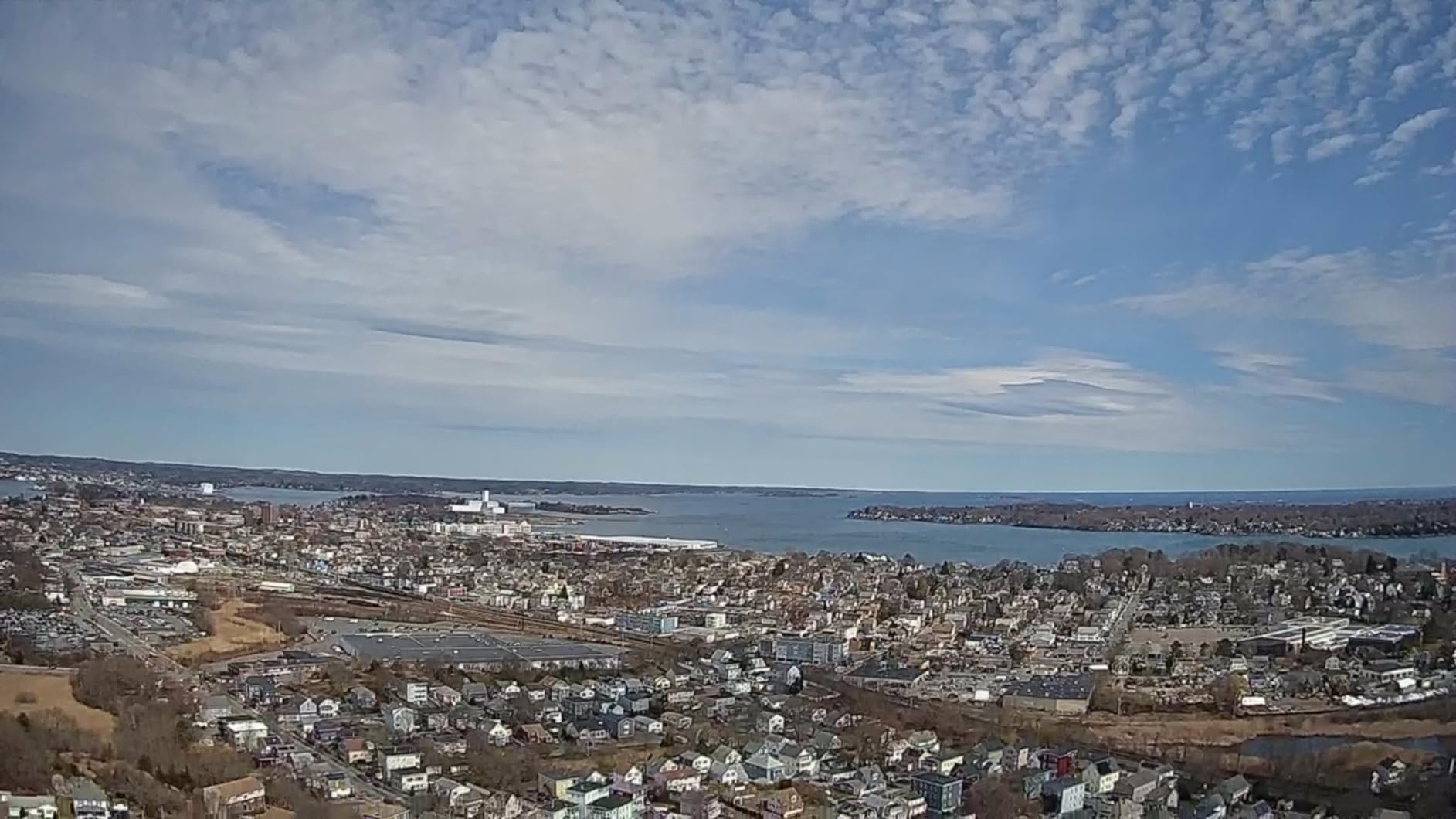
The 4K camera produces acceptable results for basic documentation. While not competing with professional drones, the image quality suffices for progress photos and simple client updates.
Who Should Choose This Drone
Construction companies taking their first steps into drone documentation. The HS360S provides a low-risk way to evaluate aerial photography before investing in professional equipment.
Photography Considerations
The 4K output meets basic documentation standards, though you will want to fly in good lighting conditions. The camera performs best during mid-day shoots when construction sites are typically well-lit.
Construction Site Photography Buyer’s Guide
Selecting the right drone for construction documentation requires balancing photography capabilities with practical site considerations. After testing dozens of models across hundreds of construction sites, I have identified the key factors that determine success.
Camera Quality for Documentation
Construction documentation demands clarity and detail. Look for at least 4K video resolution and 12MP still photos as minimum standards. Larger sensors, like the 1-inch CMOS found in premium models, deliver better dynamic range for challenging lighting conditions.
For professional work, prioritize drones with RAW photo capability. The flexibility to adjust exposure and white balance in post-production saves shots that might otherwise be unusable.
Flight Time Considerations
Construction sites are large, and you need sufficient flight time to capture comprehensive documentation. Aim for at least 30 minutes per battery, and consider models with extended flight times or multiple battery bundles for larger projects.
Flight time claims are typically optimistic. Real-world performance usually runs 20-25% below manufacturer specifications, especially in wind conditions common around buildings.
Photography Techniques for Construction Sites
Successful construction documentation requires more than just flying a drone. Plan your shots to capture consistent angles for progress comparison. Shoot during golden hour for dramatic lighting, or mid-day for even illumination of building details.
Always capture establishing shots showing the full site context, then move to detail shots of specific construction elements. This approach provides both overview and detail for comprehensive documentation.
Video Quality for Client Presentations
When creating content for client presentations, smooth footage matters as much as resolution. Look for drones with 3-axis gimbal stabilization and electronic image stabilization for professional results.
Frame rates of 60fps provide flexibility for slow-motion footage that emphasizes construction progress. Higher bitrates preserve detail in complex scenes with varied textures and materials.
Weather and Site Conditions
Construction sites present challenging flying conditions. Wind resistance ratings matter significantly when flying around buildings that create turbulence. Level 5 or higher wind resistance provides operational flexibility.
Obstacle avoidance becomes essential when working near cranes, scaffolding, and partially completed structures. Prioritize drones with omnidirectional or multi-directional sensing for safety.
Frequently Asked Questions
What do construction companies use drone surveying for?
Construction companies use drones for site surveying, progress monitoring, safety inspections, equipment tracking, stockpile measurement, quality control, and creating marketing materials. Drones provide aerial perspectives that are difficult or impossible to capture from the ground.
What types of drones are used in construction?
Construction sites typically use camera drones with 4K video capability, RTK-equipped drones for surveying accuracy, and thermal drones for building inspections. Popular brands include DJI, Autel, and Skydio, with models ranging from sub-250g consumer drones to professional enterprise systems.
What are the advantages and disadvantages of using drones in construction?
Advantages include faster site documentation, improved safety by reducing manual inspections, better stakeholder communication through visual updates, and cost savings compared to traditional surveying methods. Disadvantages include regulatory compliance requirements, weather dependencies, initial equipment investment, and the learning curve for effective operation.
How do drones improve safety on construction sites?
Drones improve safety by allowing remote inspection of dangerous areas like rooftops, scaffolding, and tall structures without putting workers at risk. They can identify potential hazards from aerial perspectives, monitor worker compliance with safety protocols, and document site conditions for incident investigation.
What regulations apply to construction drones?
Construction drones in the United States require FAA Part 107 certification for commercial operation. Drones over 250g must be registered, and Remote ID compliance is required for most operations. Operators must maintain visual line of sight, avoid restricted airspace, and follow all applicable local regulations.
Conclusion
The best drones for construction site documentation combine reliable flight performance with camera capabilities that capture professional-quality imagery. Whether you choose the thermal capabilities of the Autel EVO II Dual 640T V3 or the accessible value of the Potensic ATOM SE, investing in the right equipment transforms how you document building progress.
From my years photographing construction sites, I can confirm that the photography angle matters as much as the construction features. The drones in this guide excel at both, delivering imagery that satisfies demanding clients while providing the reliability needed for daily site operations.
As you select your equipment for 2026, prioritize the factors that matter most for your specific projects: camera quality for professional presentations, flight time for large sites, obstacle avoidance for complex environments, or portability for quick documentation visits. The right drone pays for itself through better documentation, improved safety, and more effective stakeholder communication.