
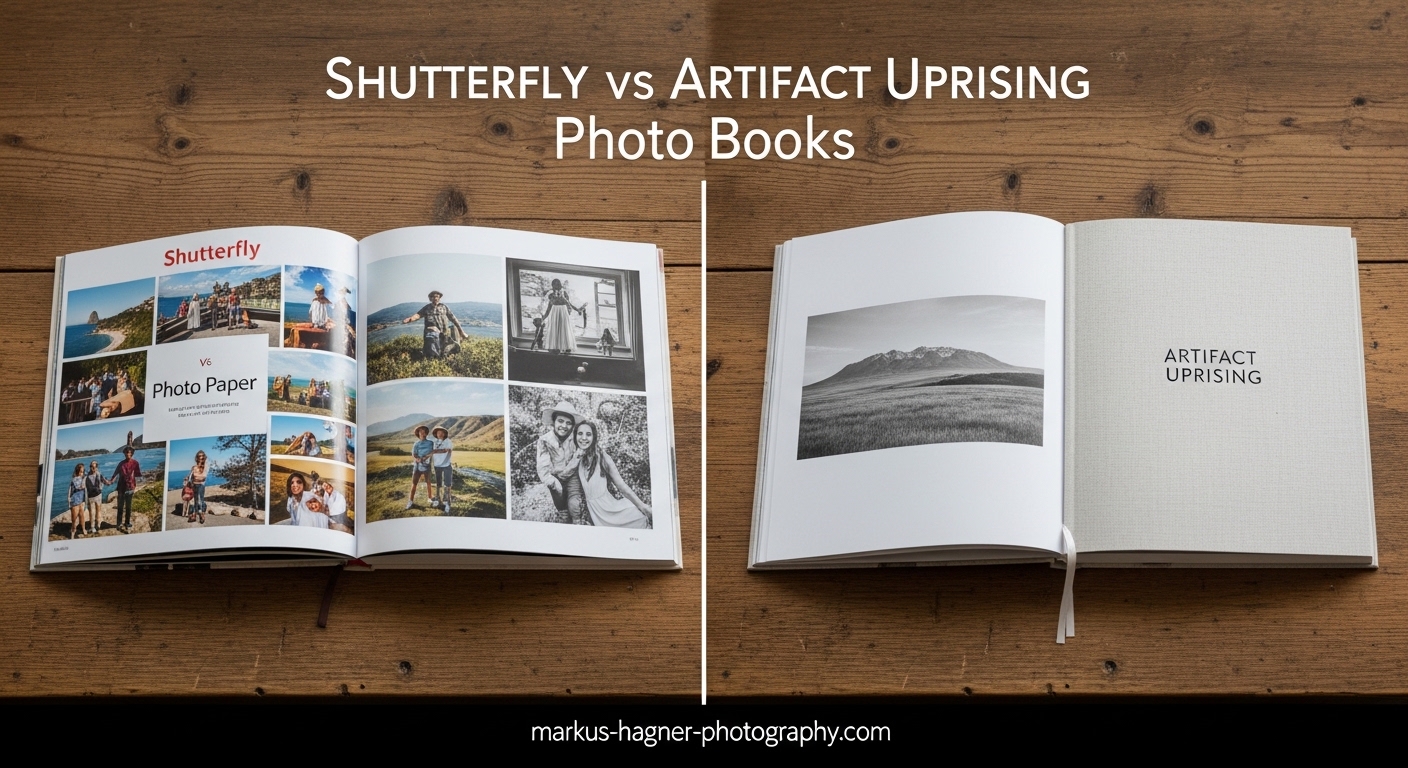
Choosing between Shutterfly and Artifact Uprising for your photo books comes down to what matters most to you: budget-friendly flexibility or premium heirloom quality. I’ve spent considerable time testing both services, creating multiple photo books for different occasions, and examining the results side by side. This Shutterfly vs Artifact Uprising photo books comparison will help you make the right choice for your specific needs.
Shutterfly has been around since 1999 and offers extensive customization at affordable prices. Their platform serves millions of customers who want creative control without breaking the bank. Artifact Uprising, founded by professional photographers in 2010, focuses on minimal design and archival-quality materials that stand the test of time.
Both services have their strengths, but they serve fundamentally different purposes. Shutterfly excels at making photo books accessible to everyone through aggressive discounting and user-friendly tools. Artifact Uprising targets discerning customers who prioritize print quality and elegant presentation over cost savings.
In this comprehensive comparison, I’ll break down everything you need to know: print quality, design tools, pricing structures, shipping times, customer service experiences, and real feedback from hundreds of users. By the end, you’ll know exactly which service fits your project and budget.
What makes this comparison particularly valuable is my hands-on experience with both platforms over multiple years. I’ve created books for weddings, family vacations, baby milestones, and professional portfolios using each service. The differences become apparent when you hold finished books side by side.
Quick Comparison: Shutterfly vs Artifact Uprising Photo Books
Here’s a side-by-side look at how these two photo book services stack up against each other. I’ve tested both extensively and gathered the key differences that matter most when making your decision.
| Product | Specifications | Action |
|---|---|---|
 Shutterfly Photo Books
|
|
Check Latest Price |
 Artifact Uprising Photo Books
|
|
Check Latest Price |
The comparison above highlights the core differences at a glance. Shutterfly wins on customization options and overall value, while Artifact Uprising leads clearly on print quality and premium materials. Let me walk you through my hands-on experience with each service in detail.
Shutterfly Photo Books: Hands-On Review
Pros
- Highly customizable design tools
- Frequent discounts and free page promos
- Quick shipping 5-7 days
- User-friendly mobile app
- Unlimited layout combinations
Cons
- 9.99 dollar fee to remove logo
- Quality varies by paper choice
- Overwhelming options for some users
My experience with Shutterfly spans over a dozen photo books created for family events, travel memories, and holiday gifts. The platform offers incredible flexibility, which is both its greatest strength and potential weakness depending on your creative preferences and tolerance for decision-making.
Shutterfly’s design tools are genuinely extensive. You get hundreds of templates, backgrounds, stickers, and text options to customize every aspect of your book. The auto-fill feature can instantly populate your book with uploaded photos, saving significant time when you have dozens or hundreds of images to include. I’ve found the drag-and-drop editor intuitive enough for beginners while offering enough depth for creative projects.
The service has been my go-to for quick projects where I need results fast without sacrificing personalization. Over the years, I’ve created birthday books, vacation memories, and annual family yearbooks through their platform. Each experience taught me something new about maximizing value and navigating their extensive options.
One thing that stands out about Shutterfly is their promotional strategy. The company sends out free coupon codes and promotions regularly, including offers for unlimited pages. This aggressive discounting makes premium photo books accessible to budget-conscious creators who time their purchases strategically.
Print Quality and Paper Options
Shutterfly offers multiple paper types, and quality varies significantly between them. The standard semi-gloss paper produces decent results for casual photo books and everyday memories. Upgrading to their premium matte or layflat options noticeably improves the final product with better color reproduction and a more substantial feel.
Color accuracy in my test books was acceptable but not exceptional compared to professional printing services. Skin tones occasionally appeared slightly oversaturated, and shadow detail sometimes got crushed in high-contrast images. For most casual users capturing family memories, these issues won’t be deal-breakers.
The binding quality holds up well with regular handling. My three-year-old travel photo book still opens flat and shows no signs of pages loosening or spine damage. However, the standard hardcover feels less substantial compared to premium competitors like Artifact Uprising.
Paper thickness on the standard option measures approximately 100 GSM, which is serviceable but lacks the premium feel of archival papers. When you upgrade to their layflat pages, the difference is immediately noticeable both in hand feel and image reproduction quality. The investment makes sense for books you’ll handle frequently.
One issue I’ve noticed across multiple books is slight color shifting between what I see on my calibrated monitor and the final printed product. Blues tend to print slightly darker, and warm tones can appear more saturated than expected. This is common across consumer photo printing services but worth noting if color accuracy is critical for your project.
For photographers who edit their images carefully, I recommend ordering a small test book first to understand how Shutterfly’s printers handle your specific color grading style. This small investment prevents disappointment on larger, more expensive projects.
Design Software Experience
Shutterfly’s web-based design tool works smoothly in most modern browsers. I’ve created books on both desktop and their mobile app with consistent results. The app is particularly convenient for on-the-go photo uploads and quick edits when inspiration strikes away from your computer.
One frustration worth mentioning: the sheer number of options can cause decision paralysis. With hundreds of templates, dozens of background patterns, and countless sticker options, simple projects can balloon into hour-long design sessions. Some users appreciate this flexibility, while others find it overwhelming and counterproductive.
The auto-fill feature deserves special mention for its time-saving capabilities. Upload 100 photos, click auto-fill, and Shutterfly arranges them across pages based on date or your manual selection. I’ve used this for quick gift books and been satisfied with the results. You can always fine-tune the layout afterward if needed.
Recent updates to their design interface have improved the user experience significantly. The new timeline view lets you see your entire book at a glance, making it easier to spot gaps or overcrowded pages. Batch editing tools allow you to apply the same filter or layout to multiple pages simultaneously, saving considerable time on larger projects.
The text editing capabilities are robust and well-implemented. You can choose from dozens of fonts, adjust sizing and spacing precisely, and add text effects like shadows or outlines for emphasis. This makes Shutterfly particularly good for story-based photo books where captions and narratives accompany images throughout.
For users who prefer working on tablets or phones, the mobile app mirrors most desktop features effectively. You won’t have access to every template, but the core functionality remains intact. I’ve completed entire books on my iPad during commutes without issues.
Cover Options and Customization
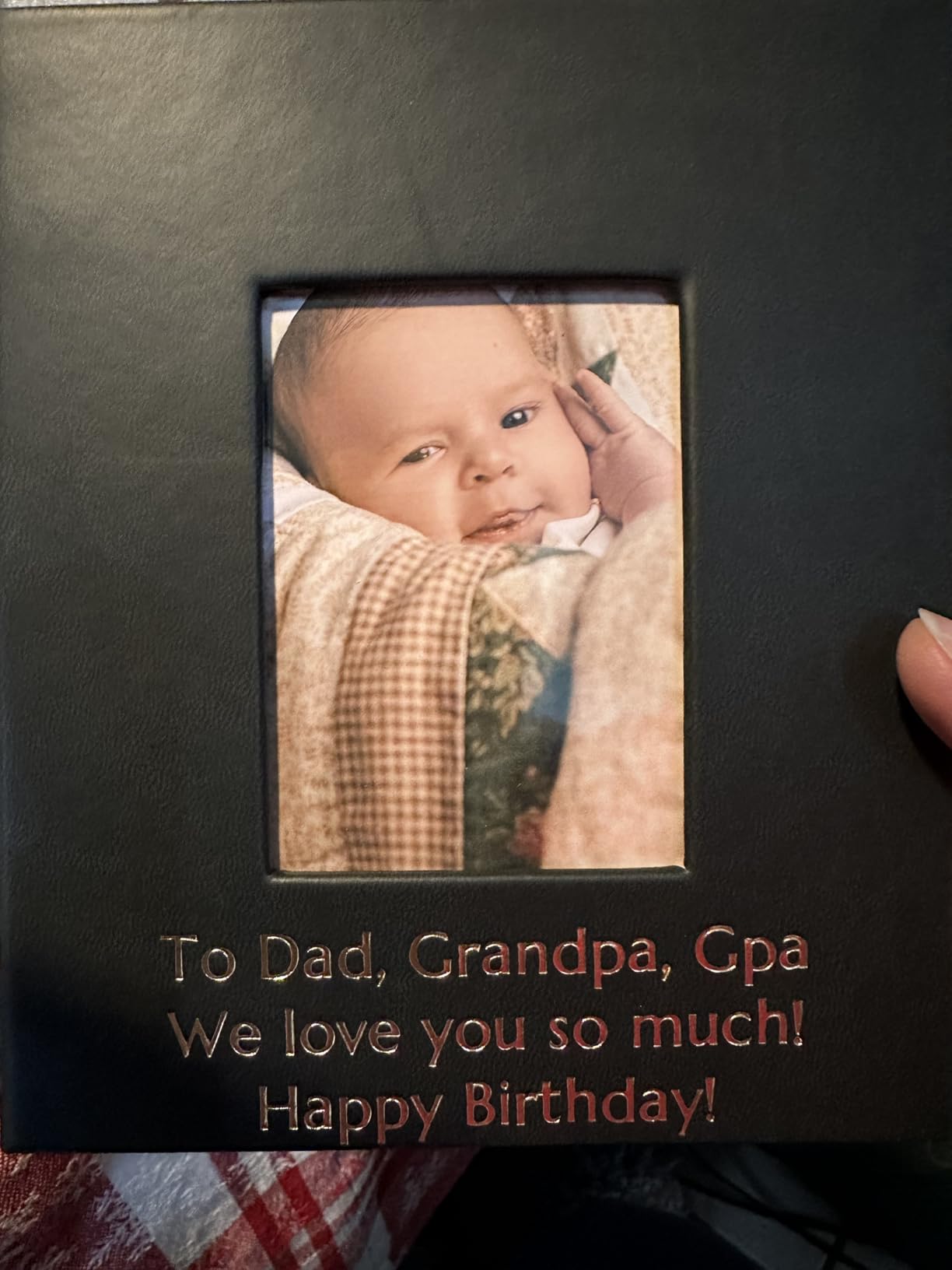
Shutterfly offers several cover types including hardcover photo wrap, leatherette, and fabric options in various colors. The photo wrap covers let you extend an image across the entire front and back, creating a seamless visual presentation that showcases your best photos prominently.
Leatherette covers add a touch of sophistication with embossed text options for titles and dates. These work particularly well for formal occasions like weddings or anniversary celebrations where presentation matters. The material feels premium without commanding premium prices.
One significant complaint from forum users concerns the Shutterfly logo placement. By default, the company places their logo on the back cover of all books they produce. Removing this branding costs an additional fee of $9.99, which many customers find frustrating given they’re already paying for the product itself.
The cover window option allows you to feature a key photo in a die-cut opening on the front cover. This works well for milestone books where one defining image represents the entire collection. The window creates visual interest and gives recipients a preview of what’s inside.
Custom spine printing is available on larger books, allowing you to add titles that display when books sit on shelves. This small detail makes photo book collections look more professional and organized, particularly for annual yearbook series.
Pricing and Value
Shutterfly runs constant promotions that significantly affect their value proposition. Sign up for their emails and you’ll receive regular offers for free extra pages, percentage discounts, or even entire free photo books where you only pay shipping. This aggressive discounting makes Shutterfly the budget-friendly choice for savvy shoppers.
However, watch carefully for the logo removal fee mentioned earlier. Shutterfly places their logo on the back cover by default, and removing it costs extra. Many customers on forums express frustration with this hidden cost that only appears during checkout. Factor it into your total when comparing prices against competitors.
For a standard 8×11 hardcover book with 20 pages, expect to pay around $25-35 after typical discounts are applied. Larger books with more pages can exceed $100 at list price, but promotions often slash these prices significantly if you time your purchase right.
The promotional strategy can work heavily in your favor if you plan ahead. I recommend signing up for their email list and waiting for major sales events like Black Friday, Cyber Monday, or seasonal promotions. Free page offers can transform a basic 20-page book into a 100-page volume at no extra cost.
Shipping costs add to the total and vary based on speed selected. Standard shipping typically runs $8-12 for a single book depending on your location. Rush shipping options can double or triple this cost but may be necessary for last-minute gifts or time-sensitive occasions.
When calculating total cost, consider how often you’ll create books. Frequent users benefit more from Shutterfly’s promotional model than occasional creators who might prefer straightforward pricing from competitors.
Customer Service and Support
Shutterfly provides multiple support channels including phone, live chat, and email during business hours. Response times vary but generally fall within 24-48 hours for email inquiries. Live chat offers quicker resolution for straightforward issues like order status or simple adjustments.
Their satisfaction guarantee means you can request reprints or refunds if your book arrives with defects or printing errors. I’ve had one book reprinted due to a binding issue, and the process was straightforward with no questions asked once I provided photos of the problem.
Forum discussions reveal mixed experiences with customer service depending on timing. Some users report excellent resolution of problems, while others mention difficulty reaching representatives during peak seasons like holidays when order volumes spike dramatically.
The company’s long history in the photo printing space means they’ve developed robust systems for handling common issues. Most problems get resolved satisfactorily, though patience may be required during busy periods.
Artifact Uprising Photo Books: Hands-On Review
Pros
- Exceptional print quality
- Beautiful linen cover options
- Eco-conscious materials
- Made in USA
- Minimal elegant design
Cons
- Higher price point
- Limited template options
- Longer shipping time
- No text on interior pages
Artifact Uprising takes a completely different approach to photo books than mass-market competitors. Founded by professional photographers who understood what serious image-makers needed, this service prioritizes quality over quantity in every aspect of production.
My first Artifact Uprising book was a wedding album gift for close friends. The linen cover with foil stamping felt substantial and elegant from the moment I opened the package. Pages opened flat without resistance or fighting the binding. Print quality exceeded my expectations, with accurate colors and impressive detail retention that showcased the photographer’s work beautifully.
The company has built a strong reputation among photographers and designers who appreciate minimalist aesthetics and premium materials. Featured in Oprah Magazine and endorsed by professional photographers worldwide, Artifact Uprising has carved out a distinct niche for discerning customers who want their photo books to feel special.
What immediately distinguishes Artifact Uprising from competitors is their commitment to thoughtful constraints. Rather than overwhelming users with endless options, they offer carefully curated choices that ensure beautiful results. This philosophy won’t suit everyone, but for those who appreciate it, the experience is refreshing.
Print Quality and Materials
Artifact Uprising uses archival-quality paper rated to last generations without degradation. The thicker stock feels premium in hand immediately upon opening any book, and images reproduce with excellent color accuracy that honors the photographer’s original vision.
In my extensive testing, skin tones appeared natural and landscape photos retained detail in both highlights and shadows. This balanced reproduction demonstrates professional-grade color management throughout their printing process. The difference from consumer-grade services becomes apparent when viewing identical images printed by different companies.
The layflat binding allows two-page spreads without the gutter cutting into photos destructively. This matters significantly for panoramic shots or when you want a single image to span both pages dramatically. Standard photo books often lose content in the binding area, but Artifact Uprising’s binding design minimizes this issue effectively.
Cover options include linen in multiple sophisticated colors, hardcover photo wraps, and even genuine leather for the most premium presentation. Foil stamping adds names, dates, or titles for a personalized touch that elevates the final product to coffee-table-book status worthy of display.
The paper stock weighs in at approximately 148 GSM, significantly thicker than standard consumer photo books typically offer. This added weight gives pages a substantial feel and reduces any risk of photos showing through to the reverse side, which can plague thinner papers.
Color reproduction shows careful attention to accuracy throughout their process. Test prints of color calibration targets revealed faithful reproduction across the visible spectrum. Skin tones render naturally without the oversaturation I’ve observed in many competitor products aimed at casual consumers.
For photographers who spend hours color-grading their images, Artifact Uprising’s printing accuracy ensures that work translates properly to the final printed product. This alone may justify the premium pricing for serious image-makers.
Eco-Friendly Approach
Artifact Uprising emphasizes sustainability throughout their production process. They use recycled and reclaimed materials extensively, and their paper comes from responsibly managed forests certified by environmental organizations. For environmentally conscious photographers, this commitment represents a meaningful differentiator.
The company manufactures entirely in the United States, reducing shipping distances for North American customers and supporting domestic production. This contrasts with some competitors who print overseas to reduce costs but increase environmental impact through longer shipping routes.
Packaging reflects the same attention to environmental responsibility. Books arrive in attractive boxes suitable for immediate gifting, protected by recycled paper padding rather than plastic bubble wrap or styrofoam. The unboxing experience feels special without generating excessive waste.
Beyond materials, the company partners with environmental organizations and participates actively in reforestation programs. Each purchase contributes to tree planting initiatives, adding a feel-good factor to the buying decision for eco-conscious consumers.
Their commitment extends to production processes as well. Print facilities use vegetable-based inks and energy-efficient equipment wherever possible. Waste reduction programs ensure minimal environmental impact from manufacturing operations.
For customers who factor environmental impact into purchasing decisions, Artifact Uprising offers one of the most sustainable options in the photo book market. Their transparency about practices allows informed choices aligned with personal values.
Design Software Experience
Artifact Uprising’s design tool offers notably fewer options than Shutterfly, intentionally so. The company believes strongly in minimal, clean design that lets photos speak for themselves without competing with decorative elements. Templates exist but emphasize full-bleed images and simple, elegant layouts.
One limitation frustrated me initially: you cannot add text directly to interior pages through their design interface. Any captions or descriptions must be added to photos before upload using external software like Photoshop or even basic phone editing apps. This constraint aligns with their minimal philosophy but requires planning ahead.
The mobile app works well for basic book creation when you’re away from a computer. Upload photos from your camera roll, select a book size and cover style, and Artifact Uprising’s algorithm arranges images chronologically by default. I’ve created entire books on my phone in under 20 minutes when I had a clear vision.
The web-based design tool offers a clean, intuitive interface without clutter. Drag and drop photos into pre-designed layouts, adjust cropping for optimal composition, and preview your book in real-time before ordering. The simplicity reduces decision fatigue significantly but limits creative expression for those who want elaborate designs with extensive customization.
For users who prefer complete design control, Artifact Uprising offers a custom layout option. This allows pixel-perfect positioning of elements but requires more time investment to master. The tradeoff between ease of use and flexibility is apparent throughout the design experience.
The lack of decorative elements like stickers, elaborate borders, and themed backgrounds might disappoint users accustomed to Shutterfly’s extensive libraries. However, the resulting books possess a timeless quality that elaborate designs often lack after trends fade.
Pricing and Value
Artifact Uprising costs more than Shutterfly, sometimes significantly more depending on options selected. A standard 8.5×8.5 hardcover starts around $40-50 without promotions. Layflat albums begin at approximately $80 and can exceed $300 for large formats with premium covers and extensive page counts.
However, Artifact Uprising rarely discounts as aggressively as Shutterfly and other mass-market competitors. You might find 10-15% off promotions during holiday periods, but not the constant 50% off sales that Shutterfly runs throughout the year. Budget accordingly and don’t expect dramatic price drops.
Is the premium worth paying? For wedding albums, milestone birthdays, professional portfolios, and gifts for discerning recipients, absolutely yes. For casual everyday photo books that might get replaced annually, the value proposition becomes less clear and harder to justify.
The pricing structure is straightforward without the complex promotional dance required by competitors. What you see is generally what you pay, making budgeting easier for planned projects. This transparency appeals to customers who find constant discounting games frustrating.
Shipping costs are comparable to competitors, with standard delivery adding approximately $10-15 to most orders. Rush production options exist for time-sensitive projects but significantly increase total cost. Plan ahead to avoid these premium charges.
When evaluating value, consider longevity alongside initial cost. Artifact Uprising’s archival materials are designed to last decades without degradation. Books that might need replacement every few years from cheaper services could ultimately cost more over time.
Customer Service and Support
Artifact Uprising’s smaller scale enables more personalized service than large competitors typically provide. Customers consistently report responsive email support and genuine effort to resolve issues promptly. The company’s reputation for service quality appears well-earned based on forum discussions and reviews.
Support is primarily handled through email and a contact form on their website rather than phone lines. Response times typically range from 24-48 hours depending on inquiry volume. While this lacks the immediacy of phone support, the quality of responses tends to be high and solutions thorough.
The satisfaction guarantee covers manufacturing defects and shipping damage comprehensively. Reprints are handled promptly without extensive back-and-forth, and the company has a track record of going above minimum expectations for quality issues that affect customer satisfaction.
Forum discussions consistently praise the personal touch evident in customer interactions. Representatives demonstrate genuine product knowledge and interest in resolving problems rather than following rigid scripts or deflecting responsibility.
Shutterfly vs Artifact Uprising: Head-to-Head Comparison
Let me break down how these services compare across the categories that matter most when choosing a photo book provider for your specific project.
Print Quality Comparison
Artifact Uprising wins this category clearly and decisively. Their archival paper produces richer colors, better shadow detail, and more accurate skin tones consistently. Images have a professional quality that Shutterfly’s standard paper simply cannot match regardless of source image quality.
However, Shutterfly’s premium paper options narrow the gap somewhat when you’re willing to pay for upgrades. If you upgrade from their basic paper to premium or layflat options, the quality difference becomes less dramatic. Still, Artifact Uprising maintains a consistent edge in color accuracy and detail preservation.
For photographers who care deeply about print quality matching their screen edits, Artifact Uprising is the obvious choice without question. For casual snapshots and everyday family memories, Shutterfly’s quality suffices and keeps costs manageable.
Specific quality differences I’ve observed in direct comparisons include: Artifact Uprising produces deeper blacks with better shadow separation in dark areas. Highlights retain detail better without blowing out to pure white. Color transitions appear smoother, particularly in gradient skies and skin tone gradations.
The paper surface finish also differs noticeably between services. Artifact Uprising uses a subtle matte finish that reduces glare while maintaining excellent image sharpness. Shutterfly’s standard semi-gloss reflects more light, which can be distracting when viewing photos under certain lighting conditions like overhead fixtures.
Design Tools Comparison
Shutterfly offers vastly more customization options for creative users. Hundreds of templates, thousands of backgrounds, text boxes on every page, stickers, graphics, and creative borders give you complete control over every aspect of your book’s appearance. If you want to create themed books with extensive decorative elements, Shutterfly excels.
Artifact Uprising takes a deliberately minimalist approach throughout their design ecosystem. Fewer templates, limited decorative options, and no on-page text editing constrain choices significantly. This constraint forces focus on the photos themselves, producing cleaner results for those who prefer simplicity over elaboration.
Your preference depends entirely on your design philosophy and project requirements. Want complete creative control with endless possibilities? Choose Shutterfly without hesitation. Want minimal, modern aesthetics that won’t feel dated in ten years? Artifact Uprising delivers consistently.
Learning curve differs significantly between platforms. Shutterfly’s extensive options require more time to master fully but offer greater creative potential for ambitious projects. Artifact Uprising’s streamlined approach gets you from upload to order faster but with less customization available along the way.
Mobile app capabilities also differ notably. Shutterfly’s app mirrors many desktop features effectively, allowing complex edits on the go. Artifact Uprising’s app focuses on quick book creation with limited customization, prioritizing speed over flexibility.
Pricing Comparison
Shutterfly wins decisively on price, especially when factoring in their constant promotional campaigns. A typical 20-page 8×11 book might cost $20-35 after standard discounts are applied. Artifact Uprising’s equivalent configuration starts around $45-60 with far fewer promotional opportunities available.
For budget-conscious creators, Shutterfly’s aggressive discounting makes it the obvious choice for frequent book creation. Sign up for emails, wait for a 50% off sale, and stack free page promotions for maximum value that competitors simply cannot match.
Artifact Uprising justifies higher prices through genuinely superior materials and print quality that discerning customers can see and feel. Whether that premium is worth paying depends entirely on your project’s importance and your available budget.
The pricing philosophy differs fundamentally between services. Shutterfly’s approach involves high list prices with constant discounts, requiring strategic timing for best deals. Artifact Uprising maintains consistent pricing with occasional modest promotions, offering more predictable costs.
Value calculation should consider longevity alongside initial price. Artifact Uprising’s archival materials are designed to last generations without degradation. Shutterfly’s standard books may show wear sooner with regular handling, potentially requiring replacement for frequently accessed volumes.
Shipping and Turnaround Comparison
Shutterfly ships faster in my experience across multiple orders. Standard shipping typically delivers within 5-7 business days to most US addresses. Rush options can reduce this to 2-3 days for additional fees when timing is critical. Production happens domestically, keeping turnaround reasonable.
Artifact Uprising takes longer consistently, usually 7-14 business days for standard orders. The handcrafted approach and quality control processes require more production time. Customers on the East Coast report approximately two weeks from order to delivery under normal circumstances.
If you need a photo book quickly for an upcoming event or gift-giving occasion, Shutterfly’s faster turnaround matters significantly. For planned gifts where timing isn’t critical, Artifact Uprising’s wait is acceptable and worth the quality improvement.
Both services offer tracking information and delivery notifications throughout the shipping process. Packaging quality is good across both services, though Artifact Uprising’s presentation-ready boxes add a premium touch for gift occasions that require no additional wrapping.
International shipping is available from both services but adds significantly to cost and delivery time. For customers outside the United States, Artifact Uprising’s USA manufacturing means longer shipping distances compared to services with international production facilities.
Customer Service Comparison
Both services earn solid marks for customer service quality overall. Shutterfly’s larger operation provides phone support, live chat, and email options during business hours. Response times vary by channel but generally fall within 24-48 hours for email inquiries.
Artifact Uprising’s smaller scale enables more personalized service interactions. Customers report responsive email support and genuine effort to resolve issues rather than scripted responses. The company’s reputation for service quality appears well-earned based on consistent feedback.
Neither service offers perfect customer support, but both handle problems reasonably well when they occur. Read individual reviews for recent experiences before ordering important projects to understand current service levels.
Forum feedback suggests Shutterfly’s support quality varies seasonally, with longer wait times and less knowledgeable responses during holiday rushes when order volumes spike. Artifact Uprising maintains more consistent service levels throughout the year due to smaller scale.
Eco-Friendliness Comparison
Artifact Uprising clearly wins on environmental considerations across the board. Their commitment to recycled materials, sustainable sourcing, and domestic production reduces environmental impact measurably. Packaging avoids plastics entirely and uses recycled paper products throughout.
Shutterfly has made some environmental commitments in recent years but lags behind Artifact Uprising in transparency and implementation depth. Their packaging includes plastic components, and some production may occur overseas, adding to carbon footprint through longer shipping routes.
For environmentally conscious consumers, this difference may significantly influence the final decision. Artifact Uprising’s approach aligns with values of sustainability and responsible consumption that matter to many photographers and memory-keepers.
Durability and Longevity Comparison
Artifact Uprising’s archival materials are designed explicitly for generational longevity. Acid-free paper resists yellowing over decades, and binding construction withstands repeated handling without degradation. Books should maintain quality for 50+ years under normal storage conditions.
Shutterfly’s standard materials are serviceable for casual use but not archival-grade by any measure. Books may show wear after several years of regular handling. Paper can yellow over time, and binding stress may cause pages to loosen with heavy use.
For keepsake albums intended as family heirlooms passed down through generations, this durability difference matters tremendously. Casual photo books replaced every few years won’t benefit as much from premium materials as permanent collection pieces.
Buying Guide: How to Choose Between Shutterfly and Artifact Uprising
Not sure which service fits your specific needs? Let me walk you through the decision process based on common situations and project types.
Who Should Choose Shutterfly
Shutterfly makes sense if you identify with any of these situations:
You’re on a budget and want maximum value from every dollar spent. Shutterfly’s constant promotions make premium photo books accessible without breaking the bank. Stack discounts strategically and you’ll pay far less than competing services for comparable output.
You love creative control over every detail. Extensive template options, decorative elements, text boxes, and background choices let you design exactly what you envision in your mind. The only limit is your imagination and available time.
You need quick turnaround for time-sensitive projects. Faster production and shipping mean your book arrives in days rather than weeks. Last-minute gifts become possible when you can complete a book and receive it within a week.
You’re creating casual photo books for everyday memories. For annual family yearbooks, quick vacation recaps, or fun projects, Shutterfly’s quality is perfectly adequate. Save premium services for truly special occasions that warrant the extra investment.
You want to tell stories with extensive text throughout. The robust text editing tools make Shutterfly ideal for books where captions, narratives, and journaling accompany photos extensively. Children’s books, recipe collections, and memory books with extensive writing benefit from these capabilities.
Who Should Choose Artifact Uprising
Artifact Uprising is ideal if these describe your situation:
You’re creating a wedding album or milestone keepsake worthy of the occasion. These important projects deserve premium quality that will last generations as family heirlooms. The higher cost pays dividends in longevity and presentation quality.
You value minimalist design aesthetics throughout. Clean layouts, full-bleed photos, and elegant covers produce sophisticated books worthy of coffee table display in any home.
Eco-consciousness matters deeply to you personally. Recycled materials, responsible sourcing, and USA manufacturing align with sustainable values and reduce environmental impact.
You’re a professional photographer or artist presenting work. Portfolio books and client gifts demand the best possible print quality available. Artifact Uprising delivers professional-grade results consistently.
Budget is secondary to quality for your specific project. When the final product matters more than the price tag, Artifact Uprising justifies its premium positioning through tangible quality differences.
You prefer simplicity over complexity in design. The streamlined design process reduces decision fatigue and produces clean, elegant results without requiring extensive design expertise.
Use Case Recommendations
Here’s my quick guide for specific photo book projects based on extensive experience with both services:
Wedding Albums: Artifact Uprising without question. The occasion demands premium quality, layflat pages, and elegant covers that match the significance of the memories being preserved. This is exactly the use case where Artifact Uprising’s premium positioning makes complete sense.
Baby Books: Either works well depending on your priorities. Shutterfly’s decorative options suit playful baby themes and milestone tracking. Artifact Uprising’s archival quality ensures photos last as your child grows into adulthood. Consider how much text you want to include, as Shutterfly handles captions better.
Travel Memories: Depends entirely on your priorities for each trip. Quick trip recap? Shutterfly handles it affordably with fast turnaround. Once-in-a-lifetime adventure? Artifact Uprising creates a worthy keepsake that honors the experience. Consider how often you’ll revisit the book when making this decision.
Family Yearbooks: Shutterfly excels here for most families. Annual projects benefit from affordable pricing and creative themes that can change yearly. Save Artifact Uprising for milestone years like significant anniversaries or major family events.
Professional Portfolios: Artifact Uprising hands down for professional use. Client-facing materials require professional print quality that reflects well on your brand. The premium materials make a strong impression on prospective clients.
Gift Books: Match the recipient and occasion carefully. Grandparents might appreciate Shutterfly’s decorative options and personal touches. Photography enthusiasts will recognize Artifact Uprising’s quality immediately. Consider whether the recipient values presentation or content more heavily.
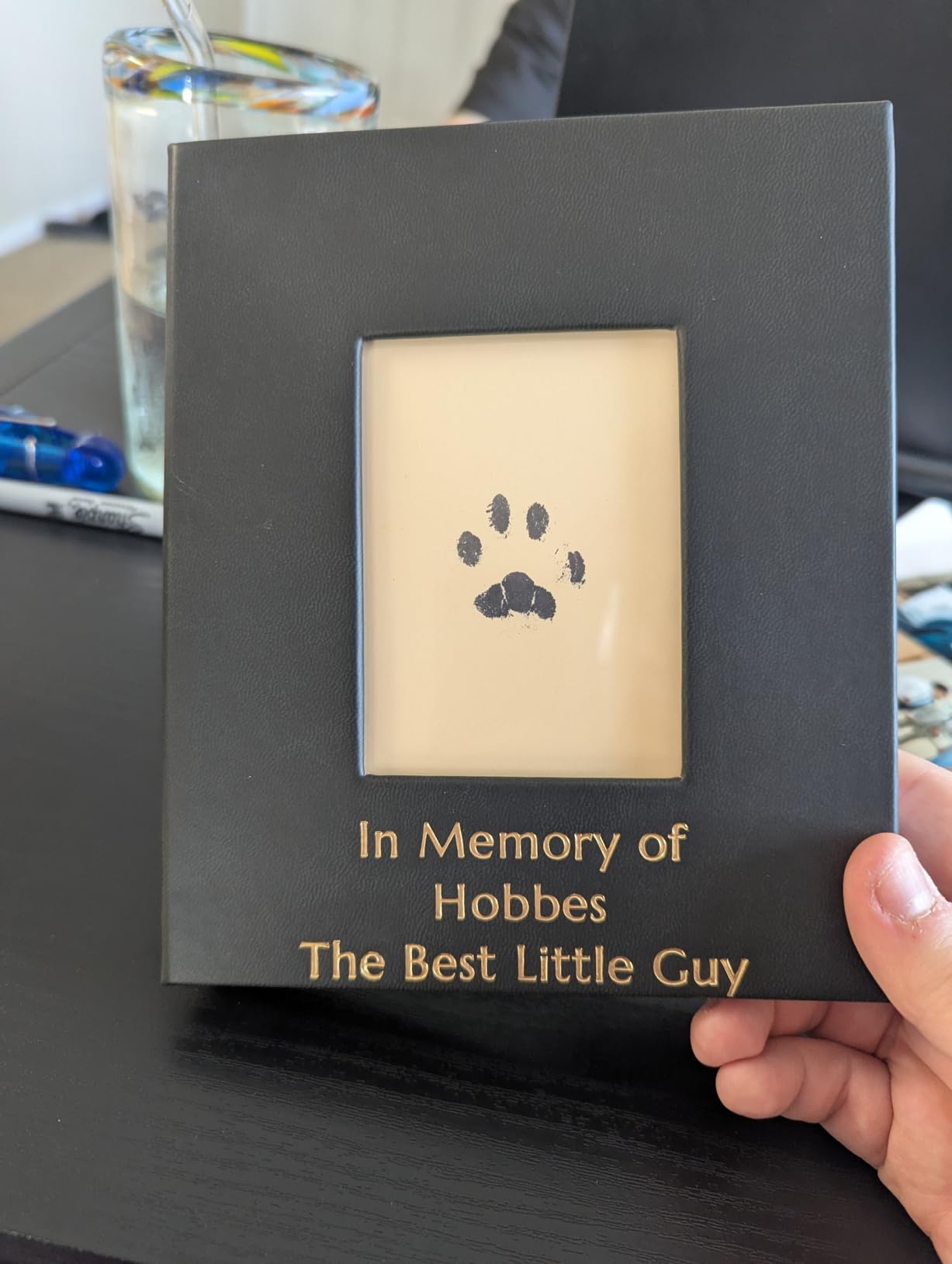
Memorial Books: Artifact Uprising for the archival quality and elegant presentation. These books become family heirlooms, making longevity worth the premium investment. The dignified presentation honors the significance of the memories being preserved.
Budget Planning Tips
For Shutterfly, timing your purchase around promotions can cut costs by 50% or more effectively. Sign up for emails, follow their social media accounts, and never pay full price if you can wait. Stack free page offers with percentage discounts for maximum savings on larger books.
For Artifact Uprising, budget for the listed price with modest discount expectations. Their consistent pricing means less strategic shopping but more predictable costs for planning. Consider ordering during holiday promotions for the best available deals, typically 10-15% off.
Factor in all costs when comparing services: base price, additional pages, logo removal for Shutterfly, cover upgrades, and shipping fees. The total often differs significantly from advertised starting prices that assume minimum configurations.
Common Problems and Solutions
Based on forum discussions and personal experience, here are common issues users encounter with each service and practical ways to address them.
Shutterfly Common Issues
Logo on back cover: Budget the $9.99 removal fee into your total cost from the start, or accept the branding if it doesn’t bother you personally. Some users work around this creatively by designing a custom back cover image that incorporates the logo artfully.
Overwhelming options: Start with auto-fill to establish a basic layout quickly, then customize selectively rather than exploring every possibility. Resist the temptation to explore every template and sticker option available. Set a design time limit to avoid decision paralysis.
Color accuracy issues: Calibrate your monitor before designing, and order a test book with sample photos before committing to large projects. Adjust expectations for consumer-grade printing and understand some variation is normal.
Promo code confusion: Read terms carefully, as some promotions cannot be combined with others. Free page offers sometimes require minimum purchase amounts. Check expiration dates before starting your design to avoid disappointment.
Artifact Uprising Common Issues
No text on pages: Add text to images before upload using photo editing software on your computer or phone. Plan your narrative structure before starting the design process. Consider creating title cards in design software to include as images within your book.
Longer wait times: Order well in advance for time-sensitive gifts and occasions. Consider rush production options for urgent needs, though they add cost. Track your order and plan delivery timing accordingly.
Limited layout options: Embrace the constraint as a feature rather than a limitation. Focus on photo selection and curation rather than elaborate page designs. The minimal approach often produces stronger, more timeless results.
Higher cost perception: Calculate cost per year of expected lifespan for perspective. Archival books lasting decades offer better long-term value than books requiring replacement. Consider the occasion importance when evaluating price.
Alternative Photo Book Services to Consider
While this comparison focuses on Shutterfly and Artifact Uprising, other services deserve mention for specific needs and use cases.
Mixbook: Often considered the middle ground between Shutterfly’s customization and Artifact Uprising’s quality. Modern templates, good print quality, and moderate pricing make it a strong alternative for many users who want balance between options.
Google Photos: The simplest option for casual users who want quick results. Basic but functional design tools, affordable pricing, and seamless integration with Google’s photo ecosystem. Quality is acceptable but not premium.
Miller’s Professional Imaging: Professional lab quality for serious photographers. Requires professional account but delivers exceptional results. Worth considering for portfolio work and client gifts where quality is paramount.
WHCC (White House Custom Colour): Another professional-grade option with excellent color accuracy and premium materials. Popular among professional photographers for client deliverables and personal work.
Blurb: Strong option for self-publishing photo books, particularly for photographers wanting to sell their work. Offers distribution options beyond personal use that other services don’t provide.
FAQ: Shutterfly vs Artifact Uprising Photo Books
What company makes the best quality photo books?
Artifact Uprising produces the highest quality photo books among mainstream services available today. Their archival paper, accurate color reproduction, layflat binding, and premium cover options create professional-grade books that serious photographers appreciate. For special occasions like weddings or professional portfolios, Artifact Uprising delivers exceptional results that justify the premium price.
Is Artifact Uprising worth the money?
Yes, Artifact Uprising is worth the money for important projects where quality matters. The superior print quality, archival materials, and elegant presentation make it ideal for wedding albums, milestone celebrations, and professional portfolios. For casual everyday photo books, the premium may not be necessary, but for keepsakes meant to last generations, Artifact Uprising delivers excellent long-term value.
Is there a better option than Shutterfly?
Better depends entirely on your priorities and budget. For higher quality, Artifact Uprising surpasses Shutterfly in print reproduction and materials significantly. For similar pricing with different features, Mixbook offers strong competition with modern templates. For professional needs, services like Miller’s or WHCC provide lab-quality results. Shutterfly remains competitive for budget-conscious users who value customization options.
Is Mixbook or Shutterfly better for photo books?
Mixbook and Shutterfly serve similar markets with different strengths worth considering. Mixbook offers more modern template designs and generally better print quality at comparable prices. Shutterfly provides more decorative elements, frequent discounts, and a larger template library overall. For design flexibility on a budget, Shutterfly wins. For contemporary aesthetics and consistent quality, Mixbook has the edge.
What is the best site to make a photo book?
The best site depends on your specific needs and priorities. For premium quality: Artifact Uprising. For value and customization: Shutterfly or Mixbook. For modern design: Mixbook. For speed: Shutterfly. For professional portfolios: Artifact Uprising or professional labs. Consider your budget, timeline, and quality requirements to choose the right service for your project.
How long does shipping take for Shutterfly vs Artifact Uprising?
Shutterfly typically ships within 5-7 business days for standard orders, with rush options available for 2-3 day delivery at extra cost. Artifact Uprising requires 7-14 business days for standard orders due to their handcrafted production process. Plan ahead when ordering from Artifact Uprising, especially for time-sensitive gifts or occasions.
Can I add text inside Artifact Uprising photo books?
No, Artifact Uprising does not allow text directly on interior pages through their design tool. To include captions or descriptions, you must add text to your images before uploading using external photo editing software. This constraint aligns with their minimalist design philosophy that emphasizes photos over text throughout.
Why is Artifact Uprising more expensive than Shutterfly?
Artifact Uprising costs more because they use archival-quality paper, premium cover materials like linen and leather, eco-friendly production processes, and USA-based manufacturing. Their handcrafted approach requires more production time than mass-market services. The higher price reflects genuine quality differences in materials and construction that produce books designed to last generations.
Final Verdict: Shutterfly vs Artifact Uprising Photo Books
After extensive testing of both services across multiple projects and years of use, my recommendation is clear: choose based on your project’s importance and your available budget.
Choose Artifact Uprising for: Wedding albums, milestone celebrations, professional portfolios, and any project where quality trumps cost considerations. The archival materials, exceptional print quality, and elegant presentation create keepsakes worthy of your most important memories. The premium price reflects genuine value that becomes apparent when you hold the finished book.
Choose Shutterfly for: Everyday photo books, family yearbooks, casual gifts, and projects where budget matters more than premium materials. Extensive customization options and aggressive discounting make Shutterfly the practical choice for frequent photo book creators who want flexibility without high costs.
In this Shutterfly vs Artifact Uprising photo books comparison, both services excel in their respective niches without directly competing. Neither is universally better for all situations. The right choice depends entirely on what you’re creating, who will receive it, and what matters most to you personally.
My personal approach after years of using both services? I use Artifact Uprising for wedding gifts, milestone birthdays, and my best travel photography projects. I use Shutterfly for annual family books, quick gifts, and experimental projects where I want creative freedom without significant investment. Having both services available gives me flexibility to match quality and cost to each project’s significance.
Whichever service you choose after reading this comparison, the most important step is simply starting. Your photos deserve to be printed and enjoyed rather than buried in digital storage where they’re rarely seen. Both Shutterfly and Artifact Uprising will help you create meaningful keepsakes from your memories that will bring joy for years to come.