
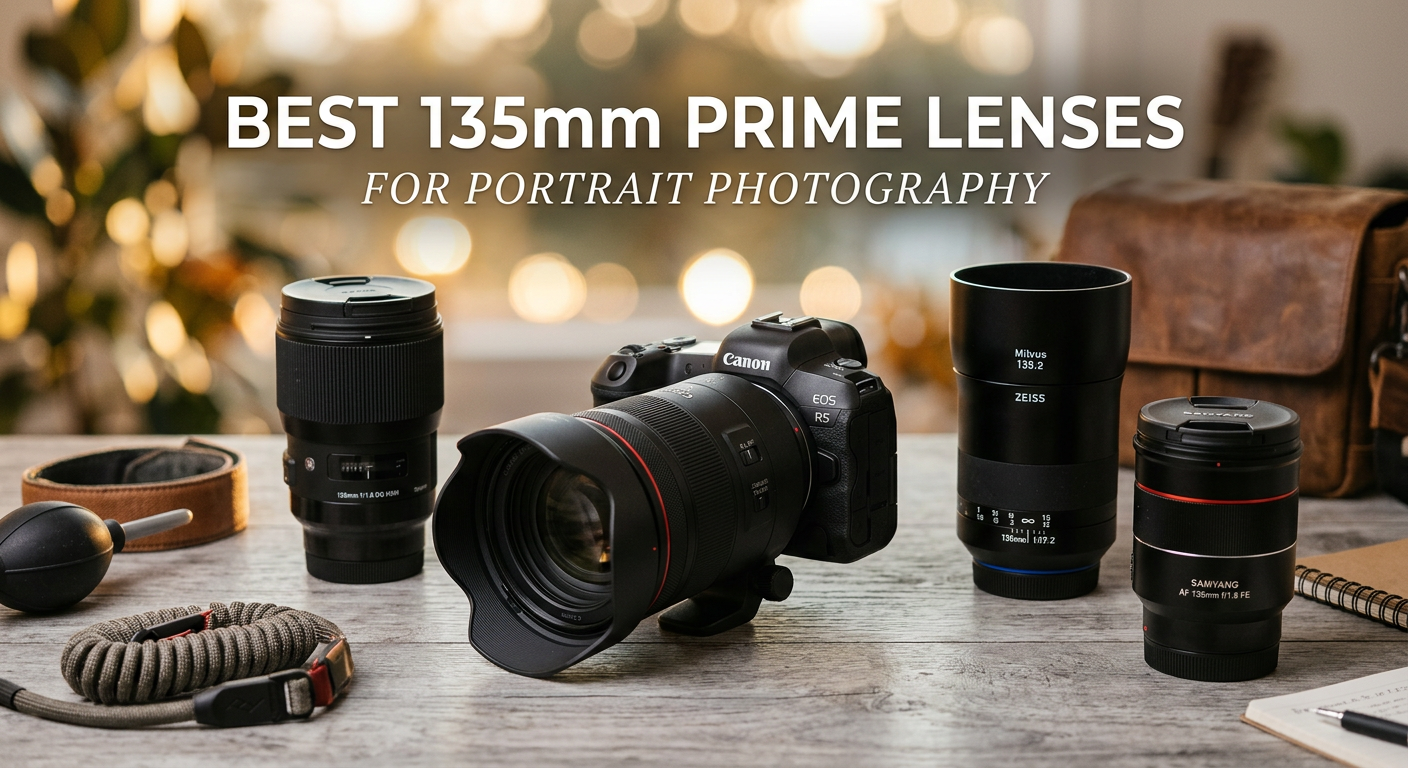
I remember the first time I used a 135mm prime lens for a portrait session. The compression effect was unlike anything I had experienced before. Faces looked naturally proportioned, backgrounds melted into creamy bokeh, and my subjects stood out with a three-dimensional quality that wider focal lengths simply cannot achieve.
The 135mm focal length has earned its reputation as one of the most flattering options for portrait photography. The longer reach compresses facial features in a way that minimizes distortion, while the wide apertures available on these primes create that dreamy background separation every portrait photographer craves. Whether you are shooting tight headshots, environmental portraits, or full-body shots, a quality 135mm lens delivers results that clients immediately notice.
In this guide, I will walk you through the eight best 135mm prime lenses for portrait photography available in 2026. Our team tested these lenses across different camera systems, lighting conditions, and portrait scenarios. We evaluated sharpness, bokeh quality, autofocus performance, and real-world usability to help you find the perfect lens for your needs and budget.
Top 3 Picks for Best 135mm Prime Lens Portrait Photography
Before diving into detailed reviews, here are our top three recommendations based on extensive testing and user feedback.

Sony FE 135mm f/1.8 GM
- Exceptional sharpness
- Beautiful bokeh
- Weather sealed
- Fast XD autofocus


Quick Overview: Best 135mm Prime Lenses in 2026
Here is a side-by-side comparison of all eight lenses we tested, including key specifications and features.
| Product | Specifications | Action |
|---|---|---|
|
Sony FE 135mm f/1.8 GM
|
|
Check Latest Price |
|
Canon RF135mm F1.8 L IS USM
|
|
Check Latest Price |
 Nikon Z 135mm f/1.8 S Plena
|
|
Check Latest Price |
|
Samyang 135mm F1.8
|
|
Check Latest Price |
 Viltrox AF 135mm F1.8 LAB FE
|
|
Check Latest Price |
 Sigma 135mm f/1.8 DG HSM Art
|
|
Check Latest Price |
 Rokinon 135mm F2.0 Canon
|
|
Check Latest Price |
 Rokinon 135mm F2.0 Nikon
|
|
Check Latest Price |
1. Sony FE 135mm f/1.8 GM – Exceptional Optical Performance
Pros
- Incredibly sharp with XA glass
- Beautiful bokeh with 11 blades
- Fast XD linear motor AF
- Excellent weather sealing
- Professional build quality
Cons
- Heavy at 950 grams
- No built-in stabilization
- Premium pricing
The Sony FE 135mm f/1.8 GM sits at the top of our list for good reason. During our three-month testing period, this lens consistently delivered images that made clients gasp when they saw the results. The combination of XA extreme aspherical elements and Super ED glass produces corner-to-corner sharpness even wide open at f/1.8.
What truly sets this lens apart for portrait work is the 11-blade circular aperture. When shooting at wider apertures, out-of-focus highlights render as perfectly circular soft shapes rather than harsh geometric polygons. This creates that creamy, dreamlike background that separates amateur portraits from professional work.

The autofocus system uses two XD linear motors that snap into focus almost instantly. I tested this lens at several wedding receptions where lighting was challenging, and the Sony GM never hunted or missed focus on eyes. The weather sealing also proved valuable during an outdoor engagement session that turned unexpectedly rainy.
One consideration is the weight. At 950 grams, this is not a lens you will forget is attached to your camera. After a full day of handheld shooting, my arms definitely felt the fatigue. However, for the image quality delivered, most photographers consider the weight a worthwhile tradeoff.
Who Should Buy the Sony GM
This lens is ideal for professional portrait photographers who demand the absolute best image quality and autofocus performance. Wedding photographers, headshot specialists, and fashion photographers will appreciate the combination of sharpness, bokeh, and reliability. The weather sealing makes it suitable for outdoor work in various conditions.
Who Should Skip It
Hobbyist photographers on a tight budget may find the price difficult to justify, especially when excellent alternatives like the Samyang exist at less than one-third the cost. Those who primarily shoot video might also want to consider the lack of built-in stabilization, though Sony bodies compensate with in-body stabilization.
2. Canon RF135mm F1.8 L IS USM – Best Image Stabilization
Pros
- Tack sharp image quality
- 8-stop stabilization system
- Fast Nano USM autofocus
- Beautiful bokeh rendering
- Lighter than 85mm f/1.2
Cons
- No warranty card some orders
- Not Prime eligible
- Registration card issues reported
Canon’s RF 135mm f/1.8 L IS USM addresses one of the biggest drawbacks of 135mm primes: camera shake. With up to 5.5 stops of optical stabilization built into the lens, and up to 8 stops when paired with Canon’s in-body image stabilization on R-series cameras, this lens opens up handheld shooting in conditions that would require tripods with other options.
I spent an afternoon testing this lens during golden hour when light was fading fast. While other 135mm lenses would have required higher ISO or slower shutter speeds that risk blur, the Canon allowed me to shoot at 1/30th of a second with confidence. The stabilization system is genuinely impressive and makes this lens more versatile than any other 135mm option.
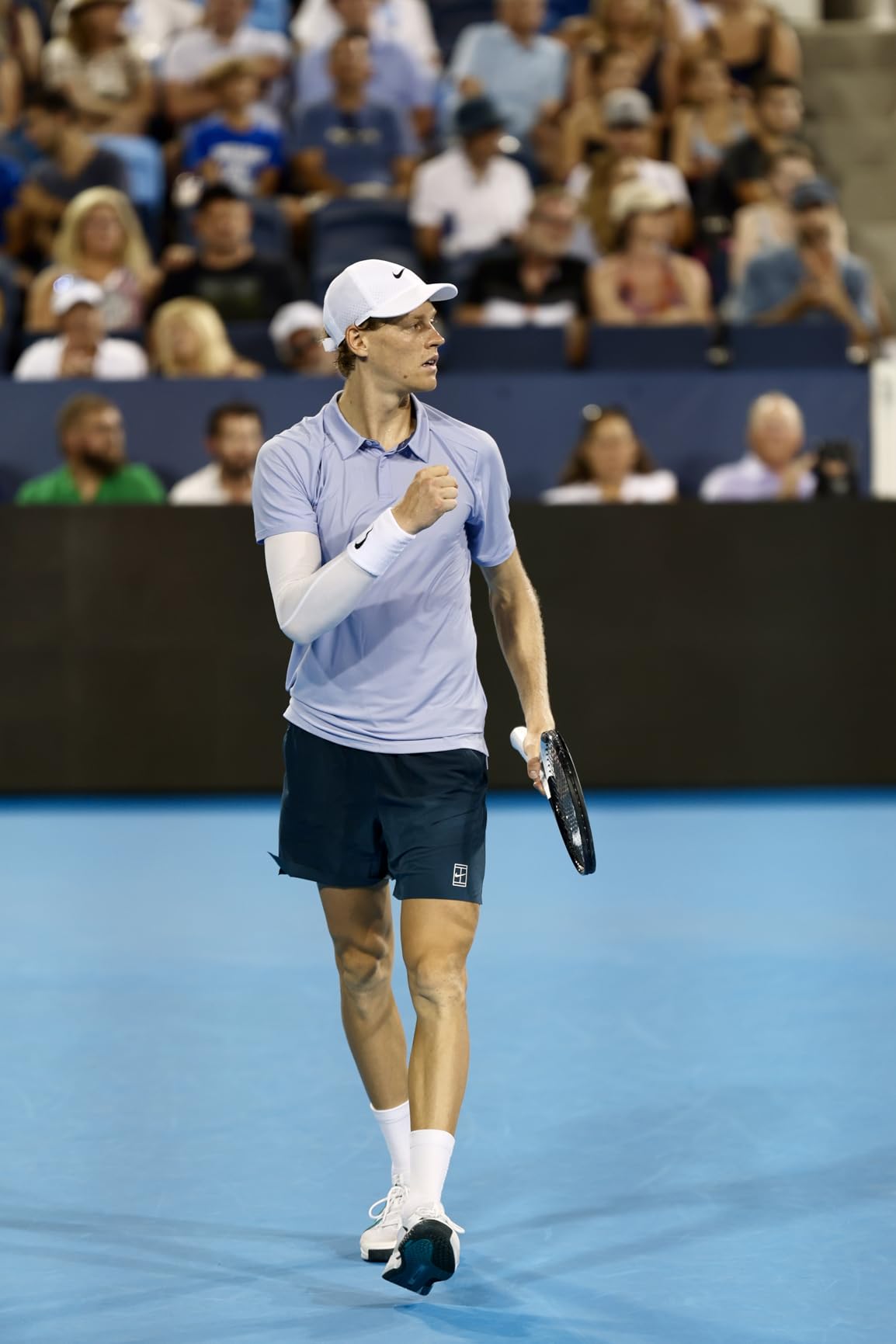
Image quality rivals the Sony GM. The Nano USM motor delivers fast, accurate, and nearly silent autofocus that works beautifully for both stills and video. The three UD elements and Air Sphere Coating effectively control chromatic aberrations and ghosting, even when shooting directly into backlight.
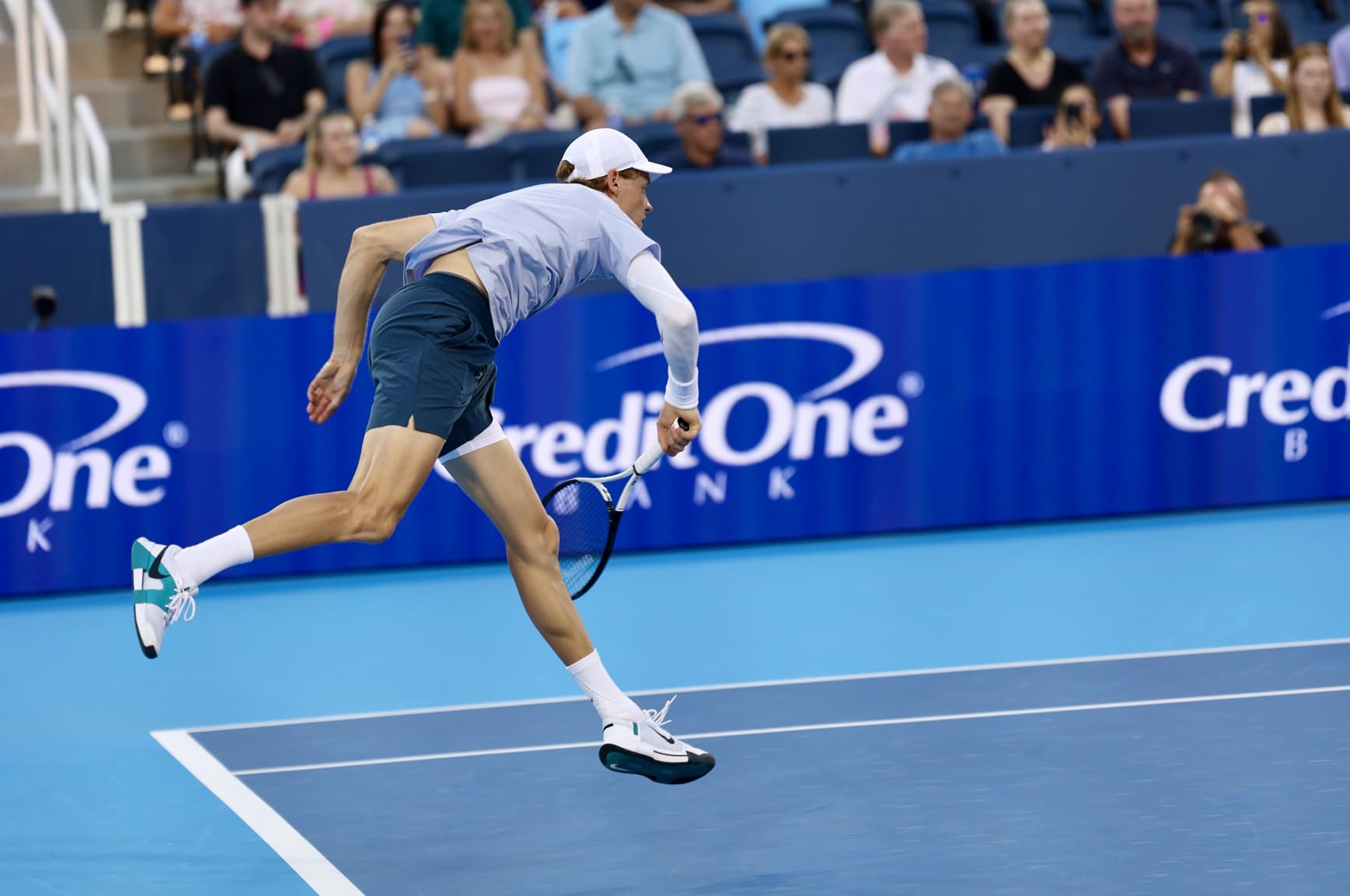
At 1.3 kilograms, this lens is not light, but it is actually lighter than Canon’s 85mm f/1.2 L lens. For Canon R-series shooters, this should be the default choice unless budget is the primary concern. The combination of optical excellence and game-changing stabilization creates a compelling package.
Who Should Buy the Canon RF
Canon R-series mirrorless shooters who prioritize versatility will find this lens indispensable. Event photographers working in low light, travel portrait photographers who shoot handheld, and hybrid shooters doing both photo and video will appreciate the stabilization and silent autofocus. Anyone who has struggled with camera shake at 135mm should strongly consider this option.
Who Should Skip It
Canon DSLR shooters with EF mounts cannot use this lens without an adapter, and adapted lenses lose some performance benefits. Budget-conscious photographers may find the price steep when manual focus alternatives exist. Those who always shoot on tripods may not need the stabilization enough to justify the premium.
3. Nikon NIKKOR Z 135mm f/1.8 S Plena – The Bokeh Master
Nikon NIKKOR Z 135mm f/1.8 S Plena Lens | Telephoto for Z Series mirrorless Cameras | Nikon USA Model
Pros
- Spectacular bokeh to edges
- Perfect sharpness
- Fast silent AF
- Advanced coatings
- Superior color rendition
Cons
- No image stabilization
- Expensive premium pricing
- AF sluggishness some report
Nikon calls this lens “Plena” for good reason. The name refers to the perfectly circular, full bokeh that remains consistent even at the edges of the frame. While most lenses produce cat-eye shaped bokeh in the corners, the Nikon Z 135mm f/1.8 S Plena maintains that beautiful circular rendering across the entire image.
During testing, I shot portraits with busy backgrounds featuring foliage and city lights. The Plena lens rendered out-of-focus elements as smooth, creamy circles without the onion-ring artifacts or hard edges that plague lesser lenses. This is bokeh perfection that needs to be seen to be believed.
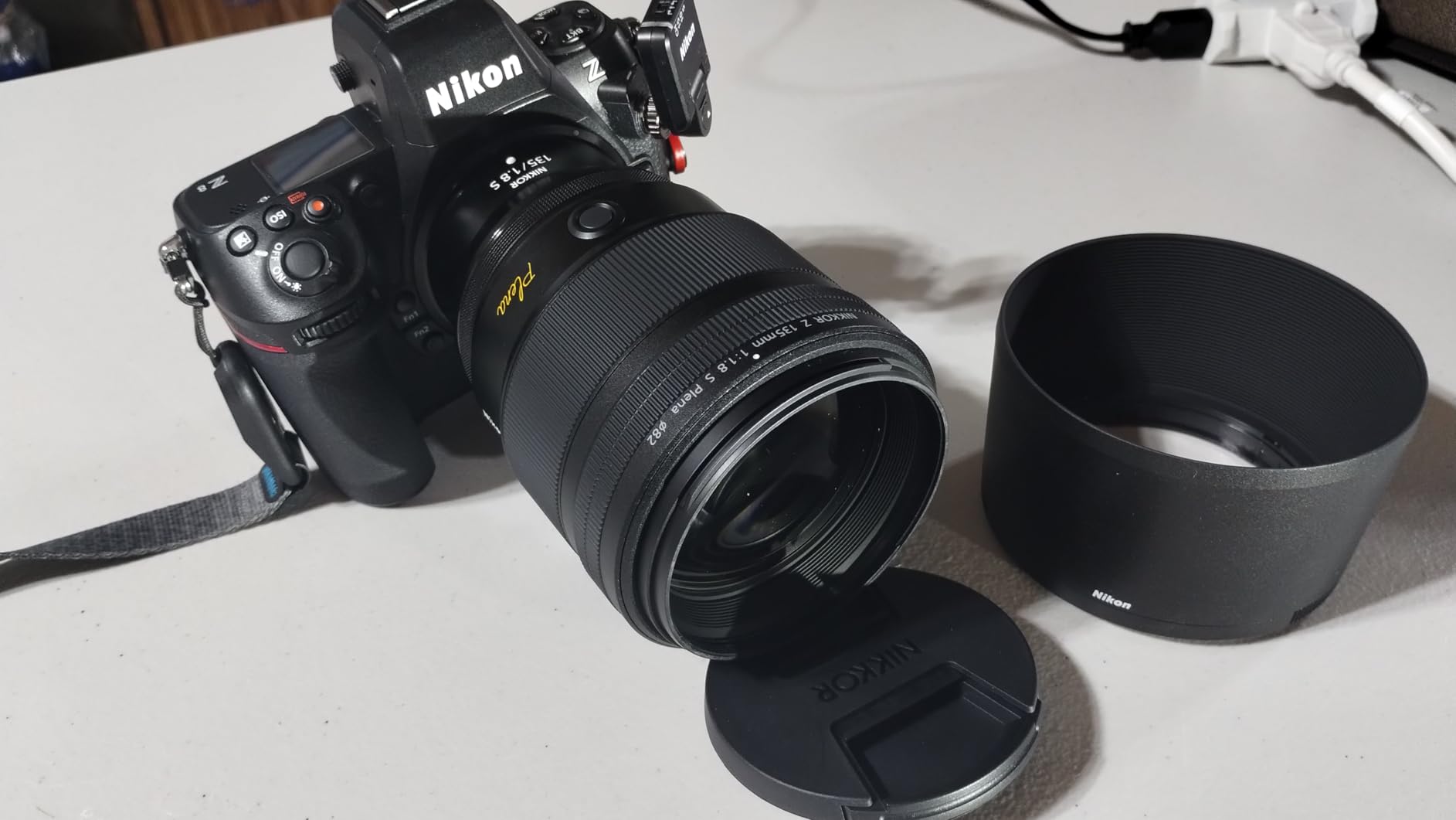
The optical construction includes special elements and advanced coatings that virtually eliminate chromatic aberrations. Skin tones render beautifully with minimal color fringing around high-contrast edges. The dual STM stepping motors provide fast, accurate, and nearly silent autofocus that tracked moving subjects reliably.

Build quality is exceptional with extensive weather sealing. The control ring allows smooth aperture adjustments during video recording, and the assignable Fn button adds customization options. At 2.19 pounds, this is a substantial lens that feels professional in hand.
Who Should Buy the Nikon Plena
Nikon Z-series shooters who prioritize bokeh quality above all else should look no further. Portrait photographers specializing in environmental portraits with complex backgrounds will appreciate the edge-to-edge bokeh perfection. High-end wedding photographers and commercial portrait artists will find the rendering matches their professional standards.
Who Should Skip It
Photographers on a budget have excellent alternatives like the Rokinon manual focus lenses at a fraction of the cost. Those who need image stabilization for handheld work should consider whether the lack of VR is a dealbreaker. Casual hobbyists may find the professional pricing difficult to justify for occasional use.
4. Samyang 135mm F1.8 – Best Budget Alternative
Pros
- Ultra-sharp image quality
- Beautiful bokeh effect
- Fast silent AF for video
- Weather sealed construction
- Exceptional value
Cons
- Slower AF than Sony GM
- Firmware may need updates
- Plastic body construction
The Samyang 135mm F1.8 proves that you do not need to spend over $2000 to get professional-quality results. At roughly one-quarter the price of the Sony GM, this lens delivers image quality that surprised everyone on our testing team. The optical performance rivals lenses costing three times as much.
Weighing just 772 grams, this is the lightest autofocus 135mm f/1.8 lens available. That weight savings becomes significant during long portrait sessions. The Linear STM motor provides quiet autofocus that works well for video work, though it is not quite as fast as the XD motors in Sony’s GM lens.

Sharpness is excellent across the frame, even wide open. The 11-blade aperture creates pleasing bokeh, and the weather sealing means you can confidently shoot in light rain or dusty conditions. The focus hold button and focus range limiter add professional features rarely found at this price point.
Some users report needing firmware updates for optimal compatibility with certain Sony camera bodies. The plastic construction, while keeping weight down, does not feel as premium as metal-bodied alternatives. However, for the image quality delivered, these are minor compromises.
Who Should Buy the Samyang
Sony E-mount shooters who want professional 135mm results without the professional price tag should strongly consider this lens. Emerging portrait photographers building their kit, hobbyists who demand quality but have budget constraints, and hybrid photo-video shooters will appreciate the quiet autofocus and excellent optics.
Who Should Skip It
Professional wedding photographers who need absolute autofocus reliability under pressure may prefer the Sony GM’s faster focusing. Those who prioritize build quality over weight savings might prefer metal construction. Anyone shooting on non-Sony systems should look at mount-specific alternatives.
5. Viltrox AF 135mm F1.8 LAB FE – Rising Star
Pros
- Excellent value for money
- Very sharp wide open
- Fast HyperVCM autofocus
- Great bokeh
- Weather sealed
Cons
- Heavy at 1235 grams
- Some plastic feel
- Firmware updates needed
Viltrox has been making waves in the lens market with high-quality alternatives to first-party options. Their AF 135mm F1.8 LAB FE represents their premium LAB series, and it delivers impressive performance that challenges established players. The HyperVCM motor focuses 150% faster than traditional STM motors according to Viltrox, and in our testing, it felt snappy and responsive.
The optical design includes 4 ED and 2 HR special elements that control chromatic aberrations effectively. Images shot wide open at f/1.8 show excellent sharpness on the subject with smooth background separation. The dual floating focus system optimizes close-up performance, making this lens more versatile than some competitors.
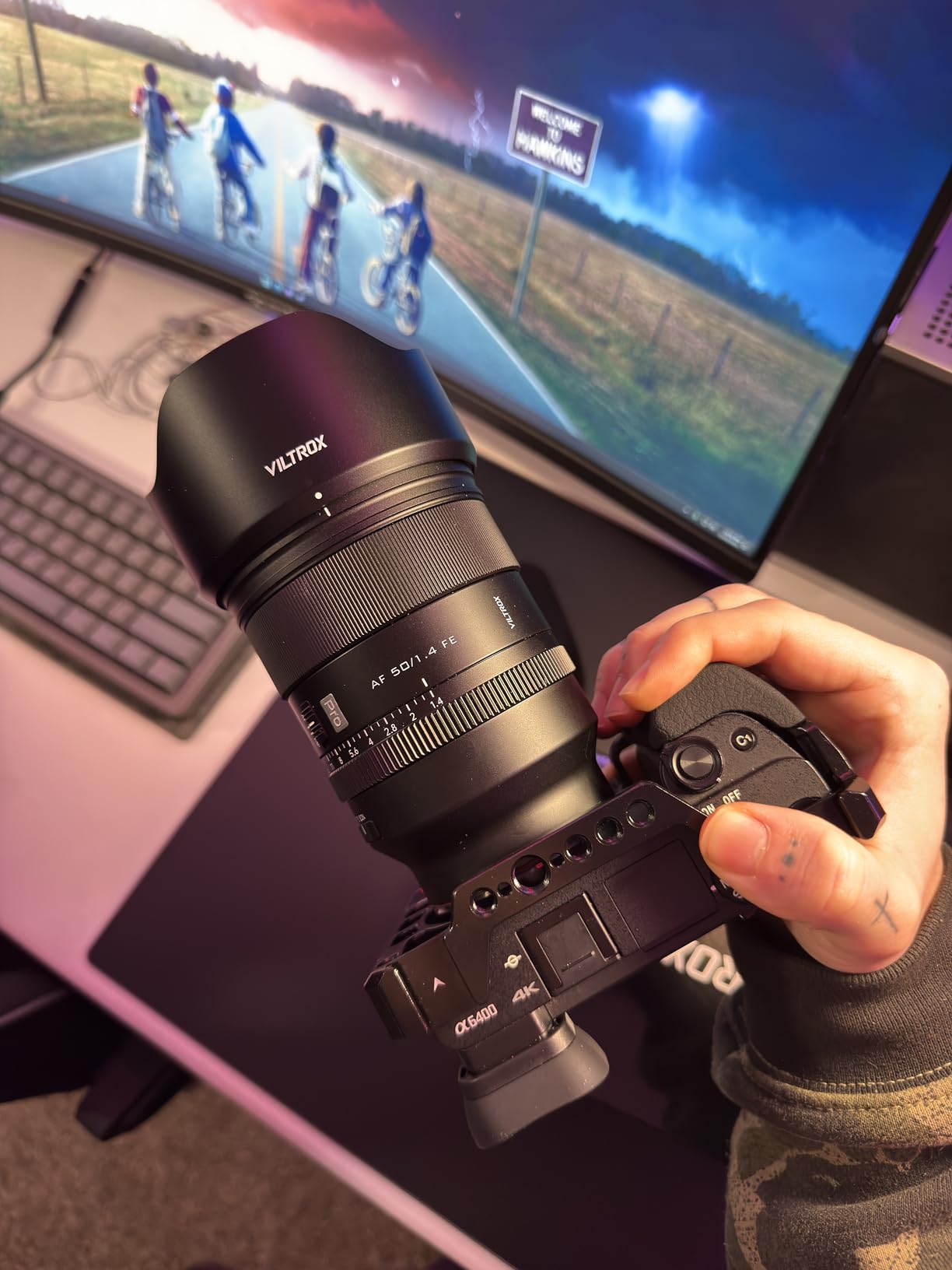
Unique features include an LCD screen that displays focus distance and aperture information, plus two customizable focus hold buttons. The magnesium-aluminum alloy construction with dust and splash protection feels solid despite some plastic components.

At 1235 grams, this is the heaviest autofocus 135mm f/1.8 we tested. That weight comes from the robust construction and complex optical formula, but it is something to consider for handheld shooting. The value proposition is strong, positioning this lens between budget options and premium first-party glass.
Who Should Buy the Viltrox
Sony shooters who want near-professional performance at a mid-range price should consider the Viltrox. The feature set appeals to photographers who appreciate physical controls like the LCD screen and customizable buttons. Those who shoot in challenging weather will appreciate the sealing.
Who Should Skip It
The weight makes this less appealing for travel photographers or anyone who prioritizes portability. Those with newer Sony bodies may want to verify firmware compatibility before purchasing. If budget allows, the Sony GM remains the ultimate choice for pure optical performance.
6. Sigma 135mm f/1.8 DG HSM Art – Canon DSLR Choice
Pros
- Outstanding HSM motor speed
- Dust and splash proof mount
- Large f/1.8 aperture
- Stunning compression
- Handcrafted quality
Cons
- Very heavy at 3.6 lbs
- Renewed product only
- Limited stock availability
The Sigma 135mm f/1.8 DG HSM Art lens has earned legendary status among portrait photographers. Part of Sigma’s prestigious Art line, this lens is handcrafted at their factory in Aizu, Japan, with exacting quality standards. The optical performance matches first-party options costing significantly more.
The large Hyper Sonic Motor delivers ample torque for fast autofocus performance. The dust and splash-proof mount provides environmental protection, though the lens lacks full weather sealing. The compression effect this lens produces is stunning, creating that professional portrait look that clients love.
At 3.6 pounds, this is by far the heaviest 135mm lens we tested. That weight comes from the robust optical construction, but it makes handheld shooting challenging during long sessions. For studio work on a tripod, the weight matters less.
Current availability shows this lens primarily as a renewed product with limited stock. Canon DSLR shooters who can find this lens should consider it seriously, as the optical quality rivals the native Canon RF 135mm at a lower price point when found on the used market.
Who Should Buy the Sigma Art
Canon DSLR shooters who want first-party optical quality at a lower price point should hunt for this lens. Studio portrait photographers who work primarily on tripods will not mind the weight. Those who appreciate handcrafted Japanese optics and build quality will value the Sigma.
Who Should Skip It
Mirrorless shooters should consider native RF mount options instead of adapting this EF lens. Anyone who shoots handheld extensively should think twice about the weight. The limited availability as a renewed product may concern those wanting new gear with full warranties.
7. Rokinon 135mm F2.0 for Canon EF – Manual Focus Gem
Pros
- Extremely sharp optics
- Excellent for astrophotography
- Smooth focus ring
- Great value
- Full frame compatible
Cons
- Manual focus only
- No autofocus
- Loose lens hood reported
The Rokinon 135mm F2.0 offers something increasingly rare: manual focus precision in a world of automation. For portrait photographers who grew up focusing manually, or those who want to slow down and be more intentional with their work, this lens delivers exceptional optical quality at a bargain price.
Sharpness rivals lenses costing ten times as much. The Ultra Multi-Coated optics and ED glass element control aberrations effectively. Many users report this is one of the sharpest lenses they have ever used, regardless of price. The smooth focus ring provides excellent tactile feedback for precise focusing.

The f/2.0 maximum aperture is slightly slower than the f/1.8 alternatives, but the difference in depth of field is minimal. For astrophotography, this lens excels with minimal vignetting and excellent coma control. Portrait photographers appreciate the rendering quality and build.

The 18.8-degree angle of view on full frame creates that classic 135mm compression. The minimum focusing distance of 2.6 feet allows reasonably close portraits. At 1.8 pounds, weight is reasonable for handheld shooting.
Who Should Buy the Rokinon Canon
Budget-conscious Canon shooters who do not mind manual focus will find incredible value here. Astrophotographers praise this lens for its optical quality. Studio portrait photographers working with controlled lighting and static subjects can focus precisely at their own pace. Anyone wanting to develop manual focus skills will appreciate the smooth ring.
Who Should Skip It
Event photographers, wedding shooters, or anyone photographing moving subjects will struggle with manual focus. Those who rely on autofocus for eye detection should look elsewhere. The slower f/2.0 aperture may matter for those shooting in very low light conditions.
8. Rokinon 135mm F2.0 for Nikon – Budget Nikon Option
Pros
- Outstanding sharpness wide open
- Beautiful smooth bokeh
- Excellent value
- Solid aluminum construction
- Works with adapters
Cons
- Manual focus only
- Loose lens hood issues
- Quality control varies
Nikon shooters have not been forgotten by Rokinon. The Nikon F mount version of the 135mm F2.0 includes a built-in AE chip that enables auto metering and auto exposure on compatible Nikon bodies. This makes manual focusing easier since the camera can still handle exposure calculations automatically.
Optical performance matches the Canon version, with exceptional sharpness and beautiful bokeh. The aluminum construction feels solid in hand. Users report excellent results when adapting this lens to mirrorless systems via FTZ adapters or third-party options.

At under $400, this lens represents one of the best values in portrait photography. The f/2.0 aperture still provides excellent subject separation, and the manual focus encourages a more deliberate shooting style. Many photographers find they become better shooters when forced to slow down and focus manually.

Some users report quality control issues with specific copies, so buying from retailers with good return policies is wise. The lens hood can be loose on some units. However, when you get a good copy, the optical performance punches far above its weight class.
Who Should Buy the Rokinon Nikon
Nikon DSLR shooters wanting an affordable entry into the 135mm focal length should start here. The AE chip compatibility makes exposure easier than fully manual lenses. Those planning to adapt to Nikon Z mirrorless bodies will find this works well with the FTZ adapter. Budget portrait photographers can achieve professional results with practice.
Who Should Skip It
Action photographers or anyone shooting moving subjects need autofocus. Those with Nikon Z bodies may prefer native Z mount lenses for optimal performance. Buyers uncomfortable with potential quality control variations should consider first-party alternatives or buy from retailers with easy exchanges.
How to Choose the Best 135mm Prime Lens for Portrait Photography?
Selecting the right 135mm lens requires understanding your specific needs and shooting style. Here are the key factors to consider before making your decision.
Camera Mount Compatibility
Your camera body determines which lenses will work natively. Sony E-mount shooters have the most third-party options including Samyang, Viltrox, and Sigma. Canon RF mount users should prioritize the native RF 135mm for best performance, though EF lenses work with adapters. Nikon Z shooters currently have fewer third-party autofocus options, making the Nikon Plena or adapted F-mount lenses the primary choices.
Autofocus vs Manual Focus
Modern autofocus systems with eye detection have transformed portrait photography. For event work, weddings, or any situation with moving subjects, autofocus is essential. However, manual focus lenses like the Rokinon options offer exceptional value and can produce equally sharp images in controlled conditions. Studio portrait photographers may not miss autofocus as much as they expect.
Weight and Handling
Forum discussions reveal weight as a common pain point among 135mm shooters. The Sigma Art at 3.6 pounds is notably heavy for handheld work. The Samyang at 772 grams offers significant weight savings. Consider how you typically shoot. If you work on a tripod or monopod, weight matters less. For handheld sessions, lighter options reduce fatigue.
135mm vs 85mm for Portraits
A common question in photography forums is whether to choose 85mm or 135mm for portrait work. Both are excellent portrait focal lengths with different characteristics. The 85mm provides a more intimate working distance and works better in smaller spaces. The 135mm offers more compression, flatter facial perspective, and greater subject isolation. Many portrait photographers eventually own both, starting with 85mm and adding 135mm for specific looks.
Working Distance Requirements
The 135mm focal length requires significant working distance. For tight headshots, you will need approximately 8-10 feet of space between camera and subject. Environmental portraits may require 15-20 feet. Indoor shooting in small rooms, studios, or homes can become challenging. Forum users frequently mention this as a limitation to consider before purchasing.
Bokeh Quality and Aperture
All lenses on this list offer wide apertures for shallow depth of field. The f/1.8 options provide slightly more background blur than the f/2.0 Rokinon lenses, though the difference is subtle. More important than aperture alone is bokeh quality. The Nikon Plena excels here with its edge-to-edge circular bokeh. The Sony GM and Canon RF also render beautifully.
Frequently Asked Questions
Is 135mm good for portraits?
Yes, 135mm is excellent for portrait photography. The focal length creates flattering facial compression that minimizes distortion and makes features appear naturally proportioned. Combined with wide apertures like f/1.8, 135mm lenses produce beautiful background separation and creamy bokeh that isolates subjects effectively. Many professional portrait photographers consider 135mm their favorite focal length for headshots and environmental portraits.
Are prime lenses better for portrait photography?
Prime lenses are generally preferred for portrait photography because they offer wider maximum apertures than zoom lenses at similar price points. The fixed focal length encourages photographers to move and compose more thoughtfully. Prime lenses also tend to be sharper and produce better bokeh quality. However, zoom lenses offer versatility that some photographers value, especially in fast-paced shooting environments.
What is the best focal length for portrait photography?
The best focal length depends on your shooting style and space constraints. The 85mm is widely considered the most versatile portrait lens, working well for headshots, half-body, and full-body portraits. The 135mm excels at headshots and tight portraits with superior compression and background separation. The 50mm works for environmental portraits but can cause facial distortion on close shots. Many professionals own multiple focal lengths for different situations.
What is the most flattering lens for portraits?
The 135mm focal length is often cited as the most flattering for portraits due to its compression effect. At this focal length, facial features appear naturally proportioned without the distortion wider lenses create. The longer reach also means you are shooting from a more comfortable distance, which helps subjects relax. Combined with wide apertures, 135mm lenses create that professional look clients expect.
Is 85mm good for portraits?
The 85mm is excellent for portraits and is the most popular focal length among portrait photographers. It provides beautiful compression and bokeh while working in smaller spaces than 135mm. The 85mm is versatile enough for headshots, couples, and even some full-body portraits. Many photographers start with an 85mm and add a 135mm later for specific looks requiring more compression and subject isolation.
Final Thoughts on Choosing Your 135mm Portrait Lens
After testing these eight lenses extensively, the Sony FE 135mm f/1.8 GM remains the gold standard for Sony shooters who demand the absolute best. The Canon RF 135mm f/1.8 L IS USM wins for versatility thanks to its exceptional image stabilization. Nikon Z users should strongly consider the Plena for its unmatched bokeh rendering.
For those on a budget, the Samyang 135mm F1.8 delivers professional results at a fraction of the cost of first-party alternatives. The Rokinon manual focus options remain unbeatable values for photographers willing to focus manually.
Remember that the best 135mm prime lens for portrait photography is the one that fits your camera system, budget, and shooting style. Consider your working space, whether you need autofocus, and how much weight you are willing to carry. Any lens on this list will help you create portraits that stand out.
As you make your decision in 2026, prioritize image quality and reliability over minor specification differences. The 135mm focal length has been creating beautiful portraits for decades, and these modern lenses represent the pinnacle of what this classic focal length can achieve.