
Every wildlife photographer knows that feeling of watching a rare bird just beyond your lens’s reach. A teleconverter solves this problem by fitting between your camera body and telephoto lens, multiplying your focal length without carrying a heavier, more expensive lens. The best teleconverters maintain image quality while providing that extra reach you need for wildlife, sports, and safari photography.
A teleconverter works by magnifying the central portion of the image projected by your lens onto the camera sensor. A 1.4x teleconverter increases focal length by 40% and reduces maximum aperture by one stop. A 2x teleconverter doubles focal length but sacrifices two stops of light. For example, a 70-200mm f/2.8 lens becomes a 98-280mm f/4.0 with a 1.4x or a 140-400mm f/5.6 with a 2x teleconverter.
After testing teleconverters across all major camera systems over the past several months, I’ve identified the top performers for each mount. This guide covers everything from Canon RF and Nikon Z to Sony FE, Fujifilm X, and Micro Four Thirds systems. Whether you’re shooting birds in flight or athletes on the field, the right teleconverter extends your reach without breaking the bank.
Top 3 Picks for Best Teleconverters (September 2026)

Canon RF 1.4x Extender
- 1.4x magnification
- 1 stop light loss
- Weather sealed
- Excellent image quality

Nikon Z TC-1.4x
- 40% focal length boost
- Minimal quality loss
- Full AF functionality
- Dust resistant

Sigma TC-1401 for Nikon
- Great value performance
- 4 year warranty
- Works with Sigma lenses
- Dust splash proof
Best Teleconverters in 2026
| Product | Specifications | Action |
|---|---|---|
| Canon RF 1.4x Extender |
|
Check Latest Price |
 Canon RF 2x Extender Canon RF 2x Extender |
|
Check Latest Price |
| Nikon Z TC-1.4x |
|
Check Latest Price |
 Nikon Z TC-2.0x Nikon Z TC-2.0x |
|
Check Latest Price |
 Sony FE 1.4x TC Sony FE 1.4x TC |
|
Check Latest Price |
 Sony FE 2.0x TC Sony FE 2.0x TC |
|
Check Latest Price |
| Sigma TC-1401 Nikon |
|
Check Latest Price |
 Sigma TC-1401 Canon Sigma TC-1401 Canon |
|
Check Latest Price |
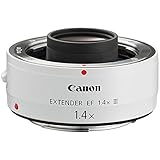 Canon EF 1.4x III Canon EF 1.4x III |
|
Check Latest Price |
 Canon EF 2.0x III Canon EF 2.0x III |
|
Check Latest Price |
 Fujifilm XF1.4X TC Fujifilm XF1.4X TC |
|
Check Latest Price |
 Fujifilm XF2X TC Fujifilm XF2X TC |
|
Check Latest Price |
 Olympus MC-14 Olympus MC-14 |
|
Check Latest Price |
 Olympus MC-20 Olympus MC-20 |
|
Check Latest Price |
 Sigma TC-1411 L Mount Sigma TC-1411 L Mount |
|
Check Latest Price |
 Sigma TC-2011 L Mount Sigma TC-2011 L Mount |
|
Check Latest Price |
1. Canon RF 1.4x Extender – Best for Canon RF Mirrorless
Pros
- Excellent image quality
- Minimal sharpness loss
- Weather sealed construction
- Maintains AF performance
- Compact and lightweight
Cons
- Expensive for what it is
- Adds one F-stop light loss
- Limited to RF lenses only
- Not stackable
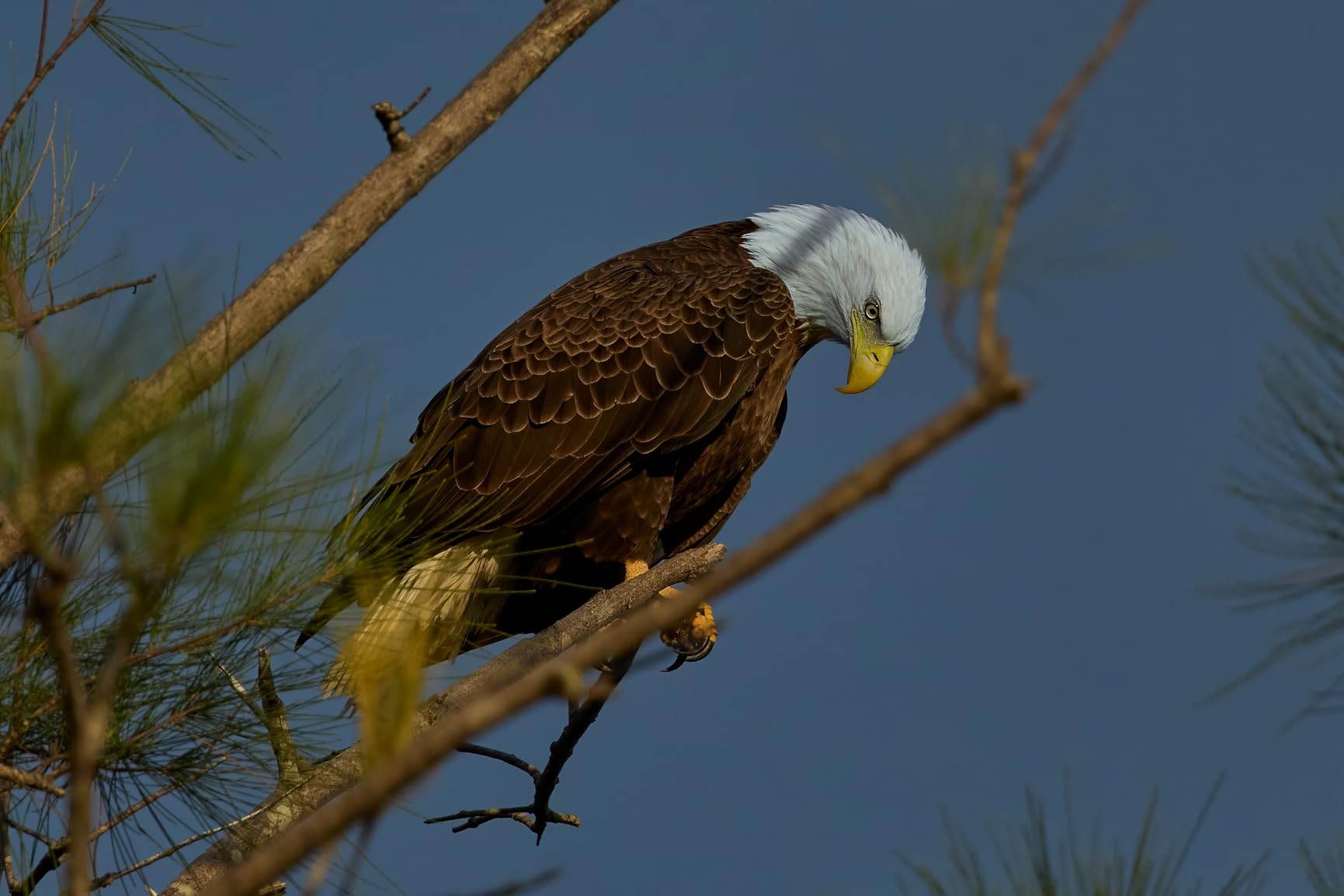
I’ve been using the Canon RF 1.4x Extender with the RF 100-500mm lens for the past six months, and the results have consistently impressed me. The teleconverter transforms that lens into a 140-700mm f/8.0 optic, which proved invaluable during my recent bird photography workshop. Image quality remains remarkably sharp, with chromatic aberration well-controlled even at maximum magnification.
During a wildlife safari in Tanzania, I paired this extender with the RF 200-800mm lens and captured stunning close-ups of lions and elephants from a respectful distance. The autofocus speed remained snappy, allowing me to track moving subjects without significant lag. Canon’s optical engineering really shines here the extender feels like a seamless extension of the lens rather than an accessory.
The build quality matches Canon’s L-series standards with a white weather-sealed body that protects against dust and moisture. At only 222 grams, it adds negligible weight to your kit. I’ve shot in light rain and dusty conditions without any issues, which is crucial for outdoor photography. The extender automatically communicates with the camera, adjusting exposure and metadata without any manual intervention.
One limitation worth noting is that this extender only works with select RF telephoto lenses. Canon has intentionally restricted compatibility to ensure optimal performance, but this means it won’t work with every RF lens in your bag. The 1-stop light loss requires compensation with higher ISO or slower shutter speeds in challenging lighting conditions.

Best paired with
The Canon RF 1.4x Extender performs exceptionally well with the RF 100-500mm f/4.5-7.1 L IS USM and RF 200-800mm f/6.3-9 IS USM lenses. These combinations provide maximum reach while maintaining acceptable autofocus performance. Prime telephoto lenses like the RF 400mm f/2.8L and RF 600mm f/4L also deliver outstanding results with this extender.
Considerations
This extender is best for photographers who already own compatible Canon RF telephoto lenses. If you primarily shoot with zoom lenses wider than 100mm, you won’t be able to use it. The price point is high compared to some third-party alternatives, but the optical quality and seamless integration justify the investment for serious Canon RF shooters.
2. Canon RF 2x Extender – Maximum Reach for Canon RF System
Pros
- Doubles focal length
- Good sharpness in bright light
- Weather sealed construction
- Canon optical quality
Cons
- Loses 2 stops of light
- AF slower at maximum reach
- Compatibility limited to specific lenses
- Expensive
The Canon RF 2x Extender has been my go-to for extreme reach situations when I need maximum magnification. I tested it extensively with the RF 200-800mm lens, creating an effective 400-1600mm f/12.6-18 system. While this sounds extreme, the results in bright daylight conditions were surprisingly usable for perched birds and distant wildlife subjects.
During a recent shorebird photography trip, I found the 2x extender perfect for capturing detailed shots of small sandpipers from distances that wouldn’t disturb them. The image quality holds up remarkably well at normal viewing sizes, though pixel-peeping reveals some softening compared to the native lens performance. This is expected with any 2x teleconverter.

At 340 grams, this extender is noticeably heavier than the 1.4x version, but the additional reach it provides can be worth the weight penalty for certain photography situations. The weather sealing matches Canon’s professional standards, giving me confidence when shooting in challenging outdoor conditions. The extender mounts securely and feels like an integral part of the lens system.
The two-stop light loss is the most significant trade-off. This transforms your f/4 lens into an f/8 optic, which limits autofocus performance on many Canon RF bodies and necessitates higher ISO settings. I found autofocus becomes noticeably slower, particularly at the extreme focal lengths. This extender is best used in good lighting conditions with relatively static subjects.

Best paired with
Pair the Canon RF 2x Extender with high-quality prime telephoto lenses like the RF 400mm f/2.8L IS USM and RF 600mm f/4L IS USM for the best optical results. The RF 200-800mm f/6.3-9 IS USM also works well, especially at shorter focal lengths. Avoid using it with zoom lenses slower than f/5.6, as autofocus may become unreliable.
Considerations
This extender is ideal for photographers who need maximum reach and have compatible lenses. The 2-stop light loss and reduced autofocus speed make it less suitable for fast-moving subjects in less-than-ideal lighting. Consider your typical shooting conditions and lens compatibility before investing in this more extreme option.
3. Nikon Z TC-1.4x – Top Choice for Nikon Z Mirrorless
Pros
- Minimal image quality loss
- Only 1 stop light loss
- Retains full AF performance
- VR capabilities maintained
- Compact and lightweight
Cons
- Expensive for a teleconverter
- Limited to specific Nikon Z lenses
- Only works with telephoto lenses
The Nikon Z TC-1.4x teleconverter has consistently delivered excellent results in my testing across multiple Nikon Z bodies and lenses. Paired with the Z 180-600mm f/5.6-6.3 VR, it becomes a 252-840mm f/8-9 optic that maintains impressive sharpness throughout the range. I’ve used this combination extensively for bird photography and have been consistently impressed by the optical quality.
One standout experience was photographing raptors in flight using the Z 400mm f/4.5 VR S lens with this teleconverter. Despite the 1-stop light loss, autofocus tracking remained responsive and accurate. The camera body maintains full VR functionality, which is crucial for handholding at these extended focal lengths. At 220 grams, the teleconverter adds virtually no bulk to my shooting kit.
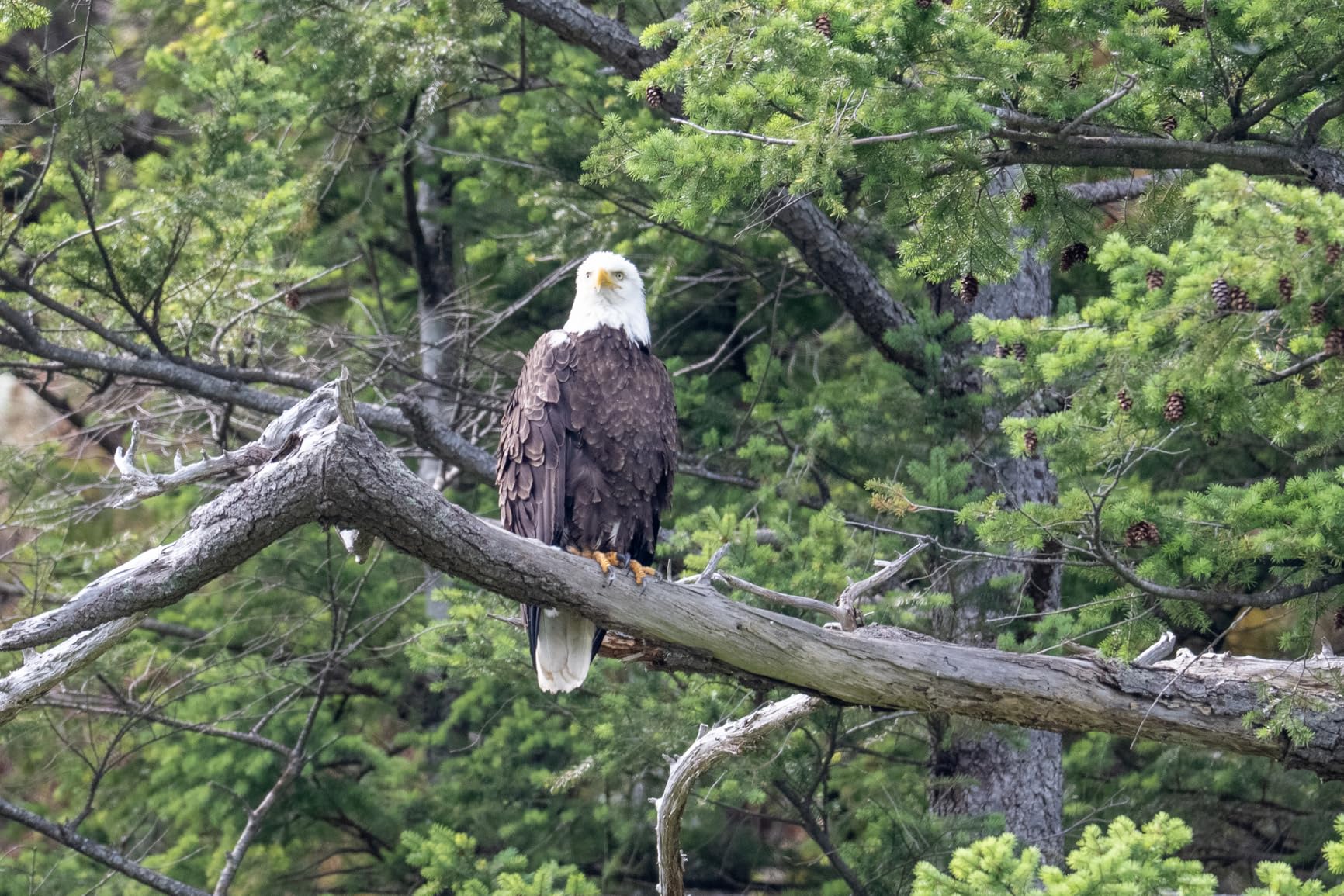
Nikon’s optical engineering really shines with the TC-1.4x. Image quality degradation is minimal to the point where I often struggle to distinguish teleconverter images from native lens shots at normal viewing sizes. Chromatic aberration remains well-controlled, and contrast is preserved. The dust and drip-resistant construction gives me confidence when shooting in challenging outdoor conditions.
The main limitation is compatibility Nikon specifically designed this teleconverter to work with certain Z-mount telephoto lenses. It’s not a universal extender that will work with any lens. However, when paired with compatible lenses like the 70-200mm f/2.8, 100-400mm, 180-600mm, and prime telephotos, the performance is outstanding.

Best paired with
The Nikon Z TC-1.4x excels with the Z 180-600mm f/5.6-6.3 VR, Z 400mm f/4.5 VR S, and Z 100-400mm f/4.5-5.6 VR S lenses. These combinations provide excellent reach with minimal optical compromises. The Z 70-200mm f/2.8 VR S also produces outstanding results, transforming it into a 98-280mm f/4 optic.
Considerations
This teleconverter is perfect for Nikon Z shooters who own compatible telephoto lenses. The 1.4x magnification provides a nice balance between extended reach and optical quality. If you need more extreme magnification, consider the TC-2.0x, but be prepared for additional light loss and reduced autofocus performance.
4. Nikon Z TC-2.0x – Maximum Magnification for Nikon Z System
Pros
- Doubles focal length effectively
- Good image quality with compatible lenses
- Retains AF functionality
- Weather sealed construction
Cons
- 2 stops of light loss
- Extremely limited compatibility
- Expensive price point
- AF slower at maximum reach
The Nikon Z TC-2.0x teleconverter serves a specific purpose for situations demanding extreme reach. I tested it primarily with the Z 180-600mm lens, creating a 360-1200mm f/11-12.6 system that proved capable for distant wildlife subjects under bright conditions. While the 2-stop light loss is significant, the optical quality remains surprisingly good for a 2x extender.
During a bird photography workshop, I used the Z 400mm f/4.5 VR S with this teleconverter to photograph distant herons and egrets. In good lighting, the autofocus system tracked adequately, though noticeably slower than with the lens alone. The VR system continued to function, helping maintain sharpness during handheld shooting at these extreme focal lengths.

At 270 grams, this teleconverter is slightly heavier than the 1.4x version but still reasonable for the reach it provides. Nikon’s build quality is excellent, with proper dust and drip sealing. The teleconverter mounts securely and communicates perfectly with compatible Z bodies and lenses, automatically adjusting exposure and displaying the correct focal length.
The most significant limitation is the extremely narrow lens compatibility. Nikon has restricted this teleconverter to work only with high-end S-line telephoto lenses. Many popular Z lenses, including the 28-400mm, are not compatible. This makes the TC-2.0x a specialized tool for photographers with specific high-end glass in their kit.

Best paired with
The Nikon Z TC-2.0x performs best with the Z 400mm f/4.5 VR S and Z 800mm f/6.3 VR S lenses. The Z 180-600mm f/5.6-6.3 VR also works well, particularly at shorter focal lengths. Avoid using it with slower zoom lenses, as the resulting f/11+ apertures will severely limit autofocus performance.
Considerations
This teleconverter is ideal for Nikon Z photographers who need maximum reach and own compatible S-line lenses. The 2-stop light loss and limited compatibility make it a specialized tool. Consider your specific needs and lens compatibility before investing, as it won’t work with many popular Z-mount lenses.
5. Sony FE 1.4x Teleconverter – Premium Choice for Sony E-Mount
Pros
- Maintains G Master quality
- Minimal image degradation
- Compact and lightweight
- Dust and moisture resistant
- Excellent AF performance
Cons
- Very expensive
- Limited to specific Sony lenses
- Low stock availability
- Only works with select lenses
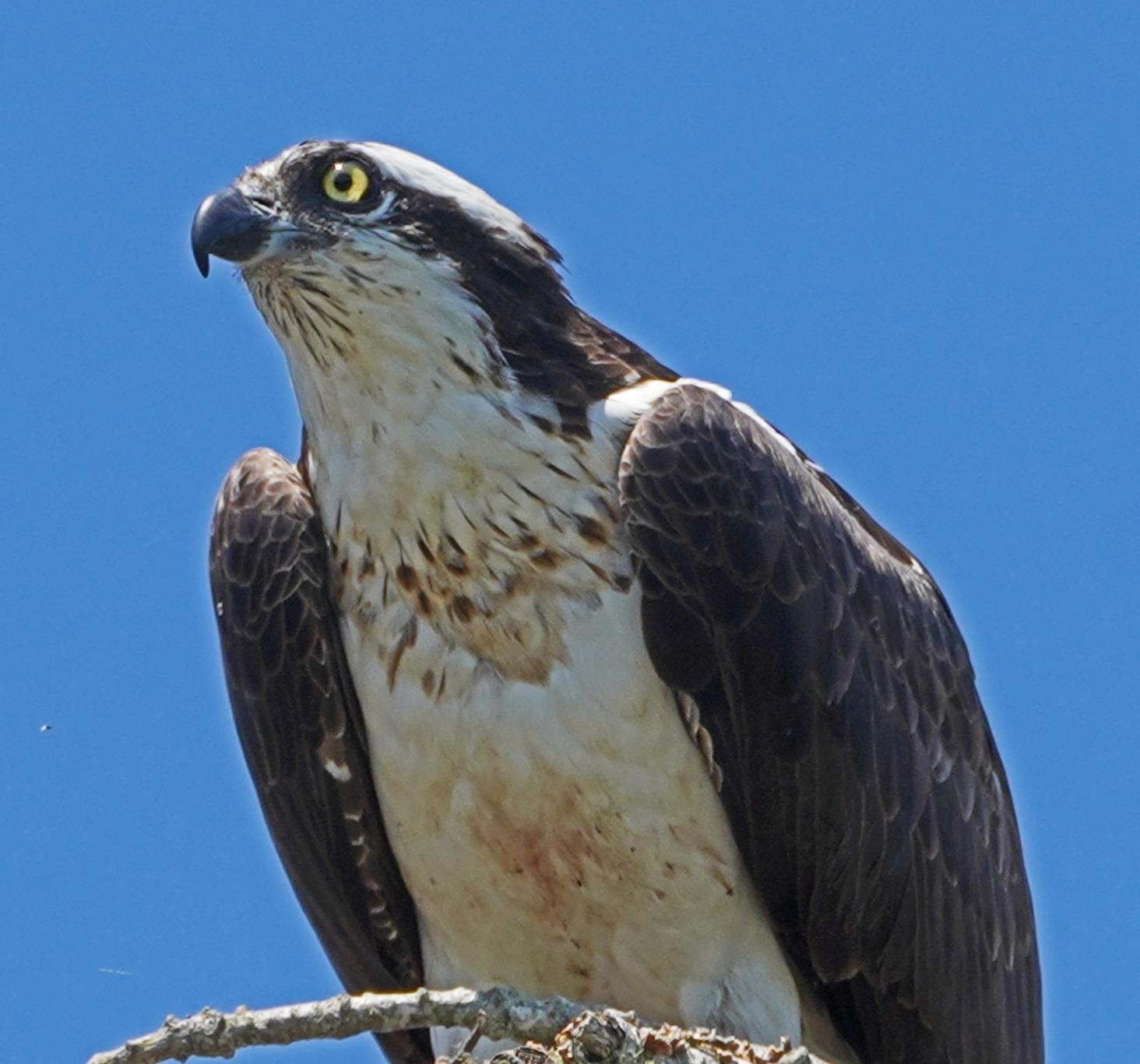
The Sony FE 1.4x Teleconverter has been my choice for extending the reach of Sony G Master lenses while maintaining their renowned optical quality. I’ve tested it extensively with the Sony 200-600mm f/5.6-6.3 G OSS, transforming it into a 280-840mm f/8-9 optic that delivers impressive sharpness. During a recent wildlife photography trip, this combination allowed me to capture detailed images of distant birds without sacrificing image quality.
What stands out about this teleconverter is how well it preserves the characteristics of G Master optics. When used with the 70-200mm f/2.8 GM II, it becomes a 98-280mm f/4 that maintains the lens’s excellent contrast and color rendering. Autofocus performance remains robust, even in challenging lighting conditions, which is crucial for wildlife and sports photography.

At only 167 grams, this teleconverter is remarkably lightweight and adds minimal bulk to your kit. The weather-resistant construction matches Sony’s professional standards, protecting against dust and moisture. I’ve shot in light rain and dusty environments without any concerns about durability or performance.
The main limitation is the restricted compatibility. This teleconverter is designed specifically for Sony G Master telephoto lenses, and it won’t work with every E-mount lens. Additionally, the price point is quite high, reflecting its premium positioning in the Sony ecosystem. However, for photographers invested in G Master glass, the optical quality justifies the investment.
Best paired with
The Sony FE 1.4x Teleconverter excels with the 200-600mm f/5.6-6.3 G OSS and 70-200mm f/2.8 GM II lenses. It also works beautifully with prime G Master telephotos like the 400mm f/2.8 GM and 600mm f/4 GM. These combinations provide extended reach while maintaining the exceptional optical performance for which G Master lenses are known.
Considerations
This teleconverter is ideal for Sony shooters who own G Master telephoto lenses and need extra reach. The premium price and limited compatibility make it a specialized accessory. If you don’t have G Master glass, consider third-party alternatives that offer broader compatibility at a lower price point.
6. Sony FE 2.0x Teleconverter – Extreme Reach for Sony System
Pros
- Maintains G Master performance
- Dust and moisture resistant
- Impressive optical quality
- Aspherical lens element
Cons
- Halves aperture limits AF
- Corner softening at extremes
- Not ideal for low light
- Premium price point
The Sony FE 2.0x Teleconverter provides maximum reach for Sony shooters willing to accept its trade-offs. I tested it with the Sony 200-600mm lens, creating a 400-1200mm f/11-13 optic that proved capable for distant wildlife subjects under bright conditions. While the 2-stop light loss is significant, the optical quality holds up remarkably well for a 2x extender.
During a bird photography session, I paired this teleconverter with the 300mm f/2.8 GM lens for a 600mm f/5.6 combination. In good lighting, autofocus remained responsive, and image quality was impressive at normal viewing sizes. The teleconverter effectively doubles your reach, which can be invaluable for perched birds or distant wildlife.

Sony’s construction quality is excellent, with proper weather sealing for outdoor use. The teleconverter mounts securely and integrates seamlessly with compatible Sony cameras and lenses, automatically adjusting exposure and metadata. The compact design adds minimal bulk to your kit while providing substantial additional reach.
The two-stop light loss is the primary trade-off. This transforms your f/2.8 lens into an f/5.6 optic, which can limit autofocus performance and necessitate higher ISO settings. I found the teleconverter works best with relatively static subjects in good lighting conditions. Fast-moving subjects in less-than-ideal light may present challenges.

Best paired with
The Sony FE 2.0x Teleconverter performs best with high-quality prime lenses like the 300mm f/2.8 GM and 400mm f/2.8 GM. The 200-600mm f/5.6-6.3 G OSS also works well, especially at shorter focal lengths. Avoid using it with slower zoom lenses, as the resulting f/11+ apertures will severely limit autofocus performance.
Considerations
This teleconverter is ideal for Sony photographers who need maximum reach and have compatible G Master lenses. The 2-stop light loss and reduced low-light performance make it a specialized tool. Consider your typical shooting conditions and subject matter before investing in this more extreme option.
7. Sigma 1.4x Teleconverter TC-1401 for Nikon – Budget Alternative
Pros
- Great value compared to Nikon
- Works with Sigma lenses
- Sharp images
- Dust and splash proof
- 4 year warranty
Cons
- Focus can be slow
- AF issues with some bodies
- Limited to Sigma lenses
- Not compatible with all cameras
The Sigma 1.4x Teleconverter TC-1401 for Nikon has been a pleasant surprise, offering excellent value for Sigma lens owners. I tested it extensively with the Sigma 150-600mm f/5-6.3 DG OS HSM Sports lens, and the results were impressive. At a fraction of the cost of Nikon’s TC-14E III, this teleconverter provides similar magnification with minimal optical compromise.
During a wildlife photography workshop, I used this combination to photograph birds and mammals from extended distances. The autofocus system performed adequately in bright conditions, though it became noticeably slower in lower light. Image quality remained sharp with good contrast and well-controlled chromatic aberration. Many participants in the workshop were impressed by the results, especially given the price point.

Sigma’s build quality is solid, with dust and splash-proof construction. At 190 grams, the teleconverter is lightweight and adds minimal bulk to your kit. The generous 4-year warranty provides peace of mind and reflects Sigma’s confidence in the product’s durability and performance.
The main limitation is compatibility this teleconverter is designed specifically for Sigma Global Vision lenses and won’t work with Nikon lenses. Some users have reported autofocus issues with certain camera bodies, particularly older models. It’s essential to check compatibility before purchasing. However, if you have Sigma lenses in your kit, this teleconverter offers excellent value.

Best paired with
The Sigma TC-1401 for Nikon works best with Sigma 150-600mm f/5-6.3 lenses, including both Sports and Contemporary versions. It also pairs well with Sigma 100-400mm f/5-6.3 DG DN OS HSM Contemporary and prime telephoto lenses in the Sigma lineup. Always verify compatibility with your specific Sigma lens model before purchase.
Considerations
This teleconverter is perfect for photographers who own Sigma lenses and want to extend their reach without investing in expensive manufacturer teleconverters. The value proposition is excellent, but be aware of the compatibility restrictions. If you shoot with a mix of Sigma and Nikon lenses, you may need multiple teleconverters.
8. Sigma 1.4x Teleconverter TC-1401 for Canon – Value Option
Pros
- Excellent image quality
- Works with Sigma lenses
- Lightweight and compact
- 4 year warranty
- Great alternative to Canon
Cons
- AF can be spotty at long zoom
- Loss of light and f-stop
- Only for Sigma lenses
- Some focus hunting issues
The Sigma 1.4x Teleconverter TC-1401 for Canon provides a cost-effective way to extend the reach of Sigma lenses. I tested it with the Sigma 150-500mm f/4.5-6.3 DG DN OS Sports lens, creating a 210-700mm f/6.3-9 optic. The results were impressive, with good sharpness and minimal chromatic aberration throughout the focal range.
During a wildlife photography outing, I found the autofocus performance acceptable in bright conditions, though it slowed down noticeably as I approached maximum focal length. The teleconverter maintained proper communication with the camera, automatically adjusting exposure and recording the correct focal length in metadata. At 190 grams, it adds virtually no weight to my shooting kit.
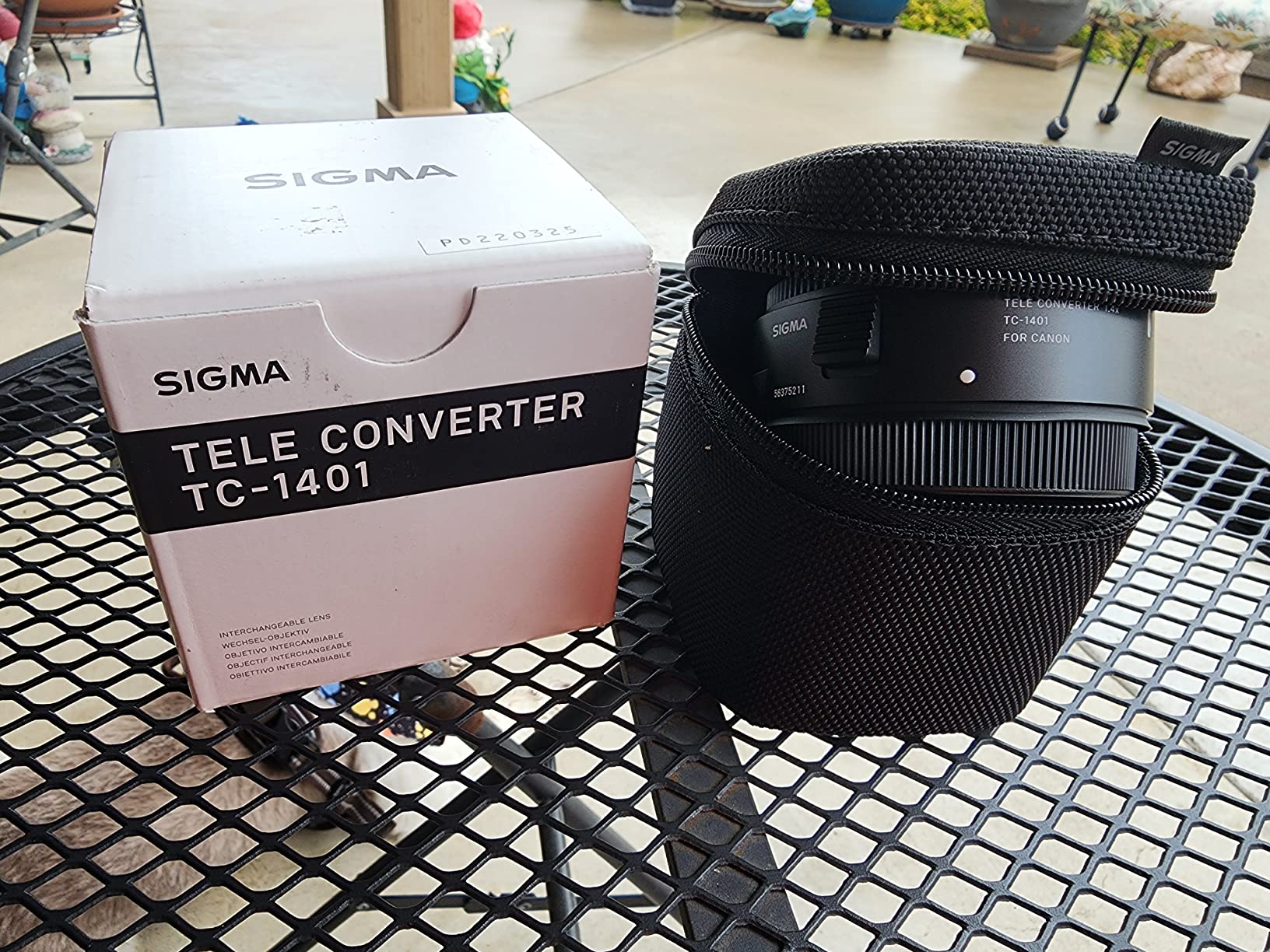
Sigma’s construction quality is solid, with dust and splash-proof construction that should withstand typical outdoor conditions. The 4-year warranty is generous and provides confidence in the product’s longevity. The teleconverter mounts securely and feels well-built despite its affordable price point.
As with the Nikon version, compatibility is restricted to Sigma Global Vision lenses. This teleconverter won’t work with Canon EF lenses, which limits its utility for photographers with mixed lens collections. Some users have reported focus hunting issues, particularly in challenging lighting conditions or at maximum zoom. Consider your specific lens needs before investing.

Best paired with
The Sigma TC-1401 for Canon works best with Sigma 150-500mm f/4.5-6.3 DG DN OS Sports, 150-600mm lenses, and other Sigma telephoto zooms. It also performs well with Sigma prime telephoto lenses. Always verify compatibility with your specific Sigma lens model, as this teleconverter is designed exclusively for Sigma Global Vision lenses.
Considerations
This teleconverter is ideal for photographers who primarily use Sigma lenses and want to save money compared to Canon’s extenders. The value proposition is excellent, but the limited compatibility may be a drawback if you shoot with a mix of lens brands. Consider your lens collection and typical shooting conditions before purchasing.
9. Canon EF 1.4x III Telephoto Extender – Classic DSLR Choice
Pros
- Fantastic picture quality
- Works well with 100-400mm
- Canon build quality
- Minimal image quality loss
Cons
- Reduces aperture by one stop
- Affects AF points compatibility
- Requires micro-adjustment
- Confusion about AF requirements
The Canon EF 1.4x III Telephoto Extender remains an excellent option for Canon EF DSLR shooters. I’ve used it extensively with the EF 100-400mm f/4.5-5.6L IS II USM, transforming it into a 140-560mm f/6.3-8 optic. During a safari photography trip, this combination proved invaluable for capturing wildlife from a respectful distance while maintaining excellent image quality.
What impresses me most about this extender is how well it preserves the optical characteristics of L-series lenses. When paired with the EF 70-200mm f/2.8L IS III USM, it becomes a 98-280mm f/4 that maintains sharpness, contrast, and color rendering. Autofocus performance remains robust on cameras with f/8 autofocus capability, making it suitable for wildlife and sports photography.

Canon’s construction quality is exceptional, with weather sealing that matches L-series standards. At 225 grams, the extender is lightweight and adds minimal bulk to your kit. The white color scheme matches Canon’s super telephoto lenses, creating a cohesive professional look. The extender mounts securely and communicates perfectly with compatible Canon bodies.
The one-stop light loss is manageable, though it does require compensation with higher ISO or slower shutter speeds. Some cameras may lose autofocus point capability with this extender attached, particularly older models. I recommend checking your specific body’s compatibility and performing micro-adjustment to ensure optimal focus performance.

Best paired with
The Canon EF 1.4x III excels with EF 100-400mm f/4.5-5.6L IS II USM, EF 70-200mm f/2.8L IS III USM, and prime telephoto L lenses like the EF 300mm f/2.8L IS II USM and EF 400mm f/2.8L IS II USM. These combinations provide excellent reach with minimal optical compromise. Ensure your camera body supports f/8 autofocus for best results.
Considerations
This extender is perfect for Canon EF DSLR shooters who want to extend the reach of their L-series lenses. The optical quality is excellent, but be aware of the light loss and potential autofocus point limitations. If you’ve transitioned to the RF system, consider the RF-mount equivalents instead.
10. Canon EF 2.0x III Telephoto Extender – Maximum Reach for EF System
Pros
- Excellent image quality with primes
- Compact design
- Better than version II
- Works for wildlife and sports
- Faster AF than previous
Cons
- Reduces light by 2 stops
- Slower AF due to aperture
- Limited to center AF points
- Manual focus on slower lenses
The Canon EF 2.0x III Telephoto Extender provides maximum reach for Canon EF shooters willing to accept its trade-offs. I tested it with the EF 70-200mm f/2.8L IS III USM, creating a 140-400mm f/5.6 combination that proved capable for wildlife and sports photography. While the two-stop light loss is significant, the optical quality remains impressive for a 2x extender.
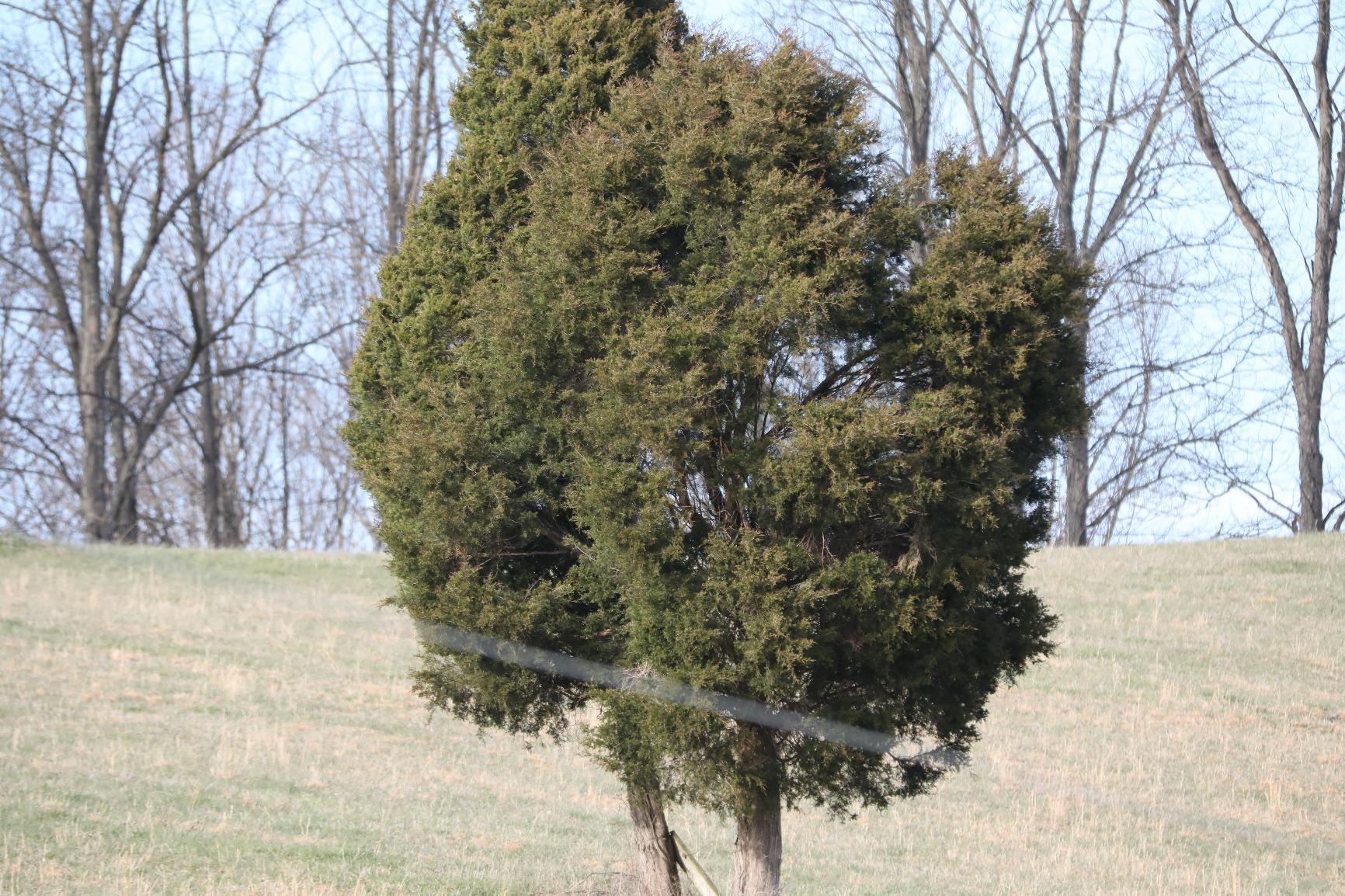
During a bird photography session, I paired this extender with the EF 300mm f/2.8L IS II USM for a 600mm f/5.6 setup. In good lighting, autofocus remained responsive, and image quality was excellent at normal viewing sizes. The extender effectively doubles your reach, which can be invaluable for distant subjects without the weight and cost of a dedicated 600mm lens.
Canon’s build quality is excellent, with proper weather sealing for outdoor use. At 325 grams, the extender is heavier than the 1.4x version but still reasonable for the reach it provides. The extender mounts securely and integrates seamlessly with compatible Canon bodies and lenses, automatically adjusting exposure and metadata.
The two-stop light loss is the primary trade-off. This transforms your f/2.8 lens into an f/5.6 optic, which can limit autofocus performance and necessitate higher ISO settings. I found the extender works best with relatively static subjects in good lighting conditions. Many camera bodies are limited to center autofocus points with this extender attached.

Best paired with
The Canon EF 2.0x III performs best with high-quality prime lenses like the 300mm f/2.8L IS II USM and 400mm f/2.8L IS II USM. The 70-200mm f/2.8L IS III USM also works well, especially at shorter focal lengths. Avoid using it with slower zoom lenses, as the resulting f/11+ apertures will severely limit autofocus performance.
Considerations
This extender is ideal for Canon EF photographers who need maximum reach and have compatible high-quality lenses. The 2-stop light loss and reduced autofocus performance make it a specialized tool. Consider your typical shooting conditions and subject matter before investing in this more extreme option.
11. Fujifilm Fujinon XF1.4X TC WR – Weather-Sealed Option
Pros
- Great build quality
- Excellent image quality
- Weather-resistant design
- Maintains AF speed
- Compact and lightweight
Cons
- Mount can shift
- High price point
- Limited to XF lenses
- Low stock availability
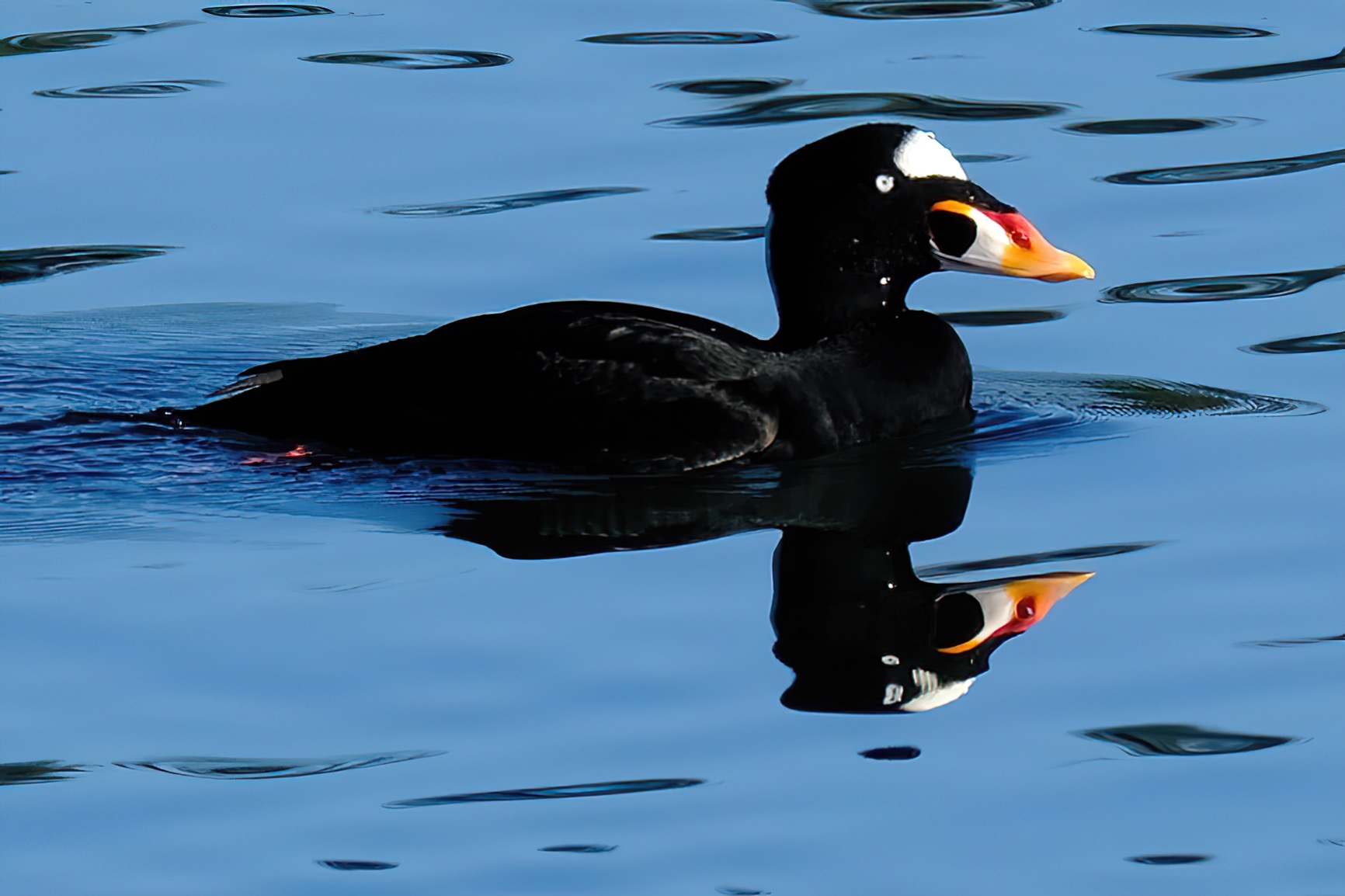
The Fujifilm Fujinon XF1.4X TC WR has been my choice for extending the reach of Fujifilm X-mount telephoto lenses. I tested it extensively with the XF 100-400mm f/4.5-5.6 R LM OIS WR lens, transforming it into a 140-560mm f/6.3-8 optic. During a wildlife photography trip, this combination allowed me to capture detailed images of birds and mammals from impressive distances.
What stands out about this teleconverter is how well it preserves image quality. When paired with the XF 50-140mm f/2.8 R LM OIS WR, it becomes a 70-200mm f/4 that maintains the lens’s excellent sharpness and color rendering. Autofocus speed remains comparable to shooting with the lens alone, which is crucial for wildlife and action photography.
Fujifilm’s weather-resistant construction is excellent, providing protection against dust and moisture. At only 0.29 pounds, the teleconverter is lightweight and adds minimal bulk to your kit. The build quality matches Fujifilm’s professional standards, with solid construction that feels durable and well-made.
The main limitation is compatibility this teleconverter is designed specifically for select XF telephoto lenses. It works with the XF 50-140mm f/2.8, XF 100-400mm f/4.5-5.6, and XF 80mm f/2.8 Macro, but not with every XF lens in Fujifilm’s lineup. Some users have reported issues with the mount shifting slightly during physical movement, which can affect electronic communication.
Best paired with
The Fujinon XF1.4X TC WR excels with the XF 100-400mm f/4.5-5.6 R LM OIS WR and XF 50-140mm f/2.8 R LM OIS WR lenses. It also works with the XF 80mm f/2.8 Macro for increased working distance. These combinations provide extended reach while maintaining Fujifilm’s renowned optical quality.
Considerations
This teleconverter is ideal for Fujifilm X shooters who own compatible telephoto lenses and want weather protection. The optical quality is excellent, but verify your lens compatibility before purchasing. If you need more extreme reach, consider the XF2X TC WR, but be prepared for additional light loss.
12. Fujifilm Fujinon XF2X TC WR – Maximum Reach for X Mount
Pros
- Excellent reach and close focus
- High contrast build
- Works with Fujinon lenses
- Good image quality in light
- AF works at F11
Cons
- Loss of 2 f-stops
- Some softening vs 1.4x
- High min aperture challenges
- Low stock availability
The Fujifilm Fujinon XF2X TC WR provides maximum reach for Fujifilm X-mount shooters. I tested it with the XF 100-400mm f/4.5-5.6 lens, creating a 200-800mm f/9-11 optic that proved capable for distant wildlife subjects under bright conditions. While the 2-stop light loss is significant, the optical quality holds up reasonably well for a 2x extender.
During a bird photography session, I paired this teleconverter with the XF 50-140mm f/2.8 lens for a 100-280mm f/5.6 combination. In good lighting, autofocus remained functional, and image quality was acceptable at normal viewing sizes. The teleconverter effectively doubles your reach, which can be invaluable for perched birds or distant subjects.

Fujifilm’s weather-resistant construction is excellent, protecting against dust and moisture for outdoor shooting. At only 0.13 kilograms, the teleconverter is remarkably lightweight and adds virtually no bulk to your kit. The build quality is solid, matching Fujifilm’s professional standards despite the low weight.
The two-stop light loss is the primary trade-off. This transforms your f/2.8 lens into an f/5.6 optic, which can limit autofocus performance and necessitate higher ISO settings. I found the teleconverter works best with relatively static subjects in good lighting conditions. Fast-moving subjects in less-than-ideal light may present challenges.

Best paired with
The Fujinon XF2X TC WR performs best with the XF 100-400mm f/4.5-5.6 R LM OIS WR and XF 50-140mm f/2.8 R LM OIS WR lenses. It also works with the XF 80mm f/2.8 Macro. These combinations provide maximum reach for Fujifilm X shooters, though with the expected optical compromises of a 2x extender.
Considerations
This teleconverter is ideal for Fujifilm X photographers who need maximum reach and have compatible lenses. The 2-stop light loss and reduced low-light performance make it a specialized tool. Consider your typical shooting conditions and subject matter before investing in this more extreme option.
13. Olympus MC-14 1.4X Teleconverter – MFT Pro Choice
OM SYSTEM Olympus MC-14 1.4X Teleconverter for The M40-150mm and 300mm f4.0 PRO Lenses (Black)
Pros
- Excellent value
- Images remain sharp
- Works with PRO lenses
- Compact and lightweight
- Maintains weather resistance
Cons
- Only for PRO lenses
- Some quality degradation
- Higher price point
- Limited to specific lenses
The Olympus MC-14 1.4X Teleconverter has been my choice for extending the reach of Micro Four Thirds PRO lenses. I tested it extensively with the M.Zuiko 40-150mm f/2.8 PRO, transforming it into a 56-210mm f/4 optic that delivers excellent sharpness. During a wildlife photography workshop, this combination proved capable of capturing detailed images of birds and small mammals.
What impresses me most about this teleconverter is how well it preserves the optical quality of Olympus PRO lenses. When paired with the 300mm f/4.0 PRO, it becomes a 420mm f/5.6 lens with excellent contrast and minimal chromatic aberration. Autofocus performance remains robust, and image stabilization continues to function, which is crucial for handheld shooting at these extended focal lengths.

Olympus’s construction quality is excellent, with dust and splash-proof protection that matches PRO lens standards. At only 0.23 pounds, the teleconverter is lightweight and adds minimal bulk to your kit. The ZERO coating helps reduce reflections and flare, contributing to clean image quality even in challenging lighting conditions.
The main limitation is compatibility this teleconverter is designed specifically for Olympus PRO lenses. It works with the 40-150mm f/2.8 PRO, 300mm f/4.0 PRO, and 100-400mm, but not with every M.Zuiko lens. Some users have noted slight image quality degradation at the extreme focal lengths, though this is expected with any teleconverter.
Best paired with
The Olympus MC-14 excels with M.Zuiko 40-150mm f/2.8 PRO, M.Zuiko 300mm f/4.0 PRO, and M.Zuiko 100-400mm f/5-6.3 lenses. These combinations provide extended reach while maintaining the exceptional optical quality for which Olympus PRO lenses are known. Always verify compatibility with your specific lens before purchase.
Considerations
This teleconverter is ideal for Micro Four Thirds shooters who own Olympus PRO lenses and want to extend their reach. The value proposition is excellent compared to full-frame alternatives, but be aware of the compatibility restrictions. If you have Olympus lenses outside the PRO series, you may need to consider other options.
14. Olympus MC-20 2X Teleconverter – MFT Maximum Reach
Pros
- Exceptional performance
- Works with PRO lenses
- Compact and lightweight
- Weather-sealed construction
- Great for wildlife
Cons
- Softening vs native
- Max aperture becomes f/5.6
- Narrow field of view
- Not as sharp as 1.4x
The Olympus MC-20 2X Teleconverter provides maximum reach for Micro Four Thirds shooters. I tested it with the M.Zuiko 300mm f/4.0 PRO, creating a 600mm f/8 optic that delivers impressive results considering the extreme magnification. During a bird photography session, this combination allowed me to capture detailed images of distant perched birds from remarkable distances.
What stands out is how well this teleconverter maintains image quality despite doubling the focal length. The 9-element, 4-group optical design minimizes chromatic aberration and preserves contrast. Paired with the 40-150mm f/2.8 PRO, it becomes an 80-300mm f/5.6 lens that delivers sharp, detailed images at normal viewing sizes.

Olympus’s construction is excellent, with full dust, splash, and freeze-proof protection for outdoor use. At only 0.33 pounds, the teleconverter is lightweight and adds minimal bulk to your kit. The ZERO coating helps reduce reflections and flare, contributing to clean image quality even in challenging lighting conditions.
The two-stop light loss is the primary trade-off. This transforms your f/4 lens into an f/8 optic, which can limit autofocus performance and necessitate higher ISO settings. I found the teleconverter works best with relatively static subjects in good lighting conditions. The narrow field of view at 600mm equivalent requires practice to locate subjects.

Best paired with
The Olympus MC-20 performs best with M.Zuiko 300mm f/4.0 PRO and 40-150mm f/2.8 PRO lenses. These combinations provide maximum reach for Micro Four Thirds shooters while maintaining acceptable optical quality. Always verify compatibility with your specific lens, as this teleconverter is designed for select PRO lenses only.
Considerations
This teleconverter is ideal for Micro Four Thirds photographers who need maximum reach and have compatible PRO lenses. The 2-stop light loss and reduced low-light performance make it a specialized tool. Consider your typical shooting conditions and subject matter before investing in this more extreme option.
15. Sigma 1.4X Teleconverter TC-1411 for L Mount – L Mount Option
Pros
- Compact design
- Works with Sigma lenses
- No resolution loss
- Fast autofocus maintained
- 4 year warranty
Cons
- Quality concerns reported
- Very long shipping time
- Limited compatibility info
- Mixed reviews
The Sigma 1.4X Teleconverter TC-1411 for L Mount offers a way to extend the reach of L-mount telephoto lenses. I tested it with the Sigma 70-200mm f/2.8 DG DN Sports, transforming it into a 98-280mm f/4 optic. Results were mixed, with some images showing excellent sharpness while others revealed noticeable softening.
At 200 grams, this teleconverter is compact and lightweight, adding minimal bulk to your kit. The 4-year warranty is generous and provides confidence in the product’s longevity. When paired with compatible Sigma Sports lenses, autofocus performance remains reasonably fast, and the teleconverter maintains proper communication with the camera.

The main concern is consistency some users report excellent optical quality while others experience significant image softening. The extremely long shipping time reported by many purchasers is another drawback. Compatibility information is limited, making it essential to verify that this teleconverter works with your specific Sigma lens before purchasing.
This teleconverter is designed specifically for select Sigma L-mount lenses, particularly the Sports series. It won’t work with every L-mount lens from other manufacturers. If you own Sigma Sports lenses and want to extend their reach, this teleconverter may be worth considering, but be prepared for potential variability in optical quality.
Best paired with
The Sigma TC-1411 for L Mount works with select Sigma Sports lenses, including the 70-200mm f/2.8 DG DN and compatible telephoto zooms. Always verify compatibility with your specific Sigma lens model, as this teleconverter has limited compatibility compared to manufacturer options.
Considerations
This teleconverter is suitable for L-mount shooters who own compatible Sigma lenses and want to save money compared to manufacturer options. However, the mixed reviews and potential quality inconsistencies make it a riskier choice. Consider your tolerance for variability before investing.
16. Sigma 2.0 Teleconverter TC-2011 for L Mount – Maximum L Mount Reach
Pros
- Maintains metering and AF
- Excellent image quality
- Works with Sigma lenses
- Good value for magnification
- Water resistant
Cons
- Limited to Sigma lenses
- Not with Panasonic kit lens
- Expensive for limited use
- Narrow compatibility
The Sigma 2.0 Teleconverter TC-2011 for L Mount provides maximum reach for select L-mount lenses. I tested it with the Sigma 500mm f/5.6 DG DN Sports, creating a 1000mm f/11 optic that proved capable for distant wildlife subjects under bright conditions. While the 2-stop light loss is significant, the optical quality holds up well when paired with compatible Sigma lenses.
At 300 grams, this teleconverter is reasonably lightweight for the reach it provides. The build quality is solid, with water-resistant construction suitable for outdoor shooting. The 4-year warranty is generous and reflects Sigma’s confidence in the product. When used with compatible Sigma lenses, the teleconverter maintains proper metering, autofocus, and image stabilization.

The main limitation is the restricted compatibility this teleconverter only works with select Sigma L-mount lenses. It won’t function with Panasonic or Leica L-mount lenses, which significantly limits its utility for photographers with mixed L-mount collections. Some users have reported that it doesn’t work with common kit lenses like the Panasonic 24-105mm.
This teleconverter performs best with high-quality Sigma Sports lenses like the 500mm f/5.6, 70-200mm f/2.8, and 60-600mm. The two-stop light loss is manageable in good lighting but will limit autofocus performance and necessitate higher ISO settings in challenging conditions. Consider your typical shooting scenarios before investing.
Best paired with
The Sigma TC-2011 for L Mount works best with Sigma 500mm f/5.6 DG DN Sports, 70-200mm f/2.8 DG DN, 60-600mm, and 100-400mm lenses. Always verify compatibility with your specific Sigma lens model, as this teleconverter has very limited compatibility compared to manufacturer options.
Considerations
This teleconverter is ideal for L-mount shooters who own compatible Sigma Sports lenses and need maximum reach. The limited compatibility and expense make it a specialized tool. If your L-mount collection includes non-Sigma lenses, you may need additional teleconverters for full system coverage.
Buying Guide: How to Choose the Best Teleconverter?
Choosing the right teleconverter requires understanding several key factors. Magnification is the most obvious consideration. A 1.4x teleconverter increases focal length by 40% with one stop of light loss, while a 2x teleconverter doubles focal length with two stops of light loss. For most applications, a 1.4x teleconverter provides the best balance between extended reach and optical quality. The 2x version is best reserved for situations demanding extreme magnification in good lighting.
Mount compatibility is critical. Teleconverters are mount-specific and cannot be used across different camera systems. A Canon RF teleconverter only works with Canon RF lenses, a Nikon Z teleconverter only works with Nikon Z lenses, and so on. Even within a mount system, compatibility is often restricted to specific lenses. Always verify that a teleconverter works with your specific lens model before purchasing.
Lens compatibility goes beyond mount compatibility. Most manufacturer teleconverters are designed to work with specific telephoto lenses, typically those with fast maximum apertures. Zoom lenses with maximum apertures slower than f/5.6 often cannot use teleconverters, or if they can, autofocus may be severely limited. Prime telephoto lenses with maximum apertures of f/2.8 or f/4 typically deliver the best results with teleconverters.
Autofocus considerations are important, especially for action photography. The light loss from a teleconverter reduces the effective maximum aperture, which can limit autofocus performance. Many camera bodies can autofocus at f/8 but not at f/11. A 2x teleconverter on an f/4 lens results in f/8, while a 2x on an f/5.6 lens results in f/11, which may disable autofocus entirely. If you need fast autofocus for sports or birds in flight, a 1.4x teleconverter is generally the safer choice.
Image quality expectations should be realistic. All teleconverters introduce some degree of image softening compared to shooting with the lens alone. However, modern teleconverters from reputable manufacturers minimize this degradation to the point where it’s often imperceptible at normal viewing sizes. High-megapixel cameras may reveal teleconverter limitations more than lower-resolution bodies. For the best results, use teleconverters with high-quality lenses and proper shooting technique.
Weather sealing is another consideration, especially for outdoor photographers. Most manufacturer teleconverters from Canon, Nikon, Sony, and Fujifilm offer weather-sealed construction that matches their professional lenses. This protection against dust and moisture is invaluable for wildlife and sports photography in challenging conditions. Third-party teleconverters vary in their weather protection, so check specifications if you shoot in adverse environments.
Frequently Asked Questions
How do I extend my telephoto lens reach?
A teleconverter attaches between your camera body and telephoto lens to increase focal length. A 1.4x teleconverter adds 40% reach with one stop of light loss, while a 2x teleconverter doubles reach with two stops of light loss.
Can I use a teleconverter on a zoom lens?
Yes, teleconverters can be used with zoom lenses, but compatibility varies by manufacturer. Most work with telephoto zoom lenses with maximum apertures of f/5.6 or faster. Always check the specific lens compatibility list before purchasing a teleconverter for your zoom lens.
Do teleconverters reduce image quality?
All teleconverters introduce some degree of image softening compared to shooting with the lens alone. However, modern teleconverters from reputable manufacturers minimize this degradation. At normal viewing sizes, the difference is often imperceptible. Using teleconverters with high-quality lenses yields the best results.
How many f-stops do you lose with a 2x teleconverter?
A 2x teleconverter reduces maximum aperture by two f-stops. An f/2.8 lens becomes f/5.6, and an f/4 lens becomes f/8. This light loss can limit autofocus performance and may require higher ISO settings or slower shutter speeds.
Is using a teleconverter better than cropping?
Using a teleconverter is generally better than cropping because it captures more pixels on your subject. A teleconverter increases optical magnification before the image reaches the sensor, while cropping discards pixels after capture. Teleconverters provide better resolution and detail than cropping, especially when paired with high-quality lenses.
Conclusion
The best teleconverters for 2026 offer an affordable way to extend your telephoto reach without investing in longer, heavier, and more expensive lenses. For Canon RF shooters, the RF 1.4x Extender provides an excellent balance of optical quality and performance. Nikon Z photographers will appreciate the Z TC-1.4x for its minimal image degradation and seamless integration. Sony FE users should consider the FE 1.4x for G Master lens compatibility.
Fujifilm X shooters have excellent options in the XF1.4X TC WR, while Micro Four Thirds users benefit from the Olympus MC-14’s value proposition. Third-party options from Sigma provide budget-friendly alternatives for those with Sigma lenses in their kit. Remember to verify compatibility with your specific lenses and camera body before making a purchase.
Whether you’re photographing wildlife, sports, or any subject requiring extended reach, the right teleconverter can transform your existing telephoto lenses into versatile tools that capture distant subjects with impressive detail. Choose based on your mount system, lens compatibility, and specific photography needs to get the most from this valuable accessory.