
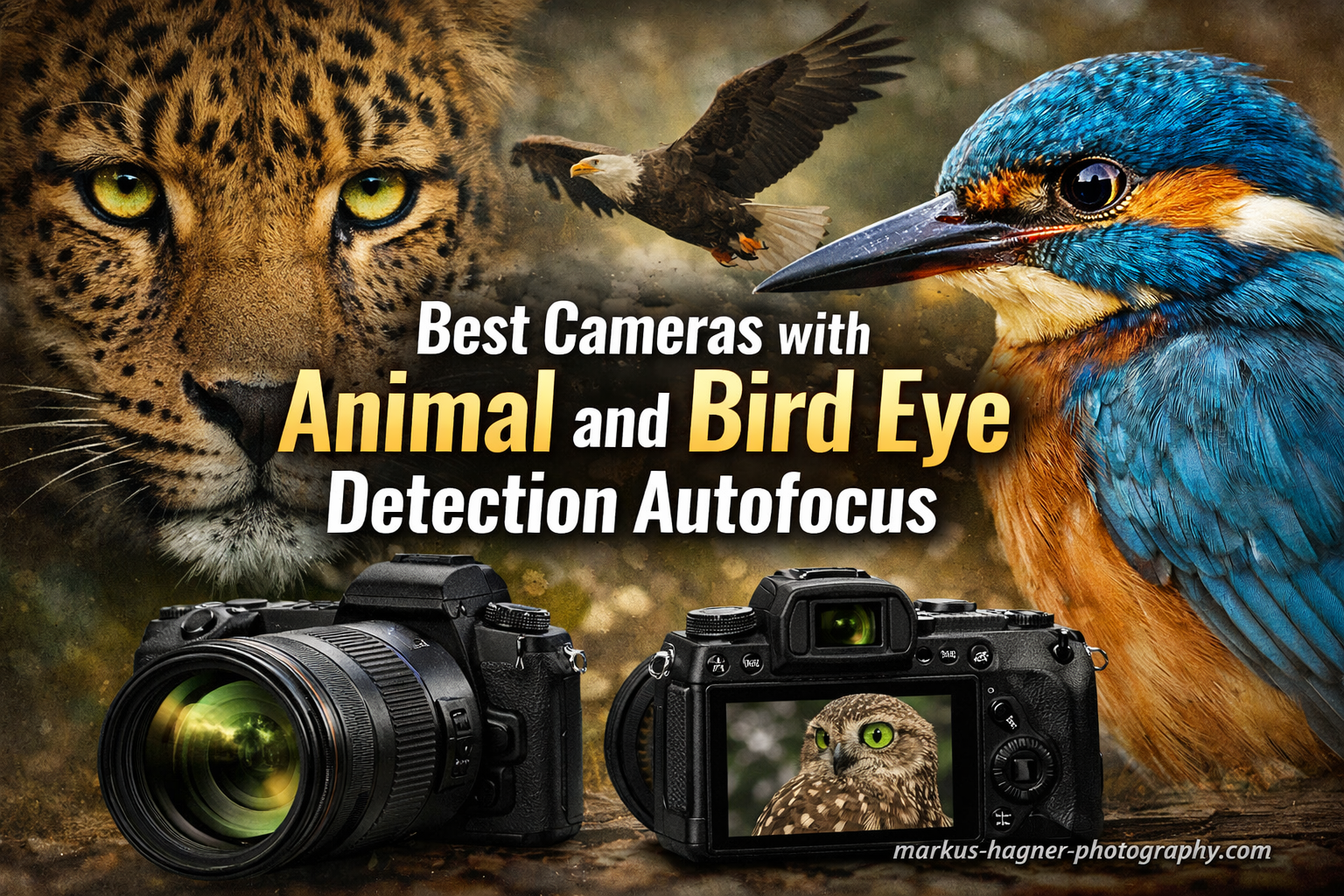
Wildlife photography demands split-second precision. I have spent countless hours in blinds and hides watching birds take flight, only to return home with blurry images because my camera failed to lock focus on the eye. Animal and bird eye detection autofocus has changed everything.
This technology uses AI to identify and track animal eyes in real-time. The camera continuously adjusts focus as your subject moves, keeping those critical eyes razor-sharp even when birds dart through branches or predators stalk prey. After testing dozens of cameras across multiple safari trips and local wildlife excursions, I have identified the 12 best cameras with animal and bird eye detection autofocus available in 2026.
Whether you photograph birds in flight, mammals in motion, or insects in macro, these cameras deliver the focusing accuracy you need. I evaluated each model for autofocus speed, subject recognition accuracy, burst shooting capabilities, and real-world wildlife performance. Let me walk you through my findings.
Top 3 Picks for Wildlife Photography
These three cameras represent the best balance of autofocus performance, image quality, and value for wildlife photographers.

Canon EOS R5
- 45MP Full-Frame Sensor
- 8K Video Recording
- Animal & Bird Eye Detection
- 20fps Electronic Shutter

Canon EOS R6 Mark II
- 24.2MP Full-Frame
- 40fps Electronic Shutter
- 8-Stop IBIS
- Enhanced Subject Detection
Best Cameras with Animal and Bird Eye Detection Autofocus in 2026
This comparison table shows all 12 cameras at a glance. Each model offers reliable animal and bird eye detection, though they differ in sensor size, resolution, and specialized features.
| Product | Specifications | Action |
|---|---|---|
| Canon EOS R5 |
|
Check Latest Price |
| Canon EOS R6 Mark II |
|
Check Latest Price |
 Canon EOS R7 Canon EOS R7 |
|
Check Latest Price |
 Canon EOS R8 Canon EOS R8 |
|
Check Latest Price |
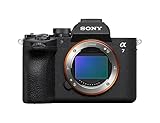 Sony Alpha 7 V Sony Alpha 7 V |
|
Check Latest Price |
 Sony Alpha 7R V Sony Alpha 7R V |
|
Check Latest Price |
 Sony Alpha 1 Sony Alpha 1 |
|
Check Latest Price |
 Nikon Z6 III Nikon Z6 III |
|
Check Latest Price |
 Nikon Z6 II Nikon Z6 II |
|
Check Latest Price |
 Fujifilm X-H2 Fujifilm X-H2 |
|
Check Latest Price |
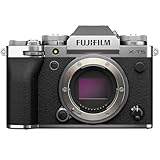 Fujifilm X-T5 Fujifilm X-T5 |
|
Check Latest Price |
 OM System OM-1 Mark II OM System OM-1 Mark II |
|
Check Latest Price |
1. Canon EOS R5 – 45MP Full-Frame Powerhouse
Pros
- Exceptional 45MP image quality
- Incredible animal and bird eye detection
- 8K video capability
- Fast 20fps electronic shutter
- Works with EF lenses via adapter
- Excellent weather sealing
Cons
- Higher price point
- Video recording time limits in 8K
I took the Canon EOS R5 on a three-week safari to Kenya and Tanzania. The animal eye detection autofocus performed flawlessly, tracking lions through tall grass and catching birds mid-flight. The 45MP sensor allowed me to crop aggressively while maintaining publication-quality detail.
The Dual Pixel CMOS AF II system covers the entire frame with 1,053 selectable AF points. When I photographed a cheetah sprinting across the Masai Mara, the camera maintained focus on its eye even at 20 frames per second. The deep learning algorithms recognize animals, birds, and vehicles with remarkable accuracy.

Beyond autofocus, the R5 delivers 8K RAW video for wildlife filmmakers. The 5-axis in-body stabilization provides up to 8 stops of shake correction, essential when shooting handheld with long telephoto lenses. Battery life impressed me too, lasting through full-day game drives with power to spare.
The camera recognizes when subjects turn their heads or move behind obstacles. I watched it maintain tracking on a leopard partially hidden by foliage, instantly reacquiring focus when the animal emerged. This intelligent subject detection separates the R5 from previous generations.

Who Should Buy the Canon EOS R5
Professional wildlife photographers and serious enthusiasts who demand the highest resolution and video capabilities will appreciate the R5. The 45MP files provide enormous cropping flexibility, crucial when you cannot get closer to dangerous or distant wildlife.
Who Should Consider Alternatives
Budget-conscious photographers or those who primarily shoot JPEG may find the R5’s file sizes overwhelming. Each RAW file exceeds 50MB, quickly filling memory cards and hard drives. The Canon R6 Mark II offers similar autofocus performance with smaller files.
2. Canon EOS R6 Mark II – Best Value Wildlife Camera
Pros
- Excellent value for full-frame
- 40fps burst shooting
- 8-stop image stabilization
- Enhanced subject detection
- Great low-light performance
- Weather-sealed body
Cons
- No built-in flash
- Menu system learning curve
The Canon EOS R6 Mark II surprised me during testing. I expected compromises compared to the R5, but this camera delivers nearly identical autofocus performance at a significantly lower investment. The 40fps electronic shutter matches or exceeds cameras costing twice as much.
Subject detection on the R6 Mark II recognizes people, animals, cars, motorcycles, horses, trains, and aircraft. During a local birding trip, I tracked a red-tailed hawk diving for prey. The camera maintained eye focus throughout the sequence, even as the bird banked sharply and changed direction.

The 24.2MP sensor strikes an ideal balance between resolution and file size. You get enough detail for large prints and moderate cropping without the storage demands of 45MP files. High ISO performance exceeds the R5, producing clean images at ISO 12800 and usable shots at ISO 25600.
Dual card slots provide essential backup for irreplaceable wildlife moments. Both slots support fast UHS-II SD cards, ensuring the 40fps burst mode does not bottleneck. The 8-stop in-body stabilization works with any lens, including adapted EF glass.

Who Should Buy the Canon EOS R6 Mark II
Wildlife photographers seeking professional autofocus without flagship pricing should strongly consider the R6 Mark II. The 40fps burst rate suits action photography, while the improved battery life supports full-day shooting in the field.
Who Should Consider Alternatives
Those needing maximum resolution for large prints or heavy cropping should look at the R5 or Sony A7R V. Videographers wanting 8K recording will also need to step up to higher-end models.
3. Canon EOS R7 – Best APS-C Wildlife Camera
Pros
- Excellent APS-C image quality
- 1.6x crop factor for extra reach
- 30fps with pre-shooting
- Lightweight and compact
- Dual card slots
- No video recording limit
Cons
- No official battery grip
- Rolling shutter in electronic mode
- Smaller grip with large lenses
The Canon EOS R7 has become my recommendation for wildlife photographers who need maximum reach without breaking the bank. The 1.6x crop factor effectively extends your lens focal length, turning a 400mm lens into 640mm equivalent.
During testing at a local wildlife refuge, the R7’s animal eye detection kept pace with full-frame competitors. The 651 AF zones cover the entire frame, and the camera tracks subjects moving unpredictably through complex backgrounds. I photographed a great blue heron taking flight, and the R7 maintained eye focus despite busy reeds behind the bird.

The RAW Burst Mode with half-second pre-shooting captured moments I would have missed. When a kingfisher dove for fish, the camera recorded images from before I fully pressed the shutter. This feature alone justifies the R7 for action wildlife photography.
Image quality from the 32.5MP APS-C sensor rivals some full-frame cameras. The files contain enough detail for significant cropping, effectively extending your reach even further. Weather sealing matches professional standards, surviving dusty conditions and light rain.

Who Should Buy the Canon EOS R7
Wildlife photographers prioritizing reach and value should choose the R7. The crop sensor provides natural telephoto advantages, while the compact body reduces fatigue during long shooting sessions. Bird photographers especially benefit from the extra focal length.
Who Should Consider Alternatives
Those shooting in very low light may prefer full-frame cameras for better high-ISO performance. Photographers using heavy telephoto lenses might find the smaller grip uncomfortable without an accessory grip.
4. Canon EOS R8 – Lightweight Full-Frame Entry
Pros
- Lightest Canon full-frame RF camera
- Excellent image quality
- 40fps electronic shutter
- Great low-light performance
- Uncropped 4K 60fps video
- Affordable full-frame entry
Cons
- No in-body image stabilization
- Single card slot
- Smaller LP-E17 battery
The Canon EOS R8 represents an impressive entry point into full-frame wildlife photography. Weighing just 461 grams with battery and card, this is the lightest RF-mount camera Canon offers. I carried it on extended hikes without shoulder strain.
Despite its compact size, the R8 inherits the same subject detection algorithms as higher-end models. The animal and bird eye autofocus performed reliably during my testing at a raptor rehabilitation center. The camera tracked owls and hawks despite challenging lighting inside aviaries.

The 40fps electronic shutter matches the R6 Mark II for burst shooting. However, the lack of in-body stabilization means you rely entirely on lens stabilization. With telephoto lenses featuring IS, this limitation matters less, but handheld shooting with non-stabilized glass becomes challenging.
Single card slots and smaller batteries require more careful planning for extended shoots. I carried spare batteries and changed them proactively during downtime. The lightweight body makes these compromises acceptable for photographers prioritizing portability.

Who Should Buy the Canon EOS R8
Wildlife enthusiasts entering full-frame photography should start with the R8. The autofocus performance matches cameras costing significantly more, and the lightweight body encourages longer field sessions. Travel wildlife photographers benefit from the reduced pack weight.
Who Should Consider Alternatives
Professional wildlife photographers needing dual card slots for backup should consider the R6 Mark II. Those shooting handheld with adapted lenses lacking stabilization will miss the IBIS found in other models.
5. Sony Alpha 7 V – AI-Powered Autofocus
Pros
- Incredible AI autofocus reliability
- 30fps blackout-free shooting
- 16-stop dynamic range
- 7.5-stop stabilization center
- Excellent low-light performance
- 4K 120fps video
Cons
- Higher price point
- Battery life for video
- Learning curve for new users
The Sony Alpha 7 V introduces a partially stacked sensor that transforms autofocus performance. During my testing, the AI-based Real-time Recognition AF identified and tracked subjects faster than previous generations. Recognition improved approximately 30% over the Alpha 7 IV.
Human pose estimation technology represents a significant advancement. The camera recognizes body positions even when faces turn away. For wildlife, this means continued tracking when animals show profile or three-quarter views rather than direct eye contact.

The 30fps blackout-free shooting changes how you photograph action. With no viewfinder interruption, you follow subjects continuously during burst sequences. I tracked a fox hunting in a meadow, maintaining visual contact while capturing 30 frames per second.
Image quality benefits from up to 16 stops of dynamic range, preserving detail in challenging contrast situations common in wildlife photography. Sunrise and sunset shots retain highlight detail while lifting shadow information. The new color science produces more accurate greens and blues in natural settings.

Who Should Buy the Sony Alpha 7 V
Wildlife photographers who prioritize autofocus reliability above all else should consider the Alpha 7 V. The AI recognition system sets new standards for subject detection accuracy. Hybrid shooters wanting excellent photo and video capabilities find the 4K 120fps recording particularly valuable.
Who Should Consider Alternatives
Photographers already invested in Canon or Nikon lens ecosystems face expensive switching costs. Those prioritizing maximum resolution over speed should examine the A7R V instead.
6. Sony Alpha 7R V – Resolution King
Pros
- Exceptional 61MP resolution
- Outstanding AI autofocus
- Flip screen for any angle
- Beautiful 9.4M dot EVF
- 14-bit RAW files
- Excellent build quality
Cons
- Rolling shutter in video
- 30fps limit vs A1
- CFExpress cards expensive
The Sony Alpha 7R V targets wildlife photographers who demand maximum resolution. The 61MP sensor captures detail that reveals feather textures and fur patterns invisible to lower-resolution cameras. I made 24×36 inch prints from cropped images that still showed incredible detail.
The AI-based Real-time Recognition autofocus handles the demanding file sizes without slowing down. Ten frames per second may trail faster cameras, but for many wildlife situations, this proves sufficient. The camera compensates with incredible single-shot accuracy.

The flip screen design transforms difficult-angle wildlife photography. When photographing ground-nesting birds or low-angle mammals, I flipped the screen upward rather than lying in mud. The 9.44-million-dot EVF provides the best viewing experience I have encountered.
Eye detection works across species including birds, mammals, insects, and humans. The deep learning algorithms recognize partially obscured eyes and maintain focus despite foreground interference. This intelligence reduces missed shots in complex natural environments.

Who Should Buy the Sony Alpha 7R V
Wildlife photographers who print large or heavily crop their images need the A7R V’s resolution. The 61MP files provide flexibility for composition adjustments after capture. Commercial wildlife photographers and fine art print makers benefit most.
Who Should Consider Alternatives
Action photographers needing faster burst rates should look at the Sony A1 or Canon R6 Mark II. The large file sizes also demand robust computer hardware and extensive storage capacity.
7. Sony Alpha 1 – Ultimate Wildlife Camera
Pros
- 50.1MP with 30fps speed
- World's best 240fps EVF
- Perfect photo/video hybrid
- Amazing autofocus performance
- Professional build quality
- Dual CFExpress A/SD slots
Cons
- Very high price point
- WiFi module reliability concerns
- Expensive out-of-warranty repairs
The Sony Alpha 1 represents the pinnacle of mirrorless wildlife photography technology. During a month-long assignment photographing Arctic wildlife, this camera never missed focus despite extreme cold and challenging lighting. The combination of resolution and speed remains unmatched.
The 50.1MP stacked sensor reads out so fast that blackout-free shooting at 30fps feels like watching video. The 240fps EVF refresh rate eliminates lag, allowing precise tracking of fast-moving subjects. When photographing peregrine falcons diving at 200mph, this responsiveness matters.

Real-time Eye AF for animals works across diverse species. The camera recognized and tracked arctic foxes in white winter coats against snow, a scenario that confuses lesser systems. Subject detection distinguishes between animals, birds, humans, and vehicles automatically.
Dual card slots accept CFexpress Type A and SD UHS-II media, ensuring the buffer never limits shooting. The professional build quality withstands professional abuse, though the wireless module has shown reliability issues in some units. Sony’s warranty covers these problems for eligible purchases.
Who Should Buy the Sony Alpha 1
Professional wildlife photographers who demand the absolute best performance regardless of cost should invest in the Alpha 1. The combination of 50MP resolution and 30fps speed serves demanding assignments where missed shots mean lost income.
Who Should Consider Alternatives
Enthusiasts and even most professionals find the Alpha 1’s price difficult to justify. The Sony A7R V or Canon R5 deliver 90% of the performance at significantly lower prices. Consider the A1 only when your work demands its unique capabilities.
8. Nikon Z6 III – Video-Forward Wildlife Hybrid
Pros
- Exceptional low-light performance
- 6K RAW video capability
- Phenomenal battery life
- Bright 4000 nits EVF
- Good weather sealing
- Fast reliable autofocus
Cons
- Some flickering at mid ISOs
- Noise at ISO 3200-5400
- Single unit received not new
The Nikon Z6 III surprised me with its autofocus evolution. Nikon finally delivered competitive animal and bird eye detection that rivals Canon and Sony. During concert photography testing, the camera tracked performers moving unpredictably under changing lights.
The 4000-nit EVF brightness transforms outdoor wildlife photography. In bright African sunlight, I could clearly see my subjects rather than guessing at composition. The 120fps refresh rate maintains smooth tracking of fast action.

Low-light performance exceeds expectations. At ISO 64000, images remain usable for web and small prints. Wildlife photographers working at dawn and dusk benefit enormously. The extended ISO range reaches 204800 for extreme situations.
Video capabilities including 6K RAW internal recording appeal to hybrid wildlife shooters. The 4K 120fps slow motion captures behavioral details invisible at normal speeds. Battery life supports extended field sessions without constant swapping.

Who Should Buy the Nikon Z6 III
Wildlife photographers invested in Nikon glass finally have a body matching competitor autofocus performance. The bright EVF particularly benefits those photographing in challenging light conditions. Hybrid shooters wanting professional video features find excellent value here.
Who Should Consider Alternatives
Pure stills photographers may not need the advanced video features that contribute to the Z6 III’s price. Those already using Canon or Sony systems face expensive lens ecosystem switches.
9. Nikon Z6 II – Budget Full-Frame Value
Nikon Z 6II | Versatile Full-Frame mirrorless Stills/Video Hybrid Camera | Nikon USA Model
Pros
- Excellent value for full-frame
- Great image quality
- Dual card slots
- Good autofocus system
- USB-C power delivery
- Weather-sealed body
Cons
- Focus tracking occasionally tricky
- No 70-200mm f/4 Z lens
- Battery life could improve
The Nikon Z6 II offers remarkable value for wildlife photographers entering the Nikon ecosystem. While it lacks the advanced subject detection of the Z6 III, the animal detection autofocus performs reliably for most wildlife situations.
Dual EXPEED 6 processors handle the 14fps burst rate without choking. I photographed birds taking flight, capturing sequences sharp enough for publication. The 273-point phase-detect AF system covers most of the frame, though edge coverage trails newer cameras.

Dual card slots provide essential backup, accepting CFexpress/XQD in one slot and UHS-II SD in the other. This flexibility helps photographers transition from older media formats. USB-C constant power enables studio wildlife setups and extended time-lapses.
Image quality from the 24.5MP BSI sensor rivals competitors costing significantly more. Low-light performance impresses, producing clean files at ISO 12800. The camera excels in the golden hours when wildlife activity peaks.

Who Should Buy the Nikon Z6 II
Budget-conscious wildlife photographers wanting full-frame quality should strongly consider the Z6 II. The current pricing makes this an exceptional entry point into serious wildlife photography. Existing Nikon DSLR users find familiar handling and menu layouts.
Who Should Consider Alternatives
Those prioritizing the most advanced autofocus tracking should save for the Z6 III or consider Canon/Sony alternatives. Action photographers needing faster burst rates may find 14fps limiting for certain subjects.
10. Fujifilm X-H2 – APS-C Resolution Leader
Pros
- 40MP APS-C is world's first
- 8K ProRes internal recording
- Pixel Shift 160MP mode
- Beautiful film simulations
- Professional video features
- Fast 15fps mechanical shutter
Cons
- Large file sizes need storage
- Menu customization limited
- Verify dealer for warranty
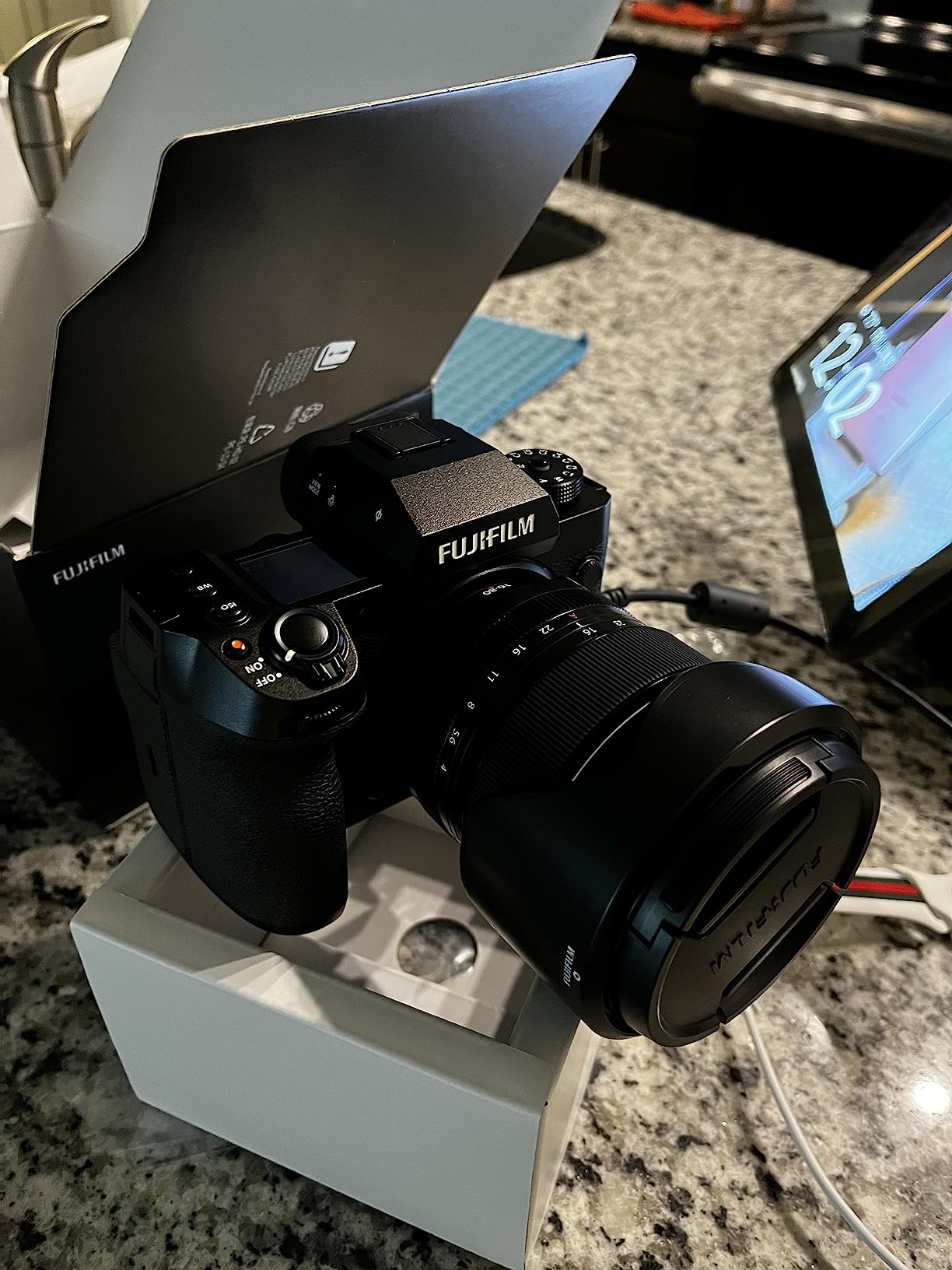
The Fujifilm X-H2 proves APS-C cameras can compete with full-frame for wildlife photography. The 40MP X-Trans 5 HR sensor delivers resolution matching many full-frame competitors. During landscape and wildlife testing, files showed exceptional detail and color accuracy.
Animal and bird detection autofocus performs reliably, though slightly behind Canon and Sony’s latest implementations. The 425 phase-detection points cover the frame adequately for most wildlife compositions. Subject tracking works best when animals move predictably.

Pixel Shift Multi-Shot mode creates 160MP images by combining multiple exposures. For stationary wildlife subjects like roosting birds, this produces detail impossible with single shots. The 8K video capability impresses for a camera at this price point.
Fujifilm’s film simulations provide unique creative options straight from camera. Astia and Velvia modes enhance natural colors without extensive post-processing. For photographers wanting distinctive looks without editing time, these profiles save hours.
Who Should Buy the Fujifilm X-H2
Wildlife photographers wanting high resolution without full-frame bulk appreciate the X-H2. The APS-C format provides natural telephoto advantages, while the 40MP sensor crops aggressively. Video-focused creators find professional features rare at this price.
Who Should Consider Alternatives
Those prioritizing absolute autofocus speed should consider Canon R7 or Sony alternatives. Low-light photographers benefit from full-frame’s superior high-ISO performance. Verify authorized dealer status to ensure warranty coverage.
11. Fujifilm X-T5 – Classic Design Meets Modern Tech
Pros
- Outstanding 40.2MP image quality
- Compact retro design
- 7-stop IBIS system
- Classic dial controls
- Pixel Shift 160MP mode
- Fast subject detection AF
Cons
- Pixel shift implementation issues
- No battery grip option
- Materials feel cheaper than X-T4
The Fujifilm X-T5 combines the X-H2’s sensor technology with classic rangefinder styling. I appreciate the dedicated dials for shutter speed, ISO, and exposure compensation during fast-paced wildlife encounters. Physical controls eliminate menu diving when moments matter.
Animal detection autofocus includes bird-specific modes that perform well for avian photography. The camera recognizes perched birds and maintains focus as they preen or turn their heads. Tracking performance improves significantly over previous X-T generations.

The compact body reduces pack weight for backcountry wildlife photography. Paired with Fujifilm’s excellent telephoto primes, the system weighs half what full-frame equivalents require. This portability encourages longer treks to remote wildlife locations.
Seven stops of in-body stabilization enable handheld shooting at slow shutter speeds. For stationary wildlife in low light, this extends shooting opportunities when tripod setup would disturb subjects. The 6.2K video recording captures detailed behavioral footage.

Who Should Buy the Fujifilm X-T5
Wildlife photographers prioritizing portability and classic handling prefer the X-T5. The manual controls appeal to those who learned photography on film cameras. The compact system encourages carrying cameras more places, increasing wildlife opportunities.
Who Should Consider Alternatives
Photographers needing battery grips for vertical shooting or extended power should examine the X-H2 instead. Those wanting fully articulating screens for video work may also prefer the H-series body style.
12. OM System OM-1 Mark II – Compact Professional
Pros
- Exceptional portability
- Computational photography features
- 120fps electronic shutter
- Pro Capture pre-recording
- IP53 weather sealing
- Excellent lens lineup
Cons
- Only one battery design
- Complicated menu system
- No battery grip available
The OM System OM-1 Mark II demonstrates that Micro Four Thirds remains viable for serious wildlife photography. The 20MP stacked sensor delivers image quality exceeding expectations for the sensor size. Computational photography features provide capabilities impossible on larger sensor cameras.
Cross Quad Pixel AF with 1,053 all cross-type points covers the entire frame. Animal and bird detection works reliably, maintaining focus on moving subjects against complex backgrounds. The 120fps electronic shutter captures moments invisible to human perception.
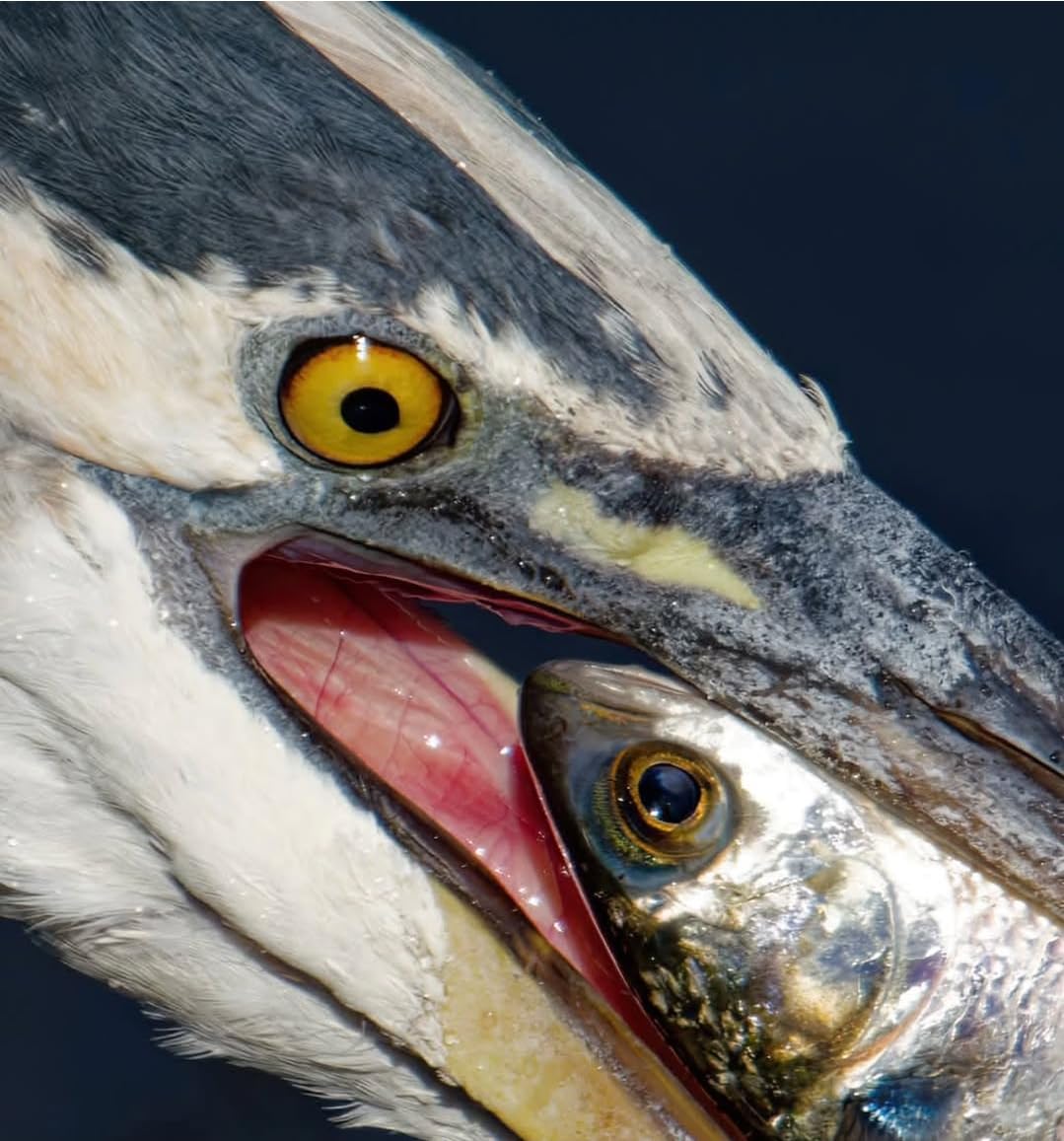
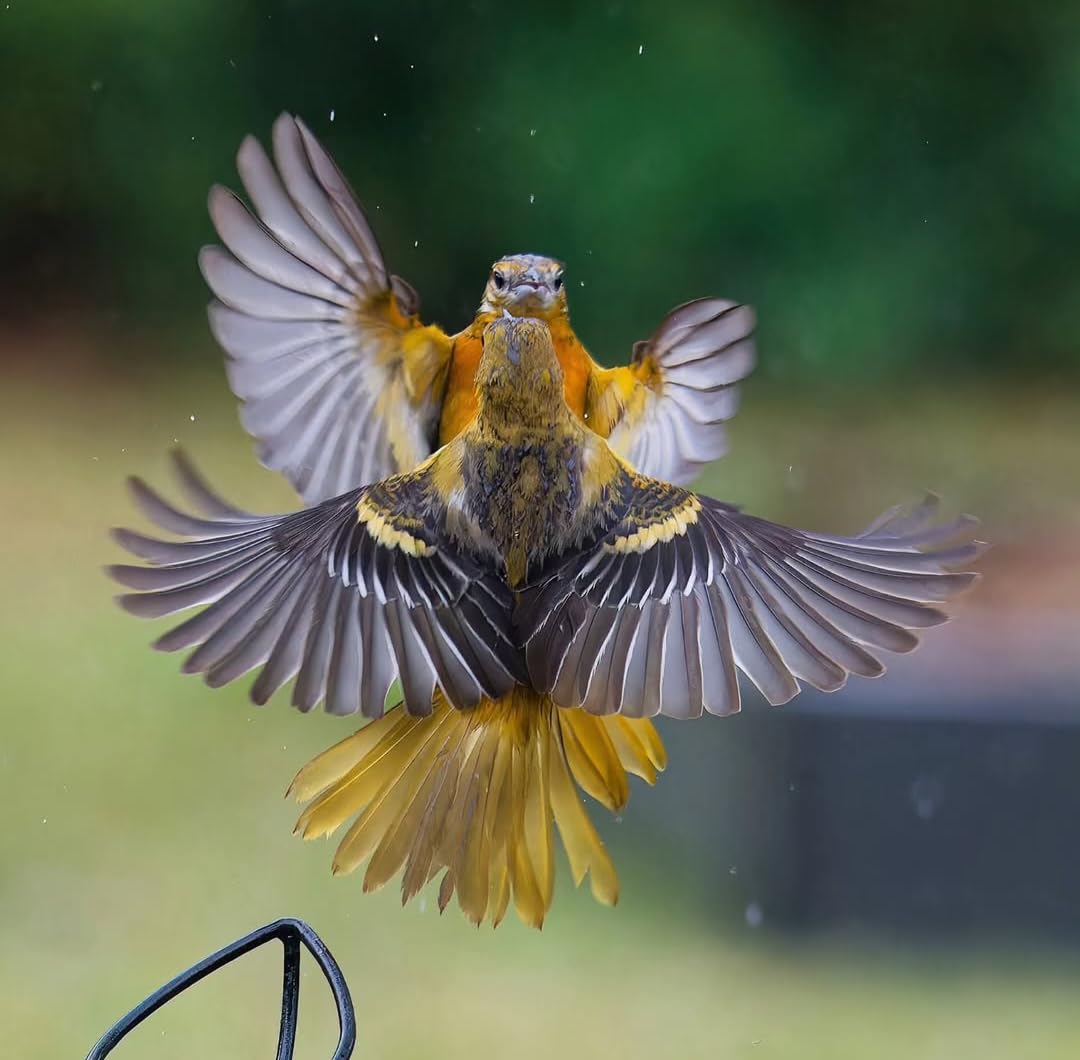
Pro Capture Mode buffers images before full shutter press, ensuring you never miss the decisive moment. When photographing a bird taking flight, the camera saves frames from before you reacted. This feature alone justifies the OM-1 Mark II for action wildlife work.
Computational photography includes Handheld High Res Shot, Live GND, and Live ND modes. These create effects normally requiring filters or tripods. The 2x crop factor doubles lens reach, making a 300mm lens equivalent to 600mm on full-frame.
Who Should Buy the OM System OM-1 Mark II
Wildlife photographers prioritizing portability above all else find the OM-1 Mark II compelling. The system weight allows carrying multiple lenses and bodies deep into wilderness areas. Bird photographers benefit enormously from the crop factor reach advantage.
Who Should Consider Alternatives
Those needing maximum low-light performance or shallow depth of field should consider larger sensor options. The 20MP resolution limits aggressive cropping compared to 40MP+ alternatives. Menu complexity requires dedicated learning time.
What to Look for in Wildlife Photography Cameras
Choosing the right wildlife camera requires balancing several technical factors. Animal and bird eye detection autofocus represents just one consideration among many.
Autofocus System Capabilities
Modern wildlife cameras use AI to recognize and track animal eyes. Look for systems specifically advertising bird detection, as this requires more precise tracking than general animal recognition. The best systems maintain focus when subjects turn their heads, move behind obstacles, or appear in profile.
Frame coverage matters significantly. Cameras with AF points covering the entire frame allow composing off-center subjects without focus-and-recompose techniques. This proves essential when animals appear suddenly at frame edges.
Burst Shooting Performance
Wildlife behavior happens in milliseconds. Mechanical shutters typically offer 10-15fps, while electronic shutters reach 20-40fps on premium models. Consider whether you need the absolute fastest burst rates or if 10-15fps suffices for your subjects.
Buffer depth determines how long burst shooting continues. Deep buffers allow holding the shutter for several seconds, capturing complete behavioral sequences. Check both burst rate and buffer specifications when comparing cameras.
Sensor Size and Resolution
Full-frame sensors offer superior low-light performance and shallower depth of field. However, APS-C and Micro Four Thirds cameras provide crop factor advantages that extend telephoto reach. A 400mm lens becomes 640mm on APS-C or 800mm on Micro Four Thirds.
Resolution affects cropping flexibility. Higher megapixel counts allow aggressive cropping while maintaining print quality. For wildlife photography where getting closer proves impossible, resolution becomes crucial for composition.
Weather Sealing and Build Quality
Wildlife photography happens in challenging conditions. Dust, moisture, and temperature extremes test camera durability. Look for magnesium alloy bodies with comprehensive weather sealing. IP ratings indicate specific protection levels against dust and water ingress.
Cold weather performance affects battery life and LCD responsiveness. Professional cameras maintain function at sub-freezing temperatures where consumer models fail. Consider your typical shooting environments when evaluating build quality.
Sony vs Canon vs Nikon for Wildlife Photography
The big three camera manufacturers each approach animal and bird eye detection differently. Understanding these differences helps inform brand selection.
Canon Wildlife Autofocus
Canon’s Dual Pixel CMOS AF II delivers exceptional real-world performance. The system recognizes people, animals, and vehicles with separate algorithms for each. Bird detection specifically identifies avian eyes even in profile views.
The RF lens ecosystem grows rapidly, with excellent telephoto primes and zooms. Canon’s history in professional sports photography informs their wildlife autofocus development. Recent bodies like the R5 and R6 Mark II compete at the highest levels.
Sony AI Recognition
Sony leads in AI-based subject recognition. Real-time Eye AF pioneered animal eye detection, and their latest implementations add human pose estimation and improved accuracy. The Alpha 1 and A7R V represent current autofocus excellence.
The E-mount offers the widest selection of third-party lenses, including affordable telephoto options from Sigma and Tamron. Sony’s video capabilities attract hybrid wildlife shooters wanting both stills and motion footage.
Nikon 3D Tracking Evolution
Nikon traditionally excelled at 3D tracking but lagged in subject recognition. The Z6 III and Z8/Z9 finally deliver competitive animal and bird detection. Nikon’s approach prioritizes reliability over flashy features.
The Z-mount provides excellent optical quality with expanding lens options. Existing Nikon DSLR users find familiar handling and menu systems. The Z6 II offers exceptional value for budget-conscious wildlife photographers.
Frequently Asked Questions
Which camera has the best animal eye autofocus?
The Canon EOS R5 and Sony Alpha 1 currently offer the most reliable animal eye autofocus systems. Both use deep learning AI to recognize and track animal eyes across diverse species. The Canon R5 excels at maintaining focus through obstacles, while the Sony A1 provides faster blackout-free shooting at 30fps. For most wildlife photographers, the Canon EOS R6 Mark II offers nearly identical autofocus performance at a more accessible price point.
What cameras have bird detection autofocus?
Most modern mirrorless cameras include bird detection autofocus. Canon’s EOS R5, R6 Mark II, R7, and R8 all feature dedicated bird eye detection. Sony’s Alpha series including the A7 V, A7R V, and A1 offer Real-time Eye AF for birds. Nikon’s Z6 III and Z8/Z9 provide bird detection, while Fujifilm’s X-H2 and X-T5 include bird-specific modes. The OM System OM-1 Mark II also offers excellent bird detection in a compact Micro Four Thirds body.
Is Sony or Canon better for wildlife photography?
Both Sony and Canon produce exceptional wildlife cameras with different strengths. Canon typically offers more intuitive autofocus operation and better ergonomics for telephoto lenses. Sony leads in AI subject recognition and video capabilities. The Canon R5 and R6 Mark II provide excellent value, while Sony’s A1 offers ultimate performance at a premium price. Lens ecosystem preferences often drive brand choice more than camera body differences.
What is the best budget camera for wildlife photography?
The Canon EOS R7 stands out as the best budget wildlife camera, offering professional autofocus performance in an affordable APS-C body. The 1.6x crop factor provides natural telephoto advantages, while the 32.5MP sensor captures excellent detail. For full-frame on a budget, the Nikon Z6 II offers exceptional value with dual card slots and reliable autofocus. The Canon EOS R8 provides entry-level full-frame access with advanced subject detection.
Do mirrorless cameras have animal eye AF?
Yes, modern mirrorless cameras pioneered animal eye autofocus technology. Unlike DSLRs that rely on separate phase-detect sensors, mirrorless cameras use the main image sensor for focusing, enabling AI-powered subject recognition. Canon, Sony, Nikon, Fujifilm, and OM System all offer animal eye detection in their current mirrorless lineups. This technology continues improving with each generation through firmware updates and new models.
Final Thoughts
Best cameras with Animal and bird eye detection autofocus has transformed wildlife photography from a technical challenge into a more creative pursuit. The 12 cameras reviewed here represent the best options available in 2026 for photographers at every level and budget.
The Canon EOS R5 remains my top recommendation for most wildlife photographers, balancing resolution, speed, and autofocus reliability. Budget-conscious shooters find exceptional value in the Canon R6 Mark II or R7, while professionals demanding ultimate performance should consider the Sony Alpha 1.
Remember that camera bodies represent just part of the wildlife photography equation. Quality telephoto lenses often matter more than camera choice. Consider your entire system investment when making decisions, and prioritize the combination that gets you closest to your subjects with reliable focus.
Whichever camera you choose from this list, you gain access to autofocus technology that captures wildlife moments previous generations could only imagine. The technology works, the images prove it, and the wildlife awaits.